

On April 4, 2019 at 9:00AM MST, the Mormon Church officially reversed its November 2015 LGBTQ policy – which declared same-sex marriage an act of apostasy, and which excluded the children of LGBTQ Mormon couples from baby blessings and baptism. These changes came in spite of Russell M. Nelson declaring the November Policy to be “revelation” in early 2016. Today we will be discussing what the changes mean to Mormons and post-Mormons.
Part 1 – We interview Kyle Ashworth to get his perspective on the policy reversal: This transcript is machine-generated and lightly edited for readability. The audio is authoritative. Please excuse occasional errors in names and spelling. John Dehlin [00:00:31] Hello everyone, and welcome to another edition of Mormon Stories podcast. Tonight is a very special edition. We have what I believe is going to go down as one of the most important days in the history of modern mormonism. It is April 4th, 2019. John Dehlin [00:00:51] It's 5:12pm Mountain Time. I'm Dr. John Dehlin and today we received a stunning, earth shattering announcement for many in the Mormon world. As many of you know, back in 2000, November of 2015, the Mormon Church, the LDS Church, stunned the world and its membership by releasing what is now known as the November 2015 policy. John Dehlin [00:01:24] I was one of the first people to publish awareness of that policy that was first leaked to Reddit and was shared with me privately on Facebook. But basically, as almost all of you will know, the November 2015 policy was an announcement by the Church, a change in policy which declared same sex marriage to be an act of apostasy, an immediate apostasy, requiring a church disciplinary court and or excommunication, which actually put same sex marriage as more egregious than pedophilia, rape, sexual abuse and even murder in the Mormon Church. You know, according to my and other people's interpretation, which was an extremely stunning and disheartening announcement. John Dehlin [00:02:14] But it, but there was more. The Mormon Church also, in addition, added insult to injury by adding a policy that it basically just copied and pasted from the polygamy world where it prohibited the children of same sex couples to either be blessed as babies or to be baptized, or to participate in the basic ordinances or rites of passage or progression in Mormonism, such as baptism and the receiving of the priesthood, etc. With the exception of allowing the children of same sex couples at the age of 18 to be baptized, but only if they denounce the marriage and the love of their LGBT parents. And this announcement was stunning for so many reasons. John Dehlin [00:03:11] You know, the Church had gotten into Proposition 8 and it had received a lot of backlash for that. And then when Mitt Romney was running for president, it seemed like the Church was becoming more progressive. The Church released the Mormon and gay website. The Mormon and gays website. It seemed to be making positive progress. And then of course, when the Supreme Court decision happened legalizing same sex marriage across the world, sorry, across the United States, it seemed like the November 2015 policy was a reaction to that. John Dehlin [00:03:44] For those of you who are sort of, you know, paying attention in this realm, you will also know that shortly after, well, when this policy, the November 2015 policy, was announced, Thomas S. Monson was prophet of the Church. And as Most people will acknowledge he was suffering from dementia, and so he was not in his full present right mind. And not only that, but it's been largely assumed or understood that Russell M. Nelson and or Dalline jokes behind the scenes were instrumental in, in enacting this November 2015 policy. And the further evidence of that was that in the winter or in the following winter, spring of 2016, Russell M. John Dehlin [00:04:40] Nelson gave some talk at BYU, Hawaii or wherever he was, and he basically assured the listeners that it was revelation that led to the November 2015 policy, which again, was extra disheartening for those who were paying attention. The impact of this policy, I think, by all accounts, has been devastating to the Mormon Church. I think the church has seen mass resignations and disaffection from the church. I think that tens of thousands of people have resigned from the church through Quit Mormon and through other areas because of this policy. I think that a very large number has gone inactive just quietly, without resigning as a result of this policy. John Dehlin [00:05:28] And we know that with Millennials, particularly in the United States, that this policy and the church's LGBT policies in general have been devastating to church activity, to church membership, and to church engagement with kind of the millennial, you know, younger folks. And so, you know, this was devastating. It was disheartening for so many. John Dehlin [00:05:56] We've had several couples, LGBT couples, get excommunicated between November 2015 and today. The church has gotten hammered and eviscerated in the media. You know, we saw Love Loud come onto the scene, which was Dan Reynolds and Imagine Dragons basically becoming raging activists against the church's LGBT policies and for, you know, same sex marriage and same sex Love. And for the LGBTQ community, we've seen Encircle come on the scene, which is a LGBT safe house for youth in both Provo and Salt Lake. And we've just seen lots of different activities, including things happening with affirmation, with Mormons building bridges. John Dehlin [00:06:45] There's just been so many ripples, it's just hard to capture them all. But one thing that's been pretty much consistent is the opinion that the church has painted itself into a corner. There's no way that it could back out. John Dehlin [00:07:02] There's no way that they could really reverse this policy in any realistically short timeframe, because it would undermine prophetic authority. It would be viewed as a retreat. It would be viewed as showing that the church leaders just caved a public opinion to pressure. And I think even the most progressive Mormons that I'm aware of or hopeful or optimistic Mormons would have predicted that this policy would have stayed on the books for five to ten years at least. John Dehlin [00:07:37] But here we are, three and a half years after the policy has been released. We hear today that it's been completely reversed. And when I say completely reversed, I mean completely reversed. Let me just read a little bit of what has been shared and then we're going to get to interviewing our first guest. And by the way, we're going to be doing a marathon interview tonight where we interview several people who have opinions and thoughts and experiences about what has just happened. But before we introduce our hosts, I will just read a little bit of what's in the news. John Dehlin [00:08:19] So the Church released a statement from the First Presidency that apparently came from a General Conference leadership session. So General Conference is this weekend for the Mormon Church, and I guess they have all their leaderships in training right now in Salt Lake City. And the part that was particularly relevant is some details shared by President Dallin H. Oaks and I'll just read it. It says at the direction of the First Presidency, President Oaks shared that effective immediately, children of parents who identify themselves as lesbian, gay, bisexual or transgender may be baptized without First Presidency approval. In if the custodial parents give permission for the baptism and understand both the doctrine that a baptized child will be taught and the covenants he or she will be expected to make, a non member parent or parents, including LGBT parents, can request that their baby be blessed by a worthy Melchizedek priesthood holder. John Dehlin [00:09:14] These parents need to understand that congregation members will contact them periodically and that when the child who has been blessed reaches eight years of age, a church member will contact them and proposed that the child be baptized. Previously, our handbook characterized same gender marriage by a member as apostasy. While we still consider such a marriage to be a serious transgression, it will not be treated as apostasy for purposes of church discipline. Instead, the immoral conduct in heterosexual or homosexual relationships will be treated in the same way. John Dehlin [00:09:48] The very positive policies announced this morning, again this is Elder Oaks, should help affected families. In addition, our members efforts to show more understanding, compassion and love should increase respect and understanding among all people of goodwill. We want to reduce the hate and contention so common today. We are optimistic that a majority of people, whatever their beliefs and orientations, long for better understanding and less contentious communications. John Dehlin [00:10:19] That is surely our desire and we seek the help of our members and others to attain it. These new policies are being sent to priesthood leaders worldwide and will be included in online updates to our Church Handbook for Leaders and then sort of the tiny little gut punch at the end, at least for me and probably for others. John Dehlin [00:10:39] The announcement at Mormon Newsroom, which needs to be changed. The name, of course, says these changes do not represent a shift in church doctrine related to marriage or the commandments of God in regard to chastity and morality. The doctrine of the plan of salvation and the importance of chastity will not change. These policy changes come after an extended period of counseling with our brethren in the Quorum of the twelve Apostles and after fervent united prayer to understand the will of the Lord on these matters. So that is the announcement. It is taking the Mormon Internet by storm. The New York Times has already written about it, as has the Deseret News and the Sultry Tribune. John Dehlin [00:11:18] And again, we are going to be. We are going to be covering it in detail tonight on Mormon Stories, and we have asked to join us for the initial discussion. Kyle Ashworth. And Kyle may not be familiar to many of you, but Kyle is, in my view, one of the most important voices right now in the Mormon LGBTQ conversation. So without any further ado, and by the way, we're gonna have many other people on tonight. John Dehlin [00:11:58] We're gonna have Natasha Hilfer Parker, we're gonna have Greg Prince, we're gonna have hopefully, Dan Wotherspoon, Mark Crego, lots and lots of other cool people. We hope to have several LGBTQ people. We've invited many. So tonight we're going to do a marathon. We're going to have Zelf on the shelf, Samantha and Tanner. John Dehlin [00:12:18] We are going to have a lot of cool people. So expect sort of a longer night of discussion and conversation about what all this means. But I am super excited to begin our conversation with Kyle Ashworth, who I believe is, as I said, is one of the most important voices in the LGBT community Mormon discussion today. So, Kyle, for those who don't know anything about you, why don't you. Why don't I say, first of all, welcome to Mormon Stories podcast. And second, can you tell us, can you tell our listeners a little bit about you? Kyle Ashworth [00:12:51] Hey, thanks, John. And thanks to the Mormon Stories family. Excited? This is kind of an odd and interesting day. It's one of those. Well, Ms. Lincoln, how was the rest of the play experiences as we kind of unpack this? But to give you a little bit of an introduction, I am the host of the Latter Gay Stories Podcast, which to many of the Mormon Stories listeners is formally known or also known as the Gay Mormon Stories Podcast. And that was a podcast that was created eight seasons ago. Seven seasons ago, in 2012, under the Open Stories foundation, we kind of revived that. After a long karaoke conversation, John and I discussed bringing and reviving the latter Gay Stories Podcast, the Gay Mormon Stories Podcast. Kyle Ashworth [00:13:47] And so we kind of reinvented the podcast and brought it back to life and have had great success in sharing the stories of the LGBT community, highlighting those difficult parts of the journey and also the joyful parts of the LGBT experience, whether it's in or out of the LDS Church. A little bit of a background in my world, gay men originally followed the Mormon mantra. Kyle Ashworth [00:14:16] Mission, marriage, children would all change the things that were core to my identity, I thought. So I did all the things that was necessary, all the things that was asked of me within Mormonism, married for 10 years, eventually came out to my wife who was incredibly loving, ultra supportive. Sometimes I often as I talk about that coming out experience, if ever I felt unconditional love, it was in those moments when I had to be completely vulnerable. Kyle Ashworth [00:14:53] Coming out brought a host of interesting experiences. One was when we often talk about the coming out experience, it's just really crushing walls. The walls and the facade that you build around yourself. And for me, it was that new horizon experience. For the first time in decades, I was able to see a sunrise and sunset again, unobstructed by all the things that I'd created to hide who I was, who and what I was. So that that experience was 2016 and here we are three years later and life is pretty good. Kyle Ashworth [00:15:32] Living a life of authenticity and honesty and a completely different trajectory than I ever had expected. Now divorced, super amicable divorce, a great relationship with my ex wife, super relationship between the communities of just understanding and navigating the LGBT community. Kyle Ashworth [00:15:54] So that's kind of a brief part of my story. Definitely lots and lots more. But shortly after coming out, I, like many people in my same situation, especially fathers, returned, missionaries, sought a tribe, tried to find my herd, and I joined many groups, many online groups and different organizations to try to find the people who would best relate to me. I went through North Star, eventually led my way through to Affirmation. It was in Affirmation that I joined a number of groups. And for a time, for about a year, I served as Affirmations president of the Intermountain region, which was a five state area. Utah, Idaho, Nevada, Colorado. Kyle Ashworth [00:16:40] Which one am I missing? Arizona. So the five state region, essentially helping Affirmation create new chapters in that five state region. My work with Affirmation gave me the opportunity to not only help establish chapters of Affirmation, throughout the five state region. But it also gave me the chance to visit with stake presidents and bishops and young men's and young women's leaders. Kyle Ashworth [00:17:04] The people who are in the grassroots of the Mormonism movement, especially, you've got two groups of people within the grassroots section of Mormonism. You have those who really understand this idea of personal revelation and understand that when the general membership of the church comes out with a policy or a doctrine or a suggestion, that's nice, but sometimes there are other experiences or personal revelation that contradicts that. Kyle Ashworth [00:17:37] The other section of that group of Mormonism are those who have real life experiences, those who have children, who are gay or trans. And those two groups of people were the focus of my work with Affirmation. I really sought out those because I thought the most amount of change that would happen within the church would happen with those who knew better. And once you know better and infuse yourself into this world, then you do better. So you had that group of people, those progressive stake presidents and bishops, and then there were the mothers and fathers of sons and daughters who had come out, and they were some of the greatest allies because they absolutely understood and knew this world. Kyle Ashworth [00:18:26] They also knew that things had to change. So working with those two groups gave me a lot of experience in trying to better understand this and also essentially helping us to create a coalition, a group of grassroots Latter Day Saints who wanted change and who were willing to advocate for change. Kyle Ashworth [00:18:48] Eventually. I kind of, as I mentioned a little earlier, knew that there was, there was more to this story and there was a greater way of helping people. And the latter Gay Stories podcast was one of those ways. And that was really an opportunity to start featuring specific stories that could make an impact and benefit the overall message and our ability to help people see the LGBT people for the beautiful, spiritual, unapostate, non counterfeit people that they are. And slowly but surely, we, I think, have made a great impact. And, you know, I think of the parents, I think of the stories, I think of all the other LGBT people who have helped support the Latter Day Stories podcast. Kyle Ashworth [00:19:37] But then I also think, like today, the announcement of this, the rescinding of the policy, was a text message that came to me from a 70, I'm guessing, right within that meeting. So infiltrated within even Mormonism's deepest roots are advocates for the LGBT community. There are people inside the trenches within Mormonism who also advocated for change. And I think that's something that the LGBT community needs to know as well, that not every church leader is an Elder Oaks or a President Nelson or Boyd K. Packer. But there are, there are allies within the leadership, the general authorities of the church, and I'm grateful for that. Kyle Ashworth [00:20:25] And I'm not saying that I had any influence in the 70s decision to be an advocate, but I think our collective voices and I think just genuine down to earth seeing people for who and what they are helped cause this change. John Dehlin [00:20:45] All right, Kyle, well, that's, you gave us a fabulous intro and if it's okay, I'd like to kind of go back a little bit and just ask you some questions point by point. We're also going to bring on other members of the community, but is it okay if we go back and cover a little bit of ground now? Kyle Ashworth [00:21:03] Sure, absolutely. John Dehlin [00:21:04] Okay. So do you Remember when the November 2015 policy came down? Kyle Ashworth [00:21:09] Clearly, Absolutely. John Dehlin [00:21:11] I know you said this in your intro, but you know, where were you church wise when that, when that policy happened? Kyle Ashworth [00:21:17] So I was a young men's president. John Dehlin [00:21:19] Where? Kyle Ashworth [00:21:21] In Vernal, Utah. Mazer, Utah Stake. John Dehlin [00:21:24] So you were in a mixed, you were in a mixed orientation marriage. How many kids? Kyle Ashworth [00:21:28] I have four kids. John Dehlin [00:21:29] And you had been married for how Kyle Ashworth [00:21:30] long at that point in 2015? I had been married seven or eight years. John Dehlin [00:21:37] And you know, I want to do an individual interview with you later, but just. And so please forgive the brevity. The traditional, you know, gay Mormon male story in the 2000s is that you would have known you were gay by a young age, probably 13. You would have probably hit it. You would have probably felt a lot of shame about it. You probably wouldn't have experimented in any way sexually before your mission. You would have served a mission and probably been extra righteous. You may have come out after your mission, but may not have. And you might have engaged in various forms of attempts to change your sexual orientation, whether that be private or through a therapist or through a bishop. How much of that was or was not your experience? Kyle Ashworth [00:22:24] Pretty verbatim Surprise. Yeah. So yeah, I knew very early on I knew I was different, probably seven or eight years old. I grew up in what I've often called a gay ghost town. Didn't know anybody who was gay. We literally had a green screen Zenith television in my family. We didn't get the Internet until I was 17. Kyle Ashworth [00:22:50] So I literally lived a quite sheltered life. So I really didn't understand what the term or the meaning gay was until well after puberty, 12 or 13 years old, starting to put things together and starting to understand what that was. And exactly as you talked about. Kyle Ashworth [00:23:09] I mean, I was active in the church as well. So I knew, bound I was beginning to understand what the boundaries looked like and what was appropriate and not appropriate. And I knew whatever was happening within my brain and within myself was not acceptable in terms of how my family would treat it, but more importantly, how the church would treat it. Because to that, the church is everything. Kyle Ashworth [00:23:37] The church is your lifeline, it's your friendship, it's your community, it is everything in your life. Especially in a small town of 300 people or less, everything that you did was surrounded by the church. So 12 or 13, I started putting all the pieces together and remained closeted, honestly didn't tell a soul until I came out to my now ex wife. So never defied or was unfaithful to my wife. I kept our vows of marriage and really just tried to make things work. And you kind of brought that up a little bit. I think this is a consistent story among many people who you serve a mission, you serve righteously, you take on lots of callings, you keep yourself busy in the church in an attempt to put this all away. Kyle Ashworth [00:24:36] And that's kind of the Mormon message though as well, is you, if you, if things are going difficult in your life, it's because you're sinning or something's not working right. So you have to become more righteous, you have to devote more time to your callings. That's just kind of the message and that's what set up. So I went through that as well. But another element of my story is also, for some reason, in the back of my mind, I always believed that maybe having children would solve this issue or make me more straight. So I do remember after the birth of my son, my first child, having this feeling of relief that the same feeling that I had stepping off the airplane coming home from my mission. Kyle Ashworth [00:25:22] I served an honorable mission. I did everything necessary. Hopefully when I step off the airplane, these feelings will still will finally pass because the mission will do it for me. And I remember specifically walking off the airplane at Salt Lake International Airport and thinking to myself, dang it, I'm still gay. Kyle Ashworth [00:25:43] Maybe what happened when I picked up my luggage or hugged my family or went home or was released. And so you always prolong these situations for me. I kept prolonging or thinking this would all go away. After each child had our first kid, our first son, it was still there. And I thought, well, maybe I haven't given myself the opportunity to prove myself to be a good father. So we had a second child and then a set of twins. So after four children if it didn't work, the definition of insanity. At that point I was done being insane. And really, it was then a struggle to try to understand how other people were making it work. Kyle Ashworth [00:26:23] And while married and still closeted, I was searching out for people who are like me. I was trying to find my herd, trying to find a group of people. And that led to online groups like North Star and eventually Affirmation. So sorry, that was the long way around that story. But very typical of. And I know there are listeners of this podcast as well who are closeted or in that same situation. And this is a well traveled road. It's Boulder free, it's paved. It is very, very familiar to many of us. John Dehlin [00:26:58] Yeah. And thank you for being willing to share and to allow us to do inadequate justice to the intensity and the complexity of your story. But for the sake of time, thanks for letting us kind of COVID it so briefly. Hopefully we'll have you back to do the full story. Okay, so you were Young men's leader in November 2015. Kyle Ashworth [00:27:23] Yep, I'm pretty sure I was. I was in the Young Men's presidency. Let's see here. Young Men's. I was the young. Sure as the Young Men's. I know I was in the Young Men's. I served in the Young Men's program for eight years, either as a, as a quorum advisor, counselor, or the President. So I can't remember exact, but I know I was in the Young Men's program, which was. Which added this other weird element of my story because you're, you're in the Young Men's presidency and you're gay. And how would people find a figure or how would they deal with that news if they actually knew? And it was an added level of stress. And then to have the policy come down, it was difficult. John Dehlin [00:28:04] Tell me more about difficult. Kyle Ashworth [00:28:06] Well, as you can imagine, so a lot of the policy, if you turn back your clocks to that November 2015 day, there was a lot of confusion and Elder Christofferson had to come out and clarify a few times based on the oddness of the way it was released. And as you mentioned in the intro, this wasn't a press release. It wasn't what we received today in a nice, well worded presser from the Mormon newsroom. Kyle Ashworth [00:28:39] It was leaked and as quiet as the church wanted to present this, it, it was the polar opposite. So it was difficult for the Church to really nail down exactly what the message was. But my initial reaction was unbelievable. One that my faith and my religion would stoop to this level to label a group of people who for all intents and purposes were active. And so. Kyle Ashworth [00:29:11] So initially I didn't understand all the nuances within the policy. But what my immediate reaction was was this was a blanket statement over anyone who was lgb. Cause not much of the trans topic is covered in the November 2015 policy. Kyle Ashworth [00:29:29] But for the LGB members of the church, I couldn't understand it. That I knew and was aware of gay or queer members of the church who were actively participating in their church callings and honorable members of the church and upstanding citizens in the community, but yet they were labeled in the same group of people as apostates, murderers, polygamists, which were the other marginalized groups within Mormonism. Kyle Ashworth [00:29:58] So I struggled with that. That was my initial reaction. The second part of that was immediately I started thinking about the first article of faith and how we are not to be punished for Adam's transgressions or the sins of others. Kyle Ashworth [00:30:15] And then I thought about my children. I had four children at that point. And knowing that I was closeted and had no intention of ever coming out, I didn't fear that they would not be baptized. But my heart was crushed by the idea that other people in situations not similar to mine would possibly be told that they couldn't join the church. Kyle Ashworth [00:30:41] Future children wouldn't be able to be blessed, they wouldn't serve missions, they wouldn't be given the opportunity to integrate into the faith community. And by faith community, I mean, if you're familiar with Utah Mormonism, there's this very real experience where if you're not a member of the church, you're not acclimated or brought into the local community. And the children that are not members of the church are often ostracized. And I thought this was just another opportunity to ostracize children through no fault of their own because of a religion. So it was crushing. I then also considered the young men in my young men's organization. Kyle Ashworth [00:31:24] Some of them, I knew, had experienced some of these attractions as well. And they too were victims of this policy. They would grow up in a church that was a house divided. So all those are the three initial reactions I had when I first heard about the November 2015 policy. Kyle Ashworth [00:31:48] The other part of that was my inability to openly talk about it. My family, my in laws and my immediate family are, I mean, we can often call them TBMs, but very ingrained in the gospel. And so there wasn't much deviation. As a closeted gay man, the last thing you want to do is shine attention on yourself. So it was a really difficult space to live in, but wanting to talk about it, but not knowing where and how to. John Dehlin [00:32:24] What's your sense for how the November LGBT the number November 2015 LGBT policy affected LGBT Mormons and post Mormons? Can you just give us a summary of its impact? If I said carnage, would that be too dramatic? Kyle Ashworth [00:32:40] Well, so this, as you can imagine, this afternoon has been a very interesting experience for me within the post Mormon and LGBT community. Everyone is clamoring for some sense or ability to understand this. The very real and very direct answer to your question. Kyle Ashworth [00:33:08] There is carnage. There are bodies that are attached to this November 2015 policy. People committed suicide over the inability to move forward based on the revelation. That's not anymore of President Nelson. And that's difficult. The. I don't even know where to begin with the community. Kyle Ashworth [00:33:37] I still, I mean, we were discussing this in a Facebook group, one of our affirmation Facebook groups. And as you can imagine, through affirmation, this has been a topic of discussion all day long. The general consensus is rescinding the policy doesn't change the initial creation of the pain. And there were people who were ostracized from their families. Kyle Ashworth [00:34:07] There were divorces that took place because of the 2015 policy. There were suicides that were completed because of the policy. If you want to talk carnage, it's real and it exists. And I don't know that just the rescinding of the policy today will change that. In fact, I'm confident the course of history and the plight of families and the very real pain that has caused the division among many Mormon families can be directly pointed or a direct contribution by the November 2015 policy. John Dehlin [00:34:50] Yeah, and it's, it's, it's a sober subject and it's one that deserves kind of a sober approach. Kyle Ashworth [00:34:59] There's not, there was nothing kind about the 2015 policy. The policy of exclusion was blatantly created to divide and, you know, I'm happy that you're bringing Greg on. Greg Prince, I'm interviewing Greg in a couple weeks because I think he's got a fascinating take on the inner workings of Mormonism. Kyle Ashworth [00:35:24] I was just at his book signing event at the University of Utah Library a couple weeks ago or last week, and one of the, one of the members in the audience, one of the participants in the audience asked him a question specifically asking what the LGBT threat to Mormonism was, and he discussed that a little bit and there was a little audience interaction back and forth. And generally what was spoken of was that the threat to Mormonism through a queer member of the church was the inability to procreate and was the. Kyle Ashworth [00:36:03] Essentially, it was. It was defying this natural plan of salvation. And I thought, you know, in the back of my mind, I always wondered if it was deeper than that. If the November 2015 policy and the rollout and the blowback and the messaging and the results of the policy, when you look at that, it was not good for the church. As you mentioned in the introduction, thousands and thousands and thousands of people have left the church. Kyle Ashworth [00:36:33] It has ignited a group of advocates that were silent, myself included. It was an opportunity for people to truly understand either A, how revelation worked or B, where they stood within Mormonism. And it wasn't good. John Dehlin [00:36:50] So. Kyle Ashworth [00:36:50] So I wondered if. And I was like, I was in the same boat you were. I didn't think the November policy would be rescinded this quickly, and by three and a half years, it was four years too late. Kyle Ashworth [00:37:03] But I wondered if the church, Oaks included, was among this group of people who refused to acknowledge that he or they were wrong. And because of that, they perpetuated this belief, and they just continued to push this narrative down the hill, thinking that it would gain momentum at some point. And when its own members were. The church was hemorrhaging members and continues to hemorrhage members when its own members were abandoning ship. Kyle Ashworth [00:37:32] I think the church had a very confusing and difficult experience at that point. They had to decide whether or not they stopped doing what they were doing and stopped pushing this rhetoric, or become comfortable with the lighter weight in the wagon, knowing that they were hauling it all the way to Zion. And maybe by getting rid of the riffraff, the wheat and the tare, getting rid of the people who weren't making a generous contribution to the church, maybe the wagon would be easier to pull. And I thought that maybe because of the arrogance of some leaders, that that was the message, that. That they, in a very real sense, were able to decide who they wanted in the church. Kyle Ashworth [00:38:16] And by getting rid of the LGBT members and those voices, it was easier to push a message. It was easier to keep people in a box. And when you're in a box, you're controllable. When you're not, you have what we have today and a group of grassroots activists who were able. And I'm not saying this is all just a group of activism, but I think the very genuine, heartfelt messages of parents, the prayers of pleading children, of LGBT members all contributed to the rescinding of this policy. John Dehlin [00:38:56] So what was it like this morning? Did you say in your intro you talked about a church leader texting you? Did I get that right? Kyle Ashworth [00:39:07] Yeah, I got a text about a half an hour before I saw it show up on the Mormon newsroom around John Dehlin [00:39:12] 8:30 in the morning. Kyle Ashworth [00:39:14] It was. Yeah, nine. Around 9:00'. Clock. John Dehlin [00:39:16] Somewhere around there someone texts you. And what can you tell us about who that was and what they said? Kyle Ashworth [00:39:22] I'm not gonna reveal all my sources, John. John Dehlin [00:39:24] No, no, no, I don't want you to. But whatever you're comfortable sharing. Kyle Ashworth [00:39:26] Yes. So it was just. It was just really simple. It was come completely out of the blue. But the Churchill will be officially announcing the end of the November 2015 policy today. This is a step in the right direction. I'll follow up soon. My immediate reaction was, are you serious? What? When? I wanted details, but you should see the presser in the next 30 minutes or so and it'll make big waves in your community. And I just said, whatever you can share is important to me and I thank you for thinking of me. And it was that simple. And so then I just looked around wondering what was happening, just essentially waiting for someone or something to come out. John Dehlin [00:40:09] What thoughts or feelings ran through your head? Kyle Ashworth [00:40:13] The first initial thought was, this is the church reeling from a massive exodus. And this is difficult for a mainstream Mormon to understand because as I've spoken with bishops and stake presidents throughout the five state region, there is a general consensus that there is nothing wrong. Mormonism has this funny thing. Kyle Ashworth [00:40:40] You have the standard of truth. The standard of truth has been erected. No unhallowed hand will stop the work from progressing. It doesn't matter what happens. The Church will go forth boldly, nobly and independently till it has penetrated every continent, visited every clime, swept every country and sounded in every ear. Kyle Ashworth [00:40:59] That's this great standard of truth, this great prophecy of Joseph. So it doesn't really matter what the Church does. The Church will fill the whole earth. And it's quite amazing how prophetic that is. So the Church has set up this standard by which growth will be judged. Kyle Ashworth [00:41:18] Then the Church has also created this idea that even the elect of Zion will fall away, that so many people from the church will leave, that only the few active, strong members will remain when Christ comes back. And that's how Zion will be recreated or re established. And so either way, if the church continues to hemorrhage members, it will grow because. Sorry, the prophecy that the elect will fall away based on policies like the LGBT issue, the 2000November 2015 policy, all the other things that are thrown at members of the church, you can leave. That's okay. The church is still in good standing because we've been told that people like you will fall away. Kyle Ashworth [00:42:08] So I experienced that as I spoke with these bishops and branch presidents. But then I look at the hard numbers, you get to the point where the Church stops releasing statistical data based on its growth. John Dehlin [00:42:21] Yeah. So since the November 2015 policy, growth has declined to the point where the Church is pretty much stagnant in the United States, it's hemorrhaging in Europe, it's hemorrhaging in developed Asia, it's growing in Africa. But the Church has taken with its millennial population, some say as much as 50% or more of millennials raised in the Church have left or will leave return. Missionaries are leaving at a massive rate, and defections have become. Wards are being closed everywhere. Stakes are being closed. Wards and stakes are collapsing and being merged. Temple MTCs, missionary training centers are. Are being closed around the globe. Chapels are being sold off. And like you said, since the November 2015 policy, the Mormon Church has had to embarrassingly stop announcing statistics, which was this tradition in General Conference for how many decades? It's now no longer releasing statistics as a part of General Conference because the news is so stark, right? Kyle Ashworth [00:43:33] Bingo. So as I sat with these bishops and branch presidents and stake presidents, I say, you can't have your cake and eat it too. Either the standard of truth has been erected and the church will fill the whole earth, or it's not. And these church leaders were understanding that. And so when I saw the policy come across today, I thought, well, the church is elected to fill the wagon again. And I immediately thought that their. Their initial reaction. I mean, if I were at 50 North Temple in the last three and a half years and watched the membership fracture as it has, and you can challenge me if you're a totally believing Mormon, but I think the evidence is crystal clear. The writing is on the wall. The November 2015 policy was is this is greater than the 1978 edition, and this is greater than the 1891 edition. John Dehlin [00:44:34] What do you mean? Kyle Ashworth [00:44:36] Well, in terms. John Dehlin [00:44:37] So Kyle Ashworth [00:44:40] 1891, let's look at polygamy. The church was reeling from financial disaster. There was an impending issue of statehood. They struggled establishing Zion as they perceived it to be. So in 1891, the immediate ban on polygamy. And I say immediate ban, that's debatable as well. As the church took off to Cardston, Alberta, Canada, to continue practicing and Various locations throughout the west and even down into Mexico. Kyle Ashworth [00:45:15] So there was this mild change in 1891 regarding polygamy. You move on to 1978. And when you look at blacks in the priesthood, that was a very house divided experience for the church. My initial reaction, listening this morning, I thought immediately about the members of the church who weren't going to react like Bruce R. McConkie reacted. You remember, I wasn't around in 1978, just I was still four years in the spirit world. Kyle Ashworth [00:45:46] But Bruce R. McConkey, you recall what Bruce, his reaction to the 1978 change in revelation. He immediately said, forget everything we've said about blacks in the priesthood. Essentially saying, scrap the rhetoric, scrap all the bigotry, the racism, the difficult things we said, and let's move on from where we're at today and move forward. Kyle Ashworth [00:46:12] I was in an interview today interviewing a guest for the Latter Gay Stories podcast. And I asked that question as well. How well did the members of the church take that in 1978? I'm genuinely interested in. Was it just a complete reversal? Did the members of the church say, like a light switch, oh, okay, I'm no longer racist. I no longer believe that all the awful things Brigham Young spoke about people of color within the church. Kyle Ashworth [00:46:41] And then I correlated that to today's policy, the rescinding of this policy. And I wonder how eager members of the church are today to flip a light switch and just turn this all off and say, okay, we no longer believe that you're. You're apostate. We no longer believe that your love is counterfeit. We no longer believe that your children are supposed to be punished for the sins of Adam. Kyle Ashworth [00:47:08] It's a new dawn, a new day. Off we go. And so I liken this one. I just don't think Mormonism is in that same space. And I think this is more difficult. The church is now in a position where there's a lot of. There's a lot of egg, and this is a messy situation. I don't know how they clean it up. I don't. I think the damage extensive. Kyle Ashworth [00:47:33] I don't know statistically how many people took their lives in 1978 and prior due to their membership and the color of their skin. I also am quite confident that there weren't many suicides that happened in 1891 as a result of the overturning of the, of the manifesto or the manifesto overturning polygamy. But today we have people who have lost their lives because of the 2015 policy. Kyle Ashworth [00:48:00] This one's different. And I don't know that we have a 1978 movement where people just automatically switch a light, turn off this light switch, and decide, oh, yeah, we. We're okay with it. We are completely fine with this new revelation. John Dehlin [00:48:14] So there are always talks that there's not unanimity in the Quorum that. Let's just say Elder Holland was. You know, I've heard reports that he was furious. Well, first of all, the reports were that Elder Nelson and or Oakes rammed this through while Thomas S. Monson had dementia, and that they rammed it through without the full knowledge and consent of other members of the Quorum, possibly, you know, Dieter Uchtdorf, possibly Jeffrey R. Holland, possibly Tom Kristofferson. It's hard to know exactly who was and wasn't in the know or in the room or if all this is just speculation and rumor. But there's certainly been consistent rumor, gossip, and even sort of corroborated, you know, insider information that there's not unanimity in the Quorum around this issue. Do you have any information or opinions or speculation about that? Kyle Ashworth [00:49:17] Yeah, I've heard some of the. I've heard some of the same things in our circles. I interviewed an ally family. They do not have an LGBT son or daughter. They just took it upon themselves to serve the LGBT community. Kyle Ashworth [00:49:32] Paul and Susie Augustine. Paul was a bishop in Riverton, Utah. Ward chose to hold a fifth Sunday LGBT conference in his ward. It gained a lot of traction. And shortly after that experience, Susie wrote to Elder Holland and included within this manila envelope pages and pages. I'm thinking, like I think she said, 20 or 50 pages printed both sides of testimonials and experiences that these LGBT families were struggling with as they tried to reconcile their sexuality and their religion. Kyle Ashworth [00:50:12] It wasn't very long after the Elder Holland reached back out to Bishop Augustine and his wife and said, I am on my way to do this world tour with President Nelson. I'm happy to meet with you. I want to meet with you. I want to discuss this. If you want immediate assistance, I want to get you in touch with a 70. And so there was a favorable 70. I don't recall who it was who sat with them in the church office building and listened to them, understood them, and was on board with what they were saying. And the Augustine's message was quite simple. It's just, we have to get to know the LGBT community better. Kyle Ashworth [00:50:56] We can't label them as within these boxes or just painted them in colors of black and white only. But their stories were More fantastic and more beautiful than they were given credit for. So I think Elder Holland is a bit of an ally. Kyle Ashworth [00:51:14] You'll recall the speech that Elder Ballard gave at BYU where he said that clearly members of the church have not handled this topic very well, that we need to do better than we've done in the past. So I see Elder Ballard as being an ally. Kyle Ashworth [00:51:35] You know, you get an Elder Uchtdorf who made attempts to apologize on behalf of the church and that didn't go over very well for him. John Dehlin [00:51:44] So I do believe you're speculating that maybe his progressive approach possibly led to him being released from the First Presidency. Is that, is that what I hear you saying? Kyle Ashworth [00:51:56] I mean that's. It is speculation, but it is very interesting. This, when you lay this all out, let the cards fall as they fall. And that was a very interesting turn of events. I think the fact that Elder Oaks made the announcement, President Oaks made the announcement today is telling. I think that's. I've contemplated that today. Whether or not there's a correlation between his double down rhetoric and then his Bruce R. McConkie moment where he essentially says, disregard all the things we said before. This is the new way forward. That would be a very humbling experience for President Oaks who refuses to apologize. But yet this was an about face. This was a 180 degree turn. John Dehlin [00:52:51] Right. Kyle Ashworth [00:52:54] So you're thinking just why I'm thinking of this. John, let me just point out one other item. I attended the B1 event, the commemoration of the 40 years of the lifting of the ban on priesthood. I don't know if you attended that event at the Conference Center. John Dehlin [00:53:10] No, I didn't attend. Kyle Ashworth [00:53:11] It was an interesting experience because President Oaks got up to speak and he said a few things that were just astonishing to me. And among them were the fact that he from that pulpit on that night said I never had a spiritual confirmation or a testimony that the black members of the church should have been withheld from the priesthood. He said he never had that confirmation. And then he brought in President Oaks and President Eyring also never having that spiritual confirmation. And I thought to myself, what an interesting experience. Kyle Ashworth [00:53:45] Here you are as leaders of the church, influential leaders of the church, especially during the this 1978 period. You sit in your pew and sing, do what is right, let the consequence follow knowing that you have no spiritual confirmation or testimony, that members of your own faith are allowed to have the priesthood based on the color of their skin, yet that you do nothing to change it. Ironically, that same group of people who are now, the leaders of the church in 2018, at that point, during that conference were the same three who were pushing this narrative. And Oaks double, triple and quadrupling down against the LGBT community were continuing this narrative. Kyle Ashworth [00:54:31] And so I always thought, I wonder if at some point Oaks comes up and says, I never had a testimony or a spiritual confirmation that the policy of exclusion should have been. It's just confusing to me that in that circumstance he was willing to throw himself, President Eyring, and President Nelson under the bus. And now here we are, months later with the rescinding of the November 2015 policy. I wonder who will become the sacrificial lamb? I wonder. John Dehlin [00:55:03] Well, let's talk about that. So in the explanation, it seemed like to some small degree, they kind of mentioned that this came from President Monson. So immediately the bell that went off in my mind is, okay, they're pinning this on Monson. And that's why I just mentioned his state of dementia at the time. Kyle Ashworth [00:55:24] He was cuckoo for Cocoa Puffs. I mean, let's be honest. He was not in his. And that is not a disputed fact. He was in and out of consciousness. He was in and out. He was delusional in the last parts of his life. So I think that's difficult for. It's convenient for the church. But that's not. I don't think that's a very above board explanation as to why this should have come out now as opposed to later. John Dehlin [00:55:53] And the statement that I read at the beginning of the show mentions President Monson specifically. So I don't know if it's fair to say that they're kind of pinning on him. But also, you know, like I said, it's generally understood that Nelson and or Oakes kind of pushed this behind the scenes. So are you. You know, there's two different ways to do it. That they're gaslighting us. That's kind of one way to think about it. Another is that by emitting, by reversing this so explicitly, publicly, they didn't try and slip it into a policy. They, like, got ahead of it, made the press release, reversed it within three and a half years. And Oakes himself was the one delivering the message. You could interpret that as him eating crow and them admitting that they were wrong, just not in a very overt way. What are your thoughts about that? Kyle Ashworth [00:56:54] You're not going to get this in black and white. I think Oaks previous statements on apologizing for mistakes in the church are quite clear that that's not going to happen. At least under his tenure. A number of things come to mind, though. I was listening to Derek Kitchen, state senator from Utah, as he discussed a little bit about this earlier this afternoon. And as many of you recall, I think a lot of this November 2015 policy came out essentially as a legal brief, as a way to continue the rhetoric and the message, but also protect the church legally. And I agree with you, it was rammed through as quickly as possible under circumstances that were not quite favorable. Kyle Ashworth [00:57:39] The interesting thing about the presser that came out today was the very last sentence where they. I think I've got it pulled up here. These policy changes come after an extended period of counseling with our brethren in the Quorum of the twelve Apostles, after fervent united prayer to understand the will of the Lord on these matters. Kyle Ashworth [00:58:00] I wonder where that message was in 2015. Where was the fervent united prayer? Where was the will of the Lord on these matters? Because either God is the same yesterday, today and forever, or he changed his mind. And because that's how it was sold three and a half years ago, that this was the will of the Any. You. You referenced Oakes, sorry, Nelson's speech in Hawaii. Kyle Ashworth [00:58:31] An interesting part about that. It was his speech. This was revelation, was added into the correlated materials, only to be taken back out again because there was not consensus that this was revelation. So I do believe that the church got. Again, I go back to this. I think they got themselves in a conundrum. Kyle Ashworth [00:58:52] They did not anticipate the hemorrhaging of members and the increasing possibility that they would continue to lose members as long as this was on the books. John Dehlin [00:59:06] So what were your feelings around wanting, expecting, hoping for an apology, and what would that have meant to you? Kyle Ashworth [00:59:16] You can't apologize for people who are. This is difficult. I interviewed a person today who works with suicide prevention, and she was in the car traveling past the cemetery to visit the grave of a woman who committed suicide. Kyle Ashworth [00:59:43] And there are many others who are dead because of policies like this, specifically this policy. How do you apologize for that? There is no adequate apology. There's nothing that Mormonism can do that reverses the pain, the separation, the irreversible effects of death based upon rhetoric and policy that they initiated. I don't know that myself or many in the LGBT community, I shouldn't say that we're not looking for an apology. An apology is necessary, but I don't know that the apology fixes anything. Kyle Ashworth [01:00:28] You know, part of the repentance process is very interesting that the church has a different process in terms of repentance. Than its own members, then the process is required of its own members. You look back into Mormonism's theology and it teaches us that we have to turn from the sin. So we abandon it, we apologize, John Dehlin [01:00:53] we Kyle Ashworth [01:00:54] make restitution, and then we commit that sin no more and continue on. That applies to members of the church, but that same standard does not apply to the church. How do you make restitution to the family that weeps over a granite tombstone that is engraved with the name of their son or daughter? There's no adequate way of doing that. Kyle Ashworth [01:01:17] How do you solve or reconstruct a marriage that ended in divorce because of the 2015 policy? There's no way to do that. How do you tell friends like you and I have, John, and friends of many listeners of this podcast who were excommunicated because of their marriage that was legal and lawful and chaste and loving. And loving, who were active members of the church who fulfilled their callings, who were. Who had bishops who were willing to give them additional callings as same sex married couples, and then they were excommunicated for apostasy. How do you apologize for that? I think it's impossible to apologize. That's why I think this is such a conundrum. Kyle Ashworth [01:02:06] And as you mentioned earlier in the podcast, the church has quite literally painted themselves into a very difficult spot. And I think at this point, they just have to move forward and. And they collect the collateral damage they onboard whoever is willing to jump back into the wagon. And I believe that there will be some who are willing to leap back into the wagon, But I think many of us have abandoned ship and realized what the church is, and I think that's difficult space for a lot of reasons. John Dehlin [01:02:48] Yeah. So, I mean, on the one hand, I get what you're saying. How do you apologize for this? On the other hand, I mean, if you've really done something wrong, apologies are always hard. And some would hold the church to the highest of standards because of the extraordinary claims they make to be the one true church, to be special witnesses of Christ. And so some would say, kyle, are you letting the brethren in the church off too lightly to not demand an apology? And I'm not saying we should. I'm not interested in rhetoric that's divisive right now, per se. But what would you say to that? John Dehlin [01:03:26] That they of all people, regardless of how much damage has been caused, they, of all people, should be apologizing profusely? I mean, the one possibility is they're not sorry that they really believe. I Mean, part of the press release was God did it then and God's doing it now. And it's possible they just believe it in some sense. They're not just throwing Thomas Monson under the bus. John Dehlin [01:03:51] They're kind of. I don't want to say throwing God under the bus, but they're pinning this on God. They're basically saying, God did it then and God did it now. And who are we to judge God's holy ways? What are your thoughts on all that and the apology? Kyle Ashworth [01:04:03] Well, let me use an analogy that was often used by Boyd K. Packer. And I rarely quote Boy Kate Packer, but remember his story about the young boy who was on top of the mountain and found the snake. Kyle Ashworth [01:04:18] And the snake he's. The boy said, you're a rattlesnake. I don't want to pick you up. And immediately the snake had convinced this young boy to put him in his pocket and bring him down the mountain. And as the boy did that, the snake, who was lethargic at the time and cold, warmed up inside the boy's pocket. And as he got to the bottom of the hill, the snake bit him. And the boy was confused and said, why did you bite me? You were so nice to me on top of the hill, especially when the snake was cold and lethargic. And the snake simply said, you knew I was a rattlesnake before you picked me up. John Dehlin [01:04:57] You knew who I was when you picked me up. Kyle Ashworth [01:04:59] You knew that. And so I. I think today is evidence of the rattlesnake that was picked up and bit its traveler, its carrier. And is there an apology, John? Yes, I believe that the church should apologize. I think that's necessary for the church to apologize. But does it take away the sting? Kyle Ashworth [01:05:21] Does it mitigate the damage? No, it doesn't. I think the damage is irreversible. I think it is. Generations to come will still feel the impact of the November 2015 policy. And I don't know how the church recoups. I don't. Kyle Ashworth [01:05:41] Do they play nice? Do they become lethargic again? Do they sweet talk? I'm sure that will happen. I'm sure there will be. There will likely be conference talks coming up this weekend that will fawn to the vulnerable within the ranks of Mormonism that will try to brush this aside as another opportunity for us to grow and become better people, which I think is, in many senses, good, because I think the nature of humanity is that we should be good and that we should do well to the people around us. But that does not give us compensation or restitution for what's happened. Kyle Ashworth [01:06:29] And the Mormonism's easy answer is, well, you'll just have to forgive. And maybe that's just what has to happen. Maybe there is just an element of forgiveness, and then we move on. We don't move in, we move on. John Dehlin [01:06:46] What? So there's no way to take away the sting. And you're right, there's no way, I guess, that this can be made right, even with a profuse apology. But, you know, I had to kind of check my feelings because on the one hand, progressive and post Mormons can't scream about how much they hate the church's actions or policies. And then when the church actually improves their policies and makes positive changes, then we hate the church and torpedo it for, you know, for being hypocrites or for, you know, acting in a way that questions its inspiration from God. Right. So part of me feels like, number one, part of us has to celebrate these changes just because I think on face value, it's going to lead to less suicides. John Dehlin [01:07:39] But then. And even if we look at this cynically and say, oh, it's all about the money, or it's all about the hemorrhaging, I think if we're acting in our wise minds and charitably, I think there's got to be some sincerity to these changes as well. That the brethren knew that they were hurting people, they knew that they were damaging people, or they knew that they had made a mistake. I mean, or that they want it, or they sincerely believe that God wants this change to happen, or whatever it is. I think there's gonna be many positive things that come from these changes. Can you speak to that point? Kyle Ashworth [01:08:23] I agree with you. Within the Ally community, that discussion is already happening. To understand the Ally communities, to understand this, you have a marginalized community, which is the LGBT community. This is an experience. This is a rare experience, an opportunity for the LGBT community. I often use the analogy, and I've discussed this in a few places that I've spoken this analogy, that often, trying to understand and trying to get the church to move in a positive direction in terms of the LGBT experience is like the dog who constantly is chasing cars fruitlessly, but every day, gets up in the morning, chases a car, and has no way of actually engaging with and capturing this vehicle. Today, the dog caught the car, and now what do you do with it? That's where we're at. And I know that there's this. John Dehlin [01:09:27] What do you mean by that? The dog caught the car, well, it Kyle Ashworth [01:09:30] seemed like an impossible task. You have this dog that's chasing the car all day long, and often you drive by and laugh because you think, you're never going to catch me. And now that the dog has been able to lynch itself onto the bumper and the church has backed off on something that it was, I hate to say, using to pester or become create this level of animosity between community, but in a very real sense, the two collided today. Kyle Ashworth [01:10:06] And not in this deathly fashion, but today, time somewhat stopped for both communities. And now how do we move forward? What do we do with the bumper? What do we do with this car now that we've caught it? And I've heard this argument used along many mainstream Latter Day Saints, well, what do you want to do in the church? What are you trying to change? What is your real message? You're never going to get gay marriage in the temple. Kyle Ashworth [01:10:31] There are a lot of people that are not advocating for that. There are a lot of people who are not trying to push for complete inclusion. There were people that were just trying to push for the November policy to be disbanded. But where do we go from here? Today I know that there are ally families who are rallying the troops, who are willing to take the LGBT people back and allow them to sit in their pews next to them. Kyle Ashworth [01:11:00] I think the statement is very interesting as well that the church put out. I think it's still quite vague, but not labeling a group of people as apostates. What does that say about the church's view on gay marriage now? Because they now are acknowledging that heterosexual and homosexual marriages are marriages and that they are acceptable and not apostate. The homosexual marriage is no longer apostate, in their words. So I think there. There's an opportunity of moving forward. Do I think the LGBT community rushes back into the pews of Mormonism? I don't think so. I don't know that that's going to happen. Kyle Ashworth [01:11:41] Do I think the LGBT community anxiously awaits more inclusion and less criticism or ridicule or marginalization or ostracism from the LDS community? I think that's more likely. I think the LGBT community is looking to the LDS community to build bridges. And it may not be, hey, you fully believe and accept what I'm doing in my life, but believe that I exist and believe that my experience is my experience. Kyle Ashworth [01:12:22] Believe in my own personal revelation and that of the other allies out there and the other supportive parents, the supportive bishops, the supportive stake presidents who firmly believe that there is nothing inherently or intrinsically wrong with the LGBT community, that they're not broken, that they shouldn't be felt or left to be alone, and that there's nothing about them that is apostate or counterfeit or necessary to be marginalized. Kyle Ashworth [01:12:56] I think that's the message that comes out of the rescinding of this policy, is that there is a more equal and level playing field and less of this back and forth, us versus them. At least I hope that's my hope. John Dehlin [01:13:12] I have to wonder like we're going to be bringing on someone later in this program tonight who was just excommunicated for marrying his partner just a few weeks ago. Kyle Ashworth [01:13:26] Good friends of mine. John Dehlin [01:13:27] What's that? Kyle Ashworth [01:13:28] Good friends of mine. John Dehlin [01:13:29] Yeah. And number one, I have to wonder, is the church, you know, and by the way, their letters stated they were excommunicated for apostasy. So that's. Those were the charges and they were excommunicated. And now it's no longer apostasy. Is there a retroactive kind of, you know, assessment? Is there retroactive action to sort of forgive these, you know, gentlemen and the others who have been excommunicated? Kyle Ashworth [01:13:57] Yeah, it's a very good point because what do you do? Do you now excommunicate these people? Is that I'm flying out to California this weekend and there was another couple that is pending a disciplinary council next week because of their same sex marriage. Now I wonder if our interview is back on again because he wanted to hold off because his stake president was pressuring him so much about into getting having this disciplinary council. I wonder about that. I mean, obviously that policy has now been rescinded, so he likely will not have a disciplinary council. But do you now un excommunicate? Is that even possible to un. Excommunicate somebody? A very, very weird territory. John Dehlin [01:14:42] Yeah. And then, and then there's another question, basically, will, will this mean that bishops and stake presidents are less likely to excommunicate same sex married individuals going forward? Right. Kyle Ashworth [01:14:58] I believe this gives them the excuse that they needed to act upon their own personal revelation and not about. Not on what a handbook told them to do. Because, and I don't know, I think this might have been shared with your community with the Mormon stories community about the. There was kind of an undercurrent with other 70s, but I recall, I remember it was either I read something or came across it in, in a discussion with a stake president that there was a 70 who was offering resignation in lieu of excommunication, advising the stake presidents. I Understand, you don't want to excommunicate them because you don't believe in the policy. Kyle Ashworth [01:15:41] Offer to your member a resignation in lieu of excommunication and just blatantly put it out on the table saying if you'll just resign, then we won't have to go forward with the resignation. And I saw this with your. Kyle Ashworth [01:15:55] This isn't anything to do with the November 2015 policy, but with your listeners and guests on the podcast from Ohio who are now being faced with their excommunication for creating a post Mormon group. And that letter specifically said, if you want to just resign today, then we'll cancel the disciplinary council. And I think that was another end around to not to giving the stake president some leeway to not enforce something that they didn't believe in. John Dehlin [01:16:26] Yeah. And that's just standard policy is it's so much. It's so less messy for the church to just offer resignation. It avoids them having to convene a council. It avoids any stake presidency or high council or bishopric members having to get infected by the cognitive dissonance of doing such a barbaric act. It avoids media attention. It allows the church to just say, oh, they resigned. You know, even if the church kind of forces them to resign or pressures them to resign. So I have all sorts of problems with the fact that they offer that. Kyle Ashworth [01:17:01] Oh yeah, hands down, I do as well. But I do want to put. I especially want to be on the record to say I appreciate progress. And as awful and dirty and nasty as this whole thing is today, we saw a little progress. And we're a long ways from the 1897 General Conference Talk of George Q. Cannon, who said the easiest way to deal with the gay. And the word gay or homosexual wasn't used at that point, but in reference to gay or queer members of the community in Zion in Salt Lake at that time was by being faithful enough that God would remove them from earth, that he would kill them himself. Kyle Ashworth [01:17:44] He bore apostolic witness of that. From the General Conference pulpit. We had times where the BYU president Wilkinson, openly at a BYU devotional said, if there are any homosexuals who are at this university, if you will be brave enough to disclose yourself, we will refund your tuition and we will allow you to leave this school. We do not want you to contaminate the other students at byu. Kyle Ashworth [01:18:12] We had Mark E. Peterson, Boyd K. Packer, Spencer W. Kimball. Awful, awful, terrible rhetoric. Slowly we've gotten better. We're not where it needs to be today yet. But I do think that we have made progress. And I'm one who will recognize progress and give credit where credit is due. Kyle Ashworth [01:18:32] I'm not one of these people who are willing to completely burn the house down with never any intent to rebuild it. I am okay with trying to salvage what is salvageable and I do think that today is a salvageable experience. There is some progress there. John Dehlin [01:18:49] Beautiful. Well, Kyle, it is 6:30. That is the time we decided that you needed to run to another event. Listeners, do not go away. We have at least another three, two and a half, three hours of really important content lined up, including just immediately as soon as Kyle drops off. But before you drop off, Kyle, just tell us again how people can follow your work, your podcast, et cetera. Because we love you and we love your voice. Kyle Ashworth [01:19:21] We are easy to find on our social media sites. We are on all the social media sites. The easiest is to jump over to Facebook. Facebook.com lattergay stories we didn't want Satan to win too many battles, so we did. We dropped the Gay Mormon Stories name and jumped into no, that's just a joke. But Latter Day Story. John Dehlin [01:19:45] Well you can't use the word Mormon anymore, right? Kyle Ashworth [01:19:48] I know. I, you know, I just, I didn't want Elder Oaks to get upset. So I specifically made sure that the Latter Day Stories was the name of the podcast and that Satan had no more additional victories. You're able to, you're. I would love it. I would appreciate it if you followed the podcast. At Latter Gay Stories we have a YouTube channel. Instagram and Facebook were easy to find. We also have a complete interactive website@latterygay stories.org and I do want to give a little bit a quick plug too because through the Latter Gay Stories website we have been able to reach bishops, branch presidents, stake presidents, and that's through our resource tab I created a church leader guide and a home and family guide. Kyle Ashworth [01:20:32] When the church made this turn to begin doing these home centered church programs, ditching the third hour of church and asking its members to focus on topics that were relevant to the family, I thought it was wise to create a home and family guide that would help introduce an LGBT discussion in a family setting. Because I knew and this might have crossed the desk of an apostle as they were recreating this idea of restructuring of the church. But I knew that if we got around a kitchen table and talked about issues that were prevalent to our family and. Kyle Ashworth [01:21:13] In a Sunday school or young men's group like the LGBT topic, that it was more likely to happen and at home. And so if you go to the lattergaystories.org website and click on the Resource tab and then scroll down. There are a number of resources available if you want to have an LGBT discussion within your own family. Kyle Ashworth [01:21:34] A lot of them are resources that link directly to the church, and it is for members of the church who are specifically active or more exclusively mainstream Mormons. But there's some good, good content there to have this discussion to open up the dialogue with your, with your children and with your family members to help discuss that. So again, kind of a shameless plug, but lattergay stories.org or visit our Facebook page. We're constantly each week we have a new episode. We feature stories, written stories coming out stories twice a week. So there's constant and good information that's coming through on the podcast. And I appreciate each of our listeners and know that every one of us have some form of a story to share. I always look for the remarkably normal and the extraordinarily average because I think that is where a story becomes most relatable. John Dehlin [01:22:32] Beautiful. Well, Kyle Ashworth, it's just so wonderful to have you. You are a phenomenal spokesperson and we are just thrilled at the work you're doing and we're thrilled that you would join us Mormon Stories Podcast to share your perspective on this historic day. So will you please join us again sometime soon? Kyle Ashworth [01:22:50] I'm happy to. Thanks, John. Thanks to your community. Thanks to all of the Mormon Stories family. I am indeed grateful for the work that all of us are doing to help shine light on a topic that has been shadowed and darkened for way too long. And I appreciate everyone and all that they're doing to push this through. John Dehlin [01:23:12] All right, Kyle, join us again soon and take care and keep up the great work. Kyle Ashworth [01:23:16] Thanks, John. John Dehlin [00:00:31] All right, everyone. We have just begun. We have only begun. Do not go away. We have so much important stuff lined up. I'll just. For those who just are tuning in now or have no idea who you are or what we're doing, I'm Dr. John Dehlin. This is Mormon Stories podcast. John Dehlin [00:00:51] Today was a historic announcement where the Mormon Church April 4, 2019, about three and a half years after its November 2015 policy where it made same sex marriage an act of apostasy and prohibited children of same sex couples from baby blessings or baptism or priesthood unless when they turned 18, denounced their parents. That policy was rescinded today for fully, I think. And the Internet, the Mormon Internet is ablaze. John Dehlin [00:01:25] We have three panelists ready to join us right now. We are super excited to have them with us. But before we do, I want to make a request. There are about 300 people right now joining us on Facebook Live. If 100 of you would share this stream right now on your Facebook pages, I think we could make this video go viral. So if you care about this issue, if you care about the Mormon Church, if you want to share a really constructive and healthy conversation right now, click on the share button and publicly share this interview, this discussion on your walls with your friends and family and just say, hey, there's a really important discussion going on about today's announcement and changes with the Mormon Church. John Dehlin [00:02:12] If 100 of you will make that share, I think it will make a huge difference. So please do that. Right now we have all sorts of really wonderful guests who will be joining us later today, including Natasha Alfer Parker, Mark Crego, Anthony Miller, Greg Prince. John Dehlin [00:02:35] We have a gentleman who was recently excommunicated for being in a same sex marriage with his partner who is active and faithful. He's going to talk about his reactions. We've got so much to cover, but right now we are super excited to continue this interview with three members of the LGBT community in one way or another. John Dehlin [00:03:03] And I am just so thrilled to have them with us. So what I'll do is I'll introduce each one separately and I'll have them introduce themselves. But to begin, I am going to welcome Kimberly Anderson back to Mormon Stories Podcast. Those of you who Kimberly has been a longtime listener and participant, she also was interviewed on Mormon Stories podcast. It's of course, one of my favorite interviews of all time. Kimberly Anderson, welcome back to Mormon Stories. Kimberly Anderson [00:03:33] John, thank you. You caught me at the end of my school day, frantically trying to finish out paperwork and photograph and upload documents for documentation for the Ending for the ending chunk of a new master's degree in counseling psychology. So. But thanks for the invitation to join you. This will be super fun. John Dehlin [00:03:53] I'm super thrilled and you were one of the first people I thought of. We kind of organized this last minute, so I was just super thrilled that you were able to join us. Kimberly, just do a 30 second refresher to our listeners of you and why this issue is so important to you. Kimberly Anderson [00:04:11] Oh, gosh. 30 seconds on me. 50 year old transgender woman, was married in the church for 20 years to a lovely woman. We raised two fabulous children. They're in there. My daughter's 20, my son's 23, and after 20 years of being married, kind of decided I need to do something about my issues of being transgender and decided that I could no longer kind of repress this and started to transition kind of slowly, a slow burn in different areas of my life. My wife discovered that I was transitioning kind of everywhere except for in the home. Literally everywhere outside the home I had transitioned, except for in the home. Kimberly Anderson [00:04:50] That came to her awareness and she decided to. We decided to subsequently divorce. And through that, it kind of pushed me in a new direction to engage the world as hopefully finishing graduating and may as an emergent family therapist with a degree from the University of San Francisco. I am a photographer for 30 years and educated for 10 years. And my last project as a photographer was a thing called the Mama Dragon Story project, which I'm very, very proud of. And those women are amazing and I love them all. John Dehlin [00:05:21] Beautiful. Well, it's so wonderful to have you, Kimberly, and we'll come right back with some questions. The next panelist for this segment of our, I don't know, four or five hour interview tonight is Johnnie Walker. Johnny, I'm not sure you and I have ever met, but I'm sure good friends with your brother Russ. So tell us a little bit about yourself, Johnny. Johnny Walker [00:05:45] Hopefully y' all can hear me. John Dehlin [00:05:47] It's a little bit soft if you can turn up the volume, but go ahead. Johnny Walker [00:05:50] Yeah, I'll just get a little closer here. So, yeah, I, I grew up LDS from the Central Point, Oregon area and was a missionary. Did the whole, you know, what's expected of you. I went to byu, Idaho, after that and through the grace of God, made it out alive and left the church when I was. Can't really clasp our hands. Yeah, It's. I was 24 when I left the church and I officially resigned. Actually, after the 2015 announcement that was made, I sent in my resignation letter and I thought I don't want to be counted on the rolls with the church that would make policies such as this. But, yeah, I just, I'm a businessman. I own a small insurance agency. I live in Gladstone, Oregon now, outside of Portland. And. John Dehlin [00:06:54] Kimberly, you're muted. Kimberly's talking. What were you saying, Kimberly? Okay, keep going, Johnny. Johnny Walker [00:07:00] Oh, yeah. So, yeah, I was married to a man for about seven years. We divorced about it about a year and a half ago. And I don't see. It's the further I get away from the church time wise, the, the less I feel connected to those roots. But when something like this comes up, there's a boiling under my skin that comes back and I think about what I went through, what I saw others go through, what I hear about stories like Kimberly's, and I mean, just, I can't help but feel a super strong emotion. And so, yeah, I just wanted to give my voice a little bit tonight. But I don't, I don't know how much you want to know about me yet. John Dehlin [00:07:54] No, that's great. That's a great intro. Thanks for joining us, Johnny. We're really glad to have you. Kimberly Anderson [00:07:59] Thanks. John Dehlin [00:08:00] All right, our third guest tonight is Jill, Jill Baggs. Jill, welcome to Mormon Stories. You'll have to unmute yourself, but tell us how you fit into this equation. Jill Baggs [00:08:13] Okay, so I am the straight ex wife of a gay man. We have four kids together. We got married in our early 20s back when the church was telling gay men to marry women and it would make them straight. Jill Baggs [00:08:30] He came out to me three years after we were married. We had two kids and we just decided that we would stick it out and we'd make it work and it would be okay. And we stayed together for 18 years and just decided that we loved each other too much to watch each other suffer the way that we were and decided to just stop pretending that our best friendship was a marriage. And we got divorced three and a half years ago and we are still absolute best friends. Jill Baggs [00:09:00] I left the church. We all left the church, our entire family. When the policy came out, it was life shattering because it just suddenly made me realize the church was not true. And because our kids live mostly with him, they would have been directly affected by that. And that was a hard, hard pill to swallow. So we left at that time. And I was completely shocked today when this came out and so many people around me were celebrating that this was some great thing. And it just, it felt like a. We destroyed your life. Oh, just kidding. And it's been a rough Day. John Dehlin [00:09:38] Well, we'll jump right into that, Jill. So glad you could join us to represent the mixed faith, mixed orientation marriage angle on the straight spouse angle as well. So let's just go back to each person. Kimberly, tell us how you heard and what your immediate reactions were today. Kimberly Anderson [00:09:58] Oh, today, yeah. Okay. So did you see this coming? John Dehlin [00:10:02] Did you have any. You know, it's interesting that this was on the way. Kimberly Anderson [00:10:07] So I actually have started a really fun friendship with someone who gets lots and lots of leaked documents. And we were speaking last night about things that could be coming in this coming week, and this was not on either one of our radar. So I think it's rather remarkable that this person that we all know and love didn't know about it. And I hadn't heard anything about it. The November 5 policy in 2015 actually was not surprised about it. This rescinding of the policy I actually am quite surprised by caught me completely off guard. I've been trying to work with students here at my K through 7 site today, and I have been largely unable to do anything because I've been busy putting out fires on the Internet. Kimberly Anderson [00:10:49] It's been really a really crazy, busy day. So I heard. Where did I hear about this? I think I heard most. I heard about on Eczema, Reddit. That's where I hear all the good stuff. John Dehlin [00:10:57] Okay. And Kimberly, can you just give us a brief. You know, too often we don't talk about the T and the LGBT appropriately. We don't. We aren't sensitive enough. We lump everything together. We mishandle that aspect. Can you just tell us a tiny bit about, you know, what we forget or, you know, what this situation, what this position is from a transgender perspective that would help us be more thoughtful and sensitive to. And not that you are the representative for the trans community, of course, but just from your perspective, what do we don't know? What do we forget? What are we missing when we talk about this issue from that perspective? Kimberly Anderson [00:11:54] Well, it is interesting. A lot of times we say LGBT or lgbtq, and a lot of times we just kind of lump all the letters into this one little pile. And we are really only talking about issues of sexuality, sexual attraction, transgender people. Although we, many of us, have some form of sexual attraction to one gender or the other or any of them in between. Kimberly Anderson [00:12:15] Often our issues as trans people, gender, creative people, we are not addressed specifically. We just kind of lumped in there. Oh, I talk about the queer people, I talk about the LGBTQ people, but we're really only talking about issues of sexuality. And that kind of lends to this problem that we call trans erasure. And that can leave the transgender population largely feeling forgotten, left out, not counted as worthy of conversation. And it can become a very. Could become a big problem, especially when individuals become. They start to become like. They feel like a burden. And when they feel like a burden, then that can lead to other issues as far as depression and anxiety and other challenging situations. Kimberly Anderson [00:12:55] This particular announcement today, it does mention the word transgender, which is remarkable. I think it might be the fourth or the fifth official time outside of handbook number one where the word transgender is actually published and used by the church. So that is a step forward. Kimberly Anderson [00:13:14] The original November 5 policy in 2015 did not really mention transgender individuals or issues of gender identity, specifically in regards to their children. It was mostly regarding gay individuals, people who were living in a committed or a married gay relationship. Their children were not able to be blessed or baptized. Kimberly Anderson [00:13:35] So really the original policy really didn't include transgender people. This policy today doesn't as well because we're speaking about issues of sexual attraction and marriage specifically. So the transgender person isn't part of that specific policy decision. But it is nice that the word transgender is being used because we're finally starting to include trans people in the discussion at the highest levels of the church hierarchy. Dallin Oaks did say, I believe in 2016 that they are trying to figure out language and they have more instruction to do regarding transgender people. He did last October come down with some very harsh rhetoric and basically told active LDS Mormons or LDS people, sorry, victory for Satan. Kimberly Anderson [00:14:22] He told active LDS people to not work for and to actively oppose things that would policies, procedures, governmental laws, et cetera, whatever cultural shits that would normalize the transgender experience as well as gay marriage. So that true believing Mormons have actually been put on notice by Delamere that you need to be opposing gay marriage, transgender people. I'm curious how the rest of the weekend is going to play out. John Dehlin [00:14:52] Yeah, for sure. So tell us your emotional, an intellectual first reaction to this policy. Were you thrilled? Were you angry? What was your reaction? Kimberly Anderson [00:15:03] The policy today or the policy? John Dehlin [00:15:04] The announcement today? Kimberly Anderson [00:15:07] I was kind of surprised, quite frankly. I had to go follow the link as many people do with these things. We're not quite sure if it's real or not. The 2015 policy was counted as a hoax by many, many well intentioned individuals. Kimberly Anderson [00:15:21] So I had to go read the press release that was released by Mormon newsroom to make sure that this was actually a real thing. And it was interesting to feel or to see that. It was announced on a Thursday. And the announcement came from a training ship session that was held. I don't know that we've ever heard anything from Mormon newsroom that regards training national or local leaders. So that was interesting in that policy and procedure method of how we receive this information. Much as Kyle said earlier, much, much, much different than the leak from 2015. Kimberly Anderson [00:15:54] Emotionally, emotionally, intellectually. I was like, okay, let me read all the fine print. Let me read the detail. And then it seemed like it took. It was like a control Z. It was like an undo of 2015. John Dehlin [00:16:06] I get that reference. Kimberly Anderson [00:16:08] Yeah, it was a control Z in Photoshop, we, you know, select all and we delete the palette and we're back to zero. Unfortunately, I wear the initials of many individuals who have died by suicide since 2015. We don't get to bring those people back. Kimberly Anderson [00:16:23] I reached out to the parents of one of those individuals today and gave them my most sincere love as they fight the good fight. We can't get those people back. I worked in Bogota, Columbia, with Affirmation last year during the six month I was a vice president, I did a QPR suicide prevention training with a bunch of wonderful, wonderful Colombian members of the church. Kimberly Anderson [00:16:45] One of those individuals died by suicide in church on Sunday. We can't bring him back in church, in church. Leonardo's gone now. I worked with him in that suicide training. These deaths are real. The impact is tremendous. The trauma, the fallout from these things cannot be underestimated. It is real. Kimberly Anderson [00:17:12] There is no price that we can put on these people's heads that we have lost to deaths by suicide. And as Jill said, there is no way that we can bring back the destroyed marriages, the destroyed relationships, the relationships with our children, the relationships with our former spouses, with our parents, with our siblings. There is a lot of fallout because of this policy that is really, really completely damaging, completely destructive to people's lives, my life included. Kimberly Anderson [00:17:41] When I heard the announcement this morning, I was speaking to a friend of mine who was recently excommunicated because she got married to her partner. And we were talking this morning. She was really excited to hear that there was a procedure to appeal her excommunication. She asked me if I could find that information. And so I found a talk by Elder Ballard. There was a conference report of 1990 that talked about how and what the process is to appeal your excommunication. So I sent that to her, and it will be interesting to see what she decides to do over the next few months. John Dehlin [00:18:12] Yeah, does this, in addition to your advocacy work, your friendships. How did, how does this. Or did this, or does this affect you personally or does it. Kimberly Anderson [00:18:26] That's a great question. I mean, we're in this, what, 12 hours, maybe 10 hours, maybe. None of my family has reached out. My children have not reached out. My ex wife has not reached out. In fact, I've had relatively few people reach out to me and that's fine. I don't expect people to reach out to me. I'm one of the people that does the reaching out now and I'm comfortable with that role and with that slot. Fortunately, I spent last weekend hunkered down in a really intensive weekend of self care, trying to prepare myself for the upcoming three days where I will be called on to ask and help a lot of other people. So how does it affect me personally? Well, with my family relationships, I'm not sure how that will play out professionally, personally, with my friendship relationships. This next weekend is probably going to be pretty rough. John Dehlin [00:19:13] Does it change your feelings about the church in any way, positive or negative? Kimberly Anderson [00:19:19] No, not at all. John Dehlin [00:19:20] Okay. All right, thanks for that intro. Jill. Let's bring you on your reactions as the ex wife of a mixed orientation marriage. You did not have a happy, fun reaction. Yours seemed quite hurtful. Can you talk to us about when you heard how you heard and what it felt like for you? Jill Baggs [00:19:44] Yeah, so I actually heard about it at work. People knew my story and were excited to share this and isn't this great news kind of a thing? John Dehlin [00:19:53] So these are believers that were thinking you would be happy. Jill Baggs [00:19:56] Yeah. Yeah. John Dehlin [00:19:58] You're here in Utah, right? You work here in Utah? Jill Baggs [00:20:00] Yeah. John Dehlin [00:20:00] Okay. Jill Baggs [00:20:01] And I did get, you know, in sharing my story, there were some people that would say, you know, well, this doesn't affect you. Why are you losing your faith, you know, if your ex husband's the one who's gay and you know, it just seemed like such a strange question to me. And hearing the news today was upsetting to me because it just like Kimberly was saying, these things can't be repaired. And the damage that has been done to families and to the youth and the suicides and all of that isn't something that can be, that can be fixed. John Dehlin [00:20:36] And I feel like, what can you tell us about the damage done in your life and in your family's life? Not to, you know, not to sensationalize anything, not to make you a specimen, but just to help people know the boots on the ground impact of the church's past policies? Jill Baggs [00:20:55] Well, I think it started Back when my ex husband and I got married, that, that was the, you know, if someone came out as gay, it was, you marry a woman and that's what you're supposed to do. And you know, we did, we did seek counseling and we went to LDS social services and they said, no, no, no, no, you stick it out and you make it work and it'll be fine. Just have faith. Jill Baggs [00:21:15] And I think over the course of our marriage it just doing our best, it just, it wasn't enough so then to decide that we want each other to be happy and be better people for our children. When that policy came out, it was like the church had created these families and now they're kicking them out. And that was just extremely, extremely hurtful to us. And the fallout from, you know, my believing family members, from his believing family members, it did create, create a divide there. I think that overall, you know, our four kids are teenagers now and I think overall, you know, us having left the church was a really, really good thing. Jill Baggs [00:21:56] We're, we're doing great and happy and healthy and better. I think that the reversal today on the policy was absolutely shocking. And it was, it was upsetting to me on a personal level. Just feeling like the church is really, really, really not true in how could it be revelation? You know, back when they said they were protecting children, you know, this was the reason for the policy in the first place was because we care about kids and we want to protect kids from this conflict they're going to have at home. So are they now saying they don't care about kids now? It just seems like the things that they're saying and the excuses they're giving just aren't holding up. Jill Baggs [00:22:37] And that's upsetting. And I think the thing that's upsetting me is that people I care about are believing it. And that's a tough thing. John Dehlin [00:22:46] What would you hope the reaction would be from the believing family and friends? Jill Baggs [00:22:51] Well, I would hope on a selfish level that they would see that this can't possibly be revelation, that if God is unchanging, he certainly can't be wishy washy and changing his mind so quickly like this. I just, I don't believe that. I think I was taught my whole life that God doesn't change and the church doesn't bow to social pressure and this is exactly what is happening right now. So I would hope that they would give a huh to this new thing today. John Dehlin [00:23:25] So in your hopes this would sort of awaken up members to see that maybe the church isn't what they thought. Is that what you're saying or not? Jill Baggs [00:23:37] Yeah, yeah, John Dehlin [00:23:41] yeah. How is your. How is your ex husband taking it? How are your kids taking it? Did they know? Jill Baggs [00:23:48] Yeah, I called. I called him pretty immediately. He hadn't heard about it yet. And he had a very logical response. He said, of course the church has to do this. They've got to keep their public image up. And this was really damaging to the church, the policy in the first place. So turning it around was something they had to do. I don't think he was having quite the emotional reaction I was having, just feeling like, you know, my life was torn apart by the first policy, and now they're saying, just kidding, and not taking responsibility for any of the damage that was done. Yeah. I talked to one of my daughters today, and she hadn't heard about it either, and she just said, yep, that makes sense. I think. I think of all the six of us, I'm. I'm probably the one having the biggest. The biggest issue with it for sure. John Dehlin [00:24:31] Real quickly. And I hope you're okay with this, like, paint for. Have you, in your mind, had these moments where you thought about what. How your life would have been different if you had not been encouraged to marry a gay man and what, you know, sort of that Les Miserables moment. I had a dream my life could be so different from the hell I've lived. Can you talk to us about how things might have been different and what you feel like you've lost because of what opportunities you and your husband have lost and your children and what the real consequences have been for you guys? Jill Baggs [00:25:14] So I'm now in a heterosexual relationship with the love of my life. And I feel like there are times where I think if we had the family and all of that, I get it. I get it now. I get what that relationship is supposed to be like. And my ex husband just. Just recently started dating someone and watching him have romantic feelings, awaken that he's never had before is something new for him, too. And I think your question is a complicated one. Only in that, you know, can any parents say they wish they're, you know, they had made different choices and not had their kids. He is the most amazing father that I've ever seen in the world. And I ask myself, would I want anyone else to be, you know, the parent of my children? No, I wouldn't. John Dehlin [00:26:05] Yeah, your husband. You both are amazing people. I've hung out with you, and you're both beautiful, brilliant, amazing people. Jill Baggs [00:26:11] Thanks, John. Yeah, so I think that's A complicated question. I think that it's hard to say what would be different and if things would have been better or worse had we not been in this situation. We definitely. You know, I get asked a lot if I'm bitter and angry that I, you know, spent 18 years, you know, with a gay man and all of the emotional and, you know, psychological stuff that goes along with that. But I really just feel like we were both victims, really victims of the church and its teachings and what we were told was the right thing and how we were going to make it to the celestial kingdom and have eternal life. I feel like we were just both victims, and I don't know how things would be different, but I do wonder that. John Dehlin [00:26:54] Yeah, sure. All right. Well, thanks for giving us your initial reaction. It's heartbreaking, and it's real, so thank you. Joni, let's bring you on now. How many years ago did you kind of stop attending or believing in the church? Johnny Walker [00:27:15] 20. No. Yeah. 2006. John Dehlin [00:27:18] Yeah. So you've been out 13 years. That's interesting. So what's it like from your perspective of having been out for so long, moved on, thriving, you know. What was your reaction today? When did you hear? How did you hear? And what was your reaction? Johnny Walker [00:27:37] Well, I hear from Russ, my brother, I mean, and my family. There's seven kids, and six of us have pretty much left the church. My parents are still active, and I have one brother who is active as well, and his family. So, you know, we text each other all day. You know, there's a group text, and Russ told us, and I was like, what? It was so confusing at first because that was just three and a half years ago that they did that. Kimberly Anderson [00:28:08] Right. Johnny Walker [00:28:08] It was in November of 2015, so it didn't make sense to me. I thought what happened? That was my first thought. Like, what? What happened to cause this, like, you know, new revelation? That's always my thought. Like, okay, so, you know, was it that BYU not getting invited to the football games that caused the 78 revelation? Right. Or getting kicked out of the back conference they were in? You know, I mean, who knows? But that was my first reaction, like, what caused this? And then we were chatting, and it makes me mad. It makes me really mad. And I don't get mad about the church often anymore. I got way past that. But then stuff like this comes up, John Dehlin [00:28:57] and I just go, man, so this made you mad? Why did it make you mad since you've happily moved on? Johnny Walker [00:29:03] Well, because it brings me back, and I don't like it. Brings that emotion in again and I've moved on. I don't think about it very often. And then when I have to think about it and I'm forced to confront the bull that I went through and the forced reparative therapy, counseling at BYU Idaho and the friends that I saw suffer, the people that lost their lives. When I get confronted with that, it angers me. Kimberly Anderson [00:29:33] It angers me. Johnny Walker [00:29:33] I mean, not to the point where, like, I'm, you know, ready to hurt someone or anything. I just, it's frustrating. I don't know what to do with that energy sometimes. So I like, you know, I do volunteerism and a couple of different organizations up here in the Portland area, and I try to get that energy out in other ways, you know, but it's frustrating because I've never really. I never felt like I belonged in. Johnny Walker [00:30:06] I mean, I follow a little bit the Mormon Stories community or the Exmo Reddit, like that's great group there. But I never really felt like I belonged in the former Mormon gay man community. When I came out, I left BYU Idaho and I moved to Reno, Nevada and I lived there for about a year. And that's where I started, like, you know, coming out and experiencing dating and all that stuff. And I was so disenchanted with what I saw in the gay community that I thought, man, I'll never relate to any of these people because I was still in that mode, you know, like the, the missionary, ex missionary mode, return missionary mode. Johnny Walker [00:30:54] So I moved to Utah and I was like, okay, I'll meet someone out there. And that was a terrible mistake because it, Wherever you go, there you are. It wasn't in them, other people around me, it was me. So it took me years to kind of work on, work on that. And, you know, eventually I feel like I'm in a great place with the church. Honestly, I have love for the people that go, that believe, like my folks and other, you know, very kind people that are sweet and loving to others. And then you have this like, total disconnect in the leadership of the church. Johnny Walker [00:31:34] And I look at policies like the 2015 and then this new. Oh, wait, just kidding. Like Jill was saying. No, just kidding. That to me, it's, it's, it's so intentional. It's so intentional. And they, they have to know that they hurt people. They have to. I mean, when, when, when I wrote my resignation letter, who reads that? Do they. They, you know, if. Do they get reports that these people are upset and, and hurting? Johnny Walker [00:32:06] You know, like, just didn't make any. Doesn't make any sense. That was my reaction today. It did not make sense. And then it's kind of. It's like, oh, well, maybe it's the money, maybe it's the tenants dropping and the ward's shrinking, and maybe it's saving face. Maybe there's something coming out in the news here in the next cycle or two that they're gonna be able to get ahead of. You know, maybe there's a scandal we don't know about that there's a lot of maybes of the reasoning for this today. John Dehlin [00:32:37] Well, thank you so much for sharing your perspective. I mean, the research that I did on the LGBT community, back from my PhD dissertation, where we interviewed, surveyed 1635 Mormons and post Mormons, 2/3 of my respondents had left the church completely at the time of the survey. So you represent a very large portion of. Of historical LGBTQ Mormons that just left and left a long time ago. And so it's really, really valuable to have your perspective. Okay, so for panelists, I, of course, have a bunch of questions and thoughts, but I want to ask you all right now to just start thinking about topics or questions or issues or reactions that I am not aware enough to bring up or that are really on your mind. John Dehlin [00:33:29] I want this to be, at least for the next 20 minutes, just sort of an open discussion of things you guys want to talk about. So I'm going to unmute you, Kimberly, if I can. Oh, it won't let me. But are there any topics or issues or questions that you guys want to bring up, or do you want me to just throw in some questions? Kimberly, Kimberly Anderson [00:33:53] I actually was thinking about this earlier today, and I posted on my Facebook page, I don't like to make public predictions, but I'm gonna make this one. I'm just gonna read this from my phone, from my Facebook page. I say prediction. Today's announcement from the LDS Church will buy them just enough grace with just the right people that they will pass the conversion therapy bill in just the right way that they want to second prediction. Kimberly Anderson [00:34:18] Transgender people will be thrown under the bus in the special session. I think this is a PR ploy. I think this is nothing but politics. And they're trying to buy favor, curry favor with legislatures and queer people in Utah so that they can pass the gay conversion therapy bill. And Johnny, I'm sorry that this triggers. Reactivates you. I didn't know that you were. That you did reparative therapy. Byu, Idaho. I'm so sorry that that happened. Happened to You. But I think that's what this is about. I think this is about greasing the skids for the special session later on this year. John Dehlin [00:34:53] So you see, political. Go ahead. Johnny Walker [00:34:56] That doesn't. Thank you for sharing that, Kimberly. That doesn't surprise me that there's a reparative therapy bill in Utah happening. Kimberly Anderson [00:35:04] There was, and then it got. It was altered so much that the original sponsor of the bill withdrew it because he didn't recognize it anymore. He couldn't support it. Wow. Yeah, that. Johnny Walker [00:35:13] See, and that was my sixth sense today, what. What's happening or what caused this and then what's gonna happen that they're getting ahead of. That's always why these things come out. Right. Thank you for sharing that. I'm. Have to look into that. And, you know, don't worry about the triggers. I talked at length about my experiences with my. Yeah. What I went through, and I'm an open book about that. You know, the more I talked about it and the more I get to talk about it, the better it is Kimberly Anderson [00:35:54] to me and what I went through. John Dehlin [00:35:57] So, Kimberly, you're thinking political motives? Kimberly Anderson [00:36:00] Well, I think that's one of the perceived benefits the church is going to have from this. Yeah. I don't see the church making any of these big announcements without some sort of secondary or tertiary gain. John Dehlin [00:36:12] Okay. All right. So, Jill, you raised your hand. What do you want to bring up? Jill Baggs [00:36:18] So I kind of. It seemed a little bit like it was. There were some loopholes in there where it just. It still does not give hope to LGBT people in the church. So if you're married, we won't recognize you're married. Your marriage. So if you are, you know, having normal relations, you are going to be seen as. As having premarital sex, and you're going to be kicked out and excommunicated anyway. So it seems like for the LGBTQ people that not much has changed except for the label of apostasy. I think it's good that they're. That they're not punishing the kids for that. Jill Baggs [00:36:59] But I also. And I also hope it. This makes a difference for how families treat the. Their LGBT kids in those families. But I also don't think this is giving any more hope to hope for happiness for the youth or the kids in there. So that. Discuss. I guess that's just what I was thinking. John Dehlin [00:37:19] Yeah. And, Kimberly, I want you in on this as well. Like, certainly. Is it true that one undeniable benefit of this change will be a reduction in LGBT youth suicides? Is it that unambiguous or not. Kimberly Anderson [00:37:36] Well, it's hard to make a claim like that without research to support it. Intellectually, I don't know that I can make a statement like that. Emotionally, I certainly think it will do. It will help. Yeah. My gut tells me that it can't hurt. Well, actually, maybe not. I'm curious. Actually, I wonder about this now, because what we're finding out is, well, from a lot of people, myself included, we're now questioning the very nature of God and revelation. And so I wonder if this will kind of usher in some existential crisis for a lot of people, queer people included. So I don't know if it will reduce suicides as well or as much as we kind of might want to make a claim to. I hope it will help. Certainly. Now, as a clinician and a researcher, I don't know that I can make a statement like that without data to back it up. John Dehlin [00:38:30] Of course we're all speculating, but yes, absolutely. Yeah. And I didn't mean to say any of us can know any of these. The answers to any of these questions. Kimberly Anderson [00:38:37] Yeah, My crystal ball is in the back room and it's broken. But I think, I do know, though, that in the wake, the tumultuous wake of the 2015 policy, we did see people die by suicide and they left messages, documented messages that talked about why they. Why they die by suicide. So in the recanting and the stepping back and the U turn here, I want to think it will help. I want to be optimistic that it will help. Time will tell. And we're early in this weekend. A lot of things can happen between now and Sunday night that can be equally damaging, if not more so, to the queer community and the ally community as well. John Dehlin [00:39:27] Yeah. Okay, so you're saying that we don't know, but it's possible that the gains of this no longer, you know, same sex marriage being declared as apostasy of, you know, children not being excluded, that sort of thing could pot for LGBT youth and adults, could be offsetting by the fact that it could throw many believing LGBT Mormons into a faith crisis that could also be very painful. Kimberly Anderson [00:40:01] Well, and Jill kind of spoke to this before, you know, there's a lot of damage that's kind of swirling around this and. John Dehlin [00:40:08] Right. Kimberly Anderson [00:40:09] Yeah. I don't know. Time will tell. John Dehlin [00:40:11] Yeah. One of the, you know, I remember when the church came out with the Mormon and gays website, so many Mormons reaction, orthodox Mormons reactions was, oh, look, the church is good with the gays now, right? As if they had done something that was really just so compassionate, loving, and remarkable. John Dehlin [00:40:34] There is sometimes that simplicity mindset where it's just like, oh, LGBT church says something kind, oh, we're good now. And that's a negative risk of this sort of thing, is that it does take pressure off the church, makes them look like they've done something compassionate. John Dehlin [00:40:56] And a lot of the urgency that was built up by the Encircle House, by Love Loud, by the movie Believer, with Dan Reynolds and all the activism and Mormons building bridges and all that, all of a sudden, to a lot of members, it's like, okay, I can check that box. The church is good with the gays now. What do you guys think about that? Johnny Walker [00:41:18] It's absurd. John Dehlin [00:41:20] Well, absurd meaning that's not what's going to happen, or it's absurd that that would be people's reaction? Johnny Walker [00:41:26] I mean, I'm very skeptical. I'm very skeptical that the church will ever come around when it comes to fully accepting the spectrum of LGBTQ into the fold. How does that fit into the plan of salvation? I mean, ultimately, that's what they have to address. And the church has never addressed that. They've never addressed the doctrinal basis on how gay people, transgender people, queer people fit into the plan of salvation. It was never covered by Joseph Smith or Brigham Young or the myriad of other prophets. It's not addressed in the Bible. So they have to invent a doctrine. And so far, they are failing. And it's sad, because in their process of failing, they are hurting people. John Dehlin [00:42:17] Yeah. You know, I remember lots of people made the observations that sort of modern Mormonism hangs its hat on prophets, seers, revelators, and, you know, ongoing revelation on the one hand. But then as a student of Mormon history, we would look back over the century and a half and say, since Joseph Smith died, where's the prophecy? Where's the seeing? Where's the revelation? There's the consistent reflection since the 60s that the church is always 10 to 15 to 20 years late on every major civil rights initiative, whether it's civil rights for people of color, whether it's the ERA and women or now, whether it's the LGBT stuff. And there are other issues as well, environmentalism, whatever. So for many years, I personally and many others have kind of goaded church leadership into sort of, where's the prophecy? Where's the revelation? Where's the beef? Kimberly Anderson [00:43:16] So, John, that's interesting, because when we did the Mormon stories, the mama dragons thing at. In Salt Lake City, at the club, you know, I stood up in the animated, pretty bold. I called Dallin Oaks out and I said, come on, man, where's the stuff? Where is it going to? Where's it coming from? We need some stuff from you. John Dehlin [00:43:36] Yeah. And what's interesting to me about that is that, is that with all this flurry, you know, with Monson, there was nothing, you know, other than the Prop 8 and then the November 15 policy. But with Nelson, it's been this just frenetic flurry of policy changes that I know is being interpreted by orthodox believing Mormons is just this, this waterfall, this hurricane of the heavens, the windows of heaven being opened and revelations pouring forth. Kimberly Anderson [00:44:13] Let's be real, though, honestly, come on. When we were younger, let's think about this. In our late teens, early 20s, we're dating. We're thinking about, you know, starting a family. And it's the year 2000 is just around the corner. And we have this idea that we're part of the true church. We have revelation and we have these books and these things in this. Then a sealed portion and there's a cave in Cumorah that's got more records. And we're stoked. We are stoked to be part of this awesome thing. We're part of the chosen generation. Yeah, we got all this stuff that's like primed us to be ready for more and more and more. Kimberly Anderson [00:44:48] We didn't get it when we were in our 20s and 30s. Now the people in the church today are getting it. I am certain that they're seeing this as, yeah, this is awesome stuff. Here we go. We got the bus fired up and we're off to the races. Now we got people in the back and we got barbecue cooking and we got ice in the cooler. We got Cokes on tap now that we can have Coke at byu. Kimberly Anderson [00:45:11] But I think, yeah, the true believing Mormon, let's be honest, we all were there. I don't know Jill that well. She may still be there. I don't know. Oh, wait, I'm sorry. You said you resigned from the church. I'm sorry about that. Kimberly Anderson [00:45:23] But we were excited for this kind of stuff. We were stoked for the prophet to be like, oh, yeah, and this week, and this week and this week. Yeah, let's go. Let's keep it going. Continuing revelation article of faith 9 we were down for all that. I'm not so sure now. John Dehlin [00:45:38] What do you mean? Kimberly Anderson [00:45:40] Well, many of us have decided that the church is a fraud. John Dehlin [00:45:42] Right. Kimberly Anderson [00:45:43] Many of us have decided that the church misled us. Many as Many of us have come to the conclusion that, that the personal revelation that we were entitled to from God completely contradicts what we were told from the pulpit, what we were told by our parents, what we were told from our bishops and our stake presidents and our patriarchs. We've relied on a personal revelation that we were taught to use by the Church. And we're finding out that the Church isn't exactly what it called, what it claimed itself to be. So we're part of a way kind of out and deciding and looking back, what with some historical clarity, with some new documentation and some searchability with the Internet, of course, we're deciding that maybe this thing that we were so invested in isn't exactly what we thought it was going to be. Kimberly Anderson [00:46:28] Jill spoke to the checklist of things that she tried to do to reclaim her marriage, to get to the celestial kingdom. I'm assuming I tried to do that myself with my own marriage. I went through the actions and the motions for years and years and years. Kimberly Anderson [00:46:43] We did the things we were told to do. I think that the true believing Mormon sees these things coming from President Nelson and they're stoked. I think it's easy for them in the excitement to overlook the pain and the deaths and the collateral damage that the Church is just willing to brush under the rug. Oh, marriages are gone, no big deal. People are dead, no big deal. Families are shattered, no big deal. It'll work itself out in eternities. And speaking of plan of salvation, Johnny brings up a great point, and I do not want to steal Great Prince's thunder, but I have a quote in his upcoming book that talks about the plan of salvation and the Church's inability to address that regarding queer individuals and specifically transgender, and particularly true for intersex people. Kimberly Anderson [00:47:29] It all falls apart when the plan of salvation has to confront and fit in queer people that are real, that are legitimate, that isn't a fabrication. We exist. We fit into a normal existence on this mortal's coil. The Mormon Church has no explanation for how we fit into it. In the plan of salvation, it all completely falls apart. Johnny Walker [00:47:54] They haven't even come out with that. That bullshit line story where. Oh, I'm sorry, where they. It was like, if you're not married and in the temple, you'll be like a ministering angel. Remember that? So if you're single and, and you never get married, you can still go through the temple. That was taught to me as a kid. We didn't. We don't even get that. We don't even get to be like ministering angels. That hasn't even been part of this, like, canonized doctrine of plan of salvation. So, I mean, we didn't get that. John Dehlin [00:48:27] Yeah, yeah. So on the one hand, we all want to see positive change. And in addition, you know, we. We've all been wanting to see the prophets prophesy and reveal and revel and, you know, and whatever. Prophesy, see and reveal. And then we have to admit that there have been a lot of changes, and many of them are just very positive, and many of them are basically moving things in the right direction. But then you have to ask, number one, do policy changes count as revelation? And does a policy change that just undoes not only something that was opposite of what, what the new policy change is, but that also is extremely damaging without a. Without an apology, how much positive credit do the brethren get for that? Right. Jill Baggs [00:49:31] So I think that with a lot of people were saying, you know, the gospel is different from the policies and the policies of the church about women can now wear pants or, you know, whatever those are, that they're separate from revelation, I had a lot of conversations with people about that. But the difference with this policy was that this affected people's saving ordinances. All the things they taught were essential, that they were denying children, these things that they were saying were essential. So that seemed to directly conflict with the gospel. It wasn't just a policy. Jill Baggs [00:50:06] Something I found interesting back in 2015 was that when I told people about the policy, a lot of people, people had not heard about it. They were surprised by it because it was something that was kind of slid in under and was not this major announcement. Jill Baggs [00:50:21] And then when they were, you know, they saw the video of the explanation for why, you know, the protection of children and all that, they said, okay, now that makes sense. So I do wonder, you know, what we were just saying about is this going to maybe cause a faith crisis with people? You know, my hope is that people would question a little bit more now that they have seen this around. I just wonder if more people are now going to be aware that the policy even existed than initially when the policy came out. John Dehlin [00:50:50] Yeah. Well, we've got about five minutes before we bring on our next guest, who I'm really excited to bring on, and you guys are welcome to stay. We're going to be bringing on a member of the Mormon LGBT community, the believing Mormon LGBT community, who was recently excommunicated just in the past few weeks for marrying his partner as they were faithfully attending church. I'm really Excited to bring him on. But what do you guys want to talk about in our last four minutes? What else do you guys want to bring up? Or I can ask some questions. Have any of your true believing family reached out at all? Jill Baggs [00:51:37] Yeah, I do want to say that my mom sent me a text this morning, and she said, did you see the policy? And she's true believing active. She said, this just seems to make things worse. True believing mom said, yeah, yeah. And I thought that was a really interesting reaction. I had a conversation with her today about it, and she said, we're on the same page. A lot of people, I also have a gay brother, so she has a gay son as well. A lot of people were messaging her. Isn't this great news? And even as a true believer, she had the, no, this is not great news. This is upsetting, and this is disturbing. And we had a pretty long conversation where we had a lot of solidarity in how we felt about it and our reaction to it. So I was really, really surprised by that. John Dehlin [00:52:24] Yeah, there is a backlash or backfire kind of thing that could happen. Like with the. With the church's essays, the gospel topics essays, even though they were introduced with the intent of helping people not lose their faith, for many people, the gospel topics essays was the impetus, were the impetus to their faith crisis. So, Johnny or Kimberly, do you guys want to talk about a potential backlash or unforeseen negative impact to true believing members faiths? Kimberly Anderson [00:52:55] Well, I'll speak from. If I can just quickly. I am super kind of hopeful that this will, you know, cause my children to examine the things that they've been taught at church, and largely by me, too. I have to confess, I had a part in this. I taught them, you know, raised them in the gospel. But my path has veered away from the church. And I think that there might be some unanswered questions that they may have that this policy make, you know, force them to confront and maybe use some of the critical thinking skills that we taught them as children and young adults and come to come to some conclusions that maybe, you know, what they think and what they've been taught about me is wrong. That's what I am encouraged by. John Dehlin [00:53:37] And that that's tough because I think as mental health professionals and as humans, we take seriously this ethical obligation to be affirming of people's, you know, religious and cultural beliefs. And I'm sure, Kimberly, you feel as passionately as I do about, on the one hand, never trying to deconstruct anyone's faith or cause Them to doubt or take them away because faith is sacred. I'm sure that's how you would treat your clients. But when it's your own kids and you feel like religion has come between you in some way and your kids, that that makes it more difficult when it's personal and when it's family. Is that right? Kimberly Anderson [00:54:16] Well, I would just say that I kind of have an unspoken agreement with my children that we don't talk about things that are in that are. That are of the church. When we were getting divorced, I told my wife and she actually asked me not to talk about the things that I'm learning about the church. And I said okay. And so I have never done that. I did say to her though, that when they come to me with questions, I will be as open and transparent. I will tell them everything that I know and everything that I believe. Kimberly Anderson [00:54:40] So I can only anticipate and hope that, you know, they will kind of turn a corner and they will approach me on their own. And you're absolutely right. I can't dictate for them the path of their life. Only they can do that. Even as passionate as I'm about the new path that my life has taken, I cannot dictate for them their, their own, their own path. Kimberly Anderson [00:54:58] So yeah, they, they have to make those choices on their own. And I would say that was true. That would be true of any active and true believing Mormon. They have to make their own decisions here. John Dehlin [00:55:05] Right. All right, well, as we, as we sort of bring this segment to the close and again I want to keep invite you guys all to stay on as we continue this discussion. As we jump in, we're going to have moments where we bring people on and then moments where we just have panels who can just keep discussing. Jill, what final thoughts would you want to share? Conclusions, perspectives, what would you want to share as we. Thank you so much for joining us tonight? Jill Baggs [00:55:32] Well, as someone who was completely 100% all in because it was true for 41 years of my life to have it all fall apart and watch this church that I believed completely in, it was how I made sense of the world. It was how I defined myself. To see this floundering and these things, these inconsistencies and things happening, it's been just very, very eye opening to me. I felt like with the first policy, they drew a line in the sand and it was like you either choose the church or you choose your ex husband and kids. And I can just say that my family and I are in the best place we've ever been. And the gift of the faith crisis was a definite gift for us. And I'm glad they're there, but I'm sad to see the floundering in the church that's happening. John Dehlin [00:56:26] All right, Jill. Well, you're lovely. Your family's lovely. I'm so happy that you guys are finding joy. And I can't thank you enough for coming on Mormon Stories. It's a real thrill to have you. Jill Baggs [00:56:38] Thanks for having me. John Dehlin [00:56:39] Johnny, what are your, what final words would you like to share with us? Johnny Walker [00:56:45] I just, I hope that this thing that happened today helps those that are questioning open their eyes and break out of that cognitive dissonance that traps them. I also really, really hope that those that were hurt by the 2015 event. Right. 2015 proclamation or revelation, and those that have been hurt by the damaging policies and practices, I hope that this doesn't harm them more. And I also, I really hope that the kids struggling today the way I did, whether they're young or in college at one of the church colleges or elsewhere, man, I just, I hope that they're all right because I've been there. If you're listening to this, you can do it. Johnny Walker [00:57:48] You can make it through. And it is so awesome on the other end, believe me, life is worth living. Life is worth every minute breathing and hoping. And there's awesome people out there for you to love and that will love you back. Friends, family, make your own. You can do it. I hope that this doesn't hurt them. John Dehlin [00:58:12] Well, Johnny, it's just such a delight to have you on. Shout out to your brother Russ, one of my dearest friends on the planet. So glad I could meet you this way and told me about you for years. So it's such a pleasure to have you on. Johnny Walker [00:58:25] Thank you. You can call me or message me anytime. John Dehlin [00:58:28] All right, Kimberly, you want to bring us home for this segment? Kimberly Anderson [00:58:31] That's quite a responsibility. You know, I would just echo everything that Jill said and Johnny said. I tend to take up a lot of space and I don't want to take up anymore. You've got a lot of people coming on soon, and I want to just kind of, you know, usher them in and tell them thank you for taking their time. I'll be listening all night long to what this discussion is. So thank you, John, for having me on for another chance to say a few things here and there. And Johnny, it's been fabulous getting to know you and Jill. I am actually super disappointed that you're a straight woman because you're super cute. John Dehlin [00:59:09] All right. Kimberly Anderson [00:59:10] I don't know if that takes us home or not, but that's my T. We're home. Johnny Walker [00:59:13] He is super cute. John Dehlin [00:59:14] All of you guys are super cute. We're almost in the bedroom. We're still home. Kimberly Anderson [00:59:18] Well, I'm still at school. John Dehlin [00:59:21] All right, Kimberly, Jill, Johnny. Love you guys. Thank you so much. Kimberly Anderson [00:59:25] Thanks, John. John Dehlin [00:59:26] Thanks for joining us. We'll see you guys soon. Feel free to stay on if you feel like it. John Dehlin [00:00:31] Welcome everyone and thank everyone for joining us so far on this podcast. We again are discussing the It's April 4, 2019. I'm Dr. John Dehlin and we are discussing the LDS Church's announcement today that they're reversing the November 2015 policy which declared same sex marriage an act of apostasy, putting it in a classification worse than murder, worse than incest, worse than rape, worse than all those things. John Dehlin [00:01:07] And also added insult to injury by prohibiting babies of same sex couples to be blessed or babies of who have same sex parents to be blessed and be baptized and receive the priesthood and, you know, pursue all the different milestones in the Mormon experience and only allowed them to join the church at age 18 if they renounce the marriage of their parents. John Dehlin [00:01:40] We're here to discuss the Church's announcement three and a half years later undoing all of those policy decisions. They're calling it revelation from the Lord, which is interesting because they called it revelation when they made the decision back in 2015. They called that Revelation 2. But they are undoing that policy. They've announced it. John Dehlin [00:02:04] It's a day of celebration for many, but also, as we've seen already so far, it's also a day of mourning and of grieving and of pain and suffering. So it's complex. We've had consistently 300 plus people joining us on Facebook Live. John Dehlin [00:02:20] I want to tell our listeners, please don't go away. This interview we're about to do is one that's been requested by me almost by listeners almost daily. It's an important interview and also we've got many heavy hitters coming up later in the day. Anthony Miller, Dan Wotherspoon, Mark Crego, Natasha Helfer, Parker, Greg Prince, Samantha and Tanner from Zelf on the Shelf. We're gonna have lots and lots of people joining in sharing their experiences. But right now we are so thrilled to bring back to Mormon Stories Podcast. Dusty Wilson Johns. Those of you who avid followers of Mormon Stories Podcast will remember Dusty because we had him on talking about how well, instead of actually retelling your story, Dusty, let me just welcome you back to Mormon Stories Podcast. Thanks for joining us. Kyle Ashworth [00:03:16] Thanks, John. It's good to be here. John Dehlin [00:03:18] And why don't you just spend a few minutes getting our listeners up to speed. Tell us your background previous because we're going to talk about your recent excommunication, which has not been made public yet. And we're going to talk about your reactions to this policy. Having recently been excommunicated for same sex marriage for attending your Idaho ward with your husband and with your children. I was so disheartened a few weeks ago to learn about the excommunication. But before we talk about that, bring our listeners up to speed really quickly just about your story so they know your background. Kyle Ashworth [00:04:01] Okay? John Dehlin [00:04:01] Yeah. Kyle Ashworth [00:04:03] I'm a radio personality in East Idaho. Born and raised here. Yeah, My parents, my grandparents, ancestors have all been members of the church. For some reason, my parents just didn't want to go to church. And they had their own reasons for it. But at the age of eight, I held on to it. I think maybe in some ways because of the fact that I knew that I was different. I didn't know it was gay at the time, but I knew that I was different and joined the church when I was 8. I would walk to church by myself a lot of the times, sometimes, you know, quite a ways just to make sure I was at church. Kyle Ashworth [00:04:39] For me, it was. It was something to look up, look forward to. And I wanted to get married and have kids and be in the temple and just have a good, happy, strong family. And grew up in a pretty Mormon community. Shelly, Idaho, the potato capital of the world. Kyle Ashworth [00:05:00] It's a great little community. And as I started to get older, I knew more and more that I was different. But I could never admit to myself that I was gay. And in fact. So I went on my mission. I prayed all night long that I would go and I would serve and I would be able to, you know, not knock corners or not take corners short, just knock and stay out as long as I could to be worthy in my mind, as I saw it, to have God take this trial away from me. Kyle Ashworth [00:05:33] Didn't struggle on my mission. I came home, went to byu, Idaho, became very, very busy with just life. That's how I coped with it. I just was busy. And somebody called me and. Well, somebody called me and told me that I needed to be married. And I told them that I needed to meet with him. It was the first time that. I think I was 23 at the time. It was the first time I'd ever really told anybody that I was gay. Hadn't been with anybody, hadn't done anything, hadn't messed around, just wanted to find help. And he instructed me that I needed to get married, that I did not. Kyle Ashworth [00:06:08] I should not tell my wife, because that would create problems down the road. And that society had created this thing in my mind that convinced me that I was gay. And so I went back to byu, Idaho, and literally met the first, the first woman that I met, I married her. And immediately after marriage, that night was a horrible experience, I think, for both of us. And, you know, I just kept waiting for it to go away and it never did. Three weeks later, we. I was really at odds. I probably would have ended the marriage, but my ex wife told me that she was pregnant. Kyle Ashworth [00:06:52] At that stage, you just commit and knuckle down and you know, you're gonna take care of this kid and love him and hope and pray that one day you're gonna be worthy enough for. For it to go away. And it never did. And we had two kids in the course of 13 months or 13 months apart. And they're incredible kids. Kyle Ashworth [00:07:11] But my marriage was not doing well, and not just because I was gay for a lot of reasons. There were some religious. Her family is on the more fundamentalist end without being polygamous, but more. Just buy the book. It's never good enough. You can't use the atonement. Kyle Ashworth [00:07:30] You have to be perfect, but you can't be perfect. So just this circle of loss. And I just. I needed to get my family away from Idaho and started working for Deseret Book Corporation and dmba dmb. I also worked for the choir a little bit and helped them sell their music internationally. Had some experiences with Sherry Dew, and finally hit a breaking point. I remember I came home maybe a year and a half after moving to Salt Lake and just was lost. And I was in such a fog. My kids, my two sons who are now 7 and 8, they are my life. Kyle Ashworth [00:08:13] And I remember coming home one day and just being in this complete fog. I couldn't feel any emotion at all. And finally I knew that as soon as I would. If I. I knew that as soon as I told my wife I was gay, that we would end up divorced. And so we moved back to Idaho. I knew that the plan was to tell her. I told her. Kyle Ashworth [00:08:31] And we were divorced in the course of, really 30, 40 days, no attorneys. It wasn't a fight pretty amicably. And then I was just kind of lost. And at that point was the first time that I started listening to your podcast, John. I started to. Kyle Ashworth [00:08:49] I wanted to prove the church wrong. And I wanted that so badly. And so I started reading. I read the CES letter. I read more things than I can even count, hoping that I could just maybe lose faith in the church then. That way I could feel some acceptance of myself. I had never felt that in my life. I had never felt like I was good enough for God. Kyle Ashworth [00:09:08] And during that time I had a pretty freak health accident. I sneezed and coughed. I popped a hole in my sinus. I had a cerebral spinal fluid leak in my sinus that required 15 surgeries. Seven of them were brain surgeries. I have a scar clear across my forehead. And this whole part up here is acrylic. Kyle Ashworth [00:09:29] And in that I had some near death experiences. And I hate to even call them that because that sounds cliche, but I had some experiences where I for sure should not have made it. And it wasn't until that experience that I finally felt like God loved me and I was able to get a relationship with him that was different than what the church told me, the way God was. It was the relationship that I had built and I had felt and what I knew, the revelation that I'd received from him. Kyle Ashworth [00:10:00] And it was at that point that I started reaching out to other gay men. Affirmation is a page that I Facebook page that I started to comment on and follow. And I remember distinctly going to one of the, I guess, mixers they had just to meet people, not to do anything weird. I know I talked to some straight friends sometimes and they're like, ooh, mixers. No, it wasn't bad. It was just we were going, you know, to talk to each other, to be support systems. And I will always remember sitting in the back of this kitchen and watching this room full of men. Kyle Ashworth [00:10:36] They were just normal. And I don't mean that to say like, gay people aren't normal. I just. It was the first time that I was able to justify being able to say that I was gay, because gay in my mind was what the society and you know, what, I didn't feel like I related to. And not saying that that is bad or, you know, like my. I don't want to say that I'm not judging anybody, but I just didn't relate to anybody before that. And I remember meeting a guy who's 80 years old. And at the time I was completely open. I would have done anything, but I just wanted to find some peace in this life. Kyle Ashworth [00:11:21] And I'm 33 years old. This happened when I was 31. And I asked him, you've been celibate your whole life? At first I didn't believe him. And then he explained to me how he's gone through conversion therapy and all these therapies. And I could see the pain on this man's face. 80 years old and he is a faithful member of the church. And he was empty. Kyle Ashworth [00:11:49] And I could tell you experience after experience of meeting different people. There's a good man that I know that was in Northstar who happened to go on a cuddling session and do things, and it led him to do. Kyle Ashworth [00:12:01] To almost commit suicide because it put him in such a box. And so I decided at that time that I was going to. I hoped that I could find somebody that I could live with and still go to church. Kyle Ashworth [00:12:16] It's important to me. And I was able to find that person. He's a good man and a man that I'm very lucky to have. And as I look around and see my friends and other people, especially Mormon, lgbt, who have not been able to find that, whether or not they're looking for it or not is besides the point. Kyle Ashworth [00:12:44] It's what I wanted. And we were able to get married and we got married because we felt like it would be better than to just be sleeping around and having sex casually. We wanted there to be a commitment. And that's not again, to say that somebody doesn't have a commitment, that they're doing something wrong. It's just what we wanted to do and what we felt was our path. And so we got married and went to church and have gone to church from the day we got married last year. We're about to our year anniversary. And I hope that kind of just gets you up to speed. I think our last conversation was several hours long. So. John Dehlin [00:13:25] Yeah. And I want to refer our listeners to that episode. I really, you know, it's episodes998, 999, and Mormon stories. And it's not just what's that. Kyle Ashworth [00:13:37] I feel lucky to have that number. John Dehlin [00:13:39] And it's not just one of the best LGBT themed interviews in the history of Mormon stories. It's one of the best interviews ever. And lots and lots of listeners confirm that because Dusty is just very thoughtful and open hearted and eloquent and kind in his communication. So thank you for updating us. Thank you for everyone who shared this episode so far. John Dehlin [00:14:03] My Facebook shows that at least 200 of you have shared this episode. Thank you for those who have shared it. If another 100 of you would be willing to share this episode right now on your walls. I would love for Dusty's story to be told because Dusty is one of these rare people that really shines a spotlight on the problematic nature of today's announcement. So many of us want to celebrate positive progress, and I do celebrate it. And so many of us want to rejoice that there possibly could be less suicides that maybe the church is starting to swing back and be more LGBT affirming. John Dehlin [00:14:41] You know, so many of us just want to celebrate and say this is a good thing, but there are real externalities, real difficulties and real complexities with what the church has done. And I think Dusty's case speaks to that better than almost anything I know of. And so, Dusty, for those who don't know about your interactions with your wardrobe and with your bishop and with your stake president, why don't you go ahead and fill us in, even though you already did tell us a bit about that history. And then take us to the point where we left off, which was where, when we interviewed you, you had been summoned to a disciplinary council. What month was that? Was that October? Kyle Ashworth [00:15:26] It was. It was the day after conference. John Dehlin [00:15:28] So it was the day after last General conference. Right. The week leading up to general conference, you'd been given a letter summoning you to a disciplinary council. And then you reached out to me, we shared the letter, you did the interview, and then mysteriously, your disciplinary council was called off. Kyle Ashworth [00:15:44] Right. John Dehlin [00:15:44] And it was called, and you didn't hear anything for months. And for me, and I think for you, we were all just super excited that maybe, you know, providence or wonderful individuals that intervened and that the dogs had been called off, so to speak. And so take us to the point of just giving our history of that, and then let's talk about what happened since, which is tragic and something that I think is going to need to be addressed. But before I get ahead of myself, tell us a bit about what took us to last interview. Kyle Ashworth [00:16:21] Well, I was nervous to interview, and I did get some backlash from some of my family and some friends because they. They. They thought it was too negative and too. You know, these are. These are complicated topics, and people just don't want to talk about it. And so. But I was pushed to that because of Elder Oaks talk. I. As I said before, I had some health problems, and I had. I had. I've had meningitis twice, and I survived. And I have this weight on my shoulders because why did I survive? And the day before. So that was, I think, on a Tuesday or Wednesday. John. And then we got the thing, the letter or the email, I guess it was a text that said that we needed to. We needed to wait because something was coming at conference. So we got our hopes up a little bit. And Saturday morning. John Dehlin [00:17:13] Okay, wait, wait, wait. Before that, tell us about once you and your husband started attending your ward. Kyle Ashworth [00:17:20] Okay. John Dehlin [00:17:20] Just remind our listeners what the ward's reaction was and what the leadership's initial reaction was. And then how it got serious leading up to last October, just for those who don't know that backstory. Kyle Ashworth [00:17:32] Okay. Yeah, we were. We were prepared. As we got married, we thought that we would probably be excommunicated. We were very new to even. We didn't even know. And we went to church. The first time you broke up, we sat together as. John Dehlin [00:17:48] Just say that one more time. You broke up when you got married, you didn't know what. Kyle Ashworth [00:17:52] We figured we would be excommunicated, but we just didn't know what the processes were. We didn't know what it would look like. And so we picked our ward. We moved in together. This is right before we got married. And we went into the ward and sat together like two people. I mean, I think people probably knew that we were a couple, but we weren't being overly, you know, affectionate or anything. We were just sitting together and. Kyle Ashworth [00:18:18] And enjoying church. And then that Sunday, I believe it was that same Sunday, the bishop knocked on our door and he walked in and he said, hey, I'm just saying hi. And it was clear that they had had some people ask questions. And he just wanted to know our story. And so we told him our whole. I told him what I just told you about my health and why we were where we were and that we just wanted to go to church. And we were both just shocked. In fact, I remember, and it's a beautiful moment for me. Kyle Ashworth [00:18:49] The bishop left, and Tate and I just embraced each other and hugged. The bishop loved us. He wanted us to come to church. He wanted us to have callings. And he made sure. He was like, are you taking the sacrament? And we were like, well, no, we have. We're kind of leaving that up. We don't know if we should be. And he said, you should be taking the sacrament. I need to find out more information. Kyle Ashworth [00:19:08] And from that moment on, just love the war. The very first Sunday we were there, the Relief Society president got up. She's from California, and she got up and was like, oh, Prop 8 was so good. And we did what the Lord commanded us, and we fought it. And we just kind of sat in the background and, you know, just listened to it. And then we talked about it after church. Within weeks, she came and knocked on her door, wanted to know our story. She today is one of our best friends. Kyle Ashworth [00:19:35] The ward has been open. The membership, the people of our ward have been kind, generous, and loving. And they have wanted to know unique experience. They wanted to know how they could help. And so the ward has been great. The ward has been fantastic. John Dehlin [00:19:49] And I just have to say stereotypes of Idaho. And I can say this as someone who was born in Idaho. My mom was born in Idaho. Stereotypes of kind of rural Idaho would be. They'd be bigots. They'd be intolerant. They would be. And I don't mean to trash Idaho. I'm just saying. I'm being honest. You would think Idaho. Maybe someone with bias, without knowledge, would think Idaho to be one of the last places that might be affirming to LGBT members sitting in the pews with them. A gay couple with kids showing up. Right. Is that fair or not fair? Kyle Ashworth [00:20:26] That's what we expected. You know, we've been born and raised here, but something has happened, and that's not just with us or in the last couple of months. People are. I think you'd be hard pressed to find somebody who doesn't know somebody who's gay or LGBT in some way. And so I feel like. And I have felt that many people have been more and more open to that, but as a public figure, I was way worried that, you know, suddenly everybody's gonna hate me and I'm gonna be fired, and people at church are gonna hate me. And that was not the experience. It was kind and loving. Kyle Ashworth [00:20:59] And so we continue to go to church. And a couple months later, that was in April, and it wasn't until I think we met the stake president in, like, July sometime. I could be off on dates, but it was. Right. It was about September when the stake president was like, hey, we've got to have a disciplinary council. Kyle Ashworth [00:21:19] And we got the letters. Then we've talked about all of that. They were going to hold off. So after we did the interview, I kind of felt compelled to do the interview. Elder Oaks Talk, My friend had just committed suicide. There were all those suicides in Utah county after Elder Oaks Talk. And I just was. I was upset, and I was frustrated. And so we did the interview, and during the interview, we talked about a vigil. And I was touched and so, so touched by the offer that there would be people that would want to come and support us. But I did not want to send a signal to the church that we were being aggressive or that we were, because sometimes they look for anything to excommunicate you. Kyle Ashworth [00:22:04] And if we were excommunicated, I didn't want it to be that because we did this or because we did that. I wanted it to be because they believed that we were. That we shouldn't be there. So we had talked about in our interview A vigil. And I texted and I said, we got to change the date. I don't want. Kyle Ashworth [00:22:20] I don't want to send that signal. So we did that. And then silence. And I. Even in November, I texted the State President. I said, president Basic, we haven't heard anything from you. This is hanging over our heads. Please, do you know what's gonna happen? Oh, we'll be in touch in the next couple of days. Nothing. Silence. We would run into him at Walmart. We'd always run into our sick president. Walmart, have some. Kyle Ashworth [00:22:45] Be it. And then out of the blue, he called us in, it's probably about a month, maybe a month and a half ago, and said, we need to have your disappointed counsel on Tuesday. And this was like a Friday, I mean, within like three or four days. John Dehlin [00:22:58] So this is in March of 2019. Right? Kyle Ashworth [00:23:01] Right. Just a couple weeks ago. And we sat there, we said, okay, Tuesday would be great. And both Tate and I left and we felt anxiety. We were like, wait a second, this can't. We were afraid. Right. And so. And also, Tate had a work trip to go. He needed to be out of town. And so I texted President Basik and I said, hey, just to let you know, we need to reschedule this because Tate's out of town. We can't do it. I said, state President, we have to. Tate will not be able to be there. We need to change this. If you're not going to be there, then we'll hold it without you. And so I started to reach out. I wanted to get a hold of. John Dehlin [00:23:39] That's what he said. If, in spite of asking for a postponement or rescheduling, he said, if you can't be there, we're going to hold it without you, even if he can't make it. Is that right? Kyle Ashworth [00:23:50] Yeah, that's right. And we actually had left town for the weekend just to kind of clear our heads, and we got emails saying basically that the official letter, because we weren't home to deliver it, that he was going to have the disciplinary council with or without us, so we needed to be there. In the meantime, we started to reach out to people like Tom Christofferson and you, John, and felt like, well, there's nothing we can really do. We need to go. And I've received so much love and kindness, and I think in the course of those few days, we had gathered up enough strength to be able to go through something like that. Kyle Ashworth [00:24:29] It was painful, but it was also. The actual process was painful afterwards. I've had the opposite experience. So let me talk about the process. We walked in. Tate's family was in Mexico. My family's not active, so we didn't really have any family. But our bishop was there, and our bishop. John Dehlin [00:24:50] Let me pause you and I talked about doing a vigil, calling a bunch of people to come. I was on the ready to drive up and call the masses to descend upon the Stake center, as we did with Bill Real. You were so classy. I don't want to say it's not classy to do that, but you really didn't want that. Tell us why you didn't want a huge throng of supporters in the parking lot cheering you guys on. Kyle Ashworth [00:25:16] We originally said yes to that because we did not want to turn people away. This is a tough thing, and people experience it in such different ways. And my experience is not more valid than any others experience, and especially for the youth. As a public figure in my community, I want to stand up in the best ways that I can for people who may be silently struggling and they're not able to say anything, but they want to help each other. So we were like, well, we don't want to say no to the people that feel like they need to come and support us. But then we just thought, we don't want to give the illusion that we're being anti or that we're being aggressive or that we're being, you know, that we're trying to push our way to do whatever we want. Kyle Ashworth [00:25:59] And I had felt. I remember watching your. Yours, John, a long time ago, back when I was just going to church and trying to survive. And I felt like they used that. That publicity as an act of apostasy. And I just didn't want them to say. I wanted them. At the end of the day, if they excommunicated me, it was because. Not because of something I had done wrong in their eyes in this experience, but because they believed that I was living in sin. I wanted that to be on them, and I just didn't want to send to anybody, even a believer. Kyle Ashworth [00:26:36] I don't want them to look at me and go, yeah, I'm not going to support him because he's anti Mormon. I want them to support me because of my actions and because of who I am. And I think sometimes we get. Especially in the Mormon community, we get caught up in anything that looks like we're judging the church. It's wrong, it's bad. We can't do that. And so that's really why I didn't want that. John Dehlin [00:26:59] Got it. Kyle Ashworth [00:27:00] I was grateful for the. You know, I mean, I'm so grateful. John Dehlin [00:27:03] Oh, sure, sure. Well, I thought it was really classy. Not that it's not classy to hold a vigil, but I just thought you were working really hard to be as classy as you can, which is. I would expect nothing less. So you, you and your, you and Tate, your husband showed up together without witnesses, is that right? Kyle Ashworth [00:27:21] Without witnesses. We had our bishop and we were able to be witnesses for each other. John Dehlin [00:27:27] Okay, so just talk about from the moment you walked into that building, what happened. Kyle Ashworth [00:27:32] I expected, as I thought about it, I thought, you know, the bishop, even though he's been loving and kind to us, he is going to say just enough to show us support, but he's not going to rock because this is kind of his. I mean, if this is a job, this is his boss, you know, it's a priesthood leader. And we walked in and I could tell, and I had felt from the bishop for a long time that he was personally invested in this. A few months before this, there was a Listen Learn Love event by Richard Osler. And we all. Bishop took time out of his night to come and be there. John Dehlin [00:28:05] In Idaho or in Salt Lake. Kyle Ashworth [00:28:06] Yeah, in Rexburg is where we went. And he was there with his wife. And he's asking questions and has asked us questions on how he can better teach the youth to be more accepting and if there's somebody struggling in his war. Just very kind. And then we walked in. I felt something different from him. He was emotional. And they held my disciplinary council first. And I read a six page letter. It's a long letter, but I read it and my incredible husband spoke for me and the bishop. John Dehlin [00:28:44] What was the basic thrust of your letter? Kyle Ashworth [00:28:48] Gave my experience. You know, I am where I am at today because of. I think my health thing is important because it pushed me to where I was. And I think the fact that I speak to thousands of people every day is also important. Kyle Ashworth [00:29:05] The end. I talked about the fact that we were in the room was a sign that we believed because. And you talked about this earlier with Kyle. We could just drop our membership. We could just stop going. The fact that we were being. The fact that we had the disciplinary council was a result of going to church. If we just didn't go to church, we would still have our membership. And so I just made that clear. I tried to tell them that we love God, we didn't choose to be gay. Kyle Ashworth [00:29:36] And I think I've said this on the previous thing, but I Used the analogy of the unbalanced tire. You have a tire that's unbalanced. It's just shaking. The whole car is shaking, and you're causing damage to the tire because it's unbalanced. And you put a teeny little weight in one perfect place, and suddenly the tire runs smoothly. That's how I felt, and that's how I feel with the addition of my husband in my life. Kyle Ashworth [00:30:02] One perfectly placed weight has created so much peace. And I wanted them to see that. And I honestly believed, John, that we would not be excommunicated. I thought that we would be disfellowshipped. I felt that in my heart. Kyle Ashworth [00:30:18] But the bishop. I want you to know this is important. The bishop emphatically supported us and told them they were wrong for having the council. And told them that. John Dehlin [00:30:32] Whoa. Kyle Ashworth [00:30:34] That we were revolutionists, not because we wanted to be, but because there were many people that were committing suicide and that the church was on the wrong side of this and that we needed to do better. And I just sat there, and this is before I even knew. I just sat there and I was just like, I was in tears. This man barely knows me. Kyle Ashworth [00:30:55] He barely knows me. But he was putting himself on the line for me. And I was moved and I was touched, and I was just in shock. And I think many of the brethren there were as well. And then we left, and he, the bishop, just paced. He was just up in arms over this. Kyle Ashworth [00:31:21] We came back, and they gave me the result of excommunication. And I thought, dang it, but okay, it's not the end of the world, because I believe fully in my heart that they would not excommunicate my husband. I had been on the. I had talked with you. You know, I had been a little more vocal taped. Kyle Ashworth [00:31:41] Tate is a beautiful person, spiritually and emotionally and kind and generous. And I thought, there's no way. There's no way that they're gonna execute my husband. And for me, that was more important than what they did to me. I could accept mine, but for me and my in laws, I love my in laws so much. Kyle Ashworth [00:32:02] And I knew it would cause them pain. And I thought, we're okay. I can handle. Deal with mine, and, you know, Tate will be okay. And so then it was time to go in for Tate's. And Tate read a beautiful letter that was less. Kyle Ashworth [00:32:22] Mine was more like, you guys are wrong. And Tate's was just like, hey, I just want to come to church. And this struck me three different times for each of us. The Stake president asked, do you plan to continue in this relationship? Do you plan to continue in this marriage? Almost giving us like an out, like, you know, maybe if I could get him to just be done with this and they'll get divorced. John Dehlin [00:32:47] Wait, say that again. Because it was like, repeat that one more time. You broke up. Kyle Ashworth [00:32:52] It almost felt like they wanted, they asked three times if we plan to continue in our marriage as if it was. If we didn't, like kind of holding a carrot over our heads. If you say you're done with this, you're not going to be excommunicated. So just be done with your marriage and come back to the fold. John Dehlin [00:33:10] This is after they had already rendered you the verdict of excommunication? Kyle Ashworth [00:33:14] No, they asked each of us right before. John Dehlin [00:33:16] Oh, okay, okay. Kyle Ashworth [00:33:17] Ours separately. So then they asked Tate, do you plan to continue in this marriage? And I thought, do you know how rare it is to find this? And you're trying to break it up because you think it's. You believe what you believe and I know what I know. And I just, it scared me and my incredible husband, you know, with all the weights of the world on his shoulders in that moment. Yes, I know what I know I'm going to continue this. Kyle Ashworth [00:33:47] And then they excommunicated Tate. And the bishop spoke just as emphatically for Tate. But that was the moment that I was broken. I just, I went numb. Because nobody knows Tate like I know Tate. And he's one of the most perfect sons of God that there are on this planet. Kyle Ashworth [00:34:16] And the fact that they excommunicated him was just. It was beyond me. It was beyond anything that I could even comprehend at the moment. And so we went home and we cried and we, we kind of went quiet. We kind of both individually just started the process the next morning. We were informed that we had our guest that night. We were informed that we had the opportunity to appeal. Kyle Ashworth [00:34:47] And I just didn't feel right about that, even from the very get go. And Tate didn't either. And my bishop, first of all, he cried and he hugged us and we left. And the next morning I had a three page letter from my bishop in my email to the First Presidency. And he said, dusty and Tate, you have to appeal this. This is not right. You have to appeal it. And in this letter, he, he pled for the first presidency to make a change. So this was not right. Kyle Ashworth [00:35:16] And they did ask for our letters. The state president said that both of our letters were very moving and they asked for our letters to be sent to Salt Lake. And we gave them copies of our letters. And the next day, we just. Kyle Ashworth [00:35:31] We just didn't feel like an appeal would change anything. And I think for. If anything, it was just opening. Opening up the wound to more hope. And that was. I guess that's the one thing that has been amazing from this is after it was over, the weight lifted off because. And I didn't realize it, but I had had this weight on my shoulders, waiting for this to happen and fearing it. You know, they always say, well, the spirit's gonna leave you, and this or that. No, I was closer to the spirit. I was more balanced. I was more solid as a husband, as a friend, as a father, as a co worker than I had been because I wasn't worried about it. And we were able to talk to Tom Kristofferson after that. We actually met him, and we're able John Dehlin [00:36:19] to talk about that. Well, we don't want to betray Tom's confidences, but what. What do you. What are you comfortable sharing that you don't feel will betray his confidences? Kyle Ashworth [00:36:30] He is a man that has incredible love, and I can't imagine how hard it would be to be where he's at, because. And I don't think he sees it as that, but from outside, looking in, the weight of having before today, having to justify to people like me why the church was where it was, and, you know, he's kind of the go to. I mean, you're kind of a go to as well, John, but we go to you as men or women or, you know, people who are struggling, and we go, help us. I don't know what to do. And you guys are lifting. You're holding this weight, but he's also holding the weight of trying to defend the church. Kyle Ashworth [00:37:15] And sometimes that's hard to do. I'm a believing Mormon, and I can admit that sometimes that's hard to do. And he loved us. He just had words that just, guess, took away the sting of the excommunication. Yeah, I felt hope after I talked to him. He didn't know specifics, but he just shared. John Dehlin [00:37:49] Can you repeat what you just said? You broke up. He didn't know specifics, but what. Kyle Ashworth [00:37:55] He didn't know specifics of change. He didn't give any specifics, but he just believed that something would happen, some change was coming. And he didn't know if it was days, weeks, years, months. He just believed in his heart that there would be a better day coming. John Dehlin [00:38:09] So he gave you some hope. Kyle Ashworth [00:38:11] Yeah. And that was. That was two Weeks ago that we met him, saw him, and we were able to go to the music and the spoken word with him and just. Just a good man. And he has taken time out of his life to text us to see how we're doing. And I know he does that for many people. John Dehlin [00:38:30] He is a beautiful, kind, loving, giving Kyle Ashworth [00:38:33] man in every way. John Dehlin [00:38:37] So one of the things that's most outrageous to me, I mean, having hearing you say that, they literally almost put you guys on the stand to try and persuade you to end your marriage as a way to avoid the penalty of excommunication, that almost takes my breath away. The church is well known for supporting the family and believes in the family and cares about families. And that is such. It feels like such a destructive thing to do. To pressure a couple that's found committed love to pressure them to end the marriage at the threat of excommunication just feels breathtakingly terrible, even though I know it's not. From their perspective, they're trying to save your souls, right? Kyle Ashworth [00:39:47] Yeah. In their perspective, it's not a family of. Of any good. It's just bad, and we need to not do it. What do we do in lieu of that? We don't really know, but don't do that. John Dehlin [00:39:59] Well, okay, but the other. The other thing that you alluded to, but that just is so outrageous, is that if you guys had just not gotten married, if you guys had just shacked up but not got married, or even, quote, worse, depending on your perspective, if you guys had just, you know, dated whoever, hooked up with whoever, and again, I'm not meaning to condemn people that make that choice, but from the church's perspective, I know they value monogamy. I know they value chastity. I. I know they value family. And the odd thing is that if you guys had not gone to church, if you guys had lost all your faith, if you guys had decided to just violate every law of chastity that they would have ever hoped you would live, ironically, you would not have been excommunicated. Kyle Ashworth [00:40:57] Right, Right. John Dehlin [00:40:58] That's just stunning to me that they are choosing to reinforce the behavior that they condemn in so many ways Kyle Ashworth [00:41:10] just because it happens to be homosexual. John Dehlin [00:41:14] Yeah. What are your. Kyle Ashworth [00:41:16] I want to be clear. I. Felt what you're saying in regards to the question and the Stake president saying, are you sure you're going to. You plan to continue in this marriage? I don't want to put words into their mouth, but I felt like it was directed at. I'm giving you one last chance here. Doesn't matter. You just read a six page letter to me that says that you're happy, you have one last chance. And that's how I felt it. And like you said, it's just destructive and that I guess it's just hard to kind of compute that in my head with why. And I guess one of the things I do want to say, and this is where, let me say this, most of where I'm at right now is I'm at peace. Kyle Ashworth [00:42:05] I'm happy. I have peace in my heart in more ways than I can even describe. But when I met with Tom, I heard that they were. That he maybe had heard. And I don't, I don't know where or if it. He had gotten the impression, I should say that he, that the church was trying to get a hold of our stake president to put this on hold and weren't able to do that. Kyle Ashworth [00:42:39] And so when I heard that, I was like, what, How did that happen? And why, why did the state president have to do it this day? And, you know, I guess I was a little bit frustrated. Like, and I guess that was my first reaction today was they knew this, they had to know this a month ago that this was coming down. Kyle Ashworth [00:43:01] We. Why are we still here? But I had to let that go because I feel, and I believe that there's a reason we were excommunicated. There's a reason that things happen sometimes, and I don't really know what those are. And I just have to kind of let, let all that wonderment go and just trust that. That it will all work out. John Dehlin [00:43:34] Yeah. Yeah. And that's just, it's, it's. I mean, on the one hand, it's almost impossible to believe that they couldn't reach that stake president. So you wonder if that's just spin or an attempt to make, I don't know, Tom feel better. I don't know what. On the other hand, you know, we live in the real world where sometimes people are busy, I guess, or people lose telephone numbers or contact information. But you would think with all the resources at the church's disposal, they could have sent eight SWAT team members, you know, with marine helicopters to find that guy and stop him before he did something that they, I would assume they would consider to be very, very serious. Kyle Ashworth [00:44:14] Right, right. And today when the policy came out, I was informed, I had a friend text me and say, something's coming about 30 minutes before it came. And so I was anxiously waiting. When I read that, when I read the release, I was relieved. And then immediately I went, so what happens to us? Kyle Ashworth [00:44:36] And so I sent a text to my stake president and my bishop, and I just said, here's the link. And President Basik said, I would not be surprised if your words and testimony were shared with the brethren regarding this manner. And bishop was excited. And I said, okay, do you think. I said, do you think President Basik, it's because it's no longer apostasy and there's no longer a mandatory disciplinary council. Does that mean or change anything for us? And he says, I don't think that there will be any change based on the article that I've read. Kyle Ashworth [00:45:13] And I replied back to him and I said, we were excommunicated. You said to us, because of apostasy. That is the charge you considered. If it is no longer apostasy and no longer considered for church, for automatic church discipline, then why would our situation not change? And he said, it actually wasn't. When we met before the council, I did review that as a condition. However, during the council, the word apostasy was never used, which, yes, it was. It was used several times. Kyle Ashworth [00:45:45] But he says the transgression was stated as an ongoing homosexual sexual cohabitation relationship. So now they're changing the words. It was apostasy, and now it's because we're cohabitating sexual people. John Dehlin [00:46:01] Now, didn't the letter say the word apostasy? Or do I have my. Is my memory wrong? Kyle Ashworth [00:46:06] I believe it did. I didn't read. I didn't even read his. His wreck, his second letter, but I think the first letter did say apostasy. I'd have to pull that up. John Dehlin [00:46:16] Yeah, my memory is that it did say that. And it would have made sense to say that because. Because the policy at that point was that it was apostasy. Be same sex, married was immediately grounds for apostasy and thus the disciplinary council. So it's weird that. It's weird that he would deny that and try and gaslight you when that was explicitly what was said, if not in the letters, in the disciplinary council itself, and then he would try and claim after the fact that that wasn't the case. Kyle Ashworth [00:46:54] Well, and I guess it brings me to the question, was this President Basic's decision, was this something that the church told him that he needed to do? Because he seems awfully passionate about it, like it's something that he believes in and he wants to do, and he did it because he believes that's what the Lord wanted him to. Kyle Ashworth [00:47:13] Now it's almost defensive. Oh, we didn't use the word apostasy. And I guess. Let me just. Let me take a step back, because I think what I'm saying now, it's not explaining where I'm at. Yeah. There's frustrations, there's questions, and Tate and I will not stop going to church. We have not stopped going to church up till this point, and certainly we're not going to stop going now. There are things in the church that bother me. Kyle Ashworth [00:47:43] The 2015 policy is one of them. I have conversations with people, people that I don't even know, strangers who see Tate and I together, and they're like, oh, my gosh. I left the church because of the 2015 policy. And we have actually, and I said this in my letter, we defend the church. Kyle Ashworth [00:48:02] And we have, out of most people, not like we need a reason to not go to church, but we have reason to not go. We still go because we believe prophets are men first. Prophets and apostles are men first, number one. Number two, for me, it was breath. It was groundbreaking. When I just. When I disassociated the prophet being able to go into a room in the temple, the Holy of Holies, and kneel and have communication with God or Christ or whoever, because that's not how it works. And so when I learned that, it was like, wait a second. Kyle Ashworth [00:48:40] They have to go through their own belief system and pray to get revelation? I don't believe the 2015 policy was revelation. I don't believe that today is revelation. I believe that they. They have enough reason to make the change. And this is important for me, and I think for where we need to be. Kyle Ashworth [00:49:03] Members of the church are the only ones that can create change. So we have to change their hearts. We have to get them to see the LGBTQ community. And the only way we do that. And I get. And I want. I want to make this very clear. We all have the right to feel how we feel. I've been listening to your podcasts. I know there's feelings on all sides. I hear you. You have every right to feel that way. And my heart breaks with you. Kyle Ashworth [00:49:39] My heart is broken for you and the many people that are out there. But how do we go forward? Change is change. We have had some progression today, and I'm grateful for that. Do we have more to do? Yes. In my mind, the only way that we can truly create change is if we get into the hearts and minds of the membership of the church and we show them who we are, that we're not some weird, strange, you know, whatever society defines as gay and Whatever. That we're just people like them that just happen to be a little different. And I believe that in the ward and the experiences that I've had, not only at work, but on the radio, openly, out on my Facebook page, my public Facebook page, we have had nothing but good kindness. Kyle Ashworth [00:50:24] We've had a few people say some stuff. Very few. But we changed the membership by being us and by fighting for what we believe in and throwing tomatoes, even though we're mad and even though we're angry. And I hear you and I see you, and I feel some of that frustration. Kyle Ashworth [00:50:43] The membership of the church isn't gonna respond to that. They're going to respond to seeing you and filling your hearts. And I guess that's what my feelings are today is, yes, we've made some progress. We have more to do, and I think we do that by. By being open and kind and forgiving. And that's hard. John Dehlin [00:51:05] Well, it's very gracious of you, and it's. It's very poised and dignified and charitable and, dare I say, Christ. Like, Kyle Ashworth [00:51:16] I just. I was listening earlier. Sometimes I worry about coming onto this podcast because I don't, you know, and as I've looked over here, there's. There's some comments on some of the videos before that were like, that we're just kind of, you know, angry. And. Why do you go to church? How can you still believe? Kyle Ashworth [00:51:37] I believe. I don't believe. I know that there's a God that loves me, and I know with everything inside of me that he supports me and has made me who I am for a reason. And I also hear the hate, the sadness and the frustration from parents and LGBT members who are hurting and are sad and are lonely and they feel like they're stuck. And somebody said something earlier. It was like, well, an apology won't work, and this won't work, and that won't work. Something has to work because we have to go forward. We can't go backwards. This is progress. Let's take a moment and be grateful for the progress that we've had. Kyle Ashworth [00:52:23] But that doesn't mean that we have to be forgiving. It doesn't mean that everybody has to go, okay, everything's all good, and let's go walk on with clean hands. No, you can have your feelings, but what I'm hoping that we all can do is find a path forward, whatever that may look like. Maybe that is being upset and angry, and if that is that, then. Then I support you in that. I just. I just. Kyle Ashworth [00:52:46] I know to be is to be me. And that's lonely. Sometimes I feel like for Tate and I, there aren't a lot of people that I know of that are fighting to stay in church. And that's scary and lonely, but it's right. It's what I believe to be right. And so I guess I can't go wrong in that. So I'm just having faith that there'll be more days like today in the future. John Dehlin [00:53:11] So for you, in spite of the fact that you were one of the victims of the former policy, in just several very real and meaningful and significant ways, you're interpreting today's change as a positive step forward, and it's leaving you. It sounds like semi optimistic about the future. Is that right? Kyle Ashworth [00:53:33] I think today is a positive. It doesn't mean that it's. That it's over. It doesn't mean that it's perfect. Optimistic. Yes. I don't know what that looks like, though. And I have. I tried to stay true in the fact that I'm not. I don't have a list of things that I want the church to do in order for me to be happy. Kyle Ashworth [00:53:59] I think for me it's. Are there going to be less suicides from today's announcement? Yes. Are there going to be less 13 year old kids taking their lives? Yes. Are there going to be our parents, LGBT youth going to be more accepting of their kids when their kids get brave enough to come and tell them that they're gay or bi or transgender? Yes. Kyle Ashworth [00:54:26] Beyond that. Yes. I know that. You know, earlier I was listening you talk to Kyle, and Kyle, he's one of the smartest guys I know. And I don't know all that he knows. And I don't want to. For me, I don't want to know. It's not important. Kyle Ashworth [00:54:40] The church has done things wrong in the past. We all know that. What does that do for me today? I just. I have to believe that things will get better. And if. And let me just say this. I think today the majority of the reasoning of that this happened today, I don't believe it's because of revelation. I believe it's. The membership of the church has reached a point where they are not accepting it to be any different. Kyle Ashworth [00:55:12] And that is the only way that we go forward from here and that. And that's not just with gay issues, but transgender issues and everything that we're fighting right now. That's what. That's. That that's what we have to fight. Kyle Ashworth [00:55:23] Let me say this in closing, or I guess I Don't know when you're done, John, you may have more questions for me, but the day I was excommunicated from the Church of Jesus Christ of Latter Day Saints on a Tuesday, and my incredible, handsome son, who is Christ like and beautiful, joined at the church the following Saturday, and I went and supported that young man. Kyle Ashworth [00:55:52] He doesn't know that I'm no longer a member of the church. He doesn't need to know. He just needs to know that I support him and love him regardless of who he is, what he is and what he chooses. And in that path, I don't think we can go wrong. Kyle Ashworth [00:56:08] I know that there are many, many, many good members of this church who are just trying to do the right thing. They may be confused. They may not have all the answers. They may just be following a. Well, up until today, a policy that was flawed. But they're good people. And I have to believe. I know that there are members of the 12 who are good people who have cried with those who mourn and who have lifted those who are struggling. And I'm just trying, I guess, to see the positive side to it, because there's always a positive side to it. Yes, there's a negative. Kyle Ashworth [00:56:49] Yes, there's a bad. Yes. We have a lot more work to do, but I think it's okay, for a moment, just to say it was, this is a good thing. John Dehlin [00:57:00] Well, Dusty Johns, you are a gentleman, you are gracious, you are Christlike, you are inspiring in pretty much every possible way. So I can't thank you enough for updating us about your story. And I'm sending love to you and Tate. You are an inspiration to us all, and we wish you well. And honestly, we hope that the church. I mean, do you hope that the church comes back and says, never mind, you're still members, we apologize, and we reinstate you in full fellowship? Kyle Ashworth [00:57:40] Yes, I hope for that. But I can feel my. I feel a defense mechanism up that I don't believe that's gonna happen. And so I'm okay if it doesn't happen. Does that make sense? John Dehlin [00:57:58] Makes perfect sense. Kyle Ashworth [00:57:59] Yeah. Yeah, I hope it does, because I think it would send an even better signal. For me, it's much deeper than just what we. Our story is pretty much written. I hope it's over. I mean, I hope Tate and I are able to live happily ever after. Kyle Ashworth [00:58:16] But for the youth, the people that I get to see every day, who are anxiously trying to find their place, and they're failing at that, that's my hope. And that's where I'm just trying, you know, that's why I'm on this podcast. That's why I'm trying to continue to speak out. I think my story is pretty well written. I don't know if we'll ever be welcomed back in full fellowship. I don't know that it's even that. Yes, it's important to me, but my faith is deeper than that and I don't need the church to tell me I'm. I'm okay. I know I'm okay, but I really. Kyle Ashworth [00:58:50] I lose sleep at night over the suicides and the pain of our. Of the members of the church who struggle with LGBT issues, so. John Dehlin [00:59:03] All right, Dusty. Well, you're. You're amazing. You inspire us. Appreciate it. Please, all the best of luck to you. All the love in the world to you and we hope to stay in touch and we wish you and Tate only all the best. Kyle Ashworth [00:59:20] Thank you, sir. I really appreciate that. John Dehlin [00:00:31] We are. We still have, Believe it or not, more to cover. We're so grateful for all our panelists, but now we have an amazing panel assembled that we want to share with you. We've tried to focus for the first several hours on LGBT members, and now we want to focus on the response from other just thoughtful people in the community who most of you will know and love in one way or another. John Dehlin [00:01:13] We want to get sort of the straight perspective on this, the liberal and progressive perspective on this. We want to just hear thoughtful people and thoughtful people, secular people, faithful people. We want to get everyone's reactions just so that we can really process this fully. John Dehlin [00:01:34] And so we have assembled an amazing panel to discuss. And we have Greg Prince, who will be joining us later as well. I'm guessing that we're gonna have to actually, at some point stop this live feed and then restart it, because Facebook only allows us to go four hours. John Dehlin [00:01:58] We started at 5:12, so we'll be able to go to 9:12, so that'll give us at least a good 30 minutes to have this panel on. And, oh, it looks like Greg won't be joining us. So let's see if we can do a good 30 minutes of discussion with the panel that we have. John Dehlin [00:02:16] And if we need to extend it, we will. But today we have several brilliant and thoughtful guests with us. All but one are former guests of Mormon Stories podcast. So I'll introduce the people who have been on Mormon Stories before. I'll try and do it by number of frequency of appearing on Mormon Stories. And then we'll have our one guest who's new, who we hope to be a future guest of Mormon Stories. So let's see who's been on Mormon Stories the most. I'm going to say maybe Natasha Helfer Parker and Dan Wotherspoon. Sort of tie. So let's have ladies first, if that's okay. Natasha, why don't you quickly introduce yourself? Welcome. Natasha Helfer [00:03:02] Hi, John. I'm Natasha Helfer Parker. I'm a marriage and family therapist. I'm a certified sex therapist, the past president for the Mormon Mental Health association. And I'll kind of be speaking my comments from that kind of lens. John Dehlin [00:03:17] All right, so glad you could join us, Natasha. Natasha Helfer [00:03:20] Thanks for having me. John Dehlin [00:03:21] Dan Wotherspoon, introduce yourself to us really quick. You're the most recent Mormon Stories podcast episode, so it's fitting to have you back on. Dan Wotherspoon [00:03:30] Hey, thanks. And yeah, that was my final Mormon Matters as well. And just today, I released the first episode of Latter Day Faith, my New project. What I didn't know, John, is that it takes about three days for iTunes to approve you to be, whatever it John Dehlin [00:03:49] called it, New podcast. Yeah. Dan Wotherspoon [00:03:51] So it'll probably be about Tuesday for that. But I can send somebody a link if they want that. But anyway, I'm just kind of known, I think, in this space, as always trying to, you know, hold the tensions and be as as much as I can in a constructive kind of dialogue and whatnot, you know, to feel the pain, feel the joy, and to see if I can always fill out, you know, things in a way that's not quite as reactionary. So I guess that'll be what I'll say. John Dehlin [00:04:23] So glad you're here. Thanks, Dan. All right, I don't know who's been on more between Roger Hendricks and Sam Young, but, Sam, why don't you go ahead and introduce yourself to our audience? The great Sam Young. Sam Young [00:04:39] The great Sam Young. I don't know if I can introduce him anyway, Sam Young. I protect LDS children. We've expanded this year to protect every child. The goal of protect LDS children has been to do that very thing is to change policies in the church to bring to protect our children from the bad, bad things that have happened to them as a result of worthiness. Interviews. John Dehlin [00:05:12] Well, it's always a pleasure to have you on, Sam, and you've been one of many champions in the past five to 10 years to really help instigate positive change in the church. So we're always honored to have you on Mormon Stories Podcast. Sam Young [00:05:27] Thanks. John Dehlin [00:05:28] Roger Hendricks probably holds the record for the longest individual interview in sort of one. I don't want to say one sitting, but across two sittings, ten and a half hours, former mission president, former CES director, former board member of the Deseret Trust Company. Roger, introduce yourself. Other than what I've already said, it's so great to have you back. Roger Hendrix [00:05:55] First of all, I'm still exhausted from the interviews. Yeah, my name's Roger Hendricks. I was a former CES employee at the seminary institute and administrative levels left that to become a management consultant and a radio commentator. Let's see, I've had extensive church service and is that enough, or do you want me to give a little more explanation? John Dehlin [00:06:39] John no, that's great. It's so great to have you. And I'll just tell our listeners who didn't listen to Roger Hendricks episode, you need to listen to it, just like you need to listen to Sam's, Natasha's and Dan's. We talk about how Roger was kind of vetted for the general authority, air authority kind of position. Roger always gets embarrassed when I mention that, but that's a great episode. You got to check it out. It's great to have you, Roger. Thanks for joining us. And our new member of the panel is somebody who I deeply admire, who is known across the progressive and post Mormon world as being a great writer, a great thinker, a great human. He helps out with Sunstone. We have Anthony Miller in the house. Anthony, could you introduce yourselves to our audience? Anthony Miller [00:07:26] Yes. My name is Anthony Miller and I come to you from Billings, Montana. And about three years ago, our adult son came out to us as gay. And in an effort to find resources to support him, I stumbled across the gospel topics, essays and other material that put me in a severe faith crisis. And over these last three years, people like you and Natasha and Dan and others helped me heal and grow. And today I co lead local Mormon Spectrum support group and I blog and try to help people through these kinds of things. So that's about me. John Dehlin [00:08:16] All right, well, let's go around the horn and give everyone an opening chance to give their, you know, initial just sort of like what their reactions were or have been. And then we'll do some topical discussion. But let's start back with you, Natasha. Tell us about, you know, whatever. We've said a lot tonight already, and we don't want to necessarily totally recover the ground that we've covered. But what would you like to share about your reactions or reaction to the news today? Natasha Helfer [00:08:53] I think my reaction was fairly normal given the amount of pain that I've seen in the LDS community regarding this issue. I think my first initial kind of instinctual reaction was relief, like, oh, thank goodness, this is really a step that needed to happen. It should have been something that never really happened to begin with. Natasha Helfer [00:09:16] And then of course, the weight of it is then my secondary reaction because in the process of these last few years, we know that there's been a lot of irreparable damage, which is what so many. I've been listening, you know, to all of your previous panelists, and they've talked very well about the types of impacts that this has had in their very real lived experience within our Mormon, you know, fold per se. Natasha Helfer [00:09:43] So you can't just, you know, celebrate and go forward without repair work. And that's kind of a basic mental health principle. And, you know, my disappointment always in how the church goes forward with these steps of progress is that they kind of miss the boat and the repair perspective. And so that's I guess my initial response, Beautiful. John Dehlin [00:10:07] Thank you, Natasha. Dan? Dan Wotherspoon [00:10:10] Well, very similar. Just both excited because love won, you know, greater compassion was introduced into a very difficult space. You know, we always want more in community. We want to learn from everybody. We want everyone to feel validated and understood and known. Dan Wotherspoon [00:10:38] I, you know, I interact with lots of folks and I've certainly had my Twitter or, excuse me, my, you know, text messaging and Facebook messenger, everything blow up and, and I just, I have to honor those who, who can't quite celebrate. Dan Wotherspoon [00:11:00] And I wouldn't say celebration is my main word either. And I just, you know, I have this hope, I have this ache in my heart that whatever we need to feel in terms of regret or sadness or the tragedy of, like Natasha said, something so unnecessarily small and so misguided, you know, through, you know, letting theory drive your experience and even what you think you receive from the spirit. Dusty's situation there that this last segment was, was that again, just like this is what it must be because I was told this was what it must be and it doesn't match with your heart. So I honor my friends that are not celebrating and who are are in their sadness. I just hope that they won't stay there, get into constructive heart space as soon as we can. John Dehlin [00:11:59] Right. Thank you, Dan. All right, Sam, initial reaction? Sam Young [00:12:06] Well, the initial reaction was I didn't believe it. So I saw an article, I think it was a deseret news and I thought, oh, my friend Jonathan Streeter has done it again. John Dehlin [00:12:17] He's Sam Young [00:12:20] fake news thing that everybody's believing. So I took a real close look at that and then saw the other news things and finally decided, okay, this is real. And there were several thoughts that ran through my mind. The first one was hallelujah, great. They have done the right thing finally. After all the pressure that has come upon them. I don't know what caused them to make the final decision. I don't know if they looked at what happened to Chick Fil a, they're getting kicked out of airports and they were going to see that governmental pressure come upon them or if they saw the people leaving the church. Sam Young [00:12:55] All I know is they made this was the right decision. So I was very happy about that. But John, then this horrible feeling descended on me. A dark feeling, an angry feeling because I reflected back on my experience over the last several years. Sam Young [00:13:15] I don't know if you remember when I started voting opposed. It was this very issue. That's what I was voting opposed about. And it affected my family, it affected My marriage, we talked about divorce. I mean, we had to work through a whole bunch of things just in my family, because I was so passionate about this issue. Sam Young [00:13:37] And then reflecting on all the damage. Suicides, suicides, I mean, divorces, this policy has done some serious damage to people. And so where I was happy on the one hand, well, I tell you, all the other emotions took over pretty heavy. Sam Young [00:14:01] So I think I'm working through that. But it's. I don't want to ignore. I mean, I kind of felt like. I kind of felt bad that I didn't make a bigger impact, that voting opposed really meant nothing to anybody anyway. But here's the other thing that I thought that I think is a really good thing. So we're calling for the church to make changes to a policy with regards to children, that we are the only church in the entire planet that does this to their kids. It's going to be changed. We want it to change sooner rather than later. And I'm looking at. Here are the apostles. Sam Young [00:14:41] I'm just going to be plain and truthful, look like idiots for having put something forth three years ago and then completely reverse it. And they blame it both times on God. God told us to do this. Now God's telling us not to do this. Sam Young [00:14:58] But if they're willing to do that, we have witnessed this thing. Not 40 years after they put in some bad policy where everybody's forgotten about this. They were willing to do it within three years when everybody knows what's going on. Sam Young [00:15:14] You know what? I think they can have the courage to make the change with regards to the children, protecting children. So it's given me some renewed hope that they are actually going to do something to protect the children and have compassion on the damage that they've done with regards to those interviews. So there you go, John. John Dehlin [00:15:36] Yeah, that's, that's a really important question, is we could talk about this. If this can change this soon and if we can see so many amazing changes just in the past year, what other changes might we be in store? But before we jump into that, Roger, what would you, what would you like? Let me unmute you. What, what would you like to say about your initial reactions? Roger Hendrix [00:16:07] Well, I, I got the news from you and, and I have two thoughts. Number one, I've learned that when you're explaining, you're losing, and when you're explaining a lot, you're really losing. And the church leadership is now in the position where they have to continually explain their positions and shift that leads. That just leads to more Confusion. The more confusion you have, the more chaos you enter into that enters into your organization. And then the second thought is, you don't have to believe anything that's not true. Am I still on? John Dehlin [00:17:09] Yeah. Yeah. Roger Hendrix [00:17:11] And when I was the institute director at USC, I had a more than normal amount of PhDs going in sociology and in the law school. And at that time, the black issue was the issue. And so when I would sit down there with them privately, I would just say, look at it. You don't have to believe anything that's not true. Roger Hendrix [00:17:44] And they would always hesitate when I said that. I haven't ever backed down from that. In the church, there will continually be issued after issue after issue. You'll be happy if you just make up your own mind on what's right and what's wrong and just stick with it. Like, I just forgot his name, Sam. You know, I saw him down there on those fasts. Here's a guy that just stuck with his position. Roger Hendrix [00:18:26] I kind of like it. As a matter of fact, I really like it. You have Natasha there. She is the most irrepressible personality I think I've ever seen on these podcasts. And she just takes whatever position she thinks is right. She's happy. People are happier for that. And what you'll find is that eventually, issue for issue for issue, when you take a position, the church finally comes around to whatever the common sense conclusion will be. And I think that's my two points. John Dehlin [00:19:14] I love it. Dan's the little engine that could as well. By the way, sorry. Dan's been at this longer than all of us. Roger Hendrix [00:19:25] I went through three hours with Dan the other night, so. John Dehlin [00:19:29] Yeah, you were there. Roger was there. Roger Hendrix [00:19:31] I'm for Dan. John Dehlin [00:19:33] Wait, Dan, let me. Dan, you gotta unmute yourself. What were you gonna say, Dan? Dan Wotherspoon [00:19:36] Oh, I didn't know you were there, Roger. I would have loved to have met you. It's John's fault because everybody who kind of came after we started and then we went when a bunch of people had to leave. Roger Hendrix [00:19:46] So superstars never recognized the little people. Dan Wotherspoon [00:19:50] Oh, brother. John Dehlin [00:19:54] Thanks for saying all right. Thanks for that, Roger. Anthony, tell us your initial reactions. Anthony Miller [00:20:03] Well, it was quite a spectrum of reaction. I mean, personally, it was a confirmation, at least of my reconciliation, that there are problems with the idea of mantles of discernment, because the narrative was that all 15 prayed and confirmed that this was God's will a little over three years ago. Anthony Miller [00:20:31] And that's what that loss of belief that there are such things as mantles of discernment. Is what initiated my faith crisis. Reading the race in the priesthood essay and the policy was another one of that and this policy being rescinded. Just whether it's confirmation bias or not, my perception is that it's additional evidence that we're all fallible human beings. And there are problems with this premise of Jesus at the head with mantles of discernment. Anthony Miller [00:21:07] The next thing that I was concerned about was because I'm supporting people in a faith support group, faith crisis, faith transition and so forth. Is my concern was that I see these kind of binary black and white things happening among true believing or active believing Mormons as well as among post Mormons. And so my concern was that the post Mormons are going to alienate the active believing Mormons by spiking the football and saying, see, I told you so. Anthony Miller [00:21:46] And then the active believing Mormons on the other side, the true believing Mormons that are binary thinking are going to use this as an example that God was testing us and this was a litmus test of your faithfulness and loyalty to follow the prophet even when they got something wrong. Anthony Miller [00:22:05] And I think both of those things are counterproductive. And so where I've kind of settled on is what my hope is that what has happened here is number one, that active believing or true believing Mormons, that this experience could maybe increase a sense of empathy for those of us who have lost belief in discernment and in the church, that maybe they can, maybe they don't reconcile it the same, but at least they could have empathy for their family members who have experienced a loss of faith, number one. And number two, from the post Mormon side, my hope would be that this would be a call to work with the believing Mormons and to focus on listening to stories like Dusty's and to focus on doing the things that need to be done, to do the best that we can to minister to those who were traumatized by this policy, some irreparably, as has been mentioned, and do the things that are attributed to the teachings of Jesus Christ, to mourn with people, to sit with them, to clothe them, to visit them, to feed them, and so forth. Anthony Miller [00:23:23] And so I experienced a full spectrum of emotion. The real tender part is my fear is all this excitement or the way that some people are treating this like, oh, we changed it now it's no big deal, you can come back to church now or we're all over celebratory in terms of our excitement about it is that we're minimizing the trauma and the experience of the people that were really, really harmed by this policy. So that's the spectrum of what I initially felt. John Dehlin [00:23:54] Thank you. Very, very thoughtful, Anthony, and all of you. Yeah, I had to check myself, honestly, I don't know what people would expect or if they would even think about what my reaction would be, but my initial reaction was just celebratory. It was just like, amazing. John Dehlin [00:24:11] Less suicides. We can't have it both ways. As post Mormons hate it when the church makes bad decisions, and then when they fix the decisions or make things better, hate that, too. So it made me feel like to be logically consistent, we just have to say this is awesome and celebrate it. John Dehlin [00:24:30] And then I got checked by people who were like, this is a gut punch because of all the pain and suffering that we went through as a result of the policy. So I had to immediately mute my reactions. Let me just ask a bunch of general questions, and I'm going to ask it just to the general audience. And I want you guys just to jump in as you have thoughts. Number one is the timing. John Dehlin [00:25:00] I don't think anybody predicted that it would happen this soon. Dan, I remember last year I made some comment somewhere, and I think I remember you saying to me, john, your comment's going to affect the brethren because they're deliberately making change and your comment is going to ruin that. So I think, Dan, at least you had it in your mind that changes were potentially in the works and maybe others did, too. Who wants to talk about the timing and maybe the motive around this change? Although we're all going to be speculating. Dan, do you want to start? Dan Wotherspoon [00:25:33] Well, I'm sure they didn't want to do it during conference because it would dominate. So I think they're hoping for the news cycle to die down a little bit by then. It'll be interesting to see who brings it up, if it's even addressed at all. It could have been that everybody had written their talks already and this is the only time they could squeeze it in, but somehow or other they felt like this needed to be done. Now, I don't know if partly is the timing of Jana Reese's book. You know, I know they do their own data or whatnot, but that certainly has to have gotten to them. And I guess when I say things like what you said, I said, and John Dehlin [00:26:06] that's basically saying Jana Reese's book, which is the new Mormons, right? Dan Wotherspoon [00:26:10] Millennials and all the generational views and the changing and whatnot, and they certainly know they're bleeding, you know, members and whatnot, but that the church is bleeding John Dehlin [00:26:19] millennials largely because of the LGBT policies. Right. Dan Wotherspoon [00:26:23] Well, I mean, it's a major factor, it sounds like, from what she says, but my optimism always stems from just the arc of the church. You know, we do really bad things and we're really closed off. And again, we think we know. Therefore, it doesn't even let us ask, you know, so when Dallin Oaks was, you know, to me, in the early days of ordained women, we already know the answer to that. We're not even going to go. We're not even going to go to the Lord on this. And so I think that's what we've seen enough of a groundswell for members and from, I think, within the quorums themselves. Dan Wotherspoon [00:27:09] I don't think this was a unilateral thing. I don't think, like Anthony was saying that they all got together and prayed. We know that certain ones were gone, all those kinds of different things. I don't know that I believe that narrative. Dan Wotherspoon [00:27:24] So just, I mean, I read. I've read, you know, Ed Kimball's book about his dad's presidency. I've read Greg Prince's book about the McKay presidency. Clearly, all those things, and the different dynamics are going on behind the scenes then. So I always just say, why aren't they going? Yeah, I mean, of course they're going on now. So that would be my initial thought on that. John Dehlin [00:27:45] And to others, like this idea that they, you know, obviously the belief in the teaching is that they're prophets, seers and revelators, that God and Jesus are at the helm and that they're directing the decisions. And given how long it took to make changes around, you know, people of color, blacks in the priesthood, polygamy, et cetera, you know, the timing for me was just three and a half years is a really fast change to, like, completely make 180 degree turn. Dan Wotherspoon [00:28:17] And to me, that only speaks to the discord within the quorum. You know, one of the things that really hit me hard today was exactly what we saw in the July after President Nelson had called it a revelation with the seminary manual, where we saw four different versions of it. You know, one that was everything's a revelation, even policies. And it's either a. An eternal policy or an eternal doctrine or a temporary policy. And, you know, you had to vote, or the idea was that seminary teachers would do it. And then there was, you know, pushback on that. So there was this very tame version. Dan Wotherspoon [00:28:54] Then there was a version where Elder President Nelson's Remarks about LGBT in Hawaii at that long thing were in there. And then finally it went away again. So clearly within the quorum itself and within the debates, this whole comfort level with calling it a revelation to begin with, you know, that wasn't sitting. And you know, you just sort of see how they rolled it out and how they were stumbling to roll it out. And then they had to emergency, you know, get Todd Christofferson to do with Michael Ottison. None of this went the normal way. But the one thing I want to quickly say that I don't think a lot of people know, section 107 of the DNC deals right with this. Dan Wotherspoon [00:29:37] It talks about unified quorum. When everybody gets together and makes a decision, you can consider it revelation, but it goes on. It's like these are in the verses, the late teens, into the 20s or in 30s, it says, but sometimes a decision gets made and it doesn't involve the whole, you know, the consensus. In other words, it might have to be made even when they don't have consensus. But it says something to the tune of this cannot be. This is not to receive the same status of revelation as the other ones. And so I think that's what we clearly saw here. And so that's why I think they can turn it around quicker. Roger Hendrix [00:30:13] Because, John, I have. John Dehlin [00:30:16] Yeah, Roger, please. I think I'll just give you a setup. I think you maybe have had more access to knowing that you were called to the Deseret Trust Company by Gordon McGinkley himself, knowing that you sat on the board of a multi billion dollar church run organization. I think of all of us on the panel, you've had the most direct access to the players and to the decision making process. So I, I would love to hear your perspective here on the timing and on the inner mechanics of how these decisions do and don't get made. Roger Hendrix [00:30:49] Yeah, Okay. No two individuals agree on every issue all the time. And especially is that the case with quorum of the 12. They've got to be independent of thought. And when there's not a buy in, you see what happens. Number two. Roger Hendrix [00:31:22] Number two, I'm going to take a more secular view. We're living in a time of great, great populism worldwide where all institutions are being taken apart. We see it in our own government right now and we see it in the church right now. Roger Hendrix [00:31:51] This is not going to go away. And why is that? The Internet provides the community and the community is fast. And the community exchanges a lot of opinion and a lot of wisdom and the community and you try and stay ahead of the Internet community, and if you don't, you start getting things like Mormon stories, podcasts and Mormon matters and all of these things, and people start talking. You don't think they talk, but they talk. And then they communicate real fast. Roger Hendrix [00:32:40] And worldwide, we're tearing down all the institutions we thought were perfect. And what we're finding out is ain't nothing perfect anymore. And so we're going to put the church back together, we're going to put the government back together. And so, you know, fasten your seat belts, enjoy it. And if there's any child within earshot where anti homosexual attitudes are expressed, just speak up. Roger Hendrix [00:33:26] Don't let anybody have a short leash on a long leash on this. Cut them. Cut them at the pass and nothing will happen to you and you'll be right. That's what I think. Natasha Helfer [00:33:41] First of all, I'd like to say something. Well, first of all, I'd like to thank Roger for some of the best compliments I've gotten in a while. So thank you. John Dehlin [00:33:51] Let's not forget Mormon mental health podcast as we list groundbreaking podcasts. Right. Roger Hendrix [00:33:56] I was just about to say that. Thank you. Natasha Helfer [00:34:01] So just taking it from kind of, again, a mental health perspective, and I don't know, this is all speculation, but I would hope that the focus on suicide rates in Utah, one of our own apostles, Rasband, was put on the task force to address teen suicide. This has been an issue that's being addressed across the nations. It's something that people are really concerned about. And we've gotten a lot of research recently in the last probably five years particular, it really shows this correlation between exclusion and communities and families who exclude in one way or another LGBTQ folks that the risk of suicide then is like, tremendous. Natasha Helfer [00:34:50] Like for transgender folks, it's eight times plus the amount of the national suicide rate. And for LGB folks, it's about three to five times higher. So I can't imagine that they would be completely immune to those messages getting through. And that the pretty, I would say, intense feedback that they've received from many of us has been that, hey, this is really harmful. The Mormon Mental Health association at the time of the policy release, made a very significant position statement, and even I don't know how many of you are aware that the Human Rights association made a statement today. So, and this was on CNN News. Natasha Helfer [00:35:32] So this is not something that is being ignored or, you know, that's just happening in this insular place. Kind of like Roger is saying, like, we are now, as A community as a larger community, holding each other accountable at a whole other level. So I don't know how it's sustainable really for the church to continue to hold bigoted practices and beliefs much further. We're seeing, you know, the progress of social justice is incredibly increasing at a much rapid rate. The rates of the United States population being accepting towards LGBTQ folks has, you know, multiplied significantly just in like 10 years alone. So this idea that, you know, in the past we would see social justice issues in the church maybe lag by 30 years. Natasha Helfer [00:36:20] I no longer think it's tenable the church is going to survive. I think we're going to see that lag be more like five years. That's my projection and my reasoning around some of the timing. John Dehlin [00:36:31] I love it. Thank you, Natasha. We love the mental health perspective. We are here four hours into our discussion of the LDS Church's announcement today that it is rolling back undoing the the LDS November 2015 LGBT policy. We're in the middle of this conversation. I'll ask everyone joining us right now to please share this Part two feed on their Facebook walls because we want to make sure everybody gets a chance to join us and we hope that the audience climbs back. I won't say spend a lot of time trying to recap. Let's just jump right into it. So, Natasha, Roger and Dan, I really appreciate your responses. I do want to push back a little bit. Okay. For some reason, I'm seeing. I'm seeing someone's desktop looks like Dan's. Sam Young [00:37:32] Oh, crap. Dan Wotherspoon [00:37:32] Sorry. I was trying to share it on my wall. Sorry. John Dehlin [00:37:38] That's okay. So stop sharing. Dan. Anthony Miller [00:37:43] Wrong share. Icon. Dan Wotherspoon [00:37:45] Yeah, probably you guys's fine faces were in my way. John Dehlin [00:37:50] Okay. So I think. Dan Wotherspoon [00:37:52] Oh, sorry, I didn't quite do that. John Dehlin [00:37:55] Okay, so. So we've. We've heard Dan and Roger and Natasha respond. I'm going to push back a little bit. Dan Wotherspoon [00:38:04] Share it on my wall. Natasha Helfer [00:38:06] Sorry. John Dehlin [00:38:06] That's okay. So stop sharing, Dan. Okay, we're getting feedback now. Anthony Miller [00:38:13] Icon. Dan Wotherspoon [00:38:14] Yeah, probably you guys. John Dehlin [00:38:17] Somebody's. Somebody's. Okay, so I think Stream is playing and so. Anthony Miller [00:38:23] Yeah, so mute your computer, everybody. John Dehlin [00:38:26] Mute. Anthony Miller [00:38:28] There we go. John Dehlin [00:38:29] Okay, so sorry, everyone, for that technical glitch. Welcome back to our ongoing discussion about the November. The overTurn of the November 2015 policy that happened today, April 4, 2019. We've heard some amazing commentary so far. Let's jump right back into it. Thanks to everyone who's been able to rejoin us. We're up to 165. I hope we can get back at 280 or 90. I hope everyone will share this stream on their walls so we can get our audience back up and join us. John Dehlin [00:39:04] The question I have in the pushback is I'm still surprised. Yes, there's been suicides. Yes, that's serious. Yes, there's the Internet. Roger. Dan. Yes, there wasn't unanimity in the quorum, but three and a half years is a really. John Dehlin [00:39:25] And yes, Dan, there's been millennial disaffections in Janna Reese's book. But I'm just going to say for me, three and a half years to do an about face, you know, I'll say it this way, what I've felt for some time and you know, this may be viewed as cynical. I don't mean it as cynical, but I think people can view it as cynical. For a long time now, many of us have felt like the way the brethren seem to be operating the Church. Sometimes what appears like is that what's most sacred or most urgent is public perception, but even more sacred and urgent and expedient and important is prophetic authority. John Dehlin [00:40:08] Because as the Church has to recede on matters of doctrine, as they have to assimilate into the culture, and as they back off more and more important issues in response to all the social movements, they backtrack on polygamy, they backtrack on blacks in the priesthood, they backtrack on women. John Dehlin [00:40:34] In many ways they're backtracking on the Church's history. What seemed like to be the, the line that they couldn't cross was backtracking on the perception of prophetic authority and of God leading and directing this church. It seems like that is the thing that they cannot backtrack on. Because if it's one thing to make some changes around social justice issues or to agree that our history is messy, or even to agree that the Brethren make mistakes, but to have something that was declared as doctrine in only three and a half years be rescinded and an about faces made, what they risk when they make a change like that is for orthodox members to say, I think you guys are just making this up. John Dehlin [00:41:26] I think you guys are just caving to social pressure. And that just seemed like three and a half years would not be enough time. And then to add to that, I would have expected that this would not have happened while Dallin H. Oaks and Russell Nelson were still alive, that those two gentlemen would never have allowed this change to happen in their lifetimes. Because I think there's a general understanding that they were behind these changes. That Thomas S. Monson was suffering from dementia, that they were the most senior leaders who probably behind the scenes, made the change. John Dehlin [00:42:00] So not only would they not want the change because they felt so passionately about it, but because they were sort of the main two guys who made it. So there's no way in their lifetime that this would have happened, in addition to the fact that it immediately calls into question who's at the helm? Is this God? Is this Jesus? So who? You know, let's have Anthony or Sam come in, and then others have some thoughts. Yeah, Anthony. Anthony Miller [00:42:27] Yeah, I definitely do have some thoughts about that. I think I would say that it's the heart that makes the difference. I mean, Dan could probably confirm this, but the thoughtful Faith Waters of Mormon support group was instrumental to me at the beginning of my faith transition. And I remember one of the moderators there telling me that at any given time, about a third of the new applicants for that group, that loving an LGBTQ person was what led to them developing nuance or unpacking their shelves or experiencing a faith crisis. And in our local Mormon Spectrum support group, sometimes we talk about what might lead people to accept nuance or unpack their shelves. Roger Hendrix [00:43:19] And. Anthony Miller [00:43:19] And I think we pretty much all agree that an opportunity to love and mourn with and spiritually connect with and love an LGBTQ person changes you. It changes your heart. And so my opinion is that it's a variety of things. I think that the brethren heard the stories, like Stockton's story, and probably heard the mourning and the loss of the parents, and they paid attention to what Richard Osler is doing, and they paid attention to the reaction to Dan Reynolds and Love Loud. Anthony Miller [00:43:59] And I hope that some of them sat in a funeral somewhere of an LGBTQ youth that committed suicide, and four felt and experienced that. I remember when I was going through my faith crisis and having a gay son and not having been exposed to transgender people, I didn't really know or understand it. And I went to Sunstone, and while I was at Sunstone, Kimberly Anderson sat down with me and listened to my story, validated my experience, and expressed unconditional love to me and gave me a hug. And it totally changed my experience and perception of transgender people from that experience. And so my opinion or observation or speculation is that their hearts were touched that they had opportunities to love people, to mourn with them, to see and experience their pain. Anthony Miller [00:44:58] And they actually mention the pain and the trauma that they don't use the word trauma. They mention the pain that the policy inflicted. I think that this is also part of why we had the rewording in the endowment and the initiatory and the ceiling with regard to women to make it less sexist is I think that they were able to listen to and mourn with women that experienced trauma or pain because of what was there. And so that's my hope, is that they're opening their hearts, that they're listening, that they're not only in an echo chamber and that that's what's leading to Dan Wotherspoon [00:45:35] these kinds of change. John Dehlin [00:45:38] Love it. Sam, do you want to add something Sam Young [00:45:40] as to why they made the change John Dehlin [00:45:43] and how they could. How Oakes and Nelson could have let it happen and how they could have let it happen so soon, knowing the risks of people calling their prophetic inspiration and authority into question? Sam Young [00:45:57] Well, it would only be speculation, but I think there's been so much pressure inside and outside that they finally had to make some changes. But I really like what Anthony had to say about them being touched by stories. By golly, that gives me more hope. We've got all kinds of stories that we provided to them. So, Anthony, I hope you're exactly right. That's why they made the change. Roger Hendrix [00:46:23] I think that if you look at the leadership of the church, church under a different paradigm, not so much as prophets, seers and revelators, but as people who are commissioned to keep the flock sound and to grow the church, the data is, in fact, showing that the church is no longer growing. Roger Hendrix [00:46:54] That concerns them. And then if the flock is constrained, their ears perk up. And so these guys get together and they say, we're not growing and the flock is really chaotic. And you know something? When we can't get 50,000 people at the Rycycle Stadium, you know, but Dan Reynolds can. Roger Hendrix [00:47:27] This thing is slipping away. And then what they do is they take a hard look. I don't think their thinking is profound. I think they're like hundreds and thousands of CEOs. I've been around. And you're going to get fired if. Roger Hendrix [00:47:48] If it's not holding together. And so kind of take that prophets here, Revelator out and then look at this. That's why. Take a look at what they have to do as leaders. And then you just. You really have to take a position and hold with it. And if it's good common sense, it'll just win out. John Dehlin [00:48:18] I love it. Anybody else want to address this topic before I ask another question to the group? We're good. Dan Wotherspoon [00:48:24] Well, I would just say, like, with Dusty, he had to have an experience with God for it to overwhelm his view that he's somehow defective or that he wasn't loved or something. And so experience has to lead out. And so I'm hoping with Anthony and with Sam that it is this accumulation of direct experiences that is finally getting them to say, oh, maybe my theory isn't as solid as I thought. Maybe the plan of salvation isn't as clear as I thought in all the details. So it has to be led by experience. Otherwise you have no incentive to change your thinking. John Dehlin [00:49:10] I love it. So is there anybody who. Kimberly brought up an interesting point earlier. I just assumed it was an unambiguous good. That this change happened purely because it would obviously result in a reduction of youth and adult LGBT suicides. Natasha, you've probably dug into that issue a lot. Maybe others can, too. Kimberly made the point. Kimberly Aniston made the point that it's not necessarily that unambiguous. That while there will be LGBT youth that are encouraged by this change who will be happy to know that if they get same sex married, that they may not automatically be guilty of apostasy and that their children will still be able to be members, and that that will potentially reduce despair for some or many. John Dehlin [00:50:12] Kimberly said that could be offset by the crisis of faith that this change may instigate in some of our LGBT youth and brothers and sisters, and that that in and of itself could be potentially not good for their mental health and lead to depression or anxiety. Does anybody want to speak to that question? Whether this will inevitably, unambiguously lead to less suicide and improve mental health for our LGBT youth and adults? Roger Hendrix [00:50:43] Well. Natasha Helfer [00:50:44] Oh, go. Anthony Miller [00:50:45] Is that okay? Natasha Helfer [00:50:46] Go ahead. Anthony Miller [00:50:47] So one of the members of our support group had a comment that I thought was helpful, and the comment was actually manifest in your interview with Dusty, and that is that Dusty's stake president would have excommunicated him anyway for living with his partner. It just wouldn't have been for apostasy. And so while this is progress and it's a sign that hearts are changing, it's really. It's still an untenable position because it's still communicating to those youth that if you're Dusty and you have a stake president like he does, you're going to get excommunicated, and there's not a place for you in the plan of salvation or in the church, and you're not going to partake of the sacrament or have a calling and so forth. Anthony Miller [00:51:39] And so there's much, much more that needs to happen, in my opinion, which is not professional in any way for these things to really make a significant difference for our youth. Natasha Helfer [00:51:53] Yeah. And I had written earlier that this is a wonderful progress from a space that's fairly horrific to begin with. And so what that implies is that these are very minute changes in the lived experience of LGBTQ youth adults in our church. Because at this point, there is still no reconciliation with their faith. There's no reconciliation with a normative lifestyle of romance, of sexuality, of being able to live kind of a family centered lifestyle with people of their choosing and that they're naturally attracted to and want to have relationships with. I really appreciated so many of the people that came on the panel earlier that were in mixed orientation marriages. We need to take responsibility as a community that we create those dilemmas for people. And these dilemmas are very well researched, that they do cause mental health harm. One thing that I thought was interesting, I thought I would just read the Human Rights Sam Young [00:52:59] Campaign. John Dehlin [00:53:00] Human Rights Commission. Natasha Helfer [00:53:02] Yeah. It's a very short statement. And I want to point out, I think, what the difference is between an outside kind of position that wants to, you know, dance that balance between being supportive of something that they already know is very harmful. You know, so they, you know, the Human Rights Campaign is probably no fan of the Mormon Church, and yet this was their statement today. They say in this reversal, the Church of Jesus Christ of Latter Day Saints has taken an important step forward. Natasha Helfer [00:53:33] There's still work to do, but this policy reversal is a very welcome change that moves the church closer to a day where LGBTQ Mormons can see themselves affirmed and included within their faith community. Now they're saying in two sentences, they're giving us props and very respectfully saying that we are still not affirming or including our people, our LGBTQ people, in our faith community. Now it is up. You know, an outside organization is only gonna be able to say so much because as soon as you're an outsider. Well, we know how we feel about outsiders. Right. We don't tend to listen to outsiders. We don't trust outsiders. Natasha Helfer [00:54:10] You know, outsiders don't get us, etc. So I really. If I. If I get anything across tonight, it is really the job of us, the allies, not the LGBTQ folks. Right? Because they're. They're in the ditches. Right? They're in the trenches. They're. They're bleeding out. Natasha Helfer [00:54:29] It is our job to really be the much stronger advocates so that in a space of faith community and of using the language that we share as a Mormon people, to call this behavior out to Call the trauma out and to call the church unto repentance, as the Church calls us unto repentance. Because, in essence, the church is us. You know, we are the people. So those are my initial thoughts of, you know, I think that we still have. Natasha Helfer [00:54:58] We can talk about this as progress. And, yes, it's a huge change. And, yes, bureaucratically, it's amazing that this happened in three and a half years. Yes. And the whole thing stinks to begin with, and it's awful, and people are dying because of it, and people are having ruined decades of their lives, you know, and it's a timeline issue. You know, it's like a timeline issue. So if you're born 50 years from now, you probably won't have to deal with the same issues that Mormons have to deal with today. And it's not fair, and it's not, you know, and it's. Especially if you're in a place of privilege, which means that you're straight, you're cisgender, which means that you, you know, relate to the gender that you were born with and identify with it. Natasha Helfer [00:55:41] It's time to be quiet. It's time to listen, and it's time to advocate in ways that you have power to advocate, whether that's in your board councils, in your bishoprics, and your relief society presidencies with your youth. That's the job that now allies have. John Dehlin [00:55:59] I love it. Others want to pine on this question. Before I ask another, please ask another question. Okay. What do you guys think of Oakes's statement that this is revelation and basically mentioning Monson as being the leader of the past decision, claiming that the past decision was revelation, but also saying that this is revelation. Is that gaslighting? Is that disingenuous? Is that sincere? Is that harmful? Do we be mad about that? Do we just sort of have empathy and love for that? Any responses? Does that make anyone mad? Anyone have thoughts about that? Natasha Helfer [00:56:49] I think it was a total sneaky move. John Dehlin [00:56:52] Why Natasha and then Roger after Natasha? Why? Natasha Helfer [00:56:56] Well, I do. I mean, although I do like to give our leaders the benefit of the doubt, at the same time, there is a pattern of, you know, kind of, we'll do this to kind of get this result. And I think that's what Kimberly Anderson was talking about, you know, back when we were doing the whole movement. And, you know, Oakes is a lawyer and who has been very, very, you know, immersed in this kind of world of making sure that we have religious freedom to discriminate against LGBTQ people. I mean, that's just a reality of our current leadership. And so when they were going through this whole thing a few years ago of being so inclusive to LGBTQ people, especially in the Utah, in the state of Utah, you know, especially when it came to living arrangements and things like that. Natasha Helfer [00:57:42] But in that came also all of this other language of making sure that, like, private organizations still had the right to discriminate. So by no means does that count. Byu, you know, BYU housing isn't going to be included in that type of inclusionary way. So they kind of come across as like, oh, yeah, we want to help in this regard, but only on our terms. So they have a history of that. And so you can't act that way, not repent, and expect us to just give you the benefit of the doubt all the time. John Dehlin [00:58:15] Thanks, Natasha. Roger, what were you going to say? Roger Hendrix [00:58:19] I think that. Well, Natasha has said it very eloquently and succinctly. I have a practical comment to make, and that is I think things are closing in. And you could take different data points. For example, if the enrollment at BYU is starting to shrink, if it's at BYU Hawaii, it's starting to shrink. Roger Hendrix [00:59:00] If the Fed is coming down on you on the law you have to uphold, or. They can do many things. They can revolve your tax exempt status. And so I think there are just too many markers from enrollment to closing down of institutes to this meeting tonight. And I think people like Dallin Oaks, they. Roger Hendrix [00:59:45] You don't have to kind of ferret your way through all the nuances of his language. He will move in accordance with what's best for the flock, to keep the flock intact and to keep the church growing. And if those things come apart, he could care less about whether he is saying policy or revelation or doctrine. They're just going to, they're going to solve problems. And let me tell you, there's a lot of problems that are going to get solved over the next decade like this. And okay, I don't want to take up too much air. We are in a period of social justice. Roger Hendrix [01:00:42] Individual human rights are important. And what you're going to find is we can all improve. And the church really has to improve from, you know, like little kids being interviewed for masturbation. Blew my mind. You just can't do that. And parents let it happen. They're not going to let it happen anymore. Church leaders won't let it happen anymore. The string is unraveling. They've got to keep that thing wound. John Dehlin [01:01:18] That's, that's, that's it thanks, Roger. Sam. Sam, I hear you. I see you nodding. Sam Young [01:01:28] So you ask about the language. I really don't like the way they talk to me. It's the emperor's clothes, the emperor's naked and all the. I remember listening to Elder Oaks explain at a BYU talk about the Hoffman forgeries that the church was fooled. They didn't say they were fooled. He kind of blamed the members. It was laid. Sam Young [01:02:01] His language is one that they didn't have any fault. But the members needed to learn something from this. And I'm just looking at look, I don't care about any of that stuff. You're going to have your reasons and you're going to try to explain it in ways that the members can walk away and say, okay, that makes a lot of sense, but it makes no sense to me. But I really don't care about that. I care about making a policy that is going to do good things. So don't like the way they say it, but they made a policy change that is a good policy change. Sam Young [01:02:35] And I'll feel the same way when they eliminate these idiotic masturbation interviews. When they interview, do that and they say they received something, well, fine, say whatever you want to do, but good for you. You protect the children. So I don't like the language, but that's not my focus. John Dehlin [01:02:55] Dan, did you want to weigh in on this question? Dan Wotherspoon [01:02:57] Just quickly tie back to your earlier question about how could it happen within three and a half years. And I look at the rev, the language in there, we're not changing our doctrine and it's still a serious transgression. And you know, Oakes and Nelson, who you said it's a shock that while they're alive and they're in the, you know, the top two positions of the 15 that it would ever change. I think you might be right that those kinds of language, you know, the plan of salvation, we understand it is perfect. This is not a change in doctrine. This is, you know, it's still a serious transgression. It's, you know, not ideal or whatever it was. Those might not change. But you know, that's what that rhetoric at least communicates. John Dehlin [01:03:47] Got it. Anybody want to respond on the lack of an apology and just the long standing quote from Elder Oaks that we don't request nor offer apologies. Anybody want to take that one on or is that not worthy of discussion? Natasha Helfer [01:04:06] Oh, I'll take it on. Again from a mental health perspective, I think of this whole situation from the lens of trauma because that's what we have inflicted upon our LGBTQ members. And so when you think about kind of the best standards of care in regards to trauma treatment and some of the things that can be beneficial to the healing of trauma, it actually follows fairly closely to our repentance model. Model. You know, it's a fairly close fit with. The first thing that's needing to happen is protection from the abuse. Right? Protection from the abuse. That's very difficult in our church because I believe that our current doctrinal understanding is abusive. Natasha Helfer [01:04:53] So our current way of understanding and implicating our doctrine on people is abusive. So right from the first point, we already have a problem. Secondly is apologies have to be made. So we know that apologies are not magic wands that take away all the pain and that magically make everything better. Natasha Helfer [01:05:15] And I think, again, your previous panelists talked about this. At the same time, it is a piece of the puzzle that helps with healing because it at least acknowledges responsibility, accountability. It validates people's pain. And those things that are irreparably damaged can at least help heal in a space of more. Natasha Helfer [01:05:38] The soil is more fertile for healing. When you have apologies that are matched with those things, then comes, of course, kind of acceptance of the things that can't change. And then comes the ongoing repair. Right, Ongoing repair and resources. And so that's why when I say that this is a wonderful progress from a space that is so horrific to begin with, like, this whole day doesn't even start on step one. Right. That's what I want to be very clear about and what we have to continue to hold our church accountable for, because we are amidst our brothers and sisters. We have covenanted to weep with them, to mourn with them, to lift each other's burdens, and we are not currently doing that for our own people. Natasha Helfer [01:06:22] So I think apologies are very important. I think it's extremely narcissistic, undoctrinal, and unchristlike. For one of our own apostles to say what he said about apologies. I think that's apostasy in my mind, and he should be held accountable for that. That's what I have to say about apologies. Anthony Miller [01:06:44] So I would bring up a couple thoughts. First is if I'm being charitable, I think that they really, a lot of them are in the faith force field bubble type of thing, where they perceive spiritual experiences as divine witnesses of truth that justify the decisions that they've made. Anthony Miller [01:07:05] And I'm not totally skeptical like some post Mormons are that think that they are totally ingenuous in their belief that what they're doing is divinely related. But I'd also suggest that what Roger brought up, this concern about institutional protection and growing the flock and so forth and positively affecting people, that they believe that they have a stewardship to do, I think is important. And if we remember back to that PowerPoint slide with the circles, that you didn't get as big of a circle as some other people kind of thing. Remember that one that the church leaders seem to be more concerned about losing conservative members than progressive members. Anthony Miller [01:07:55] And I speculate that one of the reasons why not to do apologies is the concern is that they're going to lose conservative members to Denver snuffer type movements, to polygamous group type movements and so forth. And instead of doing the right thing, which I believe that they would know is the right thing to do in their heart, is to apologize, they're still prioritizing the institutional protection of trying to prevent people from believing that they're in apostasy by apologizing and admitting mistakes. That's my sense. John Dehlin [01:08:33] Love it. Thank you, Anthony. Sam Young [01:08:36] So can I weigh in on that John Dehlin [01:08:37] just a little bit, please? Sam Young [01:08:39] Yeah. Well, they need to apologize. It's shameful that they would have the attitude that when the church hurts somebody that they will not apologize. But that, be that what it may, we can do something with regards to this. Last summer, during that hunger strike, we had a meeting where we had, I think about 300 people attend, and we offered an apology. 39 bishops put their names on an apology to adults who were harmed as children during these interviews. Now, I did that because I felt like they were owed an apology, but I didn't know what I was doing, frankly, John, you know, I get a whole ton of things wrong, but every once in a while I get something right. Sam Young [01:09:29] And a sociologist contacted me after that and said, sam, have you ever heard. Heard a vicarious. Oh, geez. I can't remember what he said, vicarious apology, but he used a different word. He said that that is an important principle that is being used in various places for serious crimes, like somebody that commits a murder, somebody that commits a rape, well, you don't want to talk to the murderer or the rapist, but the family that was involved. Sam Young [01:10:00] But to receive an apology for somebody that was a rapist or somebody that did commit a murder. He said, they're doing that now, and it means an awful lot to people. I never heard of that. What I know is, after we made that apology, I had a ton of people come up and say thank you. That was one of the most Spiritual things or touching things they've ever experienced. Being apologized by bishops, even though they weren't the bishops that caused the trauma in their childhood, but they were still bishops. It meant a lot to them. So I'm just going to take this opportunity. If there's anybody here that's been traumatized over the last three and a half years by this crappy, horrendous policy that was not instituted by God, if you are harmed by that, I, as a bishop, or a former bishop, as a person, as a human being, this was my church over most of that three and a half years, I apologize. Sam Young [01:10:54] That happened to you. It never should have happened. These suicides shouldn't have happened. The divorces shouldn't have happened, the people leaving the church because they were, because this was the last straw. Let me just say I'm sorry that that ever happened to you or your family. The disastrous effects that this policy had. Roger Hendrix [01:11:15] John, I want to just take a little different angle here for a moment because what has been said is wonderful, profound. And Natasha, she's just been hitting the ball out of the ballpark here. Let's try and understand how the church leadership really works. Roger Hendrix [01:11:46] Let's now go back to Prophet 6, seers and revelators, the First Presidency and the Quorum of the Twelve. Now, their understanding and those who have been initiated in the church, they understand that nothing matters except what they say at the present time. Roger Hendrix [01:12:10] And so what Joseph Smith said on, or what you can bring up about what Joseph Smith said doesn't matter unless those 15 men buy into it. And so they can have a policy three and a half years ago or three and a half days ago, and then change it. And they will say it doesn't matter what was said then, however short or long it may have been. The only thing that matters is what we say right now. Roger Hendrix [01:12:44] And nothing else matters. The Scriptures don't matter. Don't bring up the Scriptures to us. We are prophets, seers and revelators. And all you have to understand is what we say right now. Now, I am almost positive that's what they're thinking. Roger Hendrix [01:13:10] That's how they operate. And as one who, as one who has been familiar with them at a close distance, I know that's how that is operated. And, and then other than that, they all have their opinions and they discuss and they discuss very forcefully, very frankly. Roger Hendrix [01:13:43] But right now, if they were to say it differently, that's what matters. And when you have a robust president of the church, what he says right now, the other guys better fall in line. And what really happened was President Nelson just said, this isn't working. I don't care what I said three and a half years ago, this isn't working right now. We must change. And they change and they change quickly and they'll continue to change. That's my two cents. John Dehlin [01:14:23] Love it. Dan Wotherspoon [01:14:25] Man, all you guys are so freaking powerful. The only one thing I guess that's missing is, you know, individuals need to do shadow work and, you know, to get. John Dehlin [01:14:36] What do you mean by that? Tell us what that means. I read that in Richard Rohr recently. Following up. Sam Young [01:14:41] Yeah. John Dehlin [01:14:41] Good for you, reading Richard Rohr. Dan Wotherspoon [01:14:43] Yeah, well, you know, shadow is just the wounds, the deep paws, the evidence of all the pain and whatnot that we carry with us, because we haven't felt like we had the strength or the courage or we weren't in a safe enough environment or feeling enough love to actually hold up and look at and examine and have the chance for light and air to do the healing. And so things that are wounding us, we can consider our shadow because we'll form a story that basically ignores it so no light gets shined on it. So it's in a shadow. Well, institutions have shadows and we're still under the shadow of polygamy. Dan Wotherspoon [01:15:30] We're still under the shadow of racial relationships and teachings. We're under so many shadows and we need to deal with it. But we're never going to be able to do that unless we admit this story that we've told about ourselves as a church and this story we've told about revelation as being, you know, basically. You know, we certainly have let it, for most people think it's a phone line to God. Dan Wotherspoon [01:16:00] They have to change that in order to now be vulnerable enough to even start to feel. Think about institutional apology and institutional, you know, healing and whatnot. You know, right now, the best you ever get is mistakes were made. You know, it's always in that passive voice. It'll never be, we did this and we were wrong, but it's progress. We see how long it's taken the Catholic Church to do a lot of these things. Other, smaller churches seem to be able to do that sort of stuff and get in touch, touch with this deep community pain and embarrassment and things that we want to hide away. Dan Wotherspoon [01:16:41] And this church just needs to get there. And I would say if there was, let's say, the top five themes that were in Mormon Matters for those 500 plus episodes, I think I probably would put revelation and the nature of revelation in the human component and the divine component and the, you know, the weird alchemy between the two. And especially when you combine it with the idea that the Holy Ghost is a confirmer above all else, confirming what we already know is true. Dan Wotherspoon [01:17:14] You get yourself into just a big mess. And all I want is some vulnerability from a general authority and one could get it started and then another would do it, say, you know, I wrestle with this. I don't know what's going up. I'm in the wrestle here. It's not clear. I'm working my guts out. And this is what's going on with all of us here. Once you start there, then you can at least begin to work on those things. So sorry to go so long. John Dehlin [01:17:42] Love it. Love it, Dan. And one of our listeners, Sherry, writes, I've never heard of Shadow Work. Wow. Just blew my mind. Anthony Miller [01:17:49] So I would say that there's an NPR podcast next Door Strangers and episode four, number four is an interview with Maxine Hanks on this topic. Dan Wotherspoon [01:18:01] Oh, good. John Dehlin [01:18:03] Recently or from a while back? Anthony Miller [01:18:08] Well, it got posted to our group, so I think it's within the last year. John Dehlin [01:18:12] Super cool. Anthony Miller [01:18:13] Yeah, no More Stranger or Next Door Strangers is NPR podcast, I think that's based out of Salt Lake City. It's a spin off of Radio West, I think. John Dehlin [01:18:24] Oh, okay. With Lee Benson, maybe. Sam Young [01:18:26] Yeah. Anthony Miller [01:18:28] You know, December 2018. John Dehlin [01:18:31] Something that I'm dying to know. If I could ask one question of the Brethren, like we know that Elder Oaks was the architect of the church's LGBT policy. That when he was called, I don't know if I should say we know, but we understand that as early as the early 1980s, when Elder Oaks was called as an apostle, one of his first assignments was to architect the church's LGBT policy. John Dehlin [01:19:01] And from that original document, which I'm sure somebody right now can Google and paste in the link of the Facebook comments of this live stream, he mapped out the need to lobby, the need to work with state legislatures, the need concerns about the Supreme Court, the needs to work on ballot initiatives. Like he foresaw all this and architected this big multi decade strategy that's been lived out in his life from the 80s until now. John Dehlin [01:19:33] That's 30, almost 40 years of the Ark of kind of his brainchild, we could say. And here we are. And you know, if all of you are right, then it's got to be true that the Brethren are like in their heart of hearts, oh my goodness, we've really screwed this up or things are really going south. John Dehlin [01:19:59] We need to make a change or at least we would all assume that. But I'm just dying to know if in Oakes or Nelson's heart, they had this moment where they're like, oh my gosh, I think we've really hurt this church. John Dehlin [01:20:16] We were stewards to take care of. You know, that feeling of like, if I had a large. I've had it with Mormon stories where I've made mistakes as the head of a nonprofit or as the head of a podcast or as a public figure. And I've had that feeling in my heart before like I was, I was entrusted with something very sacred, very important. And I really goofed relative to the importance of my stewardship. And I'm just dying to know whether they've had that or if it's more like, oh, well, we got to make a course correction because, you know, but not a sense of sincere concern or morbidity or whatever we could do to describe feelings of them having this personal reckoning that they've taken the church down a course that's truly harmed people and that's truly harmed the church in some ways, possibly irreparably. And I don't even. That's really not even a question. Natasha Helfer [01:21:28] And of course, the real dilemma with that is that I think we'd all like to know that. And I think that there's great potential for healing in that knowledge. But you can't. None of us can speculate or know anything unless people on the other end are willing to be vulnerable. Right. And this is. I talk about intimacy and vulnerability, relationships as being two way streets. You can't have a one way relationship. And until they're willing to really kind of practice what we preach in Mormon land, which are these concepts of humility and repentance and love and service, we won't know those things. I think that there's a lot of missed opportunity. Natasha Helfer [01:22:13] Now granted, in our world, I'm somewhat of a realistic. I get that there's liability issues anytime you say you're sorry or you know, all of a sudden you can be slapped in a lawsuit. I mean, that's the kind of world we live in today. So I understand that there's complexities, but at the same time, I kind of expect more from my Church of Jesus Christ of Latter Day Saints than a bunch of liability concerns. So if you're going to talk the talk, walk the walk, I'd love to know their heart. John Dehlin [01:22:48] I'm glad to know others. Roger Hendrix [01:22:52] Well, the fact is they're not perfect. The fact is they can beat up each other from time every once in A while. That seniority within the 12, that's a big thing. Dan Wotherspoon [01:23:08] Thing. Roger Hendrix [01:23:09] You honor those above you and, and, and so they. Do they make mistakes? Yes. Do they feel it? Yes. That's why they're correcting it right now. Yeah, they blew it. And they know they did. I mean, what do you want them to do? Get down on their knees and grind? Roger Hendrix [01:23:37] They're groveling, you know, they're asking for the sensitivity of the members and don't be hateful. And hey, you're right, you know, and so sure we're seeing the evidence of that. Now am I satisfied? Let me tell you, Let me go on the record. I told my children and I've already told my grandchildren. I've gone public on this. If any of you come to me and say you're gay, that doesn't bother me. Just. Roger Hendrix [01:24:16] Just have fun, be happy, and know that I love you. And that's kind of Anthony and Dan, you know, it is this. When it gets right down to it, it's matters of the heart. And, you know, if my grandchildren know that I love them, that's all they want. They can. Roger Hendrix [01:24:44] They've got to endure enough going to public high school and elementary school and be picked on, you know, but if they know their grandfather loves them, they can make it through. So I think what these guys are doing, they're saying, without saying it, they're saying, we've got to change. Dan Wotherspoon [01:25:04] And Roger Hendrix [01:25:06] members, you know, kind of don't be what we were kind of quick to shoot the arrow. Don't, don't, don't be those things. Just love them. Now, believe me, in the next year, all kinds of questions will come up. You know, eventually it'll be, well, how come we don't have Friday night dances for gays? You know? Well, we can't. That's the doctrine, you know, 10 years, 15 years down line, there will be. And so, yeah, they've made mistakes. They're trying to correct it right now. Now, is it Eldrin? Is it these top guys? Yeah, you bet. They're the ones the buck stops at their desk. And are they receiving revelation? Yeah, you just be. You just be the head of a $40 billion empire and then think you've made a mistake. Let me tell you, you're going to. You're going to get real sensitive real quick. John Dehlin [01:26:25] Love it. Let's talk about. Let's talk about the impact. And I've loved everyone's comments so far. Let's talk about the impact on the level of the orthodox member, the true believer has anybody heard from true believers? And I'm asking about this. John Dehlin [01:26:44] I reached out to a friend today who's maybe more on the post Mormon spectrum, and we were trying to decide whether this is gonna stop the hemorrhaging. And I think there's some post Mormons that want the church to hemorrhage. And so they're like, please don't let this stop the hemorrhaging. John Dehlin [01:27:02] And then there's others that, you know, maybe would hope that the church could not sink. And so there's this question of is this going to help? Is this going to stop the hemorrhaging or is it going to cause like, Denver snuffer like breakoffs like you mentioned? Anthony, how are true believing family members reacting to this change? There's one possible reaction, which is what many people say, which is like, look, it's more revelation. Isn't it amazing? Under Russell M. Nelson, this inspired prophet, we've got all these wonderful revelations. John Dehlin [01:27:45] You know, missionaries can call home to our church. You know, the revelations are just coming. We're being flooded. We can't handle all the revelations. And this just is another. Even though it's an overturning of a past policy to so many members of the church, it's just going to be interpreted as another revelation. And then there's going to be others that are like, oh my gosh, see, the church is great with gay people. All of you who complained about the LGBT stuff, you can't complain anymore. John Dehlin [01:28:17] The church is good with gays now, right? That can be another orthodox reaction. And you know, but then there could also be the reaction of like people saying, wait a minute, I like with the black, with the, with the essay on blacks in the priesthood, there were people who said, oh my gosh, I used to defend that policy. I was a missionary. I wasn't able to teach black people on my mission. Now the church is saying it was just a policy. John Dehlin [01:28:44] And the black priesthood SA alone, I think, is responsible for taking more people out of the church than probably any other gospel to topics essay. So does anybody have direct firsthand reactions to how true believers are taking this? And which of those possible reactions or others are we seeing or do we know yet? Is it too early? So I mentioned Anthony first, then Roger. Anthony Miller [01:29:12] So I mentioned in my intro that I perceived that some were would look at it on a very binary standpoint and they would say, you know, this was a test of faith and now you can just come back to church Roger Hendrix [01:29:27] and Anthony Miller [01:29:30] stuff like that. And then on the post Mormon side, you know, we have a tendency to want to spike the football and so forth. I agree with you. I think that similar to the race in the essay, changing people's perception of whether mantles of discernment and spiritual experiences reliable, this policy change is going to cause additional or lead to additional people, to unpack that kind of ambiguity. So I think it's all of the above. I've seen it. I've seen people say the reason that the Lord put in the policy is because the members weren't ready yet. And so now that the members have progressed, now the Lord gave a new revelation, you know, so it. Anthony Miller [01:30:16] So we're going to harm all these people because our members aren't ready rather than have them step up to the plate kind of thing. I've seen that I've seen, yes. Many people just say, oh, well, now you can come back to church now. Anthony Miller [01:30:30] And like I mentioned at the beginning, I really think that for us, the call is to focus on the people that have been harmed by this and to minister to them, to mourn with them, to serve with them, and to offer our hand to bring along the more orthodox, true believing Mormons into that ministry to make a difference and serve these people that have been wounded by it. But I've definitely seen some of the things that you talked about. John Dehlin [01:31:02] I'm dying to know whether, you know, let's just say the hemorrhaging was X. Is now the hemorrhaging going to be X minus Y or X plus Y or X, no change. Anthony Miller [01:31:15] Anyway, other reactions, I think it's exponential because you get more people who are bishops and stake presidency members and high council members and relief society presidents unpacking and stepping into nuance and faith transition. I think this is just another thing that contributes to the exponential movement forward in the church to hopefully be a healthier place in the future. John Dehlin [01:31:45] Okay. Natasha Helfer [01:31:45] We know through the studies of social science and psychology that confirmation bias is a real thing. You know, you hear about these groups where, you know, they'll have a charismatic leader and the second coming is, you know, April 4th of 2019, and they all gather and second coming doesn't come, and the leader then says, oh, I was. You know, it's not April 4th, it's April 23rd, and they all show up on April 23rd. Right. So this is groupthink. We all are part of this problem. This is a human tendency in general. Natasha Helfer [01:32:18] And we know that the things that tend to change group think or they tend to challenge cognitive dissonance or confirmation bias and kind of let us Lean into cognitive dissonance are the experiences that are emotional, like Dan was talking about at the very beginning and some of you others. So when you have emotional experiences that really speak to your heart, maybe you have a child or a friend or a spouse or something happens, maybe somebody in your ward that you know personally is affected and you see that pain, you experience it with them. That's the beginning of a possible shift. Not even all of those people will necessarily move to a new paradigm. Natasha Helfer [01:33:00] And yet that's a huge ingredient that's needed to move into a new paradigm. So I don't know that what comes off the pulpit. I mean, we've seen lots of things come off the pulpit that haven't necessarily had huge impacts from one day to the next. As far as you know, I still think that general conference will be filled this coming weekend. Natasha Helfer [01:33:23] I don't think that in the believing kind of orthodox narrative that this, this will be kind of a blip in the conversation. I'm not even sure they're really going to tune into it much other than that's interesting. But it is a seed for potential shifts for some of these members as potentially go through emotional experiences in this realm. John Dehlin [01:33:48] Love it. Thanks, Natasha. Others want to respond to that question. You guys getting worn out? Anyone want to talk about the prospect for same sex married couples? Either those that have been excommunicated or whether or not we can anticipate less excommunications for same sex marriage in the future? Anyone want to, you know, we just interviewed Dusty Johns about that. Anybody want to comment on that? Anthony Miller [01:34:23] So my opinion is that we're going to see more leaders like Dusty's bishop. And I think some of the language, my friends, I mentioned Maxine Hanks earlier, but my friend Maxine mentioned that some of the language here seems to be a softening. Even though it calls same sex marriage a transgression. There seems to be some softening there and I think that that will continue to give some level of permission for more leaders like Dusty's bishop to step forward and do the right thing. That's my sense. John Dehlin [01:35:02] I'm hoping that's true. Dan Wotherspoon [01:35:04] I agree with that. And what may be a blip on the radar screen for many of what we were calling, you know, the true believing Mormon that, you know, whatever they say, that's good with me, leaders will not have the luxury of that because now more and more members of their congregation will cause them to at least begin that thinking process and things. So even if it's not on the average member of the church radar, as much as we would hope it would be. I think it's going to force the issue for leaders and they're going to have to really dig deep. John Dehlin [01:35:36] So that's a hope and that can be really challenging for the church when the well respected members of the community, former bishops, start losing their faith. And that does happen. Mark, one of our listeners, Mark writes, Most of the TBMs I talk to just acted like, quote, what's the big deal? Unquote. They didn't pay attention to the 2015 policy and they're not paying attention to this. Thank you, Mark, for that comment. I think there are a lot of people that feel that way. Roger Hendricks Jr. So the son of Roger Hendricks, who had to drop off, by the way, he wanted to ask the panel whether this is going to lead to any of you returning to activity in the church. So let's start with you, Sam. Are you going back to church now? Sam Young [01:36:24] Let's see. I've got another six months before I can do anything with regards to the church. No, this is not, this wouldn't bring me back to church. And there are some other major concerns that I have. I just think this is a wonderful change they made. Sam Young [01:36:46] I wonder though, back up a little bit with regards to TBM. So I don't have a lot of TBMs that are in my circle right now, but I do have family and all of my family, of course, are tuned into this because what I was doing for a few years and all of them were just delighted by it, thought this is a wonderful change that was made. Sam Young [01:37:14] I really like something that Dusty said. He said that the changes in the church are going to come as a result of the members. So I think that's probably a big reason that this change happened was because the members. But you know, all these changes are going to happen as far as the gays being more accepted, the gay marriage being accepted, having the very same rights as heterosexual members, that's all going to happen because it's all happening in society. And the kids as they grow up, all those changes are going to happen in the church. I don't know how long, but I think Roger probably said something made me think, you know what, this is going to happen sooner than later for us. Sam Young [01:38:04] All the changes that you hear speculated about in the community, that's society. Society is going to cause things to change because our kids, we are in the society that is moving forward in wonderful ways. John Dehlin [01:38:20] Love it. Anyone else want to respond to that? Anthony Miller [01:38:25] I would need, I think, for the humility of an apology to be part of the tone, even if it's on a local level, I think that I would need to see an acknowledgment of how messy and unreliable a sense of discernment is, and at least a willingness to accept that for some people, spiritual experiences aren't reliable witnesses of truth, because it appears that they weren't for the brethren in this case. Anthony Miller [01:39:05] And I would like to see less literalism with regard to interpretation of scriptures and more actual good critical scholarship with regarding the Scriptures. Those are the things that I would like to see. So I think what happens is the TBMs, the true believing, active moral Mormons, more orthodox believing Mormons, they think that the problem with the policy was the trauma and the pain. But for people who have experienced a loss of belief and faith, that's part of it. But it's a recognition that spiritual experiences are not reliable witnesses of truth. And there was no discernment. Anthony Miller [01:39:45] And the top 15 collectively couldn't even tell the difference between what was inspired and what wasn't. And so it's hard to express that to an orthodox, true believing Mormon when they say, oh, now you can come back, because it's so much more significant and foundational than just the policy. Sam Young [01:40:11] Yeah. John Dehlin [01:40:13] Dana and Natasha, you guys still attend, so we're not gonna expect you guys to answer that unless you have something else you wanted to say to that. Natasha, were you gonna say something? Natasha Helfer [01:40:24] No, I have a different point that I guess I want to make before we completely change it. It kind of had to do more with the previous question you asked about what kind of changes do you think this might have for same sex marriage. And I mean, there is something fairly significant here just from a cultural perspective, and that is that Oaks did promote this from a sin to a transgression. And Packer did this with masturbation. Right. So back in the pamphlet for young men, he promoted it from a horrific, heinous sin that, you know, causes homosexuality and blindness to a transgression. John Dehlin [01:40:59] Do you mean demoted or promoted? Natasha Helfer [01:41:02] Well, I say promote because it kind of makes it better however you want to look at it. Not as bad however you want to look at that. So I do think that that, you know, again, in our Mormon culture, that opens up a lot of interesting doors for people who take, you know, we're people who take language very seriously. And we talk about Eve transgressed, and we honor Eve, you know, and we see her choice as fairly necessary for the progress of humankind. Right. So we have this interesting relationship with the Word transgression. And so I do see that as a potential creaking open of a door that might be the way into really some of the more doctrinal shifts that we need to start seeing to make this a tenable situation for our LGBTQ people. Natasha Helfer [01:41:59] We'll see. You know, but I do think that some people don't pay attention to those things and and still hold to very old and very rigid rhetoric. And yet I think when there is a loophole, the progressives and people like Dusty's bishop take that and run with it and we may see some potential possibility there. John Dehlin [01:42:22] Love it. I have one final question before we end. Any other topics or items that people want to bring up before I ask kind of a closing question? Natasha Helfer [01:42:33] Well, I definitely want to talk about just some of the things that people can expect from a mental health perspective, either if you've been affected by this or if you're wanting to support somebody who's been affected by this. I'd like for those to be my closing thoughts, but I'm open to whatever else you. John Dehlin [01:42:46] Let's end with that after I ask a final question. Other issues people want to talk about before we get to a closing and a practical recommendation. Any other angles, you know, Anthony, Dan, Natasha, or Sam you guys wanted to cover? Do you feel tapped out? Anthony Miller [01:43:06] I'd say use this as an opportunity to take someone by the hand and take them to encircle. Use this as an opportunity to support your local LGBTQ resource center. We just have a brand new one that came live in Billings, Montana in the last couple weeks. So use this as a call to do something and bring them along. John Dehlin [01:43:28] Love it. Other final comments okay, this is my last question and it's meant to be in a positive note and it trails off of what you were saying, Natasha. We think about all the changes that have happened in the past year. Again, two hour church from three missionaries can call home weekly. You know, Coke at BYU. Right. The undoing of the November 2015 policy. There's probably 10 major changes. The changing of the temple ceremony to be more feminist friendly. What are the big ones that I'm missing? Guys? Gals. Oh, Sam. The church has made changes around allowing parents to be in interviews with children. Right. And trying to make the church a little bit more friendly for children. We've got a long way to go, but that's a change. Sam, you and others have directly helped make happen. Any other big changes you guys can think of? Dan Wotherspoon [01:44:35] From church centered to home centered, but church supported. John Dehlin [01:44:38] Right. The home centered study curriculum like Huge changes, right? Girls Sister missionaries can wear pants, right? Natasha Helfer [01:44:48] Like ministering, ministering, the home teaching program, right? Numbers. John Dehlin [01:44:54] All these changes in like a year, right? So on the one hand we could see, you know, there's three options, sort of one could be less change that. Like the brethren stop at this one and go, okay, we're done. We've made all the accommodations we can. We're done. So the rate of change decreases, right? That's one possibility. John Dehlin [01:45:21] I think that's least likely of the three options. So I'm going to say that that's not the most likely outcome. The second possible outcome is a continuation of the rate of change and that's mind blowing. But then the other possibility is that there's even more bigger changes than the ones we've seen so far. And that is at least possible. John Dehlin [01:45:50] I'm curious, you know, what else is possible? Like it seems I posted and this really angered some, you know, ex Mormons, post Mormons. Is this a Mormon renaissance? Is this the Mormon spring? Like if these changes have happened so fast, what else could change? And I'm not asking you guys to speculate, although you can, but, but like what are your guys reaction to this idea that maybe we ain't seen nothing yet? And what does that mean, mean for Mormonism? It could mean that 2019 becomes one. I don't want to overstate it because I know the polygamy change was huge and the blacks in the priesthood change was huge and there have been other changes. John Dehlin [01:46:38] But you know, is it overspeaking to think that this could be the beginning of a truly significant Mormon renaissance? Anyone want to take that as a final before, you know, a penultimate question before we have Natasha give us some practical advice Anthony Miller [01:46:59] in speaking with people who would know. My sense is that there's a lot of change ahead and it's well thought out and organized and coordinated and not happenstance and that this change wasn't made, you know, they didn't make this decision last week kind of thing. Anthony Miller [01:47:22] So I think, I mean we have people like Brian Hogland and Robin Jensen for the Joseph Smith Papers project coming out and specifically saying that the, that Joseph Smith thought he was translating Egyptian from the extant papyri fragments and he wasn't and that the lost scroll reconciliation, it, you know, does, doesn't hold anything. Anthony Miller [01:47:47] That's huge. I think a lot of people miss that. I think in the future we'll see changes like accepting members who believe that the Book of Mormon is a 19th century creation and not an actual history document. I think that at some point that won't be seen as less than. It might be 10 years, it might be 20. Anthony Miller [01:48:12] I think eventually we're going to see women exercising priesthood outside of the temple. How that looks, I have no idea. But when you look at like there was an interview of President Hinckley asking about women in the priesthood and his answer was, well, we haven't really asked about it because nobody's really concerned about it kind of thing. Anthony Miller [01:48:35] So. But when we look at actual history, women did exercise priesthood. They gave blessings and things like that. So I think we see mothers being able to hold their children when their babies are blessed. I think we see mothers blessings or parents blessings. Anthony Miller [01:48:54] I think that we're going to see a lot of change over time. And I think it's, that's my sense is either it is going to go back small F fundamentalism or it's going to be a church where it'll be relevant even after the baby boomers and Gen Xers have passed away. That's my, that's my belief. Beautiful. John Dehlin [01:49:20] Love it. Dan Wotherspoon [01:49:21] I think that even doctrine is going to change, or at least the emphasis of it to me, as we are better able to articulate how truth, and if you want to call it revelation or inspired text or whatever you want to say, operates at multiple levels and generally the literal level is the least, the least rich. And as soon as we can start to say, you know, the truths that are embedded within stories are more important than whether or not they were factual. As soon as we can get people to, to do it, like Jody England and I, we recently taught something together and we just talked about how every single thing in the temple is symbolic. Dan Wotherspoon [01:50:09] And I think we'll be able to. I was able to articulate in Sunday School last year how I felt like the Adam and Eve story was far more, was far more powerful as a mythic story rather than a literal one. And it went over fairly well. I'm sure lots of people didn't understand it, but I kind of created that ability through my presence for all those years to say things like that. And so I think doctrine, and I'll tell you the one that I want more than anything else is externalizing blame to Satan. And that's just a story that clearly, you know, does not work for mature adults. Dan Wotherspoon [01:50:47] And yet we're staying with that. And everything is Satan is upping his game and therefore we have to be extra protecting and all that stuff. But I can see that as soon as we who are able to show the fruits of living without those sorts of, you know, easy things to blame and, and we can look at ourselves and why am I feel, why am I, why am I acting against my own good interest, what's going on with me? And that gets back into that shadow work and, you know, the subconscious things that are, you know, so material influencing our lives. I think things like that will happen. Dan Wotherspoon [01:51:23] But we as a people and those of us who can, we need to be showing at that that level is not as scary as people might think it is. So I think we have a lot of work to do. But I really can see doctrine becoming, you know, more of a fuzzy thing and more of like, let's, let's hold this because it brings forth fruits. Thomas McConkey because it's powerful, rather than, you know, we hold it just because literal reading of Scripture says it. John Dehlin [01:51:58] Love it. Love it. Thank you, Dan and I. And I want to recommend to our listeners Richard Rohr's book Falling Upward. It does an amazing job of helping us understand that this process the church is going through is so universal. Catholics and Jews and Protestants and everybody's been going through this and the church has a journey it needs to go through. In the context of history, this is a maturation of a religious organization. And individual members since the beginning of time have been going through this process of moving from the literal to the symbolic, of moving from the extrinsic source of authority to the intrinsic source of authority, of moving from scriptures needed historical to where's the value of the story and of the moral and of the message and fiction can be more meaningful than the quote truth. John Dehlin [01:53:00] And we don't need to see this as anything other than the correct evolution of human history organizationally and individually. And we're all, we all get to be a part of it. So thanks for introducing me to Richard Rohr, Dan, and you can go ahead Dan Wotherspoon [01:53:14] and buy that through a link at Mormon Matters. And I will get a little bit of a kickback buy from that link through Amazon. I get a little piece of it. John Dehlin [01:53:24] Anybody else want to respond to this last topic, this penultimate topic? Natasha or Sam? Sam Young [01:53:31] I forgot what the topic was, but I do have something to say. John Dehlin [01:53:34] Please. Sam Young [01:53:37] So there's been a lot of speculation on changes that might be announced during General Conference. The last conference, the speculation, one of the main ones was changing. It seemed like everybody knew that the length of church was going to be changed from three to two hours. Sam Young [01:53:56] And so that speculation was, was out there. But it seemed like this caught, at least it caught me by surprise that this was announced. I Don't remember a lot of speculation that this was. I don't remember any speculation that this was going to be changed at this conference. I have been disappointed as I've read all the different lists of Here are the things we're hearing that might be changed. And Protect the Children was not on a single list. Sam Young [01:54:23] Well, I'm hoping that it's like this change that nobody was suspecting it was going to happen, that it somehow didn't get leaked from General Conference from Salt Lake City. So I've been disappointed, but this kind of thing makes me realize not everything gets leaked out of Salt Lake City now, since the changes haven't happened yet. I don't know how many people are viewing this right now, but a bunch of people will continue to view this as it's up. And if you convert it to a podcast, I just want to tell everybody that's listening is going to be listening. Don't allow your children to go behind closed doors all alone. Sam Young [01:55:02] Don't allow anybody to ask them sexual questions. That is going out the door at some place. We are the only church in the world that does this, and it's a horrendous thing. Like Dusty said, the change comes from the members. Sam Young [01:55:20] This is starting to happen where members are not allowing their children to be exposed to this terrible practice. So please, if you're in the church, don't protect your kids. Don't allow this to happen. And there's my final thing, John. John Dehlin [01:55:36] Something tells me, Sam, the only reason you joined us tonight was to be able to end with that plug. Sam Young [01:55:41] Wait a minute. And also climb a mountain and save a child. Get a flag, post it on top of your mountain, a hill or a driveway. We're gonna have a big March coming up October 5th. Be a part of it. We can make a difference. It's time. The children can't march for themselves. The women are marching. The gays are marching. Good for them. That's wonderful. But the children can't. We can march for them and raise this awareness to protect children, not just in the Mormon Church, but in every church. Okay. That's right. That's why I accepted your invitation, John. John Dehlin [01:56:16] Sam, the message isn't as impactful when it's not from a hot tub. I'm just going to tell you that right now. Sam Young [01:56:22] I consider doing that, frankly. Natasha Helfer [01:56:25] Well, I'm a huge backer of Sam's message and I would agree with that. I would also just make a few comments about change that you asked about, John. I think change is an inevitable aspect of living. We know that we're constantly in a flux of change. We also know that we resist it and that's very natural. Natasha Helfer [01:56:48] So that's a constant tension and a force that's within all of us. I am continually very grateful and very find it very part of my sacred kind of relationship with Mormonism that we have within our narrative, our story, the ability to have change be part of a church community. Natasha Helfer [01:57:15] We call that ongoing revelation whatever we want to call it. I think it's a very wonderful reality that we don't have all the information that we need to seek continual information and that we can continually do better. And so I'm hopeful. I'm hopeful that we can do that. I think we have the tools in place to be able to do that. I think Mormonism creates amazing, beautiful, creative, talented people. For whatever reason, as broken as we might be, we are an amazing people and I have great faith in us to be able to persevere. John Dehlin [01:57:49] I love it. Thank you. Thank you, Natasha. Shout out to Leah Young and Cody Young. I just saw Leah's joined us. We just found out this week that Leah and Cody Young have been summoned to a disciplinary council for nothing more than starting a support group in Cleveland, Ohio for questioning and post Mormons. So sending out love to them. Glad they could join us just for a bit. Thank you. Thank you for everyone so far who's commented. All right, any final things before we let Natasha give us the practical advice for those who are in need. Anthony, did you get to say everything you want to say? Anthony Miller [01:58:31] Just with regard to the Young, I would mention the leadership roulette part of it because I've met with members of both local stake presidencies about our Mormon spectrum support group. And in the last stake conference, in the stake that I'm in, one of the members of our group was one of the primary speakers speaking about faith crisis and referred to our support group. So I just wish that the young leaders understood that it doesn't have to be an adversarial thing that supports groups can make a huge difference and help people remain active in the church if that's what spiritually feeds them. So I was just thinking about the Young. John Dehlin [01:59:16] Amen. Dan Wotherspoon [01:59:18] Mine is slightly practical too. I just want to plug spiritual practice, everybody. Some sort of daily attempt to sit in your deepest self, to sit in your spirit and to be open without you trying to direct it or without you in your mind taking you away from it. So whether that's sitting meditation, maybe where that's walking, whether it's Mindfulness, something that keeps you present and connected to something larger. Dan Wotherspoon [01:59:50] You know, if we want spiritual experience, it's important, you know, not that it doesn't happen sometimes out of the blue completely, but the more we put ourselves on the train tracks, we're more likely to get hit by the train, and we're more likely to have those energies flow to us. So I just want to always plug in that, you know, even though, like, well, I've tried praying, I've tried attending church, I've tried, you know, doubling down on this and all that stuff. You know, it's never a wrong move to double down on your prayer life, your scripture reading, but just know that you can have different lenses, and you, as a more mature being, are going to have a prayer life and an approach to scripture that is much broader than when it was all petitionary and whatnot. Dan Wotherspoon [02:00:39] So I'm just gonna say keep always working on your own centering. And it's so much easier to be in a mode where we're acting versus just purely reacting. That's what I'll end with. Thanks for having me on, Sean. John Dehlin [02:00:54] All right, check out Dan's new podcast Roger Hendrix [02:00:57] called Latter Day Faith. Dan Wotherspoon [02:00:59] Go to latter day faith.org and you can listen to the first one even before you can get it on itunes. John Dehlin [02:01:04] All right. Okay, Natasha, tell us what we can do to support our LGBTQ loved ones and anyone else who is in distress or needing help. Natasha Helfer [02:01:17] Awesome. And feel free to help me out, because you've got a lot of great perspectives on this as well. So I think the first thing I want to just really talk about is the normal response to something like, today I got a text from a dear friend. Natasha Helfer [02:01:30] She's a mama dragon, and she has several lesbian daughters. And she said, I'm so fuming mad. Right? I was super excited this morning. Now I'm angry as hell. What just happened to me? Whiplash. I think that's a really great example of just kind of the roller coaster ride of what today might feel like to a lot of people who've been affected by this personally. And so for those of us who maybe haven't been affected as personally, to be aware of that and that to not just assume that people should be celebrating or should feel happy about this. Anytime we're shitting, we're probably not doing a great thing to begin with. Natasha Helfer [02:02:13] I have a blog on the Mormon therapist blog by Blair Osler, who did a really great job. She's a queer Latter Day Saint woman. Talking about this reaction, that's very normal. I would also say that feeling gaslighted is normal. Which means, you know, that means like, am I a little crazy because I'm feeling like they're telling me I should feel loved and happy about this and yet I feel really distressed and upset and hurt. Okay, that's normal because that's what's happening. So gaslighting is happening here. So I just to want, want to normalize that. Natasha Helfer [02:02:47] And then so you know, whether you're listening to this as somebody who's been affected or somebody who wants to be an ally, remember that supportive communities are hugely important. So make sure you're reaching out to people who will empathize with you, who will agree with you, who will nod their heads at you, not people who, even though they may love you, will give a kind of a dismissive or condescending approach to this. So find people that get it, whether that's in a support group forum, an online forum, in person, whatever you can find. And let's try to be those people for people who are, who are struggling. Natasha Helfer [02:03:23] Be clear and firm with some boundaries, so know what you can take. You don't have to stay in a conversation. Get off the comments threads of most of these news articles because they're horrific and sometimes even in my lds, like the Mormon Therapist blog, I cannot believe what some members say about other members on those things. It's just really horrific how we treat each other online. So have good self care boundaries about what you will or will not engage in, including conversations. If it's getting too heated, take a time out, go splash water on your face, go take a walk, excuse yourself from conversations that are triggering and making things worse. Natasha Helfer [02:04:05] All kinds of self care. What do you need to do? Sometimes self care is a distraction. Go watch a funny show, call a friend, you know, go on a walk sometimes it's a mindfulness type approach. You sit with yourself, you do spiritual practice, whatever type of approach you need, and get professional help if and when needed. Sometimes things like this can trigger thoughts of dying. Natasha Helfer [02:04:30] I don't want anybody to die over this. A lot of times we talk about death and suicide in ways that are not super helpful. I just went to a suicide workshop that was quite distressing to me because we're not doing a great job in the mental health community even of really finding effective ways to help people in this regard. And what they talk a lot is that we oftentimes say things very clinically. We talk about suicidal ideation, we talk about, you know, know, support groups and all of that is important. But the reality is I don't want anyone to die tonight because of this news that we just got. Natasha Helfer [02:05:09] There's no need for that. I understand that at some level that's a personal decision, but we as a community want to support anybody who is feeling that way. So please know that there are resources and people who are willing to talk to you. Some sometimes that can start with a 24 hour hotline. Natasha Helfer [02:05:27] There are other possibilities as well, including of course, at the very extreme, an emergency room visit. At the same time, that can feel very distressing to people. So find community that can help you, that can sit with you, that can come over and spend the night with you. Whatever it is that you need, ask for it. So many of us want to help in that way. So those are my closing thoughts. John Dehlin [02:05:52] Love it. Thanks to an amazing panel. Thanks to all our commenters. We've had amazing comments tonight that we weren't able to get to. Thanks to everyone who supports the Open Stories foundation and Mormon Stories Podcast. Literally, your donations make all this possible. If you don't donate and if you value this programming, please donate MormonStories.org 10 bucks a month, 50 bucks a month, 100 bucks a month. Whatever you can afford. It goes towards this office, it goes towards the technology, it goes towards editing, it goes towards insurance, it goes towards staff. We need your support. So please support us. Please support Latter Day Faith Podcast, Mormon Matters podcast. Or no, not Mormon Matters Podcast, Latter Day Faith podcast, Mormon mental Health podcast, Protect the children, Protect all children. Protect LDS children. What are you gonna plug? Anthony Sunstone. Anthony Miller [02:06:49] Sunstone, definitely Sunstone. And local Mormon spectrum in person support communities. Yeah. John Dehlin [02:06:57] Love it. Love it. Yeah. Please put if you value this stuff, please donate, become monthly donors and this stuff won't go away. You know, we love this work. We feel like it's important and we need your support. Thanks to everyone who listens. John Dehlin [02:07:13] Please share this episode with everyone that you can please like us on Facebook. Please give us a positive review on Facebook to counterbalance the haters that give us bad reviews without even listening to what we do. Please give us positive reviews on itunes and just please stay in the conversation. Make positive contributions wherever you can with your families, with your ward, with leaders. John Dehlin [02:07:41] Just let's keep trying to be positive and do good things. I think we should all celebrate the positive change of the past 14, 15 years. And I think there's a lot more positive change we can help influence if we stay engaged. So stay engaged, everybody. Love to you, panel. Please come back and join us again soon. All our listener listeners, we love you guys. Natasha Helfer [02:08:03] Thank you, John. John Dehlin [02:08:04] Again, soon. Natasha Helfer [02:08:06] Take care, everybody. John Dehlin [02:08:08] Thanks, guys. Bye, everybody. Sam Young [02:08:10] Good night to all. I really enjoyed this. John Dehlin [02:08:13] Absolutely. Thanks, guys. Beautiful panel. See y' all soon. Transcript © 2026 John P. Dehlin. All rights reserved. Brief quotations are welcome with attribution and a link to mormonstories.org; all other use requires written permission.
Episode Transcript
Host: John Dehlin · Guests: Anthony Miller, Dan Wotherspoon, Jill Baggs, Johnny Walker, Kimberly Anderson, Kyle Ashworth, Natasha Helfer, Roger Hendrix, Sam YoungIntroduction and Overview of the Policy Reversal
Part 1 of 4 · Ep. 1091
The Church's Official Announcement Explained
Meet the First Guest: Latter Gay Stories Podcast
Personal Journey as a Gay Mormon
Impact of the November 2015 Policy on LGBT Members
Internal Church Disagreements and the Policy's Origins
Accountability, Apology, and the Suicide Crisis
Full Inclusion Versus Partial Reform Debate
Part Two Begins: New Guests React to the Announcement
Part 2 of 4 · Ep. 1092
Transgender Experience and the Policy Change
Straight Spouses and Mixed-Orientation Marriage Stories
Open Panel Discussion on the Reversal's Meaning
Part Three Begins: A Same-Sex Couple's Excommunication Story
Part 3 of 4 · Ep. 1093
Personal Crisis and Near-Death Experiences Shared
The Disciplinary Council Process Recounted
Reflections on Leaving or Staying After the Policy
Part Four Begins: Larger Panel Assembled
Part 4 of 4 · Ep. 1094
Panelists Share Initial Reactions to the Reversal
Why the Change Happened Now and What Drove It
Evaluating the Church's Explanation and Credibility
Trauma, Mental Health, and the Lack of Apology
Institutional Shadow Work and Need for Self-Examination
Will This Stop Member Losses and Faith Crises
Closing Reflections and Support for LGBTQ Loved Ones
Part 2 – Panelists include Kimberly Anderson, Johnny Walker, and Jill Baggs:
Part 3 – We interview Dusty Johns to hear his perspective on the policy reversal:
Part 4 – Panelists include Roger Hendrix, Dan Wotherspoon, Anthony Miller, Natasha Helfer Parker, and Sam Young:
Part 1 – We interview Kyle Ashworth to get his perspective on the policy reversal
Part 2 – Panelists include Kimberly Anderson, Johnny Walker, and Jill Baggs
Part 3 – We interview Dusty Johns to hear his perspective on the policy reversal
Part 4 – Panelists include Roger Hendrix, Dan Wotherspoon, Anthony Miller, Natasha Helfer Parker, and Sam Young
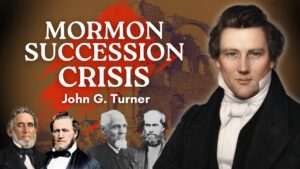
12 Responses
Wonder if this had anything to do with politics. With Mitt Romney being in a position to have more visibility nationally and a possible run again for the White House, and with an Olympic bid out there, the policy and bigotry would be devastating to both fronts and would have been under a microscope. Perhaps just one more reason among many for the church to reverse course but would be interesting to know the full scope of these discussions.
Many people have left the Church over this policy alone. It was the ‘last straw’ for them. The Church is very concerned about it’s declining membership, and I believe this change in policy is in direct response to the exodus.
The reason for the policy in the first place was to prevent lawsuits from gays for Parental Alienation, as the Church would be teaching the youth that homosexuality is a sin. This could result in strained relationships with gay parents. The Church will probably require an informed consent to be signed by the gay parents in order to allow a child to participate as a member. Few would sign it, so problem solved for the Church.
Dusty Johns, your comments REALLY make my stomach turn. You sound like a Mormon. Which probably doesn’t bother you. But your tone and your words are ADDING to the pain and hate of LGBTQ kids. You’re not helping sorry.
Wonderful, emotional, touching.
The legal and PR departments are running the church, the Nov revelation was not supposed to be public and they didn’t know how to weasel out it when it was.
This tragic fallout of yet another example of the “truth of Mormon Godliness,” reminds me of other “true believers” who obediently and mindlessly turned their children over to be abused by Jim Jones, and who willingly drank the cool aid in Jonestown.
Apparently the Mormon God changed her mind.
The podcasts on Mormon Stories are amazing and I have learned so much which I would probably not have done from other sources.
Gays are the last minority that the church can hate and go after. They can’t abuse women or Afro Americans as they have in the past, and there are so few polygamist outside of Utah they just don’t count. How can the church be true if we don’t elevate ourselves at the expense of some group?
So have they rescinded the policy on the children of polygamist, or is it that the public relations department hasn’t received a revelation for for polygamist children yet?
Let’s face it, the church gave up Christianity and Mormonism when Bruce R and Boyd K we bullying the church with their opinions…….we have been practicing Packerism ever since and the current leaders worship those two and those two worshipped themselves. Packer did nothing but dumb us down with everything he said and did, put us back into the Old Testament and Aaronic Priesthood. They didn’t know Christ or they might have acted like Him. The current leaders are the same and just like Bruce and Boyd they claim to know Him but fall short of acting or teaching like Him, But they do love dogma.
The perspective on this issue differs a good deal, geographically and generationally. Among my youngest adult offspring and their peers, it is almost irrelevant. What the church does or says regarding LGBTQ issues barely registers, as it is so uninformed and unenlightened; to young people in my part of the U. S., the diversity of ways people identify themselves and relate to each other via gender and sexuality, is simply reality, and any attitudes of bigotry and moral prejudice is an oddity without reason. While the older of my kids consciously chose their attitudes around LGBTQ issues, the youngest did not need to; the existence of people whose gender and sexual orientation are not the conventional binary that I grew up assuming, is simply a fact of life to her. That’s how quickly and fully reality shifted in the last twenty years in the East Coast U. S., at least. The Church rendered itself irrelevant, partly by ignoring this shift.
The insistence by church leaders that their Nov 2015 revelation came by way of inspiration from God, and that in April 2019 it was rescinded by way of inspiration from God is laughable. Rather than admitting that they were uninspired and in error from the start, they have laid the carnage at God’s feet. He is the guy that got thrown under the bus! Talk about hubris! It boggles my mind that anyone would want to stay associated with a church whose leaders operate in such a prideful and disingenuous way. Yes, it is good that the church will officially be more accepting of LGBT people in the future. But what will the next hurtful, mean spirited revelation be?
Here is the weird part of the legion of the Lone Ranger and Tonto. The Lone Ranger story was based on a real life Texas ranger who was a black man. They changed his skin color and gave him a Indian side kick.