
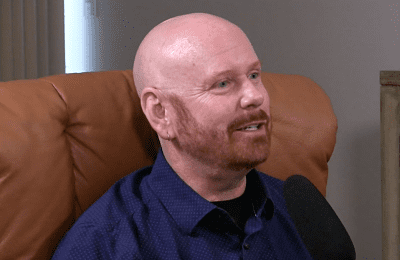
 In this interview, we interview Don Anderson (Casias) regarding the 12+ years he worked as Sr. Vice President of Patron & Partner Services for FamilySearch for the Corporation of the President of the Church of Jesus Christ of Latter-day Saints. Topics we will discuss today include:
- The process for name extraction, and the challenge to find enough names for temple work.
- The use and occasional re-use of ordinance names for temple work.
- The tendency to harvest names of famous people to do their temple work.
- The controversy around the performance of ordinances for holocaust victims.
- Concerns around the ability to prevent temple work from being done for those who do not desire the work.
- The Mormon genealogy industry.
- How FamilySearch handles the history of deceased church leaders.
- His interactions with LDS apostles during his work there.
- His own story/faith journey.
- And much, much more!
Part 1 – Don describes the scope of duplication in the LDS Church’s ordinance work for the dead: This transcript is machine-generated and lightly edited for readability. The audio is authoritative. Please excuse occasional errors in names and spelling. John Dehlin [00:00:00] Sa. Hello everyone, and welcome to another edition of Mormon Stories podcast. I'm your host, John Dehlin. It is February 28, 2019. We're broadcasting to you live from our Mormon Story studios in Salt Lake City, Utah. And we're really excited, super excited for today's interview. John Dehlin [00:00:49] Don Anderson, or as he's known now, Don Casillas, worked for the corporation of the President of the Church of Jesus Christ of Latter day Saints from 2002 to 2015 as the senior Vice President of Patron and partner services for FamilySearch. John Dehlin [00:01:07] So we have titled this episode An Insider's View of Mormon Genealogy and Temple Work. Don, in his work as a computer guy, had a lot to do with things like name harvesting, name extraction, the usage of temple names in the temple ordinance work. There's a lot of really interesting topics to discuss in today's episode. Just to give you a teaser, you know, the process for name extraction, the challenge of finding enough names to do temple work when you have, you know, theoretically millions of church members doing temple work, how do you find those names? How do you make sure that the quality of those names are good? John Dehlin [00:01:55] Sometimes people submit bogus names, etc. We've heard over the years rumors about the church recycling and reusing the same name or the same names up to dozens of times per name. So we'll get the skinny on whether or not that's true and why. John Dehlin [00:02:16] If that's true, why that's been such a problem. You know, many of you have heard about the controversies around, you know, descendants of Holocaust victims being angry that Holocaust victims, you know, were having their temple work done. Don had some, you know, connection to that work. John Dehlin [00:02:35] Of course, there always many of you who are concerned about having the ability to prevent or block your name or loved ones names from having temple work done. Then there's always just the Mormon genealogy industry, lots of questions about that, about the relationship between Ancestry.com and FamilySearch and the church. John Dehlin [00:02:58] It's also super interesting. Don had many interactions with apostles and with general authorities in the quorum of the 70s, so he can talk about that. And of course, we want Don to talk about his own story and his own faith journey, which in and of itself would merit its own Mormon Stories episode. John Dehlin [00:03:17] So we are super thrilled to have Don with us in studio. We are also very excited to have many of you joining us live on Facebook. We invite you to submit your questions and comments. Although we've already culled a few hundred questions and comments from listeners on Reddit, on the ex Mormon Reddit, but Also on my Facebook timeline and on the Mormon Stories Podcast Facebook community, we are going to ask as many questions as we can in the time that Don can give us. John Dehlin [00:03:51] So as far as just news goes, we're going to skip the. We're going to skip the announcement section and just jump right into the interview. So without any further ado, Don Anderson Slash Casillas, welcome to Mormon Stories Podcast. Don Anderson [00:04:07] Thank you. It's great to be here. John Dehlin [00:04:09] Anything I left out of the introduction, in terms of the types of topics Don Anderson [00:04:13] we'll be covering, I think it was great. John Dehlin [00:04:14] Okay, so we're going to do something a little bit different this time. Normally, we spend a lot of time with, you know, with the interviewee's story, and then we deal with the subject matter. Because there's so much interest in this subject matter, I'm going to reverse the order just a tiny bit. We're going to just do touch lightly on your story just to get you up to the point where you started working for the church. We're going to dig deeply into your time at the church and a lot of these questions that people have. And I know that by then, people are going to be gripped about you and who you are and why you're even willing and able to come out and speak now. And so we're going to end with your epic story and sort of end on the strongest note, the most personal note. How does that sound? Don Anderson [00:05:06] That sounds great. John Dehlin [00:05:07] All right, so let's begin, if you don't mind. And by the way, listeners, for those of you on Facebook, you know, we always appreciate if you can like our Mormon Stories Podcast Facebook page, or give us a positive review. For those of you who are willing, it'd be awesome if you could share right now this live interview on your Facebook profiles, in, you know, on Reddit, in Instagram, wherever you do social media, on Twitter. And you can give a little teaser about the types of topics we're going to talk about, because I think people are going to really want to hear about this, you know, this episode. John Dehlin [00:05:44] We spend billions and billions of dollars, or the church spend billions and billions of dollars, you know, each year and. Or, you know, historically. And all the time and effort that our loved ones spend doing genealogy, you know, it's really important for us to kind of get an insider's view of what they're doing, how much of that is meaningful versus not how it's functioning and what it all means. And so for those of you who are willing, please share this episode now on your Facebook page, on your profile on your timeline. If we could get up to 30 or 40 or 50 shares today, that could really spread the word and help get the word out on what's going on and, you know, provide people with answers for questions that they have around genealogy and temple work. John Dehlin [00:06:31] So please do that if you can. So without any further ado, Don, why, why don't you give us just kind of a high level, quick, you know, kind of summary of your early church years that led you to church employment? Sure. Don Anderson [00:06:46] And by the way, it's interesting we're doing the interview this week because it's the week of the largest genealogical conference in the United States here in Salt Lake that the church puts on called RootsTech. So you've got genealogists from all over the United States to some extent all over the world here in Salt Lake this week meeting to geek out on family history. John Dehlin [00:07:08] I think I just saw that the church gave a couple million bucks to Don Anderson [00:07:12] some organization and affiliation, African American museum, I think. Yeah, I saw the same announcement, but me to some extent, a kind of typical growing up Mormon story. I was the youngest of six kids, kind of a serious caboose, eight years between me and my nearest sister. So I joke that I'm kind of a only child with siblings because for most of my growing up years, I was the only child at home. Interestingly enough, just from a pure kind of maybe stereotypical Mormon perspective, I'm the youngest of 52 grandchildren. My mother was the youngest of 18 children in her family. My grandfather was married and had six daughters with his first wife and then married my grandmother and had 12 children with her. Don Anderson [00:07:56] So I'm part of a big Mormon family that goes back long way with pioneer ancestors that came across the trail. I have great great grandfather that's buried on the border of Wyoming and Utah that died crossing the plains. Don Anderson [00:08:13] But I grew up somewhat in Utah. I lived here until I was six, then moved to Colorado and lived there until I was 17. My dad worked for the FAA and moved us out there and then moved back here. And I've lived here in Utah ever since, other than now I live in Colorado, but lived here ever since other than three years that I spent in the UK for work. So that was kind of me. I got married when I was in my early 20s, two boys, both grown adults now. Don Anderson [00:08:47] So that's, I don't know, that's kind of me in a nutshell. I've served in. I know I served in a bunch of callings throughout time. And the young men served as executive Secretary or ward clerk, I mean in the Bishbrick, but before I moved to the uk, served as mission leader during the three years that I lived in the uk. Then when I came back, a variety of callings again, Gospel doctrine teacher. A couple times I served in bishopric for a few years as first counselor. Don Anderson [00:09:18] And then my career has mostly been in call centers. So I worked for outsourced call center companies. I worked for the same company kind of as a job to put me through school. And they gave me lots of promotions and lots of opportunities, so I kind of grew with them. And then one day I was driving down the freeway to work. I worked down at 45th south in salt Lake, and I got a call from a recruiter that said, hey, there's an interesting opportunity. The church is looking for somebody. They're trying to grow more worldwide in terms of the help for individuals finding their ancestors with FamilySearch. Don Anderson [00:09:53] And FamilySearch is looking for a senior vice president of Patron Search Services. And so there's few times in your life when you can get your spiritual life to align with your work. And so it was an interesting opportunity. And so I went down and I joke and say four months later and 17 interviews later, they extended an offer to me. And FamilySearch at the time was in a kind of huge transitionary period of, of really, I would say, reinventing itself. They brought in a new managing director who's from Silicon Valley, super smart guy, incredibly fun to work with. John Dehlin [00:10:31] Are you okay saying his name? Don Anderson [00:10:33] I'm okay with his name. Hopefully he is, but Jay Verkler is his name. Just a super smart guy. Loved working for Jay. One of the brightest, most capable individuals I've ever worked for. Challenged me to grow, challenged the organization and kind of a square peg in a round hole for church culture because he kind of took no prisoners and didn't take no for an answer. And so he was great in terms of working for the church because he was willing to do what it took to help change to happen in an organization that really, really needed change. And so he brought in a bunch of people from the outside. I was one of them. And we set about trying to reinvent family history with an organization that's been around for, since 1890. John Dehlin [00:11:21] So, so let's, let's back up. What can you tell us about the history of Mormon temple work and name extraction, Kind of the stuff that happened before you even got there, and any evolution of our, of the church's genealogy work, the management of data and information systems in the temple that preceded you know, your joining and your boss joining. Sure. Just so people can know some of the complexities and difficulties. Don Anderson [00:11:53] So in some ways family history is kind of the more things change, the more they stay the same. So the problems of family history, I would say, have been the same almost since the beginning. It's a problem of number one, how many members are actually interested in it. Everyone would like to have their ancestors have their ordinances. So that's, let's back up. John Dehlin [00:12:12] What's the doctrine give us for those, for the non Mormons that are listening, what's the doctrine that we're trying to satisfy here? Don Anderson [00:12:20] Sure. So Joseph Smith, early on in his teachings basically revealed the doctrine of individuals who have not had the opportunity to have their ordinances. Those things that are required to reach salvation. I'll speak in generic terms and then I'll speak in LDS terms. But those things that are necessary for salvation, that those could be completed by their ancestors on their behalf and then that ancestor could choose to accept it or not. So yes, baptism, confirmation, initiatory, washing, anointing, endowment, sealing, both sealing to parents, sealing to children, sealing to spouse, those are the temple ordinances. And so that kicked off those individuals that went down to the river and baptized their ancestors and then had to get them recorded, that kicked off a set of very complex kinds of things. Don Anderson [00:13:15] So if you look at the complexities of the activities around family history and temple work, they're basically in the organization and identification. So you've got the complexity of identifying who actually your ancestors are, identifying the John Smith that is your John Smith from the other billion John Smiths that lived and figuring out which one they are, organizing that information and then ensuring, knowing whether or not temple ordinances have already been performed. Because we, we look like a big pyramid in terms of we're at the bottom with lots and lots of people, and at the top is Adam and Eve, and then there's all of us in between. Don Anderson [00:13:53] But we share a common ancestry and so might be very possible. Matter of fact, it's probably fairly likely you and I share some ancestor back there. And so how do you organize this so that once I've submitted it and the ordinances have been completed, that someone else doesn't need to do that work again? Don Anderson [00:14:11] And how do you organize that work both in terms of finding the ancestors and then submitting them for temple ordinances and then assuring that there isn't duplication? So if you go back to kind of pre computers, this was all done by hand. So initially, by the way, members just Performed the ordinances in the temple. And there wasn't any duplication checking. But at some point, I don't know exactly when, somebody got smart enough to say, hey, we have. We share common ancestors, so we should check these. And then the church started manually checking them. So there was a whole group of individuals at the church office building that basically checked for duplicates against ordinances. Don Anderson [00:14:47] So you'd mail it into church headquarters, and they'd mail you back. And there's lots of stories about the pedigree charts that you did back, dripping with red ink from those that were checking them and telling you things that you had wrong that you needed to fix. And it created some serious demotivation for members to get involved. Don Anderson [00:15:09] And over time, at that time, it was also pretty expensive. So I either had to travel to the archive to go and look at the records, or I had to write back and forth and send them money for copies. And so the church began, I'm going to say, early 1900s, although I could be wrong by a decade here or there, in terms of sending out cameras into the field to be able to capture pictures of the digital images. So this vast microfilm collection that the church has now, that has more than 3 billion images in it, has basically been accumulated over about 100 years of sending cameras into the field and basically taking pictures of birth, marriage, birth records, death records, marriage records, military records, wills, all kinds of different records that have been accumulated over time from a variety of countries where members have ancestors. Don Anderson [00:16:05] And then as computers came along, a part of what the team that I was a part of did was the conversion to digital. So I would say ancestry really pioneered this, but the church got on board pretty quickly and began digitizing records, but to go back to the extraction. So the problem started to emerge in those areas that I talked about. It's organizing, it's checking for duplicates. John Dehlin [00:16:32] So basically, members would do their genealogy, and they would trace back as many ancestors as they could. Don Anderson [00:16:39] Right. John Dehlin [00:16:39] And they would try and decide if they were members or not. And if they weren't members, then they would what, submit it to church headquarters? Don Anderson [00:16:48] Yeah, initially just do them, and then later submit it to church headquarters and get it back. And then they could take that into the temple to have the work done, and then it would get recorded in the temples and reported back and kind of closed the loop. John Dehlin [00:16:59] So there was a time when they would just do them, bring their own names and just do them at the temple. But then at some point, the church said, hey, wait a minute. Don Anderson [00:17:07] What we have to Organize it. And so we have to track it, John Dehlin [00:17:10] make sure there aren't duplicates in it. Don Anderson [00:17:11] It has to be recorded, and then make sure there aren't duplicates in it. So that started off all manually. And then as computers got introduced, two things happened. Number one, less members were doing family history than were going to the temple. So they were facing a point in time where they were running out of names potentially to do baptisms. John Dehlin [00:17:31] Any idea around what year or decade that. Don Anderson [00:17:33] So you're looking at probably the 1950s, 1960s in that era, the kind of beginnings of what became called the extraction program. It wasn't called that to begin with, but it became the extraction program started around the early 60s and really was in full gear into the 70s and then on into the 80s really up until now. It's still going on now to a large degree. Don Anderson [00:17:57] And the program was this. It started off with genealogical work for anyone who's done it is complex. Genealogists are some of the smartest people I know. They know about history and military records and everything there is to know. But it's complex to go in and look at records and try and figure out sometimes they're in different languages than you, often they're written in very hard to read handwriting. And often they're just hard to interpret and identify with. The complexities of knowing that this person in a birth record is the same as this person in a marriage record is the same as this person in a death record is the same as this person in a military record. Don Anderson [00:18:32] This is complicated. And so it takes a lot of training. And the church at some point said members don't need to probably do all of this work. It would be better if the church just did it, given that we all have shared ancestry. And so they began a program where they basically selected individual records. So primary birth records and marriage records became the extraction program. So you do basically baptism confirmation, initiatory and endowment off of birth records. And then you do your sealings off of marriage records. And you could also do parent to child, sometimes off of the birth record. If the parent was listed. Don Anderson [00:19:12] You could do a parent to child sealing off of the birth record. And so that launched into the extraction program and started feeding the temple with names. And so for most of our lives, we didn't really think much about it. We just go to the temple and go do baptisms and all of that stuff was just handled behind the scenes. And there were names there and we'd do them. Don Anderson [00:19:31] And the church essentially selected the kind of densest, most name Rich records. And these may or may not have been related to members. And a part of the problem with that program was it while it ultimately, I suppose, might have done all ordinances, they weren't necessarily matched. Don Anderson [00:19:52] So you didn't know for sure that Jane Smith over here had her ceiling done to her spouse. Because you're doing records very separate. You did ordinances out of order, which isn't necessarily a big deal. You often do the sealings prior to the baptism or confirmation. But the problem is they don't get organized into families. You don't necessarily know that you've completed all the ordinances and you don't know what's missing. And so basically there was this famous talk by President Packer in the, in kind of the early 80s, where he came in and talked to the family history department, maybe early or late 80s, somewhere in there, and basically said, you've strayed from your ancient moorings. Don Anderson [00:20:38] So it was this famous talk, the entire department together, and basically President Packard kind of saying, you guys have screwed up and you've strayed from the foundational principles of what is family history work. John Dehlin [00:20:50] What did he mean? What were the problems that he was Don Anderson [00:20:53] concerned about that members responsibility. This is a spiritual work. So members responsibility is to identify their ancestors. And there is something both ennobling and spiritually fulfilling personally, as you identify your ancestors and you take their names to the temple. And the department had turned this into a temple machine, I guess I'd call it, where extraction was feeding the names. People went and had spiritual experiences in the temple, but they were only getting half the experience because they weren't getting that wonderful feeling that you get as you perform ordinances for your ancestors. And so thus began an effort to try and reinvigorate members. And you had the four generation program that kicked off after that, where everybody submitted the four generations and they were encouraged to go back further than that. Don Anderson [00:21:42] And the problem was getting individuals engaged because the more and more work was done, the more and more complex this got. And then you got a whole set of computer systems that launched with Temple Ready and PAF and the International Genealogical Index, which was essentially an index of all names that had been submitted for temple ordinances. And it had temple ordinances attached. Don Anderson [00:22:03] So that's kind of the history. And that kind of brings us up to present. So the church had accumulated a variety of databases. So there was Pedigree Resource File, there was Ancestral File, there was the International Genealogical Index, which is the index of all temple ordinances that have been done that had some family relationships in it, but not much. Don Anderson [00:22:23] So you had all of these disparate records, but not very organized, and you couldn't know who was the same across all of the record sets. So that kind of sets the stage for all of us kind of entering as a team to try and solve this problem and bring a solution to bear for the church to be able to simplify the process of finding ancestors and organize the work for the temples. John Dehlin [00:22:49] So there are, there are things that have been rumored for decades, so things like, you know, one person's name, you know, let's just say dozens of people doing ordinance work for the same person, which means that dozens of people would be spending all those hours going through the temple to do these ordinances when it was non efficacious. It was for no reason other than for the person to have whatever spiritual experiences they may or may not have had. But that problem of lots and lots and lots of names being reused, there are rumors that at various points in history, the church ran out of names, literally. John Dehlin [00:23:31] And so maybe even consciously, we're having members redo names over and over again of people whose work had already been done. Then of course, we would see from time to time that like Hitler and Eva Braun, really controversial historical figures had had their names work. And then I found out that Hitler and Eva Braun had been sealed like 10 different times to each other. John Dehlin [00:23:58] So there's that as well. How much of that is folklore versus true? And can you tell us about some of the main problems that occurred before you arrived? Was any of that happening before you arrived? Don Anderson [00:24:14] Sure. John Dehlin [00:24:15] And if so, talk about that before we talk about how you fixed it. Don Anderson [00:24:18] Yeah. And while I was there. Okay. Both really. John Dehlin [00:24:22] So talk about the ones that definitely happened before you arrived. Don Anderson [00:24:25] Sure. This is a long term problem. The fact is, there are individuals who've had their ordinances done, hundreds, probably even some, that have had their ordinances done thousands of times because they have a lot of ancestors who are members of the church. And quite frankly, because early on, the church didn't really have restrictions about who you could submit. And so all the founding fathers were baptized at some point. I would say virtually every famous person in the United States has had their work done multiple times historically, and not so much these days, although it still does happen occasionally. But and so this problem was. John Dehlin [00:25:09] Can I jump in there? Sure. So when I was at BYU as a student, I dated a girl named Elisa Probst, and her dad was a really faithful Mormon who had multiple sclerosis. So he would, he would. He was bedridden you could barely communicate with him. But he was viewed as sort of this lion hero in the family because all he would do in his spare time with Ms. Was extract names. And so he would extract as many famous people as he could, and then he would get all the friends and family members that he could, and they would all go to the temple on the same day, and people would be assigned names of famous people. So I was assigned the name of Aldous Huxley, who I think wrote what a Brave New World. Don Anderson [00:25:59] I think so. John Dehlin [00:26:01] And I was just super excited to be doing work for someone who was famous. So, anyway, what you're saying is this happened all across the church and not just famous people, but also ancestors. And so members for decades and decades were doing work over and over again for people whose work had been done a long time ago and in a sense, kind of wasting their time. Is that. Don Anderson [00:26:24] Yeah, I'll separate between kind of what the church was doing in extraction in which there is very, very little duplication, like less than a tenth of a percent of duplication in what the church does in the extraction program because they select unique record sets, extract those and send them in for temple ordinances versus what members do and what we call personal extraction projects, which it sounds like your friend was doing, where individual members will go and pull whole sets of data that they may or may not be related to and submit that for temple ordinances, member submission. And those kind of personal extraction projects in the past had high rates of duplication, sometimes as high as 30, 40, 50%. Don Anderson [00:27:10] So this notion that the church is somehow recycling names or the church is intentionally doing ordinances over and over, I think is complete nonsense. It definitely did not happen while I was there. I don't see any culture. I would actually say the opposite, that the individuals that work at FamilySearch, that work in the family history department, are absolutely dedicated to helping individuals to find their ancestors and feel a spiritual connection to this work. There's no way any of those individuals would intentionally submit duplications through the temple. That would be so counterculture, so counter doctrine. I just. I can't imagine it ever happening. I can tell you it didn't happen when I was there, but I don't know of any time that it ever has happened. Don Anderson [00:27:53] Has at some point a batch been submitted twice in error and ordinances gotten duplicated? Sure, because errors happen, but intentional duplication? I don't think anyone has ever had intentional duplication. The majority of the duplication has been because lots of us have common ancestors and because Sometimes members bypass the duplication systems that were there, or sometimes in the early days, they just weren't very good. And so you ended up with lots of people with their ordinances done many, many times. John Dehlin [00:28:22] So just so I understand, at some point the church put together a system to try and track everything and prevent duplication, but in parallel to that, members were extracting their own names. Does that mean they weren't forced to vet those with church headquarters? Don Anderson [00:28:37] Forced is a strong word. So the first, probably serious, outside of when you were submitting it as church headquarters was temple ready. And temple ready used the International Genealogical Index on the back end to double check duplication. But the question is, how good is the duplication checking? So if the original record was submitted with a birth date and you submitted it with a marriage date, it still would process, but it's the same person. The system just didn't know it. Or if you submitted somebody who's place of birth was slightly different, it might not flag it, or you might not think it's a duplicate, even though it really is, because the relationships weren't there. Don Anderson [00:29:15] So you couldn't see how this was related to you. All you could see was a name, a date and a place. And then you had to decide was that the same person when it presented that. And quite honestly, the more duplication happened, the more duplication was. Then kind of the more duplication there was, the more duplication happened. Because there's one of these where I submit a name in at Temple Ready. When you used to bring it up, you'd pull it up and sometimes you'd get a list of like 30, 40 names, and you look at the first one and say, I don't know, might be, it might not. Don Anderson [00:29:49] Well, I'll say no, just to be safe. And then after you've done that four or five times, it's just like, I'm not looking at it anymore. I'll just submit it. Because the worst that happens is it gets done again. But I want to make sure my ancestors got their work done. And so at some point, the duplication itself started actually causing more duplication to happen, because there were just so many records to look at that no one wanted to go through that process. And the personal record extractors in many ways were the worst because they would often do records that the church may already be extracting. Don Anderson [00:30:19] They weren't individuals that they were related to, and they were some of the worst at actually doing duplication checking. And they'd figure out ways to bypass the duplication checks and submit It. So most of the duplication is just, I would say, both honest mistakes that members were making in submitting names, all the way down to, I just want to do the name of this ancestor. I know they've been done, but I personally want to go through with them regardless of that. So I'm going to submit it anyway. John Dehlin [00:30:45] Okay. So you have a hard time imagining, you know, some bureaucrat or general authority at the church saying, oops, we're out of names. Let's just reuse all these names and fool the members into thinking that they're doing new names when they've already been done. You're saying you have a hard time imagining that? Don Anderson [00:31:01] I don't believe it ever happened, and I can't imagine it ever happening. John Dehlin [00:31:04] But what you're saying is there was this independent effort of members to gather their own names, but the systems that were used to try and prevent duplication had no way of really knowing for sure whether a name was duplicated or not. Plus, all the people involved had different levels of expertise or competence or whatever private motivations they had. And so it was an inadequate system that was in place or an impossible problem to solve that led to, what, tens, hundreds of thousands of names and records being millions. Millions being probably tens of millions, as Don Anderson [00:31:51] a matter of fact, I would say hundreds of millions of duplicates. John Dehlin [00:31:54] Hundreds of millions of people doing baptisms for the dead and endowments for the dead and sealings for the dead over and over and over again for people whose work had already been done. Don Anderson [00:32:06] Yeah, I would say there's easily more than 100 million duplicates inside of the family tree today. I don't. I. When I left, I think we were John Dehlin [00:32:13] about whose work has been done. Don Anderson [00:32:14] Oh, yeah. I would say when I left, There were about 1.2 billion individuals in the tree. And I would say the many, many inside of there had their ordinances done multiple times. So I might even be understating at 100 million, but I'm not overstating. John Dehlin [00:32:30] So are you saying maybe 30%? Did you. I heard you thought that number. Let me just put a stab. Are you saying that maybe 30% of all temple work has been on duplicate names? Don Anderson [00:32:39] I would say that's probably fair. John Dehlin [00:32:43] Okay, so you're saying a third of all temple work has been done on people whose work had already been performed? Don Anderson [00:32:49] Yeah, that's probably fair. It depends on where you're from. So if your ancestry is from England or if your ancestry is from Scotland or Scandinavia, super likely that the work has already been done for all your Ancestors. I mean you'll find the odd ancestry here and there that didn't get done, but most of it's been done. If you're from Latin America, very unlikely that you're submitting any duplicates or that duplicates were done. So most of the church extraction is focused on areas with really good records. The UK in particular has been almost completely extracted and indexed. A lot of Scandinavia, some of France, but not much elsewhere. It's where there were rich records and high concentration of LDS ancestry. John Dehlin [00:33:42] So I think that's going to be staggering because there's a lot of sacrifice. I mean, I'm imagining people, you know, these people in Guatemala spending their years savings to do this temple trip and to make all this, to give all this time and all this effort, not to mention all the temple workers sacrificing their retirements and their good years and their bad years and whatever. And all the money that's spent on these temples for all of that effort and all that member time and leader time and tithing dollars spent to find out that a third are just duplicates and not really efficacious. That's kind of. I'm kind of overwhelmed. Don Anderson [00:34:26] Yeah. Hence the problem when we entered. I mean the church recognized, I would say no one knew how large the problem was. They knew that there was duplication inside of the records that was clear and there had been steps taken to do it. Temple ready was a step to try and move in that direction. The IGI was. But everyone knew there was duplication in the record. Don Anderson [00:34:50] The pure seriousness of the duplication we didn't know until we started organizing them into families and creating the family tree. And when we started to create the family tree, the level of duplication became. Staggering is not a bad word to use in that spot. It was so bad as a matter of fact that the basic design of the tree for some individuals wouldn't hold them. So we had kind of what we called individuals of unusual size. Some programmer watched too much Princess Bride and so they called it individuals of unusual size. And these individuals had so many duplicates that the system actually couldn't load them. Don Anderson [00:35:34] So we actually ran out of memory in the processor when it tried to load up these specific individuals. So we had to block access to them for a little while until we fixed the software to be able to load these. And sometimes you'd have a 30 minute load time to try and load this person up because there were so many duplicates on them. Most of these I would say were kind of in the early church leader or kind of the kind of most prolific early polygamists, I would say, that had lots of children. It had been submitted over and over and over and over and over again. Don Anderson [00:36:07] And it wasn't just temple ordinances submitted. It was the combination of pedigree, source file, ancestral file, and temple ordinances where all of those submissions, we basically merged them into a single database and then tried to lineage link it all up to where we said, this is how it's all related. Don Anderson [00:36:24] And sometimes we could. There's still a bunch of free floaters out there in the tree that aren't connected to anyone because we don't know how to connect them and someone hasn't connected them. Families have done huge amount of work on the family tree to organize it, but I would say that was the first time when the pure nature of how much duplication had happened was clear. John Dehlin [00:36:46] So I can believe that there'd be no leader consciously intentionally deceiving members. But I can imagine a scenario prior to your arriving, maybe even decades before you arriving, where this problem of duplicate ordinances would have bubbled up. And I can see leaders trying to do the math. In their minds, the cost and the complexity of trying to solve this problem is probably going to be very large. We definitely don't want to run out of names, so maybe I'll punt and kind of avoid solving this problem. And even though we know there's massive inefficiencies and duplicates in terms of what the members are doing, better to just keep them busy, keep the temples running, not have a big PR scandal of people finding out that a third of their work is kind of a waste of time. I can imagine that being possible. Don Anderson [00:37:45] Maybe. I have to say, most of my experience with general authorities has been good individuals who are trying to do the best they can within what they know. And so I tend to not attribute much in the nefarious space because I mostly think they're trying to do the right thing really consistently. I think the same is true of the department. I think the limitations have largely been the complexity of managing billions of records. In an early computer era, we kind of think about managing billions of records every day now. But in the 70s and 80s, this was a much bigger problem than it is now, I think, to a large degree. Don Anderson [00:38:25] Could the church have done more? Sure. Could they have been more transparent? I think in general, the church could be more transparent about a lot of things. So I think that's true. Would it have been helpful? I'm not sure. Don Anderson [00:38:38] I think there definitely was a desire to have more training. If the members had understood a little bit more of the duplication problem, I think they might have been a little more careful about what was submitted. Certainly for the individuals that were submitting thousands and thousands of names that were doing personal extraction project, the department got directly involved with them to either stop them or to get them in a space where they were creating less duplication. Don Anderson [00:39:05] So I don't know. It was a big problem. And I would say virtually everyone in the organization was aware of it, just not the extent of quite how bad it was. John Dehlin [00:39:16] Okay. Any other big problems that existed prior to your arriving that were really vexing the church? Don Anderson [00:39:23] Sure. We're starting to run out of temple names. John Dehlin [00:39:25] So they were running out. Don Anderson [00:39:27] Yeah, absolutely. When I got there, as a matter of fact, at one point, we were down to two months of inventory for female baptisms. First of all, on endowments, we will never run out. There are more baptisms done every year than there are endowment sessions. John Dehlin [00:39:40] Just because the baptism. Don Anderson [00:39:41] There's an infinite supply of right now of endowment names. John Dehlin [00:39:45] Because baptisms happen so quickly. Don Anderson [00:39:47] Baptism takes 20 seconds and an endowment takes. John Dehlin [00:39:49] Fred Jones, I baptize you for. On behalf of Jose, who's dead. Don Anderson [00:39:54] Right. John Dehlin [00:39:54] But endowments, at least in the. But the prior endowment ceremony, before they changed it recently, would take what, an hour and a half? Don Anderson [00:40:02] Or close to two hours, maybe it's down to an hour and 10 minutes. I haven't been through since they did the changes. I hear it's shorter, but even that, it's still fairly long. I mean, it's still. Even if they got it down to an hour, it's still, you know, 100 times, 200 times more. John Dehlin [00:40:17] Also, because youth can do baptisms for Don Anderson [00:40:19] the dead exactly right. John Dehlin [00:40:20] But adults can't. So we'll never. Until the millennium, we'll never catch up. Don Anderson [00:40:26] Unless you get the endowment down to 30, 40 seconds, then, yeah, we'll never catch up. I don't see how that could happen. So initiatory is really quick. You don't really have much of a backlog there. It gets done pretty much real time. Baptism and confirmation are very quick, but endowment is the bottleneck from an ordinance perspective. I feel really transactional when I say it this way, and I don't mean to be so transactional about spiritual things, but it was what we were managing at one point. We were down to literally two months of female baptism names before we were out, and we had no more names to submit. Don Anderson [00:41:03] And so, to be honest, there were a few things done. One, we stepped up some of our extraction initiatives for a while until we could get members to be submitting more names. Second of all, we simply reduced the amount of names that youth could do. I don't know if you remember when this changed, but it used to be you went to the temple and you'd do five names. It got changed to two. Don Anderson [00:41:21] And then we actually started spacing out youth temple trips further to say they could only come to the temple once a quarter instead of once a month. John Dehlin [00:41:28] Wow. So there was a proactive effort to Don Anderson [00:41:31] reduce the limit of youth baptisms for the dead because we were seriously going to run out of names. And youth would come to the temple and we'd say, sorry, we have no names to do today and we didn't want to be in that space. So it was a serious problem. We came very close to running out of female temple names. And the reason female is the issue is because females are less dense in records. There's less females represented in records than there are males in general. And then second of all, more young women go to the temple than young men. So you both have a demand problem and a supply problem when it comes to female temple names. John Dehlin [00:42:03] Too many young girls doing baptisms for the dead for too few names. Because in patriarchal societies we don't care about our women, so we don't track them as much as we do men. Okay. It's hard to imagine that before you accept experienced that two month crisis, that the church had never run out of names before. Don Anderson [00:42:22] Well, they came close, as I understand the history. And there's actually a really good book written about this if you're interested in the history. It's super dry, but it's called Hearts Turned to the Father by Kalil Mehr. It writes the whole history and there's a lot of details in there around that. It's mostly where I got my as I started at FamilySearch, my early history around things like Adoptive ceilings and things like the temple extraction program. But as I understand it, there was a time just before the early 60s when they were also in serious trouble around names, which is one of the reasons why the extraction program was kicked off. Don Anderson [00:42:58] And I think after extraction got seriously going, there was, I won't say there weren't issues with inventory occasionally, but in general there wasn't an inventory issue. The problem is, as we started to get into, you know, the early 2000s, is that the rich record sets that had been. We were coming to an end of rich record sets where we could be assured that there weren't duplication to Be able to use. Don Anderson [00:43:26] And so there was discussion of using record sets that would have higher rates of duplication. So, for instance, you can go into the census and get some records out of the U.S. census that are really easy to extract and have great family relationships in them, but it's not a unique record set like birth records are. And so I'm not sure we ever got to that. It's possible at some point there were some submitted. I honestly don't remember out of those, because there was some discussion of if we got desperate, we could. Excuse me. If we got desperate, we could dip into the census records for submission. I don't think we ever got to that point, but we did get pretty close. John Dehlin [00:44:04] Okay. Yeah. And so this. This system of individual member inefficiency that you described, that's a great safety net. If you're ever concerned about running out of names, you just know that the members can keep churning and producing whatever names they have. Don Anderson [00:44:21] To some extent, they want to do it anyway. I mean, this is a part of where even when you have the best duplication in the world, members will submit a duplicate name just because they want to do the name for that person that they were close to. As a matter of fact, one of the problems that we got to as we started really organizing the work and showing that ordinances were completed was when grandma dies, who does her ordinance work? Don Anderson [00:44:48] Because in the past, kind of everyone could just submit it and do it. And even if they shouldn't, and even if they do, they should do groundwork. But also, by the way, there was a delay in terms of when it showed up in the ignition to when it was performed. So if you did it all within about six months, you could have, like, 10, 12 people do grandma, and they wouldn't even necessarily be aware that everyone had done it. But now all of a sudden, when you went into family tree, you could see grandma's ordinances available and you could do them. Don Anderson [00:45:17] And then who gets to do it? And a bunch of family feelings around, well, Sally did grandma's ordinances, and that was what we agreed to, and I was the one that was supposed to do them. And all of a sudden, you have this occasional conflict in families where feelings are hurt over who did your favorite ancestor's relative. It was one of the, I would say, unforeseen complexities out of family tree and reducing the capability of doing duplication. John Dehlin [00:45:46] Okay, okay. So there's running out of names. There's ordinances being done repetitively. Any other big problems? Don Anderson [00:45:58] Ongoing problem. You mentioned the Jewish issue. I mean, I was in. John Dehlin [00:46:02] Did that happen before you got there? Don Anderson [00:46:04] Yeah, talk about that. It had been going on for quite a while. I'm not sure when it started, but at some point, I think there were a combination of Jewish groups who are often involved in family history and some ex Mormons that I would say were intent on embarrassing the church. That would highlight every single bad thing that happened. But the Jewish community in general was incredibly offended, I think, reasonably, because Holocaust victims were being baptized. And from their perspective, these were individuals that died for their faith. And now the church is baptizing them. And it seemed incredibly disrespectful to their memory, to the sacrifice that they made, and they turned it into a PR campaign that was incredibly embarrassing to the church. John Dehlin [00:46:54] Yeah. And just in my experience with Mormons, not only are they not anti Semitic, in some sense, they're kind of pro Semitic. Like, we have a love for the Jewish people because we, you know, because of the Book of Mormon and Joseph Smith. We care so much about the pure blood of Israel, and that's who they are. And so I remember in my teen years how excited Mormons were to go to the temple and get baptized for Holocaust. Don Anderson [00:47:21] Right. John Dehlin [00:47:21] You know, we thought it was awesome. Yeah, it's like returning the Jews to the, you know, to the true faith. Don Anderson [00:47:28] And so the ordinances were, I'm going to say invalidated, but I'll at least say hidden. John Dehlin [00:47:40] Okay, so how'd that happen? So a bunch of Jewish groups complained, Don Anderson [00:47:42] so the church agreed not to. The church agreed to discontinue doing Holocaust victims unless they were a direct ancestor of a member. And there was a special process to go through to clear Holocaust victims names. The problem is identifying them all, ensuring that they don't get submitted, catching them before they get done. Don Anderson [00:48:01] Which in an era with family tree, again, that's a little bit easier. You can add them in the tree and then lock the record down, and then it'll show up with duplication, and you can put in triggers there to flag them. But prior to that, it was very difficult to identify them. If you had any minor variations in spelling, any minor variations in dates, it's very hard to identify. So duplication, I would say duplication on the Holocaust victim continues. Now, when I left, it was at a relatively low level. It was maybe one or two, a quarter that were getting done. We provided quarterly report back to one of the main Jewish organization that we're working with on the number of names that we'd done. Don Anderson [00:48:41] And basically they get suppressed and locked so ordinances are. This is where I say I'm not entirely confident as to whether or not they were invalidated or whether or not they were simply removed from sight. But one of those two. John Dehlin [00:48:58] So tell us how this. So the church can make an agreement with these Jewish organizations to do their best to not allow Holocaust victims to be baptized. So they kind of make that promise. Then they would go to the IT people and say, do all you can to make sure this doesn't happen. So what would be the system that would prevent that from happening to the. Don Anderson [00:49:21] So with Family Tree, the way it works is the Holocaust victims exist inside of the system and they're locked. So you cannot submit them for temple ordinances. And if you add someone that matches to those, there's a system that checks it and it'll flag it. And then we can validate it. And then if one of them is your ancestor, again, there's a special process that you can go through where you can submit them for ordinances, and then we just validate that you are actually an ancestor or a descendant of this person and then clear that for submission. John Dehlin [00:49:51] Okay, so talk me through this, because I just want to understand a little deeper. So Fred Jones is in Iowa, and he comes up with a name. Okay, is he allowed to just. In 2019, is he allowed to just go to the temple, submit the name and do the work? No, he can't do that. So what does he have to do? Don Anderson [00:50:11] So what we implemented, this is kind of a part of what the change happened. What we implemented when we brought all those records together in the Family tree is that is the way in which you submitted ordinances. So you didn't go to the temple, you didn't submit it through Temple ready. You actually submit through the tree itself. If there's already online, Is that some. Okay, so there's familysearch.org, the family tree that's there is an organization of all that members have submitted and quite a lot of general public users as well. Don Anderson [00:50:39] And it has ordinances attached. If you're not a member, you can't see the ordinances. If you are a member and you log in with your credentials, then you can see the ordinances that are there. This, again, was a part of the work, I would say. Don Anderson [00:50:50] One of the things that I probably disagreed with when I was there was this notion of what I called hiding ordinances. So we put the ordinance information in the IGI behind a member login. So you had to log in to see it. And Family Tree, you can't see ordinances unless you have member credentials. John Dehlin [00:51:12] So we were intentionally hiding the ordinances from the public and only allowing members. And we still do that today. Don Anderson [00:51:19] Absolutely. I think it's mostly because the church was embarrassed a lot about individuals having ordinances done that may or may not have been related to members that were famous. And I think there was a desire, because this happened over and over again to reduce the visibility of ordinances. So the chance of somebody stumbling across it was less. I was. I will say that's my interpretation. John Dehlin [00:51:44] Yeah, yeah. Don Anderson [00:51:46] That didn't come as like, this is why we want you to do it. But that's my sense of it. And I pushed up against this a bunch because my view was I thought we should just be transparent and let people see ordinances. Don Anderson [00:51:56] I just, I don't see the ordinances themselves are sacred. The fact that they've been done is just a part of what church does. Yeah, but it's fine. It works. All right. Anyway, so when these individuals are added in, the way you submit is through the tree. And if somebody already has their ordinances done, it won't let you resubmit them. Now you could potentially add a new person, but then it also does a duplication check. And when I left, we were in process of doing a much tighter screen against that. So initially it would just present it to you and say, we think this person is a duplicate. Don Anderson [00:52:34] And unlike igi, you see this person in the context of their family. So this John Smith that you may have thought, well, I'm not really sure if that's it. When you see that it has the parents and children, that this person has the parents and children and spouse of the person you're about to submit, you know it's a duplicate. Don Anderson [00:52:53] So initially with family tree, you could just say, okay, I don't care. I'm going to submit it anyway. And you could yet create another duplicate. They've been increasingly tightening that up to where if it meets a certain set of criteria, you simply can't submit it without additional approval, even if it kind of passes that threshold. There's been a lot of work to try and reduce duplication, and it's come down. When I left, duplication, I think was sitting somewhere around 8% for member submitted ordinances. So still high, but not nearly as high as it was and on its way down with a goal to try and get us to under 4%. So I would suspect right now that they're probably in that under 4% or 5% range for DUP duplication. John Dehlin [00:53:34] So if you know, Mormon John Smith in Iowa submits Holocaust survivor Seth Goldstein to. If he's got who he's married to and the marriage dates and the death dates and a bunch of really detailed information. Right now, it's going to hit up against the. What do you call it? Family tree. And it'll be rejected. Don Anderson [00:53:56] Yeah, if they submit it anyway, by the way. If they just bypass it and say it's a duplicate, There is a. A database of famous people that runs against the tree every day. And there's a team that basically goes in and pulls those out and flags accounts. And if someone continues to submit, so they'll get a warning that they can't submit them. If they continue to submit them, then their account gets suspended and they won't be allowed to submit temple ordinances anymore. John Dehlin [00:54:21] Okay, but some of these are still getting through. So what are the circumstances under which John Smith submits Seth Goldstein? And it actually gets through a couple of circumstances. Don Anderson [00:54:34] One, if it happens to be really fast. So right now there's some of this where if you bypass the duplication, you say this isn't a duplicate, even though it is. John Dehlin [00:54:43] Who would bypass that? Who would be the member? Don Anderson [00:54:45] The member making that decision? It displays itself. John Dehlin [00:54:47] So a member has the choice of deciding whether it's a duplication or not. Don Anderson [00:54:51] They do. Again, they've been steadily but surely tightening up that. To allow less through. I'm not quite sure where it's at today. I haven't submitted through the system in John Dehlin [00:54:59] a while, but historically, it was up to the member to see if it was a duplicate or not. Don Anderson [00:55:05] Now there is a backend process for these famous individuals to catch it. But if you submitted it and then it went immediately to the temple, it's possible you get one done before it got caught by the back end system and stopped it. So there were a few that we're still getting through on a quarterly basis. John Dehlin [00:55:18] So you could rush them. And then I imagine if you just don't happen to have a lot of information about them and you don't quite know when they were born or who they were married to, but you want. So it's Seth Goldstein. Maybe it's an IE instead of an ei, you don't have any details. You find other Seth Goldsteins, but their name's spelled slightly differently, and you're just not sure. Then you're like, oh, well, this is a new record. Don Anderson [00:55:40] The system requires a certain amount of details in order to submit either family relationships or birth and death information. It's kind of gone from My head what the specific criteria are. I think you have to have at least two family relationships plus at least one item of information about them, or you have to have like two items of information about it if you don't have family relationships so that you can try and get a reasonable match. The reason you don't want somebody going in with just like a name and nothing else attached is twofold. One, you can't ever tell. You can't actually tell who the person is. Don Anderson [00:56:17] So you don't know who it is that you've completed ordinances for. You just have a free floating name out there. And so you can never really tell who it is, just somebody with that name. So you need either relationships or some kind of additional information to help you identify just who that person is that you performed ordinances for. John Dehlin [00:56:33] But so many of us have done baptisms for like Maria with no last name with some date 1743. And that's. It's. A lot of us have done a lot of names like that. Don Anderson [00:56:45] Sure. So there's two ways that that might have happened. One is, well, I would say there's some historical stuff out there today. In order for that to happen, they'd have to be being submitted with relationships. So they have relationships in the tree. And it's not that unusual. Don Anderson [00:57:02] It's not that unusual to find a woman where you know the married name, but you don't know her, her maiden name and you know who she was married to and you know who her children are. So you can identify her uniquely, but you don't know the last name. And you might never find it because there might actually not be a record of her maiden name. Don Anderson [00:57:23] So that's a part of the problem because a lot of genealogical records don't have the birth record will have maiden names, but often you can't find the birth record or there aren't birth records in that culture. And so you're working from other types of records. So it's not unusual. But it could only be submitted for temple ordinances today if it had relationships attached. John Dehlin [00:57:43] But that, I mean, that reminds me of just this big fundamental problem, which is most of the humans that have ever existed existed sort of prehistory. Don Anderson [00:57:52] Sure. John Dehlin [00:57:52] So there were no records and everything's been burned or there wasn't even a language, a written language. So we're never going to get the names of those people. Don Anderson [00:58:03] Yeah, I mean, I'll call it folklore doctrine that I was raised on, not something that I get from my time at FamilySearch, but is, you know, during the millennium, then that'll get revealed and those people will get their ordinances done. But there's no way to find them now. They just don't exist. From, you know, the managing director after. After Jay was an interesting guy, and he used to say that one of our fundamental rights is to exist. And a part of existing is having your identity recorded and known, so it persists. And he saw this as a part of our work at the church was helping to identify people, their relationships, their family members so that they were remembered. And I think there's something nice about that. John Dehlin [00:58:53] Yeah. But it's also kind of, in the end, kind of impossible in. Don Anderson [00:58:58] We can't do everyone. The records don't exist. And these people that think that they've traced their ancestry back to Adam. Please. John Dehlin [00:59:06] Yeah, that was a big thing. Don Anderson [00:59:08] I have my Mecham side. I have it traced back. My mom was so excited to have it back to Adam. It's just nonsense. Almost everybody goes back through one ancestor in England. Basically a king of England that William the Conqueror, mostly, that fabricated a genealogy that he recorded in order to show that he was descended from Adam to bolster his claims as king. And everyone has used this fictional genealogy ever since to get themselves back to Adam. Records do not exist. Just so everyone is clear, that bridge us back into biblical characters. John Dehlin [00:59:45] You're breaking a lot of hearts right now. Don Anderson [00:59:46] Assuming that the biblical characters are actually real, the records do not exist to connect to them. John Dehlin [00:00:31] Okay, so. So we've talked about duplicates. We've talked about repeated ordinances. We've talked about the Holocaust stuff. What were some of the. You know, tell us about working for the church, and what were some of the joys and difficulties of your. Of your time there and some of the main projects you worked on or some of the more interesting things that you had to deal with? Don Anderson [00:00:55] A few things. First of all, it was an incredibly fun job. I got to work with people every day and help them find their ancestors or manage people who did. And I don't know, there's nothing quite like that moment when you're in the library sitting with someone and they have been working on a genealogical problem for a while, and they find that ancestor and learn something about them. And there's just. I don't know, there's something just incredibly joyful, just incredibly powerful about those moments. And I loved that. It was incredibly fun to help people discover themselves through their ancestors. And I don't know that I've ever had anything else quite like that in terms of just that the spiritual element of it, just personal element of it. Incredibly fun job. John Dehlin [00:01:53] And that's. I think we refer to that as the spirit of Elijah. Yeah, it's the. It's the joy of genealogy. It's getting to know who we are through our ancestors. It's connecting back to our ancestors. It's a beautiful premise, and I think it begins with Joseph Smith. We've talked about this, Hiram. You know, Alvin dies, right? And the Presbyterian minister says, Alvin's going to hell. And Lucy freaks out and is, well, okay, my son's now going to hell because he didn't get his work done. It has to be the baptism for the dead came out of Joseph worrying about Alvin and other family members who had died. Don Anderson [00:02:26] I think so. John Dehlin [00:02:27] So it's. So it starts there, but it's more than that. It's connecting generations. Don Anderson [00:02:33] And, you know, while genealogists are sometimes our crazy aunt that gets really involved in genealogy and tries to pull everyone in. They're fun people, and they've captured the joy of what this is. But I think everybody, to some extent, and you see the direction in which the family tree is moving now as being much more about how to connect you and tell you about your ancestors, create stories, help you connect with them in emotional kinds of ways as you take them to the temple. And so that's a big part of it. I love that part. But transformative things, I think online indexing is huge. It's transformed the Industry ancestry is the first one in that started really digitizing records. Don Anderson [00:03:21] So when I left, the Vault was about 30% digitized in terms of the microfilm in there being digital images on FamilySearch, I suspect they're probably more than 50 or 60% done now. They might even be close to done because they were trying to find ways to accelerate it. So there are all these records that were digitizing. The microfilm is the easy part. John Dehlin [00:03:42] These microfilm comes from where? Don Anderson [00:03:44] All over the world. So these are the cameras that went all over the world to archives and took pictures of birth records, records, death records, marriage records, military records. John Dehlin [00:03:52] The church paid for this? Don Anderson [00:03:54] Yeah. Many millions of dollars have been spent in this. I'm sure probably several billion dollars over the course of the Genealogical Society of Utah, adjusted for inflation in particular, it's a huge effort. I don't remember exactly what the budget for the family history department is, but 200 million ish a year, I would guess, is going into family history from a church perspective. John Dehlin [00:04:22] And so the church has all this microfiche in a vault, and it's trying to digitize all that. Why? Don Anderson [00:04:28] Right up at the Grand Mountain Record Vault, there's masters for all of these master microfilms for all these records. And you have to duplicate them about once every 30, 40 years because they degrade over time. So digitizing them for two reasons. One, access so that individuals can look at them from home. Home and be able to do family history without going to a family history center and ordering microfilm. And two, because digital images don't degrade and microfilm does. Don Anderson [00:04:59] Although the problem of preservation of a digital image over multiple hundred years is a problem that no one has solved yet. Because digital images, while I say they don't degrade, they actually do. As you copy them, bytes flip. So you have to figure out a way to have high probability of copying, high fidelity of copying so you don't lose bytes in the process. But the last is just the ability to easily do family history. So ancestry, I think, was the first one that indexed the full set of US Censuses, and it transformed family history because now you could search for a name and find them right in the census and find the information about them. Don Anderson [00:05:41] And now I'm not sure what the count of indexed records is on FamilySearch. Last count I saw was somewhere around 7,8 billion records that were out there that you could then search. So now you didn't have to go look at the microfilm. So if you figure this process before today, I would find my ancestor I'd try and find the locality they lived in, and then I'd order the microfilm, hope I got the right one. And then I'd have to look through it image by image until I found my ancestor. Don Anderson [00:06:12] And now I can just go online. I can search for my ancestor's name, I can see all the records they're in, I can click through it, and then I can find them on the digital image to see if it's really them. Don Anderson [00:06:21] And then I can organize them. So the level of simplicity that's involved in that is dramatically better. And using some of the AI that's starting to develop now, you can start to assemble records together so you can say, I actually think so. You'll see suggestions. When you go into family Tree, you'll see a suggestion pop up that says, we think we found a record for you. So it's basically looking through the records to try and find good matches and then serve those up for you to decide if this is actually the right person, as well as suggesting individuals from records that we think match to individuals so that you can more easily do ordinances. Don Anderson [00:06:56] And the net effect of this is that as of we went from almost being out of temple names for females to no longer using extracted names for temple work. So the year that I left, we had ceased using any extracted names for temple work. They were all member submitted that were going through for ordinances. And that's the first time, I'm not sure, maybe the first time since late 1800s, early 1900s. Don Anderson [00:07:27] Well, I guess first time since 1960 when the extraction program began, that the church has not used extracted names. So a significant milestone. And so indexing now continues to happen. Called indexing, not extraction. But it's all for helping members to find their ancestors. It's not to submit for temple ordinances. John Dehlin [00:07:47] Is it logical to assume that the mere fact that the church would spend millions, tens of millions, hundreds of millions of dollars to go capture all these microfiche and to store them and collect them for so many years suggests a real sincere belief, which for orthodox members would be obvious, but for post Mormons, there's a lot of suspicion. Does that mere act of all that money spent on genealogy suggest a real sincerity on the leader's part, that this is divine work? Don Anderson [00:08:20] Sure. My experience with leaders is first of all, I'd say they're people. So I worked with, I don't know, I think I sent you the list of kind of apostles I'd work with. I think it's seven or so that I worked with. Over my time there, three or four really closely, worked together. Worked really closely with Elder Eyring. Elder Christofferson was actually the executive director of the department when I started. The executive director is kind of the general authority that's in charge of the department. Worked really closely with Elder Christofferson. Incredibly nice man. Don Anderson [00:08:53] One of the most spiritual people I've ever known. So they all have their own personality. Some of them I liked more than others, to be honest. Some of them I thought were kind of jerks. But I think all of them genuine. I mean, it's one of the. It's one of the interesting things for me. I mean, maybe I just was deceived at some point, and they really have ulterior motives and such. But my experience with them are genuine individuals who are doing the very best they can to try and make good decisions for the church and genuinely believe it. Don Anderson [00:09:31] So, you know, they know whether or not they've seen God. I don't. So they have that set of knowledge that I don't. But I genuinely think they believe what they're teaching and that they genuinely believe the church doctrines. And I didn't see any evidence that would lead me to believe otherwise in all of my interactions. John Dehlin [00:09:52] Okay, that's good. My brother has worked with many of them and he reflects the same thing, that these are generally smart, capable, good people trying to do the best that they can. Don Anderson [00:10:05] Elder Eyring, incredibly smart. I mean, I had one experience with him kind of interesting because I view it a little bit different in hindsight than I did then. But we were in the middle of rolling out familysearch, and as we did that, we rolled it out stake by stake because we had to convert the temple and we had to convert members. And it was both a load on the system and it was a lot of work in converting the temple over to using the new software. And so we had a rollout plan which was super prescriptive that I was probably the primary author of the plan, and it gave very detailed instructions to priesthood leaders. Don Anderson [00:10:42] And I'm sitting down with Elder Eyring, and he's basically counseling me on how is the right way and the wrong way to. To roll things out to church units, and that being super prescriptive to bishops and stake presidents is not the way the church operates. But then we had a really interesting conversation which has stuck with me over the years, in which he talked about revelation. Don Anderson [00:11:02] And he said, you know, one of the things that I continually work on within myself is knowing whether or not the revelation is from God or whether or not it's from me. And it struck me at the time because, I don't know, I struggled with this my entire life. When is it my head speaking or when is it the Spirit speaking to me? And it gave me a lot of comfort knowing that at least I wasn't in the boat alone. I had an apostle in there with me with this problem. Don Anderson [00:11:29] Subsequently, I suppose I've reflected and thought if Elder Eyring is representative of all the apostles, then it means that they struggle in many ways the same way that I do with knowing when it's them and when it's God. Don Anderson [00:11:43] And I think it gives you a different perspective on when you're considering the things that they're communicating around your responsibility for understanding that, validating it with your own connection with God. Because it may be from the Spirit or maybe from them, but it was, I don't know, it was an interesting moment with him. John Dehlin [00:12:04] It's kind of like we all see through a glass darkly, Apostles included. And this would explain why a Joseph Bishop could be called as a mission president. Sure. Because they're just doing the best that they can. And this would explain why bishops can also be embezzlers of funds or child molesters. Because everyone all the way up to the top is seen through a glass darkly and is just doing the best they can, but can also be prone to error. Don Anderson [00:12:30] Yeah, I mean Elder Christofferson, in a kind of candid moment, he was being slightly humorous, but I think also, and a little self deprecating, but I think the truth of it behind the word, he said something on the order of I Wish I was 10% as good as 10% of the members thought I am. Don Anderson [00:12:46] You know, the fact is, I think a part of the problem of the church is what I would call this royalty that we've created in the general authorities. They're just people like us. I mean they have a special calling, but they're just people and they're just trying to do the best they can. And members put them on a pedestal saying they can never be wrong or they never say anything that's wrong. And I just think that's, that's nonsense. I don't think they think that and I don't think that I think they try and do good things. I think this notion that they're, you know, as I. Don Anderson [00:13:18] This notion that sits out there in the ex Mormon community that these are manipulative individuals. There's conspiracy theories, I don't know, I just don't see any evidence of That I mostly just see good people trying to do the best they can, but people who make mistakes and who have their own background and prejudices and everything in inside of that, that is a part of them. And just like we have. And they're no better or worse, I think, than each one of us are. John Dehlin [00:13:48] You mentioned Oakes and Packer as having particular personalities and approaches. Do you have any stories or anecdotes about that? Don Anderson [00:13:55] It's really funny. John Dehlin [00:13:56] Or Nelson, by the way. Don Anderson [00:13:57] Yeah. President Nelson was the senior apostle on our council when I started. He, in some ways was the one that surprised me a bit when I went in because I would have described. President Nelson is not my favorite speaker. Don Anderson [00:14:14] I would say he is on the sugary, sweet side from my perspective, when he speaks in conference. And so it was always one of those, oh, yeah, this is just sugar on top of sugar with President Nelson. And then when I met him and was presenting to him, he is like seriously all business. He is a serious driver. That kind of. He is the one that I would say his conference Persona is least like his, for me, is least like his personal style of engagement, which is very much a smart business person. Driving to objectives, cutting to the heart of issues very much. Give me the facts, help me make decisions. Don Anderson [00:15:03] Smart guy, actually good to work with. I enjoyed working with him, although I didn't work with him a lot. I presented to him probably, I don't know, maybe half a dozen dozen times over the years. Elder Oaks is also interesting to me. Really smart, really personable. I like Elder Oaks and I say liked because his latest general conference talks make me crazy for both personal and kind of just broader reasons on the LGBTQ issues. Don Anderson [00:15:32] But when I worked with him, he was one of my favorite apostles to work with, to be perfectly honest. He's smart and insightful and witty and funny and just super personable guy. I have a hard time reconciling that with the person that I see in conference that says moderately hateful things now to. John Dehlin [00:15:54] From. Don Anderson [00:15:54] From my perspective. But I liked working with him. Super, super nice guy. John Dehlin [00:15:58] And when you. When you realize that he has a gay grandson, Jared Oakes. Don Anderson [00:16:03] Yeah, I just can't imagine. I just find it horrifying. Just horrifying. John Dehlin [00:16:07] I mean, it's. Yeah, but it's. It can't be just that he's evil. You know, it's got to be. And a lot of other people have had good interactions with them, so it's something about the office. Don Anderson [00:16:18] I don't think any of them are evil. Just to be Just to be clear, I think they are good. I think for whatever reason. And there's a lot of jokes out there about Elder Oaks and closeted and him being closeted. I just say jokes out there in the community because I don't know, there's this odd, this long running joke that says the more someone is the protest, protests about being gay, the more likely they are to be gay in their private life. John Dehlin [00:16:49] So I don't expect nothing about that. Don Anderson [00:16:50] I know absolutely nothing about this. Joseph Del the. So let's just be clear. John Dehlin [00:16:53] Are you saying you've heard things like that? Don Anderson [00:16:55] Oh, just I'm not at the church, John Dehlin [00:16:57] just outside with Kimball and Packer. Don Anderson [00:17:00] So I just don't know. But I mean there's obviously. He obviously believes it. I mean no one would say these kinds of things without personally believing it. And I don't think he hates anyone. I don't think he like hates gay people. I don't. I don't think Ella Oaks hates anyone. I think he genuinely believes this is doctrinally wrong and he's giving this counsel to keep people from making mistakes in their lives. It doesn't make it any better. I think it's still horrible what he's saying and I see the effects of that. I mean, I'm twitter friends with a bunch of gay students at BYU and that's just seeing the effects of church leaders on these individuals is. It's awful. I just don't know any other way to say it. But Elder Oaks, personally, I like him a lot. John Dehlin [00:17:52] Okay. Don Anderson [00:17:52] He's super nice and very bright. Elder Eyring, again, just really great guy. Elder Bednar honestly was incredibly hard to read. You could present to Elder Bednar and get two words out of him out of the entire presentation. I don't know. One of the funniest interactions and this will get, maybe do a bit of foreshadowing, but I'm in that transition period in my life where I'm getting ready to leave church employment and probably not quite living my life in harmony with church teachings, but still working for the church and looking for another job. And I told them I was exiting and anyway, so I happened to be up and I was meeting with, I can't remember one of the 70s, that was when I was Elder Coleman or one of the 70s, had an office right across the hall from Elder Bednar. Don Anderson [00:18:41] They share a secretarial area and, and so I was going to meet them and Elder Bednar happened to be there and he said, hey Don, it's good to see you. And I came in and I'd lost quite a bit of weight. I probably lost 80 pounds over the previous couple years. And he said, wow, you know, you're just looking really, really great. I just, you know, what are you doing? And I said, you know, it's that whole eat less, move more kind of thing. But just that's probably one of the few times I've ever had kind of that personal little bit of connection with him. Don Anderson [00:19:09] He has really, really hard guy to get to know personally and really hard to present to. But I don't know. Elder Jensen, who was our executive director for a few years, again, just one of the kindest. Marlon Jensen. Marlon Jensen, yeah. Was just one of the kindest, nicest, gentlest, most personable, loving people I've ever known. So I don't know anybody who's out there in the ex Mormon space who. Don Anderson [00:19:37] Who likes to think horrible things about the apostles. I don't know that I'll help them much because my experience was genuinely good and I found them to be genuinely good men just doing what they thought was right. John Dehlin [00:19:51] You had a story about hosting the 70s quorum. Talk about that story. Don Anderson [00:19:56] It's funny. And this goes back to this whole royalty, us turning the 70s and the. And the apostles into royalty. I used to joke when I worked there that we were just 100 years away from being Catholic and kneeling and kissing the rings of the apostles as they came into the rooms, as that's where we're headed. So the quorum of the 70s meeting, our executive director had arranged to have the quorum of the 70 meetings held in the Family History Library. At this point, I was director of the Family History Library, so I was helping to get the events set up. So we had the AV guys all in and we were setting up the room and they were doing a run through of what it would be. Don Anderson [00:20:36] I don't know if I should use names here, but maybe I will. So Elder Packer, not Boyd, but Alan, his son, was our executive director. He was a member of the 70 and he was our executive director. So he's the one kind of doing this walkthrough and at some point he stops and says, no, we cannot do it this way because you're not allowed to walk in front of the presidency, the 70. And this setup would require us to walk in front of them. And that's just simply, completely against protocol. Don Anderson [00:21:05] And I'm like, what the. I mean, I didn't say what the hell, but I felt, I thought it. What the hell are you talking about? These are just. Again, these are just people. What do you mean? You can't walk in front of them. They're not like God. I mean, they're just 70s. I mean, really. But it's just. It underlines. And I think a part of the challenge with being a general authority is you're in this bubble of people around you who want to be respectful but almost take it to a. Don Anderson [00:21:37] Never tell you anything, never tell you anything bad. I know I was kind of a rebel, I guess, in my time at FamilySearch. I. I respected the general authorities because of their calling and because they're smart people both. But I also knew that they're just people. Don Anderson [00:21:57] And I figured my job in working for the church was to tell them the things they needed to know, particularly the hard truths, so that they could make good decisions and we could make good decisions together. And so I was probably one of the most outspoken and. Don Anderson [00:22:12] And honest and just say things as they are. But I think there are a lot of people in church employment that are not like that, who don't want to carry the bad news, who don't want to say anything bad about a decision that's been made because it was made by apostles, and therefore it can't be wrong. It's just a bunch of hooey. Apostles make wrong decisions all the time. Don Anderson [00:22:32] The church internally changes direction somewhat regularly in terms of what we're doing because you try something and it doesn't work. And apostles are smart and they have a good view of the whole world. They're probably the best in terms of understanding the church and the scope of it, which is sometimes hard to see as an employee. But they travel so much and interact with enough members that they get a sense culturally that's hard to replicate outside of them. So they're great individuals to have in terms of counseling you on how to get things right and how to get them to. To move through church channels in the right way, which isn't always apparent as a church employee. And they're great at that. So anyway, it's funny, this church royalty thing. John Dehlin [00:23:16] Talk about how at church headquarters the various departments usually have a couple apostles assigned to them and then probably general authorities under them, and then how those things can rotate. Just give us a sense for how these departments are organized and how leadership. Don Anderson [00:23:34] Yeah, it's interesting. I kind of relate this to the civil service. So you've got the employees, which are often long term employees. Matter of fact, I was at RootsTech yesterday and I've been gone from FamilySearch for four years now. But there's still people that I know that have worked there for 20 years and will probably be there until they retire. These are like nice safe long term jobs. They don't pay that well, but they're nice, safe long term jobs. Don Anderson [00:23:57] And what you have. So you kind of have this civil service of employees that's very durable over time time that has long term institutional memory that understands what's been tried, what's worked, what hasn't. That is generally like stability over change, with some exceptions. And then you have the general authorities that rotate. So typically what you normally have is an executive director plus two or three assistant executive directors. So you've got the priesthood department, the temple department, the. Don Anderson [00:24:28] The church history department, the missionary department, family history department. I might be missing one, my brothers. Yeah, ics, the information communication systems, I think they're still called ics. Maybe there's something different now, but it's basically the technology arm of the church. So there's those and then there's a council that usually is. So an executive director that's normally a 70, and assistant executive directories that are first or second quorum 70. And then there'll be a council above that that has two or three apostles, often a member of the presiding Bishopric, and a couple of 70s that are a part of that. And that's essentially the way all the departments are governed. Don Anderson [00:25:06] And they're governed as kind of individual entities and then they kind of collaborate and work together. Ish. But you have this kind of interesting thing where you've got a rotating general authority at the top and stability of employees below. And it creates this interesting dynamic of culture changing somewhat and priorities changing somewhat every two years, but a certain amount of resistance to that. Don Anderson [00:25:32] In some ways it takes longer to change than the general authority's tenure is unless they're very, very active. And you've got kind of. Somebody joked with me when I first started a couple of funny jokes when I first started. The one was in order to work for the church, you have to have a really strong testimony because otherwise you won't be a member when you stop working there. And I think there's some truth to that, that you get to see how the sausage is made in working for John Dehlin [00:25:56] the church and how. What are the types of stories or dealings that have happened that would, you know, give us a sample of the types of things that would cause you to doubt the truthfulness of the church, the types of conflict or tension or. I don't know, I know, inefficiency or whatever. Don Anderson [00:26:12] It is, yeah. It's probably all of that. I mean, it's not corruption, right? John Dehlin [00:26:16] Corruption? Don Anderson [00:26:17] Not that I ever saw. I mean, if it's there. Does money occasionally get stolen at a ward level and things like that? Sure, everybody knows about that. But the church is pretty diligent, I would say, with ensuring money doesn't get stolen. Does it get misused? Don Anderson [00:26:32] Sure. I mean, there's waste at the church. Like there isn't any big company. I mean, I don't know what the annual church budget is, but it's certainly in the billions. And when you have a multi billion dollar budget, you have waste inside of it of things that shouldn't happen. And it's a funny budgeting system. It's like a government budgeting system where once you appropriate something, it continues with ongoing funding until you de appropriate it. Don Anderson [00:27:02] So it's this interesting kind of funding mechanism in terms of how it works. There's not a lot of visibility. I was told at one point that the family history department, which is pretty good sized, was a small fraction of what the temple department budget was. So I can only imagine. John Dehlin [00:27:22] Do you have a sense what your budget was? Are you able to say a couple Don Anderson [00:27:26] hundred million, as I recall, was kind of annually what was going into family history. John Dehlin [00:27:31] And so if that's a small fraction, that would put the temple budget multi billion a year. Don Anderson [00:27:36] Yeah. John Dehlin [00:27:36] Okay. Okay. Don Anderson [00:27:38] I don't know if it's true or not. Just told this, it was a pretty good source, so I don't tend to doubt it. The temple budget is large. I mean, the temple construction is really expensive and the maintenance is also expensive. So there's a lot of money that goes into temples. John Dehlin [00:27:55] Sure. Don Anderson [00:27:56] Did you ever see, in answer to your question earlier though, on this whole, what makes you. I don't know. I didn't really find it to be the case. It was the ongoing joke that had to be that. But I didn't find anything particularly earth shattering. But I don't know, I'm not easy to. I'm not easy to shake. I. You know. John Dehlin [00:28:14] So it didn't, it didn't devastate your testimony working at church headquarters? Don Anderson [00:28:18] No, I mean, it gives you a personal view of general authorities that a lot of people don't hold because they think they're these spiritual giants. And while there were people that I met there that I thought were incredibly spiritual among the general authorities, mostly I just found them to be good people, mostly smart, mostly successful business people that are good at what they do. But I don't know that I Found them to be like these spiritual giants outside of a few. I mean, like I say, Elder Christofferson, I was so super disappointed when he did that press event after the November 5 policy because it seemed so dishonest to me. Don Anderson [00:29:07] And my personal experience with him is he's just such an incredible man. I actually sent him a letter after that just expressing my disappointment of just knowing him personally and just the level of what was dishonest about disingenuousness. Everything. Every reason that was given for the November policy is just complete nonsense. It's utterly dishonest. John Dehlin [00:29:31] How do you know? Don Anderson [00:29:33] Let's walk through it. So here's what he said. He said, we're genuinely trying to protect the children of gay parents from being taught something at church and then not experiencing that at home. And that's the reason that we won't allow them to. To be baptized. And let's just take that apart for a minute. So what you're saying, Elder Christofferson, is that you don't want them to attend church? Don Anderson [00:29:57] No, no, we still want them to go to church. We're just not going to ask them to make those covenants. So basically they're still going to be taught everything that they would have been taught before, right? Well, yeah. So it doesn't act. Not baptizing them, not giving the priesthood, actually doesn't change anything in what they would get in this conflict that you're saying that they're to going. Going to get. Unless you actually don't want them to come to church at all, which I'm pretty sure you won't say, even if you think it. Don Anderson [00:30:26] So eliminating baptism does what? It stops them from having covenants with God. In what way is that helpful to someone who is living in a household that you would by definition call apostate? Not having the Spirit is more helpful than having it. Don Anderson [00:30:45] Not having the priesthood to be able to bless that home and perhaps bring those parents back to repentance is better than having the priesthood. Help me understand doctrinally how that works, because it seems completely in conflict with doctrine to me. So if you want my opinion as to what happened, and I don't think they can walk it back now, but this came up and it started to be an issue. As I understand it, there were a few wards on the east coast and the west coast that started to actively integrate the gay families into their wards. Don Anderson [00:31:18] And it was raised to the attention of the general authorities and it caught the attention of a few. There's a bunch of theories about where the policy came out of some that I've heard from people that work there. But like what I heard one that I considered to be somewhat credible, that it came from President Monson. Don Anderson [00:31:36] And President Monson was not. Not as functional mentally towards the end as he was before. How much dysfunctional, it's hard to judge, but he definitely was having moments of lucidity and moments of not being as lucid, but that he sponsored it and there was not a desire to stand in his way. And so it ended up going out over and above. I don't know how true it is or not. I definitely heard it from. From someone that I would consider pretty credible. Don Anderson [00:32:08] But beyond that. So this policy went out and I can almost guarantee something like this happened. So it got raised as an issue and ended up probably at the Priesthood Executive Council, which is the one that does this kind of policy, that would do this policy review or maybe the First Presidency. And maybe the First Presidency initiated it. And it went to the secretary of the First Presidency and they said, okay, so, so how should we approach this? And somebody said, oh, we've got an existing policy that we use for polygamous families that one would just apply. Let's just use that. Don Anderson [00:32:40] And that's what we ended up with. And you can argue that it makes sense. I don't think it does, but you can argue that it makes sense in the polygamist families that are in the fundamentalist Mormon communities because they're essentially living outside of the church, but kind of living inside of it. So it makes a weird kind of sense. Don Anderson [00:33:04] It's a bad policy anyway, but it definitely doesn't make any sense for gay families. The reason why so many people have had issues with it when it came out is because it's anti doctrinal. It just makes no sense when you set it side by side with the doctrine. So anyway, I was super disappointed in Ellen Kristofferson about that. I. John Dehlin [00:33:25] Do you think he was being intentionally dishonest? Don Anderson [00:33:27] I think that his role. I think that the Quorum of the twelve and the First Presidency decided what the message was. And Elder Christofferson's role was. He was over public relations at that point in time. And he also has a gay brother, so they tend to put him out in front on all the gay issues. And I think his job was to carry the message and he did what he was supposed to do. John Dehlin [00:33:47] So a company man doing his job. Don Anderson [00:33:49] I don't think he believed what he was saying. I can't imagine he did. Perfectly illogical. And he's an Incredibly logical. He's an attorney. He was an incredibly logical, thoughtful man and compassionate. Yeah. No way he can actually believe that. John Dehlin [00:34:01] So it must have broken his heart if all those things are true, to be having to be that vocal based Don Anderson [00:34:06] on what I know of him. Yes. That doesn't mean it's true. It's just what I know of him. But I. John Dehlin [00:34:12] Did he respond to your letter? Don Anderson [00:34:13] He didn't. John Dehlin [00:34:14] He didn't respond. How was that? How did that feel? Don Anderson [00:34:18] You know, I didn't really expect a response. It's a super sensitive issue and, you know, I didn't really expect he'd respond to me, but it would have been nice. I mean, I worked with him for a lot of years. John Dehlin [00:34:33] So you were hurt that he didn't respond? Don Anderson [00:34:36] A little bit, John Dehlin [00:34:39] yeah. I'm sorry. Don Anderson [00:34:42] You know, it is what it is. He's in. Sorry. He's playing a role, and he's a good man. And just like I say, like all of them doing the best that they know how to do, which sometimes I wish they would do a little better, but maybe I wouldn't do any. Any better in the role there. They have big shoes to fill. Don Anderson [00:35:11] It's a complex, challenging job with a diverse set of members that they're trying to meet all of the needs at once. Excuse me. And I don't think it's an easy. I don't think it's an easy role. So I'm critical. Sometimes I'm super critical of Elder Oaks at this point, but. Don Anderson [00:35:32] And I'm mostly super critical because of. Not because he teaches the doctrine. I think the doctrine of the church is what it is. Do I think some of it's wrong? Yes, but it is what it is. I understand him teaching the doctrine, but I think telling families that they ought not to include their gay family members in some things, telling them that it's okay to have them over for dinner, but they certainly shouldn't stay overnight in your house. I mean, let's just divide families in the best way we can. And by the way, I think the end result of the November 5 policy is basically to, in the long run, exclude gay people from the church. Don Anderson [00:36:11] And I think there. This is probably the one time where I'll say, I think there is some motives around this, because I think the more interaction members have with gay individuals, the more they come to understand that they're people. Don Anderson [00:36:26] And there are people just like everybody else and a number of whom want to be inside the church. And why in the world a gay person would want to be active in the church at this point is beyond me. Personally. I don't understand it because it's like going to church and at least twice a month being told you're evil. Don Anderson [00:36:45] But there are some that find huge value in it, and I respect them. But, you know, and I think there's an effort to push them out because they don't want members to have that interaction. They don't want children. John Dehlin [00:36:57] What happens if members interact? Don Anderson [00:36:59] They start to see them as real people, and then they start to say, wow, I can see why Joe would want to be married. And he's a really good guy, and I want him to be happy. It's the reason why the November 5th policy, I think, had a reaction that the church didn't expect. Don Anderson [00:37:22] I think they didn't expect the wide reaction. Why did it? Because most families have a gay family member, her. And you actually know this person, and you love them, and you want them to be happy. Even if you think they're wrong and they're making bad choices, you still want them to be happy. Don Anderson [00:37:40] And so members look at this and they say, here's my son, here's my nephew, my cousin. I want him to be happy. Why do half the millennials in the church support gay marriage? Because they have a bunch of gay friends. Don Anderson [00:37:58] And they can't possibly see this the way the church sees it, because they actually know the person, not the concept of this evil homosexual pervert. They know a person that they love and care about. So this is why I think so many people have either had issues or left the church over this. Don Anderson [00:38:21] You know, some because they were gay, but more because they just look at it and say, it just doesn't feel Christlike again. So whether or not you teach the doctrine of that being gay is wrong. Lots of churches teach that. I think they're all wrong, but lots of churches teach that. But teaching going beyond that, and particularly some of the comments around transgender, this notion that gender is eternal, this is like a brand new concept. This is not something that exists in church doctrine prior to 15, 20 years ago. Don Anderson [00:38:59] As a matter of fact, there's a bunch of teaching from Joseph F. Smith that everybody laughs about in terms of that your gender gets taken away unless you go to the celestial kingdom after this life. So I'd say there's kind of counter doctrine to this. So we treat the proclamation on the family like it is scripture, and it is not. It's never been canonized, and we treat it like it's doctrine that's been around forever, and it's not so, anyway, I'll quit. John Dehlin [00:39:30] I'll come back to that when we get to your story. I'll just say that I was hoping that the church would, you know, not enforce the November policy and not be excommunicating LGBT couples that chose to get married. I found out that Tuesday night they excommunicated another legally gay married couple who's been trying to attend church. Don Anderson [00:39:57] It's happening pretty regularly. Not everywhere and not all bishops and stake presidents, but it's happening regularly enough. It's definitely. They're definitely following through on it, for good or for bad. There is one thing that I think will help it to change, and this is the cynical side of me for just a moment. Don Anderson [00:40:14] So just as I was leaving church employment, one of the things that we were having discussions around was the convergence of a couple of things that were happening in the church. One was flattening and or decreasing rates of attendance in North America, coupled with dramatic growth in places like Africa and parts of South America, and basically mostly in the poorest kind of countries of the world. And the reason it's really relevant from a church perspective is because North America is the only area of the church in which tithing revenues exceed expenses. Don Anderson [00:40:51] Every other area of the world gets subsidized by the North America church. And so as you start to see flattening rates of attendance and perhaps declining, and particularly flattening rates of tithing revenues and declining, and then you see the growth in the areas outside where they're not self sufficient, you see expenses continuing to rise while income is level and or slightly declining in North America, where it's one where you have positive results. Don Anderson [00:41:25] And the projection when I left was that somewhere in the 5 to 10 year range those lines would cross and all of a sudden tithing income would be less than total church expenditures. And it was starting to change behavior. So there were things like what can we do to get more areas of the church self sufficient? So should we, for instance, in Africa, instead of building these really elaborate chapels that are the nicest building that the members might ever walk into, maybe we build pavilions which are more typical of what they might experience to reduce cost. But what can we do in general to increase tithing revenues and decrease expenses so that at worst the North American church is subsidizing less, and at best they start to be self sufficient. Don Anderson [00:42:18] So virtually all of the area presidencies had objectives around improving their level of self sufficiency. But this trend, and I suspect given it was just after I left church employment, that the November policy came out and you had a pretty significant number of people exit shortly after that. I suspect that this problem's gotten worse, not better, and that those lines are converging more quickly. And while I don't think the church is completely motivated by money, it does have an influence. And when you start to see members having an exodus over this, I think the other thing that will likely have serious influence is the area 70s. Don Anderson [00:43:00] So in the past I would say being a member of the church has been helpful to your career. So area 70s all work, they're 70s, but they work full time in a job and most of them are pretty successful business people. Don Anderson [00:43:13] And, and I think the church has generally been helpful to their career because the church has been viewed as family oriented and honest. The church is starting to get an overhang of reputation around being a bigotry around the LGBT community. Don Anderson [00:43:34] And I think at some point that starts to harm the careers of these area 70s where instead of being proud of being church members, now they have to be closeted church members or they're viewed as a bigot, or they have to distance themselves personally from church policies in a material way or they start to look like a bigot. I think the combination of this church finance thing plus membership leaving, plus the impact of stake presidents, area presidents on their membership and how they feel about their church membership, I think all of that converges. I don't think this will change in the five year range, but I hope it'll change in the 15, 20 year range. John Dehlin [00:44:19] So let's talk about kind of what some suspect is the core motivation of a lot of the temple activity. I mean the church is building with Monson and even Hinckley, but even now the church is building temples everywhere. It doesn't. And they're usually building them in foreign countries. If the foreign countries aren't self sufficient financially, it begs the question how is it financially feasible to be building these temples in all these foreign countries, particularly places like Rome and Paris, France? John Dehlin [00:44:55] Do you have a sense for. And of course a long standing theory in the post Mormon community is that temples, when the church builds temples, and this is a very cynical point of view, that they see dollar signs that if you can build a temple and you can require tithing as a way to get in the temple, and then you can have people's sort of status in the ward be tied to whether or not they're temple going. And then specifically if a kid goes on a mission but the parents can't go into the temple with them, they're shamed for, for that. And if their kid gets married in the temple and the parents can't go, they're shamed for that. John Dehlin [00:45:34] And so it's just much easier to, you know, through, you know, it's much easier for the parent to just pay the tithing and go versus face the public shaming of not being able to attend their own kid's wedding. Or even if it's not about public shaming, just a desire to attend your own kid's wedding. And so in some ways the temple become this compulsory means of manipulating people to pay their tithing. And so it becomes this important revenue source for the church. Now that's cynical that people would think that that's, you know, that's projecting kind of diabolical motives on the leaders. You've already said they're good people with good motives. John Dehlin [00:46:17] What would you say about why the church keeps building all these temples everywhere? Is there a motive that we should know about or that you know of? Don Anderson [00:46:25] So I think that I would say there's two motives around building temples. One is a genuine interest in allowing temples to be closer to members so that there's less expense for them to travel to temples to do their ordinances. Because in some of these places, I mean, it's really expensive to go visit a temple. Don Anderson [00:46:48] In Europe, in parts of Africa, there's plenty of stories of people going without food for periods of time to be able to go to the temple. And it's real, it happens in Africa, definitely. So I think there's a genuine desire to bring temples closer for that reason. The second is temples do increase activity. Don Anderson [00:47:11] Having a temple in the area increases the key indicators of the church healthiness. Number of Melchizedek priesthood holders per member, the percent of tithe payers, the percentage of church attendance, the key metrics that are around is the church healthy in that area all go up when you have a temple. Don Anderson [00:47:34] I don't know, is there some nefarious piece around tithing revenue? I don't know. Maybe it's talked about, it's not talked about in quite the kind of way of you'd think about it as a business, but it's still there. And I'm torn between whether or not I think this is around the view of that tithing paying is one of the measures of spiritual health. And so you can judge kind of how healthy spiritually the congregation is by the tithe payers within it and whether or not it's the dollars that come in. And I don't know, I'm too Practical. And too many of these individuals are business people for me not to think that they don't think about the dollars and cents of what tithing means. Don Anderson [00:48:19] And they have to manage the church's budget. And when tithing goes down, they have to figure out how to manage the church's budget against lower tithing revenues. So I can't think that they don't ever think about it. I don't think they're personally benefiting from this. And I think it's mostly around how do we make the church secure in the long run financially. Don Anderson [00:48:38] But it's also a measure of spiritual health. It's one of the reasons why family history, by the way, has been one of the key elements that I think has gotten more and more focus. Because when you look at the predictors of attendance in the church and attendance in the temple, a few of these are if you got an Eagle Scout, you're more likely to go on a mission. If you go on a mission, you're more likely you'll go through the temple, you're more likely to have a temple marriage, you're more likely to stay active into your adult years. Don Anderson [00:49:06] All of these are predictors. But one of the ones that came out from there's a group called RID at the church. I think they've changed their name now. But the Research Information Division that goes out and surveys church members on things that they think, what their behavior is. Don Anderson [00:49:21] There's some spiritual indicators in there. How often are they praying, how often are they having family home evening, how often do they go to the temple? But one of the things that emerged from that is one the of one of the most serious predictors of temple attendance, tithe paying. All of these key indicators is involvement in family history. If you are involved in family history and you are taking personal names to the temple, you are increased in all of these areas. Now is it causal or is it just correlated? That is much harder to tell. But definitely involvement in family history has a positive impact on all of the spiritual indicators of health in a member and a unit that you can put metrics against. Don Anderson [00:50:02] And one of those is tithing paying. So yeah, because obviously if you're going to the temple, you're a full tithe payer, or at least you say you are. John Dehlin [00:50:10] So the temples, the brethren would be motivated to build temples because their heavily temple work and genealogy work are strongly associated with high levels of devotion and compassion commitment to the church. Don Anderson [00:50:23] Absolutely. John Dehlin [00:50:24] And there's likely, hopefully some tithing benefit as well. Don Anderson [00:50:27] Maybe there is tithing benefit. I Mean when you build a new temple, the percent of tithes. I don't know the pure stats behind it, but I've heard enough discussion around it during my time in the church to say when you build a temple, tithe paying increases in the members around the temple. I think it's partly the fact that more people want to go to the temple and so they get to be tithe payers and it's proximate. So now it's not a, you know, it's not a thousand mile journey. Now it's a 100 mile journey to get to the temple. So it just. It naturally increases in a radius around the temple. The general spirituality, including Taipei. John Dehlin [00:51:02] What do you think about Paris and Rome? What in the world would they be thinking about the exorbitant costs of those temples, given how low the membership is in those two countries? Don Anderson [00:51:14] I don't really know. I was there during the planning of the Rome temple in particular because we designed a family history center as a part of the complex. I'm not sure if it finally ended up getting built, but we were part of the architectural planning and I had responsibility for family history centers during that time. So I don't really know why Rome. Maybe it's because it's Rome and it's near the Vatican and the kind of seat of Catholicism. I'm not sure. There's not that many members in Italy, there's not that many members in France. We're definitely not growing in either of those areas today. Yeah, Europe is shrinking in general. So why temples there? John Dehlin [00:51:52] Yeah, there are less members every year in Europe. Don Anderson [00:51:55] Absolutely. It's been shrinking for some time. So. Yeah. So I honestly don't know. I mean, I interacted with the temple department off and on most in terms of our system side and the interface there. But that's a very closely held. Don Anderson [00:52:14] There's a very small number of people involved in temple decisions. We rolled up to the same council, so it's the temple family history executive council. So once in a while we'd get some insight through the council on temple things, but rarely both the budgeting side of it and the decision making side of it. Don Anderson [00:52:36] So there's presiding bishopric departments, there's first presidency departments, and there's kind of quorum of the 12 departments. Temple in family history is a first presidency department because temple is under the priesthood authority of the first presidency. And the first presidency is essentially who decides where temples go. Don Anderson [00:52:55] The temple department makes recommendations, but sometimes the temple temple department is surprised when things get announced and where. So I think It's. I don't know at the moment. What's been interesting to watch is the number of temple announcements and yet the relatively slow pace of approval and construction. There's more temples approved but not started yet than I've ever seen in my lifetime by a long way. John Dehlin [00:53:20] Where else is the church shrinking besides Europe? Are you aware? Don Anderson [00:53:25] I would say maybe I'll say where I think the church is growing. I think the church is stagnant to shrinking in the US at this point. I know we're showing technical numbers of growth in the 2 to 3% range, but I think in realistic terms of attendance, I think the church is effectively shrinking in the US at this point, or at least stable to shrinking, as far as I knew. John Dehlin [00:53:56] Did you get a sense the brethren were concerned about this? Don Anderson [00:53:58] Yeah, absolutely. Hugely concerned. Hugely concerned about the losses of youth. So I would say every church department was tasked with how do you come up with programs that will engage the youth better? And part of the. I would say the serious concerns about the temple inventory was that this as a kind of predictor, as a spiritual activity, as a predictor of future spiritual activity, the youth in the temple is really important. So it was a really hard decision when we reduced the number of names done and particularly the number of times that youth groups go to the temple. It's a serious problem. I mean, the youth losses in the church are just staggering at the moment. John Dehlin [00:54:43] Any idea what percentage? Was there ever rumors or discussion about what percent of the youth? Don Anderson [00:54:47] I've seen a few reports that were in the range of kind of between 50 and 60% of youth in activity. By the time you hit kind of Laurel and Priest age, I've seen numbers as high as 70% losses into early 20s. It usually resurges when people have kids. Don Anderson [00:55:08] So a bunch of them disappear and then they come back to church after they have kids. So you do a little bit of re pickup, but it's been a steady decline. I think the only thing that's really keeping the church afloat from numbers in the US is the birth rate in general among families. Don Anderson [00:55:29] Because the activity rates are seriously problematic. And the kind of rising generation is the numbers are. I don't know if I just use my own family as an example. I mean, I think my dad has somewhere around like 50 grandchildren. And I would say there's maybe eight or nine at this point that are active. Don Anderson [00:55:52] It's a really small number. And I don't think we're typical. I think we're atypically high for whatever reason. But But I think it's not an unusual story to find more than half of the kind of individuals in the kind of 15 to 30 range to find half of family members that are no longer active. And that certainly wasn't the case when I was young. I would say most of my family stayed active. I mean, of my siblings, now it's only half, but kind of growing up, it was only one, my one sister who wasn't active. John Dehlin [00:56:28] So it's kind of shrinking in Europe, shrinking in developed Asia. Don Anderson [00:56:32] I think the only places there's serious growth is Latin America and Africa, and Africa is by far the largest growth. Latin America has started to stagnate in some areas, as I. From. From what I understand. John Dehlin [00:56:44] Yeah, there's definitely collapsing of wards and stakes in Mexico, I think, in particular, Don Anderson [00:56:48] I think Brazil is still growing as I. From what I hear, and I'm not as closely connected with it as I was, but from what I hear, Brazil is still growing, but they're definitely seeing stagnation, if not a little bit of shrinkage in Mexico. John Dehlin [00:57:01] Yeah. John Dehlin [00:00:30] You said you were involved in trying to get the temple, the family tree, to acknowledge or list same sex marriages, is that right? Don Anderson [00:00:40] Yeah. Can we talk about that? It's kind of an interesting story. So I was in charge of partner relationships. So I managed the relationship between familysearch and ancestry. Find my past myheritage, the commercial genealogical company. John Dehlin [00:00:51] Now really quickly, everyone wants to know the relationship between Ancestry.com and FamilySearch in the church and any other commercial entities. Can you describe that really briefly? Don Anderson [00:01:01] Sure. So I'll split them into two parts. There's the kind of ancestry, myheritage, find my past and then there's everybody else. And ancestry is by far the largest. So there are strong relationships between all three of those. And FamilySearch, there's money that flows in the kind of millions of dollars, either real money or effective trading. And what that means is. So for instance, the church has this huge stockpile, the largest stockpile of records in the world. And the commercial genealogical companies can make money off of these and the church can't. And so what you do is you come to business relationships where the church gives them unindexed images, they produce indexes which they then give back to the church so that records get indexed. And then the commercial company can make money off of it so that they can then produce more indexes. John Dehlin [00:01:55] And how does the church benefit from that? Don Anderson [00:01:56] The church benefits from that by getting more indexes that they otherwise wouldn't get. So the record's being transcribed, so they're searchable. So you get all the names kind of in a computer searchable way off of all of those images. Don Anderson [00:02:10] In some cases there's actually money that flows in. So when we did the 1940 census indexing, that was all done by volunteers. And the commercial genealogical companies kicked in some records where they had indexes that we wanted. And I think it was like a million and a half dollars apiece, something like that, that they, that they contributed to the church that we put towards record projects, which we then shared back with them. So it's basically this ecosystem of the commercial companies making money producing indexes. The index is flowing back to the church so they can publish them. Usually there's a period of time where they're only available to church members, usually somewhere between one to two years where the indexes are only available to church members. Don Anderson [00:02:48] And then they flow out and they're available to the general public using the site. So over time, you're just growing and growing and growing. And the reason why it's good for the commercial genealogical companies is they. The most expensive part is going into the field and capturing the records with cameras. Indexing is cheaper than that. So it's usually a kind of two for one value trade where you're getting kind of two names for every one name you've. Don Anderson [00:03:14] The two for one in terms of images to index is kind of back because the cost of producing the image is more than the index. So you do a kind of value exchange back to them. John Dehlin [00:03:24] Would the church hold any ownership in any of these companies or not that I'm aware of. Don Anderson [00:03:28] I mean, there were a lot of discussions when I was there about acquiring ancestry at some point. The general view from the general authorities is we don't want the family history department distracted by making money because the church could commercialize FamilySearch and actually make it more than self funding. It's the largest record holder in the market by far. You could commercialize that and turn it into a multi hundred million dollar business, maybe even a billion dollar business. But the general view, and it's come up a number of times, it did when I was there at least three times, either acquiring a company or just taking us commercial. And the general view was they don't want the department distracted by serving the general public. They weren't focused on providing services to members and focused on managing the temple name process. John Dehlin [00:04:22] So for those who want to sort of paint the church as only caring about money, the church could commercialize that and make a lot of money. But you're saying they're choosing not to. Don Anderson [00:04:31] Absolutely. John Dehlin [00:04:31] Okay, which shows again, which reinforces this idea of sincere motives that you've been been saying from the start. Don Anderson [00:04:39] I've seen nothing but sincere motives. John Dehlin [00:04:41] Okay, so you were going to talk about the initiative that you spearheaded to try and allow the database to show same sex marriages. Don Anderson [00:04:52] Yeah, sorry, I got distracted. John Dehlin [00:04:54] I mean, why are so many people concerned about the relationship between Ancestry.com and FamilySearch and the church? Do you know of any theories or concerns about conflicts of interest or anything? Don Anderson [00:05:06] I really don't know. There's a lot of people who think there's something weird between ancestry in the church. There's a bunch of church members that think that the church owns Ancestry, which they don't. Is there an investment there, by the way? There might be. I will say I don't track the church investment very much. If it is, it's not a very big investment because it never came up in any of our discussions. And I managed that relationship. So anyway, so because I manage the commercial genealogical companies all of them, because they're out in the general public, support same gender relationships in their trees. Don Anderson [00:05:38] And we faced a problem in that the basic architecture of church systems, of family search systems, does not support same gender relationships. The systems are built to have opposite gender only. And it's in the heart of all of the systems and their control mechanisms, including how ordinances kind of interact with this. So we started to get records from the state of California when they legalized gay marriage, where we were getting government records. So in some cases we subscribe. FamilySearch subscribes to record feeds from government. We started to get same gender marriages through, and we couldn't publish them because the system actually wouldn't allow us to bring a record in that had a same gender marriage in it. Don Anderson [00:06:28] So we had to exclude those records. And it was problematic because it made it to where we couldn't publish the whole record set. It came up, and then along with the interactions between the family tree and ancestry's tree and myheritage's tree and findmypast's tree where they supported same gender, we had a problem because they couldn't synchronize those records into our tree. And so we had a problem in our interaction. So I basically said to the team, we just need to put them in. And pretty much to a person, every single person in the room looked at me and said, well, better you than me to take that one forward. Don Anderson [00:07:07] I'm like, whatever. We need to do it. I said, well. And so I talked to Jay, who was my boss at the time. He was the managing director of the department. He said, well, let's start with Curtin McConkie, because they have an attorney who focuses just on LGBTQ issues. Don Anderson [00:07:24] And that'd be a good place to start, because if they're in opposition to it, we're probably gonna be dead in the water. So I call up the attorney from Curtin McConkie and I go sit down with him and I start. And so I kind of lay out the problem for him. And he said, I'm so glad you said that. I was afraid that what you were gonna tell me is that you didn't wanna put same gender marriages in the tree. And you were gonna ask me to justify that. Cause you need to, because the church has government relationships here, and at some point the governments are not gonna let you have access to records if they see you discriminating and not publishing these. Don Anderson [00:07:56] So you need to publish them. So it's great. Had the support of Curtin McConkie, went up. It took about three months. It worked all the way through. I did the initial presentation to the executive directors and then up to the Temple Family History Executive Council. And then one of the apostles carried it upward from there, but ultimately got first Presidency approval to add same gender marriages in the tree. Don Anderson [00:08:21] And then you had to face the trouble that this is where you have a little bit of civil service and, and general authority conflict. So there were a number of individuals in the engineering organization who I would say thought that it was doctrinally incorrect for us to do this. And by the way, one of the things that I basically said in this is the tree is not doctrine. Don Anderson [00:08:43] The tree has incest in it. It has out of wedlock marriages in it. It has everything in it. It has every flavor of family interaction that you have because it's a record of whose parents are whose and what record and what kind of records exist for marriages and births and everything else. It's not a doctrinal thing. It's a representation of the human family which includes everything also good, the bad and the ugly. John Dehlin [00:09:11] There are going to be people listed as parents that really aren't biological parents because somebody had a baby with another sort of a lover, but the parents don't know. So you find about this out with the Jenny. Don Anderson [00:09:22] Whole other DNA issue with the DNA stuff. I think a part of the terror of DNA has to do with has there been any infidelity of church leaders or other kinds of things that you find. And there's been plenty of this finding out your father isn't who you think it is. It's not like, you know, doesn't happen all the time, but it happens regularly with all the DNA stuff that's going on. I think the church is slightly terrified of DNA stuff for a whole host of reasons, but I think they're finally starting to embrace it. I hear that they're getting pretty close to adding DNA into the family tree. So that'll be interesting to watch it happen. Anyway, so back to this. So it got approved, but a bunch of the engineers thought this was wrong and thought we shouldn't do it. And so it's been stuck. Last I heard, it's. John Dehlin [00:10:08] It hasn't been done yet. Don Anderson [00:10:08] Hasn't been done yet. And this got approved in like September of 2014. John Dehlin [00:10:15] Engineers can override what the. Don Anderson [00:10:17] They didn't override it. They just said, oh, wow, this is a serious architectural problem. Which it was, to be fair. It requires basically disconnecting to some extent the ordinance systems from the tree because it means you have right now. Any marriage that you add into the tree can produce a ceiling because it only allows opposite gender marriages. Now you have to say there's one rule for the tree and another rule for ordinances because you don't want to allow a same gender marriage to be submitted for ordinances in the temple. John Dehlin [00:10:50] Yeah, that would not be good. Don Anderson [00:10:51] That would be a problem doctrinally. So anyway, it's gotten held up. The last I heard, it's supposed to be released sometime this year. It will emerge. They did a press release last year finally, where they announced that it was going to happen and said it would happen sometime this year. So we'll see. I think they've been dragging their feet on it forever. I pushed pretty hard while I was there. The funnier one though was when we started having photos be added onto Family Tree and the SVP over product was a. He's a funny guy. We had a kind of fun relationship, but. So he basically said, we cannot allow any public displays of affection in our photos for gay people. Don Anderson [00:11:37] And I'm like, why? It's like, well, the church would never want to have two guys kissing on FamilySearch. Okay, I think we ought to take this up and have a discussion. Let's put up a few concepts and take it up to the council and see what they say. Because I said, really, Craig, you want me to put a policy up on FamilySearch that says John Dehlin [00:12:06] because I have to Don Anderson [00:12:07] post this somewhere, we take calls on this and we have to screen these photos. So I have to put a policy up that says if you're gay, if you can't show any. So that Mormon mother who has a gay son who got married and wants to post their wedding photos as a part of her collection, we're going to tell her, no, better you than me. This is me in the opposite one. Better you than me on this. Don Anderson [00:12:35] In the end, we kind of came down and I basically said, from just a PR perspective, I think we have to be equal. Whatever we say about gay couples, we have to say about heterosexual couples. We can't mix and match. That's a public relations nightmare for the church and for us to say that we have a policy up on the site that actively discriminates against gay people. That's just. No one wants that. Don Anderson [00:13:01] And in the end, what we agreed was the same policy. So no public displays of affection, no kissing. By the way, the other thing, Straight or gay. Yeah. So by the way, the other thing I said is, how do you know it's a gay kiss? Don Anderson [00:13:13] How do you know, when it's a father, son kissing or somebody else, how do you. Is there something that. Is there rainbows that sprout out when it's a gay kiss? I want to know this because I. I don't get how you get there, because I had a responsibility for the group that did the screening, and it's like, John Dehlin [00:13:34] no. Don Anderson [00:13:36] Anyway, so it's just funny things that you have that you never expect that you have to deal with. This was one of those. John Dehlin [00:13:43] So I've got a million questions from our listeners just about the church in genealogy. A lot of it we've already answered. Before we jump to that. Were there any true ethical dilemmas or disconcerting things you witnessed? You've talked a lot about how much you loved it, how great the leaders were, how inspired it was to see people really involved in the work. So the record is clear that you had a lot of amazing experiences. Were there any problematic experiences or ethical dilemmas or shady things that you saw happening that were disturbing to you other than what you've already talked about? Don Anderson [00:14:21] I think. Shady. I mean, I don't think there's anything shady I ever saw that went on at the church. I don't know. Ethical dilemmas? I don't know. Maybe I'd have to think a little bit about that. I guess. There's nothing that jumps into my mind. John Dehlin [00:14:34] Nothing where you were angry and fighting for something or just really sick into your stomach because someone made some decision or some policy or someone did something? Don Anderson [00:14:43] No, I mean, I had. I had plenty of disagreements. I think the church. I think the church spends too much money on family history when they could do more of it through partnering. So I think the church could focus exclusively on members. And actually, if it were my choice, the church would focus exclusively on members. They'd take FamilySearch private and they would allow the commercial genealogical companies to make money on it and then funnel that money back into FamilySearch to produce more records. I think it would be a more efficient use of church funds to allow the commercial companies to actually make money. Because right now, to a certain extent, FamilySearch competes with commercial genealogical companies by making everything free. Don Anderson [00:15:25] And it makes it harder for the. And the bigger the collection gets on FamilySearch, the more difficult it is for the genealogical companies to make money off of their records because you can just go to FamilySearch and get it all free. Don Anderson [00:15:40] So I think it's. Personally, I think those are wrong decisions that are being made, but it's just personal opinion. It depends on where you're at. So it's not an ethical dilemma, nor is it. I mean, the people that I worked with as a church were incredibly honest, nice people. Don Anderson [00:16:01] There's always things at work where you disagree with decisions that are being made, but nothing that I would like say nothing nefarious in there. John Dehlin [00:16:09] Okay. All right, so now we're just going to pepper you with a bunch of questions. Don Anderson [00:16:12] Okay, great. John Dehlin [00:16:13] So there's a lot of questions about, you know, if I go up there now and want to see Joseph Smith's wives, is he going to list 30 or 40 wives? Don Anderson [00:16:20] Yes. John Dehlin [00:16:21] And then what has the history been in the past of the church hiding versus not all the polygamous wives and all that stuff. Don Anderson [00:16:28] The church never wants to talk about polygamy. I think that's safe to say. The great thing about the tree right now is there's actually it might still be ongoing. It was ongoing when I left. There's a partnership between the family history department and the church history department to accurately reflect from historical records as best as they can the relationships that existed with all of the kind of prominent individuals in the church. So their records are completely locked on familysearch. You cannot change them. Don Anderson [00:17:02] And those records are produced by a combination of professional genealogists in the family history department and historians in the church history department. So it's one of the interesting things that I think is not well known that really the view on familysearch of those prophets and apostles is the view of the church of what those relationships are as best as it can be represented. Now, it's an ongoing project, so it'll likely adjust over time. But at any given point in time, the wives that are listed for Joseph Smith or Brigham Young are what the church genuinely believes is historically accurate from a genealogical and a historical perspective. John Dehlin [00:17:46] Okay, so it's going to show Fanny Alger there with as Joseph Smith. Don Anderson [00:17:51] I looked at it lately, but yeah, John Dehlin [00:17:53] it would show Helen Mark Kimball. It would show the 14 year olds. It would show all that. Don Anderson [00:17:57] Yeah. John Dehlin [00:17:59] Okay. Don Anderson [00:17:59] Are you sure it should. I'll go look at it. Honestly, I probably should have looked at it before I came over today, but it should. It's an ongoing project to document all of that. And there's no people that are hidden on the family tree. It doesn't do any good to hide them. It means you duplicate ordinances if you hide them. So there aren't people hidden. There are ordinances hidden, but there aren't people hidden. John Dehlin [00:18:21] Okay. Don Anderson [00:18:22] There are people who are locked. All of the apostles records are all locked. They can't be changed by anyone but the department. John Dehlin [00:18:30] Okay, so in your view, the church has been pretty transparent about that sort of thing? Don Anderson [00:18:38] No, I. Historically, no, of course not. John Dehlin [00:18:39] Okay, how was it historically? Don Anderson [00:18:41] Terribly not transparent, I think. I don't think up until the kind of essay on polygamy, I don't know. I don't think the church even now wants to talk about it. I just think they want it to be accurate. On FamilySearch, I don't think most people know that that really exists as a project, but I think they'd prefer not talk about it even now. It's ugly. It has so much messiness and problems about it. I mean, even faithful members have to admit that there's a lot of problems around the polygamy issue. Joseph Smith's polygamy in particular has lots of messiness around it. I mean, whether you believe the doctrine's from God or not, it just. He exercised, at very least, some poor judgment in what he did. It's hard to escape that. John Dehlin [00:19:39] Okay, all right, so I'll ask listeners to send in any questions or concerns about that, because I haven't tried that yet. Don Anderson [00:19:49] I haven't tried it either, honestly. I mean, I knew about the project, but I've never actually gone out and looked at it. So I can't with firsthand knowledge say it was there. It was part of my team that I basically had a genealogist on permanent loan to the. To the church history department at some points, two or three genealogists on loan to the church history department that were actively doing the research around getting this documented correctly in the tree. And I had a VIP group in the library that actively maintained these sections of the tree and worked with the family organizations that did the research from the family and integrating that into the tree. John Dehlin [00:20:26] Okay, thank you for that. There have been some reported that prisoners were being used to do name extraction. And the ethics of that. Can you tell that story? Don Anderson [00:20:37] It's a big indexing program. At Point of the Mountain, they were at one point, one of the highest producing groups. I don't know. I think it's a great project. It was weird. I had the opportunity to go down and visit it, and it was the oddest. One of the oddest visits I've ever had to a family history kind of center. There's a family history center in Point of the Mountain Prison. I think they've expanded it at this point out to some of the county prisons as well. It's incredibly successful. The rate of recidivism among inmates that participate in the program is significantly less, which is why the prisons like it. It's also a good activity for people and they earn money from the prison at a kind of weird low rate. It was something like a dollar an hour or something. They got paid for doing extraction when they did it for us. John Dehlin [00:21:31] And some feel like that's exploitation of, Don Anderson [00:21:33] I don't know, what are you going to do when you're in prison? It's a volunteer program. They don't have to do it. I don't view it as exploitation. I have to say, the piece that was most interesting to me, I went and I met with some of these inmates. I only went down once, but I had responsibility for family history centers and that was one of the ones I had. And the leader kept pestering me until I finally visited there because he said the program was so amazing. And honestly, probably one of the most spiritual experiences I've ever had was sitting with those inmates inside of the prison with them, kind of sharing with me the benefits that they got out of this family history work. Don Anderson [00:22:09] It was a wonderful discussion. And then I'm talking with the director later and he said, yeah, you don't want to ask what that guy did to get in here, you know. So do I think it's exploitation? No. And it seems to be a pretty beneficial program. Beneficial all the way around for the inmates, for the prisons, for familysearch, for getting records indexed. It's a great program. John Dehlin [00:22:30] Okay, let's see. Someone asked how committed are members who are currently or former familysearch employees? In other words, have you seen any tendency of current or former familysearch employees to kind of lose their faith? Don Anderson [00:22:52] No more than anyone else, I would say. No more nor less than anyone else. You have people falling out of the church, I don't know, pretty regularly these days. And some of those are church employees. So I, I think that church employees are neither more nor less faithful than the average church member. Probably. And probably I don't have any stats to back this up, but I would say probably about the same, maybe a little less fallout. I would say what you have are more non believing attenders among church employees than you have in the general population because their income is dependent upon holding a temple recommendation. Don Anderson [00:23:35] So unless they want to switch jobs, they have to go to church and they have to pay tithing. So I think you have more individuals who have lost their testimony but still go to church and pay tithing and things like that than you would find outside of church employment. John Dehlin [00:23:51] Okay, all right. Don Anderson [00:23:53] Particularly true among the Genealogists where jobs are hard to find. And that's a really premier job. Working for family history for the family history library. John Dehlin [00:24:03] Do you have any sense for how many ordinances are performed on an annual basis in the temples? Don Anderson [00:24:11] Oh, I didn't really look before I came. I'm not sure off the top of my head, to be honest. It's millions, but I'm not sure exactly how many off the top of my head. I mean, somewhere around 6 to 8 million baptisms is kind of what sticks in my head. But I wouldn't quote me on that, and I'm not confident of that number. John Dehlin [00:24:31] Okay. Don Anderson [00:24:31] I might be able to get at it. I might have something back in my old stuff where I can get at it if someone's interested. John Dehlin [00:24:39] Okay. Do you have a sense for whether that number is growing or shrinking, like, over time? Are we doing more and more or less and less over time? Don Anderson [00:24:49] Slowly growing. John Dehlin [00:24:50] So all these temples being built, and even though the church is flatlining or possibly declining in membership, worship, we're still able to somehow get more temple work done? Don Anderson [00:25:02] Yeah, it's slowly growing the temples. New temples do not add materially to temple ordinances done. The rate has been slowly rising regardless. I think one of the real conundrums for the church has been the fact that building more temples does not dramatically increase the amount of ordinances that are done. There's a general trend upward over time. The trend upward has a tendency to be related to church membership more than number of temples. John Dehlin [00:25:37] Okay, okay. All right. Talk about sometimes. I've read about fake names being submitted. Mickey Mouse, Thor Ragnarok, you know, and even people performing ordinances for fake names that were submitted either to fool the church or whatever. Can you talk a little bit about the history of that and what you've seen about that? Don Anderson [00:26:09] There's probably every name been submitted into the family tree that you could imagine. There was a whole family of Mickey Mouse with Minnie, and I think Donald Duck and his family got submitted, I don't know about, for temple ordinances, but definitely of the tree. I would imagine some of them have been submitted for temple ordinances. Just about anything you can imagine has been submitted at some point or other. Both because people are pranksters, and there's a certain amount of church members who are kind of past the point of mental competence that continue to work in the tree and submit, and you have to try and manage around them. Don Anderson [00:26:45] So, yeah, it's out there. There's a policing effort. There's a group inside of FamilySearch that actively polices the tree for fake information and removes it and suspends accounts for those that are actively involved in doing it. It's kind of funny. Don Anderson [00:27:04] You've had. People have put their dogs in the tree. You've had, like I say, almost anything you can imagine. When you have millions of people interacting on the tree every day, you get lots of funny, weird things that happen. John Dehlin [00:27:20] And so would people have had. Do you think it's realistic that people would have gone through and performed ordinances for names that were submitted? Fake names? Don Anderson [00:27:29] Yeah. I don't know. But yeah, sure. I'm sure there's been fake names done. I don't think there's any question. There's not strong enough controls to keep all of that from happening. So it's. Do I think Mickey Mouse has ever gone through? Maybe. I think somebody probably would have caught it in the temple if they saw Mickey Mouse on their card. Although the fact is there could be somebody whose name is Mickey Mouse, so you never know. I mean, there's stranger names out there than that. There's some pretty interesting real names in the tree that don't look like real names. So anyway, there's effort to try and stop it, but some of this stuff just happens when you have millions of people interacting with billions of names. John Dehlin [00:28:11] Okay, talk about the Hitler and Eva Braun thing. To the extent that you know about Don Anderson [00:28:17] it, it's been submitted lots of times. Lots and lots of times. John Dehlin [00:28:21] Well, would there be a policy around that? Don Anderson [00:28:23] Absolutely, there's a policy. Talk about that. There's a policy against famous names being submitted. Some of it happened prior to the policy. The policy came about, I think, because of some of these. But really, I would say almost every single famous or nefarious person in history has had their ordinances submitted at some point and probably has had the ordinances completed at some point. I can't think of hardly any that probably haven't had their ordinances done. These are all restricted, so you can't see. Even if you're a member, you can't see ordinances for these individuals. The records are restricted and the ordinances are hidden. Don Anderson [00:28:59] But almost all of them have had ordinances done. Some of them have been invalidated because they violated policy by submitting them. Some of them haven't. All the founding fathers have been done, like I said, almost. If you go back right now, I think there's a lot more controls in place around it now. So I think it's happening less often. Don Anderson [00:29:22] Although there was a big incident. I can't remember who was either president or presidential candidate that ended up having their parents submitted for ordinances. And one of them actually got through and got completed just before I left. Because it's hard to keep track of who are all the famous people that people might find and then submit and keep a list of them. Don Anderson [00:29:44] But if you go kind of pre1970, I'd say virtually every single famous person in the world that anyone would have identified as a member had had ordinances submitted. Same problem with the Holocaust victims. But I suspect every US president through 1970, lots of sports figures, lots of actors. John Dehlin [00:30:12] Got it. Don Anderson [00:30:13] Everyone. Church members have been very active in this space sometimes because there wasn't any policy and other times just because they either don't know about it or don't care about it. John Dehlin [00:30:26] So just something. I'm on the website now. I'm on familysearch.com trying to search by Joseph Smith. I'm able to locate him. So I've logged in as me. I've been excommunicated. Does that affect my access to information, the fact that I've been excommunicated? Don Anderson [00:30:40] Well, we all see ordinances. I don't think there will be any names that are hidden from you. There might be. Is it not showing anything? John Dehlin [00:30:48] So I'm able to find Joseph Smith, but it won't tell me who his wife is. In this view that I'm looking at, it won't tell me anything about his wives or his children. Don Anderson [00:30:56] It should be there. John Dehlin [00:30:58] Yeah. I'm not able to find it. So I'm just curious if I'm doing something wrong or. Don Anderson [00:31:02] I can look if you want. John Dehlin [00:31:04] Okay. Don Anderson [00:31:04] I can see. John Dehlin [00:31:05] No, it's okay. I won't make the audience. I don't know. Don Anderson [00:31:06] Since I navigated, I'm asking our audience John Dehlin [00:31:08] to try and find Joseph Smith and his wives. Don Anderson [00:31:11] I honestly have not gone to look at it. And it's possible that they've restricted the views on some of this. It's possible to do it. I mean, the system allows for names to be restricted from view. I did not think on any of the profits they were restricting the view because those families actively work on that project and they used FamilySearch to do their. John Dehlin [00:31:31] Yeah. So I'm gonna ask my listeners right now, you know, we've got over 150 people that are. That are watching live. Try and find Joseph Smith and his wives using FamilySearch. It's not letting me find it. I don't know if that's because I'm John Dehlink. If that's Because I've been excommunicated or because they just kind of make that hard. But it's allowing me to add a husband or wife or children to Joseph Smith. Don Anderson [00:31:55] It won't actually. If you try. John Dehlin [00:31:56] Well, no, it's giving me the option. Don Anderson [00:31:58] If you try and do it, it'll tell you you can't because the record's locked. John Dehlin [00:32:01] But it's not letting me view his tree. Don Anderson [00:32:04] Huh, that's interesting. So maybe they have hidden it from view then. John Dehlin [00:32:09] So listeners, please try. And if anyone can post a link to how we can view that, I would love to view that real time during this interview, but for now, I'm not able to find that. Okay, so let's see. Okay. Somebody wrote this. So the assignment of temple names. Now, I'm sure you don't have anything to do with. When somebody goes in the temple to receive their endowment, they're given a new name. That has nothing to do with you. Right. Don Anderson [00:32:40] It's all in the temple department. None of that's in family history. John Dehlin [00:32:43] Okay. Did you have any connection to any of that? Is any of that information stored? Not that I know. Anywhere in the records? Don Anderson [00:32:50] Not that I know of. I don't believe in the ordinance records that that's stored. If it was, it's not anything I ever saw. John Dehlin [00:32:57] Okay, so I won't go into that then, since that's not connected to you. Okay, so can you say anything about ceilings? About ceilings being broken? About people being sealed to multiple people? Specifically, the idea of men being able to be sealed to multiple women, but women not being afforded the same opportunity for multiple husbands. Any experience or feedback on that dilemma or conundrum? Don Anderson [00:33:26] Those rules don't exist for deceased people. Deceased people can have multiple ceilings to male and female. The restriction around being sealed to multiple wives or multiple husbands doesn't exist in dead records, only for living. So you can seal. As long as they're opposite gender, you can seal anyone to anyone. John Dehlin [00:33:51] Okay, got it. All right, so Ryan Yonk, my good friend Ryan Yonk, he has been able to send us a link to Joseph Smith's family tree. And I'm able to view it all. So I don't know why I was doing it wrong, but it definitely has all the wives there and the children. Helen Mar Kimball's there. Yeah, it has her. Let's see. Born in 1828 and married in 1843, if we do the math. What is that? That's a few months shy of her 15th birthday, I'm guessing. Yeah. Okay. And of course, there's no children showing from any of these marriages. So I guess that would just show. Don Anderson [00:34:41] Well, as of now, I think for beyond Emma, there haven't been any documented children from any of his other wives. So, you know, DNA may reveal that something happened, but as of right now, I don't think there are any children. I think Emma is the only children that Joseph Smith had as far as I know. I'm not an expert in Joseph Smith's genealogy, but as I understand it, that's it. John Dehlin [00:35:07] Okay, let's talk about kind of at just a higher level. There are people who just have concerns about temple work. I'll just read a couple. One person writes, isn't temple work just tedious work that is irrelevant to an all loving, all knowing, omnipotent God who can take care of all these problems in the next life, if there is one anyway? So there's just this idea, why would God make this necessary? God could wave his magic wand, say you're all in heaven, I know your hearts. John Dehlin [00:35:41] And so that's possible. And then certainly because we know that there are names, we'll never recover until the millennium anyway. And we're never going to have enough members. There's probably more people being born in China each day than you know. That would always outpace the declining membership and whatever temple activity's done. So in some sense the bulk of all temple work is going to be done in the millennium anyway. Why doesn't God just kind of wait and let it all happen then? Or use his magic wand or his power? John Dehlin [00:36:17] Can you talk about just how some would say this is a catastrophic waste of time and money and energy and attention for a number of reasons. What are your thoughts on that and did you think about that over the years? Sure. Don Anderson [00:36:30] One of my serious questions that I can't remember if it was Elder Eyring John Dehlin [00:36:35] or Don Anderson [00:36:38] it might have been him, but was why do we do. One of the questions I had is why do we do parent child c links? What's the relevance of that if we're all going to be couples and gods in the next life? What's the relevance of parent child ceilings? And I think there's a lot of questions around that. I never got a satisfactory answer as to why we actually do them. But in a broader sense, I've heard two answers that I think are reasonable and I'm no doctrinal expert around this. So I'll just share what I've thought about and what I've heard. One is that. Don Anderson [00:37:13] What is that? Just the general sense of that ordinances are required from God and we don't know why. That's fine. There's lots of things that we do that God says that we just don't know why. But the other is there's beyond just the fact that it might be necessary for salvation. There's something personally sanctifying and personally important about the promises that we make in covenants. Not because God requires them, but because they. Don Anderson [00:37:39] They transform us in some way that creates a different relationship with God and a different relationship with ourself that helps to sanctify us better in this life and protect us better against. To help us become the person that we ought to be able to be. And it's less about the next life and more about this. And I think that's. I think there might be something to that. I would say that my temple covenants, particularly my marriage covenant, made me take it more seriously than I might have otherwise. Don Anderson [00:38:17] Made me stay kind of more committed to it than otherwise might have. I think that's true of a lot of members. And the fact that you made it both with your spouse and with God, I think makes a difference. Don Anderson [00:38:29] So I don't have a satisfactory answer for this. I don't. I've asked the same questions. I don't really get why God would need us to do these things. The endowment was incredibly troubling to me when I went through it the first time. I went through it while the penalties were still there. Don Anderson [00:38:46] And I found it incredibly creepy and incredibly cult like. And I nearly walked out. If I hadn't been getting married the next week and my marriage couldn't have gone forward if I didn't stay in there, I would have walked out because I just found was nothing like I'd ever experienced. And I found it incredibly creepy. And I had a hard time going back to the temple after that. I actually didn't go back until after the penalties were removed. Don Anderson [00:39:14] Not because I found the penalties that troubling. It was so creepy when I went back. Just the circle of prayer and veiling your faces and I don't know something super creepy about that to me. And I never quite got over that. I went through it enough times that it started to feel normal to me to where I didn't. But it never. I wouldn't say I ever felt particularly spiritual anywhere. Except for the celestial room that was nice and peaceful in there. Or the chapel before you went in with the organ music. Don Anderson [00:39:43] Those felt peaceful and spiritual to me. But the ordinance itself, I never. Maybe I'm just not spiritual enough. I don't know, but I never found it very uplifting or helpful to me personally. John Dehlin [00:39:57] And that's the common argument that even if all this temple work isn't legitimate or it's more for the people doing it than it is for the people receiving it, because the people receiving it still have the option of declining it. And then there's all the duplicates. 30% have been duplicated anyway. That's massively inefficient if you, if you add up all the people that aren't going to accept it and then all the duplicates. Some would say this is my grandparents golden years. This is their retirement. They could be. And then there's the argument they could be sanitizing water, building wells, educating kids in Africa, they could be investing in charities. You know, they could be enjoying their golden years, water skiing, whatever it is they do if they knew, if they really thought it through, in some sense their lives are being wasted. Don Anderson [00:40:56] Maybe all of our lives are wasted on lots of things. We all watch lots of television, we all go to lots of sporting events. You can argue all that's wasted. I don't think there's any such thing as wasted life. There's time that we spend in activities that we like and enjoy. And a lot of people get fulfillment out of their church service in ways that enrich their lives. So I think we should be careful about thinking harshly about someone wasting their time on something that we don't see as has value when they do. Because I will tell you, there's many members of my family that get significant value out of both the church and the temple. And I personally wouldn't take that away from them. It adds materially to their lives in positive ways. And I think that's all to the good. John Dehlin [00:41:45] Yeah, because you could flip the argument and say, what would these people be doing? My stepfather, who passed away last year, worked 20 years in the temple and it gave him a reason to get up in the morning. It gave him a reason, it made him feel important. He had leadership responsibilities and he loved it. He loved going to the temple every single day in serving and it, you could argue it deeply enriched his life. Don Anderson [00:42:11] I think those that have exited from the church, I don't know, I mean, I went through a period of time in which I was in that. I don't know, I guess I call it my burn it down phase when I'm irritated by lots of things. Don Anderson [00:42:26] But I don't know, I guess I emerged from that in a different space of saying the church has added value to my Life not so much these days, but has in the past. But I watch it in terms of its impact on some of my siblings and other parts of my family where they just find so much personal value in it. Who am I to judge their choices and what adds value to their life? I don't want them to judge me. And what adds value to my life, I'm not going to try and take that away from them, nor judge what they find that has value to them. Don Anderson [00:43:04] It's their life to live. And if they have questions about why I'm where I'm at, I'm happy to answer them. But I don't feel the need to try and change their lives any more than I would want them to change me. And some of them tried that, and it's not been very successful. John Dehlin [00:43:24] Okay. And that's a very reasonable, compassionate point of view. But if somebody says, okay, but those people, the third of those ordinances done where the names weren't even legitimate, they would say, now that's. And they weren't told, hey, by the way, the church kind of coming clean and saying, hey, we've had this big problem. Hate to tell you this, but all you members who have spent decades and generations doing temple work, about a third of those names were duplicates. And we apologize for that. We wasted your time. We'll try and do better. Would that have been appropriate? Don Anderson [00:44:05] The church is not transparent and doesn't apologize. I think that's where they're at. I don't like that. I don't think it's a good idea, but that is where they're at. Do I think that would be. Do I think it would have been better to be transparent about this? Yeah, I always think it's better to be transparent and help people know what's going on, because I think it lets them make more informed choices about their own life, about what their behaviors are. I actually think being transparent about it probably would have reduced the amount of duplication by helping people be more sensitive to it. Don Anderson [00:44:35] But, you know, that's me hindsight, 2020 of people who are trying to make good decisions. I understand why they don't want to share it. I think it's wrong in the same way that I think it's wrong that the church isn't more transparent about its finances and. And some of the abuse situations that go on and things like that. I just think in general, organizations like the church are better being really transparent, but I'm not the one having to make the decisions. Maybe I'd feel differently if I was sure. John Dehlin [00:45:08] Okay. This is going back to the listing of Joseph Smith on FamilySearch. I just have been scrolled through it a little bit as you were answering. It's actually mentioning children of Joseph Smith with some of his plural wives. So it's got Joseph Smith married to Phila Fisk and a child listed Barnabas Smith. It's got Joseph Smith Jr. Married to Ann Whitaker, and then it's got Mary Dixon Hattersley and Elizabeth Whitaker Hattersley as children. Don Anderson [00:45:35] It just proves how wrong I can be. John Dehlin [00:45:37] No, I'm just wondering. No, no, no. Look at that. Like, does that mean. If you said this is the church's view on Joseph Smith, I would say Don Anderson [00:45:44] with some degree of confidence, this is a combination of family history and church history's view of what is documentable by records. Because this isn't, you know, we can see who added it. I don't know if you can see or not, but. John Dehlin [00:46:03] But you're saying the church would have vetted this and only approved it if it reflected the church's understanding? Don Anderson [00:46:09] I can tell you that there, because John Dehlin [00:46:11] wouldn't that be global news? You know, actual children of Joseph Smith through plural wives discovered. Because you've got Brian Hales and everybody's saying there's no sex or little sex or no kids. And so that proves maybe polyandry. Don Anderson [00:46:25] Pretty clear. John Dehlin [00:46:26] Sexually, pretty clear. Don Anderson [00:46:27] There were. There was sex going on in some of those relationships. I would just say, historically, it's pretty hard to argue that none of these names look particularly familiar, and some of them are in some unknown contributions. I don't know. I mean, I'm not absolutely confident. But I will say this. There's an active project, or there was when I left, where we had genealogists and the church history department actively maintaining this tree. It cannot be changed by the general public and can only be changed by the department. Don Anderson [00:46:59] And from my perspective, this generally reflects maybe not every single item on there, but this generally reflects the view of church history and family history around the genealogy of Joseph Smith. Interesting. I really haven't spent any time in it, but it'd be interesting to go and look at the sources that are attached, because generally they've been attaching sources as they go, so there's source documents that they're referring back to. John Dehlin [00:47:26] Okay. And just because we're talking about it, I see a Fanny Young. I'm not seeing a Fanny Alger listed. Don Anderson [00:47:36] I'm not sure. John Dehlin [00:47:37] Okay. All right. Don Anderson [00:47:38] Well, that's why I say I had people that were working on this, but I honestly, it was something that. It was a small project in the background that I knew was going on, but I didn't have a lot of personal involvement other than assigning people to go work with church history and knowing that it was happening and having discussions around locking it down and how it maintained it and how we worked with the family organization to update information as they found it and vet information as the family organization found it. So the kind of policies around what we were doing I was involved in, but not the actual research. John Dehlin [00:48:11] Okay. A lot of our listeners are liking your call for transparency. All right, so several people want to know if the church offers a good pension for its employees. Don Anderson [00:48:25] Yeah, pretty decent. One of the few employers left that actually offers pensions, or at least it was when I left. You're not going to get rich off of it, but it's a decent pension plan. I would say go back to the kind of 50s-70s when corporations were offering pension plans. And it looks a lot like that. I don't have a full pension because I wasn't there the full time until I retired. But I have a pension that's sitting out there right now that'll fund out when I retire. John Dehlin [00:48:53] Do you have a sense that that's threatened by you speaking publicly in any way? Don Anderson [00:48:57] I don't know how they could. It belongs to me, so. Okay, guess we'll find out. John Dehlin [00:49:01] And you didn't have to sign NDAs or anything to be entitled to that? Don Anderson [00:49:06] If I did, I don't recall any of them in particular, and I don't think any would extend to four years beyond my employment. And I'm not talking about much here that hasn't been that you couldn't find in sources in general. I mean, some of the budget numbers may be some of the duplication numbers, but it's not like the Church is actively hiding this. They just don't talk much about the stuff I'm talking about in family history. There's not much of this that if you were determined, you couldn't go find out. And the church, from my perspective, doesn't generally chase down people that talk about things like this because all it does is create more publicity about them persecuting people. John Dehlin [00:49:46] Right. Don Anderson [00:49:47] So I don't think they generally do it. A listener's asking, they might try and excommunicate you, but it's too late. So. John Dehlin [00:49:53] Too late for you? Don Anderson [00:49:54] Yeah, I resigned. John Dehlin [00:49:55] Oh, okay. You resigned. One listener is asking, were blacks or African Americans who died before 1978 allowed to receive all the ordinances when the priesthood ban was lifted. If not, how long did it take before it to be allowed? In other words, how did the church handle blacks before and after the priesthood ban in terms of the genealogical database and temple work, as far as you know? Don Anderson [00:50:18] So I was only 13 when the priesthood ban was lifted, so I don't know the answer to that, to what they did pre and post. As far as I know, everyone can receive ordinances at this point. There are no restrictions in the tree. Race isn't tracked in the tree. There are no restrictions in the tree, so anyone could be submitted for any ordinance. John Dehlin [00:50:47] Okay. Don Anderson [00:50:48] Regardless of. I mean, obviously if you're female, you don't get the priesthood and some things like that. But outside of the kind of normal gender stuff in the church, there's no restriction on who can receive ordinances in any way. John Dehlin [00:51:02] Okay. Don Anderson [00:51:02] Temple ready didn't have any restrictions on this either, as I recall. Been quite a few years since I used it, but I don't believe it had any. There's no race stored in any of these records, so you wouldn't actually know what race someone was. John Dehlin [00:51:16] Okay. Do they do anything to accommodate ambiguous sexual identity? In other words, you know, intersex individuals that aren't male or female have to Don Anderson [00:51:29] be male or female in the tree right now. John Dehlin [00:51:31] Okay. Don Anderson [00:51:32] I don't see that that one changing anytime soon. Although there are a number of localities that have started to allow for multiple gender and no gender on birth certificates. And as that starts to happen, particularly the more than one type of gender familysearch will have to figure out how to deal with it, because you have to figure out how to publish the record. And it'll mean there'll be multiple genders on the site at some point in order to publish those birth records. John Dehlin [00:52:02] Someone asks, why do names for baptisms always seem to be from other countries? Nearly impossible to pronounce, but endowment names always seem domestic. This is a serious question. As young men's president, I did youth baptisms every six weeks for five years. Obviously not a scientific sampling, but I always wondered why the baptism names never seemed to make it to the endowment. We talked about this a bit. Don Anderson [00:52:23] Because there's an enormous backlog of endowments. Enormous backlog. Like an infinite backlog of endowments. So you're still working through the British extraction names in endowments that were some of the earlier ones done. And you probably will be for your entire lifetime working through those names. This huge backlog of endowment names. John Dehlin [00:52:46] I wonder what percentage of all baptized dead people have had their endowments done. Don Anderson [00:52:53] I don't know that it's not a John Dehlin [00:52:54] very big percentage though, like less than 10%. Don Anderson [00:52:56] Oh, I would guess, I guess I John Dehlin [00:53:00] don't think we've thought this through. Don Anderson [00:53:01] I don't know what percent. I honestly don't know off the top of my head, but it's a smallish number. Just the pure numbers that you can do of baptisms. Now the baptisteries aren't open as many hours as the endowment rooms are a day, but even with that you can have the baptistery open for half an hour and do more names than you can do in a week in the in endowment. Don Anderson [00:53:26] So that's the reason. And the newer names would have to do at least if they're now if their names now, it would primarily be because members are submitting from other areas of the world to the temple names for them to be completed. And when I left at least there were still some personal extraction projects going on that are extracting records from some of these countries they had moved outside of Britain into, I think some of Eastern Europe and some of those areas with extraction when I left. So if they're back to using extracted names, which as far as I know they're not, as far as I know, the department's completely self sufficient on member submitted names at this point. Don Anderson [00:54:05] But if they move back to extracted names, that might be why, because they were doing Eastern European countries for the extracted names when I left just before we stopped. So I think they're completely self sufficient. John Dehlin [00:54:19] Okay. Thanks to Ryan Yonk. I'm corrected. Fanny Alger's there. She's under Frances Ward Alger. So Joseph married, I guess two fannies, a Fannie Young and a Francis Alger who was known as Fanny. So thank you to Ryan for clarifying that. Okay. Was there ever a talk like, like have Chinese names entered the baptism sort of pool? It would seem like if you could just tap into some Chinese census or some big Chinese database, you'd have baptism names galore for as long as you wanted them because of the population differential. Same with India. If we could just get records from India and China, that would pretty much fill our needs for generations to come. Don Anderson [00:55:06] Yeah, I don't think there's an issue with temple names at this point. Point, but it's more complicated. The problem is there's no real database of Chinese names per se. Genealogy is not a big hobby in China and the problem is getting people who can do the transcription for Chinese names. Don Anderson [00:55:30] I imagine you could pay for it to be done commercially, but it's not been a big focus of the church getting access to records is difficult. A lot of the Chinese archives may or may not allow access for filming. So the Chinese collection is a relatively small one within the overall collection. In terms of digital images that you could index, getting them indexed is hard because you don't have many members that speak that language to be able to do the transcription. So you'd almost have to do it commercially. And there's no commercial value to the records from a genealogical standpoint. Don Anderson [00:56:02] So there's not many members. We don't have many records of filmed. They're hard to get indexed, and there's no commercial value to trade with them for the commercial partners to get other records out of it. So it's kind of a perfect storm of not doing much in China or India, for that matter. John Dehlin [00:56:16] But it's an opportunity, possibly in the long run. Sure, yeah. Don Anderson [00:56:20] Yeah. I mean, obviously there's a lot of names there, and I'm not super familiar with the Chinese names. Korean names are really well documented. If you have Korean ancestry, it's some of the easiest to research because they've been keeping family books that have genealogies in them for generations. So you can basically go get the family book and get your ancestry back to, you know, 300. John Dehlin [00:56:45] Okay, this sounds like folklore, but somebody writes in. Tim writes, I knew a woman who sealed herself to Elvis. Is that theoretically possible that someone could have done that? And if so, how could they have done that? Don Anderson [00:56:59] Oh, if it was a long time ago, not now. Elvis's record is definitely locked in the system. You wouldn't be able to, because they John Dehlin [00:57:04] lock famous names, like you said. Don Anderson [00:57:06] Yeah. So I wouldn't think now. But how could they. Sure. Because you just submit it. John Dehlin [00:57:11] And how would a live person seal themselves to a dead person? Don Anderson [00:57:14] Oh, live person to dead person. No, they'd have to make themselves dead to seal them to a dead person John Dehlin [00:57:18] and then arrange someone to make the sealing happen. Don Anderson [00:57:21] You know, so, anyway, anything's possible. I mean, but a live person to a dead person? No, there were early in the church, there were live people sealed to dead people during that period in which they were doing the law of adoption, where essentially I would seal myself to someone who I thought was very likely to go to the celestial kingdom. So I would know that I was on my way there and I would have a companion there. So a lot of the early apostles, it's a part of the mess in the genealogical records, particularly around sealings, because you have to separate out what was a true sealing, where they were actually married versus an adoptive Sealing, where somebody sealed themselves to that person because they wanted salvation. John Dehlin [00:58:14] Yeah. There were men sealed to men, right? Don Anderson [00:58:16] Absolutely. John Dehlin [00:58:16] In the early days of the church with this. Don Anderson [00:58:18] I mean, I've seen a bunch of the gay community say, this just shows the church supports gay marriage. And I'm like, you don't understand adoptive sealing then, because it has nothing to do with that. Think of it more like a child parent sealing when it's two men sealed together, as opposed to, this is not a marriage. It was never intended as a marriage. Think of it as a child parent. That's really what it represented for the women's sealing. I think in some cases, in the early days, I don't think there was a good definition, definitional difference between child parent ceiling and spousal ceilings. It was just sealing. Don Anderson [00:58:54] And so I think a mix of them are kind of spousal ceilings versus child ceilings. But it doesn't mean. Particularly in the. I don't know what. It's probably the first 30, 40 years. I'm not sure exactly how long it lasted. I'd have to go look it up. But during that time, you can't assume that if there is a ceiling that there was. That they were married, because even the live ones, they were not all married. There were adoptive sealings. John Dehlin [00:59:22] That gives Joseph Smith an out that he was just getting sealed to these women, but not actually marrying them or having sex with them. Don Anderson [00:59:28] It's one of the arguments from apologists for some of these marriages that they were not actual marriages, that they were adoptive sealings where he was sealing them to his family from a salvation perspective. And I think there's some evidence for at least some of the wives that that's true. There's definitely plenty of evidence for the other wives, in my opinion. Again, I'm not a professional researcher on Joseph Smith's family, but I think there's plenty of evidence for others that they were true marriages in the same way that Brigham Young had plural marriage. I mean, the doctrine was plural marriage. It wasn't adoptive ceiling that grew out of something early on where I think the doctrine was misunderstood. But plural marriage is pretty clear. That's. That's marriage. That's sex and children and everything else. I think those that say that Joseph Smith didn't practice that are wrong. John Dehlin [01:00:20] So a lot of people are concerned about one of two things. Let's just say they've resigned from the church or excommunicated. And I'm assuming that in the church's mind, those ordinances are all nullified and canceled. Right. Don Anderson [01:00:38] As I understand it, I'm not. How that works is a good question. But as far as I know, there are no ordinances for canceling ordinances. But as I understand it from a church perspective, they would consider them cancelled. John Dehlin [01:00:55] So you're pausing as you respond to that a little bit. Like, I mean, if I die, I'm Don Anderson [01:01:02] not an expert on this process and it happens within the office of the First Presidency, not in other places. So I think it is an administrative action as opposed to a priesthood action. And given how priesthood blessings are given how priesthood ordinances are done, it seems odd that you would undo them with an administrative process. That is how it happens today. So this is why I pause. It's not because I know anything, it's because it seems illogical to me and always has. I mean, I had people on my team that invalidated ordinances. They invalidated ordinances under policy, but meaning what? John Dehlin [01:01:51] Give me an example. Don Anderson [01:01:53] Deceased ordinances where they were performed incorrectly. I had people on my team that invalidated them. If they were performed not in accordance with policy, even though they were performed and accurately performed, we would still invalidate them so that they didn't go to. They didn't go to the first presidency. So if somebody submitted. John Dehlin [01:02:10] Are you talking about post manifesto polygamy? Don Anderson [01:02:12] No, I'm saying, I'm saying if someone submitted ordinances for someone that they should not have submitted ordinances for, my team would invalidate those ordinances. But that's not a priesthood action. It seems odd to me. It always did seem odd to me that you would use an administrative action to undo something that is a priesthood ordinance. Okay, but it is. That's how the church does it. As far as I know. I didn't work in membership, so I don't know how membership does it. But as I understand it, they consider them invalidated. John Dehlin [01:02:41] So if I died, could my, you know, let's just say my niece. Don Anderson [01:02:45] You're going to be baptized and you're going to have your ordinances done. Just live with it. There's nothing you can do about it. It's just going to happen. You're gonna be sealed to all the spouses that you divorced. You're going to be. All of them will have their ordinances done. It's all going to happen. There's nothing you can do about it. Just if you don't believe it, you don't believe it and it doesn't matter. But there's nothing you can do to stop it, so just move on. John Dehlin [01:03:09] Some people are like, can we create a Do not baptize registry. Don Anderson [01:03:15] You can create all the registries you want and the church will pay no attention to it whatsoever. John Dehlin [01:03:19] Unless you're a Holocaust. Don Anderson [01:03:21] Yes. John Dehlin [01:03:21] So are there any other exceptions that were made other than Holocaust descendants of Holocaust? Don Anderson [01:03:26] Every request that came in and my team answered all of these, the answer is no. We don't put blocks on people for ordinances. John Dehlin [01:03:33] Why did the Holocaust victims get an exception? Don Anderson [01:03:36] Because they made enough of a PR stink and it was bad enough public relations for the church that they made an exception. John Dehlin [01:03:43] So others would have to, like, slaves. Like, you know, descendants of slaves could theoretically maybe shame the church into not allowing that as well. Don Anderson [01:03:53] Possibly. John Dehlin [01:03:54] If it was enough, it was politically Don Anderson [01:03:55] sensitive enough, they organized it well enough and did a PR campaign well enough, there could probably be other groups. There's been a couple of other church groups that have tried to organize around this unsuccessfully so far. So the church is very resistant to creating do not perform ordinance lists. Don Anderson [01:04:14] Very, very resistant. So the question was raised a few times because there are some people really emotional about this that contact FamilySearch and say, I absolutely, with no question, don't want my ordinances done. Like, I'm sorry, we can't promise that. And the fact is they will be done. Particularly if you're a former church member who's resigned or been excommunicated. Well, excommunicated is a little more complicated because technically the record gets flagged in. The first presidency has to approve rebaptism there. But chances are you will be. I mean, we're talking hundreds of years here that the records are there, and eventually some ancestor three or four generations down is going to figure out how to get permission and get your ordinances done, because that's what members do. I mean, really, it's going to happen. John Dehlin [01:05:03] So on the one hand, I understand the argument that it's all made up. If you don't believe it, it's all made up and it doesn't matter, and it's just a kind goodwill gesture. On the other hand, I guess I could see why people would say this is a desecrating act to my ancestors and stop it. You know, it's disrespectful. Don Anderson [01:05:22] I didn't really understand how offensive it was until working for FamilySearch. And I had the opportunity to speak to a few groups and a few individuals, and then I understood the depth of emotion that they had about it. And I think it's wrong. I think it's wrong to baptize these individuals where the family members feel so strong. About it. Don Anderson [01:05:45] So I'm a little flippant about it and I don't mean to be that much. For former church members. Sorry, you're just stuck for everyone else. I do have sympathy around this and I wish that the church would actually modify that policy. And quite frankly, for former church members who find this personally troubling, that they're going to be baptized at some point and or sealed to a spouse they don't want to be sealed to, I personally think the church should figure out a mechanism to allow this not to happen, but I don't see it emerging. Don Anderson [01:06:21] I saw no discussion or appetite to even consider this when I was there. So maybe it will at some point, but I wouldn't expect it anytime soon. John Dehlin [01:06:30] Okay. And I guess the fact that the church is really trying to push members to just do their own ancestors, at least as a sign of goodwill, that they're trying, right? Don Anderson [01:06:40] They are trying to actively enforce that. There are a number of rules in the tree now that require you to actively assert that someone is related to you. And if it's distantly related enough, it actually has to go through a review process. So I would say the church is genuinely trying in good faith to reduce the amount of ordinances that are performed for non family members of. For individuals who aren't family of church members. John Dehlin [01:07:05] Okay. Don Anderson [01:07:07] Family is a very loose definition, by the way. What does family mean? So if I go back five generations or six generations or seven generations to my great great, great, great, great, great grandfather and then I come down, are all of those people related to me? Well, kind of. And there are church members that make the argument, well, we're all descended from Adam, so we're all related. And that doesn't hold up to church, to the policy around submissions. But there's an argument to be made for some of this that I think makes it more complicated than it looks like at face value. John Dehlin [00:00:31] Well, let's go ahead. And there's infinite questions. Let's go ahead. You know, because the Facebook Live cuts us off at four hours. We've got, I think, 45 minutes left maybe to kind of hear. Hear your story. And so. And so let's. Let's go ahead now and just kind of transition to that. So you've had your own faith journey along the way. Why don't we give you a chance to kind of tell your story and how you've ended up faith wise and church wise and what that's been like for you? Don Anderson [00:01:04] Okay. Well, you know, I started off. My dad was always a skeptic. I mean, he was faithful and he went to church every week other than when we went hunting, but he was always a skeptic. He disliked what he saw as some of the slightly apostate apostles, like Elder McConkie, and he disliked Mormon doctrine with a passion. And it felt like it was at least half nonsense and not doctrinal at all and not scripturally sourced. So I was raised in a household that had lots of questions around it, and my dad encouraged us to question and poke at things, and we'd come home from church and have discussions about our Sunday school lessons and why they were or were not doctrinally accurate. Don Anderson [00:01:52] So I kind of grew up in this environment in which I was super skeptical. I was a pretty faithful kid. I mean, I suppose everybody would have. As a matter of fact, people in my priesthood quorum kind of said to me, yeah, you'll be the prophet one day, Don. Don Anderson [00:02:08] Because, I don't know. I was annoyingly good, I suppose, as a young person. I remember one experience in elementary school. I was living here. I was living in Colorado, and. And there was one other church member in my class with me, and our teacher served ginger ale, and we didn't know if it was okay to drink ginger ale. Don Anderson [00:02:34] And so it was that kind of stupid kid, the one that annoys the hell out of you in terms of telling you what's right and what's wrong. So that was me as a youth. And then I got, you know, I hit teenage years and sex and things like that. And so, you know, I ended up not serving a mission. And so I. John Dehlin [00:02:57] You didn't serve a mission? Don Anderson [00:02:58] I didn't serve a mission, no, because I was busy having sex. So there was. There was that. Anyway, so that kind of moved on, and I went to college and. John Dehlin [00:03:08] And this is going to be a crude question, but with women. Okay. Don Anderson [00:03:12] Yeah. Honestly, when I was young, I was. I Would say me thinking about myself as gay is more recent. If you would have asked me when I was young. First of all, I don't know that I really thought very much about gay, straight, bi. I'm not even sure those terms were particularly in my vocabulary when I was young. I vaguely knew that gay people existed and I vaguely knew what they were, but I was neither around anyone that I was aware of, nor did I think very much about it. Don Anderson [00:03:50] But I'd kind of always been attracted to guys. I thought guys were super cute, but I also thought girls were really cute, too. So you dated girls? So that's what I did. And I got married when I was in my early 20s and children came along after a while. I have two boys. Don Anderson [00:04:07] I think I mentioned that earlier. So anyway, my marriage was rocky from the beginning, I would say, in lots of interesting ways. After about a year, I basically said to my wife that I wanted to have a divorce. And then I went up to my parents, and my dad gave me what was probably, in hindsight, the worst advice I've ever had in my life. Don Anderson [00:04:34] From. I had really good parents, by the way, across the board. I mean, my mother was like the nicest person you'd ever meet. She was the grandmother with cookies and home every day and fixed meals, and the typical kind of Mormon stay at home housewife, but just a wonderful, wonderful woman. And my dad was a socially awkward, smart, interesting guy who liked to do things with his kids. So I had two good parents. But on this particular occasion, I'd say my dad gave me particularly bad advice. Basically said to me, don, you made a promise. You made a promise to God and you made a promise to your wife. Don Anderson [00:05:11] Go home and be a man and live up to your commitment. It's your job to make this work, not hers. 100% of this marriage success is your responsibility. John Dehlin [00:05:25] And how long had you been married by this? Don Anderson [00:05:27] About a year. John Dehlin [00:05:28] Okay. Don Anderson [00:05:29] And so I went home and I apologized and kind of patched things up, and off we went. And I'd say the older I got, the more attracted to men I was and the less attracted to women I was. You know, people say that sexual attraction is fluid, and for me, that's definitely true. You know, was it because my marriage wasn't functional? Was it. I don't know what it was. I don't know that I could put my finger on why my mind works the way it does, but, you know, it was. And fast forward to when my son was 16. John Dehlin [00:06:03] So you had how many kids? Don Anderson [00:06:04] Two. Two boys. John Dehlin [00:06:05] Two boys. Don Anderson [00:06:06] So when My oldest was 16 and he. I don't know, he'd obviously had something on his mind, and he'd been struggling for a while, and he didn't seem terribly happy, which you hate to have with your kids. And so one day I'm up in the bedroom and he comes in and he just hands me a piece of paper. And it was the story of Josh and Lolly Weed and that. Sorry, I thought I was past this. So it was basically him telling me that he was gay. John Dehlin [00:06:41] One of your sons? Don Anderson [00:06:42] Yeah, my oldest. And he was, you know, he didn't know what to do with it. He'd been raised Mormon, and he knew what it meant, and he was, I think, scared to talk with us about it. I was working for the church at the time. I was in the bishopric at the time. So not exactly a model of who you want to come tell that you're gay. So, anyway, I basically said to him, jake, I love you. You know, and this is the part which I reflect on a lot since I said, you know, another lifetime, and this could have been me. I'm attracted to guys, too. Always have been. I've also been attracted to women in my life. Doesn't sound like you are, but, you know, different path, different choices in my life. And I could be standing where you're standing right now. John Dehlin [00:07:36] And how many years ago was this? Don Anderson [00:07:38] Oh, let's see, it would have been pre 2000. John Dehlin [00:07:41] 15. Don Anderson [00:07:42] Yeah. Oh, yeah. Well, before 2015. So he's 27 now. So it would have been, what, nine years ago? John Dehlin [00:07:50] Okay. Don Anderson [00:07:51] Or 11 years ago, whatever that is. I can't do math, anyway. And I basically said, you know, you're only 16. This isn't really a time to start having sex, if you want my opinion. So I'd suggest that you postpone this a bit. Let you get through some of your hormones, let things settle out. And if you want to date guys, then date guys. I want you to be happy. So the piece that I suppose I've reflected on a lot throughout my life or throughout the years following that, was that I said to him reflexively, another lifetime, this could have been me. And I suppose it said a little bit about how I viewed myself at that point. Don Anderson [00:08:27] And. I don't know, as the years went by, I questioned more and more whether or not I was gay and I was working for FamilySearch and I was traveling in Europe and my marriage was disaster at this point in time. I won't go into all the details, but lots of things had happened between my Wife and I, and she was in a pretty bad state. And our marriage was, I don't know, my life was fantastic, by the way, in every spot. But my marriage, which was just a disaster area, just top to bottom. And I was traveling in Europe John Dehlin [00:09:07] for Don Anderson [00:09:08] familysearch and I don't know, I'd been trying to search online for somebody to talk to about how I was feeling because, you know, you get in that spot where you've been married for a lot of years, you have kids, you've been taught all the things that you've been taught in the church, you believe it's true, you've had spiritual experiences that you think lead you to believe it's true, and yet you're feeling like you're probably gay. Don Anderson [00:09:35] And I kind of just wanted to find somebody that had, sorry, that had been in this spot that I could just talk with and say, you know, what do you think? What should I, you know, how do I approach this even. Anyway, so as I was doing that search, I came across a blog that this guy had written. Don Anderson [00:09:59] I don't know him from Adam. If I find him, I'll tell him thank you one day. But he wasn't necessarily like me. He'd been kind of conscious that he was gay his entire life and had gone into a mixed orientation marriage. Don Anderson [00:10:14] But he was almost 50 and during the time period for about four or five years, he'd written a blog post every single week. So there were lots and lots of blog posts out there. And he documented his coming out process and it was kind of, do you John Dehlin [00:10:28] remember the name of the blog? Don Anderson [00:10:29] It was called coming out at 50 as I recall. And so I started about 10 o' clock at night reading this and I finished somewhere like 4 or 6am Something like that. When I finally, I remember just sitting in this hotel room and I finished reading that last block entry and sorry. And I remember thinking to myself, oh my hell, I'm gay. And in some ways it wasn't particularly a revelation. I mean, I'd been thinking about it for a long time, but I suppose it was the first time that I'd really admitted to myself, not that I'm, you know, that I really am gay. I'm seriously attracted to guys, always have been. And now that's really all I'm attracted to. And my marriage had been kind of coming to an end. John Dehlin [00:11:19] Are you comfortable or able or willing to tell us if you had had any physical interactions with men prior to this time? Don Anderson [00:11:26] Nothing. John Dehlin [00:11:26] Never. So you, how old were you at this point? 47 okay, so that's pretty important because if you're never given the chance to actually make out with a guy or lie with a guy or whatever it is, how would you ever know? Because part of me is thinking, wait a minute, how do you get to your mid-40s and you don't know you're gay? Don Anderson [00:11:45] I'm attracted to guys. I just. This is what I'd say. Maybe I'm not very self aware, that's possible. But I thought of myself as sexual. I'm just attracted to people. I hadn't put a label on this other than as I. Like I said, as I got older, I was more and more attracted to guys and I found guys just super attractive. And so that starts to make you think maybe you're gay when you start to see guys as really attractive. But I hadn't done anything with anyone. John Dehlin [00:12:14] But that's the point. You'd never had the chance to even try. So how would you know for sure? Don Anderson [00:12:18] Yeah. John Dehlin [00:12:19] I mean, except for the fact that in your mind you're attracted to these guys. Don Anderson [00:12:22] Yeah. John Dehlin [00:12:23] And you were able to perform this sex act with your wife. Sure. Don Anderson [00:12:25] Obviously I had kids. John Dehlin [00:12:27] Yeah. Yeah. Okay. No, I'm just so. Don Anderson [00:12:29] Yeah, no, that's fair. It's a good question actually. John Dehlin [00:12:32] So by the time you're done reading this blog post, you're thinking, anyway. Don Anderson [00:12:35] And the reason why I guess I came to the this conclusion was just the things that he said in there, the emotions he expressed, how he felt so resonated inside of my soul that it was incredibly clear to me, probably for the first time why I felt the things that I felt. Don Anderson [00:12:57] So like I say, my marriage had been pretty much coming to an end anyway. I mean, it was super messy, but this was kind of mid year 2014 and still working for the church, obviously. And so I kind of come to the conclusion at that point that, well, I was approaching 50 and I looked back and I said, okay, I'm more than halfway done with my life. Don Anderson [00:13:24] Do I want the next five years of my life to be like the last five years? And my answer was just, hell no. I mean, like I said, I had a great life. I had a good job, I liked the job, great kids, lived in a nice house, my life was generally happy and my marriage was shit. Don Anderson [00:13:43] And so, I don't know, I just, I did not want another five years of that. I never wanted to go home. Part of the reason I'd lost like £80 is because my way of not going home was going to the gym. Don Anderson [00:13:56] So I kind of every time I was home was just pure conflict and I just didn't want any more of it. So anyway, I basically thought, well, I've been married this long. Alex is my youngest, he's gonna graduate from high school next May. I'll just stick it out for another nine months and then I'll tell her I want a divorce and that'll be the end of it. Don Anderson [00:14:21] And I kind of thought, so what do I do after that? So I could stay in the church and be celibate. Doesn't sound like a very good time. I actually really like sex. I could date women, except for that I'm not really attracted to any of them. Or I could date men. Don Anderson [00:14:39] Like, dating men seems like a really good idea to me. So, long story short, I don't know. For some reason my ex wife and I always fought horribly around the holidays. I don't know, maybe it's me, maybe it's her, maybe it's a combination. But I'd been out shopping and she confronted me and said, it seems like you don't love me anymore. So we ended up having this discussion and I told her I wanted a divorce. And wow, that was unpleasant. So I ended up moving out very shortly there, like the end, the very end of December. John Dehlin [00:15:18] Were you working for the church at the time? Don Anderson [00:15:19] Still working for the church. John Dehlin [00:15:20] So that's got to be an extra level of complexity. Like how will this affect my job? What if people find out? Don Anderson [00:15:25] Yeah. So basically I told my boss I'm getting a divorce. I can't afford to live on this income that I have. So I'm going to look for another job and I'd like to stay in family history. So I'm going to talk with some of the commercial family history companies and see what they have. Because church employment does not pay that well. I took about a 50% pay cut when I went to work for the church from what I was making before. Don Anderson [00:15:51] So they got it. And that way I didn't have to tell them I was gay because I just wasn't really ready to tell anyone I was gay. Particularly. I don't know, I just, I wasn't there yet. I wanted to date guys, but I also wanted to experiment a little bit and make sure I really was gay. Don Anderson [00:16:08] So I started dating pretty quickly after I moved out. And then very shortly after that I actually moved in with a guy that he was an attorney that had just graduated from law school, Kind of in his mid-30s, super nice guy, and he was looking for a house. We ended up going we went out and had dinner a few times, and he was looking for a house. He was living with his parents at the time, and I was looking for a house. And frankly, money was tight because I was trying to figure out how to afford an apartment, still pay for the house and everything else and the kids going to school and all that. Don Anderson [00:16:41] So splitting the rent with somebody seemed like a really good idea. Plus, he was cute, so, you know, maybe something will come out of it, maybe it won't. So we basically said, well, let's just move in together. It's really stupid. This is. We've only been out, like, twice, but whatever. If it works out, great, and if not, there's two bedrooms, you know, then we'll just date other people. So we ended up having a relationship for, you know, about six months or so, and then it ended, and I moved on and dated more. But it was a really awkward time in my life because I was going to the church every day to work, so I was going to the Joe Smith building every day for work, and then I was coming home to a boyfriend at night, and it was awkward and uncomfortable and felt dishonest to me. Don Anderson [00:17:27] And I was really grateful when I found. When I switched jobs. So by about May, I'd switched jobs and. And this guy was an ex Mormon that had left the church when he was 18. Really bitter about the church, actually. Don Anderson [00:17:42] Just felt like he'd been lied to his entire life. And so we had these really odd discussions because he'd start with me, aren't the apostles all just dishonest? And they're all just, you know, they're all living off the church and they don't really believe it. And I said to him the same thing I said to you today. I said, completely, completely contrary to my experience what you're saying, I don't believe that's true. Anyway, eventually he convinced me to read the CES letter. He was very kind with me about this in terms of him breaking me into the truth about all of the messiness in the church. Don Anderson [00:18:18] So eventually I read the CES letter, and most of it was not new to me, so probably 70% ish of it I had heard before, but I'd kind of clung to the gospel. I said, I've always been a skeptic. When I came out to my youngest son, it's interesting. He said to me, you know, we're like the most progressive family in Utah now, but I guess I'll get back to it. But anyway, so I'd always been a little skeptical but there were a few things that kept me in, and they were these spiritual experiences. I'd only had a really small number. I'd never really been comfortable saying the church was true. Don Anderson [00:18:52] I felt like God loved me. I had no testimony of Joseph Smith at all. I pretty much never believed polygamy was right. I figured it was just Joseph Smith trying to have sex with women, even when I was active, super believing. I just. I didn't. I couldn't wrap my head around how polygamy could be right, specifically called out in the Book of Mormon as wrong. It seems wrong to me, anyway. I probably feel more positive about polygamy now than I did then, to be honest. But so I read the CES letter, and then I get to that section in the back, and everybody has the thing for them. Don Anderson [00:19:27] For me, it was the section around Revelation. Revelation that talked about. And I have to thank Jeremy Runnels for waking me up, so to speak. But so I got to that section and I read about the feelings that we get that we think of as confirmation of the Spirit, and how you feel that when you watch Saving Private Ryan and Hallmark commercials, and I'm not doing a direct quote from him, but close enough. Don Anderson [00:19:56] And that just hit me like a ton of bricks. It's like, wow, you're right. I do feel those same feelings. And that was it. I was done. It's funny because it was really what was holding me in. And at that point, I've read a lot more since and seen a lot of the messiness and things around the church, some of which I think are valid, some of which I don't. Don Anderson [00:20:26] I never was super bitter about the church, per se. When I see how they treat LGBTQ people, that makes me angry to a degree that it's hard to describe. I had. When I was living in Salt Lake, I was still working for the church. We had a few gay guys over for dinner. And the one that really strikes me, he was a BYU student, and he'd come over to dinner and he would not tell me his name because he was terrified that I was going to tell the church on him, that I was going to change my mind, that I was going to go back into the church and that I was going to tell the church about him. Don Anderson [00:21:00] He was convinced that the church was spying on him and following him around. And the church had this record that they kept on him. And I tried to talk to him a little bit about this, that the church does keep records on us, that's true, but not that kind of record. Really? And I doubted that he was important enough for them to follow around. Don Anderson [00:21:19] It's not too much for me to believe the church follows people around, but not everyday members. It would be too expensive. But this part really struck me. So his dad. A part of this came from his dad. And his dad, when he came out to him, his dad had told him, if you ever tell anybody else that you're gay, I will kill myself. Don Anderson [00:21:39] That's just the most despicable thing I can imagine someone doing. If you tell someone you're gay, I will kill myself. I just can't imagine anything more manipulative or disgusting for a parent to do to their child than that. And yet I heard so many stories that. That was probably the worst. But I heard so many stories like this. And then, you know, Elder Oaks and some of his comments in conference. So in the end, I kept dating guys after that. John Dehlin [00:22:09] Can I ask you about that? Don Anderson [00:22:10] Sure. John Dehlin [00:22:10] Okay. So if you've tried to live the law of chastity your whole life, been married to a woman your whole life, only had sex with. In your case, you were sexually active before marriage. Don Anderson [00:22:23] I'd had sex with precisely two people. John Dehlin [00:22:25] Okay. this point, so some limited sexual. Don Anderson [00:22:28] One girl in high school, and then my wife. John Dehlin [00:22:31] Okay. And then you've been, you know, serving in callings for the church forever, trying to be a good dad. Just all that Mormon wiring, especially around law of chastity and purity and worth and sin. And. How do you. What's it like to contemplate having sex with a man when you're in your late 40s or early 50s? And I'm not asking for, like, period details. I'm just saying, like, is that scary? Don Anderson [00:22:59] You can have them if you want, John Dehlin [00:23:00] but is it scary? Is it terrifying? Is it fun? Fun? Is it exciting? What's that? How do you make that switch? Because that's. I mean, that's a big switch. Don Anderson [00:23:10] You know that song in the Book of Mormon musical, that's like, turn it off. John Dehlin [00:23:13] Yeah. Don Anderson [00:23:14] Well, that's what happened to my shame, guilt, and a good chunk of my view of sex. When I came to the conclusion that the church wasn't true, it really. Again, I'm slightly weird in this sense, I think for most people. I never felt bad about being gay. I've never felt bad about myself. I like me. And if me is gay, I like me gay. Don Anderson [00:23:41] So a lot of people really struggle with their sexual identity. Unfortunately, I'm not one of them. I'm super weird in that way. And I'm the same way about sex that I carried around a lot of, you know, guilt and shame about a bunch of things in my life. And I would say mostly that went away. Don Anderson [00:24:04] I just don't really carry that with me at this point. And I don't believe my first boyfriend was super liberating in this front. So he'd been in interesting relationships before where they'd been swingers and he'd had multiple partners and multiple partners at once. So it was interesting because it was very different. Don Anderson [00:24:32] I believed in monogamy completely, utterly, and love and sex are the same thing. You don't have sex with somebody you don't love because it's completely unfulfilling. John Dehlin [00:24:43] Now, are you saying what you believe now or what you believe? Don Anderson [00:24:44] That is what I believed. That is what I believed coming out of my marriage then. John Dehlin [00:24:48] Still very monogamous. Don Anderson [00:24:49] Yeah. And he wanted to have. He was bi and he wanted to have sex with women. And he, quote, cheated on me, unquote. And I have bad experiences with being cheated on. So I don't respond well to this. And I didn't respond well to him in this. Don Anderson [00:25:09] And he kind of sat me down and had this discussion and said, you're wired wrong. You're, like, broken. Don. You've completely conflated sex and love. And yes, when you're in love with someone, often that results in sex. But unlike what you believe, you can actually have sex with someone that is really fun and really enjoyable and there's no love. Don Anderson [00:25:31] And the fact that you have sex with someone does not mean that you love one. And the fact that you have sex with someone else does not mean you don't love the person that you're in the relationship with. So stop conflating the two together. It doesn't mean that I don't care about you because I had sex with somebody else. Don Anderson [00:25:47] And I don't know, I had to sit back and really think hard about what this meant to me. And I had a lot of wiring in this particular space. And I have to say, it took me a while, but I kind of slowly unpicked this. Don Anderson [00:25:59] And I think I'm the healthier for it. I'm less jealous. I'm less concerned about the sex life of my person I'm dating or person I'm married to. Monogamous now with my husband. He's probably monogamous, too. John Dehlin [00:26:18] You're not sure, though? Don Anderson [00:26:20] I'm never sure of anybody. Are you sure of everyone around you, whether or not they're having sex with me? I thought I was. You shouldn't be. John Dehlin [00:26:26] I'm kidding. Don Anderson [00:26:26] Lots of people have affairs. It's super common. So I'll never say for sure. He's an honest guy, so I think he'd actually just tell me if he wanted to have sex with somebody else, and I'd just say yes. So, you know, I don't think he is, but he might be. And if he is, it's not that big a deal to me, to be honest. What about sti? So, anyway, I don't know if I want to go there or not. That might be too personal. John Dehlin [00:26:51] No, that's okay. Don Anderson [00:26:53] So, anyway, I started dating and I've dated just about every body type, age, race that you could have. And I discovered that I have one type, and it's guys. Beyond that, I have no type. I like pretty much like all guys. Don Anderson [00:27:16] Age, gender, or I mean, not gender, age, body type, race, doesn't really matter. I like guys anyway. And then I went through. Now, this is probably way too personal, so you can stop me if I get too sharing, because I'm pretty much open book. But the saying goes that every gay guy has his slut phase, and I went through mine. Don Anderson [00:27:38] You know, I used Grindr. I did hookups. They're super fun. I had great sex. Some of it was not great sex, but most of it was really good sex. Met lots of fun guys actually found it super fun. These people that say there's nothing to it, I think they're nuts. Sex is fun. I had a good time. Is it, like, durable in relationship? No, it's sex, but still pleasurable. John Dehlin [00:28:04] So there is a danger element, though, right? There is a danger element either to your health, like maybe through STIs, or just physical harm through scary. Don Anderson [00:28:12] Yeah, there's some of that. I never. I was careful. I. You can't ever probably be careful enough, but I don't know. I. Most guys, I think it's overblown, to be perfectly honest. I mean, you ought to be careful. But I don't. I don't think the incidents where somebody like, attacks you or something super small, you know, you basically kind of screen for people who seem to be crazy, and you can mostly pick them out. Somebody's trying to be a predator to you. Yeah, it could happen. So, yeah, there's some of that. There's definitely STI dangers. Yeah. You have to be careful. John Dehlin [00:28:49] So just be smart. Don Anderson [00:28:50] Yeah. Most STIs are curable with antibiotics. John Dehlin [00:28:53] Okay. And use protection and. Don Anderson [00:28:55] Yeah, sure. Yeah. I'm not dumb. Yeah, well, I am kind of dumb, but not in that space, probably. So I don't know. This is probably more than I really intended to share here, I guess, But I'm pretty open book about most of this. And then I met my husband. John Dehlin [00:29:09] So the slut phase lasted what, a year? Don Anderson [00:29:12] Oh, no, not that long. Probably four months. John Dehlin [00:29:13] Oh, so you kind of. And by the end of that, what did you conclude? Don Anderson [00:29:17] That it was fun and maybe I'd do it again. But I was kind of done for a while. Most guys are kind of in that space. The great thing about being gay is it's easy to have sex. I mean, that's one of the great things. Also, guys are super fun, but. But it's. It's easy to have sex. Guys want to have sex, like, all the time. The other thing that really shocked me, actually, because I was, you know, I was in my late 40s, is how many guys found me attractive. It was flattering and shocking because I'm not like some beautiful bodybuilder kind of guy. Don Anderson [00:29:53] I'm just perfectly average. But so, I don't know. It was nice. I like dating, too, is the other thing. I like the whole process of it. I like meeting new people even when it doesn't work out. And I had a few dates that were really short because neither of us were all that interested. But I like dating. I like meeting new people. I like hearing their perspectives. I like the social part of it. It's super fun. So I enjoyed my time dating. John Dehlin [00:30:21] So why'd you give it up? Don Anderson [00:30:23] Well, three years ago on Valentine's, I went out with my now husband. I don't know how we. I don't know how we ended up going on Valentine's. We met on Scruff, which is, like I say to people, scruff is kind of like a mix between hookup and dating app. Don Anderson [00:30:40] It's a bit of both. People use it for dating and for hookups. We were using it for dating, so we met for lunch, and we had a nice time. And he was cute enough and nice enough. He's younger than I am, about 20 years younger than I am, but we had a nice time. Don Anderson [00:31:02] So he scheduled for a second date. And I'd been in Washington and I got horrible flu and I canceled, and he figured I was just blowing him off. But anyway, so then we went out a few times. And each time I went out with him, I found him more interesting and more. Don Anderson [00:31:16] And I suppose he must have found me attractive enough as well. So about. Probably six months later or so, we moved in together, and then we lived together for about A year and a half, maybe a bit more than that. And then we got married a year ago last November. So that's me. John Dehlin [00:31:32] So talk about the difference. So you've been married how long? Don Anderson [00:31:39] A year and a half. John Dehlin [00:31:40] Tell me about the difference of being married to, for you, a man versus a woman. Because some want to make it all about sex. But my, my guess is you're going to tell me it's about much more than sex. Don Anderson [00:31:55] Yeah, the sex is great. I mean, won't deny that. Best sex of my life. Honestly. Never would have even dreamed it could be that fun. But. But yeah, a lot more than that. I mean, I don't know. I. I didn't get married to him because I like having sex with him. John Dehlin [00:32:15] So what's it about? Don Anderson [00:32:16] That is good, but same thing it is, I guess in other marriage. It's about somebody that you connect with, somebody you can share your life with. I mean, this relationship is unique to any relationship I've ever had. And I haven't had that many, I guess, but I dated quite a bit in high school. Don Anderson [00:32:35] But you know, beyond that, different, very different than my first marriage because I would say we are equals. And it's not that I didn't view my wife as equal, but I don't think she viewed her as. She viewed herself as my equal. Don Anderson [00:32:56] There's a lot of weird dynamics in there around her not working and her self esteem and I'm not sure I did a good job with that. But this relationship is really different in that way. We really are equals. We both work, interestingly enough. We don't share a bank account, we don't mix finances. I'm not sure if it's because we're pessimistic about marriage and whether or not it lasts and keeping things separate is easier or if it's just because we're too lazy to combine finances. But I like the fact that he's completely independent. I like the fact that he has his own friends and he goes and does things with them. Don Anderson [00:33:30] I like the fact that we manage our own finances, we manage our own money, we pay the joint bills together, you know, but otherwise he's confident and sexy and funny and he's fun to be with. He's fun to go do things with. Don Anderson [00:33:49] I don't know, I say to everyone, he's not even close to perfect, but he's perfect for me. I don't know if I believe in like soulmates or things, but he's probably as close as I would ever, as I would ever come. He's kind of an old soul, and I'm kind of a young spirit. Don Anderson [00:34:12] And so we meet somewhere in the middle of our ages, and I worry a little bit about sometimes about me getting into my 80s and him only being in his 60s, what that means for him. John Dehlin [00:34:26] So he's chronologically younger. Don Anderson [00:34:28] Yeah, he's 20 years younger than I am. John Dehlin [00:34:30] Okay. Okay. Don Anderson [00:34:31] Yeah. So. But I don't know. I kind of gave it up. I dated a wide range of ages, and at some point it felt awkward. And then I finally drew the line at they couldn't be younger than my kids. But if they were comfortable dating me, I was fine to date them because I'm not ageist at all. I dated older people and younger people. And anyway, so that's where we ended up. But, you know, so it kind of is where it is, but I. It's. It's great in some ways. It's not that it's different, I don't think, from what you think of male, female. But on the other hand, it's really different for me. It's a very different relationship than I've personally ever had. John Dehlin [00:35:14] Yeah. So I wanted to just have you talk about that so you could have, you know, you had two kids, you had all this history with the church. It's going to affect your family, your community, you know, your spirituality. You're going to break up a family, essentially, and you're going to walk away from someone who. You guys had committed your lives to each other forever. Now there's the inconvenience that it was a bad marriage and you weren't attracted to her, and that's not only not fun for you, it probably wasn't fun for her and. But now you've got this. What are the differences that make it worth all that pain and sacrifice for you? You've talked about all the things you like about it, but that's a big shift. Don Anderson [00:36:04] First time in my life, I would say, since I left the church and since I came out as gay, and those happened pretty close to the same time. It's very hard to be gay in a member. Some people make it work, but not many. Don Anderson [00:36:18] It doesn't work for me, but I feel me. Sorry. I don't know why I'm getting emotional, but I feel me. For the first time in my life, I'm like completely me. Unfiltered, unvarnished, unpolished. Sometimes just completely me. I love that about me. You know, I'm not a. I'm not. I'm far from a perfect person, but I. I like being me, and I like feeling genuine inside. Don Anderson [00:37:05] I like that feeling of peace that being yourself means. You know, when I tell. I've ended up on Twitter with all of these k. BYU students followers that I interact with. I don't know how I've ended up there, but my advice to them is really consistent. There's nothing better in the world than being who you are and being genuine with yourself about who you are. So, relationship aside, I love my life because I just feel the most at peace I've ever felt. Don Anderson [00:37:43] I feel the most kind of connected with who I am. I don't know how I feel about God at this point. I'm not sure how I would have felt about God before. Honestly, I mostly believed in the church, hoped it was true. I don't know how I feel about God. Don Anderson [00:37:58] I've always believed that there's a connectedness between people, and I still believe that maybe God exists, maybe he doesn't. Maybe he exists in the way I thought of him as a father. Maybe he doesn't. I can't track that very well anymore. I have no desire to be a part of a church. Don Anderson [00:38:20] Church has dictated my behavior for so many years of my life that I have no desire to be a part of organized religion where someone tells me how I should live my life out. It probably says more about me than it does about churches. Don Anderson [00:38:36] But I like my life a lot. I like the happiness and fulfillment. I love my husband with all my heart. I love the life that we have together. My kids, when I talk to them about when I came out to him, Both of them said the same thing to me, which is, what took you so long? Don Anderson [00:39:07] It's obvious you guys shouldn't have been together. What took you so long to do this? And I went through a lot of counseling during the kind of serious times of my marriage. And the counselor basically advised me that staying together for the kids was a really bad idea because they know that things are broken. They can see that things are dysfunctional. And all you're showing them is the dysfunction of a relationship instead of the health of a relationship. And I didn't really believe her until the marriage ended. And I talked to my kids. And I wish that I had listened better to her because staying in a marriage that is broken, in my opinion, at this point, is much worse than exiting and showing your kids that you can be healthy and happy and helping them see you as healthy and happy. Don Anderson [00:39:58] That makes so much more difference, I think, to their lives than staying in a relationship. Just because that's what you're supposed to do. I don't know if I quite answered John Dehlin [00:40:07] your question, but very beautifully and very powerfully. Yeah. And I'm just so happy for you. Don Anderson [00:40:17] Me too. This has been the best four years of my life. My life just gets better and better, honestly. So that's where I am. Life is great. Job's fun, super hot husband that I love, that we have a good deal of fun together and really good kids. I mentioned. My oldest is gay and he's married, lives in New York. So that's. That's a thing. My youngest, like I say, says we're the most progressive family in Utah. So anyway, that's me. John Dehlin [00:41:03] So any, any parting words for the church specifically around its LGBT policy and the November policy? I mean, if it backtracks, what it does is it undermines its own authority or the perception of its authority because it makes it look like it's caving to social pressure or, you know, the prophets aren't led by God. The prophets are just responding to the public. How does the church, I'm sure you want the church to change, but how does the church change? Don Anderson [00:41:30] Well, it will change. There's no doubt about it. John Dehlin [00:41:32] How does it change without devastating its? Don Anderson [00:41:35] How did it change on polygamy? How did it change on blacks in the priesthood? Somebody just decided it was important enough that they took the step and they did it. And eventually it will happen. It's funny, really. You know, there's this very interesting group out on Twitter called Des Knots. They're a Deseret nation and they're like the police force of Twitter for non doctrinal things that have been said. And once in a while they end up in and I end up in Twitter discussions with them. It's amusing, kind of. They're super hateful, but it's amusing in some. But they're convinced. They remind me all the time that I'm an apostate and a sodomite and that the church leaders can't be wrong. Don Anderson [00:42:22] And that's just the craziest thing ever. I didn't even believe that when I was a member. Of course the church leaders can be wrong. Have they read any history? I mean, apostles say crazy things all the time. Again, I thought that while I was active, I thought apostles said crazy things all the time. Maybe that's why I'm not active now. I don't know. But I just, I don't understand this notion that the apostles seem to not believe and yet foster that they're incapable of being wrong because they're wrong regularly. Don Anderson [00:43:01] I don't know why. They just don't admit it. Saying that, I don't know. I suppose it undermines their authority. It reduces. But it's just true. And it's eventually. Sometimes people leave over this concept of that. They say that they can never be wrong, and there's so much clear in history that they can be. So, I don't know. Advice on lgbtq. I'd say move it along, particularly make space for those that want to stay. To stay. John Dehlin [00:43:34] So in this case, there's this couple in Idaho that, you know, we interviewed Dusty B. And he and his partner are same sex married. Dusty's got two kids from a previous marriage. All they want to do is attend their ward because, you know, they believe at some level and it's their spiritual language, they still could. Don Anderson [00:43:55] I mean, it doesn't. Being excommunicated doesn't preclude you from going to church. John Dehlin [00:43:59] Right. But I'm just saying, in their case, it's weird. The church is going after them because they want to, because they believe, and because they want to attend. Because if they had just never gotten married, lived, you know, crazy lifestyles or whatever, never gotten married, or just never showed up to church, the church would leave them alone. So it's weird that they're going after the ones who actually believe on some level and care to attend on some level. Don Anderson [00:44:25] It's super crazy that if you have lots of gay sex, that's not as bad as getting married to someone of the same gender. And getting married to somebody of the same gender is not as bad as. As getting married to them and going to church. John Dehlin [00:44:42] Right. Don Anderson [00:44:42] There's something just seriously screwy about the logic of there. Like the more conformance that you have to church doctrine as a gay person, the more likely you are to be excommunicated. John Dehlin [00:44:54] Yeah. Don Anderson [00:44:55] If instead of having sex, that doesn't make sense. I mean, you could be completely monogamous, but outside of being completely. Or celibate. I mean, outside of being completely celibate, if you have sex, that's better than getting married, which is closer to doctrinal, being monogamous. Don Anderson [00:45:13] But if you do that and go to church, you're even worse than their likelihood. There's just something. The entire approach. This is why it won't stand in the long run. The entire approach doesn't make sense doctrinally anyway. This Deseret Nation group likes to tell me all the time that the church's position on opposite gender marriage is because we're going to produce children in the afterlife and we're all sealed together. And my comment to them is, so you're saying that scripturally, you know that God creates children with sex. He creates spirit children with sex. Don Anderson [00:45:52] And by the way, gay couples have kids all the time. You do know this, right? We do this thing called surrogacy where you have kids. I'm pretty sure if we're smart enough to figure out surrogacy, that once we're omnipotent gods, we could probably figure out a way to have kids with the same gender couples together that assumes that it's sex. And there's nothing doctrinally or scripturally that says that God creates spirit children with sex. Don Anderson [00:46:23] So I'm pretty sure there's probably a way for this to work. I'm not all knowing, but neither are you. But either way, I think that the church could take some steps that are short of temple sealing and salvation that would just say they've already admitted that it's not a choice, that we're wired that way. I think they could start accepting gay people who are actively dating into the congregation. I think they could accept married couples as active even if they didn't allow them to go to the temple. I think that would go a long way towards reducing the harm and shame that young gay people in particular, but also a lot of people my age feel about it. Don Anderson [00:47:10] Reduce some of the trauma of mixed orientation marriages that a lot of gay guys my age have ended up in. Blessed. So now. So I think there's things that could be done that aren't going quite so far as changing the doctrine. Ultimately, if you want me to, this is my prediction for the next 20 years of the church, that the church will open a space for the Book of Mormon not to be historical. Don Anderson [00:47:37] They won't say it's not historical, but they'll open space for people to believe it and there'll be discussions about it in non historical context. Women will get the priesthood and gay people will be accepted into the church. I think those three things are inevitable. Don Anderson [00:47:53] I might be wrong by a couple decades on a couple of these, but I think that is where we're headed and I think it's just a matter of time. John Dehlin [00:47:59] Are you going to be our first gay Mormon prophet then you're prophesying? Don Anderson [00:48:02] I wouldn't. It's funny, on Twitter the other day this guy was telling me all the things I was wrong and I said, I'm just going to make a little prophecy here for. And I'm not doing this as a prophet, I'm doing this as a historian looking forward. But these are the three things. And he said, so I get to call you a false prophet in 20 years if you're wrong? And I said, absolutely. And you get to accept me as a prophet if I'm right. John Dehlin [00:48:27] Really quickly. The past 12 months have been really 20, 18, 19. We've got Josh and Lally Weed breaking up and Josh apologizing for the way that he intentionally or otherwise would have served as a role model for so many thousands of marriages. Any comment on Josh and Lali Weed? Don Anderson [00:48:45] I feel bad for them in that situation. It's a hard place to be and they seem to be navigating it as well as you can navigate it. I think they're a little naive sometimes in their view of things, but I'm not in their relationship, so I just wish them all the best. John Dehlin [00:49:02] But now Josh is dating men. Don Anderson [00:49:03] It's a very hard road to walk, this ending a marriage and reaching out. I hope he finds happiness. I certainly have. And I wish both of them all a happiness in the world. John Dehlin [00:49:13] Okay, what about. Don Anderson [00:49:14] I don't think they needed to apologize. I don't think they like intentionally went out to do this. John Dehlin [00:49:19] What about. We just found out in the past month or two that Dave Matheson, who has led reparative therapy initiatives journey into manhood for decades, has been sort of the church's point person on trying to change people's well, trying to encourage celibacy and mixed orientation marriage or to try and help people change the way they think of themselves or whatever. Now he's come out as gay, he's left his wife and he's dating men and he's apologized at least somewhat for his role in influencing decades of young lgbt, you know, men and women. Any thoughts on that? Don Anderson [00:49:55] I don't know. I think conversion therapy has been. Is disgusting and I'm not sure why anyone ever thought it was appropriate doing counseling. Fine. I suppose I understand a little bit why some of the counseling would in the, you know, a couple of decades ago would have explored whether or not being gay was a choice or genetics. Don Anderson [00:50:25] I don't understand conversion therapy ever. It just seems utterly wrong to me regardless. So I don't really have an opinion about him. Don't know him, don't know his life, don't know his choices, don't know what he faced. I don't bear ill will towards very many people in my life and I don't know him well enough to know whether he's good, bad or Indifferent. I've seen a bunch of messages out on some of the affirmation websites about him and people who are really damaged by him. I think he has to manage that in his own time, in his own way and however he feels that are appropriate. Don Anderson [00:51:08] Again, I wish him well. I don't know. I mostly think people are good and people try and do the right thing in their lives and sometimes they just get seriously screwed up John Dehlin [00:51:23] and, you know, a Josh Wheat or a Dave Matheson will come out and fade away. But it just seems like, you know, there's still time Ansfield and there's all going to be replacements of new, you know, public profile, mixed orientation marriages and leaders. It seems like decade after decade we have Evergreen Dye, but North Star comes up, comes about and Norstar will die and something else will. And we've got Affirmation still and John Gustav Rathal and everyone's trying to make sense of this, but it seems like we keep repeating the errors of the past to some degree. Don Anderson [00:51:58] I think it's safe to say that the current generation, the stats that I've seen say that they're about, give or take, 10% gay. I don't think my generation was any different. I just think most of us were in the closet. And so I think what you see now is the remaining 7% or some fraction of the 7% that are left that are emerging. John Dehlin [00:52:25] Yeah. Don Anderson [00:52:27] And that makes these organizations necessary. They're good support groups. I don't like everything in Affirmation, but I think it's a good group that provides lots of support to people in various stages of their faith journey and I think that's positive. John Dehlin [00:52:43] Well, Don, I feel so blessed and fortunate and lucky that we were finally able to get together. And having met you, you were even more wise and graceful than I thought you would be. And I had no fears coming into it. So it is just a pleasure to know you. Don Anderson [00:53:00] Pleasure to meet you as well. John Dehlin [00:53:01] Your story of authenticity and of self discovery and of. Of finding joy is inspiring. Gay, straight, tall, short hair, bald, whatever. You inspire me and I know you've inspired our audience. Don Anderson [00:53:15] Well, thanks. Appreciate it. John Dehlin [00:53:17] Any final words for the listening audience? Don Anderson [00:53:20] No, I just, you know, I hope everybody kind of has the opportunity to find theirselves and pursue the path that works for them in life because everybody's journey is a little different and everybody walks the path that kind of works for them. So I just kind of hope everybody finds it. John Dehlin [00:53:35] All right. Well, Don Anderson. Don Anderson [00:53:42] Casillas. John Dehlin [00:53:43] Casillas. Thank you so much for joining us on Mormon Stories. It's been great. And thanks to everyone who's listened today. Thanks to Cody Layton for audio visual production. Thanks to all the donors that make Mormon Stories possible. Thanks to all our live listeners. Everyone who submitted questions, please join us@mormonstories.org for comments. Please share this with everyone you can. If you don't support Mormon Stories, you can@mormonstories.org click on the donate button. Your donations keep us alive. Thanks to everyone who makes this possible. And please tune in again soon for another episode of Mormon Stories. Take care, everybody. Transcript © 2026 John P. Dehlin. All rights reserved. Brief quotations are welcome with attribution and a link to mormonstories.org; all other use requires written permission.
Episode Transcript
Host: John Dehlin · Guest: Don AndersonIntroduction and Episode Overview
Part 1 of 4 · Ep. 1075
Don's Career at FamilySearch and the Conference
Mormon Doctrine Behind Temple and Genealogy Work
Duplicate Records and the Church's Databases
Efforts to Reduce Duplicate Ordinances
Female Temple Names and Other Systemic Issues
Holocaust Victims and Unauthorized Submissions
FamilySearch Family Tree and Reducing Repetition
Working with General Authorities at FamilySearch
Part 2 of 4 · Ep. 1076
Impressions of Eyring, Christofferson, and Others
Oaks, Nelson, Packer, and Bednar Interactions
Church Budget, Growth Concerns, and Temple Building
The November 2015 LGBT Policy and Church Direction
FamilySearch, Ancestry, and Same-Sex Relationships in the Tree
Part 3 of 4 · Ep. 1077
Listener Questions on Genealogy, Ordinances, and Famous Names
Ethical and Theological Questions About Temple Work
Don's Personal Faith Journey and Coming Out as Gay
Part 4 of 4 · Ep. 1078
Marriage to a Man, Family Impact, and Parting Thoughts on LGBT Policy
Part 2 – Don shares the joys and difficulties of working for the LDS Church:
Part 3 – Don shares the difficulties the LDS Church faces in the architecture of the ‘family tree’:
Part 4 – Don shares his personal faith journey:
Part 1
Part 2
Part 3
Part 4
17 Responses
I think this is my favorite mormon story ever and I’ve listened to them all! Thanks for sharing. Glad your life has ended up in a happy place.
A note about the church making microfiche records. When I was a teenager living in a small town on the south shore of Nova Scotia we had a missionary couple from Idaho serve in our branch. Their assignment was to take pictures/microfiche of local records and send back to SLC. So the church supplied the equipment – the couple supplied the free labor and their own room and board. (They were busy “working” but still had plenty of time to love all the members of my branch – it was wonderful!)
I thought Don was one of the best all around people I have ever heard interviewed on Mormon Stories. You could tell he just loved people. I think this statement, (paraphrased) “the leaders are just good people trying their best, but I wish at times they could do better,” was a very honest and heartbreaking statement from Don. I think for many of us when we were TBM and finding out negative things of the church, it is incredibly frustrating to look at the leaders and feel like they don’t care. I felt the same, I wanted to believe the best in them, but they just seemed so dissociated with normal life, stuck in some elitist world view they grew up in. I think we all want them to do better.
One of my very favorite of your podcasts. I hope with all of my heart and soul that Don remains happy and healthy in this new path as he is finally able to be exactly who he is. It seems to me that he has finally found love in all of its true definitions.
I hope that Mormon Stories will reach out to wives of gay men so they can tell their stories. Stories of how it feels to be raised in a religion that, from the age of 2 or 3, tells girls that their sole purpose in life is to get married, support the “priesthood”, and, of course, have, and take care of as many children as the Lord will send them. A religion that tells girls that their bodies are sinful (if uncovered), that it is their responsibility to make sure that Mormon males do not even think sexual thoughts, let alone act on them, and that they are not to seek a career (other than motherhood and wifehood), keeping house, keeping up appearances, and making sure that all of their families do not stray. If any of her children stray, she knows it’s her fault; she hasn’t done enough. And, above all, no education beyond high school because having all those babies is her first priority. And, all the while, living with a man who is not attracted to her, but who wants to be with males, is attracted to males, and who wants, above all, sex and fun. What it feels like to be a worn out mother, dealing with all the details and work of running a household, all the while operating with a tiny bit of testosterone, low energy, low libido, while her husband is loaded with testosterone, and if that’s not enough, there’s always Viagra. For him. Yes, let’s here from these women.
I think growing up Mormon most of us had this image of a perfect Mormon family and there may have been a few examples in our ward that seemed to have it all together. Thirty years later you find out that nearly all those families had really devastating issues from that perfect Mormon perspective and that we all have trials and should not be so hard on ourselves. Jesus said that we should put our burdens on Him, trust in his everlasting love, and mercy.
God bless
We have to stop saying that the church is family oriented when they are openly engaged in breaking families up.
I so agree. And quite frankly FamilySearch has been a mess since whenever.
I love hearing from people who have worked for the church in an intimate way. While I’m not questioning Dons sincerity or memory, it did seem like he was being overly protective of the the church’s preferred image of the “brethren” being ‘ just good people doing the best they can’. Of course they are just human beings , but they have put themselves above us in terms of expecting the members to submit to their policies, no matter who they hurt….so we have a right to expect more of them. For example, if he believed, having interacted extensively with ‘ Christiansen’ that his PR statement to the members after the November Change was not reflective of his own beliefs, then why did he let the “APOSTLE” off so easy?????? should an apostle not be required even more than the average person to have the moral courage of integrity in such serious matters????????…no matter the personal cost to himself????? Dons surprising sympathy was one of, ‘Oh well, poor guy drew the short stick and had to do the dirty job. Whats he gonna do?” How about , the man has a lot at stake, including a huge salary and tons of prestige and celebrity status, so his integrity was the casualty. I’m sorry, but I don’t believe sympathy for the man in that instance is appropriate, considering the vast harm that policy has caused so many, already suffering families. I know he wrote the man a letter, thank goodness, but in this interview, I thought he was still too excusing of him. Just an observation, for what its worth.
I believe that Don was most accurate when he responded to critical questions…’not that I ever observed’. The corporate CEO’s are at no obligation to reveal anything that goes on behind the scenes of the higher up planning, in fact its better not to. No one disputes the church’s superlative efforts to promote a certain image, particularly to its underlings and tithing paying members. Hans Mattsen’s experiences as a former member of the quorum of the seventy show that you have to get a lot higher than that to get direct contact with what ‘s really going on. And the affects of the first president’s agenda trickles down in evidential ways every day. They are not an open book, by ANY stretch.
Any major concessions the church has had to make has been forced on them due to avoiding negative consequences they can’t control and then it gets spun as something they decided or was revealed because they are being progressive and ‘helping’ us. Please, how long will the members buy this???
The church is losing such good people, as a man such as Don evidences. God Bless!
As a former life-long Latter-day Saint, I prefer to look at the bright side of this. I am grateful to the homophobia and un-Christlike behaviour of the General Authorities and their November 2015 policy as it demonstrates to me without a “shadow of doubt” that these men are most definitely not inspired of God and their claims to be “prophets, seers and revelators” are entirely bogus. This knowledge has actually made me much happier, allowed me to concentrate on just being a good person and freed me from the nonsense of Mormon dogma, patriarchy, wearing garments and time wasted in interminable meetings.
What a wonderful and brilliant guest. I love his ability to express himself and the respect and tolerance he has for humanity.
I was at the opposite side of Don in the Church’s family history spectrum serving as a Ward and a Stake Family History Consultant. Here are some quick points that come to mind:
-When a name of an ancestor with a dubious and questionable character (IE fathered children out of wedlock), the attitude or mindset was “it will be taken care of in the eternities.” Their temple work would still go forth. Yet the same is never said about gay relatives.
-I question the push to increase indexing efforts during the time it was announced that members would have free access to Ancestry.com. I wonder if it was to appease Ancestry.com because, at least in our stake, there were indexing goals to be met, youth were recruited, and even a contest for the most indexing. I have a feeling Ancestry.com may be benefiting off the free time and labor from the efforts of members. Yes, we get free access but they turn around and charge for subscriptions to nonmembers.
-The rule of getting permission from non-member relatives to do temple work for their next of kin was more then likely a suggestion. One fellow consultant (who was seemingly interested in my family history business) told me it was more important to submit names for temple work for the salvation for my grandfather’s siblings then to get his permission.
-I hated that family history research always coincided with submitting names to the temple. Why couldn’t we just do research to find out more about more about our ancestry or to just help someone discover their roots?
Even though many other things surrounding family history bugged the crap out of me I do have to state that it was rewarding to see people fill with joy when they discovered a tidbit about their family history.
I had been taught in my early morning seminary class (1988), that there were two individuals with whom the church would forbid any posthumous temple work. Those two being Lilburn Boggs & William Law. Since I listened to the podcast later, I would love to get Don’s comment on that if possible.
Would anyone else care to comment?
I’ve never heard that, but that’s awesome. I worked, for many years, for a descendant of Lilburn Boggs in Florida, and he was fascinated by Mormon history. I will have to share this information with him (with the caveat that it is apocryphal)… he will get a kick out of it.
This comment is late (I listen through a podcast service), but I wanted to mention that at least 4-5 years ago I looked on my own family tree and saw Joseph Smith with multiple wives at that time, just to confirm that that information has been up for some time. Great interview!
Pros: Don is an enjoyable, sincere individual. I enjoyed his comments and his stories.
Cons: John, at times, was disengaged. A couple of times he was given an answer and proceeded to ask the same question.
Once again John interjects the false narrative of “patriarchy” society when Don is talking about the lack of photos of women in the “tree”. Fortunately, Don didn’t play along.
John, your podcast helped me come to terms with my faith crisis; however, I’ve stopped listening to your podcast and only come back when I feel there is a subject that doesn’t lend itself to your false liberal narratives. For someone who finds joy in exposing the false Mormon narratives, you seem to enjoy peddling the false liberal narratives (ie white privileged, subpressive patriarchy society, and systemic racism). In this episode, Don said there aren’t a lot of photos of women in the family tree. Those are the facts, nothing more, nothing less. He didn’t say why that was the case, he just said there aren’t a lot of photos of women. Rather than give a thought pause as to why that is the case ,you have to interject “patriarchy “ as the reason. You don’t have any evidence for “patriarchy “ and it took away from the conversation.
As it relates to false narrative of “partriarchical society” I want you to to consider two facts. 1 – why does a patriarchal society lock up more males than females and why do more females graduate from high school and college than males? These are just a few of the facts that seem to go counter to the narrative.
John you’ve traded Mormon lies for liberal lies and sadly, your podcasts aren’t safe for disaffected Mormons who don’t believe the liberal and Mormon lies.
John I came to your podcasts because I wanted to listen and find solace and comfort in the stories. Your podcast are no longer safe place for me and I’ve stopped my support.
Here is some info about Jay Verkler, mentioned in the podcast, who was Director of FamilySearch for a decade ending in January 2012. He sounds like an interesting character:
https://genealogysstar.blogspot.com/2016/07/jay-verkler-named-interim-ceo-of.html?m=1
https://www.ala.org/news/press-releases/2012/04/jay-l-verkler-wins-rusa-award-contributions-genealogical-reference
This is absolutely an amazing interview. Most interesting and full of new insightful information. Delightful and informative guest, and John does a great interview.