
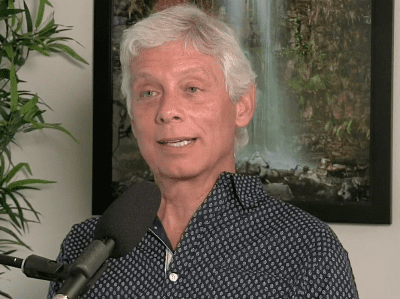
 David Eccles Hardy lived as an orthodox Mormon for years, serving as an LDS Bishop and raising his family “in the covenant.” While serving as a Mormon bishop, David learned of his son’s homosexuality and the difficulty/pain his son experienced being raised in the LDS church as a gay youth. This experience led David to re-evaluate his faith, and ultimately to resign as bishop. Soon thereafter, David launched a campaign to convince the Mormon church to eliminate several pamphlets for youth and adults that he felt sent damaging messages regarding sexuality.
In a 1999 letter to Boyd K. Packer, David outlined the heartache and damage these publications caused his son and countless others.
In our interview, David outlines his careers in music and law, his interactions with prominent LDS leaders, as well as his involvement in helping to secure Salt Lake City’s bid to host the 2002 Winter Olympics. He also treats us to how he would have born his testimony in French as an LDS missionary in France.
– Packer’s “To Young Men Only” video
– LDS Church Retires “To Young Men Only” pamphlet
– David Hardy’s response to Newsweek’s “Gay Today” coverage
– Deseret News coverage of the Hardy family’s “spiritual journey”
– The Nation coverage the Hardy family’s journey
– NARTH
– JONAH
– Evergreen International
– Dean Byrd
– September 1999 Ensign article on homosexuality
– Matthew Shepard
– Gay Panic Defense used in trial by the lawyers of the men who murdered Matthew Shepard
– Deseret News coverage of Stuart Matis’ suicide
– LDS 1981 Supplement on Homosexuality which for decades guided LDS Bishops’ approach to ministering to LGBTQ+ members
– Salt Lake Tribune coverage of Governor Herbert declaring July 28 “Love Loud Day”
Find donation and volunteer opportunities with Encircle, where David Eccles Hardy contributes much time and energy.
Part 1 – David’s experience in the LDS Church: This transcript is machine-generated and lightly edited for readability. The audio is authoritative. Please excuse occasional errors in names and spelling. David Eccles Hardy [00:00:11] Your mom and me, we've seen this life with eyes that only see in black and white. John Dehlin [00:00:21] Mormon Stories is a production of the Open Stories foundation and relies solely upon the support of people like you, its listeners to help keep the podcast alive or to become a member of the community. Please become a monthly subscriber by visiting MormonStories.org and clicking on the Donate button on the right side of the page under Support. All contributions to Mormon Stories are completely tax deductible in the United States and go towards producing the podcast and building communities and programs of support for Mormons like you. Thanks for your support. David Eccles Hardy [00:01:03] Tune me out if you must I know you've heard enough But I sing this song Just because I hope you'll be wiser than your daddy was I hope you'll be wiser than your daddy John Dehlin [00:01:28] hello everyone and welcome to another edition of Mormon Stories Podcast. I'm your host, John Dehlin. It's July 31, 2018 and we have a super interesting, epic, important interview today. And I'll say that every time I believe it and I believe it. So I'm saying it today. We are interviewing David Echols Hardy, a name that may be familiar to some of you and may not be familiar to some of you, but it's a super important and epic story in my opinion, for lots and lots of reasons. You can't drive through a city in Utah without the Eccles name being on one or several major buildings. David Eccles Hardy is a descendant, great grandson, I think of David Eccles who was this super wealthy, influential Mormon way back in the day. But you know, there's some interesting pioneer stock. But that's not why this interview is cool. David we're doing a series on Mormon Stories podcast on bishops or former bishops who sort of started questioning or lost their faith while they were bishop. And David Eccles Hardy is going to be the the next of hopefully several of these interviews over the next few weeks and months. And so that's kind of cool. But this, this story ties into so much that's going on right now. David Echols Hardy grew up in the church, devout Mormon, had lots of cool experiences growing up in the D.C. area with an influential dad, but things got really interesting after his mission. He had bump ins with Mitt Romney during his mission in France, but interestingly as he sort of rose in the ranks of the church and became a bishop, and this was back in the 90s if I'm correct. His son comes out as a 13 year old gay boy in 1990, 1996 1996. So this is way before like Prop 8, way before, you know, encircle and Love Loud and all that stuff. Way before Mormon stories and all the LGBT affirming stuff. Mormons building bridges here. David Eccles Hardy is, as a bishop, a young bishop with the son coming out as gay. So we're going to learn about how that affected his life journey, how it ended up leading him to, I think, resign as bishop again. Back before anyone ever talked about this kind of stuff, it led him to become an activist dealing with Mormonism and sexuality and the law of chastity. And it ended up having him write a letter to Boyd K. Packer about Boyd K. Packer's pamphlet. He got a response from Boyd K. Packer through Marlon Jensen that was very interesting. We're going to talk about that. And he started publicly confronting the church on its issues around sexuality and homosexuality. Back before there was a lot of support. So this is post Sunstone where there was this chill in the air where everyone was scared to ever confront the Brethren. But this is pre sort of Mormon stories, pre blogger knuckle. So David was sort of like a Sam Young, you know, a Sam Young like pioneer without the support of the Internet. And so we're going to talk about what that was like to try and take on the Brethren very publicly without the Internet. And that's going to be an interesting story which led to some real challenges for him in his life, which we'll talk about. But then we sort of have this triumphant prodigal return where after kind of a self exiling from his, from his years as trying to be a Mormon activist, he comes back, joins up with an encircle and is now playing a cool role with an organization that we know is touching lots and lots of people's lives. So it's a, a super cool interview, but mostly we just like stories and we like to interview interesting people. So that's what you're in store for today and much, much more. So without any further ado, David Echols Hardy. Welcome to Mormon Stories podcast. David Eccles Hardy [00:05:37] Thank you, John. It's good to be here. John Dehlin [00:05:39] Now be honest, how long have you been listening to Mormon Stories, if you've listened at all? David Eccles Hardy [00:05:43] I didn't even know that it existed until about a year ago. John Dehlin [00:05:47] Now, should I be offended at that or, you know, how hurt should I be? David Eccles Hardy [00:05:50] You actually shouldn't be offended because I made it a point point to be as far off the grid as I could and knew nothing about it. And it was a, it was a major surprise and A wonderful one to find that people like you were here and that there was a community of allies here. Wasn't before. So I'm a new listener. John Dehlin [00:06:10] All right, well, I won't take offense then. I won't have my feelings hurt. So let's start from way, way back. So we always do kind of the Mormon pioneer pedigree. Just give us really a brief sense of your Mormon ancestry. And let's talk about David Echols, because I can't drive by a block in Utah without his name being on a building or one of his descendants names being on a building. So what's up with that? David Eccles Hardy [00:06:33] Well, I grew up, was born and raised in Washington D.C. and my middle name, until I came out here to go to college meant nothing more than the abbreviation for Ecclesiastes. You know, no one had ever heard of that other than Mariner Eccles was on the first Fed board under FDR in the treasury building. It's the Mariner S. Eccles building. But anyway, my family on the Echol side goes back to David Eccles and his father and his siblings and his mom, Bertha Marie Jensen came over from Scotland and settled up in the Eden up in the Huntsville area. John Dehlin [00:07:12] That's where Marlon Jensen is. David Eccles Hardy [00:07:13] Right. And as a. John Dehlin [00:07:15] That's where David O. McKay was kind of from, correct? Yeah. David Eccles Hardy [00:07:18] And. John Dehlin [00:07:18] And you've got white hair like David O. McKay. David Eccles Hardy [00:07:20] My mom used to call me David O. Without the white hair because I used to like to wear when I was a teenager. John Dehlin [00:07:26] David McKay has reincarnated in the spirit of David Echols Hardy. So we've got that. Okay, what else we have? David Eccles Hardy [00:07:34] So David Eccles started to lumber up in the Monte Cristo area, and that just grew into David Eccles Lumber Co. And that grew into the entire beat industry and then the Northwest Lumbering and Mount Hood Railroad and then pretty much every other major company. He was an investor on the board up and things like that. John Dehlin [00:07:56] So this is in what span of years? David Eccles Hardy [00:07:58] This, this is in the, the latter part of the 1800s. John Dehlin [00:08:01] Oh, okay. David Eccles Hardy [00:08:02] And the early 1900s. But he was one of these polygamists that didn't talk, didn't get the permission from his first wife, the one that I come from. And he married a woman in Logan, a younger woman named Marie Stoddard. And so there are two sides of the Echols family that come down from that. And my grandfather was the oldest son of David Eccles Royal Echols. And so my mom grew up in Ogden with Royal and Klingon Echols as her parents. And okay, really quick. John Dehlin [00:08:40] So would it be fair to say David Eccles was like a Mormon Carnegie or Mormon Rockefeller? David Eccles Hardy [00:08:46] He was in this region. He served in that role in Utah, in early Utah. John Dehlin [00:08:52] And do you have any sense for his maximum net worth at his peak wealth and. Or what that would, you know, adjust to in modern dollars? David Eccles Hardy [00:09:04] I don't know a number. John Dehlin [00:09:05] And I see a millionaire. David Eccles Hardy [00:09:06] Oh, he was. He was a multi millionaire, which in the day. John Dehlin [00:09:09] Yeah. David Eccles Hardy [00:09:10] Was huge. John Dehlin [00:09:10] A lot more than that. David Eccles Hardy [00:09:11] Yeah. Yeah. John Dehlin [00:09:12] Okay. And you're saying beats and. David Eccles Hardy [00:09:14] And everything. I. You know, when I've come across. I used to work, for example, when I was in college for a company called Utah Home Fire Insurance Company. That was a huge insurance company. And it was interesting seeing some of the early documents of that. And there, you know, you'd find David Eccles as a member of the board of directors. He had his hand in everything. And he started, you know, he was the major man behind the sugar beet industry, which was a big industry, and then did a lot of lumbering, started the Mount Hood Lumber Company and the Mount Hood Railroad and just did a lot of innovative entrepreneurial things. So hence the David Eccles School of Business at the University of Utah. John Dehlin [00:09:56] Okay. And so he would have died around when. David Eccles Hardy [00:10:00] Boy, I think he died in the 1920s. John Dehlin [00:10:04] Okay. So would the church have viewed him as a super powerful, important person? David Eccles Hardy [00:10:08] Yes. John Dehlin [00:10:09] When he. Was he a general authority or was he. David Eccles Hardy [00:10:11] No, no, he was. He was a source of financing for the church at times when they were low. The. For example, the building of the. This is not the church, but the Utah State Capitol was funded basically on his death, taxes. But Huber J. Grant had come to him at a time when the church's finances were really in trouble, and he advanced monies to help keep the church up and running. John Dehlin [00:10:40] Was a biography written about him where people could read more about him. David Eccles Hardy [00:10:43] Leonard Arrington. John Dehlin [00:10:44] Leonard Arrington, that's right. David Eccles Hardy [00:10:45] I remember he wrote a great one on David Echols. That's right. John Dehlin [00:10:49] That's so cool. Wow. Read that book because I'm sure it's really cool. Okay, that's. That's why I was digging, because I had remembered that association, but it was foggy for me. Okay. Super important guy. David Eccles Hardy [00:11:01] Yep. John Dehlin [00:11:01] So what was the book called? David Eccles Hardy [00:11:04] Do you remember David Eccles? John Dehlin [00:11:05] Okay. All right. So he. He dies. His son. Son. David Eccles Hardy [00:11:10] His son. Royal was my. John Dehlin [00:11:12] Okay. David Eccles Hardy [00:11:13] Grandfather. John Dehlin [00:11:13] Your grandfather. Okay, so your grandfather was the son of a polygamist. David Eccles Hardy [00:11:18] Correct. John Dehlin [00:11:19] Of a second wife. David Eccles Hardy [00:11:20] First wife. John Dehlin [00:11:21] Of a first wife. David Eccles Hardy [00:11:22] Same wife that Marlon Jensen goes Back to. John Dehlin [00:11:25] Really? David Eccles Hardy [00:11:25] Yep. Oh, wow. Bertha Marie Jensen. John Dehlin [00:11:28] Okay, cool. Okay. All right. David Eccles Hardy [00:11:31] And then on my mom's side, it goes back through the Rich family back to Charles C. Rich, who was an early apostle under Joseph Smith. John Dehlin [00:11:38] Super important. Okay. David Eccles Hardy [00:11:40] So I'm related to basically most of southern Idaho and northern Utah. He had like seven wives. John Dehlin [00:11:46] Right. David Eccles Hardy [00:11:47] Just 50 children. And yeah, I'm related to everybody. John Dehlin [00:11:50] Okay. David Eccles Hardy [00:11:51] If you have an adjective as your last name, we're probably sweet, smart, rich. I'm. John Dehlin [00:11:56] We're probably related. I'm a Parkinson and my family's in southern Idaho, you know, Franklin Preston. So I'm sure we bump up against each other too. I'm a Benson and a Parkinson. David Eccles Hardy [00:12:06] Okay. John Dehlin [00:12:07] Anyway, so. All right, so your grandpa's growing up in Logan. David Eccles Hardy [00:12:11] In Ogden. John Dehlin [00:12:12] In Ogden. Okay, okay. David Eccles Hardy [00:12:14] Right, right. And that's where my mom grew up, and she came down as a freshman at the University of Utah. She was a concert pianist. And my dad. John Dehlin [00:12:23] Okay. Did that money flow down to, like, children and grandchildren? Because a lot of the names. The Echel's names aren't David. Right. They're descendants of him. David Eccles Hardy [00:12:32] Right. John Dehlin [00:12:32] Who put their names on all the buildings. David Eccles Hardy [00:12:34] Right. And. And they came through the, The. The second wife, Mariner Eccles. George Eccles, that started First Security Corporation. John Dehlin [00:12:44] Got it. David Eccles Hardy [00:12:44] And there was. There was quite a split between the two families because there was animosity between the wives. But there's. There's some really heartwarming stories that I found out and was able to kind of be a part of in bringing the two sides of the family together when I was in. Came out here to go to college and needed a letter of recommendation and sort of did a. A bold move on that. And that's another part of the story that we might want to go into as the time goes on like that. John Dehlin [00:13:14] Yeah. Throw it in when you think of spreading the quote. David Eccles Hardy [00:13:18] Yeah. So the Eccles names that you see up there are by and large from the second wife that run down because of the foundation of the first Security banking empire under Mariner Echols. And then who was, you know, tapped by FDR when the Federal Reserve Board was first formed and he was chairman of the Federal Reserve Board. John Dehlin [00:13:41] Okay, cool. But you're not from that. You're from the other side. David Eccles Hardy [00:13:46] I'm from the other side. I'm from the. The. The poorer side. John Dehlin [00:13:50] But your mom was a concert pianist, so she must have had something. David Eccles Hardy [00:13:53] Oh, they, they. She grew up in a. In a prominent well to do family in Ogden. Just. Just not. Just not quite what the other Family was when I was in law school, the largest merger that had taken place. It was in all the. The law books about when you studied mergers and acquisitions was the Utah Construction Company that was acquired by General Electric. And it was through that Utah Construction Company was one that was started by David Eccles. That. That is where the primary wealth of the Eccles family originated. John Dehlin [00:14:27] Got it. So your mom wasn't. She would have married someone's. Her surname wouldn't have been Eccles. David Eccles Hardy [00:14:33] At some point she was Marion Eccles. And then she married Ralph Hardy. John Dehlin [00:14:36] Ralph Hardy. And that's why your last name. David Eccles Hardy [00:14:40] It's Hardy. John Dehlin [00:14:41] Is Hardy. Got it. Okay, so your mom grows up, concert pianist in Ogden, goes to the U of U. And then what have. How do you come into the picture? David Eccles Hardy [00:14:50] Well, so at some freshman concert, a big deal. My mother played a rock monoff and my dad. John Dehlin [00:14:56] That's a big deal to play rock. David Eccles Hardy [00:14:58] It's a big deal. And, and my dad at the time was, was coming up through the ranks at KSL radio and he had, you know, kind of a. An energetic and outgoing person back when John Dehlin [00:15:11] radio really mattered a lot more. David Eccles Hardy [00:15:13] That was the big. Yeah, that was at the fledgling days of tv. John Dehlin [00:15:16] Yeah. David Eccles Hardy [00:15:17] And he was the emcee at this concert. My mother played this Rachmaninoff concerto and he then came and sat down on a piano bench next to her and said, you know heart and soul, you know that. And she said, well, yeah. And so she said, you play the bottom hand and I'll just take the top. And he was talented, played by ear and he apparently just did rip roaring top handers heart and soul. And, and it was a fun time. And that's how they met and, and he courted her and they married. Neither of them finished college because he was a pioneer in the broadcast industry. And you know, she met my father and. And they got married before she ever graduated. And he never graduated because he knew what he wanted to go into. John Dehlin [00:16:06] And his first name again? David Eccles Hardy [00:16:07] Ralph Williams. Hardy. John Dehlin [00:16:08] Ralph Hardy. David Eccles Hardy [00:16:09] Okay. Grew up on the avenues. John Dehlin [00:16:11] Around what decade would they have been married? David Eccles Hardy [00:16:15] The early like 1940. John Dehlin [00:16:17] Whoa. Okay. That's like my parents age or older. Okay, so all right, so how. When do you come into the picture? David Eccles Hardy [00:16:27] So how many kids my siblings were born? There's five of us and they were all born here in Utah. And my dad in the late 40s was kind of given two job options. So he had risen to be a kind of a producer at ksl. And he used to go. He used to be the person that went to Broadcast conventions, because he was very good on his feet, very articulate, an engaging personality. And so he was contacted by the man who had put together the trade union for the broadcast industry called the NAB national association of Broadcasters. And he was given a job offer to come back and be the lobbyist up on the Hill in D.C. while the federal Communications act was being drafted and was being put into place. He also, at the same time, got a competing offer from Ezra Taft Benson, who was made the Secretary of Agriculture John Dehlin [00:17:34] while he was an apostle Under Eisenhower. David Eccles Hardy [00:17:36] Under Eisenhower. And Ezra Taft Benson tapped him to be his Under Secretary of Agriculture, which was, you know, quite an honor. John Dehlin [00:17:44] What did he choose? David Eccles Hardy [00:17:45] Well, he said, that's not my industry and I love broadcasting, so I'm going to go back and. John Dehlin [00:17:50] But that shows how prominent he must have been if Ed Benson would tap him as under secretary. David Eccles Hardy [00:17:56] He was just. Apparently just good at everything in an amazing personality and very good at expressing himself. And so he went back as the lobbyist for the NAB national association of Broadcasters. And then while he was doing that, after three years, I think Frank Stanton of cbs, when it was just rising as the power in broadcasting, asked him when my dad couldn't have been more than 38 to be vice president of CBS. There were three divisions, radio and then Columbia Records and then television, which was in New York, but the radio in Columbia was in Washington, D.C. because that's where the news was happening. John Dehlin [00:18:41] And you said the radio and the record in the Record. Columbia Records, yeah. David Eccles Hardy [00:18:45] And so my dad was in charge of radio and Columbia Records and. John Dehlin [00:18:51] And that would have been a lot of big artists at the time. Right. Maybe Frank Sinatra. I don't know who, like. Anyway. Okay. David Eccles Hardy [00:18:59] And so that's when I was born, after they'd moved back to Washington, D.C. in. John Dehlin [00:19:04] Still in the 50s or 1952. Okay, 52. David Eccles Hardy [00:19:07] Right. Sweet. Yeah. And so that's your Eisenhower was elected. John Dehlin [00:19:13] Yep. David Eccles Hardy [00:19:13] Okay. I have. I have few memories of my dad. You have that kind of an event. John Dehlin [00:19:19] He. David Eccles Hardy [00:19:19] I should say the event was we would come out for summers, drive cross country and come out for summers up to my. My mom's parents up in Ogden, typically, and stay there for several weeks. And in 1957, when I was four years old, going on five, we came out for the summer and my dad was up water skiing on Pineview Dam with a cousin and my sister and some other kids. My sister was about 14 years old, and he was behind the boat being pulled and complained that he was having pain in his chest and in his arm. And so he dropped, and they picked him up, took him over to the dock and laid him out on the dock. And he literally died of a heart attack in my sister's lap and totally unexpected. John Dehlin [00:20:11] Which lake again? David Eccles Hardy [00:20:12] Pineview Dam, up by Huntsville. John Dehlin [00:20:14] Okay. By Huntsville. I've never been there. And you were how old? David Eccles Hardy [00:20:17] I was. I was four. John Dehlin [00:20:19] So you didn't know him? David Eccles Hardy [00:20:21] I have, like, three memories of him. John Dehlin [00:20:23] What are your memories? David Eccles Hardy [00:20:23] Too bad and one good. John Dehlin [00:20:24] Oh, do you want to share them? David Eccles Hardy [00:20:26] Sure, sure. He was. He kidded around a lot. And I remember him taking me and the other my older siblings over to the elementary school near us. Lafayette elementary School, where there were these huge swings. I mean, they obviously seemed bigger because I was four years old, but he put me up on the swing and got me going and then said to their kids, well, I'm kind of bored of this. Let's go home. And so he got in the car and drove off, and I was up on the swing and. And, you know, come back, come back. And he thought it was really funny. Came back. John Dehlin [00:20:59] Did you feel abandoned or. David Eccles Hardy [00:21:00] I did. John Dehlin [00:21:00] Okay. David Eccles Hardy [00:21:01] I mean, it's kind of scared me, but, you know, he was making a John Dehlin [00:21:03] joke of it, and we could think he's a jerk or. David Eccles Hardy [00:21:05] Right. But he was just being funny. Okay. John Dehlin [00:21:07] Okay. David Eccles Hardy [00:21:07] And then, you know, the other bad experience I remember is getting punished one time and put up in the attic that, you know, when the door closed on me. And he's the one that put me up there. And that's just random memories when you're that young. I must have been three or four. John Dehlin [00:21:24] The only parent that ever did that. David Eccles Hardy [00:21:25] No, no, no. And it wasn't abusive or anything like that, but just. Those are the memory pegs that you got back there. But the good one was one night I decided to run away from home. And I must have been four then. And I. The one thing I packed in a paper lunch bag was underwear. And. And so I was headed out the kitchen door with my lunch bag that had underwear in it. And. And he saw me and he said, maybe you want some cereal before you go? So he got down the bowl and poured some cereal, and we sat down and had cereal. And then. And then he finished first and got a bowl of ice cream out and started eating that. I said, dad can have some of that. He said, nah, nah. Not good for boys running away. And of course, within about a minute or two, I wasn't running away anymore. I wanted the ice cream. So those are my memories of my dad and the night after the day he died that night was everyone was weeping up at the Eccles house in Ogden. And my grandfather was just a Victorian stoic personality, and he was just. He was just weeping the entire night. And so I remembered that around his death. And then his funeral was at the tabernacle in Salt lake. David O. McKay spoke, president of the church. And I wasn't allowed to go. I was too young. I was left up at some cousin's house up on the Avenues. But my mom didn't. You know, everybody expected her to return to Utah. She had five children and she didn't have a college education. And my dad had died in a. In a pretty important job, but his pension had invested and he had no life insurance. So she went overnight from having a pretty cushy life with, you know, a chauffeur driven limousine to nothing, basically. And her parents, you know, had resources, but they weren't super, super wealthy. And so my mom was counseled by Gordon B. Hinckley, who was my dad's best friend on his mission. They were in missionaries together in England to not uproot her children, to leave him back and stay back in Washington D.C. and try and leave him in the Chevy Chase Ward where they had friends. In Maryland? Well, yeah, in Maryland, just over the District line. We actually lived a mile away from the ward, but in the District. And so that's what she did. She went to secretarial school at night to learn a skill. And Wallace Bennett, the later Bob Bennett's dad, who was senator for a long time, and he hired her as basically his administrative assistant. And so that's where she worked for my younger years growing up. And I spent a lot of Saturdays in the halls of the Senate Office Building when she was down there working. John Dehlin [00:24:13] She worked for a senator for how many years? David Eccles Hardy [00:24:15] I'm going to say she worked for senator, Senator until he retired. I bet she worked for him for 10, 11 years. John Dehlin [00:24:21] That's so scrappy. David Eccles Hardy [00:24:23] Yeah, that's super cool. It was a fun place to spend time growing up. Was wandering the. The Senate Office Building. John Dehlin [00:24:29] And he was a Utah. David Eccles Hardy [00:24:31] Utah US Senator, right? Yep. John Dehlin [00:24:33] Wallace Bennett. David Eccles Hardy [00:24:34] And then when he retired, he helped get my mom a job at the Federal Deposit Insurance Corporation as the administrative. As the administrator, the administrative assistant for the chairman. And she went through several chairmen and stayed as the administrative assistant. And so during my high school years in junior high, that's where she was working. John Dehlin [00:24:53] You were raised by a single mom David Eccles Hardy [00:24:55] and, you know, I never realized that until I was in my first bishopric as a Counselor. And I remember we were sitting on a Sunday evening as the bishopric talking about the single parent children in the ward and the single parent mothers. And there was two of them out playing in the church parking lot. And I, all of a sudden it hit me for the first time that I was a single parent kid. And I never realized it for one reason. When my dad died, the Chevy Chase ward, which was. It was an insular Mormon community. The church wasn't huge back when, back John Dehlin [00:25:28] there, when I was growing up, there was no temple. David Eccles Hardy [00:25:30] No temple yet. And I came in the Senate. The Chevy Chase ward boundaries, I mean, literally went all the way up to Gettysburg, Pennsylvania. And so. Oh, it was all of D.C. it was all. There were. There was the Washington ward in downtown D.C. and then there was a Chevy Chase war when I was very young. John Dehlin [00:25:48] I had no idea. David Eccles Hardy [00:25:49] But it was a tight ward. I mean, all the people involved in government were in that ward. Frank Moss, you know, the Wallace Bennett, everybody. John Dehlin [00:25:55] Is that Idaho Frank Moss? David Eccles Hardy [00:25:58] I think so. John Dehlin [00:25:58] Idaho. Senator. David Eccles Hardy [00:25:59] Senator. John Dehlin [00:26:00] Yeah. David Eccles Hardy [00:26:01] And. And so it was an interesting ward. The Marriotts were in that ward. John Dehlin [00:26:05] They were, yeah. Okay. David Eccles Hardy [00:26:07] And so I won't say that Mitt Romney was in the ward, but his dad spent a lot of time back in D.C. and so he was there a lot. And Mitt was my older brother's age, but it was a fascinating place to grow up. And I was the only Mormon that. Other than at the ward on Sunday or for MIA or Scouts, I was the only Mormon that I knew in any group that I was ever in my school. I went to a. After my dad died, my mom used his Social Security to send me to a wonderful Quaker school called Sidwell Friends. And I went there when I was in second grade I started, and I was the only kid, the entire time I was there, I was the only Mormon. John Dehlin [00:26:45] Did you sit in silence a lot? David Eccles Hardy [00:26:46] We had Quaker meeting once a week, which I hated when I was a little. John Dehlin [00:26:50] That is the worst thing in the world I've ever done is spend 50 minutes in a Quaker meeting. David Eccles Hardy [00:26:55] It's a fasting testimony meeting with less talking. John Dehlin [00:26:58] No, it's this excruciating silence that never ends. David Eccles Hardy [00:27:01] And you sat around in a big, you know, a big square and looked at the. Contemplated the flame in. In the middle of it. And you know, as an elementary school kid and as a junior high school kid, it was, it was tedious. John Dehlin [00:27:16] Yeah. David Eccles Hardy [00:27:16] It was boring. John Dehlin [00:27:17] Yeah. David Eccles Hardy [00:27:18] But when I was in high school and it was in the sort of the, the mid to latter stages, the Vietnam conflict, And it was a Quaker school, meaning all the administrators and faculty were Quaker. John Dehlin [00:27:30] So they're protesting. David Eccles Hardy [00:27:31] The kids weren't. So I remember in high school, us getting let out to go down to one of the huge rallies on the, you know, in front of the Capitol, on the Mall, that we were encouraged to do that. And I remember Kent State when that happened, that was a Quaker meeting when probably about 20 people stood up and talked. And so it was, it came to be a time that, when you were a teenager, older, the Quaker meeting, kind of a nice time to contemplate things and think about things like that during that latter part of the 60s, in John Dehlin [00:28:03] the early 70s, Buddhist style meditation, basically. David Eccles Hardy [00:28:05] Yeah. So I got to enjoy it. John Dehlin [00:28:07] So I think you were making the point that you didn't feel so strongly the loss of your dad because your ward enveloped you. David Eccles Hardy [00:28:17] They closed around us, and men and families in the ward basically took me in as one of their kids. So I went on family vacations. Russ Marriott's dad. John Dehlin [00:28:30] Russ. Russ who? David Eccles Hardy [00:28:31] Not Marriott. Sorry. Russ Moorhead's dad. John Dehlin [00:28:33] Yeah, yeah, I, I, I know Russ. David Eccles Hardy [00:28:35] I just, Sorry, Russ. John Dehlin [00:28:36] Not to use his last name. David Eccles Hardy [00:28:37] Yeah, Russ. Russ Moorhead's dad. This is before Russ was born, but when he was single, when Alan Moorhead was single, he was a convert and had grown up in the area of Maryland where the Battle of Antietam was fought near Sharpsburg. And he just took me out as well as some of the other youth. But I got pretty close to him and we used to tramp the battlefields and he knew all the lore, and I just drank it up. And so when the centennial came by of the Civil War, I was old enough to be a drummer boy in the Centennial reenactment army that Alan was in. And so people like Alan Moorhead and Mylon Smith, my stake president and others just included me as if I was family. And so I honestly. Oh, and they also would always tell me about my dad. Everybody told me about my dad and told me that you, we don't know how this happened, but you're like his clone. You're in your personality and your looks and everything is like your father. So I grew up feeling a pretty close connection with my father. And sure, there were times when I missed him, when I missed not having one during, you know, your, some of your formative teenage traumas and things like that. But I never felt like I didn't have a father. And so it was, it was an interesting shock to realize that I came from a single parent mom. You know, I was a single parent kid. John Dehlin [00:30:05] So the ward, the, the Chevy Chase, Maryland ward was your father. David Eccles Hardy [00:30:11] Exactly. John Dehlin [00:30:12] I mean, that's profound. And I just have to say that my parents got divorced when I was middle school. And I don't think of that as this horrible thing because I think of the church as having been a parent to me, you know, and so I really relate to that. And that love that I have for the role the church played in my life has been that the cornerstone of all the work I've been doing for the past 14 years really originates with the love for the role the church has had in my life. That's right. Do you feel similarly? David Eccles Hardy [00:30:44] Absolutely. John Dehlin [00:30:44] I'm not trying to project. David Eccles Hardy [00:30:45] No, no, but you don't need to because it's exactly what happened. You know, it was in the late 60s and early 70s. You know, every teenager wanted to be different. And for me, being different was being a Mormon. It was easy. John Dehlin [00:30:58] Yeah, me too. David Eccles Hardy [00:30:59] I mean, you know, my nickname in high school was Party Hardy because I didn't. Oh, sort of. I did, but. But, you know, I was a guy that could always drive people home from the park, stuff like that. Yeah, but. But again, it gave me an identity. John Dehlin [00:31:12] Yeah. David Eccles Hardy [00:31:13] That I was proud of. John Dehlin [00:31:14] Yeah. David Eccles Hardy [00:31:14] And the ward had closed around me. And so it was easy being a Mormon and growing up as a teenager being Mormon in Washington D.C. yeah. And it made that much harder, the latter decision when those issues arose around myself. We'll get there. John Dehlin [00:31:32] We'll get there. Yeah. So what was that like for you spiritually then? How did the church, what role did the church play in your life spiritually in those formative years? Were you like learning the doctrine? Were you believing the doctrine? Were you studying the Book of Mormon? Were you gaining a testimony or was it not about that? Was it more social? David Eccles Hardy [00:31:54] No, it was, it was both. I, because of the Quaker school I went to, I was constantly in classes, you know, having teachers ask me about Mormonism and to explain things about it. I was in a comparative religion, you know, seminar in high school for three years basically. And it became something that I, I had to express and explain. And, you know, while I probably didn't read the scriptures as much as a growing up kid and teenager, not until my, I was in college and on my mission, I felt a real connection to the Mormon heritage. I loved history. I grew up with that love of history and I felt a real connection with my heritage. I had heard about all them. I'd studied about Charles C. Rich and the others, and I felt it was a Core part of who I was. And I believed it. I believed the doctrine I was taught. I didn't start to have questions at all until I was in high school. And the school I went to had probably about. It was a small school. So when I say this, this is a large population of black students. But it probably had about 20 black students in the upper school. My class was only 50 kids in it. And as I became close friends with them and all of a sudden it started to come up about the issue of the priesthood and the blacks. And that's when I first started having my first disconnect. But it was one of those things that taught me I'll take a disconnect and I'll put it in that Pandora's box in the back of my head and this will work out someday. I'll figure it out someday. And that's kind of how I approach things. I tried to stay on track to go on a mission. And I felt like it was a spiritual basis for my life. It was less a social basis because more of what I did socially was done with non Mormons, you know, that I knew through school or through other things. But I did enough with the ward that it was a fundamental part of my life. John Dehlin [00:34:07] And did your mom ever remarry during the time you were in high school? David Eccles Hardy [00:34:10] Dated what? She never. And she was a beautiful woman. And is there a chance she dated? Was just. John Dehlin [00:34:17] But was just discreet and you didn't know about it. David Eccles Hardy [00:34:20] We even talked about it in later years. John Dehlin [00:34:22] Huh. David Eccles Hardy [00:34:22] She. She buckled down and really worked hard to support her five kids and her family. And. And I'm not sure if I'm correct in this, but I think I am. The only times that I knew my mom when she would express deep emotion. She grew up in a Victorian household up in Ogden where you didn't express emotion. And when I was. When my father had died just recently and I was five, six years old, she was very demonstrative towards me and, you know, would read to me in bed at night a long time. But then it got to be different as more of her Echols, Royal Echols and Cleon Echols upbringing kicked in. And she was not quite as comfortable with showing affection. And I think that she looked at my father as no one will ever measure up to him and I'm not interested in anybody else. Wow. And I mean, I remember being at the supermarket one time as a kid and she came out of the meat locker and the butcher had made a pass at her and she was just flustered and was angry. And, you know, that was like. She never went out. She never dated. John Dehlin [00:35:36] How would you have described your relationship with your mom in high school? David Eccles Hardy [00:35:43] I loved her deeply. I respected her. She had a hard time showing emotion, John Dehlin [00:35:48] so she was distant. Emotionally distant. David Eccles Hardy [00:35:49] Emotionally distant. But she was the kind of person that was. John Dehlin [00:35:52] She was busting her hump for you, and she was. David Eccles Hardy [00:35:55] And it's not like she wasn't loving. She just couldn't tell you to your face, yeah, I love you, or, you are great at doing this. But she would tell my siblings and she would tell other people, but she had a hard time. Yeah. John Dehlin [00:36:08] Not you. David Eccles Hardy [00:36:09] Right. And yet I knew that, but she just wasn't that demonstrative. But, you know, two or three times a year as I was growing up, even into high school, I know she was behind her bedroom door, locked, and she was weeping. John Dehlin [00:36:21] She. David Eccles Hardy [00:36:22] Because of my father. And so I felt like my job was to make the path as straight for my mom as I could. And so a lot of what I did was behind her back when I, you know, sort of did normal things that teenagers did. But I felt like my job was to make sure she didn't suffer, you know, any more hardship and heartbreak than she already had. John Dehlin [00:36:47] And what sense did you make of her? Not of. Of her treating you differently than your other siblings. David Eccles Hardy [00:36:53] She. She didn't treat me differently than my. John Dehlin [00:36:55] I thought you said she was more. David Eccles Hardy [00:36:57] No, she would talk. She wouldn't. She wouldn't say great things about me to my face, but she would to the siblings and same thing. John Dehlin [00:37:05] She wasn't more loving to your siblings than, you know. Okay, got it. David Eccles Hardy [00:37:08] She was the same. Okay, good. John Dehlin [00:37:09] Yeah. And that's half of all of. Parents in the 1960s and 70s weren't about generation. Yeah. It was not about Brene Brown vulnerability back in the 70s or 60s. David Eccles Hardy [00:37:21] Right. And I was sort of the gap between my siblings and myself. My next oldest sibling was five years older, but that was just enough that I was more a child of the late 60s and early 70s, whereas my siblings weren't. So. And I went to a very liberal Quaker school, so I had longer hair. I played music. I was in bands. I was, you know, I had a more socially liberal upbringing. John Dehlin [00:37:45] This is Woodstock. David Eccles Hardy [00:37:46] Yeah. Yeah. And. And so there was that difference between my siblings and me that was pretty pronounced. John Dehlin [00:37:54] Quick show note. We mentioned Russ Moorhead. Russ Morehead is one of my dearest friends that I made in my first year of my Beginnings of Mormon Stories podcast. His brother Wayne has become a dear friend, and Russ And I have been close friends for the past 14 years. And so it's fun to give a shout out to Russ and Wayne and the Moorheads and his new. David Eccles Hardy [00:38:15] It was great to make that connection. John Dehlin [00:38:16] Yeah. And that's interesting because that legacy lives on in the D.C. area and it actually grows into the Potomac, Maryland ward, which is where my wife Margi joins the church with her parents back in the 70s. David Eccles Hardy [00:38:31] And I remember when the Potomac Ward was split off of the Chevy Chase ward. John Dehlin [00:38:34] Yeah. David Eccles Hardy [00:38:34] Everything outside of the Beltway. And so a lot of the people that were in the Potomac Ward I had of course grown up with and known in families that I had. John Dehlin [00:38:43] And my, my mother in law, Elaine Weber, her closest friends to this day are the people she met in that Potomac, Maryland ward. And every chance she gets, she's flying back to meet with some of those friends, the Hunters, the Folgers, the, you know, Marriotts, and just Sid Folger was David Eccles Hardy [00:39:00] my bishop in my formative teenage years. John Dehlin [00:39:02] Yeah. David Eccles Hardy [00:39:02] In the Chevy Chase Ward. John Dehlin [00:39:03] Yeah. And it's. And he helped build the Washington D.C. temple. And you know, I worked construction on David Eccles Hardy [00:39:10] the temple before December, before I went on my mission. John Dehlin [00:39:12] Yeah. That, that, that, that ward and those wards that kind of deserve their own multi year podcast. Just with all the cool things that happened during the. David Eccles Hardy [00:39:22] There was such a close community. John Dehlin [00:39:24] Yeah. David Eccles Hardy [00:39:24] That it was an idyllic place to be a member of the church. John Dehlin [00:39:28] Yeah. David Eccles Hardy [00:39:28] For a teenager. John Dehlin [00:39:29] Yeah. And this was like roadshow time. This was like dance festivals and golden green balls and youth conferences and I mean, and this is back when Mormons built their own chapels. Like this was like for me, the golden era of when Mormonism kind of reached its apex of coolness. Now that may be just like projecting back, idealizing back. David Eccles Hardy [00:39:50] It felt that way, but it felt that. I remember that a place that I went to once or twice a year with a family called the Glassman's that were in the ward. Not very active, but. And, and they were my cousins from Utah from, from Ogden, but they were back there in D.C. and he was one that took me, included me with the family. Jamie Glassman, my cousin, my distant cousin was. I always had a crush on her. And they would take. Go up to the Blue Ridge Mountains, up to Skyline Drive, which is just a glorious place. And we'd go out, hike up a mountain and camp for two or three days. And my favorite mountain was called Old Rag, because you'd get up on it and there was this shelf of rock that looked west and you could see that not just The Appalachians. But you could see these ridges on a clear day going west. And I remember standing there and thinking of on the other side of those is Utah. And, you know, that's where my heritage lies now. And I really had a warm feeling for that, a real deep feeling for that. And that's what I was imbued with growing up in the Mormon community in John Dehlin [00:40:59] Washington, D.C. and that feeling extended for me all the way into the 80s when I was raised in Katy, Texas. I felt like I had a very similar Ward experience. The Bruce R. McConkie, Joseph Fielding Smith correlated. Mormonism wasn't raging in your time as much as it was a decade or two later. So mine was polluted a little bit with that. But I think of your. The time you were raised as Mormon as like a golden era for the church. And it's the David O. McKay Mormonism that Greg Prince has talked about. And that I think is our golden era, kind of like our Camelite years. I have nothing but as a people. Right. David Eccles Hardy [00:41:39] I'm nothing but deeply positive and warm feelings about growing up as Mormon in Washington, D.C. yeah. John Dehlin [00:41:47] So this feels like a really natural a break for part two of our interview. And it seems like the next place to go is kind of maybe your mission. But you tell me what's next in your chronology? David Eccles Hardy [00:42:01] That's the next one. John Dehlin [00:42:02] Yeah. David Eccles Hardy [00:42:03] So when my dad died, some of the prominent Mormons in the D.C. in the Chevy Chase Ward, the Marriotts and some others set up a scholarship in his name at the University of Utah that still lasts to this day that sends two students every year from the Washington, D.C. area out to the University of Utah. And, you know, obviously I was given that scholarship when I came out here. So when I graduated, nobody from my school ever went anywhere west other than the coast, California or Washington. And I came out to the University of Utah, drove out here in my little green Volkswagen Bug and used that I bought, you know, before I came out and came out as a freshman here and had a great freshman year. I mean, I enjoyed it immensely. Met some good people that are still close friends. You get to you at the U. John Dehlin [00:42:56] Why not byu? David Eccles Hardy [00:42:57] What are you thinking from the DC Area? You just didn't go to byu. John Dehlin [00:43:00] What? BYU is the Lord's university. What are you talking about? David Eccles Hardy [00:43:03] Not back then. Chevy Chase Ward. John Dehlin [00:43:05] No. Cool. David Eccles Hardy [00:43:07] All right. John Dehlin [00:43:08] So wonderful years in high school in Chevy Chase, Maryland, Ward. What came next? Was it mission or was it anything David Eccles Hardy [00:43:16] before the freshman year? So I graduated from the Sidwell friends in. In 71 and at the End of that summer, I had learned to. I had picked up the guitar. John Dehlin [00:43:29] Oh, how'd you avoid the draft? David Eccles Hardy [00:43:33] So that's when the lottery came up. And I remember driving around the Capitol Beltway on my way to sign up for the Air National Guard when they were pulling the lottery numbers. And depending on what my birthday got pulled at, I was either going to go there and sign up or not. I was going to say, I've got a high enough number that it's not going to be an issue. And my number was pulled. It was, I think 111. And that was kind of on the borderline. And I didn't want to join the National Guard, so I said, I'll risk it. And so what happened comes at the end of my freshman year at the U. But I played my guitar a lot in high school and back then there were coffee houses in Georgetown that you could go and kind of open mics. And so I would do that a lot. And toward the end of my summer, I bought this little used green Volkswagen. Looking forward to leaving, going to the University of Utah. But there's a. Was a great venue for, you know, early folk rock music called the Cellar Door in. In Georgetown on M Street. And it was a great place to go on a date in high school. Like I saw Brewer and Shipley, if you remember. You probably don't remember that name, but great acoustic players there. And I won't say a brand new artist, but somebody that had only been on his own doing something for about three years was John Denver. And his only claim to fame. I had seen him. I'd taken a date to John Denver during my senior, early part of my senior year. And his claim to fame was that he wrote Leaving on a Jet Plane that Peter Palmeri did. I had never heard of him before, but then he became kind of a bigger deal. So he was coming to the Cellar Door in late August of 71 and the Celador put up on the newspaper that it was getting wanted a local artist to open up. And so it was having auditions. So I said, heck, I'll go audition. And I did. And I got it. I was the one that was allowed to open up for him. So that was my first experience in being scared spitless. I was so scared to do that. But I played about four songs and. And met John Denver and then the next day packed up my Volkswagen and headed west and. And came out to Utah. John Dehlin [00:46:00] Do you remember what songs you played? Were they covers or were they your own? David Eccles Hardy [00:46:03] I was one of the first people that had learned James Taylor songs because my girlfriend, his guitar isn't easy. Well, I had. Instead of doing my homework early late in my junior high school years, I listened wore out the Sounds of Silence record by Simon and Garfunkel and learned how to play every song on that and learned how to finger pick right from the start. You know, you. You'd work at it and work at it and work at it. And so, you know, that's. That's how I learned to play. And. And in my junior year, my girlfriend had been over in. In England for the summer and she brought back this record done by Apple, John Dehlin [00:46:40] Apple, the Beatles label. Yeah. David Eccles Hardy [00:46:43] And it was James Taylor's first album that never was released over here. John Dehlin [00:46:47] Right. David Eccles Hardy [00:46:48] But it was the greatest album I'd ever heard. John Dehlin [00:46:50] Was any of the hits on any hits that we know from James Taylor come from that first album, you've Got a Friend or. David Eccles Hardy [00:46:56] No. John Dehlin [00:46:56] No. Okay. Fire and Rain or. David Eccles Hardy [00:46:58] Nope. John Dehlin [00:46:59] Okay. So it was this stuff we wouldn't even know. David Eccles Hardy [00:47:01] This is stuff you wouldn't know, but that I learned everything off that album. And so I remember going and playing at coffee houses saying, has anyone here heard James Taylor? One Hand Cricket, you know, and so I played a lot of James Taylor. I played Crosby, Stills and Nash. I played, you know, some of the good acoustic stuff. And. And so I'm sure I played like Helplessly Hoping and I played Kathy's Song from Simon and Garfunkel and I played some early James Taylor songs. And. And it was just a great experience. It was kind of the highlight of my musical. John Dehlin [00:47:38] Of your short musical career. David Eccles Hardy [00:47:40] Correct. John Dehlin [00:47:40] How was John Denver? What was he like? David Eccles Hardy [00:47:42] He was great. He was. He was friendly, he was funny as hell. And John Dehlin [00:47:49] I think. Can you say hell? He can say hell. David Eccles Hardy [00:47:52] He's funny as hell. And it was just fun to meet him. And then what happened after that was even more fun. So I headed not on I 80 west, but I headed on I 70, which is a little further south. And I specifically went that way to go through Ohio and stop and see a girl that I had taken out two or three times that summer who was from the D.C. area and was a freshman at Denison University in Ohio in Granville, Ohio. And I was going to stop off and see her on the way, on the way out to Utah. So I'm in this little used green Volkswagen that I bought for $400 three weeks earlier, and I get to within about 10 miles of Granville, Ohio, and it threw a rod just. Car was full of smoke. And of course I had to pull over, have it towed into Granville. And so for the three days my engine was being rebuilt, I got to stay on campus at Denison University. And the way the girls dorms were, there were these beautiful huge colonial buildings, and nine girls would have a quad on each floor, a quadrant of the floor. And so I got to sleep on a couch with nine girls and this girl I had dated and just play my guitar and. And over at the student union for three nights. And it was just an idyllic situation. It was fun. And at the end of that, I took all nine of them out to a really nice restaurant in Granville and just had this great experience left to go to the University of Utah. And then about a month after I got there, I got this box from this girl at Denison and opened it up, and there was a letter from John Denver in it. And he had come to play at the student union at Denison. And of course, these girls had said, oh, we just had a guy that opened up for you that was here. David Hardy said, I remember. John Dehlin [00:49:44] So he wrote you a letter on David Eccles Hardy [00:49:46] the back of one of those paper placemats that was white on the back and color on the front. He just wrote this great little. Sorry, I missed you. Do you still have it somewhere back in the boxes that. I have never Transferred from Washington, D.C. all right, so that was my. That was my musical apex. John Dehlin [00:50:04] Okay, so the most important question of the interview, why University of Utah, not David Eccles Hardy [00:50:08] BYU at that era? John Dehlin [00:50:12] I'm kidding, but. David Eccles Hardy [00:50:12] No, but it's kind of true. I've had that come up before. Very few went from the Chevy Chase ward to byu. It was a place. You went to the University of Utah because. I don't know, because the prominent families in the war, they had. All their kids had gone to the University of Utah. And. And. And then when my dad had died, some of these prominent Chevy Chase board members, like the Marriotts, had set up a scholarship in his name at the U. That sent two kids every year from the Washington, D.C. area to the University of Utah. And because I was his son, I was able to get that scholarship. And so I don't think anybody from my class at Sidwell Friends ever went anywhere west of the Mississippi that wasn't California, Oregon or Washington. And so I kind of fell off the grid from my schoolmates, but came out to the University of Utah to take advantage of that scholarship. John Dehlin [00:51:04] Got it. David Eccles Hardy [00:51:04] And so I had a great first year there. I. Nobody. I couldn't find any place to play my guitar. And I went around to restaurants and every place like that, no one had ever heard of it. There was a place called the Sabon up in Park City that had live entertainment, but I wanted to play somewhere down in Salt Lake. So I found this pizza place called Geppetto's Pizza in Holiday. A guy named John Sinclair owned it, and I convinced him that maybe I could draw some people from the Greek system. I joined a fraternity because I didn't know anybody in Utah, and I joined Sigma Chi fraternity, and maybe I could draw some kids over there if I played. And so he said, okay, I'll feed you. I won't pay you, but I'll feed you all the pizza you want and you play two nights a week. So I did that, and it worked nice. And then. And then right across from the University of Utah on 13th east, he leased a big place, and that's where he opened up his second Geppettos. And I played there. And then he started having music all the time. And that's kind of how there wasn't anyplace else in Salt Lake that did that. And so I. I didn't have to pay tuition, but, you know, all of my spending money, when I finally was able to start earning some bucks rather than pizza, came from playing my guitar around places. John Dehlin [00:52:22] Would you have bumped into Lowell Bennion at all while you were at the U? Would he have left there? David Eccles Hardy [00:52:28] I knew the name, but I don't think I ever bumped into. John Dehlin [00:52:30] So did you not go to the institute? David Eccles Hardy [00:52:32] Not at all. Oh, you. John Dehlin [00:52:34] You're a bad boy. David Eccles Hardy [00:52:35] I was a really bad boy because I played. I ended up playing up in Park City for most of the year, and I would play on weekend nights until about one or two in the morning at the Claim Jumper Restaurant in their bar. Wasn't supposed to play in the bar because I wasn't quite old enough, but. And I'd get home. I'd get back to the Sigma Chi house at three in the morning, and I just kind of wouldn't get up for church. Ed Furmage was my bishop, and that ward that has the mosaic on it right down at the bottom of the. On 13th east and 1st south. And I think I went three times. And. And so how'd you end up on a mission? Well, I always knew I was going to go on a mission, and I didn't feel like I wasn't going to church because I didn't believe Mormonism. I was just lazy. I mean, I just didn't want to get up and go to church. There were other things that kind of more fun to do. And then when the end of the school year came around, I went to Ed Furmage as my bishop and said, I want to go on a mission. He gave me the interview. And then all of a sudden I wasn't going to leave and go back to Washington D.C. and leave from D.C. my mom was going to come out for a mission farewell. I was going to leave from Utah. But lo and behold, my draft number comes up and this is at the tail end of the Vietnam War and I had no choice. I had to go back and report. Even though my mission call was going to come through and I knew I'd get a deferment, I still had to report for my draft physical and for the exam. And so I went back to D.C. and had my draft physical and exam. And then I got my mission call to Paris, France and I worked for a month on the Washington D.C. temple. They had a group of Mormon boys that sort of got all the bad jobs that, you know, that had to be done. I chiseled concrete down where some of the pillars were because they had over poured them and carved my initials into one of them and then left to go on a mission. One of the fun things that happened was I was down at the Marriott farm right before I left, about a week before I left to go on my mission and Mitt Romney was down there and he had returned from France, I don't know, probably four or five or six years before I did, maybe more than that, I don't know. But he took me around on a jeep that day and sort of gave me all the pointers about Paris and being a French missionary. John Dehlin [00:55:05] What was Mitt Romney like at the time? Now his dad would have been a famous governor in Michigan, right. David Eccles Hardy [00:55:10] And a presidential candidate. Mitt was kind of my brother's age and was. I just remember as being a great guy and I enjoyed everything he told me me about the do's and don'ts and of being a missionary in France. John Dehlin [00:55:28] Smart guy. David Eccles Hardy [00:55:28] Smart guy. John Dehlin [00:55:29] Nice. David Eccles Hardy [00:55:30] Yep. Nice guy. John Dehlin [00:55:31] Okay. David Eccles Hardy [00:55:31] Yeah. John Dehlin [00:55:32] Anything important about your mission? To your, to your. The story where we're going that you want to share? You know, we don't have to say anything. I just. David Eccles Hardy [00:55:40] No, just that I had, I had a good experience on my mission. John Dehlin [00:55:43] Two years, not three. David Eccles Hardy [00:55:44] Two years. John Dehlin [00:55:44] Okay. David Eccles Hardy [00:55:45] Two years in, in Paris and then I also served down in the Pyrenees and, and out in Brittany and I had a good experience. Wasn't anything earth shattering about it. I ended up in the mission home as the mission secretary for a while. John Dehlin [00:56:03] Was that like, the AP or not? David Eccles Hardy [00:56:04] I wasn't an ap, but I was the guy that was in charge of all sort of the physical and financial and business aspects of the mission. And one of the things I did is I got. I thought it was time all the branches that I was in, especially some of the smaller ones, really met in some not very great places. And I thought that the church ought to spring and at least rent small houses for it. So this is at a time when Charles Didier, before he was a general authority, was in Frankfurt as one of the administrators of the whole region. And. And I was able to. I got my mission president to. John Dehlin [00:56:44] He was French, right? David Eccles Hardy [00:56:45] He was French. He was Belgian. John Dehlin [00:56:47] Belgian, yeah. Okay, Right. David Eccles Hardy [00:56:48] He. He was like the. He was the biggest thing in the world for the French people because he was there. John Dehlin [00:56:55] He spoke their language. David Eccles Hardy [00:56:56] Yeah. John Dehlin [00:56:56] Neighboring country. David Eccles Hardy [00:56:57] Right. And. And so I would go out sometimes on. On take the train down to cities where we had teeny, teeny meeting places, and I would find houses that we could. The church could buy or rent as. As branch buildings to be in, and I'd pass them by. Charles DDA and then they'd either get approved or not approved. And so I enjoy doing that, too. John Dehlin [00:57:22] Did you get a sense that the church was improving people's lives in France at the time or not a lot of people. David Eccles Hardy [00:57:30] Well, not a lot. The people that joined didn't stay very long, and so I didn't notice a huge change in people's lives. The average baptism in France was maybe two per missionary for their entire mission. And I think I baptized three people, and I baptized one man who had been through about seven sets of missionaries. It was a wonderful, wonderful man. He and his wife and their little children in Le Mans in France. They lived in an old Roman tower in the Roman wall. He was just a wonderful guy, and we connected, and I was able to baptize him. What being in France was for me about was learning how to connect with people, because Americans oftentimes didn't connect well with the French people. And I felt like that what you had to do was kind of stop being American and learn to be French and always speak their language. And not sort of. I wasn't there to show people, these French people, how the American Mormons ran their church and were Mormons, but it was more to be French and to communicate with them on that level. And I had a great experience with people. John Dehlin [00:58:52] Let's go ahead. We're kind of coming up on the end of kind of this episode. I think It'd be fun to hear what your testimony would have sounded like in French, if you can remember. David Eccles Hardy [00:59:03] Sure. John Dehlin [00:59:03] I still will you bear your testimony in French? David Eccles Hardy [00:59:06] Absolutely. John Dehlin [00:59:07] All right. As you would have as a missionary right now. Okay, go for it. David Eccles Hardy [00:59:12] Je suis en ancien, which means elder. John Dehlin [00:59:29] I know the church is true. I know the prophet Joseph Smith. David Eccles Hardy [00:59:38] De la famille et l' eglise a beaucoul chose polypheme. A friend killed priests. John Dehlin [01:00:01] What did you just say? David Eccles Hardy [01:00:02] I said that the most important thing in the church is the family. That's what I've learned. And we believe the family is not something that's just here for this time on earth, but for time in eternity. John Dehlin [01:00:12] That's what you would have said. David Eccles Hardy [01:00:13] That's what I would have said. Because that's what I talked about. Trying to get indoors, you know, tracting 500 doors a day or so and never getting in. You try and figure out what would mean so many people. And that's what I talked about. John Dehlin [01:00:28] All right, well, this concludes part one of Interview with David Eccles Hardy. It's been super fun and interesting, and stay tuned for parts two, three, and maybe even four as we get into his ascension to a bishopric and many other cool Mormon activist things, and even controversy with boy K. Packer and other cool things. LGBT activism. So thanks for tuning in. Thanks for your story. David Eccles Hardy [01:00:56] Thank you, John. John Dehlin [01:00:57] And we'll see you right back for part two of this interview. Thank you for joining us today on Mormon Stories. If you enjoyed this episode, please help us make more like it by becoming a monthly subscriber. Subscriber@mormonstories.org. Wiser is a song written and performed by Mormon Stories listener Russell Ash, a message intended for his children to have love and kindness be their guiding star. Sam. David Eccles Hardy [00:00:11] Your mom and me, we've seen this life with eyes that only see in black and white. John Dehlin [00:00:21] Mormon Stories is a production of the Open Stories foundation and relies solely upon the support of people like you, its listeners to help keep the podcast alive or to become a member of the community. Please become a monthly subscriber by visiting MormonStories.org and clicking on the Donate button on the right side of the page under Support. All contributions to Mormon Stories are completely tax deductible in the United States and go towards producing the podcast and building communities and programs of support for Mormons like you. Thanks for your support. David Eccles Hardy [00:01:03] Tune me out if you must I know you've heard enough But I sing this song Just because I hope you'll be wiser than your daddy was I hope you'll be wiser than your daddy John Dehlin [00:01:27] hello everyone and welcome back to Part two of my interview with David Echols Hardy. We're going to be talking about how a bishop starts to lose his faith and becomes a Mormon activist back before the Internet and what that was like. Super fascinating. Part one hearing about David's life, you know, descendant of David Echols and growing up in the D.C. area and wonderful time in Chevy Chase, Maryland. And really cool stuff in part one, culminating in him not only meeting John Denver and playing at a concert with John Denver, but also, you know, going to the U and serving a mission and meeting Mitt Romney. Lots of cool stories. But now we're in part two and tell us about, you know, kind of after your mission, how you end up married and ascending up the hierarchies of the church. Before we do that, I'm going to make just a couple really quick announcements. We have a lot of super cool Mormon stories events coming up, workshops and retreats. We're doing Idaho Falls and Portland. In August we're going to Sweden to celebrate Hans Mattsson and the Swedish people. And then we're going to Switzerland to do a workshop there in September. October we have the Bahamas cruise. November we're coming to Sacramento and we've got a really cool we were doing our mixed faith marriage retreat with Julie Diazeo Hanks in January of 2019. We've got Mindy Gledhill that we're going to be doing a private interview with. We're super excited about that. So go to mormonstories.org events if any of those events are interesting to you and you want to sign up for them and email us@staffopenstoriesfoundation.org or mormonstoriesmail.com if you have an event that you want to host in whatever part of the world where we'll come and help provide support to Mormons in transition. So check that stuff out. All right, with that announcement, David Echols Hardy, take us to the next step in your epic Mormon journey. David Eccles Hardy [00:03:33] Next step. So I returned from my mission to France with honor. With honor. And came back to the University of Utah. And I had intended to go on my mission without leaving a girl behind. That's how I'd approached my freshman year at the U. I just enjoyed dating a lot of people and not getting serious. But when I came back to Washington, D.C. for my draft physical, there was always a crop of LDS girls from Salt Lake City in Arizona that would come out and work for the government. And a girl had come out to work to get a job for the summer and lived with one of the Marriotts. And. And I was lined up with her and ended up only for, you know, for about six weeks prior to going a mission. We connected and we wrote to each other on my mission and came back and about at the end of that first year, when I was back finishing my second year at the U, we got married. And so we got married and started a family. And so I. I had gone through pre med and had not done exceptionally well on the mcat. It was not my interest, but it's where my family had thought that they needed another doctor in the family. And I decided that after talking with the dean of the medical school, Cecil Samuelson, about what I should do after getting my MCAT results back, because I scored the exact opposite, like in the 98th percentile in humanities and like the 40th percentile in sciences. He said, you know, you may get into medical school in Guadalajara in five years, but maybe you ought to look at something else. And so I switched my major to history and decided to head to law school and ended up going to law school and starting a small family. John Dehlin [00:05:30] Where? David Eccles Hardy [00:05:30] At the University of Utah. John Dehlin [00:05:32] So you stayed there to do law at the ofu? David Eccles Hardy [00:05:34] I did. And connecting back into the Eccles history, just one interesting thing that happened is when I was a senior and was applying to law school, I needed to have a letter of recommendation. And I thought, well, okay, I'm in. I'm in Utah. And I figured might be good to get a letter from one of the Echolses that. Whose name is on one of the buildings there. And George Echols was the head of First Security Corporation. And so I wrote him a letter and I said, I explained who I was, how I tied into the family and said, would you consider hiring me to rake your leaves or do something on a volunteer basis? And then you can determine if you'd write me a letter of recommendation. I sent it off to him, and I called my mother. I was all proud that I'd done that, and, boy, she might rip my head off. She said, oh, he's from the other family. They will not talk to us. They just. They're horrible. They won't talk to us. His older brother, who had been the chairman of First Security Corporate, he had often gone back to D.C. to meet with the chairman of the FDIC. And my mom was his administrative assistant, was the chairman's assistant. So her experience was having Mariner come in, know who she was, and never even say hi to her. Just coldness. And so my mom said, he will never call you back. He won't do anything. And about a week later, I get a call from George's secretary who says he'd love to have lunch with you up in his office. So I read my Arrington book to make sure I understood both sides of the family on David Echols and. And went up and had an amazing two hours with him. John Dehlin [00:07:06] And now it's his name that would be on a lot of the buildings. Right? Is that right? David Eccles Hardy [00:07:09] George and Dolores. John Dehlin [00:07:10] Dolores Eccles. David Eccles Hardy [00:07:11] Right. John Dehlin [00:07:12] Okay. David Eccles Hardy [00:07:12] And he was advancing in years. He didn't live too much longer after that. But on the way out the door, he said, of course, I'll write a letter of recommendation for you. John Dehlin [00:07:21] That's classy. David Eccles Hardy [00:07:22] But the best thing was, is on the way out the door, remember, my grandfather was the oldest in the family, and he was a lawyer. And George said, my father and your grandfather's father, David Eccles. We were never allowed as children to be together, to play together, to have anything to do with each other, because the two wives were just hated each other. And yet David Echols sent your grandfather to the University of Michigan to go to law school and sent me to business school there. And we became secret best friends. John Dehlin [00:07:58] That's cool. David Eccles Hardy [00:07:59] And he said, I loved your grandfather, and nobody knew that we were best friends. But all through the rest of his life, we were best friends. And it meant a lot to me. And it's the first time I had ever heard that there was any rapprochement between the two sides of the family. And I got into the University of Utah, and every year after that, until he died, George Echols would send me a card or something. And when I graduated from New Law School, he sent me the. The History of First Security Corporation with a wonderful notation in it from him. He was just a wonderful man and treated me like part of the family. John Dehlin [00:08:34] I love that story. David Eccles Hardy [00:08:35] It was. It's a great story. John Dehlin [00:08:36] I love that story. David Eccles Hardy [00:08:37] My mom was shocked. And now I'm. I'm happy to say that, you know, my uncle Justin Echols up in Ogden are best friends with Spencer Echols. Two sides of the family. And there's. John Dehlin [00:08:50] Okay, so I. I have a close friend that's allowed me to sit courtside at the Jazz Games a couple times. And I remember them pointing me to a guy sitting across the way who was a front seat. Echols guy who used to run or ran for security. Is that it? David Eccles Hardy [00:09:07] Probably Spencer Eccles. John Dehlin [00:09:08] Okay. I think that. David Eccles Hardy [00:09:09] So. So there was. John Dehlin [00:09:10] That's the same guy you're talking about. David Eccles Hardy [00:09:11] Yeah, so. So there was. Mariner and George were the first two chairmen. And then they had a brother named Spencer and Spencer's son, Spencer F. Eccles. John Dehlin [00:09:21] Got it. David Eccles Hardy [00:09:23] Succeeded as chairman of the First Security Corporation. John Dehlin [00:09:25] And they would have been bought out probably by Wells Fargo. David Eccles Hardy [00:09:28] By Wells Fargo. But there was a period that, that Spencer Eccles. Spencer F. Eccles was chairman of First Security Corporations for many years. And I was lucky enough to get to know him very well and his wonderful daughters, who were about my age, a little younger during the Olympic bid and, and got to know them well and just to love that family. John Dehlin [00:09:53] And so we got to remember to come back to the Olympic bid. David Eccles Hardy [00:09:57] We'll hit that. Yeah. John Dehlin [00:09:57] Okay. David Eccles Hardy [00:09:58] I mean, one of the wonderful things is, is that when the, you. When the University of Utah School of Business was rededicated as the David Eccles School of Business, and I wasn't in the state at that time, I don't remember what I was doing where I was. But Spencer F. Eccles is one that was the primary factor behind that happening. And, you know, he not only was honored, but he brought my Uncle Justin up as well to be honored as a descendant of David Eccles. So, you know, there's a lot of wonderful connection between the two families now. John Dehlin [00:10:33] I love it. Okay, so you graduated from law, graduate David Eccles Hardy [00:10:37] from law school, join a prominent, mainly natural resources firm. I didn't know what I was interested in. I mean, most people, I think, go to law school and they figure, you know, I've watched Perry Mason, I'm going to be a trial lawyer. And I decided my freshman year that I was going to go out and get a clerkship somewhere. And people don't do that. You usually get a clerkship at the end of your second year with a law firm. But I knew I wanted to be more hands on and do it. I enjoyed that more than being in the classes up there. And so I was persistent and got finally, after going back about three times, got a clerkship at a firm called Senior and Senior that was. Did primarily natural resources, but had just added a business section to the law firm. And I finally got hired as a clerk. And kind of the first thing that was thrown at me was doing work for the Taco Time, what franchise that had Colorado and Wyoming and Utah and doing work on their franchise, which is actually basically the same laws as the securities laws. It's an investment contract. And I cut my teeth on that and I really enjoyed it. And so even as a clerk during those years of law school, I was heading into the securities area and business. And so when I graduated, I got an offer at Senior and Senior and I joined them as a young associate. And after about two years there, an event occurred that just. The entire firm just exploded or imploded. One of the senior partners was caught in a. Setting up a political slush fund for Utah Power and Light. John Dehlin [00:12:21] It was a Utah firm, okay. David Eccles Hardy [00:12:23] And you know, he was double billing and half of the other. So part of the bill would come in, the normal bill and go into the firm, but the same amount would come in and go into a secret account he had. And then he would provide that back to Utah Power and Light to the executive there to make under the table, donations to either side, both sides. And that came out and got exposed and the firm just, literally just blew up. And one senior partner wanted to go and do his own business firm. And the rest of them sort of stayed and did, tried to keep Senior and Senior going. And I was sort of pushed and pulled both ways, but ended up going with the one that did the business aspect of it. I only stayed there a year, and then I was tired of law firm politics and I decided, three years out, I'm going to do my own law firm. And so one of the other associates at that firm, who was a couple of years older than me, Charles Allen, we decided, let's just go start our own firm. So we started Hardy and Allen, and our first clients were the Osmond family. It was kind of a fun period John Dehlin [00:13:32] to do what for them. David Eccles Hardy [00:13:35] So they tended to have people that would take advantage of them, that would come in and be the CEO of their, of their businesses and investments that they were in. And I don't even remember how I got recommended to them. But I ended up coming in and basically cleaning house a bit with the, the business arm of the Osmonds, the investment arm of the Osmonds, and firing a couple of CEOs. And that one that had just been there and then another one that had Gary Sheets, who's, who's, who was kind of prominent in the Mark Hoffman thing. His wife was killed by the exploding bomb. But I had to kind of let him go from the Osmond because it, he was doing some things that were, that were not good. And, and, and then I was, I went out on tour with them once. They wanted me to see what their lifestyle. John Dehlin [00:14:30] So you met Donnie Marie. David Eccles Hardy [00:14:31] Donnie and Marie. I did more with the, with Merrill and Verl and Jay and the Osmond brothers. The Osman brothers. John Dehlin [00:14:37] The Osman Five? David Eccles Hardy [00:14:37] Is that what they're called? They were four then. They were the Osmond brothers. John Dehlin [00:14:40] Okay, okay. David Eccles Hardy [00:14:41] And Crazy Horses. Crazy Horses, that's right. I remember going and spending three days with them at Lake Tahoe and, and coming away with a really different kind of almost a love for them. Because honestly, as a teenager in Washington D.C. i was getting mixed messages. I was being told by Boyd K. Packer and by my bishop, and my hair was too long. I was playing rock music in the band. This is a no, no, you shouldn't be doing this. It's of the devil. And yet the Osmonds were the biggest news the church had. And so it was. I kind of resented them because they got a free pass and I didn't. And yet when I got to know them and I saw how hard they worked and what good hearts they had, you know, after they finished a show at 2 in the morning, they were always available to meet people's kids and they were just hard working, good people. And so they were a big deal. They were a big deal. John Dehlin [00:15:42] Globally, right? David Eccles Hardy [00:15:43] Yeah, globally, yeah. And so I, I enjoyed that in my own practice. Then sort of moved into general business work and especially securities work. So helping companies raise money and be bought and sold, mergers and acquisitions. And Charlie Allen and I built that firm. We brought in some other young partners with us and, and grew to about 15 attorneys over course about nine years. And, and I had a, a small client that I was referred to to help get going three guys that started it was in college and they started building electrical components for computers out of Radio Shack parts and ice cube trays and epoxy in it. And I took my first fee from them in these things called turbo switches that you'd wire into the front of your desktop your IBM desktop. And to get it to run faster, you know, it had notches up to 10, I don't know, maybe 11, maybe, maybe spinal Tap was out then. And you, you ratchet it up until your machine crashed, and then, you know, ratchet it down one notch and then it would work and it would go faster. And so these three guys that were high school buddies from the Monument park area and were in college started this little company called Megahertz. And they were kind of my favorite clients. They weren't my biggest, but they actually listened to what I told them to do. And they were just great, great people. And I really enjoyed working with them. And then, lo and behold, one night, intel announces its first Pentium processor chip and obsoletes them. Right then the turbo switch was meaningless, and they had to decide what to do. They had some business debt. They decided to declare bankruptcy. We just reinvent ourselves. And they ended up going to people that they knew in their ward, John Huntsman Sr. And saying, do you want to invest in our company? $200,000 and. And that will get us out of debt, and we'll sell you half the company and earn 49%. I wouldn't let him sell half. And, you know, nobody wanted to bite on it until this one company came along that was a small public company that had produced the cameras for the Alvin submarine, that had. That had discovered the Titanic and then that had fizzled out. And so they had some money, and they were a little public company, and they had $200,000. And so they bought 49% of megahertz, and the three guys retained the other 51% and took them public. I mean, it was a secondary offering because this company was already public. But we did a real offering of about, I don't know, about $50 million, which was a lot back then in 93. And this was at a time that about every decade, the economy would take a spin down, the stock market would take a spin down for some reason, and it was in the middle of a spin down. And when you were doing mostly business law that my firm was doing, it got tight when their businesses weren't doing stuff and weren't expanding. And so we'd have to pare back on people and even partners that weren't sort of pulling their weight. And most of that fell on me to do the firing. And that's not an easy thing for me to do. And I was not enjoying it a lot. And it was at a time when I was traveling half the time for the Olympics, doing what I Did for them, you know, getting my foot in the door with all the French speaking IOC members. John Dehlin [00:19:16] Okay, wait, so what did the company end up changing its name? It didn't become Iomega, did it? David Eccles Hardy [00:19:21] No, it was megahertz and they ended John Dehlin [00:19:23] up, I remember using megahertz products like modems, like the ones you would slide into the. That's what the slots of the laptop. David Eccles Hardy [00:19:31] Let me just tell you. That is, that is it. So when they were trying to reinvent themselves, they had a little office on, on Parley's Way. And you know, these guys were still in college. Basically there was an electrical engineer named Steve Aldis, there was a business oriented guy named Spencer Kirk and there was kind of a visionary guy name David Spafford. And I love these guys. They were just great. They were kind of like the perfect team to come together. And they had been building what they had reinvented themselves. AT was making modems. John Dehlin [00:20:04] Right. David Eccles Hardy [00:20:04] For laptops. John Dehlin [00:20:05] Yep. I used their products in that day. David Eccles Hardy [00:20:08] At that point, every modem had to John Dehlin [00:20:10] fit into the internal, the PCMCIA slot. David Eccles Hardy [00:20:13] That's, this is what I'm getting. John Dehlin [00:20:14] Oh, this is before. David Eccles Hardy [00:20:15] So they started. You had to pick one or two manufacturers like Texas Instrument or IBM and you had to make a form factor that would fit into each model separately. John Dehlin [00:20:26] Right. David Eccles Hardy [00:20:27] And so it was easy for a little company to compete somewhat with AT&T paradigm because you made only modems for a very small number of units and models. Then the industry announced, no more internals. We're going to go with these PCMCIA cards that look like, you know, credit cards. Credit cards, yeah, thick credit cards that went in the site. So they said, and then you hook John Dehlin [00:20:51] your phone line to it. David Eccles Hardy [00:20:52] But that's the, that's the genius that happened with this thing is that Nobody knew, not AT&T paradigm, not Hayes, not US Robotics, knew how to hook an RJ11 phone jack into the side of a credit card. John Dehlin [00:21:05] You had to push a little thing and it would pop out and then David Eccles Hardy [00:21:07] you'd plug in ahead of me here. John Dehlin [00:21:09] Oh, sorry, sorry. I'm excited about this. David Eccles Hardy [00:21:12] This is my life. So we had about an 18 month run and I wasn't at that point, I hadn't joined the company yet. I was still the senior partner at my, my law firm. The only way that anybody knew how to create a PCMCI card, and this is before the date hit when it was standard, had to be standard. So while people were developing it, they came out with what was called, and it sounds stupid, a dongle. John Dehlin [00:21:38] I Remember the dongles, the little cable David Eccles Hardy [00:21:40] wires that came out into a bulb? John Dehlin [00:21:42] Yeah. David Eccles Hardy [00:21:42] That sort of flopped on the side knock stuff. John Dehlin [00:21:45] And they'd break. David Eccles Hardy [00:21:46] They'd break, they'd break. You could plug your RJ11 jack in right into the end of it. John Dehlin [00:21:51] It was. David Eccles Hardy [00:21:51] It was inelegant. And I remember one day up at Parley's, their little. Their little office, Steve Aldis, the electrical engineer, was taking a ballpoint pen and clicking it in and out and in and out. John Dehlin [00:22:03] I see where this is going. David Eccles Hardy [00:22:05] And he said, what are you doing? He said, there's something here. I can't figure it out yet. And lo and behold, he came up with the idea. You don't have to plug in sideways into it. You make a little ballpoint pen that you top that you press on it and out pop an RJ11 with just the right prongs that would connect. And you click your RJ11 into it. John Dehlin [00:22:28] Yeah. David Eccles Hardy [00:22:28] And when you're done, you take it out and click it back in. So we rushed to patent it. And my job for the next year, until the PCMCA was adopted and became standard, was to make sure that nobody was able to infringe on that or. Or to everybody we dealt with. I had to have entering the NDAs. And I mean, it was major to keep this. John Dehlin [00:22:54] Isn't it funny that that was high tech? David Eccles Hardy [00:22:56] It is. But here's the deal. When the day came and. And these became what all modems had to be for laptops, this little megahertz jumped out of the chutes with the only XJack and everybody else had dongles. And it grabbed about, you know, 80% of the market in a hardware. John Dehlin [00:23:14] Yeah. David Eccles Hardy [00:23:15] And so here was megahertz with 80% of the market and AT&T paradigm with 4% and Hayes and US robotics was less than that. So all of a sudden megahertz was a thing. And, and they, you know, they, they bought a building and made a huge facility to manufacture out an Amelia Earhart drive out, you know, west of the airport. They asked me to leave my law firm and come and join with them. And I was ready at that point because we'd been through one of those downturns and I'd been at odds with my partners about how much I'd been traveling for the Olympics, still doing my work at night with clients and managing the attorneys that were doing my work at night from Bratislava or Timbuktu all night over the phone. But it became kind of divisive. And so when they asked when the megahertz boys asked me to leave and join them as senior vice president, general counsel. I said, sounds great. So I did that. And we had an amazing run for about three years with intel again, intel coming after us, deciding. Andy Grove at Intel said, we're going to do PCMCA modems. And intel has the resources, of course, and they ratcheted down the margin to try and take away our market share quarter after quarter after. That's where I got my white hair. I was the guy that interfaced with the street, with the brokers and the analysts, and every quarter our margin would go down and down and down. But we held on to our market share, and intel couldn't erode our market. John Dehlin [00:24:54] Did you guys create the Zoom, which took up two PCMCIA slots and you could plug straight in? Was that you guys? David Eccles Hardy [00:25:01] I don't know. But that came a little bit later. It did okay. John Dehlin [00:25:05] And we're kind of off the Mormon track here. David Eccles Hardy [00:25:06] We are. But I just really finished this at the end. At the end of about two and a half years, the stock in Megahertz had. Had gone from where it came out, you know, at about 9, it's gone down to 3. And it was a painful drop. John Dehlin [00:25:19] Yeah. David Eccles Hardy [00:25:20] And, you know, you learn the character of people, the integrity of people. Of these three guys that started Megahertz, the desire to change a little bit any way you could, the quarterly results to sound a little bit better and to meet the expectations of the street is a really. It's a siren call that all too many companies fault. Enron did. They started to manipulate to make their earnings better. And at Megahertz, we decided we'd never do that and not. We wouldn't stuff the market, stuff the channels and sell massive amounts that the channel didn't need in order to make our earnings better at the end of the quarter. So it was painful. And we knew that Everybody says Intel's going to bury you. I mean, they're ultimately going to bury you. And they took the margin down to where we knew they were building it below cost. John Dehlin [00:26:14] Yeah. David Eccles Hardy [00:26:14] And I went and met with a law firm to sue them for predatory pricing. And right before that happened, Andy Grove comes in one day into intel, the head of intel, and said, I don't want to do modems anymore. And there we were with still, you know, a massive amount of the market and intel out of it now. And I knew that our stock was going to start to go up fast and we'd be an acquisition target for one of the larger motor manufacturers. And that's what happened? US Robotics came along and acquired Megahertz and then they were acquired almost immediately after by 3com. And I didn't want to move back to Chicago where US Robotics was. So I said goodbye and I started my own little solo practice. Then I kept doing their work for US Robotics for the megahertz division and for 3Com, until they decided to take it in house. John Dehlin [00:27:04] So tell us really quickly how you got involved in the Olympics and if there's anything interesting there that hopefully has some Mormon connection. Even though I'm loving everything we've talked about. David Eccles Hardy [00:27:14] I'll try and figure out the Mormon connection. It obviously was because it involved Utah. Yes, there was. John Dehlin [00:27:19] And Mitt Romney eventually. David Eccles Hardy [00:27:20] Well, eventually. John Dehlin [00:27:21] But corrupt Mormons before that, right? Well, yeah, at least that's the, that perception. David Eccles Hardy [00:27:26] That was a perception until it wasn't anymore. But it was too late. It kind of was difficult on, on some people's lives then. John Dehlin [00:27:32] But give us the, give us the couple minute version. David Eccles Hardy [00:27:35] So this is the, this was the original bid for the 1998 game. And I was up at Tom Welch's house for a breakfast because I spoke French in my business practice. I had sought out to do international work for French speaking clients. And so I became sort of one of the go to people in this area that could represent businesses that were coming to the United States to get established. And I did a lot of work for a couple of French companies and I kept my French up and I learned more than missionary French, more than ecclesiastical French French. I learned business French. And. And then so I was up at a breakfast that Tom Welch hosted right at the beginning of the 1998 bid. John Dehlin [00:28:12] And he was the position, he was the head dude. David Eccles Hardy [00:28:16] Head dude. And I connected well with Jean Claude Keeley who's, you know, a legend from France who was over. And Tom asked me after that, what would you think about spending some time traveling out to meet and make friends with the French speaking members of the IOC to lobby our bid and to explain about what Salt Lake is, to try and make the distinction. We're not Lake Placid, we're Salt Lake City. Nobody knew who Salt Lake City was. And how would you think about doing that for about half time, for the next couple of years? Of course it was fascinating. So I said sure. So I got assigned all in the IOC you have to either speak English or French as a first or second language because that's. Those are the two languages that everything is done in. So I got most of Eastern Europe and I got the French speaking countries in Western Europe. And I got Africa as a whole, 18 members because half speak French and half speak English, but they vote as a bloc to have power. And so I got assigned all of them. So I spent the next two and a half years traveling the equivalent of two weeks every month, sort of setting up my own meetings, going from city to city to city and meeting with these IOC members and going to dinner with them and spending a day or sometimes two with them. John Dehlin [00:29:40] And are you wining and dining them to persuade them? David Eccles Hardy [00:29:43] Yeah. John Dehlin [00:29:43] And who's funding this? David Eccles Hardy [00:29:45] Oh, that. I would turn in my receipts and the bid committee would reimburse me. And Delta Airlines was providing all the air travel free. But I'd have to figure out the itineraries and how many countries I was visiting, how many cities. I pretty much had a cold the entire time. I mean, I'd fly into. Into Cairo and I. I'd go to lunch with the guy or dinner with the guy that evening and. And then the next morning I'd wake up at four and I'd go to the airport and I'd go into Algiers and then I'd go into Casablanca. And it was. It was grueling, but it was the most interesting thing I had ever done. John Dehlin [00:30:16] Yeah. David Eccles Hardy [00:30:17] And I had some of the greatest experience. And here's one way the church ties in. So I had enjoyed this comparative religion seminar at Sidwell Friends when I was in high school, but I didn't know enough about Islam, for example. And in Africa, I was dealing with Islam. And so I figured I'd better. So I got books and I read everything I could on it. And some of the IOC members were. Didn't have much time for you, but others were just welcome you like a brother. And I remember when I landed in. In Algiers, the man that was the former mayor of Algiers, named Mohammed Benjalun was the IOC member. And he met me on the tarmac at the airport and spent the entire afternoon with me walking the streets of Algiers. And we talked about Islam and Mormonism. And it was. It was such an interesting day. And at the end of the day, after we had dinner and he dropped me off at the. At the hotel there, he said, you know something? For the first time, I can say that I think my Allah and your heavenly father are the same person. And I thought that was. That meant a lot to me. And also I ended up making friends the most with the North African members of the ioc. When I'd go to meetings and they'd be there, they'd like, welcome me with open arms, because of one thing, polygamy. You know, they were allowed to have four wives. And of course, when I'd be talking, I'd tell them about David Eccles, I'd tell them about Charles C. Rich. And they were like, you were, you John Dehlin [00:31:50] were polygamy homies, brother. David Eccles Hardy [00:31:51] We were polygamy homies. And so that, that was just a great experience and it allowed me to feel like I was able to learn about them and relate to them and have them learn about me and to be proud at that point because I was about my Mormon heritage and, and, and, and so that was a really good thing. Yeah. So we actually got to the point in that bid. It was clear that we were going to win. Our closest competitor was Nagano, Japan. John Dehlin [00:32:19] And you collected the votes, basically, is that right? David Eccles Hardy [00:32:21] Of the French speaking IOC members. That was my job. And so I probably went to each city and I probably had about 30 cities that I had people that I had to deal with. I probably went four or five times to each one. And as it came down to the vote for the ioc, John Dehlin [00:32:41] which was in what year? David Eccles Hardy [00:32:42] No, this is a vote for the 1996 Centennial Games. The Summer Games in Atlanta was in the running. And we, you know, we're Americans, you know, Atlanta, we should be rooting for them. But we knew that if Atlanta got it, we'd never get to 1998 Winter Games because they would never do back to back games in the United States. You were always carrying, they always carried a little bit of chip on their shoulders and animosity towards the United States because we were, you know, we had all the facilities. John Dehlin [00:33:08] Ugly American. David Eccles Hardy [00:33:09] The ugly American. And so. John Dehlin [00:33:11] So you weren't lobbying for the winning bid? David Eccles Hardy [00:33:14] Yeah, well, our bid would come, our vote would come two years later. John Dehlin [00:33:18] Okay. David Eccles Hardy [00:33:19] Or a year later. But when Atlanta won and over Athens, everybody thought Athens, the Centennial, the modern Games, Athens is going to get it. But no, Atlanta handed out a lot of scholarships and the stuff that Salt Lake City got in trouble for. John Dehlin [00:33:35] Oh, that's how you, that's what you David Eccles Hardy [00:33:38] dealt, that's how you dealt with the IOC was provide scholarships to, to IOC members, children and grandchildren. And that, that's how it was done. John Dehlin [00:33:46] That's bribery. David Eccles Hardy [00:33:47] But it's, it's, it's facilitating payments depending on what law you're looking at and how you do it. But I learned quickly and it was, it was a letdown. I was let down with the Olympic process because there was a lot of overt bribery going on in that. And like, for example, the Last trip I took through Africa, I followed the representative, my counterpart from Nagano, who was going around to all the countries and they were dropping off checks for 2 and $300,000 to the country's Olympic committees, just like that. And yet it was Salt Lake that got nailed for a couple of scholarships at BYU and some other stuff. Any rate, Atlanta won. We knew that. Everybody said, you'll never win. And yet we kept trying at it. And when the vote finally came in Birmingham, England, on the 1998 year, we almost won. We came very close. And in fact, one of the men that I became closest friends with, his name was Bello from Lisbon, Portugal. He was a IOC member from Portugal. He sought me out afterwards, came up, and he looked at me in the eye and he said, you're getting it next time. Everybody knows it's Salt Lake next time, because you've got the best bit. And so I, I tried to re up to do the same thing for the, for the next bid for the 2002 Winter Games here. It had taken such a toll on me being away, and it been hard on my wife. We had young children and, you know, that was hard on her to have me gone that much and on my, on my law firm. I was kind of one of the senior managing partners of it, and, and I was bringing in most of the work into it. And so for me to be able to continue to manage that, it was just a tough time. And I finally told in the second bed right before the scandal broke and Mitt Romney came in, that I just, I told Tom Walsh I couldn't, I couldn't do it this time around and. John Dehlin [00:35:44] But you laid, you helped lay the ground. David Eccles Hardy [00:35:46] I also felt like the groundwork, because John Dehlin [00:35:47] that's how it happens. You don't win your first bid attempt. David Eccles Hardy [00:35:50] All they needed to do was lose bids. Until you win a battle, all they needed to do was not drop the ball right after that. John Dehlin [00:35:56] That's cool that you were involved in that. David Eccles Hardy [00:35:58] It was, it was probably one of the most interesting things I ever did in my life. John Dehlin [00:36:01] So you probably couldn't even answer the question. If you were involved in any of the shady stuff, you probably wouldn't want. David Eccles Hardy [00:36:06] Well, actually I can. And the answer is no. There, there was, there was, there was such little shady stuff done. And remember, the two guys that got indicted were. It was dropped. It never went anywhere because they couldn't make a case against him. John Dehlin [00:36:22] They were guilty of something. Well, there were scholarships, you said, but that wasn't illegal. David Eccles Hardy [00:36:27] It's not illegal to Hand out scholarships. John Dehlin [00:36:29] What were they accused of? David Eccles Hardy [00:36:30] Well, they were accused of the justice part, was trying to make that into bribery. John Dehlin [00:36:35] Okay. David Eccles Hardy [00:36:36] Was trying to make. And there was a political contribution that. I think that was one political contribution to a South American IOC member. And then the other things that were every day, everyday standard operating procedure for big cities, and that is you bring over the IOC members and their wives to visit your city, to see your John Dehlin [00:36:56] facilities, and those could be spun as junkets. Right. David Eccles Hardy [00:36:59] Then Junkinson, almost every one of my guys wanted to come over on the Concorde. I mean, they didn't want to just fly regular. They wanted to fly first class on the Concorde. John Dehlin [00:37:08] So funny. David Eccles Hardy [00:37:08] And when they got here, you know, their wives wanted to go out on a shopping spree and. And things like that. This kind of thing was not done just by Salt Lakes, done by everybody. That's how the IOC worked. And especially for the third world countries. Yeah, it was, you know, so, no, I actually never saw anything that was untoward then. John Dehlin [00:37:29] So you had to, like, this committee would have had to pony up hundreds, like, millions of dollars just to stay in the game. Just to be in the game. David Eccles Hardy [00:37:37] Right. John Dehlin [00:37:38] Does an Olympics bring back that, you know, money to the Delta and to all the people that give all that money that funds all the prep work to get these bids? I mean, does the payoff happen? David Eccles Hardy [00:37:48] Yes and no. For Salt Lake, it was successful because Salt Lake had such. The facilities it already had, didn't have to build everything from scratch. It had to do a few things. John Dehlin [00:37:58] Right. David Eccles Hardy [00:37:59] And so it was very successful for Salt Lake as it was for, like, for example, for Los Angeles earlier. It, you know, it was very successful. Other cities, no, it was massively expensive because they had to construct whole cities, cathedrals and everything, you know, and. And stadiums. They didn't have seven ski resorts to pick from that are already built. John Dehlin [00:38:18] Right. David Eccles Hardy [00:38:19] So it was. It turned out to be a pretty good thing for. For Salt Lake. John Dehlin [00:38:23] Now, was the LDS Church involved, to your understanding, at getting this bid? David Eccles Hardy [00:38:27] Yeah, they were heavily involved. So when my people came in town, I would be responsible for four days here in town in hosting them. And the LDS Church had a huge part in that. They, you know, we'd always take them to. To the church office building, and we'd have breakfast and dinners with general authorities and members of the First Presidency. And it was just whining and dining on a large scale, and the church John Dehlin [00:38:49] was involved or just dining without the wine. David Eccles Hardy [00:38:53] There was a lot of whining going on because you would never get the bid if you didn't serve. John Dehlin [00:38:57] But at the church. At the church meetings, there probably wasn't wine, I'm guessing. David Eccles Hardy [00:39:00] Yeah. John Dehlin [00:39:01] Okay. David Eccles Hardy [00:39:01] But at dinners that. That they had general authorities come to. Sure there was. John Dehlin [00:39:04] Okay. So you would have met general authorities during this time. Okay. Fun. David Eccles Hardy [00:39:09] Yeah. And so, yeah, that. That turned out to be a good thing. Except I will say. And I'm. I'm probably embarrassed that I did this. When the scandal hit, the last person to be brought before the grand jury to be questioned was me. John Dehlin [00:39:25] Oh. David Eccles Hardy [00:39:26] And. John Dehlin [00:39:26] And so as being as a witness or as an accused. David Eccles Hardy [00:39:32] Well, that's the point. You don't know. I had read the book on. On how the Justice Department, FBI, turn people, how they do this. I. I knew the way they did John Dehlin [00:39:42] it was this post Monica Lewinsky or pre Monica Lewinsky or did that even matter? Like, I'm just thinking of Kenneth Star David Eccles Hardy [00:39:48] and all that stuff kind of at the same time. John Dehlin [00:39:50] Okay. All right. David Eccles Hardy [00:39:50] But. So I was finally called into the FBI here, and there were two guys. John Dehlin [00:39:55] FBI? David Eccles Hardy [00:39:57] Yeah. John Dehlin [00:39:57] That's serious. David Eccles Hardy [00:39:58] Well, sure it is, because they. They had already indicted Tom and Dave. Tom Welch and Dave Johnson, which doesn't John Dehlin [00:40:05] mean they were convicted. David Eccles Hardy [00:40:06] No, no, that means the Kate. They were accused. Officially accused. John Dehlin [00:40:09] Yeah. David Eccles Hardy [00:40:10] So I. I knew that this is how they did it, but going through it was a whole different thing. So you'd go up and you meet in the. In the big conference room at the FBI, and the prosecutor from the Justice Department and a guy from the FBI, an investigator, were there, and they sit you at a big table. They bring you in in the afternoon with no time set to end. So he can go past five as long as they want it to go. And they sit you down facing filed cabinets. And there were about four binders like this that said David Hardy. David Hardy, David Hardy, David Hardy. What the hell do they have in those? And so it's all about intimidation. And for the first two hours, it was good Cop, the guy from the FBI. The investigator just wanted me to regale them with all my hilarious stories that. I mean, there were some good ones that happened on this thing and about Tom Welch having to give me his pants because mine had had stuff spilled on him. And I went to a meeting with his huge pants pulled up to here with a belt, things like that. And. And I was having fun. I mean, I was telling him all the great stuff that had happened, all the funny stuff, and he was laughing. I would laugh and be good. And then they broke for a minute, and then he came back Then the bad cop started, the Justice Department prosecutor, and he started out basically saying, we're going to make sure you never practice law again. John Dehlin [00:41:33] Oh, my gosh. David Eccles Hardy [00:41:35] And they said, you have information. We know you have information. And they weren't looking at Tom Welch and David Johnson because they had already indicted them. They were looking at Mike Leavitt, the governor. They were looking at the head of Utah Power and Light, Sid Bauckham. They were looking at Dedicordini, who had traveled. John Dehlin [00:41:55] The mayor of Salt Lake City. David Eccles Hardy [00:41:56] Well, when she traveled with me to Paris, and because she spoke Farsi, she was North African, she went on a couple of trips to North Africa, and she wasn't mayor yet, but at the time she was. And so they were looking to do what they do, go for little fish, little fish, bigger fish, bigger fish, bigger fish. And they ultimately, I think, wanted to get Mike Levitt because he was one of the one that basically broke the story about having people in his office, that he found out that they were getting scholarships at byu, but they were looking for every big fish. This prosecutor wanted to make his career on this case, and he was aggressive. And so there must have been some John Dehlin [00:42:35] substance or the FBI wouldn't have wasted time. David Eccles Hardy [00:42:38] There was time, right to the fact that gifts were given and things were done that were done in every other bid, like giving scholarships and bringing people over on the Concorde and taking them out on their wives on, On. On trips to zcmi, you know, and buying silverware stuff. Yeah, there were. But. But in the international law and even under United States bribers laws, there's a difference between facilitating payments and bribery. John Dehlin [00:43:04] So you, you were intentionally using that? David Eccles Hardy [00:43:07] I was. John Dehlin [00:43:07] Because it's a real term. Yeah, it's a real legal term. Yeah. David Eccles Hardy [00:43:11] And so when. When I basically told them that I don't have anything, I don't have dirt that I can give you on Mike Levitt or I don't have dirt, I can give you on Utah Power and Lighter. John Dehlin [00:43:22] You weren't protecting them? David Eccles Hardy [00:43:23] I wasn't protecting them. I just didn't have dirt on them. John Dehlin [00:43:25] Okay. David Eccles Hardy [00:43:26] This prosecutor, that's when he said, turn the screws. We're going to make sure you never practice law again, and we're going to have you audited every year back and every year going forward. John Dehlin [00:43:38] I hate this. David Eccles Hardy [00:43:39] Yeah. And. And a good friend of mine, older, but a lawyer that I respected very much, was doing kind of the legal work for the bed, a guy named Jim Jardine at Ray Quinnie and Ebiker. And I. I lived in the Same neighborhood from him. We competed for the. The cases of Tab that came into Dan's food. We both grabbed the Tab so the other wouldn't get it. Because I was a big Tab drinker back then, and then Diet Coke Tab John Dehlin [00:44:02] was a. Tab was sort of a precursor to Diet Coke. For those of you who live in David Eccles Hardy [00:44:06] diet Cokes and 80s, even when diet Coke came out, for many years, Tab was still available. And those of us that, like Tab couldn't get used to the taste of Diet Coke. Jim Jardine was one. John Dehlin [00:44:15] Wasn't there saccharin in Tab? David Eccles Hardy [00:44:16] Yeah. John Dehlin [00:44:17] Which is a sweetener that was later discovered to have cancer. David Eccles Hardy [00:44:22] So I'm so old. John Dehlin [00:44:23] You're making me feel old. David Eccles Hardy [00:44:24] Yeah, well, I'm old, too. And. And so this prosecutor said, you know something? We're going to make sure Jim Jardine finds out what a. A horrible person you are, and he's never going to respect you again in your life. And, I mean, they did this for four hours. John Dehlin [00:44:40] Isn't that illegal? David Eccles Hardy [00:44:41] That's how they do it. They turn you, they intimidate you, they scare the hell out of you. John Dehlin [00:44:46] That sounds illegal. David Eccles Hardy [00:44:47] And then they turn you. That's how it works. John Dehlin [00:44:49] Sounds like something the British would have done to the Confederates to cause us to have a Boston Tea Party. David Eccles Hardy [00:44:53] Yeah, it was. It was. I left that meeting just again, just spitless. I was. I was so scared that. That my, you know, family's name would be sullied, and somehow they were going to indict me as an unindicted co conspirator, which you can't defend because they don't have anything to indict you on, but they join you as an unindicted co conspirator. And so I ended up after that, a month later, going in front of the grand jury. His first experience I'd ever had of that. You don't get a lawyer to go into the grand jury. And it's sort of the stadium seating, and all the grand jurors are up there, and this prosecutor and a magistrate hammers me for two hours, just hammers me in front of him. And I wasn't giving him anything that was helpful to him. And finally he asked me a question that was because I became very good friends with the. The IOC member from Tunisia who lived in Paris in exile. His name was Muhammad Zergeni. And I used to take him to dinner every time I came through Paris, which it was a lot, because that was a connecting hub for me. And I'd always go get Zorghini and take him to dinner. And. And he was a guy that came over on the Concorde with his wife, and, you know, they did buying sprees and things like that. And this prosecutor at one point asked me, what did I think Mohamed Zorghini was thinking during this dinner? And I said, what do you mean, what was he thinking? How am I supposed to know what he was thinking? That's not even a question you can ask on a witness stand. And he kept hammering me at it. And it takes me a long time to kind of get angry. I don't go over the edge easily, but I finally got angry at that and just yelled at him that I'm not going to answer that damn question, and you can't make me answer that damn question. And then they opened it up to the grand juror members for questioning. That's when they're supposed to ask all their searching hard questions. And it sat there. We sat there, sat there. And then finally somebody wrote on a piece of paper and passed it over to the bailiff, and he marched down, gave it to the magistrate, gave it to me, opened up and said, did you go on a mission to France? I said, yes. And they're waiting, waiting, waiting, waiting. And then another piece of paper comes down and opened up. Who is your mission? John Dehlin [00:46:54] Who was setting this down? David Eccles Hardy [00:46:56] The grand jurors. That's all they were interested in. And those are the only two questions I had. And then walking out, you get, what John Dehlin [00:47:04] was that code for Are you a Mormon? And do we want to. David Eccles Hardy [00:47:06] They were interested. The fact that I spoke French and that I looked like I could have been a missionary, you know, that's all they were interested in. John Dehlin [00:47:12] Did they want to, like, let the Mormon off? Was it that kind of thing? David Eccles Hardy [00:47:14] No, I mean, let them off. The problem was there was nothing that they could. That he hadn't found any. John Dehlin [00:47:19] It was just a waste of time. They were just. David Eccles Hardy [00:47:20] Well, and then at the end of it all, at the end of that experience, walking out of the courthouse, the federal courthouse, that idiotic prosecutor, who'd been such a jerk the whole time, puts his arm around me and said, we knew you didn't have anything. We just needed to know if you, you know, if there was anything at all you could tell us. We needed to squeeze it out of you. And I bet slugged him, because that was a really horrendous experience for me to go through. But anyway, that was my. When it came to the games, I was bitter, I will tell you that. And I did not. I took My family. I rented out my house to the Norwegian ski team up in Park City and I left. I didn't even attend the Olympics. I took them to Costa Rica. John Dehlin [00:48:00] You didn't even attend the Olympics. Oh, my. David Eccles Hardy [00:48:03] The thing you helped make. I was so bitter over the whole thing. John Dehlin [00:48:06] Oh, my God. Yeah, because they almost destroyed you. David Eccles Hardy [00:48:08] Well, it scared the hell out of me. I mean it. And. And even though I knew that's how they did it, going through, it's a whole different experience. Experience. All right, so I left. John Dehlin [00:48:17] I love that story. I'm so glad we took that time. That was brilliant. Okay, so tell us about if it's okay becoming a bishop and. David Eccles Hardy [00:48:26] Yeah. John Dehlin [00:48:26] And your spiritual life throughout all this. David Eccles Hardy [00:48:28] So I was all through these years, I was following the path that I felt I was always going to follow. I was, you know, elders quorum president. I was called into a couple of bishoprics, had six children, had what I thought was a pretty good marriage, happy marriage. There were issues that always come up in marriages and going along. Then finally in 1996, Kim Gardner, who was a stake president of the university, single stake, and who I had known from my legal work, just a great guy, he came over to my house and called me to be a bishop and of a very large ward that's boundaries were like everything from State street west to who knows where past Tooele and everything north to somewhere before Ogden and everywhere south to somewhere pointing the mountain. It was a huge ward and he called me to be bishop and my duties wouldn't start for about three weeks. And we were planning on taking our oldest four children, three children to meet my daughter who was at the. My oldest who was at the BYU Jerusalem, had been there for half a year and my wife and the other children were going to pick her up in Jerusalem. And then I was going to meet them in Belgium and we were going to go around where I went on a mission and then where she was a student, BYU abroad in Austria, in Salzburg. And we did that and had, you know, fun trip with the family. And then in the hills above Salzburg, at an inn we were staying at, my then 13 year old son asked me if he can talk to me outside. And we walked around the gardens and he started crying and he says, dad, you know, as we're going through the France and seeing all the billboards, it's the men's underwear billboards that, that excite me, that interest me. And he was scared. And you know, I had known that ever since my son Judd was almost old enough to crawl that he was different and that, that whatever gay meant that my son was probably gay. But I didn't think hard enough about it. And I thought I was this sort of socially liberal Mormon from Washington D.C. and yet when it came down to it, I was pretty ignorant. But I told him, I said, judd, we'll figure this out. You know, I was very close to my son and we'll figure it out together and it's going to be okay. John Dehlin [00:51:08] Now you had already been called bishop David Eccles Hardy [00:51:09] at that point, so. John Dehlin [00:51:12] Wow. So that's, that's a punch in the nose a little bit. You're about to be a bishop and you've got a pre. Prop 8, you've got a son coming out. It was good. David Eccles Hardy [00:51:20] You know, it didn't. John Dehlin [00:51:21] And that's really young to come out in the, in the 90s. David Eccles Hardy [00:51:25] Well, maybe. Yeah. John Dehlin [00:51:26] I don't think a lot of 13 year old Mormon boys came out as gay to their dad in the 90s after their missions. Right. David Eccles Hardy [00:51:32] Yeah. So, so that's true. I had a really good relationship with him. John Dehlin [00:51:35] That's it. That is. David Eccles Hardy [00:51:36] He was a great kid. I mean he, of all my children, he was probably the most diligent in studying the scriptures and the most spiritual, if you will, of all of my children. He was just a good heart. John Dehlin [00:51:48] And do you have a sense for how much of that was trying to pray the gay away? David Eccles Hardy [00:51:51] None. John Dehlin [00:51:52] Okay. David Eccles Hardy [00:51:52] Oh. So just because we didn't even know about Pray the Gateway, my judge, my son didn't really know anything about the dynamics of this issue. He just knew that he was attracted to males. John Dehlin [00:52:02] Okay. David Eccles Hardy [00:52:02] And it didn't come as a surprise to me because all his close friends growing up were girls and he, he participated in the things he was interested in were, you know, were with musicals and, and dolls and all. And when I got him involved in sports and things like that, he couldn't have been, he couldn't have cared less. And so we started learning this, what was happening together. And I came back and went to my office as my bishop's office for the first time, unlocked the door, walked in and pulled the pamphlets that were the ones that were given to stake presidents and bishops to give to youth that had this issue. Ssa. Same Sex attraction. John Dehlin [00:52:46] Did they call it that back then? David Eccles Hardy [00:52:48] Yeah, even then it was called ssa. John Dehlin [00:52:51] Okay. David Eccles Hardy [00:52:51] And. But homosexual was not a noun, was an adjective or used as a verb. There was no such thing as a homosexual. It was a lifestyle choice. And as I read the pamphlets by Boyd K. Packer, Letter to a Friend and For Young Men Only. And no, it was to the one in Young Men Only. And then Spencer Kimball's was Letter to a Friend. And then for the Strength of Youth, that whole pamphlet, not just a card, but the whole palette. John Dehlin [00:53:18] And tell us what these things basically say. David Eccles Hardy [00:53:20] In summary, you are a child of the devil. Better that you were never born. You know, it's a choice. If you're not. If you don't get cured, it's because you're selfish. That was what Boyd K. Packer's pamphlet said. Two things that two of his pamphlets said just incensed me because I knew my son, I knew how good he was. He didn't make a choice. He's not selfish. Of all my kids, he was not selfish. And one of his pamphlets, Boyd K. Packer, says that the only reason why people aren't cured like this, or they would be routinely cured. He used those words, they would be routinely cured is because they're selfish. And that angered me. And then the other pamphlet was To Young Men Only, which was a General Conference priesthood conference session talk like in the. In the se. In the early 70s, I think. But in that, it said that he was touring the mission field and a missionary came in for an interview. John Dehlin [00:54:21] Packer. David Eccles Hardy [00:54:21] Packer. And he was. He was hesitant. The missionary, he could tell, was hesitant to tell him something. And he says, what's wrong? And the missionary said, well, I hit my companion. And. And Packer says, oh, is that all? He says, no, I decked him. I knocked him out cold, cocked him on the floor. And Packer said, why? I said, well, because I thought he was coming on to me. And Packer says, right in the pamphlet, oh, that's good. That's okay. You have to do that. You have to protect yourself. John Dehlin [00:54:54] In the recent Church and State movie, they actually show the video footage of Packer telling the story in General Conference. David Eccles Hardy [00:55:01] Oh, my gosh. John Dehlin [00:55:02] And what he says is something to the effect of, now, I'm not one to condone violence. David Eccles Hardy [00:55:07] Yeah. He said, it wouldn't be right for me to do that, but you must protect yourself. John Dehlin [00:55:12] But he said, I'm not going to prohibit it either. And the whole General Conference, you know. Chuckles yeah. And it's this eerie where everybody is laughing about violence towards a gay Mormon man. And this the most chilling thing I. I may have seen in. In Mormon General Conference lore. David Eccles Hardy [00:55:33] And this particular pamphlet in that issue plays the biggest role in me sort of crossing the Rubicon three and a half years later, sending the letter. John Dehlin [00:55:41] Okay, so before we get to that, let's Start part three with that. But. But just talk about being a bishop for now. David Eccles Hardy [00:55:47] All right? John Dehlin [00:55:48] Because, you know, and we'll save that for kind of the next. David Eccles Hardy [00:55:51] So at the same time I started be a bishop, I embarked on a journey to understand your gay son and what to do with it and the whole issue. And I will tell you. John Dehlin [00:55:59] And this is in 96. 96. David Eccles Hardy [00:56:02] 96. John Dehlin [00:56:03] So this is post Magic Johnson, post age scare. Right. Pre Prop 8 and. And pre Prop 22. Pre Hawaii. David Eccles Hardy [00:56:12] Pre Hawaii. John Dehlin [00:56:13] Okay. David Eccles Hardy [00:56:14] And. And you didn't really speak in terms of lgbtq. John Dehlin [00:56:18] No, that acronym did. It was homosexuals. David Eccles Hardy [00:56:22] It was homosexuals. John Dehlin [00:56:23] It was the gay issue. Yeah. David Eccles Hardy [00:56:24] And so. John Dehlin [00:56:25] And this is when Evergreen was probably raging reparative therapy was raging. Well, I. Robert Bird, Dean Bird or whatever his name was, was doing his thing. David Eccles Hardy [00:56:34] My nemesis, actually. John Dehlin [00:56:35] Oh, I want to hear all about that. Yeah. Okay. David Eccles Hardy [00:56:37] So I was not. John Dehlin [00:56:38] While you were a bishop, though, was your nemesis. David Eccles Hardy [00:56:40] Well, I was acting. Well, yeah. John Dehlin [00:56:41] Well, okay, let's get into that. David Eccles Hardy [00:56:43] Well, I was a bishop. I started to run a. Really learn this and figure it out. And I pushed those pamphlets back in the deepest part of my drawer in the bishop's office because they were. They were. They were wrong. And that was the first time I ever knew inside that I was diametrically opposed to what apostles and the president of the church said. And that was disturbing for me. I mean, another thing I'd put in the back of my mind in my Pandora's box, when I was a young attorney, somebody gave me Mormonism and masonry. And I started reading it through and slammed it shut. And I said, man, I got problems with this. And I put that one. John Dehlin [00:57:21] So you've got blacks in the priesthood, masonry, and now homosexuality, now homosexuality. David Eccles Hardy [00:57:26] But see, I couldn't put that in the back of my mind. The homosexual, this is your son. Because he's my son and I know how good he is and I know him. And I know what they're saying about homosexuality is absolute. John Dehlin [00:57:38] Yeah. David Eccles Hardy [00:57:39] And so I start to befriend as many homosexual, especially couples, but also what we call mixed marriages. They weren't intended to be mixed marriages. They were usually men that weren't out and that had gotten married because they were told it would help them be straight again. And even went through a six month period of a great couple heterosexual. They were a man and a woman. But he had been. He was an airline pilot and he'd been having. He'd been having sex with people in the places that he would lay over at and he got HIV and it developed aids. And before it developed aids, he had John Dehlin [00:58:23] infected his wife, probably like bathroom rendezvous. David Eccles Hardy [00:58:27] And she had stayed with him. John Dehlin [00:58:30] She got aids. David Eccles Hardy [00:58:31] Well, you know what, I don't know what ultimately happened to her. She was HIV positive when I was involved with them, but he was dying of aids, met with them, I went over and just became friends with them. John Dehlin [00:58:42] And this is the time when the church would say, get, if you're gay, get married, marry a woman. David Eccles Hardy [00:58:48] Yeah. John Dehlin [00:58:48] Have lots of sex. David Eccles Hardy [00:58:49] Right. John Dehlin [00:58:50] That'll cure you. Be. Be righteous. David Eccles Hardy [00:58:52] Exactly. John Dehlin [00:58:52] So they were actively encouraging mixed orientation marriages. David Eccles Hardy [00:58:57] So as this, as this three and a half year period that I served as bishop was progressing, I was learning more and more about it and observing more and more about it and getting more and more gay friends. And I knew I didn't agree at all with the church's position on it. And I loathed what Boyd K. Packer said. John Dehlin [00:59:20] Summarize what you were learning from your David Eccles Hardy [00:59:21] gay friends, that it certainly wasn't a lifestyle, that they were among the best people I knew, that they tried harder than anyone else and that they were deeply hurt and made to feel less than in the Mormon community. And it kind of broke my heart. And as I was bishop then, I had, you know, I counseled kids in my ward every Sunday afternoon and evening and twice a week at home. And I started getting more and more gay return missionaries that would come and talk to me. And the more and more when I would counsel with them, I couldn't tell them to toe the line. I mean, to me, I realized that the only way the brethren looked at this issue was sex. And of course, sex is an important part of a marriage, is a significant part of a marriage. But the emotional connectedness is the primary point of why you become a spouse or a partner for that kind of a commitment. And for me to expect that somebody would be celibate for the rest of their life, denied sort of the most basic human connection. And that's that emotional connectedness that also had sex as, as a critical component of it and is a wonderful component of it. So I was having a harder and harder time counseling because I could never counsel these kids what the church wanted counsel. And so finally, at the end of three and a half years of becoming more and more conflicted on this, I had an incident arise in my ward that sort of was the turning point, the culmination, and that is I had a great kid named Ryan who had been in the army back in Kansas, finished his time in the army and came Back to the University of Utah. And he was in my ward. First week he was there. He came up to me after sacrament meeting, asked if he could meet with me, and I said, sure. And we met. And he said, bishop Hardy, I want you to know I'm gay, and I've been working with my bishop in Kansas and I'm keeping the commandments. I don't know that I always can or will. I know I'll always be gay, but I am now. And is it okay if I come out to the ward so that I'm not hiding in a closet? I said, absolutely. It's great. And I gave him a calling in the elders quorum, you know, something. And the next Sunday was fast and testimony meeting. And I get up and I open the meeting and, you know, bear my testimony and turn the time over. And there's Ryan on the first row. And he jumps up, comes up to the stand, and he comes out at the pulpit and to, you know, all the kids in my ward. And I don't know if you remember the Maxcel speaker commercial where it's got this kid with long hair sitting in front of a speaker and he's back like this, and his hair is going back. That's what my ward looked like after he said, I'm gay and I'll always be gay, and I'm trying to live the commandments. I don't know if I always will, but. And I was so interested at what was going to happen that I stood up and I closed fast and testimony meeting, right then. I said, we're going to have a Quaker meeting. John Dehlin [01:02:45] You're going off script here. David Eccles Hardy. This is not what Mormon bishops are supposed to do. Well, having gay men bear their testimonies and having Quaker meetings. David Eccles Hardy [01:02:54] Well, I just. John Dehlin [01:02:55] What were you thinking? David Eccles Hardy [01:02:56] I did not want this moment to pass because I could see how impacted my ward was. And I just said to them, we're gonna. We're gonna just sit and no one's gonna say anything. We're gonna have Quaker meeting for 20 minutes. And I just want you to think about one thing, and that is if Christ walked in the back door there and came up front and sat next to Ryan, what would he think, what would he feel, and what would he do? And so I sat down. It was a long 20 minutes, and my son Judd was sitting with my other kids over on the side on the front row. And I thought, I really want to see what happens after the meeting ends to Ryan, because, you know, my son's going to be in that position in a couple years. My son was about 15 years old and 16 years old. And so I then close the meeting at the end of it, and about three or four relief young sisters come up and put their arm around him. And I'm going, yes, this is. This is good. This is working. And then the week unfolds. And it was horrible because I had students calling me from my ward, the elders quorum president, the Relief Society president, calling me and saying, you've released Ryan from his calling, haven't you? No. Why? Well, because he said he's gay. And he says he's always going to be gay. I said, well, he's not. He's not breaking any of the rules, but he's gay. And one of them said, my elders quorum president said, well, my dad's a bishop. And he said, he can't serve. And I said, boy, you know, if I was to raise the lid on this ward and tell you all what you all tell me, you know, three evenings a week, nobody would be able to serve in any capacity. And that's not what we do. And there was so many people that were. That were up in arms about this that week that called me, that I decided I was going to cancel all the meetings next week and just call them all together and have a talk about it. So I came the next Sunday to bishopric meeting, and I couldn't keep my mind on it because I knew what was going to happen. And I left bishopric meeting early, and I went up to the place that I used to go to think, which is, you know, the Fort Douglas Cemetery. John Dehlin [01:05:14] Totally. David Eccles Hardy [01:05:15] I love it. It's just quiet, these old graves. You know, the historian in me just loves to see these old cavalry gravestones there. But there's one place in the corner in the city, southwest corner, where there's a monument to the German POWs from World War I that died there. And there's like a kneeling angel with her wings out. It's just. It's a beautiful, big monument. And I was up there, and I just. I wept. I started crying because I knew that I could not go and get in front of all those kids, and I could not tell them what the church wanted me to tell them because they didn't believe it. And I could not tell them what I believed because I felt like I would just destroy all these kids that looked up to their bishop, and there I was going to tell them heresy. And so I left and went down to the stake president's office and told Kim Gardner, I said, you have to release me because this. I'm not going to go in and do either one of these things I can do with integrity. And so he understood. He was a good man. John Dehlin [01:06:17] He had told you you had like. Had you been given instruction on what to do? David Eccles Hardy [01:06:22] No, this is my thinking. I was going to have. John Dehlin [01:06:25] Basically the pressure was from ward members. The pressure was from ward members, not from stake president. David Eccles Hardy [01:06:30] No, pressure was my ward members, and I was going to have to set them straight and help them understand that their thinking was wrong. But I didn't feel like I could do it either way without having horrible consequences. So he released me on the spot. And I was kind of the proverbial bishop that walked out the door and never walked back in. I, you know, went back to our resident ward, never went to church. I would take my younger kids over to primary and to sacrament meeting and drop them off. And then I told my. My son that my gay son, that he didn't have to go because he. There was extenuating circumstances. But I was really conflicted even doing that, even taking my other kids over. And then one day, one Sunday, my son James, who was at that time probably about 14 years old, said, dad, I want. Everybody want to have a family meeting. And so we all got together. And he said, dad, you tell Judd that he doesn't have to go to church because he has extenuating circumstances. He says, I have extenuating circumstances, that this church doesn't honor my brother, that I do, and I'm not going to church either. At that moment, my wife and I looked at each other and said, that's it. We're not going to. We're done. That's it. John Dehlin [01:07:47] So you left the church, you resigned as bishop after three years, and you left the church within how much time of resigning as bishop? David Eccles Hardy [01:07:55] Well, I didn't go back. Let's put it this way. They've never taken me off their records, and I'll tell you that story in a minute. But that's when we decided that we weren't going to make our kids go to church anymore. We were done with that. My. The watershed came when I completely lost my testimony. Utterly of everything came about a month later when I went down to see Marlon Jensen, who was somebody that I knew and respected. He was a distant cousin, and he'd been a lawyer that I'd been involved with before. And I went down there to talk to him about this and to ask him one question. And I went down with the. I won't call it a pamphlet it was a booklet that was given to stake presidents and bishops, said counseling people with homosexual problems. And in that it said on the next to last page, you should not counsel gay members to get married heterosexually because it will lead to broken families and this kind of thing. But then you turn the page and at the end it says, and oftentimes heterosexual feelings will emerge and result in celestial marriages. That's absolutely contradictory, those two statements. And so I brought this down to Marlon Jensen and I showed him this and I said, you're a lawyer, Marlon. If you were a judge and you were sitting and you were hearing these two statements come out of the mouth of an attorney arguing on a case, you'd rip manewin. You'd say, that's ridiculous. Don't you think so? And he basically said, you know, he started weeping and he said that, David, this is never going to work for you. This is never going to be, this issue is never going to change. And basically made it sound like as long as Boyd K. Packer is around that nothing is ever going to change on this issue. But there's never going to be gay marriage. There's never, it's never going to happen. And he was, you know, pretty open about that. And I left his office, walked down in the steps of the church office building and it was done. Everything just rent into for me and that's when I was completely done. John Dehlin [01:10:13] And this is 90. David Eccles Hardy [01:10:15] This is, this is, this is early 2000. John Dehlin [01:10:19] Early 2000. David Eccles Hardy [01:10:20] Yeah. John Dehlin [01:10:20] Well, okay, but that, that was with the letter that you had written. David Eccles Hardy [01:10:23] I hadn't written the letter. John Dehlin [01:10:24] Okay, that was before the letter. She had a Jensen meeting before the letter. Okay, okay. So that's when you were done. David Eccles Hardy [01:10:30] Now it comes up to the letter which was really my, which we'll talk John Dehlin [01:10:33] about is in the next episode. But I just, but just so to kind of conclude, you stop being bishop, you resign as bishop. Your family tells some of your family, says we're not going anymore. Is that right? David Eccles Hardy [01:10:46] My, my, my 14 year old son says what I should have said. John Dehlin [01:10:50] Right, right. David Eccles Hardy [01:10:51] And, and so what's that like for your family? John Dehlin [01:10:54] You just were bishop and all of a sudden your whole family's falling apart church wise. What was that like for you and your wife? David Eccles Hardy [01:11:00] Was good. We were both lockstep. We were both together on it. And she come, she came from a prominent LDS family too. She was Heber J. Grant's great granddaughter and a very, very active family. But we were, we were in agreement on this because of who our son was. And so, and Our other kids, our oldest daughter was already just. Was in her, I think, her last year at byu. And she did not follow the same path that we did at the time. And it was a matter of some friction between us. It was hard for her to have. When I started speaking out and when magazine articles would come out in Newsweek, in the Nation and. And I'd write op eds, it was hard for her. She didn't ever want to kind of be included in me talking about my children. But my other kids, it was just. It was easy for them. I mean, some of them were young enough that it really. They weren't at a point yet where they would. Would have solidly developed testimonies. But, you know, most of them were. And they all had seen the conflict and they all loved their brother and it was just fine. We agree with you. John Dehlin [01:12:10] So what about people's belief in the plan of salvation and in eternal families David Eccles Hardy [01:12:16] that had become eroded seriously over the three years that I served as bishop? And we had all. It's not like we hid what was happening from our kids. They went with me over to see these gay couples. You know, we found it. I wanted to meet a gay couple that had been together for 25 years and had a happy. Well, they weren't a union. Marriage wasn't a legal thing then. And we found such a couple. We heard about them up on Orcas island in the San Juans in Washington. And we started to travel up there and spend some vacation time up there. And we got to know this couple. And they were great. I loved them. They were just. They were everything I wanted to see my son end up in. In a committed relationship, practicing the principles that I believed in, practicing the same principles that we'd been taught in the church. And I realized the church doesn't have any kind of monopoly on these principles. And so. And I just lost my train of thought. John Dehlin [01:13:13] John, no. So your family's religiosity is falling apart? David Eccles Hardy [01:13:17] Falling apart, but I wouldn't call it, oh, it's all falling apart. It seemed like the right progression. To my older children and to me and to my wife, nothing felt like it's falling apart. It felt like the right thing to do. John Dehlin [01:13:32] And it felt like you were following truth or wisdom or goodness or righteousness. David Eccles Hardy [01:13:38] What we knew about our son and our brother was the truth for us. And that meant that what the church was teaching about wasn't true. And when that happens, the Pandora's box opens up on all the other issues. And you let that out and, you know, you can't recollect them. So you start questioning all the things you put back in the back of your mind that didn't question. And I went from being kind of trying to be obedient as much as I could to just realizing that I did not believe, I could not believe any longer that this church was led by God, by a prophet of God who God spoke to. These are men, and they teach things that are wrong, that are damaging families, that could have damaged mine, had not taken the route that I did. And so it felt good. We felt good about it. Now, we were kind of, I won't say shunned, but nobody in our neighborhood, we lived up by the Salt Lake Country Club. Nobody in that area knew what to do with us. I mean, nobody came by. We didn't have home teachers. We probably went a year without ever seeing anybody from the church. And that meant neighbors didn't know how to talk to us or anything like that. John Dehlin [01:14:52] That hasn't changed. David Eccles Hardy [01:14:54] No. John Dehlin [01:14:55] That's still the most common reaction to a faith crisis. David Eccles Hardy [01:14:58] Right. John Dehlin [01:14:58] Is silence and being ignored and ostracized. It's kind of an informal shunning, right? Yeah, right. David Eccles Hardy [01:15:05] And so it was at that point in time when I. When I left being a bishop, that I started to speak out. I wrote, okay, wait, we're going to John Dehlin [01:15:12] talk about that in the next episode. But let me just ask you another question. So the September 6th had happened in 1993. This is happening between 98 and 2000. Were you plugged into Sunstone? Were you aware of Sunstone? Were you aware of the intellectual predecessors who had been punished? Michael Quinn, Lavina Fielding Anderson, you know, David Knowlton getting kicked out of byu, you know, were you aware of all that? David Eccles Hardy [01:15:42] During my journey as bishop, I became keenly aware of it. And I read a lot of Michael Quinn. I became a much more inquiring person, and I felt the injustice of it. And so I started questioning. I started questioning a lot. John Dehlin [01:16:03] But did you have a sense for what was ahead for you potentially, if you spoke out? David Eccles Hardy [01:16:08] I didn't think about it. What I didn't. John Dehlin [01:16:11] You weren't like, oh, my gosh, September 6th, these people got excommunicated. Margaret Toscano, Paul Toscano. I better be careful. I better watch out. David Eccles Hardy [01:16:18] I guess at that point, I didn't care. John Dehlin [01:16:20] So you kind of got militarized a little bit? David Eccles Hardy [01:16:22] Oh, very much so. I never pictured myself in that position, but I got very militarized. I became very militant on the issue. John Dehlin [01:16:30] And did you have any role models for that. Did you have any peers? Did you have anyone to talk to? Now we have the Internet and we have. David Eccles Hardy [01:16:37] Well, the Internet is actually there. John Dehlin [01:16:40] Yeah, but not like now. So I'm just saying not like now at all. You know, there's John Larsen, there's Jeremy Reynolds, there's, you know, all these people now, you know, Hans Madsen or, you know, there's, there's like this community and there's other people, me and others that have gone through this activism and have. And we were able to get communities and Reddit and, you know, exmormon.org or the Facebook groups, like now, they're like all these different resources that an activist like Sam Young can tap into. What was it like for you, looking at the possibility of activism, had just been a bishop, your family spiritual life is unraveled. You now no longer believe it's true. But there's no social media. What was that, what was that like for you? David Eccles Hardy [01:17:22] Well, it was normal because there was no social media. I didn't know what I was missing. John Dehlin [01:17:26] What was it like for you to David Eccles Hardy [01:17:27] look, it was lonely. John Dehlin [01:17:28] Contemplate activism without a community to support you. David Eccles Hardy [01:17:33] I didn't expect a community because there had never been one. But what I did do, you said lonely though I was, it was lonely. It was harder. The toll it was taking on my extended family and me, my siblings. John Dehlin [01:17:50] And let's do before you start being an activist, just like I'm just. David Eccles Hardy [01:17:53] No, not. No, not really. That all came when I kind of went rogue. John Dehlin [01:17:58] All right, well, that brings us to the conclusion of part two. It's a very gripping way to end. We got that beautiful segment about the Olympic committee and then we hit hard with your lovely son coming out and how that militarized you and knocked your whole family out of the church. So we're on the edge of our seats and what we're going to find out is what David Eccles Hardy did as sort of this insider, you know, family history, bishopric, sort of blue blood Mormon in Salt Lake City. What does he do to be sort of a dragon dad or a mama dragon analog? How does he protect his son? What does he do about Boyd K. Packer? How does he handle his activist inclinations in the late 90s and early 2000s? That's what you're staying tuned for. Thank you for joining us for part two of this episode. And David Echols Hardy, thank you for being willing to share with us your story up to this point. David Eccles Hardy [01:19:02] Thank you. John Dehlin [01:19:03] So stay tuned for more on the flip side of Mormon stories podcast see you guys soon. Thank you for joining us today on Mormon Stories. If you enjoyed this episode, please help us make more like it by becoming a monthly subscriber@mormonstories.org better sing this song David Eccles Hardy [01:19:26] just because I hope you'll be wiser than your daddy was. John Dehlin [01:19:33] Wiser is a song written and performed by Mormon Stories listener Russell Ashe, a message intended for a single children to have love and kindness be their guiding star. David Eccles Hardy [00:00:11] Your mom and me, we've seen this life with eyes that only see in black and white. John Dehlin [00:00:21] Mormon Stories is a production of the Open Stories foundation and relies solely upon the support of people like you, its listeners to help keep the podcast alive or to become a member of the community. Please become a monthly subscriber by visiting MormonStories.org and clicking on the Donate button on the right side of the page under support. All contributions to Mormon Stories are completely tax deductible in the United States and go towards producing the podcast and building communities and programs of support for Mormons like you. Thanks for your support. David Eccles Hardy [00:01:03] Tune me out if you must I know you've heard enough But I sing this song Just because I hope you'll be wiser than your daddy was I hope you'll be wiser than your daddy John Dehlin [00:01:27] hello everyone, and welcome back to part three of my interview with David Eccles Hardy. It's been an epic interview so far. In part two, we talked about his involvement in the Salt Lake City Olympic bid. We talked about him being a bishop, having his son come out, and we talked as gay, and we talked about his struggles for several years as a bishop to make sense of it all, culminating in David resigning as an LDS bishop and his family kind of exiting the church within a short amount of time and what it's like to do that in the late 90s before the Internet, Internet and Internet communities. So we kind of left you with a cliffhanger where David Eccles Hardy is becoming a little bit radicalized or militarized as he becomes angrier and angrier about Boyd K. Packer and Spencer W. Kimball and Miracle of Forgiveness and to the One and For Young Men Only or whatever all those pamphlets were, and him thinking about his son and other LGBT people that he came in contact with and all the sexual shame and damage and carnage that was going on in the 90s. We didn't talk about Dean Byrd, by the way, but we did talk about him meeting a lot of LGBT men and seeing the carnage of mixed orientation, marriages and celibacy that the the church was leaving in its wake with its LGBT policies. So let's start. Did. Did you ever hear the name Dean Byrd? Did that mean anything to you? David Eccles Hardy [00:02:54] No, I did. And, and my recollection is, and remember this is like 18 years ago. My recollection is, is that Dean Byrd had some affilia with Evergreen. John Dehlin [00:03:05] He started it. Or was one of the main. Yeah, so I was. And not only that, but also what's the name of the reparative Therapy group that there's some national association of Reparative Therapy North. That's it. National association. He was one of the, if not founders, one of the lead. One of the leaders in narth, right. Which was this sort of quasi pseudo academic group that was trying to advance reparative therapy through. Through groups like Jonah Jew, offering new attempts at healing, and all the different evangelical groups, along with Evergreen, that were advancing reparative therapy throughout all the different religious organizations. That was all Dean Byrd, Evergreen, and all that stuff. David Eccles Hardy [00:03:51] So to sort of tie that up, that loop up. When I first started serving as bishop, when I first got home with my son from Europe, who had just come out to me, there was not a mission companion, but an older missionary in my mission. He was actually an assistant to the president when I arrived in Paris. And I got to know him, I respected him. And he ended up going into doing a lot of counseling work with gay men in the church. And so I took my son up to him for an initial meeting, initial session, thinking that this would be helpful. And it turned out to be a reparative therapy pitch. And I kind of instinctively knew enough at that point that my son didn't need to be repaired. In fact, it kind of offended me, and it scared the heck out of my son. And he was 13 years old, mind you. And so we left that meeting after it was over, and on the way home, we just told each other, we're not going down that route. That's not what's going on here. And we're not even going to go a step further with that. But I was asked, and I don't remember who asked me to serve on an advisory board for Evergreen, which I thought, cool. I mean, this is an organization that is trying to advance the thinking on this issue and the dialogue, and. And I'll do that. Well, I went to two meetings, and I was so disappointed in it that I resigned. And when I wrote my letter, I made a reference to being on. I think I said the board at Evergreen, because I kind of thought it was at the time. I didn't know if there was some smaller sort of legalistic board of directors or what this was called, the board, but it was an advisory board. And. And I made reference to that in this letter. We're going to talk about. Well, I had comments come back in the press and on the Internet that Dean Byrd attacked me for saying I was on the board of Evergreen, that I never had been on the board in Evergreen, and I didn't know what I was talking About. And so that was my interaction with him. He was bitter that I would bring up Evergreen in that because I did not refer to it in very favorable terms in that letter that I wrote to. John Dehlin [00:06:20] Well, let's get to that. So what turns you from bishop now? We know he got from bishop to former bishop to kind of ex Mormon, inactive Mormon, ex Mormon, non believing Mormon. Talk us through your path to activist and how that emerged. David Eccles Hardy [00:06:41] So when I resigned as bishop and the more I thought about what was being said in these pamphlets in the conference talks, primarily by Boyd Packer, he seemed like the designated attack dog among the apostles. I just, I guess I kind of got fed up. I kind of got angry. And I tried to think about. I didn't have a model of what to do. I just started to think about ways that I could make a public statement that could be heard by the most number of people possible that could present a different idea on this and a way to say to the church, to the brethren. When I say the Church, I'm typically saying the apostles and the first presidency. This is not the right discussion. You're actually hurting families, you're actually hurting kids and causing them to attempt suicide or commit suicide. And so the first thing I thought of was, was writing maybe editorials in the Tribune. And so I wrote an editorial on easter Sunday in 2000 about this issue that I felt good about writing. And, you know, there were some interesting comments back to that. I didn't get particularly a lot of. Of hate mail on that, but that was my first attempt to come out and say something publicly. And then there were other events that happened, candlelight vigils for this. When Stuart Mattis. John Dehlin [00:08:18] That's 2000ish, right? David Eccles Hardy [00:08:20] Yeah, that, that was. I, I would be asked to speak at that and I would, I would, you know, speak my mind at that. Well, vigil at vigils, at meetings, at. There was, for example, a symposium that was done by St. John's I think it was Episcopal Church out in Sandy, that. On this issue. And, and I went and spoke at that. I started to speak places. John Dehlin [00:08:43] You were starting to be a spokesperson for LGBT reform within the Mormon Church. David Eccles Hardy [00:08:48] Yeah, nobody asked me to do that. I mean, but that's what I was doing because I decided that. That I had. John Dehlin [00:08:55] Somebody invited you to speak. David Eccles Hardy [00:08:57] Yeah, but. But I mean, nobody asked me to be a spokesperson for the lgbt, of course. John Dehlin [00:09:03] By what authority? David Eccles Hardy [00:09:04] By what authority? Yeah. So I started to speak at events more and more. And another example is it was funny when things happen like I don't remember what year it was, but when the Supreme Court case on the Boy Scouts came up, the church filed an amicus brief, which means supporting the Boy Scouts. And, you know, that was news that day. And supporting the Boy Scouts that what that they were. It was not unconstitutional or illegal for them to prohibit gay Scout leaders or the Scout leaders that identified themselves as gay. And at the time, my gay son, Judd, who was my oldest of four sons, he was an Eagle Scout. My next son down, James, was an Eagle Scout. I had been an Eagle Scout. And the next son down, Skip, was well on his way to being an Eagle Scout. And the day that the church filed the amicus brief and it was news, I get a knock on my door at home, and it's the camera crew from KSL that wants a contrasting viewpoint. So they would kind of became that guy. I became that guy. And I'll tell you what I found out. It's. You ruffle people one way when you start speaking out against the. The doctrine and policies and writing of the church, you speak out against Boy Scouts. John Dehlin [00:10:27] That's Thomas S. Monson's baby. David Eccles Hardy [00:10:28] It's a whole different matter. So you. Yeah, I went on camera that night and. And I told them what I thought of it and that, in fact, earlier that day, I had gone over to the Scout headquarters over by the University of Utah. I had. I didn't have my Eagle badge to turn in anymore, but my son Judd did, my son James didn't. And Skip had all his merit badges, and we went over and turned them in. John Dehlin [00:10:50] Your whole family was militarized? David Eccles Hardy [00:10:52] They were. They were. And. And, and actually, it was. It was fun. I mean, it felt like I was doing something that I felt good about. John Dehlin [00:11:00] You were standing for. David Eccles Hardy [00:11:01] I was standing for something that meant something to me. And against the Lord's truth, of course. Yeah. John Dehlin [00:11:07] You didn't see it that way. David Eccles Hardy [00:11:08] I didn't see it that way. John Dehlin [00:11:09] You were in a full apostate. David Eccles Hardy [00:11:10] I was. I was in full apostate mode. And. John Dehlin [00:11:14] And why am I laughing? David Eccles Hardy [00:11:16] Because sometimes you have to laugh because with that comes the sense of my entire heritage has been pulled out from under me. I have, you know, I told you about those times I would stand on that rock shelf up on Old Rag Mountain and look west across the. The Alleghenies or the Appalachians to where Utah was in the distance. And I feel something here and that my heritage, you know, didn't feel that anymore. I'd lost it. I felt I'd lost it. And when you do that, you Lose your sense of self. I mean, so much of who I was was wrapped up in my heritage and my family, where we'd come from, and. And. And all the Mormon history and we'd been a part of, and it was gone overnight for me. And so anyway, KSL came and did that, and I. I spoke out against what Boy Scouts were trying to do and why it was ridiculous that, you know, there were more heterosexual pedophiles, that it's the equation of pedophilia with homosexuality that. That I thought was stupid and ridiculous and wrong. John Dehlin [00:12:17] Because that's your son. David Eccles Hardy [00:12:18] That's my son. John Dehlin [00:12:19] They're calling your son a pedophile. David Eccles Hardy [00:12:20] And I should also say this. That same summer, my son was a junior counselor at Tracy Wigwam, which is the Cub Scout camp up Mill Creek Canyon. And I'd pick him up at the end of the day, and some days he'd be in tears because of what was being said and bantered around about gays, and he'd come home in tears. And so the next week or so after I had done that interview on ksl, I remember I was at a board meeting for a company that I was their counsel for, and I was also on the board, and it was a regional company. It was like an investment bank. And the first half of the meeting went fine, and then there was a break, and then they came back, and the. The chairman kind of turned to me and he said, david, you have to stop doing this. And that was. He was referencing speaking out about the Boy Scout issued the Supreme Court case. And I said, well, what do you mean? He said, well, we do business with the church, and you can't say this anymore. You can't talk about the Boy Scouts like this anymore, and you have to stop it. And I said, this is another one of those points where my anger sort of rose to the surface. And I said, well, you know, I might expect this. I might anticipate this would come from, like, you know, the water district in Richfield or something, but not here, not with a regional company like yours. And it's irrelevant. It has nothing to do with me being on the board. And, you know, the chairman made a comment back that you have to stop doing this. And so I stood up and resigned. That happened twice. And. But that was over the speaking out on the Boy Scout issue twice to two different boards I was on. I was told I had to stop doing what I was doing, that. That it was wrong, and. And I resigned. John Dehlin [00:14:08] Do you want to name those. The board or not? David Eccles Hardy [00:14:11] Or Yeah, I. I don't actually. It was long enough ago that the name of the companies. I don't remember exactly. They're not around anymore. John Dehlin [00:14:17] That's fine. David Eccles Hardy [00:14:18] They're not around anymore. But so we get to the point. We're living in the belly of the beast. Yeah. In Salt Lake on the east side. Was. It was. It was tiring. It was depressing that, you know. And so we decided to move up to Park City, you know, a more open kind of an environment, place like that. And so we moved. In 2000, we moved up to Park City. And. And then I did something pretty serious on. On the issue. I. At that point in 2000, my son Judd had, I think, just graduated and he was on his way to NYU with a. To the Tisch School of Arts he got accepted into. And he was. He was a great kid. He was happy. He was. He was doing well. It sort of had worked standing up for him and not having him go through what a lot of kids go through and knowing his parents backed him and would do something serious enough to back him and let him know that. And I remember I was. I run these crazy long mountain races and I was up training for one up in Uwenas just by myself. And I remember being out on a trail there, the Mirror Lake Trail, and saying to myself, now Judd's off to college, so why am I doing this? I mean, what's my goal? And I thought, maybe there's. Is there anything I can do? Because I'm not going to make the church accept gay marriage. The issue was still there, that whether John Dehlin [00:15:51] Hawaii hadn't even happened yet. So gay marriage wasn't even on people's mind. David Eccles Hardy [00:15:55] No, but it was. It was on people's mind. I was thinking about it. I mean, I believed in commitment. I believed in being able to evidence that legally, if you want to do that, not having it be denied. But I knew, I felt the church wasn't going to do that because I was saying something. And I even felt like I didn't think the church would ever move on its position that this is a choice, this is a lifestyle choice, because that's what the issue was then. And I didn't even think they'd budge on that. So is there anything I could really accomplish? And I thought, yeah, maybe there is. There's those four pamphlets, the two by Packer, the one by Kimball, and For the Strength of Youth, which the Strength of Youth used to say at that time, next to the sin of murder is homosexuality. I mean, having kids read that. Imagine that. So I thought. John Dehlin [00:16:47] Did you have a sense that there was suicidality amongst LGBT's at that point? David Eccles Hardy [00:16:51] Yeah, I even had experience with it in my own family. John Dehlin [00:16:55] And Stuart Mattis had just. David Eccles Hardy [00:16:56] And Stuart Mattis. John Dehlin [00:16:57] That must have lit an extra fire for you. It did tell people about Stuart Mattis, who don't. David Eccles Hardy [00:17:02] Stuart Mattis. I don't remember that much about mother than he was. You know, he was in his 20s, I believe, living in Northern California in the Palo Alto area. And I know he was struggling with this issue. John Dehlin [00:17:13] And he returned missionary. David Eccles Hardy [00:17:15] Super missionary. Yeah. John Dehlin [00:17:16] I think he was like a tech consultant guy. Like, he had a bright future, but he lost. David Eccles Hardy [00:17:22] He lost hope. He lost. He reached a point where he couldn't see a way that it would get better. And on the steps of the Stake center, he put a gun to his John Dehlin [00:17:35] head and he pinned a note to his chest. David Eccles Hardy [00:17:37] Right. John Dehlin [00:17:38] That said, do not resuscitate. David Eccles Hardy [00:17:39] Right. And. And so I decided that here's what John Dehlin [00:17:46] I learned about this at Microsoft when I was at Microsoft, and that was a turning point for me. David Eccles Hardy [00:17:51] Yeah. John Dehlin [00:17:51] Yeah. David Eccles Hardy [00:17:52] And. And I had known others that had committed suicide. And so I decided that there's something that I can do when I would tell people about what was in Two Young Men. And I should stop here, because I'd already written the letter. I probably should chronologically go over this, leave that there, and go back to when I did when I wrote the letter. So I had a little. I practiced solo because I don't like lawyers, and I don't like working with them. And so I had a little carriage house on South Temple. I just. Me, I don't even have a secretary because I do all my own typing and stuff. And so this carriage house had a large atrium. It was large enough to. To hold a press conference in, which is what came up later when I did this other major thing. But I was thinking at that point in time about doing something that would be meaningful. And I decided that I would write a letter to Boyd K. Packer, who was good friends with my family, my older brother and my oldest sister. My oldest sister was a ghostwriter for Boyd K. Packer. She lived in the Westwood Warden in Los Angeles. John Dehlin [00:19:00] She wrote desert books. David Eccles Hardy [00:19:02] She wrote books and articles for him and things like. Like that. And wait, Apostles have ghostwriters spirit. Writers spirit. Yeah. And. And so at her funeral, when she died, I was up on the stand with Boyd K. Packer because he was the featured speaker at it. She was. They were that close. And I thought that. That. All right, I need to vent myself and write a letter and tell Boyd K. Packer what his writings are doing, what they're doing to families. John Dehlin [00:19:34] And it wasn't. Did you have more than kind of pulling in Sam Young's latest efforts? Was it only LGBT youth you were thinking about? Or were you thinking about masturbation, little factories, all that shame as well? David Eccles Hardy [00:19:45] At that point it was, it was just lgbt. John Dehlin [00:19:47] Okay. David Eccles Hardy [00:19:48] Just making sure y. John Dehlin [00:19:49] And cuz that was also a major problem. David Eccles Hardy [00:19:53] It was, yeah, it was, yeah. And. And so one day at my little off my little carriage house office, I sat down and I just poured myself out on paper and just sort of stream of consciousness writing and wrote a letter that was, you know, about seven or eight pages long. John Dehlin [00:20:09] And we're going to put a link to this paper, this letter, because it ultimately was posted on the Internet and you can get to the story, but it became kind of a well known thing. So, you know, hint to show notes to make sure to include that. But tell us what was in the letter. David Eccles Hardy [00:20:25] Well, I started off just by sort of giving my background in the church, not from the standpoint of name dropping, but from the standpoint of understanding that, that both my wife and I came from families with rich church heritage. We believed we had been obeyers. You know, we. And, and, and that, you know, if I said in it, if you know the, the heart of my sister Claire, who he knew very well, or my brother Ralph, who he knew very well, my older brother, then you know mine. But I said, you have to understand the pain and the, and the damage that your writings are doing on families like mine that have gay children. And then I went through and sort of laid out the issues as I saw them, the primary issues that needed to be addressed that were wrong, which included the sense that you can catch being gay, you can be recruited, they're out recruiting people. It's a lifestyle choice. And worst of all was one of the statements that, that the reason why my son hasn't been cured is because he's selfish. That I just said in the letter, in my letter to him, I said, you could not have said something that's more wrong or more offensive to me. And I'm not trying to be offensive back to you. I'm just trying to state to you that this is incredible that you would say something like that, because my son and the other gay people that I have come to know well are among the most unselfish people I know and work the hardest to try and figure this out, and have worked the hardest to try and do what is right by themselves and by God spiritually. And so you could not be more insensitive. And then I talked about the issue of, you know, Gordon B. Hinckley was. Made some statement that got picked up in the papers in California about we don't treat our gay members, youth any different than we do our. He didn't use the word straight, but our straight ones, we asked them to. To not have sex before marriage. Well, how stupid. You know, there is no marriage. Forget, you're basically asking my son to be celibate for the rest of his life. And when he said in this comment, we, you know, they're the same as our single sisters. We asked them to be chaste. And I said, this isn't chastity, this is celibacy. Call it by its real name. Look at the historical equivalent. Look at the Catholic Church and the success rate in the Catholic Church of celibacy, which we'll never know, but we know that it probably wasn't stellar. And then imagine that the Catholic priests, they were the general authorities. They were the leaders, they were revered, they were loved and looked up to. And look at their success rate now. Imagine if you were to stand in front of the freshman class at BYU and announced that this entire class was being given a special calling, that they needed to be celibate for the rest of their lives. Imagine the suicides, the depression, the broken lives that would come from that. You have to understand that you use a convenient term of being chaste for the rest of your life when what you're asking for is celibacy and the lack of any emotional intimacy. And tried to point out how wrong that was. And then the last thing I said in that letter was that, you know, it doesn't make sense what you're doing because you're basically saying that my son is collateral damage in this eternal struggle for right and wrong in which, by the luck of the draw, he has no place whatsoever. It's okay that he's collateral damage because that's just the way it is. And that how wrong it was and how much it was damaging family. So I poured my heart out on this letter and I held onto it. I didn't send it right then because I knew that the moment I sent that, even though I had, I had at that point, I had. I didn't believe in the church anymore. I knew that the moment I sent that, it was over. I mean, I would never talk about John Dehlin [00:24:29] the request at the end of the letter, because at the end of the letter, you Actually try to give some constructive. David Eccles Hardy [00:24:34] I did. I said at the end of the letter that what am I asking for? I said, my older brother Ralph asked me once John Dehlin [00:24:44] in the D.C. area, what David Eccles Hardy [00:24:46] would you like the church to do? What are you looking for? And I, I had about six things. I said I'd like the church to, to teach the members and help them understand that they're not going to catch leprosy from my son, you know, and that. John Dehlin [00:24:57] And your son had contemplated suicide, right? David Eccles Hardy [00:25:00] Yeah, he'd had an attempt at least when we were, when we were on our journey through this. And so I mean, I knew how serious it was and that they need to really understand that by showing unqualified love and acceptance, you know, their children aren't going to be at risk. They're not going to be at risk. You're going to help real families with real issues get through those. And you know that I'd like someone in authority to look at the pamphlets and understand that these were written a long time ago, basically 20 years ago. And, and I'd like you to understand that it's not helping and to get rid of them. And these are the asks I put in there. John Dehlin [00:25:40] Get rid of the pamphlets. David Eccles Hardy [00:25:41] Yeah. And so, and basically understand that, that this is an issue. I want somebody in authority to say, you know what, we don't understand this issue very well and we're going to try and understand it better and we're going to try and have a better, more productive dialogue on it because what we're doing now is divisive and it's damaging. And, and that, that was the letter I sent. I held onto it for several days. Well, you remember Matthew Shepard, the, the young college student in Laramie, Wyoming? This is when he had been tied to a fence post and pistol whipped to death by two young men who had pretended to be gay and picked him up at a, at a bar that they knew he was gay and they took him up to outside Laramie and tied him to a rail fence and pistol whipped him and left him there to die all night long overlooking the lights of Laramie. And this is right when the trial of those two young men was, was going. And I had been interested enough in the trial that I had contacted the reporter at the Cheyenne Tribune Eagle in, in Cheyenne, Wyoming and had gotten to know her and she had said something to me that shocked me. And that is she said, did you know that Russell Henderson, one of the murderers, was Mormon? And I said, I no, had no idea. Why don't we know that and she said, yeah, I've talked to a stake president and I've interviewed the state president and he's Mormon. I said, wow. So I called. I don't, I kind of hesitate to drop names here. I called the religion writer for a prominent Salt Lake newspaper that was friendly. I mean that because I, you know, was doing things and saying things that kind of oftentimes ended up in the religion section. And I told her about this and she didn't believe me. And I gave her the number of the Cheyenne tribunal reporter. Nothing ever came of it. And a lot of people still don't know. Russell Henderson would have been at an age where he would have heard that conference talk by Boyd K. Packer about you must protect yourself. And, and that pamphlet says, you must protect yourself and violence is okay, you must protect yourself. And the trial was on right then. Now that pamphlet had been gone for a couple of years, hadn't seen it. And that you may remember that the defense in that murder trial was gay panic. A novel defense, but which is what gay panic was, that he came onto me, I panicked and I killed him. That's gay. That, that was this novel defense of gay panic. Well, in reality, you know, we picked him up, we wanted to have some fun with him and we took him to a fence and, and pistol whipped him to death. That's not the facts of gay panic. Even if that was a valid offense and it didn't work. They were both convicted. But during that trial, a gay man that I had become good friends with, he called me and he said, did you know that at the church distribution center because his parents were active, did you know at the church distribution center that To Young Men Only pamphlet is re released? And not only is it rereleased, it's, it's in, it's, it's on, on a display in the middle, right as you walk in and there's hundreds of them there on display. And I said, oh my gosh, I still had my bishop's number. And so I went to the distribution center and got in with. To be able to buy things. And so sure enough, there it was. And I picked up about 100 copies and bought them and went in, you know, reread that, that you know, you must protect yourself right during the Matthew Shepard trial. And so I went in and licked the stamp, put it on the Boydsgate Packer letter and dropped it in the mailbox and felt like, okay, I burned my boats behind me. Now that's it. John Dehlin [00:29:28] And this may have the letters dated 1999. So this may have actually been before Stuart Mattis that you wrote the letter. David Eccles Hardy [00:29:35] Yeah, I'm backing up a little. John Dehlin [00:29:37] No, no, no. I'm just. So it was pre Stuart Madison? David Eccles Hardy [00:29:40] Yeah, it was pre Stuart Madison. And so I waited to see if it was, which is cool. John Dehlin [00:29:45] You know what I mean? It's just like. You're a prophet, man. You're. David Eccles Hardy [00:29:47] No, I just. John Dehlin [00:29:48] You're a pioneer. David Eccles Hardy [00:29:48] I was. I was. I. Every day I looked at my son and I just saw the injustice and that this was just wrong. And it wasn't like there was a whole group of members who were allies. There were no allies. John Dehlin [00:29:59] Did you try and reach out to Carolyn Pearson during this time? David Eccles Hardy [00:30:02] I got to know Carolyn Pearson. John Dehlin [00:30:03] She wrote Goodbye, I Love youe. Was she helpful? Was she a metaphor? David Eccles Hardy [00:30:07] She was wonderful. In fact, one of her later books that includes stories of families and people like that, one of the chapters, no More Family. Well, it wasn't no More Goodbyes. It was another one after that. That. That. That was. I can't remember the goodbye. John Dehlin [00:30:21] No. Okay. David Eccles Hardy [00:30:22] But it was a collection of vignettes about families, and your family was featured in there. John Dehlin [00:30:26] Oh, cool. David Eccles Hardy [00:30:26] And. And she was wonderful. But there were no allies. There weren't. You know. And so I sent the letter off and awaited a response if I was going to get one. And. And that's when, about a week later, I got a call from Marlon Jensen again. John Dehlin [00:30:44] This is the second talk with Marlon Jensen. David Eccles Hardy [00:30:46] This is the. John Dehlin [00:30:49] Because you'd mentioned one before. Right. David Eccles Hardy [00:30:50] Well, I talked with you off camera about the response from Boyd K. Packer. Through him, I think. John Dehlin [00:30:56] Okay. David Eccles Hardy [00:30:56] So I think this was. This was the first one. And then I met with him separately the second time. I can't remember which came first. John Dehlin [00:31:02] That's fine. David Eccles Hardy [00:31:03] But anyway, he called me and he said, david, I've been tasked by Boyd K. Packer to respond to your letter. And this is when he was in the first corner of the 70. Marlon Jensen. And he said it was interesting because he said, this is not me talking. This is Boyd K. Packer, and I'm going to put on my Boyd Packer hat. I said, okay. And I was at that time, because I like to pace when I talk on the phone. I walked around the block, South Temple, around where my office was, and I was talking with Marlon Jensen. He said he asked me to tell you three things, and I'm going to paraphrase and shorten them down, but he says he wants me to tell you three things. First is, he's right. And you're wrong. The second is, is that he's used to people doing things like this, and he is going to tell you that you will come back and ask for his forgiveness. And the third thing is, is that he considers this letter to be highly confidential and you may not show it to another person. And if, heaven's sake, if it gets on the Internet, you'll be excommunicated. And so I hung up from that phone call and walked into my office and pressed the button and posted it to affirmation and their website. Their website? Yeah. And it got picked up by other websites after that. But, you know, over the course of the next decade, I probably had John Dehlin [00:32:28] four David Eccles Hardy [00:32:28] or five hundred responses, either emails or people that found my phone number or even came by the office at times, my office that were really heartwarming to me that said it made a difference in people's lives and in families. And I also got about 100 hate mails to my office and they were always unsigned. I thought that was interesting. The hate mail was always unsigned. A couple of them had to be from people in my resident ward that I had been in because of things that they said. But that for me was kind of like crossing the Rubicon. And there was no going back on that. And then to pick back up that story about when I was trying to figure out what could I do now that my son was out of the nest and his life was good and it was going forward, why am I doing this anymore? Why am I kicking against the pricks constantly trying to figure out what else I can do to raise the. John Dehlin [00:33:22] No pun intended. David Eccles Hardy [00:33:24] Yeah, pun intended, I guess. And what was interesting too, because every time that I would get ready to publish something, an op ed or I would gonna be interviewed, anytime I knew that I was gonna say something publicly, I would send a letter to Gordon B. Hinckley addressed to him saying, I'm gonna do this. This is what I'm gonna say. And the reason why I did that is because he and my father were best friends on their mission. And when my dad died, he was very, very good to my mom and close to her. There was a very tight bond there. And so I just thought, I'm going to be up front and tell them what I'm going to do. I never heard a response, Never got anything. But In October of 2000, after I went on that run up in uwinos, and I thought, what can I do? And I know what I'll do. I'll expose to the light of day sunlight what these pamphlets say, because Members wouldn't believe me when I'd say that. This one says, you must protect yourself and it's okay to beat up your companion to protect yourself. They would say, no, no, you must be misconstruing what he said. No one would say that. And, you know, if you weren't LGBT a kid, or if you weren't a parent of one, or if you weren't a bishop or a stake president, you'd never see these pamphlets. Typically, you know, you wouldn't come across them. And members would say, no, you're wrong. You don't know what they say. So I thought, okay, I don't know how to do it, but I'm going to hold a press conference the day before October 2000. Conference starts, and I'm going to have all the pamphlets here, and I'm going to underline them all and I'm going to expose them in the light of day and say, this is what they say now. Church own it so that everybody knows this is what you say or get rid of them. And I didn't know how to do a press conference. And I had a cousin who was the head of the Hinckley Institute of Politics, more like an uncle up at the U. J.D. williams, and I went up to him and said, how do we do a press conference? He says, well, you do a press statement and you make a little kit and you put copies of the pamphlets in it and underline them in yellow and send it off to whoever you want to send it off to. So I sent it off to everybody, media outlet, print, radio, television, magazines from, like, Logan to Provo, and scheduled it at my little Carriage House office for Friday before general conference started in October 2000. And the day arrived and I expected maybe 10 to show up. And I was pretty scared. I mean, I didn't know who ex bishop that had done something like this before. And about 50 or 60 showed up. I mean, it was packed. And so. And the other thing is, is that I had been part of a group that I used to consider sort of heretical, that's called Family Fellowship of both parents that are in the church and ex Mormons that support their gay children. It was Bill Bradshaw, yes, and Bill Bradshaw and Gary, Millie Watts. I had asked them all to come and stand with me at this. At this, when I gave this press conference, just for moral support, if nothing else. And Bill Bradshaw, I think it was Bill Bradshaw, but Gary and Millie Watts, who I'd become very close with, they showed up and nobody else did. And so I Gave my statement, and it was like it was on the news. It's funny, Gary Watts just gave me clips of all the news articles that ran that night, all the news stories, you know, on KSL and Fox and everything like that. It's kind of funny to see me that long ago. I had white hair then, too. And. But after that was over, they asked questions, and then they all, the whole group of them, went down to the church office building and asked to speak to Gordon B. Hinckley. And he sent the church spokesman out who gave the statement. That became the mantra that was always given when I'd publish something or be interviewed on something, or a newspaper or magazine article would come out and they'd ask the church for comment. And the statement was words to this effect. We love these children. We love these people. We want them to be a part of us. That was it. And. And so that was, you know, pretty controversial news that day. The day before General Conference and after General Conference was over, my brother, who's about 12 years older than me, came. Came to. Over to my office and came in and sat down on my office couch, and he just said, david, you have to stop doing this. You're embarrassing the church, you're embarrassing Elder Packer, and you're embarrassing the family, and you need to stop doing this. And I said, ralph, I'm not going to. This is not something I'm going to stop doing. And more words. And then he said the one thing that again, took me to that point where I went over the edge of it and. And I told you how close I felt to my father, even though he'd been dead so long. And Ralph said to me, he said, david, our father is weeping on the other side. And that just hit me hard. And I sort of pulled him up out of the couch and escorted him over the door and pushed him out my door. And I didn't talk to him for years and years after that. John Dehlin [00:38:29] Why were you so mad? David Eccles Hardy [00:38:30] Because he had brought my father into it to shame me. And I didn't feel like that was worthy of shame. And it made me angry. And so was he right? John Dehlin [00:38:41] Would your dad have been ashamed? David Eccles Hardy [00:38:42] No. John Dehlin [00:38:43] No. David Eccles Hardy [00:38:44] No. John Dehlin [00:38:44] Why not? David Eccles Hardy [00:38:45] Because I believed that I knew my dad, what he would have been like. And I didn't feel like what I was doing was wrong if there was an afterlife. I mean, I didn't know at that point what I believed. I didn't believe the doctrine of the church anymore. And I was sort of on a journey from, you know, atheism to Agnosticism to. I believe in something. I just don't have the answers. I have all the questions now, not the answers, which was fine, but that was the most hurtful thing that happened to me in the entire journey. And so it was after that that we moved up to Park City and my marriage sort of imploded, not because of this issue, but because we'd left the church. My wife and I ended up with sort of different values about what sort of general principles were. Monogamy was a big one for me. And, and she was like kind of a kid in a candy shop with no rules now. And it, and that happens, it led to something that just was like getting hit in my face with a baseball bat and it just all went to hell. And so that, that is sort of my journey up to that point. And I went for the next several years not speaking out as much. I should tell you that Also at that point in time, when we moved to Park City, some pretty prominent articles came out that made us even more controversial. The Nation magazine, Katie Rossman, who is a writer for the Nation and for the. And for the New Yorker came out and David France, the photographer for Newsweek, came out and they did an article called Mormon Family Values about our family and our decision that appeared in the Nation and that caused a stir here. And, and then Newsweek did an article on the Boy Scout issue and gays and featured my son in it in our family. And so around what years again, the Newsweek article had come out earlier, had come out during that time when, when the, the Supreme Court case was going. The the Nation article, which was a much longer. If you Google my full name, that's the second thing. The letter comes up first. And then that, that the Nation article called Mormon Family Vows come up. It was well written article. It really followed the journey well. And that came out in, in 2000, I believe. And, and so it was like all, it's my extended family. I was estranged from my nuclear family, my children and my wife. I felt, you know, we were together and that was fine. I was, I sure had a lot of other people become estranged from me, clients, friends. I was a heretic. And there wasn't a lot of support and there weren't members that were supportive. There weren't allies. They just didn't exist. Seemingly LGBT allies. Right. It didn't. It was nobody there. And so, I mean, I had people. John Dehlin [00:41:49] The Mama Dragons. David Eccles Hardy [00:41:50] No, no, wasn't around. John Dehlin [00:41:51] Mormons building bridges wasn't around. David Eccles Hardy [00:41:54] And, and I had people that I respected very much. I was Kind of young when I was called as a bishop. So some of the other church leaders I served with were prominent people in. In town here, and. And I had become good friends with them, and I had them come over to. I'd had them come over and. And sort of seek me out and meet with me or ask me to meet with them and to try and call me back into the flock, to try and call me to repentance. And I'd had words with him, and, you know, I remember meeting with one who had been a good friend. Our daughters, his youngest and my oldest, lined up and we had, you know, been on many trips to Lake Powell with him and was close friends with him. And he, you know, made the point to me meeting with him in his office. He was the head of a major corporation here. He just said, david, you're being asked to be Abraham and Judd is Isaac. I just. That hit me wrong. And I. I just stood up and I said to him, well, great. Tell me where the angel is to stay my hand. And I left. And that was the last time I talked to him for years and years, until I moved back to Utah after I left. So I pretty much felt estranged from our just about every friend and lots of my clients and pretty much everyone that I'd been close to before in. In Utah, except for my nuclear family. And then when this happened after moving to Park City and my marriage blew up, it was kind of like knocking the second leg out from under me. And. And I, you know, went into a pretty dark period for a while. It was. Yeah. John Dehlin [00:43:26] I mean, you know, one of the really insidious things about the way the church operates and cults sort of have this in common with the church is there's no respectful way to leave the church. And as Thomas McConkie once told me, cult is any organization that won't let you leave with your dignity intact. And so all believing Mormons are seeded with this idea that if you leave the church, you become an adulterer and you lose your family and you get divorced and you become a drunk and a drug addict and all that stuff. Right. David Eccles Hardy [00:44:06] And the reason why that happens is because you've got turned against the church. Yeah, that's your just desserts from it. John Dehlin [00:44:13] And so this is. You know, I relate to a lot of this. You know, I haven't. My marriage is doing great now, but, you know, there were some sketchy times. And, you know, there's some things that I've avoided because I've been able to learn from the lessons of others. But I can certainly relate to this idea that it's really traumatic on the family to go through this. It's. It's hard to go through a faith crisis. Faith crisis can destroy a marriage or a family and it can tank an individual. But when you add on top of that feeling like you live in a state where your entire community and family have all now turned on you and either cut themselves off from you or you from them, or become enemies or hostile towards you, you wonder about the whisper campaigns. You feel unsafe as a heretic in a sea of, of orthodox believers, and your life can start to fall apart. Right. David Eccles Hardy [00:45:09] Right. John Dehlin [00:45:10] And then the weird tragedy of it all is you become, of course, your life falls apart. And then you become the cautionary tales. Like, look at what happened to David Echols Hardy. He stood against the pricks, he fought against the Lord, he violated his temple covenants, he spoke ill of the Lord's anointed, and he got his just deserves David Eccles Hardy [00:45:31] and you know, at family reasons. John Dehlin [00:45:33] Did you think about that at the time? David Eccles Hardy [00:45:34] Absolutely. John Dehlin [00:45:35] What's that like? David Eccles Hardy [00:45:36] It was painful. It was, it made me feel more isolated and more alone. And, you know, I, I was kind of, in a lot of ways, the glue in my family. I have a little different personality from my siblings and, and I had started getting our extended family together for family reunions, and we put on some great family reunions. And, and, and after I left the church, those carried on for a couple of years after that. But I even heard that one of my in laws had gotten all the grandchildren together. At that point. There were about 25. So not my children, but my siblings children, and had spent an evening giving them, using me as a cautionary tale. Look, this is what happens when you deny the church and you leave it. And so up until 2011, I was involved, maybe not as much as I was during those years that I was very militant. And I should tell you, by the way, that after that press conference where I asked the church to admit the language and own the language and the pamphlets or get rid of them, the church spokesman said that, no, we'll not get rid of them. And then over the period of about the next six months, they quietly disappeared. And so, you know, I thought that, you know, the king is dead, long live the king. They never admitted why they were doing something. They just sort of quietly did it. When they, when they did anything, didn't admit they were wrong in doing it in the first place. John Dehlin [00:47:08] Yeah. And that's, you know, whether it's ordained women or Sam Young or, you know, people who fought for LGBT rights or the people that spoke out about church history in the essays. The church never sort of like, says, wow, you guys have fought for something good. Thank you so much. We're going to make these changes. Thank you for being a part of helping us do what's right. You know, best case, they make the change and give no credit. David Eccles Hardy [00:47:37] Correct. John Dehlin [00:47:37] Worst case, they go after and punish and excommunicate the people that were the very reason the change happened. David Eccles Hardy [00:47:44] Correct. John Dehlin [00:47:45] What happened with you? David Eccles Hardy [00:47:46] Well, so I got to a point in 2011 that I was done with Utah. I was done with everything Mormon. John Dehlin [00:47:51] But you weren't excommunicated. David Eccles Hardy [00:47:53] Well, in 2011, when I hit that point, I sent two letters, one about six months apart and had requested to have my name taken up. This is before there was any kind of streamlined system. So I found out where I should send a letter. I send a letter asking for my name to be removed. I never heard anything back, ever. And then I sent another one six months later, never heard anything back. And I checked, and I was still on the. On the. On the rolls. So what I did is found out who my stake president was in Park City. I'd never been to church, but I found out who he was. And I took a collection of. Of all the op eds I'd written of, you know, videotapes or CDs or DVDs, and sort of, this is everything I've said and what I've done. And as I look back at the excommunications that had happened before me, I couldn't understand why after, especially after holding that press conference, why I had not been excommunicated. And so I took this, everything visual, tangible that I had done, and I took it over to my stake president's house and knocked on the door. And they got him. He came to the door. And I said, hi, you don't know me. I'm David Hardy. He says, oh, I know who you are. And I said, okay, well, you know, I'm a former bishop. I guess maybe I am once a bishop, always a bishop. And here's. Here is evidence of everything that I've done. And I said that I know enough to know that if you don't call me into a disciplinary council, you have no integrity. And I never heard anything ever. And I just had a similar experience, like two months ago. I'll finish it off with, how do you explain that? I don't. I don't know. Well, the one thing I said to myself was that My mother was such close friends with Gordon B. Hinckley that. That he didn't want to hurt her by excommunicating me. I mean, I don't have no idea. John Dehlin [00:49:46] She wasn't alive, though, was she, at that point? David Eccles Hardy [00:49:48] She was. John Dehlin [00:49:48] Okay. David Eccles Hardy [00:49:49] Yeah, she was. And so I. I don't know what to make of it. I don't know. Well, the other thing is, too, is that this Katie Rossman, who wrote the article for the Nation magazine, she had made it known that if I was excommunicated, that there would be. She'd be out here to do a big article on it. And I don't know, maybe it was an issue the church at that time just didn't want any more press on. I don't know. But I. I never was excommunicated. I never was. Had my name taken off the rolls because they wouldn't. And so in 2011, I turned my back on everything. Okay. I moved east. John Dehlin [00:50:21] Before we talk about that, something I don't understand, two things. Number one is. So it sounds like that press conference and the letter and all that stuff happened very early 2000s. David Eccles Hardy [00:50:32] Yeah. Well, no, the. The press conference was in October 2000, right? Oh. Oh, you mean 2000. Early 2000. John Dehlin [00:50:37] Yeah. But there's still another 1112 years in Utah. David Eccles Hardy [00:50:41] Yeah, I was trying to deal with it and adjust to it. John Dehlin [00:50:45] So you just kind of stayed in the nest that you had pooped in, so to speak. David Eccles Hardy [00:50:49] Right. I mean, I kept my law practice going, and. And, you know, I learned to live in it, but I was always felt like I was at the center of a vortex. I was a lightning rod, and people felt I was a heretic and told me to my face that I was. John Dehlin [00:51:05] Was there a point that you stopped the activism, or did you keep being an activist during that whole time? David Eccles Hardy [00:51:10] I kept being an activist. I wrote. I tended to write op eds and things like that. The opportunities to speak. It seemed like there was a lull for a period of time, and I don't know if that was just me or if there really was a lull. I don't know. But it wasn't as active as it had been. And plus, I was up kind of isolating, if you will, in Park City. To a certain extent. I wasn't dealing with the people in Salt Lake and Ogden, where my family was and where the friends that I'd once had were. John Dehlin [00:51:39] Okay. My other question is just personal curiosity. So Mormon stories starts in 2005. So that's six years. Mormon stories was chugging along 12 years, seven years where you hadn't heard of it. How is it that you were a prominent ex Mormon and you had never heard of Mormon stories? That's not the question. That you hadn't heard about it. How does that happen? David Eccles Hardy [00:52:01] Because I didn't. For that period of time. John Dehlin [00:52:04] Were you just cut off? David Eccles Hardy [00:52:05] I was cut off. I cut myself off. But I was still coming down to Salt Lake every day to practice law. But I wasn't interacting with anybody in Salt Lake and I didn't, I was. I turned away so much from the Mormon community that included. I didn't even know there was an ex Mormon community getting started. I had no idea. John Dehlin [00:52:21] You were isolated. David Eccles Hardy [00:52:22] I was isolated, yeah. And I felt it. John Dehlin [00:52:24] That must have been super lonely. That's really my point is it was. You had to have been in a box to have not heard about anything. I was, that was going on between 2004 and 2000. David Eccles Hardy [00:52:34] I just didn't want to feel anymore. John Dehlin [00:52:36] So what was that like for your mental health? David Eccles Hardy [00:52:39] Well, it wasn't, it probably wasn't good. I, I started to drink. I went through a period. John Dehlin [00:52:43] Another cautionary tale. David Eccles Hardy [00:52:45] Another cautionary tale. I, at one point, you know, I, I used to tell people that I went from 0 to 100 on alcohol probably faster than anyone. And after about a year, put myself in rehab for a month. And it just, you know, it was a kind of a dark, lonely time. It was. And I did other things that gave me, you know, a sense of enjoying. I like to run in the mountains. I used to run this crazy 100 mile mountain race. And I concentrated on that and I tried to concentrate on building my business practice again with having lost a lot of my clients that were Mormon. And so I just kept myself busy doing that. But from the standpoint of how I was feeling emotionally and that it was lonely. It was not a good time at all. It was bad. John Dehlin [00:53:35] And as you were living those 10 years still in Utah as an apostate and as a pariah and your family had dissolved, how did you contemplate, like, reflecting on what you had done in terms of like, man, I shouldn't have done this, or man, I wish I had had it to do over again, or man, was it really worth this dead end catastrophe to. To stand up for these things that nobody really seems to care about? The church just kind of yawns and moves on and the members kind of hiccup and then forget that you ever existed? I'm guessing in some ways. What was that like? Did you ever have moments of deep regret. David Eccles Hardy [00:54:16] I didn't. I never had one. John Dehlin [00:54:18] Now, how's that? David Eccles Hardy [00:54:19] It was actually, it was good. That's probably what gave me more. More strength inside and, and allowed me to continue to feel great about myself in that respect. And that is that I felt like I had done something that that was true to me and that I said things that had needed to be said and I'd do it again in a heartbeat. John Dehlin [00:54:37] That's kind of cool. David Eccles Hardy [00:54:38] Well, it made me. It gave me a sense that my life hadn't been lived in vain at that point because, you know, things seemed pretty dark. But I felt like, if anything, I'm glad for what I did and I feel good about it and I would do it again if the same situation arose. John Dehlin [00:54:55] So what made you decide to leave Utah? David Eccles Hardy [00:54:57] I was tired of feeling like I was the apostate in the. In the center of a polarized place, that I happened to be a polarizing element. And I still heard enough of issues of people talking about me and things that they would say that I just, I didn't need to be here anymore. I mean, I had people, other attorneys say things in open court referencing me that were pretty nasty and they're on the court record. And I just said, I don't. Why would I want to stay here anymore in this culture that is this nasty. John Dehlin [00:55:31] Toxic. David Eccles Hardy [00:55:32] Toxic. And so I just pulled up stakes and I moved east. I spent a year in Katy, Texas, working in Katie Tigers working in Houston. And then I decided to do a startup company and, and, and, and not be a lawyer for a while and be. And do a startup company in Boston. And I did that for 18 months. And then I had a high school. I mean, a college roommate that had been like my best friend, but we'd fallen out of touch over the years. He contacted me and he had ended up in Woodstock, Vermont, two and a half hours north of Boston. He found out I was in Boston and he said, I'm tired of being retired and I wanted to do an Internet startup and will you join me? And found this with me. And so I said, sure. Moved up to Woodstock, Vermont. I was there for almost four years and I had nothing to do. I didn't even think about the church. John, I didn't even hear about, about your journey. I didn't. I. The one thing I did hear about in. Because it was in the news that I, I. It was probably on, on serious radio on CNN or something, was the policy that came out in November. John Dehlin [00:56:39] You didn't hear about Kate Kelly's Excommunication or mine? David Eccles Hardy [00:56:42] Yeah, yeah, I didn't. John Dehlin [00:56:43] Okay, but the 2015 policy, I did. David Eccles Hardy [00:56:46] But here's the funny thing is, you know, I, I turned and didn't want to have anything to do with the church anymore. And yet where did I end up? I end up in a place in Vermont that. The place that we went shopping. Shopping for my groceries and the gas station I filled my car up at in West Lebanon, New Hampshire, I found on the Internet because I like history. There was a picture of the little white frame house where the gas station sits now, which is where Joseph Smith was as a six year old boy and got that operation on his leg John Dehlin [00:57:18] in a gas station. That's cool. David Eccles Hardy [00:57:19] Yeah, it was. No, but, but there I was there, there was 10 miles from Sharon, Vermont, and, and it was like, okay, I've jumped from the frying pan into the fire. And, and I thought that was ironic that, that I ended up right in sort of ground zero of early Mormon history. But after getting that startup ready to launch in, in Vermont and deciding that I had children here, my five of my six children were here and two were married and I had grandchildren that I hadn't seen for a long, long time. And it was kind of time to move back and reactivate my law license and I didn't know how long I would stay. I didn't expect to find what I found. John Dehlin [00:58:04] So, yeah, this almost has a prodigal son feeling to it. Like, did your mental health and happiness increase after leaving Utah or decline or plateau or up and down? David Eccles Hardy [00:58:17] It was up and down and part of it was due. I got into a second marriage that I shouldn't have gotten into too fast and that was challenging. Okay, so it was, there was a lot of, of great times. I enjoyed what I was doing in Vermont with my partner and I enjoyed what I did in Boston in doing that startup. But it wasn't, it wasn't an easy time. And so we come back to Utah and end up ending that second marriage. And, and then like from the day that that happened, it was like everything turned up quick in my life because. John Dehlin [00:58:53] Are you saying there's a happy ending to the story? David Eccles Hardy [00:58:55] Oh, there's a very happy ending. John Dehlin [00:58:56] Tell us we're ready for it. David Eccles Hardy [00:58:57] Well, I will tell you this and, and I'd like people to understand this because this is one thing I found out is true and that's that for all those years, for all those years I hated the church, I hated my first wife, and I carried it right here. And that's like A toxic tar that keeps you in a place of on and off pain and feeling like a victim and waiting for the other shoe to drop. And there's always another shoe. And, you know, if you're waiting for it to drop, of course it drops. And, and. And yet, for some reason, when I ended that second, very difficult marriage, it was like a plug pulled in the back of me and everything drained out. I wasn't asking for it, I wasn't looking for it. It just happened. And all of a sudden, I didn't hate the church, I didn't hate my first wife. All that hatred that I had had, and it just drained out. And what that opened up was honestly waking up happy, realizing, seeing that in every day. That honestly, it sounds like a cliche, but it was like there was a little miracle. There were little miracles that happened every day and kept happening. It even got to the point where I wondered, okay, so I'm just on a roll here. And what happens when something really bad happens? John Dehlin [01:00:22] But the trigger was the divorce. David Eccles Hardy [01:00:24] For some reason, that's kind of what triggered. Maybe that was your low. That was a break with the past that was sort of finally moving beyond everything. But it sort of was a catharsis in everything. All the bad, toxic feelings in me just subsided and just left. John Dehlin [01:00:39] It was a good divorce. David Eccles Hardy [01:00:40] Well, it was a good thing to do. And it just opened up a long period that keeps going of feeling very good and good things happening, because I find that. John Dehlin [01:00:55] What were the good things that started happening? David Eccles Hardy [01:00:57] Well, I don't know. John Dehlin [01:00:58] I take us through how things got better. David Eccles Hardy [01:01:00] I restarted my law practice. It went well. John Dehlin [01:01:03] You moved here? David Eccles Hardy [01:01:04] I moved here. Okay, I moved here. And then I read about someone named Stephanie Larsen in HuffPost In a thing called Encircle when I was in Vermont and I was on my way down to. To see a movie one night in September, which bachelors tend to do a lot that are bored. And. And I had read on Facebook, which I was kind of a new member on, trying to establish myself again and create a network. I had read there was a back to school event at this Encircle in Provo, and I decided to not go to the movie and continue driving south and go down to that. And I did. And I met Stephanie and I saw the house and I experienced what the house felt like. And it was so good, it was so positive that I went up and introduced myself to Stephanie. I said, stephanie, you don't know me. My name is David Hardy and I'm. I've been really controversial in the past, but I would love to be involved. And she said, oh, you're not too controversial, you know, well, we, I'd love to have you. And we talked, we started talking that night and, and we talked about that this needed to expand to Salt Lake and other places and outside of Utah, outside of the Mormon sphere of influence, because this issue of suicide among youth exists in other conservative religious cultures as well as it does in Mormon cultures. And, and I said to her, you know, I have been, been involved in a lot of companies and big deals and things like that as the, as a lawyer, not as a fundraiser. I don't know how to fundraise. I, I, but you know what? I'm going to do it. And let's go out and find a house in Salt Lake and let's go out and find another house. Hasn't been announced yet, but we did and it said, stephanie, let's put it under contract. And I don't know how to do it, but we'll figure out, I'll figure out how to do it. And so, and when you made that John Dehlin [01:03:06] emotional connection within circle, what, what was that connection about for you? What was going through your mind, through David Eccles Hardy [01:03:12] your heart, making a difference for kids that were depressed and committing suicide and families? John Dehlin [01:03:17] And what about your history channeled that? David Eccles Hardy [01:03:20] What about my wife? John Dehlin [01:03:21] Was it everything you had? Was it your son? Was it everything you had? David Eccles Hardy [01:03:23] It was everything. But it was allowing me to become involved in a cause that meant that was dear to me and do it in a way that I could do it and not feel like I was sticking a poker up somebody's butt, you know, and being in being a nasty guy and being a heretic and a gadfly and speaking out. John Dehlin [01:03:42] All right, so I'm calling a timeout and do one of my sort of coach moments here. I don't, I do this in other episodes sometimes, but liberal, progressive and post Mormons, so many of you are feeling lost and struggling with your sense of meaning, your sense of purpose, with your sense of existential angst, your morality, your identity, your family, your society, your community, your spirituality. And you come to coaches like me or like my wife or therapists like Natasha Alfred Parker or others, and you're seeking help. You're depressed, you're struggling, you're sad, you sometimes are hopeless. And I am just, I have to highlight that what we are talking about right here for many of you is going to be a major key and a source for healing and well being. It's exactly what I did after I went through My faith Crisis back in 2000, 2001, not everyone's going to be able to be an activist. Not everybody's going to be able to be a Stephanie Larsen or a Jeremy Runnels or, you know, pick your activist or pick your kind of person who is tried to build something and make a big difference. But what I can testify to you as a, as a Coach, as a PhD in psychology, as someone who has dedicated his life to trying to help people find joy, healing and happiness after Mormon orthodoxy, is that if you can find a cause, find something to give your life to, something that provides you meaning and purpose, it can cure depression, it can cure anxiety, it can heal the wounds of the past and allow you to make meaning out of your crisis, out of all the collateral damage that comes from your life. It allows you to turn that into something purposeful, which is to alleviate suffering for others who are still facing challenges from what you have emerged from. And so I want to make a call to anyone who's paying attention to follow David Uncle Hardy's example and find that cause, whatever it is. You may not know at first. You may just start stumbling through the darkness with one step of light at a time for years, not knowing where it's going to lead. When I left Microsoft, podcasts didn't exist yet. So I left Microsoft in 2004, not knowing what I'd be doing, only knowing that I had to do something. Leave Microsoft. 2004, learn about podcasts, 2005, start Mormon stories. And I can tell you that I gave up a couple hundred thousand dollars a year, multimillion dollar career. Fourteen years later, in spite of all the pain and the sadness and the suffering that we've experienced as a family, I've never regretted once leaving one of the top five companies in the world and leaving a big six figure salary. And it's because I'm able to do this, which is to spend my life providing you with stories that help you find meaning and purpose and joy and healing in your life. And so I'm just going to highlight that moment and thank you for being such a shining example of what I hope my listeners will do as well, those who feel called to do it. So back to your story. David Eccles Hardy [01:07:05] And let me just say the other thing that I came to realize that I think was probably the most important thing I came to understand through all of this. Not that I always did it easily or did it well. Not that I don't have to remind myself of it still, but it's that the greatest pain for me Came when I all of a sudden found myself shooting, shot down another tributary that I didn't intend to go down, you know, that was carrying me somewhere and I wanted to be back here. That's where I thought I was supposed to be. Was on this tributary, I was on this river, and all of a sudden, boom, I was on this river. And what did I do? I swam with all I had to get back up to this one and get to where I had thought I was supposed to be and go down. And that's painful. That was a cause of conflict and pain in my life until I figured out that maybe there really is. Whether you call it God or the universe or whatever, I believe there is some kind of a benevolent power that seeks for order rather than chaos and seeks for our good, our well being. And you have to trust that when you push down that tributary that's dark and you have no idea where it's going. Let it take you there, don't fight it. And you'd be surprised where it takes you. And I think that was the most important lesson I learned. And so I went down to Encircle because I felt myself going down another tributary. And Stephanie and I decided that night that we would do this, we would expand. I'm sure she'd already thought about that before, but I presented an opportunity to her that I said, I won't say I was lying to her. I really believed I could. I didn't know how I would do it, how I would raise the money. And so I put. Stephanie found a house and we looked at it, and she put, you know, they put an option on it for 60 days in another house, another city. And I put out on Facebook a post that said, I've decided I'm going to raise large donations for encircling. We're going to expand it. And I talked about Encircle. And one thing I said that meant the most to me was that Stephanie told me that at that point in time, Encircle had only been going about 11 months, I think, think. And. And she said that, you know, in that 11 months of about nearly a thousand youth that had been through some level of programs that encircled. Even if it was just to come over after school and hang and do their homework or go through the. The focus groups or go through the counseling or parents going through the counseling. But of that entire group of kids, a thousand, not one suicide, that shocked me. I mean, the governor's got a task force because the Utah suicide rate is at the top of the nation. And yet what can it really accomplish? It's not really accomplishing tangible results at this point. Encircle, on the other hand, 1,000 kids in that less than a year period of time and not one suicide that was meaningful to me. And now it still goes on. It's over 2,000. And I know it may not always be the case, you know, there could happen a suicide, but the fact that it hasn't shows it works. And the approach of encircle works. This is not about politics, this is not about religion. This is just about loving. It's triage. It's triage and it's battlefield for these kids that are thrown into waters they don't know. And parents that, you know, if there had been an encircle to have me as an, as an LDS parent and a spouse, have me and my wife go to, who knows what the trajectory would have been? I don't know. I mean, maybe it probably happened the way it was supposed to happen, but you don't know. And the fact of the matter is the resource wasn't available. Now it is and it has tangible results. So I put this post out on Facebook and I had a few people following me from my high school Sidwell, friends from D.C. that I hadn't been in touch with for 40 years. And there was this one person on there whose name I didn't recognize his name Brad Clark. And I didn't recognize him from my class and I didn't recognize his face. And the next morning at 6:30 in the morning, I get a message on messenger from Brad Clark. And he said that, you know David, I've been thinking, wondering what I could do to make a difference in the world. And I've just sort of come into my full family inheritance and I think I'd like to do this. And so we messaged back and forth. And the long and the short of it was is that Brad Clark stepped up immediately before he even came out here. John Dehlin [01:11:48] A non Mormon. David Eccles Hardy [01:11:49] A non Mormon. Not gay, no gay kids just had seen my post and remembered me. And he stepped up and donated more than a million dollars and gave us enough to close on the house in Salt Lake, close on another house. And it moved me in such a way that none of these people in my earlier Washington D.C. life, which was a good life, but none of them knew the journey I'd been on. And it's like there was a whole middle portion of my life that was hard and that had been struggles and had been difficulty and nobody knew what I had gone through. And now all of a sudden, to have Brad Clark, whose name, by the way, when I went to school with him was Buddy. He said, oh, you don't know me as Brad. You know me as Buddy Clark. Buddy Clark, of course, but. And even then, for seven years together in the same small class, it said, well, friends, we didn't talk more than maybe three or four times. I mean, there was no reason for him to reach out and do this, but he did it, and it was like a circle closed for me. And it was really sweet. And it was then he came out, and now we've become best friends. And I kick myself saying, what kind of an idiot kid was I? And teenager that I didn't recognize who this person was. And so I keep on now, you know, raising large donations. And you know what? It's easy, it's fun. It's a cause that I believe in. So I do that as well, and that means a great deal to me. John Dehlin [01:13:21] So what has it been like to see the movie Believer come out and to see love loud 1 and 2 happen? What's that been like? David Eccles Hardy [01:13:29] Well, I was still off the grid enough that when Love Loud one happened, I didn't know about. I had no idea it was going on because I had no idea about Encircle. But to be a part of it, a minor part of it this time, and to experience it and to see someone like Dan Reynolds come out, you know, who's straight and who's struggled, gone through the same faith journeys, faith crises, and to see him devote so much and so passionately to this cause, it's amazing. It's wonderful to go attend Love Loud this last time and stand there, you know, I went down and stood near the stage, and when the lights went off on people's wrists and you saw that entire stadium just filled with those lights, I reflected back on what it was like 18, 20 years ago and said, I never expected this to happen. I never expected to find you here. I never expected to find an entire community of not just ex Mormons, but Mormons members whose hearts have changed. Many, many of the people that I had had the harshest discussions with that I felt the worst about having turned on me, if you will, and considered me a heretic. I've had time and time again them be at lunch with them or reconnect with them, and them saying. They said, david, I'm sorry about what happened earlier. Maybe you were just a little ahead of the curve on this one. And to see that change in people's hearts and not that the church has changed. Not that the policy has changed, but I think the people have been given enough leeway, whether it's because the church wants to appear like it's sort of a kinder, gentler organization on this issue and not be hammered on it as much until the policy got leaked. But the members have been given, I think, greater freedom to use their hearts and to all of a sudden look at their gay children or gay grandchildren or brothers or sisters or people they know in a different way than they ever were allowed to do so before, and they're allowed to think for themselves on this issue. And there's a whole community, I found, of active, practicing Mormons who were fierce allies and ex Mormons who. A whole community that are fierce allies and that I never expected to find this. It was an amazing thing to me. Yeah. John Dehlin [01:15:57] I just can't imagine what it would be like to kind of leave Utah with your tail between your legs, your life eviscerated almost for standing up for a cause, feeling totally alone, feeling totally marginalized and rejected, and then to come back five years later and to see something like love loud and encircle and Mormons building bridges and mama dragons and, you know, just all the different groups and support groups and organizations, even a rebirth of affirmation. What's that like? To have sort of been a pioneer before, it was kind of cool. And then to come back and see all this now, it's. David Eccles Hardy [01:16:38] It fills my heart. It really. Just standing in that stadium and seeing all those lights. Who would have imagined? I wouldn't have imagined. I never thought. John Dehlin [01:16:47] How many thousand utahs, you know? 30,000. What? David Eccles Hardy [01:16:50] 30,000. So, I mean, it was amazing. And then I meet him every day. John Dehlin [01:16:54] Members and people apologize to you for judging you and how they treated you. David Eccles Hardy [01:16:58] Yes. Not everybody, but what's that? Like most people, it's. It. Joy, great happiness. John Dehlin [01:17:05] Do you. Is it rude to say you feel vindicated? Would you. Would you ever want to admit that? Because I'm sure it looks like you are the right side of history. David Eccles Hardy [01:17:14] I. I'm. I'm sure. I'm sure it makes me feel vindicated. But, you know, I always felt the whole time like I am so glad what I did. I don't know that vindication even entered into it. I'm just so. I'm just so amazed and happy to see the change in the spirit of people here, not organizations, but people, that it sort of gives me a rebirth of belief in humanity. John Dehlin [01:17:42] So I'm told you have a story about Prop 8 and child abuse that I Should ask you to tell, but I'm going to couple that pedophilia and I don't know if you know what I'm talking about, but I'm just, I think I do. Okay. And then I want to pair that with a question about the LDS Church. And I know you're, I know in circle, I'll just have to say shout out. Stephanie Larsen. I've seen a lot of cool Mormon initiatives in the past 14 years. You know, lots of podcasts, lots of websites, lots of blogs, lots of non profits come and go. I've never seen anything like Encircle. The level of professionalism and just achievement in such a short amount of time at a national level is just earth shattering. And I, I, I could never have envisioned a Stephanie Larsen or a Jacob Dunford or any of the good staff at Encircle. It's more than a miracle, it's mind blowing. David Eccles Hardy [01:18:39] Nor how, nor how people view it as the most positive organization. I mean it has cred. John Dehlin [01:18:46] Well, that's part of it. With Steve and Barb Young, you know, at, out at front with Tom Christofferson having supported it for quite some time and with all the people that support it now and freaking the governor declaring last Saturday or whatever it was Love Loud Day. Yeah, the state of Utah declaring Love Loud Day. Forget the LDS Church's second endorsement, it got the first endorsement, which is huge. But now we've got the governor of Utah in the state of Utah declaring Love Loud Day. And that all goes back to Encircle and Stephanie Larsen and her team, you know, her board, the good people on her board, the good people that work for her and all the people who have donated and supported her freaking Encircle is a miracle and a real miracle. David Eccles Hardy [01:19:33] It is a complete miracle. And, and the approach that has allowed it to be this way, the brilliance in approaching this as something that is, that is a religious, non religious at all, you know, and, and that is only about letting these kids know that they will thrive, they can thrive. And, and letting them know that when they come to that beautiful house in Provo and when they come to this house, it will be a gem in Salt Lake historic house in another city that they'll find out about. John Dehlin [01:20:06] I know what city, you know what David Eccles Hardy [01:20:07] city they're talking about. But, but, and, and not stopping there. We have, you know, Lubbock, Texas, it's not a Mormon city that is, we're working with and that other cities all over the conservative Bible belt that this approach of no sides, only love, it's Brilliant. It's brilliant. John Dehlin [01:20:25] Yeah. David Eccles Hardy [01:20:26] It works. John Dehlin [01:20:27] Yeah. So what are you able to say to the LDS Church now? If. If you were to write a new letter, Are you able to. In your position, would you prefer not to say, or would you have suggestions or advice? Let's say that. Let's say Jeffrey and D. Todd and, you know, Quentin are sitting around a table going, man, we're getting our butts kicked. David, help us out. David Eccles Hardy [01:20:55] You know, it'd be pretty radical, what I'd have to tell them to do, and they're not ready to do it, I'm sure. And that's it. Understand. Understand that the teachings, your core teachings, suggest that you embrace. You embrace the LGBT community. You embrace the. The concept of committed relationships, of lifetime relationships, of commitment, of emotional intimacy and health and emotional. Of allowing people whose orientation, not choice, but how they. Lifestyle, not lifestyle, but whose actual orientation says that they're going to love somebody of their own gender or, you know, they're trans, or there's any number of these issues, that they're God's children and they came this way and they're perfect. I mean, I tell the church leaders that you know this as well as I do, you don't want to admit it publicly, but you're either going to have to embrace this or you're going to become more and more irrelevant as more people come to understand this. And I've seen it happen, never expected it to happen in this time frame. And. And they know this. And. And I. I know from experiences that I've had involved within circle with the Brethren that they're scared. They're. They're feeling like they are behind the eight ball on this issue. It's at the tip of the spear. John Dehlin [01:22:28] They painted themselves into a corner. David Eccles Hardy [01:22:30] Painted themselves. John Dehlin [01:22:30] Russell M. Nelson, Dallin H. Painted themselves into a corner. David Eccles Hardy [01:22:34] That's correct. John Dehlin [01:22:35] And there are other apostles who don't see it that way. So there's dissent even within the quorum of the 12. I've heard. David Eccles Hardy [01:22:42] Could be. I don't know. John Dehlin [01:22:45] I know. David Eccles Hardy [01:22:45] Okay, I'm sure you do. John Dehlin [01:22:47] Yeah. So keep going. David Eccles Hardy [01:22:48] No, I mean, what. What I would tell them, if they want their organization to thrive as opposed to diminish and become like the Elks Club at some point. John Dehlin [01:23:00] A very rich Elks. David Eccles Hardy [01:23:01] A very rich Elks Club with some, you know, fanatical members, but not what the church was when I was growing up, they need to understand that they hold on to this doctrine of God would never do this. This is not allowed. This is evil. This is wrong. They need to let that go. And they need to practice what they preach, what they really preach at its core. And that is what Jesus Christ taught. Not that I believe now that Jesus Christ is the only prophet, but what Christ taught us, what others taught, and they're true principles, and that is of love and what love really means and acceptance. And what happens when you are positive rather than negative, rather than sort of drawing on your puritan past, draw on a little further back on what Christ really taught. And that's what I tell them. And, you know, who knows if they will ever hear that message? They may have to at some point. John Dehlin [01:24:04] So you're having this radical message of look to your core doctrine, of course, and inform your decisions based on your central message, or the decisions will be David Eccles Hardy [01:24:15] made for you, because that's what historically plays out. Either it bends or it stops. And we've seen that again and again with major issues in the church. John Dehlin [01:24:27] Yeah. The problem is, I'm sure you know, is that if they say we were wrong on this. Polygamy strike one, blacks in the priesthood strike two, lgbt. It's like you guys are just making this up. I mean, that's what people will conclude. David Eccles Hardy [01:24:40] It's true. John Dehlin [01:24:41] You guys are just making this up. And then as soon as the prophetic mantle falls, it all unravels. Like some say happened with community of Christ. David Eccles Hardy [01:24:51] Right, Right. So, but you do the man. Either they do that and that happens. The mantle, the prophetic mantle fall falls, and it now no longer can be the one only true church, and that's led by God and everything. Either that happens or they don't do it, and they continue to become more and more irrelevant and looked upon as backwards and not loving, and they diminish as well on that end. John Dehlin [01:25:17] But it's slow decline, lots of money and power and influence. And from their point of view, a lot of people's lives are blessed because they continue living the Mormon way, which I think they genuinely believe is the best way. So slow decline, lots of money and power and influence on people versus a quick decline, steep drop in tithing, steep drop in membership, steep drop in reputation, power and influence. Who in the world would choose this? David Eccles Hardy [01:25:47] Somebody who wanted to do the right thing, what Christ taught. That's what it comes down to. You either protect yourself from a business standpoint or you do the right thing. Not many people are willing to do the right thing at the risk of losing everything you did. Well, I had no choice. I didn't. It was my son. I knew him, all right, but that's what it boils down to, you do the right thing or you don't. John Dehlin [01:26:12] So are you saying dare to do right? David Eccles Hardy [01:26:14] Yeah, that's. That's. John Dehlin [01:26:15] Are you saying, do what is right. David Eccles Hardy [01:26:17] Do what is right. Let the consequences follow. John Dehlin [01:26:19] What. Where did that come from? I'm just kidding. David Eccles Hardy [01:26:21] Somewhere in the Chevy Chase ward for me. John Dehlin [01:26:25] I almost want to end on that statement. Any final thing you want to say? David Eccles Hardy [01:26:29] No, just that this fills my heart to be here today and to find people like you and others, so many others that I found not just in Utah, but all over the Mormon communities or ex Mormon communities. I found that, you know, I'm no longer alone. I have a. I have a. I have a tribe. I have a family. And. And that makes me feel wonderful. John Dehlin [01:26:54] How do you. How do our listeners support Encircle? If they want to support. Not that Encircle needs more support, but they do need more support. David Eccles Hardy [01:27:00] Sure. They always need more support because this is an organization that, that is going to grow because it's got an answer. And so they can either go on the, you know, Encircle website and donate. That's one way, however small. That's fine. There's also. You can volunteer. And you'd be amazed at the number of people that have just approached me asking, how can I volunteer for Encircle? Church members, ex Mormons, non members, completely, that, that want to become involved. When you look at the number of people that have gone through the four hours of training to be a volunteer in Utah county, in Provo, it's staggering. I mean, over 700. Imagine that in Provo, in Utah county, and it'll be even more so up here. So that's a way to become involved, to go over to the house, get training. Get training to be involved in, in, in. In just being over at the house at certain times and being there as an influence to let these kids know that they're perfect the way they are and they are going to thrive. They have every ability to thrive and that this is not a thing to be sad about. This is a thing to be happy about. Any parent, any parent that starts going through the journey that I went through needs to understand that. That it's true. You're headed somewhere where you never thought you were going to be headed. And it's. It's actually better than what you ever imagined and to understand that everything changes. This is no longer a problem. This is no longer an issue. This is just a blessing. My son is a blessing in my life. I would not have it be otherwise. I would Be less of a person. My life would be less than what it is. I love where I am. I love who I am. And a great part of that was accorded me by the fact that I had a gay son. John Dehlin [01:29:06] And for those for whom the church is no longer able to be what it once was and are wondering if there's life or joy or happiness after orthodoxy, what. What words of encouragement or wisdom do you have for them? David Eccles Hardy [01:29:20] That it's going to be. It's going to be a challenge. It's going to be hard. No matter how you go down that route, there will be a start. But people need to understand that there is so much more as you go further down that route. For me, it was going from the point of the arrogance that I had of thinking that I had all the answers to everything, to just getting to the point where I have all the questions. And that's fun and that's good. And life becomes rich and more than what you thought it was. And just the point is just like that, they tell LGBT kids, it gets better. Oh, yeah, it gets better. And the biggest thing is just letting go of that, of that thing that you think you can't let go of, that you think that defines you, that it's so hard and it's so scary. The fact is, it's like I said, getting pushed down another river that's dark. You don't know where it's going. You just need to know it's going to the place that it's supposed to go to, and it's rich and good down that river. John Dehlin [01:30:24] That sounds like faith. David Eccles Hardy [01:30:26] It is. That's exactly what it is. John Dehlin [01:30:28] You can't have faith. I'm just kidding. You can't have faith. You have faith. David Eccles Hardy [01:30:32] Yeah. You do. And it's funny that when you act on that, there's a consequence, and that's a good consequence. Usually. John Dehlin [01:30:41] Love it. All right. Beautiful. Amen. Amen, brother. All right. Thank you, David Eccleston. David Eccles Hardy [01:30:51] Thank you for this opportunity. John Dehlin [01:30:53] This has been a beautiful epic. Worthy your story is worthy for the Mormon Stories archive and I say that with full heart. So thank you for the honor of having a chance to help you tell your story. David Eccles Hardy [01:31:07] Thank you, John. John Dehlin [01:31:09] Yeah. And listeners support in circle support were the LGBT causes and thank you for tuning in today and support Mormon stories and the Open Stories foundation if you can. Just like in circle, we rely on the generosity of donors to keep going. So if you like this type of content, if you appreciate this sort of thing, if you want to see it continue, we would love your support, you can go to MormonStories.org, click on the donate button at the top right. 10, 20, 50, 100 bucks a month, whatever you can afford. Donations, individual donations, whatever it is, it keeps us alive and it allows us to keep doing what we do. And we're thankful for those who support us. And we just make an explicit plea to those who want to help out and who feel called to help out. Maybe there are ways you can volunteer. Maybe there's a way you could sponsor an event, just reach out to us. And just like in circle, we also need support and need help and welcome it. Because there are a lot of battles to fight this LGBT is one of them and there are lots of others. And we need your support. So thank you so much for tuning in today. Thanks again to David for his story. Please email us@mormonstoriesmail.com if you have any comments or questions. Feel free to comment on the blog MormonStories.org we'd love to have a robust conversation there. Email us if you have ideas of episodes you want to hear about. And if you want to bring a Mormon Stories event to your area workshop or retreat, we're planning our 2019 calendar right now. These events are epic. Idaho Falls has 60 people signed up. We're going to road trip from Salt Lake to Idaho Falls. We're going to karaoke in a 15 person passenger van to bring a Salt Lake contingency up to the Idaho Falls workshop. But again we have Oregon coming coming up, Portland, Oregon, Sacramento, the Bahamas cruise and Sweden and Switzerland for anyone who wants to go hang out with Hans Mattson and the Swedes or go to Switzerland to have a little workshop. But most importantly, if you want to plan an event for 2019 after our mixed faith couples retreat in January of 2019 with Julie de Azevedo Hanks, please reach out to us and we'll tell you what you need to do to bring one of our events to your area. But big thanks to Tim Corey for producing today's episode. He's a huge help. And to Cody Layton for his post production work that he does. Huge shout out to Amy Grubbs and Sharon Price for their help in the Open Stories foundation along with all the Open Stories Board of Directors which includes Craig Woodfield, Steve Holbrooke, Nadine McCombs Hansen, Kim Kim, Sandberg Turner and of course Roger McComber and our board secretary Jeremy McDonald. So that's it for today you guys. Stay tuned for more good stuff. We love you. See you again soon. Bye everybody. Thank you for joining us today on Mormon Stories. If you enjoyed this episode, please help us make more like it by becoming a monthly subscriber@mormonstories.org better sing this song David Eccles Hardy [01:34:30] just because I hope you'll be wiser than your daddy was. John Dehlin [01:34:37] Wiser is a song written and performed by Mormon Stories listener Russell Ashe, a message intended for his children to have love and kindness be their guiding star. David Eccles Hardy [01:34:48] That's. Transcript © 2026 John P. Dehlin. All rights reserved. Brief quotations are welcome with attribution and a link to mormonstories.org; all other use requires written permission.
Episode Transcript
Host: John Dehlin · Guest: David Eccles HardyIntroduction and Episode Overview
Part 1 of 3 · Ep. 959
Meet David Eccles Hardy
Growing Up in Washington D.C.
Eccles Family History and Polygamist Roots
Memories of His Father and Early Family Life
Single Mother, Senate Work, and Mormon Teens
Mormon Life in Washington D.C.
Avoiding the Draft and University of Utah Years
Mission to France
Returning from Mission and Starting a Career
Part 2 of 3 · Ep. 960
Law School, Business Ventures, and Tech Industry
Involvement in the Salt Lake Olympics Bid
FBI Investigation and Grand Jury Testimony
Coming Out as Gay and Serving as Bishop
Inclusive Ministry and Leaving the Church
Church History Awakening and Early Activism
Part 3 of 3 · Ep. 961
Post-Resignation Activism and Letter to Boyd K. Packer
Writing a Public Letter on LGBT Church Issues
Mama Dragons, Encircle, and Community Building
Life After Utah and Personal Rebuilding
Advocacy Against LGBT Youth Suicide
Reflections on Love, Activism, and Encircle's Growth
A Message to the Church and Closing Thoughts
Part 2 – How Salt Lake City won its Olympic bid:
Part 3 – Tipping point in Mormon LGBT activism:
Part 1
Part 2
Part 3
42 Responses
David-except for the prominence (I was a church nobody) your journey was my journey. I too felt the loneliness and frustration with the way Mormon church leaders dealt with LGBTQ issues. It eventually collapsed my shelf like it did yours. Thank heavens for social media though . Thank to Mama Dragons and other support groups my ride was much less bumpier. My LGBTQ child is doing well but it’s on spite of Mormonism . I wish you peace. Thanks for standing up for our children.
Thank you for this comment, Nancy. I think the “bumpiness of the ride” factor is relative. It’s bumpy and usually always a first time experience. Thank you for making the decisions you have made out of love for your child!
Best,
David
David,
Long time ago we would play a little guitar around the Sig house. Congratulations on your journey. I’m listening to your episodes with interest.
All the best,
Mark
Mark! How great to hear from you! I’d love to reconnect (and maybe play some guitar together). You know that during my freshman year when I think you were on a mission – all I heard about at the Sigma Chi house was the guitar brilliance of Mark Williams! I hope you are better than good.
Best,
David
David,
if your son is the Judd Hardy who teaches yoga, he is a caring, insightful, charismatic person and a fantastic yoga teacher. Kudos to you for supporting his journey so he could help all of us yogis with ours. Namaste
Yes, Laura – that’s my son! Knowing him you can understand why I made the decisions I made, and took the actions I took. What other choice could I have made? Thank you for this comment! Namaste
Thanks for this! Did I miss David’s storythat related to Sam Young? He was going to tell it toward the end of part 3?
Also, are there any plans for Encircle in the Maryland area (outside DC). I am a nonMorman (excatholic), straight woman with no lgbtq kids (that I know of) who feels passionately that people must be supported (is there a bigger word than supported?) to live and love full, healthy, whole authentic lives. 🌈
Mary Lynn – thank you for this comment. Right now the plans are to ensure that the first expansion of Encircle from its flagship house in Provo, Utah to Salt Lake City and a third Utah city (as yet unannounced, but the house has been purchased is smooth and exactly replicates the programs, services, and approach that is the miracle of the Provo house. Then we will begin further expansion both in Utah and outside where most needed to save lives and make sure LGBTQ kids know they are perfect and will thrive, and help families stay together and strong. One of our primary benefactors whose gift has allowed Encircle to acquire these first two expansion houses lives in Maryland, just outside DC, where I was born and raised, so it is certainly on our radar. Thank you for your passion! Please feel free to contact me at david@encircletogether.org.
David – I so appreciate your courage to listen to your heart and mind and not go along with the status quo. Our 11 year old son recently came out to us as bi. We were already struggling with our faith, for a variety of reasons along with the history of the church. We realize we can no longer be connected to a religion that preaches one thing and does another. No one should feel shame and guilt for being their true authentic self.
Thank you for sharing. Your message has given me and my family peace and I am sure many more families to come.
Thank you so much, Melissa, for your comment. You and your family and your bi son are in my heart. I honor you for making the hard choice and acting on it – and you did it out of love. That is always a sure motivation – and the wrong decision never follows. Your son is lucky to have you as parents, and it works both ways – you are lucky to have your bi son. My very best to you!
Thank you for your testimony of truth. Perhaps those of us who have thought our way out of the teachings as they are commonly practiced will be a beacon and a comfort for many of the ones who follow. I am happy to see that love is receiving more emphasis within the walls. This slow march towards love is a small start that will hopefully gain momentum as folks see the positive outcomes of thinking for themselves. Our God is diffuse and harbored within every living soul. John Shelby Spong has many insightful things to say about how we in the west interpret our Christian tradition, and it will require humility and prayerful insight to see the universal truths that JS was just starting to touch upon.
Tandrew – thank you for listening, and for this thoughtful (full of thought) comment
I’ve listened to every single episode of Mormon Stories, some more than once, and this interview was/is my absolute favorite. Thank you.
Michelle – your comment means a lot to me. Over the intervening years since I started speaking out, I haven’t been used to getting a lot of positive feedback, so doing this podcast and seeing the response to it has been wonderful. Thank you for this.
I love the folk singer side of your story! I wasn’t born until 1964 but wore out our Chad Mitchell Trio, Pete Seeger, James Taylor and John Denver records. Even as a youngster I noticed a difference between the messages of their music and what was being taught at church. It bugged me a little. I didn’t leave the church until I was 50. Between leaving and going hard-core atheist, I hung out with the Unitarians for a bit, Their message was right in line with the music that was so important to me. I was thrilled to find out that Pete Seeger was a Unitarian! It made me feel that I was in the right place! Great interview!
Bill – I loved your comment! No doubt my wearing out the LP’s of Simon & Garfunkel, James Taylor, and John Denver learning to play their songs influenced me. I guess it is hard to spend so much time thinking about the lyrics and messages conveyed by them and not incorporate them into one’s thinking. I hadn’t thought of that before. It makes me feel better about spending so much time as a teenager learning these songs as opposed to the other things I was “supposed to be doing” (i.e., my homework and reading the Book of Mormon). Thank you!
Really enjoyed this podcast. Need some help: can someone cite the quote or a paraphrase of the message BKP asked Jensen to pass on to David. I don’t want to go back and find it (lazy).
Frank
Frank,
Marlon Jensen called me and told me he had been tasked by BKP to respond to my letter. Marlon told me first that he was “putting on my Boyd K. Packer hat” and this wasn’t coming from him (Marlon). He then delivered the following three points: (1) BKP says “I’m right and you’re wrong” – (2) BKP says he’s used to getting attacked, and just like all the others, someday you will come to him asking his forgiveness – (3) BKP considers your letter HIGHLY confidential and you may NOT show it to any other person – and if it should make it’s way onto the Internet you will be excommunicated. After hanging up from that phone call, I hit the “enter” on my computer posting my letter to Affirmation.com.
Thanks for listening to the podcast!
David
David, your interview with John demonstrates an incredibly insightful journey of love and courage. You did so much on your own. You were one of the few advocates crying alone in the desert, so to speak.
Thank you for your early advocacy in the Mormon LGBTQ+ arena! Beyond grateful to you.
Tom – thank you so much for your comment! It is wonderful to hear that my story and experience resonated with you.
Best,
David
Strange how lives can move on parallel tracks. As I shared on Facebook, I served in LeMans on my mission, knew the member you baptized, and had dinner in his house. I also have a History degree from the U of Utah, and then went on to law school. One of my children came out to me when she was in high school, and I have done by best to be a supportive parent for her. By the way – I also have a son named Judd.
I am inspired by your choice to turn toward activism in the way that you have, by making options available to young people like our respective children that increase the chances they can live happy and fulfilled lives. Strong kudos, sir.
Thomas – je te remercie tellement! What a small world. To think of you having dinner in the Boltukhine’s house in the old Roman tower in the wall in Ancien Ville really warms my heart. You may remember Géorg’s backstory – he was born while his mother (from western Russia or Ukraine) was interned in a German concentration camp during WWII, where her baby was going to be used for medical experiments until one of the nurses secreted the newborn baby (Géorg) out, and he grew up in southern France. He is still active in the church (as of a couple of years ago), and it was actually hard for me to tell him I had left the church because I knew what his reaction would be.
Amazing the parallel things in our lives. Thank you for reaching out and for your kind words of support. I hope you and your family are better than well.
David
David,
You are the kind of person and parent that makes the world a better place for all of us. Thank you for telling your story, I really enjoyed your interview.
Thank you Heather!
David, thank you so much for all you have done. I have kept a copy of your BKP letter with me for years. It is a powerful letter. I really admire you and your journey. We have never met but we have a lot in common: UofU, Gepettos (I grew up in Holliday and can not count how many times I have had dinner at Gepettos) , Paris Mission and fighting for a gay child. I wonder if you arranged for the house we used for branch meetings in La Rochelle ? Anyway, thanks again and I hope to meet you in person some day!
Dan – it’s amazing for me to think of you keeping a copy of my letter – to understand that it made some positive impact. Gepettos’ pizza was actually pretty damn good! And I liked John Sinclair (the owner) – he gave me my “break” in Salt Lake. That we have so much in common is cool. Yes – La Rochelle was a city I found a house for the church to buy as a meetinghouse – it was probably the same one! I hope you gay child is having a wonderful life, and I’m glad to know that you have had the love and courage to fight for your child. I would love to meet you.
Best,
David
David
Your story is a touching one – thank you for sharing such a long and personal experience. Your unconditional love of your son was at the core of all of your actions in support of him. Know that your example helps many and gives ex- Mormons encouragement and hope. Anyone who has been on the receiving end of family judgement and shunning can take heart after listening to your journey. Keep up your wonderful work for there are many who need your shining example.
Jash,
I appreciate you comment so much. Since I’ve returned to Utah I’ve been amazed to meet and come to know so many parents who have made the same decision to love and supporting their LGBT kids. I don’t know about shining example – it’s a pretty human example, but the people I’ve come to respect most as I’ve studied history are those who were less-than-perfect but did the right thing as they saw it and knew it in their hearts. “Profiles In Courage” by John F. Kennedy made an impact on me when I read it in high school.
Thank you again for taking the time to comment. It means a lot to me.
Best,
David
If the LDS Church were filled with people as truthful, heartfelt and morally courageous as David Eccles Hardy, I’d still be in it.
Michelle – thank you for that.
David
David, Thank you for sharing your story and helping so many kids that need someone to just try and understand them.. I’m so impressed by you.
Thank you Emeline – there are so many now who are standing up for these kids!
Hi David, thank you for a beautiful interview with such integrity love honesty, sincerity and kindness all around, you have such a caring heart, thanks jon and both of you for continuing to reach out to us all
Thank you for listening Beth!
Thanks for this great set of resources, especially for posting the video of “To Young Men Only.” I am wondering if you can obtain and post the audio or video recording of Packer’s 1978 BYU speech, “To the One.” I heard it live broadcast on BYU FM when he delivered it, and I remember it somewhat differently from the printed version. I think it’s important because it was his first foray into this subject and set the stage for all his later attacks. It seems they have buried all records of it in a deep cave.
http://www.scribd.com/doc/166617844/Boyd-K-Packer-To-the-One#scribd
Robert – thanks for your comment. I just read over your attachment of “To The One” for the first time in a lot of years. It really brought up a lot for me. Unbelievable. And this is the foundation that still guides and informs the policies of the Church. Nelson and Oakes are the extension of this. Page 5 “When we understand fundamental moral law better than we do, we will be able to correct this condition routinely. ” Page 10 – “…the cause, when found, will turn out to be a typical form of selfishness…” This thinking was – and remains – the foundation of the Church’s current policies and doctrine. The “kinder, gentler” words of the past few years are just window dressing to not appear so completely out of touch with reality. It is also the foundation for countless suicide attempts and suicides among LGBT youth in the Church. Shame on The Brethren. I know personally that Nelson and Oakes are “concerned” that the Church is being labeled as “The Bully” causing Mormon LGBT youth suicides. OK. They are. They need to own it. If they won’t, the thinking, feeling members need to find their voice. Do what is right let the consequence follow.
Thank you Robert – if I find the video I will post it here.
Best,
David
Thank you for sharing your journey. I listened after Robert (the previous post) sent me the link. I cried as I listened to your account of your support for your son Judd. Your current work is so valuable to help numerous teenagers who lack parental support. Thanks also for mentioning the early pioneers among Mormon parents, particularly Gary and Millie Watts and Family Fellowship.
James – thank you for this comment! Gary and Millie Watts helped me immensely in this journey – I love them.
Best,
David
David: I spent the afternoon getting to know you after years of “knowing you” in an entirely different realm. How I wish I’d known the battle you were fighting! I left the LDS church 20 years ago (next month!) after being “born again”. Since then, two of our daughters have married awesome women. This, of course, has taken us on a whirlwind journey as we try to fully understand, appreciate and love them. I was so touched by your openness and honesty. Thank you for your integrity and strength.
Dana – your comment means a lot to me. For over 25 years you have been one of my heroes in the ultra world. I remember one sunny August day long ago on the annual Wasatch Striders training run in the Uintas you fell in and ran with me for a while and we talked for the first time – mostly me pumping you with questions about eating & hydrating on the Wasatch. It was just before this all started. Little did I know the journey that was about to unfold. I wish I had known the trajectory of both our lives then so I could have cultivated a broader friendship with you. Thank you for sharing yours now and enabling that deeper kinship. See you in a week at the Wasatch!
I know I’m way behind on this episode but I wanted to tell Mr. Hardy thanks for taking proactive measures in attempting to get church authorities to “choose the right”. Many of us share a lot of the same emotional confusion, fears, isolation and outrage over the course of our faith journeys but few of us have the resources, ambition or capability to make the colossus blink. You are among the few David and I thank you for it.
As I listened I thought there must be a market for a book with a working title of Profiles In Mormon Courage. The success of Mormon Stories podcast is a testament to that market. If a top 10 list were to be compiled of who should be included Leonard J. Arrington, Jerald and Sandra Tanner, Michael Quinn, and Carol Lynn Pearson come to my mind most immediately but a very good case could be made for David Eccles Hardy. For the book Profiles In Mormon Shame the list of candidates would be extensive and littered with prominent Mormon “leaders” but Boyd K. Packer could easily top that list. I’m willing to make one prediction about the afterlife. If there is such a thing Mr. Packer will be tasked with looking you up David and asking you to forgive him. Best wishes!
CL_RAND – thank you for your kind comment. I agree that Mormon Stories makes a significant difference in a lot of lives. Thank you for taking the time to listen to this and commenting.