
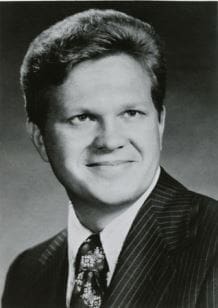
 We interview Ryan McKnight, founder of MormonLeaks, where we discuss a recently released audio recording of Joseph L. Bishop (former President of Weber State University, former LDS mission president in Argentina, and former president of the Provo Missionary Training Center) as he is confronted by one of his sexual abuse victims. In this recording featured in Part 2, Joseph Bishop apologizes to his victim, in response to her accusations, and admits sexually inappropriate conduct with several victims before and during his time as MTC President. He also admits in the interview that he experienced no disciplinary punishment by the LDS church for his abuses.
For those in Utah, information about the March for the Children organized on March 30, 2018 may be found here.
Part 1: This transcript is machine-generated and lightly edited for readability. The audio is authoritative. Please excuse occasional errors in names and spelling. Guest [00:00:00] We like to throw rocks at the people who don't see the world in the way we do. John Dehlin [00:00:11] Mormon Stories is a production of the Open Stories foundation and relies solely upon the support of people like you, its listeners. To help keep the podcast alive or to become a member of the community, please become a monthly subscriber by visiting MormonStories.org and clicking the donate button on the top right side of the page. All contributions to Mormon Stories are completely tax deductible and go towards producing the podcast and building communities and programs of support for Mormons like you. Thanks for your support. Hello everyone and welcome to another edition of Mormon Stories Podcast. I'm your host, John Dehlin. It is March 19, 2018 and we have a breaking story that we decided we wanted to make sure and cover today. The story involves the website MormonLeaks and it basically involves the release today of an audio recording. And the audio recording is between a man named Joseph Bishop. This man, according to my research, is a former president of Weber State University. He is a former LDS mission president, and he's the former president of the Provo Missionary Training center from 1983 to 1986, which is two years before I entered the MTC. And in this recording, what we hear is a woman who was in the MTC as a sister missionary during the time that he was an MTC president. And she recounts to him what she states as the sexual abuse that she experienced from him where she was in some form sexually groped or assaulted by him while he was MTC president. And in, in that recording, he apologizes for her accusations and then also admits to inappropriate sexual behavior with other women, both prior to him serving as president of the mtc, including a time when he was in a bishopric, and also, you know, everything up until that point. And then for me, what's most interesting about this is that, you know, she, she tells in the recording that she confessed or reported this assault to who I believe is Carlos A.C. of the Quorum of the Seventy. He admits to confessing his sins to Robert Wells and he also admits that he never experienced any ecclesiastical disciplinary counsel or punishment for, for, for any of these things. So today what we're going to do is we have Ryan McKnight of Mormon leaks with us. He's going to just tell us what he is able to tell us about the recording. We plan on playing the recording as, as, as sort of its own episode on Mormon Stories podcast and then we're going to append to it my conversation with Ryan about the recording. So Ryan McKnight welcome back to Mormon Stories podcast. Ryan McKnight [00:03:38] Hey, John, thanks for having me on. I'm glad we were able to do this with last minute preparations. John Dehlin [00:03:44] Yeah. And I'm just going to say, you know, it's never this sort of thing is always sort of sensitive and it's never super fun because we're dealing with people's lives, we're dealing with recordings, we're dealing on very sensitive matters. And it's something that I never rush to want to do. So just to give a little context to our listeners, we did interview Brooke and Josh Miller a week or two ago. They have a recording of an interview that was done privately with Spencer Fluman of the Maxwell Institute. And we decided not to release that audio and to encourage them not to release it, partly because they had promised Spencer that it would only be used for their personal use. But these recordings are tricky. So, Ryan, why don't we start with you talking to us just quickly about Mormon leaks policy on what you guys decide should and shouldn't be released in terms of these private, secret audio recordings. Ryan McKnight [00:04:45] Sure, yeah, it's a good topic. It's an extremely topic to sort of nail down because I don't know that it would be possible to create a definition that you could say, okay, anything that fits within this box gets released and anything outside the box doesn't. It's definitely sort of murky waters, if you will. But one of the things that we look at is we look at what is our mission as mormonleaks, and I think it would probably be similarly aligned to other ex Mormon related outlets in terms of tapes. And that would be basically at the core, we are seeking increased transparency and accountability for any kind of abuse that's done at sort of like the ecclesiastical level. And so now that's not to say that if there was something outside of that box that it wouldn't apply. But we start off with that. When we start off with, okay, does this provide us with increased transparency? Does it give us a better understanding of maybe some of the flaws that are in the system? Which I think in the case of this particular tape, obviously that does, and I'm sure we'll discuss that a lot. And yeah, so what kind of like, I guess, you know, greater good, if you will, does this serve? You know, in the case of this, you know, you have sort of other potential victims, whether they be his victims that he sort of alludes to in the tape, or maybe victims of other church leaders and empowers them to either maybe feel better about their own situation because Maybe they realized they weren't alone. Maybe it helps them process their own sort of trauma. And for some, they may find the courage to come out and speak out about it, which would create even more awareness, things like that. And so that's what we try to do. We try not to. It's easy to sort of get sucked into a sexy tape. And it's always any tape. Anytime somebody is recorded in candid conversation, I think it's only human nature to sort of be drawn to that and to want to hear somebody speak off the record. Right. I always get that myself when people, they'll listen to an interview and I'll meet them in real life and maybe I'll go to dinner with them or something like that, and they'll be really, really interested in what I say sort of when I'm not on script. And so it's just natural for people to want to hear those kinds of things. And there's nothing wrong with releasing things that don't fit into the box of Mormon leaks. But for us to release it, it has to kind of apply to our larger mission. John Dehlin [00:07:55] Okay. As far as I'm concerned, there are a couple things that I think about as well with Mormon stories, because we have to decide what to share and what not. In this case, there are a few things. Number one is Mormons. The LDS Church impacts millions of people. And one of the things that. That we all assume is that our leaders that are called, are called by inspiration that. That the Lord is telling, you know, we all trust as Mormons, that when a president or stake president or general authority calls another president or stake president or general authority, that it is God's will that these people are chosen. And so. And so we put a lot of trust in our leaders as Mormons when our leaders are installed above us. And what this clearly shows, and we'll talk about this. This man, Joseph Bishop, his first, you know, the first abuse that he admits to, that I heard on the tape, occurred when he was in a bishopric. And then that abuse happens prior to him being called as a mission president and then finally president of the mtc. And so, you know, you have to wonder. I think this does call into question the church's level of inspiration and its calling of leaders, if they're calling as president of the mtc, someone who had a former history of sexual abuse that he admits to that had never been resolved. So that's the first thing, is to have everybody look very closely at the claims that the church makes that its leaders are inspired as called by God and to kind of get a good sense for whether the Church has a very good process in place for who it calls as leaders. Because as I understand it, there's no sexual background checks, you know, legal background checks that happen when the church sort of makes these calls. The second is that, is that in this case, you know, this victim reports the abuse to an ecclesiastical leader, in this case Carlos aci, and he admits, you know, Bishop admits in the interview that he had never received any disciplinary church discipline for his admitted abuses or for her reported abuses. And so that calls into question whether the Church is actually, you know, punishing victims and defending perpetrators, giving them no consequence whatever. So the Church will, for example, excommunicate someone like me simply for asking questions, for having a podcast, but it will completely leave alone someone who actually, you know, to them has been reported actual instances of sexual abuse. And so, yeah, you know, is the church covering up, you know, abuse? Is it protecting abusers at the expense of victims? I think that's, I think that's important. And then I'll bring in a couple more things. We now have Sam Young doing his March for the Children where he is basically calling into question any private one on one meetings between ecclesiastical leaders and children or youth. And he's calling for an end to interviews around sexuality to church leaders and youth or adults. And I think this just gives us at a very high level a very clear example of how dangerous this setting is of, of, of. Of LDS Church leaders being in any position to have these interviews with youth or adults where they're talking about sexual matters. And then the final thing is we know that the LDS Church just in 2018 tried to pass a law within the state of Utah to try and keep any audio interview that's made of, of their, you know, their leaders or other people in the state. The Church tried to pass a law making it illegal for anyone to share any of these audio recordings. And in Ryan McKnight, what I think this audio recording shows very clearly is how important it is for within the state of Utah and other states for it to be legal in a one party state for people to be able to share audio recordings if in fact there are instances of abuse or cover ups of abuse. Do you have any quick responses to any of that? Ryan McKnight [00:12:20] Well, I mean, yeah, I mean, I think all the points that you say make this tape relevant or spot on. I think that especially with what Sam Young is doing, which I think is a great movement, and I think this ties directly into this idea that the system just doesn't work. And to anybody that is, you know, if there's any, you know, believing Mormons that are jumping at their screen right now and saying that, oh, but you know, 99% of the bishops would never do anything like this. Well, I'm willing to even grant a statistic like that. But to me it's all about sort of protecting the least of these and the fact that even if there's one bishop that would be potentially or any leader, it shouldn't have to be a bishop, any sort of ecclesiastical leader. We would want protections in place in every other aspect of our lives. I think that, yeah, I love what Sam's doing and I think that this tape plays into that. That last thing that you mentioned. What was that last. The thing that you mentioned? Because I want. Oh, the recordings. Yeah. I mean when the word started coming out that the church was orchestrating this whole, you know, getting rid of the one party consent and they were trying to use the Utah Chamber of Commerce as cover for that, for their involvement in it. Just totally ridiculous. And it's tapes like this. I mean, for all I know, they might have even known about this tape. For all I know. I don't know that. But I'm just saying for all I know they knew about this tape and this was the kind of thing that was motivating them and they obviously know about other tapes and then just tapes that they don't know about that are potentially out there. I really cannot think of one good reason why they would, they would do the two party consent and any state. I know some states are two party consent. I live in a two party consent state and I think it's ridiculous. I don't understand the reasoning behind it. And you know, the only thing I've ever heard anybody really say is like, well, you know, what's going to stop people from recording our personal conversation and putting that out there? Well, first of all, that's, I don't, I've never really heard of even in one party consent states. I have not ever heard of this prolific problem of people leaking their private conversations with just everyday people. It's always about, or almost always about people in positions of power abusing their power. You know what I mean? This two party consent is not because I go to lunch with John Dehlin and secretly recording, getting him to say something he later regrets. That's not what this is about. So I just don't, I don't understand the, the pushback against this. And I think the church, well, I don't know This. I didn't research this, but I would love to know if there's ever been a quicker turnaround on support for a bill than there was on that one, you know, that the church wanted. Because it was within, I don't know, 48 hours, I'd say, when that started to break to the news that all of a sudden the people behind the bill said, well, we're gonna, you know, we're gonna table it for now. That was pretty. That really was a hat tip to the power of the people on that. John Dehlin [00:15:34] Absolutely. So what can you tell us? We want to play this audio recording and then analyze it. What can you tell us just about the recording itself, not in terms of the content of it, but whatever you want to say about the release of it? Ryan McKnight [00:15:50] Yeah, I mean, look, right now, you know, we just released this. I'm not, you know, we rarely comment on the sourcing of our. Of our documents and files that we release. And that's not really going to change this time. And in this particular case, I really want to be very guarded about the sourcing. And because at this time, the alleged victim or the, you know, the accuser, if you will, is anonymous at this time. So I'm not going to really make any comments about the sourcing, but I could foresee down the road at some point being able to speak more openly about some of the aspects of the sourcing, but I don't know that. I think it remains to be seen. So as of right now, I think the only thing I can really talk about is the content of the tape. John Dehlin [00:16:39] Okay. And that makes sense. And so what I'm going to say then is that for those who are joining us afterwards, for those joining us live, we're not going to be playing the interview in its entirety. And so this is just the preamble to the interview. And then this is my cue for Cody Layton, my audio and video producer, to go ahead and share as part two of this series, the actual audio of the interview. Tell us really quickly, Ryan, what we hear in the audio in terms of setting it up for us. Ryan McKnight [00:17:17] Sure. Well, you hear a woman and a man talking in a room. It's. You can pretty much tell by the beginning parts of the conversation that he's under the impression that she's interviewing him about some article about leaders of the church. And he doesn't really know what's coming down the road or who she is, really. And they spend the first 40 minutes or so doing this sort of mock interview where he talks about his life and the Church and his various accomplishments and whatnot. And just for those that listen to this, know that if you hear gaps of silence, and you'll see this, if you use the transcript to follow, you'll see it great redactions in gray. And there's a lot of them in the first 40 minutes, and there are some after that as well. Those are sort of personal details about either the woman in the tape or also about him that were not pertinent to the core issue of the tape. And so we remove them. You know, things about his family and things about his health and things about her family and all these kinds of things. We redacted all of those things. And you'll hear gaps of silence in the tape for that. But they spend the first 40 minutes or so with this fake interview, and then she kind of, I guess, finds as good a time as any to sort of transition. I think, on the transcript, I think it's around page 26, that that happens roughly, and she begins to sort of reveal who she is and proceeds to sort of confront him, if you will, as a victim confronting their accuser. And part of that confrontation is also her discussing one other case that she knows part of and then trying to grill him on how many other women there are and trying to sort of nail that down. John Dehlin [00:19:10] Let me just ask you. My biggest concern, number one, was that we weren't damaging the victim by releasing this. You clearly have done whatever vetting you need to do to not be concerned about that. The other question is, I wanted to make sure that this wasn't in some way doctored, that this was actually the person that we're talking about, that this, in fact, represented accuracy and truth about the alleged perpetrator. What can you tell us about your comfort level that we're actually listening to, you know, the. The, you know, to. To Joseph Bishop and that he is who she claims. Ryan McKnight [00:19:49] So we. We do have in verification beyond just this tape. I really can't get into what it is, but I. I would. Well, I welcome anybody's skepticism because I'll be honest with you. When I first heard the tape, I said, okay, what, you know, how do we know these aren't two actors? Right? So. But, you know, we have independent verification that unfortunately we can't share right now. But I will say this. I've been in contact with at least two multiple media outlets, definitely two that are very close to writing a story. They're going through, you know, their legal hurdles that they have to go through whenever they're writing about sexual abuse. And I believe, I don't know this for sure yet because I'm not writing the story, but it's my understanding that at least one of these outlets has independently verified it. And I assume that if they write a story, they will include that fact in the write up. So. John Dehlin [00:20:39] Okay, but you, but you are confident that this is in fact Joseph Bishop, no doubt, who was former, former president of Weber State University, former mission president in Argentina, former president of the, of the Provo MTC Missionary Training center from 1983 to 1986. Ryan McKnight [00:20:58] Yes, I have no doubt. And also not that this, I mean, I suppose this doesn't technically prove it. I don't know. Maybe it does prove it. I don't know. But within the last couple of hours, Deseret Book has scrubbed from their website. He had a couple of books for sale there. They are now gone. His author's biography is gone from their website. I'm also told that there were some, maybe some, maybe Ensign articles or something. There was on LDS.org with him and that's now gone. John Dehlin [00:21:24] So, so the church is systematically scrubbing the memory hole, throwing, throwing everything it can down the memory hole so that no one can. Ryan McKnight [00:21:33] What else would they do? What else would they do so that John Dehlin [00:21:35] no one can connect the church to, to this guy? Ryan McKnight [00:21:38] Right. Because, you know, in they, they, they, those guys in the, the Q15, as we often refer to them, I don't think they have learned yet that the Internet does not die. John Dehlin [00:21:49] But yeah, but it is so crazy that that's the Church's response to eliminate as much evidence as they can that this person has a connection to them. Ryan McKnight [00:21:59] Well, and, and here's the thing. I, I actually cannot, I can understand why they would want to do it, but to do it without sort of like an accompanying explanation, that is the crime right there. I don't think it's necessarily a bad thing to say, hey, this guy did some horrible things, or it appears he did some horrible things and so we don't want to sell his book anymore. I mean, that's perfectly fine. It's this doing it sort of on the quiet without any kind of little statement to say, hey, you know, based on these, you know, heaven forbid they were to, you know, credit Mormon leaks with anything. You know, I doubt they would want to do that, if that makes sense. I'm not upset that they're scrubbing him from the website. But you know, it's one of those things where the COVID up is always worse than the crime. You know, all they have to do is Come out with a statement and say, hey, this guy's. We don't want to be associated with this guy anymore. So. John Dehlin [00:22:52] Well, in this case, I think the crime is worse than the COVID up so far. But, but if we're talking about Deseret, if we're talking about fair, if we're talking about them, Carlos, A.C. you know, receiving the information that this abuse happened and the church never actually punishing Joseph Bishop for what he did, leaving that alone. Yeah. That. That cover up is, is, is egregious. Ryan McKnight [00:23:18] Yeah. And I do think, look, and not, not to give, not to be too fair to the church, but, you know, and in some fairness to the church, I. Well, you do have the issue of she claims to have spoken to A.C. it's unclear when, but I think it's kind of implied that it was years after the fact. And, you know, if that's true, that she spoke to AC and he never went and talked to him, that's definitely something that needs to be addressed. But I will say that in terms of, you know, he makes reference throughout the tape about various confessions he gave in his history, including confessions that he says he gave to general authorities or I don't remember exactly who he says they were, but he does seem to sort of indicate that maybe he didn't give full confessions. And in fact, at the end of the tape, he talks about how he probably does still have things he needs to confess to. So it's possible that at the time that it was going on. I'm not talking about AC after the fact. Which, which is. Yeah, I think at the time it might be that the church didn't know or didn't know the extent of it. I don't know. It's hard to say. John Dehlin [00:24:27] Okay. Ryan McKnight [00:24:27] It's hard to say. John Dehlin [00:24:28] Well, let's let listeners. Let's let our listeners hear the actual interview and those joining us live. You will not hear the interview. We're just going to go right into the discussion of it. But for the, the people who are listening through the podcast, we're going to let you listen now to the actual exchange and then Ryan and I are going to come back and discuss it. Thank you for joining us today on Mormon Stories. If you enjoyed this episode, please help us make more like it by becoming a monthly subscriber@mormonstories.org. Rocks is a featured single on Angela Soph's upcoming album, Second Wind. Inspired by her struggle with the faith journey out of orthodox religion. You can find and follow her on social media as Angela Sofband that's s o f f e on Spotify or angelasof.com. Guest [00:25:37] So judge me, Cast me your stones? I will lay them back at your feet? Take my hand, let's walk among we like to throw rocks at the people who don't see the world in the way we do? I don't know why we all say? Stand in a circle and point a finger or two? Tell me how can you see what is buried beneath a mountain of smiles? We're all thrown in the same blue water of the unknown? So leave your rocks at home? The truth is not what it seems? We are told to just be believing the story has never been told and we all need someone to listen to hold our heart is there Beating with so much more than we see? But we like to throw. Guest [00:00:00] We like to throw rocks at the people who don't see the world in the way we do. Guest [00:00:11] Mormon Stories is a production of the Open Stories foundation and relies solely upon the support of people like you, its listeners. To help keep the podcast alive or to become a member of the community. Please become a monthly subscriber by visiting MormonStories.org and clicking the donate button on the top right side of the page. All contributions to Mormon Stories are completely tax deductible and go towards producing the podcast and building communities and programs of support for Mormons like you. Thanks for your support. Video Clip 1 [00:00:58] So nice to meet you. Video Clip 1 [00:01:00] Thank you. Video Clip 1 [00:01:01] So, okay, so I have a few questions for you. Not a whole lot, but I do have a few. I just. Do you know any of the other? Well, like a temple president that lived in Phoenix. He was temple president. Okay. It doesn't matter. It doesn't matter. So I have some questions for you. The first one is just sort of some general information where you grew up. Do you know what the point of this is? Joseph L. Bishop [00:01:31] I'd like to know. Ryan McKnight [00:01:33] There are some amazing church leaders who have done tremendous work, and it's sort of an unsung hero type of work, and I think they go unrecognized. So what I'd like to do is get. Get an idea of some of the. Like the state presidents. Obviously, there are a million of those temple presidents, and I've got a few of those. But you served two mission presidencies, so three. Oh, three. Joseph L. Bishop [00:02:06] Well, one was acting president. Ryan McKnight [00:02:09] Okay, perfect. We'll get to that. So for me, I thought you were like a. A two in one, but now you're a three in one, which is ab. Batter. Joseph L. Bishop [00:02:18] What's a two? And a half? Ryan McKnight [00:02:19] Two and a half. Two and a half. Okay, so, Joseph L. What's your. What's your middle name? Joseph L. Bishop [00:02:27] Layton. L, A, Y, T, O, N, Like Ryan McKnight [00:02:29] Layton, Utah, all that. So did you grow up there? Joseph L. Bishop [00:02:32] No. Ryan McKnight [00:02:34] Why? Layton. Joseph L. Bishop [00:02:36] My father was Joseph Layton. I'm Joseph Layton Jr. Nice. Ryan McKnight [00:02:40] How'd you get Bishop? Bishop was your wife's name or your name? Excuse me? Your. Your father's name? Joseph L. Bishop [00:02:48] Joseph Layton. Ryan McKnight [00:02:48] Bishop Joseph Layton. Bishop. You're the second. Okay, I'm sorry. All right. So where did you grow up? Joseph L. Bishop [00:02:56] Delta, Utah. Ryan McKnight [00:02:58] Where's that? Joseph L. Bishop [00:03:00] In the center of the state. How can you talk? Ryan McKnight [00:03:04] Okay. Joseph L. Bishop [00:03:05] I used to be the hub of the universe until I grew up a Ryan McKnight [00:03:08] little more, I bet. And how many siblings do you have? Joseph L. Bishop [00:03:12] No, I have a sister who passed away when I was 2 and she was 4. Ryan McKnight [00:03:18] Sister died at 4. Was she ill? Joseph L. Bishop [00:03:21] Scarlet fever. Ryan McKnight [00:03:23] That's awful. Oh, that must have been horrible. Joseph L. Bishop [00:03:27] I was, too, and I don't remember her at all. Ryan McKnight [00:03:29] Yeah, but still. Gosh. Okay. And where did you go to school? Joseph L. Bishop [00:03:34] Delta High School, Delphi. Ryan McKnight [00:03:38] Okay. Joseph L. Bishop [00:03:38] Grandego Cultural College in Cedar, which is now Southern Utah State. Ryan McKnight [00:03:45] Okay, now it's Southern Utah. I'm sorry, southern what? Joseph L. Bishop [00:03:50] Southern Utah State University. Ryan McKnight [00:03:53] University. You better check something like that. Oh, I will. I'll check everything. All right. And where did you serve your mission? Joseph L. Bishop [00:04:01] Argentina. Ryan McKnight [00:04:02] You served in Argentina? And then you were a mission pilot in Argentina. Nice. Joseph L. Bishop [00:04:07] But I served there as a young man. It was the Argentine mission. Just one mission. Argentine mission. Ryan McKnight [00:04:14] How old were you? 19. Joseph L. Bishop [00:04:16] No, I was 20. I think I was 21 back then. The Korean conflict. You're too young to. There was a Korean conflict way back when, and young men could not go on missions. They had to serve in the military first or join the Reserve and go to college. I just. I chose that. But that was three years into the conference. Could we. Can I ask you a couple of questions? Ryan McKnight [00:04:49] Oh, yeah, absolutely. Joseph L. Bishop [00:04:51] I've had some amazing experiences, highly spiritual, that I don't talk about all the time for obvious reasons. Ryan McKnight [00:05:01] Yes, sir. Joseph L. Bishop [00:05:03] There is some things that I think might help struggling mission presidents. Ryan McKnight [00:05:15] Thank you. Joseph L. Bishop [00:05:17] I'd be happy to go into all that, but I've had so many of those things. This might be a long interview, and you probably have to write about 15 people in your article, which is fine. Ryan McKnight [00:05:33] It's okay, though. I will take the most important part, and perhaps your interview will be separate from others. Joseph L. Bishop [00:05:47] Don't misunderstand. I just want to make sure that as it's written, it doesn't come off sounding like I've had these experiences and you haven't. Ryan McKnight [00:05:59] Okay. Joseph L. Bishop [00:06:01] I want to be clear that I know the hand of the Lord in my life from way back when. The patriarchal blessing is very specific. Numerous things, and they've all happened, so I. I know that my life has been. Ryan McKnight [00:06:17] Have you thought about writing a book? Joseph L. Bishop [00:06:19] I've written three books. Peace be unto thy soul. Ryan McKnight [00:06:23] Peace. Do you mind if I write this one? I think. I'm so sorry. Peace be unto thy soul. Joseph L. Bishop [00:06:27] Well, my first book was the Making of a Missionary, which I wrote after my experience as president of Buenos Aires North Mission. Ryan McKnight [00:06:38] And it was called what? Joseph L. Bishop [00:06:39] The Making of a Missionary. Ryan McKnight [00:06:45] You know, this is very good, which Joseph L. Bishop [00:06:48] makes me appreciate you so much because you obviously are a skilled writer. You wouldn't have a job. Ryan McKnight [00:06:56] Right. Joseph L. Bishop [00:06:56] And my writing is just laborious. Ryan McKnight [00:07:00] That's why we have editors. That's exactly right. Joseph L. Bishop [00:07:04] And you're an editor. Ryan McKnight [00:07:05] Okay. No, I'm not an editor, but I do write. Yeah. Okay, so that's the second book. The third book. Joseph L. Bishop [00:07:17] 30 Ways. To enjoy. No, Might have forgotten my time. Oh, come on. 30 minutes to love your mission. Ryan McKnight [00:07:29] To love your mission. Joseph L. Bishop [00:07:32] Covenant called and said with the new young men going out, they wanted a little bit lighter. And so I wrote them a book and I found there. Ryan McKnight [00:07:41] Nice. And that's the Covenant. And who did piece the end of my soul? Joseph L. Bishop [00:07:48] I did that. That was after my wife's death. Ryan McKnight [00:07:50] Your wife? Patty? Joseph L. Bishop [00:07:51] Uh huh. My first wife. Ryan McKnight [00:07:53] Oh, when was that? I am so sorry to hear that. Joseph L. Bishop [00:07:56] That was 12 years ago. Ryan McKnight [00:07:59] Oh my. But you're pre married? Joseph L. Bishop [00:08:01] Yes. Ryan McKnight [00:08:01] Okay. All right. Self published. Joseph L. Bishop [00:08:06] Wow, you're self published. Ryan McKnight [00:08:08] You didn't self publish piece beyond what I saw. Joseph L. Bishop [00:08:10] No, that was Covenant. Ryan McKnight [00:08:11] That was Covenant. Joseph L. Bishop [00:08:13] Two books were Covenant and one from book craft bookcraft. Ryan McKnight [00:08:17] Okay. Would you want to know My wife Joseph L. Bishop [00:08:21] was alive for the first book. Ryan McKnight [00:08:24] Okay. Joseph L. Bishop [00:08:25] Second book I wrote because of her death. It was a niche book to try to help those who are grieving. Wow. Going through the process. Ryan McKnight [00:08:33] That's impressive. Joseph L. Bishop [00:08:35] You have to read the book, find out if it's impressive. Ryan McKnight [00:08:37] Oh, I will read the book, I promise you. Joseph L. Bishop [00:08:39] Oh, okay. Ryan McKnight [00:08:40] Wow. Okay. All right. So who's your wife now? Joseph L. Bishop [00:08:46] I am divorced, but we're getting remarried. Ryan McKnight [00:08:49] Okay. Joseph L. Bishop [00:08:50] She was the one I was going to bring here. Ryan McKnight [00:08:51] Oh, I would love to have met her. Joseph L. Bishop [00:08:54] She would love to have met you. She. I married her because I went to the temple with her. Long story short, had an experience in the temple and I was to marry her. I knew she was struggling. She's had all kinds of problems. We were husbands. Ryan McKnight [00:09:12] Like a cheating husband? Kind. I had one of those. They're everywhere. Joseph L. Bishop [00:09:18] Yes, we are. So there was a divorce. She divorced me. That was about six months ago. She ended up here. She has a large family here. I ended up here. Different reasons. And we have since gotten together and planning to get married. Ryan McKnight [00:09:38] And when are you getting married? Joseph L. Bishop [00:09:40] We haven't set a date. Within the next. I don't want all of that. Guest [00:09:45] No. Ryan McKnight [00:09:46] Yeah, that's. What a wonderful story. So who was your first wife? Joseph L. Bishop [00:09:54] From Delton, Utah? Ryan McKnight [00:09:55] Oh, really? Was she like a. A childhood sweetheart? Joseph L. Bishop [00:09:59] Yeah. Ryan McKnight [00:10:02] Was she your wife during the Buenos Aires mission? Joseph L. Bishop [00:10:07] Yes. Ryan McKnight [00:10:09] Well, then she would have been at the MPC too. Joseph L. Bishop [00:10:11] Yes. Ryan McKnight [00:10:12] Okay. She only died 12 years ago and Joseph L. Bishop [00:10:16] she sang in the Tabernacle choir for many 20 years. Wow. Ryan McKnight [00:10:22] So you were in Salt Lake for Joseph L. Bishop [00:10:24] a Long time in and out, high commissions. Stop. Ryan McKnight [00:10:31] So, okay, general information. So you're a marriage. And what is your education? Joseph L. Bishop [00:10:41] We started on that, didn't we? When I interrupted. Ryan McKnight [00:10:43] No, no, please. That's why I have things written down. I normally have a laptop, but. Joseph L. Bishop [00:10:47] Yeah, well, associate in watch. Degree at Southern Utah State University. Bachelor's and Master's degree at BYU. Ryan McKnight [00:11:01] Anne. Joseph L. Bishop [00:11:03] Spanish. Majored in Spanish, minor in French. Ryan McKnight [00:11:06] Okay. Joseph L. Bishop [00:11:10] PhD at Claremont. Ryan McKnight [00:11:11] Where's Claremont? Joseph L. Bishop [00:11:13] C, L, A, R, M, E, N, T. It's in Claremont, California. Ryan McKnight [00:11:17] PhD in. Yes. Joseph L. Bishop [00:11:18] What education? It's not an EDD, it's a PhD. Yeah. Ryan McKnight [00:11:23] Dr. Bishop. Joseph L. Bishop [00:11:25] I am me. All right, Dr. Bishop. Ryan McKnight [00:11:27] That's awesome. Good for you. Guest [00:11:29] Okay. Ryan McKnight [00:11:30] So when did you finish your doctorate? Joseph L. Bishop [00:11:32] Oh, you're giving me the dates? Let me preface that by saying I'm now 85, soon be 86. My memory is. Ryan McKnight [00:11:40] Not to worry. I'm sure it's still with us. Joseph L. Bishop [00:11:44] Lets see. Probably I ended up with my degree there, probably around 75. Ryan McKnight [00:11:53] Still married? Joseph L. Bishop [00:11:55] Yes. Ryan McKnight [00:11:55] Okay. All right. Joseph L. Bishop [00:11:58] So you're married almost 46 years. Wow. Then she had the audacity to die. Ryan McKnight [00:12:08] She just kicked the bucket on us like that. She didn't ask permission, Nothing. What is wrong with that? Joseph L. Bishop [00:12:14] I don't know. Ryan McKnight [00:12:16] Bless your heart. What was your first calling in the church? You were never a bishop bishop, were you? Oh, really? Can I write that down below? Okay. Joseph L. Bishop [00:12:30] Bishop Bishop. Ryan McKnight [00:12:30] You know, I think you might need a whole article just for yourself, but this is so much more than. Joseph L. Bishop [00:12:39] Do you have a schedule at 4 o'? Clock? Ryan McKnight [00:12:40] I don't. I don't. Joseph L. Bishop [00:12:42] I'm a little more background. Ryan McKnight [00:12:43] Yeah. Joseph L. Bishop [00:12:45] When I was a young man, I had my patriarchal blessing when I was like 16, 17. Patriarch in Delta, Utah. Who says? We was. Ryan McKnight [00:12:56] Oh, right. Joseph L. Bishop [00:12:57] One of the old great. My blessing said to me, I have it in my love. Said to me, study the gospel because you will be called to preach the gospel not only in the Wasatch front, but in the nations of the world. Now, keep in mind, at that time later, I couldn't go on a mission because they weren't allowing men, young men, to go on a mission, because. Ryan McKnight [00:13:34] North Korea. Joseph L. Bishop [00:13:35] Yeah. So I was in the af. Rotc. Wanted to be a fighter pilot. The process was. You went to school, you signed a contract with the army, and then after the three years of college, you went to a summer camp. Camp. I went to the Air Force base in Las Vegas. Nellis. Ryan McKnight [00:13:59] Nellis, yes. Joseph L. Bishop [00:14:00] And then that following year, you finish your college, university, you get a degree in whatever and Then you sign up for four. You've already signed up for four more years in the Air Force. At that time I was in engaged to be married to another girl that I admitted at college. Ryan McKnight [00:14:22] But not. Joseph L. Bishop [00:14:23] But not she wanted to be. Well, she was to your gender than I. So my mother had put in my. You might enjoy some of this because I enjoy it. If I enjoy it, somebody lose. Ryan McKnight [00:14:37] I. I'm. I'm interested. Joseph L. Bishop [00:14:40] My mother put into my suitcase the Book of Mormon and my patriarchal blessing. One evening I opened up the Book of Mormon. My patriarchal blessing fell out. That's when I read that I was to go on a mission. And that night in my prayers I said it's okay. I know I'm not going to be able to go on a mission because of where I was. I was then three years in college. Ryan McKnight [00:15:03] Okay. Joseph L. Bishop [00:15:03] So I was what, 19, 20, 21 probably and engaged contract with the Air Force for another four years after I spent that year. By then I probably had children. Obviously not going to go. So I counseled the Lord, told him it was all right. About a week later, Eisenhower, who was then president. Do you remember some of this? Ryan McKnight [00:15:36] I'm so. I don't remember what I mean however, but I'm historically I'm not too far off. Joseph L. Bishop [00:15:44] Yeah. So eco budget, the gas force and the cadets there Nellis were all washed out because the cutting the budget. Ryan McKnight [00:15:54] Right. So you were washed out. Joseph L. Bishop [00:15:56] I was washed out. Ryan McKnight [00:15:59] Funny how that works, huh? Joseph L. Bishop [00:16:00] You know then a week later I got a letter from the army from my induction notice. I was to go to Fort Ord in Salt Lake and there go through medical examination and whatever and then I would be in the army in the infantry. Went up there. The young man who did the medical assessment was obviously just out of medicine school trying to start a practice and they had washed me out. Frivolous reason. I have a pig. I have a. What's it called? It's a little nub of a rib. An extra rib. Can't think of the medical name. Ryan McKnight [00:16:47] That's okay. But they wash you up because of that. Joseph L. Bishop [00:16:49] Well, they had to have something to say. I passed five life visits. So it was. So I had my. For some reason I'm taking my X ray with me of that. So there's a little thing on the form said have you ever been disqualified for active or inactive duty? I checked, yes. Because of that. I thought maybe the AFROTC might be considered inactive duty because I'd signed a contract, they had contracted me. Guest [00:17:24] So Joseph L. Bishop [00:17:27] I showed him the rib and he Said, okay, I'm going to put you for F. Which meant I was unqualified physically to serve. Okay, then come to see me. Give me his card. I'll take out that ribbon, and then you will heal. And a month or two down the road, 1A, and you'll go in the service. Ryan McKnight [00:17:51] Okay. Joseph L. Bishop [00:17:51] And I said, if you put me 4F, you probably won't see me again. I was kind of laughing at it. Yeah, I will. 4F. Went home to my bishop, who. Ryan McKnight [00:18:04] Cervical. Joseph L. Bishop [00:18:05] Cervical is the word. Ryan McKnight [00:18:06] Cervical rib. Okay, so it's an upper ribbon right there on here. Okay. Clavicle. Joseph L. Bishop [00:18:15] I don't know. Ryan McKnight [00:18:17] There you go. Joseph L. Bishop [00:18:18] Maybe it's somewhere else. Ryan McKnight [00:18:20] Okay. Joseph L. Bishop [00:18:24] Went to my bishop and said, I can now serve a mission. And back then, the bishops didn't track the age of the youth like they do today. And he said, are you old enough to go on a mission? Yeah, three years of college. Oh, good. Two months almost to the day that I counseled the Lord. Oh, my wife. My wife. My girlfriend gave me my ring back. She broke the engagement because. Because I just didn't feel right about when. It's not that we were possibly with each other, but I couldn't decide when. So she said, I'm giving back the ring. That was taken care of. Ryan McKnight [00:19:11] Wow. Joseph L. Bishop [00:19:12] So now you see what I'm saying. And it says nations. I've served a mission, two missions in Argentina. I was the area welfare agent for Central America serving Guatemala, Honduras, Nicaragua, Costa Rica. No, Panama. Ryan McKnight [00:19:33] And you were blessed to be able to learn Spanish so well. Do you speak like a native? Joseph L. Bishop [00:19:38] No. No. Ryan McKnight [00:19:39] Well, did you then, with your Spanish version? Joseph L. Bishop [00:19:43] My Spanish was pretty good. Ryan McKnight [00:19:45] Way beyond. That's a. Oh, yeah. Joseph L. Bishop [00:19:47] Okay. Ryan McKnight [00:19:48] Well, yes, I think that's when you served this interview in Spanish. Oh, God, no. Maybe. But Spanish. Joseph L. Bishop [00:19:57] Did you serve a mission over there? Ryan McKnight [00:19:58] No, but I lived there. Joseph L. Bishop [00:20:00] Oh, my word. Oh, my word. Yeah, we ought to be writing this article for you. Ryan McKnight [00:20:07] No, hardly. There's nothing special about me. Joseph L. Bishop [00:20:10] Oh, I don't know. That doesn't sound. Not unspecial. Ryan McKnight [00:20:14] Wow. Joseph L. Bishop [00:20:14] Is that a good word? Ryan McKnight [00:20:15] And special gaffes. Okay, so you served that after the mtc, correct? Joseph L. Bishop [00:20:24] Yes. Ryan McKnight [00:20:25] What years did you serve? Your. Okay. So would you call it a welfare mission in Central America? What was your actual calling? Joseph L. Bishop [00:20:33] A missionary with the title of welfare agent for Central America. Ryan McKnight [00:20:40] And what year was that? Joseph L. Bishop [00:20:42] Three years. And that's. Ryan McKnight [00:20:45] Let me. Joseph L. Bishop [00:20:46] Let me go backwards. Ryan McKnight [00:20:47] Okay. Joseph L. Bishop [00:20:49] Came out of a mission in 83. Ryan McKnight [00:20:53] No matter what mission in 83? Joseph L. Bishop [00:20:56] Well, I was president of Weber State. Ryan McKnight [00:21:01] Oh, good. God. President of Weber State. I'm so sorry. I am so unprepared for this. For this interview. You were president of Weber State College. Well, okay, now it's university, right? We were State College. Joseph L. Bishop [00:21:15] My task is to get it ready for university status against all the opposition. Ryan McKnight [00:21:20] Well, apparently you did. Joseph L. Bishop [00:21:22] Well, I have left there a lot of blood. If you still go there, you can see my blood every day. Ryan McKnight [00:21:30] Okay. Okay. Joseph L. Bishop [00:21:32] Anyways, so. And there's another experience of how I was called President Kimball. We won't go into his background. I had a special call from President Kimball. Ryan McKnight [00:21:47] Okay. And was president of Weber State. Is that before or after the mtc? Joseph L. Bishop [00:21:55] The sequence is. I was at Weber State, called Weber Ryan McKnight [00:22:01] State, called to be mission president in Argentina. Okay. Joseph L. Bishop [00:22:04] Buenos Aires. More. You don't know. That's the best mission in the whole church. Ryan McKnight [00:22:12] Is it? Who would have thought? Okay, and then. So you went to Weber State. During your. Your stay at the Weber State College, you were called to be mission president in Argentina. Joseph L. Bishop [00:22:24] Correct. Ryan McKnight [00:22:25] Okay. You served there from 79. Joseph L. Bishop [00:22:30] Let's see. Ryan McKnight [00:22:33] I hate numbers. I can't remember. Joseph L. Bishop [00:22:34] It's 79, 81. Ryan McKnight [00:22:37] Anyway, do you serve three years or two years? Two years. So 79, 80. 81. 82. 82 to 82. Okay. Joseph L. Bishop [00:22:47] And then came home. Ryan McKnight [00:22:49] Comes to Delta. Joseph L. Bishop [00:22:51] No, home then was Salt Lake. I left Delta when. When I left the one again when she met. Ryan McKnight [00:22:59] Okay. And didn't go back. Okay. So then it was Salt Lake. Okay. After Argentina. Okay. Joseph L. Bishop [00:23:08] And received a call from President Hinckley one day called the Present on the MTC in Peru. Ryan McKnight [00:23:18] That's. That's. That's quite a wow. Joseph L. Bishop [00:23:23] Not really. Ryan McKnight [00:23:24] You don't think it was a wow? Joseph L. Bishop [00:23:26] Well, I didn't at the time. I do now. I look back and say, wow. That's interesting. Ryan McKnight [00:23:32] So at the mtc, how many missionaries would come. How many missionaries did you have in your mission overall in Argentina? Joseph L. Bishop [00:23:41] Depending on the month that fluctuated according Ryan McKnight [00:23:44] to the coming and going. Joseph L. Bishop [00:23:45] Yeah. Ryan McKnight [00:23:46] Okay, so what. What was an average? Joseph L. Bishop [00:23:54] About 180. Ryan McKnight [00:23:55] 180 missionaries. Okay. Joseph L. Bishop [00:23:57] No, I could be wrong on my figures. Ryan McKnight [00:23:59] It doesn't matter. It. It doesn't have to be a direct quote. So your callings leading up to. Okay, so I have that. And do you remember any favorite missionaries that you had in Argentina? You don't have to call them by name, but just by story. Joseph L. Bishop [00:24:22] And I mean, I won't say reluctant, but to name one is to offend others, too. Ryan McKnight [00:24:33] Okay, So I understand. So would you prefer not to Joseph L. Bishop [00:24:40] let me refer to those as I tell you about the spiritual experiences that happen in the mission and I'll refer to them as two sister missionaries. Did such and such. Ryan McKnight [00:24:52] Okay. Joseph L. Bishop [00:24:52] Would that work? Ryan McKnight [00:24:53] Sure. Yeah. I don't need any names. Go ahead. Joseph L. Bishop [00:25:02] So the sequence. We've got the mtc. Ryan McKnight [00:25:05] This is before the mtc. Argentina. Joseph L. Bishop [00:25:08] Which Argentina? I was a young missionary. Ryan McKnight [00:25:11] Not as a missionary, as a mission president. You're talking about your as a mission president in Buenos Aires North Mission. Joseph L. Bishop [00:25:17] Right. Ryan McKnight [00:25:18] Two favorite missionaries or two. A story about two sister missionaries. That was one of your favorite experiments. Joseph L. Bishop [00:25:24] So as I relate, let's take them one at a time in terms of this mission, then this mission and this one. Ryan McKnight [00:25:31] Okay. Yeah, sure. You want to talk about your mission as a missionary first? Is that the story you were about to tell me or as a mission? Joseph L. Bishop [00:25:41] I was just trying to get the sequence for you. Ryan McKnight [00:25:43] Okay. Go ahead. Joseph L. Bishop [00:25:46] So was with me for both the MTC and the Argentine mission after the mission. Let's see now I'm going to get. Came back from the mission. And then I served in the mtc. After the mtc, President Monson called me and said I back to some of my. President Kimball was special to me because he called me under special circumstances to be a machine president knowing to Weber State College. From Weber State College. Ryan McKnight [00:26:32] From Weber State College to Buenos Aires North. Okay. Joseph L. Bishop [00:26:36] When I came back as president. Let's see. Let me back up. When I became president, Weber State on the board of Regents. It's the governing board for the university. Ryan McKnight [00:26:47] Yes, sir. Joseph L. Bishop [00:26:48] There is always a member of the church, a general authority on that board. Ryan McKnight [00:26:56] Okay. Joseph L. Bishop [00:26:57] That man became my first contact when I was President Weaver. I had a problem. If I had a question about what would the regents say about this or that, I would call my first contact, which was tough. So we had that association. Ryan McKnight [00:27:13] He was an apostle at the time. Joseph L. Bishop [00:27:15] He was not. He was an apostle. He's been an apostle for ever 50 years. So he was an apostle. He wasn't. Ryan McKnight [00:27:24] He was quorum of the 12? No, I think he was. Joseph L. Bishop [00:27:27] Yeah. Ryan McKnight [00:27:27] Okay. Joseph L. Bishop [00:27:28] Presidency later. Harold Lee. I met Harold Lee at a courtesy call when. When the president of the Weaver or any university would go around. He'd meet the governor, he'd meet the blah, blah, blah, blah, blah. And shortly afterwards, Harold B. Lee died. Then President Monson became counselor in the first presidency. And Neal Maxwell became my first contact. Ryan McKnight [00:28:04] At Weber State. Joseph L. Bishop [00:28:05] Yeah, when I was at Weber State. Ryan McKnight [00:28:06] Okay. Joseph L. Bishop [00:28:07] Does that help? Ryan McKnight [00:28:08] Oh, my gosh, no. That clears up a lot of stuff. Okay. Okay. This is. This isn't going to be Able to be put in one little story. So, okay, so. Joseph L. Bishop [00:28:22] So we had. I had. In terms of church service, we had the MTC. We are before the MTC, we had merchise north, then the MTC. Then later I went over to BYU, was a professor over there for 10 years. Ryan McKnight [00:28:43] You went to BYU as a professor for 10 years after the MTC, which was 19. Joseph L. Bishop [00:28:49] Let's see, 86. 83. 86. Yeah, about 80. Ryan McKnight [00:28:56] You were 83 to 86 at the MTC. Okay, okay, I'm confused. Sorry. This is so much more than I expected. Okay, so 83 to 86 at the MTC and then he went to BYU as a professor of what? Joseph L. Bishop [00:29:10] I was in the Education Department. Ryan McKnight [00:29:12] Okay. Joseph L. Bishop [00:29:14] I was actually given an assignment, an administrative assignment as executive director of Consortium of Six. I think it was six. Yeah, I'm thinking. I think it was six school districts. So really funds for them. My background is instructional strategies and management. Ryan McKnight [00:29:48] Is that your PhD? Joseph L. Bishop [00:29:50] That's after the PhD. Ryan McKnight [00:29:52] Oh my gosh. Wow. Joseph L. Bishop [00:29:54] Can't hold a job. You just keep bouncing around. Ryan McKnight [00:29:58] Well, you've certainly been blessed financially to be able to. I've been blessed, yeah. Well, I think the Lord provides for those who serve, wouldn't you say? Joseph L. Bishop [00:30:10] Uh huh. Ryan McKnight [00:30:10] Okay. Joseph L. Bishop [00:30:11] Maybe not financially. Ryan McKnight [00:30:13] They're not sure. Joseph L. Bishop [00:30:15] Provides, which is another story. I just got out of the hospital three days ago. Had a miraculous thing happen there. Do you have the time? Ryan McKnight [00:30:27] I have time, yes. Joseph L. Bishop [00:30:30] When my second wife got the divorce, she was frustrated about life and things. She had a real problem with any man trusting. Ryan McKnight [00:30:42] Why? Joseph L. Bishop [00:30:43] Because her husband was a cheater? Yeah. Ryan McKnight [00:30:46] Is that all? Just a cheater. Joseph L. Bishop [00:30:48] Is that all? Ryan McKnight [00:30:49] I don't need to write that down. Joseph L. Bishop [00:30:50] No, no. Ryan McKnight [00:30:51] Well, it's. It's not pertinent information, but. Okay, so she had a cheating husband, right? Joseph L. Bishop [00:30:59] Yes. Ryan McKnight [00:30:59] And she had trouble trusting any men or just priesthood leaders or. Joseph L. Bishop [00:31:03] Now trusts me and loves me. Ryan McKnight [00:31:06] What changed? Joseph L. Bishop [00:31:08] The divorce. I was there. I've had with her. She's a nurse. Ryan McKnight [00:31:15] Okay. Joseph L. Bishop [00:31:16] Retired, of course. She's 82, I'm 85. Ryan McKnight [00:31:20] You were off the cradle there. Is she as beautiful as your first wife was? Joseph L. Bishop [00:31:24] This was another one in spirits. I told her there wasn't any. We weren't going to. The relationship wasn't going anywhere. I said I took her and we went to the temple because she had time and I didn't know what else to do with her and I took her. I had this. Yeah. Ryan McKnight [00:31:46] Wow, that's remarkable. Joseph L. Bishop [00:31:49] It is remarkable Writer. Knowing that she had all these problems. I don't need to put it out on her so much. But there's no doubt she had serious problems. And we struggled, we struggled, we struggled. And finally one day she. She kept wanting the divorce from day one. And I give it time. We'll work her out, you know. But then it finally happened and I left St. George. She left St. George. I felt like I'd been hit with a truck because I lost all my friends. I lost my. I was on the high council in the state doing a project of missionary work that was meaningful to me and changing things there. It was conceivable. So that happened. And she also saved my life, incidentally. I had to. Pain. And I said, okay, what's this pain? And she said, give me your hand. And I gave her my hand and it was clammy. She stood me up, dug in her purse, pulled out and asked her to chew this. Come with me. Sat here, took me to the hospital. They didn't let me out of the hospital. Took me right into. Had open arm surgery. Quadruple bypass. Ryan McKnight [00:33:16] Holy hair. Wow. Joseph L. Bishop [00:33:18] Saved my life. Ryan McKnight [00:33:19] Apparently she did. Joseph L. Bishop [00:33:22] So there we are a few years later, and she wants to divorce me. So five minutes. Okay. Now I'm at limited funds because I. The bubble burst. I lost a home. I was worth over a million dollars, I thought, and money to. Ended up in jail. Who was one of my missionaries. Hurt my feelings. Ryan McKnight [00:33:50] Yeah, I bet that did. Joseph L. Bishop [00:33:52] I'm giving you too much information. Ryan McKnight [00:33:54] Was he a missionary in Argentina? Joseph L. Bishop [00:33:56] Oh, I'm sorry. So the divorce thing happened, and then she came here and I came here. But I came here because I had a son here. She came here because of family, but we weren't going to get together. Ryan McKnight [00:34:10] Right. Joseph L. Bishop [00:34:13] So I came here and I found it's a little reserved community for adults. Old people go there. Ryan McKnight [00:34:24] I can't see you there, but. Okay. Joseph L. Bishop [00:34:28] I really like it. Not because there's. There's a big pool and there's two pools. There's golf and I don't golf. There's pickleball. I don't pickleball. There's all these things, but the people are so friendly. That's what I like about it. And there's a restaurant there, post office. It's like a little teeny. Ryan McKnight [00:34:46] Like a little town, a village. Okay. Joseph L. Bishop [00:34:48] And it's cute. Ryan McKnight [00:34:50] Good. Joseph L. Bishop [00:34:51] So I came to town and said I need to go find a cardiologist. My son knew a medical doctor here and I called him and he said, this one over here went to see him. And now I left my cardiologist all Ryan McKnight [00:35:08] through the the one in St. George? Joseph L. Bishop [00:35:11] Yeah. The thoracic surgeon there that operated on me was. He nipped my artery into my heart and sutured it shut. So right after the operation, I was in serious trouble with the cardiologist who saved my life. Then my blessing says I will. My life will be protected till my mission is finished. I just don't know what my mission is. So I really want to tell you this. I haven't said this to anybody for a while, so if you don't mind. Ryan McKnight [00:35:46] I don't mind because. Go ahead. I'm just gonna. Joseph L. Bishop [00:35:48] Because you're busy. Ryan McKnight [00:35:50] No, please. Joseph L. Bishop [00:35:51] So there's reason why she wasn't here today. I wouldn't be able to talk about this if she feel comfortable. Ryan McKnight [00:35:59] That's one of the reasons I try to interview people alone. Joseph L. Bishop [00:36:02] Yeah. So I've been here long and she called and we got together and she apologized and she been thinking about. She made a whole new woman out of herself. Actually. She was looking at what she needed to do, not what I needed to do. Because you need to do this, you need to do that. She just looked like that. And she's just been. So the doctor. I went to the doctor and he said, well, it's been 10 years. And he. So he examined me. He said, I think you have a valve problem. So I need to look into that. So we have an mri, we have all kinds of things. I do. But it's not anything. It's not operable, and it's not that serious yet. So, you know, I'm looking. If I have five more years, I'll be. That makes me 90. I'm happy, don't you think? To live to 90. Unless I get to 90. Then I'll want 100. Ryan McKnight [00:37:11] Then you go, wait a minute. Then I get a few more. Joseph L. Bishop [00:37:15] So anyway, when you got to the point, he said, we need to do an angiogram. Do you know what an angiogram I do? So I didn't want to do one. I had three others through the years, and they're not fun. Yeah. So I said, okay. The angiogram that I just got out of the hospital, he found that one stent to an artery to the heart. 90%. 90%. 90%. And so I was just feeding, not been having some pains up here. And I told him that, and that's why he wanted the angiogram. Long story short, he was. He put a stent inside this. The. Scar tissue had filled up. That was what had walked on where Ryan McKnight [00:38:13] the doctor had an ICU before and sewn it up. Joseph L. Bishop [00:38:16] No, that was. Ryan McKnight [00:38:18] This is a different area then. Joseph L. Bishop [00:38:20] It's a different area. Ryan McKnight [00:38:21] Wow. Joseph L. Bishop [00:38:22] That was the bypass they did because he sutured it up the last time. Yeah, he was my. My leader in the high priest corps. Ryan McKnight [00:38:36] Okay. Joseph L. Bishop [00:38:37] So anyway, so he was finally able to. To cut out the coordination and put another stint in and then brighten pushing the other stint that was already there up enough to get a flow. Ryan McKnight [00:38:55] Nice. Joseph L. Bishop [00:38:56] That was two days ago. Ryan McKnight [00:38:58] Oh. Oh. That was two days ago. Wow. Joseph L. Bishop [00:39:03] Had I not been divorced, meaning had Ryan McKnight [00:39:07] to move from St. George to there. Joseph L. Bishop [00:39:10] From St. George to someplace here. Obviously this guy is probably three adamant that does the stuff that he does. I'm lucky to be with him. Ryan McKnight [00:39:26] Lucky set. Luck is it. Joseph L. Bishop [00:39:31] So now saying how blessed we were that we got a divorce and how blessed we are to be back together again and finally the first year. Ryan McKnight [00:39:42] Wow. Joseph L. Bishop [00:39:43] So isn't. Do you see what I'm saying? Ryan McKnight [00:39:46] I did. Joseph L. Bishop [00:39:46] I heard so many stories like this. Ryan McKnight [00:39:50] Well, so let me ask you something. Joseph L. Bishop [00:39:57] Dad really begun on this, what I want to say about helping other mission presidents. Ryan McKnight [00:40:07] Well, that's true. You might have to re interview now, but I have some questions for you. Joseph L. Bishop [00:40:12] Sure. Ryan McKnight [00:40:13] So you were mission president at the MTC in 83, 86 probably then. Roughly. And after that you were at BYU for 10 years. Okay, so Joseph L. Bishop [00:40:32] then after that I got a call from Bob Wells. Elder Wells. Oh, Elder Robert E. Wells. Yeah, we've been friends for 40 years. He was my file leader when I was mission president. Ryan McKnight [00:40:49] He was your what Leader? Joseph L. Bishop [00:40:50] File leader. Back then they didn't have area presidents. Ryan McKnight [00:40:55] He was your file leader. What's that mean? Joseph L. Bishop [00:40:57] Just he was my guy that I had to get permission to. He was my leader. Ryan McKnight [00:41:03] He was your guy. He was your contact. Joseph L. Bishop [00:41:06] Uh huh huh. He called and said, what are you doing? I said, I'm bored to death at byu. And he said, well, we need somebody. You want another story? You don't? Ryan McKnight [00:41:24] I do. Go ahead. Joseph L. Bishop [00:41:25] Forever and ever. Ryan McKnight [00:41:26] Well, actually I do. I have a few specific things to get to, but. Yeah, I want to hear everything. Joseph L. Bishop [00:41:32] Give me guidance and I'll just follow. Ryan McKnight [00:41:34] Well, there are some things about the MTC that I wanted to ask you about. I lived in, as I told you, for number of years and I worked in. I was at the MTC in 84 and you were my mission president. Joseph L. Bishop [00:41:52] No wonder you were so talented. Ryan McKnight [00:41:54] Is that why? Is that right? So you know, the last several years I've worked as an addiction specialist. Joseph L. Bishop [00:42:04] As a what? Ryan McKnight [00:42:04] Specialist. Addiction. Yeah, I worked in court for a number of years. Mostly getting people with drug and alcohol addiction issues to treatment. Yep. Those are some of the things that I dealt with for a very long time. Some of the things that I understood or that I came to learn about that is addiction is a disease and the things they do to get the alcohol. For example, most of my clients were addicted to drugs. The ones who were really guilty of shoplifting took high doses of Xanax. Now explain that to me. Do you know what Xanax is? Like an anti anxiety? Well, they start taking the Xanax and they go in, they start shoplifting, and they have no idea they're doing it. I don't know why, but every time I'd go to court and the judge would say, hey, could you come up here? We've got a. Can you do an assessment on this guy? He's just shoplifted. Male, like the nail polish. I talked to him and he'd say, well, you know, I don't know, I didn't need it. Well, why did you still nail polish of all things? I don't know. What were you taking? Okay, so anyway, we've got a lot of people in the treatments. One thing I learned is that people, when they have some kind of an addiction, like my stepfather was violently sexually abusive. And you and I talked about that mtc and we did. Yes, we did. Yeah. Joseph L. Bishop [00:43:59] There's my bad memory again. Ryan McKnight [00:44:00] Here's your bad memory. Anyway, yeah, you helped me understand that it wasn't my fault, which was really amazing, but you also kind of ground me a little bit. And you took me down into the basement. It wasn't really a basement, but it was downstairs, a little storage room. I'm not angry with you because I Video Clip 2 [00:44:25] think you ought to be. Video Clip 2 [00:44:27] Well, maybe, but I'm not. I'm over a lot of things that have happened to me. But you hurt me and I need an apologize. Video Clip 2 [00:44:36] Well, I apologize from the depth of my heart. I can't remember what it was, but I'm okay. Video Clip 2 [00:44:42] Let's. Let's go back a little bit and I'll tell you because. Video Clip 2 [00:44:46] Well, yeah, tell me. Video Clip 2 [00:44:47] I have struggled for 33 years of what you did to me, and I am only interested in an apology. I reported what you did to me to Elder AC do you remember him? Video Clip 2 [00:45:01] Oh, yeah. Video Clip 2 [00:45:02] Corpsman said. We didn't even talk to you. Video Clip 2 [00:45:04] No. Video Clip 2 [00:45:05] Did anybody from Salt Lake ever tell you that you were accused of sexual assault? Video Clip 2 [00:45:09] No. Video Clip 2 [00:45:10] You were never disfellowshipped? Had a counsel? Video Clip 2 [00:45:13] I. I felt. I repented. I confessed. Video Clip 2 [00:45:17] Oh, was it you confessed about me, Video Clip 2 [00:45:22] I don't know about. I confessed all of my sins to Robert Wells when I was in the mission. But anyway, let me apologize. Video Clip 2 [00:45:34] Well, all right. Well, I. You know, I have needed that for a long time, but let me. Let me. Let me just carry on a little bit. Video Clip 2 [00:45:41] Sure. Video Clip 2 [00:45:45] What you did to me destroyed my faith and testimony in priesthood leaders and in the church. Video Clip 2 [00:45:51] Wow. Video Clip 2 [00:45:53] You took me down. You don't remember taking a sister missionary downstairs into the basement? Okay, let me say this. I need honest time. And, you know, it's a long time ago. 33 years ago is a long time. I need an apology and I need an admission, and I need to know what was ever done, if anything, because I have carried this and it has destroyed my life. So. Do you remember the room in the basement? I do remember the movies in the basement. The DVD or the VHS player and the tv? No. Do you remember tearing my blouse, pulling up my skirt, ripping the back of my skirt and trying to rape me, but you didn't because you didn't have a full erection. You don't make. Do you remember that? Video Clip 2 [00:46:47] No. Let me tell you what I do remember. Video Clip 2 [00:46:51] Okay. Do you know who I am? Video Clip 2 [00:46:56] No, I don't. Are you? Yeah, I do. Video Clip 2 [00:47:04] I threatened to kill you in 2010. Video Clip 2 [00:47:07] You had some biker friends. Video Clip 2 [00:47:09] No. Biker friends. God, no. Video Clip 2 [00:47:12] You had. You came into the mission. Tell me your name, your last name. Back then you came in to the mission and you had had a tough life. Video Clip 2 [00:47:37] And you know that because. Video Clip 2 [00:47:38] Because Video Clip 2 [00:47:41] we had conversations. Correct? Yes, that's correct. Video Clip 2 [00:47:44] Over. You went over to the temple, had your picture taken. Was that. Video Clip 2 [00:47:53] No. Video Clip 2 [00:47:53] Okay. Video Clip 2 [00:47:55] You gave me permission to go to the temple because I had been raped and had a baby out of wedlock. Video Clip 2 [00:48:01] Okay. I remember that. Video Clip 2 [00:48:02] Gave the baby at production throws. Okay. Video Clip 2 [00:48:06] Okay. I'm glad to run into you again. Video Clip 2 [00:48:08] Oh, really? Video Clip 2 [00:48:09] Oh, yes. Video Clip 2 [00:48:09] Why? Video Clip 2 [00:48:11] Well, you think that. That kind of thing doesn't affect me also, because here I'm balancing. I'm telling you, some really deep spiritual Video Clip 2 [00:48:25] experiences, and I believe those. Video Clip 2 [00:48:27] They're true. I don't know how the Lord is so forgiving, but I had an addiction. Video Clip 2 [00:48:34] Yes, I know that now. Video Clip 2 [00:48:35] Do you? Video Clip 2 [00:48:36] I didn't know that then. I'm sorry. We don't recover from those things. Video Clip 2 [00:49:11] Well, I. Mine was different. Mine was. As a young boy, I didn't have a sister, so I didn't know you got girls. Video Clip 2 [00:49:23] She died Video Clip 2 [00:49:25] and I was. I didn't grow physically. Video Clip 2 [00:49:32] Oh, so you were always small? Video Clip 2 [00:49:34] Always. Video Clip 2 [00:49:35] Oh, yeah. I was, too. Video Clip 2 [00:49:37] Really? Video Clip 2 [00:49:38] Yeah. In fact, I didn't even have breasts on my mission. It was after my mission or into my mission that I developed breasts. Yeah, I was. Yeah, I was so far behind. Video Clip 2 [00:49:49] Well, this affected me in a funny way. I felt. Video Clip 2 [00:49:54] Do you mind if I don't write this down? I'll just set this aside, I hope, today. Video Clip 2 [00:50:06] Yeah, I don't care about that right now. Video Clip 2 [00:50:09] This I care about, but. Yeah, thank you. Video Clip 2 [00:50:11] Okay. No, it's. It's a. It's a healing thing for me. I want us both to heal some more. Video Clip 2 [00:50:18] Well, I need to show some compassion, which has been difficult for me. I understand. Video Clip 2 [00:50:25] Do you know who I was when you came here? Video Clip 2 [00:50:28] Oh, yeah, that's why I came here. Oh, that's part of the reason. The other part is. Yeah, no, yeah, that's part of the reason I have not healed. I. I reported this to Salt Lake when I came home from our nation, before I got married in the temple, they sent Elder A.C. to me over. A.C. interviewed me. He said he would talk to you directly. I never heard anything. Apparently Elder AC didn't interview you. No one ever said, hey, what about this woman you tried to waive at the ntc? Have we ever said that? No. So is it a cover up? Video Clip 2 [00:51:11] Well, I don't. I don't know. Video Clip 2 [00:51:14] What do you know? Video Clip 2 [00:51:16] I know that I had an addiction. I know that I was forever. When I was in high school, I was a little short kid, and I invited a short girl to go to that dance, and she said to me, Video Clip 2 [00:51:30] a church or a school dance? Video Clip 2 [00:51:32] It's a school dance. Video Clip 2 [00:51:33] Yeah. Video Clip 2 [00:51:34] She said, come back and see me when you grow up. Oh, no, it's. Video Clip 2 [00:51:41] Well, it affects us, but I had Video Clip 2 [00:51:44] this thing about sexual addiction. What can I say? Video Clip 2 [00:51:49] But did you get treatment? Video Clip 2 [00:51:52] No. Video Clip 2 [00:51:52] So what did you. How do we. Video Clip 2 [00:51:54] I kept fighting it. I kept. I kept trying to pray and this and that and everything else to get over it. I'm now. I now feel healed in the sense of I am not tempted. Did you notice what I did when Video Clip 2 [00:52:14] you came in, shook my hand? Video Clip 2 [00:52:17] No, I opened those. Video Clip 2 [00:52:19] So, yeah, no, I didn't notice that, but it's fine. Video Clip 2 [00:52:23] Well, I just so you know, I don't put myself in a position to be. Video Clip 2 [00:52:30] Let me tell you some of the things that you did in the mtc and I. And I. I made closure. I. I'm not angry. But I am a broken woman because of the things that you did. Okay. One of the things you did when you told me that you and other leaders. I didn't know what leaders meant at the Time would go to a place and I don't know if it was a hot tub or hot springs in Wyoming. Did you remember that? Has that ever happened? Why would you tell me that then? Video Clip 2 [00:53:03] I don't know. Video Clip 2 [00:53:04] Okay. There was a woman in the hot tub or at the springs or whatever with you and these other people who took her bikini top off. You don't remember that? Video Clip 2 [00:53:16] I hadn't experienced similar. That. It wasn't in the hot song. Video Clip 2 [00:53:20] What was it in. What was it? Video Clip 2 [00:53:21] She. Well, it was. It was in Utah. It wasn't in Wyoming. Video Clip 2 [00:53:29] Do I have my. My areas mixed up? Video Clip 2 [00:53:32] Probably because that's when we. It didn't happen. Video Clip 2 [00:53:35] But that did happen. Oh, so maybe it was you. Okay, how about this one? You told me that I believe so. You were grooming me is what you were doing. And there was another girl. We'll talk about her in a minute. You told me that you liked it when you and your wife apparently had dinner alone, Candlelit dinner. And she had this Video Clip 2 [00:54:03] particular dress. Video Clip 2 [00:54:05] Yes. And she was. You liked it when she pulled it down over her breast and exposed her breast at dinner. Video Clip 2 [00:54:11] Yes. Video Clip 2 [00:54:11] Okay, but. Okay, so your addiction was the problem. I understand that. I understand that more than you know. Only because I worked in substance abuse addiction. Video Clip 2 [00:54:29] Well, the other side. It was. Was not. Video Clip 2 [00:54:36] Okay, you know what? We don't need to talk about the fact that I was a missionary and you were my mission president and you were sharing. That was the problem. Video Clip 2 [00:54:47] That's true. Video Clip 2 [00:54:48] Yeah. So. But you have that storage room. Why did you take me down there? So why did you do what you tried to do? Video Clip 2 [00:54:59] I think at that time I was still very much addicted. Video Clip 2 [00:55:07] You were really struggling. Video Clip 2 [00:55:09] Oh, my. I have struggled. I have struggled my whole life on Video Clip 2 [00:55:15] this very issue with no counseling, no no way of making a change of behavior. Video Clip 2 [00:55:22] See, I used to say to myself all the time, I'm a hypocrite. Video Clip 2 [00:55:31] You were. Video Clip 2 [00:55:32] Yeah, of course. Video Clip 2 [00:55:33] Yeah, damn right you were. Video Clip 2 [00:55:34] Okay, now where can hypocrite go? Video Clip 2 [00:55:36] Oh, yeah. So you try to change your behavior. Video Clip 2 [00:55:45] Myself. Video Clip 2 [00:55:45] Yeah. Video Clip 2 [00:55:46] I'm not gonna do this anymore. I'm not gonna do this anymore. I'm not gonna think this. I'm not gonna. You know. Video Clip 2 [00:55:52] So you try your own kind of mind control where you focus on the appropriate things and try to set aside the things. Video Clip 2 [00:56:00] All of those things. All of those things. Video Clip 2 [00:56:04] So how many other women are there? How many other Ms. Sharings? How many other young women in the church have been destroyed like me? I'm not a member of the church anymore. I Haven't been for years. Oh, please. You know, partly because of you. You know, my stepfather was a pedophile, but he was not Mormon. I joined the church. I lived a very good, very healthy life. Went on my mission. All I wanted to do was serve the Lord. That is all I wanted to do. And you singled me out. The very first day. The very first day, you asked me to bear my testimony. And then the next time the missionaries met, you asked me to give the prayer. And then you were calling me out of class and I was. The other missionaries were accusing me, calling the teacher's pet. And I can't remember what ridiculous things, but I was so flattered. I thought I was so special. And you told me that I was special. That even though I had been abused, that the Lord loved me and that I was going to be amazing. Video Clip 2 [00:57:19] I remember that. Video Clip 2 [00:57:20] I wasn't amazing. I was nothing. I was no one. I was just a missionary. I was just like all the other kids. Well, 21 year olds, 19 year olds, trying to serve the Lord. And you took that away from me. And then you tried to rape me. Video Clip 2 [00:57:35] That part I don't remember. Video Clip 2 [00:57:37] Oh, how convenient. I need. I need closure. Video Clip 2 [00:57:41] I'm not trying to be convenient. I'm trying to be honest. Video Clip 2 [00:57:44] Okay, Joe, I need. I need closure because I have options that I, I, I just want this to be over between you and me. Video Clip 2 [00:57:52] I, I appreciate that. Video Clip 2 [00:57:56] So did you. When you talked to Brother Wells and you repented, did you talk about this? Video Clip 2 [00:58:01] Yes. Video Clip 2 [00:58:02] You talked about what you did with me and other women? Video Clip 2 [00:58:05] Yes. Video Clip 2 [00:58:05] How many other women are there? Video Clip 2 [00:58:08] It's not that there's so many other women, it's just the few that were there. Few? I remember one when I was in the mission. Brick. Video Clip 2 [00:58:23] Oh, yeah. Video Clip 2 [00:58:24] Yeah. Video Clip 2 [00:58:25] That was so long before you were a missionary. A mission president. Video Clip 2 [00:58:29] That was. Video Clip 2 [00:58:30] Oh, my God. Video Clip 2 [00:58:31] And I remember you. Video Clip 2 [00:58:34] Do you remember the other girl with me? Video Clip 2 [00:58:36] Pardon me? Video Clip 2 [00:58:37] Do you remember the other girl with me? The other one you. You were grooming, her name was. Yes, that's her last name. Video Clip 2 [00:58:47] I remember. Video Clip 2 [00:58:49] Did you molest her? Video Clip 2 [00:58:50] Yes. Video Clip 2 [00:58:53] Did you apologize? Video Clip 2 [00:58:54] Oh, yes. Video Clip 2 [00:58:55] To her? Video Clip 2 [00:58:57] Yes. Video Clip 2 [00:58:58] Directly? Video Clip 2 [00:59:00] Yes. Video Clip 2 [00:59:00] Well, where the hell were you when I reported? Why did you not ever, ever let Video Clip 2 [00:59:06] me go back to the. Make sure I get it all out in all street? Please. I had a thing going on with Ella Reese. There were sisters. This is another thing that happened to me. Video Clip 2 [00:59:23] Oh, my God. I'm so sorry. It's okay. Please tell me. I. I'm sorry. Anything happened here. Video Clip 2 [00:59:31] Well, it wasn't. Well, it did. But when I first became president of emtc, I found that Sister missionaries would come in and in that environment, praying every day and trying to do everything that I said or other people said or the church said. Pretty soon they'd have flashbacks, alcohol, being molested. Video Clip 2 [01:00:01] Okay, I can see that. I can see that. Because you are who you are and you're on this pedestal and the spirit is really strong. Regardless of how worthy the vessel, the spirit is really, really strong in the ntc. Oh, so what happened? Video Clip 2 [01:00:22] Had been molested, or maybe she hadn't been. I never could quite tell she was. Video Clip 2 [01:00:27] Okay, you and I and she talked about it all together in the same meeting. Video Clip 2 [01:00:32] Did we? Video Clip 2 [01:00:32] Yes, sir. Video Clip 2 [01:00:34] Anyway, I was stressed unwittingly and unwantingly into a work with women like me, women who had been harmed. Video Clip 2 [01:00:49] Traumatized. Video Clip 2 [01:00:50] Traumatized. And. And I was not strong. The last person that should have been in that situation was me. I shouldn't have been in that position. But anyway, there I was. Tried to commit suicide there at the mtc. I had asked Elder AC on several occasions. Well, several, maybe twice. I. I needed a budget increase for a counselor for these women. And he had heard Elder Packer give a speech to bishops, I think, or maybe it's a conference address, but he said, don't. Elder AC's interpretation of this was, don't go to counselors, professional counselors. When you have a bishop, go to Video Clip 2 [01:01:53] a bishop, a bishop who was not even qualified to deal with that kind of trauma. Video Clip 2 [01:01:58] Well, I don't know the speech. I didn't read the speech. Elder ac. I found out later that that's what he had heard. And so his. He reported to Elder Packer, Elder Packer, at least he wanted to do whatever Proctor wanted. So I'd asked for help to get me out of it and get somebody in that was qualified to handle the situation. And I got turned down in this process up on the second floor of that one building, threatened to jump out head first on the cement. Two stories down. They called me. I was able to talk her down off that ledge. And I was angry at El Racy. And I got in the car and I went to Elder ac. I said, okay, do you understand what just happened? And. And if someone commits suicide in the MTC because they didn't have special counseling, then. It's on you. It's not on me because I've now asked for the last time that we need to get a counselor. And he then took that because of the seriousness of the situation. She tried to get well I don't know. Wouldn't you say that's trying to commit suicide when you're up there and threatening to jump off or whatever it was. It was serious. Video Clip 2 [01:03:37] All right? Video Clip 2 [01:03:38] It was serious. And he got me money. And I found brother. He was excellent. He recommended that not go on the mission but worked there in the mtc and she ended up living with us. Video Clip 2 [01:04:02] When did you molest her? Video Clip 2 [01:04:04] When she was living with us. Video Clip 2 [01:04:06] Oh God. Video Clip 2 [01:04:08] I want to tell you about this. Video Clip 2 [01:04:09] Please do. Video Clip 2 [01:04:13] Came in and she wanted her back rubbed and I rubbed her back and that guy too much Christie. And that was. That's all that ever happened. I must have you know that as far. Video Clip 2 [01:04:34] So did your wife know? Video Clip 2 [01:04:36] No. Video Clip 2 [01:04:38] You were never called into a church council? Church court. Even after you confessed to other. Well, there was never disfellowship meant nothing. Video Clip 2 [01:04:49] No. I had confessed all those things before, but wanted to redo it. My struggle to make sure that everything Video Clip 2 [01:04:58] was taken care of and transparent. Video Clip 2 [01:05:00] Yeah. Video Clip 2 [01:05:01] And isn't part of the repentance process. You say you're sorry to the people that you wronged and you've never said you're sorry to me. Why? I. I contacted the church over the years. Several times. Several times? Yes. About you. I want to know what happened. Did he admit it? Was he sorry? Did he deny it? Did he call me a liar? Yeah. Absolutely. And this last year I contacted my state president in where I live. He said. He cried. He said, you know what? That should have never happened. Let me find out. It's been a year. Nothing. So here I am because I want an apology. And I. And I appreciate your honesty. Except I find it very odd that you remember details about everything except the basement and what you did to me there. Video Clip 2 [01:05:55] What I remember about the basement was different. Video Clip 2 [01:05:58] Oh. Video Clip 2 [01:05:58] Huh. You had had an operation Breast enhancement? Video Clip 2 [01:06:05] No. No. I had no boobs at 21 years old. Video Clip 2 [01:06:11] Well, you talked about it because you had no boobs at 21. I thought you had any. Video Clip 2 [01:06:16] Why would I have. Why would we talk about having a boob job at 21 and you thinking I have a boob job when I have no breasts whatsoever? I wore padded bras. So I think you're. I think you're understanding what was. Video Clip 2 [01:06:31] Anyway, that's what I remember about. About that. Honestly. Video Clip 2 [01:06:37] Okay. How many? Video Clip 2 [01:06:40] I want to ask a question. Video Clip 2 [01:06:42] Please. I will answer you directly straight away. God's honest truth. Video Clip 2 [01:06:49] I want you to know today that I'm so sorry that I'm so. I want to be so honest. I want all of that before you Die to be done before I die to be done. Video Clip 2 [01:07:05] I feel that way too. Video Clip 2 [01:07:08] Yeah. I don't have. I don't have anything left of me, of desire, of that. I mean, I'm. I'm still cash. Very careful now in my relationships. Video Clip 2 [01:07:29] I appreciate that. I do. And I respect that. Video Clip 2 [01:07:33] Well, let me just. You wanted an apology. I want to. I want to give you an apology. I don't know what else I can do about it because of. Here we are after all these years. But it just hurts my heart to see you suffering like I suffered. I understand. Because it's a two way street. I have suffered. Not like you. Video Clip 2 [01:08:00] You know, it's funny. I told you a story. I don't know if you remember this, so I'll remind you and you can tell me if you recall this. My stepfather was a pedophile, which I remember that. Video Clip 2 [01:08:11] Yeah, I remember you telling me that. Video Clip 2 [01:08:14] When I was in fourth grade, I went to the hospital with asthmatic bronchitis. And it got on the table. They had to bring in the defibrillator thing. And it floated above my body and I saw my stepfather. My mother, my stepmother was crying. I remember thinking, why is he crying? And I'm watching my body, I'm looking around. I can tell you every freckle on that doctor's head. And then. Nurse, how old were you? Fourth grade? I don't know. How old was that? Eight. So nine? I don't know. I followed them and. And I just followed them. And they went into this room. They closed the door, and I went right through the door. It's called the cry room. It sat on the door. Cry room. And I remember my stepfather was crying. And I remember thinking, why? Why is he crying? He doesn't even like me. Why is he crying? And for one nanosecond, I felt his pain. And it was horrible. This guilt, this self loathing, this absolute gut wrenching. I hate myself. I couldn't. I couldn't bear it. My little spirit was just too tender. And I went right back to my body and I never forgot it. And that's why I was able to forgive him. Because I'd rather be me than. Than him. So the truth is, even though you tried to rape me and you couldn't get a full erection, Video Clip 2 [01:09:35] you still remember that? Well, terrible. Video Clip 2 [01:09:39] Yeah, that was pretty damn terrible. But I'd rather be me than you. Video Clip 2 [01:09:45] I would rather be you than me. Video Clip 2 [01:09:48] I have had real serious issues with priesthood holders ever since my husband was unfaithful. And I figured, you know, maybe it's just me. Maybe it's just me. Maybe I'm just a magnet for men who take advantage of vulnerable women. You did that. I don't know how many women there are, but if this story went public, you would be the Harvey Weinstein or Weinstein or whatever the hell his name is of the Mormon Church. True? Video Clip 2 [01:10:23] I would be. Video Clip 2 [01:10:24] Yes, you would be. Video Clip 2 [01:10:26] Yeah, I would be. Video Clip 2 [01:10:28] How many women have you apologized to at least? Obviously. Is she still alive? She ever. Video Clip 2 [01:10:34] I haven't heard. She contacted. She. She did what you did appropriately so she made an attempt to find out. Now, dear. Anyway, I had a conversation with an authority called me. Video Clip 2 [01:11:02] Who? Video Clip 2 [01:11:03] Somebody in the church. I don't remember the name. Video Clip 2 [01:11:05] Okay. It was a long time ago. Video Clip 2 [01:11:07] Yeah, years and years ago. And she had made the same thing that you had done. She confessed. She had her problems too, but mine was the big problem, I think. Video Clip 2 [01:11:29] You think? Video Clip 2 [01:11:30] Well, because she had others that did things to her that I didn't do to her. I mean, she. Video Clip 2 [01:11:36] You know what we're not talking about. Wait a second. I understand addiction. I do. I understand apologies and I understand compassion, which I am throwing out there for you. But don't pour me. Had her own situation. I had my own situation. Her childhood and my childhood were very, very similar. But that has absolutely nothing to do with what you did to us. Video Clip 2 [01:12:07] I agree. Video Clip 2 [01:12:07] And it is not just. And it is not just me. And though you may have just rubbed her back and she reported it, there is no way in hell what I reported. And Elder A.C. came to talk to me about. Never got back to you unless there is some kind of COVID up at the church. So I want to know the truth. I want to know what the fuck happens. That's what I want to know. And I need an answer. And I need an answer today. Video Clip 2 [01:12:40] I can only surmise. But I surmise with you. I don't know if the word cover is the right word. I don't know what happened. But Elder A.C. never talked to me about it. That's the truth. Video Clip 2 [01:13:01] Did anyone? About me? Video Clip 2 [01:13:05] No. Video Clip 2 [01:13:05] About other women? Video Clip 2 [01:13:07] Yes. Video Clip 2 [01:13:07] Who talked to you about other women? Video Clip 2 [01:13:09] A bishop in. In Florida. Video Clip 2 [01:13:13] And who was the woman? Video Clip 2 [01:13:15] She was a friend of ours. Who. She made a sun suit that she wanted to show us. Me and another guy. I don't remember. I'm trying to. I'm trying to be very honest about this. Ryan McKnight [01:13:37] I can see that and I appreciate it, but I'm really pissed off right now. So if I'm angry or if I. If I'm aggressive, I apologize. Joseph L. Bishop [01:13:45] No, that's okay. I understand. All I'm feeling is pain for you. The pain that I've caused. Ryan McKnight [01:13:54] You have no fucking idea the pain you have caused me and other women. You have no idea. No idea. Joseph L. Bishop [01:14:07] I can only believe what you say. Ryan McKnight [01:14:08] When you have an addiction and you recognize that you're doing things to young, vulnerable women, broken women who are looking only to make their lives better and serve the Lord. You take advantage of us and you just stay. Not only do you stay in that calling, you go on to take other callings. You accept callings from the brethren without saying, you know what? I don't think this is a good time for me. Or. Or. I don't know. I have molested or tried to rape some of my missionaries. How many of the sisters in Argentina. Oh, please. You were so brazen with me. That was not the first time. That was not the first time. How many other are there? How many. If this goes public, how many women are going to come and say, oh, my God, me too? How many? Okay, I. I know. The point is well taken. I want to know how many. I want to know that I am not the only one. I want to know that I am not the only one. Joseph L. Bishop [01:15:27] You're not the only one. Ryan McKnight [01:15:28] I know I'm not the only one. How many are there? Joseph L. Bishop [01:15:32] When I was a young missionary in Argentina, I forgot about that. There was a lady. Then I went to the mission president, halfway confessed, didn't tell him all that had happened. So I can't blame him for not getting at me because I wasn't for bright. There was nothing. Then when I was in Florida, there was this lady I just told you about in Florida. How old are you married, man? Ryan McKnight [01:16:13] To Caroline. Before Argentina. Before your mission presidency in Argentina or after? Joseph L. Bishop [01:16:21] Or do you remember that was before. Ryan McKnight [01:16:25] Okay. And what you do with her? Joseph L. Bishop [01:16:29] She showed me her sun suit, which was revealing. Ryan McKnight [01:16:37] Revealing her breasts. Revealing everything. Joseph L. Bishop [01:16:41] No, no, no, no. It. Skippy sun suit. Ryan McKnight [01:16:46] Why did she think it was okay to do that? Joseph L. Bishop [01:16:50] Because she. I don't know. She was into part of the problem. I know you don't want to talk about, but part of the problem was there was no sex in our life. Ryan McKnight [01:17:04] You told me that in the mtc. Joseph L. Bishop [01:17:06] Yeah, okay, so that was the. The motivation always of things titillated me that. Ryan McKnight [01:17:14] That normally wouldn't have if you'd had a sexual relationship with your client. Joseph L. Bishop [01:17:17] Well, I don't know. I like to think that a normal relationship would have done it, but being I did go into therapy a few years later, I forgot about that. And what I learned there was that this drive, the. That I had pretty strong, pretty solid addiction, and that the fact that I didn't have a normal life was part of the problem. I don't know how big a part, but I do know it's there. Twas there. Ryan McKnight [01:18:03] You, with your addiction, was a predator. You were a predator. You preyed on women. Vulnerable women, broken women, women who you thought were not strong and could not or would not. You told me that nobody would believe me. Joseph L. Bishop [01:18:18] I did. Ryan McKnight [01:18:19] Yes, you did. Joseph L. Bishop [01:18:20] I apologize for that. Ryan McKnight [01:18:21] You're. I forgive you. But I think you were right. Joseph L. Bishop [01:18:25] Big of you. Ryan McKnight [01:18:27] You know, it's not. I. Let me just say something. In all. Everything out here is very transparent on the table. If I had not had the childhood I had, if I had not been a victim of sexual abuse as a child, what you did to me would have absolutely traumatized me. It didn't. It did, but not in the way that it should have. Because I thought, well, this is just one more thing. One more time being raised. One more penis in my vagina. So for me, that and the fact that you said, no one will ever believe you. Look at you. You said, look at you. Look at me. Look at you. Look at me. And I went to my room and I pretended I was sick and I just waited there. Didn't cry. I cried on my way out, but I didn't cry. And I just thought, oh, my God, I am nothing. I am no one. Nobody loves me. I am not lovable. You were on this pedestal. You were this amazing. You singled me out. I felt so special. I thought I was special. I wasn't. You were a predator. You groomed me. You preyed on me. And then you took advantage of me. And because you were so brazen with what you did, I knew I wasn't the first one, and I knew I wouldn't be the last one. But I never said a word. I went on my missions, Pretended somebody in the fucking parking lot tried to rape me because I was having an anxiety attack. And I didn't want to tell anybody. I didn't tell anybody. Went home. I didn't go home very much. Stay with some Mormon family. They sent me to see some therapist who was a. I don't even know who he was, but he was so arrogant. All he talked about was himself. What he kept saying to me was, you have a secret. You have a secret. I'm like, God damn right I have a secret. And I am not telling you. I didn't like him. If I liked Him. I would have told him. I didn't. I didn't tell him. We're back out in the Mission Fair life. Never been the same since. Never been the same since. And I have. Yes, I do. And I'll tell you, if you ever touched one of them, I would kill you. Do you know I threatened to kill you back in 2010? Nobody ever called you and said, oh, by the way, this woman who accused you of raping her is threatening to kill you, so you should probably hide. No. Well, I called Salt Lake. I finished my in Utah, and I called Soleil and I said, you know, doesn't matter, not important. I had my youngest daughter with me. She was years old at the time. I called Soleil and I said, look, I need answers. It's been a very long time. Here's his name. Here's what he did. What happened. You know what they told me? You're not entitled to. I said, I'm not entitled to? No. Was there a council? Was there a court? Was they excommunicated? Disfellowshipped? What? You're not entitled to know. I said, really? Well, you. You know what? I have a gun. And I do have a gun. I was. I was trained. I had a gun. Not with me. This is. I said, I will. I know where that bastard lives. I will go shoot that bastard myself. A few minutes later, guess what? The cops show up. And I said, I was in the mission training center and the mission president sexually assaulted me. It's still on record. I just checked before it came here. Never got an answer. Last year, I talked to my stake president. You know, can you just get me some closure and answer something? Why has the church never spoken out? There's a recent article in the paper in Utah about some bishop in Provo who didn't report something. And the church came out saying, we are transparent. We have a zero tolerance for this. I'm like, yeah, right, bullshit. And your wife never knew about any of that stuff? Joseph L. Bishop [01:22:57] No, she did. Not all of the stuff, but she knew about some of the stuff. Ryan McKnight [01:23:01] What did she know? Joseph L. Bishop [01:23:03] I told her about the lady in Florida. Ryan McKnight [01:23:07] Florida? Joseph L. Bishop [01:23:08] Well, that and to some degree, I Ryan McKnight [01:23:13] can't remember because for you it was rather benign. Those things happened to you, wanted a massage from you. But what about the way where you behaved as the predator? You never told her about that? Joseph L. Bishop [01:23:29] Well, yeah, when. When you talk about giving a back room, and that sounds like I'm pretty doing something. Ryan McKnight [01:23:38] But she asked for it. I didn't ask for it. Joseph L. Bishop [01:23:40] Yeah, she. That's True. Ryan McKnight [01:23:42] She wanted the back rope and said what? Shame on you. Go to bishop. It's okay, honey. I understand because I don't give you any. What? What did she say? Joseph L. Bishop [01:23:56] No, she didn't say any of those things. She just quietly went on her way. Oh, she didn't love me. Ryan McKnight [01:24:06] My husband didn't love me either. But that's not an excuse to behave that way. Joseph L. Bishop [01:24:13] No. Ryan McKnight [01:24:17] So. Joseph L. Bishop [01:24:45] Well, it's up to you. Ryan McKnight [01:24:49] It is up to me. It's a shame. All the work that you've done in the church, all the wonderful things you've done for people. Joseph L. Bishop [01:25:03] That's a big question. I have. I've always had in my mind why. I mean, I had this marvelous patriarchal blessing. I've had all these marvelous things happen to me. Like I'm still alive and I'm still, you know, I'm still watched over. It's like the Lord is with me and he knows my suffering. But I haven't been. I haven't been able to conquer right now. I don't. For several years. I'm not good. So many problem. I can control it. I don't have any desire. I don't have any. Anything less than that. That I can tell you. Ryan McKnight [01:25:49] That is very good to know. Joseph L. Bishop [01:25:51] That's what. Ryan McKnight [01:25:52] Very good to know. It's very good to know. Joseph L. Bishop [01:25:55] It's not. Ryan McKnight [01:25:56] I don't consider you a pedophile because I was. Sounds like the women were women. And that you have not approached children. Joseph L. Bishop [01:26:07] That doesn't. No. No. That thought is important to me. But that doesn't. Excuse me. Ryan McKnight [01:26:16] No. Hell no. There is no excuse. And a criminal defense for you would. Joseph L. Bishop [01:26:23] Well, it is what would be excommunicated. And chips would be in. Ryan McKnight [01:26:33] What the church would be in what? Joseph L. Bishop [01:26:35] Embarrassed. Ryan McKnight [01:26:36] Well, they should be embarrassed. They should be ashamed. They should be ashamed because there is not. There are other women out there that have had the same experience with you and there are other out there. Others out there that have had the same experience with other priesthood holders. And you're not the only one. You're not. You're not special that way. You're not singled out that way. There are other men that have the same problem. You have, for example, other Greece of leaders. I'm sure. But you know, the position for me is. Okay, I. Joseph L. Bishop [01:27:18] You need closure. You want to know what to do with this? Ryan McKnight [01:27:22] Yeah, Joseph L. Bishop [01:27:25] I want you to have closure. I hope I don't get excommunicated because of it. I can tell you that if I were to go to today, my lovely Ryan McKnight [01:27:39] to be wife Again. Joseph L. Bishop [01:27:42] And tell her that would ruin our relationship. This isn't a threat or a police. I need to be responsible for my actions. I agree, but I don't know what else to do. I don't know what else to do. I'm so sorry. I cannot. You think I'm just saying this? I'm not. Ryan McKnight [01:28:08] I have been single for 25 years because of this. Yeah. I raised my children as a single mom for 25 years. It was very hard. It's still hard. I don't trust the priesthood. I believe in the atonement. I believe in the Savior. I believe in the Book of Mormon. I do not believe. I do not believe that. I believe in the gospel. I do. I believe in repentance. I believe in that whole process. I find it absolutely appalling that Elder AC Would not have sent someone to talk to you or that he didn't talk to you directly about the accusations I made, which had I gone to the police at the time, nobody this entire time has ever said, hey, guess what? You need to report that. I was so afraid that I would ruin somebody's testimony. Joseph L. Bishop [01:29:19] Yeah. Ryan McKnight [01:29:20] Guess what my mission president did. Joseph L. Bishop [01:29:24] It's true. Ryan McKnight [01:29:24] I'm not worried about that anymore. I am not worried about any of that anymore. Joseph L. Bishop [01:29:31] Join retribution. Ryan McKnight [01:29:33] I do. I want compensation. I want somebody to say, oh, my God. All these years we thought you were nuts, but you weren't. No, I wasn't. Joseph L. Bishop [01:29:51] Well, here I am before you. Ryan McKnight [01:29:54] Okay, well, I hope you have a good criminal attorney, because you're gonna need one. Joseph L. Bishop [01:30:02] Sorry to hear that. Ryan McKnight [01:30:04] Well, I have no other choice. Joseph L. Bishop [01:30:09] Well, you do, but I understand. Ryan McKnight [01:30:13] What choice do I have? To be compassionate and get up and walk away? I do have that choice. But then what does it do for me? I've already forgiven you. I have closure. You admitted what you did. But there are so many other women who probably would benefit just as much, who don't have the guts I have. But you know what? I have not had the courage, the moral courage to stand before you until now. I tried. I tried your life. It wasn't serious, but I did turn it over. I wouldn't have shot you. I wouldn't shoot you now. Joseph L. Bishop [01:31:00] Or you just did. Ryan McKnight [01:31:02] Well, the arrow was the arrow of truth. The bullet was a silver bullet of truth. And that's where we're at. So where to go forward? I don't know. Joseph L. Bishop [01:31:17] I need to. Accept all that's there. My concern. I don't know if I can say this without you misunderstanding. My concern is the pain that's going to take place with all of my family who love me. I'm going to have five sons will be devastated. Their wives will be devastated. My grandchildren will be missing. My great grandchildren. Ryan McKnight [01:31:48] Your whole legacy. Joseph L. Bishop [01:31:49] The whole legacy. Ryan McKnight [01:31:50] Your whole legacy is fucked. Joseph L. Bishop [01:31:52] Because, see, I'm trying in my way to do these things to pay. I don't know if this is. I'm not saying this right, but I'm working with my grandchildren. I'm telling them stories and faith promoting stories. Because I'm trying to say I'm not that guy anymore. I'm not. I know that. But you don't know that. Ryan McKnight [01:32:20] I don't believe that. I think maybe you are not able at this point to do what you did. And I think that after at least, what, 75 years, you have reached a point where you're actually in more control than you were. Joseph L. Bishop [01:32:39] That's not accurate. Ryan McKnight [01:32:40] You're not in more control than you were. It hasn't taken you this long to kind of. Joseph L. Bishop [01:32:48] It's taken me a long time. Ryan McKnight [01:32:50] Okay. Joseph L. Bishop [01:32:51] It was good for me because she had a husband that was not faithful. And so she would say to me, you're flirtatious. And I'd say, I'm not flirtatious. It's just my personality. Ryan McKnight [01:33:07] Wait a minute. Do you know how many times you touched my hand in this meeting? Three times. Joseph L. Bishop [01:33:12] In today's meeting? Ryan McKnight [01:33:13] Yes. Do you know how many times you looked at my breast? Three times. Joseph L. Bishop [01:33:16] No. Ryan McKnight [01:33:16] Yes. You did. Yes. You think I'm not paying very close attention to your. Joseph L. Bishop [01:33:22] I don't see that at all. Ryan McKnight [01:33:25] Well, that's convenient. It doesn't matter. It doesn't matter. So Joseph L. Bishop [01:33:33] say you're flirtatious and I would say, no, I'm not. Then one day I woke up. I don't know what woke me up, but I guess it was. I developed a strong, strong love for her. She loves me dearly. And I love her dearly. And that makes me sad because that's going to disappear also if you know things. But it did. Something happened to me. Something happened to me. I don't know what it was a gift from God or what, but just like that, the desire was gone. I don't think I looked at your breast today. Ryan McKnight [01:34:16] You did. Joseph L. Bishop [01:34:17] Okay. Ryan McKnight [01:34:18] Okay. Joseph L. Bishop [01:34:19] I don't. I don't do that. Ryan McKnight [01:34:22] Once you looked at him at the point when we were talking about. You said that I had a boob job in. Or I had a breast augmentation or whatever it was at the mtc. You looked at me then, but you looked at me two other times. Once before that, once after. It doesn't matter. It's a habit. You are flirtatious. You are gregarious. That's part of your charm and that's part of how you have. Joseph L. Bishop [01:34:45] That's exactly what I came to realize. Ryan McKnight [01:34:48] Yes. Joseph L. Bishop [01:34:49] That was that realization and realization that put us back together again. Ryan McKnight [01:34:56] Your charm. Joseph L. Bishop [01:34:57] The realization that I had used willingly or unwittingly my charm for the wrong reasons. Ryan McKnight [01:35:06] Well, you've always been very handsome. You're still handsome at 85 years old. But that's irrelevant. No, it is relevant because an ugly man cannot do what you did. Joseph L. Bishop [01:35:20] Well, somewhere along the line. Ryan McKnight [01:35:21] Oh, there is Harvey Weinstein. No, he's not very handsome, is he? Yeah, well, all right. Joseph L. Bishop [01:35:31] Somewhere along the line in this divorce thing, I had to say and recognize something that I didn't recognize before. And that was that I was flirtatious. And that leads to every kind of. Can lead to every kind of things. So that realization and loving me has brought me back to sanity in this area. I now recognize addiction. I do. I remember the first time that this. I was a. Maybe 8 years old, 6 years old even, and there was this girl next door and she was in a swing, swinging back and forth, and I was intrigued at that age. And that just grew from there. Just grew. Ryan McKnight [01:36:39] Isn't that normal, though, for a six or eight year old? Joseph L. Bishop [01:36:44] I don't know. But it didn't. It wasn't normal. I have friends who are not this way. Ryan McKnight [01:36:51] Oh, most people are not this way. Joseph L. Bishop [01:36:53] I had a worse time understanding that. Ryan McKnight [01:36:56] That they're not this way. Joseph L. Bishop [01:36:57] Yeah. Because I thought I was normal. Ryan McKnight [01:37:00] Right, Right. Joseph L. Bishop [01:37:01] I thought it was. Ryan McKnight [01:37:01] Yeah. That makes sense. Yeah. Joseph L. Bishop [01:37:11] So now let's go back to you for a minute. I don't know how else to say it, but I'm not saying this casually. I'm. Pain. I'm so sorry. I am so, so sorry. I'm not just saying that out of fear. I don't know what's gonna happen. You don't know what's gonna happen. But I am so sorry. It's me. Wasn't you. My only solid offense is just a recognition that I had. And I have. Well, I don't think I have. I think I'm over it, but maybe not. I may be fine. All my stuff is gone. I can't. I had an operation. That took away the incontinence. Ryan McKnight [01:38:12] Yes. And you can't get an erection. Yes. Erectile dysfunction, I think is the word, Joseph L. Bishop [01:38:17] or whatever it is I've been able to accept my lobby life and that was. That's taken away a lot of stuff too, because there's no sense in fussing around. It's just embarrassing. But let's go back to you. I just want you to know for what it's may be worth a lie. Not worth to you. But I am very, very sorry. I am so sorry. I don't know if I can ever be forgiven on the other side. Ryan McKnight [01:38:45] I don't either. Joseph L. Bishop [01:38:46] I don't. Ryan McKnight [01:38:47] I don't either. Joseph L. Bishop [01:38:48] I worry about it all the time. Ryan McKnight [01:38:49] You should worry about it. Joseph L. Bishop [01:38:50] I do. I do. But what else can I do? Ryan McKnight [01:38:55] I've done everything I possibly think you have not. Joseph L. Bishop [01:38:59] Well, I knew you'd say that, but I can't think of anything else I need to do you could do. Ryan McKnight [01:39:03] Okay, let's. Let's. Let's just clear the plate for just a minute. Then. Could you not confess? Could you? Oh, hi. I took a sister missionary down into my special room that had a bed and a TV and VCR and tapes, and I tried to rape her. Of course, I didn't get a full erection, so I couldn't completely penetrate, but, you know, did you. Did you admit that? Joseph L. Bishop [01:39:32] I don't remember that. Ryan McKnight [01:39:34] Oh, my God. All right, well, it doesn't matter. Joseph L. Bishop [01:39:39] I do not remember that. And maybe it's just because my mind doesn't want me to remember that, but I don't remember that. That's not an excuse. Ryan McKnight [01:39:50] That's just so then that. Because you don't remember, remember that. Joseph L. Bishop [01:39:54] I can't say to anybody I did Ryan McKnight [01:39:56] this so you wouldn't have said so. Okay, Joseph L. Bishop [01:40:10] I guess it's tucked away. Maybe it'll come out like it did with the sister missionaries when they get in the right environment. Maybe I don't remember that. Now I'm worrying about what else don't I remember. Ryan McKnight [01:40:27] Well, I think that's a pretty good thing to worry about because it's a Joseph L. Bishop [01:40:30] big thing for me. I worry about it all. Ryan McKnight [01:40:32] You should worry about it because you have very little time left here. And this is supposed to be the time that we repent and we say we're sorry and we try to make amends and we try to make up for, you know, whatever it is we did or whatever. I went through years of therapy. Well, I guess we're done here. Joseph L. Bishop [01:41:25] This is a sh. This isn't. This is a sham. Ryan McKnight [01:41:29] No, this isn't. No, no. Joseph L. Bishop [01:41:32] It changes everything for me. On try. See, up to day. I've been trying to say this. I've been trying to say the gospel is True, I have some feelings about church also, but I fussed with. Had an experience that I'll tell you about. I was with my son in Costa Rica last week. He is on his third. He just divorced his third one. And we had some really good talks and he asked me about do you believe the Book of Mormon is true? And I said, because I know other people have tried to talk to me, just go at him with the church approach. He said, you know, Book of Morms 2. And I said, well, what I know is the following. And then I told him the stories about. I know that your brother Robert, when he was two years old, had double pneumonia and we didn't know he was going to live or die. And I went to the hospital that night after playing for a dance. We used to play for extra money. Then prayed when I was alone with him because I thought he was dying. And I was told. Told is the wrong word. This feeling came over me that he was going to be okay. I know that the Lord answers prayers that I know. I know that President Kimball was a prophet because of. And I told him the story of how President Kimball had interviewed me and not said a word. I felt the questions, I felt the answers going out. And we were there and he was holding me in his arms. No one like a veil came down around us. And the people we were the room were chatting and didn't know what was happening. And the following Saturday, he called me on the phone and said, I just want you to know I'm praying for you, that I love you. And then on the phone got us called, took me out of the situation. I was president, we were State and I had reorganized the college because it needed to be reorganized. Ryan McKnight [01:44:10] Okay. But I. I guess I am shocked that you had that amazing spiritual experience. Joseph L. Bishop [01:44:19] That's mine. Amazes me too. Ryan McKnight [01:44:21] And then why? I don't know. But a year later, because I was at the MTC in January of 1984 and you tried to rape me. Joseph L. Bishop [01:44:34] That. That I do not remember. Ryan McKnight [01:44:36] We've covered that. Well, is there anyone else that you. Joseph L. Bishop [01:44:39] No. Ryan McKnight [01:44:40] Oh, yes. I have a hard time believing that. I do. I'm sorry. Well, that's okay, because I am not. I can't be the first. I'm sure as hell not the last. Joseph L. Bishop [01:44:53] So. All right, my point with this meeting. Here's my life, spiritual experiences. And then I done this all through my life. Ryan McKnight [01:45:09] I have to say that you, in my opinion, are not entitled to those spiritual experiences. Joseph L. Bishop [01:45:13] I agree. Ryan McKnight [01:45:14] So what the hell? Joseph L. Bishop [01:45:16] I don't know. I don't know. I don't know. Ryan McKnight [01:45:23] Well, I don't know either. But you did answer my questions and I understand that you're sorry. Joseph L. Bishop [01:45:34] Well, I can't feel the depth of your pain, but I hope you understand that I can feel some of it because I have this thing in my life that it's just been. Ryan McKnight [01:45:49] I have this thing in my life. I went from here and oh, I've had several even afternoon. Joseph L. Bishop [01:45:55] No, I'm saying I've had these experiences and then something happens and then I claw my way out, up and up and up. And then all this. Now I'm fine, I'm feeling fine and can't forget it. It's always plagued me. But then I'm having another experience. This thing, it's just another one of those experiences. I went to. I said let's go to church. So I went to church. I like the little branches out of the wood because they're so pure in the sense of. There's no just nice fun. While I was there, I saw in my mind's eye the gospel. It was the primary trinity of the little program. So we had these big brown eyed children with curly hair saying to the churches what? And then they repeated and then they'd sing their songs. This thing, like a little world all its own. I saw everybody happy. I saw everybody progressing. I saw bishop branch president and he saw two counselors. And they were different. Everybody was at different levels but everybody was happy and progressive. And I said to myself, that's the gospel. That's what happens to the people that are in the gospel. That experience was another one of my highs. I took aside, said, this is what just happened to you. I see this thing and I come back and I say, why? I ask myself the same questions you're asking all the time. Why? Because I have a lot of. Ryan McKnight [01:47:59] I'm sure you do. Joseph L. Bishop [01:48:00] I do. And in this process I have a lot of the other. Not a lot of women, but a lot of bad things. Thoughts. Masturbation. Took me a long time to get over that. I don't know. Say that or not. I don't know. Ryan McKnight [01:48:24] I. I think there are a lot of women and I think there are a lot of bad things. And if you have forgotten at least that small part. Joseph L. Bishop [01:48:33] I did. Which makes me wonder what else I might have forgotten. Ryan McKnight [01:48:37] So it doesn't surprise you that it, you may have done that? Joseph L. Bishop [01:48:39] Hold on. Ryan McKnight [01:48:43] I don't know what to do with this. I. I don't know. You know, my. I wanted to come here and, and talk to you. And, and have you just say, I am so sorry. And you did, and I appreciate that. But I have another level of responsibility, and that is one of the. All these other women, not just yours, not just the ones that you have perpetrated a crime. This is a crime. This is a felony. This is multiple felonies. Not just the ones that you have perpetrated crimes against, but other priesthood leaders who stand up there in their narcissistic ego and do what you did. And these women have no voice. So I struggle with, do I want to be that voice? And what would keep me from being that voice? And is this enough? I thought this would be enough. I don't know. I don't know now. I don't know that I can just go back to my little life. I don't know. Joseph L. Bishop [01:49:57] Well, I don't know what I get. There's something else. I can tell. I, you know, I do. Look at, oh, please don't do this to my children, to the, you know, oh, please don't do that. And then I think all the suffering I've caused you, if that's the only way out for you, I understand that. Ryan McKnight [01:50:24] I, I appreciate that. Yeah. I don't want to cause suffering for you or, or your children or your grandchildren or, oh, destroy all of the good things that you've done in your life. But my children don't have a father because I can't trust the priesthood and I cannot trust men. Therefore, I raised my daughters completely alone. So I don't know what kind of damage that is. I can't get my 25 years of being a single parent back. I can't get my innocence from the MTC back. I can't serve a mission and love the Lord and respect my priesthood leaders ever. Probably not in this lifetime. Joseph L. Bishop [01:51:15] I see priestly leaders differently. I see 99% of them, including God, for bullshit. And I see a lot of the others. Ryan McKnight [01:51:27] There's a lot of the others. There are. I wouldn't say 99%. Joseph L. Bishop [01:51:31] Well, I don't have. You have a different. Ryan McKnight [01:51:34] I have a different view. No, you and I have the same perspective. You lived this life of falsehood, that you stood up there and smiled and you were so excited that I was going to come here and interview you because you are so fucking special and you have destroyed lives to the point that we don't recover. I have not recovered. I am years old. I have never recovered from what you did to me. And you stand up there and you go to work at BYU and you're a Mission president in Argentina and then at the mtc. And then you take another fucking calling to go to South America to work for the welfare, which they would not have called you had they known you were a predator. Joseph L. Bishop [01:52:20] True. But what was I to do? That was my, okay, I want to do good. I want to. I want to pay for my sins, if you will. I want to do good for people. I want to help them and in this way. Listen to me. Ryan McKnight [01:52:39] Just, okay, I want to hear what you have to say. I'm frustrated and I'm angry, but I do want to hear what you have to say. So forgive me for playing with my hair. Joseph L. Bishop [01:52:55] See, let's go back to the hypocrite thing. What does a hypocrite do when he wants to be better? The only thing he can do is try to be better. Ryan McKnight [01:53:10] No. Joseph L. Bishop [01:53:11] Well, my position, my thinking through the years. My thinking through the years is, I've Ryan McKnight [01:53:18] got to overcome this so that you're not exposed. Yes. A hypocrite continues the behavior more secretly, tries to overcome it and then does it again. Tries to overcome it, does it again. Joseph L. Bishop [01:53:32] I'm telling you my interpretation of where I was. Where I was was I had this addiction. It took me a long time to figure out that I had an addiction. But that came and I found, okay, I've got this addiction. I went to my friend who's a therapist and worked with him, figured it out, okay, I've got this addiction. Okay, I must overcome that. Okay, I'm not going to do that anymore. I'm not going to do this anymore. I'm going to do this, this, this and this. That led me to the center mind. That's what started to pull me out. But every time, almost every time, doesn't it. I'm not in that hold now. But every time I. It was like, I'm just doing all I can do to be better. That wasn't. I wasn't feeling like that's all I could do. That's the only option I sought for myself is, okay, I'm not going to do this anymore. I'm not going to do this. And I'll do this, this, this and this. I will serve missions I will do, I will go, I will. Anything I can do. I spent the rest of my life, I served five missions. Do you think that's all altruistic? Ryan McKnight [01:55:02] Somewhat. Joseph L. Bishop [01:55:03] You do? Ryan McKnight [01:55:04] I do. Joseph L. Bishop [01:55:05] Well, I look at it now and say what I was trying to do Ryan McKnight [01:55:10] was make up for all the shit you did. Joseph L. Bishop [01:55:12] Well, get out of the hole. Get a clean Life. Get away. Ryan McKnight [01:55:17] Okay. But you go to the temple. Unworthy. You go to the temple. And even in the recommend, are you honest in all your dealings with your fellow men? Joseph L. Bishop [01:55:27] Yes. And let me see today. Ryan McKnight [01:55:29] Oh, please. Joseph L. Bishop [01:55:32] Over here. Not worthy. Didn't go to the temple. Didn't, didn't, didn't, didn't. Because I'm not worthy. Then I start to feel worthy, and I do some more work and some more work and more work then. And I've repented. I've done all the things I can do. Now you will say to me, you have a blue color. I'm not saying I understand that. I understand where you come from, but I thought I had. Ryan McKnight [01:56:01] No, you didn't. Because there's a piece of you, Joe, inside you that says, I'm not done. That's why you still carry it with you, because you have not completely repented. Your soul is not clean and purged and it's covered in crimson. That's why you still carry this with you. That's why if you were to die today, you die with all this with you, and it goes with you. Repentance. The repentance process isn't about. Okay, I'm gonna. I'm gonna tell part of my story to a priesthood leader, because I can be. I can get away with telling this much and repent. And everybody around me will know that I'm trying to. Well, the fact of the matter is you didn't really tell everything that you told everything that you did. You gave little bits and pieces and you covered yourself in a shroud and you walked along, and each time that happened, you carried something heavier with you each time you went. Because you never told the whole story. If you did, you would have been excommunicated. So did you repent? No, not in the way that the Lord tells us to repent. He didn't say you were sorry. He didn't even tell the whole story. And so there are women like me out there struggling, and you defecated all over us, and you just walked along and you continued serving in the church like we were nothing. We were nothing. We are methane. Joseph L. Bishop [01:57:39] Think you're right. Ryan McKnight [01:57:40] I think I'm right, too. Joseph L. Bishop [01:57:45] Of course you weren't, but I think you are. I didn't think of it that way. I thought I was doing everything I possibly could do to overcome this sexual addiction. Ryan McKnight [01:58:03] Well, I have worked in addiction long enough that I. I don't work with sex addicts. I don't. I don't work with pedophiles. I don't work with rapists? I don't work. No, I never did. Substance abuse, drug addicts. I don't really understand. The only addiction I've ever had is Excedrin. But logically, I can. I can understand why people would want to hide from their pain. But when we talk about repentance, we talk about making up for what we did and being sorrowful. And, you know, part of that process is we say we're sorry. And I've gone 33 years without an apology from you. I've done 33 years trying desperately to say, okay, well, I love the Lord, and I'm confident he's there for me, but he didn't love me to protect me from my mission president. So who am I? What am I gonna get married? And My husband has 14 women in our four years. And then he tells me, and I'm like, okay, well, maybe some of that's my fault. Maybe some of that has to do with my childhood. Maybe some of that has to do with my mission president. And we get divorced and now tells everybody there were only four women. I'm like, really? Oh, and I didn't have sex with him. It was only oral sex. So did he get excommunicated? No, because he lied his ass off. He covered it up. He smoothed it over and made himself look good. And he blamed me. So did he repent? Not to. What I understand the Lord considers repentance. So you do the same thing, but it's the same way that it is. And you are not special this way. You are not singled out this way. If you are not transparent, if you do not really tell the whole story, you carry it with you. Once you tell the whole story, you can let it go because the Lord takes it away. You've never done that. That's why it's still with you. That's why you walk around with a Tebi birthday. It's a ball and chain. And it's strangling me. Joseph L. Bishop [02:00:14] Yes, it truly is. Ryan McKnight [02:00:16] Well, it's a ball and chain for me, too. And I have no. I have no repentance to do. I have no right. Joseph L. Bishop [02:00:24] It's not your fault. Ryan McKnight [02:00:25] No, it was not my fault. It absolutely was not. But I have suffered tremendously from it. I believe in the gospel. I believe in bookmarks. I believe in the atonement. I do not believe in the Church. And I'll be damned if I'm going to stand in front of some priesthood leader who's going to tell me I'm wrong or that I shouldn't Pursue anything. And that's what I've been told this whole time. And I don't know what I'm going to do. The statute of limitations has not run on this case. Joseph L. Bishop [02:01:00] It's. It's not bad. I want you healed. I want to be healed. That's the bottom line for me. I want you healed. I want me to be healed. I am not healed. Getting close to it. Love is. Okay. Ryan McKnight [02:01:19] Okay. That is the biggest crock of shit I have ever heard. Somebody's love can be healing. I agree with that. But you're going into this relationship and it's. It's false. You're scared. You have this idea in the back of your head that if she knew what you did, if she knew what you. Joseph L. Bishop [02:01:38] I knew. Ryan McKnight [02:01:38] I know that she wouldn't want you. She wouldn't love you. Joseph L. Bishop [02:01:41] She wouldn't. Ryan McKnight [02:01:42] Okay, well then your is a crock of shit. Joseph L. Bishop [02:01:48] I don't get what you mean. Her lungs said. Well, was her love. Ryan McKnight [02:01:56] Her love cannot heal you if you are not honest with her. She only loves a part of you that she doesn't know. She loves a part of you that she knows. The part she doesn't know. Would she love that? So how can that be healing? How can that be so beautiful and harmonious? Joseph L. Bishop [02:02:17] Well, that's part. You're right. She would go back into her shell too, I'm afraid. Because it was a man. Ryan McKnight [02:02:26] Right. Joseph L. Bishop [02:02:27] And now it's happened again. I can see. Ryan McKnight [02:02:30] And you are the last person she would think would do that. Absolutely. Joseph L. Bishop [02:02:34] She said for the first time in a little message to me today, she loves me and she trusts me. She's never said trust before. So. Yeah, well, that's. That's where I'm. Ryan McKnight [02:02:48] You don't deserve that title. Joseph L. Bishop [02:02:51] I'm trying to be trustworthy. Ryan McKnight [02:02:52] You don't. You have not earned that. You have lived a lie your whole life. You're 85 years old. You're still living the same lie. Even if I was the only person ever. You've been living the same lie for 33 years and you're still living it. And it's a pattern. You have a lot of patterns in your life. But this particular pattern is what has destroyed you. And it will destroy you. Because if you're not honest and transparent, you are not repentant, in my opinion. What do I know? Joseph L. Bishop [02:03:26] Well, I think you. You know a lot. Ryan McKnight [02:03:31] I've lived a very. I've lived a lot of years in my short years. Yes, I have. Joseph L. Bishop [02:03:40] And I'm responsible for so life of which I'm sorry. Ryan McKnight [02:03:44] A large part of that. And I appreciate you saying you're sorry, and I understand, and I forgive that. I forgave it a while ago. I needed an apology. But from here forward, I struggle with where I go Joseph L. Bishop [02:04:00] person, Ryan McKnight [02:04:03] and. And I. And I honestly, I struggle with. Do you deserve the legacy that you want to leave your children and grandchildren? Joseph L. Bishop [02:04:13] I don't. I don't deserve it. Ryan McKnight [02:04:16] But there's a butt claw. I hear it coming. But they don't deserve to be destroyed because of what you did. Yeah, Joseph L. Bishop [02:04:26] that's the bottom line for me. I don't know what's gonna happen to me when I die. I thought, I'm sorry last week, as a matter of fact, you had to wait for me. Very well could be because I made Ryan McKnight [02:04:42] this decision to come the day I called you. Joseph L. Bishop [02:04:46] Really? Ryan McKnight [02:04:47] Yes, I did. I just got fed up. I am fed up. Not one state president has responded to me. I made a threat against your life in 2010. They still wouldn't respond to me. I've carried this around for 33 years, and I'm done. I'm done. And not only am I done, there are a lot of women out there who are probably done as well. If my speaking president had been able to come back to me and say, you know what? Let me just tell you. There was a council, and that's all I can tell you, I would have been relieved. But there wasn't even a fucking council. Nobody ever came to you and said, hey, this missionary, that was a missionary while you were president of the mtc, up there on your pedestal, has accused you of trying to rape her. What do you say to that? Not true, or yeah, I did, or no, nobody even came to you. And that, to me, is a bigger problem, a much bigger problem, because that means there are a lot of women around the world, not just here, that are reporting Salt Lake saying, hey, my bishop, my stake president, my whomever has done this or this, and it gets swept under the rug, well, is that appropriate? I mean, this is the end of days. This is the last days. We are coming to the end of the world. I. I've been very close to my end several times, but if I die today, you'd be fine. I am fine. I have little sins. I have a little of this, a little of that. I don't have anything grievous. I don't have anything weighing me down. My life is completely open and transparent. If you like me, great. You don't. I don't care. This is who I am. You either like it or you don't. I'm okay with either way. I am very transparent. These are things that have happened to me. Although I very rarely talk about you and I rarely have talked about you to any degree because I've been worried about people's testimonies. And now I think, you know what? That is complete bullshit. I was a coward. I didn't have the guts to confront you. And I'm ashamed of that, which is part of the reason I'm here today. I was ashamed of that. And whatever has transpired over the last 33 years is partly my responsibility because I allowed you to continue with your addiction. I didn't understand it was an addiction then. I only came to that. Joseph L. Bishop [02:07:26] That has surprised you today to figure that out? Ryan McKnight [02:07:29] Oh, I figured out when I started working in addiction. Joseph L. Bishop [02:07:34] Took me a while. Ryan McKnight [02:07:36] Well, I have a lot of insight. A lot. Yeah, but it's not an excuse, Joe. It's not an excuse for what you did. It's a more. Okay, let me say it this way. There is no excuse for what you did, but there is a reason. Does that make sense? And I don't want to be forgiving of you. I don't want to let you off the hook by saying, oh, you had a disease or you have. That's what it is. It's a disease that went untreated. To this day, you're 85 years old. It's untreated. To this day. You're self medicating without medication. You're. You're self treating. Joseph L. Bishop [02:08:21] I've listened to you and I agree with all you've said, except this thing about I think I've overcome my addiction. Ryan McKnight [02:08:36] Okay. Joseph L. Bishop [02:08:37] I do. Ryan McKnight [02:08:38] I hope that is. Nobody would know that. Except Joseph L. Bishop [02:08:44] I feel for the first time in those 30, something longer than that for me that I have been successful at last. I no longer have hurts feelings. I don't have the stuff that used to be plaguing me all the time. I don't. It's gone. I don't know how long. It's kind of like Alcoholics Anonymous where they get up and they say, hi, Ryan McKnight [02:09:21] I'm Bob, I'm an alcoholic. Joseph L. Bishop [02:09:24] Yes, I'm Joel. I'm a sexual predator. Now that then how long you've been clean from alcohol? X number of years. Ryan McKnight [02:09:38] Three years, 22 days and six hours. Yes, I need to facilitate that. Joseph L. Bishop [02:09:42] So that's where I am with this. I am. It's been three years, three hours and whatever. And I feel at last, at last I'm no longer Plagued with those, with those desires. Ryan McKnight [02:10:03] Okay, I, I, I don't know if Joseph L. Bishop [02:10:05] that's true or not. Ryan McKnight [02:10:06] Well, it's been true for how long? Joseph L. Bishop [02:10:09] Long enough that it's been a first. Ryan McKnight [02:10:11] Okay, well, you know, there are a number of factors that would play into that. One is your age, and the other is that you have worked on it your whole life. You could have been healed from it decades ago and lived the rest of your life free of that. But regardless, those are choices you made. Maybe because you didn't have the education, maybe because you felt the shame. Whatever, reason doesn't matter. You've reached a point in your life where you. First of all, you can't. And you have no desire. Now, whether that's a gift or that's Joseph L. Bishop [02:10:48] just I have a desire biology for intimacy that's holding somebody tight that I love and loves me, and that's those kinds, that's normal. Ryan McKnight [02:11:01] That's normal. Taking a missionary down into the basement to a storage room is not normal. Joseph L. Bishop [02:11:06] Yeah, see that? Ryan McKnight [02:11:07] Trying to rape a missionary is not normal. Joseph L. Bishop [02:11:10] No, that today when you say these things, that's important. That's why I hold. Ryan McKnight [02:11:16] Then there you go. An indicator right there that that part of your life is over. Joseph L. Bishop [02:11:21] It is important, I think of that. What in the world could. Why? What could ever possess me to do that? And I have to listen and say, yeah, but it's important to me now. Ryan McKnight [02:11:38] So you're basically saying that you're not. Same man that you were. Joseph L. Bishop [02:11:42] I think that's true. Ryan McKnight [02:11:43] I think that's fair. I, I do. I think that's fair to say. I think that's fair to say. But we still have the whole decades of who you were to deal with. So. Yeah, I don't know. Joseph L. Bishop [02:11:57] I, you know, I don't think the atonement. You say you believe in the atonement. I'd love to believe in the atonement. I struggle to believe in the atonement, but I don't know if I can be forgiven. Ryan McKnight [02:12:11] You can be forgiven. You absolutely can be forgiven. You have to be honest. You have to say you're sorry, you have to make amends. You have to try to make up for what you did. You're 85 years old. What happened with me, because I can't talk about it anybody else, because I wasn't there. But what happened with me was 33 years ago, and I have struggled for 33 years. How do you make amends for that? What, what is there? Joseph L. Bishop [02:12:40] What? Ryan McKnight [02:12:41] Compensation? What, What? I mean, I've been through therapy I ve been through counseling. I absolutely resent the priesthood and priesthood holders. Absolutely resent them all of the. Well, here's the problem though. You. Now my husband was also a priesthood holder but he wasn't someone in a voting. You were. You were the most high. A civilian term would not be high ranking official but you were the most high ranking priesthood. Joseph L. Bishop [02:13:23] That's right. Ryan McKnight [02:13:24] That I ever came across. Joseph L. Bishop [02:13:26] And that makes my sin more grievous. Ryan McKnight [02:13:28] More grievous? Yes, yes. But it also means that the damage was so much worse. However, what are the sins that we can't be forgiven of when we don't. Joseph L. Bishop [02:13:45] When we go against the Holy Ghost. Ryan McKnight [02:13:47] Yes. What else? Joseph L. Bishop [02:13:51] I think that's it. Ryan McKnight [02:13:52] I think that's it too. We can even be forgiven of murder. Joseph L. Bishop [02:13:56] My life is so checkered. Ryan McKnight [02:13:58] Your life is very checkered. But your life is coming to an end. Luckily you're in your twilight years. Video Clip 3 [02:14:08] It is. Video Clip 3 [02:14:08] But I'm gonna live this way single for the rest of my life. Video Clip 3 [02:14:13] Why? Video Clip 3 [02:14:14] Because I don't trust men. Now I don't trust, absolutely don't trust priesthood holders. And I have a year old daughter and I am not about to put her in a situation to have someone like you do anything to her. That's a choice. That's a logical choice that I have made. Video Clip 3 [02:14:34] I think the only error in that thinking is that all men are that way. Video Clip 3 [02:14:38] It doesn't matter. The men I've come to contact with are so. I am like a freak magnet. So I refuse to let anyone near me. I am damaged Video Clip 3 [02:14:51] and I damaged you. Video Clip 3 [02:14:52] Yes. But I'm okay with the fact that I'm damaged. I'm very honest about the fact that I am damaged and I've come a long way in healing but I have absolutely no desire, no desire to even pretend. Excuse me. To trust again. Ever. Anyone? Nope. And I'm okay with that. Is the Lord okay with that? I don't know. But this is my, this is my lot in life and I'm okay with my lot in life. I'm not okay that you're the part of the reason that I'm here but I do appreciate you taking the time to talk to me. In your honesty. Video Clip 3 [02:15:32] Please accept my apology. Video Clip 3 [02:15:33] I do accept your apology. I don't know if it's enough but I do accept your apology and I do believe your apology comes from your heart. It's genuine. Video Clip 3 [02:15:43] That's one thing I have learned. Video Clip 3 [02:15:45] What? Video Clip 3 [02:15:48] I can't be false to you. I can't try to play you using. I don't know what that means. But because the Lord is involved. How I respond to you today must be sincere, must be honest. Because I'm going to be judged, not by use. You'll judge me too. I'll judge myself. But the Lord, one day I'm going to have to answer and I want to be able to say yes. She came to me broken. It was my fault. I am so sorry. I am. Makes me want to cry. I don't want to cry. Video Clip 3 [02:16:30] Crying is healthy. Feel free. Crying is good. Video Clip 3 [02:16:37] That's why I mean 85 and sick. I would be blessed if I have three more years. So I'm different. I'm on the edge now of I know I'm dying. I get the news every time I go to the doctor. Well, we'll try this, we'll try that. Fine. I'll live as long as the Lord wants me to live because it says so in my blessing. I've learned from my blessing. These things can happen. Each one of these miracles that have come to me have come to me at the peak. Not that I asked for it. Not that I. It's just like it was organized. Okay. Want you to do this the mtc. I have a dual thing in the mtc. Big dual thing. One side with you, the other side reorganizing the ntc. That was. I don't know why I do not understand to this day why I was inspired but I do know that I was inspired. I do know the things we did there helped. That sounds self serving but what I don't understand is why the Lord was so good to me when I was bad to him. And you Video Clip 3 [02:18:16] understanding Let me ask you just kind of throw it out there. Is it possible that maybe the Lord really wanted you to change your life and you didn't and therefore where you are could be good but where you are could have been great. Video Clip 3 [02:18:34] I could have been great. I read from I know that I was one time Bob Wells told me that when it was about the same time this other was going on which other? You when you and oh yeah. That he had put my name in a hat become a 70. I was never called I know why. I know why. Because may not have done what he should have done with you but he did what he should have done with me. Meaning I was not ever entitled to be considered to be a general authority. Video Clip 3 [02:19:21] You should not have ever been considered to be an MTC president. Video Clip 3 [02:19:24] I told yeah, I agree. Video Clip 3 [02:19:26] Or a mission president. Video Clip 3 [02:19:27] I agree. That's my confusion. Video Clip 3 [02:19:33] I'm confused. But you know what My husband gave amazing Sunday school lessons. Amazing. Tearful. People were tearful. The spirit was really strong. And I didn't realize that the spirit could work through unworthy vessels until then. Now I look back and I think, oh, my gosh, he was awful. He. He had sex with women that he was baptizing, so. And yet his Sunday school lessons were amazing and the spirit was strong. Video Clip 3 [02:20:04] I can't do that. Video Clip 3 [02:20:05] What? Video Clip 3 [02:20:06] Can't give her. I don't teach anymore. At least I try. My favorite calling during the presidency. Well, the bishop called me the other day and said, gospel doctrine or. Over here in the Sunday school. Second counselor. Over here in the second counselor. I don't want to. I want to do what's right from here on out. That's all I want to do. I don't know if you understand that or not. That's my. My way of trying to. Video Clip 3 [02:21:03] You're avoiding situations that could get you into trouble. And isn't that the same thing that we're taught as missionaries? Avoid even in the church? Avoid the appearance of evil. Avoid just the appearance. If you avoid a situation that could look bad, you're absolutely going to avoid a situation that could turn out to be bad. So, yeah, no, I totally get that. I completely understand that. But that's like saying, okay, I'm an alcoholic, and normally on my ride home, I pass a liquor store if I go down fourth street every day. So therefore, it's not necessarily a bad thing to do when we're weak in that whatever area that is for an alcoholic, it would be. Absolutely. Just avoid it. Those triggers, those things that cause you to have that. Video Clip 3 [02:21:58] That's very true for me. That's where I started with. With all females. I don't. Yeah, I was concerned today when you said, come to my hotel. I'm not going to put myself. Then you said, do you remember Glass and Co's conference room? Okay, I can get back. But I'm trying to be wise. Video Clip 3 [02:22:23] I don't. Video Clip 3 [02:22:24] I'm not trying to. Video Clip 3 [02:22:25] To Video Clip 3 [02:22:28] beg or. I'm just trying to do what's right. Because it's not you. It's the Lord that's going to judge me and it's not going to be very far in the future. That's what I'm dealing with. Video Clip 3 [02:22:40] I understand that. And that was part of my reason for expediting my visit. Video Clip 3 [02:22:45] Thank you. Maybe I'm still in the hand of the Lord that you did come, and my life has been spared and shouldn't have been. This last door. I'm 90% shut down on that vein, that order. So that I could respond to you and understand better and beg forgiveness for my sins with you, which I do. And you know that because I've said it. I'm so sorry. Sorry for me too. I've lived in life. Not like you. Mine is been like a roller coaster. Most sincerely stated. Struggling to climb up here. Falling. Video Clip 3 [02:23:54] I can't even climb up. No, I can't. I'm not kidding. I was up here and I went down here. And this is where I'm at. But that's okay. Video Clip 3 [02:24:07] I don't want you down there. Video Clip 3 [02:24:09] I am down there. There is no other way to be so. Well, I appreciate your time. Video Clip 3 [02:24:22] So is there any more of this stuff? Video Clip 3 [02:24:26] Not today. I'm not sure that I feel. Video Clip 3 [02:24:28] No, I'm not talking about today. Oh, anytime. Video Clip 3 [02:24:35] Possibly. Video Clip 3 [02:24:37] Because I don't want my name out there as a model unless it's safe, unless it's helpful. Remember I started with you saying I don't want anybody to think of me. I want. If they say anything about these things. I don't want to be such a survey. That's where we started. I don't want my name out there. As I worry about a publication that says my name anywhere. For obvious reasons. I don't feel worthy. I shouldn't feel worthy. I'm not worthy. And yet I've had these things. I've got pages that you could write about the good news things. I'm not worthy. Is that any wonder that I don't want my name out there? Video Clip 3 [02:25:33] I think you're afraid people are going to find out the other side of you. Doesn't mean this side doesn't exist. But there is this other side. Video Clip 3 [02:25:41] Yeah. I am okay for me and for those who love me. I know what it would do. She's fragile. I know exactly what would happen to her. My kids. I know what exactly would happen to them. I don't want that. I'm gonna die first. Video Clip 3 [02:26:07] Well, if you die first, you'd be in trouble. Well, yeah, you would be in trouble. But it's more than that. Just because you die doesn't mean. Mean that it's not going to be exposed later. There's no confidentiality, non disclosure. Video Clip 3 [02:26:21] So let's go back to repentance. Let's go back to this thing of Lord. I just keep trying to do what's right now. Hoping that the atonement, that there's something in the atonement for me. It's a hope, it's not a belief. Video Clip 3 [02:26:47] You know, People have gone a long way on hope. It doesn't have to be a belief yet. Hope is good. Hope is really good. I don't want to take that hope from you. Video Clip 3 [02:27:01] It wouldn't be you taking from me. I haven't. That's. Well, it would be a reckoning, maybe an appropriate reckoning. I don't know. Video Clip 3 [02:27:12] I don't know either. Video Clip 3 [02:27:14] See, I'm looking. I'm looking at. I'm looking at the next world. What's going to happen when I get on the other side? Well, I'm going to be judged. Am I going to be sent over here? Over here? I don't know, because I'm. I have a checkered past. I've tried this. You must understand. I have tried to do what's right. And each time it's like I really have. And I keep having these experiences which gives me some hope that, okay, I'm okay. And then I don't know. Video Clip 3 [02:27:55] I don't know. But is it. Is it not a pricking of your conscience every time you think about these other things? Is it not the Lord saying, hey, you have to take care of. Joseph L. Bishop [02:28:05] I went. I went to my divorced me. I said, mom, I got to pick up the pieces of my life and I started dating. And there's this one woman I dated and she just loved me to pieces. But it wasn't reciprocated. I didn't feel the same about her. She would have done anything for me. And it was there when I started saying, I'm not worthy of her love, her trust. I'm not. That was bad. That ended sadly because I had to break it off because I didn't love her and I wouldn't be there. I thought I shouldn't get married again if it's adoring, loving. I needed to go to the doc, to the hospital. I couldn't drive back. I had to have somebody driving back. It's supposed to be an easy in and out procedure. It wasn't. Was there all the time, waiting on me, helping me, loving me, caring for me. And I feeling I'm not worthy of this woman. But I do love her. I do love her. It's a love. I love her deeper than I ever loved. In the mtc, there was a group came by and they've been doing these inventories of matching people up and they wanted to extend that into the MTC so we would get companionships. That worked. Of course, my position was can that because then we're not training them out in the field. They're Going to get companions that don't work. They need to experience that. But he wanted to do something with a husband and wife team. So I said, fine, let's do that. I wanted to experience the. Went through this thing. About a week later they came back with kind of tail between their legs saying, you two should never have gotten married. Ryan McKnight [02:30:38] Wow. Was that a punch in the gut? Joseph L. Bishop [02:30:41] It was. Ryan McKnight [02:30:43] They were right, of course. That's why it was a punch in the gut. Joseph L. Bishop [02:30:47] Yes. Ryan McKnight [02:30:49] I'm sorry you lived your life that way. I am. That's sad. Joseph L. Bishop [02:30:54] I appreciate your saying that. Only one who's been there more than I can understand that and anyone talking. I have when I. When I've gone to my bishop. I've not thought of this before, but I probably couch things in a way that was reasonable to understand, you know, whereas I didn't. Here's the worst. The worst for the worst. Didn't do that. Should have done that. Ryan McKnight [02:31:29] There's a lot of shame in that. Joseph L. Bishop [02:31:31] Well, I now understand. Thank you very much for your talk today. Because I'm listening and I'm hearing and seeing me and it's painful. It really is. But you're right. I need to do those things that I thought I'd been doing but probably happened to. When I confessed to Elder Wells in the mission field, do you know why that happened? We have been doing so well in baptisms. We went from 70amonth to double that to double that to no less. Ryan McKnight [02:32:13] It's not. When you are missionary in Argentina. Joseph L. Bishop [02:32:14] Mission president. Ryan McKnight [02:32:15] Mission president. Joseph L. Bishop [02:32:16] We went from 70 to over 400 baptisms a month. And in the middle of this, I had a sister missionary who was besieged with evil spirits. I've never experienced them before, didn't know they existed, but they do. I know that they attacked me. So in this process, trying to save my soul, I said, okay, well, I need to tell you everything. And I went back as far as memory could. I think I talked about you. Ryan McKnight [02:32:55] You couldn't have because you were MGC president after Argentina. Joseph L. Bishop [02:33:00] I think I. All I can say is I tried to talk about anything I've ever done. And he said to me, haven't you talked. Haven't you said this to someone? The answer is yes. To this bishop, one thing. To this bishop, another thing. To this bishop, another thing. Now I've got a general authority. I've told you because I like it. I wasn't trying to hide anything at that particular. Ryan McKnight [02:33:26] No, that was a scary time for you. Joseph L. Bishop [02:33:28] It was because I could not the way out of that was Interesting. We were invited over to the dedication of Sao Paulo Temple. All mission presidents in the Southern cone went to Sao Paulo for this. There, you know, President Kimball was there. He was leading the entourage. We arrived, and I was at the end of the entourage. Pretty soon, Ed met with the tail, because we were. And he said, how are you doing? And I said, well, to myself that I'll never get a better chance in this world. I've had blessings from Elder Wells from the favorite state president. Nothing was working. Nothing. So I said, I am just struggling with evil spirits that attack me and are with me. And he said, cast them out. And he raised his hand, Cast them out. I bet he's done that that time or two now. That's easy for you to say. Ryan McKnight [02:34:44] Were they gone? Joseph L. Bishop [02:34:46] No, I went back that night. Well, maybe it's two nights later. But whenever it was, I went back and I even tried to bless myself. It was terrible. I wanted to. And I said to the Lord in my prayer, I prayed and I said, look, look, it's not to my work. Ryan McKnight [02:35:11] I know. Joseph L. Bishop [02:35:13] Yes, I. I would like to be relieved from these evil spirits that are with me. And then I said, without thinking, but if not. But if not, I'm thine. Like they. Just like that. It was gonna. You're starting to understand that. Ryan McKnight [02:35:41] Yes, but I do understand this. And this and this and this. I've had some amazing experiences. When I was in. We had a temple president there who lives in Phoenix. He and I were. We found these abandoned babies, and we were trying desperately to get them into LDS homes. And one baby in particular, I was struggling. And I remember I was pacing in my room, and I just come back and I was pacing, and my husband said, what's the matter? And I said, I cannot get in touch with this doctor to sign the adoption form. And I can't get a hold of president working with the mission president down. And I'm frustrated. And he just ignored me and went back to what he was doing. And I was going back and forth. I'm like, I'm going to call this again. I heard this voice, clear as day, clear as mouth. Wait. And then later, I found out the baby was not adoptable. He had cerebral palsy. But still, yeah, I've had some really amazing experiences, but I'm still who I am. You're still who you are. I'm not perfect. I'm not anything. I'm nothing special. I'm just me. But, yeah, special experience. It was a special experience for a very ordinary person. Joseph L. Bishop [02:37:01] Yeah. Ryan McKnight [02:37:02] Yeah. Joseph L. Bishop [02:37:03] Given from God above? Ryan McKnight [02:37:05] Yes. Joseph L. Bishop [02:37:06] To you? Ryan McKnight [02:37:07] Yes. Joseph L. Bishop [02:37:08] So you're special enough that he spoke to you? Ryan McKnight [02:37:11] Yes. Okay, yes, good point. Joseph L. Bishop [02:37:13] That's where I find myself. Ryan McKnight [02:37:17] But you have so much to do before you go. You have a lot to do when I Couple of years. I need to get back to my room. I've got to call my daughter. I'll be in touch. Joseph L. Bishop [02:37:30] You've got my phone call. Ryan McKnight [02:37:31] Yes, I've got your number. You've got mine now? Well, yeah, because I called you and you called me back. So I will give this some thought and figure out what I need to do, what's appropriate and what is in everyone's best interest and move from there. And if you come up with anything, you call me. What? Joseph L. Bishop [02:38:01] You've been pretty clear today about this thing of true repentance. I thought I've been doing it. I don't think so. Somehow I think I need to do. I think I need to go to my bishop and lay it out. Maybe president. Ryan McKnight [02:38:23] Your state president. Joseph L. Bishop [02:38:27] Oh, he is my state president. Yes, he is. But I have to smile. My son had a spiritual experience and he's all about certain parts of the gospel. So much so he's in. He's the first counselor in the ward. Bishopric. Ryan McKnight [02:38:50] In his ward, not yours. Joseph L. Bishop [02:38:52] We're in the same ward. Ryan McKnight [02:38:55] Oh, I see. Joseph L. Bishop [02:38:58] And president told him to stop and desist from talking about the gospel of. I don't remember what it was, but so I know prison that talked to my son about. You're spending too much time with born again. Which is. So I do know him. Just that way. Ryan McKnight [02:39:32] I don't know. I've never spoken to him. Joseph L. Bishop [02:39:34] He's. Ryan McKnight [02:39:37] I have. I have his number. I have your bishop's number. I've not reached out to anyone. I reached out to you and I reached out to my attorney. And that's all I've done. Joseph L. Bishop [02:39:48] Well. Ryan McKnight [02:39:51] Well, that's not all I've done. I contacted the police and Provo, who said that his statute of limitations had not run. And if I wanted to pursue a criminal investigation, I could. And my attorney said if I wanted to continue with a private suit, I could. So I have done some background, but. Yeah, I didn't come here ignorant. I did some checking before I came. Joseph L. Bishop [02:40:22] I came. Ryan McKnight [02:40:25] No, you really didn't. You came. Naive, not ignorant. Joseph L. Bishop [02:40:29] Oh, ignorant about. Yeah. Ryan McKnight [02:40:32] Well, if I said, hi, do you remember me? Joseph L. Bishop [02:40:34] Yeah. Ryan McKnight [02:40:35] You wouldn't have come. Joseph L. Bishop [02:40:35] Oh, I wouldn't. Ryan McKnight [02:40:36] I doubt. Well, then I was wrong to deceive you. But only part of us is a deceit. Joseph L. Bishop [02:40:42] Don't worry about that. We're talking about salvations here. Yes, we are not get confused. Ryan McKnight [02:40:54] Okay? Joseph L. Bishop [02:40:56] You've got to be. If I were. I need to help you get healed. I need to get healed. I see that as a task. I don't know how yet, but I'm going to be taking. Ryan McKnight [02:41:15] Well, hold off on saying anything to and we'll. I'm. I'm. My flight leaves in the morning. I will give this some great consideration. Joseph L. Bishop [02:41:27] Some prayer too. I believe in prayer. Ryan McKnight [02:41:30] I believe in prayer. I do. Joseph L. Bishop [02:41:34] I don't know what's best either. Ryan McKnight [02:41:37] Well, you know, there's a lot of stink there. Joseph L. Bishop [02:41:41] That's the thing that's so overwhelming for me. Ryan McKnight [02:41:45] Yeah. Joseph L. Bishop [02:41:46] This is gonna destroy my life. But it would destroy some of my lives too. Ryan McKnight [02:41:50] You have a whole list of. Yeah, I understand that. Joseph L. Bishop [02:41:53] It goes back to my missionaries. It goes back to, you know. Ryan McKnight [02:42:01] Yeah. All right, we'll talk. How's that? I'll talk to you my. The afternoon or tomorrow afternoon. I don't know. I have an appointment with my attorney Monday morning. Joseph L. Bishop [02:42:15] So be careful of attorneys. Now this is going to sound absorber but they want money. So he will want to pursue this. Ryan McKnight [02:42:30] Okay. Joseph L. Bishop [02:42:33] Get your answer from the lawyer. Ryan McKnight [02:42:35] Okay, well, yeah, that's a good point. Yeah. Because a criminal defense lawyer for you would be very expensive. A personal injury lawyer would be very expensive. Joseph L. Bishop [02:42:48] I. Yeah, he wouldn't get anything because I don't have anything. I lost. I lost my savings from the bubble burst. I had all my savings with former missionary, former assistant. They put him in jail later that. I lost everything. If I were people to get married then we could pool our resources and have a good life in terms of being able to go visit her family. My family. Ryan McKnight [02:43:18] Right, I understand. Joseph L. Bishop [02:43:19] I bought a house. It was nice square feet. We modeled it cost $100,000. I got 5%. Ryan McKnight [02:43:32] Well, yeah, it's not about that. It's. You know what? I know what my attorney wants. I know what the sex crashes. Joseph L. Bishop [02:43:43] Just be careful with that. I would only say again if you. Your answer from the 1. I'll try to do the same. I have. I don't know what to do, but I'll going to try to find out. Ryan McKnight [02:43:55] You'll know what to do. Joseph L. Bishop [02:43:57] You'll make the right decision right now. There you go. Ryan McKnight [02:44:04] Oh my gosh. Two and a half hours. All right, I need to call my Joseph L. Bishop [02:44:11] daughter, but I'm going to. Ryan McKnight [02:44:14] Oh, I'm sure there's one right out there. Joseph L. Bishop [02:44:18] Let me call, see where he's at. Ryan McKnight [02:44:38] Foreign. Guest [02:44:43] Thank you for joining us today on Mormon Stories. If you enjoyed this episode, please help us make more like it by becoming a monthly subscriber@mormonstories.org. Rocks is a featured single on Angela Soph's upcoming album Second Wind, inspired by her struggle with the faith journey out of Orthodox religion. You can find and follow her on social media as Angela Sofband. That's S O F F E on Spotify or angelasof.com. Guest [02:45:30] So judge me Cast me your stones I will lay them back at your feet Take my hand let's walk among we like to throw rocks at the people who don't see the world in the way we do I don't know wide we all stand in a circle and point a finger or two Tell me how can you see what is buried beneath a mountain of smiles we're all thrown in the same blue water of the unknown so leave your rocks and at home. The truth is not what it seems we are told to just be believing the story has never been told Ryan McKnight [02:46:47] we Guest [02:46:48] all need someone to listen to hold our heart is there beating with so much more than we but we like to throw. Joseph L. Bishop [00:00:00] We like to throw rocks at the people who don't see the world in the way we do. John Dehlin [00:00:11] Mormon Stories is a production of the Open Stories foundation and relies solely upon the support of people like you, its listeners. To help keep the podcast alive or to become a member of the community. Please become a monthly subscriber by visiting MormonStories.org and clicking the donate button on the top right side of the page. All contributions to Mormon Stories are completely tax deductible and go towards producing the podcast and building communities and programs of support for Mormons like you. Thanks for your support. Okay, so we are now back. I am John Dehlin. Welcome back to the next part of this segment on Mormon Stories podcast. Again, it is March 19, 2018. We're referring to an audio recording just leaked on Mormon Links from Joseph L. Bishop, a man who served as president of Weber State University for several years in the 70s, mission president in Argentina and then president of the MTC in Provo from 1983 to 1986. And those of you who are joining us on the podcast just listened to. How long is the actual recording, Ryan? Ryan McKnight [00:01:39] Oh, 2 hours and 44 minutes, something like that. John Dehlin [00:01:42] 2 hours and 44 minutes. Yeah, it's long and it's a, it's a heart wrenching audio, you know, recording of someone who, you know is a victim of abuse by Joseph Bishop. And she's basically confronting him and getting him to sort of admit to what he did to her. And in that recording, he admits that there are other victims as well that that occurred before and during his time as president of the mtc. Ryan McKnight [00:02:14] And John, can I make a suggestion really quick for people that, yeah, sure, are scared of the 2 hours and 44 minutes because that's a lot of time of your day. Yeah, you just don't have time because this thing is really worth listening to instead of just reading the transcript. I don't think you get the full effect if you don't hear his voice. If you listen to it on double time and have the transcript to follow, it's not that bad and you can get it done in about an hour 20. So for people that don't have the time to listen to the full 240, don't be, don't be shy on that. John Dehlin [00:02:44] Okay. All right, so thank you for that. So, Ryan, you know, there are several things that, that for me were, were interesting and I'm just gonna, I'm gonna write down some of my thoughts and then maybe have you respond. He's published three books. There were a Couple from Deseret Book, is that right? Ryan McKnight [00:03:04] Yeah. Well, I don't know. Were they the publisher? I can't remember if they were the publisher or not. I don't remember. John Dehlin [00:03:10] So. So there's at least three books that he's published and he wouldn't have his bio up on Deseret Books if he hadn't have had at least one. Ryan McKnight [00:03:16] They were definitely. Yeah, they were definitely for sale through Deseret Book. I don't know who published them, but. John Dehlin [00:03:20] Okay, so for sale to Deseret Book. You know, of course I was struck by, by his high levels of, of leadership. And of course that impresses upon me, number one, how much power the church has and how in, in sort of who it calls as a leader. You heard my opening monologue as I, as I talked about this problem of Mormons having the perception that its leaders are called by God. And because of that, this puts them in a large position of power. And you know, we think, okay, well, maybe a Boy Scout troop leader might make a mistake, but bishops and stake presidents and mission presidents, they're not going to be making mistakes. What, what? Do you have any thoughts or comments just about the Church's history of calling these leaders who are in significant positions of power and then having people alone and allowing them to have sexual conversations about people alone with these high level leaders? Ryan McKnight [00:04:22] Yeah, I mean, this is just the latest on the long list of examples that we have that it's just not true. And I think one of the worst things that the Church does is they do, even though the Church knows that they have flawed leaders, they continue to perpetrate this idea that callings are, you know, wouldn't happen without the inspiration and that you should be able to trust your bishop and your mission president and this and that. And they know that that is not always true. And so they're trying to have their cake and eat it too. And it just, I think, you know, this bridge that they're trying to keep holding up is bending and bending and bending and I hope it's about to break. I want them to make serious changes to the protocol and I hope that this tape can contribute to that eventuality. John Dehlin [00:05:14] Yeah, we just, we're calling with Sam Young and others, we're calling for the end to one on one interviews between Mormon Church leaders and children or adults where sexual, explicit. Well, ever. No, I'd say no woman or youth should ever be alone with a Mormon church leader in these one on one interviews. Yeah. And then also sexual, explicit, sexual material should just never be Ever allowable. The church should have a too deep policy with these interviews at a minimum, just like the Boy Scouts of America. Is that. Ryan McKnight [00:05:50] Well, yeah, look, I think in a perfect world, and I doubt we're going to get the perfect world, but here's what I would like to see. Let's start with the youth, right? Which are the most vulnerable? Let's say people under the age of 18. I don't think that they should even ask questions that are about, I don't even think they should ask do you follow the law of chastity? Because it's none of their business. And I mean if they want to say something like are you worthy to go to the temple? Are you worthy for this advancement in the priesthood? You know, something like that. And let the person answer in the affirmative or the negative. And if, let's say that a young person, let's say that there is a 16 year old girl, has sex with her boyfriend, feels guilty about it because of all the teachings that she has received in her life, she doesn't feel she can turn to her parents, she feels the need to confess to a bishop. She goes to the bishop and she says bishop, I had sex with my parents. Now you can't stop that from happening, right? Because the bishop didn't ask a question. But what should happen when the 16 year old girl confesses that to him? He should immediately say 1. Here is the name and number of a qualified therapist that I am more than happy to arrange a meeting with. If you need to talk to them about it, maybe you can go and speak to one of your young women's leaders about it. If you can't talk to your parents. But my involvement basically ends here outside of personal pointing you in the right direction to resources. And there shouldn't be any kind of, well, describe it to me or how far did you go? To me this is all completely unnecessary. They're not trained for it. It'd be different if in order to be a bishop you had to go through like years of training to be a therapist and that was part of being a bishop, that would be a different story. And so that to me is the perfect world. And I think you could even. I, I think in my opinion, I know people are going to say I'm being too extreme with this, but I really think that could be extended to adults as well. It's none of their business if some female member of the ward or male member of the ward is doing whatever X, Y and Z. A simple are you worthy to go to the temple? Yes or no. John Dehlin [00:08:06] Do you consider yourself to be worthy? Joseph L. Bishop [00:08:08] Yeah. Ryan McKnight [00:08:09] Do you consider yourself to be worthy? Right. I mean, yeah. John Dehlin [00:08:13] And Heather Declare, Kester reminds us that men can be abused as well as women, so we shouldn't necessarily be excluding men. And I totally agree. So you. You bring up a really disturbing part of the interview because there's a part where he admits that he was suicidal as MTC president, and he also admits that at least there was one other woman in the MTC who was, you know, a sister missionary who is suicidal. So he goes to elder A.C. carlos, A.C. and he says, hey, I need a therapist and we need professional counselors to treat these missionaries. And he's told that AC had listened to Boyd K. Packer and that the understanding or the suggestion was that you don't ever go to a licensed therapist or a counselor. Instead, you always go to a bishop. And how circular is that problem, that these bishops can be either the abusers or. Or the. The ones who protect the abusers, and yet the church has this history of not referring people to licensed mental health professionals. Ryan McKnight [00:09:20] Yeah. And I think that the excuse that these men are doing the best they can just does not fly. They have the money and the resources and the education that they. They should. I think it's reasonable to expect them to act better than this and to be able to recognize that they are not equipped to handle these situations the way that they're handling them. And it just goes to show, I mean, people are going to look at this. Well, we all have heard, whether it be Elder Packer or other leaders say similar things about how all you need to do is talk to the bishop. And I suppose now we look back and say, well, they were talking as men. Well, that's the problem. We need to be a little bit more. Recognize that a little bit more and say yes, because they're always talking as men. We need to get people in front of people that can talk as therapists and not a bunch of people that are pretending to be prophetic. And ultimately, 30 years later, we find out they were just talking as men. John Dehlin [00:10:18] And it has to be that the reason why they wanted, at least part of the reason why they wanted to avoid mental health professionals getting involved is to avoid legal risk of people outside the power of control, of being able to find out about this and potentially hold the Church accountable. If you can keep it within, you know, the realm of the circle of people who are church broke, the people who are obeying the leadership and who have loyalty to the Church, you can minimize the Legal risk to the church, which, of course, then leaves, you know, perpetrators protected and leaves abuse victims neglected and. Yeah. Neglected within the church system. Right. Ryan McKnight [00:11:04] Yeah. And, I mean, I've never heard a good excuse for taking this approach other than all they ever say is, like, well, you know, it's our religious freedom to believe that, you know, this is the best way to take care of things. Well, okay, fine, but you're not them. You're not the person. If you don't want to go to a therapist, then don't go. But you can't subject your faulty religious beliefs on everybody else just because you've been, you know, somehow, you know, somebody died and appointed you prophet, you know, or whatever the case may be. Sorry, I'm going on a little bit of a rant here. John Dehlin [00:11:35] No, that. Ryan McKnight [00:11:36] No rant. Like. John Dehlin [00:11:37] No, that's okay. That's okay. The next thing that was just really. And we've already talked about this, is that she reports that she reported the abuse to Carlos A.C. of the quorum of the 70. I'm assuming it's Carlos A.C. yes. I think she just uses the last name A.C. his full name is used, as. Ryan McKnight [00:11:52] At some point in the tape. John Dehlin [00:11:54] Okay. And. And she asked him very specifically, were you ever. Did you ever speak to Carlos A.C. he says, no. And then she says, were you ever punished? For what? For what you did to me? And he says, no. Is that your understanding? Ryan McKnight [00:12:07] I. Yeah. And I think he was specifically referring to, like, was he punished for, like, specific cases of sexual abuse? There is a. There is a part where he alludes to a sort of punishment by. Through withholding, if you will. And, you know, it's. I think it's page. It's page 66. And he talks about how his name had been put in to be considered as a 70, and that he thinks that he. And he says he knows why he was never called. He's like, I was never called. John Dehlin [00:12:40] Yes, but that's very different. He was. He did not experience. By any. By any evidence we have, he. He did not experience a disciplinary council. He was never disfellowshipped or excommunicated for sexually abusing a sister missionary while he was president of the mtc, Correct. Ryan McKnight [00:12:57] Yeah. No. And. And. But I do think it's interesting that I felt. And maybe I'm misreading this. Okay. I'm open to this. But I felt that he was almost explaining this thing about him. About him not being entitled to be a general authority as a punishment. I think. Joseph L. Bishop [00:13:14] Yeah. Ryan McKnight [00:13:15] I think in his mind, that was A punishment that he was receiving. John Dehlin [00:13:19] Yeah. And of course, that's. That's. Ryan McKnight [00:13:21] Yeah, it definitely isn't the punishment, but, you know. John Dehlin [00:13:23] Yeah, he also. He also says that he confessed all his sins to Robert Wells, who was a general authority at the time. I don't believe that, you know, who knows what he told Robert Wells? So we, you know, we don't know. Right. Ryan McKnight [00:13:38] Yeah. Joseph L. Bishop [00:13:38] Yeah. Ryan McKnight [00:13:39] And he does hint that maybe he never fully confessed. Now, he does mention, too, you had mentioned, I think, in your original monologue, you mentioned about how the earliest thing he sort of refers to as something that he did when he was a bishop, he actually at one point refers to something he did when he was a missionary himself. John Dehlin [00:13:59] That's right. Ryan McKnight [00:14:00] It's very possible that he had sex with somebody and he just worded it weirdly. He doesn't say, but he says that he did something to a girl on the mission that he had to confess for and that he didn't fall fully confess. Again, he seems to say it was an abuse, but it also could have been that he had sex with her. And he just views it as abuse. Because I don't. You know, I think one of the problems here is I think that the lines are very blurred for people who live in this sort of bubble of, you know, orthodox Mormonism that I don't know if they can even fully define the difference between, you know, breaking the law of chastity and sexual abuse, because to a certain degree, just breaking the law of chastity, even if it's consensual, is a form of abuse for them. John Dehlin [00:14:47] That's right. You know, she. You know, the accusation she makes against him, that he took her down to some basement in the missionary training center. Was there a bed in the room? Is that what I heard she says there? Ryan McKnight [00:15:01] So according to her, she says there was a bed, a television, and a collection of vhs, which she doesn't elaborate on. He doesn't explicitly acknowledge that those things were in the room, but he does acknowledge the room existed. John Dehlin [00:15:16] And he. And he. And she basically claims that he groped her, tore her blouse or skirt, but that he was not able to, you know, forget interrections. So there was no actual intercourse. I guess. Ryan McKnight [00:15:31] So here's what I. Yeah. And what I find to be the most telling on that front and all of the conversation that revolves around her accusations. Well, first of all, when she gets specific like that with what you just said, he claims that he doesn't remember it. But I think it's interesting that he never pushes back, ever Never denies it. Never says, what are you talking about? Never sounds surprised at all that she's describing these things. And in the very beginning, when she. John Dehlin [00:16:00] Yeah, he apologizes immediately. Before he even really knows what she's. Yeah, before she knows what the accusations are. Ryan McKnight [00:16:05] Yeah, that's what I was gonna say. And I think if. Go to page 26. And I'm going to go there right now. If you go to page 26, which is like, when she first reveals herself, was it page 26? Maybe 25. Page 25. She's just revealing herself. And at the very bottom, about halfway through her last comment on that page, she says, but you also kind of groomed me a little bit. You took me down into the basement. It wasn't really a basement, but it was downstairs, a little storage room. And he says, mm. And then she says. And she still hasn't said what he did, right? She says, I'm not angry with you. And he says, you ought to be. He says, you ought to be. She hasn't said what she's angry or what she's not angry about. And then she says, well, maybe, but I'm not. I'm over a lot of things that happened to me, but you hurt me, and I need an apology now. Again, he still doesn't know what she's claiming he did to her. Something he. But he immediately says, well, I apologize from the bottom of my heart. I can't remember what it was. But I mean, so to me, I hear that. And when you hear his voice, I'm hearing him think he's probably had so many inappropriate interactions that he doesn't quite know what he did with her, but he knows that she's probably wouldn't sitting John Dehlin [00:17:22] there if she wasn't one of these people. And when she's trying to get him to acknowledge that he remembers her, he's like, weren't you the one that. Like, there were bikers involved? And she's like, so, I mean, he's admitting other memories of other victims. Ryan McKnight [00:17:38] Even worse than that. He says, oh, I remember you. We talked about your breast implants. John Dehlin [00:17:43] And she. Ryan McKnight [00:17:44] What are you talking about? That I don't have breast implants? And so now I heard that. I'm thinking, okay, well, who did he talk to about breast implants? John Dehlin [00:17:51] And who did. Who had bikers, you know, who was related to bikers? And. Yeah, yeah. Ryan McKnight [00:17:56] And then when she talks about. In that early on section, she says one of the things that he says he remembered of her, like, she's trying to jog his memory and she says, remember, I am the. Hang on. I want to make sure we didn't redact this part before I say it. John Dehlin [00:18:18] I'll just. Ryan McKnight [00:18:18] While you're reading, we didn't redact it. Okay. So she says, do you remember that I was the. The girl that you had to give special permission to for the temple recommend because I had been raped and there was a baby that I gave up for adoption? And she says, oh, I remember that. You know, he does remember, because that's a pretty unique situation. He does remember that. And another thing, too, is she says, do you remember you. You told me that you had this fetish, or. I don't know if she used the word fetish or not, but do you remember you told me that you really liked it when you and your wife had dinner by candlelight and she wore this special dress that she would pull down and expose herself to you. And he goes, yeah, I did like, you know, I did like that, or whatever. He confirms that. Yes, that is a real story, you know, and so it's like he's confirming all these things without explicitly kind of saying, you know, the sort. There's no sort of death knell, if you will, where he says, you know, yes, I attempted to rape you, or I had sex with these other women. But he definitely, you know, acknowledges a ton of stuff and apologizes for a John Dehlin [00:19:25] ton of stuff and tells her she should be angry. You know, never denies anything. Ryan McKnight [00:19:30] It's not like she bad. It's not like she badgered him for an hour and he finally broke down from the first minute. John Dehlin [00:19:37] That's right. Ryan McKnight [00:19:38] Acknowledging. John Dehlin [00:19:38] That's right. Yeah. And then, you know, part of what was super heartbreaking about this is she talks about struggling for 33 years that this is, you know, she was single for many, many, many years, that this has affected her relationship with men and with other people. She. She admits to threatening to kill him in 2010. He admits to having an addiction for a long time. He tries to theorize about, you know, what might have caused that from when he was a young age. He admits that prayer never worked for him. And so it's just a really sad sort of exchange of a victim confronting an abuser. Ryan McKnight [00:20:19] What did. John Dehlin [00:20:20] What overall? Do you have any thoughts or feelings about, you know, this, you know, her. Her approach to talking to him, like, Ryan McKnight [00:20:31] with her deceiving the whole reason why they were there to begin. John Dehlin [00:20:34] I mean, I. I don't think it's our place to judge, so. I'm not even asking you to judge. Ryan McKnight [00:20:38] Yeah, no. John Dehlin [00:20:39] I mean, I'm. I'm just saying, like, how else are Ryan McKnight [00:20:41] you going to get a confession out of this, this guy? You know, again, you know, we were talking earlier about sort of the ethics of recordings and all that. I mean, here we have a guy who she believes she's going into this and is going to come out of it with some sort of a confession, and she's ultimately correct about that. I don't see anything wrong with bringing him under these false pretenses, especially because she ultimately did reveal who she was and she did ultimately reveal the reason that they were there. And so, yeah, how else is he to be held accountable if not this way? How else? John Dehlin [00:21:19] Yeah. Okay. So, you know, we've already said that he confessed to abuse when he was a missionary. He confesses to some inappropriate behavior with the woman in Florida, you know, and again, he admits that there's no punishments, that his wife knew about some of the things. His late wife or his ex wife knew about some of the things, but not others. And then there's this really unfortunate part where he sort of talks about being worried about his legacy, talks about his kids finding out, talks about not wanting his grandkids to find out. And did you find. How did you find that sort of thread of the conversation? Well, he worries about his current. Current relationship with his fiance. Is that who it was? Ryan McKnight [00:22:08] Yeah, you know, well, it's his ex wife who he's scheduled to be remarried to. John Dehlin [00:22:13] Okay. Ryan McKnight [00:22:14] His first wife, who he was married to for a many, many, many number of years, died at the age of 69. He says that, I think in the video or in the audio. Maybe we redacted her age. So I might be spilling something, I don't know. But he was married to this one woman for a very long time. She died. He then got remarried and then divorced that person. And then. Shoot, now I'm wondering if we redacted that stuff. So I apologize. John Dehlin [00:22:39] No, it's all right. So. Joseph L. Bishop [00:22:41] So overall, John Dehlin [00:22:44] you know, it's. It's just a difficult conversation. Do you have any other comments about the conversation that you want to. Ryan McKnight [00:22:50] Well, look, as far as you want to share, being concerned about his legacy, I mean, on. On a certain level, I mean, I can understand that. I mean, I think that would be only natural to, you know, for this guy. He's at the end of his life. You know, maybe he thought that he, you know, he'd gotten to the end, towards the end of the race without, you know, all this stuff coming out. And, you know, he kind of situated himself in this way that, you know, he was ready to ride off into the sunset in his final years. And. And he sees this as a potential disruption of that. But, I mean, what can I say? It's hard to have too much. I sympathize to a certain point, but obviously not enough to think that he deserves any kind of protection of that legacy. I mean, look, we. I don't care how old he is. You know, he did what he did. I can only take his word. If I even just take away the woman in the audio, if I take away her allegations, right, and I believe her, but let's just say I didn't believe her. Let's just say I take everything she said away. We still have the stuff that he admits to, you know, and to me, I don't care how old you are, how close the end of your life is when you have held a certain position of ecclesiastical authority and that position was abused. All bets are off. All bets are off. John Dehlin [00:24:09] Yeah. So, you know, I have a list of probably calls to action for our listeners. Are there any calls of action that you want to lay out? Ryan McKnight of Mormon Leaks. Ryan McKnight [00:24:23] I want the church to be a little bit more upfront about the fact that this is a problem. And nobody's suggesting that this is like a pervasive problem, that, you know, you can't walk into a church, you know, without, you know, giving everybody the side eye. I'm not suggesting that. I don't think most people, I don't even think Sam Young would suggest that. But I'd like the church to recognize that the problem is there, it exists to some degree, and we have failed in our ability to put proper protections in place. And this is what we're gonna do. And I don't know, I'm not an expert in, you know, how you prevent sexual abuse from happening, but from my layman's position, I don't see them doing anything. And so bring in a team of professionals, outsiders that can come in, evaluate the situation, say, okay, this is where your gaps are. This is your internal controls, whatever. This is what we recommend, and then be open and honest about it. Listen, we are a country, and well, the church is worldwide. But let's just talk about the United States for a second because it's a very American centric religion. The United States is a very forgiving country. We are a very forgiving people. We love to give people second chances. But you have to own your mistakes. You have to be responsible for them. You have to be held accountable, and you have to show a good faith effort to try to prevent them from happening again. And I think that the church is doing themselves such a disservice from in this hiding of and trying to minimize the problem and dismiss the problem and not recognize that the problem is legitimate. And I am tired of hearing low level, sort of apologist type people recognize that there is a problem and nobody else in really significant levels of authority. Okay. And I'm also tired of hearing if you do get somebody in a significant level of authority, it's this sort of legalese vanilla sort of, you know, we just want to make sure everybody is safe and protected without really talking about the substance of the issue. Like to see them actually for once show some leadership on this. One of the things that Mormon Leaks has talked about in past interviews that we've done is that one of the things we would love to see in terms of transparency is for the church annually to publish statistics on accusations of sex abuse. And it doesn't have to be like ward specific because then people will start trying to figure out who it is in their wardrobe did this or that. But if you take it, let's say, regionally and report these statistics and you say things like, okay, in this region, this is how many accusations there were. This is how many of those accusations led to criminal charges. This is how many of those accusations led to civil settlements. And this is the total dollar amount that we paid out in civil settlements. And it can be a very sort of generic reporting like that. And what that does is it puts a little bit of the power in the people. Knowledge is power. And if you can look and you see that in your region, there seems to be an unusually high number. You can go to your leaders and say, what are we doing about this? And active, faithful members can do that. And it can be armed with information and say, we had X number of situations in our region this year. What have you guys done? Because I'm looking at the three year rolling numbers and I don't see any improvements. Why is that? What have you done? And they can hold them accountable. Right now, all we have is things that leak occasionally. We have an occasional Salt Lake Tribune article about a bishop that got arrested. And then we have a bunch of active Mormons saying, nothing to see here, nothing to see here. And that's got to change. It's got to change. John Dehlin [00:28:18] Absolutely. So I'll add to you, Ryan McKnight, you know, some calls to action. Please share this interview right now with everyone on Facebook. You can find the link to the original source, which is Mormon Leaks. You can share that everywhere on Facebook or social media. You can share this interview with everyone on social media. When the podcast comes out, you can share that. Please let people know about Mormon leaks. Please let people know about Mormon stories. Please get the word out now. In terms of what we can do, one really important thing we can do is support the March for the children. So March, March 30, 2018 in Salt Lake City, Sam Young is going to be leading a march of over a thousand people, hopefully from I think the Salt Lake City Library to the church headquarters to deliver the petition of over 13,000 names of people who are calling on the church to change its interview practices with youth and adults and also giving the Church over a thousand stories of people who have been victims of these inappropriate interviews. So please support Sam Young in the march to the Children. March for the Children. What you can also do, and this is a call to members of the LDS Church. Please speak up in local wards and to bishops and stake presidents, telling them that you refuse to ever be alone again with a leader, a bishop or a stake president or a mission president. You need to refuse to ever be alone. And to be complicit in this practice of one on one interviews, there needs to be at least a two deep sort of policy. So if you're an active believing member, just refuse to ever take part in in these ill conceived interviews again. That's one thing that you can do as a member. And then what we want to call on the church to do, number one, is to stop punishing people who speak openly about this. I interviewed with Greg Prince just last week and I was reminded that Lavina Fielding Anderson, one of the September six, was excommunicated because she was chronicling a list of ecclesiastical abuses by church leaders. So from the 80s on, the church is not protecting abuse victims. They're actually punishing anyone who speaks openly about these abuses. And they're protecting abusers at the expense of victims. So LDS Church number one, stop punishing people who speak openly about the abuses. Stop protecting the, the victims of abuse. Stop feeding, you know, Curtain and McConkey lawyers to protect the church, protect the institution at the expense of abuse victims and start protecting the victims and punishing the abusers. So that's something that I think the Church can do. The church can stop these sorts of interviews and they can prioritize victims over perpetrators. I think that that would go a long way to solving this problem and then also, you know, stop paying hush money. We've learned that the church pays Hush money to victims of abuse. And they need to stop that. The church needs to stop paying abuse victims to be quiet as another way of, of protecting abusers and protecting its own name. We do have lots of listeners sharing lots of, of feedback as well. Anything else we want to say before we close? Ryan McKnight? Ryan McKnight [00:32:02] No. I mean, I think you said it well. And yeah, this hush money is just, hey, compensate them for the abuse that they suffered and for the trauma that they suffered, but stop silencing them. That is abhorrent. And even though it's legal, it doesn't make it the right thing to do. John Dehlin [00:32:18] Absolutely. And we can only, you know, Amy mentions on thinking on, on, on the Facebook live feed, think of how many victims would not have been victims if the church had taken this woman's word and done something about it. Stop giving callings, if they had stopped giving him callings and removed him. I think it's also worth mentioning how many other victims out there don't have the courage to speak up or too vulnerable to speak up. We have no idea the hundreds or thousands or tens of thousands of victims that this woman represents. Would you agree to that? Ryan McKnight? Ryan McKnight [00:32:51] Yeah, I mean, we, one of the things that we hope comes out of this tape is if he has other victims out there that are empowered to come forward, that's great. And if there's other people and if they need our help, you know, we're here. If they have other avenues to go through, go for it. It doesn't have to be through Mormon leaks. But, you know, we are here to help anybody that needs it in any way. John Dehlin [00:33:09] I think I love it. Also, I want to call on the church to stop communicating to its members that its leaders are called by God. Clearly, the church's leaders are not called by God. Clearly these are men. And they're, they're not even not called by God. They are not even screened with the least level of sort of security. They are not. Their background checks are not held. And we don't even know, you know, we know that these leaders aren't called by God, but we certainly don't even know if they're former abusers or pedophiles themselves. So we call on the church to increase its level of scrutiny. I also want to call on the church to eliminate patriarchy because I am 100% certain that if women were involved in decision making on all levels of the church and if they were empowered, more children and more women and even more men would be protected from these sorts of abuses. If women were incorporated into the power structures and the decision making processes of the church. Thoughts that, Ryan McKnight? Ryan McKnight [00:34:17] Absolutely. 100%. Women. Women can tell a creeper when the creepers in the room. John Dehlin [00:34:23] Yeah, absolutely. Absolutely. All right, so tell us the, tell us the, the link, the URL to Mormon Leaks if people want to check it out. Ryan McKnight [00:34:33] Yeah, Mormon. John Dehlin [00:34:33] Or at least the high level level. Ryan McKnight [00:34:34] Yeah, mormonleaks.IO and then if they click on Newsroom, we have all of our press releases in chronological order. There's also a tab at the top that says wiki. You can browse our wiki. Twitter is Mormon Underscore Leaks. Facebook. Mormon Leaks. They can find me on Facebook. It's pretty easy to find. Yeah, that's pretty much most of it, Pat. John Dehlin [00:35:00] Pat mentions be careful. Women are abusers too. I absolutely believe that women are abusers. I just believe that if women were more incorporated into all social structures and power structures, I think that in the end that decreases the likelihood of abuse happening of men, women and children. That's just my belief. I don't have data to prove that, Pat. Ryan McKnight [00:35:21] It's worth trying because whatever they're doing right now isn't working. John Dehlin [00:35:24] Absolutely, absolutely. So, listeners, thank you so much for your support. Please support Mormon Leaks. However, how could people support Mormon Leaks? Right? Ryan McKnight [00:35:35] I mean, we do, you know, share our stuff. We do accept donations that help run our website. We don't make any money off of this, but. So it's not for that. But you know, it does cost quite a bit with the bandwidth that we need for. Because when we get big leaks like this, you know, it can, you know, we have to. Although I think. Well, I'm not sure exactly how all that part of it works because Ethan takes care of most of that. But I just know that, you know, it's not super cheap to run our website. I'll just say that. And you know, we have enough money for the short term, but if anybody wants to throw a couple dollars our way to help run the website, they can. And there's a. If you go to truthantransparency.org which is our parent organization that we have, and there's a little finance button and you can read the finances and all that stuff. We've got our 990 from 2017 up there. They can always ask if they have more specific questions. I'm more than happy to let them know how the money gets spent. John Dehlin [00:36:29] Absolutely. And Ryanight, I just want to personally thank you for your efforts to bring transparency. I think I heard you present recently at a sunstone. I don't think either of us have the intent of harming the LDS Church. I think this is a very clear example of an intent to help the LDS Church because if the LDS Church improves its policies and practices, they're going to hurt less people, which I know the church wants to do. And they're also going to be vulnerable to less, you know, claims of abuse and legal action because they implement policies that protect the church and keep it from lawsuits. So, yeah. Is it fair to say that we both want to see the church improve and get better? Ryan McKnight [00:37:09] Yeah. I mean, I'm under no illusion that Mormon Links is going to destroy the church. Contrary to popular belief, I don't think it's going to go away. So, yes, our push for transparency is a sincere one. Our push for better policies is a sincere one because we want, we want it to be a better place for those that are ultimately going to decide to stay there for the till the end of time. John Dehlin [00:37:32] Absolutely. I'll thank everyone who supports Mormon Stories in the Open Stories Foundation. Your donations make all this possible. So thank you. Thanks to our staff, Amy Grubbs, Cody Layton, Sharon Price, and our board of directors because they all keep everything kosher and they keep the train running on time and they make all this possible. So a huge shout out to them. All right, Ryan McKnight, we invite you back anytime on Mormon Stories Podcast to talk about, you know, the big stories that that are coming up. Ryan McKnight [00:38:03] I'm sure it'll happen again. John Dehlin [00:38:05] All right, all right, thanks for all you thanks for all you do, Ryan, and thanks to all our listeners who joined in. Please, please share this story with everyone you can. If we don't speak up, people won't know about it. So please, please share this story everywhere you can on social media and with your friends and family. All right, everybody, take care. And please join us again soon for another episode of Mormon Stories. Take care, everybody. Thank you for joining us today on Mormon Stories. If you enjoyed this episode, please help us make more like it by becoming a monthly subscriber@mormonstories.org. Rocks is a featured single on Angela Sof's upcoming album Second Wind. Inspired by her struggle with the faith journey out of Orthodox religion, you can find and follow her on social media as Angela Sofband. That's s o f f e on Spotify or angelasof.com Joseph L. Bishop [00:39:09] don't measure up and it hurts to let them down so judge me Cast me your stones I will lay them back at your feet Take my hand let's walk among life we like to throw rocks at the people who don't see the world in the way we do? I don't know why we all stand in a circle and point a finger or two? Tell me how can you see what is buried Beneath a mountain of smiles? We're all thrown in the same blue water of the unknown? So leave your rocks alone? The truth is not what it seems we are told to just be believing the story has never been told and we all need someone to listen to hold our hearts is there beating with so much more than we see? But we like. Transcript © 2026 John P. Dehlin. All rights reserved. Brief quotations are welcome with attribution and a link to mormonstories.org; all other use requires written permission.
Episode Transcript
Host: John Dehlin · Guest: Ryan McKnightIntroduction and Context for the Recording
Part 1 of 3 · Ep. 883
Debating Whether to Release the Tape
Background on the Recording and Its Source
Playing and Describing the Confession Tape
Part Two Begins: Bishop's Background and Career
Part 2 of 3 · Ep. 884
Leading the MTC and Mission Assignments
Pressing Bishop on His Time at the MTC
Bishop Confronted About His Conduct
Survivor Describes the Harm She Suffered
Detailed Accounts of the Alleged Incidents
Bishop Deflects and Minimizes Responsibility
Survivor Challenges Bishop on Spiritual Claims
Discussion of Accountability and Repentance
Bishop Reflects on Seeking Forgiveness
Part Three Begins: Analyzing the Full Recording
Part 3 of 3 · Ep. 885
Patterns of Institutional Silence on Abuse
Calls for Church Transparency and Reform
Supporting Survivors and Closing Thoughts
Part 2:
Part 3:
Part 1
Part 2
Part 3

56 Responses
She needs to publicly name every bishop, stake president, general authority, etc… who she spoke to. Seriously, these men should be known publicly for sweeping this under the rug for DECADES! Please, whoever you are, publicly name every priesthood leader or church leader you spoke with who in turn did NOTHING for you and all the other victims. These men are cowards even if they were just following their higher ups. I don’t care that your stake president cried and felt terrible. He didn’t feel terrible enough to demand answers of his higher ups no matter what. This system has to stop and these men should be held accountable for their actions so that change is made.
How did the Church sweep this under the rug for DECADES when she didn’t report it until 8 years ago?
Did you listen to her? She said she reported it to Carlos Assay 30 years ago.
McKenna Denson tells Joseph Bishop during her recorded interview that she met with Elder Carlos E. Asay, a seventy over the missionary program for the church, about the sexual assault within a couple years after she returned from her mission, which would’ve been in the late 80’s.
I will say that it sounds like he did not address his actions with his leadership after her. The seriousness of it must be addressed with leadership. He cannot just say he repented of it with the Lord. That is part of the repentance process and he needs to still address that with his leadership too.
Her first bishop learned about it in the 80s. He’s part of the church leadership.
This does make me sad. However, the only way that she can heal from all of this is to forgive him as well whether he truly repented or not. It is not for her to decide whether he was punished enough or not. It is not for her to judge anyone on whether it was a cover up or not. All of these actions are up to the Lord to judge and if there was a cover up, those brethren will be held accountable. I wouldn’t want to be in their shoes if they did brush it under the rug. What I do know is that her life will never be healed if she doesn’t forgive. It will destroy her life. She is responsible for her relationship with the Lord and he is responsible for his relationship with the Lord. He is not responsible for her and she is not responsible for him. I am sorry that she was hurt. She is only going to get closure through with the Lord’s help. She can’t do it on her own.
Amen
This statement further represents the notion that this perpetrator of abuse is escaping accountability. I don’t think that she is trying to heal via exposing Joseph Bishop, rather, she is trying to hold the person and system accountable for their actions.
This story is so tragic! The pain that these women endured is unimaginable. Of all the places you would send your daughter where she would be safe, the MTC is the last place you’d be concerned about sexual assault, and then from the president of the MTC!
While riveted by this interview, It was difficult to not listen to. I turned it off a couple of times to gather my emotions and wherewithal so that I could continue. I was trying to not vomit while listening.
PLEASE, I BEG OF YOU, PUBLICLY NAME EVERY CHURCH LEADER YOU TOLD. Change has to occur and if these bishops, stake presidents, and GAs refuse to provide help and answers in such abhorrent crimes, they need to be accountable. Publicizing who they are will help the church change their policy of protecting perpetrators and hurting victims. PLEASE CONSIDER RELEASING THEIR NAMES TO THE PUBLIC.
I thought I was going to be listening to her…not this Bisop, mission president, etc…it kind of…creeps me out?
That was HER that was abused by him that interviewed him! I understand now. I would have been shaking like a quaking aspen..doing what she did. I have my own experiences with..leaders..that I didn’t understand ..it was still placed on my shoulders..and no culpability to said men.. Involves illegal immigration ..I’m a casualty of things caused by illegal immigration.
While I was fine with the ethics of airing the Spencer Fluhman discussion, I found this story hard to hear, ethically. The accusations are criminal and I’m not sure it’s wise to publicly air the details like this, and am concerned that there will be some backlash to Mormon Stories, despite the facts against this man, and the wrong in the church. Furthermore, if Bishop commits suicide because of this public humiliation, I don’t see that as a win for Mormon Stories or the victim when his pleas for forgiveness are plainly recorded. I can come to no other conclusion that the victim, though justified in her anguish, has set out to destroy Bishop’s life with forethought and malice. Whatever his crime or sickness, I don’t think he had that kind of forethought against her. Also, I don’t think the victim is fine at all as she professes. I think what you’ve just aired, is the revenge of an emotionally disturbed individual, not a Mormon-Harvey Weinstein story. I think the tape should have gone straight to her lawyer. I think it was a bad idea to post this story, I see a tragic train-wreck in the use of this story, not a triumph of good over evil.
I understand your concerns. She is angry due to no fault of her own though. This has been shoved under the rug for decades by people who should have protected her. If she is “emotionally disturbed” as you stated, she came by those feelings honestly. If Mr. Bishop commits suicide, that is on him. It would certainly show him to be an exponentially selfish man and unrepentant. If he is truly repentant, he’ll accept his guilt and try to make things right by his victims. “Sunlight is the best disinfectant…” This issue of the rape of the vulnerable by Priesthood leaders isn’t isolated to just Mr. Bishop in the LDS church. Many will come forward. This is what the church legal department is afraid of. We need to cut this cancer out of the church rather than pretend like it doesn’t exist. In many respects, it’s worse than Harvey Weinstein situation. Weinstein was not a trusted man of God. Everyone knew he was a perv or at least everyone knows the word “The Casting Couch” in Hollywood. It had been a joke for decades in Hollywood. Please remember that this happened at the MTC and it was perpetrated against a believer by the highest priesthood leader at the MTC! When I was in the MTC, I would not have been able to process this had this happened to me and it would have taken the rest of my life to get over this.
Let’s just be honest about this and let’s not be so concerned about protecting the powerful. Let’s be concerned about protecting the truth and the most vulnerable of LDS members first. I do not envy the church right now. This is a nuclear scale disaster cleanup.
I know people who left the Catholic church over the pedophilic priest scandal and coverup. They wanted their donations to go to schools and public works projects and hospitals, not $300/hr lawyers who were protecting child rapists. Not to mention, when it was mostly over, they no longer saw the clergy as moral authorities on any level. They actually saw them as morally inferior to the average person on the street.
Well said David Fife
The victim didn’t make this public, Mormonleaks did. If she had wanted to go public with the story, she could have done so. All these years she chose not to go public. She just wanted the church to believer her, and deal with it. They apparently never did.
You are quick to judge this lady as if she released the recording. According to Deseret News, she claims she did not release the recording. A lot of “leaks” have been coming out of the COB so it is quite possible this was leaked through someone other than her. Regardless, when you commit the heinous crimes this man committed, I’m surprised someone has so much sympathy and concern that it might “destroy” his life. His actions destroyed his life and that of many others as well. God bless your soul Mike H.
You are quick to Judge me Ryan, and gave me a hypocritical self-rightous God bless too! I didn’t know the tape was aired without her consent, why would I think Mormon Stories would air it without consent? They didn’t say that! As for my poorly worded remark about Destroying his life, what I was trying to say is that it’s not up to us to give her or Bishop justice. If valid, this should be perused by the law, which I see now that it has been for a couple of months. Yes Ryan, it disturbs me to see the rabid public go after someone when we have a justice system in place to do that. He has a right to a trial. He has a right to be found guilty, and be punished, according to our laws. And he also has the right to privacy, which means that the tape was publicly aired without his consent also. Of course, what do his rights mean, we’ve already found him guilty, right? You’re apparently just chomping at the bit to throw out our rights at the first sign of guilt, and that kind of thinking frightens me, indeed! We don’t know if we have all the facts, and this tape is very inflammatory. It seems to me that the tape is plenty evidence to lawfully convict him of something, but a conviction should be her goal, if that’s what she wants, it’s her right. Being under the false assumption that she released the tape I criticized her motives. I apologize if I was mistaken. I still do not believe that she is as emotionally fine as she says, and (again) that’s expected, but I don’t want to be a party to a revenge, and that is what I also hurried to say. And I don’t think that Mormon Stories should either because I don’t think it serves the show’s best interest, ethically, or legally. Now.. talk about the tape, discuss the the events, pressure the church to change, all for it. Finally, I don’t think that airing the tape is in the ultimate best interests of the victim either. Again, if he were to commit suicide because the tape was released, especially if she did not consent to it, then she’ll have to carry that water too. You or others might be fine with carrying that kind water, but I don’t think it serves her best interests in life. What’s in her psychological best interests would be having her abuser convicted, and so I am all in favor of her finding peace in all of this, not everyone else finding their peace.
You don’t think it was premeditated when he created a basement room and took her through more than one locked door to get to it.? You don’t think he gave lots of thought to having the room equipped with a bed and porn films?
If the accusing woman is “emotionally disturbed” might not being victimized by a person entrusted with her care and invested by the church with special spiritual status and gifts be part of what has “disturbed” her?
You aren’t concerned that, absent this tape, Joseph Bishop would have gone unpunished? Wouldn’t’ that be the triumph of evil?
I can’t say that I understand your objections in the least.
I couldn’t agree more with you Mike. She continues to sah she forgave him a long time ago, but if she had, she wouldn’t have confronted him. Repentance is for everyone and it is personal. Mormon Stories is not helping anyone to heal in this matter. They show no compassion or concern for the pain the victim or Bishop are going through. They are merely trying to slander the church probably because they were excommunicated and want revenge on church leaders. They clearly shouldn’t have posted this.
Forgiving is tricky. You mean to forgive but the horror comes back to haunt you by surprise over and over again. It’s not a one and done.
Clearly you have never suffered such abuse. I think she is doing absolutely the best she can under difficult circumstances and trying to protect future women from the abuses that the church covers up in the interest of their MONEY and reputation.
So many changes have to happen. It’s quite a Pandora’s box.
I say God bless her, and Mormon Leaks and Mormon Stories.
We seriously need to start a #metoosister movement! I know I’ve got my priesthood-leader-in-a-position-of-power sexual misconduct story and hundreds of thousands of sisters do as well.
My perv leader (that was old enough to be my dad, or possibly my grandfather) was first shocked his actions had been reported to his leader. Then he attempted to guess who the victim was… wrong! He guessed someone else, so at mininim two victims under his current mantle of authority. Finally he was “sorry” and showed “remorse” to his leader…[insert: corner of rug lifted and issue swept under]. I did not have the time, energy or emotional strength to fight it any further. #metoosister
This is the first Mormon Stories podcast I’ve ever been uncomfortable with, although I’m not sure there was another way to do it. The woman in the recording, and all other victims, definitely need a voice and redress, apologies and validation. And this is way too long in coming.
Perhaps I would have preferred that the church and Bishop were forced or shamed into being the ones to publicly release the tape, with full disclosure, and with no chance to deny or minimize.
Perhaps it’s wanting to have him fully and 100% and even publicly accountable, but have it coming from him and the church rather than this way, where the hurt and shame to his family will be brutal and magnified. And where the church may knee-jerk into a hyper-defensive mode and attack it’s “enemies.”
I’ve an uncomfortable feeling this might come back to tarnish Mormon Stories and Mormon Leaks. . Hopefully not, and probably not.
The Mormon church very definitely should take full responsibility for it’s failures and be held accountable, especially for whatever coverups, but one suspects there could be denial and circling of the wagons, even if short of a weasely, slimey attempt to deflect or blame the victim.
. But as Dallin Oaks says, the Mormon church doesn’t apologize.
The story has apparently already hit the Deseret News. It’ll be interesting.
The Mormon claim of inspiration in it’s callings is an utter joke, most of all the recent general conference when the GA (Eyring?) claimed the callings in the Mormon church come from God and he doesn’t make mistakes. Combined with the constant refrain from Mormon leaders for the members to “follow your leaders,” the game is rigged. And not just in terms of vulnerability to sexual harassment, abuse or manipulation.
The arrogance and self-assurance of the Mormon church and the Top Mormon Leaders is almost breathtaking.
I found an official church response concerning Mr. Bishop. It is dated 3-20-2018. I don’t see a link in the comments above so I am including it here. https://www.mormonnewsroom.org/article/statement-former-mission-president-alleged-abuse-joseph-l-bishop-march-2018
Her questions were obviously prepared by an attorney. She attempts to persuade him to say the words, “attempted rape” so many times I couldn’t keep count. I was waiting to hear more details concerning the alleged rape attempt such as her skirt was raised *and* her underwear was removed. I was waiting to hear that his penis was exposed and that is why she knows he couldn’t gain a full erection. I couldn’t escape the feeling that she was wanting him to fill in those blanks or at least leave them open for her attorney to fill in. My take was that he was guilty of sexual impropriety but attempted rape? I am withholding judgement on that account.
One could also not deny the consistent echoes of her desires to have an apology…nothing more. But, he needs a good criminal attorney. Then, again all she needs is a true apology….nothing else. But, she needs compensation. Then, she needs an apology….nothing more. But, she insists in order to be forgiven, he needs to give a full confession supporting her account of the events. Then, all she needs is an apology….nothing more. But, she leaves with a threat of criminal and monetary retribution. This isn’t taking sides. I think it’s a fair assessment. God bless them. I don’t have any answers and I hope everyone who reads this comment knows that I have no agenda. Only a desire to share information as I understood it.
Finally, I would like to say that when a church excommunicates 19-year-old kids for having sex outside of marriage or for masturbating in their bathtub, they don’t deserve a free pass just because someone higher up in the church is more noticeable and may harm their reputation.
News reports are saying that the victim did not want this leaked.
Before you continue to use her as a weapon in your campaign to end confession, especially when she didn’t want it leaked, and clearly it’s important to her that he make a full detailed confession of sexual transgression to his priesthood leadership. This is the opposite of what you are using her story for.
Please continue to advocate as you see fit, but don’t use this victim without her explicit permission.
Extremely disingenuous of Ryan if he didn’t tell you that he got it from someone disgruntled at the Church’s inaction/cover-up in the COB (presumably) instead of the victim.
Disappointed, John. Please respect her wishes.
I completely agree.
And the statement just released by MormonLeaks confirms that the victim was not consulted regarding the release. Unfortunately she is now being victimized again by not even being given the opportunity to object to the release.
If I put this in perspective, MormonLeaks has a part in the trauma she is continues to face. I think ML may face some fallout from the releasing of the recording. What if she planned on turning this into her story? Working with an author or perhaps a filmmaker? You have turned it into the ML story.
It doesnt seem the mp3 download links work :(
We believe we fixed the issue. Please try again and let us know if you continue to have issues. Thank you!
And the truth shall set them free!! I feel bad for this woman as the church is way more powerful than she is and they will throw her under the bus without thinking twice. She will be made out to be a complete lunatic and crazy lier. When all is said and done, Mr Bishop will go on his merry way. Other women will be afraid to come forward and this woman will have made a fool of herself. Truth or not, she’s toast. That’s how the church empire rolls. Sad but true.
Laura,
I see your point but…Really? Out of all the comments, your comment makes me so sad. Your reaction is EXACTLY what we are fighting to stop! If The Church believes it can bully people, it will never be forced to stop. We need people to stand up and say “NO MORE”. The Church might be strong but if people stand together and unite against this sexual misconduct by THEIR leaders, the Church cannot sweep it under the rug. It’s like saying that nobody wants to fight the bully on the playground because they will get beaten up. Is it better to let the bullying continue because nobody is brave enough to stand up and stop it from happening?
This Church is powerful but their power comes from their members. If their members stand up and UNITE against this kind of behavior, they may take notice and actually deal with this kind of sexual misconduct. I’m sure we will see many more sisters come forward from this.
It is interesting to see how some comments pivot from the real issues:
1. This sexual predator (like many criminals) had a pattern of repeat behavior.
2. Those who should have protected the organization’s members from this sexual predator repeatedly failed.
3. The problem is systemic. Sexual predators and criminals thrive in an environment where there is widespread secrecy and a general suppression of negative information, which is exactly what this criminal enjoyed in this situation.
4. Sexual predators and criminals are often “deeply sorry” when they are caught or confronted. This predator is no different.
5. This sexual predator has left a trail of deep emotional destruction for his victims. He deserves prison, as do those who aided and abetted him.
6. This victim – and all of this criminal’s victims – deserve deep sympathy, empathy, and complete support.
7. The Internet is a game changer. Organizations that once thrived in suppression and secrecy now have a serious problem – and that is good news for society.
8. Thank you, Ryan McKnight and John Dehlin. This sexual predator – like all criminals, cockroaches, and con artists – hate light and information, so the more the better.
9. Shame on those who perpetuate the “whistle-blower’s syndrome” or “shoot the messenger” comments.
10. There is a deep divide between authority and leadership. Authority is a mere position. Authentic leaders would have shut this sexual predator down many years ago.
I wonder if Joseph Bishop received his 2nd anointing which in turn gives the church reason to ignore the sexual abuse stuff.
This is an excellent comment and I take it seriously.
If you look at the nature of the Second Anointing, and the specific blessings provided by this ordinance, wouldn’t disciplinary action for any transgression be unnecessary if, in fact, Bishop has received it?
Dwayne-
Either you are part of the solution or part of the problem. Your comment is part of the problem.
You have shown no compassion for the victims of sexual abuse, indeed you do not even mention her.
Instead, you have used an old tactic to “blame the messenger.” Accordingly, you have perpetuated a climate where sexual predators can thrive, while people like you try to change the topic. Nice try – but people are getting smarter and are now seeing right through it.
Go right ahead! Unlike the LDS church free speech is welcome.
Very sad to learn that the victim did not agree to the release of the recording. I am disgusted and sad and furious about what happened to her. The response by the church was pathetic. BUT her recording should not have been discussed or released without her permission!
Will MormonStories be issuing any type of apology to the victim since we now know this recording was leaked against her wishes? This leak and subsequent interview/podcast essentially make John and Ryan complicit in victimizing her again.
Please read Katie L.’s post at fMh – “A Response to the MormonLeaks Statement Regarding the Release of the Bishop Audio Recording” if you don’t think that this woman wasn’t used by these men to advance their agenda against the church, even if they choose to couch it under the mission of increased transparency.
This is a classic tactic to pivot off topic:
1. Don’t mention the sexual predator at all.
2. Ask about an apology from Mormon Stories (Mormon Stories did not leak the tape, either someone in the church or close to the victim leaked it. Nevertheless, this point makes no sense as it was MormonLeaks who first made the tape public.)
3. Shoot the messenger.
4. Attempt to reframe the issue and blame the perceived “agenda against the church.” (Mormon Stories simply reported an obviously newsworthy story, which was also reported by Deseret News and is now sweeping the world)
I’m not going to let you get away with this. These men did not use the victim, MTC President Joseph L. Bishop did, specifically to advance his agenda as a sexual predator.
Furthermore, your shaming tactics are part of the culture that facilitated a 30+ year cover-up.
https://kutv.com/news/local/lds-official-admits-to-police-he-asked-missionary-to-expose-breasts-in-private-mtc-room
This link may answer a lot of people’s questions. He recently admitted to part of it to BYU police. She is most likely 100% correct in her allegations.
Stop blaming the victim folks,
After reading both the initial response from the LDS Church and the recent update to response; it seems to me it’s pretty damning that, in the same year, two women reported that the president of the MTC in 1984 had perpetrated sexual misconduct of one or more kinds; yet the ecclesiastical leaders were either unable to discern “where there’s smoke, there’s fire” or were unwilling to take action. Either way, no es bueno.
When she came out of that room in the MTC with her life completely changed from that point on who could she have told? Who would have believed her? The answer is no one. Not even me if she told me at the time. I was in the MTC during President Bishop tenure as the MTC president. I would not have believed her and would have thought she had issues. Just like everyone else would have. She would have been speaking ill of the Lord’s anointed. In her life he was the Lord’s anointed. See how we are conditioned to accept abuse? This man was the most powerful man in her life at that moment. The man she looked up to more than anyone else at that moment. He had the power to send her home. He had the power to make her life absolutely miserable which he did. When she did tell someone years later what happened? It was swept under the rug. This is why victims stay silent, you are seeing it first hand.
Why does she need money? Because therapy is not cheap. In this culture she is a pariah for even suggesting that the MTC president would do this. She is one tough lady. She has more courage than all of us combined. There are other victims. Most likely sister missionaries in the same situation. Nothing will change until it cost the church lots of money and bad media. Exposure to sunlight. Background checks of all leaders should be mandatory. No one-on-one interviews ever. No interviews of any youth under the age of 18 by a male Authority figure or female authority figure ever.
Teach your children that they are agents unto themselves. They do not have to answer to any mortal about their moral worthiness. They do not have to submit to anything that causes them uncomfortable feelings. The members of the church could change this in less than a day if they all refused to be subjected to inappropriate behavior. Inappropriate questions. If every member told their leader that what they were doing was inappropriate it would change in an instant. If they were threatened with having their temple recommend revoked or release from their calling if they refused to answer these inappropriate questions then they should stand up in testimony meeting and make it public. Shine the Light of Day. It would stop. All it takes is numbers.
Parents don’t teach your children to be victims. Make them strong agents unto themselves. Give them the power to protect themselves. Teach them that they have the power to say no to anyone. And to say it loud and again and again if needed.
Stealing private recordings from rape victims is unethical. Do the right thing. Redact this episode until you have the victim’s consent to air her story. Or until Ryan McKnight offers a good explanation for why her consent shouldn’t matter.
Agree ! “Stealing private recordings from rape victims is unethical. Do the right thing. Redact this episode until you have the victim’s consent to air her story. Or until Ryan McKnight offers a good explanation for why her consent shouldn’t matter.”
I’m with Robert, above. Those are the key take-aways from this sad story. So sorry for this lady and the others apparently out there.
The woman has a serious grievance but this podcast is worrisome as a potentially damaging black eye for Mormon Stories, John Dehlin, MormonLeaks and Ryan McNight. And for the woman, herself. Which is all very sad for Mormon Stories, which is otherwise superb and almost always spot-on, excellent and important.
What happened here and a possible failure of patience and caution? And sensitivity, prudence and judgment? Even after due diligence confirmed important basics and sources? Why the rush? Were McNight and Dehlin setup and trolled, and did they bite?
Was this story going to break anyway, and give opportunity for a more thoughtful and informed and measured response?
There now seem to be a number of red-flags and possible pitfalls that would argue caution against doing it this way, at this time. And with such an apparent rush. Is this purely hindsight?
I’m no fan of the Mormon church and its leaders and power, nor any attempt of theirs to cover, or silence or buy silence.
Whether in the Mormon church or anyplace else, sexual abuse and exploitation is abhorrent and damaging, and this woman seems clearly to have a heavy and justified grievance, and a right to redress. But has that process and her rightful hope and expectation now been compromised?
Hoping for vindication, and hoping Dehlin and McNight haven’t permanently damaged themselves.
Hoping even more for proper validation and justice for the woman. And for proper accountability and responsibility by the Mormon church.
(March for the children!… and kudos to Sam and Mormon Stories!)
The victim in this story is now glad this story was shared by Mormon Leaks.
So everyone on here condemning Mormon Stories, or others, about sharing the recording need to relax, and focus their anger and attention to the abusers.
http://www.sltrib.com/news/2018/03/24/woman-accusing-former-mtc-president-of-attempted-rape-in-1984-says-she-now-appreciates-mormonleaks-release-of-her-explosive-recording/
It is reasonable that many were concerned about this victims story being discussed and broadcast without her consent. I am so happy to hear she is okay with it. What if she hadn’t been? The process still appears wrong and dangerous to me. What about interviewing a man who tells his brothers story of being a victim and then brother announces during the live fb episode that his brother doesn’t know he is doing so. Also, not okay. Not thinking about victims.
The one “elephant” standing in the room with this story that someone needs to mention is DON”T BECOME A VICTIM!!! These women could have slapped the living *hit out of him and RUN. I was a missionary at the training center during this time and if he tried to do anything to me, he would be the only “victim” of anything. I would hope parents are teaching children what to do if they are approached by a predator. Self defense courses are a wonderful thing for everyone to participate in.
As far as the way the Church handles these kinds of situations, they are going to learn the lesson that many other organizations have learned the hard way — The CRIME is in the COVER-UP. I hope members of the Church will gain the strength to fix some of these problems themselves and not wait for the “brethren” to do something. It is time that we govern this church by “common consent”.
Good points. “When the people lead, the “leaders” will follow.”
Furthermore, I am simply astounded that Joseph L. Bishop is still a member in good standing … this speaks volumes.
They say that “He that represents himself, hath a fool for a client.” The same can be said for attorney Greg Bishop, who now represents his father – an admitted abuser.
Greg Bishop’s emotions run so high (somewhat understandably) for his father, that he has lost all objectivity and thus has lost all credibility.
This was extremely painful to listen to. Two damaged people attempting to make sense of something senseless.
It was tragic how he seemed to be almost trying to somehow rectify his wrong doings. Of course he never can put things right. It is damning and devastating.
This poor lady who is so damaged that she cannot bring herself to form another relationship with a man (although she accepts that her troubled marriage played a significant part).
Listening was more terrifying than any horror movie. Especially sinister were the people in the background, who were, presumably out of the room, laughing and joking, going about normal business, not knowing of the pivotal life changing moment that these two tragic people were going through.
Most horrible, is the fact that this church could’ve put safeguards in place whereby this lady could’ve been protected from this predator. But they didn’t. Consequently, two families are destroyed.
I thought the survivor who got this information on tape was nothing short of heroic. I can’t imagine facing down an attacker the way she did. I’m so grateful that she didn’t give up on seeking justice. She struck me as reliable: intelligent, empathic, self-reflective, honest, and strong. She eloquently expressed the consequences of ecclesiastical sexual abuse for its victims. And she miraculously showed (and helped me to feel) compassion for her deeply troubled and self-deluded abuser. I wish I knew who she was so that I could let her know how much I admire her and how deeply I was moved by this very difficult conversation.
His manipulation tactics to try to persuade her not to prosecute were deplorable. He knew exactly what was taking place, he cared more about him. Justification that hes a good man by relating all his religious accomplishments etc is no excuse, just pure manipulation and narcissistic. I’m understanding more and more about equal rights for women. This girl deserves to expose and sue like crazy with no regrets.