
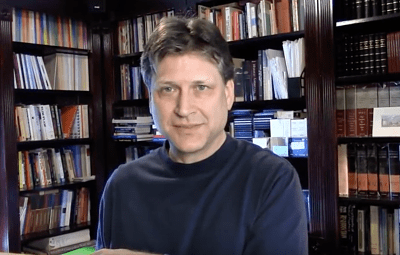
 Continuing our discussion with preeminent Joseph Smith historian Dan Vogel, we dive deep into explaining the authorship of the Book of Mormon including these topics:
- The credibility of the Book of Mormon Witnesses
- Theories around Entheogens (Hallucinogenic substances) and the founding of Mormonism
- Kinderhook Plates
_____________________________________
- 1066-1067: Dan Vogel – Theories of Book of Mormon Authorship
- 1068-1069: Dan Vogel – The Book of Mormon as “Revelation” Instead of “Translation”
_____________________________________
Links mentioned during our interview:
- Naked Mormonism Podcast on Joseph Smith’s Plagiarism
- Naked Mormonism Podcast on Book of Mormon Versus Reality
- 268-270: Dr. Michael Coe – An Outsider’s View of Book of Mormon Archaeology
- Joseph Smith, Captain Kidd Lore, and Treasure-Seeking in New York and New England during the Early Republic – by Noel Carmack
- Joseph Smith, Captain Kidd, Cumorah, and Moroni – by Grant Palmer
- The Telephone Game: Evolving Misinformation Connecting Joseph Smith, Captain Kidd, and the Comoro Islands – by Mary Ann
- New Approaches to The Book of Mormon – by Brent Metcalfe
- CES Letter Discussion on Maps
- Anti-Universalist Rhetoric and the Book of Mormon – by Dan Vogel
- Dan Vogel’s Youtube Channel
- Joseph Smith – The Making of a Prophet – by Dan Vogel
- MormonThink’s Discussion of Book of Mormon Anachronisms
- MormonThink’s Discussion on the Kinderhook Plates
- Mark Twain’s Thoughts on The Book of Mormon
_______________________________________
Part 1 – We discuss how the Magical Worldview created fertile ground for ‘spiritual’ experiences of the early leaders of the Church: This transcript is machine-generated and lightly edited for readability. The audio is authoritative. Please excuse occasional errors in names and spelling. Guest [00:00:09] Mormon Stories is a production of the Open Stories foundation and relies solely upon the support of people like you, its listeners to help keep the podcast alive or to become a member of the community. Please become a monthly subscriber by visiting MormonStories.org and clicking on the donate button on the right side of the page under support. All contributions to Mormon Stories are completely tax deductible in the United States and go towards producing the podcast and building communities and programs of support for Mormons like you. Thanks for your support. John Dehlin [00:00:54] So we've got a little bit more to talk about, and we can end today's interview. Dan Vogel, are you back? Dan Vogel [00:01:02] Yes. John Dehlin [00:01:02] How are you feeling? Dan Vogel [00:01:04] Great. I can't believe there's more to talk about. John Dehlin [00:01:08] Oh, my gosh. Well, with 19 books, what are you talking. Of course there's more to talk about, but now we're 12 hours into this interview. If you're not careful, you're going to break the record for number of hours on a Mormon Stories podcast. Dan Vogel [00:01:24] That's probably not good. John Dehlin [00:01:26] Super good. All right, the next thing I want to talk about, if it's okay. So, you know, just to recap, in our originally, you know, three hours on the Book of Mormon with Dan Vogel, Dan, you talked about the Book of Mormon witnesses. It's pretty clear that they, you know, if they, you know, so when they report to have hefted the plates and felt the plates or seen the angel, we have from Martin Harris in 1838 that they did that with their spiritual eyes. Is there anything else you want to say about the Book of Mormon witnesses, the three witnesses and their testimony around, you know, the angel on the plates that you think hasn't been covered so far? Dan Vogel [00:02:21] Oh, just that I think I mentioned this already, that John Whitmer was interviewed by Theodore Turley in 1838 in Missouri. And Theodore Turley asked how could he be an apostate when he's one of the witnesses to the Book of Mormon? And, you know, if he had denied his testimony and John Whitmer said no, that they were shown to me by the power of God, by a supernatural power. So he's one of the eight witnesses saying that he saw the plates through vision, through a visionary experience. And this, this is all in the context, this 1838 period, after the Kirtland bank had failed and there were apostates in Kirtland meeting in the temple and talking about whether they should reject Joseph Smith's leadership or that if their rejection should include the Book of Mormon or not include the Book of Mormon, you know, whether Joseph Smith was a fallen prophet or fake prophet. So Martin Harris got up and he believed that they should still believe in the Book of Mormon as one of the three witnesses. And this, this meeting was told. Reported by Stephen Burnett. And Stephen Burnett wrote a letter to Lyman Johnson in Missouri to tell him about the meeting. He said, oh, well, the last pedestal for him was taken out when Martin Harris admitted in public that no one had seen the plates with their natural eyes, in other words. And, you know, so some. So that was the last pedestal. And then an example of how apologists think, you know, is Richard Anderson, the late Richard Anderson here, is that once Burnett has decided to be a disbeliever and that nothing he says after that can be unbiased. You know, I get that all the time, you know, that I'm a critic and you're biased and you can't, you know, more or less see anything in an unbiased way. And so I usually ask people, at what point when I was a believer did. Did I become biased? You know, you have to. At some point, you have to disbelieve. Anyway, they set up a circular definition of non. Of a non believer, you know, so it's sort of like a whistleblower. This is what companies do. Oh, he's a whistleblower. He's sour grapes. He's a former employee. We fired him, you know, so you can't believe anything he says. So in other words, there can be no testimony or no, no credible critic, no credible critic in their minds because you automatically become an untrustworthy witness as soon as you leave or disbelieve or we excommunicated you. And so you have an escort degree. So. And that's the way it works anyway. So they protect themselves that way. So they try to do the same thing with Stephen Burnett. He's. He's biased. And so his reporting of Harris is no good. Well, the problem with that is that Harris was also reported by Warren Parish in. In a local newspaper as saying the same thing. You know, that Harris stood up and said, no one, this newspaper quotes, no one has seen the plates except in Vision through the Eye of Faith. That's what Harris was reported in the newspaper by Warren Parish, who's. So we have two people saying the same thing. Then we have Hyrum Smith. He goes down to Sunbury, Ohio. And while he's at Sunbury, Ohio in 1838, evidently he was asked about it, about his testimony. He's one of the eight witnesses Hiram Smith. Right. And so this word is getting around. It's not just a random misunderstanding. It's. This is what the dissidents in Kirtland are proclaiming with Martin Harris's help. Okay? And Martin Harris knows the witnesses really well, and he's saying it while they're alive still and can contradict them. Well, Richard Anderson quoted Hyrum Smith statement in Sunbury, Ohio. And he said Hiram's kind of defensive about being asked. And he says, I only have two eyes and two hands. Well, that's no answer. You know, that's. He isn't saying, oh, I saw them with my natural eyes. He's saying the same thing David Whitmer said, which was, of course, we saw them with our natural eyes, but they were prepared to see them, meaning it was their spiritual eyes. There aren't other eyes seeing things without their natural eyes being used. So more or less, what Hyrum Smith did when he made that statement was confirm that these questions are being asked at this time and that they're around. Okay. And then it gets to Missouri, and they want to ask John Whitmer. Well, John Whitmer, what do you say? And he says, I don't deny my testimony. I saw them through the power, through a supernatural power. So there's plenty of testimony here to give us an understanding of what the eight witnesses had seen or in the manner in which they had seen him. Like I explained last time, the testimony of eight witnesses is a little sketchy on the wording. You know, we testify that we did handle and see for ourselves, and they turned the. We handled each leaf, whatever. That it didn't say each leaf we handled. Maybe it does say each leaf. I'd have to look it up anyway. It makes it sound. It's a little vague and ambiguous, some of the wording in the testimony of eight witnesses. And Harris had said the eight witnesses didn't see them with their eyes, meaning their natural eyes, and hesitated to sign the instrument, meaning the formal testimony, and only persuaded to sign it. So what really happened? The historical event is kind of lost because it doesn't give a date, it doesn't give a time, it doesn't say the manner in which it happened. It doesn't say, Joseph Smith brought the plates uncovered, set them on the log, whatever was there or whatever. However, some of the paintings nowadays don't have the log. They have just Smith holding him on his knee. Because I pointed out that the. The log is not mentioned in any historical document. But. So there's no. There's no description of any circumstance, of exactly how it took place place. And you can't reconstruct it from this general statement that's meant to unify various experiences. And I use the testimony of three witnesses as a way of warning us that if we only had the testimony of three witnesses and we tried to reconstruct it, we would have all three witnesses together with Joseph Smith. And, well, Joseph's not even mentioned, so we wouldn't even have Joseph Smith in it. We have three witnesses, an angel coming down, literally showing them the plates, and that's it. But through other subsequent statements, we learned that Martin Harris wasn't with the other witnesses. He saw, he had his experience separately, John Dehlin [00:11:59] that he tried to see what the others were seeing, but he couldn't see it. And that he had to be sort of like helped at additional time to see it. Which again suggests that it wasn't a physical visitation. Right. Dan Vogel [00:12:15] You're right. So no, David Whitmer, in subsequent statements makes it absolutely clear that there was a haze. He says in one one of these statements, but a statement. Henry Moyle. Henry D. Moyle, yeah. He was a attorney. Well, a student to become an attorney. So he was a good. Pretty good interviewer probably. And he quotes. He quotes David Whitmer saying that it was something of a soft haze. And then Moyle writes in his diary that he was disappointed by the answer. So it was an apparition, which opens itself up to whether it was hallucination or not. So. John Dehlin [00:13:26] Yeah, but. And this all ties to some scripture somewhere that says no man can look upon the Father with his natural eyes and live. Right. And so they have to, you know, they can't claim. They just outright. Or in their minds, they can't even believe that they just outright saw God or heavenly messengers. It's got to be with spiritual eyes. That's what creates the need for this notion of spiritual eyes. In addition to the fact that they probably know on some level that they're not seeing these things. Dan Vogel [00:14:03] Well, they know it's a special seeing. There are some hallucinations. There's like 150 causes of hallucination. But religion, it's. They're common. I mean, hallucination type experience type experiences. And there one kind of hallucination could be where you see something and you think it's real. And then there's another kind of hallucination where you know it's a special. It's something different about it than an actual seeing. And that's the type that the three witnesses had, was an awaking dream, some people call it. John Dehlin [00:14:43] And Grant Palmer referred to it as second sight, which he's coming up with that term, right. Dan Vogel [00:14:50] That gets to the tradition, you know, the religious tradition all through all time and all cultures, you know, is that they tried to induce a certain state in which they can receive spiritual experiences. And, you know, they believe that they're authentic, real spiritual experiences, whereas they could also be hallucination. And one of the criteria for whether someone is susceptible to either hypnosis or spiritual experiences is whether they've had spiritual experiences before. And Joseph Smith happened to pick three people who had spiritual experiences before. Martin Harris was probably the leader in that category because he saw lots of things. He's quite religious, eccentric. And David Whitmer had seen. An angel in the field just before he went and became part of the saw the plates. He saw an angel telling him that he is called to be one of these witnesses. And he had other experiences, too. So their minister said that the Whitmers were great believers in witches and things like that. And Oliver Cowdery had that dream of the plates before he even met Joseph Smith. The Lord had showed him the plates, and that's why he was so. He was really on fire, Lucy said. Couldn't talk about anything else. He's very obsessed with the subject. Even they thought he was obsessed, more obsessed than they were, you know, and that's saying something. So he had three perfect subjects to work with. And he, you know, there. He didn't have to succeed. All the Book of Mormon predicted was in ether anyway was that there would be three witness, special witnesses. They could have come at any time, any place. After a while, he had more than three. I mean, it could have been anybody. Could have been Mary Whitner, Whitmer even. And the odd thing is, is that on the way from. What helped with, you know, several things helped as suggestions of what they would experience and see. And one odd thing is, is that on the way from Pennsylvania to Fayette, on the road, Whitmer says that he saw a man. And this man had something in a sack on his back, and it was walking alongside of the wagon. And they offered a ride. And he said something like, no, I'm on my way. And Whitmer remembered years later that it was Cumorah and that he hadn't heard that name, Cumorah before. John Dehlin [00:18:29] And I thought that was Cain. Dan Vogel [00:18:33] Well, I don't think it was a hallucination, though. But I think it was just some guy. It could have been a Bible in the backseat, in the sack but they, they drove on past this guy and then they got this weird feeling and they all looked back and the. The guy was gone. They didn't know where he went. Well, the guy could have walked off the road somewhere and it was just a coincidence that Joseph Smith seized on and Josephus. So Whitmer says, what. What happened to the guy? And they look to Joseph, you know, to explain it. And Joseph says that was Moroni with the plates, you know, so the man was a little man dressed in this weird outfit with a beard, you know, a little gray beard, you know, like angels usually have. And so that became the angel, that guy that they saw. That was the auto. That was the suggestive cue. And so when Whitmer got home, he said he felt a strange feeling that the angel was under the shed. And Joseph Smith confirmed that. Yeah, the plates are under the shed and the angel being under this shed. Kinda. Only way I can explain it is somehow they are linking it to that story of something like a toad in the small, in the bottom of the box, rising up into the shape of a man and striking Joseph Smith at the second visit or the first visit, I can't remember which right now. But to be under the shed, you know, so it would to me imply maybe this angel transforms itself. But. So when Mary Whitmer went out to the shed the next day to get some milk, she knows the plates are under the shed, she has a vision and she sees this old man with a beard, just like David described. And so that becomes a suggestion. So Joseph Smith each. There's already three witnesses, counting himself at this point, there's him, Mary Whitmer and Oliver Cowdery. So. But he wants three special witness. Well, they, these three guys, Oliver Cowder, Martin Harris, David Whitmer, they start teasing Joseph Smith to become these special witnesses that the Book of Mormon talks about. So Joseph Smith says, well, you know, they could try. It doesn't mean he has to succeed at this point. Or it doesn't mean that all of them have to succeed either. I mean, if Harris never saw the plates, they would just find someone else eventually. Because pretty soon he had all sorts of people having visions of the plates. So they go out and Whitmer says they tried, nothing happened. Then they were sitting on a log, conversing with each other about what? And then all of a sudden Whitmer says they saw the angel with the plates. So what are they conversing about? It's possible, this is my speculation, that Joseph Smith was leading them through this guided vision. He was a spiritual guide. He's guiding them, much like he did Signe Rigdon. I see an angel. I see the angel. Whitmer sees the man with the beard. I see the angel. He has the plates. He's turning the plates over. I see the engravings. What do you see? I see them too, you know. And so he leads them through this spiritual exercise. But Whitmer says it was a haze, that he saw this vision through that the surrounding. The atmosphere around them disappeared and changed. So it was a whole vision. It wasn't the angel in the woods coming down by, you know, as our literal person there in. In the woods, they were seeing. This in the eyes of their imagination is what Joseph Smith used when he described the vision he and Sidney Rigdon had. And so he. He. Joe Smith would be the unifier between him and Oliver Cowdery and David Whitmer. Then he would go to Martin Harris. And why couldn't Martin Harris have a vision by himself? Why did Joe Smith have to be there? You know, Joe Smith has to be there. He's the guide. He's helping them see the vision. And they see it in their own way. But nobody knows if they saw the same plates, the same angel. The. You know, they just see the objects as Joseph Smith describes them or not. If they don't see them, no one's gonna. No one's gonna say, oh, it's a fake religion, you know. John Dehlin [00:24:15] Right. Dan Vogel [00:24:17] So in Lourdes, you know, you have. In Lourdes, you have the three children that see Mary. You know, other people have gone to Lourdes and saw the Virgin Mary. And there's been other, you know, hallucination. Suggestion is a very real thing. Suggestion works. You see it working in revivals now, where the minister will cause people to fall, lose power and fall backwards. And, you know, there's guys ready to catch them. And that's all suggestive, you know, and they. The guy, the minister, you know, motions to fall back, and they fall back. Sometimes they're just playing along. Sometimes they really lose power and fall back because they're very highly suggestive people. And this is a. You know, hypnotism works a similar way. I use hypnotism as a model. It's not just not hypnotizing them. Brian Hales put out a video trying to combat my description of what could have happened to the three and eight witnesses. And he has it like a pocket watch. Hypnotist guy, you know, that's not the way hypnotism works, that stage. Hypnotism's not the same thing as hypnotherapy. And so they have like tests to see if people are highly suggestible about, you know, usually they'll ask you to imagine your hand as, you know, imagine your hand as being light, that if you feel your hand getting lighter, don't resist it, just let it happen. And this is how they find people that are highly suggestive. And their hand will rise and it feels like they're not doing it. This is the idiomotor reflex thing, kind of where the rod moves and they think they're not. The rod's doing it by itself. John Dehlin [00:26:15] It's like Ouija boards. It's like the rod and Chris Gan's little pendulum. And even in Utah these days, there's this muscle memory phenomenon. Have you heard about muscle memory? Dan Vogel [00:26:28] No. John Dehlin [00:26:28] Where people like, I don't. I've never done it or seen it, but I. Apparently people pay money where they put their arms out and they're asked various questions. And the person who has the ability to do muscle memory will push down the arms. And if the arms fall versus stay up somehow, that's telling them important things about their past or their present or their future or their history. Almost like fortune telling. And they call it muscle memory, right? Dan Vogel [00:26:59] Yeah, I guess there's other little tricks that do that. Muscle memory about pushing against the door and then you stand away from the door and your arms will rise. John Dehlin [00:27:10] Right. Dan Vogel [00:27:11] So they have tests to see how susceptible you are to hypnosis. And Joseph Smith is drawing from a John Dehlin [00:27:23] community Dan Vogel [00:27:25] that attracts people that have these spiritual experiences because they don't feel like they fit other places. I mean, they were having in revivals at just Miss Day, the falling power, people being transported into heaven and having heavenly visions. These kind of suggestive examples of suggestion were around Joseph Smith. I feel he discovered by accident while money digging, when he would suggest the money's moving, some people would report that they heard it moving through the ground, you know, and I think he. He discovered, you know, people seeing the guardian spirit, you know, things like that. John Dehlin [00:28:26] Right. Dan Vogel [00:28:28] So that's the. That's the three witnesses. Their experience is no different than then Lourdes or other situations. We know humans hallucinate. You can't deny that humans hallucinate. I mean, that's it. Everybody knows that sometimes people see things that aren't there or hear things that aren't being spoken. And they're not all crazy people either. They're perfectly natural, normal people. People that speak in tongues. They've done glossolalia. They've done Studies on these people and in every other way they score normal the same as normal people. And they operate normally. They go into to a Pentecostal meeting and they start speaking in tongues, you know, and they're perfectly normal people before and after enduring. So these are just things people over the centuries have discovered that humans do and charlatans can exploit. John Dehlin [00:29:35] And anyone who wants to rely on the witnesses as being, as their testimonies being evidence that the Book of Mormon is credible have to explain, especially Martin Harris and the Whitmers, their tendency to believe anything, any vision. They go on, as I understand it, to believe James Strang's claims about seeing an angel and having plates. They come out of the treasure seeking tradition of anxiously engaging in clearly fraudulent activities, whether they're sincere believers or not, of seeing, you know, spirits and treasure in the ground. So they clearly have the ability and the interest and the history of claiming to see things that aren't real to the, you know, in any material sense. And so if you're going to say, well the witnesses were just so credible, then you have to explain all the other non Mormon approved or LDS approved claims of visionary activities that the witnesses themselves had in other contexts with James Strang and others. Is that correct? Dan Vogel [00:30:57] Yeah, you could bring up that kind of stuff. But Richard Anderson used to focus on whether these were trustworthy witnesses and he would make them very credible people. You know, Martin Harris is a farmer, honest farm worker. He was somewhat skeptical. He was a skeptical witness. Oliver Cowdery was a schoolteacher, very rational person, which, you know, some of these things aren't exactly true. But David Whitmer, he had integrity. When somebody tried to say that he had denied his testimony, went to great lengths to reaffirm it late in his late life. This is as if, like I said, people have these experiences are in every other way perfectly normal people. And no one's saying that they're lying or that they were dishonest or that a school teacher, you know, people that can be highly educated and still have these experiences, whether you are susceptible to hypnosis or suggestion. We shouldn't say hypnosis, it sounds too formal. Although they were going through a religious exercise and they were trying really hard to have this experience. And they were, they were being inducted into a trance state, hypnotic state John Dehlin [00:32:27] through Dan Vogel [00:32:28] a religious exercise like they have for thousands of years. And so it's as if you know somebody that people that can, can have these experiences are of all walks of life. There is no immunity, there's no, I'm too educated to be or whatever. As a whole society, you might find fewer of them because of. We're more sophisticated in certain ways. But Joseph Smith attracted certain personalities to his message. They were open to his message. They had experienced things themselves. So these were highly fertile subjects to work with. John Dehlin [00:33:30] And that just goes back to the. The term magic worldview. They all had a magic worldview rooted in superstition, which. Which made them candidates for the. The potential to see anything. Right. Dan Vogel [00:33:45] Well, if. If you're in a certain environment that rewards these kinds of experiences, then there will be more of them. Of course, you know, if you have, like, the providential view of history, you think God is manipulating things, you will see God manipulating things all over the place. Doesn't mean you're crazy. It's just that you're using this interpretive scheme to see the world, you know, and you will see a lot of John Dehlin [00:34:18] stuff Dan Vogel [00:34:20] and interpret a lot of stuff different than someone that doesn't have that scheme, that prism to look at the world through. John Dehlin [00:34:32] Right. We're getting a lot of questions from our listeners. If it's okay, I want to have you answer some listener questions directly. Aaron Glut Spencer writes, what do you say to someone that says, Oliver Cowdery never denied his testimony of the Book of Mormon? How do you, you know, I know you've kind of addressed that indirectly, but what would you say to someone who said that's proof enough that the Book of Mormon is what it claims to? Oliver Cowdery ends up getting excommunicated by Joseph Smith, incidentally, for discovering Joseph's adultery with Fanny Augur and calling him on it. Dan Vogel [00:35:08] That's right. John Dehlin [00:35:09] Joseph gets mad and excommunicates him. A critic would say, well, no. An apologist would say, well, just the fact that Oliver Cowdery was excommunicated by Joseph Smith, was kicked out of the church but never recanted on his testimony, is proof enough that the Book of Mormon is clearly a historical document and a work of God. What would you say to that claim? Thanks, Aaron, for the question. Dan Vogel [00:35:38] Yeah, well, that's Richard Anderson. His approach was to build up the witnesses as much as he can as being trustworthy, you know, and so if we were bleed we were to take his word on worldly things, you know, in a court of law, they would do just fine, you know, but we're talking about religious experiences, and so they believe they were real, just like any religious person. It doesn't mean that the experience was real. Now they knew it was an unusual experience, like David Whitmer. Talking about the soft haze, you know, seeing the vision through the soft haze and all that, they knew it was an unusual religious experience. But it doesn't mean you can't take that and say, therefore it was a real angel. Well, as a scholar, I can't say whether it was real or fake, but I can say if the Book of Mormon is not history. There were no Nephites, There were no plates. There were no plates buried. There was no Nephite to come and appear to the three witnesses. So how do you explain what the three witnesses experienced? This is an explanation. You can't prove it because, you know, it's an experience just like any other experience. Now, some people say, oh, scholars can't talk about religious experiences or visions. Scholars can talk about visions. Visions are historical events. Visions are historical events. And we could talk about visions as if. As like we could talk about any historical event. If a historian can talk about, you know, whether or not, you know, some historical event took place in the past, we can talk about, well, what's the evidence for the witnesses seeing their vision? Because that happened in time and space. They were there in Fayette, kneeling in the woods or in the field or wherever it was, and they said they saw something. Well, if they saw the angel Moroni or they saw, you know, somebody else walking across the field, I mean, the evidence is the same. Who cares? So scholars can talk about visions, John Dehlin [00:38:14] but Dan Vogel [00:38:14] we can't say whether it was a real angel sent by God or not. You know, we can say that it could be an. It. It fits the description of a hallucination. And which is one reason The D and C 17 is the. That revelation given just before the witnesses. Three witnesses went and saw their vision, said that they will see them through the eye of faith, but they are to testify that they saw them the same as Joseph Smith has seen them. So by the power of God. So. That revelation is encouraging them to make the vision sound less spiritual and more. Matter of fact. This is the way Richard Anderson said it. It was a natural supernatural experience, meaning the angel came down from heaven and stood right there in the woods. Well, Richard Anderson didn't pay attention to the whole array of testimony. He. He tried to narrow it down to just the written testimony mostly. And then he just emphasizes after that that they reaffirmed their written testimony. Same thing with the eight witnesses. They reaffirmed their testimony in the Book of Mormon, but they never really want to discuss all of the evidence of what kind of experience it was. What kind of experience was it that they're reaffirming. And you can't get it from just reading the written testimonies. You have to read all of the testimonies and consider all of the evidence. So, So anyway, it was, it fits, plausibly fits a hallucination or a real vision. It's not what how Richard Anderson described it as a natural supernatural experience. So the possibility that it's a hallucinations there. The witnesses have a predisposition for visionary experiences. So they're highly subject, suggestive witnesses. That's all you can do. Right. If you reject the Book of Mormon as history, then you, you have an alternate explanation for what the experience. The witnesses experience. Mormon apologists want to tout the witnesses as evidence for the Book of Mormon, whereas it's not. John Dehlin [00:41:19] Right. Yeah. And so, and so for people who want to say that Oliver Cowdery was a co conspirator, that he helped write the book, that he was in on the fraud, we've already talked about this. In the first Book of Mormon three hours, you believe Joseph Smith was the lone author. You don't believe Oliver Cowdery was in on a fraud. You believe that when he was translating, he literally thought he was translating Joseph's inspired work. Correct? Dan Vogel [00:41:56] I think that's the most likely. That's most likely what happened. I mean, Oliver Choudhury later, Olver Cowdery is willing to participate in the religious deception in the stories of, you know, the Urim and Thummim being used in translation. Peter, James and John and John the Baptist. I believe he's willing to you to get in on the deception and to hold the church together. At what point he crossed that line, I don't know. He could have been all along that way. I kind of doubt it though, because he was so, you know, obsessed with the subject, according to Lucy. And so I would say that it's unnecessary for Cowdery to be involved. It seems that he came and he tried to be one, compete with Joseph Smith and translate part of the Book of Mormon and, and Joseph Smith gave him a chance to do that, but he failed. And Joseph Smith knew he was going to fail. And then he gave an excuse for why Cowdery failed and then said there's other records for Cowdery so that, well, Cowdery could go off and translate his own thing and not threaten Justice Smith's, the integrity of what Justice Smith was doing with his book. So it seems to me that there's a competition and that several places in the Book of Mormon Joseph Smith puts Cowdery in his place that he is the spokesperson for the great seer of the latter days. And that later it occurred that where Cowdery was willing to use deception with Joseph Smith. So I don't. So Joseph Smith doesn't need anyone to help him, is my position. He can do it alone. Why would he need Cowdery to help him? John Dehlin [00:44:06] Okay. And so that makes, that makes Cowdery's persistent testimony just sincere. He thought, he felt like he had seen a vision and he believed it. Right. A lot of people. Dan Vogel [00:44:24] Oh, we forgot to address why they never denied it. Well, they never denied it because they were true believers. John Dehlin [00:44:33] Yeah. Dan Vogel [00:44:33] Why would they deny it? John Dehlin [00:44:35] Yeah, yeah. A lot of, A lot of. You know, nowadays a very common thing for post Mormons and Americans to experiment with is hallucinogens or ethnogens, things like peyote or ayahuasca or lsd. Even Michael Pollan, the famous author, recently has written a book supporting a measured, controlled, thoughtful use of hallucinogenics to treat things like trauma and anxiety and depression. And so in my view, because, you know, hallucinogenic use amongst post Mormons is becoming so prevalent, I'm getting reached out, I'm getting contacted all the time by post Mormons that want to find the use of ethnogens. And I'm going to. Entheogens, sorry, entheogens, the definition I'll read right here, a chemical substance typically of plant origin that is ingested to produce a non ordinary state of consciousness for religious or spiritual purposes. These people that contact me want to find that Joseph himself or Joseph's followers used entheogens to help induce, you know, hypnotic or hallucinogenic states that then can be used to explain, you know, whether it's the Kirtland's miracles or some of these visions. Have you studied it all? And some even, you know, and of course Native Americans or these mound builders will have used peyote for centuries, if not more in their religious ceremonies. So there clearly existed hallucinate or entheogens at the time of the Book of Mormon. So have you studied this potential or real use of entheogens around the time of the Book of Mormon's creation? Around the time of the creation of Mormonism? And if so, have you found any credible ties to Mormonism and, or do you see any credibility to these, you know, entheogenic theories surrounding the foundation of Mormonism? Dan Vogel [00:47:13] Okay, so my view is that modern minds have a hard time grasping this religious mindset of Joseph Smith's Day. And so that the only way they think that they can explain the phenomenon is through drugs. So it. It sort of is an unnecessary hypothesis. Again, suggestion does the same thing. Basically, the power of suggestion, the. The religious getting into the religious frame of mind. And this is where I think more fruitful area of study would be in neurotheology. And researchers have studied parts of the brain where religious experience comes from has nothing to do with drugs. Humans have the ability to do it some more than others. You know, the limbic system in the brain. There's a part that appeals to religious people in a different part that were derived from the brain is for spirituality there. Feeling religious is not necessarily the same as feeling spiritual. So these. The feelings come from there. John Dehlin [00:49:04] And. Dan Vogel [00:49:10] There are certain historians that try to explain or did. I don't know if it's popular anymore. They tried to explain the witch, Salem witches with ergot poisoning. And ergot was a drug that they used. It's a kind of a mold that grows on wheat. So the theory was that some of the wheat got tainted with this ergot and got ingested in Salem and witches started having hallucinations. And that was one theory, and that's kind of been borrowed in reformed in different settings. And I think one of them is early Mormonism. And they did have urgot. They did use ergot in Nauvoo for one of the trials in Nauvoo for where a woman died giving birth. Ergot was mentioned in association with that. I do definitely think alcohol, though, was. It was probably a contributing factor during the Kirtland. Endowment, the dedication of the Kirtland Temple. And they used to. Honor the Lord's Supper in the same fashion as they did in ancient times, where they. As much bread. It was a meal, much bread, and drank as much wine as they wanted. And in some of the situations, Joseph Smith has them, the elders in the temple fasting and then drinking. You know, that. That's pretty. That would break down a lot of resistance and barriers, maybe. Maybe make them make people more susceptible to religious experience. But I don't think just Smith had to lean on that, Because I think these were people that were having hallucinations anyway. But there's no evidence of any ethnogens or whatever you call it. John Dehlin [00:51:29] Okay. Dan Vogel [00:51:30] That I know besides that ergot. But I don't. I've never heard of anybody using it before. A spiritual experience. One time, Parley P. Pratt. There's many, many things that can induce hallucination. I have a book that has like 150 ways of hallucinating. So one of them's like fasting. You know, lowering your blood sugar level can cause hallucinations. And one is fatigue, sleep deprivation. One vision, partly P. Pratt writes about. He was definitely fatigued before he had this hallucination. Anyway, there's the varieties of religious experience. I mean, there's so many, really everybody, and there's so many personalities and people you're dealing with. Things are happening inevitably in the community that prizes and rewards religious experience. And Joe Smith didn't have a shortage of religious experience at first. He had a problem with too much religious experience. When in Ohio, people were falling down and barking and carrying on like they did at some revivals, or they were imitating the Lamanites or pretending like they were preaching to Lamanites. They were pretending like they're speaking Indian dialects. And it was going on and on. And Joseph Smith had to rein that in. Joseph Smith had to rein in the charisma and called it the, you know, the spirit of the devil is deceiving people and bring some order to the situation. John Dehlin [00:53:32] So if you. So if you surround yourself with people inclined to having visionary experiences, if you reward people for having them, and if you create the conditions and the teachings that incent all this, you're naturally going to get that as the outcome. And you don't even need entheogens to produce it. You can have fasting. You can have, you know, pressure. You can have social pressure. Suggestion, suggestion. You can have just suggestion. Dan Vogel [00:54:04] Highly suggestible. Highly suggestible people. So, yeah, I don't see a need to go there to explain the Book of Mormon. You know, that doesn't. It doesn't. Hallucinations and things didn't produce the Book of Mormon. And Joseph Smith, like I said, I don't believe he saw any of that stuff. John Dehlin [00:54:29] Got it. Okay. That's. That's super. That's super useful. Guest [00:54:42] Thank you for joining us today on Mormon Stories. If you enjoyed this episode, please help us make more like it by becoming a monthly subscriber@mormonstories.org. One is a song by singer songwriter Mindy Gledhill off of her new album Rabbit Hole, an album chronicling the heartaches and rewarding discoveries of her Mormon faith crisis. You can purchase her album on itunes or by visiting mindygledhill.com John Dehlin [00:55:16] but they're all the same to me. When we worship love and though we miss Be in different tones May our hearts be sewn together when our hearts feel so undone to our pieces become. One lifetime a river Mind the time while it takes we are here in this moment let's unwrap it like it. John Dehlin [00:00:01] One. John Dehlin [00:00:09] Mormon Stories is a production of the Open Stories foundation and relies solely upon the support of people like you, its listeners to help keep the podcast alive or to become a member of the community. Please become a monthly subscriber by visiting MormonStories.org and clicking on the Donate button on the right side of the page under support. All contributions to Mormon Stories are completely tax deductible in the United States and go towards producing the podcast and building communities and programs of support for Mormons like you. Thanks for your support. John Dehlin [00:00:42] One Life to Live Mind the Time John Dehlin [00:00:54] while it takes Dave asks where would Joseph Smith have learned how to make people see visions? You know, and I think I remember Fawn Brody writing about this. It seemed to have been a technique to use this suggestion. Would this have been from the local charlatans that would have been, you know, appearing throughout New England during Joseph Smith's day? Where would he have learned how to induce visions in other people? Dan Vogel [00:01:26] Well, like I said, he could have learned it by trial and error during the money digging phase when he was suggesting that there were spirits around and then people saw them. He learned that. He learned or stumbled onto this ability that humans are highly suggestive, that if he suggested that in his stone he saw a spirit and people were scared because they were doing it in the dark, you know, at night, and so they got spooked and some would think that they saw ghosts or spirits and, you know, people did, people all around Joseph did. So he may have got the connection about suggesting to people that they saw certain things. And the way he handled Signe Rigdon, you know, where he says, I see this and he says, I see that, and they beckon. That back and forth thing seems very calculated and. But whether he learned it from a person like Lumen Walters or who's the John Dehlin [00:02:45] other woman with the stone nearby? Dan Vogel [00:02:48] Sally Chase. John Dehlin [00:02:49] Right. Dan Vogel [00:02:50] I don't think she was into that kind of seer stone. But I see no evidence that the Chase family believed in guardian spirits and sinking treasures and magic enchantments. But they did believe in seer stones as a pseudo science kind of a thing. So I don't know if it was knowledge handed down to Joe Smith. I mean, you know, he could have learned it. A lot of people argue, oh, he couldn't learn because Mesmer didn't get to the United States. You know, mesmerism comes from Mesmer didn't come to that didn't reach the United States. And really until the 1840s. And animal magnetism, it was called magnetism and that was hypnotism was around. And hypnotic states is an innate thing with a lot of humans. Mesmer didn't discover it, he just. He rediscovered it really, and popularized it because he used magnets, you know, to try to mesmerize people into getting into the hypnotic state. The people can do self hypnosis, you know, they don't need a hypnotist. What the hypnotist does is create an environment that's conducive to it. And a lot of it's showmanship, a lot of it's just psychological stuff. And so Mesmer didn't invent hypnotism or the hypnotic state, a trance state. Religious people been doing it for thousands of years, you know, and they did it at the revivals when they made people have the falling power or to speak in tongues. People would be in trance states, you know, euphoric states, seeing visions where they, you know, it's sort of like this gets put into the Book of Mormon, the falling power. Elimhi, the king falls, and he's in a trance state for three days or whatever, and as if he's dead. And during this whole time he's experiencing heavenly visions. You know, this happened at the revivals. People experienced this at the revivals. Joseph Smith saw these things personally because he described the revivals and people, you know, going to one church or the other. He visited revivals and saw the falling power and the hypnotic state, and he saw ministers that he believed caused the hypnotic states to occur. And he believed he could have that power also. But one little element about Joseph Smith was that he was a narcissist and narcissistic. Charismatic leaders always have a degree of. Distance from what other people are experiencing, so that they've always seemed calm and cool and collect and they can analyze things better than non narcissists and act accordingly. So they take advantage of that distance, that coolness. They take advantage of that. So they learn, they seem to learn how to solve problems better than an average person. So Joe Smith could have surmised from his money digging experiences what was really going on. I mean, these are solutions to problems that go beyond being a historian. I'm not just a historian. I don't limit myself to history, really. I'm a. I do. I'm interested in psychology and sociology as well. So that's where I have the freedom. I'm also interested in skepticism. I'm interested in the paranormal explanations for all things that are paranormal. I'm skeptical of all paranormal phenomena or Things that appear paranormal. I'm skeptical of all of that. John Dehlin [00:07:42] Right. We're getting great comments from our listeners. Juliet Burke. Hi, Juliet. She writes, my sister saw lights in her grandchild's baby monitor and is convinced they are ghosts and proof of God. And then Brady writes, that's proof enough for me. Dan Vogel [00:08:01] Humans hallucinate. That's one of the things. And that's one question where I ask people if God made our salvation dependent on receiving personal revelation and then he built our brains with the ability to hallucinate and not tell the difference. How fair is that? John Dehlin [00:08:28] Yeah, it's not a super reliable way to determine one's salvation upon. Right. Eternal salvation. Dan Vogel [00:08:36] So it's undeniable that humans hallucinate. Now, humans will look for situations where there's apparent hallucination that has other elements mixed in with it that are unexplainable to prove that it was real and not a hallucination. For example, somebody hallucinated a person standing at the foot of their bed that they knew, maybe waving at them or something, and then the next day they learned that this person had died. Well, how do you explain that? They'll say, you know, and the thing is, is that when these hallucinations are happening and they're happening at a phenomenal rate, really, and lots of people see lots of things and they just forget about them because nothing came of it. But when something like that happens, it's remarkable. And they remember those because it gets reinforced. And statistic wise, they're bound to have this coincidence with a hallucination occur at the same time. You know, somebody out there in the vast sea of humanity is going to have an experience like that that's unexplainable. And it doesn't mean that it's real. It doesn't mean it's not real, but it doesn't mean it's real either. John Dehlin [00:10:02] Right. Okay. I think that. I think that makes sense. And I think that's a pretty good discussion of the witnesses. J.D. fuller writes, it's all just going back to the ethnogen thing. J.D. fuller writes, it's all a drug, whether induced through a suggestion or through ingestion. Right. It's all a drug because it's all tapping into the brain's power to create visions. And I guess a believer would have to explain if they're going to put credence into visions as evidence. They have to explain how Catholics see the Virgin Mary in a grilled cheese sandwich. They have to explain all the different billions of visions and all the other religious Traditions, including the ones that the three and the eight witnesses had, that the church wouldn't approve of. And it just. What I hear you saying is it just becomes a really unreliable type of evidence. Any claims of visions whatsoever, Right. Dan Vogel [00:11:15] It's a subjective judgment. Because they are so common. Because they are so common, various religions and groups and things have to discount the other religions, spiritual experiences. They're all founded on revelations of some kind or another, like, you know, Muhammad or the Shakers, you know, Buddha. So. Because they are so common, it becomes, what's your method of discounting everybody else's? John Dehlin [00:11:57] JULIET yeah, that's a great answer. Juliet's asking if, going back to the view of the Hebrews, if Cowdery's relationship with Ethan Smith suggests that the view of the Hebrews is a primary source for the Book of Mormon. We pretty much addressed that in a previous episode. JULIET but basically, Dan believes that the view of the Hebrews book may have sparked Joseph Smith's idea, idea or interest in authoring a book. But he doesn't believe Cowdery comes onto the scene. Until you said 1829, right? Dan Vogel [00:12:38] April 1829. Joseph's already done the 116 pages and there's still a few pages of the Book of Mosiah. And there's nothing particularly identifiable the Book of Mormon with Cowdery, you know, so. And he loses. Cowdery doesn't believe in translation. Joseph Smith believes in translation, and it's in the Book of Mormon. Cowdery lost that debate on whether John was translated or not or whether it was a figure of speech that Jesus gave. Peter Cowdery obviously believed that there was no translation of beings that didn't taste of death. Joseph Smith won that debate and that gets put in the Book of Mormon. So Cowdery's influence isn't very great with Joseph Smith. And also Calgary is relegated to a minor position constantly. And then he doesn't figure very strong for the longest time in the church. Joseph Smith relegates him down to a printer commentator in a way. And Sidney Rigdon becomes Joseph, takes Cowdery's place as becoming Joseph Smith's spokesman, and then the second first counselor in the presidency. And Albert Cowdery isn't until 1834, December 1834. Then Cowdery all of a sudden shoots up because of some thing happened, you know, to make him shoot up above Sidney Rigdon. But for the longest time he was put. He was discarded. And then Cowdery, remember Cowdery and the Whitmers tried to. You told Joseph Smith to change a revelation because it was wrong. And Joseph Smith won that debate too. So I don't see he doesn't need Cowdery. Cowdery. There is a link to Ethan Smith, but Joseph Smith is already on to the Israelite Hebrew origin of the Indians before that, before meeting Cowdery. That's why people want to put Joseph Smith meeting Cowdery or Rigdon earlier somehow in order to make their theory work. But. There's no plagiarism from Ethan Smith's book. It only has a similar ideas that Joseph Smith naturally could have followed anyway when he blended the mound builder myth with the Hebrew origin of the Indians. John Dehlin [00:15:25] Yeah, one more comment that Aaron makes. Maybe Joseph did cause all the witnesses to see things we know he was very capable to manipulate as with the treasure digging expeditions, playing on people's emotions to believe things that weren't real. Then she writes, I just find it more than a coincidence that all the witnesses were either in the Smith or Whitmer families except for Martin Harris. And then she writes, mm hmm. Sort of like it's pretty obvious that the pretty convenient that all the witnesses were either Whitmers or Smiths. I loved Mark Twain's. I loved Mark Twain's observation and I posted a link to this in the show notes he writes after relaying the witnesses, you know, the testimonies of the three and the eight witnesses. He writes, and when I am far on the road to conviction and eight men by their grammatical or otherwise come forward and tell me that they have seen the plates too and not only seen those plates but quote hefted them, I am convinced I could not feel more satisfied and at rest if the entire Whitmer family had testified. I think he's touching on what Aaron's touching on, which is if these Smith and Witmers who were totally into all this folk magic and treasure digging and superstitious magic worldview, if all of them are testifying to something that doesn't mean a whole lot, Dan Vogel [00:17:05] I don't know, He had a small circle. I think Mark Twain's probably implying that there's got to be some collusion going on. John Dehlin [00:17:19] Yeah. Which you don't necessarily believe. Let's switch to the topic of the Kinderhook plates really quick. No, no, no, no. Let's talk about selling the copyright of the Book of Mormon. Does the fact that Joseph tried to sell the copyright to the Book of Mormon and I'll add that Joseph Smith appears on the original titer page of the Book of Mormon as author. Do those Two things, and not as a translator. Right. Do those two things alone provide some pretty condemning evidence to the Book of Mormon in your view, or not, as a divinely inspired historical record? So first let's do the, you know, Joseph Smith appearing as author on the title page. Is that a problem or not? Dan Vogel [00:18:05] No, because the copyright says author and proprietor and he just followed that. So I don't think, oh, haha, he gave himself away in such an obvious way. I don't, I don't think, I think author is correct, but it doesn't mean that he didn't pretend to translate it. Anyway, the only condemning thing about the Canadian Revelation is that it failed. Whether it was seriously intended to get money. Is another matter. I mean, the whole reason for the Canadian copyright revelation was to pay Harris off to get rid of Harris because they were worried about Harris losing his farm. He probably already had lost it actually, but on paper, but because he didn't, the sales would not add up to being being able to pay. They lowered the pay. It was supposedly by revelation. They were supposed to charge this so much for the Book of Mormon. It wasn't selling it fast enough for their liking. And they lowered the pay the price of the book for the Book of Mormon to the point where Martin Harris wouldn't recoup his investment until they sold the whole thing. And then there was an agreement between Joseph Smith Sr. Not Joseph Smith Jr. Probably, but probably Joseph Sr. And Martin Harris in behalf of Joseph Smith that kind of more or less said Martin Harris wouldn't make any profit off the sale of the Book of Mormon like he expected. So that was pretty much gone. But the Canadian Revelation sent them to Kingston and they should have went to Toronto, I believe, to get a copy Canadian copyright. So they went to the wrong place in the first instance and that's why it failed. But it was a failed revelation. And although, you know, it was conditional as an apologist way of getting out of what David Whitmer and others interpreted it as saying. And they were devastated when it didn't come to pass. The Canadian copyright was used as an example of why maybe just Ms. Shinnett publishes revelations are you going to publish. Because David Whitmer and Cowdery resisted making a hierarchy. They wanted a more egalitarian equality situation with the elders all being equal and Joe Smith was moving in the direction of hierarchy and they were resisting. And one of the things to help Joseph Smith achieve his preeminence was to publish just his revelations. And they didn't want to publish Cowdery's Cowdery's was in the Book of Commandments and Revelations in the earliest handwritten manuscript book in John Whitmer's handwriting had all of a Cowdery's revelation given in June 1829. And they didn't, they didn't include that, but they didn't include the Canadian Revolution either in the same book. And so David Whitmer said years later, are you going to include the Canadian revelation as a way of saying, you know, maybe we shouldn't publish some of those revelations because they might turn out to be false. And they did turn out to be false because the new Jerusalem was not built in Joseph Smith's lifetime. The New Jerusalem was a total failure. John Dehlin [00:22:31] Right. Dan Vogel [00:22:33] So the Canadian revelation, was it all about making money? Well, maybe making some money. But there again, Joe Smith is in the day to day thing. He started a church and they need money and it was for the Smith family. The money was designated for the Smith family, this money. So yeah, he wanted to help his family out. He did. He did publish the Book of Mormon. It was his thing. John Dehlin [00:23:05] Rob asks, doesn't selling the copyright implied that the Book of Mormon was for profit for all along? Dan Vogel [00:23:14] Okay, well, so if the Book of Mormon was for profit, like I said last time, he wouldn't have condemned the hireling priests. John Dehlin [00:23:24] Right. Dan Vogel [00:23:24] Have insulted all the people that could have his main audience. This is probably why it failed because he insulted all the established churches who banned the book. He wrote it to the Indians who John Dehlin [00:23:42] didn't speak English and didn't have a ton of money. Right. Dan Vogel [00:23:47] No money, you know, so by the time he got to the end of writing this, it was more about power, you know, establishing a new Jerusalem. So it's possible if he started out thinking he was going to make some money doing this, by the end that plan was not working out so good. John Dehlin [00:24:21] Yeah. John Dehlin [00:24:21] Okay, that makes sense. Okay, maybe one of the last things I want to talk about in this series on the Book of Mormon, there may be a few other things, but talk about what the Kinderhook plates are and were and whether or not that to you is an important historical moment casting significant credible doubt on Joseph's claim to be a translator of ancient records. Dan Vogel [00:24:57] Yeah, the Kinderhook is a place in Illinois and I actually went to this West Walters drove me to this Kinderhook mound in Illinois. Kinderhook, Illinois, out in some cornfield somewhere. And so some non Mormons down in Kinderhook decided to try to set Joseph Smith up in kind of like a sting Operation, you know. And they made a set of plates. Little. They're tiny, actually. You think they're big, but they're really small. And they made these plates out of brass and they used an etching technique where they covered it with beeswax and then they etched the weird characters on it and then they poured acid on it and the acid ate the plates, but not where the beeswax was. And that's how they made the engravings. Instead of scratching it with some metal instrument and they made it look old and they attached it with one ring. They're bell shaped. I forget how many there are actually, but six. Maybe there were. There's some of them still exist in the Chicago Historical Society. So. And then they buried them in a mound. I think there was a skeleton in the mound, supposed to be an Indian burial site, I guess. And then they got their neighbors or everybody around when they were digging in the mound and they discovered the skeleton and then they discovered the plates with the skeleton. So having set this up, they wanted to present this to Joseph Smith in Nauvoo and ask him if he could translate them. And for the long during Joseph Smith's lifetime, nothing was published. And so they thought, well, nothing ever came of it. But when the history of the church was published, they found out that Joseph did indeed try to or gave an explanation, a translation of a sort of the plates in his. Actually it's William Clayton's journal. And they used that and put it into the history of the Church. But William Clayton, and This was around 1843, I think. But they actually put the plate and traced it in the journal, you know, and they also published in the times and season pictures of all the plates, you know, that were found and wrote it up, but not mentioning Joseph Smith's translation. And Joseph Smith, according to William Clayton, said that this was a record of a Jaredite from the loins of Ham. The Jaredites were from the Loins of Ham, according to Parley Preprint. But. So. Something about a king, a pharaoh from something about a pharaoh and a reign of a pharaoh or whatever. So it wasn't like a word for word kind of translation. It was just the explanation of who made the plates. And so they. So when this was published, then the men that made the forgery forged plates came out and said, aha, we caught Joseph Smith, you know, he can't. We made these plates. They explained how they made the plates and they said, see Joseph rode. Recently some Mormon apologists. John Dehlin [00:29:02] Well, for a long time the church believed that these kinder Plates were authentic, right? That's my understanding that up until, until they church believed they were authentic. Dan Vogel [00:29:19] Well there is no one knew because no one knew where the plates were. Or maybe they knew where they were but they could still be argued that they were authentic. So maybe some apologists argued that they were. Oh these guys are lying. They are authentic. But Stan Kimball, Stanley Kimball, the late Stanley Kimball who lived in Illinois, taught Purdue University I think or the Southern Illinois. Illinois University, that's Indiana, sorry, Southern Illinois University. Anyway, he published in, in the Ensign an article on the Kinderhook plates and showed this, I think it was spectrum analysis and magnification of the grooves in the plates showed that they weren't etched, that most likely were acid formed through using acid. And so Stan Kimball established that they were fake plates and then they apologists pursued the course of trying to explain that Joseph didn't really translate them. William Clayton is only hearsay reporting even though it's in the history of the church. They used it in history church, but it's really hearsay from William Clayton. But then there's, you know, Parley P. Pratt made a similar statement and most recently there's a passage in a book Henry I believe in 18 was, was, was there or something like that. I'm trying to reconstruct this. But the argument is that Joseph Smith said that he, to translate these plates he, he would go and get his Alphabet, you know, and so it's interpreted that this Alphabet was the Alphabet and Grammar. And he found a character in the Alphabet that looks similar to one of the characters on the plates that Joseph interpreted as a reference to Pharaoh in Egypt. And Joseph Smith used this Alphabet grammar of the Egyptian language that he used with the Book of Abraham project. And since he used that, it wasn't an inspired translation, it was a secular translation. So which creates a problem of why did Joe Smith go to the Alphabet and grammar if he didn't write it? It was W.W. phelps and, and he didn't believe in it and wanted to make another one of his own. Why would he use this source, you know, if it's not his Alphabet and grammar? So but it's still through the history of the church aided by WW Phelps himself said that Joe Smith was the author of the Alphabet and Grammar. So it was inspired and it was a translation. So he used his inspired, so called inspired translation of the Abraham materials to find a similar character and translate the Kenhuic plates. But it's not as tight as that because Coswell couldn't use the or didn't use the right language to describe the Alphabet and grammar. He just said it Egyptian, his Egyptian Alphabet. So you don't know really exactly what he's talking about. But. And the characters aren't exactly the same, they're only similar that have been pointed out. So it's, it's an interpretation of how Joseph Smith arrived at his, in his translation statement about the Kinderhook plates. But I still believe that he was presenting it as an authentic translation of those plates. John Dehlin [00:34:01] And what it reminds me of is when he stumbles upon, you know, some bones when he's what, on the Zion's camp or whatever, and he declares them to be Zelf the White, you know, Lamanite or something like he must have just whenever he'd come up with something that had the appearance of antiquity or ancientness, he was somehow weaving it in to his religious worldview or his Book of Mormon worldview. This Zelph, this Kinderic plates seems to fit that pattern, right? Dan Vogel [00:34:37] Well, he is trapped in his role as a prophet that can see anything. I mean, this is what the narcissistic part of Joe Smith dictates in the Book of Mormon, that this stone, with the stone, the stone constitutes what in ancient times was termed as a seer. And a seer is greater than a prophet, but they can see all things and that there's no greater power that a human could possess than the power of God. So that's a lot to live up to. But Joseph Smith feels the pressure of the role and that people come to him and look to him for these kinds of explanations. So he feels pressured to deliver. You know, when they dig up the skeleton, you know, he knows who that person is. He knows, he knows all things. And when he sees a pile of stone, a strange pile of stones at the foot of Spring Hill in Illinois, I mean, Missouri, he says, oh, that's Adam's altar. You know, this is Adam on diamond. See, he's another Adamic word. He has a whole Adamic language that he, that he invents too, right? This is Adam on diamond, the valley where Adam dwell, you know, blessed his child posterity. And he makes it a magical place. I mean, he wants people to move there and to gather to this region of Missouri. So he makes it a special place. They are living where the Garden of Eden was. Adam was here and he was really into the Adamic language before the Egyptian proprietary came. And so he does, he does that. He knows, he knows these things and he's always looking for opportunities and that's the thing about charisma. It constantly has to be proven. Constantly has to be proven. John Dehlin [00:37:05] Some of our listeners are doing a little bit of sleuthing and they're answering the question that I asked you about whether the church saw the Kindric plates as authentic. For many years, Rob Hayward finds from Mormon Think. And by the way, I included the link, the very good link. We don't mention Mormon Think enough on Mormon Stories podcast. The Mormon Think is an amazing resource that predates the CES letter, has an incredible wealth of consolidated information on the church's truth claims. But from the MormonThink essay on kinderic plates, Rob shares famed general authority and assistant church historian B.H. roberts believe the Kinderic plates to be genuine. Josh writes, Markey Peterson said in 1979 in his book, those gold plates, that most experts agree that the Kinderic plates are of ancient vintage. Now I remember. Okay, good. Dan Vogel [00:38:04] I remember Kirkham. Right. Francis Kirkham in his book the Book of Mormon. It's an old, old book. And B.H. roberts, they actually found ways to poke holes in the claim that the plates were forged. That was their way around this evidence against Joseph Smith was to say, oh, these guys are lying about making the plates. That's right. And Fugate. Fugate might have been the guy's name. I'm trying to remember the two guys, the one main guy that exposed that it was. Those were fake plates. Fugate, I think, is his name. So I don't pay much attention to the canary plates, obviously, but. And so their way, their first apologetic, was to say that that guy was lying and that they weren't forged. And then Stan Kimball in the Ensign shocked everybody when he came out and argued that they were indeed forgeries. And he got in. All these tests were done on the plate that is in the Chicago Historical Society. John Dehlin [00:39:28] Yeah. Dan Vogel [00:39:29] Pictures and everything in the Ensign. John Dehlin [00:39:32] Yeah, yeah. And someone else references an August 1981 Ensign article that talks in depth about the kindergarten plates as if they're authentic. And I think as I'm reading it now, and the point is, not only was Joseph Smith fooled, but apparently all the prophets, seers and revelators from Joseph to the 80s were fooled as well. And to me, I don't know if Dan Vogel [00:40:03] I would pin that on them. They probably didn't even think of it at all. John Dehlin [00:40:06] They didn't even know about it. Right. But, I mean, important church leaders who were in the quorum of the 15 or high in the quorum of the 70 believed the kinder plates to be authentic. And, you know, to Me this why the Kindric plates is important, is it? You know, we already have the Book of Abraham as. As not a translation. We have the Book of Mormon with serious concerns, but we don't have the original plates to be able to verify whether it really is a translation. We now know the Joseph Smith translation was inspired by a common biblical commentary at the time, whether or not it was plagiarized. And now we have Kenrick plates as yet, sort of a fourth, highly suspect, you know, claim of Joseph's power to translate, when in reality, all of it condemns Joseph's power and gift as a translator. Dan Vogel [00:41:16] Right, right. We have the characters of the Book of Mormon. That's almost as good, you know. John Dehlin [00:41:23] Right. Dan Vogel [00:41:23] We have the characters, and the characters are just gibberish, so they're just made up, invented characters on the spot, it looks like, to me. I have a few videos on that, but right on the spot it looks like he's inventing these characters as he's writing them. John Dehlin [00:41:45] Right. Yep. Okay. And that's why this whole discussion of the Kinderic plates is important. Okay, well, what else have we not covered about the book? Dan Vogel [00:41:58] Covered a lot. There's a lot more, but that's quite a lot. I don't know if people can keep up with us. It'd be amazing. John Dehlin [00:42:09] Yeah, I think we've really. I think we've really hit the Book of Mormon at every main major angle that we could. Yeah. And I love it that people have been willing to stick with us on Facebook, Live even, and be a part of this discussion. We still have a lot of people hanging on, so this is great. So. All right, so that's enough about folk magic and the Book of Mormon to carry us through. And then we've got some more things coming up. Any final things you want to say about Joseph Smith treasure digging of the Book of Mormon that you want to kind of summarize this series with, or did we cover it? Dan Vogel [00:42:57] I'm pretty happy with the topics we were able to squeeze in here. John Dehlin [00:43:03] Carla's asking what happened to the sealed portion of the Book of Mormon. So, Dan, tell us what happened to the sealed portion. Dan Vogel [00:43:10] Well, that's. That's another thing. What is the sealed portion? And the sealed portion is a revelation from the beginning of the world to the end thereof. Sort of like the Book of Revelation, I guess. And it's sealed. The word sealed was not literal until the witnesses made it literal. It was sealed up. The interpretation thereof, it was. It was used in the same sense as I think in the Book of Revelation uses sealed Book of Revelation, has actual seals and the Book of Daniel, and it's sealing up the interpretation. And in the Book of Mormon, in the Book of Ether, when the brother of Jared writes this Revelation, he's instructed to seal it up. And the language is a sealed language, and it can't be interpreted. And that's why the stones need to be preserved. And so it wasn't a literal sealing of the plates, but somehow the witnesses saw it as a literal ceiling. And David Whitmer said it was as solid as a block of wood. You know, so. So it was. It was solid. And then somebody like Martin Harris described a band around it or other rings on the other side of it. And so there was different descriptions. That's one of the things Abner Cole said, was that the witnesses can't agree on what the plates looked like. And. And, you know, so David Whitmer and Martin Harris's descriptions varied. But how were they sealed? And they. The point is, is that they made it a literal seal about two thirds, you know, whereas I think when Emma was riffling them, she probably riffled all of them, you know, and there was a metallic sound. They were. The plates were actually real. But you didn't have a physical seal on the tin plates that he made, most likely. John Dehlin [00:45:46] Okay, and so. So the sealed. So the sealed plates are where. Dan Vogel [00:45:55] Where are. Well, the plates themselves. John Dehlin [00:45:59] I've tried the sealed portion. Dan Vogel [00:46:02] There is no sealed portion, but the whole plates are together. John Dehlin [00:46:07] Okay, got it. Dan Vogel [00:46:08] And that story of going into the hill and all that is a vision or a dream vision that Cowdery had, most likely. This is what happened. He had a vision of it. He said he hadn't visited. Visited the hill until like, something like 1830, you know, during all that time, he never went to the hill, even when he's, like, copying the manuscript down in Palmyra in Manchester. And so he didn't go to the hill until 1830. And the plates were returned, supposedly to the angel, you know, after the translation was finished. So, and the angel had to bring him, according to Lucy, to the woods in 18 June, 1829, or July, early July 1829. Joseph didn't have it in his possession. So Cowdery didn't literally, when Joseph Smith returned, the plates go to the hill, and the hill open up and. And they go in, and there's a cave in the hill, Cumorah, and all these plates. It was most likely a dream vision that Cowdery told others. And when Brigham Young repeated it, made it a literal fact, you know, so that's probably the answer to that myth. But there was no sealed portion, you know, when they went into the hill, according to the story, the sword was there, and it shall not be sheathed until the kingdoms of this world be made into the kingdoms of God and his Christ. And they saw the sealed portion, and the witnesses saw the seal. But all that was all in a vision, see the sealed portion. So there's only one stack of plates, but where are they? I don't know. I. I tend to think he left them in Manchester or Harmony, one of those places, but who knows? John Dehlin [00:48:24] Okay. Dan Vogel [00:48:25] Just left him where he buried them in the woods. John Dehlin [00:48:28] Wouldn't it be fun if those were discovered someday? Dan Vogel [00:48:33] Yeah, but, you know, they could always say somebody planted them there, like the Kinderhook plates. John Dehlin [00:48:40] Penny's asking if we can give her a list of anachronisms in the Book of Mormon. I pasted a copy of the Mormon Think essay on the Book of Mormon problems, which includes a huge list of the anachronisms. Dan Vogel [00:48:52] Also literary. We're talking about. John Dehlin [00:48:55] Yeah. Dan Vogel [00:48:56] Bible ones. Okay. Well, there's the Tanner's, the black hole that they go through and try to find as many biblical allusions. I think they use three consecutive words, but so they have them. There was a time where I was marking them all, and my. I had a Book of Mormon just dedicated to four kinds of anachronisms or uses of the Bible. One would be the Old Testament. In the Old Testament portion, that wouldn't be anachronistic. But then there's Old Testament like Malachi, that would be anachronistic because it was written after Lehi left. Then there's New Testament, which. It would be anachronistic no matter where it is, really. New Testament in the Old Testament portion or New Testament in the New Testament portion. And I was marking them with colored pencils. And there's quite a few. You'd be surprised. There's quite a few. So there's large chunks of Isaiah and including. Second, I think it is Isaiah. And then there's Malachi that Jesus quotes. There's. Or. Yeah, supposed to be recorded. Jesus says record it because it was after. Jesus says they left after. But yet there's allusions to Malachi before that. So would Joseph Smith. The question is, would Joseph Smith have an explanation for this if he was confronted by these anachronisms? And I think he would. And the explanation would be, well, the Holy Ghost dictated those words to both prophets. That's why it's the same. So. John Dehlin [00:51:04] Right. Yeah. Dan Vogel [00:51:06] What I think would happen. John Dehlin [00:51:08] Yeah. That type of apologetic becomes predictable at some point. All right, Dan Vogel, what can people do to support you and your good work? If people really appreciate you and value you and want to support what you do, how can they support you? Can they give you money? Dan Vogel [00:51:29] No. Just remember me when my books appear. Next time. John Dehlin [00:51:34] Buy your. Buy your freaking books. Dan Vogel [00:51:36] They will be coming out. There will be. I'm trying to get one together, actually. On the Book of Abraham. A short monograph sized response to the apologists on the Book of Abraham. Then when this book comes out on the Joseph Smith history in Missouri and Ohio, just remember that. John Dehlin [00:52:07] Are you frustrated that Signature stopped printing? Your Joseph Smith book Like that should be still in print, don't you think? Why is it not in print? Dan Vogel [00:52:19] I don't know how they make those decisions. I don't question their decisions. Really. John Dehlin [00:52:23] Yeah, I'm sure they have reasons. I don't mean to like criticize it Dan Vogel [00:52:27] that I don't know. So, yeah, those are business decisions, probably. John Dehlin [00:52:32] In my worldview, it's like your book should be available forever to new people. Like, just like Fawn Brody's book is still being sold. Rough Stone Rolling is still being sold. Why wouldn't there be a continual run of Dan Vogel's book for future generations to come? Dan Vogel [00:52:50] Do I think it's an inventory. John Dehlin [00:52:52] Yeah. Dan Vogel [00:52:54] Tax kind of question. But you know, I just. There. I don't like, tell them how to do their job. John Dehlin [00:53:04] Yeah, yeah. And I don't mean to imply that I know any better. Aaron's reminding everyone to watch your YouTube channel that that's a super cool thing to check out. Rob is saying, please make all your books available by audible. Rob, what I know is that Signature is working on making his Joseph Smith biography available both as an e book and as an audiobook. So that's in the works. Penny wants to know the title of your Joseph Smith book. Will you tell Penny the title of your book? Dan Vogel [00:53:35] I don't know what the title will be. John Dehlin [00:53:38] No, no, no. The one you've already published. Dan Vogel [00:53:40] Oh, Joseph Smith, the Making of a Prophet. That one. John Dehlin [00:53:46] That's for Penny. Dan Vogel [00:53:47] Yeah. The subtitles. Making of a Profit, but I call it Making of a Profit. John Dehlin [00:53:56] Right. And for those who don't want to pay $1,000 to buy a used version of the book. Dan Vogel [00:54:04] I wouldn't. John Dehlin [00:54:06] Or buy it. Dan Vogel [00:54:07] I don't think it's worth a thousand dollars. John Dehlin [00:54:12] But you can find the full text of your book on the Signature Books website. Dan Vogel [00:54:16] Yeah. John Dehlin [00:54:17] I just posted a link in the show notes to the it would look Dan Vogel [00:54:19] better, though, in the Kindle. John Dehlin [00:54:22] What's that? Dan Vogel [00:54:24] It would look better, you know, more like a readable book instead of a text, you know, hyper. Whatever. Text. John Dehlin [00:54:34] Yeah, absolutely. Dan Vogel [00:54:35] A web page text or whatever. Then it would have pages you can quote and use. But the signature library is very helpful for you can search it. John Dehlin [00:54:50] Right. And find references and things. Dan Vogel [00:54:56] So scholarship, though I want to say that none of it's perfect and the book is a snapshot in a ongoing conversation that scholars are having in slow motion. And so I'm just happy to participate in the. In the community and ongoing discussion we're all having in whatever way I can manage. John Dehlin [00:55:28] Right. Well, we're. We're all indebted to your work, whether we know it or not, and future generations will be as well. So it is just, as always, a huge honor and a delight to have you on Mormon Stories. Dan Vogel [00:55:41] Thank you. I was glad to be here. John Dehlin [00:55:44] Yeah. And we'll have you back to talk about the first vision, the Book of Abraham, the priesthood, restoration, at a minimum, those three things. Dan Vogel [00:55:55] All right. On game. John Dehlin [00:55:57] All right. And just really quickly, I just want to thank all our listeners. Thank you. Thank all the donors that donate to Mormon Stories and the Open Stories Foundation. We couldn't do this without you, so thank you sincerely. If you value this project, if you value Mormon Stories, if you value the podcast, please become a monthly donor or subscriber. You can go to MormonStories.org, the top right. You can click on the donate button. You can choose 10 bucks a month, 50 bucks a month, 100 bucks a month, whatever you can afford, 1,000 bucks a month. All your donations are tax deductible. We're transparent with our finances. Our goal is to provide community and support for people experiencing or impacted by religious transition. And your support will make. Our nonprofit will keep it alive to support all the. All the expenses and costs of running the podcast that we run and the overhead and the infrastructure for running the nonprofit. So please support Mormon Stories if you can. And if you really want to support this truth claims project and the billboards, etc. Please do go to MormonStories.org billboard and donate. 100% of your donations to the billboard campaign will go to the billboard. There'll be no overhead taken out. And you can keep our billboards on i15 Alive past the three month mark. We're going to be putting up one soon, pointing to a bunch of edited essays on the Book of Mormon and its creation. And the billboard will read something like, who wrote the Book of Mormon or how is the Book of Mormon created Mormon Stories and then a link mormonstories.org bookofmormon so again, if you want to help make the world aware of issues in a more comprehensive way, we would love your support of the Billboard campaign. So thanks to everyone who supported it. And if anybody else wants to support it, we'd love that support. So again, thanks to everyone who's tuned in. Please like us on Facebook Like Mormon Stories podcast page, Please give us a positive review on the Mormon Stories podcast page. We have a lot of people giving us negative reviews on the Mormon Stories itunes page who have never even listened to the podcast but just are mad that we're talking about difficult things. So if you want to help us neutralize those negative reviews of people who don't even listen to, please give us a positive review on itunes. And again, drown out those negative reviews. That would mean a lot because we don't want people's first impression of Mormon Stories podcasts when they stumble on it to be apologists who haven't even listened to the podcast announcing it. That's bad. So please help us. Please help us get rid of that. And thanks to all our listeners, Rob and Kristen and Shaloma and Penny and Erin and all the amazing people who tuned in and asked questions and made comments and did research to help make this episode more interesting. We give them a shout out and thank them along with MormonThink and CES letter, the good people signature books, and everyone who contributes to this amazing conversation. We couldn't do it without everyone. So thanks again everyone there. All right, Dan, you're awesome. Please let us know how we can help you and we'll be reaching out to you again soon for our next interviews. All right? All right, thanks, Dan. Take care. Dan Vogel [00:59:52] Bye. John Dehlin [00:59:58] Thank you for joining us today on Mormon Stories. If you enjoyed this episode, please help us make more like it by becoming a monthly subscriber@mormonstories.org. One is a song by singer songwriter Mindy Gledhill off of her new album Rabbit Hole, an album chronicling the heartaches and rewarding discoveries of her Mormon faith crisis. You can purchase her album on itunes or by visiting mindygledhill.com John Dehlin [01:00:33] but they're all the same to me when we worship love and though we may speak in different May our hearts be sewn together when our hearts feel so undone to our pieces become. John Dehlin [01:01:07] One John Dehlin [01:01:10] life to live my Find the time while it takes we're all here in this moment let's unwrap it like it's the most beautiful. Transcript © 2026 John P. Dehlin. All rights reserved. Brief quotations are welcome with attribution and a link to mormonstories.org; all other use requires written permission.
Episode Transcript
Host: John Dehlin · Guest: Dan VogelIntroduction and Welcome Back
Part 1 of 2 · Ep. 1070
The Three Witnesses and Vision in a Haze
Credibility of the Book of Mormon Witnesses
Oliver Cowdery's Role in Early Mormonism
Magic, Entheogens, and the Early Mormon Worldview
Part 2 of 2 · Ep. 1071
How Joseph Smith May Have Induced Visions
The Canadian Copyright and Book of Mormon Origins
The Kinderhook Plates and Church Responses
The Sealed Portion, Anachronisms, and Closing Thoughts
Part 2 – We discuss theories around Entheogens and the founding of Mormonism:
Part 1
Part 2
9 Responses
I listened to all six installments and once again found them to be a very difficult slog. I think I would have much rather read an edited transcript because Mr. Vogel’s ideas are solid even when they are masked behind a halting, snorting, and somewhat confused presentation. We the listeners have to cut him some slack, though, because he’s dealing with a broad range of topics, names, & dates and it’s tough to have them all on the tip of one’s tongue.
I wanted to toss in a couple of passing comments on stuff raised somewhere in the 6 sections:
Tumbaga – Mr. Vogel mentioned that the apologists like to use Tumbaga as the alloy of the golden plates in order to get the weight down closer to the described weights of 40-60 lbs. So they pounce on a Tumbaga alloy containing only 3% gold and the rest copper or silver. As Mr. Vogel correctly points out, such a high copper alloy would not only tarnish green, but it also could not ever be “gold” in color. If it were only 3% gold and the rest either copper or silver, it would slide between red and white in color in polished form, never yellow, depending on how much silver was in the mix in relation to copper.
The biggest point I’ve gleaned from all of Vogel is his daisy chain method of reasoning in constructing his arguments. This is very important, I think, and should be articulated more clearly. He goes from point to point in evidence using each preceding point to construct his explanations for how each successive point should be viewed. For example:
* The Book of Mormon is not a historical record because of a million anachronisms, plagiarisms, scientific absurdities and other problems,
– Because it’s not a real historical record, Joseph Smith could not have translated any real source record, whether heaven sent or dug out of the ground.
– Therefore the golden plates could not have existed.
– Because the golden plates did not exist, the folks who thought they hefted them in the bag must have hefted something, therefore prop tin plates are required.
– Those witnesses who thought they saw something must have seen them in visions, as many admit.
– Thus no physical sealed portion of the golden plates existed, which explains why their descriptions of it differ.
I think that’s a very sound way to attack the many confusing and often contradictory pieces of Mormon history.
When I look for Mr. Vogel’s book, Joseph Smith: The Making Of A Prophet, on Amazon it is only available from 3rd party sellers for over $300. I’d love to read the book but not for that price. Can the book be purchased anywhere else?
Our blog description above includes a link to a free online version of the book
Signature Books has a free complete online version of the book here:
https://signaturebookslibrary.org/joseph-smith-the-making-of-a-prophet/
Here’s a question that occured to me while listening to Dan’s interviews: As I understand, the Book of Mormon manuscript was full of misspellings and other errors. If, according to the “new model” where Joseph saw the words in the stone, why would they have been misspelled? I gained a lot of understanding from Dan’s interviews, and I listened to all of them, regarding the mindset and character of many of the key players in the founding narrative. It really helped bring all the facts together in a cultural and religious context. Thanks Dan and John.
Because neither Smith nor Cowdery (or any of the other scribes) could spell very well. So if Smith spoke a word, and asked Cowdery to speak it back as confirmation, Smith would have no way of knowing if Cowdery’s spelling was correct or not, only that Cowdery repeated the same word back that Smith had spoken first. Even if Smith later read the transcript to check for errors, his spelling skills were so iffy that he still wouldn’t know what the right spelling was. To him Cowdery’s guess was as good as any.
Of course, the logic behind the whole “appearing” words methodology that modern LDS like to lean on is absurd. You’ll encounter it a lot when discussing the “horses, chariots, steel, elephants” errors in the book. Modern apologists like to dismiss all of these mistakes by saying that “horse doesn’t really mean horse” or “Nephi only thought that a strange new American animal looked like a horse so he wrote horse” or “when Joseph Smith encountered an animal in the text, his mind flashed with the image of the animal (such as elephant) and if Joseph was unfamiliar with the animal (such as with curelom or cummon) he transliterated the Nephite word”. Never mind that the 2nd and 3rd explanations are incongruent with each other, none of them make much sense.
Because what did Smith “see” whenever he encountered a proper name? He couldn’t “see” an image of Coriantumr’s face, he couldn’t make any sense of the reformed egyptian squiggle, he could only “see” the name spelled out or “hear” it spoken to him in his mind’s ear in order to speak it to Cowdery. Therefore it all had to pass through the corrective filter of god’s power before Smith could speak it. And why would God allow his filter to speak the wrong word even if Nephi wrote “horse” when he encountered a “llama”. Why couldn’t God have instructed Smith to sound out l-l-a-m-a if he didn’t know what a llama was, just like he would have to spell out Coriantumr for Cowdery to write down. There are far more personal names and place names in the Book of Mormon than there are wrong animals. Getting the animal right surely was worth the effort if it saved 190 years worth of eye-rolling over such stupid mistakes.
John Dehlin is behind the times I’ve bee. Saying Dan is the top Joseph Smith scholar for almost 20 years (I’m kidding John, sort of, lol). Hearing Dan Vogel was the highlight of Sunstone back then in my early 20s. He had the largest influence on where I ended up religiously by far. That said anyone who wants to buy the The Making of a Prophet from me for $800 can do so. Seriously these interviews are great. They are sort of a throwback to when I really enjoyed Mormon Stories, not that their still not good it’s just the broadened subjects are not as interesting to me.
Wow! Thank you so much, John and Dan, for all of these podcasts. I’ve listened to all of John’s conversations with Dan Vogel (I’m listening to the last one (#1071) right now. So much information. I’ve been studying for the past several years, trying to understand the influence in my life of this church that Joseph Smith created. It has not been easy. But Dan Vogel’s knowledge, understanding and insight have helped immensely. You have no idea! Thank you, Dan, for sharing your amazing information about Joseph Smith, and thank you, John Dehlin for helping to make this sharing of information possible. Thank you also for the Signature Books online address so I can read Joseph Smith: The Making of a Prophet.
Thank you, Dan Vogel! I’ve listened to all of these, have started watching the youtube channel, and have started reading the book on the Signature website.
John, I hope you will have many more interviews with Dan.