
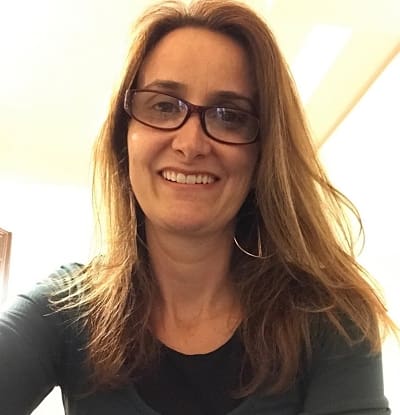
 For this new series entitled “Losing the Lamanites,” we interview Mormons from Central and South America, Native Americans, and Pacific Islanders — with the intent of exploring their faith transitions, and focusing (where relevant) particularly on their thoughts and feelings around having been handed the now questionable “Lamanite” identity.
- Vania’s upbringing in the LDS Church in Brazil, and her desire to serve an LDS mission.
- Vania’s thoughts about the label of “Lamanite,” how she never felt it applied to her, and why.
- Her first marriage, life as a Brazilian true-believing Mormon, and her subsequent divorce.
- Her immigration to the United States America in search of a new life for herself and her children, cleaning homes in Sandy/Draper, after working as a manager in Brazil.
- The cultural differences of the LDS Church in Brazil vs. in Utah.
- Her 2nd marriage to a true-believing LDS church member.
- How her ongoing struggles with Mormon perfectionism, anxiety, depression, and suicidality were resolved in conjunction with her Mormon faith crisis.
- How Vania and her believing husband make their mixed-faith marriage work today.
Episode Transcript
Host: John Dehlin · Guest: Vania Moore
This transcript is machine-generated and lightly edited for readability. The audio is authoritative. Please excuse occasional errors in names and spelling.
Introduction and Upcoming Events
Part 1 of 2 · Ep. 746
John Dehlin [00:00:29] Hello, everyone, and welcome to another edition of Mormon Stories podcast. I'm your host, John Dehlin. It is May 8, 2017, and I'm really excited to be kicking off a little series that we're going to be doing on Mormon Stories. We've done a few series recently.
John Dehlin [00:00:49] One of the first series that we've done in the past so sort of year is a series that we did on Early Return Missionaries Lately. Recently we followed that up with the series on various people's meetings with Mormon general authorities.
John Dehlin [00:01:06] Last week and the week before, we did a series on the transgender experience within Mormonism, which I think was fabulous. And now I want to do a series called Losing the Lamanites. And this series is about interviewing people from Latin America, from Mexico, from Native Americans here in the United States, and maybe even Pacific Islanders. And the whole point is to talk about joining the church in Latin America, having a faith crisis as someone who's Latin American or Native American or Polynesian, et cetera. And also in some of the interviews, we're really going to be digging into this idea of identity, you know, to the extent that Latin Americans or Native Americans or Polynesians or whoever were sort of given this identity, handed this identity called Lamanite, and what that was like for them, how they feel about it and if they've lost their faith, what these various Mormons or post Mormons feel to have been handed an identity, a full identity or an artificial identity, one that's sort of fake and doesn't have anything substantive to it.
John Dehlin [00:02:20] So that's going to be the series on Losing the Lamanites. Before we actually kick this off, I just wanted to make a few announcements. We just had an amazing one and a half day workshop at Fort Collins, Colorado.
John Dehlin [00:02:36] Loved the people there. So heartfelt. Just an amazing time. The Teeples hosted us. They were just beautiful, wonderful people. We just want to thank everyone who was able to make it out. We do have several events coming up that we wanted to let everyone know about. Our next two Day Mormon Stories retreat is going to be in Dallas, Texas, July 7th through 8th. The registration is now up, so if you want to register, Houston, San Antonio, Dallas, Fort Worth, Austin, Oklahoma City, anywhere, if you want to fly to Texas, we're going to have a blast. We're going to have some barbecue, we're going to do some karaoke, and we're going to, most importantly, do a lot of healing and growing as people work through their Mormon transition.
John Dehlin [00:03:19] Marriage issues, raising kids, secular spirituality, all that stuff. How to communicate with believing, family and Friends, join us for our July 7th 8th retreat in Dallas, Texas, August 11th through 12th. We're really excited to have Dr. Julie D' Azevedo Hanks joining me to do a retreat for mixed faith marriages. So if you're in a marriage where you're the believer and your partner isn't, or vice versa, we're going to do a two full day retreat focused on helping save marriages or heal marriages or help marriages find a happy solution.
John Dehlin [00:03:58] So please consider joining us again August 11th, 12th in Salt Lake City, Utah County. We're going to be doing Seattle, Washington, September 14th through 15th, Sydney, Australia, October 20th, 22nd, and San Francisco Bay Area November 9th through 10th. We're grateful for Amy Grubbs who's gotten all that registration information up. And so if you want to register, please start now. And we're going to have some fantastic events.
John Dehlin [00:04:24] That's kind of the house cleaning. We're so grateful for all those who support Mormon Stories, the Open Stories foundation and our various podcasts. If you do want to support us, if you do value this programming, please consider just taking one minute to go to MormonStories.org, clicking on the donate button and making a monthly donation. 25 bucks a month, 10 bucks a month, 100 bucks a month, whatever you can afford. That money goes to support the mission of the foundation, where we're transparent in our finances and, and it's all really important stuff to help support our staff, to help support the good work we do these events.
John Dehlin [00:05:04] Oftentimes, the amount of money that we make from these events sometimes just barely breaks even, depending on what we do. We're trying to actually lower the cost of attending these events, the price, and we need to make up for that with support. So if you believe in what we do with the podcast, with the thoughtful faith, with Mormon matters, Mormon mental health, Mormon transitions, or if you appreciate the events or if you want to see us do other cool things, please support the Open Stories foundation today in the United States. All donations are tax deductible and they go to, as I said, a worthy cause.
John Dehlin [00:05:40] So without any further ado, today we are going to be interviewing Vanya Vanya Moore, and she is a convert to the LDS Church from Brazil. And so without any further ado, Vanya, welcome, welcome, welcome to Mormon Stories Podcast. It's great to have you.
Welcome and Introducing Vania Moore
Vania Moore [00:06:00] Hi, John. Thank you. Thanks for having me.
John Dehlin [00:06:03] It's my pleasure. I think we first met at Salt Lake City Oasis, is that right?
Vania Moore [00:06:09] That's correct, yes.
John Dehlin [00:06:10] Yeah. That was nice to meet you there. Shout out to our Oasis peeps all over Utah and Kansas City to Houston as well. Really quickly, Vanya, before we jump in, I'm just gonna welcome all those who are joining us through Facebook Live.
John Dehlin [00:06:25] We've got Cody Layton on staff to sort of filter to me any questions or comments that you guys have. So please do. If you have questions about the Latin American Mormon experience, if you have questions about being a convert to the church from Latin America, as Vanya is telling her story, if you want to make comments or questions, if you'll make those on Facebook Live, Cody's going to filter those to me. I'm going to focus on the interview with Vanya, but when I see those questions pop up, we'll integrate them into the interview, and that'll be a lot more kind of dynamic and interactive than just a straight interview.
John Dehlin [00:07:02] So, again, we're excited for everyone who's joining us on Facebook Live, and we look forward to a great interview. So, Vanya, why don't we begin by having you tell us just a bit about your upbringing in Brazil prior to joining the church.
Catholic Upbringing in Brazil
Vania Moore [00:07:17] So my mom was Catholic. We would go to the church. I mean, sporadically. We wouldn't go every Sunday, but I remember going with her sitting there, not having a clue about what was going on. And my dad, he was an alcoholic, so he was really abusive towards my mom, also towards my sister. Since I was. I am the youngest, he would, you know, go a little easier on me, but it was such a nightmare. And so she finally decided to get the divorce when I was nine years old. And then
John Dehlin [00:07:59] that's frowned upon in Catholicism, right? Divorce?
Vania Moore [00:08:02] Yes. Yes.
John Dehlin [00:08:04] Was that kind of a big deal? Was that like, in your family, in your extended family? Was that stigmatized? Was there a lot of shame involved?
Vania Moore [00:08:14] Well, not as. Not as much, but my mom was really scared to give that step because she thought she would be, you know, misunderstood and all, because not all of her family members knew what went on in our house, although they didn't have a relationship with my dad at all. But she, you know, my sisters, they were older, and they came to her and said, okay, we're done with this. If you don't leave him, we're gonna leave the home, so you better make make up your mind. Then she decided to get a divorce, and we left.
John Dehlin [00:08:47] Okay. And do you remember all this? Like, what it was like for you? What it was like for your mom? You know, were you close to your dad? What was all that like?
Vania Moore [00:08:59] Yes, it was. It was really hard on me because, you know, even Though he was abusive and I would suffer a lot with that because since I was his favorite, apparently when he came home in the middle of the night, completely drunk and threatening to kill my mom, she would wake me up and, you know, I had the job of calming him down and say, okay, dad, you know, just calm down, don't do that. So it was hard on me, but still, I was really close to him and I loved him and somehow, you know, for some reason I didn't want to leave him.
John Dehlin [00:09:34] But anyway, yeah, that's natural.
Vania Moore [00:09:37] Yes. I would still go visit him every week and had a relationship with him after the divorce.
John Dehlin [00:09:44] Okay, so you did maintain a relationship with him.
Vania Moore [00:09:47] Yes.
John Dehlin [00:09:49] That sounds like that was a good thing.
Vania Moore [00:09:51] Yes.
Family Conversion to the Church
John Dehlin [00:09:52] Okay, so that, that puts things at a really tough time for you guys. Is that sort of when the missionaries arrived? Kind of fortuitously, yes.
Vania Moore [00:10:03] I mean, I remember, you know, as a nine year old girl, I felt like we lived in the dark because my dad, he didn't have a job. He would just stay home all day. He would smoke or sleep, and then he would get up in the evening and he would go and have fun out there. So I thought that no man had jobs at all in my mind, you know, supporting financially a family that was a woman's job. And then the missionaries came in the picture and. Anyway, do you want me to kind of tell you?
John Dehlin [00:10:42] Yeah, yeah, yeah, talk about that. I mean, I imagine that that was a very vulnerable time for your family.
Vania Moore [00:10:49] So.
John Dehlin [00:10:49] Yeah, talk about what that was like.
Vania Moore [00:10:51] It was extremely vulnerable. All of us were kind of desperate for something that we could hold on to. And, you know, I still remember when I think about my conversion to the gospel, I remember watching that little cute movie about Joseph Smith. It showed the first vision and he. I think you probably have watched that movie.
John Dehlin [00:11:15] Oh, I showed it as a missionary a thousand times.
Vania Moore [00:11:18] Yes. So that was in 1981. But I still remember how I felt that day. And I thought, my gosh, this is just amazing. So this is it, you know, And I had that feeling that overwhelmed me and I thought, this is awesome. I was, you know, I remember I was the first one the missionaries asked if I wanted to be baptized. He didn't ask. They didn't ask my mom first. They asked me and I said, yes, of course I do. This is, this is great. And then all of us ended up deciding to get baptized on the very same day. But like you said, we were extremely vulnerable. So that was the light we needed in our lives back then.
John Dehlin [00:12:02] Yeah, yeah. Do you Remember the missionaries and what they were like?
Vania Moore [00:12:05] Oh, yes.
John Dehlin [00:12:08] Are you comfortable sharing their names? You don't have to if you don't want to, but yeah, maybe.
Vania Moore [00:12:13] Maybe I shouldn't share that.
John Dehlin [00:12:15] What were they like? What was it like? As sort of a starry eyed, vulnerable Brazilian girl. Were they from the us Were they from Brazil?
Vania Moore [00:12:24] One of them was from Brazil and the other one was. Was American.
John Dehlin [00:12:28] Okay.
Vania Moore [00:12:29] And I remember, you know, I had this stereotype about guys based on my. My dad, you know, and all of a sudden those, those missionaries, they didn't drink, they didn't smoke, they didn't swear, they were kind and nice and they treated us well. I thought, this is paradise. And I remember my sisters and my mom, you know, being just as impressed as I was.
John Dehlin [00:12:58] Yeah. Like kind of wholesome, clean, moral men, right?
Vania Moore [00:13:04] Yes. The opposite of what we were used to.
John Dehlin [00:13:08] Yeah. Yeah. And again. Okay. So, yeah. And did the ward or the branch kind of really surround you and make you feel extra loved and supported?
Vania Moore [00:13:24] Yes, they did. Back in 1981, we used to live in a very small town in the south of Brazil. There was only one branch in the whole town, so the church had just started down there. So when we came in, yes, we were. We were surrounded by so much love and kindness and help. It was awesome.
John Dehlin [00:13:48] That's great. Do you remember, like, praying about the Book of Mormon at the time, trying to gain, like a spiritual testimony or would that have come later?
Vania Moore [00:13:58] That would. That came later.
John Dehlin [00:14:00] Okay. Okay. All right. So you guys joined this church. How did it go from there? What was your experience once you joined?
Vania Moore [00:14:10] Well, I was. I was all in. Two years later. Yes. After we got baptized, my mom met a nice gentleman from a different town from Sao Paulo, and they decided to get married kind of quickly and we moved to Sao Paulo. He was a bishop at that time. He had just lost his wife.
John Dehlin [00:14:37] Oh, wow. And he was a bishop.
Vania Moore [00:14:39] He was a bishop.
John Dehlin [00:14:41] So automatically your mom, as a convert, becomes the bishop's wife and you become the bishop's daughter.
Vania Moore [00:14:48] Yes. Two years later. Yes.
John Dehlin [00:14:50] I mean, yeah. Two years later. Yeah.
Vania Moore [00:14:52] Yes. So it was amazing because, you know, he was a hard worker man. He was very decent guy. He was respectful, he was nice to us, he wasn't abusive. And I was just all in. I never ever dared to doubt or to question anything. I would just buy into every single thing they would teach me.
John Dehlin [00:15:19] Right, right. Yeah. So did you have. Okay, so first of all, was Sao Paulo like a totally different experience from what you experienced growing up?
Vania Moore [00:15:30] Yes.
John Dehlin [00:15:31] It's like A massive city, right? Sao Paulo's.
Vania Moore [00:15:34] Yes, it's the biggest city in Brazil. So, yes, it was much, much better. I mean, the church had all those activities. There was a lot of youth. We had so many friends, and it was just super fun. And I mean, my social life was just around the church activities. I didn't even have good friends outside of the church. That wasn't okay anyway.
John Dehlin [00:16:02] Yeah, yeah, it was kind of discouraged. So you're an award. You're. You're probably an award when you moved to Sao Paulo, right?
Vania Moore [00:16:08] Oh, yes. That was a big ward, a big state. Yes.
John Dehlin [00:16:11] Okay, so this must have just been amazing. Like, you move from this smaller town to this huge city, you make all these friends, your dad has status now, your stepdad has status in the community. And it sounds like a dream, right?
Vania Moore [00:16:28] Yes, it was. It was just like a dream.
John Dehlin [00:16:31] What were some of the highlights of your. Let's just say your youth and teenage years in Sao Paulo as a Mormon girl?
Vania Moore [00:16:41] Well, you know, like you said, since we had some status now, I would feel really loved and accepted and, you know, I didn't have any hard time to have dates here and there. And it was just fun. And I felt for the first time, I felt safe. I thought I could really trust my stepdad and all the leaders of the church. I mean, it was a different world from where I had come from. So. Can't hear you.
John Dehlin [00:17:17] And I don't. And I don't know what the word like the ward experience is like in Latin America. So, like, you know, it would be church every Sunday. It would be. Would there be warden stake dances? Would there be seminary? Would there be, you know, MIA or mutual talk about what your church activities look like during that time.
Vania Moore [00:17:43] Okay. So in Sao Paulo. Yes, we'd have seminary every day. It doesn't work like here, that it's across the street from the school, Right.
John Dehlin [00:17:53] Built into the school in Utah, right?
Vania Moore [00:17:55] Yes. We would go to the. To the church and would have seminary there. Like at 5:30 in the morning, I remember taking the bus with my sister that was three years older than I. Than I was. And we had drive the bus. We'd ride the bus to the church and have seminary every. Every morning. And almost every week there was a church dancing somewhere in town. We were there and we had activities at least twice a month for the youth. And mutual. Yes, every single Saturday or sometimes during the week. But once a week we'd have mutuals too.
John Dehlin [00:18:39] Okay. And so I imagine that the people in your ward became your best friends. Is that right?
Vania Moore [00:18:48] Yes. Yes. That didn't last too long, though, John. We just lived in Sao Paulo for five years. And then when I was 15, my parents decided to move down to Florianopolis, which is a different state in the south of Brazil.
Growing Up Mormon in São Paulo
John Dehlin [00:19:06] Okay. All right. And so that was when you were how old? 17.
Vania Moore [00:19:11] Then I was 15.
John Dehlin [00:19:12] 15 years old. Okay. So was that sad for you to kind of leave Sao Paulo?
Vania Moore [00:19:20] It was extremely sad. We got to Florianopolis, and it's a smaller city. There was only, I think back then, two words. Two or three words. I'm not very sure about that. But there was like, only two or three young women, one or two young men. I was like, oh, really? So I remember that was a shock to me. And it was funny because, you know, sometimes I look around and I would think, gosh, I don't have any friends. Because like you said, I mean, we better not have friends outside of the church. Right. Because they're not as good as you are. Right.
John Dehlin [00:20:02] Is that what you were literally taught? Were you explicitly taught that?
Vania Moore [00:20:05] Yes. Oh, yes.
John Dehlin [00:20:08] How would they say that? In a way that didn't sound judgmental or rude or was it judgmental and rude?
Vania Moore [00:20:13] It was judgmental and rude. I mean, my mom would show me how worried she felt when I said, mom, I'm gonna go hang out with this friend with this girlfriend at her house. And she'd go, but is she a member of the church? No. Oh, then, you know, just go, but I want you back in an hour or something. And she was always so concerned, so worried. I remember one day trying to go to a dance with a couple of young men that weren't members of the church, but we were going to a church dance, and my stepdad said, no, I don't think you should go. He looked at them and he came to me and said, you know what? You deserve better than that. You shouldn't go with these guys to the church dancing. So I always felt like a disapproval to having friends outside of the church. Really?
John Dehlin [00:21:04] But you didn't have quite as good of award by the time you're 15, 16. And so the options were really limited.
Vania Moore [00:21:11] Yes. And I felt really depressed. But I thought. And then I thought to myself, you know, I wonder if I have a real testimony of the gospel. And I started questioning my own testimony, not any doctrine or anything. I started questioning myself and thinking, do I really have a testimony? Do I really want to, you know, live like this and have these just, you know, few friends? Because I'm not encouraged to socialize with people outside of the church. I still hung in there and decided to stay and feel miserable, and it was really hard on me. The first four years in Fernopolis were really hard.
John Dehlin [00:21:50] Yeah. So talk about your spiritual development during this time. Were you, you know, working hard in your testimony? Did you receive this super strong testimony? Talk about what that's like for someone in Latin America to be told the church is true, to love it, to feel socially supported or not supported, but then talk about the spirituality of it all.
Vania Moore [00:22:16] Okay, so I'm not sure about, you know, Latin America.
John Dehlin [00:22:22] Right, right, right, right, right. Of course. I'm sorry. Yes.
Vania Moore [00:22:25] Now you're fine. But I mean, in Brazil, what happens is that people are not very religious. It's a pretty much a Catholic country. You go around and you ask, oh, do you have a religion? And they go, oh, yeah, I'm a Catholic, but I don't go to church. So that's what you hear the most. So people don't care much about, you know, standards like Mormonism does. So they just go ahead and have fun. They drink.
Vania Moore [00:22:55] If they want to smoke, they do. They go, you know, to parties and stuff like that. And then when you find something like religion that comes to you and says, you know, we have the truth here. We live this way. We live. We're clean. And, you know, if you do all these things, you're gonna be safe and you're gonna be happy and you're gonna get, you know, whatever you want in life that gives you hope. And you say, okay, this is what I want, and I want to be different of all these people that do pretty much the same thing.
John Dehlin [00:23:39] And I'm guessing that that's what your mom was worried about when you're hanging with non members. She's basically not wanting you to get married to the wrong guy and get divorced just like she did. Right?
Vania Moore [00:23:51] Exactly. Yes.
John Dehlin [00:23:53] Yeah. Yeah, that's. That's kind of reasonable. But okay, so in terms of, like, you studying the Book of Mormon and reading it and Moroni's challenge. Moroni, 10, four and all that, was that a part of your upbringing or not so much?
Vania Moore [00:24:09] Well, actually, I didn't worry about that because I thought I had a strong testimony. Like, I think, you know, when I was 9 years old and I watched that little movie about the first vision, I think that just got me. And I thought, okay, this is it. So. But then when I was 20 years old, I was called for my stake president to serve a mission. And then I started really questioning and thinking, okay, is this really what I want to do. And then I started praying hard about the Book of Mormon and about, you know, I mean, if I should go and serve a mission or not. So that was the first time I really thought, okay, let me just question. Because until then, I thought if I just asked, that means that I already doubt. I have doubts, so I'm not gonna even ask. I know it.
John Dehlin [00:25:04] What was it like to be a part of this American church during that time for you? You're living all the way in Brazil, on the other side of the hemisphere. All these white United States American males who are at the helm. There's this prophet that they say lives in Salt Lake City. Did you ever think about, like, wow, I'm part of this church where all the leaders and all the power is, like, in some weird state I never heard of in the United States. What was that like? Or did you love that?
Vania Moore [00:25:43] Well, actually, yeah, we love that. I mean, it sounds reliable. I mean, I think us, as Brazilians, I think we tend to value more what comes from abroad than what we have in there, if that makes any sense. But, yeah, it just felt right and reliable.
John Dehlin [00:26:10] I want to talk just a tiny bit more about that. Like, I imagine that in all sorts of countries, including Brazil, like, if you just look at the soccer team, there's a ton of national pride, Right? And I know in Spanish the words orgullo. And is there a Portuguese word for pride?
Vania Moore [00:26:30] Yes, orgullo.
John Dehlin [00:26:31] Yeah. Okay. And I imagine the Brazilians, like. Like Argentines or, you know, from the States, who are Canadians. It doesn't matter. Every country's got its pride, right? So what is it about America, or at least what was it about America at the time that made a church based in the United States seem more appealing? When I'm sure Brazilians had a lot of pride in what they were able to do and who they were?
Vania Moore [00:27:01] Well, I think it's a cultural issue there. Like, let's say, you know, stuff brands like tennis shoes brands or clothing, everything that has an American name, that those are so expensive and so out of reach for, like, at least 70% of the population.
Vania Moore [00:27:21] So when you find. So that looks, you know, even better. It might not be. We might have, you know, like, let's say better brand of tennis shoes in Brazil. But when you say Nike or something like that, people say, wow, that is better, but it's because it's more expensive. So I think the same applies to anything else that comes from abroad, especially from America to Brazil. Wow. So this is a. This is an American Church that has room for me, I can fit in there. You know what I mean? So that is awesome.
Vania Moore [00:27:57] And people don't really worry about the fact that, wow, it's just, you know, ran by Americans and stuff like that. I wonder if there's something weird about that. People don't even think that. It's just awesome. It comes from America. Let's just embrace it.
John Dehlin [00:28:15] Wow. Now I'm getting out of sequence here, but do you think it's the same in 2017 as it was when you were a teenage girl?
Vania Moore [00:28:24] Yes, it is still the same. Not changed.
John Dehlin [00:28:26] Okay. Even with, even with Donald Trump or whatever.
Vania Moore [00:28:30] Oh, yes, yes.
John Dehlin [00:28:32] Okay. Okay, cool. Nothing against Donald Trump here.
Vania Moore [00:28:35] There.
John Dehlin [00:28:35] I'm just, I'm just curious how if things have changed in any way or Bush or whoever, Obama. Okay, so. All right. So you start contemplating a mission. Now, I'm guessing that when you were, when you were in your early 20s, it wasn't required of. Was it expected of young Brazilian Mormon women to serve a mission? Was it highly encouraged?
Serving a Mission in Brazil
Vania Moore [00:28:58] It wasn't, no, it wasn't. But we had that stake president, that specific stake president at that time, a very good and decent guy. But for some reason he was kind of calling many women to go and serve a mission and I was one of them. I remember at that year we had, you know, an outrageous number of women going on their mission. I don't know why he was doing that, but he was calling us to serve mission. So I decided to accept the calling too.
John Dehlin [00:29:30] Okay, so where were you called?
Vania Moore [00:29:32] I was called to serve in Rio de Janeiro, Brazil.
John Dehlin [00:29:36] Oh, okay. Rio, yes, Rio. Now that's different than Sao Paulo. That place is famous for carnival, right?
Vania Moore [00:29:43] Yes, it is. It's a big city too. But yes, it's different.
John Dehlin [00:29:48] Was it the Olympics that were there? Is that right? Just recently, yeah. It's a massive city. Okay, so did you feel confident in your testimony when you went on your mission?
Vania Moore [00:30:00] Absolutely. All in. I was a very hard working sister. I would, you know, I became a senior when I was in the mission, in the mission field for three months and I was all in. We'd leave like at nine in the morning as required. We'd come back home after nine in the evening, we'd do our scripture study in the morning. I remember I read the Book of Mormon, I think eight times only during my mission and the Bible. And I mean, I was all in. I was powerful. I was absolutely sure about what I was doing, which makes me even angrier right now, you know.
John Dehlin [00:30:49] And was your, was your Mission president from the States. United States, or from Brazil or somewhere else.
Vania Moore [00:30:57] I had two mission presidents because the first one, yeah, he was from the States, I think from California, if I'm not mistaken. And he finished his mission when I was in the mission field for six months. And then we received Brazilian mission president for the rest of my mission.
John Dehlin [00:31:15] And were there differences that were meaningful to you between one or the other? Were you more excited to have the mission president from the States because it was the America thing again, or not?
Vania Moore [00:31:26] Well, there was a difference there. The first one, he was an extremely spiritual guy. I mean, I had experiences with him that we'd sit together for an interview, and he would just start saying things that I was feeling at that moment, things that I was thinking. And I mean, he was powerful. I remember feeling the spirit very, very strong every time we had a chance to meet with him.
Vania Moore [00:31:57] The second president, though, he was more about numbers, let's say. And I remember having my zone leader coming to me and saying, hey, sisters, you guys are doing a great job, and all that, and that's fine, but you're teaching too many kids and teenagers and single people. You have to go after guys that can be priesthood holders, you know. And I remember looking at him and saying, what are you talking about? I'm gonna go and preach the gospel to whoever wants to hear. I don't care about, you know, age or gender or whatever. And that made me mad, and I didn't care. I said, I'm gonna just keep on doing my job.
Vania Moore [00:32:42] But I felt the pressure from the. From that mission president, president on numbers and types of people. I remember him saying in a conference with the missionaries, hey, guys, you need to go and find people, wealthy people, because they will help in the church and they will be a good help. And I remember, you know, listening to that and thinking to myself, what is he talking about here, anyway? But I didn't. I really didn't listen in terms of, okay, I'm gonna do that. I didn't. I just. I just, you know, I remember feeling following my heart and going after whoever wanted to hear the gospel. So there was a big difference between the two presidents, for sure.
John Dehlin [00:33:25] I'm sure that they're trying to address the retention problem. If you. If you bring in single people or young people, maybe they're more likely to fall away. But if you bring in a head of household with their entire family, then those can become intact families that can help be an anchor for award to really thrive. Is that maybe kind of what they were going for?
Vania Moore [00:33:48] Yes, it is. But that bothered me very much because
John Dehlin [00:33:51] your mom had been a single mom. Right. And you had been the daughter of a single mom. And I don't mean to put words in your mouth, but I'm guessing that might have been part of it.
Vania Moore [00:34:01] Absolutely. I could relate, you know, to those people that needed the gospel, needed something, and they didn't have a very well structured family. And I said, no, I'm gonna teach them anyway.
John Dehlin [00:34:14] Yeah. Spencer Lott is listening, and he says his area authority on his mission said the same thing about converting rich people. So yours isn't the only one. I mean, I know for a fact that in Latin America and probably all over the world, there's a concern about tithe paying members, that there aren't enough members and even leaders paying tithing. I remember an interview I did with Ted Lyon, who had been a mission president in Chile, a temple president in Chile, and he was Elder Jeffrey R. Holland's interpreter. And I remember some crazy goal that was like trying to get more than 30% of bishops and stake presidents to pay tithing.
John Dehlin [00:34:53] Like, they literally had bishops and stake presidents that weren't paying tithing in Chile. And I'm guessing that they have all sorts of problems with that in Latin America, because it's a different thing to pay tithing, and maybe it's a different thing to pay tithing in South America than in Draper. What would you say about that?
Vania Moore [00:35:14] Absolutely. John. We. Yes. I mean, it's a third world country. You know, I mean, people down there barely make enough money to go through, you know, monthly and take care of their own needs and rent and loans and stuff like that. So it is a huge sacrifice, that's for sure. It's not easy to anyone except for the wealthy ones.
John Dehlin [00:35:41] And if somebody were to say, oh, it's just 10%, it's 10% for someone in Rio is the same thing as 10% from someone in Sandy. What would you say to that?
Vania Moore [00:35:50] That's a lot. Because you make more money in Sandy. You live better than you live in Brazil. You don't make as much. The percentage is the same, but the budget is not. And 10% is a lot.
John Dehlin [00:36:06] Yeah, that can. Maybe that can. Maybe that can determine whether or not you eat or have clothes, right?
Vania Moore [00:36:13] Absolutely. And, you know, they would say, you know, if you have to pay your rent or pay the tithing, you should have faith enough to go ahead and pay the tithing and wait for a miracle. You're gonna get to pay a rent. Somehow the Lord will find a way they would say that all the time. I remember that. And we did that when I was married. We did that sometimes.
John Dehlin [00:36:40] Well, I'm guessing that because the church really helped out your mom and your family, maybe that wasn't so hard for you to buy into that the church was so valuable. The money's worth paying. True.
Vania Moore [00:36:53] Absolutely. And we had that, you know, belief that, oh, yes, the Lord will bless us, and he will, you know, give us 100 more than we're giving to him. But, you know, most of the time, the miracles never happened, so.
John Dehlin [00:37:07] Right. Okay. Okay. So any other stories from your mission before we talk about after your mission or. Or do you feel like you had a pretty good mission overall?
Vania Moore [00:37:17] Yeah, it was pretty good overall.
John Dehlin [00:37:19] Yeah.
Vania Moore [00:37:19] We had a few experiences. We had some baptisms, and it was. It was a good time. I'm not gonna lie. It was really great.
John Dehlin [00:37:26] Well, what. How many baptisms a month do you think your mission averaged at the most successful point?
Vania Moore [00:37:35] Well, I do not remember that because that was one of the teachings of our first amazing mission president. He would say, you know, you guys shouldn't look at numbers. You guys should look at the spiritual experiences you're having here and helping people. So you shouldn't count how many baptisms you have. Or. So I never. I really never thought about numbers. I never paid attention to them. But we would have a good average of baptisms overall. I remember that.
John Dehlin [00:38:06] Like, once a month, maybe, or not once a month?
Vania Moore [00:38:09] Oh, no. Once a week.
John Dehlin [00:38:11] Okay.
Vania Moore [00:38:12] So, yes.
John Dehlin [00:38:13] So probably at least four to ten a month, probably.
Vania Moore [00:38:16] Oh, yes. Oh, yes.
John Dehlin [00:38:18] Okay. And that's a lot like Guatemala, where I served. And it's pretty common through Latin America for missionaries to have five or 10 or even more a month, right?
Vania Moore [00:38:28] Yes. Oh, yes.
John Dehlin [00:38:30] Was there a retention problem in keeping those converts that you saw?
Vania Moore [00:38:34] There was, yes. I remember getting in different areas in my mission, and I would get the book. I don't remember the name of that book, but it was a book that would give us names and addresses of people that had been baptized in the last few months. And there was a lot. I mean, retention was definitely a problem. And I mean, as a missionary, when we teach about tithing, that's where we'd lose, like, 80% of our investigators because they look and say, I cannot afford that. I can do that. So we lose our investigators for the tithing issue.
John Dehlin [00:39:17] What's the diezmo in Spanish? It's diezmo. What's the word for tithing in Portuguese?
Vania Moore [00:39:22] It's gizimo.
John Dehlin [00:39:24] Okay.
Vania Moore [00:39:24] Yes.
John Dehlin [00:39:25] All Right. So, yeah, my understanding is that the LDS Church claims over a million members of the church in Brazil, but that when they do a census and ask Brazilians who's Mormon, a lot less than a million self identify as lds. Is that your experience?
Vania Moore [00:39:46] I think so, yes.
John Dehlin [00:39:49] Like a huge fraction. Like there's hundreds of thousands of Brazilians that the church is counting as members who don't identify as Mormons.
Vania Moore [00:39:58] Oh, yes, absolutely, yes. I remember visiting some inactive members and they would say, no, I don't want to have anything to do with this church anymore. Please just cross me off there.
John Dehlin [00:40:09] Did you ever hear stories on your mission of like shady baptismal practices where people were being baptized that really had no business being baptized or pressure techniques or sales techniques or, or even shenanigans like playing basketball or football and using things like that to get people to be baptized?
Vania Moore [00:40:30] Well, I just remember hearing about a mission that was baptized right at the time that I was serving my own mission. They were going to the graveyard and getting names from there and doing, I mean, I don't know how they did that, but they would just fill out the forms and stuff as if those people had been baptized, but out of the graveyard. So that was absolutely creepy to me. That was the only thing I heard. But you know, the missionaries, they use all this, you know, sales techniques. They are very kind and polite and many people would get baptized because of them. I had that experience myself.
Vania Moore [00:41:13] Some families, you know, got baptized and then I would get in touch with them later on after my mission and they would say, oh, no, sister. They would still call me sister. We're not going to church anymore. Because after you left, everything changed. And I thought, oh my gosh. So that happens a lot. They just get baptized because they get attached to the missionaries.
John Dehlin [00:41:35] Did you prefer missionary companions from the States or from Brazil or did you have a preference at all?
Vania Moore [00:41:44] Well, I only had one American companion.
John Dehlin [00:41:48] Okay.
Vania Moore [00:41:48] And she was having a very hard time. It was her very first area. She wouldn't want to speak Portuguese, she wouldn't like food. She was having a very, very hard time to get adapted to everything down there. So it was hard. But anyway, all of my other companions, they were from Brazil, so I didn't have many problems about that.
John Dehlin [00:42:11] Did you sense whether or not Brazilian investigators preferred American missionaries versus Brazilian missionaries?
Vania Moore [00:42:19] Yes, they preferred Americans. That's what I'm saying to you. Everything that comes from America is better than national product.
John Dehlin [00:42:27] What was that like for you to be a, you know, to be viewed as a second rate missionary because you weren't from the States.
Vania Moore [00:42:33] I didn't care. I was so focused on my job that I couldn't care less. I remember one day we were walking on the street, and my name as a missionary was Sister Scott, because Scott is my maiden name. And a guy just, you know, ran to us and came to me and started speaking English with me. And I said, oh, don't worry, you can speak Portuguese. I'm Brazilian. And he, you know, he looked so disappointed. And I just laughed and I thought, this is so hilarious.
John Dehlin [00:43:03] Oh, that's funny.
Vania Moore [00:43:04] That's funny.
John Dehlin [00:43:05] Really quickly, a comment from Sarah. She says she's been told by more than one bishop that the church would rather have someone pay tithing and ask the church for help buying food or paying rent than people paying their own food and rent and not paying tithing. She says that creates control and indebtedness. So I can see that. Yeah. Even if you're just siphoning the money through the branch reward and then it comes back to you, you're still sort of like becoming indebted to the church. Right.
Vania Moore [00:43:43] Well, I have one thing to say about that, though. I'm not sure how that works here in America, but in Brazil, let's say that you. You're in financial trouble and you need some help with food or even medication or whatever.
Vania Moore [00:43:58] You go to the bishop and you ask for help. What you get is as an answer is, sister, before I help you, tell me, how many TVs do you have in your home? If you say, I have two or have three, he's going to say, okay, first you're going to sell everything that you don't need in your house.
Vania Moore [00:44:18] And then after that, if you can't still afford it, then I'm going to make it up to you. They don't just help you as you ask for help. It doesn't matter how much it is. Can be just a little bit of money or a whole lot of money. You don't have that help that easily at all.
John Dehlin [00:44:35] Got it? Yeah. Yeah. I imagine that. What's the currency in Brazil? I imagine they don't go as far as the dollar does in terms of.
Vania Moore [00:44:47] Oh, no.
John Dehlin [00:44:48] Yeah.
Vania Moore [00:44:49] Not at all.
John Dehlin [00:44:50] Okay. Mark writes that a lot of children were baptized through soccer and swim parties in chile in the 1980s and 90s, but that this practice was prohibited in 2000 going forward because the 90s were crazy anyway. Okay, cool. So you had. Overall, how did you feel at the end of your mission?
Vania Moore [00:45:13] I felt great. I felt accomplished. I was so involved that I asked my stake, my mission president to keep me in my mission for one more month. So I served for 19 months instead of 18 because I was so involved and I was so happy. And I came home, you know, with full force. I wanted to serve. I wanted to keep on preaching the gospel. I started going out with the sisters, you know, and I felt. I felt great. I said, wow, that was amazing.
John Dehlin [00:45:45] So, okay, now as a little segue, we'll be talking about this with the other people we interview as part of the series. As you're. You said you read the Book of Mormon eight times on your mission, Is that right?
Vania Moore [00:45:56] Yes, that's right.
John Dehlin [00:45:58] Did you think of, you know, Brazilians as being children of Laman and Lemuel and Nephi? How did you. When you're reading the Book of Mormon, did you identify that with your. Yourself and your ancestors? Did you think of yourself as a Lamanite?
Vania Moore [00:46:15] Well, I didn't think of myself as a Lamanite, but I think of all the, you know, people from Peru, Chile, Paraguay and so on as such.
John Dehlin [00:46:26] Why not Brazil? Why not Brazil?
Vania Moore [00:46:28] Well, like I said, I was born and raised in the south. And, you know, you pretty much. You're surrounded by people that come from Europe. We have tons of Italians, you know, Germans and stuff. So you don't. You don't have many per se. Lamanites around you, so you don't think much about that. But if you go to the north and northeast, then it's a different story.
John Dehlin [00:46:54] Is it sort of based on the darkness of your skin?
Vania Moore [00:46:57] Yes. And also kind of your lineage, because most of, you know, most of the people in Brazil, their ancestors come from Europe, so that's why.
John Dehlin [00:47:07] Okay, so among the Brazilian saints that you associated with, there wasn't this strong sense of, like, Lamanite pride?
Vania Moore [00:47:18] No, there wasn't.
John Dehlin [00:47:19] Okay, well, that's. That's different than in Guatemala, right? Who. Yeah, they were calling themselves Lamanites and they were proud of it.
Vania Moore [00:47:26] Yes. And same happens in, like, I know in Peru and Chile. That happens a lot, too. They have the proud of saying they're Lamanite.
John Dehlin [00:47:33] Okay, all right. So. But when you were reading the Book of Mormon, did you think of it being a history of Native Americans, of ancient Americans?
Vania Moore [00:47:43] Absolutely. So. Oh, yes, all the way.
John Dehlin [00:47:46] And did you think that. Did you have a sense for where. If. When Jesus came or where the waters of Mormon were? Did you have a sense for geographically where that happened? Did you place that as a setting in Peru? You know, Machu Picchu? Was it in Guatemala? Central America, where were you. Where were you putting as a setting? Or was it all of north, south and Central America? In your mind, where was the Book of Mormon narrative happening?
Vania Moore [00:48:14] In Machu Picchu, pretty much.
John Dehlin [00:48:16] Really?
Vania Moore [00:48:17] Oh, yes, absolutely. Okay. Those were the, you know, the dwellings of the Lamanites. The Book of Mormon times. So that's it. That's.
John Dehlin [00:48:25] No. So not. Because you're in South America. It wasn't Central America.
Vania Moore [00:48:29] It was. Oh, no, not at all. It's all on that Peru.
John Dehlin [00:48:33] That's hilarious.
Vania Moore [00:48:35] Yes.
John Dehlin [00:48:36] And of course, there's all these Americans that think it happened in North America. And. And it's got to be that Joseph Smith felt like it happened in North, Central and South America because he's putting the hill Cumorah up in New York. Right?
Vania Moore [00:48:50] Exactly. Yes.
John Dehlin [00:48:52] And he's finding Zelf and saying Zelf was a great white Lamanite. Right.
Vania Moore [00:48:55] So, yes.
John Dehlin [00:48:57] Okay. But you're putting. You're putting the Book of Mormon in. In Peru. That's awesome. Okay. All right. So you're excited off your mission. You're doing splits with the sister missionaries. Then what happens?
Marriage, Family, and Life After Mission
Vania Moore [00:49:10] Then I met my first husband.
John Dehlin [00:49:14] Okay.
Vania Moore [00:49:15] And we met and got engaged and got married in seven months. Really quick, quick stuff.
John Dehlin [00:49:25] And he was. He was Mormon.
Vania Moore [00:49:27] He was Mormon. Former missionary. I went to college, then I just got to go for one semester. And then I started having all. And then I got pregnant with my daughter, and she was born. And then, you know, I started having. Being accused of being neglecting to my baby because I live for a couple of hours with babysitter until my husband would come back home. And, you know, I remember the stake president calling him in and saying, oh, I'm really worried about Vanya, because, you know, her most important colleague right now is as a mother, so she shouldn't be pursuing her academics. Academics goals. And that made me feel so bad that I said, okay, never mind that. So I dropped college.
John Dehlin [00:50:14] What were. What were your academic goals?
Vania Moore [00:50:16] I was. I had already studied English a little bit. I could communicate, but I wanted to go a little deeper on that, so I wanted to study English, and I. So I put that off for 10 years, and then I came back later on. I think we'll get there, but yeah.
John Dehlin [00:50:32] Okay. And I guess the patriarchy was in full force, and traditional roles were really. Were really being pushed. And I'm just guessing when you saw what it was like for your mother to get divorced and how challenging it probably was to see your mother, at least for a little bit, struggle as a single mom, I don't know. Did that influence your desire to want to pursue your education and maybe a career?
Vania Moore [00:51:05] Maybe in the back of my head, you know, it's not something that I really thought about it. After all, I didn't even think about getting. Getting a divorce. So that was out of the. There wasn't an option.
John Dehlin [00:51:18] Yeah.
Vania Moore [00:51:19] So, you know, it was just me. I just wanted to. Because I have this passion for languages and I wanted to. To get my degree.
John Dehlin [00:51:27] Okay, that's great. Well, that's tragic that you had to stop it, right?
Vania Moore [00:51:31] Yes, I did. But like I said, I felt so bad and I said, okay, my daughter is more important than anything else, and of course she is. But I thought, okay, if, if, if a guy, a leader that speaks for God is saying that I shouldn't be doing that, then I guess I shouldn't and I dropped him.
John Dehlin [00:51:48] Okay. All right. So how did that work out? Well, what happens kind of as you become a stay at home mom?
Vania Moore [00:51:58] Well, you know, I started struggling with depression. Like, you know, I was extremely unhappy and feeling miserable. And I came to a point that I told my husband, I said, you know what, I'm gonna go absolutely nuts if I keep on staying home. I was used to have a job since I was 15 years old, so just staying home to me was a little too much, even though we already had two kids. Then I said, no, I need to go get a job. And then, you know, I stayed home for five, for six years with my kids, and then he finally allowed me to get a job and back to the workforce. Yes.
John Dehlin [00:52:41] So is there in. In Guatemala, I remember this idea of machismo that kind of men rule and women are. And I don't. This is stereotype of. I'm just saying what I heard and probably because I was primed with this idea that I probably learned in the mtc. Then I saw it everywhere around me where it was very, very much male dominated. And of course, women throughout millennia have found their own ways to exercise power. But was it like you said, where he allowed you and you had to get permission? Like, did you feel like in some ways you were subservient?
Vania Moore [00:53:22] Oh, yes, absolutely. And that's so common. I wouldn't say that happens that badly in bigger towns like in Sao Paulo, Rio de Janeiro and other biggest cities. But in Ferranopolis, the, you know, the normalty is you get married and your wife stays home and you go and. And you know, support the family. So if you don't do that, there's something wrong already. So I had to have. I had to make sure that my husband would feel comfortable for me to go get a job and, you know, help him out, because we were struggling financially really, really, really bad. So it was a necessity.
John Dehlin [00:54:06] Yeah.
Vania Moore [00:54:07] To get a job.
John Dehlin [00:54:08] Yeah. I mean, that's. That's true. Even in Draper these days, cost of living all over the world. Right. Rises, and you just. It's harder and harder to get by on a single income for anyone.
Vania Moore [00:54:17] Yes, it is. But you know what? The mentality in Brazil is at least in for an office. I remember hearing over and over again from the pulpit that they would say, oh, the prophet says that a woman should just be okay with whatever income her husband can get. You know, she should be okay with whatever she can have. So, I mean, and then when you think, oh, I'd like. You know, I'd like to be able to get this or that for my children or for myself, you feel bad. You feel like, oh, my, you're doing something really wrong here. If you have food on your plate and, you know, shelter over your head, you should be grateful for that. And that's it.
John Dehlin [00:55:05] Yeah. Interesting. A couple comments from our listeners. Morgan writes that he was raised in Mexico, so for him, the Book of Mormon happened in Teotihuacan. That's interesting. Kind of. Whatever ruins you're close to are. Zarahemla, apparently.
Vania Moore [00:55:25] Absolutely.
John Dehlin [00:55:27] Mario writes that in Mexico, and this is something I've never heard of, the area authorities won't let you go on a mission unless you pay a certain amount, which would be equal to 30 to 40% of their monthly income. Wow. So have you heard of anything like that?
Vania Moore [00:55:43] No, never did. Although I paid for my full mission, but I've never heard about that.
John Dehlin [00:55:49] Oh, you paid for your full mission?
Vania Moore [00:55:51] I did myself. Not my parents. Yes.
John Dehlin [00:55:54] Like earning money before you went.
Vania Moore [00:55:56] Yes, because I had a job. I had a good, good job back then, and I got to pay my. My full mission. Yes. It wasn't a big deal.
John Dehlin [00:56:05] Oh, wow. Okay. Well, that. That sounds like a. That sounds like a lot, so. But that's cool. That's cool. You're able to save and pay for your mission.
Part 2 of 2 · Ep. 747
John Dehlin [00:00:29] So how did. So your marriage, that first marriage, didn't work out. Is there anything worth talking about there or how long did that last?
Vania Moore [00:00:40] It lasted for 12 years.
John Dehlin [00:00:43] Okay.
Vania Moore [00:00:44] Actually, you know, as I look back now, we weren't ready for marriage. You know, I wasn't, nor was. Was he. We were. You know, we didn't even. I don't think we even fell in love. But there was that pressure when you come from your mission, oh, you gotta get married. When are you gonna get married? You know, so we kind of, you know, went with that and ended up getting married. It was just like, you know, a good curriculum, if you will. He was a former missionary, both raised in the church and all that. We just thought, you know, looked at each other and thought, why not? But it wasn't even even close to enough to get, you know, to jump into a commitment like a marriage, especially when it's an eternal marriage marriage.
John Dehlin [00:01:28] So, yeah, and that's just. That's Mormon culture, is you just dive in and get married. And if you follow the church's plan, hopefully you're so busy that whether or not the marriage is good, the marriage kind of stays intact, right?
Vania Moore [00:01:42] Yes, exactly.
John Dehlin [00:01:43] But for you guys, it didn't work out.
Vania Moore [00:01:45] Oh, no, it didn't. I started, you know, noticing some weird behavior from him. And, you know, I would ask him, what's going on? He'd say, no, there's nothing going on, and all that. And I still decided to file for divorce, even though I wasn't sure what was going on. But I knew there was something. And then a couple months later, after I filed for the divorce, he confessed me that he was having an affair.
John Dehlin [00:02:14] So.
Vania Moore [00:02:15] But yeah, I mean, of course, I didn't have the support of anyone, nor my family or leaders. They would say, what are you doing? What? Why are you doing that? And I said, you know, I don't know, but I just feel like it's over. There's nothing else left, so.
John Dehlin [00:02:33] And I imagine having had your mom go through that, and I'm. I'm the child of divorce, I imagine you were pretty motivated to not fall into the same fate. Is that true?
Vania Moore [00:02:44] Absolutely, yes. The difference between me and her is that I was more prepared. Let's put it this way, you know, I was pretty much being the main supporter of the family financially. I was paying for the mortgage I had. You know, I mean, financially, I was in a very. In a much better position than he was. So I wasn't afraid about that. I had no fear whatsoever. Knew myself and my kids would be just fine if we just let him go, at least, you know, financially. I knew that emotionally would be a wreck, which it was. It always is, I guess.
John Dehlin [00:03:26] Yeah. Leah writes, I gave up my career as soon as I got married, never finished college, and felt I wasn't valued in the workforce after taking six years off to parent. It's difficult when you step out of the church and see how decisions were laid out for you as a woman. Can you relate to Leah?
Vania Moore [00:03:46] I can. And you know, when I really felt that my marriage was falling apart, I started getting ready. I immediately went back to college and I, you know, started taking the lead of everything in the house and I said, okay, this is it. I'm back to college and we're gonna do this. And I finished college after I was already divorced. But yes, I can relate to that, definitely.
John Dehlin [00:04:12] And with how many children again?
Vania Moore [00:04:14] Two kids.
John Dehlin [00:04:15] Wow. So you went back to college as a single mom with two kids?
Vania Moore [00:04:19] Yes, I did.
John Dehlin [00:04:21] That sounds like a miracle.
Vania Moore [00:04:23] Yes, it was. It was hard, but, you know, it worked out so I had to do it.
John Dehlin [00:04:29] Yeah. Well, and tell me again what you studied.
Vania Moore [00:04:32] I studied English.
John Dehlin [00:04:33] Okay. And so just like a bachelor's degree equivalent in English.
Vania Moore [00:04:37] Yes, yes, bachelor's degree in English.
John Dehlin [00:04:39] Okay, and so tell us kind of where that took you.
Vania Moore [00:04:46] Well, then here I was divorced with my two kids. My ex husband had already moved out to the north of Brazil because that's where his parents are from. And I was in the south with my two kids and feeling extremely vulnerable, you know, lost and oh my gosh, it's just, you know, it's overwhelming. And then I thought, I think we need, we need a fresh start. And then I started thinking about coming to America, spending some time here and, you know, study the language a little more and get my kids learning too. Since I was very well employed too, I started saving up money. I got a visas and we came to America in 2010, my kids and
John Dehlin [00:05:38] I. I imagine that's not easy, that not everyone who wants to come to America can.
Vania Moore [00:05:44] No, it's not easy. I was, you know, in Brazil, I was a manager in a water park. So I had a kind of a prestigious job, let's say. And I knew if I came here, I'd have to do what Latinas do, which is cleaning services. I was aware of that. But I was, you know, I was willing to pay the price to just get out of that hole of, you know, that the divorce caused. In my heart and my kids heart, I knew we needed a fresh start. I knew we needed something else to focus our attention on and move on. And I knew that if we stay there, it would be much harder on us.
John Dehlin [00:06:28] When you say water park, does that mean what I think it is? That like a big amusement park with water slides and stuff?
Vania Moore [00:06:36] Yes, that's it.
John Dehlin [00:06:37] Okay. You'd been a manager there?
Vania Moore [00:06:40] Yes. For eight years. The last eight years.
John Dehlin [00:06:42] Oh, wow. Okay. Okay. And did you identify as Latina or not?
Vania Moore [00:06:49] Yes, absolutely.
John Dehlin [00:06:50] Okay. Okay. So when he came here on the visa with your two kids, how did you. I bet the church was an incredible support for you.
Immigrating to Utah and Church Life There
Vania Moore [00:07:03] Well, yes and no, because I wasn't counting on that. Some people called that pride. I called that self sufficiency, whatever, but I wasn't really counting on that. And we really didn't need anything from the church, which makes me happy. So we kind of came to see how things would go. You know, we came with a tourist visa, so we thought, okay, we can even stay or go back. And then we ended up staying.
John Dehlin [00:07:35] Okay, so how did you. Real quick, just profession wise, what did you end up? How did your career follow?
Vania Moore [00:07:42] Well, then. Oh, just. Just something that I forgot to mention. The church was a good support in terms of community, that's for sure. Yes. We felt like we had a family here. You know what I mean? So.
John Dehlin [00:07:55] And where'd you move to?
Vania Moore [00:07:56] We moved to Sandy.
John Dehlin [00:07:58] Oh, wow. Sandy. I was just mentioning Sandy randomly. Or Draper.
Vania Moore [00:08:01] Yes, I know. That was funny.
John Dehlin [00:08:03] Okay. All right. So you go to Sandy. Did you have. Did you have, like, mission? How did you make your first contact there? Did you contact old companions? Did you just find an apartment? Like, what does someone coming from Brazil do in. In Utah to kind of establish themselves?
Vania Moore [00:08:23] So in my case, my sister has a sister in law who lived here already for many years. And, you know, I kind of looked up some apartments online, and I chose one, and I asked her to rent it for me to have the paperwork done. So when we got here, we could, you know, move into the apartment right away for at least six months because that's what our visa was valid for. And then that's what we did. We came in and lived in the apartment. Started with, you know, a couple of mattresses and a table and started living.
John Dehlin [00:09:01] But I imagine that commitment of rent, that's a lot of money in US Dollars, right?
Vania Moore [00:09:07] Yes, I had a very good savings for that. I was. I mean, I thought, okay, I mean, I had enough money to support myself and my kids here if I didn't get any job. We had. We had enough money to make it through for about six months.
John Dehlin [00:09:23] Okay, that's. Wow, that's really impressive.
Vania Moore [00:09:25] Yes. I was really prepared because I thought, what if I get there and I don't get a job immediately? So I was. Yeah, I was ready.
John Dehlin [00:09:33] Okay, so. And so you just joined a Sandy Ward, right? A Utah Sandy Ward, yes.
Vania Moore [00:09:41] And then I opened a little business of cleaning services and started from there.
John Dehlin [00:09:46] Just cleaning people's homes?
Vania Moore [00:09:48] Yes.
John Dehlin [00:09:49] And did you. Did your ward provide you with referrals and relationships?
Vania Moore [00:09:54] Nope, not really.
John Dehlin [00:09:56] Okay.
Vania Moore [00:09:57] My sister, sister in law helped me with the first client, the very first referral. And from there I just went on.
John Dehlin [00:10:05] And what's that like to be cleaning? And this is gonna sound. What I'm trying to do is build empathy. You're from a foreign country. Maybe your English when you arrive here, isn't, you know, fantastic. And you're sort of cleaning houses for what I guess are kind of wealthier, you know Mormons, right?
Vania Moore [00:10:27] Yes.
John Dehlin [00:10:28] How did they treat you? What was that like to be an educated, professional person who then has to go to another country and. And basically clean toilets for rich white Americans?
Vania Moore [00:10:42] I really didn't care, John. I was so focused on, you know, my kids and myself, well, being that I really didn't care. I was. I mean, my very first client. She's still my client nowadays. She is an amazing Mormon mom and friend. And, you know, they treat me with so much respect. I've never felt any, you know, discrimination or anything. Of course, sometimes, you know, some days I'd wake up and think to myself, what the heck am I doing here? What am I, you know, why am I doing this to myself? Because it was hard. Especially in the very beginning. It was hard. Yes, it was.
Vania Moore [00:11:24] And I even thought about going back to Brazil at the beginning because I thought, this is so tiring. I've never worked as a cleaner in my own country. Now I'm doing this here. And I just got my degree. Why in the world am I doing it? But, you know, I just. When I embrace something, when I go for something, I just. It takes me a while, a lot to get to give up. And then I thought, no, I'm gonna go until I cannot handle it anymore. So.
John Dehlin [00:11:53] Okay. So did you end up. So you did end up getting remarried, right?
Vania Moore [00:11:58] Yes, I did.
John Dehlin [00:12:00] How long did that take? And was it to a Mormon?
Vania Moore [00:12:03] Yes. So we met online. I was living here for about two and a half years or so, and then we met. I was still active in the church and I wanted a belief in Mormon. I wanted to get married in the temple again. So. Yes.
John Dehlin [00:12:24] And so you did?
Vania Moore [00:12:26] I did. It was, you know, it was a nightmare to get my first ceiling canceled.
John Dehlin [00:12:32] What'd you have to do?
Vania Moore [00:12:34] I had to fill up a lot of forms. I had to write very extensive letter explaining my motives to be requesting the cancellation of my ceiling. I had to have a letter from my husband. Oh, I'm sorry, the phone is ringing here. My ex husband had to write a
John Dehlin [00:12:56] letter
Vania Moore [00:12:58] where he would agree with the cancellation. And then, I mean, the whole process took about a year, and then they allowed us to get married in the temple again. After a year, we were married.
John Dehlin [00:13:11] Okay, so you. Your second husband, you married him civilly first, Then. Then you married him in the temple after a year, and it was a huge headache.
Vania Moore [00:13:20] Yes. In the Salt Lake temple? Oh, yes, it was a headache.
John Dehlin [00:13:24] Okay. All right. And is this person you're still. Someone you're still married to?
Vania Moore [00:13:31] What's that?
John Dehlin [00:13:32] Are you still married to this person now?
Vania Moore [00:13:33] Oh, yes. We've been married for four years now.
John Dehlin [00:13:37] Four years?
Vania Moore [00:13:37] Yes. Interestingly enough, though, he didn't have to cancel his ceiling to his first wife.
John Dehlin [00:13:44] Oh. That's how it works. Because if a woman isn't. If, you know, if she isn't gonna get sealed to another man, she stays with whoever. Because we need everyone to get sealed to everybody, basically.
Vania Moore [00:13:58] Exactly. And he gets to have two or three or who knows how many in the next life, right?
John Dehlin [00:14:03] Yep. Yeah. So we still. Mormons do still believe and practice polygamy. Yes, Just in a slightly different way. Okay, so you've only been. This is four years ago. You come to the United States.
Vania Moore [00:14:15] I came to the United States seven years ago.
John Dehlin [00:14:18] Seven years ago. So there was three years before you met your husband. You've been married four years since. Okay.
Vania Moore [00:14:23] Yes.
John Dehlin [00:14:23] So four years ago you get married to your husband.
Vania Moore [00:14:26] Yes.
John Dehlin [00:14:26] Okay, great. All right. So when did the. I mean, if there's any other stories you want to tell, the next thing that comes to my mind is kind of how your faith crisis started happening. But is there anything else you want to tell about being in America? Married. And is your husband from the United States? Your second husband?
Vania Moore [00:14:47] He is born and raised in the church, the LDS Church.
John Dehlin [00:14:50] And was there any. And you were believers when he got married. And so were you treated well as a Brazilian marrying a North. You know, a North American?
Vania Moore [00:15:00] Absolutely. Oh, yes. His family was fantastic to us.
John Dehlin [00:15:04] Well, it sounds. I mean, I talked to you a tiny bit before this interview about, you know, whether you experienced anger in your transition, and you said you Did. And so I'm surprised because let me just recount for you. Your mother has this terrible divorce. When you're young, the church, sort of the church is kind of there for you. You're able to find community and support all through your youth. You serve this fantastic mission. You, you decide to come to the United States. You're able to come here, you're treated extra well by the Mormons as you start up your business in Sandy. Then you marry another believing returned missionary and in the temple eventually. And then all his family treats you well. So this sounds like a dream. It sounds like a Mormon Brazilian girl's dream.
Vania Moore [00:15:58] Okay, that's what makes me even angrier. And, and I'll tell you why.
John Dehlin [00:16:03] All right, so tell us the story. You can start. Go back and tell us how things unraveled.
Vania Moore [00:16:09] First off, I love the Mormon community, okay? I really do. 98% of my friends are still Mormons. What makes me angry and really mad is coming to the knowledge that they're being lied to as well.
Cracks in the Shelf and Faith Crisis
John Dehlin [00:16:29] Okay, so let's back up. So when did the cracks in your shelf start forming?
Vania Moore [00:16:35] Well, when I first came to the United States and I went to the Salt Lake Temple and I entered, I think the terrestrial room or something, I saw the, you know, Masonry symbol right there on the top. And I remember that shocked me and I thought, what the heck? Well, that was a red flag. But I just put it in my shelf, I guess.
John Dehlin [00:17:04] Yeah. Something that I experienced in Guatemala is that you'd see Masonic lodges in towns. And so I actually had a convert in Guatemala who was like really into the Masons and actually was. Was made Mormonism appealing for him. So is, is the Masonic lodge something that's a strong influence in, in Brazil, or did you see it a lot in Brazil?
Vania Moore [00:17:30] Oh, no, we don't.
John Dehlin [00:17:31] Okay, so why, why were the Masonic symbols, How did they even register for you? How did you even know what they meant then?
Vania Moore [00:17:39] Because I hadn't heard about it. And you know, but I thought, no, it's just similar, but it's not the same thing. And you know, Joseph would never bring Masonry into the true gospel of Jesus Christ ordinances and stuff like that. Masonry in Brazil, as far as I know, at least in the, in my own environment, in my network, it was like, you know, kind of a myth. You don't know much about it, if at all. And when I looked, when I saw that symbol right in the temple, I thought, this is really weird, but I put that in my shelf, you know, and just didn't Think much about it. But there was, you know, red flag that made me feel really uncomfortable.
John Dehlin [00:18:26] Okay, all right, so what was the next crack?
Vania Moore [00:18:32] Well, I would talk to my husband about, you know, okay, so if. If everything that they teach in the temple are an absolute truth, which I believe it is, all of a sudden I asked him and I said, why, how is that that Peter, James and John come to earth and they meet Adam and they give him the first token of the Aaronic priesthood or something like that. But they're spirits. And doctrine and covenants says that if a spirit comes and visit you, they're not gonna try to touch you because you're spirits. And that started bothering me for some reason.
John Dehlin [00:19:14] Interesting.
Vania Moore [00:19:15] I thought, that can make sense. And then my husband said, well, maybe that's just figurative. And I said, okay, what else is figurative here then? If we're not supposed to take these ordinances that are essential for your exaltation, what else should we take? You know, figuratively? And that started bothering me. But again, bamboo to the shelf.
John Dehlin [00:19:41] Okay, yeah, those are, those are good questions. So you're starting a question. When is. When do things start unraveling more seriously?
Vania Moore [00:19:52] Well, as we were going to church, all of a sudden I started feeling extremely uncomfortable. I mean, I started having problems with my teenage kids all at once. And then I started blaming myself. You know, like, as a mom, if, you know, if your kids don't behave, don't have a good behavior, then it's your fault you failed and teaching them and all that. And I started blaming myself for all that. And every time we left the church on Sundays, I would feel miserable and I.
Vania Moore [00:20:28] Anyway, I started praying about it. I came to. I came to a point that I said, okay, this is it. I cannot do it anymore. I failed. I failed as a wife because my first marriage ended. I failed as a mom.
Vania Moore [00:20:46] I'm not worth a thing. My self esteem just went down below zero. And I thought if I failed and if I fail God, then if I'm already in hell, I might as well just go right away. I don't have to put up with anything else. And I got really depressed and I decided to take my life. I started planning, you know, the details, how I was gonna do that with no drama.
Vania Moore [00:21:17] And then I started praying and trying to convince God that that was the best option I had at that moment. And I started saying, okay, I'm going to do this, but I'm telling you right now because I don't want to face you one day and have to tell you the Very same story all over again. I was completely lost, John. Completely lost.
Vania Moore [00:21:40] And then I remember one day, I was feeling so down that I, you know, in my prayer, I said to him, please give me the strength to stay alive for a couple more days because my son needs me badly right now. Just a couple more days.
Vania Moore [00:21:57] And then, you know, strangely enough, many people have their hard time to believe that. But I had that prompt, like, leave the church. I mean, clearly. And then I thought, of course, as a good tbm, I thought, this. This thought cannot be coming from God, because if this is the true church, how come I'm having this prompt?
Vania Moore [00:22:22] And then I hadn't decided to leave the church yet. But then one day, I was listening to a podcast that had nothing to do with Mormonism whatsoever, was about creativity and something. And they had Martha Beck over for an interview, and she talked about her book, Living the How I Lost the Mormons and Found My Faith. And that title really drew my attention, and I thought, wow, how I lost the moments in front of my faith. And then I decided to get the book, and I started listening to the audiobook.
Vania Moore [00:22:59] And, you know, she's Hugh Nibley's daughter, right? And she was, you know, telling about things that she went through with him as a father and all that. And she talked about the papyrus, just myth, papyrus. And I said, what wasn't. That wasn't translated. What's going on here?
Vania Moore [00:23:25] And then I. Then I decided to. I thought to myself, okay, if I had this prompt that I should leave the church, then I might as well just find out why, if that makes sense, if. Why I should leave it then. And then I started listening to different podcasts, and more and more truth started coming out. Like the polyandry thing, something that never. I had never heard about it those many times that the Book of Mormon was edited.
Vania Moore [00:24:00] You know, the count about the first vision. And I was like, wait a minute, is this all a huge, big fat lie? I'm out of here. And then I decided, finally, I decided to leave the church. And it's funny, because when I made the decision, I got rid of my garments.
Vania Moore [00:24:23] I felt, you know, that dark, heavy, ugly cloud over my head. Bam. It dissipated. I felt. Felt better. And, you know, I wanted to live, and I wanted to find out more. I wanted to get closer to God without nobody's intervention, like, you know, religious leaders and stuff.
Vania Moore [00:24:47] And I came across a guy called John de Lynn and a podcast, Mormon Stories. He became my hero, you know, and Lindsey park, with your polygamy, gay Mormon stories. Even naked Mormonism, Mormon expositor. I couldn't get enough, and I still can't because I feel like the more I learn, the more I want to know, the angrier I get.
Vania Moore [00:25:22] And it kind of validates my decision of living. That's the good part. But the bad part is that I just cannot put up with that. How can that be? I'm still trying to process all this crap, you know, it's unbelievable. And my family believes that.
Vania Moore [00:25:45] My husband does. Still, the people I love the most, except for my two kids, because left the church before I did, they still. They're still buying into it, and that bothers me deeply.
John Dehlin [00:26:01] So your husband's still a believer?
Vania Moore [00:26:04] He is a believer.
John Dehlin [00:26:05] Is he happy with you doing this interview?
Vania Moore [00:26:08] Well, I guess happy is the better word for that. Let's say that he's respectful, but, yeah, he's okay with that.
John Dehlin [00:26:18] Okay. And did your kids even care about the truth claim stuff, or was it just they were bored or disinterested or, you know?
Vania Moore [00:26:27] Well, you know, I think they started feeling the abuse much earlier than I did. I remember one day my daughter coming to me and saying, mom, you're not gonna believe this. She was, I think, 16 years old. She said, the bishop interviewed me for a temple, for baptism in the temple, Baptism for the dead. And he asked me if I had sex with my boyfriend. And I thought I found that so uncomfortable.
Vania Moore [00:26:55] And she, you know, she should start. She started coming to me and saying, mom, I just can't put up with the things that they teach in young women. They say that if they keep the commandments, if they do all right, they're going to Marina Castle, which is the temple, and they're gonna be happy forever.
Vania Moore [00:27:17] She said, and I know it's not how it works because you did the best you could your whole life, and dad still cheat on you, cheated on you and all that. So she, you know, she said, I can't. I just can't say amen to those things. And then she decided to leave. And I respected that. And my son, he started saying the same thing. He said, mom, I leave church feeling a piece of crap. There has to be something wrong there. He said, I don't know what it is, but I just don't like it. And, you know, the pressure from their part was so strong that I had to say, okay, if you don't want to. If you want to quit, then you quit.
John Dehlin [00:27:55] But, wow, were they. Were your kids happy to have moved from. From Brazil to the United States? Kind of. Was it in Their teen years that they moved?
Vania Moore [00:28:10] Yes. My son was 10 years old and my daughter was 13. They were happy and not happy at the same time because they, you know, they didn't want to leave their friends in Brazil, but they already. They also knew that they wouldn't get to have a very close relationship with their dad because he had moved out from the state and they were kind of, you know, half, Half happy. Have half, not very happy. But as we got here, they enjoyed it, they liked it.
John Dehlin [00:28:41] It's interesting because it sounds like they weren't just, you know, wanting to be lazy or just quit. It sounds like they weren't having a good experience as Mormons.
Vania Moore [00:28:53] Yes, absolutely. Oh yes.
John Dehlin [00:28:56] Were they, were they discriminated against because of their nationality?
Vania Moore [00:29:00] Not at the church, no. At the school, yes. They would complain to me about that. About booming at school.
John Dehlin [00:29:06] Jordan High School.
Vania Moore [00:29:07] No, Sabrina went to Olympus High School.
John Dehlin [00:29:11] Olympus High School.
Vania Moore [00:29:12] Olympus, yeah.
John Dehlin [00:29:14] Discriminated against there. But being a Latina, but. Huh? But not necessarily by the church?
Vania Moore [00:29:24] Oh no, not at all. We never did. We never felt discriminated by the church at all.
John Dehlin [00:29:29] Okay, all right, so for you, polyandry, multiple accounts of the first vision, Joseph Smith's polygamy. What about the Book of Mormon? You had read that eight or nine or however many times did you study the Book of Mormon and did anything about that bother you?
Vania Moore [00:29:52] Well, I never questioned it. To me it was a book of scriptures, was based on, you know, history and I never questioned it. But since the first vision, I mean, to me everything went down the drain right there. When I, when I found out that the first vision hadn't happened the way it did, if anything happened there, nothing else did, you know, made sense anymore. Because I said, okay, if he was a liar, he was a delusional, then everything else was a made up because God would never talk and give him, you know, a book of scriptures to translate, you know, to a liar. So everything just went down.
John Dehlin [00:30:39] Right. Right. Okay. And so how long ago was that where you just decided it wasn't true?
Vania Moore [00:30:48] That was last year about, in about October of last year, I'd say.
John Dehlin [00:30:52] And does that make you feel vulnerable? You're from another country, you've now set up residency here, you've gotten married. Is there anything particular about being from another country that makes you maybe feel particularly vulnerable to have a faith crisis in that situation or not? Not really.
Vania Moore [00:31:14] I actually think I'm in a better position because if I were to come out as a non believer in Brazil, that would be really hard because you know, all my friends pretty much were, are LDs and my family's there too, so I think it would have been much harder than here. My husband, he, of course he, he'd rather have me active in the church, but he respects and accepts my, my new position, so does so do my in laws. So it's actually a little better than if I were in Brazil, so.
John Dehlin [00:31:53] Got it. Okay. So when you think about, again, I talked about this before, all the ways the church helped your family through all those years, and if you bought into the Brazilian idea that everything's better in America now you're living in America, you're raising your kids in America you're living in, you're kind of living the dream, then what kept you from just saying, okay, the church may not be true, but oh my gosh, it's blessed my life and my family's life so much that I'm just going to kind of, maybe I won't stay active, but I'm still will always be forever grateful to Mormonism and so I'm never going to say anything against it. What led to your kind of the level of anger given that the church has benefited your family so much?
Vania Moore [00:32:49] Well, I believed that. I mean, I followed every teaching the best I could. I mean, I will always be grateful to the Mormons for what they've done for me and my family, but not for the Mormon, because that's not, you know, Mormonism to me is the, you know, the belief is the, the way they run this, this life is crap. So I want to, you know, I can't keep it to myself. I have to tell my friends and people that I really love and care for what this is really all about. I cannot because, I mean, I had a very strong testimony. It was in my core since I was nine years old.
Vania Moore [00:33:34] I cannot just look at it and say, ah, whatever, who cares? I do care. I care because that's, that was important to me. That was in the center of my life, you know, I went through all that spiritual abuse, all that pressure. I did so much and I mean, my life would have been so different if I didn't have those kind of pressures in my life, you know?
John Dehlin [00:34:03] When you say spiritual abuse, what do you mean?
Vania Moore [00:34:06] No matter what you do, no matter how hard to try, you are never good enough, ever. And you can do 10 things right. If you do one thing wrong, you're, you're gone. You're not good enough. And that's terrible.
John Dehlin [00:34:24] And that's what led to your suicidality is just feeling like yes. So you're, you're angry that you almost took your life because of the feelings of inadequacy and perfectionism.
Vania Moore [00:34:37] Yes, but that was the rock bottom point. Before that, I had all that, you know, I was so strict, the way I was raising my kids, I expected so much from my first husband. So I believe, you know, being that perfectionist affected my first marriage as well.
Vania Moore [00:34:57] So it affected my whole life, my relationship with my friends and family. So that's a huge deal. It's not something that I can just turn my back on and say, oh, whatever, who cares? You know, I know people out there. I know I have friends in Foranopolis that I can tell how frustrated they look. Like girlfriends, they look frustrated. They, they gave up on their careers for, you know, for becoming a stay home mom. And you see the frustration, you know, and I. For what?
Vania Moore [00:35:32] So I just cannot watch that and say, that's none of my business. I have to do something about it. Although they don't have to believe me, but at least I did my part. I went out there and told them,
John Dehlin [00:35:44] you know, okay, so that takes us to kind of a little bit where you are now. So I've always wondered this, like, you know, the United States, in terms of, like, awareness, because of the CES letter, because of the podcasts, Mormon stories and others, because of Mormonthink, you know, across Western Europe and the United States, awareness about the church's vulnerabilities or inaccuracies or deceptions around his truth claims awareness is growing really strong. But I've always thought of Latin America as this sleeping giant, because it would seem to me, and maybe this doesn't quite apply to you, but it would seem to me like those in Latin America have particular skin in the game because so many of those people, like we talked about earlier, whether you're Mexican, Guatemalan, you know, Peru, Chile, Uruguay, wherever.
The Lamanite Identity and Latin American Members
John Dehlin [00:36:44] All these people have been told for generations that they're literal descendants of Laman and Lemuel of Nephi. Same with Polynesia, Samoa, you know, et cetera, and New Zealand, et cetera. And so I imagine that it's particularly sensitive. And again, Native Americans in the United States, Chicanos, I imagine it's particularly personal to them that not only they bought into a religious system, that may not be true, but that in some ways their identities have been hijacked and they've been told that they're descendants of people who are fictional characters.
John Dehlin [00:37:32] And so I've been thinking about, wow, maybe, maybe people in Latin America, you know, Polynesia Maybe they've got so much to worry about that, you know, if they were to find that out at some point, maybe they're not that interested. But I know for me, if I were told that I was the children of someone when I really wasn't, and I'm 30, 40 years old, and I find out that I'd been basing my entire identity on a lie, not just my. Not just my worldview, but my actual identity, my self concept, I imagine I would go ballistic. And I don't know. I have not been.
John Dehlin [00:38:17] You know, every once in a while, someone from Latin America or Brazil will reach out to me. But it's a few a year, really. And so on the one hand, it seems like a sleeping giant. On the other hand, I don't know. So talk a little bit about your desire to create a YouTube channel and, and whether or not you think the Church is vulnerable here in terms of, you know, Latin Americans and others becoming aware of the truth claims. Would you sense that your friends back in Brazil even have heard of the CES letter and have even started to think about these issues or would even care?
Vania Moore [00:38:53] Nope. You know, I started doing the videos on YouTube because I really, I mean, I was a member of the church for 35 years. I mean, almost 30 years. Only in Brazil, I never heard of anything like that. CS letter, multiple accounts of the first vision, whatever.
Vania Moore [00:39:15] And, you know, people in Brazil, at least, they have this tendency of just doing what the Church wants them to do. If the Church says, don't touch that book, don't watch that video, because that's anti Mormon material, they don't. I was one of them. I wouldn't dare.
Vania Moore [00:39:36] I wasn't. I wasn't interested on anything that anybody would have to say. But then I thought to myself, wait a minute, now I have access to all this information. I have access to the truth, and I'm not gonna share.
Vania Moore [00:39:52] Was a member of the Church, you know, like in Fernopolis. I lived there for 20, 23 years or so. And I thought people know me down there. They, you know, I never went active, inactive in the Church. I thought I have some credibility. Maybe if they hear from me, it might help a little bit at least to spark their attention to, you know, to go after different literatures and try to find out about it. And then other than that, I mean, they don't care. And they, you know, they feel bad just about the thought of going try to find out the history of the Church in different materials other than those authorized and allowed by the Church.
Vania Moore [00:40:44] So I'm having a huge response. I mean, of course I had people mad at me, angry, and they sent me, you know, insulting messages and comments on my videos, but I don't care. I've had an overwhelming response in terms of. Vanya, I didn't know that. Please keep on doing it. Keep on informing us and telling us everything you're finding out about. We don't have these books in Portuguese. We, you know, most of us don't speak English, and we need to, you know, the truth and stuff like that.
Vania Moore [00:41:22] So it's been. It's been good to me as well, because I can canalize, you know, all my anger, my indignation. Like, are you serious? Did you guys just made this all up? I mean, you know, the apostles and first presidency make that much money out of the church.
Vania Moore [00:41:43] I mean, it's just unbelievable. So I had to share it, and it's been way worth it. I hope I can. You know, I think I already am kind of helping a few people to wake up for the truth. So.
John Dehlin [00:42:00] Yeah, so I just checked. There is a Portuguese version of the CES letter. I tried posting a link to that, and for some reason, it didn't post. So, Cody, if you're listening, if you want to go ahead and post links to both the Spanish and the Portuguese version of CES letter, I think that's interesting. I'm curious, Vanya, if you were to send that link to friends and family back in Brazil, what would happen? Would they read it? Would they care? Would they just say, this is anti Mormon literature? Do they look at the church differently than maybe people in America do in terms of the importance either openness to the truth claims or even concern about the truth claims? Have you even tried that?
Vania Moore [00:42:52] Do you mean the link for the CES letter?
John Dehlin [00:42:54] Yeah. Have you seen that there's a Portuguese version of CES letter?
Vania Moore [00:42:58] I did. And I posted. I think I posted a link on my video about the CES letter, and some people read it and they gave me a feedback about it. Yes, I've done that. So it all depends on what point of your testimony or of your faith you're at. Those that are already starting questioning down there, they're gonna look at that and say, okay, I want to know what this is all about. Okay. But those people that are like, I used to be completely TBM all the way, they will not even watch the videos. I have friends that even one of my sisters, they told me, they said, okay, Vanya, I know you're doing this, but I haven't watched not one of your videos, and I will not watch them. I don't want to know what you have to say about it.
John Dehlin [00:43:47] So in that sense, it's similar to the United States. There's people who are open, the people who aren't open.
Vania Moore [00:43:52] Yes, it all depends on what point of your faith you're at.
John Dehlin [00:43:55] Is the CES letter translation? Is it a quality translation? Does it.
Vania Moore [00:43:59] Yes. Yes, it is. It's very accurate.
John Dehlin [00:44:02] Okay, so they did a good job.
Vania Moore [00:44:04] Yes, they did.
John Dehlin [00:44:05] Okay, well, that's good to know. So talk really quickly about your YouTube channel. Maybe we'll ask you to send me and Cody a link and we can. We can post it on mormonstories.org but what are you doing on your YouTube channel? What are you trying to do?
Creating a YouTube Channel in Portuguese
Vania Moore [00:44:23] So the first video that I made, I was talking about my own experience with why I decided to leave the church. And then I started talking about Joseph Smith, the Book of Mormon, polygamy, racism, the CS letter, the Mark Hoffman episode that I had never heard about it. For me, to me, that's a proof that the prophets have no communication whatsoever with God or Christ or whatever.
Vania Moore [00:44:56] I'm doing a video this week about the homosexual issues. How the, you know, how the suicide rates have been skyrocket lately. I'm talking about discrimination. And every day I have many comments, and people. I mean, I'd say 20% of them are, you know, not happy about it, and they would be rude to me and stuff, but 80% of the comments are positive.
Vania Moore [00:45:27] I had a message on my Facebook this morning from a lady. She said, vanya, after I started watching you, I decided to leave the church. And I'd like for you to suggest me some more books that I could read about the history. She. She can read English, so that's easier.
Vania Moore [00:45:45] So people are reaching out to me, and that makes me happy, John, because, you know, I think, oh, my gosh, if this is just lie, what's the point? Like, a friend of mine came to me and said, okay, Vanya, I know you're doing that, but, you know, we live in a world, in a world that is so bitter, so hard, and people have some hope there. They, you know, and you. You're taking out their hope. And, you know, my response to that was, okay, the problem is that to me, hope and lies cannot fit in the same context.
Vania Moore [00:46:20] I said, yes, you better have hope that will be fulfilled. These people are literally pains, torments for their salvation, and there's nothing there. So what's the point? That's not Hope, that's deceit. And then, you know, our conversation stopped there because he doesn't want to. I mean, he doesn't agree with what I'm doing, period. But that's the thing. I feel, I feel good about it. I think I'm helping a few people down there.
John Dehlin [00:46:52] What if, what if someone were to say, vanya, you're not. You know, the church takes people who are really struggling and gives them, you know, just like with your mom, right, that she was a divorcee, she was struggling, she was lost. The church gives them community, it gives them morality, gives them structure. Even if it's not true, it's not just about giving them hope. It's about giving them a better life. Do you believe that the Mormon Church in Brazil gives people a better life than they would otherwise have? And if so, do you ever feel guilty that you might deprive people who could really use a better life from having access to the church's, you know, structure?
Vania Moore [00:47:43] Well, I don't believe in a better life based upon lies. I believe in a better life and good relationships based upon truth. And the church doesn't help people all that much down there as maybe, you know, some people can think they do here. It's more of a community, you know, sense of community and community support than anything else. And you can find that in many other institutions that won't be lying to you that bad. What I think, you know, and what I hope will happen is that the church will feel the pressure so hard someday that they will have to come out and tell us the truth and say, okay guys, guess what?
Vania Moore [00:48:32] Joseph did this and that. And that was not okay. It wasn't God that told him to marry married women. It wasn't God that told him to marry 14 year old girls, like abusing them and scaring them and threatening their own salvation if they didn't marry him. Okay, guys, here's the thing. It was a big mistake to deny the priesthood to the blacks back then.
Vania Moore [00:48:58] Okay, guys, here's the thing. We are just men. We're not perfect, okay? We have some good advices to you, but don't buy into everything because we're just as imperfect as you are. If they would just come down from the cloud and put themselves in the level of just human beings, you know, subject to error, to mistakes, they'll be great. But they put themselves in a position that they are equals to God. I mean, okay, we speak with God, whatever we say, it's God's will.
Vania Moore [00:49:33] And then they come and they, they do what they did to the blacks, and now they come out and do what they. What they're doing to the homosexuals. And they don't care if there are people out there taking their own lives because they feel worse, worthless, and, you know, there's no room for them in the plan of salvation.
Vania Moore [00:49:53] So I question this claim that, oh, the church does so much good. You know, is it fair to take that away from people? I'm not sure about that right now, honestly, because there are relationships being destroyed out there. There are people killing themselves because of these claims. They're based upon lies. So I question that claim.
John Dehlin [00:50:20] Yeah, that makes sense. That makes sense. It's hard, but I think you speak a lot of common sense that, you know, is any life built on a lie? Sort of the good life. And we make assumptions, sort of from an arrogant American perspective that, oh, all those south of the border people, they're so lucky to be part of our wonderful American church, and all those uneducated, poor people are now having a life. And I think there's probably something really insulting and degrading about that. Even if Brazilians themselves think everything in America is better, is that true? And are they better off following the American way? I think there's probably a lot of arrogance in that. And even us buying into that, that bias. What do you think?
Vania Moore [00:51:18] Yes, I think so. And let me tell you one thing. Maybe Americans have that mindset that, oh, the church does so much good for people from third world countries. Actually, I would say that they exploit us more than they help us. Because, John, I mean, right now we have many temples in Brazil. I'm not sure how many right now, I don't even care. But for many, many years, we have only one temple in Sao Paulo. People would sell their furniture, John, to be able to afford a trip to go to the temple.
Vania Moore [00:51:56] Excuse me, Is that help people? You know, people are sacrificing their time. I mean, it's not like here, you know, that you come from your mission. You still get to go to college and get married and all that stuff. In Brazil, because of the situation, the financial situation, especially when you come from your mission, either you serve in the church or you go to college. And of course, as a faithful Mormon, you're gonna not even think about college and you're gonna. You're gonna serve in the church. My husband was one of the. Was one of them. They're called as bishops at their 24, 23 years old.
Vania Moore [00:52:38] As soon as they get married, then they're called as a bishop in small Towns. So again, it's more of a sacrifice than a help being a member of the church. Honestly, maybe if I saw that the church does more good than the opposite to my people in Brazil, maybe I would think about not even doing these videos. But since I know that they sacrifice so much of their time with their family, they sacrifice their talents, their money, everything they have for a lie, I cannot just stay quiet and not do anything about it.
John Dehlin [00:53:22] Yeah, that's powerful. The idea that the church exploits people in foreign countries, that's something I hadn't really. I'd love to even dig into that in another episode because I think that's kind of taking me back a little bit.
John Dehlin [00:53:40] I'm going to read just a couple comments from our listeners. Sophie writes, two of my siblings married Bolivians. They also believe they're Lamanites hardcore. So it looks like there are some countries that do and some that don't really buy into the to the narrative. And it looks like Bolivia is definitely one that buys in heavily to the to the Lamanite narrative.
John Dehlin [00:54:08] Caleb writes, having served a mission in Brazil. This is super fascinating for me. Great story. So he's really appreciating what you're teaching. I like what Leah writes because it sort of shows the universality. She's from the States, I'm assuming, and she writes, yes, my life would have had such a different path without the church pressuring me. Constant guilt and misery when you and each day praying and admitting everything you didn't do good enough. Then when the church is gone, it is a sigh of relief and fresh air. Happiness is not in the church. And even though I love my kids, I was a talented cook and left my career because of the cost of years of being told what my future role was.
John Dehlin [00:54:51] Being a useful citizen in the workforce. Until you are to have kids and you are told to stay in the home, my talents went to waste and a career faded away. So Leah is connecting with you even though you had those experiences. Vanya in Brazil, she had those in the US and it just shows that, I guess the guilt and the social pressure and the patriarchy, frankly, and the devaluing of women really is universal to Mormonism, not just a US experience.
Vania Moore [00:55:24] Absolutely.
John Dehlin [00:55:25] Derek writes, I like her commitment to truth. So Derek loves it that you care about truth so much.
Vania Moore [00:55:32] Good. Thank you.
John Dehlin [00:55:34] Okay, so we're going to be posting a YouTube link to your a link to your YouTube channel, which we just posted it in the comments, but we'll also post it on the main page. I kind of think we need a Mormon Stories Portuguese. What do you think?
Vania Moore [00:55:52] That would be amazing. One of my friends told me, she said, please do something about that. I said, I wish I had time to do it, but that would be awesome. John. Wow.
John Dehlin [00:56:02] All right. So if any of our listeners really, like, speak Portuguese, care about the Brazilian Saints or the Portuguese Saints, and want to maybe team up in partnership with, you know, with anyone else who's interested. But definitely, Vanya, maybe we, you know, we have a Mormon Stories Germany. I don't know if people know that.
Vania Moore [00:56:24] Oh, wow.
John Dehlin [00:56:25] But maybe we can get a Mormon Stories Portuguese or Brazil or whatever and just really get the word out. And, you know, for me, that the goal is never to take people away from the church, honestly, because I think that's a personal decision. But like you, I think everybody has the right to learn about the truth about the organization that they are a part of and to decide for themselves with all the information if they want to remain a member. And I think that just at the face the truth claims, the history and the damage that the Church causes, people deserve to talk about it and to know about it, regardless of whether they decide to stay or not.
Vania Moore [00:57:12] That's what I emphasize in my videos. I say, I'm not here to try to convince you to leave the church whatsoever. I just think you have the right to know the truth, and then you make an informed decision. That's all.
John Dehlin [00:57:25] Okay. That's what you're about. Vanya.
Vania Moore [00:57:27] Yeah.
John Dehlin [00:57:28] Okay. Well, this has been a fascinating episode. I'm curious if there's anything you want to share about either what you believe now or how you're living your life now away from the Church. Are you happier? If so, are there things that you're doing that make you happier, that make you less depressed, less suicidal? Talk about what your life is like now and contrast it with when you were at your darkest just a few years ago.
Life and Relationships After Leaving the Church
Vania Moore [00:57:56] Well, you know, I didn't. I hadn't realized until now how bad about myself I used to feel, how inadequate, how I was, always beating me up all the time. I felt as if I were, you know, running on a treadmill. And I did not have the right to slow down. I had to do more and more and more. And I came to a point that was literally dying right now, John. I feel like, you know, I turned off the treadmill, and I decide when I want to run, what pace I want to do it. It's in my own hands. What I feel right now is that my life belongs to myself, to nobody else.
Vania Moore [00:58:44] Nobody has the right to tell me what I dress, how I dress, what I read, what I touch, how I feel, how I interpret scriptures or anything else. It's in my own hands. I found out that I'm an individual. My life belongs to me and only.
Vania Moore [00:59:05] And today is all I have. I used to live in a way that I was always looking ahead, always expecting something ahead. When something wasn't good here, I thought, okay, that's okay, because in the next life, that's gonna be fixed. Now I work harder to fix whatever I can Today. I take one day at a time. I take life the way it is, with no, you know, delusions, with no promises. Now I know there is no promises.
Vania Moore [00:59:38] And I feel, you know, entitled to make my own decisions based on my own conscience and not anybody else's. So it feels good. I feel light. I feel fresh. I don't have any suicidal thoughts whatsoever. I know. You know, our lives can end at any moment, and we should make the best out of it right now.
John Dehlin [01:00:08] And the Church likes to tell people, especially general authorities, that they can't be happy without the church, that they'll be miserable. The people who leave are bad or broken people, and that the only joy you can really find that's meaningful is in the church. What's your reaction to that?
Vania Moore [01:00:30] Well, I'm here to tell you and everybody else that that's a big fat lie. Just like the other things they teach, 99% of what they say is just based upon lies. And that's not true. I mean, you just cannot see how unhappy you are as a Mormon until you leave the Church. I mean it. I mean, they look happy. I thought I was. And now that I'm out of it, I think, oh, my gosh, this is happiness. Freedom is happiness. I wasn't free. Nobody's brain is free in the church. They are. We are brainwashed big time. So it's so much better out here. And that's exactly why they say what they say, don't leave because your life will be miserable. And with that claim, they keep thousands and thousands of people in that institution for years and years without even trying and looking what's out there outside of the box.
John Dehlin [01:01:42] Yeah. Yeah. That's what they do. Okay, so just really quickly, how about, has your relationship at all been. Has your leaving the Church impacted your relationship with your children that were struggling? Not.
Vania Moore [01:02:03] It did. On a positive way, though.
John Dehlin [01:02:06] How?
Vania Moore [01:02:07] My daughter that is now 20 years old, she comes to me and she says, mom, you're so much nicer right now. It's so much easier to have a conversation with you right now. I'm so glad that you made this decision. Finally. My son, you know, comes to me and says, mom, I knew it all along. He says, I don't know the details about the church, but I don't have to. My heart just told me all the time that that wasn't a good, safe place for us to be. And they, you know, it had an impact to the positive sense.
John Dehlin [01:02:44] Wow. So it's brought you a little closer to your kids actually leaving the church.
Vania Moore [01:02:49] Absolutely. I was so perfectionist, and I was expecting perfection from my kids, from my first husband. It was a nightmare. It was a nightmare. I never saw that until I left.
John Dehlin [01:03:01] But now, how has it affected your relationship with your believing husband?
Vania Moore [01:03:06] Well, you know, he. Sometimes he kind of comes to me and says, oh, I wonder if we're still gonna be together in the next life since now you. You left church, you know, And I tell him, I say, okay, let's just imagine that that's not the way they say it is.
Vania Moore [01:03:27] And listen, I'm still the same person. I'm the very same person. I'm not going out there, as they say you're gonna do when you leave the church. I'm not going out there getting drunk and doing drugs and cheating on you and whatever. I'm the very same person.
Vania Moore [01:03:43] That's my personality. I don't need to be in the church to be a good person. And do you really think that God will separate us just because I left the church? And whenever you want, you can, you know, learn from the sources. I am learning, and you can kind of come to your own conclusions. But he hasn't done that yet. So, you know, for now, he's just respecting my position, and that hasn't affected our relationship at all.
John Dehlin [01:04:10] Well, that's great.
Vania Moore [01:04:11] Yes, that's.
John Dehlin [01:04:12] I'm really happy for you guys because that's not how it always is.
Vania Moore [01:04:16] Yes, I know that.
A Message to Brazilian Members and Closing
John Dehlin [01:04:18] Okay, well, Vanya, I'm gonna ask you to do something a little bit different. This idea just came to me, but let's just say that there are some Brazilians who. Or, you know, people who speak Portuguese who have been listening. I would love you to give a final. Some final comments or thoughts to people in Portuguese who happen to be listening. If you had. I don't want to call it a testimony, but just some final thoughts to share in your native Portuguese tongue. Will you share it and let our listeners just hear your thoughts in Portuguese? Is that all right? And take as long as you want?
Vania Moore [01:04:58] Absolutely. Okay, let's get started.
John Dehlin [01:05:00] All right.
Vania Moore [01:05:39] In. Moito grunge pass. And moito grunge pass. Okay, that's it.
John Dehlin [01:06:18] What'd you say?
Vania Moore [01:06:20] Well, I told them that the reason why I'm doing this is because the church is not what it claims to be. And I needed to share with them the truth so they can make an informed decision. I suggested them for them to take a look at literature, you know, and come across like, you know, fan Brody, Grant Palmer and others and take a look and see what, what these people have to say because it's worth it. So it was basically it.
John Dehlin [01:06:56] I love it. Angela writes, oh, my gosh, I can't believe that I'm hearing this in my language. So I think, isn't there something special about hearing this in your own language?
Vania Moore [01:07:07] It's awesome. It's much deeper. Yes, absolutely.
John Dehlin [01:07:11] Yeah. Well, that's great. All right. Well, Vanya, I really appreciate you reaching out to me back that. That day I spoke at Salt Lake City Oasis and I've been wanting to interview for a long time and I'm. I appreciate your patience as we took a little bit of time to make that happen. But you're first in our multiple part series on Losing the Lamanites and I think this is a great opener.
Vania Moore [01:07:38] Awesome. It was an honor to meet John. You're my hero. I hope you know that.
John Dehlin [01:07:43] Raise your bar. Raise your bar
Vania Moore [01:07:47] as you are for many, many authors out there. You're really grateful for your great job, yours and your wife's. That's. You guys are awesome.
John Dehlin [01:07:56] Oh, thanks, Vanya. Well, I love what you're doing. And listeners check in, we'll promote this. I hope people who have friends in Brazil or Portugal, I hope they'll share. And anyone who speaks Portuguese who wants to be a part of Mormon Stories, Portuguese or Mormon Stories, Brazil, I hope people volunteer and will make that happen. But Vanya, you're. You're really courageous to speak out. And so I just want to thank you again for coming on Mormon Stories.
Vania Moore [01:08:28] Thank you for having me, John. That's great.
John Dehlin [01:08:31] All right, listeners, I want to thank everyone. We had a. We had a very. Had a large group on Facebook Live. We had some great comments and questions. We had one other person say that, oh, this is from Viviana. She's saying that she's from Argentina and that they never saw themselves as Lamanites. So that's interesting that there are countries like Argentina and Brazil that definitely don't associate with being Lamanites. But then there's countries Like Bolivia and Peru and Guatemala and Mexico. That absolutely do. And so I didn't know that. I'm embarrassed that I didn't know that. But now I know.
John Dehlin [01:09:07] Anyway, thanks to all those who tuned in on Mormon Stories live on Facebook Live. You guys made this a better interview. I want to thank Cody Layton for producing this podcast and helping with it. Amy Grubbs is always doing crucial work behind the scenes. They make everything we do at the Open Stories foundation better.
John Dehlin [01:09:29] I want to thank everyone who donates to support Mormon Stories and the Open Stories foundation if you do appreciate or value this work. We just really appreciate you taking the time to support us. 10 or 25 bucks a month can really make a difference. It just takes a minute to subscribe. We want to thank everyone who makes it possible. And please encourage anyone who appreciates this content.
John Dehlin [01:09:55] If anybody wants to sponsor a podcast either in Portuguese or in any other language, that's a perfect sort of project that someone can support. Let's say you want it in Korean or in Chinese or in Japanese or Spanish. We don't even have a Mormon story, Spanish Espanol yet. So if anybody believes in this stuff and wants to make it happen, I just want to say that's what the Open Stories foundation is about. We will take support, financial support. We will take, you know, we will take anything volunteers, and we'll be doing good to sort of support Mormons throughout the world in their transition. So thanks again for everyone who's joined us. Thanks again, Vanya. And please tune in again for another episode of Mormon Stories Podcast. Thanks again, Vanya.
Vania Moore [01:10:50] Thank you, John.
John Dehlin [01:10:51] All right. And listeners, thanks for tuning in. We'll see you guys again soon. Take care.
Transcript © 2026 John P. Dehlin. All rights reserved. Brief quotations are welcome with attribution and a link to mormonstories.org; all other use requires written permission.
Part 1:
Part 2:
Part 1:
Part 2:


10 Responses
I appreciate Vania’s perspective. My wife, a latina, has not had the universal good vibes from American Mormon’s here in Utah that she has had. Perhaps it has to do with the specific places we have lived in.
Thank you for your sincere enlightening breath of fresh air interview, l hope we will here more and honest honest discussions on church truth claims, thank you for vania, you sound a lovely genuine person, l am thankful for your openness and desire to seek for truth in the church, it’s vital for us to know the truth and then to decide for ourselves,
Excellent interview!! Loved it! Thanks you Vania.
Vania, if you happen to read these, I’m wondering, during your depression phase in Utah, how much of your “perfectionism” angst and depression was related to the pervasive and overwhelming Mormon emphasis on “worthiness”? Or was it more that you had you’re own impossibly high internal standard of perfectionism in general, not so much related to church “worthiness”?
Really enjoyed and appreciated your story and happy you came out on top. Best wishes in your family and marriage, with your children, and in life.
Obrigada Vania! Wonderful podcast. I wish you success in reaching the Portuguese-speaking people who did not have access to the information they should have had.
I hope Mormon Stories is able to get interviews with people on other continents – like Africa – who also think American must be better because of TV and movies and brands.
Thanks John and team.
John (and anyone else who may have been confused),
To be fair to the given context of this series of “Losing the Lamanites”, Vania’s interview didn’t quite fit. Notwithstanding the miscategorization, it was a wonderful story to be told . I’m glad Vania is out there spreading truth in Portuguese to all the IRMÃOS SUD in Brasil, hopefully to a few of them I taught/baptized. Wouldn’t it be nice to recant all my misinformed Mormon apologetics I got so good at telling on my mission there!? But such is life.
One thing I felt really important to add to this episode that got skipped over was a greater explanation about “lamanites” in Brasil. Brasil is predominantly “white” as far as ethnicity, but just slightly greater than what many Brazilians refer to as “mestiço”, a sort of mixed race. The term “pardo” might be used as well to describe someone who shares a mixed ethnicity, commonly including some European, some Blacks (African) and/or some native DNA. This would be the ethnic group in a close 2nd place to white.
It’s important to remember that Europeans colonized Brasil (and introduced Black slavery) but there were natives already present. These natives (Amerindians, or simply “índios” as they’re called in Brasil) would be the supposed lamanite descendants. I had a companion (from the Amazon) and knew others from my mission that were 100% Amerindian. They most definitely “knew” they were the descendants spoken of in the Book of Mormon that would come forth in the latter days. My companion respectfully/playfully reminded me from time to time that I (white boy from Utah) was the one who had to be adopted into the House of Isreal.
Anyway, I’m not sure how many members in Brasil are aware of the DNA research that shows a lack of Middle Eastern DNA, especially in the native tribes , but to put it statistically I’ll include the following (from Wikipedia):
A 2015 autosomal genetic study, which also analysed data of 25 studies of 38 different Brazilian populations concluded that: European ancestry accounts for 62% of the heritage of the population, followed by the African (21%) and the Native American (17%). The European contribution is highest in Southern Brazil (77%), the African highest in Northeast Brazil (27%) and the Native American is the highest in Northern Brazil (32%)
Obrigado Vania. As someone who served a mission in Brazil 20 years ago, I can’t tell you how nice it was to hear you explain the way I feel today about the church in Portuguese. The programming of the church runs deep, and because my experiences in Brazil were all church related, it’s hard for me to separate the two in my mind. The last 5 minutes of this interview did wonders for my soul.
Does anybody know if the Gospel Topics Essays are even available to these other countries? I tried to find them on the Brazilian church website, but I wasn’t able to find them. It is possible that my portugues has gotten that bad over the years… Or maybe they really aren’t available.
About the discrepancy between oficial numbers and the brazilian census: https://vozesmormons.org/2012/06/30/quantos-mormons-no-brasil-2/
Useful historic facts about the LDS church in portuguse:
https://investigacoessud.blogspot.com.br/
In the https://investigacoessud.blogspot.com.br/, sometimes is necessary to click “play” on the column on the left, to access the menu.