
Episode Transcript
Host: John Dehlin · Guests: J. Nelson Seawright, Jamie Hanis-Handy, John Hamer, Marisa Calderwood
This transcript is machine-generated and lightly edited for readability. The audio is authoritative. Please excuse occasional errors in names and spelling.
Introduction and Welcome to the Panel
Part 1 of 2 · Ep. 612
John Dehlin [00:00:00] Mormon Stories is a production of the Open Stories foundation and relies solely upon the support of people like you, its listeners to help keep the podcast alive or to become a member of the community. Please become a monthly subscriber by visiting MormonStories.org and clicking on the donate button on the right side of the page under support. All contributions to Mormon Stories are completely tax deductible and go towards producing the podcast and building communities and programs of support for Mormons like you. Thanks for your support.
J. Nelson Seawright [00:00:36] The kindly light amid encircling gloom
Jamie Hanis-Handy [00:00:43] Lead thou me on the night is dark and I am far from home.
John Dehlin [00:00:54] Hello and welcome to another edition of Mormon Stories Podcast. I'm your host, John Dehlin. It is January 11, 2016, and today we're going to be doing something quite fun. We have assembled what I would describe as an all star panel. And what we're going to be doing is engaging in a discussion about sort of reflecting on the year 2015 and what it meant. And what we're going to be doing is kind of doing it in two parts. We're going to do one panel today and one panel tomorrow and sort of get eight or 10 different perspectives on on 2015, what happened, what it means, what it doesn't mean, and maybe we'll do a little bit of predicting or pontificating about the future.
John Dehlin [00:01:45] So with that, I am just so excited for the panel that we have pulled together. No one here is new to Mormon stories. Everyone here has been an important contributor historically, and so I'm ready just to jump right in.
John Dehlin [00:02:06] We have four panelists joining me today. The first we'll do Ladies first. The first person we have returning today is Jamie Hannis Handy from Dallas. Jamie, why don't you introduce yourself just a bit, if you don't mind.
Jamie Hanis-Handy [00:02:22] Sure. I'm Jamie. I currently am a mom. I have five kids and happily married and at byu. I got a master's degree in biological science education and human genetics and currently have a photography business. And talk about Mormon stuff.
John Dehlin [00:02:39] And you tell us the episodes of Mormon stories you've been involved with so far just so people can remember.
Jamie Hanis-Handy [00:02:45] Seer Stone, DNA and genetics.
John Dehlin [00:02:49] Yep. Those essays. Yep.
Jamie Hanis-Handy [00:02:51] The Heavenly Mother and Joseph, the Temple and the Priesthood and Women. One.
John Dehlin [00:02:59] Yeah. So you've sort of been helping us review many of the church's essays.
Jamie Hanis-Handy [00:03:03] Yes. Oh, and the conference report.
John Dehlin [00:03:05] Yes. That was so good. Yeah. Jamie, people love having you on and I'm just really glad you could join us. So thank you for joining us. Even with a sick kid today.
Jamie Hanis-Handy [00:03:15] Yes.
John Dehlin [00:03:17] All Right. We also are very excited to have back Marisa Calderwood. Many of you will remember Marisa from our interview about her and her husband Carson's excommunication this year. Marisa, why don't you introduce yourself just a bit?
Marisa Calderwood [00:03:32] Sure. Thanks. I was born and raised in the church and I graduated in molecular biology from byu. That's kind of a cell biology genetics major. And I'm married to Carson Calderwood and we live in Seattle with our four kids. Right now, I am a stay at home mom and I lost my faith in the LDS Church in the summer of 2014 and was excommunicated from the church in May of 2015.
John Dehlin [00:03:58] All right, well, Marisa, we're so glad to have you. Thanks for joining us.
Marisa Calderwood [00:04:01] Thanks.
John Dehlin [00:04:02] Okay, rounding out our panel, our two very familiar voices to Mormon Stories. Why don't we go ahead and have John Hamer briefly introduce himself. John, welcome back to Mormon Stories.
John Hamer [00:04:14] Hey, John. I'm happy to be back. I'm John Hamer. I've been on a bunch of your podcasts before, especially when we're dealing with Mormon history or early history stuff, and also Community of Christ. So I grew up Mormon, but left the church as a teenager pretty much over the issues of sexism, and then later came out as gay. And I kind of got involved in the Mormon history community and ultimately joined Community of Christ. And now I serve as pastor of the Downtown Toronto congregation here in Canada.
John Dehlin [00:04:48] Excellent. All right, John Hamer, thanks for joining us. And I have to admit that the brainchild of this entire series was none other than J. Nelson Seawright. So, Jay, you've been on many times before, but why don't you go ahead and introduce yourself?
J. Nelson Seawright [00:05:06] Sure. I'm Nelson Seawright. I'm married to Taryn Seawright. I'm a dad of two kids. I teach political science and do research on party politics and methods. And I've been publicly writing and talking about Mormonism for more than a decade, which makes me feel old. But I've been on a Bunch of Mormon Stories episodes with you before. I guess I'm kind of a utility player for Mormon Stories. I jump in whenever you need someone who will talk about almost anything without being expert in it. Anything.
John Dehlin [00:05:36] But your wisdom is always very well appreciated by my listeners. So, Jay, thanks for having this idea and thanks for making it happen.
J. Nelson Seawright [00:05:45] I'm happy to be here.
Setting the Stage: Was 2015 a Landmark Year?
John Dehlin [00:05:47] All right, so I'm going to try and set this up, and everyone's free. Please feel free to jump in at any time or correct me, but I would say that for many, if we just go back to kind of 2000, I don't know, 2013, 2014, many would have said that there were lots of signals, at least through kind of mid-2014, that things with the LDS Church were moving in a positive direction. You know, we had, you know, President Uchtdorf making several successive General Conference talks that seemed to be showing encouragement to doubters and to non believers.
John Dehlin [00:06:35] We had these essays that started coming out, I don't know when 2012, 2013, you guys can correct me on the dates, but those essays seem to sort of signal a new openness and transparency. We had the Mormon and gays website come out at some point during that time frame, and we even had Elder Christofferson and others seeming to signal that the church was going to be taking more progressive and compassionate stances with the LGBT community. And, you know, we also had many positive changes with regards to women.
John Dehlin [00:07:16] Kind of in the 2013, 2014 timeframe in the church. Women were starting to be allowed to pray in General Conference. They were given a more central sort of visible role at General Conference. Changes in the mission field were happening. The mission age was lowered. Like it almost seemed in 2013 and half of 2014 that things were just really bright for kind of progressive Mormonism and for the church's trajectory on sort of becoming a little bit more modern, a little bit more progressive, a little bit more loving and tolerant. And it seems like, you know, it seems like 2015 may have been where that all kind of fell apart and went to hell in a handbasket, so to speak, depending on your point of view.
John Dehlin [00:08:11] And I would just, I would just begin by asking panelists to respond to that contextualization. Jay, why don't we start with you? Do you think, you know, is that how you kind of see the events leading up to 2015, or do you see it differently?
J. Nelson Seawright [00:08:30] I mean, I think it's important when we think about something as big and complicated as the church to remember that every single year, every day is going to be full of mixed messages, right? So in the middle of these times that we're talking about of 2013, 14, where maybe things were looking more progressive, there certainly were messages in the opposite direction. And we can pick out conference talks that were clearly sort of aimed towards retrenchment and that sent very conservative messages. And we can look at, you know, reactions to the early court decisions that legalized same sex marriage in Utah and marriage equality in other states, and we can see notes of dissonance with the picture you're pointing At.
J. Nelson Seawright [00:09:07] And I think we're going to see that all the time. So it's not like there was, you know, the church. The church isn't one person who stands up and says one thing. The church is a complicated mix of voices, and there are more progressive and less progressive voices today, and there were two or three years ago. But I agree completely that the dominant message of the church right now is much more oriented towards retrenchment, in a conservative, hardline view, than it was a couple years ago.
John Dehlin [00:09:32] Yeah. Okay. So definitely, would you say, Jay, that 2015 was sort of a landmark or momentous year, or would you not give it that much significance?
J. Nelson Seawright [00:09:44] I think it definitely is a landmark year. I think. I mean, it's a mixed year, and we can talk about this a little bit later on, but, I mean, there were somewhat progressive moments during the year. There were difficult moments during the year. And then late in the year, with the policies about excluding children of LGBTQ families and the ongoing sort of aftermath of this and the definitions of what it means and where it comes from, I think that puts the church in a position of being very clearly a church of opposition to social equality for gay, lesbian, and other gender atypical people. And I think that's not a position the church was in before. And I think that is a clarified redefinition of the social meaning of being Mormon that really is pivotal and will be pivotal through our lives.
John Dehlin [00:10:34] Jamie, why don't you jump in and share with us your reaction to this conversation so far?
Jamie Hanis-Handy [00:10:40] Yeah, I think this is an example of threshold growth and geometric growth, which is that, you know, as an idea grows and builds, there's definitely undercurrents. You know, people have been disciplined and excommunicated over the years, but it never reached the threshold of becoming the modern vernacular of the everyday average member.
Jamie Hanis-Handy [00:11:00] I bet if you pulled a ward, they wouldn't be able to name a single one of the individual names of the September 6 unless you were very into church history. It was a hobby kind of a thing that you like to do. I would dare say that every member would know Kate Kelly's name. And so at some point, as you grow geometrically, that growth curve, when you look at it, it starts out slowly, but as it builds and as the publicity gains and as these sort of stories have greater and greater impact and greater legs, they travel. And, you know, we certainly hit a threshold where every person knew the name of the people being excommunicated.
Jamie Hanis-Handy [00:11:39] Every person in every ward is aware of this policy and how it's affecting people for a variety of reasons. And so the, whereas it was all happening under the water, it's all happening publicly now.
John Dehlin [00:11:52] And you say that's kind of new 2015. That was kind of a breakthrough.
Jamie Hanis-Handy [00:11:58] Oh, absolutely. I just think for most people, you had to be a hobbyist for a long time. These had to be something that was, you know, something you wanted to go out and search after and read and research. It had to be. You weren't going to hear these things just in everyday common talk.
John Dehlin [00:12:16] Yeah. All right, John, how we've heard it described as a landmark year, as a clarifying year, as a threshold year, how would you describe it,
John Hamer [00:12:27] echoing that notoriety phase of it? I mean, I don't actually, since I have a little bit of a different circle that I'm hanging out with here in Canada, the people in my congregation who aren't more imminent, they're members of Community of Christ, which is the former RLDS church, they nevertheless are able to, they read in the New York Times or wherever, even here in Canada, these names and they asked me about, you know, the Mormon Church, excommunicating people and these kind of things. So it is, it's definitely, you know, in the regular media bubble outside of Mormon wards and everything like that too. All the stuff that's happening, I think for your characterization about, you know, like maybe that people were reading a lot of tea leaves up till 2015, and they were all kind of thinking, oh, well, there's going to be these positive reform and changes and things like that.
John Hamer [00:13:18] I think that there's, there was a lot of that and that the things that happened in 2015, you know, made things much more clear. So I think that the church leadership has, you know, sort of said, this is really where we're at. This is where we're defining it. This is all of that tea leaf reading that you were maybe wanting to do before. It's hard to do that. And I think that has made a big, big change for all kinds of people in the Mormon Church. So lots of people I know who I'm friends with, people who would be, let's say, progressive Mormon leaders who have been active, a lot of them have re evaluated their position within the Mormon Church because this clarification is so stark.
J. Nelson Seawright [00:14:03] Right.
John Dehlin [00:14:05] Excellent. All right, Marisa, why don't you give us your kind of overview before we jump in?
Marisa Calderwood [00:14:14] Okay. So I feel like I'm in a, I'm in less of a position to give an overall point of view than the other people on this panel because Other people have been kind of in the. In the position that they're in for a few years, I think.
Marisa Calderwood [00:14:27] And this is what Brene Brown calls incremental change rather than revolutionary change. So I feel like for me, the past couple years have been a revolutionary change where almost I'm a different person than I used to be and in a very, very different position in my life. So for me, it's been everything. I mean, for me that being aware of what's going on in the church in a level that you don't see in your sacrament meeting has just opened my eyes to a whole new world.
Marisa Calderwood [00:14:59] But what I will say is for the people around me, like people I've met in the Seattle ex Mormons group and the people in my ward who are still active in the ward, what I'm seeing there is that people that were aware of problems, a lot of them have left the church, or it's just the past year or two, especially with I think the excommunication of Kate Kelly and then most recently the new policy in the handbook, they have left the church. So the people that were aware of problems have left the church now. And what I'm seeing is the people that weren't aware of any problems are now aware of problems. So I think that there is a significant change that I'm seeing in the people around me that are both members and non members.
John Dehlin [00:15:41] Yeah. Yeah. And that's a really. Marisa, your, you know, your comments sort of bring home the personal aspect. It certainly has been an interesting year full of change for many of us just in our personal lives. And that's. That's a totally important factor to discuss in addition to the kind of corporate organizational changes that are happening. So I think it might make sense to try and reflect a bit on how what's happened in 2015 might have begun in August of 2014 or around then with Kate Kelly's excommunication. Does anybody want to jump in and say to what extent they believe that. That Kate Kelly's excommunication kind of set the tone for 2015? Do we think that that has been an important sort of. Is that when these things really began
Kate Kelly's Excommunication and Mormon Feminism
Jamie Hanis-Handy [00:16:49] for you guys, like in her. What's the. Help me with my Greek mythology. What's the one where you cut off the head? Is it hydra and three more grow back?
John Dehlin [00:16:57] Okay.
Jamie Hanis-Handy [00:16:59] So I think it's like a hydra. I think the hope was that by getting rid of her and making very clear women's place in the church, that it was going to silence and calm down the masses and kind of put them in line. And what we found is feminism and women's issues are so intertwined in everything about our church community, about our experience in our homes and in our families, that there is just no way to shove that down. It starts to raise all of the other issues, you know, well, if you excommunicate her and say that women, you know, can't even attend a meeting, well, suddenly women are asking about what their place is and is this a permanent place?
Jamie Hanis-Handy [00:17:41] And is this. And so they start clarifying and they start making broader and bigger statements on what women are supposed to be doing. And those have implications, because if women have a divinely mandated, gender specific role that must be filled in families, well, now this affects all kinds of families. And this is where it just starts to, you know, one domino falls, the next one falls. Suddenly they're saying, well, obviously families that have basis in LGBT issues, you know, same sex marriages.
Jamie Hanis-Handy [00:18:13] And you have this perfect storm, right, where the one front moving in is the church trying to quiet feminism. The second storm moving in is just the general political climate of the United States, where state after state after state is legalizing same sex marriage. And then finally, after, I think it was 18 states legalized it, then the federal Supreme Court steps in and same sex marriage becomes. And so it's this storm. And as the two come together, just like any storm, anytime two fronts meet, it starts to swirl. And it just created this environment where suddenly the church feels that they need to, you know, reach down in the storm and bring their little sheep in the herd and tell them how to think and feel in response to this changing time. In response to the wind.
John Dehlin [00:19:01] Yeah,
J. Nelson Seawright [00:19:03] Jamie, I think when you say there's the two things, I want to sort of play ethnographer for a moment and try to think about this the way the church leaders do, because I think the church leaders see all this stuff as one thing, and this is something that's become very clear over the last year, in fact, that they see feminists as apostates. They see LGBTQ people as apostates. They certainly see intellectual doubters and so on and so forth as apostates, that this is all one thing. There's force, an actual force in the universe of evil that makes people become apostate, and that it represents these.
J. Nelson Seawright [00:19:37] It presents in these different ways. But when we're thinking about Kate Kelly, I think we need to see this as partly a response to the fact that, for example, by the time the church started cracking down on Kate Kelly, Same sex marriage had already been legalized in Utah. Right. So they're facing these threats to the family, and they can't excommunicate circuit courts and courts of appeals, but they can excommunicate a member. And so she becomes a target. And I think you're right, that that's the hydra metaphor is great. Right. But we're not hearing as much from Kate Kelly, but we're hearing from a million people echoing her.
J. Nelson Seawright [00:20:13] But from the church's point of view, I don't think they see a difference between her and the social and political pressures and people like John Dolin who are much more sort of maybe associated with doubts about history as well.
John Dehlin [00:20:30] Let me ask you both and all of you this question. You know, if you think about the 2013, 2014, you know, the ordained women actions seem to be kind of regular and really significant. But I think it's fair to ask whether the church actually succeeded in kind of muting a lot of discussion about Mormon feminism with the excommunication of Kate. Because I don't know that if I were to sort of talk about 2015 or ordain women or feminism would even sort of register in the top 10 of what happened in 2015. I think ordained women tried to do some sort of action, let's just say this past October that had something to do with Keys.
John Dehlin [00:21:23] I know I didn't attend. I don't know how many people did attend. But as I think about feminism and Mormonism, I think ordained women might have really showed strength and resolve and commitment if they had followed up with actions that were equally as bold and as visible as the ones, you know, Kate seems to have led. But that's not what I think we saw in 2015. Anybody agree or disagree with that?
Jamie Hanis-Handy [00:21:56] I agree. And it reminds me of the C.S. lewis quote about when you first start to rebuild a house, you understand first that you have to like, I think it's get the drains and, you know, there's problems. And I think that initially, as with any movement with ordained women, there were some initial pretty egregious oversights by the Mormon Church that we had just come to accept culturally, you know, that women didn't pray in meetings, that women didn't have their pictures hung on the same walls. You know, there were some pretty just very obvious ones and that women couldn't attend the meeting, but men can attend the Relief Society meeting.
Jamie Hanis-Handy [00:22:38] You know, those are some pretty really big and obvious ones. So I think those first actions become apparent even to the regular member of the church. And even to the leadership of the church, because quite frankly, they responded not by meeting with ordained women or having any kind of dialogue, but they responded by making all sorts of concessions. Well, actually, yes, we do have a few points. Problems in the construction and design and how we treat women. So quick, let's edit our ensign centerfold page to include women. Quick, paint us up some portraits and we'll hang them up quick. Let's have women, you know, praying, and let's put women and have them attend PEC meetings.
Jamie Hanis-Handy [00:23:18] You know, they made kind of all these initial concessions, like, you know, they went through the house and did a slapstick repair job, like, oh, yeah, these are problems. The problem now is ordained women is asking for fundamental, you know, new wings built onto the house. And that's where I think the progress is no longer quite as visible, because the repairs that have to be made require structural rearrangement of the entire house. Whereas at the very beginning, these were almost. At first glance, you're like, oh, most people didn't even realize this was the case.
John Dehlin [00:23:52] Right?
J. Nelson Seawright [00:23:54] Yeah, I think that's right. I think something else I'd want to say, I mean, I think a big change happened with Mormon feminism this year, and the change is that the de facto normal thing for a Mormon feminist to do now in 2015 is leave the church or 2016 now, but in 2015 is leave the church. And before that, that was not the case. Mormon feminists stayed in the church and worked from the inside mostly. I did look at this on the ex Mormon Reddit and a couple of other forums, and there's a quantitative jump. The mention of the word feminism, the dimensions of the word women, and related terms. In 2015 compared to earlier years, there's a change in who ex Mormons are, and it includes a lot more feminists because the church has decided that feminists are not part of the community anymore.
John Dehlin [00:24:37] So, Jay, it sounds like what you're saying is in reaction to the church excommunicating. Kate Kelly, maybe we're not seeing a lot of feminist activity in 2015 and beyond because that sort of represented the moment when many Mormon feminists decided to just disengage completely.
J. Nelson Seawright [00:24:56] Disengage completely, or rearrange their identity to be Mormons outside the church or become ex Mormons. These are paths that now are much more mainstream among Mormon women who are motivated by feminist issues than they used to be.
John Dehlin [00:25:11] Yeah. John Hamer, any thoughts on this?
John Hamer [00:25:14] Yeah, well, just that, like you guys are pointing out so hard, how are. So before the excommunication there's this idea that a group like Ordained Women is a group that is an interest group within the community, within the church structure. This goal is reforming the institution. And there seemed to be at least the people that were engaged in it felt like there was potential for positive reform. And like been pointed out here, there were little changes that can be made, little cosmetic fixes and things like that. But the problem with it is in 2015 or with Kate Kelly's excommunication and what's happened in the past year, it becomes much more clear that no major structural reform is ever going to happen.
John Hamer [00:26:01] And as a result, it's very hard. What do you do as an interest, as a lobby group within an institution that isn't able to be reformed and will never be reformed. In that case, it's hard to, you know, what are you doing anymore? So it's come and they have the same problem for affirmation. So affirmation, the LGBT group for Mormons has also tried to have a lot more engagement, but at a certain point, how can you reform something? There's no reform.
John Dehlin [00:26:30] Yeah. So, John, I hear you saying that maybe a theme for 2015 was the. The death of the hope of substantive reform, progressive reform in Mormonism.
Expectations for Progressive Reform in the Church
John Hamer [00:26:42] Well, people became aware of it. It was never going to be reformed. There was no potential. All of these dots are exactly in line with each other going back, you know, the entire time. So this is, you know, all going back to the 80s. I mean, Packer's talk outlined who these enemies are all the way back. And that's been consistent. Excommunicating intellectuals, feminists, LGBT people.
John Hamer [00:27:05] I mean, the policy change that happened in the handbook, that is just completely dots that are in line going all the way back to when the LDS leaders created the Proclamation of the Family in order to get involved in the Hawaii case right at the very beginning of the marriage equality struggle, taking that all the way through Prop 8, through everything else. So there was a hope that some of these positive tea leaves meant that there was going to be substantive reform. But I think it becomes clear that that's not ever going to happen. And so maybe that's the difference for people that were trying to make that kind of a reform, had hope of that kind of reform, that. That's way less realistic seeming now.
John Dehlin [00:27:54] So, Jon, knowing that you're someone who's been following these issues for 10 plus years, you're saying you weren't surprised to, you know, to see sort of the death of the hope for positive progressive change you're saying you probably never had it.
John Hamer [00:28:13] This is all. It's just being able to be more aware of it, people.
John Dehlin [00:28:16] For you, I mean, for you personally.
John Hamer [00:28:18] Yeah, for me, no, I wasn't. To me, I don't see there was no difference at all. I didn't think there was any going
Jamie Hanis-Handy [00:28:24] to be any change.
John Hamer [00:28:25] In other words, this is the just a clarifying of the position that they absolutely have taken and then they will take going forward throughout the rest of our lifetimes.
John Dehlin [00:28:37] Now, let me just, let me go around the horn on that. Marisa. Was there, Was there. I know that you went from full believer to sort of excommunicate relatively fast, but was there ever a point in that sort of timeline that you had hope for positive change, sort of progressive change, or was your change too fast?
Marisa Calderwood [00:29:02] Well, I consider myself a progressive Mormon for several years, really, before I was excommunicated. But I just was still believing, you know, a believing progressive Mormon. And so I really feel like I did have a lot of hope for change.
Marisa Calderwood [00:29:15] I mean, really, you know, in the last 10 years, even. And I think that on the subject of feminism, it's something that I'm seeing is in our world at large, we are seeing a cultural shift, you know, in the past few years. I mean, just this. In this past year, we had Emma Watson speaking to the UN about, you know, men need to be allowed to be vulnerable and women need to be allowed to be strong. And, you know, we just have, like, more cultural awareness of the, you know, how harmful rigid gender roles can be and how people shouldn't be telling us from the outside what we can and should be.
Marisa Calderwood [00:29:50] And so I think that we're seeing a split where the church is so firmly entrenched in gender roles that, I mean, even this past year, we have Elder Ballard with the lipstick comment, and then just most recently, we have Elder Nelson and speaking to the young single adults about Millennials, he tells a story where he talks about a young boy wanted to meet someone's mother, and he said he didn't say anything about the father, and everyone laughed. And it was just widely understood that we put mothers up on a pedestal in the church.
Marisa Calderwood [00:30:26] But in doing so, we say that men always have to be the strong ones and carry the weight, but women are the sweet ones. I think that made it very apparent to me that we're so firmly entrenched in Mormon culture, in gender roles and things being a certain way, that as the rest of the world shifts away from that, it really stands out. And it's so it's in the foundation of the house that Jamie was talking about. And so now I don't see that changing.
John Dehlin [00:30:57] But are you. Were you surprised or disappointed to see sort of the hope for substantive change die? Was that a surprise to you or a disappointment?
Marisa Calderwood [00:31:10] No, Ben, I think that just goes along with my personal journey because I had lost the idea that the church was going to come around, that they could change with me. And as I changed, the church refused to. And so I feel like it wasn't a surprise because at that point in my life, I was just letting go of that idea that I was going to be able to stay in the church or. And so now it's not a surprise because I see myself as being separate from the church and the church. I just don't have a lot of hope for it to change anymore.
John Dehlin [00:31:45] How about for you, Jamie? Was this a surprise to you or were you just expecting it like John and Marisa?
Jamie Hanis-Handy [00:31:52] I would say I'm still an incredibly hopeful person. I see all of this just long term with, I think maybe you know, even bigger step back. It's a pendulum, it swings. They've definitely quashed, you know, the hope of reform, at least in the short term.
Jamie Hanis-Handy [00:32:10] But, you know, I think people would have said that, you know, that polygamy would never go away up until the day before the second manifesto. You know, up until the day they started excommunicating members of the quorum of the 12. I think people thought it was going to always find its way back. And then suddenly they changed. And so change in the Mormon Church over history.
Jamie Hanis-Handy [00:32:31] It's not a general curve, you know, it's big, jagged zigzag lines. And I think we've hit a zigzag line. I think there's some retrenchment and I don't know what triggers it. I really think that the church is going to hit some big time political pressures.
Jamie Hanis-Handy [00:32:49] And when it starts to hit their pocketbooks, when people stop playing BYU and football games, when people boycott things that involve the church, I don't know how long those kind of changes will take or when they'll happen, but I don't know that anyone has been a very good predictor over the last 200 years of how these zigzags will change. I think up until, and I think Bruce R. McConkie was the perfect example. I mean, he seemed blown away when the race and the.
Jamie Hanis-Handy [00:33:20] When blacks were given access to the priesthood and the temple and had to even give a speech the very next week saying that he spoke with limited knowledge just two weeks prior to that event. So substantive, revolutionary change in the Mormon Church happens, and it's not predictable.
John Dehlin [00:33:39] And Jamie, if I understand it, you're still attending church, is that right?
Jamie Hanis-Handy [00:33:43] Yep.
John Dehlin [00:33:44] And so you're actually still optimistic and hopeful that. That our best days are ahead, Is that what I'm hearing?
Jamie Hanis-Handy [00:33:52] Yes. And I should also say that's just my personality about everything in life. You know, I just am one of those that's just super positive and upbeat about everything. It doesn't mean this might not be a long time period, and it doesn't necessarily mean that, you know, I think anyone should stay or suffer or have any problems. I don't, you know, I don't want to speak for anyone in that. That everyone has to do and find the safe place for them and for their family and for their children and for their own mental and psychological health and strength.
Jamie Hanis-Handy [00:34:28] You know, I don't think that there is a path for everybody. So I don't want to speak for anyone. And, you know, I have no idea what my path and how it will unfold. So, you know, I don't want to speak for that way. But I can just say in general, I don't know that we have very strong predictive powers for when revolutionary change can occur or will occur in the Mormon Church.
John Dehlin [00:34:50] Sure. All right, Jay, are you more like John and Marisa in sort of saying you never really expected much, or are you more like Jamie that sort of is still hopeful for significant change or somewhere in the middle?
J. Nelson Seawright [00:35:06] No. So I think, I mean, I'm going to answer this with like a theoretical framework, if that's okay.
John Dehlin [00:35:10] Please.
J. Nelson Seawright [00:35:11] Because that's who I am. So we have to think about the development of the Mormon. The LDS Church. Right. The LDS Church, part of the space that's Mormonism, as going on in different phases. There was this long phase where that church was growing, the community was getting bigger above population replacement. There were new voices coming in and new faces. And the church's demographics were changing. And so it was responsive to outside pressures because it had this sort of open market. And we see that through much of the 20th century where, you know, the church is responsive on race issues. Eventually the church is responsive on issues of aligning with, you know, with the US when that was advantageous and so on and so forth and these sorts of things.
J. Nelson Seawright [00:35:55] We see a lot of outside influence through the 20th century. But around the 1990s, the church's growth rate stops being above population replacement. It's somewhere at or below that and consistently at or below that now. So the church as a proportion of people on earth is not growing, and so we're in a different world. The church isn't looking to expand market share because it knows it can't. Instead, the church is looking at long term maintenance. And what sociology of religion tells us about long term maintenance is that high intensity religions with a substantial amount of tension with the broader society do that better.
J. Nelson Seawright [00:36:29] So that the sort of functional pressure is for the church to be hard on members and demand that they be unlike everyone around them, because that makes it harder to leave and it makes it more rewarding to stay once you're inside, because you are a different ethnicity in a way than everyone else. And increasing those boundaries helps retain when you're in a retention rather than a growth phase.
J. Nelson Seawright [00:36:52] Since the church is in a retention rather than a growth phase, I think our expectation ought to be increasing boundaries and increasing distance. So if we see the developments in the broader society as positive, as we see things like expanding civil rights, seeing more inclusive gender roles, addressing the deep roots of racism, and so on and so forth as positive change, we have to have a negative outlook for the LDS Church. But that doesn't mean we have to have a negative outlook for Mormonism. We just have to decenter ourselves from the church. We can look at the changes over the last year and say, wow, the church is large, lost a lot of feminists and a lot of LGBTQ people.
J. Nelson Seawright [00:37:29] Or we can turn this around the other way and say, wow, ex Mormonism is so much less sexist and so much less homophobic than it used to be.
Jamie Hanis-Handy [00:37:38] Well, and don't you, at some point you have to acknowledge that the religion of ex Mormonism is twice the size of the religion of Mormonism. You know, it sounds ridiculous to say it that way, but you know, at some point there has to be this acknowledgement that as far as retention of members go, you know, two thirds are out, a third are in. For every person attending, there are two not attending that still have this cultural heritage.
J. Nelson Seawright [00:38:04] I'm not sure that's true. I mean, there are two not attending, but an awful lot of them ever attended like three weeks or something. When we take members on the books, an awful lot of those people were very short term converts. It's really hard to know without being kind of nominalistic how many ex Mormons there actually are.
John Dehlin [00:38:21] I think, Jay, I think you're right if we're speaking internationally, but also, as I understand it from the Pew sort of study on you Know, religion, et cetera, that 1 in 3 US people raised in the church are now no longer are active or identify, you know.
J. Nelson Seawright [00:38:41] Right, that's right. So if we're looking at the US it's 1 in 3. If we're looking internationally, it might be up to 2 and 3. But it's probably not a majority of people who are culturally identified as I guess what I would say. And, you know, a lot of people don't ever become ex Mormon. They stop being Mormon and they do something else with their lives, which is a choice I respect.
John Dehlin [00:39:00] Yeah, yeah. But Jamie, I think you're right that, you know, that people leaving the church, it seems to be on the increase. If I think about Elder Nelson's talk that I just listened to this morning that he gave yesterday, January 10th, I don't know if you guys got to listen to it, but he actually told the youth that they should expect Mormonism to become less and less popular. Did any of you guys notice that?
J. Nelson Seawright [00:39:29] Yeah, I feel like I've heard that two or three times from the leaders in the last few months. Is that right?
John Dehlin [00:39:34] I wouldn't be surprised. It's definitely a different tune than what I heard growing up. Right.
Jamie Hanis-Handy [00:39:41] Or it's similar. I mean, because there's something very powerful psychologically about telling people their unique, peculiar, special minority. The salt of the earth, the candle on a hill. Super special. That's a very powerful psychological. I don't know that it's new.
John Dehlin [00:40:04] Yeah, yeah. I think it's. To Jason's point, in Elder Nelson's talk, there's a lot of Saturday's warrior language about, you know, you are truly millennials in the sense that the millennium is just right around the corner.
J. Nelson Seawright [00:40:19] Other people actually say that, which is interesting.
John Dehlin [00:40:21] But I mean, that's kind of what the impression I got from the words he was using that.
J. Nelson Seawright [00:40:25] No, I agree. It was that trick of implying without impression forming.
John Dehlin [00:40:29] Yeah, yeah. And so he's wanting everyone to feel unique, special. He's setting them up, that they're going to face adversity, they're going to be different from everybody else. They should expect that and that they shouldn't expect the church to grow. That Mormonism is going to be. And that last part for me is different because I remember the narrative in the 80s and 90s being we're one of the fastest growing religions, the stone cut out of the mountain without hands, that's going to consume all nations, that will dot the globe. And I do think that that last part represents a bit of a change. Jamie, from, let's just say 10 or 20 years ago.
Jamie Hanis-Handy [00:41:09] Oh yeah, I see that. I can't remember the demographer that, you know, had predicted such geometric growth. You know, I really expected that by the time 2020 rolled around, you know, that we would be, I mean, 2020 was so far away, we would be like a dominant world religion.
John Dehlin [00:41:26] Yeah. So I think it's fair to say 2015 represents a year where maybe like never before the church is acknowledging that it's likely going to be flat or maybe even possibly shrink relative to the earth's overall population. Back to Jay's point, I just think it's worth mentioning, we can talk about the three apostles that passed away in 2015 and who replaced them. But before we do that, this ties to a previous point. I think that for many, many years within progressive Mormonism for sure, there was this idea that all we had to do was wait for Boyd K. Packer to die and that once he died, there would be sort of this renaissance within Mormonism in the church.
John Dehlin [00:42:20] And a thousand flowers would bloom and, you know, sparrows and unicorns would come out of their hiding and rainbows would emerge and it would rain jellybeans and wow. Are any of you surprised at what's happened post the passing of Boyd K. Packer?
J. Nelson Seawright [00:42:42] I didn't love Boyd K. Packer. I mean, you know, I felt threatened by his talks as a kid. But I don't think that it's not reasonable to see a complex institution as one person. We look at Bednar. Is Bednar better or worse than Packer? That's very hard to say.
John Dehlin [00:43:04] Or Oakes. Right.
J. Nelson Seawright [00:43:05] Well, Oakes, we've known for a long time these people are out there. And a complicated consensus oriented institution never speaks with the voice of just one member. So when we hear the church saying decade after decade through its actions that there are certain kinds of people that it just doesn't love and accept, then we should expect that not to be contingent on one voice. When we look at Uchtdorf on the one hand and Packer on the other, we're playing a kind of. We're playing Kremlin Ology. Right. We're pretending that we have special insight into how the consensus process works. But actually those guys probably can't control everyone else. They probably have to find agreements that they all agree with, which means that probably more or less all of them are more or less comfortable with how things are going.
John Dehlin [00:43:48] Yeah, yeah, that's true. And I still think that many of us were anticipating at least a positive move in a positive direction, at least to some degree. And it almost seems like the opposite has taken place. What do you think, John?
John Hamer [00:44:06] Well, you know, like, Jay is calling it Kremlin ology, and that's what people like to do. They think, oh, if, if Boyd K. Packer gets in. In charge, then suddenly there'll be this incredible tyranny that will happen or whatever it was going to be. But, you know, Ezra Taft Benson was really just about, you know, the most horrific racist guy that was ever made in an apoth. Well, I mean, actually, it's hard to get to win on that contest. But anyway, he was a really bad. And you know, nothing particularly happened when he was in charge because by the time he got in charge, he was so old that he was only able to be, you know, conscious through the first little bit of it.
John Hamer [00:44:43] And so, as opposed to the Kremlin, the Soviet Union was a much more dynamic institution than the LDS Church. In other words, the Politburo was able to reach down and get somebody like Gorbachev, you know, and just pluck him and bring him all the way up, and then he suddenly is able to make massive kinds of changes. But the LDS Church can't do that at all. The LDS Church, you know, the person who takes over is the person that is the old, you know, the senior, most of the. Of the 15 guys. And you've spent an entire lifetime, as much as they can remember anyway, of this oligarchic decision making where everybody is together in consensus and in order and hierarchy and everything like that, and you just have any individuality and dynamism is beat out of you from that. So I don't think that there's much change happens based on which any. Which one of them is in it or not.
John Dehlin [00:45:42] It's just kind of funny because when. And we'll get to the policy change in November soon. But just one of the very common things that I'm hearing still is that, oh, there's not unanimity in the quorum and that there's a conservative contingency. You know, maybe that's Holland and Uchtdorf and, you know, maybe Christofferson and, you know, this policy change that happened in November with LGBT people, you know, that was rammed through by Monson and a couple others and, you know, the Quorum of the twelve, many of them didn't even know that was going to happen. You know, you hear this in progressive circles as if, you know, there's this wink that the brethren have to remain, you know, sort of preserve an appearance or a facade of unanimity. But in reality, there are real struggles between, you know, progressive and conservative forces within, you know. You know, Marisa, what do you think about that?
Marisa Calderwood [00:46:50] You know, I agree with you that I personally, along with a lot of people that I knew, were kind of holding out hope that when Packer died that maybe a lot of change would happen because of. I think we had the misconception that, because it had to be unanimous, that there could be one person that could really prevent a lot of change, especially a senior member of the apostles.
Marisa Calderwood [00:47:11] And so I think with a lot of kind of the speculation that's been going on since the new policy of how things really happen, how this might be, have been pushed through, we're seeing that we don't know and that we.
Marisa Calderwood [00:47:25] Our ideas of how that might happen are changing, seeing that even if there are kind of different factions, that it's much more likely that they will just go along with the senior members. I mean, I think it speaks. I think it's really important to realize that we don't really know. And to me, that's a problem. If I were still in the church, I would definitely be having a problem with that, that this is this strange process that I just really don't understand.
John Dehlin [00:47:54] Yeah. Jamie, how about you?
Jamie Hanis-Handy [00:47:58] I think it goes to a fundamental question, which is, is God running the church? And at times they say it like it is. And I'm sure we're going to talk about President Nelson, where he specifically says, you know, God gave this revelation to the prophet, or are there factions? And do they discuss it? And do they. Do they, you know, try to come to consensus and come back to it? Which there are many cases. And you posted one, I believe, today online, where Elder Eyring talked about how this sort of consensus is reached and how they work together.
Jamie Hanis-Handy [00:48:34] And so I think that you have these two models that almost fight each other, and I think it's kind of like the theory of relativity. I think they both work, and it depends on where you are versus to see which one that you see. You know, in physics, the classic example is like a rocket ship flying through a barn door. And depending whether you're in the rocket ship or in the barn or outside of the barn, you see the doors open and shut in different orders and at different times.
Jamie Hanis-Handy [00:49:04] I think watching a big organization like the church is like watching, you know, a rocket ship go through a barn. It depends where you're standing. It depends who you're talking to. It depends if you're in the ship or out of the ship, how you see the doors open and close.
Jamie Hanis-Handy [00:49:18] But I think the fundamental problem is that we're almost embarrassed by what we claim to be revelation. If the prophet, and this was what Kate Kelly was going for, which is you are the prophet, you claim to speak to God, please go ask God and come tell us what he says.
Jamie Hanis-Handy [00:49:39] And we got all sorts of that's not how it works. You can't do it. You can't do it. Then we have President Nelson come out and say God spoke to President Monson, he answered his questions. This was the policy we got. And we all felt this overwhelming peace. This is how revelation works.
Jamie Hanis-Handy [00:49:55] I just don't understand. These are two completely, completely different models presented within seven months of each other as to how the church is directed. And I want to know which one is it?
J. Nelson Seawright [00:50:07] Yeah, John, can I say please in terms of this idea of there being, I think factions is maybe a little strong, but tendencies within the church that conflict and try to ram things through. There are historical examples of this. I think the most recent one we have, well documented, is one that you talked about with Greg Prince in your first interview with him years and years ago, where I believe it was Hubie Brown tried to ram through a policy change on race and the priesthood by putting the policy to a vote when certain apostles were out of town. And then he was going to be able to get unanimity of a sub quorum by parliamentary maneuvers.
J. Nelson Seawright [00:50:44] And it didn't work out because people found out about it and then rushed home and ended up issuing an exact opposite policy stance. And by contrast, when they actually did pull it off, when, when Kimball got the policy changed, that involved years of preparation and one on one meetings and scripture studies and persuasion and sort of coalition building to the point where everyone felt ready to have that revelation. And so I think what we're seeing in the Church now is that it's just a lot easier with these people who've been in this process for decades, most of them to follow the politics within the organization.
J. Nelson Seawright [00:51:22] And so when we see the kind of revelation that Nelson talks about, it's an exact mirror of the race revelation of. Everybody studied and thought about this for years and no one was really that surprised at maybe one or two people. But generally there's this huge preparing the ground beforehand and then everyone can feel good.
John Hamer [00:51:40] Yeah, John, in terms of the. I guess I just feel like that, yes, they aren't clear about how, how this process of revelation entirely works because on the one hand, every time you kind of pull the curtain back and explain how it is really working.
John Hamer [00:52:02] That isn't satisfying for people who want it to be. An image of God is like a person. God is talking like a person to the prophet, like a person. And so in as much as they want to promote that conception of God, this is a. Which I consider to be a false conception of God and a false conception of what a prophet is.
John Hamer [00:52:21] That's where the message is confusing. So in other words, they don't come out and say that, but they would like people to continue to kind of believe that. And then if you actually pull the curtain back and explain kind of how they're really doing it, which is like you say they're studying together, they're praying and they sort of feel some way or other and then they talk about it and that's, that's how it actually happens.
Jamie Hanis-Handy [00:52:45] Well, and I think this is a classic. Psychological manipulation is a strong word. But when, as a parent, when you're not winning the argument and you've run out of things, the ultimate like is because I said so. Right. It's the appeal to authority when you have no other way to defend your position. Like you are going to bed because I can't stand you one more minute. Because I'm the moment. I almost feel like when we are going to talk about the policy coming through, you know, President Nelson, it was finally like, I've listened to this for two months and this came straight from God. Can you all just shut up about it now? It was the last appeal to authority.
John Hamer [00:53:26] Exactly.
Jamie Hanis-Handy [00:53:27] But you have to obey. This is the last. We aren't even going to talk about how we dissented or discussed it anymore. Why can't you just accept it? And now I'm going to tell you, it's, it's a last ditch. The door on discussion is closed. Go to bed.
J. Nelson Seawright [00:53:40] But I think I want to do the ethnography move here again and think about how they see this. Right, Because I think these leaders see themselves as having institutional charisma. They're called and they're given this calling. So their decisions are from God. And if God doesn't agree with those decisions, then he'll intervene. But since he doesn't intervene, then therefore their decisions were always right to begin with.
Jamie Hanis-Handy [00:54:01] And so whenever they make a decision,
J. Nelson Seawright [00:54:03] when, whenever they make a decision, it's inherently revolution.
John Hamer [00:54:08] Yeah, I think that they do think that they are called of God and that they are acting, in other words, for God. I don't think that this is like a thing where they're conspirators who are trying to pull the wool over people's eyes. I think they literally believe this too. But the difference is that they would also maybe like you to have, if you have an impression that it's happening a little bit differently or that it's like a one on one, like God talking to them like a person, then they don't want to dissuade you from having that idea.
J. Nelson Seawright [00:54:41] That's before meat, isn't it?
John Hamer [00:54:42] Yep, There you go.
The November Policy Change on Same-Sex Marriage
John Dehlin [00:54:44] So since we've been talking all around it, let's just jump right in and talk about the November sort of policy change. Now, would it be fair to say that November is most likely a response to the Supreme Court decision that came, wasn't it, during the summer?
J. Nelson Seawright [00:55:03] Yes, that's right.
John Dehlin [00:55:05] So do we all. Is there anyone who, you know, disagrees with the idea that sort of, it's most likely that the Supreme Court decision comes in mid, you know, in summer 2015, that the Brethren have to give some sort of response to it now that same sex marriage is legalized all over the United States and that this November policy decision was likely a reaction to that. John, why don't we start with you?
John Hamer [00:55:35] No, I think it's likely, like you say, it's a reaction to that. So that's happening. There is a ongoing, even though the Supreme Court has decided this, not everything is always settled. And their, you know, reactionary conservatives have, you know, a legal strategy that they're trying to pursue in order to overturn civil rights for LGBT people, which in part is following on the exemption that the Supreme Court has given for religious exemptions. And so being able to have, you know, firm policies that are on your books helps you when you're going to follow and pursue that legal strategy. And so I presume that's part of what it is. So in other words, it's in, like you say, it's all done in concert with what's going on with the Supreme Court, which the Mormon Church feels that they and actually can. The Mormon Church does have a lot of political clout and does affect the country.
John Dehlin [00:56:36] So yeah. And so the Supreme Court decision happens. The church needs to come up with some sort of policy to protect themselves. Many, many theorize that this policy might have emerged from sort of Curtin McConkie lawyers wanting to protect the church from possible lawsuits relating to parents and children of LGBT people, et cetera. And I guess, you know, it's always weird to sort of talk about events where one was directly involved. But I guess the way that this, that this story broke was kind of bizarre. So without wanting to inject myself into that, do any of you want to talk about sort of, instead of this being a revelation that's, that's sort of released to the general membership and voted on. Anybody want to talk about the bizarreness of how this kind of has unfolded?
Jamie Hanis-Handy [00:57:36] Oh, I'll volunteer.
J. Nelson Seawright [00:57:37] In contrast to all the other revolutions we voted on lately.
John Dehlin [00:57:39] No, I know, really, but Jamie, why don't you start. And then
Jamie Hanis-Handy [00:57:43] I think it's important at the beginning to note that there are several books, the Handbook of Instruction, there's two main books and one of the books is issued to bishops, stake presidents, I believe, general authorities, and to just a handful of women, the general auxiliary presidents.
Jamie Hanis-Handy [00:58:04] And this handbook handles all of the really minutiae of governance and repentance and restitution and policy for the membership of the church. There is a second Handbook of Instruction that handles how your ward runs, what each calling is and what it does. And this first Handbook of Instruction, because it just goes to a select number of people, is really, I would almost say people view it as just, it's fairly sacred. You know, it is not easily accessible, although it is on Mormon WikiLeaks I think.
Jamie Hanis-Handy [00:58:42] But this is where they put the policy and they issued a policy change. And with these books being online and accessible, my understanding is the policy was changed and the wording was changed and it was effective. And then a letter was sent out to the bishoprics and stake presidents that there has been a change and it was effective immediately.
Jamie Hanis-Handy [00:59:04] And I believe it was a Reddit user, fearless fixer who pointed out to you that there had been a change. And you went public with the change. And at that point it was almost pandemonium. They didn't expect, the church had not expected that it would become public. They were forced to respond publicly because there was so much outcry initially.
John Dehlin [00:59:30] Jamie, let me jump in for just a second. You're right. Fearliks Fixer was the first to sort of start talking about this on Reddit. When I read his comments, they were mostly about people entering into same sex marriage being automatically categorized as apostates. And that was a big enough story in itself. And I just wanted to add, just, just for the record, that it was Aaron Brown who later on Facebook posted the policy regarding children of same sex married individuals no longer being allowed to engage in the basic ordinances and sort of milestones of the church, babies, blessings, baptisms, priesthood ordination.
John Dehlin [01:00:19] That was, that's what turned it from being sort of a big story to something very explosive. And anyway, so you're right, Aaron wasn't comfortable sort of going really public with the person who came out with that. And so I asked his permission to share it. He said I could. And so between those two, then that set off the church's response. Sorry, keep going. I just wanted to add that.
Jamie Hanis-Handy [01:00:44] Yeah, no, I think then within 48 hours, we had a very well planned rehearsed question and answer session with Elder Todd Christofferson and Michael Oderson, the head of the public affairs or public relations department of the church, where he asked questions. Elder Christofferson answered the questions and they tried to really allay the concerns and present a very. It's funny, it's not very often that you say the church tries to prevent a nuanced view that this policy is all about love and is there to help children and families have harmony and happiness in their home.
John Dehlin [01:01:28] And I think a lot of progressives took heart that Christofferson referred to it as a policy. Right. I mean, it almost seemed like people like Patrick Mason and Daniel Witherspoon and others were sort of really grasping at the fact that, oh, use the word policy, that means it could change. Now, really quickly, before we talk about that and what happened afterwards.
John Dehlin [01:01:49] John, I'll start with you. Do you, if you were to just sort of fantasize or guess how the church expected this to go, do you have any sense for what they might have been thinking? Was this just a slip up?
John Dehlin [01:02:04] Did they not expect people to notice? Do you think they had plans to roll this out and they just forgot how quickly the Internet moved? What do you theorize their thoughts were? I mean, I've heard it said that church PR had zero notice that this was coming down the pike.
John Dehlin [01:02:23] I've heard that from multiple sources. They clearly weren't prepared because it took them a couple days to respond. John, what do you think the Church thought was going to happen and how, if it had gone optimally, this would have been rolled out? Do you have any way to guess? And then, Jay, I'll ask you that next.
John Hamer [01:02:40] Well, I guess I just think that whenever there's one of these media firestorms, when something goes viral like this, then it's such a huge deal that everybody anticipates. Well, there must have been some kind of planning that went into it beforehand or anything like that. But it's. These are really quite unpredictable.
John Hamer [01:02:59] And so in other words, we might have said, well, sure, that must have happened. In hindsight, that was definitely going to be a media firestorm. Or something like that. And they should be a little more aware of it because it seems like they should be aware that anytime the Mormon church does anything about gay people and civil rights or with gay people or anything like that, already there's all kinds of. The whole mainstream media is ready for that narrative. Right. And so anytime they do anything, they should be aware that that's going to get picked up by the mainstream media. But they maybe aren't still thinking like that, or maybe they will now be aware of it or be thinking about it.
John Hamer [01:03:36] But I think that based on the fact that they weren't ready and they had to play this kind of extraordinary catch up game and it took them a whole long, like you say, there was a rolling response that kind of changed as they kind of went along. I think it shows that they really had no thinking that anything was going to happen. They just thought it's going to, they could, you know, just keep this a policy change that happens and it's only going to happen internally and nobody's going to be aware of it because it's a secret document that nobody's allowed to see.
J. Nelson Seawright [01:04:05] Maybe.
John Dehlin [01:04:06] Yeah, but I mean the fact that they would be able to start telling parents that their children couldn't be baptized or confirmed and that somehow that was, wasn't going to become a huge major story, you're thinking that they really thought that
John Hamer [01:04:25] maybe they felt like, well, we'll be able to just answer when that kind of a thing happens, when there's local stories about that, they'll just be able to say, well, we just don't comment about disciplinary actions and we don't comment. Maybe felt that that would just be able to not be media viral firestorm.
John Dehlin [01:04:43] I don't, you know, and Jay, I'm gonna bring you in in just a second because I think in one of our episodes you said something really prophetic. You know, as you say that, John, and as the way it's played out, I just wonder whether they botched the wording because, you know, immediately the reaction was what about all these mixed orientation marriage couples where gay men were told to marry women, they had kids and the marriage didn't work out and they left. Now what about the, these kids? That was, you know, the immediate anger and uproar I think was around those kids that sort of, you know, are still trying to stay in the church, still trying to make it work and they're going to be punished for decisions that the church even encouraged their gay, you know, parents to make.
John Dehlin [01:05:29] And almost immediately the church sort of backtracked and said, well, you know, the policy really doesn't apply to them. It really only applies to sort of children primarily being raised in same sex married homes. And in that case, I think maybe they were right in that there are going to be so few of those couples that are going to choose to raise their children in the church that they didn't expect that. That, you know, that very small group of people would end up being a big problem. But, Jay, when we interviewed you about the policy announcement, you said something really prophetic, which was you predicted that there would be many bishops and stake presidents who just sort of ignored the policy.
John Dehlin [01:06:15] Why don't you talk about if you see anything differently in terms of what the church might or might not have been thinking, and to what extent do you think your prediction sort of has played out?
J. Nelson Seawright [01:06:25] Well, I don't have a whole lot of insider information about what bishops and stake presidents have been doing. But, you know, anyone who's listening, please continue to just not implement this policy. I think that in the long run, you'll feel better about yourself and a lot of other people will too. I really encourage that. But in terms of what the Church was thinking, I don't know for sure what they were thinking. I think they weren't thinking very well. Clearly, the policy that they sent out, I mean, this is essentially the core sort of canon law of Mormonism. So usually things that go into the Church Handbook of Instruction are.
J. Nelson Seawright [01:07:00] Are kind of simply and clearly written where there's not a whole lot of ambiguity, where clauses might attach to other clauses in different ways. It's usually pretty worked out organizational prose. And this policy wasn't. So it feels like it was rushed or sloppy relative to what they usually do. I don't know what that means. I don't know whether they thought this was kind of an emergency in some way.
J. Nelson Seawright [01:07:23] That's possible. That's a read that make sense based on the text being kind of messy in the ways that we're talking about. But I'm not really sure. I do think that the Church decided that there wasn't a whole lot of downside. I think they tried, you know, earlier in 2015 when they tried to make a big PR push of saying, actually we're allies, we're totally on board for the struggle. We want to pass equal housing and opportunity and equal employment opportunity protection for LGBTQ people as long as church and religious individuals can be exempt.
J. Nelson Seawright [01:07:57] And that didn't actually work out that well for them. I think the initial press on that was positive. And then people figured out that it was actually kind of a mixed bag, and then the church didn't get the PR boost that it wanted. I think they realized that they don't really have a strategy to not be socially defined as a church of opposition to LGBTQ people. And so I think they've decided that there's not a lot of downside.
The Gospel Topics Essays and Their Impact
John Dehlin [01:08:20] I want to comment that, please, Marisa.
Jamie Hanis-Handy [01:08:22] Oh, this. Jamie.
John Dehlin [01:08:23] Oh, Jamie, go ahead.
Jamie Hanis-Handy [01:08:24] Sorry. I just think again, our predictive power is, you know, in statistics, extrapolation is really messy. You know, you can have a line headed a certain way, and the church with all of the essays has learned that they can publish something publicly and have it really not ruffle any feathers or really change or even enter the context consciousness of the average member. You can talk about stones, and you can talk about polyamory, and you can talk about all sorts of what I would say, topics that have the potential to go viral, and then they don't go viral, and then they have a policy that won't even be public, and they think that the potential to go viral is low.
Jamie Hanis-Handy [01:09:03] I think it's the predict. If we could predict what YouTube videos, when we're going to go viral, we would all be very wealthy. If we could predict what policies or things people publish are going to become bestsellers, you know, it's a hard game. I think they gambled, and I think it didn't go the way they thought.
J. Nelson Seawright [01:09:23] Jamie, just really quickly, on the essays, I think it's interesting to hear you say that those didn't really have an effect. I mean, from my point of view, it seems plausible that they may have resulted in tens of thousands of people leaving the church.
Jamie Hanis-Handy [01:09:36] I agree. I think they have an effect on the people who were already looking at those issues. I think for people who have never. Who have heard the correlated story their whole life, I think there's a huge percentage of them that have never, ever once looked into those, never thought there was any problem. And they still have no or very limited knowledge of the content of the essays.
J. Nelson Seawright [01:09:59] No, absolutely. But those people, when they do stumble onto the essays, I mean, there's a whole. There's a whole profile among ex Mormons now of people, in particular the Race and the Priesthood essay, that they just stumbled onto that, like, preparing for a class or something, and it completely destroyed their worldview.
Jamie Hanis-Handy [01:10:15] Yeah. And I agree. I think these essays have legs. I think they're going to be problematic for a long time, I think. But as far as viral, you know, in two days, you have to have a press conference where you try to backpedal and soften the approach and make this seem like not a bad thing. You know, very, very different responses.
J. Nelson Seawright [01:10:37] Oh, absolutely. And one thing I think needs to be clear. I mean, earlier when we were talking about how maybe in some ways there wasn't a surprise, the actual detail of this policy was breathtaking. There just are not a lot of churches out there that would refuse to baptize a kid because of who their mom or dad is. That's pretty rare.
Jamie Hanis-Handy [01:10:53] Yeah, I want to read. I just think it's important to read. This is from the transcript with Elder Christofferson. And he says, so this policy, and this is quotes quote. So this policy originates out of compassion. It originates from a desire to protect children in their innocence and in their minority years. When, for example, there's a formal blessing and naming of a child in the church, which happens when a child has parents who are members of the church, it triggers a lot of things. First, a membership record for them. It triggers the assignment of visiting and home teachers. It triggers an expectation that they will be in the primary and other church organizations.
Jamie Hanis-Handy [01:11:29] And that is likely not going to be an appropriate thing in the home setting, in the family setting where they're living as children, where their parents are a same sex couple, we don't want there to be conflicts that that would engender. We don't want the child to have to deal with issues that might arise where the parents feel one way and the expectations of the church are very different. And so with the other ordinances on through baptism and so on, there's time for that. If, when a child reaches majority, he or she feels like that's what they want and they can make an informed and conscious decision about that, nothing is lost to them in the end, if that's the direction they want to go.
Jamie Hanis-Handy [01:12:02] In the meantime, they're not placed in a position where there will be difficulties, challenges, conflicts that can injure their development in very tender years.
J. Nelson Seawright [01:12:11] See? Jamie, can I say something really quick on this? First of all, I love the idea that we're protecting kids from primary and home teaching. That's kind of clever. But second of all, okay, if my kids, by some weird fluke, decided tomorrow that they wanted to go become Mormon, they couldn't because they're not eight yet. But if they decided in a couple months that my oldest daughter wanted to go get baptized, she could do that and the church would let them do that. And would that cause all the exact issues they're talking about? Where their parents have very different expectations than the church 100%. But the church does not have a policy in place saying that that children of parents who are not believers can't be baptized. The church does not have a policy in place saying children of feminists cannot be baptized. Children of adulterers, children of meth addicts. Just only this one.
John Hamer [01:13:00] Yes.
Baptism Policy, LGBT Members, and Church Doctrine
Jamie Hanis-Handy [01:13:00] Okay, now I just have to segue to. I was sitting in church on Sunday reading the Howard W. Hunter story, story of his life. And it has a story and I need to read it. It's in the manual. You can find it on lds.org and it says that Howard W. Hunter turned eight and now I'm quoting. He was looking forward to be baptized. I became very excited about the possibility, he said. However, his father would not give permission. Howard recalled, father felt I should wait until I knew what course I wanted in life. I wanted to be baptized. Though the time came and passed without that blessing.
Jamie Hanis-Handy [01:13:36] Because Howard had not been baptized, he could not be ordained a deacon when he turned 12. By that time, all my friends had been ordained deacons, he said. And because I wasn't an official member of the church, I wasn't able to do many of the things that they did. Howard was especially disheartened. He could not pass the sacrament. I sat in sacrament meetings with the other boys when it was time for them to pass the sacrament. I would slump down in my seat and I felt so left out. It goes on to talk about how he pled and pleaded with his dad. And so we have in the curriculum of the church this year a story of how not allowing a child to get baptized makes them feel left out and excluded and creates the conflict in the home that in this press conference they said they're actually trying to avoid.
Jamie Hanis-Handy [01:14:20] You know, I mean, I just don't know how you can put this story in your curriculum and then go publicly have a press conference and say that you're not going to get the outcome that your very own modern day prophet declared.
John Hamer [01:14:34] Right.
J. Nelson Seawright [01:14:35] Well, but I think this is just because the press conferences spin. Right. It's just stuff. I mean, Gordon B. Hinckley told us this years ago that you shouldn't look to press conferences to clarify the doctrine of the church. We should look to the policies and the statements in conference and in talks. And so what they say in the press conference is for outsiders, it's not the real stuff. It's not really about preventing conflict in the home. We all know that.
John Dehlin [01:14:58] Yeah. As we're talking about the policy itself, I Just want to reiterate something that came out of the discussion that John Hamer was involved in. John, you were on a discussion with Daniel Parkinson, right? About these policy changes.
John Hamer [01:15:15] Yeah.
John Dehlin [01:15:15] And I remember it being noted by either you or Daniel or both, that the outrage around this policy change became sort of seismic. Exactly when it was impacting the children, mostly straight children in the church. In other words, just like it took white, you know, white northerners getting beat in the civil rights sort of era before much of America got mobilized. It was justit was curious to note and kind of tragic that, you know, progressives and even believing Mormons, you know, they weren't upset about the suicides and marginalization of LGBT people sort of prior to this policy, like they were once innocent straight children were being punished. And I think it's important maybe, John, for you to talk about. Can you talk about the extent to which the November policy is probably going to impact LGBT people in and out of active Mormonism?
John Hamer [01:16:23] Well, the, you know, like you say. Exactly. So this policy, which, again, even just I'm. Even though I don't. Even though I've already explained how I didn't have any hope for any change, I felt like this is just in the dotted lines and, you know, exactly what you predict. On the other hand, it's still kind of staggering.
John Hamer [01:16:44] When Jamie was just reading it and then also reading the explanation and just the whole thing, it's still sort of staggering and amazing. But like, you say that the. Or even Jay was making the point that really gay people don't. Gay couples don't have gay kids. So it's straight kids that are being. I mean, they can have gay kids, but just in the same proportion as anybody else, largely. And so it's like straight kids that are being excluded the way Howard Hunter had been excluded, that. That caused all this kind of outrage. But the people that are really, I mean, they could be suffering in all kinds of different ways for not being able to be with their peer group and that kind of thing.
John Hamer [01:17:28] But it's kids that are being. That are actually are gay, you know, that are being raised in LDS context and who go to LDS wards, who are just facing this kind of horrific identity issue where their whole identity is entirely marginalized by their faith community, by their families, by every, you know, that they're just growing up in this horrible situation, which is why, you know, that results in some kind of suicides, you know, so the people feel like there's no options when they come out, that coming out involves loss of your entire Network, usually. So you're not only. And then at the top of it, on top of that, your worldview.
John Hamer [01:18:18] So you're now cut off from everything that you. That was your identity. So it's a really problematic thing for people in general at this point, raising kids Mormon, because you never know if your kid is going to be gay and anyone.
John Dehlin [01:18:38] Yeah, yeah. John, I really appreciate you sort of bringing that home. It really. I have to say that as much as I think maybe many of us had reason to be cynical, I still, as a progressive Mormon and as one who's been fighting for LGBT rights to the best that I could, I was shocked and saddened. And I would have never predicted November. I just. I would have never predicted that as being possible. And it seems like, you know, there have been so many people, Mormons building bridges and affirmation, so many people who over the past couple years have really been sort of valiantly fighting the cause of trying to maintain a space for LGBT people in Mormonism. Would you say, John Hamer, that the church sort of shut the door on sort of, you know, the hopes for LGBT people being integrated into Mormonism within the next few decades?
John Hamer [01:19:36] Well, I think so. We have to separate here between Mormons and the hierarchy, so between the leadership and the church and all the people in it. And it's hard to separate that because Mormons are very. Their identity is very caught up with the institution, often people who are active anyway. And so. But there are so many people inside the institution or who are loyal to the institution, who are active in the institution that are completely at odds with this policy and with this stance and everything like that. And so they're doing everything in their power, like the mom and Dragon group or any. All of the different groups that exist within, you know, within the Mormon community.
John Hamer [01:20:17] But, yeah, I think that at the end of the day, that this policy has been. Would have been very disheartening for anybody and for. Actually, for a lot of people who have been activists who have been kind of working, trying to work within the institution.
John Hamer [01:20:33] I mean, you mentioned Aaron Brown, right? So he'd been an activist. I mean, I don't know where he's at now, but, I mean, obviously he'd been a major activist for making safe spaces within the institution for the LGBT members. And it's just so much more difficult to imagine that when gay people are automatically apostates.
John Dehlin [01:20:56] Yeah, definitely. Thanks for joining us today on Mormon Stories. If you enjoyed this episode, please help us make more like it by becoming a monthly subscriber. @mormonstories.org Music for this episode was provided by the Lower Lights. When with a wounded heart, anger or
Marisa Calderwood [01:21:33] mouth
John Dehlin [01:21:37] I draw myself apart, searching my soul.
Mass Resignations and Members Leaving the Church
Part 2 of 2 · Ep. 613
John Dehlin [00:00:00] Mormon Stories is a production of the Open Stories foundation and relies solely upon the support of people like you, its listeners to help keep the podcast alive or to become a member of the community. Please become a monthly subscriber by visiting MormonStories.org and clicking on the Donate button on the right side of the page under Support. All contributions to Mormon Stories are completely tax deductible and go towards producing the podcast and building communities and programs of support for Mormons like you. Thanks for your support.
Marisa Calderwood [00:00:36] The kindly light amid encircling gloom
Guest [00:00:43] Lead thou me on.
Marisa Calderwood [00:00:46] The night is dark and I am far from home.
John Dehlin [00:00:54] It's worth noting just really briefly before we talk to Elder Nelson's talk, and then I have a few more quick topics I want to bring up, but it's worth noting that there was a mass resignation towards the end of 2015. Probably somewhere between 1,000, 2,000 people apparently showed up at downtown Salt lake. At least 2,000 resignations were processed. Of course, it was really bizarre to hear the Deseret News cover that, because they emphasized how these were people who had been out of the church for many years, which not only I don't think was true, but that was just a weird thing for them to say when they probably had no idea what the sampling really was. But really quickly, we'll start with Marisa and then maybe Jay, what do you make of that mass resignation? Do you think that was significant or not? What do you think? Marisa?
Marisa Calderwood [00:01:53] Yes, I think it's very significant. You know, I've read some people say that, well, the church is making new members every day and with their missionary efforts and in other countries. And so that is insignificant to the church. That's just a drop, drop in the bucket, 1,000, 2,000 members. But I strongly disagree. These are people that are adults that are have been active, you know, many of them for their whole lives that are deciding to separate themselves from the church formally, whether they've been active recently or not, because of the direction that the church is going in. And I think it really should send a clear message.
Marisa Calderwood [00:02:24] And you know, probably all of you, like me, know a lot of people personally that have resigned in the past two months that are not even part of that one to 2,000, you know, that weren't able to go to Salt Lake City or be part of that event, that they have just quietly resigned here in our wards and our stakes. And you know, I have a neighbor down the street who, one of his parents is gay. And so he says, you know, if this were 20 years ago, I would have been that child and that it was the last straw for him. So I think it is very significant, and I hope that they are really paying attention.
Jamie Hanis-Handy [00:02:57] I can actually just mention, even though my brother. Even though he hadn't been active for years and years, so this would be one of the cases where the Deseret News is actually right, but he actually just hadn't cared about what the Mormon Church was doing or anything like that. But when this all happened in November, he actually wrote a resignation letter which had motivated him enough that he's just like, this is it. I don't even want to have my name on the books anymore.
John Dehlin [00:03:21] Yeah. Jay, did you have any comments about the mass resignation and the media's reaction to it?
J. Nelson Seawright [00:03:27] Yeah, I think the media coverage of it was interesting. There was a substantial attention to it. I think it was a very successful demonstration. I think it raised awareness of dissatisfactions among progressive Mormons and dissenting Mormons. And I think that's all very valuable from the church's point of view. I think it really is mostly not that important. I mean, it is just a couple thousand people, and they have plenty of money and they have plenty of members.
J. Nelson Seawright [00:03:51] The fact of the matter is that what it really represents demographically is this is a constant bleed. People who are LGBTQ or allies, people who are feminists. These folks are disproportionately likely to leave the church. And they do that all the time. And so we see these things, you know, every week we see new people showing up who have left the church for these reasons. And a lot of them end up sending in resignation. So when you go over the course of a year, the people in the mass resignation were very likely, not even half of the people who left the church because of dissatisfaction over civil rights issues.
J. Nelson Seawright [00:04:28] So this stuff is going on all the time. And this is really important long term because what it means is the people who stay in the church are the people who don't leave. The people who stay in the church are the people who are able to make peace with things as they are. And so the church becomes composed more and more over time of the kind of people who are comfortable with the church being what it is.
John Dehlin [00:04:50] Yeah. And there's always this question about to what extent is the church hemorrhaging or not? Do you have an opinion about that? Is it.
J. Nelson Seawright [00:04:59] I mean, the church is losing a lot of people from the point, like, on a human scale, it's certainly many thousands a year. Many thousands, not hundreds of thousands. But it's certainly more than 10,000 a year. And that is a lot of people. If we were to put them in a room, we would say, this is a big room. If we were to compare it to the body of Mormons, it's not that big. What makes it important is that the people who leave aren't a random sample. The people who leave via explicit resignation, as opposed to just not showing up anymore, are usually people who had, at one point or another, a very high level of commitment because they care enough to do the paperwork.
J. Nelson Seawright [00:05:34] And right now, it's disproportionately people who are progressive one way or another. So these people are important because of who they are, more than because of how many there are.
John Dehlin [00:05:45] Yeah. And our study, when we did the. When we sampled about 3,000 people about, you know, what caused them to lose their faith. When we did that for Marlon JENSEN Back in 2011, 2012, we found them to be disproportionately affluent, disproportionately highly educated, and as having had disproportionately high level leadership positions in the church, such as bishopric members and stake presidency members, etc. Do you think that's the case here?
J. Nelson Seawright [00:06:16] Absolutely. I mean, it's. People in other religions just don't understand how actually relatively difficult it is to leave Mormonism, most churches, if you want to leave, you just don't go anywhere and then you're gone. The idea that there's actual paperwork in a process and possibly a meeting or phone calls or whatever, in stages that involve social pressure, that deters an awful lot of people from ever doing it, and they just stop showing up. So the people who do that are people who care.
John Dehlin [00:06:43] Yeah. Yeah, that's true. Okay, so let's talk really briefly because we thought, you know, we thought that this monster of the November policy change maybe, you know, at least in the terms of the heat, was behind us. And then Yesterday, last night, January 10th, it exploded with the talk from Elder Nelson, you know, Russell M. Nelson, who is, you know, the successor to Boyd K. Packer as president of the quorum of the 12, who wants to sort of summarize the main points of what he said yesterday and why it was such a ruckus. Or should I summarize?
Elder Nelson's Response and Disciplinary Councils
J. Nelson Seawright [00:07:27] Why don't you go ahead and summarize for us?
John Dehlin [00:07:29] Yeah. So basically he gives a talk to the youth of the Church Institute, I guess, seminary age. I'm not sure exactly.
J. Nelson Seawright [00:07:36] It looks like it was institute because he's encouraging them to get married. So I think this was not teenagers. They wouldn't do that.
John Dehlin [00:07:42] And basically he addresses it to millennials. The whole talk is about millennials. And he says basically he doesn't like what, you know, pollsters and demographers are telling him about the millennial generation. He's much more interested in what God's telling him about the millennial generation. And he goes into this big, long talk about how millennials are aptly named because, you know, in my summary, these are the, you know, end times that the millennium is upon us, that we, that this is Saturday's warrior, last generation saved to the last days to usher in Christ's millennium, that we've got to be ready, that we should expect, that the church becomes less popular.
John Dehlin [00:08:23] But then sort of the big reveal was he sort of seemed, in my listening to recount almost something very similar to what former apostles said when the 1978 policy change was received as revelation, where pretty much all the apostles agreed that they felt the Holy Spirit testify that this was indeed not just a policy change, but was direct revelation from God signifying that this was a doctrinal change, not just a policy change. Does anybody want to correct me on that or affirm that and then give their reaction?
J. Nelson Seawright [00:09:04] Yeah, I mean, I think I mentioned this earlier, but I think his account is probably influenced by that account. It feels beat by beat the same. So I think the way he told that story was influenced by the way that McConkie and others told the story of the 77.
John Dehlin [00:09:19] Yeah, exactly. Jamie, what was your reaction to Nelson's talk?
Guest [00:09:25] I said this before. It's the ultimate final appeal to authority. He's speaking to an audience. I love that they only roll out the Saturday's warrior to each successive generation of youth. He's telling them that they are more special and if their parents are are even hesitating, because I think this is a problem right now where the parents are saying this policy. It feels bad to me. And now he's telling the young single adults, look, you are the rising generation. You are more righteous and reserved for this day than even your parents. And if they are hesitating, you need to understand this was not some willy nilly, you know, fly by the seat of our pants kind of policy.
Guest [00:10:03] This God spoke to our prophet. And all of us who used to stay as prophet seers and revelators had that same confirmation that President Monson had spoken to God about this. And this is the result. He is really laying it down. He is sending them home to call their parents to repentance so that they will see their parents as Faltering, but they are the rising, strong generation called to do missionary work at a younger age, to not fall by the trappings of the learnings of men.
Guest [00:10:35] I thought, I just thought this was a very pointed kind of trying to hit all of the things like, absolutely, go to school, but don't get so smart like your parents who might be tend to think this isn't a good policy. You, the chosen generation, will know that this came from God.
John Dehlin [00:10:51] Yeah, I almost got the sense that he was responding to rumors that Monson had rammed this thing through, that there wasn't unanimity in the quorum. He seemed to be hitting on all those points to say this was deliberate. It took us months to arrive at it. We had unanimity and so forth.
Guest [00:11:11] I want to say, though, you're the Mormon Church, for crying out loud. If you want to present something as revelation, then present it the way it's supposed to be presented. Present it like you presented the family proclamation. Bring it before the whole body of the church. You don't sneak it into a handbook. God should not be sneaky. God should not be manipulative or maneuvering behind the scenes. If this is a revelation, present it as a revelation. Publish it, put it in the Doctrine and Covenants, vote on it. Follow the rules that God said.
J. Nelson Seawright [00:11:43] You know, but they didn't even do that for the family proclamation. I mean, when they presented that, they presented it as a proclamation by the First Presidency, not a revelation.
Guest [00:11:52] Yes, but they did at least present it to everybody. No, I agree. They haven't canonized it, although they have used it as scripture and the general primary programs, they definitely have culturally adopted it into the standard works, I would think. But we talk about this like there's not a precedent set up for how to present revelation to the body of the church. There is. I mean, we have a whole book, Doctrine and Covenants, on how to do this. So if this is how it happened, do it. I think you'll get the support. You'll show everybody that God's in charge and at the helm. I think you'll get the support of a lot of the members of the church. But I don't understand the closeted, behind the scene workings. It seems manipulative.
John Dehlin [00:12:39] Marisa, what'd you think?
Marisa Calderwood [00:12:43] Yeah, I agree with Jamie. I think that the underhanded way, it does seem a little manipulative. And it especially concerns me when speaking to young adults because we know that those are the group of people that have been historically most likely to leave the church. You know, it's a transitional time in your life. And I think that there's a study that shows that across all religions, that most people have, most people who are raised in fundamentalist religions, including Mormonism, that their sort of crisis of faith or where they truly question whether or not they are going to stay with the faith of their parents happens about 15 years later than in non. What was the word?
John Dehlin [00:13:31] Fundamentalist.
Marisa Calderwood [00:13:32] Yeah. Thank you. Non fundamentalist religions. So I think that, you know, that, that, that is definitely true that we're seeing in the, in the LDS Church today. And then I think that they are trying to prevent that by really getting the young adults entrenched in this sort of idea. And I wonder if it seems to me what Elder Nelson says seems like a long shot. Like, I just, I don't think that really a lot of adults will agree with that. I think that there are a lot of adults who will, that will want to agree with that. But I think that there are also a lot of thinking adults who will say that.
Marisa Calderwood [00:14:07] I don't know. This doesn't seem like that's how it happened. It seems like you're backtracking now. I kind of doubt it. But I think that's less likely to happen among the younger people and people that haven't been trained in critical thinking quite as much that they're more likely to accept that. And so I have to admit it does seem a bit insidious to me that he presented that at a young single adult conference. And I think that they are really trying to get the young people to buy into this and to say that, oh, okay, it's from God and I'm going to stand behind it.
John Dehlin [00:14:38] John Hamer, any additional thoughts?
Jamie Hanis-Handy [00:14:41] Yeah, just that in some ways that his presentation here is just one more. We've seen this rolling step by step response to the November 5 kind of media firestorm thing. And this is just one more way to present the whole thing. So whether or not the narrative that he makes that they kind of did the same thing that they did, like for the revelation on blacks, by creating the narrative anyway, it doesn't matter if they did it or not. Now they're saying that they did. And so that's one more step in this response to say, no, this was all the way it was.
Jamie Hanis-Handy [00:15:21] It wasn't some kind of like you say something that somebody slipped in or anything like that. That doesn't happen in this church. What happens in this church is we get revelations directly from God. We all think about it, we all pray about it, and all the leaders agree together, and then we act. And so it's reaffirming that narrative, whether or not that's what happened or not.
John Dehlin [00:15:42] Yeah, yeah. It's definitely, definitely interesting. And it was a talk I just didn't expect. They keep surprising us, but maybe we should stop being surprised real quickly to move on just to a few more different topics. I think it's worth mentioning, sort of the. What I would say is, you know, Jay made the point early that excommunications have been happening all throughout the Church's history. I perceive that in 2015, there's been an increase on disciplinary councils for people over issues of apostasy. And whether that's Rock Waterman or Marisa and Carson Calderwood or myself and many others that we've tried to profile on Mormon stories. Marisa, do you want to talk about whether you perceive 2015 as being a year where the Church really ramped up, you know, disciplinary councils and excommunications?
Marisa Calderwood [00:16:47] Yeah, Well, I mean, certainly that. It seems so much that way to me just because I personally was excommunicated. And so then I was just so much more aware of anyone else who was even threatened with excommunication, because there really have been quite a few that it. It hasn't happened yet, and maybe it never will, but it seems like it's becoming a more common threat, at the very least, that if you don't fall in line, then we will have to excommunicate you for reasons of apostasy. Of course, it's always been common in other reasons.
Marisa Calderwood [00:17:25] And I also think that it's good that people are becoming aware that people really do get excommunicated just for apostasy. I had a lot of people, people I know personally and who questioned, you know, well, maybe there was something else going on that we really didn't know. In my case, you know, they said they didn't want to believe that it really was just that we don't believe in the Church anymore, and we're being open about it with the people around us. And so you feel a need to quiet our voice or at least discredit us by excommunicating us, you know, And I think even a lot of our family members didn't want to believe that that really was the only reason.
Marisa Calderwood [00:18:02] But so I think it's good. It's become part of the awareness of a lot more members of the Church that this happens, and some of them might have a problem with it.
John Dehlin [00:18:16] Yeah. One of the things that was so bizarre was to have everybody say why or why people were or weren't being excommunicated. So many people were fought so vociferously against the allegation that, for example, my public support of same sex marriage may have contributed to my excommunication. And yet in 2015, towards the end, we clearly see that the church drew a line in the sand and said in fact, that same sex marriage was grounds for apostasy. So clearly, publicly supporting same sex marriage would also potentially be grounds for apostasy.
John Dehlin [00:18:54] But that is kind of weird because like Jeremy Runnels has not been excommunicated yet he wrote the CES letter, which clearly has had a significant impact on the church negatively in 2015. Tom Phillips, you know, former, you know, stake president who received the second anointing. He has not been church disciplined.
John Dehlin [00:19:14] Jamie Hannis Handy, you've been on Mormon stories. You've been pretty vocal. You haven't been Jay, you haven't been disciplined. What do we make, what do we make of the fact that there's such inconsistent sort of application of disciplinary councils? Who wants to jump in and take that one?
Guest [00:19:35] Leadership roulette? Yeah, hands down, that's it. I also think they have some measure of persuasiveness, some measure of how much they really feel that your efficacy is. Jeremy Runnels really baffles me. Tom Phillips doesn't baffle me quite so much.
Guest [00:19:58] He's certainly in certain circles, people know him, but not much. I think they don't want to draw any attention to the CES letter. So I think he will stay under the radar so long as they don't want that to be a big deal.
Guest [00:20:13] I think people's involvement, how much their community depends on them or needs them, I think that impacts it. I think it's complicated. I also think that it's nice for them to be able to craft the narrative in their way where they can in some way leave the door open. For, as Marisa was saying, that this might not just be about apostasy, this might also be because you are sinning in some way.
Guest [00:20:39] You know, it's nice for them to. There's a certain narrative for people who apostatized and apostatizing because you are following your conscience does not fit the narrative that they want presented. I think that's a big one for Jeremy Reynolds.
Guest [00:20:57] That's not a narrative story. They want out there that if you sincerely seek after these things and cannot come to an acceptable answer and you are following your conscience to the best that you can. I think That's a very difficult story for them to spin.
John Dehlin [00:21:16] Right. Jay, what do you make of it?
J. Nelson Seawright [00:21:20] I mean, I think the church has built a very internally inconsistent disciplinary apparatus because they want plausible deniability. So central church action doesn't always follow through. I mean, there was an effort to get me in an investigation many years ago when I was still a faithful member. When I was writing for by common consent, there was a file sent to my rank and file leader from the church headquarters that contained a bunch of what they saw to be very problematic and potentially apostate content that I'd written. And my local leader laughed it off and gave me the file.
J. Nelson Seawright [00:21:57] But whatever, nothing came of it. But there could have been, and then I'd have been on the list. Right. So these things come down to the fact that the church has set up a system where the top doesn't usually feel comfortable just commanding it. But yeah, I think there are a lot of excommunications going on. I think what we're seeing in 2014, 15 may be a change, although it's very hard to know because these. There's just. It's very hard to come up with systematic evidence about who's been excommunicated for apostasy. What I think we do see is a change in the kinds of people who are excommunicated for apostasy.
J. Nelson Seawright [00:22:29] For a very long time, apostasy was really something for intellectuals and scholars. It's for people who wrote journal articles and books and to have apostasy allegations being made against people who write websites and talk about things and just are operating as part of the popular conversation and not some kind of insider intellectual conversation is actually a really interesting change, and I think it makes it more visible for some kinds of people.
The Culture of Fear and the Effects of Excommunication
John Dehlin [00:22:55] Jay and John, I'm curious what you guys would say. What happens in a culture and in a church when people start to fear that a tweet or a Facebook post or a blog post may land them in church discipline? Do you think that that's healthy for the church? Do you think that there's a long term negative consequence? Because that's clearly I've seen in some instances Facebook likes or Facebook comments really decreasing on many of my posts since, you know, since I've been excommunicated. It seems to me there's a chill that results in terms of public discourse from these types of actions. And I'm just curious whether that is just good for the church or whether it pays negative dividends down the road. What do you think, Jay? And then John, I want to hear your thoughts on that from a cultural and organizational standpoint.
J. Nelson Seawright [00:23:49] Well, I mean in terms of the culture, I think this has been part of Mormonism for a long time. I remember when sort of the Mormon blogs were first starting, everyone talked all the time about how there was going to be someone excommunicated and who knew who it was going to be. And everyone thought it was a possibility. And some people decided they didn't care. Some people decided to try to be careful, whatever. But this has been around for a long time. I think a lot of people think it's not going to be them.
J. Nelson Seawright [00:24:15] And they might be right or they might not. There are people who are just scared about it, but that's always been true. People were scared about writing for Dialogue or exponent or these other things. I think it's bad in terms of the quality of life for the people involved. I think it's bad for the community because it silences a lot of experience. But I think it's been part of Mormonism and the Mormon experience for a long time.
John Dehlin [00:24:41] How about you, John?
Jamie Hanis-Handy [00:24:42] Yeah, well, in terms of you losing likes and things like that, people being worried about it, there's also the effect of the people that end up staying in the institution, you know, that you become discredited for them. Right. So I think that part of it does work to some extent. So people who are ex members or excommunicated members become discredited from people that are within and loyal to the institution. I mean, I think overall, like Jay says, this is a long standing thing that's been going on and on and on for the whole forever. But also as a result, the population that's left in is also self selecting because the people that are either leaving or being excommunicated, it's usually happening, it's largely happening on the left, although they're also excommunicating on the right with like the Denver Snuffer kind of situation, those kind of things.
Jamie Hanis-Handy [00:25:40] But it's largely you're losing all of the people that are, you know, obviously anybody who's gay or lesbian, but then also allies, all progressive people as that population, just, just as a regular hemorrhage. Then you're self selecting for the rest of the people. So the population becomes more and more loyalist.
John Dehlin [00:26:01] Marisa, talk just personally about the effects on you and your family of excommunication. Several months later. Good, bad, neutral. Would you say it was horrible, the best thing that ever happened to you? How would you characterize what it's meant to overall to you and your family and your friends and family around you.
Marisa Calderwood [00:26:24] Yeah. So I would say personally, it's been a good thing. I mean, leaving the church for me personally was probably more important than being excommunicated. Just a shift in my thinking, a feeling of mental emotional freedom. That has been the most significant and important change. But I also feel like being excommunicated opened a door for me in a way. I think it allowed people to rally together in my local area, in the Seattle ex Mormons group, and among progressive Mormons in a way that has been really beneficial for everyone.
Marisa Calderwood [00:27:01] There's been a lot more activities, a lot more friendships that are growing and people that feel understood. And I think it's because when you know, oh, there's that one person, and that's exactly what I feel like, and they got excommunicated for that and you feel like you stand behind them and, you know, it's just. I think there's been a lot of great unity and understanding and validation. And then also I feel like.
Marisa Calderwood [00:27:32] It's opened my eyes to see because of the amount of people that will message me and say, oh, I felt that same way when I went to the temple, or because I guess this brought a lot of awareness, like to my Mormon Stories podcast just because I was excommunicated.
Marisa Calderwood [00:27:51] I feel like I have. People have been messaging me, talking about how difficult it's been in their lives personally. And, you know, I feel like there is almost an epidemic among kind of middle aged women who are leaving the church where they feel suicidal. And I never would have known that if I hadn't been excommunicated and then received so many messages. And, you know, it's.
Marisa Calderwood [00:28:19] I read an article about why leaving a religion is so traumatic. And you know, people experience a kind of a ptsd and they said it's because it's a life or death issue. Because when you were in that fundamentalist religion, you truly believe that that is your life and it explains all of your existential questions. And so, you know, you experience the death of your reality and also what you think of as an afterlife and you know, in your social circles. And so I think that that's, it's.
Marisa Calderwood [00:28:52] I'm going off on a tangent a little bit. So I'm sorry, but I feel like that if I had not been excommunicated, I would not have been open my eyes, wouldn't have been open to this whole world of suffering that is happening. And I mean, it's even changed the trajectory of My life where I really would like to go on and get a PhD in psychology and become a counselor for those types of issues and faith transitions.
Marisa Calderwood [00:29:15] But also I think that just by being open and public and honest, you know, myself and others in all of our local areas and then on the Internet, that we really can reach out to each other and understand each other and help. And I just think it's an amazing thing. It's been extremely life changing for me and. And I don't know. Yeah, yeah.
John Dehlin [00:29:43] No, thank you for sharing something so personal. And I'll just add that there was this moment when I was watching the Harvey Milk movie where Harvey Milk encourages, you know, his gay and lesbian friends to come out because of the. The known statistic, which is that when, you know, I think he said something to the effect of when they know one of us, they vote for us 2 to 1. Meaning that knowing someone changes your hearts and minds in real life unlike anything else. And I just think that the extent to which more and more apostates are created, either through excommunication or through people resigning from the church, there is an exponential sort of effect that's 1, 2, 3, 4, 5 years out, where they really multiply the people who end up leaving.
John Dehlin [00:30:34] Because you're multiplying the number of people that believers end up knowing and feeling and touching that end up leaving. And it just creates more discussion. I know that on my part with Mormon stories, I'm committed to showcasing every possible disciplinary council because it's such a fantastic, you know, it deserves transparency and it's such a fantastic, you know, talk generator because it's so barbaric, it's so difficult, it's so inhumane, it's so inconsistent that it's something that's just always going to get people's attention. I think so. I think the church would be wise to stop it. But it looks like more on the horizon. So really quickly, anybody want to talk about the lost opportunity that was the church selecting three new apostles that were all white men from either Utah or Idaho. And does this signal a future for the church that isn't, you know, racially and internationally inclusive?
Jamie Hanis-Handy [00:31:45] Well, one thing about that, you know that people who want to see potential reform of the LDS Church and see a rosy or progressive future or something like that, they almost always use the data point of the ceasing the policy on exclusion of black people and priesthood, black men and priesthood ordination and black people from the temple. But the reality is that after all of this decades, an entire generation since then, the Leadership forum is still not inclusive. So in other words, that hasn't changed in terms of representation. There's no black apostle.
John Dehlin [00:32:30] Right.
J. Nelson Seawright [00:32:32] Nor even the kind of apostles they could have had before that. There are no apostles from Latin America. There are no apostles from Asia. There's a guy from Germany, Shawn Carter
Guest [00:32:43] just nailed this in the conference review when he said, you know, public relations wise, they're well aware of the need to highlight and showcase the diversity in the church, as evidenced by the Meet the Mormons movie. And enough said. They know it's needed, and yet when it comes down, you know, promotion in the church is a largely incestuous process where people and friends and influence span generations and span family legacies and marriages, and it's just very complicated and political.
John Dehlin [00:33:23] Yeah, yeah. A lot of people were really shocked. Shocked by that.
J. Nelson Seawright [00:33:28] I think they shouldn't be, because, I mean, everybody knows that the church sees Utah and Idaho and Arizona as the core. Right. I mean, BYU is at byu. There is no institution like it anywhere else. Temple Square is in Utah. There's nothing like that anywhere else. You know, the church doesn't build equally. It never has.
John Dehlin [00:33:48] Yeah. And many people have told me that once the church starts decaying in Utah, Idaho, it's dead. You know, and so that has to be where the church preserves as much strength as it can, because it's not going to be, you know, Chicago or Guatemala City or Bogota or Nairobi that sustains the church long term. It's going to be the Wasatch Front. Really. Right.
Guest [00:34:20] Absolutely.
J. Nelson Seawright [00:34:21] Where the church is.
John Dehlin [00:34:22] Yeah.
Guest [00:34:23] I was going to say, and I think the strength comes from the overlap of communities. You know, people have asked me, as I have been more outspoken recently in participating in the podcast. You know, I'm not afraid. You know, it's who I am. It's.
Guest [00:34:41] These are things that, you know, that have. That bothered me, and I feel need to be talked about and need to be dealt with. And, you know, I'm not afraid and people, but I also. I don't have this overlap of community. That is what. Is what I see in the Wasatch Front, which is that you attend school and you attend church and you play all of your sports and your neighborhood. It's the same circle. Do you know, for me and for people outside of the Wasatch Front, those are, you know, if you picture them as Venn diagrams, they kind of probably look like the Olympic rings.
Guest [00:35:18] You know, there's a little bit of overlap in each of them, but I have a large community that I participate in. I have many large communities that I participate in that are part of my core ident is not the only one. And it doesn't superimpose on top of all of the other ones, meaning that if something were to happen, I wouldn't feel like every part of me had been ripped out from under. And I think in the Wasatch front and in those areas, there's such a superimposition of those topics and groups and members on top of each other that there is even if people have these questions, they can't dare raise them because if they felt shunned, it would be a shunning that occurred at the ward level, at the school level, in their children's classrooms, whether their children get picked for sports teams, whether they are on the right science fair group or this, you name it.
Guest [00:36:13] The overlap and the influence of the church in all those communities is overwhelming. And I think people outside of Utah don't have that same pressure. I think you have more outspokenness outside of Utah, I think, because you don't have that same overlap.
J. Nelson Seawright [00:36:29] But, Jamie, there's a downside, too, which is when you go through a faith transition outside of Utah, you do it alone. If you go through a faith transition in the corridor, you do it in company of thousands of others.
Guest [00:36:42] That may be, but I still, I think of so many people that I know where 90% of the people that live in their neighborhood are in their ward. There may be thousands of others, but it's not the ones filling their children's classrooms, selecting the sport team that your child plays on.
J. Nelson Seawright [00:36:57] No, I hear that. But on the other hand, I mean, if you go through the. Because when you say you didn't have this sort of wrenching experience, I'm very glad I did, even though I wasn't in the Wasatch front and there wasn't one to talk to. Right. There was no one around. There were no other people near me having the same experience. And that is something that I think is an advantage of having a faith crisis in the Wasatch front is that every Sunday there's get togethers and coffee shop meetups, and there are thousands of people having the same crisis with you that you can meet and talk to.
Guest [00:37:32] It does not make a faith transition less wrenching. I think they're wrenching no matter what. But I do think that so much of the efforts by Alison Udall with Mormon spectrum and the presence of these communities, I think people should have the opportunity to feel less and less alone and have someone to talk to. At least I hope that for them.
John Dehlin [00:37:53] John Hamer, what were you gonna add?
Jamie Hanis-Handy [00:37:54] I was just gonna say best of all worlds, you can be in Phoenix, right? And then you have all the ex Mormon community with you and yet your kids aren't having all this Mormon peer pressure in school.
J. Nelson Seawright [00:38:07] Is this the one and only context where Phoenix is the best of all?
John Dehlin [00:38:10] That's right. Hey, my Phoenicians. I hear them shouting. I do. I am glad Jamie gave a shout out to Mormon spectrum. Allison Udall and Steve Holbrooke. I think the emergence of Mormon spectrum in 2015 is a really important event because not only are many of the existing online support communities for Mormons and post Mormons growing, but, but dozens have been created since. I think we're well over 150 of these all dotting the globe. So support communities are huge. And you know, shout out to Mormon spectrum really quickly. There's, there's two final topics I want to just briefly discuss before we sort of, just sort of wrap up and talk, maybe give a few predictions about the future if anybody wants to venture any predictions really quickly.
The State of Mormon Apologetics in 2015
John Dehlin [00:39:09] And Jay, maybe you're the person asked this, but anyone else, please feel free to jump in. I'm wondering where we are with Mormon apologetics. I think 2015 is the year that Gerald. Is it Gerald Bradley, Is that his name? Where he stepped down from the Maxwell Institute?
John Dehlin [00:39:30] I think Gerald Bradford, Sorry. You know, obviously Gerald Bradford sort of participated with others in booting Daniel Peterson out of the Maxwell Institute. Gerald Bradford has kept it going. Now he's stepping down. It looks like David Bolkovoy is stepped away from teaching for the church as I understand it.
J. Nelson Seawright [00:39:55] It.
John Dehlin [00:39:55] I'm even reading that maybe Blair Hodges isn't working for the Maxwell Institute anymore. It seems like FAIR has been a lot less vocal, but. But Brian Hales has been a lot more vocal. Jay Nelson Seabrod, do you have a sense for the. The. Oh, and the other thing I'll just add is it almost seems like in some ways Richard Bushman, Terrell Givens, Spencer Fluman and Patrick Mason have become, along with Nyla McBain and Daniel Witherspoon, even sort of this new.
John Dehlin [00:40:29] The new crop of apologists who don't make sort of explanations like a horse. When they said horse, they meant taper or when they said steal, they meant something else. They're not doing that sort of thing and they're not relying on ad hominem so much. But it seems like they've stepped up to sort of be the ones encouraging people to stay in Mormonism Jay, do you have any thoughts on the status of Mormon apologetics in 2015?
J. Nelson Seawright [00:40:55] Sure. I mean, in one way, some kinds of apologetic voices are stronger than they've ever been. These essays that we've talked about over the last couple of years are the most official apologetics we've seen in our lifetimes. In fact, I mean, Farms and Fair were always a little bit arm's length, whereas the essays are published by the church itself and reviewed through the process and we're told, reviewed by the top leadership. So these essays are, are an official endorsement of a certain kind of apologetic voice that sounds a lot like Hales and Bushman and Givens kind of mixed together in a blender.
J. Nelson Seawright [00:41:33] And so I think that apologetics definitely is going on, but the kinds of apologetics we're seeing are changing. There seems to be a lot less appetite both among Mormon members and in sort of the intellectual leadership for the kind of debaters tactics. I don't know about ad hominems, whatever, there's always a lot of diversity in those groups. But the debaters tactics and the trying to win arguments sort of approach doesn't seem to be ascendant, that's for sure, but instead a kind of pastoral approach of saying here are the problems. We don't really know the answers, but I feel you and I know that there can be an answer because I'm finding faith and I find peace with this and so you can too.
J. Nelson Seawright [00:42:15] That approach seems to be alive and well. I think that that's not at all an unco apologetic approach worldwide. I think you assume that the church is true. You try to figure out how to deal with problems. People call this presuppositionalism in the rest of the Christian world. And it can lead to a kind of apologetics that's a lot less aggressive while still being completely consistent and fundamentalist if you want it to be.
J. Nelson Seawright [00:42:44] And I think that kind of thing is going live in a big way in Mormonism. We see this in book publications, in the website. And so the face of apologetics is changing and I think that's nice.
John Dehlin [00:42:55] You're saying that's a positive change?
J. Nelson Seawright [00:42:57] Oh, I think it definitely is. I mean, I think the combative look debates don't really illuminate truth that well, being able to sit down and have an empathetic conversation together where we all agree about the baseline facts is a much healthier way to get to somewhere where we see the world in non aggressive ways. And I think ultimately that's really important. There are always going to be people who believe in the LDS church? Well, not always probably, but for a long time at least. And there are going to be people who don't and there are going to be people who are really upset about it. But if we can bring those people together and say, well, here's a bunch of stuff that we all agree about and here's the stuff that's hard, then at least there's grounds for a conversation. And that's something I see as positive.
John Dehlin [00:43:38] Do you see it as unfair to call Terrell or Fiona Givens or Richard Bushman or even Daniel Witherspoon apologist?
J. Nelson Seawright [00:43:47] I mean, I think that there's a certain amount of tainting of that word that's happened in Mormon discourse where apologist means, to a lot of people, an aggressive person who distorts the truth and acts like a lawyer. But of course they're apologists. I mean, apologetics in religion means defender of a belief. And these people are absolutely defending the belief and defending the proposition that there are intellectually coherent and reasonable and respectable ways of believing it. I think it's accurate and reasonable and respectful to call them apologists. Just have to understand that that doesn't mean bully.
Jamie Hanis-Handy [00:44:23] Yeah, I think the old way that, I mean after Hugh Knibb from Hugh Nibley maybe being the, you know, kind of setting a generational tone in apologetics, which was making sure that you were just always a couple steps ahead of your opponent and clobbering them any way you can and bringing, you know, throwing dust in the air and throwing dust in people's eyes. I think that's in Mormonism the word apologist has taken on that or had taken on that maybe meaning. And actually also he had so many emulators in farms was deliberately emulating him and actually usually in a much more nasty way often. But that doesn't have to be what apologetics means. So I mean, I'm an apologist for my church just by definition because I write books that are in favor of it. So I'm making the argumentative case for my church, you know.
J. Nelson Seawright [00:45:12] Yeah, you're the kind of person who can imply that there are correct and incorrect views about God. So you have to be an apologist.
Jamie Hanis-Handy [00:45:19] Right.
Marisa Calderwood [00:45:21] You know, I think something worth mentioning is that my local ward here is trying to do this very thing as an alternative Sunday school class. What you're calling kind of the new apologetics approach where they are gathering the people that are having questions or problems and trying to covered in a faith promoting way. Very, very Dan Witherspoon sort of approach. And they have a member of the bishopric sitting in on it who doesn't speak, but people, they. They review a topic before class, and then they come in and discuss it. And some of them are disaffected members who are coming to this class either to. To try to bond with their spouse, who does where they're on different pages, or really just to try to help other people. But I wonder to what extent this is going on locally throughout the church.
John Dehlin [00:46:12] Yeah. And just to piggyback on that, I'm curious what the panel thinks. You know, Jamie, you've talked a lot about the essays. We refer to them here quite a bit. You know, I think most people agree, number one, from what I've heard. And Marlon Jensen was quoted as saying this very early on, once somebody feels betrayed by the church and has discovered that they feel lied to and deceived, the church can almost never get them back to stay active. And so I think what I've heard recently is that the word inoculation was, you know, all these essays were created in the soup of this philosophy of inoculation where if you can talk just enough about them, only share them in a minimal dose with the right people, you can get this whole new generation of millennials to sort of say, oh, yeah, I learned about peep stones in seminary.
John Dehlin [00:47:08] Oh, yeah, I knew about that polygamy, polyandry thing. I heard about that at byu. It's no big deal. And thus they're sort of impervious to the CES letter because they browse through it and say, yeah, yeah, yeah, I knew all that stuff. Anyway, so to what extent are the essays introducing more people to disaffection? Or to what extent are the essays working and they're inoculating future generations such that the church was actually super smart in doing it and they're going to stem the tide. Jamie, do you have a sense?
Guest [00:47:42] I think it cuts both ways. I don't think that, again, I don't think that there is a path that everyone takes. I think one thing is to never underestimate the power of community. Mormonism's ability to create community and foster relationships and friendships in that community, in many cases and for many people, trumps all of the other doctrinal basis. So I think first you have people who, for them, community takes, you know, takes precedence.
Guest [00:48:14] Secondly, I think each of these topics, it's. Again, there's no predictive way to say when suddenly Joseph Smith's practice of polygamy becomes offensive to you. I certainly knew about it for a long time. And there just came a point when all of a sudden it was no longer easily explained. And everyone has their own brain and their own ability to reason through these challenging topics. And there's just no way of saying at which point the narrative you've crafted to explain, for example, race in the church and the existence of this essay, all of a sudden one day no longer feel safe to you.
Guest [00:48:59] And I think that's what happened. Yes, it might work for some time, but at some point, everyone's going to have to grapple with it. For many people, I think the LGBTQ issues had them really relook at the race and the priesthood ban and the temple ban issues, and suddenly the discomfort on that elevates for them. It raises so. So I think these all interplay as polygamy, theoretically doesn't seem like such a, you know, I think people push it off as something they might have to deal with later on until they lose a spouse. I don't know. You know, it's no way to predict when these doctrinal issues become weightier for people and inoculation or not when they become weighty.
Guest [00:49:45] I don't think the sacred are cutting it for people as far as answering what they consider to be very eternally significant questions on how this all works.
John Dehlin [00:49:56] John Hamer, anything to add?
Jamie Hanis-Handy [00:50:00] No, I think you're, I mean, when you were talking about, like, what this is an overall strategy and whether it works or not, I mean, I mean, it's definitely there's a move, a movement here that's happened and that's in that direction that you're talking about from this earlier kind of apologetics that was not academically sound in any way, to something that essays and books that are at least within academically, at least the forms of academics, and they are using footnotes and citing actual sources and dealing with the source criticism and that kind of thing. But it hits both ways, because how many people read Rough Stone Rolling and that's the thing that sets them off and makes them leave the church.
Jamie Hanis-Handy [00:50:50] So it happens that way on the one hand, but on the other hand, maybe like you say, foundationally, there's a whole bunch of people who don't leave, and then that's in the background for them. And then when they read the CES letter or any other thing, that doesn't become a stumbling block for them because they're like, well, I've always sort of had that in the background. I never paid much of attention to it, but that it's always Been there. So I think you ultimately have to deal with the fact that the information is out there and everybody can just Google everything. And so maybe this is the only way you can react to it, since you can't do the kind of thing that Hugh Nibley was able to do back in half a century ago.
John Dehlin [00:51:26] So, assessment on the net gain or loss by releasing the essays?
Jamie Hanis-Handy [00:51:33] I don't know.
John Dehlin [00:51:34] Hard to say. Too hard to say.
Jamie Hanis-Handy [00:51:36] I think you got to do something.
John Dehlin [00:51:38] Jay, what do you think? Net gain, net loss by doing the essays?
J. Nelson Seawright [00:51:41] Well, I mean, show me the randomized controlled trial on a representative sample. I have no idea. It's clear that there are different causal pathways here. There's a pathway where people find out information that's disturbing to them and they have a crisis based on these texts. There's a pathway where people take the texts and become robust and immune to a crisis they might otherwise have had. And then there's a pathway where people look at the text and don't actually care because it doesn't speak to what they value in Mormonism anyway. So I think which of these things, how they balance out.
J. Nelson Seawright [00:52:11] It's very hard to know. I know for sure that there are people who are having their faith crises sparked by these texts. It's possible that those people would have had a faith crisis anyway. What I do know is that the issue isn't so much. And I think that I understand how the church worried about this sort of feeling betrayed thing. But I think the deeper issue is that when people come to have an existential doubt about Mormonism, there are very few good answers to those existential doubts. So how you get there, maybe you feel betrayed, maybe you don't. Maybe you read an essay, maybe you read Rough Stone Rolling, maybe you read Fawn Brody, I don't know.
J. Nelson Seawright [00:52:47] But you get to. Or you run into the November policy, but you run into this existential doubt, and you go and try to talk to your bishop, and he'll have no idea what you're talking about. You go look it up on LDS.org, and you end up with these weak statements that say, well, just have faith. You know, here's a bunch of sources. Have faith. And you'll run into these presuppositionalist kind of apologetics that say, well, you know, it's true, and so we just need to find a way of accommodating that. But you now don't know it's true anymore. And what you really need is a way of thinking that resolves things and it will never happen.
J. Nelson Seawright [00:53:20] And that's where things end up. People end up as liberal Mormons. They end up as New Order Mormons. They end up leading. But in vanishingly few cases have I seen people say that they've actually had their questions solved because that's the state of play. There aren't really good answers.
Guest [00:53:38] Yeah, well, and I should just say they present it as a false dichotomy. The tenet that I think everyone holds most valuable and true is the gift of agency. It's what led Joseph to the questions originally the foundation of the church.
Guest [00:53:57] And we're presented in many cases with a choice over following your agency and following the answers to prayers that you get. And following your heart in a path of peace is at conflict with being obedient to the administrative whole of the church. And that's a dichotomy where people feel that their agency is robbed, that they would have to choose against. Against their will in order to remain in good standing. And that's a really awful situation to be in, you know, where you.
Guest [00:54:32] Where you feel like you're having to forfeit your agency in an effort to stay committed to the church, you're having to forfeit your conscience. No one wants to be in that, but yet that's the dichotomy that's being present. And then you're told to forfeit your agency. So that when you have any of these questions, the only acceptable response is choose to believe, pray harder, read your scriptures, go to the temple. You know, you're given a formula and you're thinking, well, my agency, my own questions, my own heart, my own peace, my own relationship with the Savior no longer has any merit. I'm told to just become a robot about this and there's no conversation, there's no dialogue with it.
Guest [00:55:20] That I think is ultimately destructive and is the primary reason simplified for loss of membership is the at odds between your conscience and obedience.
John Dehlin [00:55:33] Right. Well said, everyone. Okay, well, I mean, there's so much more we could discuss, but I think. I think it's a good time to wrap up this particular discussion today. What I want to do, I want to thank you all for joining us. Thank you for the thoughtful discussion. And the way I want to end is by maybe trying to see if you guys have some predictions or final points you want to make. But it'd be interesting to just have each of you kind of go around the horn and share anything you want to, to close either where you think we are and where you think we're going, or some prediction you might have for 2016 and beyond or some point that you wish we had talked about, but we didn't.
Panelists Share Predictions and Final Thoughts for 2016
John Dehlin [00:56:19] You can have a final little mention about that. I'll just want to say one thing that I've been watching, and this is partly to buy you guys time to come up with your final point, but one thing I've been watching really closely is sort of progressive Mormonism and trying to see to what extent extent these recent changes in 2015 would really affect places like, you know, blogs like By Common Consent or, you know, prominent apologists or, you know, progressive Mormon, you know, spokespeople. And, you know, I've noticed that progressive Mormonism sort of continues unabated that, you know, Dan Witherspoon and Mormon Matters continues strong. Gina Colvin it seemed like she was wavering a bit, but it seems like Thomas McConkie has sort of reinvigorated sort of her commitment in the church.
John Dehlin [00:57:16] It seems like, you know, the bi common consent crowd marches on and a lot of just the progressive sort of scholarly voices in Mormonism continue unabated. I haven't seen a significant dent in their commitment to the church, and I'm surprised at how impervious that sort of group has been and continues to be. I just keep asking myself, what would it take to get some of these people back away from the church? And it seems like the A Thoughtful faith Facebook group is stronger than ever. And a lot of these voices are stronger than ever. So I'm really curious to see if that continues and if that group can hang on.
John Dehlin [00:58:05] I really wonder after 2015 the way that gays, feminist intellectuals have sort of been fully assaulted, if that group of people can still hang on. If the church is in 2015 will have had sort of an ugly run, but in a sense they drew very clear lines. And what we'll have is a solidifying of the base and a strengthening of commitment to the church now that maybe it's shaken off the people who weren't really committed, it can now focus with the critical mass of very committed people and maybe in some ways the most dramatic and negative aspects of the church's history is behind it. Who knows?
John Dehlin [00:58:50] But I'll be watching that. So now we will go around the horn. Marisa, why don't we start with you? Do you have any final thoughts or predictions for the future?
Marisa Calderwood [00:58:59] Sure. Well, of course, this is just a guess, but what I'm seeing in a lot of my friends, family members around me, people that are maybe sort of middle aged, is that, you know, a faith Transition often kind of comes in several parts. And for a while people might think, well, you know, the church isn't perfect, but it's still true. And then, well, maybe in my mind the church isn't true, but it's still a good community for my family. And then something personal happens or in some way they decide that it's no longer a good community and they leave the church.
Marisa Calderwood [00:59:32] So I think that as I see that sometimes it takes a few years, I would say, you know, not commonly does it take 20 years, and only sometimes is it kind of like one month sort of a thing for only very few people. And so I think what I'm seeing around me is that a lot of people are in kind of like the phase one or the phase two of that sort of a transition, and that I think that we will see a polarization where some people will become more firmly entrenched and that, you know, the type of person that wants to stay in that church will stay.
Marisa Calderwood [01:00:04] But I really do also think that because of the amount of time that it takes for people to go through this in their own personal lives, that we really will continue to see the leaving of the church snowballing and that as more and more people know good people that are leaving for matters of conscience, then it will continue to snowball. And over the next few years, I think we will see a lot of people in that sort of phase of life or demographic leave the church.
John Dehlin [01:00:31] So you say the full effects of 2015 are yet to be felt?
Marisa Calderwood [01:00:35] Yes, definitely.
John Dehlin [01:00:36] All right, that's good. John Hamer, why don't you go next?
Jamie Hanis-Handy [01:00:41] Sure. Well, I think. I mean, Jamie was saying you can't predict revolutionary change. And so it's very hard to know when that ever is going to happen. And so you're always better off as a predictor predicting that everything that's been going on will continue to go on.
Jamie Hanis-Handy [01:00:56] So I definitely predict that it will continue the same as my prediction. But, I mean, since I came out as an apologist for my church, I guess for looking forward, one of the things I'll mention is that one thing that really did happen in 2015, especially in November, is when, in addition to the mass resignations that happened from the LDS Church, there were a whole bunch of people that also started investigating transferring their membership to Community of Christmas and seeing a Community of Christ as an alternative for progressive Mormonism. And I think that trend is going to continue a lot. I mean, it really has.
Jamie Hanis-Handy [01:01:36] There's more people seeking out the church than our church is. So much smaller than the LDS Church, that our resources were unable to respond to all of the queries and everything like that. And so I think that over time, there will be progressive Mormons wards that will be formed throughout the Mormon cultural zone, especially where they're primarily made of ex Mormons who are in community of Christ congregations. And I think that that will be a wonderful thing for progressive Mormonism.
John Dehlin [01:02:10] So the LDS Church's loss is community of Christ gain, Is that what you're saying?
Jamie Hanis-Handy [01:02:14] I'm saying the movement's gain because as this hemorrhage has been ongoing forever, where progressive Mormons are just leaving and are lost to the movement over time, usually if they do find an institution that empowers them, then that actually that voice isn't lost to the movement.
John Dehlin [01:02:33] Right. And I'll just say interviewing Prophet President Steve Veazey was a highlight for me in 2015. So thanks for helping us make that happen.
Jamie Hanis-Handy [01:02:42] It was a wonderful interview.
J. Nelson Seawright [01:02:43] Thank you.
John Dehlin [01:02:44] All right, Jamie Hannis Handy.
Guest [01:02:48] I think that every person's situation is unique and going forward, every individual ward, even though there's so much about them that is the same, I think every community feels either more safe or less safe to the people that are there. I do think that for every individual there is a tipping point. And it's always when the rewards of membership, whether it's in leadership opportunities, status, stature, community, social.
Guest [01:03:14] When the rewards of membership are greater than the cost of leaving, people will stay. And it says any balance. When the cost of staying is no longer greater than the rewards of membership, I think people leave. And I think every community, every family, and every person's individual challenges. Challenges dictate that. I do want to predict, you know, that there will continue to be LGBT issues, feminist issues. The one that I see coming up on the horizon is more from the general political climate in the world, which is as the. As the whole earth struggles with greater financial, global inequity among countries and families, financial pressure and financial disclosure and transparency, I see that as being a continued push that everybody can get behind.
Guest [01:04:07] You know, it doesn't matter who you are at the end of the day, I think people want to know where their money spent. And so I see financial transparency as something coming forward. And I say that also knowing that D. Michael Quinn's book on hierarchy and power in the church with an emphasis on the finances of the church is coming out this next year. So I'm going to predict that that's going to have a factor in know that that's going to influence some of the big issues for people. But as the temples and the showiness of them and the elaborate pictures inside, you know, like for example, Haiti, in contrast with the extreme poverty of the area, there comes a point where people have to ask, is this really how Christ would spend his money?
Guest [01:04:51] Is this the Christian way to do? Is this. And again, that's where people are having to is loyalty to the organization and how they are choosing to spend the money. Still in peace, in your heart, in your conscience. And for me, I think financial transparency is a big thing they're going to have to deal with. I think it's a challenging issue not yet really addressed very, very strongly. So I predict that for the next year or 10.
John Dehlin [01:05:19] Got it, got it. All right, thanks, Jamie. Jay, why don't you help us conclude this session with your thoughts, predictions.
J. Nelson Seawright [01:05:31] Okay. Well, as a good social scientist who doesn't have hard data, I'm going to refrain from predicting much of anything. But instead I want to close out if it's alright with a kind of an appeal, which is something that's been going on and is continuing to go on.
J. Nelson Seawright [01:05:44] Mormonism as a social community is becoming way more diverse and rich and interesting. There are all these different ways that people do Mormonism within and outside the church. There's the Mormon spectrum groups, there are the ex Mormon communities online and around the world. There are communities within community of Christ. There are groups within the Unitarian Universalist tradition that are welcoming to Mormon tradition people and Mormon heritage people and so on and so forth. There are all kinds of ways of being Mormon and, and an awful lot of the time we miss it all because we just only look at the church. When we're looking at the church, we're looking really at more or less 15 Mormons.
J. Nelson Seawright [01:06:27] There's millions of the rest of us and we ought to pay attention to each other a little bit more and to those 15 guys a little bit less and see the Mormonism that's around us and find our home beautiful.
John Dehlin [01:06:38] What do you mean by that?
J. Nelson Seawright [01:06:41] What do I mean by that?
Marisa Calderwood [01:06:42] Yeah.
John Dehlin [01:06:42] How do you find your home?
J. Nelson Seawright [01:06:45] You look around at all the people who are doing Mormon things in all the different ways that they're done. You get creative, you find spaces or make them, you seek things out until you finally find somewhere that you're comfortable. I feel jealous that John Hamer found such a beautiful fit really kind of quickly for him. Right. For a lot of people this takes 20 or 30 years to find the right space. Some people find it right away. But if you can't Find it, make it, you know, find other people who are looking for the Mormon life you're looking for, whether that involves, you know, having sacrament in your house and doing your own religion, or whether it involves getting together on a podcast with folks and just talking about stuff.
J. Nelson Seawright [01:07:22] And maybe that's your whole Mormonism. Find a way to be part of our community. Don't just. Don't just walk away. That's what makes me sad is, you know, maybe, maybe some of us don't fit in the religion of the LDS Church, but we are a culture together, and that is something bigger. And if we can find ways to attach to each other culturally, if we can find spaces where we can joke about punch and Johnny Lingo, that is a way of still being Mormon. And it's a part of the network that is our tribe that goes beyond this church.
J. Nelson Seawright [01:07:55] So go out there, check out the Mormon spectrum group in your area. Whether you're a faithful Mormon or not, they're welcoming to you, and it's all about diversity and inclusion. Try things out. Go to the Unitarian Universalist Church nearby and see if there are any ex Mormons. You can put an announcement in the flyer. They'll be happy to do that for you. There are a lot of ways to find these groups that are unique and tailored. And I think I want to encourage everyone to make 2016 the year where you find a Mormonism that works for you.
John Dehlin [01:08:22] And I know this is we're ending, but I just have to ask, what about the argument that Mormonism is not true? It's hurt a lot of people. It's time to just leave it all behind. As someone who I know has probably wrestled with that question himself, why are you calling for people to continue engaged in something Mormon versus disengaging altogether? What is it about your experience that makes you want to make that call?
J. Nelson Seawright [01:08:49] I mean, like, okay, is Mormonism true? Is referring to a certain kind of Mormonism? You've got your eyes on the 15 guys when you that question. Is Mormonism true? Means, are the articles of faith true? Is the church handbook of instructions true? Those are things that could be true. And false. Is the experience of doing a Ward roadshow true or false? It's the wrong kind of question. Mormonism isn't just a religion. It's a tribe. It's a culture. It's an ethnicity, it's an ethno religious identity. And because of that ethnic element, when we give up Mormonism, we're giving up up part of who we've been. And we're Giving up an awful lot of people who are like us.
J. Nelson Seawright [01:09:31] The difference between Mormonism that can be true and false and Mormonism that can't. It's a lot like Americanism. Right. You might be go, go America and wave a flag, or you might not. But if you're born in America, you're an American. Right. And there's culture that comes with this, not just ideas. And the same is true for Mormonism. When we lose that culture, we lose something that. That is part of what makes us who we are. And as for some people, getting rid of that is best for an awful lot of people. It's painful and unnecessary.
John Dehlin [01:10:03] Yeah. So you're almost calling for sort of a cultural equivalent to Reform Judaism in the sense that we can keep what we like but discard what we don't, but not have to fully abandon our identities.
J. Nelson Seawright [01:10:15] Oh, sure. I mean, but Reformed Judaism would be one of the options. I think John Hamer is the Reformed Judaism of Mormonism. There you go. But there's an awful lot of other things.
Jamie Hanis-Handy [01:10:25] I mean, you can also be Jewish without being religious.
J. Nelson Seawright [01:10:29] Exactly. You can be Jewish who just goes to the deli and you can be Mormon who just talks about Johnny Lingo on a Facebook page. And what I want to do is I want us to remember that and I want us to embrace that diversity. I'm not saying you have to think Mormonism is false in the ideological sense. Let's just say Mormonism is more than that.
John Dehlin [01:10:49] More than just a true or false
J. Nelson Seawright [01:10:50] proposition, more than just a belief system, more than just an organization, more than just rituals. It's people and networks and history and practices and identities and all of that matters.
John Dehlin [01:11:02] Right? Yeah, got it. Well, that's a really intriguing and fascinating and heartfelt way to conclude. So I want to thank all of my guests today for joining us on Mormon Stories. This has been a fantastic, you know, couple hour discussion. I want to encourage our listeners to please join us@mormithstories.org to continue this discussion. Hopefully our panelists will contribute there. And then we plan on coming back tomorrow for another discussion, hopefully with Gina Colvin, Lindsey Hansen Park, Christie Money, and maybe one or two others to kind of uncover whatever stones we've left unturned from today's discussion. So, everyone, thanks so much for joining us and thanks to all listeners, and we hope you guys will join us again soon on Mormon Stories. Thanks, everyone. Appreciate your support.
J. Nelson Seawright [01:11:57] Thank you, John.
Jamie Hanis-Handy [01:11:58] Thanks, John.
Marisa Calderwood [01:11:58] Thank you.
John Dehlin [01:12:06] Thanks for joining us today on Mormon Stories. If you enjoyed this episode, please help us make more like it by becoming a monthly subscriber@mormonstories.org music for this episode was provided by the Lower Lights and other sources.
J. Nelson Seawright [01:12:21] Cease to make me whole when with a wounded heart, anger. I draw myself apart, searching my soul.
Transcript © 2026 John P. Dehlin. All rights reserved. Brief quotations are welcome with attribution and a link to mormonstories.org; all other use requires written permission.
Part 1 of 2 · Ep. 612Download MP3Listen on Spotify Part 2 of 2 · Ep. 613Download MP3Listen on Spotify
In this episode we assemble an all-star panel to discuss the events of Mormonism in 2015. Panelists include Dr. J. Nelson Seawright, John Hamer, Jamie Hanis-Handy, and Marisa Calderwood.
Topics discussed include:
- The impact of Kate Kelly’s excommunication on Mormon feminism and the events of 2015.
- The increase of excommunications for apostasy, including those of John Dehlin, Rock Waterman, and Marisa and Carson Calderwood.
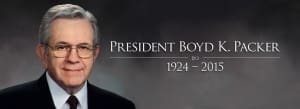 The death of three LDS apostles, including Boyd K. Packer.
- The release of the LDS Gospel Topics essays, and their impact on LDS activity/inactivity/apostasy
- The November 2015 LDS policy change naming same-sex married individuals as mandatory apostates, and preventing their children from membership in the church.
- President Russell M. Nelson’s recent talk, naming the 11/2015 LGBT policy changes as revelation.
- The status of Mormon apologetics.
- The status of progressive Mormonism.

19 Responses
I wonder if the policy change about same-sex-married couples being apostate was to avoid having to change the language in the temple ceremony and/or temple recommend interview. I haven’t been recently, but the definition of the law of chastity in the temple was sexual relations with only your husband or wife to whom one is lawfully wedded. They probably didn’t want anyone who could pass a temple recommend interview under that definition. By making them apostates, someone married to someone of the same sex would fail the interview.
I love listening to your voices of reason! Thank you!
I have a few additions to the podcast.
In Mrs Nelsons talk she spoke of being desperate. She said “Perhaps you have been desperate to have someone really understand you to truly love you.” I found this statement so hurtful. Where is the real understanding and loving of the LGBT people and their children. There is no understanding and love in the new policy change she so readily sustains. She went on to be even more abrasive when she said we should “ask for the gift to have our sexual feelings be in harmony with eternal laws.” I am 58 years old and to this day I have never met a LGBT individual who did not ask, plead, pray, fast, serve, bargain etc… for this to be taken from them! As the mother (and Mamma Dragon) of a gay son I can only imagine the desperation of those LGBT people in the congregation and those hearing this address worldwide.
The line has been drawn in the sand. If you do not believe and follow the prophet you are of no worth. Mr. Nelson confirmed this when he said “Spend more time with the friends who are seeking to have the spirit with them”. Which obviously is not me since I 100% support gay marriage and have lost my testimony. Now I am even labeled as a “servant of satan”. Who I do not believe in by the way.
Speaking of excommunications, how is that Cliven Bundy and his offspring haven’t been excommunicated after all their gun toting shenanigans and racist comments?
Amen! I sent an email to the Church PR asking about this… of course, no response.
Because they’re not openly gay. The new policy makes it clear that just being a legally married gay couple makes you worse, as a member of the ‘church’, than being a rapist, child abuser, murderer, law breaker or anything else. How people can continue to believe this church is anything but a bunch of old white men heading a multi-billion dollar corporation, with a bunch of blind, bigoted followers, just boggles my mind. There is nothing Christian about the LDS corporation and there never was.
Having heard this address live and knowing that there are many struggling LGBT students at BYU Hawaii, let me just say that as bad as Elder Nelson’s talk was, Sister Nelson’s talk was simply appalling. This is not “virtuous, lovely, praiseworthy, or of good report.” This is hateful and cruel, and done with an eye not towards serving God, but towards protecting the assets of a large corporation. It pains me to say this, but I believe it to be true.
When a self-proclaimed apostle of Jesus Christ has the chance to address such a huge, at-risk audience of members, and this is the message, it strains credulity that the deity of this earth, in the midst of chaos and suffering and pain of His children, would choose to communicate something so alienating.
Heartbreaking. I can’t wait to get out, and many, many others I know feel the same way.
John mentioned his observation that the outrage engendered by the policy change was stronger because straight children would be excluded. When discrimination only involved gay members, then it didn’t matter. I have a similar observation in another context. Men have been justifying and/or ignoring the church’s checkered past relative to polygamy, and patronizing towards women’s pain, when it was only a man with multiple wives. As soon as it came out that there was some polyandry involved, then suddenly that was too much to tolerate.
So true!!!!
Please give your participants instructions on how to mute their mic so we don’t need to listen to their hacking cough. I normally enjoy your podcasts John, but I had to turn this one off.
We ended up muting the cough…if you can hang in there a little bit longer. :)
But sorry about that, Les!
FYI
Sister Wendy Nelson begins her comments at 1 hour, 50 seconds into the video.
Russell Nelson starts at 1 hour 11 minutes, 44 sec in.
John made a wonderful observation in this episode about the status of Mormon apologetics with the loss of many faculty members of the Maxwell Institute (with the retirement of Gerald Bradford as Institute Director, Daniel Peterson’s exit etc..), FAIR being less vocal, and the rise of the Richard Bushman, Teryl Givens era on the current forefront of Mormon apologetics. The ensuing discussion was excellent, but I believe it lacked one important point, perhaps because all members of the discussion have a very long view in the development of anti-Mormonism and apologetic discussion and have been familiar with the topics of Mormon critique and apologetic response for a long time.
I believe this shift in the tone and approach of apologetics is because they now face a new era of more palatable Mormon critique – something I believe is embodied works such as in the CES Letter, the Brother Jake YouTube videos and Mormon Think. These critics don’t present their work with the same harsh tone seen in earlier works like The Godfathers, No Man Knows My History or The Mormon Delusion series by Jim Whitefield. They explain concisely the historical (and sometimes cultural) issues within Mormonism in a tone of one honestly seeking understanding of complicated historical and doctrinal issues. Additionally, these resources (especially the CES Letter) are somewhat ‘comprehensive’, in that they are able to summarize decades of Mormon critique in a very easy to read and digestable resource.
Again, I believe the reason for this shift in apologetic approach is not because the topics of these resources are new. It is because they are now free, concise and easily accessible. The response from apologetics (including the LDS church vis a vis the Gospel Topics Essays) is entirely appropriate because they now have a very different type of problem.
I honestly believe that the Brethren didn’t expect the November policy to go viral, and that it was manipulative in design. The Church leadership had put out many messages that where very publicly tolerant of the LBGT community. I had no false pretenses that they would welcome them into the church with open arms within in the next 5 years or so, but the rhetoric was softened and seamed to show a willingness to coexist. Then they tried to slip in that new policy in under the radar. The whole thing looks and feel like a cloak and dagger operation to me. I think that they thought that the LBGT rights protecting law deal they struck, and got passed in the state would protect them and give them free passage to make these policy’s, and any other policy they wanted. They were concern with protecting themselves from the part of the world that doesn’t acknowledge their claim of authority that is only answerable to god, and that they are a select few who are privy to what that is, that It didn’t even occur to them that retribution could come from within their own members. I also think that they also had a false sense of security that church member’s loyalty was more blind that it really is. I believe that the nature of the Church leadership has always been dichotic. Its one of the most powerful tools in their arsenal, and they are skilled masters of it. The Word of their message is love and kindness. Christ like virtue, but deep within the construction of the words are a completely different message that is only implied and is deciphered through the inconsistent hypocrisy of the churches nature. I think that this time the message of the words is what found its way into most people’s hearts, and the intended implied did not.
Thank you for this session. I want to especially thank J Nelson Seawright’s concluding comments on finding or creating ones own space in Mormonism away from an restrictive true / not true dichotomy. So many members of the LDS Church seem to internalize an absolute truth / falsehood construct into their experience and participation in religious and cultural Mormonism and thus if they find themselves questioning their absolute truth narrative, they may feel they have to abandon nearly everything related to religion, spirituality, culture, and community that “big tent” Mormonism can entail and find themselves blown about having no rudder and no port as a home. He encourages Mormons of all types and experiences in 2016 to seek to find or create places for themselves to affirm the Mormon aspects of themselves where they feel comfortable and to embrace rather than abandon the valuable aspects of culture and community. I loved how he suggested that the true/not true is the wrong question.
This is so refreshing and valuable, in my opinion, as so many episodes in these podcasts seems to focus on the experiences of Mormons whose belief system seemed once focused upon issues related to LDS Church truth claims and who have faith crisis become disillusioned not only with the LDS Church, but also with religion, belief, spirituality, community, and Mormon culture in general; and when so disillusioned the seem to advocate departure from the Church as an appropriate response and then often are baffled by how others continue to find value in aspects of faith, community, culture or spirituality stemming from their Mormon restoration cultural background.
There is room for all and places within the big tent of Mormon/restoration influenced culture and community for us despite vast varieties in our experiences and beliefs.
I agree that this has been a difficult year for most all the reasons discussed. This discussion shows we can have difficult discussions on painful issues together and also find and extend support to others across the continuum of Mormon experience.
I just want to note that the policy wording still is not changed even though the leaders explained what they meant. Since the wording is still the same all the explaining is worthless.
Maybe this is not an original thought, for that I apologize. One thing I find very interesting is that the “declarations” and “proclamations” are claimed by some including the GAs as being revelations. (The latest “policy” on LGBTQ per Russ Nelson is a revelation now from what I heard on the podcast.)
If they are truly revelations I want so know what the Lord said. I want it written as scripture, not just a commentary. I was taught as a missionary to read the word of the Lord and avoid commentaries but with the declarations, policies, and proclamations they are merely commentaries, not the words of the Lord. We have the Lord quoted and prophecies throughout LDS scripture using the language of the King James Bible. So what did the Lord say exactly about blacks, LGBTQs, polygamy and the family? Why in D&C 121 is the Lord speaking in the language of the KJB but none of the recent statements in that language?
I think Mr. Nelson is either trying to create his own legacy here, or perhaps trying to “channel” Boyd K. Packer, since he’s not currently around to do the damage he’s been doing for half a century. I’m absolutely sure that Monson’s supposed “revelation” will never be written down, as it never actually happened. Someone would have to craft it after the fact. Plus, a written “revelation” would formalize the policy far too strongly for the company lawyers to approve it. The lawyers and accountants are running the church these days.
Also, I wouldn’t be surprised if there was some “rogue” aspects to Nelson’s talk. I certainly bet it created a stir at the next Q 12 meeting following the event. I honestly don’t believe all of the Q12 think that way. But they don’t have seniority . . . and Nelson does.
I enjoyed this episode a lot and appreciated all of the panelists. I will say that in every Mormon Stories episode I’ve listened to that included J. Nelson Seawright, he has never failed to elucidate something in a new way for me, or otherwise failed to put the exact point that needed to be put on a particular idea. So, I’m especially grateful for the thoughtfulness he puts into his appearances, if for no other reason than that his words resonate with me so frequently.
I, for one, was among the thousands MORE that resigned in late 2015. Living in Belgium, I couldn’t attend the mass resignation in SLC. Someday I hope to attend one. I’m pretty confident that there will be many more.