

February 2020 marks the 5 year anniversary of my excommunication from the Mormon church.
In a desire to protect myself against the possibility of slander or misinformation from the church or its apologists (as was experienced by former church members such as Fawn Brodie, Simon Southerton, and Kate Kelly during their disciplinary councils), I recorded all of the interviews I had with my bishops (James Stephenson and Brian Hunt) and stake presidents (Mark Jensen and Bryan King) leading up to my disciplinary council/excommunication. A somewhat comprehensive account of the events leading up to my excommunication can be found here. This includes a PDF of my correspondence with my stake president, Bryan King.
As I have been opposed to Mormon Disciplinary Councils from my childhood on, it was always my intention to publish these interviews as a matter of public record – but I decided to hold off on publishing them for several years.
In light of the recent changes made to the Mormon church’s disciplinary council process, and on the 5th anniversary of my excommunication, I am publishing them now.
The interviews I am publishing are the following:
- These first two interviews provide background for the final 4 interviews.
- 2012-05-01 – Bishop James Stephenson: I was not sure why Bishop Stephenson wanted to interview me at the time. I was fearful that it was to convene a disciplinary council. It turned out to be an assessment of my worthiness to baptize my son, Winston.
- Note: I removed the first 20 minutes of this interview because it was all “small talk.” The remaining interviews should be 100%
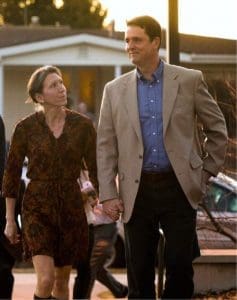
John and Margi Dehlin complete.
- 2012-05-23 – Stake President Mark Jensen and Bishop Stephenson: At the time of the interview President Jensen was questioning my faithfulness, and attempting to determine if I was worthy to baptize my son, Winston. The result of this meeting was for me to meet with President Jensen regularly over the next several months to help me resolve my doubts and concerns about the church. To be honest – President Jensen was super kind/patient/compassionate with me. He ultimately judged me worthy to baptize Winston, which I did. I recorded several additional interviews, but did not feel like they added much of importance to the discussion.
- The 4 interviews leading up to my excommunication:
- 2014-01-26 – Bishop Brian Hunt: Bishop Hunt called me in to his office to express concern about my support for Progressive Mormonism and Ordain Women. He then notified me that he would be initiating an investigation into my membership.
- 2014-06-29 – Stake President Bryan King Meeting #1
- 2014-08-07 – Stake President Bryan King Meeting #2. A full transcript of this meeting is available on the New York TImes website.
- 2015-01-14 – Stake President Bryan King Meeting #3
- I did not record my disciplinary council, at the request of Margi.
- 2015-02-10 – Here is the press release that I released after my excommunication.
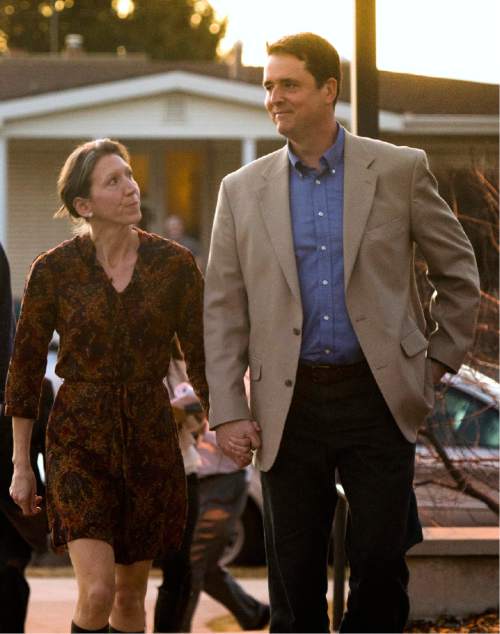
A few reflections/thoughts about my church membership and excommunication:
- My sincere anticipation is that few, if any, will care to listen to these interviews. I am guessing that this is “old news” for pretty much everyone. I will be perfectly happy if no one notices, or cares about these recordings.
- I acknowledge up front that I made these recordings without the consent of the other participants. This was/is a legal act in the state Utah, and because these meetings were held to evaluate my “worthiness” and because I felt as though my church membership was at stake, I believe(d) that I had the right to record them.
- I do not share these recordings because I feel as though they make me look heroic, or because I want to make the church or the respective bishops or stake presidents look bad. Listening to some of these interviews has been quite unpleasant for me. Honestly, it feels like a train wreck for all involved.
- I want to acknowledge that I take full responsibility for putting these leaders and the church in a difficult decision. I could have resigned to make the process easier for everyone, and I chose not to. At the time, I felt as though I was fighting for a worthy cause – to help the Mormon church change, and to shine a spotlight on the Disciplinary Council process, which I consider(ed) to be barbaric and medieval.
- I believe that Bishops Stephenson and Hunt and Stake Presidents Jensen and King were doing the best they could, under very difficult circumstances. I have feelings of love, compassion, and gratitude for all of these men, and I wish them and their families well. I believe that we all were “victims” of a flawed system.
- I strongly request to all listeners that they not speak or act in ANY way that disparages any of these men.
- Ultimately, I feel like I understand why the church felt like they needed to excommunicate me, and I am at peace with their decision.
- Even five years after my excommunication, I am sincerely grateful for my life as a Mormon.
- I am grateful to see in 2020 that the Mormon church is reconsidering and changing its policies and approaches regarding “disciplinary councils.” To be direct – one of my primary motivations for recording these interviews, and for attending/spotlighting the disciplinary councils of several individuals (Kate Kelly, Marisa and Carson Calderwood, Denver Snuffer, Rock Waterman, Jeremy Runnells, Elizabeth Grimshaw, Clay Christensen, Sam Young, Bill Reel, Cody/Leah Young, Gina Colvin, Dusty Johns, Amy and Jake Malouf, Jared Lusk, and Stephen Bloor) has been to encourage the church to change its policies. I am so grateful to see that finally happening, and I want to personally thank everyone who has sacrificed to make this possible.
Sincerely,
John Dehlin
Episode Transcript
Host: John Dehlin · Guest: Bryan King
This transcript is machine-generated and lightly edited for readability. The audio is authoritative. Please excuse occasional errors in names and spelling.
Five-Year Anniversary of the Excommunication
Part 1 of 6 · Ep. 1264
John Dehlin [00:00:00] Sa. You,
John Dehlin [00:00:30] I'm your host, John Dehlin. It is February 26, 2020, and thank you for joining me again for another episode of Mormon Stories Podcast. Today's episode is going to be something very, very different than what I normally do. I hope it's okay.
John Dehlin [00:00:55] So this is what I'm going to do. So for those of you who've been following Mormon Stories or me for a while, know that In February of 2015, I was excommunicated from the Mormon Church for apostasy. It's the five year anniversary of that excommunication. It's February 2020.
John Dehlin [00:01:18] And what some may or may not know is that I recorded all of the interviews with my bishops and stake presidents leading up to the excommunication. I guess some of you will know that because one of the transcripts from one of those interviews made it into the New York Times.
John Dehlin [00:01:40] And if you Google John Dehlin, Brian King, that's B R Y A N King, you can find the full transcript of that meeting there. But that wasn't the only interview that I recorded. And I never released the audio from that or any other interviews.
John Dehlin [00:01:58] But it was always my intent to. I just kind of have been waiting for the right time and the right circumstances. In addition, you know, I've been opposed to disciplinary councils for a long, long time. Without going into details, there was disciplinary council in my family when I was a teenage boy that was very hard on me and my family.
John Dehlin [00:02:27] And then at BYU when I was there as an undergraduate, I was there during the time of the September 6, where several scholars and thinkers were excommunicated from the church. People like Michael Quinn and Maxine Hanks and Paul Toscano and others. And I've interviewed several people on Mormon Stories podcast who have been excommunicated prior to, you know, starting Mormon Stories, people like Brett Metcalf and others.
John Dehlin [00:02:59] So I've always disliked disciplinary councils and excommunications. And so before I was excommunicated, there were several individuals that were excommunicated, including people like Kate Kelly and Denver Snuffer. And during or after my excommunication, there were several other people that are excommunicated, like Mark Waterman, Jeremy Runnels, Sam Young, Bill Real, Cody and Leah Young, Gina Colvin, Dusty Johns, Amy and Jake Maloof, Jared Lusk, Stephen Blore. And I did my best on Mormon Stories podcast to cover these stories primarily because I felt like they were, you know, I've always felt like disciplinary councils for apostasy were barbaric. And medieval. And I spoke out against them whenever I could.
John Dehlin [00:03:55] So I think a final thing that triggered my desire to share these recordings was the fact that just this week the Mormon Church came out with a new general handbook of instructions in 2020. And it completely revamped, or at least in many ways revamped, its disciplinary council process.
John Dehlin [00:04:19] It changed the name of disciplinary councils to something membership councils. It actually expunged the words excommunication and disciplinary council from the Handbook of Instructions. And it changed the criteria for mandatory excommunication and, you know, optional, you know, disciplinary councils. So mandatory disciplinary councils. Optional disciplinary councils. It took apostasy off the list for a mandatory disciplinary council. And it's not even on an optional. The list for optional disciplinary council, although.
John Dehlin [00:05:00] And again, it's membership council. But you get the point. Even though in some weird way, I think you can still have your membership removed for apostasy. But regardless of all that, when I, you know, made my excommunication very public, when I supported Kate Kelly and hers, when I supported Jeremy Reynolds and his. And Bill Real and Sam Young and the Cody and Leah Young and all those who have been excommunicated, I did my best to fly out to wherever they were to Facebook live stream their disciplinary councils and interview everyone who faced the disciplinary council or was threatened with the disciplinary council for apostasy. Because my goal was to have the Church get rid of these things and stop it.
John Dehlin [00:05:45] And, you know, in 2020, I can't say that they've stopped it, but they've certainly finally responded to all the pressure that I and others have put on them. And I guess I'm mixed about that. I'm kind of happy, but I'm also, you know, there's still a long way to go.
John Dehlin [00:06:04] So in the spirit of all that, in the spirit of wanting to release these interviews, I'm going to be doing that over the next day or two. I'm going to be sharing six. The audio from six interviews that I participated in as a member of the church, the six main interviews that led up to my disciplinary council.
John Dehlin [00:06:24] And I'm going to be sharing that and I'll be offering a little bit of commentary here and there. So a couple, you know, disclaimers that I want to make. I want to make sure, you know, before you start listening to these interviews, I want to let you know that, you know, one of the main. Another main reason I recorded these interviews was because when I saw people like Simon Southerton or Kate Kelly or even read about the excommunication of Von Brody. I saw that it was kind of the church's habit or history to, or maybe it's apologists as well, to spread untruths or disinformation or even outright lies about why people were disciplined because they're private things.
John Dehlin [00:07:13] You know, you can get excommunicated or disciplined for one thing and then have the rumor mill, you know, go about saying that you're being excommunicated or disfellowshipped for other reasons. And that certainly happened with me. I feel very, very certain that it was my, you know, support of same sex marriage publicly, my support of female ordination within the Mormon Church, and then, you know, my open discussion of difficult things on Mormon stories that led to my excommunication. But there are all sorts of people that tried to, that, you know, ordained women and, you know, my support for same sex marriage and even Mormon stories had nothing to do with my excommunication.
John Dehlin [00:07:53] And of course, my stake president tried to tie it to some statements he was able to pull as my belief waxed and waned over the years, as it did and as it, you know, often does for people who question their faith. So anyway, I also wanted to record these interviews just so that it can be very clear why kind of go down the history book as to why I was excommunicated.
John Dehlin [00:08:21] So I'm going to share these now and I just want to also just offer a couple disclaimers or reflections. Number one is I don't expect that people are going to care about these interviews. I think many, many people are going to view this as old news.
John Dehlin [00:08:44] And honestly, if no one ends up caring or listening to these interviews, I'll be total peace with that. I'm sharing them as a matter of public record. I've always wanted to, I committed to myself early on I would do that. And now's kind of the time.
John Dehlin [00:08:59] So listen, if you're interested, I want to acknowledge up front that I recorded these. Legally, Utah is a one party consent state, meaning that as long as one person in a conversation is aware that a recording's happening, it's legal to make these recordings.
John Dehlin [00:09:22] So they're legal. But I did not inform the church leaders that I was interviewing with they were being interviewed. I know that that's a ethical conundrum and I'm just acknowledging that. I think when you get to the interviews with Brian King, he specifically, he knows at some point I'm likely interviewing him. So he tells, he asks me if I'm interviewing. And I don't think That I, you know, well, whatever I said, I certainly did not want him to know I was recording it because I wanted a clear dialogue about why I was being excommunicated.
John Dehlin [00:10:01] And I feel like I deserved that. And I also felt like I needed to record it. So if I deny that I'm recording these meetings, that's what I felt like I needed to do at the time. I'm not sure if I denied it or just kind of didn't.
John Dehlin [00:10:18] Didn't respond or didn't confirm or deny or tried to distract. But anyway, I acknowledge that that is an ethical, you know, conundrum, and I'm just acknowledging it. I want to make sure everyone knows I'm not sharing these recordings because I think I'm heroic or because I think they make me look good.
John Dehlin [00:10:41] And I'm also not trying to make any of these church leaders look bad or to punish them. Honestly, when I listen to these interviews, it's embarrassing, it's painful. It's like a train wreck. I think the leaders were doing the best they could. I think generally they're all good men, honest men, sincere men, and I was kind of putting them in a very hard position. I could have just resigned my membership.
John Dehlin [00:11:12] I didn't have to record the interviews. I could have just gone quietly, and I didn't. I wanted to make my excommunication a very public event because I felt like the church was harming LGBT people. I felt like they were oppressing women. I felt like the church was being dishonest about its history.
John Dehlin [00:11:32] I feel like it was unethical what they're trying to do to get me shut down the podcast, and I just didn't. And again, I'm morally and ethically opposed to disciplinary council. So for all those reasons, I wanted to shine a big spotlight on it. I had watched the September 6th in 1993 just kind of disappear and kind of fade into the Mormon obscurity. And I just wasn't going to let that happen, you know, in the modern era.
John Dehlin [00:12:02] So. But, you know, again, I'm not saying that I'm a hero here. I'm not saying that I come off great here. I'm sure I come off mixed. I'm sure the leaders come off mixed. But I do want to say that I really don't want anyone to get mad at or go after these leaders who interviewed me.
John Dehlin [00:12:28] I think they should be treated with love and respect. You may or may not like, you know, if you're a believer, you're going to tend to like what they did. How they comported themselves. If you're not a believer, you may not like some of the things, and it may be mixed throughout the board. But I just want to make sure everyone knows, treat these men, if you ever see them, or run into them, with kindness and love. I certainly feel love and kindness for them now.
John Dehlin [00:12:52] And I really do believe that we were all kind of victims in a flawed system, you know, And I believe that you go after systems, not people. And that's what I've tried to do. So, anyway, I'm now going to. I'll give a little bit of background for those who don't know anything about my story, and then I'm going to start just playing one after another, these interviews, and maybe I'll offer some commentary in between.
Background: Faith Crisis and Mormon Stories Podcast
John Dehlin [00:13:27] And for those who are really nerdy or bored or super curious, you're welcome to come along for the ride. So just, you know, most people know my story, but I'll just give a super, super brief summary. I was an active, devout Mormon for many, many years. In 2001, I lost my faith as a seminary teacher while I was working for Microsoft in Seattle.
John Dehlin [00:13:54] I've covered the reasons for losing my faith elsewhere, but you know, Joseph Smith's polygamy, Book of Mormon, historicity and anachronisms, Book of Abraham historicity, you know, church's racism in the Book of Mormon and with blacks in the priesthood, his treatment of women, his treatment of LGBT people.
John Dehlin [00:14:16] You know, the list is long as to why I lost my faith. You can go to cesletter.org or some of my other interviews to learn more. But I still love the church. I still cared about it. I wanted to see it succeed. And I had read books by Kaim Potok, who talked about how Judaism evolved from a very orthodox religion into, in some ways, a very progressive religion, at least in the cases of Reformed Judaism and Reconstructionist Judaism, where you didn't have to be literal believers in Judaism to still be Jewish. And I was inspired by those books. And so.
John Dehlin [00:14:57] And I was also dismayed by how difficult my faith crisis was. And then all the friends that I had at Microsoft, how traumatic their respective faith crises were. And so. And so I decided that I would leave Microsoft and try and be a solution to the problem. So I left Microsoft in 2004, moved to Logan, Utah, started a PhD program, learned about podcasts, and in 2005, I started Mormon Stories PODC.
John Dehlin [00:15:24] And my goal with Mormon Stories Podcast wasn't to tear down the church. It wasn't to take people out of the Church. It was to this naive hope that maybe if we talked openly about these issues, that we could get to the bottom of them and even maybe help people stay in the church. And so that was my motivation. And so I started interviewing people. I was active in my ward in North Logan, Utah. I even taught Sunday school there for several years.
John Dehlin [00:15:55] And then, so what happened was both through my unorthodox Elders Quorum lessons and also through Mormon stories, you know, people started raising concerns to my bishops. My first bishop was Bishop Farmer, and he was really great and supportive, and he started questioning whether or not I was leading people out of the church. And so I asked a bunch of my listeners to send him letters, and hundreds of people sent letters to him saying that Mormon stories had helped them stay in the church. And that made Bishop Farmer, Kirk Farmer, kind of leave me alone for a while.
John Dehlin [00:16:35] Later, I had a new bishop, James Stevenson. We're going to be hearing from him in this first interview, but before I talk about James Stevenson, I'll just say that after a couple years of teaching Elders Quorum, I started to really, really struggle with my faith.
John Dehlin [00:16:55] I also started to feel less and less comfortable in my ward. I didn't. There were some seasons, like, let's just say a year here, there, where I was less active. But for most of the. For most of the 15 or 1612. Wait, 2004 to 2015. So for most of the 11 years that I was in that ward, I was active and participatory, but I started to struggle. And so I would go in and out of callings and in and out of, like, weekly attendance, just trying to make it all work. And some of you will remember that after a year of kind of being out of the church, I missed it so much that in 2007, I came back and started the Stale DS website, which the intent of that was to help people stay in the church anyway.
John Dehlin [00:17:55] There were probably three different instances where my church leaders initiated investigations against me. Originally, my stake president was Mark Jensen. My original bishop was Kirk Farmer. He kind of did an investigation. Then later, Bishop James Stevenson became my bishop, and he brought me in and kind of also conducted some investigations on me. You'll hear my interview with him here.
John Dehlin [00:18:30] Some of this comes around the time when I was hoping to baptize my son around 2012, and it kind of culminated in this first interview where Bishop Stevenson calls me in to kind of grill me about, you know, why I wanted to baptize my son and why I wasn't at church every week.
John Dehlin [00:18:54] And, you know, Was I worthy? And he expressed some concerns about Mormon stories, et cetera. And I had been meeting with Stake President Jensen prior. He was trying to help help me with my faith or talk to me about my concerns.
John Dehlin [00:19:12] And so, yeah, that's this first interview that I'm going to be playing is my meeting on May 1, 2012, with Bishop James Stevenson. Now, Bishop Stevenson wasn't directly involved in my disciplinary council, but both. But it's important to bring. I'm bringing this interview and the one with Mark Jensen, my first Stake President, into this dialogue because, you know, I worked with President Jensen a year or two around my faith, and he was a loving, kind man.
John Dehlin [00:19:48] He ended up working really hard with me to try and help me with my faith crises and ultimately allowed me to baptize my son, Winston. It was a year after he turned 8, so Winston was 9 by the time Mark Jensen allowed me to baptize him. But, you know, I think when you listen to my interviews later with Brian King, you'll hear me reference my times with Mark Jensen. So I just wanted to give everyone a flavor. Number one of what I feel like is an effective handling, for the most part, of my doubts and my questions and my concerns.
John Dehlin [00:20:27] I really do appreciate all that Mark Jensen did to try and help me. And then I think it sets important context for the discussions with Brian King that come later. So what I'll take you to now is the very first interview that I'm sharing with you with Bishop James Stevenson where he wants to talk to me about my desire to baptize my son. Now, one important thing here I did, you know, all of most of these interviews are complete, as far as I best know, in terms of the audio recordings, except for the first 20 minutes of this interview with Bishop Stevenson. And the only reason I took it out is because we talk about, like, iPads, we talk about, you know, astronomy, we talk about our, you know, our kids.
John Dehlin [00:21:19] And it's kind of like a solid 20 minutes of just shooting the breeze and small talk. And I just don't want to waste your time. There's nothing, you know, controversial or sensitive. And then as far as I'm aware, all the other five interviews are complete from start to finish. But I just want to let you know that it's going to be a little abrupt. You'll hear me say hi to Bishop Stevenson, and then we'll talk for iPads for just a minute or two. And then all of a sudden, he jumps in and says, I haven't been seeing you at church.
John Dehlin [00:21:51] And I Just want to let you know that he wasn't that abrupt. I also just want to say that, you know, I believe that this idea of, you know, interrogating, investigating and assessing someone's worthiness, you know, in the church, based on their beliefs, considering them for apostasy, I just think it's a deeply problematic endeavor.
John Dehlin [00:22:22] Sure, I was a progressive or liberal believer, you know, at this point in my life. Yes, I had sometimes doubted God and sometimes doubted Jesus and sometimes was critical of Joseph Smith and the church. But I think that's par for the course for people who struggle. I don't think it's the role of leaders to interrogate and to assess and to gather evidence. What you'll also hear later on is that certain members of my warden stake were sent out to gather evidence on me, to try and break into private groups that I was a part of and to supply information back to the bishops and stake presidents, you know, and it felt a lot like Gestapo or kind of Cold War KGB kind of investigations.
John Dehlin [00:23:15] And it was all just really unsavory for me and Margi and for our family. And so part of my desire to share all this as well is just, you know, to kind of expose this idea that you have to have the right beliefs and say the right things to be considered a member of good standing. The bishop and stake president roulette that's often involved. Depending on who you get, you'll get more or less lenience. And then this idea that comes through very quickly, very strongly towards the end that, okay, they're okay if I have my doubts and questions, but I can't talk about it. And so we all need to be silent about it.
John Dehlin [00:23:54] And, you know, at the end, they wanted me to shut down Mormon stories and never speak publicly again. And they were mad at me for doing my TED Talk supporting LGBT people in same sex marriage, and they were mad about me supporting ordained women. And just this idea that, yeah, you can be a member in good standing if you're silent.
John Dehlin [00:24:11] It's okay to have doubts, but you have to be silent about it. And that you can't criticize the church or its leaders or disagree publicly with its policies. I just think that's ridiculous. And so you're going to be able to get a clear sense, I think, of how the church was trying to enforce its boundaries upon me and how problematic, in my opinion, those were.
First Interview with Bishop James Stevenson
John Dehlin [00:24:32] All right, so without any further ado, I'm going to start with the first interview. This is May 1, 2012, Bishop James Stevenson and this interview Occurs in North Logan in our little ward there. And I hope you guys find value in this interview. And if not, I understand. All right, here we go. First interview.
John Dehlin [00:25:11] Well, hello. Close the door. Sure.
Bryan King [00:25:17] How are you tonight?
John Dehlin [00:25:18] Good.
Bryan King [00:25:20] How are you doing?
John Dehlin [00:25:21] Well.
Bryan King [00:25:22] So have you have the iPad, huh? Is that what it is? Yeah, those have become quite the popular item and I am have seen them around and had people show me things but I've never really played with them. More convenient than a laptop or just smaller for me.
John Dehlin [00:25:42] I have to read a lot of PDF files for my dissertation and I won't have to print them all out. And if you're reading something for a long time holding a laptop like in bed or on the couch, hurts your wrists and stuff.
Bryan King [00:25:57] So this is like a light. A big Kindle.
John Dehlin [00:26:00] Exactly.
Bryan King [00:26:01] Okay.
John Dehlin [00:26:02] But you can check email on it, you know, and other stuff.
Bryan King [00:26:08] So another topic. Haven't seen you much out of church. I thought you'd kind of committed to becoming as much as you could. So just wondering if I was going to see you soon or where we're at there.
John Dehlin [00:26:25] Yeah, I actually enjoy coming and I have come some. I don't know I have a minimum where it's really important to me to come at least once a month and I think I've been making that. But I do travel on some weekends like I was in Boston last weekend and then sometimes there are family things. But I'm committed to staying active. So I don't know how to bridge the gap between what you've seen and what I'm feeling I've been doing. But there's probably something in the middle between how much you've seen me and how much I've been there. But there's also been some things that caused us to miss. So. But I don't think my commitment changed on my end.
Bryan King [00:27:14] Okay. So still committed to being active and coming to church. And last time we talked a little bit about where your testimony was I think last time, boy, that's been months ago. You may not even remember that conversation. But I did ask you about. Specifically about your testimony of Jesus Christ and where you're at with that and felt like we had a good discussion. I feel like that's about where. Where it was or a little stronger, a little less where we at
John Dehlin [00:27:43] such a. Such a big topic. I still consider myself a believer in God and I still believe in the. And what I consider to be the core teachings of Jesus and try to follow him and the things that. The things that would be different. Well, if there'd be any difference in the way that I would articulate my testimony about Christ and yours. It would be just in areas where I don't have an understanding or certainty. But I don't deny anything that you would say. I just sometimes, like I told you before, just get confused about certain things or don't understand certain things. And so I don't kind of put my focus on them and just try and focus on living. The behavioral guidelines he taught us to live like, like faith and repentance and love and charity and kindness and obedience and all that stuff.
Bryan King [00:29:06] Those are all good principles and that's good. The first one you mentioned though, the faith part, that would be easier if you were here more. It would. Okay, well good. I'm glad we're not declining in that area because that is something that I worry about when I don't see people as where they at with their faith and their testimony and want to help you in that regard. If there's things that I can do.
John Dehlin [00:29:42] I think I told you this a couple times ago when, when we met before I met with the stake president. The hardest part about coming to church for me is it's not the people because I really love the people and I really love coming.
Bryan King [00:30:00] That's good.
John Dehlin [00:30:01] It hurts me to not come to church. It's not something where I'm like woohoo. I feel a big loss when I don't come to church and I've always loved it. What's hard for me is sometimes things get taught that go against my values and that's just sometimes.
John Dehlin [00:30:25] And so it's hard to hear things that feel wrong to you spiritually. And then sometimes I have a different perspective than people and I just, when I share it, it makes people uncomfortable. I feel like. Or I worry.
John Dehlin [00:30:47] But then if I'm just quiet, I feel like I'm kind of a second class citizen. So I don't want to be disruptive. Right. But being quiet makes me feel like I'm not really accepted as a full member. And so I just. But I really don't want to ruin like I used to. I used to teach elders quorum and there would always be like four or five guys who just were really bothered by the things I'd want to talk about or want to work through. And I just.
John Dehlin [00:31:18] Others were really grateful. They're like wow, we love your lessons and we're really glad you do it. But I never was able to feel good about making those few brethren uncomfortable.
Bryan King [00:31:27] Right.
John Dehlin [00:31:29] And so that's just, that's the Hardest part for me is just
Bryan King [00:31:35] I did hear that you gave great lessons, so I've never heard anything other than that. I do believe that you would. Could have the. From our conversations, the potential to get on some tangents that could. Could cause people to be uncomfortable or to have some dis. Disagreements, and depending on the setting, yeah, that may or may not be the right venue. But I did not ever hear anything other than that you were an excellent teacher. So that's good.
John Dehlin [00:32:13] But that's what I struggle with. I don't like splitting up the family. I'm supporting of my kids being in the church. So that's just the thing I have to figure out how to work through. That's really the problem.
John Dehlin [00:32:31] And the only temple recommend question that I feel like I can't answer in the right way is just this tithing thing. And we've started paying some tithing again. So we. We don't feel good about having our family benefit from affiliation with the church and not supporting it. So I don't. What we've done is we've taken a good chunk of the 10% and we pay that, but we save some of that and just give it to a few other causes that we feel good about. And I'm not proud of that. I'm not like, throwing that in your face. I'm just telling you that's how we've worked through not feeling super good about a couple things. So I don't know. I'm not trying to be difficult or millionaire. No, no.
Bryan King [00:33:17] I'm once again just trying to see where you're at, because. Yeah, and that's. That actually is interesting to me that that's the one that you highlighted that you're concerned about. So as far as the others, I mean, the first three questions are all about testimony. And so.
John Dehlin [00:33:37] Well, that's an interesting thing because, you know, I just visited the Cambridge ward in Boston, Massachusetts, and, you know, depending on the bishop, you'll get different perspectives
Bryan King [00:33:53] on what a testimony is or on,
John Dehlin [00:33:57] like, what's a problem and what's not a problem. You know what I mean? And having doubts some. And I'm not. I don't say this is a judgment. I don't. But I think there's sometimes different thresholds of empathy for doubts, you know, for, like, I feel.
John Dehlin [00:34:20] Sometimes I feel in a conservative place, like my doubts or questions are kind of looked down upon. There are other places where it's like that all you want and questioning is good and, you know, none of us know for sure anything really and there are different gifts of the spirit. And so I guess I'm just saying that there are. I know that there are bishops who. If I were to express my concerns about the Atonement or Jesus or God or whatever, and just say I have doubts or I have concerns or I have questions or I don't understand, they'd be like, don't worry about it. As long as you're trying and you're working for it and you're studying and you're.
Bryan King [00:35:00] Well, see, I think you hit the key right there. If you're working towards things, to have a perfect knowledge and understanding or perfect testimony in all areas is probably not that many people could say that. But you can have the burning in your bosom, you can have the witnesses that you need to know that the major components are correct. And once you've got that down, then you can start working on those little ones. But, yeah, if you're working towards it, that is different than. So to me, yeah, I don't see a problem with people having doubts if they're striving to. To find out truth.
John Dehlin [00:35:46] And I. I really.
Bryan King [00:35:47] I. You.
John Dehlin [00:35:49] It may. It may be natural for you to think that because I'm not always in church, that I'm not working at it. But I work really hard at it, believe it or not. And I'm really trying. I'm not goofing around. I'm not, like, looking for ways to get out of things. I. I'm a pretty. I'm a pretty serious guy, and I. I work really hard at my religion and trying to find out what's right and study and pray and. And just. It's just hard. I'm just. People like me have a hard time. We don't want to. You know, it's. It's. It's not something we would choose. If I could choose, I would. I would feel good about coming to church, and I would come all the time, and I would have a calling and I would contribute and not split my family up. And I'm really. I'm still working at it. That's how I feel.
Temple Recommend Questions and Personal Beliefs
Bryan King [00:36:47] The third question in the temple recommend is about the restoration of the gospel. Do you have a testimony of that?
John Dehlin [00:36:54] Well, see, I can answer all those questions the way that you would. The way that I would need to to get a temple recommendation. It's just about how I would describe what that means.
Bryan King [00:37:04] Okay.
John Dehlin [00:37:06] Do I believe that there's a God and that God inspired what's led to today's church? Yes.
Bryan King [00:37:15] Part of the reason I'M asking about that is because that restoration, if there was no restoration, then we have no priesthood. Then there is no reason for you to even want to baptize Winston. I mean, that whole scenario just. Be a complete waste of time, actually. And so. Yeah, well, so would the restoration be a waste of time if there weren't? If we didn't have Jesus Christ and the atonement and the gospel plan itself? So those, I guess, are significant questions, and maybe they're asking that order, too. The first question is about God the Father, Son, Jesus Christ and the Holy Ghost. So do we believe that God's out there and then this is what he did for us? And those second two, they're all related?
John Dehlin [00:38:11] Well, I believe that the priesthood has power and that the church is inspired by God. Good. Okay. And that hasn't changed in years. Now, details. You know, we might have some.
Bryan King [00:38:31] Well, I know you've had some frustrations, or maybe that's not the right word. Some concerns about some of the history of the church, which, by the way, the church itself. There's some history out there that's not very pretty. I mean, I could sit and list all the things that. Things where we were wrong and some things that we did that were flat out wrong and the people of the church are not perfect.
John Dehlin [00:39:01] Yeah, that hasn't been an issue for me in a long time. The thing that I struggle with is feeling like I'm forced to say that other churches are false. You know, I don't have a hard time saying our church is in spite of God, but we've talked about this. I just don't like saying that if someone gets baptized Methodist, that that's illegitimate. You know what I mean? And I don't even know if it's legitimate. I just don't like being put in the position to have to judge others and say that we're better. It just makes me. It feels unchristlike to me for a church to say we're better than everybody else. So I just don't like to think that way.
Bryan King [00:39:45] And I think part of what you're saying is very accurate. We should not. We don't ever want to give the impression of holier than thou or something else. It's. In my way of thinking, which often comes across just like you've described, Bill.
Bryan King [00:40:07] We have the whole truth and more to offer. And this is not to demeanor, diminish anything that these other churches have. It's just that certain things have been revealed to us, particularly the detailed nature of the plan and the Purpose of life, you know, it's just so.
Bryan King [00:40:31] Well, to me, it is so clear and helpful to have that direction. And having spent a lot of time, and I have to admit in almost all cases, I've spent the time with Christian religions and people of Christian faiths. I have not.
Bryan King [00:40:49] Oh, I've dealt with a little into some of the other beliefs, but it's been mostly Christianity. But to hear their beliefs and their aspirations and their goals, to me, they're nice about to hear. But when you can realize that we can progress and become much more than just returning to Heavenly Father, that's a wonderful thing. But when we can continue to have eternal progression in itself, just become better and better as we go, if we'll just follow his plan, keep his commandments, to me, that is something more and extra. And that's what I want to share with people. It's not at all to make them feel bad about where they're at or about the.
John Dehlin [00:41:37] Yeah, I don't believe that Mormons intentionally are judgmental or arrogant. I don't believe that that's in anyone's heart, really. It's just a technicality that is meaningful to me to never want to demean another's faith. And so I can accept the restoration and not want to say things like, this is the only true church. You know, I just don't like saying those types of things, you know, makes me uncomfortable. But I can say this church is inspired by God. I think we're kind of saying the same thing, maybe, or at least very similar.
Bryan King [00:42:14] Well, yeah, similar. Not exactly the same thing, because I honestly would not want. I would be careful where I said it and in the settings and the way I said it. But I do believe that this has the complete truth. And so in that sense, you could say, as the Doctrine and Covenant says, that it's the only true and living church on the face of the earth.
Bryan King [00:42:41] But these other churches came historically from where a lot of that truth came from. So there's a lot of good in them. A lot of good in them. And that's something that I think that sometimes we can get where we can be offensive to other people. Now, part of my reasoning for that, though, too, is as you look at the difference in these religions and the difference in teaching of doctrine and things, and you can't have conflicting things both be true and correct. So at some point, the other, the logical side of me says, okay, yeah, these two are not conducive to each other. So one or the other or both are incorrect. And That's. That's. So I guess I am okay saying, yep, we've got it.
John Dehlin [00:43:41] So I even think that we. I feels like there's even truths and doctrines that we don't fully understand.
Bryan King [00:43:52] Oh, I believe that too.
John Dehlin [00:43:54] And things that aren't yet revealed.
Bryan King [00:43:57] I agree there.
John Dehlin [00:43:58] And even I think sometimes the church makes mistakes.
Bryan King [00:44:03] I'll go with the church making mistakes.
John Dehlin [00:44:06] Yeah. So I mean, that's why I want humility on this side too.
Bryan King [00:44:11] Yeah. But the church. And see, that's. You almost want to hesitate when you say that. But the church is led by people who make mistakes. Everyone, you know, that's. And there is also a progression of knowledge and understanding.
John Dehlin [00:44:26] Yeah. Yeah. I don't mean that in a bad way. I think our church is amazing. Like, I don't even. Joseph Smith amazing. I know he had 32 wives. Still think he's amazing, right?
Bryan King [00:44:39] He was amazing.
John Dehlin [00:44:41] But I even.
Bryan King [00:44:42] And I didn't have that count. I knew I had multiple wives. I did not know the 32 were all of those living wives or were a lot of them proxies after almost
John Dehlin [00:44:53] all of them were living.
Bryan King [00:44:54] Were they? I know that there was some. At least some stories given about people after his death, in fact that were being sealed or married to him. And I just.
John Dehlin [00:45:08] A small percentage. Yeah. But I love the church. I really love the church. I love our ward. I love the gospel. I miss the temple. It's not fun being me sometimes.
Bryan King [00:45:24] Well, one of those things we're talking about is eternal progression. So, you know, as you're ready and if I can be of assistance to you, I'd be happy to do that. And I would like you to commit to get here as frequently as you can so that
John Dehlin [00:45:47] I got punch card. So you know, when I'm here just to make sure you're not missing me. Because when I'm here, I want you to know I'm here. Well, let's see.
Bryan King [00:45:54] The last time I honestly saw you here that I remember was one of your daughters performing. That's about a month ago. Or maybe more than that. Or was someone else. Okay.
John Dehlin [00:46:07] Anyway, I've had a couple trips. I've been to Boston. I've been.
Bryan King [00:46:11] I really don't remember seeing you in April, but you. So. So I've been a little concerned.
John Dehlin [00:46:19] Oh, I appreciate it. I keep. I maintain my commitment to coming. Okay.
Bryan King [00:46:29] Very good. Is there anything I can do for you or your family?
John Dehlin [00:46:34] I think we're. I think we're doing pretty well. Appreciate you calling me in. It makes me feel good.
Bryan King [00:46:42] Well, yeah, I was just, like I said, a little concerned, a little curious about where we're at with things, so.
John Dehlin [00:46:50] Oh, I. I told Brother Lundberg that I'm happy to help out with Cub Scouts whenever.
Bryan King [00:46:58] Oh, he needs me. Okay.
John Dehlin [00:47:00] Because I think it's a great way for me to contribute where I won't be a threat and contribute to something that my son's benefiting from and spend a little time with him.
Bryan King [00:47:14] Well, that's good to know. Well, thank you. I appreciate that. Cubs is a great thing where the tasks aren't too difficult, the kids can have fun, and at that age, they can be, for lack of a better word, just silly. Some of the. From the humor to the things they enjoy doing. But those interactions are great and in a positive way where they're working with some adults that do good things. So thank you. I appreciate that. All right. Well, that's all I had.
John Dehlin [00:47:51] That's it.
Bryan King [00:47:52] Hope I didn't keep you too long.
John Dehlin [00:47:54] So I was in trouble.
Bryan King [00:47:56] No, like I said, just curious where you're at, if things were going all right. All right.
John Dehlin [00:48:01] It's good to know. Thank you, Bishop. It's good to see you.
Bryan King [00:48:04] It's good you to see. Brother Lloyd. Brother John, how are you?
John Dehlin [00:48:06] Good. How are you? I'm doing good. Good.
Bryan King [00:48:09] What's up, man?
John Dehlin [00:48:11] All right, so that is the first interview that I had with Bishop James Stevenson. I can see that some of you are still tuning in and listening. I appreciate that. And, yeah, not a lot to say about that interview. I think Brother Stevenson's a nice guy, kind guy, wants to do what's right.
John Dehlin [00:48:37] A couple things that I noted that I just thought were interesting about that interview. One was that. He clearly believed that it was God's one true church and had the complete truth. But he admitted that he would be careful where he said it, that he wouldn't want to offend people. But the truth was, he certainly did believe the church was true.
John Dehlin [00:49:05] I clearly surprised him. He didn't know that. He said that he knew all about the church's history. And what I found out later was that he actually didn't know much more than the correlated stuff. And clearly what you heard there. When I mentioned the number of Joseph Smith's wives, he had never heard that there were so many. And.
John Dehlin [00:49:26] And also he. You know, he had bought into the. The teaching that they were all kind of sealed to him in name only but. Or celestially only, but that. But that maybe he didn't live with them. In all. In all, de.
Introduction to Stake President Mark Jensen Interview
Part 2 of 6 · Ep. 1265
Bryan King [00:00:00] Sam,
John Dehlin [00:00:31] A couple weeks later, I was called in to speak with Mark Jensen, my stake president, who brought Bishop Stevenson into the interview. And you know, just for a little bit of background and context, I had been meeting with President Jensen a few times prior that year.
John Dehlin [00:00:51] He had been trying to understand what I was doing with Mormon stories and why and. Yeah, and so this was a full on interview where I was being sort of grilled about, you know, why I wanted to baptize Winston and why I wasn't in apostasy and whether I was, whether I was, you know, on solid ground and worthy.
John Dehlin [00:01:19] I'll tell you. I guess I'll talk about things after it was over. But I think again, this interview you're about to hear, I think President Jensen and Bishop Stevenson were just doing their best. They're good men. The result of this meeting you're about to hear is that I spent almost a full year counseling with Mark Jensen, my stake president, until he understood me well enough to allow me to baptize my son and to be a member in full, full good standing.
John Dehlin [00:01:52] But, you know, there were some heated moments and things did get a little tense in this interview you're about to hear. And so you'll hear that now. So without any further ado, I am now sharing with you my May 23, 2012 interview with President Mark Jensen, my stake president of the North Logan stake, accompanied by Bishop James Stevenson. And I welcome your feedback as you listen. All right, everybody.
Bryan King [00:02:28] Hey, how are you tonight?
John Dehlin [00:02:32] Hi, Pleasant.
Bryan King [00:02:34] Thank you for coming in.
Bryan King [00:02:35] I'll be right in.
Bryan King [00:02:36] I'll just. I'll ask the bishop to join us tonight.
Discussing Same-Sex Attraction and Faith Struggles
John Dehlin [00:02:38] All right. Paul.
Bryan King [00:02:39] So. Come here. I haven't seen you in a while. You must be. Last time I first saw you said article in the paper, you were going to go down to what, Orem. And you were. Some conference or something. You were presenting some paper.
Bryan King [00:03:04] Yeah, I did.
Bryan King [00:03:07] So that's the last I. Anyway, so that was, let's see, kind of a broad conference, if I remember right. Broad in the scope. And they invited you.
John Dehlin [00:03:19] Sponsored by the university. Utah Valley University. And they invited me to speak.
Bryan King [00:03:28] So as a keynote or one of
John Dehlin [00:03:30] the sessions or not as a keynote, as a panelist.
Bryan King [00:03:34] Panelist.
John Dehlin [00:03:35] I spoke for 20 minutes. I released the results of the survey we conducted for Elder Jensen.
Bryan King [00:03:42] Oh, okay. Okay.
John Dehlin [00:03:44] Should have brought you a copy of that.
Bryan King [00:03:46] I want to ask you about that. I hadn't heard anything about that, so I wanted to hear how things went there. Last I heard you were going to go meet with him or. And then I was just wondering how that went. So you finished the work for him then, that he asked you to do? I thought this in the paper said this was work that was funded from and actually part of your own, I think, Mormon stories money went to that or something.
John Dehlin [00:04:14] Yeah, we didn't get any money from the church, but we did it for Elder Jensen.
Bryan King [00:04:18] Oh, okay.
Bryan King [00:04:19] Okay.
John Dehlin [00:04:19] And then he asked us to present it to church headquarters, general authorities.
Bryan King [00:04:25] Oh, okay. And you've done that already and. Oh, really?
John Dehlin [00:04:31] So is the head of ces, the head of curriculum, head of pr, and the head of the history department.
Bryan King [00:04:40] Okay.
Bryan King [00:04:41] Had a curriculum, PR and history. Okay.
John Dehlin [00:04:46] And ces and ces.
Bryan King [00:04:48] Okay. So that was when Elder Jensen was still over the History department then, Right?
John Dehlin [00:04:53] He's still technically over, but he'll be officially released, I think, in October facing.
Bryan King [00:05:00] Oh, yeah.
John Dehlin [00:05:01] Okay.
Bryan King [00:05:04] Okay.
Bryan King [00:05:07] Now, you were telling me at one time you were doing something with somebody at byu. Correct me if I'm wrong. At BYU or something. Was that part of this too? Or a professor at byu or. You said it hasn't just been you, you've been working with some others on this kind of stuff. I thought there was somebody else that I can't rem.
John Dehlin [00:05:28] I've worked with a lot of BYU
Bryan King [00:05:29] professors actually, with regard to that.
John Dehlin [00:05:32] Or I'm working with the BYU professor on my dissertation.
Bryan King [00:05:36] Maybe that's what. That's probably what I remember.
Bryan King [00:05:39] Yeah.
John Dehlin [00:05:40] On reparative therapy and same sex attraction.
Bryan King [00:05:44] Oh, okay.
Bryan King [00:05:45] Thanks for waiting on me.
Bryan King [00:05:47] Okay. I think the paper said something about one thing that from your studies that you wanted to focus in on was, you know, people wanting to approach their leaders and reluctance to do so. You know, and that was, if I remember the article right, it said something that.
Bryan King [00:06:06] That was.
Bryan King [00:06:06] Yeah.
John Dehlin [00:06:07] The study that we conducted for Elder Jensen said that about 20 to 30% of the people who struggle in their faith actually talk to their bishop about it.
Bryan King [00:06:17] And you wanted to find more about that, the reasons why they don't and so forth. Yeah, Something kind of interesting. So are you going to pursue that or.
John Dehlin [00:06:26] Yeah, I mean, it's basically because bishops usually aren't trained in the issues that people struggle with. And so often the bishops either feel defensive or they're not informed or they give kind of simplistic answers.
Bryan King [00:06:44] So do they seek out and then kind of get these. I guess I don't want to say a cold shoulder, but not the type of. They just feel like it's a dead end and so they don't pursue it. They don't go back or they just not even try to go in.
John Dehlin [00:07:06] About 70%. Don't try.
Bryan King [00:07:07] Don't even try. Yeah, so they have, they preconceived that they just don't feel like they are going to get any help there or
John Dehlin [00:07:14] they've talked to other people who tribe and they've had their temple recommends taken away or they weren't allowed to baptize their children or you know, they were, they were punished for expressing their doubts or concerns.
Bryan King [00:07:28] Okay, well that's interesting. So how did they, how was it received? How did they. Very well.
John Dehlin [00:07:35] The brethren were really grateful for
Bryan King [00:07:39] was
John Dehlin [00:07:39] presented to Elder Cook President Eller coat the apostle and they're gonna take the results and do their own internal survey to kind of validate our findings. Because we didn't have a scientific representative sample. We had a large end. We had over 3,000 but you know, it wasn't randomly distributed and that's a scientific survey.
Bryan King [00:08:02] Oh, I see.
John Dehlin [00:08:03] So we're still working with that.
Bryan King [00:08:04] That's quite a group though, 3,000. How did. Was that? Mainly from online type sites.
John Dehlin [00:08:11] We just went to places where people who are struggling in their faith tend to congregate and said fill out the survey.
Bryan King [00:08:18] Okay.
Bryan King [00:08:22] So it's probably representative. Yeah, that's always a hard thing to know.
John Dehlin [00:08:28] How it's representative of people on the Internet who struggle with their faith.
Bryan King [00:08:34] I mean just even talking to people on the street or you know, whatever, it's just always kind of. Do you really have an accurate cross section of what's going on? You know. Yeah, that's the art I guess of doing that kind of stuff.
John Dehlin [00:08:49] It's tough.
Bryan King [00:08:50] Yeah.
John Dehlin [00:08:51] Survey research is difficult.
Bryan King [00:08:53] Yeah, yeah, yeah. So what else you've been up to? We haven't really talked for a while. I just like say saw that in the paper that you. And then the emails that you sent that you were going to talk to Elder Jensen
Bryan King [00:09:11] still.
Bryan King [00:09:12] Same kind of stuff or new things or bring me up to date, I guess.
John Dehlin [00:09:19] Like what kind of. What things? Like do you want to know about?
Bryan King [00:09:25] Oh, I don't know. Just you're not doing any more studies or papers or anything for anybody. I mean it's just you're just pursuing your research and your degrees and working Mormon stories and the other things that you got going. That's just basically what you mean?
John Dehlin [00:09:44] Well, I'm doing. I'm doing my dissertation on reparative therapy and same sex attraction and trying to help understand reparative therapy.
Bryan King [00:09:55] Well, you're gonna have to even define that one.
John Dehlin [00:09:58] Reparative therapy is when Someone tries to, to go to a therapist to change their sexual orientation.
Bryan King [00:10:06] I was not aware that that was
Bryan King [00:10:07] the term that was used.
John Dehlin [00:10:08] Okay. It can also be called conversion therapy, but those are the two most common terms. And all, you know, the psychologists, social workers, marriage and family therapists, psychiatrists, medical doctors, they've all denounced repaired therapy because it often leads to.
John Dehlin [00:10:33] It doesn't work and because it often leads to suicidality and more mental illness. So it's viewed as unethical. But highly religious organizations, because same sex attraction just isn't in the program, often still encourage it. BYU doesn't do it anymore. They used to, but they stopped. BYU used to actually do electroshock therapy. I think we talked about that. Where they would like electrocute your genitals and show you pornography to try and use basic conditioning to try and change you.
John Dehlin [00:11:16] But that just again, makes people crazy. So anyway, since Evergreen is still doing this or encouraging it, we're doing a study. We surveyed 1,635 Mormons with same sex attraction, asked if they've engaged in reparative therapy and then asked them whether it was damaging or not or helpful so that we could let people know what the chances are of being damaged versus being cured or fixed. So that's.
Bryan King [00:11:56] How do you find that statistic? Because that's confidentially. I mean Evergreen is not going to tell you who they're counseling or no counselor is going to tell you who. I mean, that's common. So how do you get the information to get once again that random sample?
John Dehlin [00:12:12] We don't have a random sample.
Bryan King [00:12:14] So you just those that.
John Dehlin [00:12:16] Well, we have a semi random sample. So what happened with our survey was the Associated Press wrote an article about our study and it went out in about 250 newspapers across the world. And about three, about 30% of our participants found the study through a newspaper which isn't purely random, but it's a pretty good, it's a pretty good way to draw a pretty good random sample. So around 4 or 500 of our participants found it that way. The others, we went to all the support groups for people, Mormons of same sex attraction and then through Facebook and email and blogs.
Bryan King [00:12:58] So it's not non denominational.
John Dehlin [00:13:00] Oh, it's LDS only.
Bryan King [00:13:01] It's just LDS only.
John Dehlin [00:13:05] A former lds. So that's my dissertation.
Bryan King [00:13:09] It sounds like you've got some work done already or are you right in the middle of it then? Sometimes those are hard things to close and know when you're going to be done.
John Dehlin [00:13:19] So I have a couple years to go up on that.
Bryan King [00:13:21] Yeah.
Bryan King [00:13:21] Yeah.
Bryan King [00:13:23] Been my experience,
Bryan King [00:13:26] anyway.
Bryan King [00:13:27] Yeah. First of all, it's defining what you want to do and then figuring it out.
Bryan King [00:13:32] Then
Bryan King [00:13:34] usually you thrash around.
John Dehlin [00:13:38] So we're making good progress, but I have three to four more years to go on my dissertation, so it'll be a while.
Bryan King [00:13:45] Yeah.
Bryan King [00:13:48] Well, good.
Bryan King [00:13:53] I asked the bishop to come join me tonight. He told me that you were wanting to baptize your son. I want to talk to you a little bit about that. So I thought it'd be good to have him here since he's been in the midst of it. And it's one of the things. One of the things I want to talk to you about. So I remember from our visits kind of where you're at and the issues that you're dealing with. Personally, I think you call it your journey of faith or whatever,
Bryan King [00:14:27] but
Bryan King [00:14:29] I guess I just want to know why you want to baptize your son, kind of knowing where you're at. Why are your thought reasons there? Why do you want to do that?
Bryan King [00:14:47] Well,
John Dehlin [00:14:51] first reason is because he wants to get baptized. Second reason is he wants me to baptize him.
Bryan King [00:14:58] Okay.
John Dehlin [00:15:00] Third reason is we're supportive of him getting baptized. And fourth reason is it's a nice thing to be a part of our son's baptism.
Bryan King [00:15:17] Yeah. All good reasons. I guess the reason I asked that is just knowing your struggles and where you're at.
John Dehlin [00:15:25] And
Bryan King [00:15:29] I just wondered if it kind of makes sense for you to even want to embrace something like that. So I just wanted to know where
John Dehlin [00:15:38] you were coming from.
Bryan King [00:15:39] That and I should also say the other. A while ago, I just poking around on the Internet and I put your name in and second page on Google, there was, I think, a recent
Bryan King [00:15:59] interview
Bryan King [00:16:00] you did, I think, back in January. Who is John Dehlin? So I listened to it and. Because I kind of want to know, too. I've talked with you, but I kind of. I really like the page Eric had the different shades. Had your cap and gown, you know, and different shades of colors. So anyway, so I listened to it and I just.
Bryan King [00:16:31] I don't know, I just came away from that. Just wondering why you wanted to even have any dealings at all with the church or why you would seek. I mean, it almost seems like a mockery to where you're at. I mean, if you don't believe in God or Christ or atonement or the church, then why would you want to be involved? I mean, it's almost like you're saying you're this person when in reality over here, you're saying, no, I'm not. I don't really believe any of that or don't embrace. Embrace the culture I embrace. So that's why I say it almost seems like a mockery to me. I just. Anyway, help me understand.
John Dehlin [00:17:22] I try and use precise language and I change. You know, it's kind of an up and down kind of thing for me. I would be surprised if I said I don't believe in God. I would be surprised if I said I don't believe in the Savior.
Bryan King [00:17:41] Well, you left it so open. I mean, you said the probability is very low that it even exists. You said it's absurd to say that God exists, but it's absurd to say that he doesn't exist. You know, and I guess I was just thinking, you know, I could almost take anybody off the street no matter what they believed. And if they would pay their tithing and keep a few commandments, I could. I could have them do about anything in the Gospel, no matter what they believed. So am I saying that right?
Bryan King [00:18:20] Or
Bryan King [00:18:22] where are you at? I mean, with. I mean, you're not totally dismissing God, but you're not totally embracing him either.
John Dehlin [00:18:33] Yeah, for me, that's what faith is. Faith is to not have a knowledge, but to hope. That's how I read the Scriptures. So I hope there's a God. I consider myself a believer in God. I just don't have. I just don't totally understand all the details.
Bryan King [00:19:10] Well, yeah, I mean, none of us. None of us do. I mean, that's. That's a fair statement.
John Dehlin [00:19:15] But you won't find anywhere where I said I don't believe in God. And you won't find anywhere that's so loose.
Bryan King [00:19:21] I mean, it can embrace almost any definition.
John Dehlin [00:19:26] There's a place in the Doctrine and Covenants that says that people are given different gifts and it says that some are given the gifts to believe or have knowledge and that others aren't.
Bryan King [00:19:38] It doesn't say that they're not. The second half of that verse is that. And others are given to believe on their words that they also might have eternal life if they continue faithful. So there's a lot in that scripture that said, but it doesn't say others aren't given that opportunity. So.
Bryan King [00:19:57] But you're right.
John Dehlin [00:19:58] I think that's implied, though. I think it's implied that if some are given it, that others aren't.
Bryan King [00:20:03] Well, maybe not in the abundance, but I.
John Dehlin [00:20:06] Well, that's. Your interpretation doesn't say that.
Bryan King [00:20:10] Well, it certainly doesn't say they're not given.
John Dehlin [00:20:12] It's implied. Some are given the gift and some are not given the gift.
Bryan King [00:20:19] Yeah, well, I know people who just have that gift of belief since they're small. And others have to really dig in and work for it when it comes. It's a gift from the Holy Ghost.
John Dehlin [00:20:36] Well, I'm working hard.
Bryan King [00:20:40] What are you doing?
Bryan King [00:20:43] How are you trying to. I mean, in that interview, you basically said, no, I'm really not into going to church. I only really go because of kids. It just seemed like you were distancing yourself so far away from these.
John Dehlin [00:20:59] Because I feel distant in many ways. There's nothing that's changed since I've talked to you. The last time you told me I could baptize Winston, I. I don't.
Bryan King [00:21:08] And I don't remember talking to you about baptizing yourself.
John Dehlin [00:21:10] Yeah, we met. We met.
Bryan King [00:21:13] I don't remember talking about that. I remember talking about a temple recommend, but I don't remember talking about that.
John Dehlin [00:21:18] No, we did. I'm pretty sure I could.
Bryan King [00:21:20] I could. I could have not. I mean, I could be wrong, but I just don't remember.
John Dehlin [00:21:25] Yeah, yeah, we did talk about it.
Bryan King [00:21:28] Okay, well. And what did I say?
John Dehlin [00:21:35] I don't want to. I mean, we talked about Bishop Stevenson, and I don't want to nobody.
Bryan King [00:21:41] I'd be happy. Do you want me to?
Bryan King [00:21:44] Well, so you've talked with Bishop Stevenson, anyway. Well, I just. I don't know. I just. As I. As I would listen to that, and I just. I just struggle. I just. Why? It's almost like. Why would he want to do this?
Bryan King [00:22:05] Why?
Bryan King [00:22:05] It's almost like it's a mockery, almost. If it's really. That's really how he believes. So, anyway, I'm struggling.
John Dehlin [00:22:16] So if someone's struggling in their faith, they shouldn't. So if a boy is struggling in his faith, he shouldn't pass the sacrament. If a member is struggling in their faith, they shouldn't teach primary. If a member is struggling in their faith, they shouldn't baptize. You know, missionaries struggle in their faith all the time. Sure, sure. And they're still baptized. Happens all the time.
Bryan King [00:22:37] Sure. But I think the difference is if you say you're trying to work on a. You know, I agree. There's individuals who struggle with that, but they're trying, with good effort to. I mean, I've left the door open to come meet with me. You haven't talked. I was hoping.
John Dehlin [00:22:56] I've met with you five or six times in the past year.
Bryan King [00:22:59] Oh, I don't know. I don't remember that many times.
John Dehlin [00:23:01] That many times?
Bryan King [00:23:02] Yeah.
John Dehlin [00:23:02] In the past 12 months, I only
Bryan King [00:23:05] remember a couple of times. Maybe three. We've talked, we've had some communications go back for.
John Dehlin [00:23:12] This would be the fifth time.
Bryan King [00:23:14] Okay, that's probably right. Probably right. No, I don't think it means that, that in that regard, but it's, I don't know, just to feel that I don't embrace. And then any of that, I don't, I mean, I can reach the words. I transcribed them down here, wrote them down so I could, I could have them.
John Dehlin [00:23:36] Okay.
Bryan King [00:23:38] I mean, Do you believe in God now? My view on God is I go. I got to the point that I didn't know if there was a God.
John Dehlin [00:23:52] I know what I said. Okay, so, I mean, what is it? Are you, what are you reading these to me for?
Bryan King [00:23:59] Well, I just, I mean, you're saying you don't believe in God.
Bryan King [00:24:02] Well, you.
Bryan King [00:24:03] Okay, you don't, you don't embrace. You don't know if God's real. You don't know if he's not done. Real.
John Dehlin [00:24:11] I didn't say real. Is the word real in there?
Bryan King [00:24:15] That's why I thought I would read it then. Right. So you know what you're saying here instead of me just trying to remember,
John Dehlin [00:24:21] but do you want to ask me what I believe?
Bryan King [00:24:24] Well, yeah.
Bryan King [00:24:25] Well, I, I, I have here what you, you said that you believe. And, but it seem, it seems more moved. I mean, we, we talk about some of this kind of, these kind of things, but not to this point. Not to this point where you're actually saying, you know, I don't believe in the atonement, I don't embrace the atonement. I don't believe in sin. I don't believe in, you know, I follow Christ with the teachings that I think are okay, but there are others I don't embrace. I just, it's just, it seems, I don't know, like you're moving further away in my mind. I don't know. Help me out.
Beliefs About God, Church Truth Claims, and Doctrine
John Dehlin [00:25:09] I consider myself a believer in God. I don't know what that means, but I have a hope that there's a God and that there's an afterlife. And I'm living as if that's true. That is my belief in God.
Bryan King [00:25:27] Do you accept him as our Eternal Father? Are we his children?
John Dehlin [00:25:33] Sure. I mean, I, yeah, I don't know what that means, but, yeah. Depends on how literally you take that, but, yeah, if God exists, then we're his creation. And so you can call that his children.
Bryan King [00:25:49] Okay. Yeah,
John Dehlin [00:25:52] it's faith. I don't know that he exists. I do not know. I hope that he exists.
Bryan King [00:25:59] Faith to me has some knowledge associated with, you know, I have experiences that's basis of my faith. I would say what you're describing, more belief, you know, you're saying you haven't had any real experience. I believe.
John Dehlin [00:26:16] I believe in God.
Bryan King [00:26:18] Okay.
John Dehlin [00:26:20] Yeah.
Bryan King [00:26:21] Okay. And what about Christ? What about.
John Dehlin [00:26:25] I just want you to know the answer is the exact same as what I told you and what I've told you before. But I'm happy to say it again. I absolutely believe in Jesus's teachings. I don't know. I don't have a knowledge of anything. But the idea that we can become resurrected and live again, I think that would be fabulous. And I hope that's true. And so I think that would be wonderful. And I'm doing my best to follow his teachings and live his example. I don't believe I. I don't believe I ever said I. I don't believe in sin. I believe that people make bad choices that hurt people. And I live my life to try and not make bad choices and not to hurt people.
Bryan King [00:27:20] Yeah, you alluded to something like that. Regard the evil was I live the word of wisdom.
John Dehlin [00:27:26] I live the law of chastity. I try and be honest in my dealings with my fellow men, try and be a good father and a good husband.
Bryan King [00:27:36] And as far as the Church goes, you talk a lot about, you know, which is really correct. You know, that there's good and inspiration found in myriad of peoples and groups and religions and so forth. I mean, that's doctrine that we embrace in the Gospel, that God inspires the light of Christ is in all things and so forth. But you equate the Joseph Smith and the Restoration just as one of the others. You know, nothing unique, nothing different.
John Dehlin [00:28:14] It's hard when you put words in my mouth. The Restoration's.
Bryan King [00:28:18] Obviously I can read you what you say.
John Dehlin [00:28:20] I did not say that it's not unique because there's nothing like the LDS Restoration.
Bryan King [00:28:25] That's true. That's true.
Bryan King [00:28:26] I shouldn't have used that word.
Bryan King [00:28:28] You're right.
John Dehlin [00:28:29] But I am absolutely opposed to judging other religions. I think that's judgmental. I think it's unchristlike.
Bryan King [00:28:38] What do you mean? Judge? Judge.
John Dehlin [00:28:39] To say we're better than them, to say that they're inferior, to say that they're.
Bryan King [00:28:45] So you think there's multiple paths that a person can go, a myriad of different paths that God has created. I mean, I've talked with people that believe this type of thing.
John Dehlin [00:28:57] 99.95 of the world's population will never get baptized Mormon while they're alive.
Bryan King [00:29:04] Right.
John Dehlin [00:29:04] So clearly there's lots of paths.
Bryan King [00:29:06] Sure.
John Dehlin [00:29:07] How it all gets worked out on the other end, I don't know.
Bryan King [00:29:13] Yeah, well, you know, I certainly don't
John Dehlin [00:29:16] deny that there's divinity in the restoration. If God exists, then I'm absolutely believing that if he worked anywhere, he worked through the restoration. So I would never deny that the restoration was an inspired thing. And I've told you this.
Bryan King [00:29:40] Right.
Bryan King [00:29:40] And that's basically what you say. I mean, we're not claiming that we're better than others. We just claim that the Lord has given us all of his truth to enable us to return back. I mean, that's the only claim that we have.
John Dehlin [00:29:57] I wasn't criticizing anybody. I was just telling you what I'm comfortable doing and not doing. I'm not comfortable judging other religions or other people's religious journeys. I wasn't accusing anyone.
Bryan King [00:30:11] So if you had a say, your son wanted to get baptized or embrace another religion, that'd be okay with you too?
John Dehlin [00:30:20] Well, he has free agency.
Bryan King [00:30:23] Sure, sure.
John Dehlin [00:30:24] I would never encourage him to do that. I wouldn't personally want him to do
Bryan King [00:30:27] that,
John Dehlin [00:30:30] but I'm not gonna, like, forbid him.
Bryan King [00:30:32] Sure.
John Dehlin [00:30:33] That's what he choose,
Bryan King [00:30:40] I guess. You know, my feeling is, if you really don't think there's anything really divine about it, then why you keep putting
John Dehlin [00:30:52] words in my mouth? That's not what I said. I just said that I do believe that there's divinity in the restoration. That's what I just said.
Bryan King [00:31:02] Yeah, right. But I mean, as far as if you don't flee, believe it's the one, one only true church on the earth that embraces all truths. And why, if you're accepting it just as with all the others. See, that's a basic tenet of the gospel that we claim that we embrace. That's why the restoration, that's why it happened. That's if that's not another path, but the path. And yeah, the gospel is that eventually all will have the opportunity to hear all of those truths and accept them. And you're right, they're probably not going to happen on this side, but it will happen. Well, I mean, that's our doctrine.
John Dehlin [00:32:02] I don't deny that it's the path. I'm open to it being the path. And I'm choosing this path for me and my family. I'm supporting my children in their desire to follow the path and the one and only true church thing to the exclusion of other things. I just don't like using those words. It's hurtful to me. I'm not denying it. I'm just saying it's uncomfortable for me to frame things in a way that feels judgmental of other people. It feels unchristlike to me to say your baptisms are illegitimate, your beliefs are wrong.
John Dehlin [00:32:53] I'm just.
John Dehlin [00:32:53] I'd rather focus on what I believe and let other people believe what they want to believe and let the Lord be the judge. That's all I'm saying.
Bryan King [00:33:05] You say it sounds unchristlike, yet Christ in the New Testament did that himself.
John Dehlin [00:33:09] He talked about the scribes, and he can judge. I'm not gonna. He can judge all he wants to. I'm not going to judge him for judging.
Bryan King [00:33:19] And we have his words in the Scripture saying this is the only true and living church.
John Dehlin [00:33:25] So. I'm not denying it. And I'm clearly choosing this path and raising my kids in it. I could have chose to leave and I didn't. Well, things I don't understand.
Bryan King [00:33:46] And I think one of the things that amazed me from that interview is just you're in a tough spot. I mean, I didn't realize how the. Those who've left the church don't like. I don't want to say don't like you, but they. They're confused by you as well. And you've had a lot of, I guess, interaction with them that hasn't been positive in many ways. So that was interesting to me.
John Dehlin [00:34:14] He is bi anti moment.
Bryan King [00:34:25] Are you trying to embrace this universalist idea and sort of be an appeal to all, wherever they may be, Is that just. Is that you or is that just so you can reach out to more people or what?
John Dehlin [00:34:42] I don't totally understand your question.
Bryan King [00:34:45] Well, the universal is to accept, you know, anybody's belief and where they're at.
Bryan King [00:34:49] And
Bryan King [00:34:51] there's quite a bit of discussion in there on, you know, trying to appeal to people at different, different backgrounds or wherever they may be coming from. And you're trying to have prayer and hymns and so forth and some of your meetings so that the people who have had been involved the church feel some comfort, some familiarity, and yet you're not trying to be so like the church that others who aren't as involved, you know, find it's different. I mean, and this idea of everyone letting everyone believe what they want to believe, I mean, so that's really, you
John Dehlin [00:35:36] I mean, that's so first of all, my family, my entire family had gone inactive. I chose to bring them back. I led them back to activity. We pray and we sing hymns and we read the scriptures in our home by choice. I support my kids going to seminary. I support my kids coming to church actively. We pray and sing hymns when we meet because it helps us feel the
Bryan King [00:36:15] Spirit
John Dehlin [00:36:17] and it helps invite the Spirit into what we do. And everybody who comes to those meetings, including members of state high councils and bishops and bishopric members, all say that they feel the spirit when we meet because we try and hold meetings that are conducive to the Spirit.
John Dehlin [00:36:39] That's why we hold. That's why we do prayer and hymns. What are we trying to do in those meetings? A couple things. There are people who have left the church altogether that have no association with Mormonism whatsoever and no spirituality whatsoever.
John Dehlin [00:37:01] And we feel like it's a good thing to provide them with some if they aren't getting any. We don't claim any authority. We don't claim any doctrine. We don't claim any theology. We explicitly state we're not a church, we're not trying to be a church, but we do try and hold uplifting meetings that will help people feel uplifted and nourished.
John Dehlin [00:37:27] So that's a big part of it. And then there's just issues and struggles that people are having that they can't talk to their bishop about, they can't talk to their stake president about, they can't talk to their parents or spouse about.
John Dehlin [00:37:42] And they've got nowhere to go, or they feel like they have nowhere to go. And we try and give them a place to be able to meet other people and talk about the things that they're struggling with so that they can work through their issues and find more joy, happiness.
Bryan King [00:38:05] Do you see it being broader than just with lds, those that are struggling with the LDS faith?
John Dehlin [00:38:13] I'm tired of. I'm tired of these conferences. I don't even know how long they'll continue.
Bryan King [00:38:18] I can imagine traveling around.
John Dehlin [00:38:22] We don't make money off of them. We hold them at a loss. And they're really tiring away from my family. But they meant a lot to the people who've been involved. And we're trying to do our part to leave the 99 and go after the 1. That scripture is at the core of what we're doing. Scriptures say it's not meet that we be commanded in all things. And Christ made it pretty clear that you leave the 99 and go after the one. And that's what we're trying to do.
Bryan King [00:38:57] So what can I do? How can I help you with your faith, with establishing faith, I guess, and moving from belief to faith to how can I. I mean, part of it, as I heard you describe this, I just, I felt a lot of sorrow really because of your struggle and just wishing that you had a firmer foundation to embrace God and to not just base it on probability or whatever.
Bryan King [00:39:36] How can I help you with the Savior? How can I help you with the atonement? I mean, you're right, some of these things seem very confusing. But what can I do to strengthen you and help you in your search?
Bryan King [00:39:56] And I'm grateful for what you're saying, that you're still trying, you're still working, you're still, I don't know, I just came away from the tone, from this, that maybe you were totally given up, you know, totally just happy where you're at, kind of, kind of there with some social interactions with these people.
John Dehlin [00:40:20] I'm happy where I am. I told you this. I told you both that I would if I could, if I could find, if I could get help working through the things that I'm struggling with and if I could feel comfortable at church, I would love nothing more than a return in full fellowship. But usually most of my issues are around questions.
Bryan King [00:40:48] Sure.
John Dehlin [00:40:49] And usually when I try and talk to priesthood leaders about questions, they don't really listen. They don't really know the issues. They're not very informed and they don't really thoughtfully consider. They kind of just have reactionary responses that aren't really well considered. And they're kind of preachy and lecture y but they don't show a real grasp of the questions that I have.
John Dehlin [00:41:13] And so they come off kind of. The answers often come off as either demeaning or belittling or kind of disrespectful. And that is discouraging. It makes me feel less understood, more judged and less welcome. So the best thing either you can do for me would be to become aware or maybe you are aware and I don't understand, but to talk to me about the issues, to not just give a knee jerk reaction, but to really listen and think through it and enter into a dialogue where we can talk about the tough issues and maybe you can help me see things I don't see or understand things that I don't understand. I'd be thrilled to do that.
Bryan King [00:42:17] So there's the issues that I know that you, that you've been dealing with and so forth. There's also I'm concerned about is just this need to strengthen you on the core doctrine teachings of the gospel. I mean the fact that is there really a God? Is there really a Savior?
John Dehlin [00:42:38] The issues are directly related to all these things. They're directly related to the core doctrine of the church.
Bryan King [00:42:47] I mean, I know individuals who long before they embraced the gospel unquestionably knew the existence of God and unquestionably knew the existence of Christ.
John Dehlin [00:43:02] For me, they're all wound together.
Bryan King [00:43:08] See, I see that as somewhat self inflicted because you have focused on these things things instead of focusing on the core doctrine. And I don't know or claim to know or understand everything but once. But if I can know that Jesus Christ and God the Father appeared to Joseph Smith, that knowledge and that testimony
Bryan King [00:43:31] spills all the way across.
Bryan King [00:43:32] Instead of worrying about all the frailties and the things that Joseph Smith did that weren't perfect or all the other things that the mistakes that members of the church made. If I can come back and say, okay, this is what God set up and I know that's true, then it just makes the rest of these things easier first off. And then one at a time I can pick them off and understand.
Bryan King [00:43:54] And that's according to President Hinckley. That's where it is. He defines first vision as the hinge everything else turns on. He says if you really did see God the Father, Jesus Christ, and you know all the other falls into place, if he didn't, then all the rest is false.
Bryan King [00:44:14] See, and that's my concern for you is you have dealt so much on these peripheral issues.
John Dehlin [00:44:20] Can I respond to that?
Bryan King [00:44:22] Sure.
John Dehlin [00:44:23] You haven't talked with me enough to even know where I've dwelt. You haven't even really entered into a conversation to try and understand. We've had a few. You've always assumed that I've. That it's about Joseph's character, about mistakes people made. I've told you numerous times that's not what this is about. I understand no problem with people making mistakes and with the frailties.
John Dehlin [00:44:52] And I'm just saying that I would, I would love you to spend some time. I mean, I've read the Church handbook of instructions and what it says bishops and state presidents should do. And it says they should listen a lot more than they talk. I don't think that's how our exchanges have been. I think that you'll ask a quick question, you'll ask a question, I'll give a quick answer. And Then I hear kind of a mini lecture. Then you ask a little question, I'll give a little answer, and then I get a lecture.
John Dehlin [00:45:28] And that's kind of what's happened. It hasn't been a real dialogue. And I'm just saying you're going to have to. If you really care, if you really want to understand and if you really want to help, you're going to have to spend some time listening.
Bryan King [00:45:44] And the offer's there for me. The offer is there for me. I mean. I mean, I was hoping that we could do some of that. And I'm not going to run from these other issues. I just want to, you know, embrace all of it and look at it all.
Bryan King [00:46:01] Your analogy of the church, or like the Concorde jet, you know, that has a failure every thousandth flight. I guess that's one way to look at it. My thinking is back to this rose, this beautiful rose that has all these thorns.
Bryan King [00:46:19] And, you know, whenever I read or look at a gardening book, it focuses on the rose, the beauty of this rose, and how, you know, they don't say anything about the thorns, even though they're there. And I think oftentimes that's what happens within the church is we're focused on the good, beautiful things of the gospel.
Bryan King [00:46:39] And, you know, we're not just because we don't mention these others or talk about them. Some people don't want to talk about them. Some people don't know what's involved there. But I don't want to just focus on the thorns either. Without looking at the roses as well. I think you've got.
Bryan King [00:47:00] And you've been particularly sensitive with the thorns, with the issues, with the things that are out there. I just hope. I just hope that you're accepting of the rose and paying attention to that as well. So I would welcome dialogue as we can kind of work the whole thing, I guess, is what I'm saying. Fair enough.
John Dehlin [00:47:24] I mean, I have always loved the church. I've always loved attending church. I've always loved the people at church. I've always loved many of the teachings of the church. I think it started when I had my crisis of faith while I was a seminary teacher.
John Dehlin [00:47:42] And it was a really devastating experience. And if you haven't been through it, you really don't understand it. And there was no one to help. And you get to the point where you're almost suicidal. And in fact, some people become suicidal.
John Dehlin [00:47:59] And so that was just my journey, and that was fine. But then when I started, you know, when people Kind of found me. They started coming to me and talking about the pain they were experiencing, how their wife would leave me. Like the kids or they would. They were in major depression or suicidal or whatever, eating disorders, cutting, whatever it is because of the pain they were experiencing. Not able to talk to their spouse or their bishop or whoever.
John Dehlin [00:48:32] And my heart is. I'll go back to the analogy of leave the 99 and go after the 1 I'm not. You don't find me running around the ward trying to encourage people to lose their faith. I don't even talk to members of the ward about religion because I want to be sensitive to people's faith. I'll be surprised if someone's come to you saying, john's trying to leave me out or John's talking to me.
Bryan King [00:48:59] I mean, I haven't had any reports of that.
John Dehlin [00:49:03] I don't know that I'm perfect, but I'm certainly not. So it's not like I'm trying to tear the church down or destroy the beauty in it. I'm focusing my temporal efforts on administering to those who are suffering. And it's a really hard place to be.
Bryan King [00:49:21] Well, yeah. Because some of that came out of this interview, you know.
John Dehlin [00:49:28] Yeah. So. Thorns and rose. I appreciate that analogy. I value that analogy. Leaving the 99 and going after the 1 is kind of the I like better.
Bryan King [00:49:46] Well, for what you're doing. For what you're doing. Yeah.
Bryan King [00:49:48] Yeah.
John Dehlin [00:49:50] But you can't help these people unless you get. And you can look at something you've never said to me.
Bryan King [00:49:57] Really. Maybe.
John Dehlin [00:49:58] I don't know. Either of you is like, I fully understand what you're struggling with. This is difficult. These issues are legitimate and they're difficult. And I understand. And I don't judge you. And I can see why you're struggling. That's something I don't think either of you have ever gotten to the place where you could actually say that. And you have to get to that place. It's like they say with the Savior. He descended below them all. He suffered everything that we would suffer.
Bryan King [00:50:31] Now you have your answer for the Atonement when you say you don't understand.
John Dehlin [00:50:34] Okay, okay.
Bryan King [00:50:36] See?
John Dehlin [00:50:37] Okay, okay. But do you see my point? That's what it takes to help these people.
Bryan King [00:50:43] That's why he can say, I understand. I know how to help. Because he has this interval. That's why he has suffering. And that's why he had to be perfect, too. So he knew perfection. He knew how to get people there. Yeah. I've had two Lunches just a little aside.
John Dehlin [00:51:04] No, I appreciate that. That's when I say I feel like I believe in the Savior or I'm trying to follow his teachings. I mean, you turn that around. I don't know if you're doing that to kind of if that was like, aha or a gotcha or whatever, but
Bryan King [00:51:19] I was just oppressed for you to say that. I just.
John Dehlin [00:51:23] That's an example of me trying to live what I understand the doctrine or the gospel to be. You know, there's a reason Elder Holland had lunch with me twice and said to me, I Wish we had 100,000 more John de Linds in the church, where he said, we want you in this tent.
John Dehlin [00:51:43] And he thanked me for what I was doing. There's a reason why Elder Jensen has reached out to me and asked for help. There's a reason why when the Maxwell Institute was writing a hit piece on me, Elder Jensen intervened in my behalf, along with the president of BYU just a few weeks ago, and asked the Maxwell Institute not to publish the piece that they were writing on me. There's a reason. There's a reason that they came to me and asked for the results of my survey and asked me not to publish the results until they had a chance to present it to the general authorities of the church, which I honored.
John Dehlin [00:52:19] And I sat on the results of my survey for five months so that we could present to the general authorities of the church. It's because I'm doing work that they see value in, that they are learning from. And it's because they don't quite know how to handle this problem.
John Dehlin [00:52:36] And they see that we've tried really hard to be a part of the solution. And it's dark and it's dirty work, and it's hard. But there's a reason why I have these interactions with them. And I wish you guys saw that, you know.
Bryan King [00:52:56] Well, I appreciate it a little bit that you, you know, you did keep me informed on that. I do appreciate that. And I'm not gonna sit here and say that by just meeting with me, I'm going to solve all your problems or issues, I should say, I won't call them problems.
Bryan King [00:53:16] The concerns that you have or your struggles with, you know, the doctrine or the things that have happened or the whatever, wherever those thorns are that are there. But, you know, if you were, I think by doing so, I could see sense your sincerity and your desire to want to try to move and learn and embrace what's there. I mean, my desire would be that, sure, yeah. Completely. But I know they're big issues. I know they're.
Bryan King [00:53:52] I don't pretend to have all the answers either. And some things you might just say, well, I don't know, or I don't know what happened there, but. And part like what the bishop brought up as well, you know, Some things I do know. And that sustains me for what I don't know. And that's kind of how you have to be.
Pressing Doctrinal Questions on Church Teachings
John Dehlin [00:54:13] Can I ask you guys a couple questions? Do I have. Okay. The Doctrine and Covenant says that the earth is 6,000 years old. Okay. Do I have to believe that?
John Dehlin [00:54:25] No.
John Dehlin [00:54:27] Okay. Well, I can disbelieve at least one part of the Scripture.
Bryan King [00:54:32] Well.
Bryan King [00:54:32] Well, time. I mean, how do you define time? How do you define the day? How do you find a year?
John Dehlin [00:54:38] It says 6,000 years. I think we know what a year is. We all know what a year is.
Bryan King [00:54:43] Yeah. According to how we measure it, there's also 6,000.
John Dehlin [00:54:47] I mean, the idea was that there were seven seals. A thousand years for every seal. We all know what a year is. And that Adam started about 4000 BC and Jesus was 4000 years into the existence of man. And we've come 2000 years since then. 6000 years. It's in the Doctrine and Covenants. Do I have to believe that to baptize my son?
Bryan King [00:55:14] You don't have to.
John Dehlin [00:55:15] Well, can I believe that the Earth is billions of years old and still baptize my son? Sure. That's different than what's said in the Doctrine and Covenants. Now, you've taken a liberal interpretation, but I can show you an Ensign article that says it is 6,000 years.
Bryan King [00:55:32] Years.
John Dehlin [00:55:33] Okay. Do I have to believe?
Bryan King [00:55:35] See, there's just some things we don't know there. Yes.
John Dehlin [00:55:38] Good.
Bryan King [00:55:39] There's just some things we don't know.
John Dehlin [00:55:41] Good. That's all I'm saying to you today. There are things I don't know, and there's more, and they sometimes conflict with Scripture. Polygamy. Do I have to believe what? Most of the prophets said that polygamy is a requirement to be in the highest degree of the social kingdom. That you can't be in the highest degree of the social kingdom without practicing. Seem. Plague me. Do I have to believe that?
Bryan King [00:56:15] No, that's not. That's not official doctrine.
John Dehlin [00:56:17] It's taught by prophets and revelators. I'm not trying. I'm just.
Bryan King [00:56:24] But the Book of Mormon also says that they're perfectly acceptable not living polygamy either, so.
John Dehlin [00:56:30] Yeah. Yeah. So I'm just trying to Help you
Bryan King [00:56:34] see, all truth has to agree. I mean, the problem is sometimes we take this scripture and we stand on it and say, this is how it is. And then we take this one over here and everything has to agree. It has to fit together.
John Dehlin [00:56:48] I'm only bringing these things up as two small examples of. The types of things that are important to me. I think whether Adam and Eve were really existed is pretty important. Right. I think whether the flood and Noah, whether that really happened is pretty important. Do I have to believe that knowing that there's enough species of beetles alone to sink the ark, do I have to believe. Do I have to believe that Noah got every existing animal in existence onto that ark and the food to feed them for 40 days, do I have to believe that? No, to be.
Bryan King [00:57:40] I mean, we don't know how that was done. We know what was said in the scriptures, but.
John Dehlin [00:57:48] So all I'm saying is what I think you're saying, which is that there are things I don't understand and they're hard and I think they're important. I think whether or not Adam and Eve really existed, whether or not Noah's the flood is just a fable or really true, I think those are important things.
Bryan King [00:58:07] So that's why there are key things and then there's things that we just don't know.
John Dehlin [00:58:15] Do I have to believe that God turns people's skin dark as a curse?
Bryan King [00:58:25] That's an interesting question. Well, we know what's said in the Book of Mormon with regard to that.
John Dehlin [00:58:30] But I know apologists for the church who say that when the Book of Mormon says skin dark skin, I know
Bryan King [00:58:37] Nible, he's got a whole different way of interpreting that.
John Dehlin [00:58:40] They mean it's their aura.
Bryan King [00:58:43] Yeah. And that I don't know. But this much I do know that the glory of where God is with respect to all of us, we're all pretty dark compared to him.
John Dehlin [00:58:54] I agree with that.
Bryan King [00:58:56] And so for us to make relative comparisons and the other thing, you know, I think it was as much of the people's problem of why that happened. I mean, the Lord didn't want them to mix with them, so if he made them a little bit different, then they wouldn't mix because they had the prejudices they weren't embracing. They, you know, that's just my thought, my interpretation of. I don't know, I leave those things as. I just don't. I don't have a perfect understanding of what it is.
John Dehlin [00:59:32] That's exactly.
Bryan King [00:59:33] But I have a perfect understanding that the first vision. I don't I know.
John Dehlin [00:59:39] I know it happened because I don't fully understand the first vision because there's eight different accounts written by Joseph's hand, and I.
Bryan King [00:59:49] Each one is different, and I understand that, too.
John Dehlin [00:59:52] And so I'm not going to say nothing happened. I'm not going to say it was a lie, but I'm going to say, which version do you believe in? And they were all by his account.
Bryan King [01:00:02] Right, right. And some people said they progressed over the years. You know, at first of all, he. He didn't even really say he saw God. You know, he had this vision, and then he didn't even say that there were two of them until later on.
John Dehlin [01:00:15] And this is all from him.
Bryan King [01:00:16] Right.
John Dehlin [01:00:17] And I'm not saying he's lying.
Bryan King [01:00:19] Right.
John Dehlin [01:00:19] I'm just saying I'm a little.
Bryan King [01:00:22] I remember. And I remember a sister in the mission field that was devastated over that.
John Dehlin [01:00:26] I'm not devastated.
Bryan King [01:00:28] I'm still hanging in there that she. She was in the mission presence office and he was trying to reconcile it all. And I think sacred things have to be treated very carefully. In fact, the first time the church even knew, had a testimony that Joseph Smith had even seen Christ was until the 76 section of doctrine and Covenants.
John Dehlin [01:00:51] Yeah, no, I know.
Bryan King [01:00:53] So these things, I mean, the first vision is pretty important. And so, you know, we talk about
John Dehlin [01:01:00] it like it's just one thing, but it's not. It's a story.
Bryan King [01:01:03] I know. I know it happens.
John Dehlin [01:01:05] I know it happens.
Bryan King [01:01:06] I've had that witness to me of the Spirit.
John Dehlin [01:01:08] I have faith.
Bryan King [01:01:10] You. You want to believe that it happened.
John Dehlin [01:01:13] I. I believe. I am willing to say that I believe that something divine happened there, but I don't know what. And that the fruits of the gospel and the restoration show that God is behind this endeavor. And that's why I'm willing to raise my family in it and to try and hang on and be a part of it.
Bryan King [01:01:33] Yeah, I guess. And that's a good point, because from this you get the impression you're just there for the social part of it. That's why you keep hanging on and to maybe be in a place where you can help others struggling. But you know what, but what you're saying is broader than that.
John Dehlin [01:01:52] Just like you're not going to take one of Joseph Smith's account of his first vision and pin that on him. Because if you stuck with the first one, you wouldn't get the one that we have now. There actually wouldn't be God and Jesus. Right, right, right. There would just Be the Lord. Right. We don't know who that is, God or Jesus. Right. That there's lots of things that I've shared and expressed and that represents one story, one day, one set of questions, might have even been a bad day.
Bryan King [01:02:30] So what do you tell people? That if someone approaches you and they're struggling with their faith, what do you tell them? What's your. They're probably obviously interested in where you're at and how you recognize. I mean, that's what I understand a lot of these are. People share stories and experiences and their support for one another. I mean, I believe you when you say that you're who you are. I mean, you don't try to. You have some sense of integrity about you. I believe that are you. And I can understand why not everything comes out in one thing. I mean, certainly this is a different setting here than this was. But is that a concern, I mean, to you? I mean, people may. I mean, you're a very elegant man as far as talking with people and friendly and so forth. Is that a concern to you at all?
John Dehlin [01:03:38] How.
Bryan King [01:03:39] Where you were at and your journey and how it's affecting you may. How does it affect others, I guess is really what I'm trying to ask.
John Dehlin [01:03:47] I can give you probably hundreds, if not thousands of people who will tell you that the work we've tried to do has helped keep them in the church, that they would have left a long time ago without it. I tell people. I told people as recently as this weekend in Colorado, you're crazy to leave this church if you can. If you can find a way to make it work. I tell people that regularly, okay, there's no benefit to leaving this church if you can make it work. And I don't believe I've ever told someone that they should leave the church ever.
Bryan King [01:04:28] And I don't have any. Anything. Just tell me that you have. I mean, I just.
John Dehlin [01:04:33] And I've told a ton of people. I started a website that I still own and operate called Stale ds. And the whole purpose of it is to give people a way to stay when they thought there was no way. And the other podcast that I own and sponsor called Mormon Matters, which you guys probably haven't heard, the entire purpose of that podcast is to help people stay in the church. Mormon matters and patriarchs. Richard Bushman came on it just the other day. Several by professors come on it regularly. And the entire purpose of Mormon Matters is to help people stay in the church. And it's really popular. And I started it about a year Ago, I went to my friend Dan Witherspoon, and I said, dan, we need a podcast for people who want to stay in the church. Will you start it up?
Bryan King [01:05:36] Are most of these people. Are some of them still going to church and are some of them totally not going. Is there a mix of people who don't know who. Who.
John Dehlin [01:05:48] The person that runs Mormon Matters for me is the temple recommend holding active.
Bryan King [01:05:52] Okay.
John Dehlin [01:05:52] Committed.
Bryan King [01:05:53] No, I mean, these ones that you interact with, the ones that you go around and have meetings that come.
John Dehlin [01:05:58] Most are members of the church.
Bryan King [01:06:00] Are they.
Bryan King [01:06:00] Are they still trying to go? Are some of them. I can just probably see a broad mixture.
John Dehlin [01:06:06] There's a broad spectrum, but it's at least half active in the church, probably more.
Bryan King [01:06:18] Okay, well, I. Thank you, but I don't know, it's just. I think it concerns me that. And I know it's a hard thing, like you say, having things out there, but concerns me where you're at. I wanted to know where you're at if you were, because some of these. Some of these things that you talked about seemed a little, like I say, a little more distance than what. I mean, we did explore some of these aspects, but you're right, I don't know who you are. I don't know what some of these core things are. I welcome that. I welcome interaction.
Bryan King [01:07:09] I would hope that there could be established a trust so that you could feel open to discuss things. And at the same time, you know, I could. I know I'm not going to be able to answer everything that you have, but let me just. Here's a thought I had as we were talking Book of Mormon.
Bryan King [01:07:35] I know there's a lot of issues with the Book of Mormon, at least, you know, and I'm not saying that you have all of them, but I know individuals that have issues with Book of Mormon, and I know that you try to embrace a lot of these issues so that people can know what they are and so forth. I mean, you talk about that, but with all these issues, can you truly read it and open, seeking answers and guidance and direction? I mean, do you get to a point where you totally can't even stand to open it and read from it, or do people get to that point? I've. Since some people do, where are you at with regard knowing the issues that you know?
John Dehlin [01:08:24] And I mean, I have a very warm place in my heart for the Book of Mormon. I read it like nine times by the time I finished my mission. Some of my most spiritual experiences of my life have come from reading the Book of Mormon?
Bryan King [01:08:45] What about in recent years? What about as you've been joined through
Bryan King [01:08:48] this,
Bryan King [01:08:51] the journey that you been on?
John Dehlin [01:08:54] This is a. This is a typical area of quicksand for conversations like this, because there's sort of a. You know, there's sort of a. If you don't read the Book of Mormon, you're not going to have faith. But there's also. If you're struggling with things in the Book of Mormon, you might not always read it like you did because.
Bryan King [01:09:14] Yeah, yeah, yeah.
John Dehlin [01:09:16] And so.
Bryan King [01:09:19] Well, that's why I'm asking.
John Dehlin [01:09:21] So an answer that a bishop or a stake president will often give is read your scriptures and pray. And sometimes that works, and sometimes it doesn't work.
Bryan King [01:09:30] Well, what I'm saying is, if you came in and visited with me and I opened the Book of Mormon, I said, here's this doctrine, this teaching on the atonement. Let's look at it. I mean, would you be able to look at it in light of totally, or would you just totally, you know.
John Dehlin [01:09:47] Yes.
Bryan King [01:09:48] I know people who just get to
John Dehlin [01:09:49] the point, they just don't even want to. I'm not that way at all.
Bryan King [01:09:53] No.
John Dehlin [01:09:54] I have warm feelings in my heart for the Book of Mormon, but. There are problems with the Book of Mormon that are pretty significant, and they're legitimate and they strike at the very core of its legitimacy. And they're not making them up, and they're not side issues. They're some of the most central issues in the whole restoration.
Bryan King [01:10:27] Okay. But then, on the other hand, there's some amazing doctrines and teachings that are found there. So, you know, how do you reconcile.
John Dehlin [01:10:35] That's right.
Bryan King [01:10:35] The two.
John Dehlin [01:10:35] That's right.
Bryan King [01:10:36] You know.
Bryan King [01:10:37] Yeah.
John Dehlin [01:10:37] And it's hard. And I don't feel like I've. I don't feel like I've thrown it away.
Bryan King [01:10:43] Okay.
Bryan King [01:10:44] That's what I want. Basically, I wanted to ask is, no,
John Dehlin [01:10:47] I have not thrown it away, and I still read it sometimes. But I would love to talk to you guys about those issues. Not for any other reason than that. I want to hear whether you agree that they're significant, whether you've thought about them and whether they seem as challenging to you as they do to me. Or maybe you have ways to work through them. But that's one of the hardest right now. The hardest thing for me is the Book of Mormon.
Bryan King [01:11:16] Is the Book of Mormon right now. Okay.
John Dehlin [01:11:18] Yeah.
Bryan King [01:11:19] All right.
John Dehlin [01:11:21] I'm not saying that I throw it away. I'm just saying that. Okay, well, I'm struggling With whether its historicity is the word I use, whether it's inspired but not a trend, you know, so the Book of Abraham, right? They uncovered the papyru that Joseph claimed for the source of his translation. Egyptologists have translated. It has nothing to do with Abraham. The church, even Elder Holland has admitted this, right. On television. So people no longer claim that the Book of Abraham is a translation. What they now claim, and this is believers, is that it somehow the papyru were there, but God channeled the Book of Abraham to Joseph, but it was not.
Bryan King [01:12:16] That's almost like how Moses came about,
John Dehlin [01:12:18] you know, but not as a translation, right? Was the Book of Mormon created the same way?
Bryan King [01:12:29] Well, I think if you try to look at it as strictly a history book or archaeology or whatever, it's going to have issues is for sure.
John Dehlin [01:12:37] Okay.
Bryan King [01:12:38] You know, so yeah, but these are all things, you know, we can talk about it. But I guess my hope was, is if, as I know, people who would totally reject the book more wouldn't even crack it open or if they did read it, they were reading it, you know, with the wrong intent, trying to disprove it or trying to. And they couldn't. They didn't even see the rose, they didn't even see the. Or what. What's there if, if you can't.
John Dehlin [01:13:08] I don't love the violence in the Book of Mormon.
Bryan King [01:13:11] My micro grandmother, my 101 year old grandmother doesn't. She says she skips those chapters and
John Dehlin [01:13:17] I don't understand Isaiah, but there's, you know, King Benjamin's sermon and stuff in Alma, stuff about faith, stuff in third Nephi, some of the stuff in the very beginning of second Nephi, some of the stuff in first Nephi.
Bryan King [01:13:35] I'm reading the wars right now and yeah, I understand where they're coming from,
John Dehlin [01:13:43] but some of the letters written by the generals to each other, you know, those are still special to me. The courage and you know, even Ammon, I mean that's a great. I don't love the chopping off of the arms, but I love the idea of his courage, you know, so that stuff never leaves, you know, it never
Bryan King [01:14:06] leaves, you know that you were talking about the atonement and the doctrines. There's some pretty powerful ones there that might. I guess what my point is, if you are going, if there is any hope that we can work through some of these things, if you totally reject it, I won't even crack open that book, then it's going to be tough. It's going to be tough. You know, to try to.
John Dehlin [01:14:32] I will never reject God or Jesus or the Restoration or the Book of Mormon ever. And I will always be open to any of those things. To further light, knowledge. A fool. It's a fool who closes their heart and mind to further light and truth. Okay, that's how I feel. Good, good, good.
John Dehlin [01:15:00] But I don't think God gave us a brain to shut it off. I think he gave us a brain to use it and to synthesize it with spiritual understanding. But I don't think you can just shut up the brain and believe.
John Dehlin [01:15:18] And I don't think you can just shut up belief and live on knowledge or science or fact. I think they have to be harmonized. If I could come to church and talk openly about these things without disturbing people, I would love to.
John Dehlin [01:15:39] Love to. I've told you this several times. I would love to. What I find is that people can say what they want to say if it's sort of the generally accepted narrative, right? Even if it's false. You know, like they'll call, they'll call Latin Americans Lamanites, even though we, even though the church doesn't do that anymore because we know that 99% of the DNA comes from Asia, so they can't be Lamanites, right? So if someone insures, oh, the layman, you know, I was in Latin America and I just love those Lamanite people, right? Well, that's okay. They can say that, right?
John Dehlin [01:16:25] Even though it's not doctrine. But what I don't feel comfortable is saying it's kind of dangerous to call them Lamanites because there's the DNA thing and because, you know, that's kind of. Because what happens when I do that?
John Dehlin [01:16:43] People will get offended. They feel like I'm a troublemaker, even though I think I'm on the side of the brother on this one. And so I don't know how I can go and just sit there. But if I just sit there, I feel like I'm a second class citizen. It's like, sit in the back of the bus and don't talk.
John Dehlin [01:17:03] And so I don't know how to engage constructively where I don't end up feeling like I've spent everybody's day because I don't want to go ruin people's faith, right? I want to be able to have an exchange. And that's the reason why I don't come to Sunday school and elder school.
John Dehlin [01:17:27] If you could create a little Sunday school where like in the spirit of faith, people could have an open dialogue Sure. I just want that come. You would see my attendance skyrocket. I would, I would. I might even teach it.
Bryan King [01:17:47] I wish, I wish, I wish I had the power or way of making something like that happen. Yeah, we have, we have so much momentum, you know, with the church as it's. Has been and is. And it's just like you say, it's hard to change anything like that. Yeah.
John Dehlin [01:18:08] And I don't sit around saying all those people at church are lame. I'm just like, I wish I could be with them.
Bryan King [01:18:14] I don't know how.
John Dehlin [01:18:15] I don't judge the brethren for introducing all these issues because they're problems. So.
Bryan King [01:18:26] And you know, I see God not answering everything or having everything perfect just so that we will have to have faith because he wants us to develop it. If we had all the answers, if we had everything figured out, there would be no reason to develop faith. Faith is such a hard thing to define, but it's a stronger, more empowering thing than just mere knowledge, you know,
John Dehlin [01:19:01] so.
Desire to Stay Active and Ongoing Dialogue
Bryan King [01:19:05] Oh, I've had several things on my mind, but I didn't want to stop the dialogue.
Bryan King [01:19:10] Go ahead.
Bryan King [01:19:14] Well, I just feel that there are. When you talk about feeling the spirit and strengthening your faith and stuff. I do believe that coming to church would be a benefit. And it is something that the first time we visited a long time ago that I told you needed to do.
Bryan King [01:19:34] And to my knowledge, I've only seen you in sacrament once since that time. Last time we visited, you said it was more and I might have missed some, but I just. It you really. I think that would benefit you. And as I look at the things that would benefit you and help you with what's been called your journey or your struggles or whatever, I still come back to that, to that focus, you know, and I'm not going to be able to articulate this very well, but I almost want to make it like the analogy of someone that's trying to do good things. Like someone that sits and edits film so that it cleans it up for family viewing.
Bryan King [01:20:19] But you can sit and look at the trash and cut and snip, but eventually it just wears you down. And I feel like you are getting worn down because you're dealing with all of this stuff out here instead and never getting back to the corner core where the faith ought to be, that you're always out there and it's because you're trying to do good things. But at some point, man, you gotta quit trying to save the world and save your family and yourself. And come back. And that's what I've. And I don't know if I made that very clear, but that's my concern for you.
John Dehlin [01:20:53] I think you have the spirit of discernment because I am worn down and I'm not happy with where I am. 2.
Bryan King [01:21:05] But I don't believe that you're going
Bryan King [01:21:06] to get where you want to be by being out there.
Bryan King [01:21:10] And I understand that you have to
John Dehlin [01:21:12] work through some of those issues that
Bryan King [01:21:14] are a concern for you and stuff, but if you could come back and focus on those again, the core ones, and then whittle off those others, I just think that's better than trying to get back by whittling down everything around stuff of circling the wagons until you're kind of in there. If you come back in and start building out, I just think that would be a much stronger way to build your faith and to get you where you want to be.
John Dehlin [01:21:45] I want to come back. I want to come to church more.
Bryan King [01:21:52] You say it's hard to have meaningful dialogue. But sincerely, if we were able to establish something on a regular basis where we could discuss these issues, the doctrines of the church, the whole thing, the whole. And see what we could do, try to circle, move you back in with focus, I like that in some regard. I guess that's my fear too. Would that help? How would we do that?
John Dehlin [01:22:28] I always leave these meetings feeling.
Bryan King [01:22:32] Well,
John Dehlin [01:22:35] the last couple meetings that we've had, I didn't feel super great. But before those meetings and all the meetings I've had with you, I've always left feeling motivated for sure. It's always been helpful because it feels like. It's nice to feel like somebody cares and it's nice to feel. It's nice to have you guys reach out. It means a lot. So, yeah, it's hopeful. If I haven't taken you up on that offer, it's because I've seen these issues take people clear out of the church. Are you fearful for me?
Bryan King [01:23:15] I guess if you were to come drop all the hay on me,
Bryan King [01:23:22] not
John Dehlin [01:23:22] out of any assessment of your character or strength or not strength, just out of a general desire to not disrupt people or disturb them.
Bryan King [01:23:34] You don't want to.
John Dehlin [01:23:35] I'm not saying ho, ho, stick president. You know what I do I. You know, I'm not saying that. I'm saying that when I first met a Bishop farmer, I said, bishop farmer, I'm struggling with a lot of issues. Do you want to talk about him? And he said, I'd rather not. It's like, you know, if it's all the same, I'd rather not. It wasn't mean. He was loving, but I just. He didn't want to get into it. And I think there's wisdom that for someone who just doesn't want to go there. And so I just. I really try and be respectful.
Bryan King [01:24:12] Okay, well, I'm saying I. Because I do care. I do. I did sorrow over how this came across as somebody who's just almost given up, you know, with no thought that, you know, that they're totally just here and they can't ever.
John Dehlin [01:24:38] That was a dark time. And there are ups and downs, and that was a dark time. And it's an antagonistic kind of forum. And that probably influenced me some.
Bryan King [01:24:56] But, you know, I would have you tell. I know you're busy. I know you got things to do. I will try to arrange my schedule. But if there was. If you want to. Weekly, monthly. I mean, I'm willing to meet you, however.
Bryan King [01:25:15] And no, we won't take the whole load of hay at once. If we want to start with the Book of Mormon, if we want to start with. If you have issues with God and Christ, I mean, those sort of seem the central one. And you're right, they kind of intertwine. But I don't know. I mean, I would.
Bryan King [01:25:38] I sorrow when I hear that 70, 80% of the people can't get answers from their leaders. They just don't feel like they can even approach them or have discussions, you know, And I sorrow and so is that right? No, I mean, would it be that what Christ would do? Would he kind of shun them, you know?
Bryan King [01:26:05] No, I don't. I try to follow Christ as well, and I feel like I need to reach out to all and do what I can. And I know I'm only who I am, and I'm willing to impart to you what I have in the hopes that maybe that will can strengthen and help you with your journey and if it can move you back closer to faith and conviction of our Heavenly Father and our Savior and of this work and what it's all about and help you to maybe work through some of these other issues. I mean, sure, if that can be positive, then I'm willing to attempt it and to go through it.
John Dehlin [01:26:57] I think the other hesitancy I've always had is that I see how much time you guys give and how much time you're away from your family. It pains me to think that you would have to take that much time for one person.
Bryan King [01:27:11] Well, I'M doing it for others right now in various aspects, and I'm meeting regular with individuals on a myriad of issues and concerns. And that attempt, I mean, that's what it's all about. And I remember when I first got called as a bishop, my boss, who had served in these kind of callings for many times, he says, I. I don't know how it works, but he says, you'll have the time to do this calling.
Bryan King [01:27:42] He says, God is not a servant to time. He gets done what he wants done when he needs to get it done, and you'll have that blessing. He says he was kind of laughing because one of the associate directors of the department was serving as a bishop at that time. And he was getting near the end of his release and he was going around saying, oh, I'm going to have all this time to do this and do that and all these plans as you wait and see. He won't have time to do anything. And sure enough, several months later, he was going around, I just can't seem to get anything done after he's released.
Bryan King [01:28:13] So I know it's real. I've felt that in my life, if the Lord needs me to make time for somebody, it'll happen and my family won't suffer. I don't know how. I can't explain it. It's an amazing, amazing thing.
Bryan King [01:28:29] So don't. And other people say the same thing. You're not the first one, but I'm willing to do that, more than happy to do that and to dig in and to try to find, you know, address these things, not just give the tried or trivial type answers.
Bryan King [01:28:50] And I recognize you as a sharp individual. You probably know what all the, the arguments are for many of these different things. I mean, you've obviously even, like with Mormon stories, you've talked to a lot of different people, different backgrounds, different things.
John Dehlin [01:29:08] So
Bryan King [01:29:11] I remember I was teaching a Seventh Day Adventist minister in my mission, and he was really sincere. He was really sincere about wanting to know about what the church was about. He just wasn't trying to, you know, poke at us or something. He really wanted to know and he read and studied the Book of Mormon.
Bryan King [01:29:34] And I know we would come to different teachings and we would open up the Bible and we'd read something and then we'd read something out of the Book of Mormon. It was just amazing. He says, I always wondered what that meant in the Bible. And this gives so much more insight on it.
Bryan King [01:29:49] Anyway, he was just really, really wanting to learn, you know, and of course Knowing he was Seventh Day Adventist. There's always the issue about, you know, worshiping on Sunday or on Saturday, you know. And he says, well, we're going to have to talk about that one of these times, but let's talk about these other things, you know. And so he wanted to learn. And so meanwhile, we're in the background boning up on, you know, we're reading everything we can, you know, about that. So we're getting prepared because we knew it was coming. Well, the day finally came and so we're giving all these arguments. I already know that one.
Bryan King [01:30:25] I already know this one. No, that doesn't. You're no different than the rest of the Protestant church is wanting to. Or Christian churches wanting to worship on Sunday. You haven't told me anything. I don't have told me anything. I don't know already.
Bryan King [01:30:43] And finally I remember I just got. I don't know, I don't want to call it desperate, but I was just running out of things to say and I just. I just finally said, well, you know, we testify that we have a prophet of God, prophet, Joseph Smith's prophet of God, and the Lord told him to worship on Sunday.
Bryan King [01:31:09] He hit the table and he said, that's the answer. He says, either you have a prophet or you don't. And if you have a prophet, then sure, he can tell you to worship on Monday or Tuesday or whatever day of the week he wants you to worship on. He says nobody else can make that claim.
Bryan King [01:31:28] So it comes down to that. So, yeah, you know, I know there's probably many things that you probably already know and understand, and I may be able to say something or point you in a direction that may make a difference. I don't know. I'm hopeful.
Bryan King [01:31:46] I'm hopeful that I might. But I welcome it. I open myself up to whatever to help you at your terms, whatever will work best for you if. And I want you to know I'm very sincere about that.
John Dehlin [01:32:06] Thank you. I'll take care of that.
Bryan King [01:32:09] And, you know, I appreciate when you let me know about things just because I am interested and so do you have an email?
Bryan King [01:32:26] Do I. Yes. I don't.
Bryan King [01:32:30] I don't.
Bryan King [01:32:31] I don't check it quite as regularly
Bryan King [01:32:33] as probably ought to.
Bryan King [01:32:35] I'll give you the one that I. That I do check because it's the work one, but I can't always respond fast to that one.
Bryan King [01:32:43] So it's either one I don't look
Bryan King [01:32:44] at or one I can't always respond to. But.
Bryan King [01:32:47] So I only have one I'm glad they let me mix everything.
Bryan King [01:32:51] Oh, they'll let me mix it. I mean, I can get the emails. I just can't take the time off.
Bryan King [01:32:55] Yeah, I understand.
Bryan King [01:32:56] So Sometimes I get 25 minutes for lunch, and that's when I do the personal stuff on the emails, if I can.
Bryan King [01:33:03] In fact, I emailed you today. Yeah, you did. I'm not always as responsive as I ought to be either. I mean, I can't imagine what you try to do, John, with everything you have coming at you from various sources. I can't imagine you trying to keep up with him.
John Dehlin [01:33:24] I would love to meet. You know, when my brother asked me if I wanted to meet with Elder Holland, I almost said no, because I'm not. The last thing I was interested in doing is, like, pulling out 10 really hard questions and trying to, like, catch Elder hall under, like, you know, stump him or even really expect him.
Bryan King [01:33:47] Jim dot stevenson@ccsdut.org that's catch county School District.
John Dehlin [01:33:54] It took me a long time to figure out what would I ask Elder Holland if I could have a lunch with him. And what I realized is the biggest questions I have. I'm not going to, like, try and, like, want to talk about all these really hard, controversial things. It's more, what do I do with the knowledge that I have that I think is credible that impacts a traditional belief in Mormonism, like the Flood or the Age of the Earth, but ones that are central, like the Book of Mormon, what do I do with those things? And how. What do I have to believe or not believe to be considered legitimate? Those are the questions that I'll have. It's like these things I don't understand. So if I believe in this way, is that unacceptable? That's really what any conversation we have will be about.
Bryan King [01:35:00] Well, what about if I ask you what you believe or feel about this to just kind of help seed it and go along, you know?
Bryan King [01:35:10] What about?
Bryan King [01:35:12] Well, yeah, we could talk Book of Mormon, we could talk Christ, we could talk the Atonement, and we could talk some of these. And I come at you with, you know, you don't necessarily have to supply everything to me. And maybe something I bring up is something that really is important. Maybe it's not as big and important, I don't know. But at least, I mean, it could be sort of as you like.
John Dehlin [01:35:38] Sure, yeah. Yeah, absolutely.
Bryan King [01:35:40] Yeah,
John Dehlin [01:35:42] I would love that.
Bryan King [01:35:44] You know, I was looking the other day, you know, this book preach my gospel, all the missionaries have. But in it, it has the. If I can Remember where it's at, the baptismal questions. And you're kind of wondering, well, where am I at?
Bryan King [01:36:03] You know, these are the basics. These are, what if a person were to join the church? So this might be a good measure instead, where you're at. So do you believe that God is our eternal Father? And we've talked a little bit about it tonight. Do you believe that Jesus Christ is the son of God, the Savior and redeemer of the world?
Bryan King [01:36:27] Do you believe the church and gospel of Jesus Christ have been restored to the prophet Joseph Smith? Do you believe that the current church president is prophet of God? And what does this mean to you? What does it mean to repent?
Bryan King [01:36:43] Do you feel that you've repented of your past transgressions? Some of these are more pertinent than others. Have you ever committed a serious crime? Are you probation or parole? Have you ever participated in abortion, homosexual relationship? Have you been taught that? You've been taught the membership in the Church of Jesus Christ Latter Day Saints includes the living gospel standards. Do you understand and follow standards? Are you willing to obey them? Law, chastity prohibits sexual relations outside the bond of legal marriage between a man and woman. Law of tithing, the word of wisdom, Sabbath day, including partaking of the weekly sacrament, weekly and rendering service fellow members.
Bryan King [01:37:23] And when you're baptized, you covenant with God. You're willing to take upon yourself the name of Christ, keep his commandments throughout your life, or you're ready to make this covenant and strive to be faithful to it. I don't know if you were interviewing to.
Bryan King [01:37:39] To for be baptized, where would you stand on those? I mean, would you even be. I don't. I don't know if I ever interviewed anybody for baptism that. I guess people had maybe different reasons for getting. Becoming. I know some of them weren't exactly where I wanted them to be. You know, they were because I had a girlfriend that said, you know, and so forth, but I don't know. That's kind of a measuring stick right there. Just the basics. Fundamental. Get you in the gate, get you on the path. So how do you think you'd do with those?
John Dehlin [01:38:32] Well, I guess that's what our discussions would be about.
Bryan King [01:38:35] Yeah.
Bryan King [01:38:35] Yeah, exactly. Exactly. Well, that and other things, too. Other things too. But that's the fundamental of the course. Especially those first questions, I think, are the key ones. If you really didn't have any. If you were just joining the church for social reasons or for. Because the rest of your friends are, or whatever. I mean, you're Gonna have problems down the road. That's why you're joining.
John Dehlin [01:39:07] Yeah, I don't think that I'm staying a member between the friends in the world.
Bryan King [01:39:12] Sound like you got more friends than some of these other groups.
John Dehlin [01:39:15] But the truth is, I'm very much. I don't want to say ostracized, but, like, I don't hang out with people in the ward, not because I don't love them, just because there's a distance there.
Bryan King [01:39:27] Yeah.
John Dehlin [01:39:28] Maybe partly of my creating, maybe partly of theirs.
Bryan King [01:39:30] I don't know.
John Dehlin [01:39:32] So I'm not here for something.
Bryan King [01:39:34] I wish we could somehow break those walls down, and I wish we could really break walls down to others, too, because there are a lot of good people out there, and they do have truth.
John Dehlin [01:39:46] Well, I'm not claiming people mistreated me. People have always been nice.
Bryan King [01:39:51] Well.
John Dehlin [01:39:52] But I'm a little scared.
Bryan King [01:39:54] Would you seriously consider us having some kind of interaction and consider how it would work? Frequency? I mean, it doesn't have to be on a fixed time, because I fixed day, because I know schedules are tough that way. But if we could just. I think that would at least. I don't know, maybe you should think, well, maybe I would feel good. My sincere desire would be that maybe
John Dehlin [01:40:22] I could be some help to you. I appreciate it. I don't take that lightly.
Bryan King [01:40:27] Okay. And as far as, you know, this baptism goes, and I'm still. I still want to be prayerful about all this, but I appreciate this dialogue because, you know, if somebody really is not really wanting to have anything to do with the church, but yet wanting to do things, I mean, that seems kind of contradictory.
John Dehlin [01:40:54] So
Bryan King [01:40:56] I. I'm grateful for the things that you shared. And. And I know. I know you have a lot of. There are people that are tuned in that are listening and so forth. Forth. And I know words and being represented equally the right way, all places, all times, is truly difficult.
John Dehlin [01:41:18] But
Bryan King [01:41:21] you're in a tough position where you're at, and I recognize that. I don't understand it, like you say, completely, because I haven't had to go through that on my own. But let me tell you a little insight here, and we alluded to this a little bit. I've had times when I've had somebody sitting across from me and they've experienced something or had. You know, I've never been raped before.
Bryan King [01:41:50] I've never gone through some of these things. And how do you emphasize. How do you understand where they're coming from? But he understands because of that atonement and There are times that I know I have been given insights and understanding as to what that person is experiencing, and I know where they come from.
Bryan King [01:42:14] So I may not truly understand because I haven't experienced what you have. But I know he understands all that because anything imperfect, not just what we consider sin, sometimes we use that word just in the wrong way. But anything imperfect about us, he understands because of what he went through.
Bryan King [01:42:41] And it was a personal thing. He saw each and every one of us. I don't know how. I don't know how that works. I don't understand that. But I know that because I know he knows me. And he knows me better than I know myself. And he knows.
Bryan King [01:43:00] And I've seen him work and interact with others, and I've been given inspiration and understanding and been able to help. So I know that to be true. So that's what I've got to rely on, and that's what I will rely on. That's the only way it's going to work. That's the only way I have hope. If I'm just trying to do this as a man, then I'm going to fail.
Bryan King [01:43:25] At the same time, I know he's not. He doesn't micromanage us. He doesn't. We're not puppets. He doesn't pull all the strings he leaves us to. And he provides here a little and there a little, and sometimes we don't have answers.
Bryan King [01:43:41] I accept that. Okay. So would you consider that and let me know, Shoot me an email or something and say, you know, I've thought about this and no, you don't have to come into your top 10 if you just bring one in or if you don't bring anything in.
John Dehlin [01:44:00] I have a question for you.
Bryan King [01:44:01] Say, John, where are you at here? What's the issues here? And let's talk about this aspect.
John Dehlin [01:44:09] Okay, I'll do it.
Bryan King [01:44:12] Anything you want to add, Bishop?
Bryan King [01:44:15] No.
John Dehlin [01:44:16] Just want you to know I do
Bryan King [01:44:18] appreciate you and what you said tonight, and I. I, too, would be happy to visit with you. I'm possibly someplace between Bishop Farmer and President Jensen. I need to be here. I'll go out and investigate, but I don't. I don't want to stay out here on all of the. So you can pick one, we can go do it, and then let's come back here and then we can go get another. They come back here and then we go to another.
Bryan King [01:44:44] But I just don't want to be
Bryan King [01:44:46] out there all the time.
Bryan King [01:44:48] But I respect that.
John Dehlin [01:44:51] Okay.
Bryan King [01:44:51] Well, I appreciate the Bishop being Here because we. I want to make sure we do. Did the right. Do the right things for you.
John Dehlin [01:45:02] I appreciate it. Thanks for coming.
Bryan King [01:45:04] So any. Anything else that you want to tell or you didn't get a chance to. Or something that just before we part here?
John Dehlin [01:45:17] Well, I feel a really good spirit. I feel really grateful for your time and your. Just hard to reach out. I'm not the kind of guy that. That wants to feel like he needs help, you know, Like, I'm not. There's some people who, like, seem to want to always have attention and help, and I'm not that guy. But I'm. I'm not happy where I am spiritually,
Bryan King [01:45:57] and
John Dehlin [01:46:01] I do feel worn down.
Bryan King [01:46:04] Okay.
John Dehlin [01:46:05] And I do miss the fellowship,
Bryan King [01:46:11] and
John Dehlin [01:46:13] I would love to find a way to come back.
Bryan King [01:46:19] Oh, you're very welcome. We want you. And I'll do all that I can to help you. Thank you, John. Okay, well, thanks for taking some time. There's probably a lot. Hundred others that you should be doing. Whoa. Yeah.
John Dehlin [01:46:42] Thanks. Sorry Took so long.
Bryan King [01:46:44] That's okay. Good things. All right. All right.
John Dehlin [01:46:49] Thanks, Brad.
Reflection on the Jensen and Stevenson Interviews
John Dehlin [01:46:52] All right, everyone. Thanks so much. For those of you who are still tuned in, a lot of you are still tuned in. And I'll just say a couple things. It is really interesting to go back and hear that interview with Mark Jensen and Bishop Stevenson.
John Dehlin [01:47:11] I. It's been five years. No, it's actually been. It's been eight years since that interview. And it, you know, the interview was pretty hostile at first and kind of cantankerous and everything, but it's pretty clear that I wanted to remain a member, that I was kind of really, really wanting to retain my membership.
John Dehlin [01:47:36] And it's pretty clear that, you know, once. Once President Jensen's heart got softened, that he really wanted to try and make it work. So just to give you guys a sense of how things followed, I met many, many, many times with President Jensen over the next year. He was really kind. He was really patient with me.
John Dehlin [01:48:01] And the truth is, he never really had any good answers for any of the problems. He was never able to resolve any of my core issues at all. But he tried. And more importantly, I think we just talked enough to kind of get an understanding of each other.
John Dehlin [01:48:25] And I think he realized I was sincere and that I had credible issues. And ultimately, he decided that I was worthy to baptize my son. So in, you know, the following year. I did baptize him in 2013, and if my numbers are right, and, you know, we stopped meeting at some point, and I was kind of returned to full activity.
John Dehlin [01:49:04] My. My kids went on to, you know, My number two child was Laurel President. My number three child was Beehive President. We all reactiv.
Part 3 of 6 · Ep. 1266
Bryan King [00:00:00] Sa.
John Dehlin [00:00:31] So 2000, mid-2012, 2013, 2014, were super active back in the church. Well, sorry, seriously super active. We were attending, we were serving as we could, and our kids were all active things. And I stopped meeting with President Jensen at some point. So several things happened in the meantime that were kind of important.
John Dehlin [00:01:03] During this time, I interviewed Tom Phillips, the former stake president from the United Kingdom, who had had a second anointing. And he talked a lot about his unpleasant interactions with Elder Holland. That struck me. HANS MATTSON In 2013, I interviewed him on Mormon stories and he came out in the New York Times.
John Dehlin [00:01:33] And that really opened up the discussion about faith crises. That was an important thing that was going on. And what was kind of really troubling was In October of 2013, Elder, Elder Dallin H. Oaks gave a talk called no Other Gods.
John Dehlin [00:01:52] And it was just a really disturbing talk. One of the many talks where he doubles down on his LGBTQ rhetoric and his anti kind of homophobic stuff. And as I was doing my dissertation on same sex attraction, LGBTQ Mormons, as I was a counselor in the counseling center at Utah State University, and seeing how many people were struggling over faith crisis issues, porn and masturbation issues, the guilt and the shame that the church heaped on people, and the suicidality of LGBTQ Mormons, I became just more and more upset and concerned about the church's policies related to LGBTQ youth.
John Dehlin [00:02:42] And then, and then what happened was I was invited by Utah State University to give a TED talk. And so in November of 2013, I gave a TED talk at Utah State University, probably one of the first Mormon TED talks ever. And I gave it basically making the argument that Mormons should support same sex marriage and that LGBTQ people should be allowed to fall in love and get married.
John Dehlin [00:03:18] And I felt like that was risky to do that. But I just. The more and more I was subjected to LGBTQ suicides and depression, divorce, the more my research bore out that celibacy doesn't work for LGBTQ people, mixed orientation marriages don't work for LGBTQ people.
John Dehlin [00:03:38] And the church was just really harming people. That's when I just said, I can't just stay active in the church, get all the benefits from the church, when I knew that the church was causing people some significant harm.
John Dehlin [00:03:59] So I gave that TED talk. And then a little bit later, the women in ordained women, you know, really invited me to write a paragraph kind of a statement in support of ordained women. I think I did that in the December time frame and maybe some other things. Are kind of worth noting.
John Dehlin [00:04:22] It's probably worth noting that between that time and January of 2014, Mark Jensen was released as stake president and Bishop Stevenson was released as bishop. I've heard rumors that one of the reasons Mark Jensen was released early as stake president, I believe he had served nine years, not quite the 10, was that he refused to excommunicate me. Now, I don't have direct evidence of that, but I've heard suggestions of that they swapped out Bishop Stevenson as well.
John Dehlin [00:05:04] And then I started hearing that Elder Ballard, along with L. Whitney Clayton, you know, general authorities for the church were going around training, you know, Bishop bricks and SIG presidencies on how to deal with apostates. Ordained women was raging by this point.
John Dehlin [00:05:23] And. And so, you know, and then L. Whitney Clayton came to our stake a couple times, the North Logan stake, even gave a talk at a state conference that I attended. And it was all that kind of stay in the boat rhetoric and that sort of thing.
John Dehlin [00:05:40] And I firmly believe that El. Whitney Clayton came to our stake, released Jensen because he wouldn't excommunicate me, and put in Brian, put in Brian King, an orthopedic surgeon in Cache Valley, who I think L. Whitney Clayton and Ballard believed would excommunicate me.
John Dehlin [00:06:10] So all that kind of happened. I didn't hear from President Jensen. And so I gave my TED Talk in November, signed the Ordained Women, wrote my Ordained Women letter In December of 2013, and then sure enough, in late January of 2014, I got called in by my new bishop, Brian Hunt. Bryan Hunt had been Elders Quorum president when I taught in Elders Quorum. Nice guy, kind of a smart guy, simple guy, not. Not necessarily one who would study the church history, but he was very loving at the time. He was called as Elder Scorn President. And I remember him even telling me he had a gay brother and that he was going to support his brother.
John Dehlin [00:06:59] And I really thought that having him be bishop would be like this huge kind of blessing to the ward and to me. It made me feel like I would be safe. But that's not what happened. So I guess the next step in my journey again, I did baptize my son. I was told I was worthy in every way and my beliefs hadn't changed since 2001. You know what I mean? It's not like President Jensen rehabilitated my beliefs. And I never lied and told him, yes, now I believe in an anthropomorphic God, and yes, now I believe in a literal atonement.
John Dehlin [00:07:38] And yes, now I believe it's the one true church. Like none of that ever happened. He didn't. And that wasn't a condition of me allowing, you know, being able to baptize my son. It's just basically that we. We spent enough time together where he could see my heart and he cared about me and let me baptize Winston. So fast forward to January of.
John Dehlin [00:08:03] Of 2014, and I get notified by my new bishop, Brian Hunt, that I'm supposed to come in and talk to him. And I was kind of scared. I didn't know why I was meeting with him, but I decided I would, and I knew that, and so I went.
John Dehlin [00:08:27] And so now what you're about to hear is my interview with Brian Hunt, where he is going to tell me that he's going to initiate yet another investigation on me. And this is the, you know, this is the final bishop investigation that kicked off, ultimately, the disciplinary council and my excommunication.
John Dehlin [00:08:51] So I kind of shared the past interviews to just kind of give some context to the other conversations you're about to hear, but also to show you how loving Bishop Jensen was and to kind of show you a good example of how priesthood leaders can respond to people in faith crisis. I think overall, Bishop Jensen did a great job, and he was really loving, and I appreciate it or stake President Jensen. So here's where things go wrong.
John Dehlin [00:09:20] And now I'll share that with you guys, and I hope you enjoy or value or appreciate this conversation. It's January 26, 2014, and I am talking to my new bishop, Brian Hunt. So here goes.
Third Bishop Interview and Church Leadership Concerns
▶ Video Clip 1Video Clip 1 [00:09:44] Thanks for coming to see me.
Video Clip 1 [00:09:46] My pleasure.
Video Clip 1 [00:09:48] I guess there's just a couple things I wanted to review with you and kind of get an understanding as to where things were and where things are. What's going on with John de la. Okay. And I preface that a little bit. I know I was called as bishop, you were meeting very regularly with President Jensen and have been for quite some time.
Video Clip 1 [00:10:09] You know, I had a nice visit with you and your wife for one day and didn't really reach out a lot because I knew you had been meeting with President Jensen. But I guess, honestly, John, in I think it was November, Winston poked and prodded and, you know, said, dad, why don't you go bear your testimony? And you said, okay, your testimony.
Video Clip 1 [00:10:31] And I was concerned with the lack of the more testimony of things which are meaningful, important, but there weren't some of the core things of the gospel, which, as I understand some of your conversations with President Jensen, things that, you know, maybe are kind of worse a struggle. But there have been some interesting thought processes and discussions and so on and so forth there. And I'm not familiar with any of the particulars associated with those things, but as I listened to share your testimony, I just felt it would be good to visit with you a little bit and talk about where you are, what's going on.
Video Clip 1 [00:11:12] Tiny said, I don't want things being so busy in November and December. It's now in January, and I'm just getting around to that. So I guess where are with your testimony? Where's John Dolan's comfort level place? How do you feel you fit in with the church? Well,
Video Clip 1 [00:11:39] I guess there's things that I know and things that I. Believe, and then there's things that I hope for. And if we're talking about belief and the stuff that I know is around, like, I think somewhere in the scriptures it says if you have not charity, you are nothing. So I think charity is Christlike love service. I think that's. That's at the center of my testimony,
Video Clip 1 [00:12:22] and.
Video Clip 1 [00:12:27] I think everything else kind of pales in comparison to that. I believe in faith and repentance, and. There's a lot of chastity. Where do we wisdom? Sabbath day. You know, I believe in most of the commandments, pretty much all of them that I can't think of a commandment I don't believe in really.
Video Clip 1 [00:13:06] So those are important parts of my belief and behavior. Emphasis on family is super. And then, you know, I think the thing I always, you know, I just don't. I think people. I think people in the church have different comfort levels with being able to say I know or knowledge.
Video Clip 1 [00:13:42] And I think anything. Any material claim, you know, any. Any claim that has to do with an actual someone who's dead or historical stuff or that stuff's just stuff that I used to. It was really important to me. It used to be really important to me, finding out what was true and not.
Video Clip 1 [00:14:04] And it got really confusing for me, you know, so I guess I. I've lowered the importance of that kind of stuff. For me, it's. And that's where I think the hope, you know, believe or hope comes in. Like, I don't.
Video Clip 1 [00:14:22] I don't know for sure that there's a God, but I believe there is. You know, I don't know for sure that there's an afterlife, but I hope there is. And I don't know for sure that, you know, Jesus was resurrected. And I don't know that for sure, but I, you know, I hope it's hope. It's true.
Video Clip 1 [00:14:48] But I. I'm gonna live the gospel as I understand it, as if those things are all true. And I won't. I won't feel bad or cheated. If they turn out not to be true, I think I will have lived a happier life.
Video Clip 1 [00:15:10] And if they turn out to be true, that's even better. And that's how I understand faith is. And I don't sit in judgment of those who characterize their beliefs in terms of knowledge. I don't like, think in my mind they're lying or wrong or deceiving people.
Video Clip 1 [00:15:31] It could be that they're just using the word no for what I say. But it could be they've got something I don't. It's not like I haven't tried to know. I feel like I've tried really, really hard. So I just have to.
Video Clip 1 [00:15:50] I have to be at peace with what I've been given and live according to the most central things. I have no problem believing that Joseph Smith received inspiration and no problem believing that the leaders of the church have the keys to lead the church. So I don't have any problems with that aspect of the restoration.
Video Clip 1 [00:16:22] So there's no problems for me. I don't see any big. I don't have any. Like, there's nothing that I'm like angry at the church about or like,
Video Clip 1 [00:16:33] you
Video Clip 1 [00:16:34] know, so I think I'm aware that that may come is weak or feeble to a lot of people. And sometimes I console myself by saying, you know, there are people who, I think Christ said that, you know, blessed are those who know, but, you know, maybe even more blessed are those who don't know but still do their best to follow. And I hope that offering is ultimately going to be found acceptable that I don't have a knowledge of things, but I'm still willing to try and live a good life. So there's my summary.
Video Clip 1 [00:17:20] I appreciate that. I know from. Discussions from many years ago when I was the only current president and you were an elders Cornish Rocky, there were some, I don't want to say questions as to testimony, but there were some things that were maybe a little bit difficult for me to teach about with regards to say, Joseph Smith and single thing. Because there was a.
Video Clip 1 [00:17:45] I'm not an eloquent speaker, I'm not an eloquent thinker. I bumble my way through a lot of these things. So. Me too, you know, forgive me with that. But Elder Holland last April, I very much appreciated his talk on testimony when he talks about having a desire to Believe and a true desire is an important and very first step.
Video Clip 1 [00:18:12] I've perceived and understood as I've listened to you in a couple of different settings that the wholesomeness of the church, what the church provides as far as family or things that are very important to you, you see a lot of good that comes from if you will, maybe the fruits of the churches and things which are meaningful and important because there's things that you identify with that are meaningful as far as raising a family, as far as being good people and so on and so forth.
Video Clip 1 [00:18:49] And so I appreciated what Elder Holland said as he talks about a 14 year old boy who recently said Brother hall and I can't say yet that I know the church is true, but I believe it is. I hugged that boy till the rise bolt out. I told him over my soul that belief is a precious word even more and even a more precious act. He may never apologize for only believing.
Video Clip 1 [00:19:14] I quoted Christ as saying be not afraid, only believe. And I think there's a lot of people that's where they are. It is a believe. And hopefully it's the desire to believe and desire to help that to grow into more faith is seeking after something that's not known. There's a certain amount of unknown that's required for faith to really be what it is. And as I stand up as a bishop and bear my testimony and say that I know this to be the case, how much of it's true knowledge have I seen God the Father and Jesus Christ of Joseph Smith yet? No, I haven't.
Video Clip 1 [00:19:52] Have I seen and felt the influence of the Holy Ghost and enough things happen in a way that help me to say that I can know? Yes, that's very much where I find myself. As I may have doubts or start to struggle, I come back to those situations where I can feel them and know that presence and know I was guided and such thing helps me to understand that there's a heavenly Father who is a real and tangible person who can help me.
Video Clip 1 [00:20:22] So there are definitely different levels that are associated with what your different people identify as a testimony. The young child stands up and says that I know this in his mind and where he is is that different than an adult that stands up and says the same thing or a teenager that does or one of the apostles who stands behind the pulpit says there's varying different levels that are associated with what I think you want to be knowledge of.
Video Clip 1 [00:21:01] Understanding a little bit more which that's beneficial, that's helpful. I will tell you that I'm also concerned, John, with some of the online presence that is there and some of the things that you propose and say to the world in general, as you will. And some of those comments with regards to who the church is, what the church is and what the church is, the church's policies and processes are.
Video Clip 1 [00:21:31] Again, I do not know at what level or what length you visited and talked about some of those things with President Jensen, but there's some things there that are things you've written or things you've interviewed which are of a concern to me because they lead, in my opinion, sometimes to more questions and more doubt than to seeking for truth.
Video Clip 1 [00:21:56] Are these things you've collected or other people have given you?
Video Clip 1 [00:21:59] Well, there are some things that I have looked at on Mormon stories or on some of the other websites, some things from some Facebook posts. I will tell you I am not actively on the Internet all the time looking and following. There are some snippets of things that others have forwarded to. There are some things that I identified and read to look at on my own as well.
Bryan King [00:22:21] Stake President no, President Jensen and I talked briefly on a few things, but he. I think he did forward me one link shortly after I was called the Bishop of Things. But I do know from talking to President Jensen there were some things that were very positive that you posted as well as some of the things that I do think lead people to question what they really truly think is important to them, if you will.
Bryan King [00:22:55] I know I shouldn't say. I know. I believe again, trying to be careful with words that you find the things you post there can be very beneficial to people. I think you find. I guess I shouldn't say. What's your motive? What's the intent? What are you hoping to accomplish with
Guest [00:23:14] some of what you put out there online? Do you have any examples?
Bryan King [00:23:20] I am terrible. What the specifics, I mean.
Guest [00:23:23] No, it's just. It's just helpful to talk about specifics.
Bryan King [00:23:27] There was an article I read a short time ago about progressive Mormons also one that I looked at regarding women in the priesthood and that we'd be a better place if we gave priesthood to women in the church.
Guest [00:23:42] Okay.
Bryan King [00:23:47] Okay. So.
Guest [00:23:53] What's the motivation behind progressive Mormons? So. Let's just say that a conservative Mormon might be. Bruce Armor Conkie. Okay. Bruce Armor Conkie Taught the. That the reason why blacks were black was because they were less valuable than pre existence.
Bryan King [00:24:25] Okay.
Guest [00:24:25] Taught that. The church has since denounced that teaching and said that that. And he himself denounced that teaching and said I was Wrong. Right. And obviously the. The priesthood was ultimately given to blacks, even though, even though many apostles said it would not ever be given to blacks, it was given to blacks.
Guest [00:25:04] There are lots of issues that the truth church was. You know, many of the apostles opposed the civil rights movement. As Jeff Benson said, it was a communist conspiracy to overthrow the United States while he was an apostle.
Guest [00:25:25] There were people during the time, members of the church during the 60s that said, no. The civil rights movement is trying to give freedom and allow blacks to vote. And they disagreed with, they disagreed with the apostles. Sometimes they even got punished for disagreeing, even though 20 or 30 years later they were vindicated because the church ended up denouncing what was taught in the 60s. Right. So there's a lot of people who are more liberal in the church
Bryan King [00:26:06] and
Guest [00:26:06] they feel like, what time do you have to go?
Bryan King [00:26:10] I think I have a home teaching appointment a little after six, I believe. My son has not. No, I'm sorry. 5:15 is what time I'm supposed to be done.
Guest [00:26:24] So there are people who feel like they either have to believe the very conservative, orthodox perspectives.
Bryan King [00:26:36] Polygamy.
Guest [00:26:38] There are people who say, I can't believe that I'm going to be practicing polygamy in the year after. I just, I don't believe it. They read D and C132 and they say it says that a man can be given 10 virgins. I don't believe that. I don't believe that. That's God's way. Right.
Guest [00:26:57] And sometimes people get caught in this position of feeling like you either have to believe the stuff that feels wrong, spiritually wrong to you, or you have to just leave Mormonism altogether. So the purpose behind progressive Mormonism is to say, actually you can be liberal and progressive and still be Mormon.
Guest [00:27:20] It's an identity. It's not a movement. There's no membership. It's just an attempt to say no. There's. There's conservative Mormons and there's liberal Mormons. And you know that. I know that the, you know, same sex attraction, homosexuality, LGBT kind of issues are a polarizing issue today.
Guest [00:27:48] If you had a look, 30 years ago, the church was telling people to keep a secret to go ahead and get married heterosexually, even if you're gay, not to tell your spouse. This is what the church leaders did.
Guest [00:28:04] So thousands of gay and lesbian Mormons went and got married heterosexually. And then those, you know, 80% of those marriages ended in divorce. Awful infidelity, families split apart. Well, guess what? Now the church says that's not the way that you should handle being gay or lesbian. Right.
Guest [00:28:26] Church used to have the position that it was a sin to be gay. Now they've changed and now their position is it's not a sin to have same sex attraction. It's just a matter of how you behave. That's a big change.
Guest [00:28:41] The church used to try and encourage people to change their sexual orientation, to go to a psychotherapist and to have try and make that go away. They now say that you shouldn't, that, that those, those efforts oftentimes are damaging and that's not necessarily the way to go. And they're not supporting the groups anymore who encourage that when they used to give them money.
Guest [00:29:08] So I feel like I'm being led by the spirit in the things that I kind of believe and do. And so that's progressive Mormon. It's just a way to have people not have to abandon their Mormonism and to know that you can be progressive or liberal and still Mormon. What was the second one?
Women's Ordination and Progressive Mormon Issues
Guest [00:29:31] Oh, ordained women. So did you know, did you know that, did you know that women used to put their hands on people's head to give them blessings of healing? Probably from 18 into the early 1900s, you can find quotes where Brigham Young actually speaks to the Relief Society and says, chastises the women for not exercising their priesthood, for not laying their hands on head and using their gifts of healing.
Guest [00:30:10] It's a tradition that Joseph Smith started, the Brigham Young carried forward and that existed in the church for about 100 years. And there's nothing, there's. We believe in continuing revelation. Women weren't allowed to pray in General Conference. And just a year ago, for the first time, they were allowed to pray.
Bryan King [00:30:36] True. I can't say that I do. I can't say I know they weren't allowed to previously. I can say that I haven't remembered seeing one pray.
Guest [00:30:44] Yeah, there's no, as far as I know, there's little to no record of women praying before last year. So ordained women is not saying the church is an apostasy. It's not saying that. It's not even saying we're telling the brethren what they need to do.
Guest [00:31:01] It's simply saying we think that the church might be better off if someday they pray and receive the revelation that women can share in the priesthood. So it's just a whole really. But it's not calling the prophet into apostasy. It's not demanding anything. It's just saying, hey, just like all the people that prayed and asked the prophet to Pray about blacks and the priesthood.
Guest [00:31:31] Decades, decades of time went by and people were saying, please pray about this, please reconsider it, please see if God has continuing guidance. And eventually he did. Entertaining women is the same type of thing. It's just saying, hey, pray about it. So that's, that's the spirit behind it. I'm not mad at the church. I don't, it's just my belief, my hope really.
Bryan King [00:32:05] And Mr. Bishop, as an individual, I don't have any issue with you, you having beliefs that may be different than mine or different than other people's. How that belief may affect other people is where I become concerned. As it talks about in. I think it's Alma and again, understanding a little bit more. What, what to you is important. What to you is something that you truly believe? If the Book of Mormon isn't something that you truly believe, then it's difficult for me to say in the Book of Mormon, John, I'm reading this and this, the Book of Mormon is concerning to me with what I see. I'm not sure how that, what that means to you.
Guest [00:32:57] I believe there's truth in the Book of Mormon.
Bryan King [00:33:01] Truth, not necessarily that the entire Book of Mormon is true or the truth is translated by Joseph Smith by the power of God and is God's word.
Guest [00:33:10] You're right.
Bryan King [00:33:11] I guess I'm asking. Yeah, I guess I am. I'm asking.
Guest [00:33:26] Yeah. I don't understand how the Book of Mormon came to be, but I'm willing to accept the truths in it. I again, that's where we get to the material stuff.
Bryan King [00:33:43] Understood.
Guest [00:33:44] And I don't base my testimony on history or material things. So if we can, if you want to talk about a specific truth in the Book of Mormon, that's no, not necessarily.
Bryan King [00:33:55] And Isaiah indicates that in this day and age it's a marvelous work and wonder, not necessarily a marvelous work and the whole, wow, it's a wonderful work that people will marvel about and wonder about that God does not intend for this to be clear cut and dried. And I can go back and find the historical research that's going to prove everything is what it is. Hence no need for faith.
Bryan King [00:34:20] That for those who truly find that truth seeking inspiration from above is the true answer and the place to go and get that. And that there has to be a level of exertion of faith and trust to get there. That we can do that astray, so to speak.
Bryan King [00:34:44] And where I am and where I'm concerned is in number five verses 57 to 60 and it says and Now I say unto you all that are desirous to follow the voice of the good shepherd coming ye up from the wicked, and be ye separate and touch not their unclean things. And behold, their names shall be blotted out. That the names of the wicked shall not be numbered among the names of the righteous. That the word of God may be fulfilled which saith, the names of the wicked shall not be mingled with the names of my people. For the names of the righteous shall be written in the book of life, and unto them will I grant an inheritance at my right hand.
Bryan King [00:35:20] And now, my brethren, what have you to say against this? I say unto you, if ye speak against it, it matters not, for the word of God must be fulfilled. But what shepherd is there among you? Having been ashamed, I want to watch over that. Wolves enter a flock and devour his flock. And behold, if a wolf enter his flock and doth he not drive him out? Yea, and at last, if he can, will he destroy him? And now I say unto you that the good shepherd doth call after you, and if you will hearken unto his voice, he will bring you into his fold.
Bryan King [00:35:47] And ye are his sheep. And he that commandeth you, that ye set the rabbits will bury among you, that ye may not be destroyed. There's a lot in this many different ways that I can look at that and think about it.
Bryan King [00:36:03] I've been asked to be the shepherd of this little flock. And I need to make sure that I protect this little flock as best as I can and I reach out to those who I feel may have straight.
Bryan King [00:36:17] I want to know in what ways can I reach out to John and help John? And at the same time, I need to make sure that John. Is John a wolf or is John a sheep? Is John helping the flock and keeping together? Or is there an intent or an opportunity to deceive and to tear down?
Bryan King [00:36:40] I don't know that I know that answer right now. But I know there's something that, as I've pondered and thought and considered, that I'm concerned about. No criticisms at all about John wondering and questioning what John truly believes, but definitely concerned if in an open public forum and as that is expressed, that it may cause others to step away or to lose the faith of any hand.
Guest [00:37:10] Does that happen?
Bryan King [00:37:12] I don't know what I can say that it has, but I'll tell you that it's something that, as I have been thinking about, that I'm concerned about. The church does not, and I think my instructions have been fairly clear from the Handbook. I'm not a private investigator, an investigative unit. You don't go out and you, you know, try to track things down, to follow after things. That's not what my intent would be. I can't say that I have heard for certain from. I've not had a bishop call me and say so and so has left the church. And they attribute it to conversations with Brother Deland. I can't speak to a prior bishop or the prior state president or any other of those discussions, if you will. All I know is a very short time that I've been here.
Guest [00:38:06] All I can say is my beliefs haven't changed since my. Since my times with President Jensen. And he was fine with my beliefs and he allowed me to baptize Winston and allowed me to be in full fellowship. There's zero in my beliefs that have changed between now and then. So I'd be confused if he felt inspired to tell me things were okay. And yet you're feeling something different. That'd be really confusing.
Bryan King [00:38:42] I understand that. And it is something that I probably need some more introspection on and a little more seeking for guidance on myself. I can't speak for President Jensen. He's the man who leading me and now President King is in that position. And that's who I've gone to President Jensen and gone to President King a number of times as I'm looking for direction and seeking for help. So I guess I need to do some more research on my side of things. Is he where I think we are?
Guest [00:39:34] Okay. Is there a specific. Is there a specific belief or teaching them that is of concern to you?
Bryan King [00:39:47] I can. John, I have not researched a tremendous amount. I know that from my discussions with President Allen. You and he have probably disagreed on a number of different things. He's visited with me a little bit on some of the things that have been of concern to him that I myself have not researched into one thing, one way or the other. I know that there was a point in time where you were fairly active and involved in a priesthood meeting. And that's something where you don't feel like you're real comfortable or maybe even welcome there, if you will, which I find is to unfortunate that he didn't feel welcome there. If that's something that others are doing, make it that way. I find that that's unfortunate as well.
Guest [00:40:34] Well, it's. I don't blame anybody. But yeah, Stan and Tyler Bruff kind of not made me feel very comfortable because they've attacked me for my beliefs
Bryan King [00:40:49] and positions and
Guest [00:40:52] even given lessons where I was there that were very clearly directed right at me in very kind of shaming and embarrassing ways. So, yeah, I don't want to go to elders quorum and be shamed and embarrassed, and I don't want to cause problems and fight with them and go tattle with a bishop.
Guest [00:41:13] But they were aggressive towards me. I didn't come after them. They came after me. It's just not constructive. I'm certainly not going to argue with them during elders quorum. I'm trying to defend myself, and I think that would just be disruptive.
Guest [00:41:32] So, yeah, that was sad. I really enjoyed going. So I'm not offended, though sometimes that's a stereotype that we put on people. I'm not offended. I still come to soccer meeting, but if I feel like I'm not welcome or. Or respected, then it's. It just doesn't feel constructive for either party for me to go. And it's nothing that I said in elders corner. It's stuff outside of elders corner.
Bryan King [00:42:17] Okay.
Guest [00:42:22] It's. It's, you know, so you can. You can initiate a church court against me. You know, you can kick that process off.
Bryan King [00:42:34] Let me finish.
Guest [00:42:35] You can kick that process off. If you want state president get involved, that's fine. It's your right. It is your privilege.
Bryan King [00:42:47] Privilege.
Guest [00:42:47] It's your responsibility. Same with the state president. Is that potentially where you're going with this? Is that in your mind of possibility?
Bryan King [00:42:58] It's definitely my mind of possibility. It's not that I have an intention, and that's what I'm doing.
Guest [00:43:04] So in your mind, you're not gathering data for that intent.
Bryan King [00:43:09] Okay.
Guest [00:43:11] Because all I can say is I've met with Elder Holland. I've met with Marlon Jensen, former church historian, member of the first pres. You know, former 70. I've. I've met with a lot of people. Right. And these feelings that I have and these questions that I have and these doubts that I have, they're not going to go away. There are doubts that any thinking member either has or is going to have. As information becomes more and more
Bryan King [00:43:53] rather
Guest [00:43:54] available, you know, I'm not. You know, it would be easy for me to take offense at you reading that scripture, which. Which alleges indirectly that I'm a wolf in the flock. I can understand how you might be contemplating that perspective.
Guest [00:44:16] What I would tell you is that pick any doubt or question that I have, it's a legitimate doubter question. Just like somebody 30 years ago, just like someone 100 years ago might say to the prophet, I'm not sure this polygamy thing is the right way for the church to go.
Guest [00:44:39] And it ends up that the church backs away from polygamy. Or just like Joseph Fielding Smith denounces evolution and denies that dinosaurs even lived on the planet and that there was death before the fall, and there were apostles who disagreed with him even then.
Guest [00:44:59] And someone might have stood up and said, I think evolution might be true, and I think there might have been dinosaurs who walked the earth. And I think you might have been wrong. President Joseph Fielding, History vindicated those people, because now the church has no position. And you can absolutely be a BYU biology professor, teach evolution, and be in complete good standing. Right.
Guest [00:45:25] And so it may be that I take positions as an informed person on issues that seem scary to you or even counter to the church's teachings. But I'll just tell you, there are thousands and thousands and thousands of people like me.
Guest [00:45:48] And if you. And if you go after and remove people like me from the church or if you send a message to the world, the people with doubts like mine aren't welcome here. Which to me feels like the opposite of what President Uchtdorf's message was in the last general Conference. Right.
Bryan King [00:46:10] Then
Guest [00:46:13] that's a significant decision because you're not just kicking me out of the church. There are thousands of other people who are going to say we're not welcome here. They don't want people like me here. And you're impacting generations and generations of people that might otherwise say there's room. And most importantly, there are people whose views in 10 or 20 years very well might be vindicated by changes that the church makes in the future.
Guest [00:46:43] So I hate feeling like I'm not welcome here. I hate being accused of being a wolf. I'm raising my kids in this church. I'm letting them attend in spite of my doubts, and I'm supporting them in that. I'm doing my best to not be.
Guest [00:47:01] Find anyone in this ward, find me anyone who feels like I have been proselytizing my beliefs to them, trying to sow doubts to them. The stuff that happened with Stanton and Tyler was them coming into my spheres of community.
Guest [00:47:19] It was not me going to them, saying, hey, let me sow a doubt or a fear. And, you know, it just makes me really sad and uncomfortable when as much as I'm trying, as hard as I'm working to make it work while still having integrity for my beliefs, I'm cast as a wolf. So just had to tell you my feelings on that.
Bryan King [00:47:51] And I appreciate sharing your feelings. Listen, I appreciate it, your openness with not taking offense or being able to be offended or so on and so forth. And that perception very much is there. And it's not my intent to offend.
Bryan King [00:48:10] It's also not my intent to sidestep an issue if I feel there's an issue. I will tell you that I don't believe I would initiate a church court. Any Melchizedek priesthood that's initiated on a stake level, there will be some input from me and there may be a request of me for information, but those things are not necessarily mine. If I have a concern or someone comes to me and says I committed a sin, I'm confessing, then that may be the prompting for initiation as I understand it from the handbook.
Bryan King [00:48:46] I will also tell you, John, I'm not an extremely learned individual. I think I'm fairly bright, but I'm not one who recalls information. I'm nowhere near the intellect that you are. I've not been through anywhere near the schooling. And that's not the type of person. Person that I choose to be or want to be, if you will.
Bryan King [00:49:02] I have not done nearly the level of research on some of the topics in UAV because that's not where I felt prompted or oppressed or that I needed to go. Do I understand there's some dirty laundry, if you will, out there with the church? Most definitely I do.
Bryan King [00:49:18] I understand that we're men here on the earth and we're not perfect. Zilber Holland said here in the wakeful. Most definitely I understand that. I understand I'm not going to make every decision correctly. I'm going to do the best that I can do based on the information I have and what I filled with, the inspiration that I'm given, Where that may lead, I can't tell you that. I know that.
Bryan King [00:49:42] I can. I can't tell you that there's. I can't tell you. There's definitely never been anybody who's addicted and said, bishop Hunt, you need to go visit with Brother Glenn, and this isn't right. That's not where this is coming from.
Bryan King [00:49:57] Whether you've had discussions with apostles or others in the church or things I'm not aware of and haven't been privy to, that's not where I am.
Guest [00:50:08] I only tell you that to let you know that I've asked them my questions and they've acknowledged that they're legitimate. And the church is now just a tiny bit of history. About five years ago, a former area authority 70 from Sweden lost his testimony in the church. So he'd been in the third quorum of the 70, lost his testimony.
Guest [00:50:38] He was troubled by a lot of the same issues that I've had. So he arranged for a meeting with Marlon Jensen in New York to try and talk about these issues. And he asked me to prepare a survey to distribute to people who have left the church to understand what the main reasons were for why people are leaving the church.
Guest [00:51:04] So a survey was administered to over 3,000 people who left the church. And we aggregated together for Marlon Jensen all the reasons why people say they left. President Jensen was so grateful for the information from that service survey.
Guest [00:51:27] Several months later, he asked us to present our findings at church headquarters to the head of ces, to the head of seminary, the church curriculum, to the head of missionary department, to the head of pr. Two apostles were involved, and they were super grateful for the research that we did.
Guest [00:51:56] As a result of that and other things, the Church is now starting to publish on its own website official responses to the top issues that we helped identify. And so I don't know if you've seen over the past six months, but they put out one on the first vision, addressing the multiple versions of the first vision they put out about the translation of the Book of Mormon, Joseph using the stone in the hat is the way that he translated the Book of Mormon.
Guest [00:52:30] And they put out one on blacks in the priesthood, where they denounced the teachings of Bruce Armaconki and Brigham Young. And they're slowly starting to come clean on these issues and to publish official responses, and more is going to come.
Guest [00:52:47] And so I'm just telling you, you can call me a wolf in sheep's clothing, but the Church has been asking me to help them indirectly figure out how to deal with these issues, because Marlon Jensen said while he was at Utah State University that the Church is experiencing its greatest apostasy since the time of Kirtland.
Guest [00:53:11] And it's not because of me. It's because the historical issues and the scientific issues are fair. And reason concerns that people have, they're credible concerns. They don't prove the Church is false. But there's significant enough challenges that if the Church doesn't come up with good reasons or explanations for them, it makes people say the Church isn't what it claims to be.
Guest [00:53:41] So I just give you that information to know that I've been trying to help. I've been trying to be a constructive part of the answer. I appreciate the information, and the questions are scary. So Stanton's Scared or Tyler's scared. Right. Because it's unsettling.
Guest [00:54:04] But I didn't make up the questions. I didn't make up the information. I just learned about it and have been trying to talk about it. Because if we don't talk about stuff, then how do we find answers if we don't even know the questions and if we don't spend time trying to solve the problems, they just become like that gorilla in the. In the basement that nobody wants to talk about. So just wanted to share with you that perspective.
Bryan King [00:54:39] I appreciate that. Again, by no means is this Brian a soap on John Julian or saying, you know, I have issues. I think you're a great individual. I think you got a great family. I have some concerns. You know, I have some concern. Are my concerns founded? I don't know. I definitely don't profess to know all the answers and even all the questions, if you will. I know what my faith leads me to believe. I know what actions I take because of that. I truly believe that I've been asked to sit in this chair for a reason and there's good that I can do while I'm here. I've seen God's hand in that over just the last six months that I've interacted with and work with some members of our work. What that opportunity may bring for you and I in the future, I don't know. That's where I'm at. Okay.
Bishop Brian Hunt Interview and September Six Context
Guest [00:55:49] The purpose of this meeting was for you to express your concerns. And what?
Bryan King [00:55:55] Well, a, I want to understand more of where you were. B, I wanted to know that I am concerned that I'm not sure what level that concern is or what actions my concern may or may not bring. There's no evident. This is. I made up my mind. This is what I think and where we are. I need to learn and understand and seek direction from our Heavenly Father as to what I feel like I need to do and how best I move forward and would tell you that most likely I'm gonna ask you to come and see me again. This isn't just a one time thing because I need to learn as I move forward,
Guest [00:56:44] Walk back up, any idea when.
Bryan King [00:56:50] I have no timetable on anything and it's something again, I have no directive. I don't have something on saying this is my goal and where I am. It's a concern like that for a while. It's taken me a number of months to make things happen such that he wouldn't have had, you know, the first.
Bryan King [00:57:08] And again I need to seek Some counsel from President King and seek some direction from him as well. I can tell you that the direction I've been giving everyone I've talked with, they come in with questions or problems. Is that my answer is that our answers come from our Heavenly Father, our answers come from the Spirit. And that's when we seek and look and go for those answers.
Bryan King [00:57:35] We can collaborate and we can talk about and we can learn good things on our peer level, on the level that we are. But our answers are going to come from the man upstairs. And I firmly believe that's the case. I believe that's where my answer is. Answers are, I've come from and will continue to come from anybody, communicate with and talk with and visit with my peers. It helps me with a broader information base and a maybe broader basis to consider and think about where my answers come from. Having the Holy Ghost, I believe that very strong. Oh, wow. Okay. Thank you.
Guest [00:58:16] Okay.
Bryan King [00:58:16] But thank you for coming soon.
Guest [00:58:20] Thanks, Bishop.
Bryan King [00:58:20] Thank you for. I'll keep you posted. Okay. If I've got questions, I'll reach out and let you have a question. Okay. No means of my have an agenda or I have a place that I'm trying to get to. I need to understand more. Okay. Okay. Appreciate it. Thank you.
John Dehlin [00:58:42] Hey, everyone. So that was my interview with Brian Hunt, my second, actually my third bishop while I was in the North Logan in my North Logan ward. And a couple things to me were interesting. Sorry if that was hard to hear for some of you.
John Dehlin [00:59:10] So one of the weird things, one of the weird dances that was played during my excommunication and something that has been true if you go back to the September 6th excommunications, it turns out that Boyd K. Packer was directly sending Malcolm Jepsen to go tell stake presidents to excommunicate the September 6th.
John Dehlin [00:59:38] And so it was very much a top down thing, but that was something that a lot of people were troubled about. And so the church learned that even if it wanted to orchestrate disciplinary councils, that it needed to find a way to kind of make it seem like a local action, even if it was still orchestrated from above. And so since the September 6th, you've had the church always wanting to keep the handprints from above off the dirty work down below. You know, Mountain Meadows Massacre comes to mind as well. Where Brigham Young may have been creating this environment for violence, but then, you know, John D.
John Dehlin [01:00:23] Lee is the scapegoat. I think the church has always wanted to have it be something where the local leaders are ultimately blamed for these decisions. And there's no fingerprints on the higher ups in the church. And so one of the things that was weird to me about this interview with Brian Hunt is he clearly, he had just been put in as bishop. I had known that Ballard and L. Whitney Clayton were running around the country trying to get Kate community, you know, pressuring the stake president of Kate Kelly or the bishop of Kate Kelly to excommunicate her.
John Dehlin [01:01:00] They had also pressured the stake president of Denver Snuffer to excommunicate him. He was the CEO of New Skin at the time, Truman Hunt, I think was his name. And he was doing that with me. And again, he had kicked out my former stake president, my former bishop, put in the new stake president, new bishop, and had training in my ward or stake to go after and get the apostates. And I think this is when that bubble, that bubble graph was used. If you guys have seen that kind of bubble graph where it lists me as one of the great enemies of the church, I even suspect that that was used to kind of show my stake president and bishop that the church thought of me as an enemy.
John Dehlin [01:01:47] But having said all that, you know, here is Brian Hunt calling me in, saying, on the one hand, he has no directive, you know, but then on the other hand, he's saying he hadn't really looked at my stuff much. He hadn't really done any research.
John Dehlin [01:02:02] He didn't really know what it's all about, and he didn't seem super informed. Another thing that was super weird about this that I mentioned before is that we had a home teacher who lived down the road. He's a dentist named Stanton Allen, and Stanton was our home teacher. And he was secretly investigating us and gathering information to turn into the bishop and stake president about us.
John Dehlin [01:02:26] There was also a USU professor on our street named Tyler Bruff, and he was doing the same types of things. And these were two guys who just felt like it was their job to kind of like spiritual Danites, to kind of chase the wolves out from the sheep. And that was hard because I cared about these guys. They had been my friends. I trusted them. And they were secretly investigating me and turning evidence into the church leaders behind my back. It felt very much, again, like the KGB or whatever.
John Dehlin [01:03:00] So it was just this weird charge dynamic. I personally don't believe for a second that Brian Hunt was just doing this just of his own volition with no mandate. I believe his stake president was called to do this job. He had a directive. And I believe that Brian Hunt got training that led him to feel like he needed to investigate me. And so that kicked off an investigation.
John Dehlin [01:03:29] A couple other things. I thought it was weird that he kept talking about me in third person. He kept saying John Dehlin while I was in the room. I thought that was weird. Yeah. And you know, just to talk about the history a little bit, I had met twice with Elder Holland. I had had met previously with Marlon Jensen, the general authority over church history, the church historian. I even have a recording of that conversation that I haven't released. Someday I will perhaps.
John Dehlin [01:04:05] But, you know, this all tied back to the Hans Mattsson disaffection, who is an area 3070 from Sweden. He listened to Mormon stories. He lost his faith along with a lot of other Swedes. They did the whole Swedish rescue. And then Hans went to Marlon Jensen, who he had worked with in Europe, and said, I want to meet with John Dehlin and you and a friend of mine. And, you know, we want to have a talk about why people are leaving the church. And so I gathered a bunch of researchers and we surveyed thousands of Internet Mormons who had left the church. And we did a whole analysis and shared it with the church.
John Dehlin [01:04:42] And, and ultimately this content was shared with Marlon Jensen. And then he asked us to wait to release it. And then ultimately he had a friend of mine, Travis Stratford, go to church headquarters and present all our findings to Elder Cook and all the several managing directors at the church. And a lot of this information was used by Elder Jensen and to convince the Brethren to allow or permit or to go forward with the Gospel Topics Essays program. So I'd be doing all this work to help the church at church headquarters, and all my leaders down below were trying to excommunicate me. It was kind of really weird.
John Dehlin [01:05:28] Also, you know, Daniel Peterson had written this hit piece on me. And clearly the Maxwell Institute and the apologists were sending my stake president and bishop intelligence that they had gathered on me as part of the Strengthening the Members committee which exists in the church.
John Dehlin [01:05:44] And funnily enough, once I let Elder Holland and Elder Jensen know that Daniel Peterson was about to do a hit piece on me while I was helping them, they not only silenced Elder, you know, Daniel Peterson told him he couldn't release that essay, but they ended up firing him from the, from the Maxwell Institute and, you know, and renovating the Maxwell Institute, which is something I'm very proud of, that I had a part in that, not because I have any ill will towards Daniel Peterson, but just because I think old school, classic apologetics are harmful. And I think Daniel Peterson was doing harm, along with Lewis Midgley, rest his soul, and Bill Hamlin.
John Dehlin [01:06:26] And just actually, I don't know if Lewis Midgley is still alive. I guess it's Bill Hamlin that passed away. But anyway, I think old school Mormon apologetics is pretty much dead. And I don't. I think we're better off for it. Although I think the men who engaged in that stuff again, were doing the best that they could. Anyway, I don't know how much Brian Hunt kind of was equipped to be able to deal with all this, but that was my interview with Brian Hunt. And at that point, I felt I was just kind of done. I was just like, this is like the third investigation that the church has done on me.
John Dehlin [01:07:03] It really wears you down after a while to feel like you're trying to stay active, you're trying to stay committed, but the church keeps investigating you, keep giving you the message, they don't want you again. My second child, Maya, was president of Laurels at the time I had this interview with Brian Hunt. My daughter Clara was president of the Beehives. Margi and I were attending. Winston was. Had been baptized. Like, we were totally just fighting tooth and nail to stay active in the church. And here was another, you know, the third investigation on my membership, you know, in however many years, eight or nine or 10 years, I don't know how many it was, but it was just a lot.
John Dehlin [01:07:51] So I went back and told Margi about this interview and. And we just decided that we didn't want to have any more interactions with Brian Hunt. We didn't want to participate in his investigation of me. And we just. We wanted to just be left alone. And we didn't want to be part of an interrogation. So we sent Brian Hunt a letter saying, we don't want home teachers. We don't want, you know, and the home teachers were investigating us, so we didn't want them, wanted to stand down, to leave us alone. So we sent Brian. Brian Hunt, Bishop Hunt, an email saying, no more home teachers, no more visiting teachers.
John Dehlin [01:08:26] We don't want to do any callings. We don't want to meet with any bishop or anyone. We just want to be left alone. And that was how we left it. So I didn't have any more talks with Brian Hunt. And again, that was around January 26, 2014.
Part 4 of 6 · Ep. 1267
Bryan King [00:00:00] Sa.
John Dehlin [00:00:30] Things kind of fast forward
John Dehlin [00:00:34] to
John Dehlin [00:00:36] mid year, kind of in the June time frame. What happened was I received a letter dated June 7, 2014, from Brian King, the new stake president, the orthopedic surgeon, and Logan, who I'd never met. And it was received in the same week that Kate Kelly had received a letter calling her to a disciplinary council.
John Dehlin [00:01:03] So the two of us received these letters, you know, within a week of each other. And, you know, we're starting to think, okay, Denver snuffer's already been excommunicated. A purge is coming. And so we notified Greg Prince and the New York Times and Lori Goodstein of the New York Times, and we just let them know that, you know, Kate Kelly was being excommunicated, I was being excommunicated, and that a purge was coming.
John Dehlin [00:01:28] And, you know, part of the weird thing about receiving this letter from. From Brian King was that he had never actually sat down to meet with me. He had never met me. So without having never met me, he's issuing me a letter saying, I want to excommunicate you.
John Dehlin [00:01:45] And I think in his defense, and you'll hear this later, I think he's gonna say he did that because I had written the letter to Brian Hunt saying, don't contact me, but for us, for Margi and I, it was super weird to have Brian King, you know, send me a letter saying we're gonna excommunicate when I'd never even met the guy.
John Dehlin [00:02:07] Also, he's gonna say later that my, you know. Cause the church is in the church handbook, the. The bishops and state presidents are supposed to counsel with you and be long suffering and patient and help, you know, try and keep you in the fold.
John Dehlin [00:02:22] And obviously, Brian King didn't do that. So he's going to use my letter to Brian Hunt as an excuse. But I just didn't want Brian Hunt to be talking to me. I wasn't trying to say that I don't want to meet with the stake president. I didn't even know who the state president was when I was meeting with Brian.
John Dehlin [00:02:43] Brian Hunt. So anyway, he should have reached out to me, I think, and he should have tried to meet with me and talk to me. But again, I really believe he had a job to do. I think he had a mandate from L. Whitney Clayton and Elder Ballard.
John Dehlin [00:02:56] And so, yeah, he never reached out, never contacted me. We had never met. I didn't even know his name until I received this letter dated June 7, 2014, notifying me of a disciplinary council. So I immediately went to, like I said, Laura Goodstein of the New York Times. And I had met her in 2011 when I went to see the Book of Mormon musical and she covered my viewing of the Book of Mormon musical in the New York Times. I'd stayed in touch with her about various stories, including the Hans Mattson story in the New York Times. So I was kind of Laurie Goodstein's continual source for, for Mormon related stories in the New York Times during that whole kind of Mitt Romney Mormon moment kind of thing when the media was super interested.
John Dehlin [00:03:45] So we let the New York Times and everyone know, incidentally, Peggy Fletcher Stack got super furious at us for not breaking the story with her. But Kate and I just when you go to the Salt Lake Tribune and break the story through the Salt Lake Tribune, Greg Prince's counsel was that the New York Times will be less interested in covering the story if you break it locally first. And we frankly wanted this story covered as widely as possible. So we went to, you know, the New York Times first. And I'll never forget Peggy Flitzer Stack later yelling at me for, for not going to her first and going to the New York Times first.
John Dehlin [00:04:27] And she's never really, I don't think she's ever forgiven me for that. I don't know. But she's, you know, I won't get into Peggy. But so we did go to the New York Times and this became a matter of public record very quickly. And Kate Kelly's, you know, disciplinary council took off and it was a global news. It was a major deal. And so Jen's asking if Greg Prince is an active member. Last time I checked, Greg Prince is an active member. Jared's asking do I believe my family, my friends were asked to gather dirt? I think they were asked to gather dirt, but I also think they did it.
John Dehlin [00:05:10] They wanted to do it of their own accord. So I think it was both. I think they thought of themselves as vigilantes or kind of as again, as kind of spiritual Danites, so to speak, or shepherds on the, on the wall protecting the sheeps from the wolf.
John Dehlin [00:05:26] Anyway, I think it was both, but I don't know for sure because I wasn't privy to those conversations. So anyway, by the time I so I have several correspondences with Brian King over email. I'm armed for bear, just paranoid and afraid and terrified, but also like animated, like bringing on if you're going to do this, I'm going to make this a public story because I've always hated excommunications and I've always hated disparity councils since I was a child, and I was ready. And since September 6th, I was ready to expose these heinous practices and embarrass the church.
John Dehlin [00:06:06] So I was in a rough place, and Margaret was in a rough place. We didn't want to get excommunicated. We didn't want our children to be drugged through the mud, living in Cache Valley. All their friends were Mormon. They were active in the church. And here the church is threatening me. And it's hard because here I am also making it a global story. So you could ask me, how in the world can you say you didn't want this if you're making a global story? Part of me felt like if I made it a global story, they might back down. But another part of me felt like I was gonna stand for truth and righteousness and justice.
John Dehlin [00:06:42] This was a time to stand on my convictions and to do something as a matter of integrity. So a lot of mixed emotions, but I got this letter and. And then I had some correspondence with Brian King, basically trying to decide, you know, when to talk to him, when to command, etc.
John Dehlin [00:07:04] So I ended up agreeing to meet with Brian King on June 29, 2014. So again, I received my excuse communication letter June 7, and. And I ended up meeting with Brian King June 29. So that is the next.
First Meeting with Stake President Brian King
John Dehlin [00:07:26] Next thing to share is, is my. My first meeting with Brian King. And you kind of have to. You kind of have to. It's kind of interesting because you're going to hear this interview kick off and you just need to listen to it.
John Dehlin [00:07:42] Just realizing that I had never met this guy before. And I think there's value in. I think there's value in calling an orthopedic surgeon to a stake presidency calling. Because he almost brags at one point about how he's efficient and he knows has to make fast decisions and he's sawing bones, you know what I mean? And you become kind of tough when you're a bone saw, right, and you're sawing people's limbs off or whatever it is you do.
John Dehlin [00:08:16] And so I think they picked kind of the most callous, kind of robotic, corporate person that they could. And again, this is Al Whitney Clayton and Russell Ballard. I think they picked the most callous, robotic, hard, you know, emotionless guy that they could. Now, I don't know for sure, but, you know, you'll get a sense right off when you start listening to this interview with. With Brian King. And it was me and Margi, my Dad came, my dad sat outside. My dad's still an active, believing member, although he's super nuanced. But he came with us to the, to the office for this interview because he lived in Logan by this point.
John Dehlin [00:08:55] So he sat outside and you'll hear my Stake President, Brian King, talk to my dad and then, and then invite me and Margi in. So Margi comes up to me at this point and this is our first ever meeting with Brian King, first time we'd ever met him. And so pay attention to whether you think he had a job to do, whether you think he had a mandate, whether you think this was purely something that started with my bishop and went up to him, or whether you think he was given a job to do and then also pay attention to the exchange and the extent to which you think he was listening sincerely or not.
John Dehlin [00:09:34] I think he's a. I'm not. I said at the beginning I don't want to make anyone a bad guy. Brian King was the hardest guy to work with because it just felt like he had already made up his mind and he was out to get me. And so I have mixed feelings about that. But I'm just also going to say I don't want anyone to feel like they need to be upset or angry on my behalf. I want only kind things done and said to these people or preferably that they're left alone. That's what I want. But I don't wish any ill will on any of these people.
John Dehlin [00:10:09] But I just felt like this needs to be a matter of record. So without any further ado, I am now going to play for you the first of three meetings that I have with Stake President Brian King, orthopedic surgeon in North Logan. And this meeting happens June 29, 2014, in the North Logan Stake center with me and Margi. And this is, this is definitely where, where the interviews really pick up and, and start to get kind of interesting. So I think, I think you will. You'll find this stuff kind of really fascinating. All right, so let me share, let me share the audio now. Here.
▶ Video Clip 2Video Clip 2 [00:11:01] Come in. John. Hello, President King, it's nice to meet you.
Video Clip 2 [00:11:03] Nice to meet you.
Video Clip 2 [00:11:05] Margi.
Video Clip 2 [00:11:05] Hi.
Video Clip 2 [00:11:06] Hi. How are you? Good.
Video Clip 2 [00:11:10] Margi, Nice to meet you.
Video Clip 2 [00:11:11] How are you?
Video Clip 2 [00:11:12] I'm great.
Video Clip 2 [00:11:12] Good.
Video Clip 2 [00:11:13] Are you coming to support or coming be a part? If I can, certainly. That's if you've been invited by brother and Sister Lynn, that's their decision.
Video Clip 2 [00:11:22] I haven't been invited.
Video Clip 2 [00:11:26] And you. That would be a decision that I
Video Clip 2 [00:11:29] won't push that button. But I appreciate your support.
Video Clip 2 [00:11:33] Well, thank you for coming. Yes. President Jenkins.
Video Clip 2 [00:11:38] King.
Video Clip 2 [00:11:38] King is easy because for everyone, it's certainly the present King thing is something extreme for a long time. Well, I can't even probably touch how much stress this has caused on your family. And I understand that. And I want you to know that while not in the same magnitude, I've wrestled with this as well and I've lost sleep, but again, in a totally different perspective. And I hope you understand that. But this is not something that I've taken lightly. And I think you need to understand that as well. And it's something that I want to know that I prayerfully considered spoken with President Jensen. I know you've spent a lot of time visiting with President Jensen.
Video Clip 2 [00:12:29] Marlon Jensen.
Video Clip 2 [00:12:30] No, Mark Jensen, our previous stake president. Something that we've. We visited about as recently as just this morning. And so one of the things, things that I want you to know is that as a result of these conversations, the most important thing that I want you to know is I prayed about what we could talk about this morning. The answer that's come clearly to me is that it's my responsibility to listen. And so I want that to be the premise of kind of how we begin, what we want to talk about. And President Jenkins may ask. He may ask us question. He is certainly here just to be supportive of me, just as your wife is supportive of you.
Video Clip 2 [00:13:13] Sure. President Jensen would often have a counselor.
Video Clip 2 [00:13:16] Well, you know, sometimes it's important to have someone with you to help you and so you speak clearly and so you can understand where you need to go. One of the things that I'd like to do, if it would be okay, would be to start this meeting with a word of prayer. And. And I'm going to be presumptuous. And I. I'm going to say I would like to offer that if that's okay. Our dear Father in heaven, as we come before thee at this time, we're grateful in our hearts for the many blessings that we've received. We acknowledge at this time that this is a difficult meeting. We acknowledge at this time that this is a difficult discussion. We simply ask for thy spirit to
Video Clip 2 [00:14:01] be with us, to
Video Clip 2 [00:14:04] help us to be understanding, to help us be direct and to help us to know the path and the way that we should go. We acknowledge the strain and stress that this has caused upon the Delin family and all those individuals that have been involved, both those that have been supportive and those that have voiced their opinion in other direction. We ask that we might be able to discern the truth, the matter, and that we might be able to be inspired. Most importantly, we ask for thy spirit to attend us at this time. And we say these things humbly in the name of Jesus Christ. Amen.
Video Clip 2 [00:14:46] Thank you.
Video Clip 2 [00:14:47] Well, and seeing that, that you will probably learn about me, if you don't already know. I'm a surgeon. So subtlety is something that I'm not good at. And the reality of that matter is. So as a result of that, I'm pretty direct. So without changing the context or the spirit that I actually asked to be here, I have to ask you a straightforward question. And this comes through a discussion with President Jensen. Are you recording this? Both you, brother, sister to Lynn, in any manner?
Video Clip 2 [00:15:17] Well, I brought. I brought paper in case I need to take notes.
Video Clip 2 [00:15:21] Notes are okay, but any voice or video recordings are not appropriate.
Video Clip 2 [00:15:25] Okay.
Video Clip 2 [00:15:26] Okay. And I think that's only fair. And then the next question is just a leap of faith that, you know, I would hope that our discussion would main. Remain private and confidential. That was as we work through this and as we discuss, decide what we need to do. I'm not sure if you're at the point right now that you can actually feel that you can commit to that, but I put that out there on the table.
Video Clip 2 [00:15:47] Okay. Well, I don't want to. I don't want our ability to communicate to be negatively impacted by that. There's obviously people who care about the story and people who care about what's going on. So what I can promise is to be super responsible about how and what I communicate.
Video Clip 2 [00:16:09] And from my perspective, that I think it would be better to work through this privately, that it would be something that would be private, and that would be my hope.
Video Clip 2 [00:16:16] Okay.
Video Clip 2 [00:16:17] What you choose from that is your decision.
Video Clip 2 [00:16:19] Okay. I appreciate that.
Video Clip 2 [00:16:21] My counsel is that I'd like this to be private. I also think before I get into the just listen mode, that you need to know why we're here. I think that's fair. I mean, I can only be speculative and that can only be. I just. Just need to tell you, first of all, as I've shared with you in an email, that there's been no directed, not received any instruction from our first presidency, member quorum of the 12, presidency of the 70, to proceed in this manner.
Video Clip 2 [00:16:50] Sure. So I think. And then I wrote these down so that I would at least be clear in what I'm sharing with you. President Jensen and I visited earlier and then we visited a couple of times. One visit that we had was immediately after I became the Stake President. And you need to understand that this situation was very much on his mind at that time.
Video Clip 2 [00:17:11] And so the attitude that I prayerfully considered was watch and see. And so a couple events transpired in that watch and see period of time. One of those was the letter, however that is interpreted, that you wrote to Bishop Hunt.
Video Clip 2 [00:17:30] And as a result of that, I thought, well, we will just wait and see. Another was not long, I think, in early May, statement that basically reiterating or proclaiming or saying that you didn't believe in the core values of beliefs of the church, so. Core values, yeah. And I know that you. You sent me something the other day, and I read those, and then probably the most compelling reason why, and this is why we're here, is the tearful members of my state that have come and shared with me how they felt that their families have been negative, negatively impacted by Mormon Stories podcast.
Video Clip 2 [00:18:09] And so that's the reason why. And it would have happened sooner. And you understand there was no coordinated event about releasing the letter that I sent you. It would have been a couple of months sooner, but I had some moderately significant health issues that delayed that for at least a month, month and a half. But we would have been sitting here a month sooner had that not had happened. So I think that's fair to me to share with you while we're here. And my thought then is to listen. Okay, so your thoughts. Tell me your thoughts. Well,
Video Clip 2 [00:18:52] So I don't know how much you've read of what I've already written.
Video Clip 2 [00:18:55] Well, I've read what you sent me. Okay. But that's changed a few times, I think, since you've been sent to me.
Video Clip 2 [00:19:00] Just. Yeah. Adding detail.
Video Clip 2 [00:19:02] I think now you've got it at least.
Video Clip 2 [00:19:04] So do you have a.
Video Clip 2 [00:19:06] So I. I even read back and went to the parts of the correspondence you'd had with Elder Oaks and your experience with your mission. And so I hope that I have read that carefully. And recently, after you sent that to me, and I have to apologize. As a result of my surgery, I had my thyroid out, so I can't. I have problems talking sometimes my mouth gets dry. So.
Video Clip 2 [00:19:31] Well, I mean, I. For me, everything I've tried to do has been an act of love for either the church or the members of the church. Up until my mission, I was just 100% completely committed in what happened in my mission, which Elder Oaks apologized me for was. Was really traumatic.
Video Clip 2 [00:20:00] And then when I got up my mission and found out that lots of missions were experiencing the same type of thing. And I even met with Elder Holland and he. He told me about closing 30 stakes while he lived in Chile because of all the horrible practices that were going on down there.
Video Clip 2 [00:20:16] That was, you know, that's. That's one significant thing that seen cause a lot of people pain. But yeah, I mean, learning all the stuff I learned as a seminary teacher was devastating. I had not been taught about Joseph's polygamy or Joseph's polyandry.
Video Clip 2 [00:20:36] I had not been taught about the Book of Abraham and the translation issues. I had not been taught about the Masonic lodge stuff and the connection to the temple ceremony and just all that stuff. And it was incredibly.
Video Clip 2 [00:20:54] I felt lied to, I felt deceived, I felt betrayed, really. But my reaction wasn't to hurt the church, just it was to notice all the pain and suffering around me, notice the lack of resources that the church was making about available, and then to try and be a part of the solution.
John Dehlin [00:21:17] So I left a really lucrative job and got paid almost nothing to try and be a part of the solution out of love for the church and for the members.
Bryan King [00:21:28] So,
John Dehlin [00:21:33] Of course, there have been times in my podcast where I've leaned more affirming, you know, and that's made people really upset at me. And there's been times where I've been angry and upset at the church and that's made others upset at me. But I feel like it's an act of love. I feel like it's a testament to my commitment to the Mormon people and Mormonism. That's how I see it. This is like the fourth investigation now. Bishop Farmer investigated me several years ago.
Bryan King [00:22:15] I'm sorry.
John Dehlin [00:22:16] No, it's okay. For drinking water. Water.
Bryan King [00:22:19] No, it's just not. I can share. I have more in my.
John Dehlin [00:22:22] It's okay. Drink all you want. It's investigated by Mr. Farmer.
Bryan King [00:22:28] He.
John Dehlin [00:22:29] No problem. I mean, I spent a year with President Jensen. Oh, yeah, Stevenson. I met a year with President Jensen. What was most traumatic about that was to find out that my home teacher and Elders Quorum president of Stanton Allen for months was investigating me, copying and pasting things from my Facebook page, from my Twitter feed, while he was acting as a loving home teacher, betraying that confidence. It just felt really.
Bryan King [00:23:02] Did he come back and talk to you about that?
John Dehlin [00:23:03] At some point I had to confront him. I had to confront him. And also Ben Godfrey. You know, Bishop Stevenson had assigned two people to investigate me. And that's. It's just an awful feeling to feel like you're secretly being investigated by your church. And by your home teacher, by your Elders Quorum president, and.
Bryan King [00:23:27] But I'm sure at some point, you probably felt that the nature of what you were sharing on your podcast would be somewhat controversial.
John Dehlin [00:23:35] Of course. Of course. Yeah, of course. But it's all there. Like, my priesthood leaders could look at it. I don't feel like I've been trying to hide who I am or. But, you know, he even tried to. He discovered a secret group that I was a member of just because people wanted their confidentiality. He tried to join a secret group with a fake name.
Bryan King [00:23:57] Is this the Open Mormons one?
John Dehlin [00:23:59] Yeah. There's nothing honorable about that. Nothing that's deceitful, in my view and really invasive of privacy. So that was really traumatic. We forgave Stanton, or at least I do. And then I engaged with President Jensen, and I had a great exchange with him. And by the end of that, he's never asked me to take down Mormon stories.
Bryan King [00:24:21] Right. And we talked about.
John Dehlin [00:24:24] Asked me to do anything. And my beliefs. He let me baptize and confirm my son last year. Nothing in my beliefs have changed since then.
Bryan King [00:24:33] Well, it's interesting because as you make this statement, I ask President in that same statement, and I share with him the most recent link that you had shared with me. And the question I asked him, was this the same Brother Deland that you visited with a year ago? His answer is much different, though. He feels that there's a change in spirit. Okay. And a change in direction.
John Dehlin [00:25:00] Can I address that?
Bryan King [00:25:01] Sure.
John Dehlin [00:25:01] Okay.
Bryan King [00:25:01] So.
John Dehlin [00:25:02] So a year ago. A year ago, I'm paying my tithing. I'm living all the commandments, I'm active in church, bringing all my family to church. And I hear word that Stanton is speaking ill of me in bec. Or whatever it's called, that he's telling people I'm doing the best I can. I'm living the gospel. Temple Worthy. And Stanton's telling people in the war. John's backsliding. John is not living the gospel. Stanton and Tyler Bruff start assaulting me online, like, challenging me, trying to egg me, trying to draw me out, trying to egg me on.
John Dehlin [00:25:47] Right.
John Dehlin [00:25:47] Trying to embarrass me, trying to sow contention is how I see it. And I go to Elders Quorum, and Tyler starts giving these lessons where he's really sort of aggressive and kind of offensive to me. And they start sending me these private emails that, again, are really offensive and really aggressive. And that's not a warm. You know, that's just not a warm environment to go to. Elders Quorum, when you're feeling assaulted to feel like your neighbors are spreading lies about you. Honestly, a year ago, I was feeling great. So. And then when I confronted Stanton about it, he denied it. He said, I haven't said a word about you to anybody. Okay. And people were in the meeting telling me, stanton is saying bad things about you. And then I said, stan, are you saying bad things about me in bec. And he says, no.
Guest [00:26:53] So that was part of it. But then Bishop Hunt.
John Dehlin [00:26:56] Yeah, so that.
Guest [00:26:56] No, but that was a part of it.
John Dehlin [00:26:58] That was last fall.
John Dehlin [00:26:59] Right.
John Dehlin [00:27:00] Okay. I went to President Jensen, tried to get a temple recommend. It was right after Elder Clayton had come.
Bryan King [00:27:10] He came twice. Well, he came one time in the summer, and then one time in the fall. Okay.
John Dehlin [00:27:15] Yeah. And what happened? When was the fall?
Bryan King [00:27:20] When they reorganized the state presidency.
John Dehlin [00:27:22] Okay.
Bryan King [00:27:23] That would have been in November.
John Dehlin [00:27:25] Yeah. So. And President Jensen said he didn't feel good by giving me a type of recommend, but he wouldn't tell me why. He wouldn't say, you're not obeying this commandment. You're doing this thing wrong. He just said, no.
Bryan King [00:27:46] Right. And I asked him about that because I knew that that would be a question that you would probably pose to me, because I think that's a reasonable question. He felt that. And his answer to me when I asked him about that question is he felt that he was not in a position after praying that he should be doing that. And that's as simple as the response was. It wasn't that he was directed by anyone or that he had been informed or instructed by anyone as well.
John Dehlin [00:28:09] But you can understand that influence can be wielded without direct instruction.
Bryan King [00:28:14] You know what? I look in President Jensen's eyes, and you've looked in his eyes before, and I don't believe that that necessarily was the case in his situation or in yours. Okay.
John Dehlin [00:28:25] That may be true. So.
Bryan King [00:28:29] So
John Dehlin [00:28:31] I felt like the church was rejecting me. When I was bringing my family to church, they were in callings. I was doing my best to cooperate, and I won't lie. My PhD research is on LGBT youth and the suicidality in the church. And I have become increasingly concerned by Elder Oaks rhetoric about same sex attraction and LGBT issues. And his talk in the October conference, I worried would lead directly to more suicides. We had Debbie Barlow came into our house just yesterday with Phil, told us that a dear friend of hers, her son, just committed suicide just last week. They're in a support group of months mothers who have gay and lesbian children. And I'm Sorry. But I do feel like the rhetoric we use around same sex attraction can lead to suicide.
Bryan King [00:29:32] So you basically feel, though, at the time you baptized your son, you were in a position where you were comfortable with the beliefs and teachings of the church?
John Dehlin [00:29:38] Well, no, I was completely honest with President Jensen there. I mean, I didn't start this to, like, dig up dirt, but doing nine years of interviews and readings, there are huge questions that I have. There are huge doubts.
John Dehlin [00:29:57] Right.
Bryan King [00:29:58] Well. And one of the questions that I asked, as I shared with you earlier, was just, was this the same person in this letter? That was the same person he felt like he interviewed or visited with for a year.
Guest [00:30:11] When.
John Dehlin [00:30:11] When President Jensen worked with me, I felt loved. I felt like he wanted me. For me, my interactions with President Jensen were as much a test as anything. Not a test in the sense of trying to trap anybody, but it was to say, I'm going to be completely honest with you about my thoughts and feelings.
John Dehlin [00:30:30] 100% honest. I didn't hide anything from him. Every single thing that I wrote that I referred to to in that May blog post that concerns you, I shared with President Jensen. Every single one. And so, yeah. Do I sometimes have doubts about God? Absolutely. Do I sometimes not understand the atonement or Christ? Absolutely. Do I have sincere concerns about the Book of Mormon's historicity? I think I have credible reasons to have concerns about that. And the Book of Abraham.
John Dehlin [00:31:06] Do I believe in polygamy? No, I don't believe in polygamy. Do I believe that God curses people with dark skin for wickedness? No. Has the Church backed off that rhetoric? Yes. And they backed off polygamy. So, yeah, I've got doubts and fears and concerns. So, anyway, what I experienced in the fall, if President. President Jensen wants to say I've changed, what I feel changed is that the church became hostile to me.
John Dehlin [00:31:34] I stopped feeling loved and accepted in this stake. And it started with Stanton and Tyler, but it wasn't encouraged at all by President Jensen's unwillingness to talk to me, to dialogue with me about why he was not allowing me to have a temple recommend, just to say I don't feel good about it.
John Dehlin [00:31:54] I mean, it's his right. But it felt like rejection. So, anyway, then when Brian King calls me in his office, or Brian. Brian Hunt.
Guest [00:32:03] Wait, give me why he called you in. Because he bore testimony.
John Dehlin [00:32:08] Yeah. So Winston, my son, asked me to bear my testimony last fall, so I did. And I bore testimony about the things that I feel really strongly about in the gospel, like charity, love, compassion, forgiveness. Faith, humility, repentance, community. Those are things that I have a strong testimony of, and I still do. A couple months later, Brian calls me in this office and says, I swear I thought he was going to offer
Bryan King [00:32:42] me a calling because he had asked. Forward calling.
John Dehlin [00:32:47] Yeah. So he calls me in his office and he says, I remember your testimony from last fall. And I thought he was going to compliment me. I cried. My family cried. Other members of the ward came up and said how much they were touched by it.
John Dehlin [00:33:06] What he said was, I was really bothered by your testimony. And I said, why? He said, I didn't hear you bear testimony to any of the central elements of the gospel, Christ, the atonement, like forgiveness, love. That's not central. Charity. That's not central.
John Dehlin [00:33:25] The Book of Mormon says, if you have not charity, you have nothing. That was deeply offensive to me. And then he went on to read Alma 5 that said, what good shepherd among you would allow a wolf to run among the sheep? And he told me Stanton had been complaining to him about me. That's deeply offensive. And then he said, I am going to start another. Yet another investigation
Bryan King [00:33:54] that was not the precipitating investigation or why we're here, too. He never came to me and said, this is what I did.
John Dehlin [00:34:02] I didn't. I'm not alleging.
Bryan King [00:34:04] No. I'm just saying just to put this in perspective, too.
John Dehlin [00:34:07] Okay. Well, I went back and talked to my wife, and she said, I do not want to put the family through another investigation. And should I have home teachers that may be investigating me? Like, can you see how. How awful that this would feel? Can you see my point of view? And by the way, if you talk to any members of the stake who could tell you that I've actually helped them stay in the church. Have you tried?
Bryan King [00:34:32] Yeah, I have. The invitation's out to all parties equally. I don't have the list of individuals that you've helped, but the invitation has been extended.
John Dehlin [00:34:41] In what way?
Bryan King [00:34:42] Through just the same ways to everyone else. Whenever people want to come and talk to me, I can visit with them. They can call. They can talk with me. I don't necessarily want to start a list of individuals that have been hurt or not hurt. That. That door is open. And that invitation is to all members of the state to come.
John Dehlin [00:35:02] Okay. All right.
Bryan King [00:35:04] So those may. They may not have come forward yet, but they're welcome to come forward.
John Dehlin [00:35:08] Okay.
Bryan King [00:35:08] But there hasn't been a selective. Pick these, pick those. Okay. But this invitation is to all people.
John Dehlin [00:35:14] Okay. So I'm, you know, I can let people know that, sure. But I hope that. I hope that you're not just listening to Tyler and Stan.
Bryan King [00:35:25] No, there are other members that I'm listening to.
John Dehlin [00:35:29] Okay. So. Yeah, so we didn't want to go through another investigation, and I hope you can understand why, especially because as far as I was concerned, maybe my tones changed because of the events of the past year, but the substance of my beliefs and the substance of my activities haven't changed. And so you can say, oh, well, your tone, the difference between President Jensen letting you baptize and confirm your son and now is that you're acting a little bit more upset. And I would just ask you, do you think that I have cause to be a little bit more upset?
Bryan King [00:36:06] I do. I understand your position. I understand that. That you feel betrayed. I also understand that you're dealing with imperfect people.
John Dehlin [00:36:15] That's fine.
Bryan King [00:36:16] But on the other hand, I don't think that necessarily. I take issue with some of the basic beliefs that you have in relationship to the way I believe.
John Dehlin [00:36:28] You take issue with my beliefs?
Bryan King [00:36:29] No, I just take issue with the things that you say here. So I don't think those have changed.
John Dehlin [00:36:34] Like what things?
Bryan King [00:36:35] Well, let me get out of the. I need to listen better. Let me back off.
John Dehlin [00:36:44] No. Okay.
Bryan King [00:36:47] Now, I just. I mean, you made it fairly straightforward about what you believe in the letters that you sent me or that you posted and you referred.
John Dehlin [00:36:58] But if you have ways. If you have ways to help me, if you have answers to some of these questions.
Bryan King [00:37:05] Well, I guess I need to just ask you a simple question because it goes back to. And maybe this misinterpreting. And I think you've explained this to me as you've shared with me the content of your letter when you said, basically, don't consider me a member of the Lord or don't contact me. And I think you've clarified that later and said you really just mean not to be contacted. Is that correct?
John Dehlin [00:37:28] Because we're tired of investigations and.
Bryan King [00:37:30] Yeah.
John Dehlin [00:37:32] We want to be loved and accepted, not investigated and judged.
Bryan King [00:37:36] Right. So I guess the simple question I have is, what does the piece of paper that says you're a member of the Church of Jesus Christ and Latter Day Saints mean to you? Because, I mean, I just posed that question.
John Dehlin [00:37:53] I don't know, is it the piece of paper you want to understand my feelings about or just my identity?
Bryan King [00:37:59] And just the membership issue, I guess, is the part that I'm asking about.
John Dehlin [00:38:07] It's complex. I think I made it clear to you. I love everything Good that I am. In some ways, I feel like comes from my upbringing in the church. There's a ton of teachings. I still to this day never tried alcohol, never tried a cigarette.
John Dehlin [00:38:30] I believe in the law of chastity, like my family, in many ways is completely benefiting by affiliation, as am I. I completely. President Jensen helped me through some incredibly difficult times in my life, marriage. And I love the hymns. I love the core teachings. I love the community.
John Dehlin [00:38:55] I'm proud to be a Mormon. Like I started. This is an act of love for Mormonism. But anyone, anyone who looks at the past 150 years is going to realize that the church has changed on a ton of very important issues. Right.
John Dehlin [00:39:20] You know, polygamy caused a lot of pain to the church and they stopped it. They stopped it after saying it would never be stopped. They stopped after saying it was a requirement to be in the celestial kingdom, but the highest degree, like they gave blacks the priesthood, then they took it away, then they gave it back. Change happens, right? And I think those were good changes.
John Dehlin [00:39:48] And so if I. If I sit up there at USU Counseling center and counsel youth after youth that is contemplating suicide, okay. And I ask myself, is the church's position the fact that there's no real place for LGBT people to be active participants in the church today and.
John Dehlin [00:40:15] To be able to love who they want to love, love who they're wired to love, I have to be able to say maybe there's change here too. And in fact, the church has changed over the past 20 years on this issue radically.
John Dehlin [00:40:31] So what I hear from your question is, if you want things to get better, why would you value the Church at all? That question doesn't make sense to me. Doesn't make sense at all. All I'm saying is I want there to be less pain and suffering in the church.
What Keeps You in the Church
Bryan King [00:40:51] How do you think being a member of the church helps you solve that problem?
John Dehlin [00:40:57] Helps me solve the problem.
Bryan King [00:40:58] Well, what does the. I guess the actual reality of this is if you. What keeps you in the church? What keeps you from leaving the church? What keeps you from moving to the side where you say, I believe.
John Dehlin [00:41:18] There's a lot I do believe. That's. Everyone wants to put this in a binary thing where I've rejected everything about the Church. I still believe in what I think. You know, the church put out a statement on Mormon doctrine a few years ago.
John Dehlin [00:41:32] What it said is, the teachings of Jesus Christ are at the center of the church. And you and others seem to want to just ignore that. I'm telling you I believe in charity. I believe in faith. I believe in repentance. I believe in humility and service.
John Dehlin [00:41:52] And I think that's what's at the center of this church. And I think the church does a great job at imbuing those virtues. Is that not. And I sat with President Jensen in that chair and I said, I don't know that I can tell you that I believe the book, Book of Mormon is historical.
John Dehlin [00:42:10] I don't know that I can tell you that I know God lives, but I can tell you that I completely sign up to following the example of Christ. And I said to him, what I need to know from you is, is that enough?
John Dehlin [00:42:30] And what he said to me in tears was, that's enough. So for me, there wasn't some litmus test of beliefs. You have to believe this or you can't disbelieve that. It's like. And the church is full of people that believe all sorts of things.
Bryan King [00:42:44] I understand that.
John Dehlin [00:42:45] So it sounds like you're saying, why do you love the church and the members? And I don't know how else I could communicate that to you. Everything I've done has come with a huge personal sacrifice and a family sacrifice. Not like I'm making a ton of money off of this. It's not like my neighbors like me better and my kids are happier in the community. It's been awful, but I've done this out of love for the church and its members.
Bryan King [00:43:16] What about. And this is just a question that I throw out for you to think about. What about those members that have come to me who have been tearful, who have felt a their families have been influenced negatively by the content of what you've done or what you've shared?
John Dehlin [00:43:30] I'd love you to really think about that for a second. Okay. I didn't. Okay, so I'm going to tell you what the historical record is. I understand it shows, okay, Joseph Smith was practicing polygamy. Okay. Joseph Smith was lying about it and telling people he wasn't practical practicing polygamy openly. Okay. Joseph Smith was going to other people's wives. He would meet with them while the man wasn't home and he would say, will you be my wife?
John Dehlin [00:44:02] Then the man would come home and say, what was Joseph doing with you? And the wife would say, he was asking me to be his plural wife. The person then would say, joseph, sorry, we're not comfortable. Joseph, I'm not comfortable giving my wife to you.
John Dehlin [00:44:18] Joseph would turn around and publish that that woman was a whore. In the newspaper, okay. While still denying that he was practicing polygamy. So then Joseph gets a printing press. These people get a printing press to say Joseph's lying and he's approaching other people's wives and they tell the truth.
John Dehlin [00:44:42] Then he has the printing press destroyed. I didn't do all that. That's not me. And you know what? The church hasn't been open and honest about what really happened there. We talk about it like he went like a lamb to the slaughter.
John Dehlin [00:45:01] If somebody learns that factual history on my podcast, it's very easy to put blame me. The fact that they learned that, okay? But that's not my fault. And what I think is the problem is that we're not talking openly about these issues.
John Dehlin [00:45:19] And I can say the same issue about the Book of Abraham. It's not my fault that Egyptologists translated the papyrus that Joseph said that he translated. And the translation of that papyrus has nothing to do with the text in the Book of Abraham. I didn't create that scenario. But that's important information.
John Dehlin [00:45:40] That's not a trivial matter. Joseph claimed to have translated that. So what I can tell you is that thousands of people have told me that I've helped them stay in the church. And if you. I did this with Bishop Farmer and I did this with President Johnson. If you want me to ask my listeners to email or mail you letters, I imagine over a thousand will arrive. And I haven't done that because that feels like gaming the system. That feels like.
John Dehlin [00:46:09] But I can do that. Okay, so you can. You can cherry pick a few people that have expressed concern, but I'm just telling you, I'm the. I'm. I'm. And I had Richard Bushman on my podcast. I've had terrible givens. It's not like I've just brought on the dissenters.
John Dehlin [00:46:28] And the church is just now starting to come clean with its history. Just now. So I. So I feel bad. I feel bad. Thousands of people come to me and say, what should I do about the church? And you know what I say? I say, stay as long as you can stay. That's always my counsel. Can you find any place. Place where I've told someone to leave the church ever?
Bryan King [00:46:53] I don't have the time to listen to.
John Dehlin [00:46:55] No, I'm just telling you I never have. Never once. I'm still in it. My daughter is a beehive president,
Bryan King [00:47:04] so
John Dehlin [00:47:07] I feel bad, but I didn't do those things. And I. That's the record. That's the historical record. So. And you know what? Do you know how many people told me that they've left the church because of Fair the apologetic site, or farms? They go up on that side and they learn all sorts of issues.
John Dehlin [00:47:27] I could probably get a thousand people to send me letters about how Farron Farms has led them out of the church. I can get people that say that Joseph Smith's own words led them out of the church, that the Book of Mormon and the Book of Abraham led them out of out of the church.
John Dehlin [00:47:42] I just don't think blaming me for discussing these issues and trying to do it in a balanced way. I think what that does is it misses the fact that the church and you and others need to take more of a responsibility to help people and to be and to offer good solutions. I would have you, if you had answers to these questions, I'd have you on the podcast.
Bryan King [00:48:04] The problem is I may not have the answers to your questions, but I have a testimony, and that testimony has been through a crisis of faith myself. And I've heard all of the arguments. I served my mission in Texas, Oklahoma, Missouri. So many of the things that you share about the history were things that I've seen. I'm not that much older than you, but I was able to see. See them sooner than you saw them. So somewhere along the lines, I had my crisis of faith and I came to resolution that irrespective of these things, at this time, I may not understand, but in a bigger perspective, I have a belief and a testimony. And I'm not stumbling on these small things.
John Dehlin [00:48:54] And I love that. And I'm not trying, I'm not trying to convince you. I'm just trying to help the people that are struggling get to a place where they can be happy and healthy. If somebody, if some, if a husband in a marriage is struggling in their faith, it's not uncommon for the wife to say, look, you either straighten up or I'm leaving you and taking the kids. That that's a situation where that person needs help. And that's what I've been trying to help.
Bryan King [00:49:26] One of the things that I'll share with you, too, this is in a few of the podcasts that I've listened to. And this may go contrary to what you say here. I do believe in Jesus Christ and I believe that he is the literal head and organizer of this church.
Bryan King [00:49:43] I also believe that when I counsel, I counsel seeking his inspiration. Observation, not criticism. I don't see, and obviously you counsel in a secular way too, that you can't say, I received direct inspiration or I feel privileged inspiration.
Bryan King [00:50:07] But I see absence of that as you counsel or share with these individuals that overriding influence or spirit of a belief or a testimony of Jesus Christ specifically as the savior of mankind, as the literal son of our Father in heaven. And I see that absent in the core teachings of what you believe on Mormon stories. And I weigh that probably unfairly as I, you know how we always say it's a trite statement in the church sometimes and we always say in the name, name of Jesus Christ.
Bryan King [00:50:40] And I think sometimes we need to step back and say to ourselves, are we really saying that? And I worry about, as we share these facts and as we share these thoughts, that there isn't some better purpose other than disclosure to belief in Jesus Christ. So that's probably, Brother Dylan, probably my biggest concern. Okay.
John Dehlin [00:51:07] Okay. And I'll just say two things. There's a part in the Doctrine and Covenants that says is given to some to know and they're given to others to kind of believe on their words. Right. I, I, I read the Book of Mormon as a 16 year old cover to cover. I was regional scripture Chase Champion seminary president, lived all the commandments as best as I could. Okay. The church was everything to me because my parents were divorced when I was young and it's just what I cling to, my whole identity. I got to the end of that and I prayed and I prayed and I prayed and I didn't get any type of response that I had been led to believe I would get.
John Dehlin [00:51:53] And I kept trying and I kept trying. Now that doesn't mean that I haven't felt inspiration over the years. I have felt moments of incredible inspiration, but I don't have communication with the divine in a way to where I can say I know that there is definitely a God or that there's, that Jesus definitely lived for me. Yeah. Do I hope that we're all resurrected and live in the afterlife? That'd be awesome. I hope that true. But for me, and I wrote this about the Savior, it's just a hope.
John Dehlin [00:52:27] I have hope or faith but not knowledge. I don't have knowledge. I just don't have it. And so that's, yeah, that's missing because I don't have that. But it's not because I haven't tried.
Bryan King [00:52:39] And I understand that there have been, as you put forth a good effort, there have been things that have sabotaged that effort, at least by your home team teachers or your perception of what they were doing. But I guess the question I have too is do you think you could ever resolve this crisis of faith or this belief or not belief?
John Dehlin [00:52:57] You know, one of the people counseling me is Maxine Hanks. She was excommunicated as part of the September 6th. She's rejoined the church. I don't know. Like, I think it would be short sighted and arrogant for me to say that I'll never change.
John Dehlin [00:53:12] You know, who else has been counseling me is Elder Christofferson's brother, Tom Kristofferson. He's a gay man who's been excommunicated from the church, and he still believes it all, but he said that wasn't how it was when he left the church.
John Dehlin [00:53:27] So I guess right now I'm like, wow, I don't know what that would look like. Right. But in theory, I'm holding myself open to that possibility because who knows? The older I get life experience, I don't know. But right now, right now I'm where I am and I'm having trouble and I feel rejected by the church community and I have a lot of doubts and questions and no one's been able to really help out with them. So, you know, I guess all I can do is just do my best.
Bryan King [00:54:15] Well, I'm sure you're aware of that. I know you're aware of the statement the church recently released. As of yesterday, I'm not sure what this means either. I'm sure you've read out that statement and I know you posted on your Facebook. You know, it's an interesting dilemma that we face, that simply asking the questions does never constitute apostasy. And I think that's the issue that I brought up with you, is apostasy. Apostasy is repeatedly acting in clear, open and deliberate public opposition to the church or faithful leaders, or persisting after receiving counsel and teaching false doctrine. I do not know how that applies to our situation. I have not prayed about that. I have not taken that to the Lord. I am concerned about the content of Mormon stories. Podcast. The content of the other websites.
John Dehlin [00:55:12] Which ones?
Bryan King [00:55:15] I don't have. There's. I don't think you're associated with this one. It's Day lds there was a Mormon, and I don't. I don't remember. I. There's others. Mormon living or Mormon.
John Dehlin [00:55:25] Mormon matters?
Bryan King [00:55:26] Mormon matters.
John Dehlin [00:55:28] So you are concerned about those.
Bryan King [00:55:30] No, I know that you asked me
John Dehlin [00:55:31] what other websites, but you said you're concerned with Mormon stories and other ones.
Bryan King [00:55:35] Well, I meant this. Okay. Okay. And the fact that there are other websites out there. Okay. And it's. And I'll be honest with you, this is a new thing that the church is dealing with, is social media. And so social media actually provides a voice for you in North Logan to contact someone in Holland or contact someone in Germany or someone in South America. And it certainly does bring to question some of the things that you present. The question is, what do we do as a church? One of the responsibilities that I have is to maintain the pure doctrine of the church, to protect the members of the church, to counsel with members of the church as well.
Bryan King [00:56:11] And. And that's one of the things that I'm learning as a Stake President of what to do and where to go. But I do know that through inspiration, we are here. At this point, I'm not sure where we will go from this point. It's something that I haven't inquired of the Lord. It's something that I will take to the Lord and I will prayerfully consider what we need to do.
Bryan King [00:56:29] I can't give you an answer yet of what we should do and where we should go. I can tell you that I don't think this should string out for another year. I think this is really truly the point of the road that we stand, that we say, which way are we going to go? What are we going to do?
Bryan King [00:56:48] Because I don't think it's fair to your family to have this happen every year or every time a stake president changes or every time a new bishop is called or anytime something else happens. I believe that the keys exist. I believe that men are learning how to administrate in these keys.
Bryan King [00:57:06] Sometimes we do it better than others. And I'm learning my subtleness to try to be more compassionate. I mean, my directness in trying to be more compassionate and more listening and more understanding. I'm learning. I'm evolving in that.
John Dehlin [00:57:21] I know this is probably hard for you guys, and I'm sorry for that. Your letter scared me.
John Dehlin [00:57:28] Well,
Bryan King [00:57:30] it was. My intention was to frame it in such a way to show you my concern, show you my directness and to resolve the issue about where do we go with the letter you sent Bishop Hunt. I mean, because one avenue would have been to follow that avenue down. The other avenue would be to visit, which I offered in the third Avenue, which is something we haven't even decided would be a disciplinary council.
John Dehlin [00:58:00] Well, we would. We still. Margi just said to me the other day, I hope we still go to church. You know, my daughter's beehive president.
Bryan King [00:58:08] We.
John Dehlin [00:58:09] If we don't feel like everybody's out to get us we still like going to church.
Guest [00:58:15] Yeah.
Bryan King [00:58:15] I don't know how to take that away, other than to know that we would. Will always have this. I mean, this discussion will exist, because that is my responsibility, is to visit with you like that. I don't. I just don't think it's in the nature of your neighbors to not talk to you. I hope it's not in the nature of members of our ward or our stake not to play soccer with you or have your kids.
John Dehlin [00:58:39] That's not what I'm talking about. I'm talking about Stanton or Tyler emailing me saying that they hope I get a trip excommunicated, or them secretly gathering information and giving it to you. I don't know if you're encouraging that or supporting it.
Bryan King [00:58:51] No. In fact, I was very clear with Brother Allen at one time. I met with him in preparation for our meeting. I told him several months ago to stop.
John Dehlin [00:59:00] That's good to know.
Bryan King [00:59:01] And just because I think that it was not healthy for you and it wasn't healthy for him, so he's not actively been part of that and giving me information for probably four or five months.
John Dehlin [00:59:15] What about Tyler?
Bryan King [00:59:17] I've never even spoken with Tyler about this, so that's as straightforward and as honest as I can be,
John Dehlin [00:59:25] so. Well, you're welcome to ask me questions directly.
Bryan King [00:59:28] Yeah, well, I. If it's okay. I just. I want to make sure that. That. Well, it's like I shared before. I don't want to bring any more pain to your family, but I also have to take this matter to the
John Dehlin [00:59:47] Lord,
Bryan King [00:59:50] and I don't want sister to land. I don't want you to feel any. I want you to feel important in this process, and I want you to feel like you have an opinion or a voice. I know you're here to support your husband as well, but I don't want you to feel that your presence here is not acknowledged. In support.
Guest [01:00:15] Thank you.
Bryan King [01:00:16] Well, I just, you know, when we talk, I don't want you to feel like I'm not directing questions to you or asking questions as well. So, you know, really, that was. I tried to come up with questions, to come up with some thought, but I can't. I mean, really, truly, the answer that I received is listening.
John Dehlin [01:00:40] Well, thanks for listening.
Bryan King [01:00:42] Well, and this is something that you've wrestled with, and I will wrestle with this. I will lose sleep, and I will prayerfully consider, I will counsel. But any decision we make will not be trivial nor be directed. That's something that has been clearly explained to Me that this is not someone's other than my decision. This is. I hold the keys.
John Dehlin [01:01:10] This is a local decision.
Bryan King [01:01:16] So I don't really have anything else to say. I don't know, President Jenkins, if you have anything to say or. Well, we share a mutual friend. You know, the mutual friend that we share, and he's a great guy, and I love him to death. And when he put the two. The Brian King. How many Brian Kings can there be in Logan? There's probably one. There's probably several that wish they weren't right now. But he came to me very tearful, and he loves you, and I think he's an amazing man. So I know that there are good people out there. I want you to know that. I think you have a good heart. Well, you don't know me. I'm the bad guy. And I don't mean to be. I don't think well, and I appreciate that. But it's a.
Guest [01:02:26] In it.
Bryan King [01:02:26] And my belief carries with it a huge responsibility, one that I didn't ask for and one that I'm learning on how to. To learn to exercise the keys that I've been given. And I believe in those keys, and I believe in the restoration of the gospel. You know that it was interesting when you said that your parents were divorced. I come from a similar background, and I made a commitment similar to you to use the church as my belief system. And it's worked well for me. But as the result of that, that's where my testimony lies. And I believe in the truths of these things that we talked about. So we'll be different. And I can hope that we can agree. Yeah, we believe in the end, results are the same, but the mechanics may be different. But I hope that we can agree to disagree about some things.
John Dehlin [01:03:26] Sure, no problem. So.
Bryan King [01:03:29] But I appreciate you coming today.
John Dehlin [01:03:30] I think we agree maybe on many of the most important things.
Bryan King [01:03:33] I'm sure we do. So thank you for coming.
John Dehlin [01:03:39] Do you want to say anything?
Bryan King [01:03:41] I mean, I want the opportunity to be here for you.
Guest [01:03:48] I tend to get emotional. It's embarrassing.
Bryan King [01:03:50] But that's okay. I have tissue. Kind of a quick to Christy present, too. It's not something I'm proud of.
Guest [01:04:04] Okay. At one point, you asked a question about Christ with regard to John and counseling. And I just wanted to say I find that to be a really tricky question because to some, John is extremely Christlike. And they would view the church as not very Christlike to them or to those that struggle. And I know that cuts both ways. I know There are people that struggle based on things that they've read. But for me, living with John, he's extremely Christlike and privately pained for people's pain and suffering. And that doesn't mean that he hasn't made mistakes.
Guest [01:04:49] But his love is action. He lives it, you know, So I just wanted to put that out there, that there are many, many people right now who I feel like, with regard to the church, aren't feeling a Christlike love, who do feel it through John and do feel that hope and that. And I look at that picture and I look at that one Lamb, and he's there for that one lamb that's not being reached for some reason by
John Dehlin [01:05:20] the church right now.
Guest [01:05:21] And I would think that the Savior would want. That, would want someone there as an
Bryan King [01:05:27] advocate, not by accident that's in my office. I shared that same responsibility.
Guest [01:05:33] So there's that. And then the only other thought I had was, we're not out of touch with what we're doing. And when John started almost 10 years ago, the biggest thing on my mind was that this was his journey. And it turned out kind of being our journey. But I wanted my children to have their own journeys, to not wear our baggage, that they have the freedom to have their own. And the worst thing about this process for me is that when we got your letter, we had talked about excommunication, and we thought, we will do nothing different. We will go, we will love people, and we will just continue on as we have.
Guest [01:06:23] But when you talked about announcing it on the pulpit, that is what mortified us, because we thought we would just have had our kids not be touched as much as possible, let them have their own. That is my only desire as a mother is that I don't feel like I've taken something for them or ask them to bear something that wasn't theirs to begin with.
Guest [01:06:45] And now I feel like through this process, I have a fear and a concern that some of that. And I'm not blaming anyone because I think we are very well aware that we play a part that our choices, you know.
Bryan King [01:07:00] Well, you're also very aware that this has been taken to the world because you've released it to the world.
John Dehlin [01:07:06] Right? Right. What, the podcast?
Bryan King [01:07:08] Well, no, our letter.
John Dehlin [01:07:10] But the letter says if you resign, that's why I will be telling all the adults a mistake.
Bryan King [01:07:16] So
John Dehlin [01:07:18] that left us. It was going to go public anyway.
Guest [01:07:21] So we read.
Bryan King [01:07:22] The letter would be, if you read carefully, that if we proceed with the disciplinary council as a result of that,
John Dehlin [01:07:28] can I read It.
Bryan King [01:07:28] Yeah, go ahead and read that.
John Dehlin [01:07:31] And if it's a misunderstanding, I just want.
Bryan King [01:07:33] Well, let's clarify that, because my intent, at least as I think about that was, is that it wasn't. If you resigned, you would announce.
John Dehlin [01:07:43] You should be. Also be aware that if you choose to have your name removed from church records, I feel it is important to make an appropriate announcement to the adults in the state that you have chosen.
Guest [01:07:52] So there. At that point, as a mother, I'm
John Dehlin [01:07:55] thinking it's going to go public either
Guest [01:07:57] way, in with people that they know, and then we have a decision to make. I'm not. I'm not blaming you. I think this is a really.
John Dehlin [01:08:04] Maybe church policy.
Guest [01:08:05] It's a tricky thing.
Bryan King [01:08:06] That actually is church policy.
Guest [01:08:14] Yeah.
John Dehlin [01:08:14] So it's not. We're not saying you're a bad guy, but I'm just saying that letter, it's going to go public. It's just a matter of when we
Guest [01:08:20] thought, oh, my gosh, now we have to tell them, which I don't. For us, we were going to. Our plan had always been, let it be ours. Let it be, and we'll just sort of. And so at that point, it put us in a position where it's just uncomfortable, and we share a part in that. But I just. It's my concern now as a mother that. And we're doing our best with our kids right now to say, this is not yours to bear. This is not yours. If you love it, Claire, you're president, you go, and there's goodness there. But I just want you to be aware that their stories aren't written yet, you know, and that they still.
John Dehlin [01:09:00] Our daughter Maya, her whole life, is wanting her to byu.
Bryan King [01:09:02] Byu.
John Dehlin [01:09:02] And now she's saying, they won't let me go.
Guest [01:09:04] They're not going to let me in. You think Bishop Hunt is going to write my bishop's letter? What kind of letter is he going to write to byu? It's just.
Bryan King [01:09:11] I would bet in relationship to everything they've told me about your children, that there would be no hesitation to write a letter of endorsement for them to
John Dehlin [01:09:19] go to church school.
Bryan King [01:09:20] I know that for a fact. I know every time that they mention your kid's name, it's been their amazing, great kids. And that actually has come through. Brother Stanton several months ago mentioned that, too. You have a great family, and I
Guest [01:09:35] guess I would hope that that would be. But I feel shaken a little bit for that. And my kids have had different interactions with Bishop Hunt, and I don't expect this as easy for him either.
John Dehlin [01:09:47] You know this. But, Bishop, I asked my daughter Ann if she masturbated behind a cliff. Closed door. Anna has no problems with anything. And that was. She was active in the church until that point.
Guest [01:10:00] But not only that, like, my daughters have taught lessons where Bishop Khan has sat in beautiful lessons where they pull in music and pull in different. And the girls in the classroom are not on their phones. They're participating, they cry, they share heartfelt things. And at the end, he did to Maya what he did to John with his testimony, where it was like, you know what? I didn't hear a testimony at the end of that lesson. No positive feedback. It's just I didn't hear. So for us, maybe our experience is a little bit different. And I want to have that hope, but I don't feel very secure in that at this stage in the game.
Guest [01:10:35] And so my Mama Bear comes out a little bit with that because I do feel protective of them, and I do want them to have choices and feel. And so I'm doing the best I can with just sort of the stuff at home anyway, and trying to have them know this is not a loyalty test. And by the way, I'm like this with our friends, too, who come and they're trying to say, well, we support you and, like, we want them on our side. And I say, I don't want you on our. This isn't a side thing. This is our journey, and you love it and it works for you, and we see it and go your way and you don't have to hold it for us. This is not something. Some battle or war to be won. And I feel that very much with our kids.
Bryan King [01:11:12] You know, I think that's very wise, what you said. This is not a war to be won. This may come down to just a difference in doctrine, difference interpretation of the doctrine and direction, and not a battle. But I can promise you your kids, I would wholeheartedly, because I graduated from byu, write that ecclesiastical endorsement. You may not get that from President Jenkins because he graduated from Utah State. And there's a certain animosity here if you don't go against BYU and Cash
John Dehlin [01:11:41] Valley, but we might have B League. I have two degrees from Utah State,
Bryan King [01:11:48] so I wholeheartedly endorse any young men or young women who has the courage to say, want to go to B WAYU and Cash value. But, you know, it's interesting, and I. When you said, John, that you came from divorced parents, I felt empathetic for you because I did, too. And I. I Had the same situation. My father left the church for various reasons.
Bryan King [01:12:08] And so I, you know, left with the. Lived with a stigma of a father who had been active, had been a member of the church and who left and, you know, suddenly was in a situation that wasn't ideal and wasn't perfect. And so I can, I, I will never can say I can be empathetic with a position you're in, but I can share some of the feelings that you're having about, you know, questioning and what's going on and what's my position going to be. Fathers and Sons was always a difficult time for me because I always worried who would be assigned to take me
John Dehlin [01:12:39] to Fathers and Sons.
Bryan King [01:12:41] But you know what? Years later, I realized it was probably as difficult for them as it was for me, but the sheer fact that someone did was a great thing. So. But family wise, you know, this is your journey. You start and finish as a family. Please understand, your kids are loved, your family's loved, and I've reiterated that to you, that if we, if our differences come to where we're in a different place, that will not change. So thank you for coming.
John Dehlin [01:13:18] Thanks. So it's got this thing about teaching false doctrine.
Bryan King [01:13:23] You have the list?
John Dehlin [01:13:24] No, I'm just not. I'm just saying I don't know that I am much of a teacher that way, so I don't know how you interpret that kind of stuff, but I'm not sure either.
Bryan King [01:13:35] So I'll know more as I pray.
John Dehlin [01:13:37] Okay. Well, thank you.
Bryan King [01:13:40] And I don't want to draw this out forever.
Guest [01:13:42] That would be very good.
Bryan King [01:13:43] Yeah. It's not kind. That's me. And that's the part where I have to exercise. I have to learn to be. I don't have to learn to be quick. That's my problem. I have to learn to be at the right time.
Guest [01:13:54] Well, we like quick, too.
Bryan King [01:13:56] Yeah.
Guest [01:13:56] So we may be a good match then.
Bryan King [01:13:59] You could have been a great surgeon. So. Well, I'm sure your dad's out there and I'm sure he's been very supportive.
John Dehlin [01:14:08] Well, thanks. Thanks.
Bryan King [01:14:16] Thank you.
Reflection on the First Brian King Interview
John Dehlin [01:14:24] Hey, everyone, it's. It's evening time here. So that was our first interview with Stake President Brian King. Kind of triggering and a little bit sad to hear it again. I haven't listened to it since it happened, really. And it's especially emotional to hear Margi's heartfelt pleas at the end. And honestly, I felt sad for him.
John Dehlin [01:14:55] You know, I think I remembered him being maybe more ferocious than he really was. I think as I tried to say at the beginning this is just system. Sometimes bad, imperfect systems can cause good people to do bad things. I think he's a good guy.
John Dehlin [01:15:12] I think he's trying to do what's right. I think he was caught in a bad situation and I think he's just doing the best he can. So that's that just to kind of continue. So that was June 29, 2014, and we didn't meet again until August 7, 2014.
John Dehlin [01:15:38] And it was then that he let us know that we would be having. Well, let's see. So yeah, it was then that he delivered us another letter and he basically, you know, said he prayed about it. And, and the letter that he gave us basically said that though he, that, that he felt like I was in apostasy. That basically I, my, the things I'd said about not knowing if God exists, about struggling with the literality of Christ's atonement, that I didn't know if the church was true, that I, that I questioned the Book of Mormon's historicity, that the LDS restorations narrative wasn't very credible.
John Dehlin [01:16:47] That I, that I consider the Book of Mormon to be a work of 19th century work of fiction. You know, I had critiques about the church being about power and money. He mentioned my critiques of the church leaders hastening the church's demise.
John Dehlin [01:17:12] And then the last thing he mentioned was me becoming an ordained minister in another faith. I had signed up on this Internet website to officiate in a wedding that I never ended up officiating on, but I think I announced that at some point. And so he also used that as justification that I had joined another church, which was weird.
John Dehlin [01:17:38] But you know, he gives me this letter and basically the letter has a certain set of demands I have to publicly renounce and apologize for the concepts I have expressed about God and Jesus and the atonement and the restoration. The Book of Mormon cease providing a public forum for any person who is critical of the church, you know, which means stop Mormon stories basically.
John Dehlin [01:18:03] Or just turn Mormon stories totally faith promoting. Stop promoting groups, organizations that espouse doctrines contrary to the church. And we get into this in my next interview. He means ordained women and my public support of same sex marriage. But he didn't want to actually say that because by this point the media was totally, you know, interpreting the story as the church is excommunicating someone for supporting same sex marriage and ordained women. Which I think was one of the main reasons I was called in to begin with, which is why you know, Bishop Hunt mentioned progressive Mormonism and ordained women in that initial interview, along with Mormon stories.
John Dehlin [01:18:43] And then he's asking me to resign my status as an ordinary minister. So he was basically asking me to make these commitments in the letter. And so it wasn't. I didn't get the notice for the disciplinary council yet.
John Dehlin [01:19:01] Just a couple things about. About that last session. I was frustrated that he, you know, if you listen to that interview we just heard, he talked about tearful members of the stake saying that they lost their faith. But then I asked him if he had talked to any members who said I had helped them stay in the church. And he said the invitation is always open, but there was no invitation. If you go back and listen, he basically said, anyone's welcome to come talk to me. But he hadn't made an invitation. So he wasn't. He didn't seem like he was earnestly seeking to understand both sides.
John Dehlin [01:19:38] Trying to. Trying to earnestly. And I even offered to send to him people who said that I'd help them stay in the church. And that's hard in a stake. Find somebody who's gonna stick up for me in Mormon stories in the stake, knowing that I'm being tried for excommunication or for apostasy. So it was a bit of a catch 22.
John Dehlin [01:19:58] A few of you noticed that he basically said that he needs to take the, you know, needed to take this to the Lord. And that's a troubling thing when somebody believes they really can access the mind and will of God and that if they get some feeling or thought in their brain or feeling in their heart that they are literally speaking for God, that's a little bit troubling.
John Dehlin [01:20:21] I'm grateful that he gave Margi a chance to talk. I think she felt largely devalued in this entire process. I think she felt like it was a little bit cold and premeditated and calculated. But I loved Margi speaking up at the end. She was just so powerful, and I love her.
John Dehlin [01:20:48] And again, he reiterated how this was a local decision and any decision will not be directed. I thought it was interesting that he felt like he had to say that. And I don't doubt that the church basically allowed him to make the decision. But I think my suspicion is that through training, through meetings with upper level leaders, he was told that the church is concerned about me. And this is how you deal with apostates now. Go and make whatever decision you feel is best. But that's just my opinion. I don't know for sure and, yeah, that part at the end about the original letter basically saying that there was no way for us to go quiet.
John Dehlin [01:21:32] Yeah, basically it said that if I did remove my name from the church, that they would make an appropriate announcement to the adults in the stake that you have chosen this option. So at that point, Margaret, I felt like there was no way for us to go quietly to save our kids and our family the embarrassment.
John Dehlin [01:21:50] And if they did that and told everyone I had my names removed, that allowed them to control the narrative, to say whatever they wanted, for people to wonder whether it was about, you know, adultery or, you know, whatever else it could have been.
John Dehlin [01:22:06] So, you know, that was an important thing that made Margi and I feel like we had to go public with this, which wasn't fun. But as we had learned that apologists in the church often try and create impressions that this was about that these disciplinary councils are about things different than what they're actually about.
John Dehlin [01:22:26] You know, the example would be the church basically claiming that Simon Southerton was excommunicated for adultery when he was really being tried for apostasy, and just weird things like that. They did the same thing. Fawn Brody was a lesbian. And that's why when really, it was because of her book, no Man Knows My History and K. Kelly had similar issues. So, anyway, this was just a real mess, and it was super difficult.
Part 5 of 6 · Ep. 1268
John Dehlin [00:00:00] Sam.
John Dehlin [00:00:31] Now that takes us to meeting two. And this is where the real fireworks take place. This is where he basically kind of unloads. And we have a pretty healthy exchange, a pretty heated exchange. And this is the part that was transcribed and included in the New York Times, and you can read the transcript of it there.
John Dehlin [00:00:55] But yeah. So this is my. This is my discussion with Brian King where he basically delivers his ultimatum and it's an ultimatum that I can't do. Basically, it's an ultimatum saying, don't speak up for LGBT youth and same sex marriage. Don't ever speak again publicly, you know, for ordained women.
John Dehlin [00:01:21] Shut down Mormon stories and take off every episode that ever caused doubt to anyone. It was just a matter of conscience. And we talk in detail about all these things. And I think this is probably the most worthwhile of all the segments that I've shared for you to listen to.
John Dehlin [00:01:38] So thanks for listening. I hope you enjoy this next section. And here we are with my second interview with Stake President Brian King and Margi's.
Second Interview with Stake President Brian King
Bryan King [00:01:51] How are you? Hello.
John Dehlin [00:01:53] Okay.
Bryan King [00:01:54] Come in. Have a seat.
John Dehlin [00:01:59] Dave.
Guest [00:01:59] President Jenkins. Okay.
Bryan King [00:02:02] How are you? I'm good. Thank you for rearranging our time because I would not have made the original time.
John Dehlin [00:02:09] Oh, good.
Bryan King [00:02:10] So it worked out okay? It worked out. It actually worked quite well.
John Dehlin [00:02:14] Good.
Bryan King [00:02:14] Well, thank you for coming.
John Dehlin [00:02:16] Thank you.
Bryan King [00:02:18] I think there has been a combination of some things that have happened in my life and things, responsibilities that you've had as well that have kind of pushed this longer than I wanted to have gone. But I wanted to at least to have it in a position that all of us could be here together. So I appreciate you coming again this evening. Do you mind if we again open with the word of prayer? No. Okay. Present. James. Tomorrow. Amen.
Guest [00:02:43] Our dear Father in heaven, we are very grateful this evening for the many blessings that we enjoy in our lives. We are grateful that we can meet together this evening, continue the discussions that we have had. We pray for thy spirit to be here, that there may be a spirit of understanding and love that is felt and appreciated and known. We pray that we may speak openly and. And seek to understand and to appreciate each other's positions. We are grateful for the many blessings that we enjoy, for the blessings that are upon our families. And we pray that we'll watch over and protect them in our absence. Grateful for the Savior and his atoning sacrifice on our behalf. And we say this with gratitude in the name of Jesus Christ. Amen.
Bryan King [00:03:30] Amen. Thank you. You to know, it's interesting how things happen in life. I'm sure you appreciate that as well. I think my whole experience in anticipation of our meeting was kind of summed up today in a mutual friend that we met. And it was just in a conversation in the hallway and it was one or two words and it was Mike.
Bryan King [00:03:55] We were both in the OR today and we were passing and Mike mentioned to me, he said, so you meet with John and his wife this evening? I said, yes, that's true, I do. And he mentioned in observation the toll that this has taken on your family and how he has seen that weight. And I stopped and reflected for a minute and I just briefly shared with Mike that I equally have shared some of that responsibility and some of those experiences. Well, mine may not have been as open, as public as yours might have come in emails, messages left on answering machines at work that have not always been very supportive.
John Dehlin [00:04:42] I've never given your information to anybody.
Bryan King [00:04:45] It's easy to find out and it's easy.
John Dehlin [00:04:48] And I've never encouraged anyone to contact you.
Bryan King [00:04:49] And I don't believe you have other
John Dehlin [00:04:50] than the ones you and I do
Bryan King [00:04:52] not believe in any respect that you have. And I only use that to illustrate, I'm sorry if you received, and I full well knew as we embarked down this path that that would be something that would happen. It's unfortunate because my family's been affected just as your family's been affected in ways that have extended even beyond our little local area which we live. The Internet is a worldwide
John Dehlin [00:05:20] tool that
Bryan King [00:05:21] basically exists and can affect people all over the world. So I just want you to know that since we last met that there has not been a day go by on more than one occasion that I haven't reflected upon our association and the decisions that may be before us and what we do. So I have taken this with every, every measure of sincerity. Also, it's a weighty responsibility to be the stake president. You are given keys, oftentimes not a lot of instruction with those keys as
John Dehlin [00:06:01] to what to do.
Bryan King [00:06:02] There's general guidelines and handbooks and instructions that are contained in those. At the end of the day, it is your responsibility to see and do and be responsible for those members that reside in your stake. And so that's a large responsibility. It would be much easier if someone had said this is what you should do or not do. And I assure you again that that's not been the case has been speculated before. There is no direction, there is no coordinated effort. And it was purely coincidental that our first association started at the same Time that Kate Kelly's association started in the maple.
Bryan King [00:06:42] 100% coincidental. I think as I've pondered and prayed and fasted about what we should do and where we should go, I think it comes down simply to we have differences in doctrine. Many people have. And I think it's fair that I share with you, too, that people have contacted me and have said, neighbors, what great individuals and people that you are, and close neighbors, people that you probably share backyards with or side yards, other people.
Bryan King [00:07:17] And I've accepted that and I've been gracious as I've received those. And so you need to know that there is support and concern for you. My only comment to them is that I do not have an issue with the Delins as a family or the Delins as people or individuals.
Bryan King [00:07:38] My responsibilities to stay present is doctrinal. And it comes down to the differences in beliefs that we have. And it can be based simply in the fact that, as I shared with you last time, my testimony that I believe in God.
Bryan King [00:07:54] I believe that his Son is Jesus Christ, and I believe in his saving power of the atonement, which I think is different than some of the things that you have said and we shared, that you've shared with me and that you've published.
Bryan King [00:08:07] And so I think it comes down simply to the fact that we're here at that crossroads where we go from this point. At that crossroads, I have specific feelings of where we should go. There are no doors closed.
Bryan King [00:08:25] I have some pretty. Thoughts that I've written down or thoughts that I've written down. And I'd be happy as we go through this and share those with you. But I think that. And I've written you a letter that I share with you.
Bryan King [00:08:47] I would hope, and this is your prerogative of what you do with that letter based upon your decision of what you decide to do. I would hope that our discussions could be in confidence, again, not recorded, simply because I think in that sense I can speak more openly.
Bryan King [00:09:10] No one wants to feel like every word that they may say may be taken out of context. It's very, very difficult to do that in my professional life. Many times it's interesting to read a patient's perception of the care that they received.
Bryan King [00:09:27] I do the things over and over again, and I think I'm the same person. Some things I do over and over and over again. But how interesting it is to see how the same words of my mouth and I have the same sentences and the same discussion that happens over and over again. Sometimes it's misinterpreted.
Bryan King [00:09:47] So I hope and I and I I share that with you in the sense that our conversations are not shared outside of this. They're not shared in our High Council meetings. President Jenkins and I are the only ones who talk about this, and it's within the confidence of that capacity that we talk.
Bryan King [00:10:05] So that's my invitation to you. I will share with you this letter that has my thoughts, because I think that's clear of what I feel and what I feel inspired to share with you this evening. So it's your decision at that point, what you do with that.
Bryan King [00:10:21] So I think most of it stems further deland from a long history of where we are. It started a long, long time ago. Our our meeting today was probably inevitable. If it wasn't me, it may have been another stake president 10 years from now. But at some point our paths would come together.
Bryan King [00:10:48] I share this in point. I was looking up something about an author that I enjoy reading about, Robert Millet, and I was googling something, trying to find some information about him. And one of the opportunities that came up in relationship to his surge was a podcast or a post that you had done about him in, I believe, 2006 or 2005, long time ago about
John Dehlin [00:11:16] a statement he made to New Age students about.
Bryan King [00:11:19] No, it was about missionaries in the mtc, about teaching them how to the context was not encouraging and not what I would like to see was about the deceptive practices of the missionaries and how they've been taught in the mtc. And that was part of your podcast for that period of time. So I share with you my experience as I've had an opportunity to research some of these things, statements that you've made that I think are why we're here. And I think it's fair that I share these with you, if that's okay. Okay. One of these things, and these as best as I can, are quotes from things that have come from either Internet posts or podcasts in the past.
John Dehlin [00:12:03] Did you gather these or did other people provide them?
Bryan King [00:12:05] I gathered some. Some came to me unsolicitedly from resources throughout the world. That's the problem. That's what happened as my name got out there. So some of them I've seen personally, some of them have been shared with me. I have tried to equally filter. I originally put restrictions on who could email you or who could email me with members of our state. That didn't necessarily always happen. It happened. So I read each email from all parties that send those. One of the Things that you've taught is the probability of God that he exists is quite low. And if God and Jesus really exist, they have a lot of splaining to do. Another thing that you've said is you've expressed your belief that the odds are very low that Christ was the Son of God and that he was actually resurrected.
John Dehlin [00:12:58] Do you have dates for these?
Bryan King [00:12:59] No.
John Dehlin [00:13:01] Do you think that's important at all? I do.
Bryan King [00:13:03] Because I will give you this letter and give you the opportunity to go and refute everything that I say, and you'll see my logic there as we come to further down what I'd like to talk about. You've criticized the church teaching about the atonement, stating that it bothers you that an act of atonement is even necessary. You've rejected the very basis of the atonement, claiming that punishing that guy over there for what I did doesn't make sense at all.
Ultimatum to Resign Church Membership
Bryan King [00:13:31] You stated that you do not believe and actively teach against the concept of God, restored his true church to the earth with exclusive priesthood authority. And this is a recent statement that you've made in the beliefs that you shared with me since our lack of professionals at our last meeting.
Bryan King [00:13:46] That is true church on the earth to the earth with exclusive priesthood authority through the prophet Joseph Smith. You stated that the LDS restoration is not a credible narrative and that you've declared that you are repulsed by the teaching of one true church and would rather roll around in thumbtacks than ever teach or support this notion.
John Dehlin [00:14:06] Do you have sources you can.
Bryan King [00:14:08] They are direct quotes.
John Dehlin [00:14:10] No, but do you have the sources?
Bryan King [00:14:11] I can give? The sources are yours to refute. These come from your podcast or your Facebook or your Internet.
John Dehlin [00:14:20] You didn't collect them.
Bryan King [00:14:22] Some of them were shared with me.
John Dehlin [00:14:23] So you don't know if they actually come from my podcast. You just know someone's given them you and claim that they.
Bryan King [00:14:30] You can argue the semantics.
John Dehlin [00:14:31] No, no, no. I'm not arguing semantics. Semantics would be arguing over what word choice we use. I'm asking you if you have confidence in the sources.
Bryan King [00:14:40] I do. I have 100% confidence in the sources.
John Dehlin [00:14:43] But you haven't actually seen.
Bryan King [00:14:44] I have seen these sources. I do not know the referencing points. I do know the. And I didn't include this as source. This is not a debate in theology. It's not a debate
Guest [00:15:01] sources.
Bryan King [00:15:02] These are things that you've said. You teach the Book of Mormon as a 19th century work of fiction. You contend that the church governance is no longer about doctrine or revelation. Instead, it's about power and money. You've also been critical of senior church leaders, stating that they are hastening the church's demise.
Bryan King [00:15:23] And that's Elder Oaks specifically. And I've read that recently you become an ordinary ordained minister in another faith so that you can perform wedding ceremonies. I do not believe that these are in harmony with the Gospel of Jesus Christ or the Church of Jesus Christ of Latter Day Saints.
Bryan King [00:15:49] These are the things that I'm asking you to do, and I think this is fair. Fair is the wrong word. These are the things I'm asking you to do. Publicly renounce and apologize for the false concepts you've widely expressed regarding God, Jesus Christ and the Atonement, the restoration of the Gospel and the Book of Mormon.
Bryan King [00:16:08] Cease providing a public forum for any person who is critical of the church or doctrine. Stop promoting groups or organizations that expound doctrines contrary to the Church of Jesus Christ of Latter Day Saints. Resign your status as an ordained minister in another faith.
Bryan King [00:16:30] I acknowledge the fact that you have the right to speak openly and that I'm not trying to stop you from saying the things that you want to say, but I also need you to know that you do not have that right to say these things and remain a member in good standing.
Bryan King [00:16:50] I think where we go from here is simply that I would like to. I am placing you on informal probation. And I'm not sure if you understand exactly what that means.
John Dehlin [00:17:02] Go ahead.
Bryan King [00:17:02] Okay. Informal probation is that. It's informal probation. It's the opportunity where we come to a crossroads. And where you decide to go from this point is up to you. These are the things that I've asked you to do.
Bryan King [00:17:16] These are the things that I have laid out that I think are straightforward. And where you choose to go determines where we go after informal probation. Informal probation can be as simple as the fact that you and I know it's not publicly disseminated. That this is the position that you're in.
Bryan King [00:17:32] It doesn't take away your opportunity to partake of the sacrament. It may take away your opportunity to serve in church callings. Until that's resolved, it's much different than any kind of formal probation, which I cannot put you on, because I believe that the position that we're in is that if informal probation does not work, then the next thing we would do is go to a church disciplinary council.
Bryan King [00:17:57] So I want you to know that I've taken this matter seriously and I prayed about it and I feel comfortable with what I've decided and the inspiration that I received to come to this crossroads. And the next step is that I stand ready to help you in any way possible in whatever decision that you make, in whatever direction you choose to go.
Bryan King [00:18:25] And also reassure you, as I reassured you before in the past, that there is no withdrawal of love or support from members of your family for your spouse, for your father, or for any other individual. And I'd be happy to share this with you.
John Dehlin [00:18:59] Okay.
Bryan King [00:19:00] I'm sure you have thoughts and ideas or questions.
John Dehlin [00:19:10] Some of that, some of that I probably. Some of that definitely reflects doubts or concerns that I have. I think those things are well founded and well based. I guess I would expect at least, you know, an invitation to talk about
Bryan King [00:19:36] things, you know, I'll share this with you too as well. Part of the preparation of this is speaking with your previous priesthood leaders. I cannot tell you of a more patient, long suffering individual than President Jensen. And the two of us sat in this room, knelt in prayer and prayed about you together to try to determine which direction we should go and what we should do.
Bryan King [00:20:09] I will tell you the answer that came is that I looked at him and said, I'm not sure that I would have as much patience as you had to spend the extensive period of time working with Brother Dylan like you had.
Bryan King [00:20:21] And he shared with me the same, a different thought. He said, I'm not so sure that I would have the courage to confront Brother Deland about the things that he has said. And so I extend to you the invitation to continue to talk about these things.
Bryan King [00:20:39] But I don't know that that would be something that would be very prolonged. I think depending on your heart, where you want to go. I would be happy to accommodate the visits and visit with you.
Guest [00:20:55] Ingeniously movement on those requests that you have.
Bryan King [00:20:58] Right.
Guest [00:20:59] As an initial step though, I think that's fair.
John Dehlin [00:21:06] Okay, So I think some of those matters reflect genuine concerns that I have. I think some of them reflect things may be taken out of context and some of them reflect things that I may have written in the past that are angry or hurtful.
Bryan King [00:21:29] And I'll share with that. And I acknowledge that to you. I think that they may things that you've said in the past and your mind may have changed, your heart may have changed, but at some point you need to acknowledge the fact that you said those and renounce those. Because the Internet is an interesting, interesting creature. You and I both grew up in an opportunity when we used to have to write a report by going to the library and checking out the encyclopedia. The Internet is full of truths or untruths you know that.
John Dehlin [00:22:05] And the positive things I've said about the church, the good things I've said, the things that are in harmony with the church. I'm curious why that isn't reflected in anything you've offered.
Bryan King [00:22:17] Unfortunately, at the end of the day, sometimes we're only remembered for the things that we do. I mean, the reality of this matter is, is that if I go onto your website and follow you on Mormon podcast or Facebook, I see opportunities where things that I find most sacred are discussed. Well, and for instance, your recent post about not posting your interview with Tom Phillips, but yet at the same time providing the link so that anybody that would follow you could easily go there. It's much like me telling someone, don't open that door, but here's the door, here's the key.
John Dehlin [00:22:59] I don't know what that has to do with the positive things I've said.
Bryan King [00:23:03] Well, the positive things are positive. I appreciate those. But I can say a lot of positive things. But you have said a lot of negative things about the church that we all are accountable for. At the end of the day, we're accountable for everything we say, positive and negative. And there isn't a balance that says if I say five more positive things, I can say four bad things. There is no check and balance or positive balance in lifeband.
Debating Public Dissent and Doctrinal Concerns
John Dehlin [00:23:41] Well, I'd at least appreciate the chance to talk about the issues you list there. Do you want to do it real quick?
Guest [00:23:47] Sure.
Bryan King [00:23:48] We talked a little bit about last time.
John Dehlin [00:23:50] Can I have the letter?
Guest [00:23:51] Sure.
John Dehlin [00:23:59] Thank you. Yeah. Regarding God, I hope. I hope there's a God. I. I want there to be an afterlife. I felt. I felt power and influence in my life before that's motivated me. And I consider myself a believer in God. But this does reflect doubts that I've had about God. And that's why I think it's a little bit taken out of context, because if you. I'm not asking you to respond. Do you mind if I just share?
Bryan King [00:24:54] Sure.
John Dehlin [00:24:54] Since these are kind of accusations. Go ahead. So I don't. I don't think anybody really knows if God exists. I think that people have feelings and emotions and they choose to. They choose to describe their perspectives as knowledge. But that's semantics because I don't think anybody really knows. So is that grounds for excommunication?
Bryan King [00:25:26] I haven't mentioned that.
John Dehlin [00:25:28] Is that grounds for disciplinary council?
Bryan King [00:25:30] No.
John Dehlin [00:25:31] So we're okay on that one.
Bryan King [00:25:34] We all work in our testimonies and belief that there is a God. And I believe that People have different levels of faith. But I think it's another thing in your position. And I'll be straightforward. I think you play that to people as an opportunity to draw them in, to reinforce their doubts as well.
John Dehlin [00:25:50] Play what?
Bryan King [00:25:51] Your doubts about God.
John Dehlin [00:25:53] I play my doubts well.
Bryan King [00:25:55] You give other people the opportunity to feel more comfortable that they doubt because you doubt.
John Dehlin [00:26:01] Are you saying I'm doing that on purpose?
Bryan King [00:26:03] I'm not going to get into semantics and I'm not going to argue and I'm not going to debate because my experience in visiting with you is always trying to ask me to say something that you will. At some point or another, I believe, misquote me.
John Dehlin [00:26:25] Have I. Have I misquoted you so far?
Bryan King [00:26:28] No. Should I still have that belief?
John Dehlin [00:26:32] You have that fear?
Bryan King [00:26:33] I do.
Guest [00:26:35] I think part of the nature of this too is that the church is filled with all levels of faith and testimony of individuals, and you're well aware of that. There's a public nature to this, of expressing your doubts publicly that causes other people to have doubts and to question it far beyond perhaps what they normally would have and to seek avenues that are different then the church would hope and recommend. Meaning going to the Lord in prayer, going to their bishop or priest or leader to seek guidance and direction with their doubts versus having those publicly proclaimed through the world of, well, here are my doubts.
John Dehlin [00:27:12] I am a member.
Guest [00:27:13] Those are incompatible as a member of the church, also publicly expressing doubts that also encourage other people to have those doubts and to nurture those doubts versus to nurture faith. As I read that or listen to that, that's where my perception of it is, that there's this public nature to it. But members have all these different ones, just like you. There are other members like you who have those same doubts. Their membership will not be in question.
John Dehlin [00:27:39] So you can have doubts you just can't speak publicly about.
Guest [00:27:43] Is that right in those forms that you've got there?
Bryan King [00:27:46] Yeah.
John Dehlin [00:27:49] Do you agree?
Bryan King [00:27:50] I think again, that's a slippery slope because then you'll take me for my word and then that's not necessarily what I mean.
John Dehlin [00:27:55] So what do you mean?
Bryan King [00:27:56] I mean that there are several people that struggle with uncertainty that people don't know. I worry that as they come to you and look at your websites, that while they feel akin in your spirit about doubting, I worry that they become comfortable with the things that you share. And then at the time, same in another podcast, you move to another extreme and allow them to question their testimony about the prophet Joseph Smith. So I think that There is a part of this that brings them in closer. They feel comfortable, and then at the same time you share something that you believe. And I disagree and I don't like that and I don't feel comfortable with that.
John Dehlin [00:28:36] Okay, but you've expressed that you guys like the public expression of doubt.
Bryan King [00:28:42] No, it's okay. Well, it's not true. Everybody has doubts.
John Dehlin [00:28:48] I'm talking about the public expression of doubt.
Bryan King [00:28:50] You can publicly express you have a doubt. You can, you can.
John Dehlin [00:28:54] Okay.
Bryan King [00:29:01] The problem that comes that I have is when other people come to you or align themselves with you and then they become more comfortable in their doubts because you have doubts
John Dehlin [00:29:14] which I have no control over.
Bryan King [00:29:17] Well, you do in the sense you express them publicly.
John Dehlin [00:29:20] So it is about expressing doubts publicly.
Bryan King [00:29:24] It's a circular argument.
John Dehlin [00:29:25] Okay, so. As far as the resurrection, you know, I believe in and try to live the teachings of Christ as it relates to charity and love and kindness, and
Bryan King [00:29:46] that's what you expressed last time we visited.
John Dehlin [00:29:50] I think it's a matter of faith about resurrection in the afterlife. It does bother me that. It does bother me that an all powerful, all knowing God couldn't have come up with a different plan to make things right than to have to torture and punish somebody. That does bother me. It just feels like violent and feel like there's got to be a better way. Again, I put the atonement into something that none of us know for sure about. So, and from my perspective, we're all speculating about that, but that is true. That bothers me. Is that grounds in your mind?
Bryan King [00:30:54] These are personal expressions and personal things that you have. Those are not grounds that I have to take any church discipline action against you. We're missing the boat. You have a flock of Internet followers.
John Dehlin [00:31:08] I don't think we're missing the boat if we talk about these things.
Bryan King [00:31:11] Well, it seems like you're asking me to say what you're doing is okay. And I'm not saying that what you're doing is okay. If you came to me irrespective of Mormon studies or whatever you've posted and said, President King, I'm struggling with my faith, then I would say to you, this is a personal issue. I'm not saying you can't visit with your wife around that, your friends, people that are important to you. But I don't believe in taking this to the world.
John Dehlin [00:31:44] So the problem is speaking openly about my doubts and concerns.
Bryan King [00:31:49] It's more about, again, providing a forum for other people to come to participate in the discussion about their doubts. And concerns.
John Dehlin [00:31:59] But I also have people come on and talk about their faith and their belief.
Bryan King [00:32:03] Well, you do. And at the same time, I'm not so sure that I. The nature and individuals that come on are not the nature and individuals people that I commonly would go to to reaffirm and strengthen my testimony.
John Dehlin [00:32:20] Okay, but Richard Bushman is a state patriarch. Terrell Givens contracts with the church a
Guest [00:32:27] long time ago as well.
John Dehlin [00:32:29] I'm interviewing Terrell Gibbons in, like, two weeks.
Guest [00:32:31] That's future.
John Dehlin [00:32:32] So what's your point? We weren't aware of your future ones.
Guest [00:32:36] I'd say those people you mentioned there have been quite distant in the past. You may correct that here in two weeks. And great, we'll see what he says.
John Dehlin [00:32:49] But you didn't hesitate to pull quotes that were very distant in the past. Those seem to be.
Bryan King [00:32:55] Well, we can't see the future.
John Dehlin [00:32:56] Those seem to be relevant. I'm just saying I don't get credit for positive things I've done in the past. But you can take negative things I've done in the past and use them. Is that what you're saying?
Guest [00:33:09] No.
John Dehlin [00:33:10] You have a statement to add.
Guest [00:33:11] But many of those things he's listed, there are not that far in the past.
John Dehlin [00:33:15] No. Yeah, but there are positive things I've done in the past.
Bryan King [00:33:19] But again, it's like I said before, it's not a five things here. In four, four things. There are five things and five things. It's the context and nature of the direction in which you go.
John Dehlin [00:33:52] Yeah, I don't love the teaching of one true church. That's true because I feel like it judges and subjugates other faith traditions that are honorable. So my perspective there is that we have important and special things that other people do, too. And then to speak about us as true implies that they're false. And that's the narrative that I don't like. I'm okay with saying that our church is special, has good things and unique things. But the idea that all of the churches are an abomination, that is repulsive to me. Calling other churches an abomination, thinking of them as an abomination, Is that a problem?
Bryan King [00:34:50] You know, here's. Let me just summarize something. The direction we're going. And maybe this answers your problem, your questions, and not, I think our paths are different.
John Dehlin [00:34:59] Why won't you give me the respect of letting me answer the. Well, because it's like you're impatient.
Bryan King [00:35:05] I'm not impatient.
John Dehlin [00:35:08] Yeah, you're cutting me off.
Bryan King [00:35:11] Go ahead and finish, then.
John Dehlin [00:35:14] This is a dialogue. It should be. It's the second time we've ever met. You've got these charges against me. I'm trying to explain my perspective. You seem like you want to pull a trigger.
Bryan King [00:35:26] That's not what the letter says.
John Dehlin [00:35:28] That's how you're acting.
Bryan King [00:35:30] That's not what the letter says.
John Dehlin [00:35:31] Okay. So do you have a problem with what I just expressed about the one true church?
Bryan King [00:35:38] Yes, I do. Because our doctrinal beliefs are different. I believe there is one true church.
John Dehlin [00:35:45] So do you believe that all the other churches are an abomination like the Doctrine and Covenant says?
Bryan King [00:35:51] I believe that we have one true church. I believe that the abomination comes in the sense that they don't have the full truth. That's why we do missionary work.
John Dehlin [00:36:01] I don't think we have the full truth, which is why we need continuing revelation.
Bryan King [00:36:05] Then this is why we are having this kind of discussion. Because my thought, that keeps coming back to me honestly, is why you keep thinking I'm pulling the trigger. I keep saying, why are you fighting to become a member of the church when you're fighting so hard to not believe in the church?
John Dehlin [00:36:22] I want to really understand why you are taking these actions. I want to understand exactly what I've done wrong.
Bryan King [00:36:30] It's clearly stated in the letter.
John Dehlin [00:36:33] No, it's not clear to me,
Guest [00:36:37] but
John Dehlin [00:36:38] if it's sad to me that you're not willing to at least spend an hour talking about it.
Bryan King [00:36:43] I have not put a time frame on our discussion this evening, but you're interrupting me.
Guest [00:36:47] And you're.
John Dehlin [00:36:48] You're showing a desire to shortchange the discussion. And you're not speaking in Goodwill. Nothing like President Jensen.
Bryan King [00:36:57] Well, we're different. And he and I both acknowledge that. And you know what? It's interesting because one of the concepts that you maintain to understand, Brother Dolan, is that the Lord administrates His church through imperfect people.
John Dehlin [00:37:09] You don't need to lecture me on that. I'm well aware. But I don't think you're acting Christlike right now.
Bryan King [00:37:21] That's your opinion.
John Dehlin [00:37:23] I'm just thinking about the Doctrine and Covenants.
Bryan King [00:37:25] It's your opinion.
John Dehlin [00:37:27] Long suffering. Think you're being long suffering.
Bryan King [00:37:33] It's your opinion.
John Dehlin [00:37:34] No, I'm asking you what you think.
Bryan King [00:37:35] I think I am.
John Dehlin [00:37:36] Okay.
Bryan King [00:37:37] I think I am. I think it. I think I have tried everything I can to prayerfully consider this, to come up with a heartfelt to you. You don't know what draft this is of this letter and how many times I've sat down and said, no, I can't say that, or I need to say that. So long surfering. Yes. Because while it may not be in how you perceive it, it's in how I perceive it.
Guest [00:38:07] I think the Church has been long suffering and the administration changes from time to time, as is the way the Church does things as a whole, as the representatives of the Church. I think there's been a lot of long suffering. There's been a long period of time that this has transpired. President Jensen's very long suffering. This is just a continuation.
John Dehlin [00:38:27] Are you saying the Church has been long suffering with me, as these stake
Guest [00:38:31] presidents are the representatives of the Church?
Bryan King [00:38:34] Yes.
John Dehlin [00:38:47] Are you aware of the problems of the Book of Mormon in terms of its history?
Bryan King [00:38:51] I've read your articles.
John Dehlin [00:38:54] I don't think I've written an article on the headset.
Bryan King [00:38:56] I read what you published, what you asked me to read before you visited last time.
John Dehlin [00:39:00] But are you aware of the historicity problems of the Book of Mormon?
Bryan King [00:39:04] I'm familiar with them. I have a testimony of the Book of Mormon. Right.
John Dehlin [00:39:10] Are you aware of the historical problems with it?
Bryan King [00:39:12] Yes. As I shared with you before, I was reading literature against the Book of Mormon long before our association ever came. And I'm comfortable with the positions and the statements that I've had in the past. I'm comfortable and I have a testimony that is the word of God.
Guest [00:39:34] Right.
John Dehlin [00:39:39] And do you understand why someone would struggle with the historicity of Gomorrah?
Bryan King [00:39:46] That's. Yes, I do.
John Dehlin [00:39:49] Do you have any sympathies or empathies for that position?
Bryan King [00:39:51] I do. And in the sense that I would hope that they would try to gain a stronger association or testimony of that,
John Dehlin [00:39:58] that's not sympathy or empathy with the position. That's a desire for them to change their position. But do you have any empathy or sympathy for people who feel like there are serious historical problems with Book Mormon?
Bryan King [00:40:15] I do. Because if I don't say that I do, then you'll say that I'm not. So
John Dehlin [00:40:21] that's why you're giving.
Bryan King [00:40:22] No, but I just. Every discussion that we have and every question that you ask me, I'm trying to carefully choose my words so that you understand how I feel. I feel in the position that I am. That as a standard president, that we're discussing these things, and I feel a responsibility as a Stake President to protect the good name of the Church.
John Dehlin [00:40:52] So you're not telling me how you feel. You're telling me what you think you should say as A stake president.
Bryan King [00:40:58] I'm telling you how I feel as a stake president, and I hope that those are two. The two things are in harmony with my own personal beliefs.
John Dehlin [00:41:07] Okay, so you don't want to answer that question?
Bryan King [00:41:10] I don't know how to answer that question.
John Dehlin [00:41:17] I'm trying to get a sense whether you even understand the concerns that people have about the Book of Mormon and why they were dead.
Bryan King [00:41:23] I do, because many people don't believe it's true. And what.
John Dehlin [00:41:26] Do you understand why?
Bryan King [00:41:27] Yes. Because of DNA evidence. Because of episodes where certain things are talked about in the Book of Mormon. As far as swords and horses and other things like that. I understand.
John Dehlin [00:41:39] And how do you make sense of that?
Bryan King [00:41:41] Because as I read the Book of Mormon, I have a overwhelming comfort with how I feel. And that's the difference. That's what I can't explain, and maybe that's what I'm going to share with you. You is I can't necessarily explain all the things that you're concerned about, but I can explain how I feel when I read that and how I feel when I apply the principles of the Book of Mormon to my life.
John Dehlin [00:42:11] But do you believe that Native Americans had horses before Columbus came? Do you believe that they had steel swords?
Bryan King [00:42:17] You know, I don't want to get into discussion.
John Dehlin [00:42:20] I'm just asking, not theology.
Bryan King [00:42:21] That's history. I believe in the truthfulness of the Book of Mormon.
John Dehlin [00:42:26] Right, but what about the historicity?
Bryan King [00:42:28] If it says it's in the Book of Mormon, I believe it.
John Dehlin [00:42:31] So you believe there were horses before?
Bryan King [00:42:33] I believe the Book of Mormon to be the word of God.
John Dehlin [00:42:37] So there were horses.
Bryan King [00:42:38] I believe the Book of Mormon.
John Dehlin [00:42:40] You don't answer the question.
Bryan King [00:42:41] I want to just tell you that I believe the Book of Mormon.
John Dehlin [00:42:44] You don't have to keep repeating that. But my problem isn't with your feet. My problem is trying to understand what to do with the historical anachronisms in the book. So it says steel swords. We know that ancient Americans didn't have the ability to develop steel, and then no steel sword has ever been found. So that there's a credible reason for someone to have pause about the Book of Mormon. We know that Spaniards brought horses over, so Native Americans couldn't have used horses. That's a legitimate concern people have.
Bryan King [00:43:16] Right, Brother Dehlin? We just are going in different directions. We are just headed in a different direction. I believe that there is one true church and I believe the Book of Mormon would be the truth.
John Dehlin [00:43:31] I'm seeing if you understand why people
Bryan King [00:43:33] have concern I feel like you're questioning about whether or not I'm intelligent enough.
John Dehlin [00:43:36] No, I don't. I know your intelligence. I'm asking you whether you have empathy and understanding for people in my position.
Bryan King [00:43:46] I do.
John Dehlin [00:43:49] Based on the concerns I'm voicing.
Bryan King [00:43:52] It really isn't about your personal beliefs. It's about the method by which you portray these personal beliefs. And that's what I keep coming back.
John Dehlin [00:43:59] I speak openly about my doubts and
Bryan King [00:44:01] you speak openly about your doubts with the church which creates a forum. And I'll talk a little bit about that forum because as I've watched that happen, I've watched people come on who repetitively come on who comment on a regular basis. I've seen out of coincidence people that come onto your Facebook page and comment go on to other church websites and make comments that would draw them to your website full welling. No. And I know you say that you have no responsibility for that, but that's what happens. You've opened the playground for those individuals to play in. And that is where I come from as a stake president is because of your openness to express these and actually bring these individuals together. That I believe many of those individuals. Turn to you before they turn to their church leaders.
John Dehlin [00:45:11] Is it a problem with a member if they believe that people who people of the same sex should be married?
Bryan King [00:45:25] That's a personal decision of those individuals. That's a personal thing for them to express or feel
John Dehlin [00:45:36] so one can be in good standing in the church and support gay marriage.
Bryan King [00:45:41] I think that that's pretty clear. I think the church leaders have said that how you feel about that is your own personal decision. How you public express those feelings about those. The counsel is to stay in harmony with the teachings of the church.
John Dehlin [00:45:59] So if I speak openly about my support of same sex marriage then that's a problem.
Bryan King [00:46:06] Again, it recruits a group.
John Dehlin [00:46:09] So yes, yes. So it's out of harmony with the church to be publicly vocally supportive of
Bryan King [00:46:18] same sex marriage, identifying yourself as a member of the church that you can do anything you want as a member of the church. As a result of that, as I share with you, one of the issues is that those individuals and groups are part of teachings and doctrines that are not in harmony with the teachings of the church. So if you come out openly in support of that, that is a problem.
Guest [00:46:47] Okay, but that's not why we're discussion.
John Dehlin [00:46:51] But I'm telling you right now that I am obviously in support of same sex marriage.
Bryan King [00:46:55] Right, but that's not what I've mentioned In my letter.
John Dehlin [00:46:57] But you're telling me now it's a problem.
Bryan King [00:47:00] This is what I'd like to focus on in your life.
John Dehlin [00:47:02] But you just told me that's a problem. True, true. I'm happy that I filled out a form on a piece of paper because a friend asked me if I would perform a wedding ceremony. If that's a problem, I'm happy to. I'm happy to resign from that. That's not a problem. I just did that as a favor and I didn't even end up performing the wedding. So if that's a concern, I'm happy to.
Bryan King [00:47:36] Well, again, and let me just speak openly too. It's a concern to me how easily you could do that and not think that it would be something contrary to the priesthood that you hold or something that wouldn't discredit that priesthood by joining another church just simply for the fact that you can. You know, to me that speaks to the symptom of the fact that you don't value the priesthood.
John Dehlin [00:48:06] That's your interpretation. But I can see why you wrote it. Why didn't you mention my support of same sex marriage?
Bryan King [00:48:13] Because this is the direction that I felt to go.
John Dehlin [00:48:16] Okay,
Bryan King [00:48:18] okay, Okay.
John Dehlin [00:48:27] So I'm happy and I've done this. I think. I mean, I think what I wrote in my letter to you, in my Q and A that I sent you, I think that most accurately reflects my current feelings and thoughts. It's curious that none of that, you didn't pull any of that from. You used up from years ago, sometimes 10 years ago.
Bryan King [00:48:51] Well, and my thought in relationship to that is those things are set. Those things exist. So as I googled what I chose to exist or to look at, that's what I came across. Okay.
John Dehlin [00:49:04] Is there anything in what I wrote in that Q and A that grounds?
Bryan King [00:49:08] Well, there's. You talk about the Book of Mormon. You talk about the defense of my doubts about it, the prophet Joseph Smith. You also talk about living prophets, whether or not there can be one true living prophet. Those are fundamental beliefs of the church. Those are basic missionary interview questions when people come to join the church.
John Dehlin [00:49:40] Have you also heard that President Monson has dementia? Have you ever heard that?
Bryan King [00:49:44] I have. I've seen it on your website.
John Dehlin [00:49:46] But have you heard it?
Bryan King [00:49:47] I have heard that from any other source.
John Dehlin [00:49:52] You've never heard that?
Bryan King [00:49:53] I haven't. I've seen it on your website and our associated other websites.
John Dehlin [00:50:03] Okay. Well, just in response to your requests, I'm happy to write out very clearly what my beliefs are and Aren't. I think I've done that for the most part. If you want clarification. I think.
Bryan King [00:50:19] I think you clarified it before. What I'm basically asking you and the things that I'm asking you to do is stop producing this public forum that brings people in, reinforces their doubts, leads them to question their testimony. The Book of Mormon.
John Dehlin [00:50:35] So take down Mormon stories.
Bryan King [00:50:36] No. So I can leave it up as long as you stay. I didn't ask you to take it down.
John Dehlin [00:50:41] What does it mean, providing a public forum?
Bryan King [00:50:44] Well, Facebook posts.
John Dehlin [00:50:46] So don't Facebook posts about the church or about.
Bryan King [00:50:50] Or even in Mormon stories, too. I'm not. It's your. I'm not. How can I best say this? You are free to speak your mind. As a consequence of speaking your mind, there are church responsibilities that I may have.
John Dehlin [00:51:03] So what? I just want to know what you mean. That's all I'm asking. When you say cease providing a public forum. If I left Mormon stories up,
Bryan King [00:51:11] you can change direction of Mormon Stories in whatever direction you want to change. I would like to see Mormon stories. Imar's promoting.
John Dehlin [00:51:20] Okay, so it's not take down the things I've done. It's in the future, be constructive and positive.
Bryan King [00:51:27] I think that's a fair thing to say.
Guest [00:51:30] To the degree you make those changes, I think is a reflection on where your heart is and sincerity to your faith.
John Dehlin [00:51:37] So I can. I can leave everything in the past that I've done?
Bryan King [00:51:41] No, I think what I'm asking to do in the letter is the things that you. You have done that have raised doubts and concerns, the statements you've made that have been critical about church leaders, about Elder Oaks, about other individuals, those are the things that you need to have responsibility for.
John Dehlin [00:52:01] Okay. So if I've criticized Elder Oaks. Remove that.
Bryan King [00:52:10] I would acknowledge the fact that you criticize Elder Oaks and then remove that.
John Dehlin [00:52:16] Okay. Other examples. Because I've done so much, I just.
Bryan King [00:52:20] Well, I can't go through and go
John Dehlin [00:52:22] through all that if you're asking me to make restitution. I want to understand what you mean.
Bryan King [00:52:28] Well, I think it's pretty. I'm sure you know where you stand. You could go back and just look at your, you know, your numerous Mormon podcast and know the ones that you think are controversial or not.
John Dehlin [00:52:40] So take down any controversial episode.
Bryan King [00:52:45] Yes. That would be the thing you do.
John Dehlin [00:52:48] Is that what you mean?
Bryan King [00:52:51] Well, I don't want to appear in any form or print saying that. That's exactly what I said. Because I would like you to move your Personal tax testimony in line with us being able to resolve your questioning God, your questioning, your testimony of the Savior Jesus Christ. I would like you to move in a direction that you felt that the Book of Mormon was the word of God. If you can't let go of those things, Then that's your personal decision.
John Dehlin [00:53:32] Okay? So. I guess we would have to deal with the past stuff on a case by case basis because there's so much I could do, my best faith effort at taking stuff down. But there could be more. I mean. Okay, let me just tell you a problem, okay? I'm being honest, I'm being very sincere here, okay? People have left the church over Richard Bushman's Rough Stone Roller.
John Dehlin [00:54:01] Okay? It was sold and it continues to be sold by desire book. More people may have left the church over rough stone rolling than Mormon stories. Okay? So if a book written by a patriarch and a foreign stake president is causing people to leave, if the Church's own essays.
John Dehlin [00:54:25] I know dozens and dozens of people who, when they read the Church's recently published essays, those were the things that sort of. They would say I was doing fine. Then I read this essay about, about race in the priesthood and it basically said that the past leaders misspoke on those issues and that caused them a problem. Right. My point is that by that standard, anything could cause someone to doubt their faith. Even a book written by someone who believes in Joseph Smith and who supports him. Do you understand the concern I have,
Bryan King [00:55:04] I think as you. Change of heart, if that's your decision or change of desire to answer these doubts in your heart, I think a natural fruit of that is that the context of the things that you write and publish would change accordingly and not go back to these fundamental things that you keep going back to that you've shared recently in the most recent letter. You shared recently me.
John Dehlin [00:55:41] Okay, so it's talking about the Church's truth claims. That's the problem.
Bryan King [00:55:45] It is. It's talking about them and at the same time understanding that there are responsibilities of being a disciple of the church or being a member of the Church.
John Dehlin [00:56:06] Okay. Okay.
Bryan King [00:56:09] And the Church again is a voluntary
Guest [00:56:10] membership
Bryan King [00:56:14] with certain responsibilities, with Church Handbook of Instruction, with expectations. And it's a voluntary organization.
John Dehlin [00:56:26] What do you mean by stop promoting groups or organizations that espouse doctrines? What groups or organizations?
Bryan King [00:56:32] I think that's inherent. You know, those, those that would be supportive of ordained women.
John Dehlin [00:56:38] Okay, I don't know that until you tell me that's. That's insulting for you to assume that I know what you mean? I did not know what you mean. I asked you because I did not understand it.
Bryan King [00:56:50] I've explained that to you now.
John Dehlin [00:56:52] Okay, so let's ordain women. Is it anything else?
Bryan King [00:56:56] That's one that I can think of that would be most.
John Dehlin [00:56:58] Because it says groups or organizations, plural. But you mean ordained women.
Bryan King [00:57:02] There, that's the one, I would think that comes to my mind.
John Dehlin [00:57:05] So stop.
John Dehlin [00:57:07] Like
John Dehlin [00:57:09] expressing support for ordained women.
Bryan King [00:57:12] Yes.
John Dehlin [00:57:13] Okay. And I'm happy to resign. Do you have feelings or reactions you want to share or thoughts?
Bryan King [00:57:45] I don't want this to be an adversarial relationship.
John Dehlin [00:57:50] I don't either.
Bryan King [00:57:52] I don't. In fact, that's interesting. That's probably one of the things that I prayed most about and I've tried not to be that way.
John Dehlin [00:58:01] I'm sorry.
Bryan King [00:58:01] When I've gotten human, I'm human. You're human,
John Dehlin [00:58:10] Absolutely. So, Jalosav, quickly, here's. So do I feel like I love the church? I do. Do I feel like I want a disciplinary council? I don't. Would we be here if in February Bishop King hadn't of. Bishop Aunt Haddon of called me a wolf in chief's clothing? We were active. Our kids were serving in their presidencies. We were working very hard to be committed members. I'm not going to lie. I do feel like the church's stance on people with same sex attraction. I just don't know that's how.
Bryan King [00:59:08] Like
John Dehlin [00:59:10] expressing support for ordained women.
Bryan King [00:59:14] Yes.
John Dehlin [00:59:14] Okay. When I've criticized the brethren because doctrine
Bryan King [00:59:22] has changed since theirs.
John Dehlin [00:59:24] So they were wrong. Doctrine doesn't change.
Bryan King [00:59:26] Right. I don't want this to be an adversarial relationship. I don't. In fact, that's interesting. That's probably one of the things that I prayed most about and I've tried not to be that way.
John Dehlin [00:59:40] Okay, well, I'm sorry.
Bryan King [00:59:43] When I've gotten human, I'm human. You're human,
John Dehlin [00:59:51] Absolutely. So philosophically, here's. So do I feel like I love the church? I do. Do I feel like I want the disciplinary council? I don't. Would we be here if in February Bishop King had enough or Bishop Aunt hadn't called me a wolf in chief's clothing?
John Dehlin [01:00:28] We were active. Our kids were serving in their presidencies. We were working very hard to be committed members. I'm not going to lie. I do feel like the church's stance on people with same sex attraction leads to suicides.
John Dehlin [01:00:49] And I don't feel like the church's culture is as supportive as it needs to Be. And when I've criticized Elder Oaks, it's been because I felt like he gave talks that could lead to more suicides. Just so you understand that.
John Dehlin [01:01:03] That's just. I hope you can understand that if the church can release an essay saying Bruce McConkie was wrong about his beliefs on black or Joseph Fielding Smith, which they did. And would you agree that Bruce McConaughey and Joseph Fielding Smith were wrong in their doctrinal statements about blacks being less valued?
Bryan King [01:01:23] Well, the church's doctrine has changed since theirs.
John Dehlin [01:01:26] So they were wrong. Doctrine doesn't change.
Bryan King [01:01:28] Right.
John Dehlin [01:01:29] Well, what they said is that those people spoke in error. That's what the church has said. You don't want to say that they made a mistake?
Bryan King [01:01:38] No, I don't. I'll support the church's doctrine for the church's priesthood.
John Dehlin [01:01:42] It says that they spoke in error.
Bryan King [01:01:43] Well, then I would fall in the same guidelines that the church.
John Dehlin [01:01:46] And I just want you to know, as my priesthood leader, that I honestly do believe that in 30 or 40 years we're going to have the same type of thing happen where past statements about gays and lesbians are going to be referring. Reversed. And so it is a matter of conscience that I. That I. And it's. It's based on my clinical time spent with these people. Those are where my sympathetic.
Bryan King [01:02:21] And it may also not happen.
John Dehlin [01:02:23] Right, right. So it's just me listening.
Bryan King [01:02:26] And that is your own personal feelings,
John Dehlin [01:02:28] just like you're basing me everything you're doing here and your personal feelings. That's all any of us have. So I'm just letting you know that when I've criticized the Brethren, it's usually been over that issue.
Bryan King [01:02:52] There are things that I read that include about tithing and City Creek and other things like that.
John Dehlin [01:02:58] I definitely have wondered whether Christ would build a commercial shopping mall. That's true. And I don't think I'm the only one who's wondered that. And that's based on my reading in the Book of Mormon and the Bible. I just don't know. That's how I think. He would feed the naked and feed the hungry, clothe the naked.
John Dehlin [01:03:33] My reading of Christ is that he was against materialism and conspicuous consumption of wealth. That's based on my reading of the Scriptures. So I guess reasonable people can disagree. I don't know. But anyway. So as someone who works in the mental health field, what I've experienced is that one of our biggest problems as a church is that we're uncomfortable talking about difficult things sometimes.
Raising Difficult Issues and Church Discipline
John Dehlin [01:04:11] And I Personally believe that the church has been more willing to talk about these difficult things because people have been willing to raise the issues vocally and publicly. And I think that's led to positive results. I think that when we suppress, it feels like what you're saying is you can have doubts and fears and questions, but don't be public about them. And I just want to say that from my experience as a mental health professional, when people hide or suppress or keep quiet their doubts and fears, it often leads to really unhealthy results.
John Dehlin [01:04:57] And so the whole premise behind Mormon Stories has been to try and discuss the positive and the negative aspects of the church. And I think I've done both. And. So I am absolutely willing to receive your counsel about tone.
Bryan King [01:05:29] Well, this is the interesting thing about that. I've been thinking about this and trying to come up with something I think that best reflects what I think. I think without me telling, I've given you parameters or ideas or thoughts or constraints or suggestions, however we choose to use those. I think it's a personal decision for you as to how you change your tone with. Without me saying to you it's appropriate for you to do this, for you to do this. I think that's a personal, personal decision that you make and that's something that I, I may be able to hear your thoughts, but I cannot take you by the hand and say to you this person's appropriate to interview. This person isn't. You need to have hopefully in your heart a filter that will allow you to determine what is right. So in that case, I, I can't tell you who's appropriate, who's not appropriate.
John Dehlin [01:06:36] Did I ask you to tell me?
Bryan King [01:06:37] No?
John Dehlin [01:06:38] Okay.
Bryan King [01:06:38] But I just said it. As a matter of fact.
John Dehlin [01:06:40] I appreciate it. So I appreciate that. And all I'm saying is it. I'm just trying to figure out, you know, if as beautiful of a man as President Jensen was, he was not able to help with kind of most of the underlying concerns. He could do what you did, basically, which is to say, this is what I feel. The problem with that is the Pope feels what the Pope feels and Baptists feel what they feel and Muslims feel what they feel. And feelings sometimes can be. When Bruce McConkie said the things about blacks into pre existence, he felt like that was right for him. And so everybody, everybody is trying to base their religious positions on feelings. But I think evidence is important too. I don't think that evidence should be the only thing that's important. But I think that feelings also should not be the only things that are important.
Bryan King [01:07:55] But I don't think at the end of the day that evidence will be the thing that will bring you salvation. And at some point we all make a leap of faith. You're a mental health professional, I'm a health professional. There are a lot of things that I know exactly if I do this, this will work. Yet I've seen many miracles in what I've done that I can't explain and I can't explain all the things and I look at the way things were taught and this is in support of what you just said, said, you know, in Medical School 30 years ago. We're getting more knowledge, but many people made a leap of faith before they gained that knowledge.
John Dehlin [01:08:36] Sometimes those work and sometimes they.
Bryan King [01:08:38] Yeah, and that's a difference, I guess, that we have too is that I'm not as important about the. I have to know exactly about the swords in the Book of Mormon as I am about the feelings of. That I get when I read the stories that touch my heart, that help me personally in my life, that I feel bring me closer to God. Those are feelings, I acknowledge those, but they also in some respects go past feelings because they change in action and they form an individual. And that is the sole essence of my core and my beliefs. And I think as a result of that, it does me good.
John Dehlin [01:09:17] I'm sure it does. And I appreciate that. At the same time, you know, if all the religious leaders said the world was flat and the data showed that the world was round, even if they had really sincere feelings, and even if those really sincere feelings moved them to be kinder husbands and fathers, I would still want to go with the evidence of the earth was round. If that's actually true.
Bryan King [01:09:51] I think you've said that before too.
John Dehlin [01:09:53] Yeah, so. So I'm just giving you my reaction which is that I, so I can tell you one thing for sure. I, I won't be being silent than about my support for same sex marriage like that. I, that's gonna be a no. Probably just because that's what my conscience and whatever inspiration I'm able to receive tells me is the right thing. Is that a problem?
Bryan King [01:10:30] You know, I can't answer that right now. I don't know the answer to that because at the end of the day the church has a specific stance on that or opinions or not opinions, but a belief. There's websites for that that the Church has put out some that I was not aware of honestly until a member of our stake expressed that to me.
John Dehlin [01:10:49] The Mormons engaged website. You didn't know about that?
Bryan King [01:10:51] I didn't. You know, there's a lot of things I don't know about.
John Dehlin [01:10:54] Oh, it's all right. I understand.
Bryan King [01:10:56] And so I'm glad you've learned about it. Yeah.
John Dehlin [01:11:01] So do you know that I just want to make sure you understand the ordained women website. Its position is that it is simply asking the brethren to pray to see if God will reveal to them that women should have the priesthood. You understand that, right?
Bryan King [01:11:21] Well, I'm not sure. I haven't read the website.
John Dehlin [01:11:23] Yeah. I'm just saying it doesn't. So is it wrong to ask the brethren to pray? I'm not trying to play games here. That is exactly what they stand for. Is that wrong to have the position to ask the brethren to pray?
Bryan King [01:11:36] I think it's wrong to protest or not protest, but to make public, to hold rallies to. When you're asked not to assemble and go to the tabernacle. I think when you're asked by your priesthood of leaders not to do that, I think that's the wrong part about that. I think the letters come to the brethren and say, will you please pray about this? I think that's perfectly okay. When you organize and you march, you seek media attention. I think that's a different situation.
John Dehlin [01:12:10] Okay, so as far as me and ordained women, is it that you don't want me marching or supporting women? Those acts that are in.
Bryan King [01:12:20] No, these are. These are for you to go on your website and say, I support these things that I'm in support of, like
John Dehlin [01:12:29] the march or future actions. So don't support future actions. That would contradict what the. Well, it hasn't been the brother. It's in the PR department. But. But you.
Bryan King [01:12:41] Well, it's. It's also very easy to. They don't act without input from the Brother. So they don't represent the church. They represent the church's interesting experience now with dealing with Internet and with all the other things that are associated with our experience at this time of life. Again, I go back to the feeling and I feel most impressed just to say what. Share with you that I think that your tone and you've used that word
John Dehlin [01:13:15] before or your spirit should direct where you should go. Yeah. Well, I'm going to talk to. And we've been envisioning a change in direction for a long time because the truth plan stuff is tired and worn. And. Did you see that the brethren recently released an essay about the Book of Abraham?
Bryan King [01:13:42] Yes.
John Dehlin [01:13:43] Did you read it?
Bryan King [01:13:44] I did.
John Dehlin [01:13:46] So that's the type of thing that we've been troubled by.
Bryan King [01:13:49] Right. But again, there's many members that aren't troubled by that.
John Dehlin [01:13:54] Yeah. Because they don't know about it.
Bryan King [01:13:55] They still may know about it, but that's. I guess the differences I have is that there are faithful, intelligent people that know about that book and have read that essay and still have testimonies of the Gospel. I sit in there. This is my surgery.
John Dehlin [01:14:15] I'm sorry. No, please don't ever apologize for drinking water. Well, it's. We want you to. Thank you so much. Please drink all the water you need. I just don't swallow. Well. So. I understand that you're saying that there are faithful members who still know about the Book of Israel.
Bryan King [01:14:49] Yes.
John Dehlin [01:14:49] My only point to you is just to say that I was always taught that it was a translation. Joseph got the papyra and then made a translation of it. Been taught that since I was three. So when the church comes out and says it's not a translation, probably
Guest [01:15:12] that
John Dehlin [01:15:12] actually the papyrus Abraham, the word Abraham isn't even anywhere on the papyrus. And the church acknowledges that, which they just did for the first time ever. That's not some silly, faithless concern. I've been taught a set of things by the Church for all my life, and now they're changing. They are. And what I feel like is that that deserves empathy and respect and that if I have doubts and questions and I'm even vocal about it, it's because that's a real problem. Right. And those things are legitimate for you?
Bryan King [01:16:07] They are.
John Dehlin [01:16:08] For most people who care about truth, those things are legitimate.
Bryan King [01:16:13] Well, I think that characterizes people in
John Dehlin [01:16:15] two different groups, too.
Bryan King [01:16:17] I think you represent a group that wants to know, but you have to also understand that they're a group of people that believe. I know. I know there's a gap. I know why.
Guest [01:16:27] Still here, there's a lot of. The virus still missing with Mormon times. There's a lot of history with those people.
John Dehlin [01:16:35] But it's even the facsimiles that Joseph put in that the Church puts with the Book of Abraham. That's the same facsimiles. They have nothing to do with Abraham.
Guest [01:16:46] There's a lot of. You can read all kinds of things on that, and we're not here to discuss that tonight. But there's always going to be a gap.
John Dehlin [01:16:54] Similes that are in the Book of Abraham that have anything to do with
Guest [01:16:56] Abraham, and that's not uncommon in Egyptian writing. So there's a lot of things you can go with and you can study and you can learn on that. But that's not tonight's discussion.
John Dehlin [01:17:05] We're going to set aside time to
Guest [01:17:06] talk about each of these. That's up to you there. But there's evidences that we have. There's a lot of things we do not have. You make that gap with faith. That's true. The feelings with prayer and things become revealed through time, through archaeology, through revelation, whatever it might be. There's always going to be that gap, and I think it's intentional. But the Lord doesn't tell us every single thing. Because part of this life is about exercising faith and making choices and deciding which path that we want to go down.
Guest [01:17:39] There's a lot of these things. We don't have the answer now, and sometimes it's the faith that the answer will yet come. And we settle with that because there's a lot of things we don't know. You look at what the world discovers every year and advancement. Those are things we didn't know 20, 50 years ago. Doesn't give me heartache.
Guest [01:17:57] These things we learn, we go with it. Are there. Faith is an important principle in some of these things and how we address those things and express our doubts. You can express doubts with an effort to find answers and exercise faith. You can express doubts with a desire to tear down or expand.
John Dehlin [01:18:18] Or you can express doubts because you really have legitimate concerns that the scientific evidence overwhelmingly support or is lacking.
Guest [01:18:28] There's a lot of different ways to look. Is it half full, half empty? For sure. But it's the way in that it's portrayed to the public. Is it increased doubt or does it say faith is required?
Bryan King [01:18:43] I think the whole concept of religion is based upon it, requiring faith and things that are not seen.
John Dehlin [01:18:50] But does it require faith in things that are demonstrably false?
Bryan King [01:18:55] Well, that's an opinion. And, you know, I don't. You know, I'm not sure that I can explain the whole flood, Noah's ark, the parting of the red seas. But you know what? I don't struggle with that. And that doesn't make me any more naive about that. I just don't struggle with that. I look at the positive things that I believe and that I can explain. And that's just different. That's a different approach. And that's. That is the nature of some individuals. And that may be the nature of your personality, while my nature of my personality may be different.
John Dehlin [01:19:32] Would Ali Isom, the church's PR director, was interviewed on the radio. She said that it's okay to discuss openly your doubts. She said people do it all the time in sacrament meeting and in our Sunday schools. They debate about ordain women they ordained. They debate about same sex marriage. She said that the Church welcomes that type of discussion.
Bryan King [01:19:55] I think there's another paragraph though that she says, and I'm not sure I can quote it verbatim, but it was when individuals organize together in groups or try to form individuals to change church doctrine, that that's where the church takes exception with that. So that was the second part of what she said.
John Dehlin [01:20:16] I'm not trying to change church doctrine. Just for the record. I don't know one thing I would.
Bryan King [01:20:26] Well, you change the Church's position on.
John Dehlin [01:20:29] I guess I would. I guess I'm not trying to get the church to change its position on same sex marriage, but I support same sex marriage. But that's probably scientific. Okay.
Bryan King [01:20:49] Is it difficult for both of us? I think you acknowledge that and I acknowledge that. I again go back to the fact that people have shared with me what good individuals that you are. And this is not a personal attack on you in any respect. It's more a discussion of what you say and what you believe. Well, and I know it's hard to separate that because I appreciate that.
John Dehlin [01:21:14] I'll just, I'll just summarize. I do think the truth matters
Guest [01:21:24] and
John Dehlin [01:21:27] I do think that the church does a ton of good. And I would love to see the church succeed. But I feel like, I feel like these doubts and concerns that people have, there's, you know, you kind of said the glass is half full or half empty. Right. If we were talking about, if it were 400 years ago and we were talking about the world being flat or the world being round, you know, maybe you could have said that then, but you can't really say that now. The issue, you know, you know, Galileo was executed for opposing the Church on his belief that could. Contrary to the Church.
Bryan King [01:22:23] Right.
John Dehlin [01:22:24] Maybe back then the glass was half full or half empty. But evidence has pretty much shown that the world is round, you know, the just true. And there are things that are just true. It's true that Joseph smith had over 30 wives. That's just true.
John Dehlin [01:22:44] And that some of them were married to other men. That's a fact. You know, in these Book of Abraham problems. It's not. They're just. That's a fact. And so maybe the reason I've become more angry and more frustrated is because I feel like I've been trying to get better answers and better answers haven't come.
John Dehlin [01:23:11] And instead of being shown empathy for the legitimate problems, it started to feel like harassment. But I don't think these problems are going to go away. And you know what? I think if you excommunicate me, I think you're going to draw more attention to the problems. But I'm not saying that to persuade you. I'm just telling you that what I see as someone who loves truth and loves the church, but also loves people, is that the only way to deal with this is to take it on.
John Dehlin [01:23:48] Not to hide it, not to suppress it, not to avoid talking about it. And what I've seen over the past 10 years as Internet has grown, is that the church has started being more open as a result of these efforts, and people's legitimate concerns are now starting to be addressed.
John Dehlin [01:24:08] And so I think that's. I think that's healthy. I don't think that's bad. I don't think that's wicked. Now sometimes I've been angry and upset, and that's not Christlike. So I'm willing to look really hard at my tone, my attitude, my frustrations. Like I don't want to be anything other than Christ. Like I know I fall short all the time.
John Dehlin [01:24:37] What would be hard for me would, would be to say that I can't talk openly or allow other people to talk openly about their perspectives, their stories, even if sometimes it's anger or frustration or sadness. Because I think that along with letting people talk about happiness and joy and belief, I think it's that open conversation that helps us get closer to truth.
Bryan King [01:25:08] It's an interesting phenomenon. I'll just share with you some just personal thoughts, too. It's interesting with the freedom of expression as simple as emails, just how quickly people say things, maybe in an email that they may not say in public, or how quickly someone may post something on a site that may not be something they would say had they been sitting in this room talking face to face. So I. I worry sometimes about the freedom of which people can just speak openly. And I'm not trying to censor them in any respect. But then I think sometimes they're insensitive to other people as they speak. I think sometimes they may 10 or 15 years look more carefully at what they would say, and I think that's part of an experience.
Bryan King [01:25:49] I think we're evolving. I think we're growing in that sense. I think that I really do. And as I watch things people post on your Facebook, there are people that are quick to be critical of the church. And I You know, I wonder if they would be as critical if they were sitting down and were talking as human beings one to another.
Bryan King [01:26:16] I don't know. I worry about that in society, when people can be openly critical and yet not have anything personal connection or personal responsibility. And I think that's, in essence what we deal with when we talk about these Internet posts and things like that.
Bryan King [01:26:32] While they may not reflect what you say, what other people get on and say may not be something that you would feel, but yet it opens this opportunity to continue. And I think that's a concern to me. And, you know, I think we miss personal connections sometimes and we say things on the Internet. We say things in email that we would never say, or things are misconstrued in an email or a Facebook post, then they would be looking at each other as we are sitting here today. So I think that's the danger sometimes of this open Internet. I think there's positive things with Internet, but I think that's one of the things that I see happening.
John Dehlin [01:27:12] I completely agree. I think Morgan gets mad at me every other day for things I say to post them. True.
Bryan King [01:27:26] That means you have a great relationship.
John Dehlin [01:27:30] Okay, so what are the next steps? Is it kind of like you guys just monitor me, and then if. If you see me violating these, then
Bryan King [01:27:40] I think you just need to go home and just need to really sincerely search your heart and feel and discuss. If this is something, you know, a direction that you think you can do. If. If membership in this church is important to you, then I think you will feel the direction you need to go. And I think you'll know. I really, honestly think you'll. I don't think it's a matter if I do this or do that. I think you'll know. I really, honestly believe you'll know.
John Dehlin [01:28:14] And if I. If I clarify the angry things I've said in the past and then I'm silent for the rest of my life, then we're good.
Bryan King [01:28:23] I think that's a form of repentance. You know, if we had done things in our personal life that were in need of restitution, it's something we're taught ever since we were in sunbeams.
John Dehlin [01:28:34] But I'm just saying if I.
Bryan King [01:28:36] If I clarify, that's what I've. Yeah, that's what I meant.
John Dehlin [01:28:39] I just go silent. We're good. You wouldn't. You wouldn't call the council.
Bryan King [01:28:44] Well, as long as we talk about the direction of where Mormon stories goes and other things like that. Yeah, I think that's Reasonable. But I. I do think you need to understand, and this is not to mean to be, even though it will seem disciplinary, that part of the repentance process and part of being good is understanding that you have to go to this level to make it to this level, or you have to be on some form of informal discipline or probation to go and say, okay, I recognize that these are the things that I've done. I won't do those again. Because otherwise it has no validity. It's just like the little kid who got caught with the candy and he quickly says, I won't, I won't, I won't do it again. So, I mean, there has to be some heartfelt. You understand that?
John Dehlin [01:29:28] I do. Just a small thing that just came to my mind when I incorporated the Open Storage foundation as a nonprofit. Part of the agreement that the lawyers told me all of us may who produce podcasts through Open Stories is that we don't own the intellectual property anymore. So Open Stories is governed by a board of directors, not just me. So it's not something that I can unilaterally just make decisions about. So I'm just letting you know that there may be things that I can do, but there may be things I can't do that it's because it's.
Bryan King [01:30:10] I think that's fair
John Dehlin [01:30:13] in terms of like taking things down or whatever,
Guest [01:30:19] you
John Dehlin [01:30:20] know, those things could be taken from me and those decisions could be taken from me.
Bryan King [01:30:24] Well, and the other phenomenon that goes along with what I said, and I thought that was interesting. President Jenkins mentioned this the other day about the number. If you put our two names together and you look at the number of Google hits that we have, it's pretty astounding.
John Dehlin [01:30:36] It's over 100,000 king in dilemma.
Bryan King [01:30:41] So I stepped worldwide. And you and I both acknowledged as we saw this whole getting to the position that we're in here about the confusion about disciplinary councils, not disciplinary councils, and that our first meeting was going to be a disciplinary council. And it was just interesting how that exists in the world of Internet. As incorrect as information. And we can't take that down. I acknowledge that because there are people that quoted someone else who quoted someone else who quoted someone else every day.
Guest [01:31:20] I'm not the actor on the stage here, but I've had a front row seat and I'll just share what I've observed in that front row seat. I guess as I've seen President King approach this, as he said earlier, he's
John Dehlin [01:31:35] been prayerful about it, heard him pray
Guest [01:31:37] on your behalf to seek that understanding. He wants to make the right decision. He's dependent on the Lord for that. There's not direction from the church. There's not your specific situation in the handbook. It requires inspiration from the Lord in regards to this and taken it very
Bryan King [01:31:55] seriously, as he said.
Guest [01:31:57] And I've had people, you know, there's an association here who brought up, said they know you, I think wonderfully of you. Maybe the doctrines don't match for them with you, but they speak very highly of you and your family, and I think that's wonderful. And my interaction with you was last time sitting and listening and. And then what I can Google on the Internet. And there's a. There's the John Dehlin that sits in front of me in this good conversation we've had, and then there's the John Dehlin that the world sees on the Internet. And I think as you read through the letter again and ponder that and follow the counsel President King's given you, that you'll look at who that public John Dehlin is and consider where that rests with membership in the church as far as how that's perceived by the world. And you'll say, you, maybe you've Googled yourself.
Bryan King [01:32:48] I don't know.
Guest [01:32:48] I've never done Google myself. I didn't know what's out there, I guess.
Bryan King [01:32:51] But you're not a health professional.
Guest [01:32:53] There's probably not much out there. But looking at what's there, you can.
Bryan King [01:32:59] You can't pull that back.
Guest [01:33:00] You can't perhaps change what your board wants to do, but you can make public statements on your own personal website to say, here's where my belief is. Do I have questions about these things? Here's some places you can look that maybe help you reconcile that. Here's some things that I don't know
Bryan King [01:33:19] where to look for those.
Guest [01:33:21] But you begin to create this public image that balances or matches with a faithful member of the church. Faithful members of church can have questions how they're portrayed.
Bryan King [01:33:34] Can I share with you? And I apologize for my shortness, but that's kind of the one thing that I'm trying to overcome. I'm a surgeon. And you don't want to go to a surgeon that's indecisive. You don't. You don't want to show up in the middle of the night and have somebody say, well, we could do this, we could do that. And I. And I have that responsibility to be more humble about that. And so if I interrupt, it's because my wife at home tells me you're not at work. You can't tell me what to do, because at work I tell everybody what to do. And so I apologize if that. And I do get.
John Dehlin [01:34:16] I appreciate that, and I. Again, I apologize, too. These are sensitive topics. It's easy to make caricatures of each other. I think we're both trying to do what we feel well.
Bryan King [01:34:27] I think there's tremendous, positive ways to go from this. I think the responsibility is for your heart, and that's the. And I speak together because, you know, I know you have a good relationship, and I know that these are things. And I assume your relationship is just like my spouse's. We are one often. And so that's a discussion that you have.
▶ Video Clip 3Video Clip 3 [01:34:54] Do you have any questions or things you want to express? Nothing.
Video Clip 3 [01:35:01] Okay.
Video Clip 3 [01:35:08] Okay.
Video Clip 3 [01:35:10] I don't really have a deadline. Right.
Video Clip 3 [01:35:14] No, it's just. You'll see if my behavior changes.
Video Clip 3 [01:35:18] Well, I think that you even.
Video Clip 3 [01:35:20] That's.
Video Clip 3 [01:35:20] Yeah. I mean, that's really how we know people. That's what we are.
Video Clip 3 [01:35:24] Yep. I understand.
Video Clip 3 [01:35:25] And I'm asking you to be true to yourself however you feel.
Video Clip 3 [01:35:30] Right. I appreciate that. And I. I don't. I don't feel. I just want you to know I don't feel like a victim here. I don't feel like the church is being mean. I don't feel like you're being mean. I think you're being very thoughtful and respectful about your concerns. And. I think that obviously the church has every right to decide who is and is it a member. But more than that, I've talked about really hard things and I've said a lot of things, sometimes in truth and sometimes in frustration and anger. But I understand that, you know, puts me on shaking ground. I know what they're helping us.
Video Clip 3 [01:36:16] I don't know that we police what
Video Clip 3 [01:36:18] you write and say every day.
Video Clip 3 [01:36:21] We're very busy people, just as you are. But maybe some positive communication back as you ponder that and say, I'm making these things would be helpful. I know I'm not monitoring it every day.
Video Clip 3 [01:36:34] That's what.
Video Clip 3 [01:36:34] There's nothing. As you make those changes, we probably wouldn't notice them unless. Share with us your thoughts and your feelings of your heart and the actual
Video Clip 3 [01:36:43] actions that you're taking. Our association is very public. I appreciate our confidentiality of our discussions. You know, the challenge comes now, as members of the church, that we love you and we want for you to feel that way. And I know in the midst of where you may be, you may not feel that love. But I don't feel anything less toward your family. And I would hope that you wouldn't feel anything less toward me. Sometimes life is hard. Sometimes we have to make decisions. And sometimes those decisions are times where we come to a difference and agree to disagree. And we may not be able to bear testimony or you may not be able to enlighten me to the point where I've changed my beliefs. It just happens that way.
Video Clip 3 [01:37:45] Well, I apologize if any of this has brought any sadness or harm to your family.
Video Clip 3 [01:37:52] Well, and I extend the same apology for you, too. I think this is a personal thing that we shared. I think that we can both learn a lot from this. I can. I have.
Video Clip 3 [01:38:14] All right. Thank you.
Video Clip 3 [01:38:17] Thank you.
Video Clip 3 [01:38:18] Thanks for going over.
Closing Reflections Before the Disciplinary Council
John Dehlin [01:38:34] Hey, everyone. So, wow, it's been like seven plus hours. For those of you who've stuck with us for most of this time, that's a lot.
John Dehlin [01:38:45] So that was my interview with Brian King.
John Dehlin [01:38:47] Margi was with me. And yeah, super interesting and, well, interesting to me. And thanks for tuning in. The way it proceeded after that is that I didn't hear from President King until January. I definitely kept doing Mormon Stories podcast. I, you know, going home from that meeting, I talked to Margi. I said, should we back down? Should we take down Mormon stories? Should we, you know, stop supporting same sex marriage? Should we stop supporting ordained women? Should we, should we capitulate? And obviously I didn't want to. And Margi didn't feel good about that either. I think Margi felt, I don't want to speak for her, but my sense is that she felt like she was not respected during the process, not really consulted in any meaningful way, like she didn't matter.
John Dehlin [01:39:50] But most importantly, she felt like the process was demeaning and, you know, and the things that they were requesting were just impossible and unreasonable, you know, to just this idea that we could have thoughts but we can't talk about them, you know, but he didn't want to admit that it sounded bad to say that he wanted to silence me and that you could have thoughts, you just can't share them. But he even said he didn't want that to show up in the print or in the media.
John Dehlin [01:40:26] It was clear that he didn't want my support for same sex marriage to be a part of this equation when it clearly was. And in all the public, all the correspondence intended for public consumption, tried to rest this on my beliefs, but, you know, they really did cherry pick my beliefs and ignored my current beliefs and just picked things from years prior in some instances as evidence. It was just. It was sad.
John Dehlin [01:40:59] Nobody won. I feel gross. I feel sick right now reliving it. I know it was miserable for him and his family and everyone involved, my family. It was just. It was just a train wreck. And. It's hard to say what good came from all that, honestly.
John Dehlin [01:41:23] And if it was worth it, I don't see how we could have escaped, ultimately. And I don't think we could act against our conscience. And certainly now we feel super vindicated and our family is super healthy and happy and relatively speaking, but just yucky.
The Disciplinary Council Proceedings
Part 6 of 6 · Ep. 1269
Bryan King [00:00:00] Sa.
John Dehlin [00:00:31] So anyway, so we waited, you know, from August to January. That's like six months, five months. And then finally we. We got the final letter for a disciplinary council in January. I don't know why it took five months. Maybe they were just giving me time. Maybe they wanted the Kate Kelly media storm to die down.
John Dehlin [00:00:58] Maybe they were just monitoring me to see if I'd change. I don't know. But the last meeting we had was super short. It was 10 minutes long, and I'm going to play it really quick just to be comprehensive, but it was super short and it was super curt.
John Dehlin [00:01:20] He wouldn't allow us to talk about anything, and he was just there to deliver the letter. And then we had the disciplinary council. So just for the sake of being super thorough, 10 more minutes and then a conclusion.
John Dehlin [00:01:36] Here. Here are the final. Here are the final 10 minutes of my final meeting with Brian King. And I'm not sure if I've seen him since. Maybe I bumped into him in the grocery store. But. But anyway, here are the final 10 minutes of our third meeting, which again occurred on January 14, 2015, just a week or two before I was. Well, I was set to be excommunicated, I think, in January, but then they postponed it and we'll talk about that in a second. But here's the final meeting.
▶ Video Clip 4Video Clip 4 [00:02:23] Hi.
Video Clip 4 [00:02:25] Hello.
Video Clip 4 [00:02:26] I'm George Christie. Haven't met President Christian since we've met him before, obviously. Have a seat. Well, thank you for coming. Thank you. The purpose of this evening is to share with you the decision that I've come to State President. And I think the best way to do that is to actually just give you this letter and allow you, if you'd like to. To read that. You can read it together. It outlines the direction that we are.
Video Clip 4 [00:03:22] Okay.
Video Clip 4 [00:03:24] Purpose of this evening is to specifically talk about any questions you may have in relation to the specifics of the disciplinary council.
Video Clip 4 [00:03:32] Did you want to read it? I already. Okay.
Video Clip 4 [00:03:36] Do you have any questions concerning that at all or logistics, or is that date an available date for you?
Video Clip 4 [00:03:45] I'm going to have to check on the date.
Video Clip 4 [00:03:46] That's fine. I would like to have another alternative date. And then we run into things that. It's coordinating several different people's schedule. But your schedule, of course, is first priority.
Video Clip 4 [00:03:57] Okay, excellent. So how does it work?
Video Clip 4 [00:04:11] Disciplinary council. Most of this is pretty. I think you can Google it on Wikipedia, but I'll take you through the Church handbook of instructions and explain it to you. This Burning council consists of 15 individuals. The 12 high councilors and then the three members of the state presidency. There is the state clerk that acts as a recorder.
Video Clip 4 [00:04:33] Members of the High Council are the participants. If someone isn't on the High Council or is not able to attend, then the other requirement is that another high priest from the state can fill in their place and substitute.
Video Clip 4 [00:04:51] Specifics are. Is we'll invite you to come. Sister Lynn, you're invited to come and participate and sit with your husband and be a part of this if you'd like. There are opportunities for you. If you feel that there are people that can come and support you or like to act as a witness, they're invited to come.
Video Clip 4 [00:05:10] If you know their names in advance, it would be helpful. The only requirement being is that they have to be members of the church and that we would like to know about them in advance and the purpose and the nature of their coming. It doesn't have to be in detail during the evening.
Video Clip 4 [00:05:25] Are they allowed to join?
Video Clip 4 [00:05:27] They'll come. And then they can come and speak as a witness or in your behalf, and then they'll be excused. And then if someone else would like to come, that would be also a possibility as well. We want to.
Video Clip 4 [00:05:39] Would I be there when they speak?
Video Clip 4 [00:05:40] Yes. Yeah.
Video Clip 4 [00:05:42] Would she be there with me the whole time?
Video Clip 4 [00:05:44] Yes. Typically, we invite you to come. We will present to you the concerns that I have and discuss them at that time. You'll be given as much time as you need to present your thoughts and your ideas or your feelings. The High Council is divided into two groups. Those that make sure that defend the church and those that represent you. Brother Dehlin. So it'll be the site of justice and the site of mercy. They will make sure that balance is taking place. High Councilors will have an opportunity to ask you questions. You'll have an opportunity to respond to those questions. Then after that is done and we'll dismiss you, then we'll discuss this as a High Council.
Video Clip 4 [00:06:32] We will
Video Clip 4 [00:06:36] make a decision. Well, no, we will discuss as the High Council and as the stake presidency will come. We'll discuss the comments of the High Council. We'll prayerfully seek a decision. We'll come back, we'll present that decision to the High Council, ask for their sustaining or supporting vote, and then we would invite you back in with the decision at that time. I'm not sure how long that will take. It may take a long time, depending on the nature of the council and how we feel and how we prepare.
Video Clip 4 [00:07:06] Okay. You said I'll be given as much time as I want.
Video Clip 4 [00:07:09] To within reason. I mean, I think you can prepare fairly concisely. I mean, I don't anticipate my presentation to you for being more than 30 minutes, and I'd be happy to give you twice that time. Wow.
Video Clip 4 [00:07:25] Okay.
Video Clip 4 [00:07:26] So you can prepare accordingly. You don't need. If you need that much time, that's fine. You don't need to necessarily feel like you have to prepare that much time. If you feel that you can be straightforward, that would be fine. We'll be as straightforward. I'll be as straightforward as I can.
John Dehlin [00:07:39] Will you be using visuals?
Bryan King [00:07:42] No.
John Dehlin [00:07:44] Okay. And then you'll have just, like, evidence. Like, do you pass that around, you know?
Bryan King [00:07:51] No, not at that time. It will be actually a discussion about the reason why we're here at this council. I will not present any kind of evidence other than the fact that what discussions that you and I have had. Things that have been presented on the end. Well, I guess in that sense there isn't evidence. And then outside of that, you can bring with you things that you feel are pertinent to your supporting case. Did I miss anything? You keep going.
John Dehlin [00:08:26] Okay.
Bryan King [00:08:27] That's pretty straightforward.
John Dehlin [00:08:33] When we. So when we met in August and you. You gave me that letter and
Bryan King [00:08:43] then
John Dehlin [00:08:43] we talked about kind of the terms or conditions so that I could understand what kind of what exactly I was
Bryan King [00:08:55] being,
John Dehlin [00:08:59] you know, what the requirements were for maintaining membership and stuff, I tried to summarize those for you and then say, if this is what I understood, we can't really agree to those terms. Then when we corresponded about that, it seemed like you were uncomfortable with.
Bryan King [00:09:18] No, I'll explain that to you very succinctly and then we can talk about the rest of the Disciplinary Council. I didn't feel that I was in a position that the things that you had taken, the context that you had taken them, truly represented the spirit and nature of what I was trying to convey. And so in that sense, I wasn't prepared nor willing to sign a document saying that I believe this to be the spirit and context. I think I explained that to you in the response that I gave you.
John Dehlin [00:09:47] So I wasn't asking you to say anything.
Bryan King [00:09:49] Well, you were asking for confirmation of that through an email saying, do you agree that this is what happened?
John Dehlin [00:09:55] Oh, okay.
Bryan King [00:09:56] And so that's the position that I chose to take in that respect.
John Dehlin [00:10:02] Was there anything, like, factually wrong with the things that I wrote?
Bryan King [00:10:04] You know, Brother Deland, the purpose of this meeting this evening is to talk about the logistics of the Disciplinary Council. Those are questions that you're welcome to bring to the disciplinary council.
John Dehlin [00:10:16] So you don't want to talk about it?
Bryan King [00:10:17] Not this evening.
John Dehlin [00:10:20] Okay. And then you had mentioned in one of your letters that you would be seeking to counsel with me over the past several months, if I remember correctly. And I don't remember you ever reaching out again.
Bryan King [00:10:42] I'll just be straightforward with you. You're fairly public in my responses of the things you would and wouldn't do. I felt at that time that pursuing that counseling wasn't beneficial or wasn't realistic or wasn't an idea that I'd like to pursue.
John Dehlin [00:10:56] But you offered it. I was just curious why
Bryan King [00:11:01] that was my invitation. And I did not, after a period of time, feel that it would be valuable to the process that we're undergoing based upon the nature and intent of what you responded to me.
John Dehlin [00:11:13] Okay, what, like, we were within the week, said that we couldn't agree to this term. So. And you had said that you know, this wouldn't be dragged on.
Bryan King [00:11:28] I'll share this with you succinctly and just say this is a discussion we'll have in the council. But it will also tell you the thing that I've learned, that this has been on the Lord's time frame, not on mine.
John Dehlin [00:11:47] So you basically don't want to talk.
Bryan King [00:11:49] Not deceiving. Okay,
John Dehlin [00:11:54] well, that makes it a short conversation.
Bryan King [00:11:57] Well, the purpose, as I explained, is to deliver this letter to see if logistically this is a reasonable time for you. I'll wait for your response and then we'll proceed with the disciplinary council.
John Dehlin [00:12:08] Okay. Do you have any questions?
Bryan King [00:12:10] I don't.
John Dehlin [00:12:11] Okay. All right.
Bryan King [00:12:13] Okay. Thank you for coming.
John Dehlin [00:12:22] So that was it. That was our last. My last interaction with Brian King. And so, yeah, between our second and third meeting, he did not ever attempt to counsel with me. And to be honest, I think I made it really clear really soon after that I couldn't accept those terms, that Margi and I couldn't accept those terms.
John Dehlin [00:12:51] So, you know, he says the delay between August and the next February was the Lord's time frame. I don't know what that means, but it didn't jive with him saying that it was cruel to delay this because it got delayed significantly.
John Dehlin [00:13:10] So once I got that letter telling me I had an official disciplinary council date, a bunch of dear friends scheduled a big vigil. People bought flights and everything, and it was going to be in late January. And then last minute, the church changed the date of the disciplinary council back into February.
John Dehlin [00:13:34] So all those people that had made Plans, all the people who bought tickets, you know, all that stuff, as I recall, got scrapped. We moved the date into February, and another vigil was scheduled. A lot of the people that had planned to come weren't able to come, but we still had a massive vigil.
John Dehlin [00:13:55] There were cameras and hundreds of people in the parking lot and candles, and it was beautiful. The show of support. We. I did bring five witnesses with me. It was my dad and my mom and my brother Joel. So all three of them were active and faithful members at the time.
John Dehlin [00:14:20] And then I brought Bill Bradshaw, my professor from BYU and my collaborator on my LGBTQ research, and then my Q band, who was a courageous member of my ward, who came to testify on my behalf. When Margi and I got into the council, you know, the State Building was on lockdown. They actually had a driver with, like, a security thing in his ear parked outside my house to kind of like, report when I left the house and when we were driving to the church. And they had security all around the building, and there were people with signs, and some of the signs weren't very nice against, you know, President King and I.
John Dehlin [00:15:02] We actually got rid of the mean signs because we didn't want this to be an uncivil kind of thing. But we went in, we went to the Relief Society room and waited with my witnesses. They made us sign an agreement that I wouldn't record the disciplinary council.
John Dehlin [00:15:22] I. I did bring a recorder anyway, and I was going to record, but then Margi asked me not to, and I just felt bad about signing that and then recording anyway and kind of lying. I don't know. It was complicated. But I turned off the recorder, didn't record.
John Dehlin [00:15:44] Margi and I got called in. Oh, they checked our bags and, you know, made us sign these agreements and stuff. And then we went in, Margi and I, and they were, you know, the stake presidency was at the head of the table. And then the 12 men were all circling around the table, and they never talked the whole time. Not one member of the Stake High Council ever spoke once. No one on my behalf, no one against me. They were just silent.
John Dehlin [00:16:15] The stake president, Brian King, read, you know, a very tightly scripted thing where he clearly vetted by Curt McConkey and whoever he read, you know, the charges, he did present evidence, and he read it, and he handed out little worksheets with. With all the evidence against me. And he gave me one hour to make my case. I gave each of my witnesses five minutes, and then that left me 30 minutes, and I basically made the Same points that you would have heard me make throughout these four different sets of interviews.
John Dehlin [00:16:51] All the typical truth claim stuff, LGBTQ stuff, feminism stuff, racism stuff. I just laid it all out there. It seemed like the Stake High Council was kind of not paying attention. People were looking at the walls. There wasn't a lot of direct eye contact.
John Dehlin [00:17:11] And one thing that was interesting is even though Brian King wouldn't answer my questions in our final meeting, and he said, we'll. We'll talk about it during the disciplinary council. In the disciplinary council, he gave me very clear instruction that I couldn't ask any questions of him, that it was me being interrogated, not him. And so I was never, during the disciplinary council, ever allowed to ask any questions of anyone. It was just. They read the charges.
John Dehlin [00:17:41] I, along with my witnesses, testified, and there was no conversation the whole time, no dialogue. It was very cold, very clinical, almost like an operating room where a limb had to be cut off. And Brian King kind of made it very antiseptic, inefficient to cut off. Cut off the members, so to speak.
John Dehlin [00:18:04] And. And then we. Then we were dismissed. And we went outside, and there was a huge throng of supporters. We were really touched by the support. They had this candlelight vigil. Margi and I spoke on the steps of the.
John Dehlin [00:18:19] Of the church building and said we wanted to move forward in a constructive way, and we've tried our best to do that. That was it. And then I think it took them a day or two to actually deliver the verdict, which was, I was excommunicated.
John Dehlin [00:18:35] And then the media storm hit, you know, and all the New York Times and Wall Street Journal and, you know, the press in the UK and NPR and Sully Trib. Eventually, Peggy was super mad and she didn't want to talk to me for a while. And then when she did, she was really, really snippy and angry. I don't blame her. I understand why she wanted the scoop, but. But I stand by our decision to go with the New York Times first over the Salt Lake Tribune.
John Dehlin [00:19:14] As much as I appreciate and value the Salt Lake Tribune, and honestly, Peggy's been a great. In many ways, a great resource over the years for what. What she's done. But in my case, she was super unprofessional, and I lost a ton of respect for Peggy Fletcher Stack that day and those days, but she's also done great work. So it's just a.
John Dehlin [00:19:41] Just a professional difference, I'm sure. And, yeah, so we've been continuing ever since. Mormon stories continue strong we're five years past this now. The Open Stories foundation, stronger than ever. We had our best year ever in terms of downloads and views. Like, interestingly, downloads and views have increased every year since. There's a huge spike around 2015, and it just has kept going.
John Dehlin [00:20:09] The growth rate with our podcast has been phenomenal, so I do think it's kind of backfired. In many ways, they have succeeded in kind of stigmatizing and labeling me so that people are afraid to like my comments or posts on Facebook and they're afraid to be seen with me. But then in private, I get all sorts of messages and phone calls and meetings with bishops and stake presidency members and members and Elders Quorum presidents and Relief Society presidents. And every time I'm. You know, I can't go anywhere without people just expressing gratitude for what we've done.
Aftermath of Excommunication and Family Impact
John Dehlin [00:20:54] My family's rebounded. Margi resigned the day after the disciplinary council from the church. She was just so upset by how cold and unchristlike it was, and I didn't want her to resign. I was surprised when she did. I was hoping that my family would stay in because we're in Utah, and I just felt like it'd be good for them, but in many ways. But Margi resigned quickly, and my kids, a couple of my kids continued going for a little bit, but eventually it just got too weird and awkward.
John Dehlin [00:21:29] Hard. And eventually all my kids left the church, too. And since then, I've had children come out as lgbtq, which is something I didn't ever even have a clue about before the disciplinary council. I'm so grateful that I stood on the side of social justice and on the right side of history before it had even really touched my immediate family, although it had already touched my extended family.
John Dehlin [00:22:00] It's been hard to rebuild a life without the church, but Margi and I literally have the best marriage we've ever had. We're 25 years in, 26 years into our marriage. We've had an amazing phenomenon marriage for the past seven years, eight years now.
John Dehlin [00:22:19] My kids have struggled. We've gone to a lot of therapy, individually and as families, to kind of make it through the trauma of a public disciplinary council and all the family and social strife that came with it. But I'm super proud of my wife and kids for how they have grown and stretched.
John Dehlin [00:22:39] My kids care about social justice. They care about kindness. They care about compassion. They're thinkers. They don't accept any authority, unquestioningly. Including mine, including Margi's. They're their own Lovely, courageous, strong people. And I'm just honored that they're my kids.
John Dehlin [00:22:57] And I'm honored that Margi is my wife. And since then, you know, got my PhD, Margi became a coach. And we've just been doing our part to promote healing and growth with progressive and post Mormons. We do workshops, we do retreats, we do coaching, we do counseling. But we don't need to do any of that stuff.
John Dehlin [00:23:21] We do that only to help people. We don't do that for the money at all. We'd be fine having none of that work, but we do it just because we know people need the help and there aren't a lot of resources out there to help people again. Mormon Stories is doing as strong as ever in terms of downloads.
John Dehlin [00:23:41] Donations have been up and down because we did lose donors, but we did have our best year ever last year, and we're hoping for a decent year this year. I think in 2020. Donations are down, honestly, but we're hoping.
John Dehlin [00:24:01] It seems like every year people step up and end up supporting. So we're hoping that things continue. And I think we'll keep doing Mormon Stories and the Open Stories foundation and thrive until there isn't the support to do it. But I'll just end by just saying how much we love and appreciate everyone who supported us. We've had so many incredible supporters over the years. Members of the Open Stories board, Natasha, Alfred Parker, Gina Colvin. So many amazing friends and family have supported us. I'm close to all my family, all my immediate family, I should say. And so many listeners and supporters have been there for me and Margi and our family in just a million ways.
John Dehlin [00:24:47] And we'll probably never be able to repay all the kindness that's been showed to us. And honestly, I'm sure there are people that don't like me or what we've done, but the number of positive feedback, the amount of positive feedback we get all the time still is just overwhelming. And. And I think people's gratitude is growing.
John Dehlin [00:25:13] And so many people who criticized or least lashed out at me three or five or whatever years ago have come back to me since and apologized and said that now they understand, and now they see what I was trying to do and why.
John Dehlin [00:25:27] And most importantly, the church has changed its policies with LGBTQ people. They rolled back the November 2015 policy. If you look at the recent General Handbook of Instruction changes, they're changing how they deal with LGB people. They're trying to elevate the status of women.
John Dehlin [00:25:53] The essays they continue to do Things to promote more factual church history. And now they've even completely restructured the church disciplinary process. Take out, taking out the name disciplinary council, taking out the names, excommunication and disfellowshipment. Trying to push these decisions down to the local level. Now stake presidency, state high councilmen aren't even required at these meetings. Apostasy's been taken off the list for mandatory excommunication. Like it's so humbling. And now BYU's honor code is allowing gay student, gay lesbian students to date and even kiss and hold hands and hug.
John Dehlin [00:26:33] Who knew that the church would be so amenable to change? And that's really, honestly, it's why we started in 2005. We just thought, we'll try and help the church change in the positive way. We'll try and do it from the inside. We'll do it from the inside as long as they let us. And if we have to do it from the outside, we will.
John Dehlin [00:26:53] But if anything, if we've learned anything over the past 15 years, it's that if you, if the church is doing harm and you care enough about the people that are being harmed, and if you're willing to stand up and shine a big bright spotlight on how the church is hurting people and definitely get the media involved, definitely get grassroots efforts involved, whether it's Sam Young, whether it's Kate Kelly, you know, whether it's Bill Real, whether it's Jeremy Runnels, it doesn't matter. What we're learning is that the church changes.
John Dehlin [00:27:30] And in some sense the grassroots and even the Internet heretics have become the prophets because we're driving change. And Russell M. Nelson's just on this terror of making it easier and easier to be Mormon. He's shortening church. He's getting rid of the home teaching program, got rid of Boy Scouts, changing the name of the church, you know, doing all these things to just make it easier and easier and easier to be Mormon. Getting rid of high priest, group merging high priests and elders, you know, just so many decisions because the church is hemorrhaging. They're losing their millennials, they're losing their 30 and 40 somethings or 50 somethings.
John Dehlin [00:28:13] The church is kind of in free fall. Not as bad as other religions, to its credit, but the church is, as I told Brian Hunt, as I told Brian King, as I told, you know, everyone, basically, they can excommunicate me, but the problem isn't going to go away and it'll probably make the problems worse. And I think that's Exactly. What's happened is that by excommunicating me, you know, maybe in some ways they just made our movement stronger, gave it more attention, more people left as a result. And I think they did make the wrong decision there, but it's their decision to make their club their rules.
John Dehlin [00:29:01] So I think the Church is still reeling and trying to deal with the mass hemorrhaging and defection. You know, they got rid of Daniel Peterson, the Maxwell Institute, now Spencer Fluman runs the Maxwell Institute. They brought, ironically, they bought Terrell Givens back in to BYU and even Phil Barlow, people that I interviewed on Mormon stories are now running the Maxwell Institute, which is really fun.
John Dehlin [00:29:33] And now the Church has moved away from old style apologetics to what we call poetogetics or neo apologetics, where the Church is moving away from the claims that the Book of Mormon is a translation now it's a revelation.
John Dehlin [00:29:50] And the Church is moving away from claims that the Book of Abraham is a translation. And they're basically conceding all the historical and cultural problems that we've been acknowledging for a long, long time. And they're, you know, they've had to change, stop using, you know, they invested millions, hundreds of millions of dollars on the I'm a Mormon campaign only to have Russell M. Nelson say that it's a victory for Satan to even use the term Mormon.
John Dehlin [00:30:22] And they're walking away from that massive investment in their brand name because they realize that the name they've created for themselves is an embarrassment and is actually works against the Church's best interests. So the Church is no longer Mormon, no longer using the term Mormon, and now they're just using the full name of the church and really trying to emphasize Jesus Christ and trying to become more of a mainstream Christian church and change the name of their website. And I mean, it's just the changes go on and on. The final thing that's really interesting is just the fact that the Church has recently been exposed to have over $120 billion just at Mansign peak reserves alone.
John Dehlin [00:31:10] So in effect, the church is worth 2, 300 billion dollars at this point. And the revenue that they get just off the interest of that investment covers the full operational expenses of the church with money to spare. So technically the Church doesn't even need the tithing of its members anymore to be able to continue growing. So the Church is just richer than God and its wealth is just gonna exponentially skyrocket. So as the church loses members and decreases in membership over time and an influence it's gonna become wealthier and wealthier. And that's interesting, but that's where we are. And I'm so glad that I was able to do this today for no other reason than I get to put all this to bed.
John Dehlin [00:31:57] I honestly don't expect there's gonna be much interest in this. So, you know, if you watch it and you enjoy it, you know, send me an email, let me know, make a comment on the webpage. But I don't expect much to come from this other than it's just a matter of public record. And anyone who wants to reference this story now can I send love to Brian King, to Bishop Stevenson, to President Jensen, to Bishop Hunt.
John Dehlin [00:32:25] You're all good men. You're all well intended men. It's a bad system. You were all part of it. We were all victims of it. And the church even means well too. This is all started by Joseph Smith. And all this good and bad that has come from Joseph Smith's decisions, blesses and haunts us all in so many different ways.
John Dehlin [00:32:48] But we're all victims. You know, we're all blessed and fortunate and we're all victims at the end of the day. And that's where Mormonism is. And it's becoming more progressive every day. The church is becoming more humane and healthy every day. Still has a long way to go with LGBT people, with women, with trans, you know, trans people, with issues of race, of financial transparency. There's a lot that the church needs to do to grow. But man, it's never been a better time to be Mormon and the trajectory in the future has never been so bright. So I'm happy to leave on a positive note.
John Dehlin [00:33:20] Good job, Russell M. Nelson. Good job. Mormon Church for improving. And we can only imagine the good things that are going to come in the years and decades ahead. So thanks to everyone for joining us on Mormon Stories. Thanks for tuning in. We went like eight hours and hope it was worth your time. But Mormon Stories will continue doing great stuff. And in the weeks, months, years ahead, we're not going to stop until the support stops.
John Dehlin [00:33:48] So please support us if you can@mormonstories.org your donations make this possible. Monthly donations are what keeps us alive. And please spread the word. If you want to share this interview on Facebook, on Twitter, on Instagram, however, share it with family and friends. Give us a positive review on itunes or on the Mormon Stories podcast Facebook page, wherever you can. That always makes a difference.
John Dehlin [00:34:13] And send us emails@mormonstoriesmail.com for feedback or for any suggestions on future episodes. Or if you know anyone involved behind the scenes with Brian King or Brian Hunt or Bishop Stevenson or Mark Jensen, I'd love any backstory you guys have. If any of you have any backstory that can fill in the gaps or even clarify. If I've made errors, I'd be happy to correct them, but I'd love any backstory that people can provide. And then just finally, I'll just reiterate, Please only show, please leave all these leaders alone. Jensen, King, you know, Hunt, Stevenson, leave them all alone. Be kind. They're good people, and our family's great. The church reaped what it sowed, for better or for worse.
John Dehlin [00:35:07] And.
John Dehlin [00:35:08] And everyone just deserves to be kind. And we just need to love each other at the end of the day. So that's my final message. Love each other. And for you progressive and post Mormons, heal and grow. And the gift of the faith crisis is the rest of your life. So.
John Dehlin [00:35:25] So you have the rest of your life to spend it exactly how you want. And I just want to encourage you progressive and post Mormons to live big, bright, beautiful, healthy, shiny, positive lives. And let's. Let's grieve and get over what we've been through, but then let's just make the most of the remaining time that we have, because that's really all we have in life is the time that we have remaining. So let's make the most of it.
John Dehlin [00:35:52] Love you guys. Thanks for everything. Sorry this took so long. And we'll see you again soon on another episode of Mormon Stories podcast. Take care, everybody.
John Dehlin [00:36:02] Sam.
Transcript © 2026 John P. Dehlin. All rights reserved. Brief quotations are welcome with attribution and a link to mormonstories.org; all other use requires written permission.
Part 1 – Bishop James Stephenson (5/1/2012)
Part 2 – President Mark Jensen (5/23/2012)
Part 3 – Bishop Brian Hunt (1/26/2014)
Part 4 – President Bryan King (6/29/2014)
Part 5 – President Bryan King (8/7/2014)
Part 6 – President Bryan King (1/14/2015)
Part 1
Part 2
Part 3
Part 4
Part 5
Part 6

82 Responses
The last Mormon bishop I ever spoke to in person said to me: “You can believe anything you want….just pay your tithing”. I think it is coming to that. Joseph Fielding Smith/Bruce R. McConkie’s “Mormonism” (the Mormonism I and millions of others were indoctrinated into) is dying, and almost dead. It is being replaced. Mormonism is evolving. It is becoming more permissive, more like the United Methodist Church of the 1970s. Yes, gay is not good, but do your own thing and don’t talk about it at church. Yes, the Bible is the Word of God, but your can interpret that any way you want. Yes, The Book of Mormon is true, but don’t talk about it as history. While I was active “LDS” Sunday School teachers and Priesthood teachers quoted from McConkie’s “Mormon Doctrine” like it was the Divine Revelation. Now, they’re telling the Seminary Teachers to throw out their copies (word of mouth only…no paper-trail). Just pay your tithing!!! PAY YOUR TITHING….because the Church can barely operate on what it receives now! PAY YOUR TITHING, because the Church runs on a shoe-string budget, and Jesus will be disappointed as heck if Mormonism doesn’t covert the entire freaking WORLD before He appears standing on a cloud, in broad daylight, clear enough for people in China and Bolivia to clearly see and recognize at the same time, with thousands of angels blowing trumpets, as a thief in the night. It is coming to that. Keep your sex life secret, and pay your tithing. In a lot of Wards, it is there . This ain’t your grandfather’s Mormonism.
I’ve just finished listening here in Australia to John’s interview with bishop Stephenson. John was humble, respectful and honest. We give these men too much control and power over us. Instead of being questioned regarding church attendance how much nicer it would have been to simply extend love and appreciation for those times when John did attend. The bishop seemed to be a good man but the idea of “authority” has gone to his head as it does most men. “Many are called ….. ” I never again will allow priesthood to wield power over me.
My thoughts exactly, the entire conversation just seemed to further brainwash the “authority figures” into believing in their own self-importance. These poor “authority figures” have spent massive amounts of time rehashing the same worn tropes, they have nothing new.
One may as well converse with an alexa device that has been loaded with back issues of the ensign.
I wish I could say that. I have to stay active for husband and kids. I am very jealous and love that you have that freedom. This is a man’s church and I have about had it with 35 years of oppression. I call it “the asshole complex” that men get when they are made bishop. I’ve never been proven wrong yet and I’m getting older…
I STARTED LISTENING TO ALL SIX RECORDINGS AT 1:30 P.M.AND JUST FINISHED AT 10:10 PM. (2/28/2020). i WAS SPELL BOUND. THANKS JOHN.
Me too..I found myself saving an episode for the next day for something to look forward to. My love to Margi for the way she was marginalized, not by John…but whatever authority they think they had. I congratulate the Dehlins…..yeah…for THRIVING!! Should for any reason that Brian King and John Dehlin meet…it will be with honesty…a much needed humility….and with a load of “I apologize…I am sorry”.
His surgeon stake president has a real attitude problem. John never got a fair trial. This leader comes across as small minded and makes the church look weak. John has come to these doubts honestly. The church essays did more to hurt my testimony than anything mormon stories ever said.
Ya, it’s obvious he doesn’t care to understand John’s point of view. As an active member of the church, and as a human being I was disgusted by his attitude. Man, I hope he never performs surgery on me or anyone I know. I doubt he would care about them either. Pathetic.
I have personally worked with King and his wife in a professional capacity and I must say he is a backstabbing, self-righteous, hypocritical man and his wife is judgmental and condescending. He had no problem sharing things he knew were confidential just to get ahead. Horrible people. He is currently my stake president and one of the main reasons I no longer attend church.
Why did the Church appoint a bone doctor as a Stake President? The Brethren see “wealth” as a reward for being a good Member of the Church. If you are active in the Church, and you are rich, that is a “Sign” that you’re very righteous and God has blessed you. God never blesses Seventh-day Adventists with wealth (even though many are wealthy) nor Jews with wealth. He only blesses Latter-day Saints with wealth. Bone doctors make good money. Bone doctors pay a lot of tithing. There you go! Most wealthy Mormon men I knew were not humble, but some were. Unfortunately, if an arrogant self-righteous man becomes a Stake President, he will appoint his friends, the men most like him, to become Bishops. That is how arrogant a-holes become Bishops and Stake Presidents in this Church. I’ve seen them cover-up, lie, threaten, bully. NOT the reason I lost faith in Mormonism! I lost faith in Mormonism because the Mormon Truth Claims don’t add up with the facts.
This is true. The church glorifies men who make a lot of money. Several years ago, before I started reading about evolution (Richard Dawkins, etc.), I was moving up in the church. Making great money as a corporate attorney. You are simply treated as though you deserve the money because of your righteousness or specialness. Those large tithing checks are noticed. Of course you have the benefit of an education and leadership experience too, which helps in any endeavor.
What’s interesting is the really rich people I’ve worked with, usually former business owners, don’t seem to believe in any religion. I think it’s true to a large extent that religious beliefs tend to limit people to a smaller life lived, even if there is some comfort to be found at church
Jim my teacher that I student taught under. Very disappointed that Jim dosen’t use his training in physics and engineering to do some church history studies. He is completely spellbound by orthodoxy. Sad.
Appreciate your openness and compassionate review of progress in your life, changes in the church and well wishes after 5 years.
I would just add:
Good job, John Dehlin!
As a progressive Catholic with degrees in philosophy and theology, what I hear is a leadership that lacks the ability to think and use words in an analogical way and engages in either/or thinking (as opposed to both/and thinking). There’s a lack of nuance in the leadership’s approach to faith and a reluctance to admit that doubt is an essential element of faith. Some Kierkegaard would be helpful here! I find Mormonism fascinating because of the way the church uses language. There’s an obvious need for a philosophical underpinning to what they want to do but, to an outsider, there seems to be a real fear of that need. There seems to be a belief that that being able to speak with nuance will lead people away from the church’s doctrine.
This is a fascinating observation. I, as a born and raised Mormon, grew up with that “language,” believing everyone spoke that way. I was surprised to find out when I married into a non-mormon family, that they had no idea what I was talking about.
Can you give me some examples of your observed use of language within the church?
Second this my wife complains about this with Mormon relatives
Ironic or systematic? In 2010 in a Logan singles ward I to was referred a wolf among the sheep when I voluntarily went in and confessed to violating the of chastity. That comment damaged the way I viewed myself for a quite a while.
Thank you for sharing John, it was very engaging to get to be a fly on the wall in those meetings! The leaders stammered and struggled to make a coherent reason for their investigations. The dialogue on their end was strained so unwillingly to engage. The interview with king trying to tell you why you can’t speak publicly seemed like what he wanted to say the difference between you and a Richard Bushman is he doesn’t mind you studying, but the problem is the conclusions you come to. I don’t think he had enough guts to say the truth “The church doesn’t care about truth, it cares about supporting their worldview.”
Must be hard living in a complex nuanced world but at church dumping all critical thinking skills, put on your binary thinking cap and still come up with a coherent position. So glad I’m out.
Additionally, your example of being angry at the system rather than people is giving me a better approach to talking about the faith with TBMs.
Just a few thoughts…..
*This is interesting, I have no expert knowledge of authoritarian societies be they religious or political, but these interviews must conform to normal relationships within totalitarian organisations.
*We have to be thankful that there was an underlying creed of the profession of love which was expressed with formal good manners. Just imagine if actual violence, rather than the threatening undercurrent we can hear, was the norm.
*I found the professed interest in John’s family chilling.
*All of these interviews, and of course all of the Mormon Stories, are a wonderful resource for examining humanity. I hope they are being used as data by academics.
On a personal level I have learned a lot from this website, from John Dehlin. Thank you.
John thanks for sharing your journey. I remember Listening to you at that time. I went through my devastating faith crisis with you… and you were a great rock in the sea of confusion. Your sincere love for those of us suffering meant so much .
You have been deeply deeply hurt by the church and you were devastated. I believe that the leaders who treated you this way had a choice to make. they did not choose the path Christ would have chosen rather the path of the Pharisees
Although I’m sure they were highly influenced by the leaders. they are responsible for their own choices
You were striving to be like Christ in your love for others…… your forgiveness understanding and acceptance of others. it is obvious that the leaders in this church don’t really follow christ
They are responsible for what they did to you, just as the Pharisees were responsible for what they did to Christ
You were searching for truth. you didn’t really believe in most of the doctrine —and they rejected you from their fellowship. that’s the way the Mormon church does things. that’s the way it’s been run since Joseph Smith‘s time!! Loyalty to the Mormon church comes before love and truth
Your wife was right when she said you were more Christlike than the leaders in the church. it’s hard to let go of the culture and the people you love, but you were rejected by them.!! they hurt you deeply!!!. the problem is they’re continuing to do this to many many people everyday. if members don’t support and agree with the churches doctrine and policy This is how JS dealt with those that didn’t agree with him
Since leaving you have been free. free to be who you want.Free to be truly loving and compassionate to everyone, And free to seek the truth snd share it .
You were loved conditionally in the church-as long as you did what they thought you should. they accepted snd loved you. That’s why it is a cult.
You could have never done all the great work of love and truth if you had remained constrained in the church. you had a choice— to stand for love and truth —-or to withdraw and keep your mouth shut
Where would thousands of us be if you had chosen to withdraw? We felt alone and in the dark
You don’t need the church which has hurt you so deeply . You have all of the rest of us . we need you and love you .
It doesn’t matter what they do and say about you any more.
Replying March 1st 2021. What you said was beautiful and so heart felt. And I agree with it all. I am 68…a member for 57 years. I studied my way out. So glad to be out but still so angry with all the lies and cover ups of the Mormon church. And don’t even get me started on their wealth and that they ‘demand’ money from even those living in poverty. Disgusts me.
John, (and Margi)
That was enlightening and hard. To hear you guys go through something so gross and rediculous. Was just wrong on so many levels. Thank you for being once again, vulnerable for our sake.
Here are my take aways… (I listened all night and it’s now 7:44 a.m. but I couldn’t stop… 🙃)
I have recently along with you and others, found out that
The church started on shaky ground. It started with false doctrine. And that is very ironic and also traumatizing when you find out.
Christ is all about love and humility. Patience and kindness. The Stake President that happily excommunicated you showed none of those qualities. Very disappointing and sad. I am really sad you and your family had to go through that. And I am sad for him and all the other members who are fine with sticking their head in a hat, looking at a rock that is supposedly telling them the truth.
I will pray for them.
I am sad that the church believes in a God that would put anyone on this earth, born the way they were meant to be born, then turn around and say I didn’t do that. It wasn’t me..
My God is an all loving all inclusive Higher Power that has nothing but love, and respect towards women and not only thinks they are equal to men… but has such high regard for everything about them. And believes beauty comes from within. And wants us all to feel empowered and courageous and to love ourselves and not feel we have to be in competition or in a fight to be heard and loved and believe our thoughts and feelings matter. Again I don’t believe he would make us how we are and then make us feel belittled and be an addition, a baby machine, an after thought…. while the men go off and can choose as many partners as they want and we are stuck in a self loathing, unhappy marriage. I just don’t see it…
I am bummed that some of us are not sure what our Higher Power looks like now… we were told and were taught one way. And we were the only ones that believed this certain way. And we “knew” it at the core of how and what we were taught.
Then when we learned that our church didn’t start the way we thought we knew, it was devastating and confusing. No wonder we don’t know anymore.
However a new adventure or scary road? Its what we get to choose it to be. Freely choose.
We now get to navigate that. And that’s a bit scary.
I want to believe in Jesus Christ. I love everything about him. Atleast his authentic self. Meaning all the goodness he stood for. Charity, kindness, love, humility, forgiveness, honor, sacrifice.
I don’t know exactly who my Higher Power is now. I definitely believe in a Higher Power. Since my faith crisis, in my journey, as I have prayed and turned things over, I have seen too many miracles. More than I have ever seen. But I don’t believe my Higher Power is bothered by me not knowing right now. I have a new life journey to go on and even though its been really hard and confusing and painful it is what and where my journey is right now. There is still so much good in my life and finding support like mormon stories and other humans going through the same thing has helped more than you will ever know. I still am struggling but by far less than before. I thought and felt alone. As long as goodness is in my heart and having love for others genuinely, I feel he is good with that.
One thing I learned in recovery is if your praying and asking or telling God what you want or what you think he should do, aren’t you then basically saying you know more than God?
I had a counselor put me in my place with that and she said she has a magnet on her fridge and it says…
Good morning, this is God. Have a great day, I don’t need your help!
That smacked me good on the head. So i no longer pray for things that I want or need or think I know what he wants. I share what I’m going through and then turn people, places and things over to him as he sees fit and my experience in doing that, (And I have been doing that for 5 years now.)is things turn out 10 times better than I ever could have imagined and I have and Express gratitude through out the day and it has been a beautiful uplifting cycle. Freeing really. Because if I let my ego and myself out of the drivers seat, life just is all around so much better. And by doing just that I came across mormon stories and it changed my life. It gave me love and hope and support. (Sorry got off track)
Ok back to this…
Your Stake President clearly believed the “believing” mormons over the confused and humble mormons that just wants to know the truth and answers of the true origin of the church. It was our whole life. We based our faith from what was presented to us. Truth and righteousness right!? That’s why he still has this testimony. It hasn’t been ripped away from him. Or he or his family haven’t yet experienced the kind of hurt from being ostracized or told their evil or born wrong or the list goes on…. or he truley hasn’t authentically searched and read the hidden history of the church.
And when he did a little bit back in his mission field. He was told it was anti and evil and just have faith. Faith will set u free…
The people in the church fear thinking on their own. (Because that’s when “satan” can get you.) They try Making sense out of their own nonsense. (Because we were taught these things. They must be true. why would we question it?) We were told what to believe, how to believe, where to believe, how to believe and especially how to believe, yet we were told we were sent down here to be free to choose…
we shouldn’t question things that don’t seem right or are clearly wrong. Something must be wrong with us if we are doubting. Even though the true history of the church has been secretly tucked away…
He clearly believed “real mormons” over someone authentically doubting, for real and true reasons caused by the church.
I don’t believe at all that he was not persuaded by men from a higher ledge to talk to you and handle you. I believe he was sent to put a cork in you. And because he couldn’t make you choose the right he had to punish you and I feel he had a little secret pride doing it. But isn’t that what we were taught about satan?. Satan wanted to force us to believe and choose his way?
I don’t feel he had your best interest. I feel he came to the table with an agenda and he never faltered from that agenda. I think he went by what made sense to him. And the fear he faced, I believe he turned it around and used it as a negative thing against you.
I don’t think he is a bad person. I don’t think he used an all open mind to whatever the universe was going to tell him though. I believed he was warned to be careful because the “wolf” might get him so have your guard up. And I think it was the only way he was able to even talk to you. I believe it was very calculated all the way from the start of firing the old stake president that couldn’t stand up for what he believed was right because of fear of being condemned. Again very sad. The whole thing was sad but still at the end of the day Margi and you stood strong. Told your truth of standing up against this new ugly truth and its hard for everyone involved. But you handled it with grace and poise and kindness and strength and sincerity and vulnerability. Both of you did. And once again, Margi didn’t get the respect of being addressed. I think he was afraid of you being real and acpainfully emotional mama bear that is their too, to stand up for her family. I think you were definitely stronger than I would have been. It would have been very hard to hold my tongue. But ultimately you both acted and followed a very Christ like and what an example! Thank you both for being willing to share. Thank you for all you do. This was profound and I respect why you didn’t record the hardest part to endure. That was yours to hold and let go the way you felt was right. And I support sharing what you did share. It’s part of the healing process I believe. I am sorry you had to be triggered in the process. But nothing but love to you both!
Tahna ❤🧡💛💚💙💜💗
Tahna, after reading all the comments up to today, I feel your comments fit most closely to what I wanted to say! Thank you!
I resigned from the church in 2011, found John early in 2012 and he helped me through my anger days! Now, in 2020, I can honestly say I no longer have that anger. It has been replaced with freedom for myself and sorrow for those TBM’s that can’t see, let alone hear, all that I KNOW. I’m so thankful that I no longer need the leadership of the LDS church in order to KNOW what to believe. Thank you John for recording these meetings so I could be reminded of what I left behind! And Thank You for continuing to bring all these mormon stories to all of us!
Very moving. Sorry how they treated you and your family.
This demonstrates why there is such a need for your services on-line, John. You have addressed the needs of so many people by providing a safe place where they can say what they really think and feel, share their experiences, and realize that they are normal human beings and they are not alone. Your stake president wants members to take their hurts and questions only to church leaders, and in private, but guys like him who are trapped in the bubble, who have no satisfactory answers (because there are none), and who are living in deep denial of reality are no help. Your point about having to put faith and trust in things that are demonstrably untrue in order to be a member in good standing was so well stated! That was the highlight of the interview for me. Putting a spotlight on truth should never be the grounds for excommunicating someone from a church if it were truly based on Christ’s teachings. And yet over and over again throughout history, it is the messengers of truth and peace and love who have been attacked and silenced, from Christ to Galileo to Luther to Ghandi to Martin Luther King, Jr. The church reminds me of the many, old, outdated, declining, high rise apartment buildings in Chicago. When you enter a dark apartment at night and flip the light switch, the cockroaches scurry into the woodwork to escape exposure by the light.
What I heard listening to the Stake President was that he has no answers. He only has the party line. He does not want to engage. He stammers a lot. He has a blind belief and nothing other than that to offer. He thinks that those who don’t have this blind belief are lost. He has no idea what to say, is very uncomfortable, and is compensating with a bit of bluster. The laugh at all the odd moments is very awkward and says “nervous” to me. John, on the other hand, is poised and confident in his speaking. He is not afraid to ask questions, spell it out. The Stake President dances around.
Wow, crazy dialogue, if you can call it that. From the outside world’s perspective they would believe King is delusional with his belief of being in direct contact with ‘the Lord’. This was very triggering for me, but still helpful, and reinforced my desire to never associate with the Mormon Church again. To be put in these circumstances, and to allow ignorant men to have this much power is reflective of the cult like nature of the Church. Damn, if I only would have gotten out 20 years early.
Thanks again John for being brave and open in sharing the podcast.
Thanks for your courage!
I am thankful that John recorded and published these conversations. It is a rare window into the roles played by church authorities when they are at odds with a member — especially interesting for someone like me who was never LDS.
I have followed John since 2007, after I became interested in learning more about Mormonism since I have close Mormon relatives, and the “Mormon experience” factored into my life in a meaningful way since early childhood. I also started listening to John because I was so impressed with his willingness and determination to allow people to explore what they think and feel about a wide variety of issues, feelings, and experiences. I too am a mental health professional, and I know the healing power of finding connection with likeminded others, especially during our greatest struggles.
As an atheist (since Jr High) who was able to be extremely active and happy as an adult in a Reform Jewish congregation—precisely because of the fact that Reform Jews care almost exclusively about what you DO, and not what you BELIEVE, I can understand John’s hope that the LDS church can change, and “reform”. It actually is changing! Interesting, however, what aspects we hope will change to make it all acceptable. Even the most progressive among us might have different hopes for any religion (like its stance on gender equality, sexual orientation, professional training for clergy, etc.).
I relate to John wanting to dwell in the Truth, while hoping to not offend or upset. Wanting to encourage change while hoping that others will see the wisdom in change, rather than seeing him as a destructive threat. But John…. you cannot hope that all the oppressors will change, or “catch on”, or to tolerate in you what they experience as intolerable. I want to offer a loving, gentle reminder that others are on their own journey, and church leadership is more concerned with their survival and flourishing than they are with the Truth (especially “THE Truth” as you see it). As much as I agree with you, this is a private club, and they have the right to exclude members that do not fit. Your excommunication was a lesson to thousands of others. That lesson mattered.
But please, do not stop investigating, questioning, learning… You are a force that, in my opinion, is doing your bit to help society support greater well-being for others.
Since I have been opposed to religious dogma all of my life, and have advocated against the intrusion of archaic religious sensibilities into government institutions, social policies, public schools, etc., I find myself these days battling with a dilemma. On the one hand, I commend those who wish to change institutions from within. On the other, I wonder whether this is a waste of time — an attempt to soothe personal wounds of separation and loss? I honestly do not want to improve, and make more acceptable and attractive, any institution that teaches lies. I do not want to encourage the continuation of any missionary program that is unethical and racist. Religions teach tribalism… some less than others, I suppose.
Another great series of programs. I love Mormon Stories Podcast. John, you have done good. I’m sorry that it has been so difficult. Hugs to you, your family, and all of your supporters.
Just finished Part 4, the first interview with Mr. King. His repeated claims that this wasn’t coming from any higher offices made me wonder why he felt the need to keep making that point. His claim that he’d be taking these matters up with the lord blew my mind. That’s precisely the kind of arrogance that turns a whole lot of us off about this church and its’ leaders, all the way from top to bottom. Their imaginary dialogue with the almighty has repeatedly led them to indefensible positions with no graceful way out, i.e., polygamy as a requirement for full exaltation, the priesthood ban for blacks, everything they’ve ever done concerning lgbt issues, and yet they continue to make the claim that they speak with, and for, God. Utter rot!
The church encourages arrogant, entitled men and the proof is clearly demonstrated in Mr King’s attitude.
You brought scary things to light and they had to shut it down for their world to continue as they’ve known it. They are happy in their ignorance and you challenged that. You can tell these individuals weren’t anywhere close to being qualified to assist you.
Unfortunately even though you were very consistent and articulate, and your belief’s aligned very closely with what they reluctantly agree are in harmony with a good-standing member of the church, it didn’t sway them in any way. This makes it seem as though the agenda was set very early on and they chose to not deviate.
So sad but so revealing. Ignorance is not bliss but unfortunately a lot of people choose to believe it is.
You’re my hero John! Please keep up the good work.
Thanks for sharing that Dr. John, can relate in many ways to how you were met by church leadership in those early meetings. I admire you and your colleagues efforts to put a spotlight on difficult issues, often at great personal cost.
All the best.
Thank you for posting these. Its helpful to see the church confronted with these issues. I’m sorry John, Margi and their kids had to go through it like that. I like what John says about loving these guys. Its easy for me to get really angry at them, but I remember that I had similar thinking when I was in. I had similar responses. We do need to love them and help them. All of them.
There are several big issues in the interviews, but one that really struck me and had me pull my car over and yell at the podcast. (true story) That was was when the Stake President is presenting the alleged negative things that John reported to have said, but refused to give sources (I can somewhat understand keeping the identity of the person anonymous – …mmm ok kind of) but refused to give John the reference to the source of his comments so he could look it up blew my mind.
Now, if the Stake president had been anyone other than a surgeon (and an orthopedic surgeon at that) I could give a little allowance to not understanding the full importance. BUT! I am a surgeon, and I have worked closely with orthopedic surgeons for MANY years. Almost everything we do in the operating room is based on some sort of research. Research legitimizes what you do as a surgeon. That research, especially during residency training, is constantly quoted and demanded by peers and superiors. If you are going to make a claim about anything, you have to back it up with research and site your source, PERIOD. Otherwise it doesn’t mean very much and you shouldn’t be opening your mouth (ya, its that serious). This is standard. I’m extremely confident he could give 5 references of different studies regarding the last surgery he did. I’ve spent time in many hospitals across the country. This is standard in all types of surgery, x10 in orthopedic surgery. To hear an orthopedic surgeon-stake president make a claim and then refuse to give reference had my blood boiling.
This is so interesting how Mormons can be the most rational, intelligent people, but when it is challenged by provable evidence, licence is freely given to throw it out the window and not think about it. I was there too. Many of my friends and family are there still. I don’t mean to say that you can’t be spiritual and rational/intelligent at the same time; likely more nuanced than religious orthodox, but its possible. But not in Mormonism.
Being out of a controlling organization allows you to realized the true gift of human brain and that doubts are good. We need to listen more to OUR still small voice.
BTW, if you haven’t listen to Margi’s interview about a year after this all happened- one of the best.
Rarely can anyone see first hand, the war between ego and truth. Not once did Brian King mention anything of the truth that mattered. Thank you so much John even many years ago when you called to get me stay in the church. Just can’t find truth in a world of lies and lack of discernment in what was at first a core.
The end of Part 4 when Margi gets her opportunity to speak was POWERFUL! Thanks for sharing John!
I agree Joe. Margi was a strong mama bear for her family, and you could sense the guy backing off. When Margi spoke you could really feel all the pain she was feeling. I bet this moment is one that he will remember.
Yes! Margi hit it out of the park. Powerful!
It’s okay to have doubts. (But not really).
John, thank you so much for sharing. I’ve not yet made it through all of the recordings, I’m currently in the middle of the second recording with Stake President Mark Jensen. I have been continuing to read the book “The Good Heart,” with words and commentary by the Dalai Lama at a conference he was invited to speak at, where he was surrounded by those whose spiritual views differ from his own in many ways. Something that one of the other religious leaders, Father Laurence Freedom, said made me think of you and your interview with President Jensen (p.128) – “The point of the exercise of dialogue is not to come up with final answers but to find a deeper and fuller vision of the Truth, which contains and fills all — and which ultimately, as Jesus said, will set us all free from fear and ignorance.” I wish for more people to be comfortable doing what you did and being where you were in your mind at the time of this interview – being okay with saying, “I don’t know.” I wish for more church leaders to be comfortable with members being in this place of unknowing and for leaders themselves to be okay with not knowing, and to not shame themselves or others for feeling the way they feel. I wish for all of us to honor the truth of ourselves and others and have compassion and respect for each individual’s spiritual path in life. John, my life is better because of you and your efforts to keep asking questions, your efforts to be open and transparent with yourself and others, and your practice of compassion and love. May you be well and continue to feel loved and supported by many. Thank you for loving and supporting us, your fellow-human beings, no matter our differences in views, feelings, outlook on life, and experience.
I have been listening for years. I am not Mormon but taught school in Mesa AZ, and so I am interested. I am stressed and exhausted listening to these interviews. I have a much better appreciation of the pain John and other go through. I was supportive as fellow teachers went through a faith crises, saw the pain, but this was tough to listen to. Thanks
episode 5
Amazing that president King has no problem with the influence that he or another TBM might have over individuals, even when they know (as he must) that there are issues around the truth claims, history and even behaviors of church leaders. The only acceptable story is a faith promoting one – truth is not important when encouraging someone to accept their version. Encouraging conversion or activation is paramount and avoids the messy issues. Milk before meat. LOL.
John is correct in that no one “knows” and that is absolutely true. The veil is one way, if there was a preexistence that has been erased from our memory if there is an afterlife that is also unknowable. Pres. King does not come off as a loving individual, he admits he is less patient than the previous leaders that have dealt with John and somehow sees that as being Christlike.
Bryan King: I don’t want our interview recorded because “things can be taken out of context.”
Also Bryan King: Here are a bunch of out-of-context John Dehlin quotes from hundreds of hours of podcasts. Explain these to me, John, and without being able to reference to the actual podcast.
In your comments in part 3 you mention that your previous stake president only served for nine years instead of ten. I believe the standard length of service for a stake president is actually nine years. Our last four stake presidents all served for nine years. I know our current stake presidency and as well as the presidency in our neighboring stake are all planning on being released after nine years. That doesn’t disprove anything as far as your disciplinary counsel being pushed from above. But, it’s possible that your stake president wasn’t released early.
God Bless you, John (and your family) for sharing these recordings. I’m truly appalled at the way you were treated and the hubris displayed by these “so called” leaders. In my opinion these MUST BE PART OF THE PUBLIC RECORD. The world needs to know that what “happens behind closed doors” is vastly different than the beautiful facade thrown up in front of people. I’m so very sorry this happened to you.
John: Out of curiosity – Do you know what (if any) leadership roles these men have in “the Church” in 2020?
One Agenda I would like is to reduce missions to One Year and have families only pay $100 per month.
This and the other recent podcasts have helped me to see understand your concern for the LGBQT community has been a cause of yours for quite a while and it is the hill on which you made your stand
I ask why is “Reversion Therapy” so abhorrent or even discussing Homosexuality with a Therapist/Psychologist To be outlawed by the State of Utah while “Puberty Blocking Drugs” are good practice, Leaving the child in a permanent state of partial development The Internet is full of cases of parental disputes and the drugs damages. This lopsided position and others removes most all sympathy for Gender Dysphoria Syndrome people.
The first two interviews with James Stephenson and Mark Jensen were great. I kept thinking about how kind and Christlike they were and what nice people they were.
The Bryan King park was so disturbing that it was hard to listen. King is everything that I hated about the church – the judgement, the leadership arrogance and how little Christianity is in the Mormon church. King is every leader that ever embarrased me, lectured me and yelled at me. He is the kind of leader that when I was a believer made me wonder if Satan really was at the head of the church. Now, I know that it’s just another high-demand and destructive restorationist church like the Jehovah’s Witnesses.
I fear for his wife and children and for every church member ever to have the misfortune of being under his thumb.
This makes me sad thinking about the abusive leaders I grew up with, but happy to be out of a destructive false religion.
The incredible level of presumptive arrogance, which comes with a statement like ” I will go to the Lord and seek his counsel and direction as relating to YOUR life” is simply staggering! To think that the LDS Church has trained people to believe that they can dictate to another person – what “the Lord” wants THEM to do – makes me sick to my stomach. I’m so glad that so many are leaving this horrible organization.
I’m listening to this today and my brain is exploding. When he continues to double down on the “you’ve opened up a platform that can cause doubt in members” nonsense, I just want to scream. If a person can be swayed, that means their personal testimony is weak and needs work. That is not on you, John. I’m so sorry you’re reliving this right now.
I listened to Parts 4-6. I couldn’t handle the ridiculousness of the Stake President telling you that YOU need to be accountable and renounce your negative statements despite any positive statements you’ve made. The LDS church refuses to be accountable, renounce, apologize for any wrong they’ve ever committed or harm they’ve caused people, but YOU must be held to a higher standard than the church if you want to stay. Lord almighty, help them.
And all the flip-flopping… saying you are allowed to state your doubts, but not too publicly, but they dont want to tell you you can’t say it publicly, and they don’t want to tell you to take down material… but hint-hint…you should remove material… and don’t quote anything they are telling you publicly. Really shows where the priorities are. It’s not on helping people. The priority is hiding the truth.
Listening gave me flashbacks to every male church authority who felt it their place to tell me how I needed to think and feel, with this false authority that they are more righteous through blind-faith, and I’m soooo glad I left. I’m so sorry you had to go through this experience.
Guided by love the Church should have been happy that a family was willing to come and contribute to the “greater good.” Instead, we have another example of intolerance the opposite of love. Ignore historical facts (embrace the narrative) believe how we do or get out… I don’t blame Bk he’s simply acting upon a 200 year old construct, he thinks he’s doing the “right” thing. Sad to think the “right” thing can actually be the “wrong” thing to do, why I look at religion & politics very critically now-a-days. I won’t simply get-in-line with a religion or political affiliation anymore, issue by issue.
King’s arrogance is STUNNING (well maybe not, he sounds just like my SP when I was growing up). John Dehlin deserves some kind of award for keeping his cool and not calling out King for the pompous ass he is. I am so glad these were recorded for the world to see just how things work. Thanks !!
Oh, by the way Bryan King, I took it to the Lord and he told me you are an arrogant blow hard and you need to humble yourself and change your ways. Sorry, but that is what the Lord told me. I am just the messenger.
I am 67 years old and was was a member in good standing for 50 years. I was excommunicated but refused to attend my ‘court’. When I found your podcast I found a peace that I had been searching for. Your strength and courage to be public has been the greatest blessing in my life. Though I am not a member , most of my family and 5 of my 8 living children are very active. Living in their world but not of their world has been a huge challenge for me. Knowing that I can turn on an episode, and listen to words that reaffirm that I am not crazy or a lost sheep or an apostate has kept my anchored in this Mormon world that I was kicked out of but must remain a part of due to my family. As I listened to your interviews that led up to your excommunication there were two things I was reminded of. One: the church exists to protect the church. You can ‘sin’ against your fellow man and be forgiven and re-baptized within a year or so, but if you ‘sin’ against the church you may never be forgiven. Second: When you knew the truth, the knowing of the truth was what set you free! I no longer believe that I know what may come after I die, but I will die peacefully knowing that I was a truth seeker. Thank you again for having the courage to proclaim the truth.
Feel a connection to you. I am 68 and was a member for 57 years. I have 9 kids and thankfully only 2 are still members. I still have a lot of anger towards the church. Mainly with all their lies. And their extreme wealth. And of course anything LGBTQ+ related. Just moved to Utah from California and am having a hard time with seeing a Mormon church on every corner. And alllll the temples here. And what the church could have done with the millions instead of building another temple. So they can show how the church is growing. Thankfully, it’s not growing but declining in members.
John,
I completed listening to all the episodes. Wow. Respectfully, I don’t know how you maintained your composure in dealing with church leadership at this time. I dont know how you are able to pull up and remember pertinent facts of history on the spot without getting flustered. I don’t know how and why these leaders listen to these facts/issues and yet never respond or respond that you are the problem?
How can King claim to know all these issues with the BOM and still have a testimony – oh, ok, of his feelings? A Dr. with education and background one would hope in critical thinking, and weighing evidence, still following basically magic tricks and feelings as the truth?
I am Physically in, mentally out (PIMO) and my wife and family know I am out. Life-time member Born in church, Nauvoo heritage, family names in the quorum of 70’s book in Nauvoo, and Great grandfather born on the plains of Nebraska.., served mission, temple married, held all leadership callings up to and including Branch President when we lived back east for a couple of years. Was challenged by a man at a non-denominational open house where we had a BOM and Scrolls of Papyri display, that I should really learn the truth about the book of Abraham. That sent me down the rabbit hole – to prove this gentleman wrong, that was 5 years ago, -and here I am.
I had a discussion with my Bishop about it one time only, he never had me back in even though he promised to look into some of the things I brought up that he was unaware of and to meet again. When he was released recently the new bishop assigned me to be his ministering elder, but we have never had any discussion about where I am.
With all that said, thank you for these podcasts and the many others found here.
Keep up the good work and love for everyone.
We can all get through the anger phase, there is joy and happiness on the other side! Thanks!
This both shreds my heart and infuriates me. I’m sorry, but the church (and much of religion) is simply ugly, oppressive, and dehumanizing. THIS is why religion should have no place in government or law! And while I have empathy for the fact that these tiny-minded men are so, in large part, because they are also victims of it, it cannot be accepted, tolerated, or justified. What they did to you, John, is WRONG! Not just a little. It’s like Orwell’s 1984. It’s like some kind of mildly-spoken, carefully-worded, passive-aggressive mind-rape. I’m literally sickened by it. What horrible, inhuman thinking and behavior– telling you what you may and may not think, say, do, and feel. Saying both yes and no. Telling you that you’re committing all these infractions, but not telling you what they specifically expect you to do or not do otherwise. Telling you that if you “just had the spirit” you’d know. Telling you to simultaneously give everything to the church, but you can’t even ask a sincere question that is weighing on your conscience. Calling you “insensitive” for having a conscience and standing up for others they oppress and denigrate and drive to suicide. Telling you to ignore empirical reality. I half expected them to start asking you how many lights you could see. And all of it justified under the sincere belief that they are anointed, authorized, and charged, by a god, to do it. Horrid! I am so glad you escaped! May everyone escape. If faith means submitting to that, may faith fade and die.
I hope this will be accepted in the most positive light…
I’ve visited Mormon Stories many, many times throughout the years. I’ve listened to many of the podcasts. I got tired of it all about a year ago when I realized that neither John, nor those he interviews, nor a single commentator that I read ever considered the possibility they could be the one who is wrong or misguided regarding all this stuff on this website. Everyone here is so fortunate to be wiser, more genuine, and more righteous than the other guy. But I’m the guy that would sit across the table from a bishop, a stake president, and even anyone of you and be judged as unrighteous and unworthy. If there is such a thing as sin, I am a sinner. John is lucky to have all you seeing that he is not, and that he was right and honest while his stake president were not. I would not have that luxury from you. And I ache to confess my sins and have for years but have been too weak and too terrified of the church’s response and the impact that response would have on my good family. So I’ve decided to take it all to the grave. And it sucks. Even though I’ve viewed the very act of walking into a bishop’s office as a sign of a broken heart and contrite spirit, I know this church doesn’t see it that way. To walk into the office and confess is the moment the clubs just might come out, although you never know for sure. These leaders talk of love and help and support. They have no idea what that looks like when it really matters most, because they’ll just get rid of you. Nor do they have any idea the agony a person will carry and endure simply caused by the fact there is a club the church is more than willing and often eager to use. How much repentance and change could occur if they simply followed the Savior in this one thing? I know in my case it would revolutionize my life. But maybe I’ve got it wrong and the Savior would club me too. According to the Mormon church, he would club me. I’m not rebellious, but I am weak. There is no difference in the Mormon church. The sad thing is I have confessed my wrong doings to others, even most of it to my wife, but the idea that it has to be a bishop or no forgiveness is so ingrained in my head that I worry the confession is insufficient. That’s what we’re taught after all. It’s quite pathetic. So you’re all lucky and should be grateful that by all normal standards you’re the ones who are sincere, good, and honest in all this confusion. And that you have a bunch of people online who support you. And a church that is slowly but steadily changing in your direction. I fear the changes for my situation won’t happen in my lifetime. So it’s a lifetime of no forgiveness for this guy. Homosexuals are close to getting the better deal than a guy like me. It’s unbelievable.
It really is too bad John has never considered interviewing the guy who is truly wrong and who truly is the sinner. To be interviewed here is to be worthy and right. As far as Mormon Stories is concerned (and as far as the church is concerned, for that matter) it is only the righteous that are worthy of consideration and acceptance. I just realized this place is just like the church, just a different venue.
As a side note, it has been the goodness of God, not his punishment, that has changed me most and caused me to feel that I might just be able to be forgiven without the church. That’s a work in progress. Maybe before I die the church will see it the same way, because I really, really don’t want to get kicked out of the church or voluntarily leave it.
God bless you. I am much like you, a weak sinner, who went & confessed, but that isn’t what I’m writing about. I’m only writing to say hang in there, don’t quit, never give up, go forward, “forget the past & focus on the future” as Elder Boyd K. Packer told me personally once, which leads me to the message of Luke 17:32. I know the agony & anguish of sin, of conscience, of guilt, and it is good because it directs us to learn what actually, really works in life instead of all those who think that by ignoring it it won’t make any difference. But it does. I also know the freedom & peace of deliverance, the pure confidence of being able to look anyone in the eye, just like Alma felt in Alma 36. Hang in there, and God bless you and your family.
John – I listened to one interview and found it very insightful. When I mentioned the interview to my wife, she questioned why the names of the Bishop/Stake president were included at all? If the intent is to raise awareness and not to point fingers at any specific individuals, why include their names? Wouldn’t it be just as easy to post this with the photo and names of these individuals removed? You state openly that you do not want people to vilify them and yet their names and photos are prominently displayed. That seems like it is only distracting and potentially moving attention away from the more global/general issue at-hand. Would you consider removing their names / photos? If not, why?
This is a sincere and honest question raised by my wife that I agree with. We have no idea who these folks are and are not associated with them in any way. It just feels like publishing that information is unhelpful to the intent and risks unnecessary finger-pointing.
Jeremiah – I’m not sure that I have a satisfactory answer for you. Other than that I didn’t have the time to scrub out names (I have no staff at this point), and it is all a matter of history.
But your wife makes a super fair point. All I can say is, I have ZERO desire for anyone to treat my inquisitors with anything but love and empathy…and I did my best to repeat that over and over again.
John – thanks for the prompt reply. I was not asking with any judgment in mind, just curiosity; so your transparent answer is fully satisfactory. 😊
You are certainly right. There are other incongruities here. There’s only two things I know about those Bishops & Stake Presidents, and a third thing I believe: (1) they didn’t ask for their callings, (2) they were never paid a dime for their time, and (3) they’re probably trying their best. How would anyone like to be so personally vilified as they are here, with their names, photos, and personal practices/business contact information so easily accessible? What volunteers ever bargain for this? I hope you’ll compliment your wife for being considerate of them & their families so many years ago when you posted this.
I have a question. I stopped at the beginning when Pres King introduced himself to you and Margi and your father so I could ask a question. My question is: why did the church call for your excommunication when you had met with Jeffrey Holland and Marlin Jensen and others when you shared the results of the survey? It seems so ungrateful and brutal of the church to shoot the messenger. Did the church think you wouldn’t know it came from the top down, especially when you had never met the Stake President before?
I was schocked at min 56 of part 4 that Pres King said he needed to protect the members of the church. Really? I am still an active member, and I don’t need church leaders to protect me from seeking/knowing the truth.
Margi Dehlin, I love you!
Listened to all of it.
At times it felt like John was trying to interview the Stake President and not the other way around. He was intentionally trying to play dumb knowing full well he knew the church didn’t have any good answers but the point was to get that in writing and on record.
So what is a church supposed to do.
The writing was on the wall and everybody knew it. There was no easy way of handling this, it played out over years. The church will slowly transition but John was just way too ahead of the curve and too public about his positions that were in contrast to the church at the time.
For the record, I hold many of the views that John has in part thanks to him. I know this is not the preference of church leaders, but his perspectives have helped me define mine. There is little we can do, except for perhaps us less active and nuance members become more active to the point where we can sway the church in a non literal (mystic & symbolic) perspective
The biggest error in all this is the stated reason for which John was excommunicated. It should not have been for apostasy and framing it this way did everyone a disservice. The real reason John was, and should have been, excommunicated was for leading people out of the church. The church has failed to accurately understand Alma’s rebuke of his son Shiblon. A bigger picture reading of that part of the Book of Mormon seems to be saying that the sin next to murder is murdering people against the light and truth. It’s just like what Jesus said about it being better to have a millstone around one’s neck and being cast into the sea than to offend one of these little ones. The “little ones” were new converts, not children.
In this particular matter, it’s irrelevant whether or not the Mormon church has light and truth. It’s that he was and is a facilitator or shepherd in a movement to lead people out of the church. The church was right and had every justification to excommunicate him for this, as many organizations do. All of us can have spells or degrees of apostasy. That’s normal as we work things out. But they made a huge mistake framing his excommunication under apostasy. That might be why “apostasy” is apparently treated differently in the new handbook.
True believing Mormons, luke warm Mormons, ex-Mormons, very few of these people have properly understood just what the Mormon church has to offer. Even it’s leaders seem to not get it. John helped take away any chance many people had at finding out really what it does have. This will extend generations. He should have been excommunicated, even though the process was bumbled.
I could not have said it better. The connection between offending “the little ones” and the murdering of people in Alma 36 is exactly the principle that is at play here. People do not realize the seriousness of what they do, but Alma did, and he humbled himself and repented, and his story is gloriously told. It makes me think of Genesis 3:1, the subtlety of it all.
As somebody who didn’t follow closely when you were being excommunicated because I was locked into my own battle to stay active and who hasn’t followed Mormon news much since I lost that battle in Nov 2015, I found this record to be a fascinating glimpse into the church disciplinary process and what at least some church leaders expected of members in terms of conformity of belief in action at the time. I share the view that things seem to be changing for the better in the church in that regard and that that is a great thing for the members. Thank you for sharing!
I found listening to your interviews interesting and sad. I am a progressive mormon who navigates a middle way of full church activity and service while carrying the burden of things l can’t accept about the church. I feel that your work via the stable of mormon stories podcast has helped me stay active in the church. I am a monthly subscriber too as a sign of how much i value your work.
I feel terrible that the the church cannot make a space for you. I don’t agree with the fact that John was excommunicated. He has helped so many people both in and out of the church. He is doing a divine work.
I feel, as a mormon stories supporter who is active in the church, I am not supported by mormon stories podcast in navigating the middle way. I would really like to hear stories of peoples struggles that don’t end in leaving the church. I want to hear the stories of how people manage to stay in spite of the troubles with the church.
I feel that John was counselled extensively over the time before his excommunication. I don’t agree with the outcome but I do feel his leaders along the way did show him love and patience. The help he was offered was limited by time, so long suffering was not extended to him. I wish he was recognized for the good work that he has done over his life.
My life has been blessed by John and his work. I’m glad that he chose to continue his work.
Paul – I very much appreciate the kind words of support! Also, I very much want to interview people who have remained active. Did you get to hear my series with Joe Tippetts? I definitely plan on doing more like that in the coming months. Thanks for providing the feedback!
Thank you for your positive, uplifting, and big perspective comments. There are so many on here that are vilifying the Church and its leaders that they are a turn-off, because I know too many of those leaders who are trying their best and truly love those they serve. But, unlike so many, I do not expect perfection of them, or even such a high standard so many want to hold them to. Heck, if I were ever held to such a standard I would be worthy of nothing. For those who say those leaders have not been Christlike because the Lord was always humble and kind, well, they ought to try reading Matt. 22-23, Luke 11, and a few other places. The bottom line is that we’re just a bunch of imperfect humans doing our best, and it behooves all of us to give plenty of slack to others, especially those carrying so much responsibility they never asked for, like the Presidents of the Church and others that have served with them.
I guess the problem is then, that EVERY human being on earth “isn’t perfect” so we can expect no accountability from anyone. If there is a standard at all, then the leaders of the Church should not be excepted from it. The problem is, that they are, and they KNOW they are.
Bryan King dismisses problems about the historicity of the Book of Mormon by simply stating his “testimony” that it is the word of God. It is quite impossible to have any rational argument with such an individual. If there is a lesson, first from the sixteenth-century Reformation, and later the Enlightenment, it surely is that “reason” is an essential constituent of faith in God. Christians were forced to accept that the earth was not the centre of the universe etc. The thing that I find so remarkable is not that Mormonism still holds to the slightly ridiculous ideas it does, but that obviously some well-educated people still subscribe to them – at least vocally. But it seems that some have compartmentalised minds. In one part there is the Church, but in another one hopes (especially in the case of Surgeon King) the central axiom is the force of reason.
Hello, John : )
Thank you for sharing these audio logs. In your concluding remarks, you mentioned that you/your loved ones believe in social justice. What do you mean by ‘social justice’?
Peace be with you.
Aeren
Strangerbird, and John, I too have listened with interest, and I found John’s statements in his meeting with his Stake President interesting, such as “Galileo was executed over the earth is round…” conflict with the Catholic Church (he wasn’t); and “there weren’t any horses here in America until the Spaniards brought them” (oh? I know that’s what history books say, but they base that on the simple fact that because where Cortez landed he didn’t find any there, so it has stuck, etc. (since then Pre-Columbian cave dwellings have been found with horses in wall art); and no steel? The Iron Age was 1,000 years B.C., and the difference between steel and iron is a matter of mixing carbon, and the Hittites made a carbon-steel alloy in 1200-1600 BC, so these points regarding the historicity of the Book of Mormon, do not stand; and the same can be said for the lack of understanding of just what DNA can and cannot tell us; we could go on with the glass of the Jaredites–in at least three places in the Old Testament, twice in the pre-Patriarchal book of Job, glass is referenced, and puts it in Mesopotamia in 4,000 BC, and while iron requires melting ore at 2,700 degrees F, & steel requires melting ore at 2,600 degrees F, glass requires melting sand at 3,100 degrees F.; really now, do you think people should run around spouting things they haven’t researched just because they’ve been told it? I was actually enjoying the podcast until John lost me there, (but John is not an archeologist, but a psychologist) but anyone with a PhD should know to research anything before he publishes it, especially if he is shaming someone else publicly as he is here, nor should people repeatedly insist “it’s a fact, its a fact” or “its the truth, its the truth”, conflating it with divine truth. Its okay to say we don’t know divine truth, or have our doubts, or aren’t sure of it, but to conflate that with what we “believe” are facts and truth, well, that’s like saying God can’t know more than what science currently believes (but states as fact & truth), that the threshold on what God can know is what man knows.
THE MUSIC
Long ago
On silent Seas
Rippling quiet
In windless breeze
The rising sun
Did touch the dawn
Calm and quiet
The Maker’s Song
In this hush
The void gave form
To a world
Newly born
The mirrored starlight
Azure blue
Perfect, peaceful
Eternal hue
Upon this sphere
Our Maker born
In eons distant
In Perfect Form
Endless pages
Of single Word
Spoken silent
In waves long heard
The Music written
The Song e’er sung
Within the waves
Of moonlit sun
The Music speaks
E’er rolling on
The Maker’s Voice
Eternal Song
Within the waves
The Music speaks
Soft, eternal
Calm and deep
Through this Music
Our World was formed
Without number
In Light adorned
In the Seas
The Music plays
Its soothing quiet
Stream and rain
Unquenched our thirst
For what we hear
The Maker’s Word
In water’s tears
This is why
The Sea does call
In loving quiet
To us all
In water’s breath
In ocean deep
The Maker’s Word
Doth never sleep
In Sea’s soft voice
We all find peace
Not knowing why
Its sound we seek
Within the Seas
The Music glistens
Yet few doth know
For what they listen
-ཞཇའཇམ
Thank you for sharing this. Reminded me of some of JRR Tolkien’s prose.
I wrote that poem (‘The Music’) when my faith crisis in the LDS Church had finally come to a peaceful and circle-completing conclusion last year. I share it here because I know how painful, stressful, upsetting, angering, and unending a faith crisis is, seems, and or can be. “The Music” spoken of in the poem is the transcendent; the Source of Consciousness; the Force (an ancient, universal concept expressed through the comparatively recent pop culture phenomena we know via “a galaxy far, far away…”). Tapping into this “Music” finally relieved me of my faith crisis…so…..I wanted to share that joy.
Thank you.
Aeren
Dear John,
Thank you for posting these recordings. I want to congratulate Margi and You for having the courage, perseverance, good judgement necessary to go on with what you are doing. But most of all, I want to thank both of you for the inherent sense of justice that both of you have.
I come from a different place than most listeners here. I am not Mormon, but I have been born and raised in a high-control group (or cult if you prefer that term). I knew the episode about Your excommunication would be a hard one for me to listen to. I knew would either have to instantly recoil from, or listen passionately to the very end – it turned out to be the latter.
I too had gone through an equivalent process to what John and Margi went to – I was expelled from the group and as a result lost contact with my family, including my sister and my mother. But that is not why this episode of Mormon Stories podcast made such a powerful impression on me. Or why it was so difficult to listen to.
The reason behind that is because in my group, I’ve gone through this process several times and saw it from both angles. In the cult-drama I not only played “John Dehlin’s role”, but many times I also played “Brian King’s role”. For several years I had been what can be described only as a cult enforcer and thought-cop. I’ve walked many people from their first problems and doubts down to the very end of expulsion and condemnation. I ran investigations, interviews, consulted people’s personal files and not infrequently sat on our version of the ‘disciplinary council’.
Listening to Brian (someone from a different culture, faith and background) being tasked with the same duties that I once had and performing the same ‘rite’ that I used to perform… that was not easy. Seeing suddenly from a “3rd person perspective” was disturbing, sad, emotional and hard. But it was also cathartic and I feel I am stronger now than before listening to this.
Thank you again John for posting these recordings, I want You to know that they had a profound impact on this strange person from a different high-control-group. What you are doing has an impact far beyond just the world of LDS and ex-LDS members. I wanted you to know that.
yours sincerely,
Detached Insight
P.S
I recognize the problematic nature of “hidden recorders” and a certain unwholesomeness this brings, yet at the same time I recognize the church leaders were also not sincere and were using covert means themselves to try to “expose” you. Last but not least, a church leader acting with good intentions and with full backing of his Church should not be afraid of having his voice heard in public. This sort of hush-hush “only-behind-closed-doors” meetings, that is very cult-like and reminds me of my own group. I think taking all of this into account, I believe that you John have made the right decision to release the recordings.
It appears to have been just over a year since this material was posted. Oh how I wish I could have discovered this site, the content, the history sooner. Thank you for your work. I’m sorry for what your family was subjected to and wish you all the best. I’m moved by your courage and draw strength from it as I continue my exploration of the church and the great confusion and disappointment I feel.
All the best
D
Listening to the 3 conversations with the Stake President I kept having the scene pop into my mind , in Breaking Bad Walter’s DEA brother in law was shot and helpless on the ground and Walter was pleading for his life to be spared and His BIL says “ Walter you are the smartest man I’ve ever met but you’re not smart enough to see the decision has already been made .”
Not to disparage your intellect John ….just that there is no other way the church could go with your situation . They cannot and will not tolerate public criticism from its members . They tried to force you to stop and you made your choice . The correct one I might add . After all is said ….we must be honest with ourselves .
I have long believed that women and the priesthood and full fellowship for same sex couples will happen. The only question is ‘ when .’ And of course it will take public pressure from outside the membership . When the world turns we will turn . We will have to . Just as we did with Blacks getting the priesthood . When missionaries knock on a door and the occupant says “ Oh , you’re the church that discriminates against women ( or gays ) “ ….that’s when we will change . Why then ? Because it effects the bottom line . Convert baptisms / tithing . And ….little tolerance for bad press . Can’t have it . I also enjoyed your use of the Socratic Method to ask questions of the Stake Pres and put some pressure on him to respond . You did get to some truths through those great questions . I could sense him squirming quite a bit. I didn’t do that in my court process but I was much younger and I knew exactly what was going to happen and just wanted to get it over with .
I had a lot of questions and finally arrived a point in my life where I could no longer ‘ pretend ‘ to believe . I spent two years studying as best I knew how , and tried to do it from a neutral position , and I came to my own conclusions . I’ve never been better off . To have peace in this life we must be honest to ourselves . And peace is what we all seek . Love your conversations and am grateful to you John and the honesty you portray and your guests also . I have learned a great deal . Keep it going !