
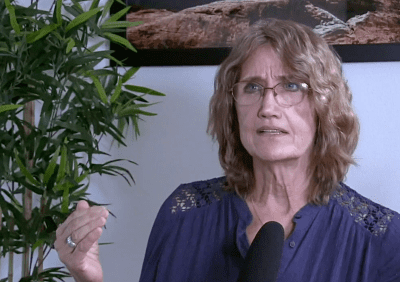
 Today’s release is the first in a new series devoted to interviewing prominent historians to hear their evidence-based take on the question, “How did the Mormon Church come to be?”
Kathleen Melonakos’s book Secret Combinations: Evidence of Early Mormon Counterfeiting (1800-1847)
In this interview, Kathleen attempts to provide the historical context for the life of the Smith family and the founding of the LDS Church. In particular, we focus on the counterfeiting culture of the time period (Part 1), treasure digging as a practice (Part 2), the origins of the Book of Mormon (Part 3), and finally we delve into how her research and work influences Kathleen’s personal beliefs (Part 4).
*Updated links for further study*
- An Article from the John Whitmer Assosiation Journal
- Scanned documents of Professor John Smith’s writings can be found here
Episode Transcript
Host: John Dehlin · Guest: Kathleen Melonakos
This transcript is machine-generated and lightly edited for readability. The audio is authoritative. Please excuse occasional errors in names and spelling.
Introduction and Episode Overview
Part 1 of 4 · Ep. 994
John Dehlin [00:00:11] Your mom and me, we've seen this life with eyes that only see in black and white.
John Dehlin [00:00:21] Mormon Stories is a production of the Open Stories foundation and relies solely upon the support of people like you, its listeners to help keep the podcast alive or to become a member of the community. Please become a monthly subscriber by visiting MormonStories.org and clicking on the Donate button on the right side of the page under Support. All contributions to Mormon Stories are completely tax deductible in the United States and go towards producing the podcast and building communities and programs of support for Mormons like you. Thanks for your support.
John Dehlin [00:01:03] Tune me out if you must I know you've heard enough But I sing this song Just because I hope you'll be wiser than your daddy was I hope you'll be wiser hello everyone and
John Dehlin [00:01:27] welcome to another edition of Mormon Stories Podcast. I'm your host, John Dehlin. It is September 28, 2018 and I could not be more excited for today's interview. Those of you who have been listening to Mormon Stories for a long time will remember interviews that I had with people like Richard Bushman, Grant Palmer, Brent Metcalfe, Michael Quinn, where we interviewed, you know, top notch Mormon historians who really made contributions to understanding Mormon history and the Mormon narrative today. I have someone who I think is definitely as important to hear as any of those other authors. Her name is Kathleen Kimball Melanakis and this is her book. The book is Secret Evidence of early Mormon Counterfeiting 1800-1847. And some of you are aware of this book because it's been talked about quite a bit on Reddit. The ex Mormon read it and I've talked about it on my Facebook wall as well. But this is a really cool book. The premise of this book, or one of the main foci of this book is to talk about, you know, Kathleen's deep investigation into the extent to which she feels, you know, the counterfeiting of currency was intertwined with the founding of Mormonism, with Joseph Smith, with his family, and with the early leaders of the Mormon Church. We will be touching on that today. But that's not the core purp of this interview. My vision for this interview is a little bit more creative. What I want to do is bring on three or four top notch historians who know about Mormonism and give each of them a chance to explain their version in a chronological way of how Mormonism came to be. Sort of to provide the historical context for the life of the Smith family for Joseph Smith, for the early things that happened that led to the Book of Mormon and then the founding of the church and then everything that kind of came later. So in this case, it's going to be Kathleen Kimball Melianakis historical context and understanding of the founding of Mormonism. And it's going to be cool. We're going to do several hours. I probably want to bring her back at some point to go into more depth because this is going to be an overview. But this book deserves a lot more attention. But anyway, anyway, that's what we're doing and I'm super excited to have you joining us today, Kathleen. So welcome to Mormon Stories podcast.
Kathleen Melonakos Introduces Her Research
Kathleen Melonakos [00:04:03] Thank you. I'm very excited to be here today.
John Dehlin [00:04:06] Yeah. So good job on this book.
Kathleen Melonakos [00:04:07] Oh, thank you. It was a lot of work and I will say that I built on a lot of the scholarship that already has been done. So many Mormon, early Mormon documents are available now. Dan Vogel having done a tremendous amount of publishing of early Mormon documents just the way they appeared. And of course, Gerald and Sandra Tanner had been doing that their whole lives. And yes, Grant Palmer helped me out. He guided me along. I got so much help from some of those same historians that you just mentioned.
John Dehlin [00:04:44] Yeah. And so that's, you know, Dan Vogel, I've never had on Mormon stories. That's an egregious omission on my part. I want to bring him on and do this. I want to bring on Sandra and do this, maybe bring on Brett Metcalf. Maybe you listeners can recommend a few other historians, but we're going to go through this exercise with three or four or five Mormon historians and do the same thing. Their version of how it all happened, there will be overlap, but I think everybody's going to bring a different bit of insight. And if we want to bring in a faithful historian or two, maybe Brian Hales, if I have the fortitude and patience to interview him or someone like it, we're willing to bring on faithful Mormon historians and do the same sort of thing. But anyway, let's begin, shall we? So before we actually dive in to the book itself, let's do like a five minute version of your history as it relates to Mormonism. So I know it's really brief. Right.
Methodology and Primary Historical Sources
Kathleen Melonakos [00:05:44] Well, before we do that, can I just say one yeah. Thing about methodology? Sure. Historians, as most of the great historians have said, must rely on the original documents. The, the primary sources must tell the story. And then you, you examine those, and then you tell the story based on those, not on what somebody said they said, but what you know. So that's what I did. I looked at those. Okay, so my five minute version, if I can do that. The Smith family were already involved in counterfeit.
John Dehlin [00:06:25] Oh, wait, wait, wait, wait. Sorry, what I mean is your story. So. So you have pioneer heritage. Let's just talk quickly about you, just to give people a background of who you are.
Kathleen Melonakos [00:06:33] Okay?
John Dehlin [00:06:34] Is that okay?
Kathleen Melonakos [00:06:34] Yes. My heritage goes back to the founding of the Mormon Church. On both of my parents side, my father was Heber C. Kimball iv. His wing of the Kimball family kept practicing polygamy up after the manifesto. And so he was raised in a group, several of the polygamy groups. He left that early on in his life to marry my mother who was, you know, her side of the family went back to Thomas Grover, who was Brigham Young's right hand man, one of them. Well, of course Heber C. Kimball was too. So I was raised in a very active Mormon family, but there was this background of my father's family too, and it was all very secret. And so when I found out more about it in my early youth, I wanted to know what was this all about with polygamy, because I had been told the regular Mormon story, mainline, whatever you call it about it. So I started questioning. And my husband and I were married in the temple. We were active Mormons up until like one or two years after we had been married in the temple at age 20. And that is me, he was 23. But we moved away to Michigan and we had the opportunity there to explore more, you might say, and, you know, go into the actual intellectual basis for Mormonism. And there's a long story about it and you can read it on my website if you want more of my personal story. But we left the church early, around what year? Around 1976. 7.
John Dehlin [00:08:30] Okay, so you figured we've been married about two years, you figured some of the stuff out quite early.
Kathleen Melonakos [00:08:35] Yes, we did. And so we looked for decades as to, you know, what we actually did believe is true. And that was a long journey. That's a whole thing in itself also. But, but when we moved to California, I read Martha Beck's book, Leaving, Leaving the Saints. Yes. And in there she disclosed that her father had plagiarized a lot of his footnotes.
John Dehlin [00:09:01] This is Hugh Nibley.
Kathleen Melonakos [00:09:03] Hugh Nibley, the foremost scholar of Mormonism when we were at byu and later. So I said, I wonder what else is falsified? And that piqued my curiosity and I started really wondering what had really happened in the Mormon Church. And so I looked into polygamy. More. I looked into the In Depth, and so many things were available at this time. And you have the Internet. You can look on archive.org for old books. You don't even have to go to the archives. But I did go to a lot of archives, and I just started, you know, oh, and Sandra Tanner published a story about Joseph Smith. Loving to read this about Stephen Burroughs. And reading the book about, you know, that had been written by Stephen Burroughs, I said, I wonder who this character is that he liked reading about. And it turned out he was a major counterfeiter that posed as a preacher. So that really got my curiosity going. And I started studying about counterfeiting in early America. And it just led into this whole picture that started forming. Reading books about polygamy and church history. There. There are many footnotes and side notes about counterfeiting, but nobody had formulated or figured out that this was a lot bigger story, the Mormon story, than has been acknowledged. So I just felt it was my duty and my task to put it all together. And I started. I worked at it for eight and a half years, this book, doing the research for it. Yes. And putting it together. And, you know.
John Dehlin [00:10:51] And you have a graduate degree from Stanford, is that right?
Kathleen Melonakos [00:10:54] Yes, I do. We lived in the Palo Alto area when they opened up a new master's program. And I immediately applied. I thought it was a great opportunity and I was able to be accepted. And so I studied lots of history, philosophy, liberal arts, and I did my master's degree in philosophy. I studied the ancient philosophers, American pragmatism. And so I learned how to be trained in logical thinking and evaluating truth claims, how to tell when something's true or false, how to apply that in your life and use that. Because if you make mistakes in logic and reasoning, it's going to hurt you. So, I mean, it may or may not, but usually it is going to be a mistake that can be, you know, detrimental. So I wanted. I. Yeah, I did my master's on philosophy.
John Dehlin [00:11:57] So in the words of Jeffrey Holland, you've been to a pretty good school.
Kathleen Melonakos [00:12:02] Well, I was very blessed to be able to do that. Okay.
John Dehlin [00:12:06] Okay. So, yeah, that's super useful. So let's just dive into your version of kind of the historical context that led to the Book of Mormon. Maybe I'll just set it up really briefly. Is that okay? You know, when I was just starting to question church history and trying to really understand it, the way that I was thinking about it was, oh, my gosh, the Book of Mormon is so amazing. And it's so powerful. It's so creative and it's so innovative. There's just no way that, you know, Joseph Smith or some farm boy yokel could have written it. You know, that's. And I think that's kind of what general authorities and apologists often try and say these days. They try and just say the book's too amazing, it's had too much big of an influence, it's too complex, it's too sophisticated. There's just no way some farm boy could have written it. Once I read Grant Palmer's book and he started explaining about, you know, Joseph's own personal narrative about the Old and New Testament and how it was brought into the Book of Mormon, about the Masonic stuff that was going on, that becomes the secret combination stuff in the Book of Mormon. When he talks about the preachers that were going around preaching sermons that then sort of became, let's just say, King Benjamin speeches or Alma the Younger speeches or whatever, he starts explaining all these potential in view of the Hebrews and you learn about that and it starts sort of painting a different picture where you're starting to go, oh my gosh. Now the Book of Mormon has gone from this miracle that could have never been created by any other means than divine inspiration. It flips to oh my gosh. Now that I see the historical context for the environment that Joseph Smith was swimming in, you would almost expect something like the Book of Mormon to come out of that context. And that's kind of what this is about. So now I want you to begin and we'll do this for a few hours. I want you to set the stage for the contextual historical items that you believe are important in understanding how Joseph Smith came to be, how the Book of Mormon came to be, how the Mormon Church came to be, and some of the interesting events that followed. So where would you want to begin painting that historical context?
Brief Overview of Early Mormon History
Kathleen Melonakos [00:14:32] That's a tough thing. I guess I could just kind of give a brief overview. Overview.
John Dehlin [00:14:38] Well, let's just start with your outline and let's just dig in. So you begin by talking about the radical origins of Mormonism. And I think that's a good place to start.
Kathleen Melonakos [00:14:50] Well, I might preface that by saying, you know, the counterfeiting was a main motivation for doing the whole thing, the whole counter, you know, what people call the counterfeit Bible. And that's what it is because we know, like you say, we can trace the 19th century sources from which it came. It, it came, he lifted it right out of different 19th century sources. So, well, now you have to, as you say, we have to consider the context in which this all came about. Early America, six generations from the Mayflower. There were two groups in America that founded colonies. The Mayflower Pilgrims, who were separatists who wanted to separate from England, Church of England who did not have an ordained minister, and the puritans who came six weeks, sorry, 10 years later. So these were two different groups, puritans and Pilgrims. Puritans were educated. They were from Cambridge. They knew the languages of the original Bible. They knew Hebrew and Greek. They, they had, you know, John Winthrop, they had educated ministers who were licensed to preach from the Bible. And this was in the midst of the Great Reformation, you know, the Protestant Reformation. England had broken away from Spain, from the Catholic Church. This is not that long after Henry VIII had done that. Elizabeth the first had provided good leadership. Then Jane James the First was not as politically talented. He did commission the King James Bible, which was very significant because then they were definitely Protestant and they could read from the, by the Bible themselves.
John Dehlin [00:16:57] The people.
Kathleen Melonakos [00:16:58] Yes, the people, the ministers. So it led to a lot of controversies in England and that's a reason why a lot of the settlers came to America to have the religious freedom. But now the Puritans have been reputed to be the ancestors of the Mormons, the ones that wanted to stick with the Bible. But that isn't true. Leonard Arrington said they were descended from the Puritans, but they were from the pure, the Pilgrims. And my, my grandmother even said, you know, she has the records of how we're descended from people that came over in the Mayflower. Well, they, they were not as strictly biblical as the Puritans. And in fact there were other radical sects besides the one that eventually the pure, the Pilgrims ended up forming in England. There were the Muggletonians, there were the Quakers. There were different groups that, that wanted to get away from strict interpretation of the, of the Bible according to the Hebrew and Greek. And they wanted to call themselves prophets. So those people tended to whoops. To settle in certain areas of the United States. So Michael Quinn did this very extensive study of where the Mormons came from. He did one, and so did Val Rust. They came from a town, they came from radical towns in New England. Exeter, Massachusetts, Litchfield, Connecticut. And, and they were all connected by family and kinship and they kept in touch with each other when they moved forward. So there were they. Joseph Smith had a cousin named Ransom Rogers who turned out to be a major swindler. But his, he was related to the, the man that founded the Rogerines. And it was one of the most radically dissenting radical sects.
John Dehlin [00:19:12] And just, just so that our listeners really understand, condense for us in a, in a quick statement why it's important to associate early Mormonism more with pilgrims than Puritans.
Kathleen Melonakos [00:19:24] Because they believe they. There were certain the pilgrims did not have an educated ordained minister. So they, they pretty well drifted away from being biblically centered. And they were. Then there were. There was always this culture war. There were the evangelical Christians that wanted to stay and form a biblical commonwealth as there had been in, in Europe, like Geneva, the city on a hill, and that's where we get that phrase. And then there were the other ones who set up, wanted to set up their own kind of community or society or sect that where they, instead of following the Bible, they followed their prophet and which many times they would get a revelation. And they, there were certain things that they had in common. They always had a prophet or a, someone who headed it up. And they demanded strict obedience of their followers. They did away with the, you know, scripture mandate to follow the Bible and, and they oftentimes where it fall instead went into occult activities, into counterfeiting. They, it was a way to cover up what they were doing. That was illegal. It was illegal in early America to delve into the occult, to do treasure hunting, to do fortune telling and witchcraft and all that kind of thing.
John Dehlin [00:20:58] Got it.
John Dehlin [00:20:59] So if I can summarize, when we think about like Billy Graham and sort of hardcore evangelical Christians of today that tend to be professional ministers and are really focused on the Bible, that's not Mormonism, right? No, that's another major strain of Christianity that we associate today with like evangelical Christianity. To understand how Mormonism came to be, you need to understand the pilgrim version of Christianity which de emphasizes the Bible. We have that in the Articles of Faith. Right. The Bible is true as long as it's translated correctly. We have Joseph Smith's words being much more important than whatever's in the Bible. But most importantly, we have these leaders without the formal training rising up, creating these congregations and followers, emphasizing obedience. And then we have intermingling of superstition and the occult activities and even charlatan like behaviors. That's all behavior consistent coming out of the pilgrim tradition. Is that what you're saying?
Kathleen Melonakos [00:22:01] Well, it wasn't in the beginning. I mean there were descendants of. Yeah, it drifted that way over some, you know, years.
John Dehlin [00:22:12] So that's a, that makes that, that's a really important contextual foundation for understanding Mormonism. To understand it growing out of the descendants of the pilgrim traditions, let's just say.
Kathleen Melonakos [00:22:23] Right.
John Dehlin [00:22:23] Okay, that's good. All right, so where do we go from there?
Oliver Cowdery, Joseph Smith, and Connecticut Roots
Kathleen Melonakos [00:22:27] So you have this group of people that were all originated back in Litchfield, Connecticut. And the Mormon story is that Oliver Cowdery and Joseph Smith met each other in May of 1829. And that is really false. I mean, there were Cowdery cousins living in Tunbridge, Vermont, when the Smiths moved there. Joseph Smith Sr. And Lucy were married in 1796. So going back to at least that far, in Tunbridge, Vermont, there were Cowdery cousins. They probably attended their wedding because we know as of 1800, people observed Joseph Smith Sr. And William Cowdery to be involved in this group called the Woodscrape group or the New Israelites. So we know their families knew each other at least as far back as 1800.
John Dehlin [00:23:28] And before. Before we dive into that, it seems like. Understand. So, okay, let me be. Look, let me. Let me be candid about your book for just a second in one way. So obviously I have you on because I love your book. One of the things I feel like you're trying to do is break new ground with explaining why understanding counterfeiting is important for understanding early Mormonism. Is that. I mean.
Kathleen Melonakos [00:23:54] Yeah.
John Dehlin [00:23:54] And I personally, I don't care so much about the extent to which actual counterfeiting was being done within Mormonism. And I don't even. I don't feel the need to like, convince listeners that it was or wasn't happening so much. What I did really find valuable is to understand how the culture that was behind counterfeiting seems to be an important cultural influence for what became Mormonism. Is that true? So before we talk about the Cowdery Smith connection, maybe talk to us briefly about. In your outline, it says that the nature of counterfeiting in America. Talk about why that's an important context to help inform our understanding of the founding of Mormonism.
Counterfeiting Culture and Radical Sects
Kathleen Melonakos [00:24:43] Well, there's a whole subculture that evolved or that arose with counterfeiting and these radical sects. Of course, it was a serious crime. Especially in England, people went to the gallows regularly for counterfeiting, the coin of the realm.
John Dehlin [00:25:03] Meaning they were killed.
Kathleen Melonakos [00:25:04] Yes, they were executed by the king or the queen. Because governments have long known that if you don't have control over the currency, it impairs the whole economy. And it was used as a weapon of war in the Revolutionary War. The British against the Patriots, they made massive amounts of the Continental Congress money that they had formed and you know, Joseph, I mean it was kind of
John Dehlin [00:25:35] warfare during the, the Revolutionary War.
Kathleen Melonakos [00:25:37] You don't have a sound medium of exchange. You can't pay your soldiers, you can't have a, you can't have trade. It impairs the ability to collect taxes. You, you can't run your country. So if it was also used In World War II and other times, but the government has to have a sound currency. So here we are in early America and the Revolutionary War happens. There's a lack of government and you know, there's questionable jurisdiction in many parts of the colonies now that they've won their independence and they, you know, whose jurisdiction is it? Who is supposed to print the currency? There were banks that were set up and the whole system rested on gold and silver. You had a certain amount of gold and silver and then you, the bank that how, you know, took care of that. You were able to write a banknote on that particular bank. But it made it easy to counterfeit. And the whole banking system and currency system was in, you know, not in a, it was not, it was somewhat in disarray, but it was a serious crime to counterfeit the, the particular banks banknotes. And yes, it was considered a crime and it was often connected with horse stealing. But this was, you know, from the time the American Revolution up to at least until Andrew Jackson and beyond. That's why it was considered the wild wild West. On the frontier, the more settled areas, the law and order prevailed and you could, there were counterfeiters that posed as respectable citizens and got away with it in some cases for sometimes years. But then there would, it would always cause a huge furor when they were found out. And it was similar a little bit to drug dealing. I would compare it to. It was somewhat common. There were people that did it, but it was disreputable and you could go to jail, you could be hung. But one thing about the nature of counterfeiting also I have to mention, you couldn't do it alone. You had to have a large number of secretly oath bound people. And that's why I call my book Secret Combinations because there were different, you know, secret groups in early America. And you, if you were engaged in this illegal activity often connected with horse stealing, you had to, you know, swear against the Bible or I mean, I can't believe they used the Bible, but they would swear upon pain of death that they would not reveal their compatriots that were complicit in this crime.
John Dehlin [00:28:42] And the reason why you needed multiple people. So the opportunity of counterfeiting was to make a ton of money. Right. To get rich. It's kind of a shortcut to wealth.
Kathleen Melonakos [00:28:53] Exactly.
John Dehlin [00:28:54] But you needed a lot of people. And the reason you needed a lot of people. Talk about all the different, all the different roles that people would play that were needed for this kind of oath bound group to succeed. You'd have to. The capital, the printing press. Like what would be needed?
Kathleen Melonakos [00:29:10] Well, it evolved over time with the development of the printing press. But by the time that Joseph and Hyrum Smith were coming to prominence, a printing press was a large instrument. I mean, if you were going to print up paper money. A printing press was a large instrument made up of metal that was not easy to transport. It could easily cost $2,000, which was a huge amount of money back then. So if you were going to invest in that, you had to have somebody that could procure a printing press for one thing, or you had to have someone that was skilled in metallurgy to make coins. And so you had to have somebody procure that which would provide the leadership. So someone had to coordinate it all because you had to have a. Yeah, you had to have a pretty large printing press. You had someone skilled in printing, someone who was good at forging names on the banknotes. You had to have someone who could.
John Dehlin [00:30:22] Signatures, right?
Kathleen Melonakos [00:30:22] Yes, signatures. You had. Yeah, forge. Forgers. There were a lot of forgery, you know, involved, I mean, with these banknotes. And you had to have someone to procure the engraving plates. That was pretty complicated. And usually that was from a normal bank. You had to have some sly clerk that could surreptitiously obtain them from a legitimate bank or you. And then you had to have a place to do all this to print up the money back in the swamps or away from the law enforcement. And then you had to have distributors so someone to take it out. You print up all this money and you can't spend it all in one place in your little town. You had to send it out all to different receivers across the country. And there were these large networks that, that covered many states. And so the receivers would receive the, the counterfeit money, exchange it for good money, or they deal in it. And then, then there were people that passed it on to landowners or horse dealers or. And another important thing was it was often connected with horse stealing because you could print up a lot of counterfeit money, buy a lot of horses with it, and then sell the horses for good money in another locale. And so, you know, you had peddlers that were distributors of Counterfeit money. And Joseph Smith Sr. Was said to be a peddler in Vermont and Oliver Cowder. Cowdery was a peddler. But you needed all these what they called boodle carriers, you know, bogus distributors to, to be all over the country. So they're some of the biggest counterfeiting rings, had 400, 500 people. You know, there were, and there were other counterfeiting rings, you know, in the, that we can trace that, what we can see what they did. So you had to have all the players.
John Dehlin [00:32:37] Right. And so for me, what was really important or interesting because I've always thought, oh well, Joseph Smith wrote the Book of Mormon and he did it alone. And how did he do it? And he's just an uneducated farm boy, he couldn't even write. But the Book of Mormon is so complex and marvelous, it must be a miracle. But what this discussion of counterfeiting helped me understand, and tell me if I'm understanding it right, is another way to look at the Book of Mormon is that just like these groups of men and, or women would get together and through blood oaths, make promises to organize and protect and maintain, you know, some sort of corrupt cabal to, you know, to perpetuate something like counterfeiting, why wouldn't it very much be possible for Joseph Smith with Hyrum, with, with Oliver Cowdery, with Sidney Rigdon, maybe even Joseph's dad, the, you know, the, the other brothers that were witnesses, the Johnson brothers, but also the three and eight witnesses, the Whitmers.
Kathleen Melonakos [00:33:54] Right, yeah, Whitmer.
John Dehlin [00:33:55] Why? We know that, that blood oaths were a part of Mormonism. We know that that was baked into the temple ceremony. A lot of people wonder, well, how could the witnesses have all kept their stories? Why didn't Oliver Cowdery and the Whitmers end up turning on Joseph Smith and revealing that he was a fraud? Well, the answer would be if there was some sort of oath bound, promise or covenant made at the very start. We're going to be creating this book and part of the promise that we're all making is we'll make it together, but we're never going to ever reveal sort of, you know, how it actually came to be. Then all of a sudden this organizational structure that either masonry or counterfeiting would sort of have you know, informed potentially Mormonism. It makes sense that maybe that was adopted for the early founding of Mormonism. Am I explaining that right?
Kathleen Melonakos [00:34:56] Oh, yes. And well, they, they said themselves that they held a lot of secret meetings while they were Writing the Book of Mormon. Lucy said that It's. She said, well, yeah, you know, and
John Dehlin [00:35:09] we'll get to that. We're going to get to that.
Kathleen Melonakos [00:35:11] Yeah.
John Dehlin [00:35:11] But for you and for me, understanding the culture of blood oath groups that carried on counterfeiting provides an important contextual understanding for thinking about how likely the Book of Mormon and ultimately the Mormon Church came to be.
Kathleen Melonakos [00:35:29] Right.
John Dehlin [00:35:29] Is that fair?
Kathleen Melonakos [00:35:30] Because they'd been practicing quite. They had been practicing doing that for quite a long time by the time they wrote the Book of Mormon.
John Dehlin [00:35:38] And many of Joseph's ancestors seem to be involved or implicated in these sorts of blood oath groups.
Kathleen Melonakos [00:35:46] Yes.
John Dehlin [00:35:46] So let's talk about Stephen Burroughs, because I think that gives a good example. Is that okay?
Kathleen Melonakos [00:35:52] Yeah. Well, I have a chapter called the Seeds of Mormonism Were Sown in Vermont. And so do you want me to.
John Dehlin [00:36:00] Yeah, let's do it.
Kathleen Melonakos [00:36:01] Okay.
John Dehlin [00:36:01] Because it gives a good example of, like, if. If Joseph Smith senior, Joseph Smith junior Hyrum Oliver, were paying attention, they would have learned from other people, they would have gotten ideas from other people as to what they might do later.
Kathleen Melonakos [00:36:16] Exactly.
John Dehlin [00:36:17] So that's where this comes into play.
Kathleen Melonakos [00:36:19] So there were quite a. There were characters in Vermont that they borrowed their ideas from, and that's where
John Dehlin [00:36:26] Joseph Smith was born. Right. Sharon, Vermont, 1804.
Kathleen Melonakos [00:36:30] 1805. 1805, Sharon, Vermont.
John Dehlin [00:36:32] Right.
Kathleen Melonakos [00:36:32] And yeah, Joseph Sr. And Lucy lived there for at least 10 years, from 1796 to 1816. And they lived in the vicinity of Dartmouth College. And this was on the frontier at that time. This was way out in the fringes. And so they weren't.
John Dehlin [00:36:52] Were counterfeiting flourishes. Counterfeiting and strange religious movements.
Kathleen Melonakos [00:36:57] Right, Exactly. But Dartmouth College was founded in 1769, and it turns out we find out that one of the main founders of it and developers of its curriculum was Professor John Smith, who they had most likely known. Well, they had to have known him back in Massachusetts, Smith, that is, before they moved to Vermont. But he was.
John Dehlin [00:37:24] Was he related to Joseph Smith Sr?
Kathleen Melonakos [00:37:26] Yes, Joseph Smith senior. It was his grandfather's. I mean, Joseph and Hyrum's grandfather, Asil Smith was. It was his cousin. So Professor John Smith and Aysel Smith were cousins. So this professor at Dartmouth, and he had been. He was gifted very early on in his life and given a scholarship to study at Yale, I believe it was. But he learned the ancient languages that the Bible is written in. Hebrew, Greek, Chaldaic, some other ancient languages, very skilled in that. And he developed curriculum at Dartmouth, including these lectures where he wandered away from the Bible into his own speculations. And Dartmouth College was founded as the school of the Prophets. But you know, in the, in the Old Testament it was the prophet always told about the coming Messiah. And in the New Testament the word prophet meant people who witnessed or talked or had, you know, knowledge of the Messiah. And then after that, the word always meant at least two biblically trained ministers. And you know, it was only used the word prophet at the time of the founding of Dartmouth Mint someone who expounded on the Bible. So the school of the prophet. So but in Vermont there was this movement after the American Revolution to be rebellious. You know, they'd. The whole country had defied the authority of the British crown and the Church of England that it was, you know, that was the main church. So there was this kind of movement. And Stephen Burroughs was one of the main harbingers of this kind of rebellious anti Hebrew movement where he, his father, Eden Burroughs was one of the major board of trustees ministers at Dartmouth as well. But he defied his father and became a major counterfeiter that posed as a minister.
John Dehlin [00:39:51] So we were talking about John Smith and all of a sudden we jumped to Stephen Burson.
Kathleen Melonakos [00:39:55] There are four main people in Vermont that I believe that you can trace their similar ideas to that influence the Mormons, the early Mormon people who created Mormonism. Professor John Smith, because he speculated he was the one that had the idea of the pre existence.
John Dehlin [00:40:17] Yeah. And this is for me was the most powerful part of the book. So is this the part to talk about that on page 69 of your book?
Kathleen Melonakos [00:40:25] Right, yeah, you can do that.
John Dehlin [00:40:28] Were we going to talk about it later?
Kathleen Melonakos [00:40:29] Well, he came up with other speculations, but you know, that were extra biblical. But he came up with that idea among others.
John Dehlin [00:40:37] I mean. Yeah, and we'll talk about him because he ends up tying to Hyrum Smith, that ends up tying to Joseph. Right, right. But. But this is a guy who gave these lectures at Dartmouth. And you have Dartmouth alumnus Richard K. Barron summarizing his lectures as containing ideas like a concept of a pre existence, an atonement covenant that was made before the earth was the plan of salvation being agreed to in the pre existence Father, son and sons of men together in the preexistence. Spiritual death as a condition after the fall was man's condition after the fall. The church would exist in all ages after the fall. You know, oaths and covenants serve as the deity's legal structure. Light, borrowed light and the light of reason would guide Melchizedek Priesthood as co eternal with God. The priesthood as the source of the Son's authority. Aaronic priesthood promised to Aaron's descendants. Free agency and the right to choose is integral to the plan. Degrees of glory is the structure of the eternities. Consecration to Christ is required for highest exaltation. Revelation required to know the ultimate nature of God. Spirit is a simpler form of matter. The prosperity cycle, even that's found in the Book of Mormon later, is the natural direction of history. Millions of peopled worlds. Father argues for justice and Son argues for mercy. Now, I think there are a lot of us that want to see the original source documents that make up this outline that you put together. But if this bears out as true, and I have friends who are going to Dartmouth partly because of your book and trying to find the original source documents that inform this outline, but if that's true, what you've just shown us is sort of almost the founding theology of both Mormonism and the Book of Mormon. You found the source for that?
Kathleen Melonakos [00:42:46] Yeah.
John Dehlin [00:42:46] So if John Smith was teaching this at Dartmouth, and then Hyrum goes to John Smith and learns these things, comes to Joseph and talks to Joseph about it, we have now identified the primary theological sources for all of Joseph's innovations or all of the Book of Mormon's innovations. Instead of it being this miracle, instead of it being this amazing doctrinal advancement in Christianity, we see another primary source that Joseph literally plagiarized or counterfeited and infused into the Book of Mormon. Kind of like biblical fan fiction, where he's just grabbing masonry, he's grabbing the stuff of John Smith, he's grabbing stuff from the view of the Hebrews, and he's sort of munging all that into the Book of Mormon. Now we're getting ahead of ourselves, but I'm just making sure that people understand why you've invoked the name John Smith.
Kathleen Melonakos [00:43:42] Well, I had a long conversation with Richard Behrens, who did a huge amount of research at Dartmouth. He was a Dartmouth alumni, so he was very familiar with all the records of Dartmouth. He was a former Mormon. He wanted to trace what had gone on at Dartmouth. So he had said, or I mean, he told me he had viewed this biography that his wife still has possession of and the original lectures. I mean, you can go back and see what the curriculum was at Dartmouth at the time. And Hyrum Smith attended Dartmouth Prep School from 1811 to 1813. He may well have had his notes. You know, Professor John smith died in 1810, but his curriculum, you know, Hyrum Smith would have listened to it day after day. And he attended those Presbyterian meetings. And so he learned a whole lot about how a church is structured, what they do in Presbyterian meetings, you know, and he probably had his. He may well have had his notes when they moved to New York and palm in 1816.
John Dehlin [00:45:01] And it would have been things the Smith family talked about. Yeah, so. So now I get why Vermont, Dartmouth and John Smith are so important to understand. If you want to understand the historical context that informs Joseph Smith and eventually the Book of Mormon.
Kathleen Melonakos [00:45:16] Well, the three others.
John Dehlin [00:45:17] Who are the others?
Kathleen Melonakos [00:45:18] Yeah. So you got John Smith and then Stephen Burroughs, his father was on the board of trustees there. He.
John Dehlin [00:45:24] Okay, so that's the Ed. Edmund.
Kathleen Melonakos [00:45:27] Eden.
John Dehlin [00:45:27] Eden. So Eden Burroughs is important because he was a contemporary with John Smith at Dartmouth.
Kathleen Melonakos [00:45:34] Yes.
John Dehlin [00:45:34] And his son, he was respectable. Eden. Yes, was respectable.
Kathleen Melonakos [00:45:39] He was the main pastor of the church there.
John Dehlin [00:45:41] But then as well. But then his son comes along as kind of a ne' er do good, right? Like. Yes, he's an apple that falls a little bit far from the tree.
Kathleen Melonakos [00:45:49] He became one of the most notorious criminals of the night of that era of the early 1800s.
Stephen Burroughs and His Influence on Joseph Smith
John Dehlin [00:45:57] Okay, so let's talk about him.
Kathleen Melonakos [00:45:59] So he was. Became very well known. We don't know him today, scholars do, but he early on rebelled and played all kinds of pranks, tricks, you know, practical jokes, and actually stole things. And, you know, he was accepted, went to Dartmouth for two years, but got kicked out his second year. So he learned the language. He became very skilled at language skills. And then he wrote a best selling book called Memoirs. But this was after he had escaped at age 19 to stole some of his father's sermons and went to Pelham, Massachusetts, posed as a preacher, fooled the people for months. And then meanwhile, he's learning all the tricks of counterfeiting and setting up this huge counterfeiting network. And so he had already escaped across the border to Canada when his book came out, the Memoirs. And in the book he apologized. By that I mean he defended his life of crime that he was already in. He said, there's nothing wrong with counterfeiting money. You can, you know, he made the. He was very persuasive, but he defended his life of crime. Prior to that time, he didn't do that, but he was charming, he was very persuasive, and he was seen as kind of an anti or, you know, kind of a folk hero by some that he was able to get away with these crimes even though the authorities wanted to arrest him. And they, they did Numerous times. But he always escaped. And he had his whole family involved in his counterfeiting. His sons would spring him from jail and this was the time when law enforcement was, wasn't very adequate. So he, he flooded New England with counterfeit notes and banknotes, especially Vermont and New Hampshire, his own right, where his father was teaching. And of course there was huge talk about his best selling book, the Memoirs at Dartmouth in 1811, when Hyrum was there. So we know that there was, you know, that they knew him, that they were exposed to his ideas. And Paul Murray Tucker even in Paul Myra in New York said that Joseph Smith loved reading stories about this character and reading about Stephen Burroughs. About Stephen Burroughs.
John Dehlin [00:48:49] So there's evidence that Stephen Burroughs writes this biography, kind of bragging about his life of crime and deception that was both around counterfeiting but also religious intertwining. Is that right?
Kathleen Melonakos [00:49:04] He claimed to be a pious Christian preacher, but you know, of course he wasn't. He was a fake person that made a mockery of it really, when he's doing counterfeiting on the side. And even when he, when people found out that he wasn't a authentic preacher, he threw it back on them and said, oh well, didn't you like my preaching? You know, he would make up all kinds of things that weren't from the Bible.
John Dehlin [00:49:32] And so your theory just to really tie this to Mormonism, how, what are the main ways you believe? Stephen Burroughs probably influenced the Smith family and Joseph Smith just. It's like three or four or five things. How did, how would, what can we. What. How do you think Stephen Burroughs work may have informed the context that produced Joseph Smith, the Book of Mormon and Mormonism.
Kathleen Melonakos [00:49:58] Well, he wrote, writing a book. Well, he posed as a preacher and did counterfeiting money.
John Dehlin [00:50:06] So being a preacher, being a religious
Kathleen Melonakos [00:50:07] leader was number one. And then he wrote a best selling book that made a lot of money. Made a lot of money and influenced a lot of people.
John Dehlin [00:50:16] He became a folk hero.
Kathleen Melonakos [00:50:17] Right. And he influenced other people to do the same thing. There were other criminals that kind of bragged about their crimes. Rogue narratives, we call them now. And so this kind of proliferated. Henry Tufts was another one that did that. Well, Ransford Rogers, he wrote a book Calling. He was a major swindler and he wrote a book called Calling Himself a Prophet. But of course he was, he was making a mockery of, you know, what, what Christian preachers did.
John Dehlin [00:50:51] So, so Joseph Smith would have gotten the ideas to make money off a book to be a religious leader. And to be involved in counterfeiting like activities. And all of those things could have been informed by his learning about.
Kathleen Melonakos [00:51:08] He saw that he had gotten away with it. And, you know, so this is a major influence, I think.
John Dehlin [00:51:15] Yeah. So as the Smith family is like eventually ending up in New York, poor as dirt, trying to just survive on the frontier, not able to make the mortgage, trying to think about how do I make money? Eventually the ideas of writing a book, of starting a church, and of having counterfeit like behaviors inform the work you do. Joseph could have gotten all that from someone like Stephen Burroughs.
Kathleen Melonakos [00:51:38] Stephen Burroughs and of course, Solomon Spalding. Now he was a very important person in history of Mormonism too. And there has been the theory that they plagiarized his book, which most people think, most scholars disagree, that they, that they. That he. That they, you know, directly plagiarized the Solomon Spalding manuscript because they're too different. They found the actual manuscript, but Solomon Spalding had become dis. Alienated, you could say, from both Christianity and Masonry. And see this, just to back up a little, Professor John. A lot of Professor John Smith's ideas had come out of Masonry. And there was this big culture war at Dartmouth between the Orthodox Christians and the Deist Masons. And you can read all that in my book too. That's a kind of long story. But Solomon Spalding was disaffected from the Masons and the Christians. And he was no longer able to preach because he went off too far in the unorthodox doctrine. So he had the idea that he could make lot of money, just like Stephen Burroughs had his classmate by writing a spurious history and have it be believed by all but the most learned historians. He said, well, I'm. I'm going to write. I'm going to take Ethan Smith's idea, who was also a classmate. So these four people were all at Dartmouth. John Smith, Ethan Smith, who wrote Ru. The Hebrews. The main idea that the Native Americans had come from the Old World and were related to the. Is to the Jews. Stephen Burroughs and his father, Eden Burroughs, and then Solomon Spalding. So, and this was right at the time when Joseph Smith Sr. And Lucy lived in that vicinity and their son went to that college and so did their nephew. So they would have been having all these ideas percolate around them. And Solomon Spalding boasted that he could make this spurious history and it would be believed. And he and Joseph Smith senior was quoted by the. The Green mountain boys in 1844 as saying that he made the very Same boast as Spalding. He could write a spurious history and have it be believed by all but the most learned historians.
John Dehlin [00:54:21] So. So maybe we misunderstood the importance of someone like an Ethan Smith or Solomon Spalding. Because what apologists would say is, oh, well, you compare the Book of Mormon and view the Hebrews and it's clearly not a plagiarism. Or even Fawn Brodie said she didn't believe that the Book of Mormon was in any way a plagiarism or a stealing of one of Solomon Spalding's manuscripts. But what. That's kind of taking us off the trail. The trail is where in the world would Joseph get an idea to author a book like the Book of Mormon? And it seems like he was swimming in other attempts at writing a fiction. A sort of a, I like to call it biblical fan fiction, but basically relying on the fact that everyone was thinking about the Bible, everyone was believing in the Bible, everyone was studying the Bible, everyone was exposed to Native Americans, everyone was believing in the 6,000 year earth, everyone was believing in the Tower of Babel and the scattering of the children of Israel and trying to wonder, where are the other tribes of Israel? It would make perfect sense for Joseph and others to sort of say, Solomon Spalding wrote a book, Ethan Smith wrote a book. You know, even Stephen Burroughs wrote a book. You know, maybe, maybe one way to make money is to try and do a better job at what Ethan Smith and Solomon Spalding did and to try and write that book that so far hasn't been super successful, but maybe I'll be the one that makes it successful.
Kathleen Melonakos [00:55:58] Yeah.
John Dehlin [00:56:00] Is that what you're saying?
Kathleen Melonakos [00:56:00] Yeah. New Englanders were book reading people. They were, you know, they were pretty well educated. You know, they, they loved reading books. I mean, they. Bookstores were common libraries. Book, you know, pamphlets, all kinds of. So, yeah, that it would have been very lucrative. And I don't think that they plagiarized exactly Solomon Spaulding's manuscript. And many people have said it would have been a better book had Sidney Rigdon or somebody else written, you know, or had Solomon Spalding even written. No, the Smith family took all these ideas. They synthesized, you know, they made a mixture of these ideas into their own. What they called a history.
John Dehlin [00:56:53] Got it. Okay. So that's why it's important to understand anything else you want to tell us about Stephen Burroughs and what he did or does that kind of give us the.
Kathleen Melonakos [00:57:01] Well, he started out as someone who looked in his magic stone to find stolen or lost property. That's how he started out in his life. A crime. It was not a new trick that Joseph Smith invented either.
John Dehlin [00:57:16] So. And we're going to go next to the money digging. You're saying that Joseph Smith would have gotten the ideas about money digging at least partially from reading Stephen Burroughs biography?
Kathleen Melonakos [00:57:28] Well, he. At least partially, but he. The money digging was actually more borrowed from a man named Ransford Rogers who was just.
John Dehlin [00:57:39] But, but Burroughs was involved in that kind of stuff too.
Kathleen Melonakos [00:57:41] Well, yes, because it was, it was a trick that counterfeiters used. William Chaloner in England started out doing, you know, the, the stone seeing as well you what it, what you would go out on the frontier where people, you know, would fall for, maybe they're superstitious, whatever, steal the property, hide it somewhere and then charge them a fee for looking in your magic stone and seeing and telling them where it was, the lost property. Oh, thank you. That'll be $50 for finding my, you know, for finding your stolen property that you had stolen in the first place.
John Dehlin [00:58:19] So that was a scam.
Kathleen Melonakos [00:58:20] It was a scam that there were laws against it. Being a disorderly person and imposter was often connected with doing that, you know, and that's what Joseph Smith got arrested for in 1826. But it was not a new trick. Stephen Burrow started out doing that, too.
John Dehlin [00:58:39] Okay, Thank you for joining us today on Mormon Stories. If you enjoyed this episode, please help us make more like it by becoming a monthly subscriber@mormonstories.org. Wiser is a song written and performed by Mormon Stories listener Russell Ash, a message intended for his children to have love and kindness be their guiding star.
Kathleen Melonakos [00:59:14] It.
Part 2 of 4 · Ep. 995
John Dehlin [00:00:11] Your mom and me, we've seen this life with eyes that only see in black and white.
John Dehlin [00:00:21] Mormon Stories is a production of the Open Stories foundation and relies solely upon the support of people like you, its listeners to help keep the podcast alive or to become a member of the community. Please become a monthly subscriber by visiting MormonStories.org and clicking on the Donate button on the right side of the page under support. All contributions to Mormon Stories are completely tax deductible in the United States and go towards producing the podcast and building communities and programs of support for Mormons like you. Thanks for your support.
John Dehlin [00:01:03] Tune me out if you must
Kathleen Melonakos [00:01:09] I
John Dehlin [00:01:09] know you've heard enough But I sing this song Just because I hope you'll be wiser than your daddy was I hope you'll be wiser than.
Treasure Digging and the Legend of Buried Riches
John Dehlin [00:01:27] So let's. Let's. If it's. If it's an okay time now talk about the treasure digging. Is that okay?
Kathleen Melonakos [00:01:32] Yep.
John Dehlin [00:01:32] Okay, so let's talk. So where. Let's talk about. Give us the background on treasure digging and what that was all about and how that ended up creeping into what Joseph Smith did. Because I. I kind of feel like treasure digging is where Mormonism started.
Kathleen Melonakos [00:01:47] Yeah.
John Dehlin [00:01:48] Is that. Is that fair to say? Okay, so give us the background of treasure digging. So we understand it wasn't just silly folk magic that Joseph Smith was involved in. Wasn't it a way to make money when you're poor?
Kathleen Melonakos [00:02:01] Well, okay, there's this whole business of money digging, and I really looked into it. And the other scholar who did so much research on that is Richard Brooke,
John Dehlin [00:02:17] but also Michael Quinn. Right.
Kathleen Melonakos [00:02:19] Michael Quinn, Smith Magic Worldview. Yes. And Richard L. Brooks and the origination of Mormon cosmology, the money digging. You know, some people have said. And I'm not sure if Michael Quinn said this, but, you know, it was a spiritual quest. Well, not. Not when you really look into it.
John Dehlin [00:02:40] And that's what Richard Bushman tries to say as well, that the early stuff Joseph Smith did with the pierced stone was Joseph trying to figure out how to get revelation from God?
Kathleen Melonakos [00:02:51] No.
John Dehlin [00:02:52] Tell us what you're. So let's start by talking about the cultural factors that would make treasure digging even possible. Kind of the superstitious.
Kathleen Melonakos [00:03:00] Okay, well.
John Dehlin [00:03:01] And the pirate stuff, the Captain Kidd stuff, was that on the vault?
Kathleen Melonakos [00:03:08] Yes. There was a man named William Kidd who was hung as a pirate early 17 or late 1790s. Where. Where was he hung in the Barbary Coast? Well, he. He had been hung as a pirate over there. I'm not sure where he's hung.
John Dehlin [00:03:28] I'd have to look Caribbean or like in the U.S. but it was.
Kathleen Melonakos [00:03:32] Well, it was a big thing, like Gen. No, he was an American. I believe he was a pirate. I. I'm not an expert on William Kidd, but I know that he was, you know, hung as a pirate. It was a political battle. Some people didn't believe that he had been guilty of being a pirate, but he was convicted. But there was this legend that lasted for 150 years that he had buried his treasure somewhere in the wilderness or somewhere hidden on the east coast of America.
John Dehlin [00:04:07] Okay. That's how it's tied to America.
Kathleen Melonakos [00:04:09] He was hung in London. Okay, it's hung in London.
John Dehlin [00:04:12] But the treasure was supposed to have been buried.
Kathleen Melonakos [00:04:14] He buried his treasure. Where had he buried this huge treasure that he'd stolen as a pirate? And there were all kinds of rumors everywhere. He had, you know, and buried it and.
John Dehlin [00:04:27] Was there a book? So was there. Wasn't there a book? Because there's that map that shows Cumorah and Moroni in the map.
Kathleen Melonakos [00:04:35] Yeah, the Camorra Islands and Moroni.
John Dehlin [00:04:38] Wasn't that in a Captain Kidd book? I. That's what I.
Kathleen Melonakos [00:04:42] There might have been. You know, Grant Palmer did more.
John Dehlin [00:04:44] Okay, he did. I don't know about that.
Kathleen Melonakos [00:04:46] He did a whole article on the pirate and, you know, the Comoro Islands in Moroni and where he got some of the names.
John Dehlin [00:04:53] And the only reason I mentioned that is because if Joseph Smith. It seems like if Joseph Smith knew about this kid guy from reading the book and the book happened to have the word Moroni and Cumorah in it. Yeah, those are all sort of important things.
Kathleen Melonakos [00:05:10] I think there was.
John Dehlin [00:05:10] Treasure digging was. So anyway. But you don't know about that book.
Kathleen Melonakos [00:05:14] Well, I think I have heard about that, but I didn't. I didn't go into that.
John Dehlin [00:05:18] Okay, that's fine.
Kathleen Melonakos [00:05:19] Area very much listeners.
John Dehlin [00:05:21] That's something. We'll follow up in a different interview because I think that's a really important piece.
Kathleen Melonakos [00:05:24] But, but I know that this legend
John Dehlin [00:05:27] of the buried treasure in America, there
Kathleen Melonakos [00:05:29] were people like Ransford Rogers, who was a distant cousin of Joseph Smithson, who came out of the Rogerines, which is a radical sect, you know, in Connecticut. And we can trace exactly where he came from and everything. He developed this idea that you can get farmers to invest, you know, he would have these specific methods and people, you know, I found this quite a bit in 19th century people who had been ripped off by these con artists wanted to warn their fellow citizens about them. So they would describe exactly their behavior and publish these pamphlets. And that happened a lot in Mormonism, you know, so there's all this quote, anti Mormon literature. A lot of it's exposes of people that had been ripped off or else that had been inside that wanted to warn their fellow citizens. So there was a pamphlet described exactly what Ransford Rogers did. And he would gather this group of farmers that had a lot, that had money and tell them that there were, there was buried treasure on their property. He knew right where it was. But the ghosts that were guarding it had to be appeased and they. You had to do all these rituals, you had to hold these midnight seances. You had to do exactly what the profit or the conjurer said. Exactly right. To get it, you know, so that the ghosts would give up their guardianship of this treasure and the farmers could get it. Well, this would, you know, first you'd have to gain their confidence, charm them and. And of course you have to look in your magic stone or you get the, the revelation from the paper Dropping out of heaven. Or they had all kinds of means of convincing people that they had supernatural powers. And Ranchford Rogers did this in Morristown, New Jersey. So. And then that's exactly the methods that Joseph Smith used in later in New York. And it was also similar to what they did in the Wordscape group. So it would take place over months or even years where the farmers would pay the expenses of these con artists and they would, you know, hold these seances. And they were just about to get the treasure, but they did something wrong with the ritual. So then they had to do it over again.
John Dehlin [00:08:03] And, and that was a way for them to make money, to con people out of money. But they also had to build into it the ability to keep them believing that they had special powers even though they were never finding anything. Is that right?
Kathleen Melonakos [00:08:20] And this could only go along for so long before there wasn't any treasure found and they would be found out. And then they had to have an escape hatch. They had to have some way of explaining why there was never any where there wasn't a treasure. And they had to be able to get the money and get out of town. And that's what Ransford Rogers did. He conned those farmers out of big amounts of money.
John Dehlin [00:08:42] It would have been thousands of dollars.
Kathleen Melonakos [00:08:43] Yeah.
John Dehlin [00:08:44] And these digs were big digs, right? Like the holes were huge.
Kathleen Melonakos [00:08:47] Hundred, you know, 100ft down. They'd have to dig some more. Well, we just barely got the treasure. But then it slipped down or, you know, they'd have some story as to why they couldn't get the treasure. And like Mansford, Rogers conned them out of, conned his group of farmers out of 500 pound sterlings. A lot of them mortgage their farms. They sold their cattle at half price in order to appease those goats and ghosts. And then he absconded with, you know, hundreds or would have been thousands of dollars. Now $25,000.
John Dehlin [00:09:21] And so as you're saying this, I'm thinking Hill, Cumorah, I'm thinking Angel Moroni. I'm thinking golden plates and sort of Laban and buried treasure. It almost seems like the way Mormonism begins is as Joseph's trying to come up with a historical story for convincing others that they should invest in some sort of endeavor to uncover buried treasure. He's coming up with names and artifacts and he's putting it in a hill and he's naming the angel and he's starting to think about a story that maybe he could convince other people to, to believe. Is that.
Kathleen Melonakos [00:10:02] Well, yeah, he, he got very good at being persuasive. And I mean he practiced this kind of money digging scam for over seven years from 1823ish to from 1819 to 1827.
John Dehlin [00:10:17] So before, so before he would have had the first vision, he was already engaging in this type of behavior.
Kathleen Melonakos [00:10:24] Well, Dan vogel traced the 18 sites in Susquehanna county and in upper state New York, Manchester area, in Palmyra. He, he, he dug, you know, he scoured old documents and, and he traced at least 18 places where he had dug these big holes and got people to invest in him and, and pay his expenses. And then there was the huge, you know, dubious scandal where Oliver Harper, his money digging employer, was murdered. And I cover that in my, one of the, chapter, one whole chapter of my book.
John Dehlin [00:11:07] It was almost something to the effect of, oh, we're not finding the treasure. The spirits demand a sacrifice. Someone needs to die. Is that kind of.
Kathleen Melonakos [00:11:15] Yeah. That was one of the most scandalous, you know, clients that he had and that was in 1820. Well, he worked for him for, from 1822 to 1824. And he, it was in Susquehanna county, away from Manchester, New York. But Isaac Hale and Elizabeth, Emma's parents, were in the right, in the thick of that. And you know that they were, because they were. It's, it's in, it's in the trial records of Oliver Harper where his convicted murderer, Jason Treadwell lived next door to Isaac and Elizabeth Hale. Joseph Smith worked For Oliver Harper, just across the river in Broome County. And it's this whole horrendous story of how his employer was murdered. And there were. There's stories that the money digging group. Because he'd already, you know, Harper had spent $2,000 and said, I'm not going to pay the money diggers anymore. The money diggers were boarding and living at Isaac and Elizabeth Hale's house. So when. When Isaac Hale said that he first met Joseph Smith in 1825. Not true. It's another story. He wanted to distance himself by that time, by 1831, when he wrote that affidavit. No, he was in the thick of this whole counterfeiting mess because 11 people at Jason Treadwell's trial testified that Jason Treadwell was dealing in counterfeit money, including Levi Lewis, Emma's first cousin, who lived right down the way. He knew all about the counterfeiting that was going on amongst, you know, this group. And so then. Funny thing, Oliver. Well, then there's this other rumor came out that the money digging group was asking for a human sacrifice. You know, they had to have an escape hatch.
John Dehlin [00:13:19] Like whenever the treasure can't be found, there needs to be an escape hatch.
Kathleen Melonakos [00:13:23] Well, and Oliver Harper may well have been preparing to go to the law and telling about either the.
John Dehlin [00:13:30] I gave all this money and they're not producing a treasure. It's illegal.
Kathleen Melonakos [00:13:35] Right. But he may have been in on the counterfeiting too, because his son had. We have a bench warrant for him for counterfeiting. So as I said, like, the woods Creep group was a cover group for counterfeiters, and they were getting revelations through mineral rods, supposedly for a fee.
John Dehlin [00:13:56] And what's important about that is Oliver Cowdery's father.
Kathleen Melonakos [00:14:00] Yeah.
John Dehlin [00:14:01] Was part of the Woodscrape group. Right. Is that right?
Kathleen Melonakos [00:14:03] And so was Joseph Smith Sr. Yeah.
John Dehlin [00:14:06] So now we have Oliver Cowdery's dad and Joseph Smith's dad involved in all of this weird treasure digging, possibly counterfeiting stuff. And it. And it sort of sets the stage for the younger generation to come along. Exactly, because that's the environment that Oliver Cowdery and Joseph Smith grew up in. Were these parents that were doing charlatan, like fraudulent, superstitious and potentially even illegal activities.
Kathleen Melonakos [00:14:33] Well, they were illegal. Yeah. It was illegal to charge people a fee for stealing a property and then supposedly finding. Yeah, that was against the law. And because it's swindling, they knew full well that they didn't have supernatural powers.
John Dehlin [00:14:52] Yeah. So it wasn't like the way That I was told all over Calgary just kind of stumbles into wherever Joseph was living in 1829 and just jumps in and helps translate the Book of Mormon. But no, it's more like Oliver's dad and Joseph's dad were intimately involved in all sorts of weird, supernatural, illegal, fraudulent stuff, possibly for, you know, generations back.
Kathleen Melonakos [00:15:18] Yeah, well, if, you know, you can go back to look at a Sol Smith and Solomon Mack and they were, they even said they were surrounded by counterfeiters during the Revolutionary War and they lived in the places where a lot of people were arrested, you know, a lot of counterfeiting activity. So it probably started with the grandfathers.
John Dehlin [00:15:42] It's just families of shady. Shady behavior. Right on both sides.
Kathleen Melonakos [00:15:46] Well, yeah. And the money digging was intimately connected with counterfeiting. I mean, it was these radical sects that purported to get revelations to tell you how to do your business, to tell you how, you know, magic revelations from mineral rods that would tell you for a fee. You could find out. It was kind of like fortune telling. You should do this and this and this and this with your business or sell your farm or, you know, people wanted to know that.
John Dehlin [00:16:21] So there was kind of supernatural fortune telling, superstitious stuff interwoven in the treasure digging and the counterfeit and the radical
Kathleen Melonakos [00:16:28] sects, you know, that purported to be getting revelations as prophets.
Priesthood, Millennium, and Temple in Criminal Groups
John Dehlin [00:16:32] And then you're mentioning the terms priesthood, millennium and temple also being interwoven into these sorts of groups.
Kathleen Melonakos [00:16:39] Well, there was a man named Reverend Laban Clark and an attorney.
John Dehlin [00:16:44] Laban.
Kathleen Melonakos [00:16:45] His name was Laban Clark. Laban, yeah. Which is interesting.
John Dehlin [00:16:49] Laban. Okay.
Kathleen Melonakos [00:16:51] That's someone they would have known if, you know, in the Woodscrape group.
John Dehlin [00:16:55] Right.
Kathleen Melonakos [00:16:56] Because he was right there in the midst of it and he wrote a long, detailed description of what he observed had happened. And then this firsthand and same with this attorney named Barnes Frisbee, who interviewed 40 people in that area in the Woodscrape group or that had known about it. He wrote down exactly what people said too. So we have pretty good records of, you know, first hand observers that saw what happened. And yet William Cowdery Jr. Oliver's father, was observed to have, you know, to have this major counterfeiter, Justice Winchel, living at his house. Now you don't, unless you're in an oath bound, secret, you know, group, you don't hang around with counterfeiters, you don't house them in your house because you could. You're an accessory to crime.
John Dehlin [00:17:54] But talk about the words priesthood, millennium and temple. Why would those Be used in a counterfeiting context.
Kathleen Melonakos [00:18:00] Well, there was a man named Wood, Nathaniel Wood, who started this radical sect. He wasn't allowed to preach, you know, because he wasn't licensed, didn't know the languages. He, he wanted to start a sect himself and get revelations. So he formed this woodscrape group that started getting, getting revelations as to how, you know, they'd meet in their houses, they'd have these meetings and, and they would get people's money for getting revelations through the mineral rods as to what they should do in their lives. And so this went on for two years and they were going to, they were, you know, that anytime the millennium is going to come, so you need to do this and this and this with your bathing and, and there. One of his sons was named, they called him, his nickname was Priest Wood, you know, because his last name is Wood. And. But they had the order of priesthood, you know, and this was, you know, the, the masons were the first ones to really have the Melchizedek priesthood. So they kind of borrowed that they had. So the Melchizedek priesthood was in this woods creep group. And then they, they got a revelation that they were supposed to build a temple, but then they're mineral rods reverse themselves on that. So they used a lot of this same, you know, language.
John Dehlin [00:19:30] So Joseph and Oliver and their parents and probably their grandparents in their superstitious treasure digging, counterfeiting sort of culture, would have also been using words like Melchizedek priesthood, priesthood, millennium and temple.
Kathleen Melonakos [00:19:47] They called themselves the New Israelites, which meant they were descended from the Jews. And that was another thing that the Mormons claimed is that their lineage went back to the Jews. You know, so that was another thing.
John Dehlin [00:20:01] And what all of this does is it helps us understand the historical and cultural context from which Joseph Smith and Mormonism sprang. Right?
Kathleen Melonakos [00:20:10] Yeah.
John Dehlin [00:20:11] We're starting to see all the influences. Joseph becomes this sponge bricolage, if you want to call it that. But he's basically just remixing, taking all these different influences, aggregating them together, and then doing what his parents and ancestors and all these other charlatans basically did. He just ended up doing better, doing it better than anybody else.
Kathleen Melonakos [00:20:36] He was one of the most successful at being one of the radical sect prophets.
Joseph Smith's Years as a Treasure Seeker
John Dehlin [00:20:43] So let's go to Joseph Smith's treasure digging. You mentioned that he did it for at least seven years from age 14 to 21, 18, 19, 18, 26. This becomes, I mean, the Smith family is poor. Joseph Smith Sr. Is an alcoholic. Is that right?
Kathleen Melonakos [00:21:00] Right.
John Dehlin [00:21:00] He's not gainfully employed. They're relying on Alvin and then eventually Hiram to be the main breadwinners in the family. Because Joseph's still relatively young. Is that right?
Kathleen Melonakos [00:21:11] Right.
John Dehlin [00:21:12] And so there.
Kathleen Melonakos [00:21:13] But he started when he was 14. And from age 14 to age 21, he got very skilled at conning farmers and paying him.
John Dehlin [00:21:24] But the question would be why that? And it seems like it would be a combination of that's what their parents and grandparents were doing. But also they're living in the frontiers of New York and they have to make money, they have to eat, they have to pay their rent. Right. And so treasure digging becomes. Doesn't it become their way of making money?
Kathleen Melonakos [00:21:46] Well, Joseph Smith Sr. Was quoted by Vermonters as saying that he was going to teach his sons how to see out of a magic stone from the time they were born. So he. We know that he wanted to teach Joseph Smith Jr. How to do that like Ransford Rogers had, like Stephen Burroughs.
John Dehlin [00:22:10] So Joseph Smith was sort of groomed to be the seer, peeping quasi prophet.
Kathleen Melonakos [00:22:16] Yeah, he was taught in those methods from when he was very young. And Lucy said that she wanted a prophet to come out of their family. And even their grandfather, AEL Smith said that he wanted, you know, he was looking forward to when a, quote, prophet was going to come out of their family.
John Dehlin [00:22:34] And what did they mean by that?
Kathleen Melonakos [00:22:35] Well, they meant the leader, a leader of a radical sect that was that. That did away with the main pillars, you might say, of Protestant Christianity. Protestant Christianity believes in faith alone, through scripture alone, in Christ alone, by grace alone, not adding anything to it. But, you know, you could get a following. You could get people to believe you and obey you and be a front group for counterfeiting if you were a radical sect leader. So. So they, they groomed him to be one of those from very early on back in Vermont.
John Dehlin [00:23:18] So he was groomed to be a Peepstone Searing kind of prophet.
Kathleen Melonakos [00:23:22] Right? Yeah.
John Dehlin [00:23:23] Okay.
Kathleen Melonakos [00:23:24] Because he saw these different examples and he used a lot of their ideas
John Dehlin [00:23:27] and his parents wanted him to be that.
Kathleen Melonakos [00:23:30] Right? Yeah, they were. They were estranged from both the Christians and the Masons, at least it looked to me like, because, you know, they didn't belong in Christian society with. Because they're doing all the occult and the swindling, and the Masons wouldn't really accept them either. And those were the two main.
John Dehlin [00:23:49] Hyrum was a Mason, but Joseph Smith Sr. Wasn't accepted, isn't that right?
Kathleen Melonakos [00:23:53] Well, that's what it's. There's a question About Joseph Smith Sr. But there's no question. I mean, it's pretty clear that he really struggled with alcoholism and he didn't buckle down to a trade or make money. You know, he, he was a peddler. The. William Bennett, not William Bennett, but the newspaper man interviewed 35 different people and they all said he was a peddler in Vermont, not a farmer. You know, Lucy said in her history that, oh, we were farmers and we buckled down to the farm in New York. No, the neighbors all said they didn't clear the land. They never did pay for the land. We know that they never owned any land. And they didn't do, you know, the neighbors said they didn't do their farming. They didn't clear, they didn't do that. You know, they. The typical pattern was to article for the land, plant your crops, sell it, and pay off the debt within a year or two. Never did pay for the land. And there's the whole. So anyway, they, yeah, they. But you couldn't make a lot of money during the swindling. You could only get your expenses paid.
John Dehlin [00:25:12] You know, it was subsistence level.
Kathleen Melonakos [00:25:13] It was a kind of subsistence level.
John Dehlin [00:25:15] But it's probably funner than hard work. I mean, it's funner than digging. I mean, it's funner than, you know, clearing a field and planting crops and harvesting. Right. I don't know.
Kathleen Melonakos [00:25:26] Right. 90% of people at that time were farmers. And it was hard work. But there were these disorderly, troublemaking, imposter people that went from place to place, were transient, got involved in these occult activities and swindling, and they were very associated with passing counterfeit money as well.
John Dehlin [00:25:49] So, okay, so really quickly we talked about, you know, the, the early treasure seekers and the, the tactics that they would use to convince people that there was treasure and to manipulate them. Did Joseph Smith do that same sort of behavior? Talk about, you know, I remember Grant Palmer talking about a sacrifice being needed to be made, like some type of animal sacrifice. Weren't there late night sort of expeditions? Did Joseph ever take an article, hide it, and then tell people that he had found it? Like, talk about Joseph's actual involvement in the treasure digging and the tactics that he has documented to have used that might be troubling or alarming to people.
Kathleen Melonakos [00:26:36] Well, one of the main sources is History of Sesquile Kohanna county by Susan Blackman. And she was a very well respected historian. She wrote a detailed account of her county and the history. And she described in there some of the rituals and the, the things that he did, you know, that Joseph Smith did. Yeah, that Joseph Smith was. And his buddies, his, you know, his oath bound group that and there's all the different names. I mean there was the Sheriff McCune he fell in under Joseph Smith's wiles. He became a client for a while. There's a big hole on his property. Well and Arthur Deming was his father had been sheriff in Nauvoo. He went back to Susquehanna county and got all these testimonies of people that knew had known Joseph Smith and his father and Hyrum and Joseph and they all describe, you know that they, Susan Blackmun even made a map of some of the holes that they had dug for treasure. All the different clients that he had had. So we have pretty good records actually.
John Dehlin [00:28:02] Do you have a sense for if Joseph Smith senior was involved in the treasure digging?
Kathleen Melonakos [00:28:05] Oh yeah.
John Dehlin [00:28:05] And how about Alvin and Hiram?
Kathleen Melonakos [00:28:08] They were all seen in Susquehanna county digging for money. And Martin Harris even said that he said oh yes, Joseph and Hiram and well Alvin while he was alive were. That's what their main occupation was. And I guess they didn't ever make a big heist like Ransford Rogers. He got 500 pounds sterling. They just mainly got their expenses paid but. But they did it for a long time. And in. So there was Joseph Josiah Stowell was one of his main clients and he was said to have spent $6,000 on the money diggers. And he never did turn against Joseph Smith. Oliver Harper apparently did and they had to, you know, he got murdered. But they describe in these descriptions exactly the same methods that Rance Rogers has used. Such as, such as midnight sand. You know, you get the investors first and we even action actual agreement that a money digging agreement. And Isaac Hale and David Hale are on this agreement. And this was after the murder of Oliver Harper which was really surprised me because they were still willing to make agreements with Joseph Smith and the money diggers, you know, the other after this man had been murdered. That's pretty curious. But they'd get all people get all the investors to you know, get a
John Dehlin [00:29:50] bunch of investors who have money right.
Kathleen Melonakos [00:29:52] To pay your expenses.
John Dehlin [00:29:54] And you. So you sign some agreement where the investors put up the money.
Kathleen Melonakos [00:29:57] Yeah. And then, and then we. And then they agree if treasure is found then we will pay you this much.
John Dehlin [00:30:04] This you know, some percentage of the
Kathleen Melonakos [00:30:06] percentage of the take.
John Dehlin [00:30:07] Okay.
Kathleen Melonakos [00:30:08] And then you hold these seances at midnight from midnight to 3am and the alcohol would flow freely. But you had to get people drunk
John Dehlin [00:30:20] which makes them susceptible to being Manipulated.
Kathleen Melonakos [00:30:23] Right. And then you conjure the ghosts. So do all these. You have to do these rituals where you sacrifice the blood of animals or drip them all in a circle or hold this, make four different poles and then have a roof over it. And then you had to go around in a circle chanting this certain, you know, phrase or. I mean, it was. They got it out of the occult books that they brought over from England. And this was a whole underground movement, you know, of the occult that it was even spread by John Dee, one of Elizabeth I. Officers. So that. Yeah, it was, you know, the occult was spreading through these kind of books. And there. A lot of them had been found among the Mormons.
John Dehlin [00:31:22] And so Joseph would have used these tactics in his treasure digs.
Kathleen Melonakos [00:31:26] Yeah, but he knew that there wasn't, you know, he would have known that there's not that he couldn't really see in this stone to see any treasure or that the rituals weren't really going to. Conjure the ghost because. But now. But still you're delving in the occult and who knows what kind of influences,
John Dehlin [00:31:47] you know, you could get, Right? But what's most important is if we're trying to understand the context, what Joseph gained the skill to do was to give other people the impression that he had supernatural power and to figure out how to get them to continue believing in him. And even when he continually was never able to actually produce treasure. And that's the skill that he developed over those years. 1819, 1826, he developed the ability to convince people that he had power, supernatural power, and to somehow, when the treasure didn't get found, to do whatever he had to do so that they would keep believing in him. And isn't that the history of Mormonism? From 1830 to 1844, there's getting kicked out of New York, Kirtland bank, kicked out of Kirtland, Missouri. All the promises. The Zion's camp. Right. Kicked out of Missouri. Now they're going to Nauvoo. Now there's polygamy, now there's. He's declaring himself king of the world. All these prophecies that he makes, saying this, that or the other is going to happen, the prophecies often don't even come to pass, Right.
Kathleen Melonakos [00:33:03] But he just comes up with a new revelation.
John Dehlin [00:33:05] And so this ability to convince people he had power to make promises, and then when the promises don't come through, to somehow convince people to keep believing in him, that's what he learned through treasure digging, that he just converted to religion once he actually started the actual church. I mean, that's the theory that I'm operating under after reading your book.
Kathleen Melonakos [00:33:28] Well, he was very adept at just painting this, this amazing picture of, you know, he convinced the farmers of this amazing treasure. He'd get them to see that in their minds. He could paint pictures in people's imaginations. And he did the same thing with the kingdom of God in Ohio. This is going to be this amazing city that is going to have the temple and it's going to have this, and you're all going to be wealthy and, and we're going to be up in heaven. And, you know, he had this amazing imagination and ability to convey that in other people's minds. Yeah, you have to.
John Dehlin [00:34:08] And play on people's fears of death, on concerns about the afterlife, about the imminent coming of Christ, about the desire to make a lot of money. Right. About influence.
Kathleen Melonakos [00:34:19] Well, and people said that they, they covered up their crimes. You know, the Palmyran neighbors in there, in, in their immediate vicinity said that people nearby them often found, you know, came up with stolen property. You know, their, their sheep would be stolen or their cattle or their, but they, and they'd send the sheriff out to their cabin and the door would be locked and they wouldn't be able to find anybody. So it wasn't, you know, but then they would be able to talk this religious language so easily. And you know, they'd tell you a bold face lie, but, but talk about angels and heaven and, and using this gift for only godly purposes, whatever, you know, seeing through the stone. So they were, they, they really studied using the religious language along with what they were doing, how to bold face lie. I mean, people said, yeah, they look you in the face, wouldn't flinch and tell you something that was completely false. So.
John Dehlin [00:35:27] Right.
Kathleen Melonakos [00:35:28] Well. And then Joseph Jackson later said it was his ability to tell really convincing lies that was his success.
John Dehlin [00:35:38] And Jackson was related to Joseph Howe?
Kathleen Melonakos [00:35:41] Well, Jackson was his intimate friend for over a year in Nauvoo and his aide de camp, his real estate agent, intimate person.
John Dehlin [00:35:53] And he said Joseph was just a good liar.
Kathleen Melonakos [00:35:55] Oh, he said he was a very good liar. Yeah.
John Dehlin [00:35:58] Okay. So going back, I think it's. And this is going to be obvious to some, but maybe not to others. It's really important to understand. Emma comes into the picture. We've already talked about the hails, but it's really important to understand. Josiah Stowell had some silver mine that he wanted to try and excavate. It wasn't a real silver mine. Right. Like how does Joseph meet Emma? And to what extent is treasure digging involved not only in Joseph meeting Emma, but also in their eventual marriage in terms of him having to escape to elope because Joseph had turned off Emma's dad so terribly based on these treasure digging activities, Maybe just paint that picture a tiny bit.
Kathleen Melonakos [00:36:40] Well, the story, you know, looking at Emma, their families went way back together. The Hales and the Hales. Well, Michael Quinn traced them back to the Woodscrape group. They were living right on the border of Vermont across from Middletown. And they were early on settlers of Susquehanna County. The Hales. So Emma and Joseph knew each other from. At least from Susquehanna county when Oliver Harper was murdered. And before that, because they were living at a. You know, they were all living there in Harmony, Pennsylvania. The Hales and her relatives. Their relatives. Ann Joseph Smith living in Oliver Harper. So they knew each other since at least 1822, 1823, and then they didn't get married till 1827. But. Well, that's a question. When did Isaac Hayel finally wake up and realize that he wanted to distance himself from the money diggers? Because
John Dehlin [00:37:56] what was going on with Josiah stole the silver mine and the Hails and Joseph. So just talk about that.
Kathleen Melonakos [00:38:00] Well, Josiah stole was a little bit later with the money digging. But this, you know, the Hails and Joseph Smith were in the thick of that whole trial beforehand with Jason Treadwell and he gets killed in 1824. Well, Josiah still came in the picture 1825.
John Dehlin [00:38:23] Yeah. So talk about that. Well, what was Joseph doing around Emma at that time? Why was he even there? What was Josiah Still. Joseph Smith and the Hales, why were they together? What was happening? I just want to remind people about that.
Kathleen Melonakos [00:38:38] Well, it's hard. It's a little bit hard to piece together because they tried to keep it hidden. But I would say we know the most about it because of the Oliver Treadwell trial. You know, the trial records have them all located there together. And so after 18, you know, 18, there's the murder. Then Alvin Smith is murdered. 1824 too. And there's a whole chapter in my book on that. That could have been some kind of retaliation.
John Dehlin [00:39:12] And then poisoned, possibly. Poisoned.
Kathleen Melonakos [00:39:17] Yeah. Well, the ever. You know, the, the accounts we have of it from Lucy and any other. The main account is from Lucy. She said that the doctor, the. An unknown doctor from somewhere else, she didn't even know his name, came and forced him to drink this gallow as supposed to be a medicine, but was actually mercury. It was touted as a medicine, but if, if you took too much of it, you would die. And that's what happened. And they made statements later that Lucy and Joseph Sr. They, they wrote down that they believed their son had been murdered. So who, you know, you don't know, but it looks awfully suspicious. And you can read my evidence yourself and make up your own mind. But, so we don't, we don't know a whole lot about the periods from 18, you know, after Jason Treadwell was murdered to. We do know about Alvin. But then we have 1826 when the Anti Masonry starts and Joseph Smith gets arrested as a disorderly person and an imposter. So now you know. And that was in Susquehanna County. So we know he was still hanging around in Susquehanna county swindling people living near the Hales where Emma was and her cousins, at least up until 1826. And then he's, then he's arrested. He can't go there except in the shadows.
John Dehlin [00:41:05] He's arrested for what?
Kathleen Melonakos [00:41:07] For, for, for the, he was arrested under the vagrancy laws which say that you cannot just move from place to place, have swindling people and looking in your magic stone charging a fee for telling where the lost, stolen or property is. It's, you know, it must have been not that uncommon because it was right in the laws that say there's, there's laws against this. This is illegal. This is, you can't be swindling people doing this.
John Dehlin [00:41:44] So yeah, he, so he was basically involved in illegal activities for seven straight years.
Kathleen Melonakos [00:41:49] Oh yeah.
John Dehlin [00:41:50] And it finally caught up with him in 1826.
Kathleen Melonakos [00:41:53] Right.
John Dehlin [00:41:54] Where he goes to, goes to court.
Kathleen Melonakos [00:41:57] Well, and interestingly, what these swindlers would do, like Joseph Smith would, they would get the law enforcement officers in on the, in on the deal. They would convince the law enforcement, the sheriff, and there was a sheriff in Susquehanna county that signed the money digging agreement, Sheriff Wiley. So, and that, so they would corrupt the law enforcement to be, to convince them they would, you know, get some of the treasure too. But that didn't, you know, finally, Peter Bridgman was one of the relatives of one of the farmers that they were swindling. So he prosecuted Joseph Smith Jr. For being a disorderly person and imposter and what they call a juggler, which means you're swindling people. And he went to trial. He did not go to trial. He actually went before a judge and they did determine in the hearing that there was enough evidence to hold him over for trial. Yes, he was doing that, but they covered it over with religious Language. Smith Sr. And then he was let out on, quote, leg bail, which was a counterfeiting term, which meant that just as long as you stay away from our vicinity, you can go free. And that happened a lot in law enforcement in early America. They didn't have very good jails. It was expensive to house a prisoner
John Dehlin [00:43:32] because you have to feed him and
Kathleen Melonakos [00:43:33] yeah, you just run the person out of town. Just don't come back to our town and you know, just stay out of town. You, you know, that's your punishment. You have to pay bail and then go to another jurisdiction and some other sheriff has to deal with you.
John Dehlin [00:43:50] So by 1826, Joseph's like, I'm probably not going to be able to keep doing this treasure digging thing.
Kathleen Melonakos [00:43:56] Exactly.
John Dehlin [00:43:57] Is that right?
Kathleen Melonakos [00:43:58] Right. That's. They were getting too well known around there. According to William Smith, his brother, you know, they, they were becoming too, too known as swindlers. And, and I traced that Abner Cole probably was one of his clients that got swindled out of a lot of money because he lost a lot of property. Right around 1824, 25, right before you got, you know, Smith got arrested. And that's why he had a motive to publish all this money digging material in the Reflector right before the Book of Mormon was coming out, because he'd been swindled by those guys.
John Dehlin [00:44:40] Right. So all these people that were derided as anti Mormons were really people who had been fooled, who were trying to tell the truth to keep others from being fooled.
Kathleen Melonakos [00:44:49] Yeah, yeah.
John Dehlin [00:44:51] So some of the best evidence we have against Joseph Smith, we should look to these anti Mormon sources because they're actually probably the most credible people who can tell what actually happened.
Kathleen Melonakos [00:45:03] Well, it took a lot of time, money and expense to publish anything back then. So why would they do that unless they were telling the truth and wanting to warn their fellow citizens? Right.
John Dehlin [00:45:17] So, okay, so, so by 1826, Joseph's realizing, okay, treasure diggings had a nice seven year run, but I'm not going to be able to keep that up. Right, right. And he, but he had in his mind the idea of a book, I'm guessing, right? Well, because of Ethan Smith, because of Solomon Spalding, because of that other dude, Stephen Burroughs. It's like, well, I can't make money off the treasure digging. Maybe I can make money off of a book. Is that. I don't want to put words in
Kathleen Melonakos [00:45:49] your mouth, but it looks like it was a lot. Lucy's idea. She had been hanging around at Dartmouth as well and picked up a lot of the ideas. And her husband, of course, is out with wine, like it says in one of the revelations. And so she has to, you know, come up with somehow some way. So she was kind of the instigator and the idea person. She helped in a lot of ways. But the other real motivation was the anti Masonic movement.
Freemasonry and Its Connection to Early Mormonism
John Dehlin [00:46:23] Okay, talk about that.
Kathleen Melonakos [00:46:25] Okay, well, that's a long story and I can, you know, try to. Try to explain it, but as I said, there was this culture war from the beginning in, you know, very early, between the Deist Masons and the. And the evangelical Christians. So the Masons have their own rituals in there. They say they're not a religion, but people that have left Masonry say that it is a religion.
John Dehlin [00:46:52] It functionally, it serves the function of a religion. Yeah, it's a community. It's got the. It's got stories and narratives and myths. It's got a moral code. It serves the function of a religion for those who are intimately involved in it.
Kathleen Melonakos [00:47:07] And. But it's secret. And it, but it had. It had gotten a lot of political power by this time. They said that, you know, the researchers that I consulted said that maybe prior to when the common man, the rise of the common man with Andrew Jackson and the more egalitarianism, it had been a small elite group and maybe 5% of the population. But then there was this schism within Masonry and there was the upstate Masons that were more rural, and then there were the city Masons that wanted to keep it more elite, but they had this schism and there was divisions within it. And there were two Masonic lodges between 1822 and 1827. And this played a big part in Mormonism. Why I discovered, I thought huge part. Yeah, because the country Masons were being discriminated against. They felt on the basis of their class and the city, the elite urban Masons weren't. They were the ones that were discriminating. So there was the fact that Masonry had opened up more to the common man. Masonry's expanded all throughout the country, but there were these divisions. So in upstate New York, a man named William Morgan decided to infiltrate the Masons or, you know, to expose their secrets. He was well known as a Mason. He knew all the rituals.
John Dehlin [00:49:06] He.
Kathleen Melonakos [00:49:09] And there's a whole long story about it. But anyway, the bottom line was he wrote this book exposing their secrets. But the Masons collaborated together to kidnap him and take him across the border to Canada, where he died, where he disappeared forever.
John Dehlin [00:49:31] He was killed, basically.
Kathleen Melonakos [00:49:32] Yeah. Well, the Masons always Denied that they killed him. But a body washed up on shore and the coroner and the doctor and the dentist even identified this body as Mason as Morgan. And he was probably the person that was going to be the next leader of the, the, the Masons. You know, he was going to lead his country Masons to be separate branch of Masonry than the city Masons. But this whole murder happened and they, he published, you know, they published his secrets anyway this group that we're egging him on. And I present a lot of evidence that Joseph and Hyrum Smith were connected with this will William Morgan and that maybe Alvin Smith was going to be the next leader of the country Mason wing of the Masons. And but he, he, he got murdered or died. And then it looks like Joseph and Hyrum Smith together formed what people said was Joseph's Lodge after, you know, during the year 1827 and subsequent to that. But there was no talk of any golden Bible, anything else like that before 1827. And that's when they started working on this Book of Mormon project.
John Dehlin [00:51:09] So Joseph and Hyrum together start thinking a lot about Masonry. Secret ritual, covenants, oaths.
Kathleen Melonakos [00:51:20] And that's when Lucy really started egging them to do that too. After the death of Alvin, they wanted, you know, it might have been connected with the Masons. And I can explain it, you know that, I explain that. Why. I think that because the doctor that was supposed to have administered to Alvin was the head of the Royal Archmasons in Palmyra. So it looks like they may have wanted to get revenge on the Masons.
John Dehlin [00:51:56] But either way Hyrum and Joseph are, they're starting to form a Lodge in 1827.
Kathleen Melonakos [00:52:03] Well, there's this huge division in the culture because when William Morgan published the secrets there was a huge outcry. The Christians, most people were Christians of one stripe or another. And they saw that there were all these secret rituals and there were these promises to support each other right or wrong on pain of death. And, and these what looked like to them like Christian mockeries, you know, these rituals where you act out murders and then you are raised from the dead. And so it looked, you know, it looked very suspicious. And a lot of the under level that, the basic level Masons, the Blue Lodge they call them, who did not go up to the higher degrees, saw through the publishing of the Royal Arch Masonry secrets and rituals that they had been hoodwinked, as they called it. The rituals of Masonry did not go back to ancient times like they had been told it had been invented. By Charles Ramsay or not Charles Ramsay, another person named Ramsay. So huge numbers of people left the Masonic lodges and denounced it and told all the secrets and went around publishing pamphlets and turned against their former royal arch priests and kings as they were called. And so most of the what I'm
John Dehlin [00:53:33] thinking of when I hear this and it reminds me of conversation with Grant Palmer. If you look at all the language in the Book of Mormon about secret combinations, secret oaths, it's seems like that's all language that's informed by the William Morgan affair and all the hullabaloo around Masonry. Is that wasn't that basically Grant Palmer's premise?
Kathleen Melonakos [00:53:55] Well, and Dan Vogel did a whole article on identifying passages in the Book of Mormon that he said that he and other scholars have determined that to refer directly to the Masons and the Masons were a secret oathbound group. And, and like Charles Finney, one of the main pastors that of the second Awakening who had been a Masonry, had been a Mason but left it said he said you cannot believe someone who is under the secrecy oath as to what Masonry is because they're bound to secrecy. They can't, they have to, they can't violate their oath by telling you the truth about what it is. You have to talk to either people that have left it that are no longer bound by their oaths or people that investigate it.
John Dehlin [00:54:48] So when you think about the oaths you make in the temple to protect and defend and build up the church even at the expense of your own life, and you think about this idea of lying for the Lord where Joseph Smith was lying to people about his polygamy, where the church was lying about post manifesto polygamy and all the different ways that we as a culture even now to the sexual cover up of sexual predators in the defense of sexual predators in modern day Mormonism. I wonder if it's too much of a stretch to sort of tie all that back to this idea of oath bound secret groups sworn to secrecy. That's a legacy that maybe even Masonry is kind of given to us, handed to us in Mormonism. Is that too much of a stretch?
Kathleen Melonakos [00:55:39] Well, it certainly was the practice of that time. There was the Masons who secretly oath bound to each other and you can read the actual oaths that they take. You know they're available, you can, you can. And Masons even verify that those are the oaths that they took in the 19th century. And then so actually the anti Mason Masonic movement and the Mormon movement give you a real good window onto actually what Masonry was of that time.
John Dehlin [00:56:14] Yeah. So all I'm saying is maybe we've inherited a lot more from Masonry than just the Temple ceremony.
Kathleen Melonakos [00:56:21] Oh, well, there just the artifacts. Marvin Hogan and other Masonic writers that are. They say Mormonism and Masonry are intimately connected. You can't separate the two from their, you know, with their origins. The two were. And people said that this is Joseph's Lodge. And there were other people that tried to put a Christian stamp on Masonry because all the lodges shut down. So then there left this big void
John Dehlin [00:56:53] with the William Morgan affair. Lodges shut down.
Kathleen Melonakos [00:56:56] Right. People.
John Dehlin [00:56:57] So people are like, oh, I lost the Masonry.
Kathleen Melonakos [00:56:59] Right. So now what am I going to do? And there were many that became Christians and that's why they left Masonry. Based on preaching from Charles Finney and other leaders of the second Awakening. People were joining churches in large numbers. And so. But there was this conflict between, you know, what Christians believe versus what Masons believe. So you're either one or the other. But the Masons maybe made a mistake in inviting a lot of the Christian ministers to join the lodge for free and. Because then they realized after being in the Masons and you know, it was a, it was a, it was a seductive thing for them for, for a while. But then there was this huge movement against it and it was spearheaded by the Christian ministers.
John Dehlin [00:57:57] Yeah. And that's all important for me. I'm watching this series on Netflix. There's a really good series on Netflix about Masonry. It's like a six part series on the history of Masonry. And you don't realize it, but Masons build temples, right?
Kathleen Melonakos [00:58:11] Yes.
John Dehlin [00:58:11] What did Joseph want to do? As soon as he got to Kirtland,
Kathleen Melonakos [00:58:14] it became an obsession.
John Dehlin [00:58:15] He wanted to build a temple. It's not. He didn't get that from God or the Bible. He got that because he's basically saying, let's merge Christianity and Masonry. Because why is Masonry still popular? And it still is. That ritual is that the Masons that I've watched in that documentary say Masonry would be kind of boring without the ritual. But we really like the ritual. So Joseph gets this idea of let's build a temple. Let's have these secret oaths and fellowships. Let's have these rituals that all the members are involved in because those are really good hooks that build community that can be used to give people a sense of meaning and purpose and that can be used to control people. Right?
Kathleen Melonakos [00:58:58] Yeah. So you have this culture war and the Masons get exposed. And Joseph Smith and Oliver Cowdery may well have been.
John Dehlin [00:59:12] Oliver was A Mason. I'm sorry, Hyrum was a Mason.
Kathleen Melonakos [00:59:15] Yes. And so then he has this dilemma of is he going to go with the Masons or is he going to join all the hundreds of other Masons that are leaving Masonry because of whatever reason, you know, because the general population turned against Masonry. I mean they said, we don't want to vote for any Masons. We don't want to have any business contracts with Masons. We don't want our daughters even dating them. We don't want, you know, we, we're going to shut down this organization. So people had to choose, okay, am I going to go with the anti Masons or go with the, you know, just stay low a little while and remain an hearing adhering Mason. But it almost presaged the Civil war that was going to happen 40 years later, this anti Masonic movement and they formed a whole political movement, the anti Masonic movement. It got a lot of attention. It forced both of the other political parties to pay attention. There was Solomon Southwick who got elected governor, who was an anti Mason and leader of the party. And the governor of Vermont was, well, Southwick got a large percentage of the vote. The governor of Vermont actually was in the anti Masonic party, one of the leaders. So it shook up the whole political system, the whole culture. I mean it was, people were divided against each other very strongly. And funny enough, that's what, you know, what Mormonism is born out of. You know, all the lodges shut down. And that's when 1827, in the year after the Morgan, the William Morgan, big, huge, you know, murder and explosion. And this anti Mason movement lasted for a good five years when the, when all these people that had been implicated went to trial. So Joseph Nyron Smith attended a lot of these Morgan trials. They must have. It was happening right around when he
John Dehlin [01:01:30] and Joseph ended up marrying. Morgan's ex wife.
Kathleen Melonakos [01:01:33] Yeah, his widow and his Morgan's high office, her partner, who was also most likely a counterfeiter, George W. Harris, he, you know, joined, they both joined the Mormons. They were actually married to each other. Lucinda Pendleton Morgan and George W. Harris, they joined the church in 1838. And very quickly, Lucinda Morgan becomes the plural wife of Joseph Smith.
John Dehlin [01:02:07] Right.
Kathleen Melonakos [01:02:07] And. And George W. Harris goes on to become one of his highest officers. So.
John Dehlin [01:02:13] Yeah. Okay, so really quickly, I still want to go back and tie Emma to Joseph. I just think it's important, number one, that one of the main ways Emma and Joseph were exposed to each other was Joseph Smith's involvement in the money digging.
Kathleen Melonakos [01:02:30] Money digging well, it was more in the Isaac Hale money digging because Isaac Hale was involved with the money digging. Okay. He, he in fact was paying the. According to Susan Blackmon, he was paying the money diggers for quite a while until he finally woke up to it.
John Dehlin [01:02:48] So somebody woke up to it and didn't like the money digging anymore. But by that time, I'm guessing Joseph had fallen in love with Emma or Emma had fallen in love with Joseph.
Kathleen Melonakos [01:02:59] Well, and William Law later on in Nauvoo said that Emma was his accomplice from the beginning. And so they were in on this whole scheme from the beginning. She must have been, she must have been in a. Just like Lucy was and Emma and the whole family and they, they had learned how to cooperate with each other because of their counterfeiting and their money digging, all that. So when, so when, when the opportunity came up to form a competing organization to the Masons, then that really spurred their idea of writing a book because now they could put. It wouldn't just be a spurious history of the Native Americans, now they could put all this other material in it and they could start their own lodge.
John Dehlin [01:03:57] And this reminds me of L. Ron Hubbard, because it's one thing to write fiction and that's what Ethan Smith did, and that's what Solomon Spalding did, and that's what L. Ron Hubbard did, right?
Kathleen Melonakos [01:04:10] Yeah, that's fiction. Right.
John Dehlin [01:04:12] But it, But L. Ron Hubbard himself said, if you want to, you know, get rich, start a business, if you want to get really rich, start a religion. And it must have been at some point Joseph and Hyrum and Emma and maybe Joseph's parents and the Cowderys and whoever else realized, let's create the book, let's make money off the book, but then let's tie the book to a religion and let's start a religion and then let's see what type of money and power can be accumulated at that point. I don't know. That's a theory.
Kathleen Melonakos [01:04:49] It looks like they started, started out just making a history of spurious history that they wanted to make money with. But then the anti Masonic movement came along and they said, well, and Martin Harris lost the first 116 pages as well.
John Dehlin [01:05:04] Okay, wait, let's not get there yet. Just pause one second. So at some point Emma and Joseph fall in love. But what year?
Kathleen Melonakos [01:05:12] Well, they got married 1827.
John Dehlin [01:05:14] Okay.
Kathleen Melonakos [01:05:14] But they knew each other a long time before.
John Dehlin [01:05:15] But, but by that time Isaac was, was cold on Joseph, right?
Kathleen Melonakos [01:05:21] Well, we don't know when he turned against Joseph well, what we know is
John Dehlin [01:05:24] that they didn't have some beautiful wedding ceremony in, in Emma's hometown. Right.
Kathleen Melonakos [01:05:29] Well, they eloped to.
John Dehlin [01:05:31] They eloped. Why did they elope? Why did they elope? Why did they have to elope? Well, how does Emma's dad feel about the marriage?
Kathleen Melonakos [01:05:40] We don't really know because didn't he hate Joseph? But that was as of 1831. See 1831 we already have the anti Masonic movement going strong and you. And, and by this time Joseph, you know, they had gotten married 1827. But this was Isaac Hales affidavit where he says he's turned against Joseph. He said he, he distanced himself in that. See this is what they had to do. If they had been involved in money digging. They didn't want the public to know whoever it was, like Abner Cole or Sheriff McCune or Isaac Hale, you know, they denied it publicly at least for a while. You know, I mean they didn't want the whole world to know that they had fallen for the tricks of the con artist. So in 1831 Isaac Hale says, no, I didn't know him before 1825. I just met him in 1825. No, they had already been involved in the whole Harper, Oliver Harper thing. So that's why he says I don't like, you know, I turned against the money diggers. Susan Blackman says, well he turned against them at a certain point but for a while he was paying them and housing them in his home. Okay, but Joseph and Emma did elope, right, in 1827. Okay, but from, in 1828, Isaac Hale is letting them live on his property and he's letting Reuben Hale, the brother is helping him get up the characters. So when did he actually turn against them? Was it when, you know, was it when
John Dehlin [01:07:34] Maybe for you that's a question.
Kathleen Melonakos [01:07:36] Maybe it was when they eloped and he was mad about that. But we don't know exactly when he turned. All we know is he distanced himself from the whole thing and they were estranged after that after he, you know, Emma Hale did not communicate with her parents after she married Joseph Smith and the whole, or after they left for, for Ohio but it's hard to sort out actually.
John Dehlin [01:08:08] And just to close off the money digging thing, Joseph at some points in his history sort of apologizes for that and promises I'll get away from that, I'll stop doing it, I won't do it anymore.
Kathleen Melonakos [01:08:20] Well that's according to Joe. Isaac Hales 1831 affidavit.
John Dehlin [01:08:24] Right. And, and so that suggests for those who want to say like Richard Bushman that those money digging years was just Joseph practicing his spiritual gifts and powers and trying to explore it. If that were the case, why would Joseph have to apologize for it later? Right, Right. Like it was illegal fraudulent behavior. It was not Joseph developing his spiritual gifts.
Kathleen Melonakos [01:08:47] Right. It was something that he had that anybody involved in it had to disavow.
John Dehlin [01:08:53] Like they, because it was illegal and disreputable and fraudulent and, and they only
Kathleen Melonakos [01:08:58] did it at night and they, you know, they did it very secretively.
John Dehlin [01:09:07] Thank you for joining us today on Mormon Stories. If you enjoyed this episode, please help us make more like it by becoming a monthly subscriber@mormonstories.org better sing this song
John Dehlin [01:09:19] just because I hope you'll be wiser than your daddy was.
John Dehlin [01:09:26] Wiser is a song written and performed by Mormon Stories listener Russell Ash, a message intended for his children to have love and kindness be their guiding star.
Part 3 of 4 · Ep. 996
Kathleen Melonakos [00:00:11] Your mom and me, we've seen this life with eyes that only see in black and white.
John Dehlin [00:00:21] Mormon Stories is a production of the Open Stories foundation and relies solely upon the support of people like you, its listeners. To help keep the podcast alive or to become a member of the community, please become a monthly subscriber by visiting MormonStories.org and clicking on the donate button on the right side of the page under support. All contributions to Mormon Stories are completely tax deductible in the United States and go towards producing the podcast and building communities and programs of support for Mormons like you. Thanks for your support.
Kathleen Melonakos [00:01:03] Tune me out if you must I know you've heard enough
John Dehlin [00:01:14] But I sing
Kathleen Melonakos [00:01:15] this song Just because I hope you'll be wiser than your daddy was I
John Dehlin [00:01:24] hope you be wiser so let's. Now I want to hear your theory if you've done a lot of thinking about how the Book of Mormon came to be.
How the Book of Mormon Came to Be
Kathleen Melonakos [00:01:32] Oh, yeah.
John Dehlin [00:01:33] Okay, talk us through how the Book of Mormon came to be. So we're at 1827 Joseph's with Emma. Now, he's got all this history of treasure digging, but they can't do that anymore. We know that he's known Oliver for a while. Hyrum's got all this theology that he learned from Dartmouth. Right. His parents, you said that Joseph's mom had wanted him to write a book for some time. What, wanted him to be a prophet. Right. His dad had wanted him to peer through a seer stone from his birth. So we've got all this cultural sort of stuff in the soup. And then we've got Ethan Smith's book, we've got Solomon Spaulding's book that are, I call it Bible fan fiction of trying to explain where the Native Americans come from, try and tie it to the blood of Israel. Like, you know, we've got all that in the soup, right? And then, of course, we have the Stephen Burroughs guy who wrote a book and made a lot of money. So give us your best story of the origins of the Book of Mormon and how it came to be.
Kathleen Melonakos [00:02:41] Okay. Well, of course, they had been doing this money digging, and now people are becoming onto them. You know, they had swindled quite a few people, and Abner Cole was one of the people that was mad at them. And they, you know, he never come with any treasure. They'd gotten arrested in 1826 in Susquena County. Couldn't go back there except in the shadows. So they were having to find some new way of, You know, making money. In this way, in this way that they had always done, you know, since for years.
John Dehlin [00:03:23] They can't just be farmers.
Kathleen Melonakos [00:03:24] Well, they didn't want to do that. That's too hard. And, and they had to cover up. I mean, there's, there's a lot of signs that show that they were dealing in counterfeit money too, while they were. Or at least using their methods, like. Yeah, you know, and, and, and their neighbor said they wrote the book. Okay, well, it's hard to do the chronology because. Okay, so there's this anti Masonic movement happening right before the time when, you know, right around the time he gets arrested. So he has to figure out, and of course Hyrum is in this predicament, which way am I going to go? And maybe he was with the Morganites all along, planning this new masonry. But then there and then meanwhile, the second awakenings, bringing people into all these churches. And so they said, you know, maybe it was Lucy's idea, I don't know. But they collaborated as a family because part of the manuscripts, even in Hyrum's handwriting, so. They start talking about a gold Bible and they form this what they call Gold Bible Company and there's even letters in the post office written to the Gold Bible Company in 1827 in the latter part.
John Dehlin [00:04:52] Okay, can I pause you for a second? I think it's really important to understand that up until 1827, there's no record of a first vision ever being discussed. So Mormons like to think of the first vision as the beginning of Mormonism. And so now we've been talking about all this treasure digging, weird stuff. And now we're going to talk about the Golden Bible Company And Mormons would be like, wait a minute, what about the first vision? And I just think it's important to
Kathleen Melonakos [00:05:18] say there's no talk about that. The neighbors, all that lived right by the Smiths, people went and interviewed them. You know, there's Mormonism unveiled. And in the neighbors in county, people wanted to investigate people that lived around the Smiths in the early years. They all said no. They, they were atheists. They were, they weren't religious. They, they talked like it sometimes, but they were swindlers and, and money diggers and, and there was no talk of any angel, you know, seeing God and Jesus before. The earliest one we have is 1832.
John Dehlin [00:06:03] Right. And that's, and that's, and that's even his own family members. Right. And they didn't. Emma, like, I'm sorry, Joseph's parents have no recollection of him mentioning the first vision.
Kathleen Melonakos [00:06:17] No.
John Dehlin [00:06:17] So. So that's important because when you look at the first vision now, you think they don't get the dates right. They don't get his age right. And then the details are different and the details change over time and evolve with his own theology. Well, that all starts to make a lot more sense when you realize that it probably didn't even happen and was never talked about. And so, of course, it's this story that sort of seems to emerge out of thin air and then changes dramatically because it wasn't. It didn't happen in the 1820s.
Kathleen Melonakos [00:06:51] Right, it didn't.
John Dehlin [00:06:53] It was something made up later and then retrofitted to justify the founding of a religion as the book that you're. We're about to talk about gains prominence and he gains influence as a result of producing the book. Is that right?
Kathleen Melonakos [00:07:08] The book came before anything religious at all. They already had the idea of writing a, quote, history of the Native Americans based on Solomon Spalding because they talked about it as a family. It was in their family network. They knew Solomon Spalding. They knew about that book. In fact, Solomon Spalding's niece was married to Heber C. Kimball's father. So she would have known him really well. And maybe that's how they got a look at the manuscript or something.
John Dehlin [00:07:38] But so as we're doing the timeline, we just have to understand there was no. According to this timeline, according to your understanding, there was no first vision.
Kathleen Melonakos [00:07:46] No, that was. And Emma's cousin said they were very good at retrofitting stories backwards. So all the stories about 20, 18, 23, 1824, 1825, going back.
John Dehlin [00:07:59] The Angel Moroni. Angel Moroni visits and the years going back, that was a.
Kathleen Melonakos [00:08:05] That was made up later. I mean, there's certainly no record of it then.
John Dehlin [00:08:11] Him talking to people. I'm gonna go meet Moroni now. I just got a visit from Moroni.
Kathleen Melonakos [00:08:16] Right?
John Dehlin [00:08:17] No, no record of any of that.
Kathleen Melonakos [00:08:19] No, that.
John Dehlin [00:08:20] But that was all created later.
Kathleen Melonakos [00:08:22] Yeah. We know from Lucy's history, you know, she made up the story of their family. And it differs in significant ways from what neighbors and the people who knew them said. And she left out things about things, you know, and we know from the history of the church, which is Joseph Smith's history that he had commissioned by his clerks. He left out all the illegal activities that were going on that we still have records of. So they were good at making up a past history that wasn't correct, that wasn't accurate. That left out stuff that covered up
John Dehlin [00:09:01] stuff that's a legacy that's still with Mormonism. Right. Burying the unsavory stuff of our history. Rewriting a polished whitewashed version of history.
Kathleen Melonakos [00:09:12] Exactly.
John Dehlin [00:09:13] That completely changes that. That's a legacy that we get from the Smith family very early on.
Kathleen Melonakos [00:09:18] Exactly.
John Dehlin [00:09:19] Yeah.
Kathleen Melonakos [00:09:19] Yeah.
John Dehlin [00:09:20] Okay, so you're saying. So 1827, Golden Bible Company. What is that? How does that get formed? What is it?
Kathleen Melonakos [00:09:27] Well, we don't know a whole lot about it, except that we got that they had letters waiting for them in the post office for the Gold Bible Company. And it was just Smith and his, you know, and Smith Co. And. But they apparently, you know, formed one of these secret groups and we're going to sell a gold Bible and that, you know, they, they must have thought of it amongst themselves and we're going to make money with it.
John Dehlin [00:10:01] But why call it the Golden Bible Company?
Kathleen Melonakos [00:10:03] Well, because I guess they had the. The idea of having the golden plates at that time. You know, that's when they. Who knows when they came up exactly with everything except that we. You can kind of trace it by records that we do have because they didn't write down all their secret meetings, but we know they had a lot of secret meetings.
John Dehlin [00:10:24] Who, who did?
Kathleen Melonakos [00:10:25] The Smith family with Oliver Cowdery and other. Well, Sidney Rigdon, we don't know exactly when he entered the picture either, but we know he said later that they had a lot of secret meetings. And so.
John Dehlin [00:10:41] Because we usually think of Sidney Rigdon coming later after the church is founded. Joseph stumbling upon him in Kirtland, right?
Kathleen Melonakos [00:10:49] Oh, well, yeah, but people said that he was cited in Palmyra. And actually it's really not that important when he, when he entered the picture, except that we know a lot of that material from his sermons ended up in the Book of Mormon. So it could have been that Oliver Cowdery, who was a peddler who went back and forth from. From Ohio and New York and was seen many times staying with the Smiths and associating with the Smiths from at least 1823 on. He could have carried some of the sermons back from Pennsylvania or I mean, from Ohio, where Sidney Rigdon was with him when he came back on the peddling visits or parley. Pooh Pratt could have done that, too. He was a. A peddler, a tin peddler, who, by the way, tin peddlers were very associated with counterfeiting. And so there's all these different ways that they could have collaborated. And we know they had secret meetings. So they. So Hiram has this dilemma, what am I going to do? Because my Alvin's dead, right? Alvin's dead. He can't be the prophet.
John Dehlin [00:12:05] Can't treasure dig anymore, right?
Kathleen Melonakos [00:12:06] Can't treasure and now this. The Masons are going to turn against me if I don't go. You know, I mean I got to extricate myself somehow. I got to either be an anti mason or a hearing Mason. So it looks like that's when they had the impetus to, you know, write the, write the book. They started a gold Bible company and they were going to make money and Hyrum brags that he's going to be, you know, that they're start, they're going to be coming rich. They're going to make a lot of money with this book.
John Dehlin [00:12:47] So to call the Golden Bible Company means that they envisioned golden plates and probably a Moroni as early as 1827. Because it sounds like what they're doing is they're going to write a book but try and create the impression to everyone around them that it's a book from heaven, that it's a book of God. Right.
Kathleen Melonakos [00:13:05] That it's, that it's golden plates. Right. But they don't start talking about that till 20, 18, 27. There's nothing about gold Bibles or anything, you know. Well, Lucy actually talked about Alvin as having been designated to be the prophet and have the gold record. And you know, so maybe, maybe it was Lucy that, that kind of had the idea of the golden plates or because her brother had found a manuscript in Michigan that the, the Detroit manuscript. So she kind of had, but they, they had to have collaborated because all these ideas came from different sources. But, but we can trace where they came from. We can trace. So, so yeah, they got Martin Harris in on the idea too at some
John Dehlin [00:13:55] point and let me just make sure I understand. So what I'm hearing you say is around 1827, Joseph Hyrum, possibly Joseph's mom Lucy, possibly Oliver Cowdery, possibly Sidney Rigdon or others create this story that involves an angel and golden plates. And they come up with the idea that they're going to write a book and do a better job of what Ethan Smith or Solomon Spalding or the others had tried to do. But they're going to do it while they create a lore of it being actually some revelation from God, some authentic historical record of ancient Americans. They're not just going to write a book. They're going to create a, they're going to, they form a secret oath bound society that is going to create the impression of. That the book is of not only a ancient sort of origin but also of a divine origin. Which is it? I mean some would argue it's a marketing plan. Right. It's like the book's going to be a lot more interesting if it's tied to gold. If it's, if it's claimed to be an ancient historical record and it's claimed to be created by the gift and power of God. That's almost like a marketing plan that's. I'm a little more interested in that book than I am just some book that's, that's fiction written by some dude. Is that. Am I?
Kathleen Melonakos [00:15:21] Yeah.
John Dehlin [00:15:22] Is that what you're thinking? I'm trying to.
Kathleen Melonakos [00:15:23] Well, the religion, it started out to just be a money neighbors said, you know, it started out to be just to make money.
Martin Harris and the Translation Process
John Dehlin [00:15:32] Right.
Kathleen Melonakos [00:15:33] And in a spurious history.
John Dehlin [00:15:34] But, but they could have just wrote a manuscript and sent it to the printer. There's all this golden Bible stuff in Moroni.
Kathleen Melonakos [00:15:40] Well that's where the 116 pages, the lost pages come in because they, they started out this book that was mainly just a history or money making thing. But then all these court trials and the anti Masonic movement come in and they, they realize, oh, we could start a new organization that would syncretize Christianity with Masonry and we could get a lot of followers and, and, and we could be political players. We could get people and start a radical sect. I mean they didn't call it that but. And take people out into the frontier so they, you know, Martin Harris gets involved. He's an anti Mason.
John Dehlin [00:16:28] Do you think he was a. No. Like you get the impression that Martin Harris was fooled, that he, that he was just the money. But, but wasn't necessarily really in on the scheme.
Kathleen Melonakos [00:16:39] I think he was in on it. No, he was in on it pretty early.
John Dehlin [00:16:43] You think he was in on it
Kathleen Melonakos [00:16:45] at least as early as 18, early in 1828. Because the Anti Masonic movement got really going and he was an anti Mason. He wanted to capitalize on this turmoil going on. And his wife said that, she quoted him as saying if you just leave me alone Lucy, I can make some money from this. And she didn't want him to spend money on these go these money digging, gold digger, golden plate people, golden Bible companies. She didn't think he should, but he did anyway. And he was in on some of the secret meetings and he, he later called it the anti Masonic Bible. So it was a way to form this new. Okay, so they, but they start writing the 116 pages. And people said they wrote it in the cave in Manchester, but he said he wrote it in Susquehanna. See, it's hard to start it out when you have all these conflicting stories as to what they claimed versus what other people said. So you got to say, you know, you got to sort of like say, tell the two different stories and say which one you think is right because. Because of other details. Well, Martin Harris, you know, they. They start writing it, but then in February, this, you know, if 1827, or. I gotta look at the dates. But anyway, after the first three months or however long it took, he loses it.
John Dehlin [00:18:20] He brings it to his wife, right?
Kathleen Melonakos [00:18:22] She. She's. She probably destroyed it. She didn't want it. She wanted to stop this whole thing right in its tracks.
John Dehlin [00:18:32] But wasn't it all around her trying to prove that it wasn't of divine origin? Wasn't she trying to say, if this really is a translation from the gift and power of God, if I destroy it, you'll be able to reproduce it, but if you can't reproduce it, then it must be a fraud. So, in other words, wasn't that all tied into it?
Kathleen Melonakos [00:18:52] Well, we don't know her thinking that if she was, you know, trying to. I mean, you're asking me a little bit more detail than I thought.
John Dehlin [00:19:04] This needs to happen. I'm just going to tell listeners we need somebody to write a book or several books on theories of how the Book of Mormon came to be. Because all these things, we have enough information to put together a timeline and sources to. And to be able to start theorizing where the different parts of the book come from, how they come together, how it was written. Because obviously the Brethren are like, the book was written in 90 days and it's a miracle.
Kathleen Melonakos [00:19:30] Well, people said that they started early in 1827, and they worked on it in the cave. People saw them going there, locking the door on the cave.
John Dehlin [00:19:42] But then there was a cave with some really big, strong door, I think your book says.
Kathleen Melonakos [00:19:46] Yeah, and Dan Vogel went and took pictures of it, was still there when he investigated it, okay. In the 1970s, 80s, whenever he did that article. Okay, so we know it's there. And they. People said that. Oh, but they. They're probably counterfeiting money in there because people did that a lot in Cat in Caves. But.
John Dehlin [00:20:11] But the point is, Harris takes the manuscript to his wife, right?
Kathleen Melonakos [00:20:14] And then. And they keep going back between Susquehanna county, too. They keep hanging out still on Isaac Hale's property at this point. And with Emma Hale and the Hales, but he loses it. And, and, and interestingly, Joseph Smith says, did you break your oath? You're, you know, so they, we know they had some oath, bound agreement even then.
John Dehlin [00:20:41] Picture Mike. So it's pointing right to your mouth and it's tilted a tiny bit. There you go.
Kathleen Melonakos [00:20:45] So now they know that they, I mean, they know that if Lucy Smith still stole it and then they come up with a different translation then that she can. Or whoever stole it.
John Dehlin [00:21:02] You know, so that relies on this marketing plan I'm calling it.
Kathleen Melonakos [00:21:06] Right.
John Dehlin [00:21:06] Which is the perception that it's of divine origin.
Kathleen Melonakos [00:21:09] Right. They can't now say this, that this is the translation when they've already said that this is, you know, that the old. Somebody could come forward and say, oh, you, this was the translation.
John Dehlin [00:21:22] But this is my point.
Kathleen Melonakos [00:21:23] Yeah.
John Dehlin [00:21:23] That means that, that means that Martin Harris's wife was told the marketing plan, that it was created from the gift and power of God, which means either Martin believed it or Martin told her that, one of the two. But it's clear that she was getting rid of it partly under the assumption that it wasn't just a book that was written, but it was a book that was written by the gift and power of God.
Kathleen Melonakos [00:21:48] Well, she, she actually hired a lawyer and, and filed a lawsuit saying that Joseph Smith was swindling her husband into believing, or you know, that he, he was tricking her husband into getting.
John Dehlin [00:22:05] Which would mean that Martin wasn't in on the scam but was a. Was fooled.
Kathleen Melonakos [00:22:10] Well, she believed that he was fooled, apparently. Or that.
John Dehlin [00:22:14] So either Martin was lying to her.
Kathleen Melonakos [00:22:17] Right. He might have been lying to her.
John Dehlin [00:22:18] He didn't.
Kathleen Melonakos [00:22:19] He probably was.
John Dehlin [00:22:20] He thought it was of divine origin.
Kathleen Melonakos [00:22:22] Right.
John Dehlin [00:22:23] Or he was in on the scam and lying to her, one of the two.
Kathleen Melonakos [00:22:25] Right.
John Dehlin [00:22:26] Is that right?
Kathleen Melonakos [00:22:26] But I mean, we only can go by the records that we have. And so we have the record of the lawsuit and we have what Lucy said it was, but we don't actually, you know, sometimes there's gaps in the record. So we know that. And. Well, actually, Jesse Smith wrote about what was in the lawsuit. He mentioned it. Okay, so.
John Dehlin [00:22:50] So the pages get lost.
Kathleen Melonakos [00:22:51] Yeah, pages get lost. Lucy has the lawsuit, but she can't get Martin Harris himself to testify against Joseph Smith. So then the lawsuit fails because he's the main person she says is the victim. And it was kind of complicated, but. But he loses the pages. And that's when they start putting in all the religious material. And Oliver Cowdery buys a king James Bible at the local bookstore. And then they start lifting stuff out of the King James Bible, you know, verbatim, and figuring out the blueprint for this king kingdom of God. They're going to set up with the benign monarch as the ruler, the prophet, and, you know, they lay it all out. It's right in the Book of Mormon and what they plan to do.
John Dehlin [00:23:50] So the Book of Mormon is sort of not only a piece of history, but if you can get people to believe in the Book of Mormon as a religious record, and it prophesies Joseph Smith, which it does, and it prophesies a church, which it does, the Book of Mormon's laying the groundwork for the church that you want to establish and the power that you want to try and coalesce.
Kathleen Melonakos [00:24:14] Because Joseph Smith Sr. Was quoted by the Vermonters that now knew him that as saying, you could start, you could, you could form a religion. And anybody, you know, he. You preach it perseveringly for 50 years and it'll be the religion of the country. Because he was just, he was estranged from the Masons and the Christians. So, yeah, he had a motive to make up his own religion and started, you know, start a group.
John Dehlin [00:24:46] So do you think the Book of Mormon was written with the idea of eventually creating a church?
Kathleen Melonakos [00:24:53] Well, yeah, that's what the, that's what people. He, he apparently maybe had the idea back in Vermont or at least, but. But he wasn't, he wasn't able to execute it, you know, and Lucy was the one, it seems, according to observers, was the one pushing this idea, the Golden Book and the record. And, you know, Alvin didn't get to be the prophet or he was designated early as being the prophet, but he got killed.
John Dehlin [00:25:23] So then Joseph Smith, why not Hiram instead of Joseph?
Kathleen Melonakos [00:25:28] Well, because Hyrum. Well, we don't know, maybe. Actually, Joseph Smith Jr. Was a lot better public speaker than Hyrum, but Hyrum was the more learned one. He had attended all those classes in Vermont and, you know, in Dartmouth, but they, they collaborated on everything. They worked together.
John Dehlin [00:25:49] Yeah, they were hand in hand.
Kathleen Melonakos [00:25:51] Yeah.
John Dehlin [00:25:52] And it makes sense that a lot of the theology that Hyrum would have learned at Dartmouth seems to make it into the Book of Mormon and into Joseph's early revelations and into a lot of the core Mormon theology. It's not distinctive, it's not creative, it's borrowed from Dartmouth and, you know, common and prevalent religious teachings at the time, which is just extra evidence that it's a 19th century document. Why would Nephi and Alma And Alma the Younger be talking about Jesus and be talking about baptism by immersion and priesthood authority. They wouldn't have even known that Jesus existed. Right, right. Jews didn't even know that Jesus existed.
Kathleen Melonakos [00:26:32] Oh, forgotten 600 A.D. 600 B.C. b.C. Rather. Right, right.
John Dehlin [00:26:36] So it makes zero sense in the Book of Mormon that a bunch of nation Americans, before Christ is even born, are talking about baptism and priesthood and you know, authority and churches and Jesus and the atonement. Right, because Jesus hadn't been born yet. Right. I mean that's a really huge gaping sort of anachronism. Right.
Kathleen Melonakos [00:27:00] But it appeals.
John Dehlin [00:27:02] Forget horses and. Forget horses and steel. The fact that this book, hundreds of years before Jesus is even born is delving into Christian theology. That's like the biggest anachronism in all the Book of Mormon.
Kathleen Melonakos [00:27:15] It really is. Yeah. But it, it appealed to a lot of people who weren't very, you know, educated about these things because it was a way to kind of blend together some of the major thinking of the times.
John Dehlin [00:27:33] And when you're writing fan fiction, why not write Christianity into Native Americans pre zero?
Kathleen Melonakos [00:27:40] Well, it was putting a Christian, you know, so many people were joining churches in the second awakening, but then there was all the disaffected masons. So you blend those two together and make a Masonic type group that had Christian language and was supposed to be from God. You know, restored, restored from ancient times. That was Sidney Rigdon's big idea, you know, restoring the pyramid church. But it's doesn't restore what was in the old New Testament. For instance, the temple. You know, the temple was for a completely different purpose than the Masonic temples that they started really building.
John Dehlin [00:28:29] Right.
Kathleen Melonakos [00:28:29] As soon as they got a chance.
John Dehlin [00:28:31] So Sidney brings in this idea of a restoration of ancient Christianity. That's what gets Joseph thinking about polygamy and other things. Oh, if we have to restore all things, maybe we have to restore polygamy because those girls look really good to me. But yeah, the temple is not, it's not a restoration because it's actually just, oh, Solomon had a temple, but masons do temple work and let's sort of make a reference to Solomon's temple. But really what we're just going to do is just co opt in Mason temple ceremonies and call that the original Christianity.
Kathleen Melonakos [00:29:08] Right, right. So they write the book. It took them over a year once they lost those 116 pages, then they started over and they put in the anti Masonic stuff and they put in the Christian material in the King James and they put material from Rigdon Sermons and they put in, you know, predicting Joseph Smith and all the other sources that we can trace.
John Dehlin [00:29:35] So there's the Old Testament and Isaiah, there's the New Testament, the Sermon on the Mount, there's Joseph, there's Joseph's father's dream which becomes Lehi's dream. Right. I mean those are almost identical. The Joseph's, you know, older brothers. Joseph is Nephi. The older brothers are his older brothers. There's Joseph's personal narrative, Joseph's father's dream that becomes Lehi's dream. There's the Old Testament in Isaiah which becomes basically the foundation of second Nephi and all that Isaiah scripture quoting that goes on. That's also anachronistic because we know that parts of Isaiah were written after Lehi would have left Jerusalem. Right. And so that's highly anachronistic. We've got the errors that were in the Bible that Joseph and Hyrum had making it into the Book of Mormon. Mormon, which makes sense for why that's anachronistic and a problem. But then we've got all the sermons from not only Sidney Rigden and all that theology, but also all the theology from Dartmouth and all the theology from the burned over district and all the sermons that were going on from all the Protestant ministers that Grant Palmer talks about. They're making it into the Book of Mormon along with the anti Masonic rhetoric that makes up all that stuff about secret combinations. What am I forgetting? These are all the sources of the Book of Mormon. They kind of get mudged together.
Kathleen Melonakos [00:30:59] So they're very creative and they, you know, they, they were some learned people in their circle. I mean Sidney Rigdon was very learned on, you know, so anyway, yeah, you just named all the sources and that
John Dehlin [00:31:13] doesn't mean Signe had to have been involved. It could have just been Hyrum, it could have just been Oliver Hyrum and Joseph. Right, right.
Kathleen Melonakos [00:31:19] Or just. But the point was that they collaborated and they synthesized all these ideas together so that, I mean they had multiple purposes. One, they could escape the law because it was starting to breathe down their neck with the Abner Cole and some of the other people that had been swindled, they could go out on the frontier and get followers. They could, but they, they really.
John Dehlin [00:31:48] It's a new business model.
Kathleen Melonakos [00:31:50] Yeah, new business model.
John Dehlin [00:31:51] Make money from a book and have the book predict a church and then start the church and then make money
Kathleen Melonakos [00:31:58] off the church, get revenge on their probable enemies, the Masons who had excluded Joseph Smith Sr. And and out Mason. The Masons yeah, they wanted to out Mason the Masons. So they, they formed what they called, you know, what people called Joseph's Lodge. And he wasn't the only one to do that. There were other people that wanted to merge Christianity with Masonry and spring up a new. I mean this was early America where there were endless possibilities. There was this big frontier there. You know, they could go out and start something new. They had big dreams. Whoops, excuse me. That's water, this is water. Big dreams. But you could be a, you could be a political leader. He had seen that with the anti Masonic party and former third party. And so it was. He was gifted as a politician. Joseph Smith Jr. And then he had his brother Hiram who did a lot of the backup and had the. He was more mature, more seasoned, more intellectual. So together as a family, they work together as a team very well. And, and then how do we make
John Dehlin [00:33:21] sense of this idea that the, the apologists and even the general authorities basically say the book had to have been written in, what do they say, six weeks or some crazy. What's the. You're telling me the book could have been written in three years? Why. How did the apologists have a leg to stand on when they try and claim that it was written in a much shorter period of time?
Kathleen Melonakos [00:33:43] Well, Joseph Smith said that once he supposedly met Oliver Cowdery in May of 1829 and then the book was finished by June of 1829. So you know, supposedly it was only took two months. Well, they'd been working on it in the cave for a year, at least a year before that.
John Dehlin [00:34:09] And you think Oliver was a part of that?
Kathleen Melonakos [00:34:11] I think he was because he was a scribe. He knew how to write. He wrote it, you know, he wrote it all down. He lived nearby them. He was even thought speculator. You know, we have some reason to believe that he had helped William Morgan write down his book. So he, he was very. He had trained with his cousin, Benjamin Franklin Cowdery who was a newspaper man. He knew about printing. He was a peddler that went all over the, the Ohio Reserve. And so yeah, he probably was. Well and his parents had been, you know, in counterfeiting and they knew all the secret stuff. And his, by the way, his father was a Mason.
John Dehlin [00:35:00] So do you think the book was basically Joseph Hyrum and Oliver and Lucy? And Lucy?
Kathleen Melonakos [00:35:06] Yeah, they, they met together and they got all the books from different sources and sermons.
John Dehlin [00:35:14] Why do you think Joseph felt like he had to claim that he didn't meet Hiram until 1829? Meet Oliver until 1829 because.
Kathleen Melonakos [00:35:23] But that was later him telling about
John Dehlin [00:35:25] it because he wanted to bolster the idea that it was written by the gift and power of God, not authors.
Kathleen Melonakos [00:35:32] Right.
John Dehlin [00:35:32] So he needs to put Oliver coming in late so that he can't be.
Kathleen Melonakos [00:35:37] Well, that. It was a pattern.
John Dehlin [00:35:39] One of the authors.
Kathleen Melonakos [00:35:39] It was a pattern that you see throughout the whole story when you get, you know, somebody calls you on something and so you just make up a new. A new story to cover that one
John Dehlin [00:35:52] up, you know, and you put it back in history.
Kathleen Melonakos [00:35:55] Yeah, you put it back in history.
John Dehlin [00:35:56] So like Joseph, Joseph's credibility is being challenged in 1838 and authority is a really big deal. So he makes up the story of the Melchizedek priesthood and puts it back in time. Right, right. To help. Or the first vision. You know, all of a sudden he needs some claim for the origins of the church. So in 1832, he creates a story of the first vision and puts it back in time. And so some of these founding events, no evidence of the first vision, no evidence of the Melchizedek priesthood ever being given. No date. No. You know, even the people around Joseph at the time, they have no knowledge of discussing ever having Melchizedek priesthood be a part of it. Even. Even one of the three witnesses, what was his name?
Kathleen Melonakos [00:36:42] Martin Harris, David Whitmer.
John Dehlin [00:36:44] Whitmer's saying, I was with Joseph in the 1830s. We never talked about Melchizedek priesthood. Right, right.
Kathleen Melonakos [00:36:50] That didn't come until later.
John Dehlin [00:36:51] Joseph makes up later the idea of a Melchizedek priesthood and puts it back in the historical record.
Kathleen Melonakos [00:36:57] Exactly.
John Dehlin [00:36:57] So that's something that they did.
Kathleen Melonakos [00:36:59] That's a pattern that repeats itself over and over.
John Dehlin [00:37:01] You're saying Joseph claiming that he didn't meet Oliver until 1829 was another example of them retrofitting history to fit.
Kathleen Melonakos [00:37:10] Yeah, because that was in the history of the church. That was written later. So. And yeah, okay, just to make it look more authentic, I guess, that they didn't have all the secret meetings that they admitted to later. Because Sidney Ridgeon said they had a whole lot of secret meetings in the beginning. But of course they're secret. They didn't write down those, you know, but they, but they, they wrote that they had them. But so supposedly he meets Oliver in 18. May of 1829 and writes it in this two month period. Well, what, what probably happened is that Hiram and Oliver and, you know, whoever was writing it back in the cave, Joseph Smith has to go to Susquehanna county because he's being, quote, persecuted in it late of the 18th of December 20th, 1827. So, but then they meet up together, all three of them, Martin, Harris and Cowdery and Hiram and Joseph in Susquehanna County. And what probably happened is that they copied it. They made another printer's copy between May and June of 1829. So then it's ready for the printer, and then they find somebody to print it, the Grandin. So 1829 is the period where they get the printer's copy. They get some. They find a printer, they are going to get a copy, they're going to sell the copyright in Canada, which to me was suspicious because that's. Why would they be able to sell a copyright? For one thing, why would they want to sell a copyright if it's from God? And he even said some revelations are from the devil. Well, right across the border in Canada is where a lot of counterfeiting sinners are. Maybe they went there to get counterfeit money.
John Dehlin [00:39:19] But the point is, he's prophesying, he's telling these guys, oh, the Lord told me that you need to go sell this copyright and that you'll be successful if you go to Canada and do it. So they go to Canada, they can't sell it.
Kathleen Melonakos [00:39:30] Right.
John Dehlin [00:39:31] And the whole question is, why are they even trying to sell the copyright to a book that's supposed to be
Kathleen Melonakos [00:39:36] scripture when they get counterfeit money?
John Dehlin [00:39:38] That's the COVID That's what you think
Kathleen Melonakos [00:39:39] the revelation was the. That was the COVID story.
John Dehlin [00:39:44] Whether or not counterfeiting was involved, the prophecy didn't come to pass.
Kathleen Melonakos [00:39:48] No.
John Dehlin [00:39:48] And it begs the question, why are they trying to sell it in the first place?
Kathleen Melonakos [00:39:51] Right.
John Dehlin [00:39:51] And why are his prophecies not coming to pass? And that goes back to this idea that for the decade prior, he had learned how to recover when a prophecy doesn't come to pass. So that becomes one of many prophecies he ends up making that doesn't come to pass. But it doesn't faze him or the religion because he's gotten really good at saying things like, well, some revelations are from God, some are from me, and some are from the devil. And I guess that one was not from God. Right. And that's. That's, you know, with Zion's camp and other sorts of prophecies that didn't come to pass, Joseph gets really good, oh, well, it's you. You know, it was the chicken. It was the, you know, it was your lack of righteousness. Oh, the people of Zion's camp weren't righteous. And that's why Zion's camp failed. Right. It's these methods he learns in his charlatan years that he then bakes into his religion.
Kathleen Melonakos [00:40:46] But I don't know if you know. Do you know Latane Scott, she wrote an essay on. The whole method of obtaining truth in Mormonism is different than, say, Christians. You know, their idea of truth is always changing. They can always make up another story. You know, this continuing revelation that continues today is always changing. You know, you make up a new revelation to make up for the other one that didn't come true or that somebody found a discrepancy in, and then you just keep going.
John Dehlin [00:41:23] And that's part of the interesting. I don't want to say con, but paradox of Mormonism. The church has convinced all the members to believe that the gospel is unchanging, that it's unchanging from beginning to end, that it's alpha and omega, first and the last, the everlasting gospel, the fullness of the gospel. That's unchanging. And yet if there's.
Kathleen Melonakos [00:41:48] It changes all the time.
John Dehlin [00:41:49] Any marker of Mormon doctrine and theology, it's that it's always changing. Everything's changing. Yeah, it's like, you know, but that started really. And then God and Jesus are separate. It's more. It's more orthodox Christianity. And then all of a sudden, men are becoming gods in the celestial kingdom. But now no longer are we talking about men becoming gods. And then it's not polygamy, but then it's polygamy. But then they take polygamy away. And even in the early versions of the Doctrine and Covenants, polygamy is forbidden. In the Book of Mormon, polygamy is forbidden. But then all of a sudden, polygamy is, like, required for exaltation. And then you fast forward another hundred years and the government makes us stop doing polygamy. And then all of a sudden, we don't really stop it. We tell everyone we stop it, but we keep doing it. But then we have to have a second manifesto where we say, okay, this time we really mean it. We really are going to stop polygamy. But then we still believe in it. And then fast forward to the 80s, 1980s, 90s. Oh, polygamy is not doctrinal. You know, we don't practice it. It's just that really weird thing that those FLDS people do. And even though. Even though Dallin H. Oaks and Russell M. Nelson have polygamy are sealed to polygamous wives, somehow they're still convincing all of us that polygamy is no longer what Mormons do. That's what those crazy people in, you know, in Short Creek do.
Kathleen Melonakos [00:43:09] It's not.
John Dehlin [00:43:10] And yet it's the unchanging, everlasting covenant that's never changed.
Kathleen Melonakos [00:43:13] It's enough to drive you. I mean, literally, it's not good for your mental health.
John Dehlin [00:43:17] But members are just like, oh, yeah, the gospel is everlasting and nothing ever changes.
Kathleen Melonakos [00:43:22] It's because they put all their faith and trust in those leaders that are telling you that so they can do no wrong. And that's what happened earlier.
John Dehlin [00:43:30] Leaders say it's never changing. It's never changing. If the leaders say it's true, it's true.
Kathleen Melonakos [00:43:34] Right? It's. They can see for themselves that it's ever changing, but they are told that it's not changing. So they have to hold those two contradictory ideas in their mind.
John Dehlin [00:43:43] But what they really do is they just don't think about it. They just. What did the leaders say today? Okay, that's true. I mean, that's what it comes down to. What's true is what the leader's saying today.
Kathleen Melonakos [00:43:53] But that's how it's.
John Dehlin [00:43:54] I know anything the scriptures say or that past leaders said is kind of expendable, because what we're really attuned to is modern authority.
Kathleen Melonakos [00:44:05] Right.
John Dehlin [00:44:06] Current prevailing authority.
Kathleen Melonakos [00:44:07] That is not the case in Christian churches. And I can say that, yeah, the
John Dehlin [00:44:13] Bible, what the Bible actually says matters to evangelical Christians. And that goes back to the battle between the Pilgrims and the Puritans right at the very beginning of this whole story. Right, right.
Kathleen Melonakos [00:44:24] Yep.
How the Church Was Established and Launched
John Dehlin [00:44:25] So let's talk about really quickly. You've gotten your outline how they pulled off starting a church. So what do you want to say about that?
Kathleen Melonakos [00:44:32] Well, they needed an escape hatch, for one thing, to escape the law and go out somewhere beyond the frontier. And that's what radical.
John Dehlin [00:44:39] So you're saying their charlatan stuff through 1826 starts to catch up with them.
Kathleen Melonakos [00:44:46] And by 18, by. By the time they left, they. They formed the church. Manchester, New York.
John Dehlin [00:44:53] Okay,
Kathleen Melonakos [00:44:55] now there's a conflicting story there. Did this. Was the first meeting of the church started in Fayette, New York, which was in Seneca county, or did it start in Manchester? Well, Michael Marcourt determined that the first meeting of it was really in Manchester, even though later they claimed that it was in Fayette.
John Dehlin [00:45:16] Well, but either way, you're saying that they can't stay in Palmyra. Why?
Kathleen Melonakos [00:45:22] Well, because the Masons started really coming down on them. I mean, well, and that and their
John Dehlin [00:45:32] debtors their creditors, all the scams that they had done. They owed a bunch of money. People felt defrauded of their money.
Kathleen Melonakos [00:45:38] Right. Abner Cole started publishing excerpts of the Book of Mormon in the Reflector. So now people are knowing about their money, digging more inside details that only he would have. You know, he could say he could tell about it because he knew from the inside. So Abner cow started publishing that, oh, he's claiming to be a biblical prophet. Well, he was a money digger and he swindled these people out of this and, and, and this is the methods he used. And you know, so, and this is really important.
John Dehlin [00:46:09] I'm sorry to be interrupting, but this is so important because growing up you hear about that adversity in the church in those New York years. And the way you're primed to think about it is, oh well, Joseph was bringing forth the Book of Mormon. So Satan and his angels all wanted to fight, you know, the Lord's holy work. And so all that adversity where he's running around carrying this 150 pound gold plates with one arm, fighting off other people with his other arm. And all that adversity that was running, all that was a product of Satan just trying to keep the Book of Mormon for coming to be. You're saying that all that real adversity that they were facing in New York
Kathleen Melonakos [00:46:50] was people trying to call them to
John Dehlin [00:46:52] account and people super pissed off for losing all their money, for being cheated, for being swindled.
Kathleen Melonakos [00:46:57] And this was a pattern that they had learned from Stephen Burroughs because he always claimed that he was persecuted when people tried to call him to account. So there it was an example of someone that always cried persecution there in a most unchristian fashion. And, and the Masons did that too. They said when the, when the Christian, when the, you know, when the anti Masons tried to call them to account for the William Morgan murder, they said, oh, we're being persecuted. We're. You're, you're being unchristian. You're just coming down on us when we did nothing. And you know, they denied it.
John Dehlin [00:47:36] And really what was happening was all the people who had lost all that money, who had been fooled, their reputation had become fully soured. All that fraud, all that illegal activity for all those years was really starting to catch up with the Smith family.
Kathleen Melonakos [00:47:52] Right.
John Dehlin [00:47:52] And they needed an out.
Kathleen Melonakos [00:47:54] Yeah.
John Dehlin [00:47:54] But they had created this book that they believed was going to start getting traction.
Kathleen Melonakos [00:48:00] Right. And the Masons couldn't openly, you know, accused them because they were under fire themselves. But they were afraid that this Book of Mormon was going to be a competition or you know, a threat. Right. So the head of the Masons starts prosecuting Hyrum Smith for debt just like, just like they had done to William Morgan in. And there's a lawsuit, Levi vs Levi Daggett vs Hiram Smith. So he starts coming down on him. You got to pay my money back. They put Joseph Smith senior.
John Dehlin [00:48:39] We haven't mentioned yet that Hiram's original name was spelled how H I R A M which is a spelling that's identical to the name used where and how.
Kathleen Melonakos [00:48:51] Well, it's. Hiram is a Masonic name. There's Hiram Abiff, who is one of the main characters of the Masonic legend,
John Dehlin [00:49:03] which is a key central figure in the whole Mason narrative.
Kathleen Melonakos [00:49:07] Right.
John Dehlin [00:49:07] And that's how Hyrum's name was originally spelled, which suggests that Joseph Smith Sr. Was somehow influenced by Masonry from the very start.
Kathleen Melonakos [00:49:15] He probably really aspired to be a Mason early in Vermont, but he was, he wasn't, he was excluded.
John Dehlin [00:49:22] He was too disreputable. But Hiram ends up changing the spelling
Kathleen Melonakos [00:49:25] of his name as of 1826. Right. When the anti Masonic movement starts, he
John Dehlin [00:49:30] changes it to H Y R U M. Exactly. Which is interesting. Okay, so we go back. Now the Masons have turned on him. Hyrum's fleeing the Mason.
Kathleen Melonakos [00:49:38] They're afraid that it's going to be a, a competition or some other, you know, so the file a lawsuit, Hiram vs Levi Daggett. And then they put Joseph Smith senior in jail in the same jail that William Morgan had been in for a whole month for, for a four dollar debt which was a, that was way beyond what is, you know, was customary. So Lucy. Well, and so Lucy describes in her, in her history, she does describe how Dr. McIntyre, the head of the Masons, sends people to his, her house demanding repayment of the debt. And there's this whole huge number of people that are knocking at the door and looking for Hiram. And there's a letter that says, beware of the Freemasons. They're looking for you, Hiram. From Joseph Smith to Oliver Cowdery or to Hiram in Susquehanna County. So there you can piece together that they were under fire from people in Palmyra for, for both being swindlers and for maybe, you know, this potential competitive group with the Masons. So they have, so Lucy's beside herself with her husband in jail. Joseph and Hyrum are off in Susquehanna county and well, they take off for there. Yeah, they, they, yeah. So they, so she gathers a whole bunch of their followers to Rockwells and. And some other cousins. And, you know, this is after they've. Well, she. She gathers a group anyway, and she takes them off to Seneca County, Fayette, New York, and they. They eventually meet up with each other. But so they're in. They. They went to this place called Hiram, Ohio, and that's when they. They. We definitely know that they met up with Cindy Rigdon at that time. But they start issuing revelations right away. Well, I skipped a part about, you know, Joseph Smith started preaching from the Book of Mormon in. In Susquehanna county, right. Where he had been arrested before for being disorderly person and imposter. Now the. The other surrounding, you know, the Presbyterians and some other people know that he. They knew he was a swindler from before, so they prosecute him for the same thing again. But it's not as easy to prove that you're perpetrating religious fraud now that he's got this Book of Mormon and it seems to be fairly Christian. It's, you know, it doesn't have a lot of the later doctrines that he comes up with in it. Book of Mormon is actually fairly orthodox Christian. You know, it says God is a spirit, not a man with flesh and bones. It says, you know, there's nothing in there about organizing the universe out of, you know, materials that are already there instead of coming out of nothing.
John Dehlin [00:52:58] That's another huge smoking gun. The Book of Mormon doesn't mention baptisms for the dead, no temple, temple marriage. It doesn't mention temples at all. It doesn't mention the endowment. It doesn't mention the celestial kingdom and the three degrees of glory. Like all of the. And it's against polygamy. Like, if the Book of Mormon was like this really important book that had the fullness of the gospel that God just couldn't wait for all of his members to have because the Bible was messed up. And so we've got to provide the right book that replaces that, you know, corrupt Bible. Right. You would think. And it was going to be engraven in plates for generations for a thousand years, and then saved and stored up for the coming of the final days. And then it's released and it's basically warmed over, you know, Protestant theology that Joseph was believing along with Hyrum, that Hyrum had learned in Dartmouth. Like it was just all that very predictable Protestant theology that Joseph and Hyrum and Sidney and Oliver were swimming in at the time.
Kathleen Melonakos [00:54:03] But they needed to sound fairly Christian at the time because so many people
John Dehlin [00:54:07] were joining churches the book provides legitimacy. It's always the book that provides legitimacy.
Kathleen Melonakos [00:54:12] Yeah.
Religious Cover for Fraud and Manipulation
John Dehlin [00:54:12] And it becomes a cover. And this is something that's so relevant to today because if you want to, you know, be a drug lord or a forger and commit fraud, you're going to go to jail. But if you want to manipulate a lot of people to make a crap ton of money, you call it a religion and you're protected by the Constitution. And all of a sudden, religion becomes this tax shelter where you're not paying any taxes. Then you can almost do whatever you want as long as you can sort of retreat to religious persecution. Religious persecution. We're being harmed. It becomes this perfect way to get super rich and powerful.
Kathleen Melonakos [00:54:53] Religion does if you get a lot of followers and have an appealing message. And there are honest churches that don't do that, preach from the Bible and, And are pretty poor and they're all dying.
John Dehlin [00:55:11] Well, no, I'm just being. I'm being a little bit sarcastic, but yes, I'm not saying all churches are evil, but I'm saying religion provides the perfect cover. It can for abuse. And, and, but there's other covers too.
Kathleen Melonakos [00:55:26] You know, there. Gamblers always had their. Or, you know.
John Dehlin [00:55:30] Yeah. Mob has its legitimate business.
Kathleen Melonakos [00:55:32] Exactly.
John Dehlin [00:55:33] Right.
Kathleen Melonakos [00:55:34] Yeah.
John Dehlin [00:55:35] Okay. So they start. So you're saying that it go. It started not in Palmyra, but it started elsewhere.
Kathleen Melonakos [00:55:43] Well, Joseph Smith started issuing revelations in 1828 to Martin Harris because he needs their money.
John Dehlin [00:55:50] He needs his money.
Kathleen Melonakos [00:55:52] Well, yeah. And for some reason, you know, we don't know if he was in on it or not or if he just really liked Joseph Smith's authority. I think he was in on it and it was just a cover to, you know, he started issuing these revelations. Maybe that was a retrofitted backward. You gotta donate your mortgage, your farm, and get us $3,000 to print the Book of Mormon. So they, you know, and you get.
John Dehlin [00:56:19] I'll just tell you my opinion. You know how, you know how like, Joseph didn't tell everyone about polygamy, even in his inner circle, there were, you know, William Law. He didn't say, hey, William Law, I'm doing this polygamy thing. And it's awesome. Right? Right.
Kathleen Melonakos [00:56:32] Well, he probably knew about it.
John Dehlin [00:56:33] He said that to Brigham Young for some reason, but he didn't say that to William Law. William Law. When he found out, even though he was in the First Presidency, when he found out, he left the church and started the Nauvoo Expositor and exposed Joseph Smith. So I'm just saying there's this idea of an inner circle and an inner circle, Right?
Kathleen Melonakos [00:56:50] Yeah.
John Dehlin [00:56:51] And I get the sense, it's my opinion that maybe Hyrum was on the inner inner circle and maybe Oliver was in the inner inner circle, but maybe Martin was on that next circle out where he was still believing in Joseph's authority and power. And so Joseph was using the revelation to manipulate him. And that's why when Martin Harris, when the three witnesses actually went out to have their special, you know, gift and power of God second sight experience with the angel Moroni, the other two, the first two witnesses, saw whatever vision immediately. But Martin was like, I didn't see it. I didn't see it. Help me see it. Right. And then Joseph has to help whip up some sort of vision that Martin can then believe in. That, to me, that would make more sense along with the idea that Martin had to have that revelation before he would give the money. And, you know, this is just my theory, but.
Kathleen Melonakos [00:57:48] But you can drive yourself crazy trying to figure out who knew what when they knew it.
John Dehlin [00:57:53] Exactly, because who's on it, who's not?
Kathleen Melonakos [00:57:56] Like, what was the real story versus what was the COVID story? All you know is that there's conflicting stories, you know, people. And you, you have to piece it together by what people said at the time that they said it and the surrounding circumstances when they said it. So that was when the prophet role was born, when he was giving revelations supposedly to Martine Harris, that you've got to mortgage your farm. And so that worked really well. They found out to, you know, be.
John Dehlin [00:58:29] Say God said it.
Kathleen Melonakos [00:58:30] Yeah, God said it. So now we got to do this. And, and, and he started. He gave revelations when the day that the church was formed, April 30, 1830, he gave revelations to his brother. Even you should not feel under condemnation. You know, thus saith the Lord that this is going to all be fine. And so we have those revelations given on that day. And then we have, you know, they started collecting the revelations into the Book of Commandments, which later became the Doctrine and Covenants. And when you look at those 18, you know, the, the early Book of Commandments, you see in there even evidence about talking about mineral rods, you know, that all that he gives a revelation to Oliver Cowdery. Oh, and you have the gift of the rod, you know, which they took that out later. But even that it referred back to, you know, there's money digging scams.
John Dehlin [00:59:31] It seemed like so many of those early Joseph revelations was like, I need your money, I need your land. I need you to go do this thing for me, and you're going to be a lot more willing to do whatever I need you to do. If I say that, God told me to tell you to do it.
Kathleen Melonakos [00:59:45] Right.
John Dehlin [00:59:45] And those early revelations are kind of mundane. It's like, get me a ham and cheese sandwich. You know, God said, give me a turkey pot pie. I mean, that's. That's the flavor of those early revelations. Right? Isn't it?
Kathleen Melonakos [00:59:56] Right. And they revised them later, of course.
John Dehlin [00:59:59] Right, right. And they became more and more about theology, authority later on. But early on, it was. Seemed to be revelation, seemed to be Joseph's way of getting people to do what he wanted them to do.
Kathleen Melonakos [01:00:12] Exactly. And early on in 1831, when he joins up with Sidney Rigdon, before they even were in Kirtland, they were still in Hiram. They come up with the revelation of the three degrees in heaven. And that changes everything to do with Christianity because, you know, they do away with in faith alone, in Christ alone, in scripture alone, by grace alone. So they. They. They already, you know, were not. They were. They had already moved away from Protestant Christianity. But they made it seem like they were putting the stamp of God on everything they did. And the kingdom of God. They were going to build this big city and the temple. You know, Christians don't build temples. They go by the scripture. Christ said he was going to destroy the temple, and sure enough, it was destroyed in 70 AD and he said, you know, we don't need temples anymore. You are my temple. So they wanted to make people work for their salvation by doing his commands early on. That was one of their first brilliant ideas that they borrowed from masonry. Now you're going to work up your ways in degrees, not only in this life, but in the afterlife. You got to work up to.
John Dehlin [01:01:36] And even, by the way, there's three degrees of three main degrees of masonry, three degrees of glory. And then in masonry, for each of the degrees, there's a handshake and a penalty. You know what I mean? I don't think we've fully absorbed the idea that even the three degrees of glory, along with the signs and the penalties, that's all rewarmed masonry.
Kathleen Melonakos [01:02:00] Yeah, right.
John Dehlin [01:02:01] It's not revelation.
Kathleen Melonakos [01:02:02] And it comes out.
John Dehlin [01:02:03] It's borrowed masonry.
Kathleen Melonakos [01:02:06] Well, and it comes out of counterfeiting, because in the counterfeiting rings, you had your secret signs, you had your secret code words, because you couldn't reveal to somebody that the counterfeit money was on its way if they weren't in their network. You could go to jail.
John Dehlin [01:02:22] Signs and tokens.
Kathleen Melonakos [01:02:22] And yeah, you had signs of recognition, secret passwords, secret codes and.
John Dehlin [01:02:26] But that could be Masonry without the need for counterfeiting. Right, because it's all in Masonry, it's all in science. Tokens, penalties, secret oaths.
Kathleen Melonakos [01:02:35] The anti Masons accused the Masons of counterfeiting money too and using their secret network as a means to get all
John Dehlin [01:02:44] cultural artifacts that make their way into counterfeiting and Masonry. Right. Blood oaths, secret handshakes, penalties.
Kathleen Melonakos [01:02:52] It was their methods. It was their secret methods. Right, right. Yeah.
John Dehlin [01:02:56] So, so what I'm. So, let me just see if I can try and summarize a little bit. So, so they create the book, but time's running out because in Palmyra they're getting persecuted, they're getting put in jail, they're getting incarcerated. So they have to flee. And this becomes their pattern. Fleecing a bunch of people, causing a bunch of trouble, breaking a bunch of laws and then moving to the next town.
Kathleen Melonakos [01:03:20] Right, because people are calling them to account, they're onto them. So yeah, they got.
John Dehlin [01:03:24] And that's Palmyra, that then becomes Kirland, that then becomes Independence, Missouri, that then becomes Nauvoo, and then that eventually becomes Salt Lake. It's not that Satan is chasing them, it's that these are charlatans who are breaking laws and stealing from people. And in each time there's sort of a countdown where that ends up catching up with them. And they've got to flee to the next town, to the next town, to the next town. Because eventually these methods of fooling people always catch up with them in every town they go to. And that's why they left New York, that's why they went to Ohio.
Kathleen Melonakos [01:04:00] And when you read the accounts of the people who participated in driving them out of places, they always said we didn't care if they had strange doctrines or strange beliefs. We absolutely didn't care about that. We cared if they were law abiding people. But they and the anti Mormons like in Missouri and in Nauvoo especially, they went through legal means. They had town meetings, they met with the mayor, they went met with the governor, they met with the authorities that were there and said, this is what's happening. We don't care about their strange beliefs. We just don't want them stealing and robbing and passing counterfeit money on us. So you know, this cry of persecution was just a means to get away with their crimes and because they were religious.
John Dehlin [01:04:52] Right. So do you have a theory about Sidney Rigdon's role? Because Obviously, and we're not going to go all through Nauvoo, per se, but. But Kirtland becomes the first place they try and really form a real legitimate church. Do you think Sidney Rigdon was in on the con, or do you think he was in the outer circle?
Sidney Rigdon's Role in the Mormon Conspiracy
Kathleen Melonakos [01:05:13] You know, I think he was in. Oh, he was definitely.
John Dehlin [01:05:16] You think he was on the inner circle of the con?
Kathleen Melonakos [01:05:18] Yeah, they were. Sidney and Smith were very closely working together. In fact, Oliver Cowdery said, once Sidney Rigdon really became the main preacher of Mormonism, then I kind of wasn't his best buddy anymore. And he was a polished, gifted preacher. I mean, he could enthrall a crowd and just. He was one of the most eloquent preachers around. But he. So Joseph Smith really employed him and made it sound like Christian teaching. And.
John Dehlin [01:05:54] And he already had a congregation that he had developed in Kirtland, right?
Kathleen Melonakos [01:05:57] He already did, but he was also.
John Dehlin [01:05:59] So it's a.
Kathleen Melonakos [01:05:59] It's a very.
John Dehlin [01:06:00] It's an efficient, quick way to start a church.
Kathleen Melonakos [01:06:02] Yeah, because he already had 100 followers or. Or more. He was very connected with Masonry as well, though. His brothers were Royal Archmatians.
John Dehlin [01:06:10] And Sidney Rigdon.
Kathleen Melonakos [01:06:12] Yes. And he went back to Masonry when he went to Pennsylvania, you know, and when he. At his funeral, the Masons gave him a very honorary Masonic funeral. And they said, you know, very complimentary things about him starting Mormonism even. So that's interesting.
John Dehlin [01:06:36] Right?
Kathleen Melonakos [01:06:37] So, yeah, he was, you know, he was very trained in the secret methods, too. And then he. But he. He really was a little too outspoken at some points for Joseph Smith's taste.
John Dehlin [01:06:55] But what's important. What's important to note is that Kirtland becomes the fulfillment of. Of kind of the second phase of that original scheme or plan. In other words, we're going to make the book, but then we're going to start offshoot of Masonry.
Kathleen Melonakos [01:07:11] That's when they really get the.
John Dehlin [01:07:12] Where it's going to be a church and I'm going to be a prophet and we're going to build temples and have a replacement ritual. And if you look at. If you look at the Kirtland Temple, it reminds you of a Masonic lodge, doesn't it, on the inside?
Kathleen Melonakos [01:07:28] Well, it was. It was also modeled kind of after the buildings in Dartmouth back in. You know, they modeled it after some of their buildings back there that Hyrum had known about. And.
John Dehlin [01:07:43] But it's clearly that first experimentation. I mean, if Joseph had been talking to God, God would have made in Kirtland the same temple that we have today. But instead it was this morphing of like Christian stuff and the Mason ceremony. But they hadn't come up with the fully the three degrees of glory stuff yet. They hadn't come up with the endowment yet. And so we find in Kirtland some weird quasi newer evolvement.
Kathleen Melonakos [01:08:11] I think that the three degrees of glory was 1831. I'm pretty sure I looked that up. But it was pretty early.
John Dehlin [01:08:18] Okay, okay.
Kathleen Melonakos [01:08:19] Because they wanted people working to get up to that highest.
John Dehlin [01:08:21] But that hadn't been baked into the endowment ceremony yet.
Kathleen Melonakos [01:08:25] No.
John Dehlin [01:08:26] And the idea of men becoming gods and eternal marriage and all that stuff. No, that came later.
Kathleen Melonakos [01:08:31] They wanted to build a temple, and the first one in Kirtland they didn't know quite what to do with actually, because the revelation that you had to pay 10% of your income in tithing didn't come till 1838. So they didn't think of that yet. But that really was the means by which, you know, they were able to make it money making and that, you
John Dehlin [01:08:55] know, all the Kirtland scandal was about them trying to fund. Right. The temple and all those innovations. That's when they create the bank and the fake currency. Right?
Kathleen Melonakos [01:09:07] Yeah, that, that's a whole story in itself. The, the whole anti. Bank.
John Dehlin [01:09:12] Right.
Kathleen Melonakos [01:09:13] They went into huge debt building the temple and, and people were donating 10% of their labor in. In, you know, to, to the temple. So they must have gotten some idea there. But yeah, they, they. Joseph Smith had been to New York and seen the Masonic temples there and wrote a letter back to Emma saying, wow, they sure have some nice buildings here and temples and things. So, you know, they would, they. Well, and the temple had to do with land speculation as well. The way to really make money on land speculation was the government would sell the land at a low price to these people, these speculators who would buy big tracts of land who had enough money to do that, and then they would sell it as the population went up for higher and higher prices. So if you had something to attract some people to your place, like a temple, like it was going to be the kingdom of God, then you could get people to pay a lot of money for those. Lots of that are right in the downtown near the temple area. So he did that in Kirtland. He started, you know, there with that scheme and it all collapsed because they really went overboard and they hu. You know, there was nothing to build the economy on. They didn't do much farming, really. They, they donated their labor for the temple, but they hadn't figured out how to get to people to come to it. And so. And then they had to. They were in huge debt, so they had to, you know, they had to start an anti bank what they called. And that was the, you know, I mean, that's a whole long story. I don't know how much you want me to tell of that.
John Dehlin [01:11:10] Yeah, well, I, Yeah. So we've gone three hours and 15 minutes, just kind of straight and you know, I'll just. And maybe we'll grab lunch and then we'll. And then we'll finish or something. But what we're trying to do here is something that I don't think has been done. We need our best historians and our best scholars and our best thinkers to put together reasonable timelines for different theories on how things happen, when they happen, what the sources are. Because I think we've got enough information to put together a pretty plausible story of how the restoration happened. And so this becomes one attempt at starting to put together that timeline, starting to understand it, trying to get really solid on the details, because I think you can kind of reverse engineer from the historical evidence that we have a pretty good explanation for when things happened, how they happened and what the sources are for, for, for, you know, everything that we've got. And I just think this is a worthwhile exercise for those who are trying to really nail down the truth claims or lack of truth claims that kind of have, have shaped our lives for generations.
Kathleen Melonakos [01:12:28] Yeah, right. Well, I, I have seen as I was doing this, the potential for a lot more research, you know, to fill in details where you could probably find out more. Exactly. But I wanted to do a whole scope of how the counterfeiting, you know, in the, and the swindling and all the secrecy and oaths and everything formed the basis all along. And that the same patterns kept repeating, repeating. So you could go into more depth, for instance, on what exactly happened with Oliver Harper or how, you know, in Susquehanna County. Exactly. More, more details on when, or, you know, the exact details of how they, when, when they, you know, more about the Gold Bible Company or so forth. But, but when you see the, the repeating patterns of how they, you know, how they did things in, in the counterfeiting culture of the times. And you can do more to, you know, you can see that it was spurious from the beginning and it was organized crime. You have to say, they, they were organized criminals. I mean, they were against, they were, they were doing illegal stealing, counterfeiting, everything, you know, from Big. From the. From before the Book of Mormon.
John Dehlin [01:13:53] And what about the idea of this pious fraud? That, yes, Joseph was doing sketchy things, but he believed he was communicating with God. He believed that he had the gift and power of God. Maybe he was aware that he was engaging in some deceptive practices, but he also believed his own press and maybe even those around him, maybe even Hyrum, maybe even Emma, simultaneously knew that they were involved in a scheme, but also believed he had some power. Is up. Is that in your realm of.
Kathleen Melonakos [01:14:23] Well, Dan Vogel's theory is that he was a, quote, pious fraud. But in my book, knowing how these things are two con. Contradictory things, you can't really be a. You can't be pious and a fraud at the same time. Not if you're pious and you believe in just something as simple as Ten Commandments. I mean, ten Commandment, don't leave, don't lie, cheat, steal or commit adultery. That's being pious.
John Dehlin [01:14:52] But that's the lower law. What if your theory is there's a higher law?
Kathleen Melonakos [01:14:56] Well, that's what the radical sect prophets always referred to. The, quote, higher law.
John Dehlin [01:15:03] Well, I'm just saying, could he have. You're saying that's not legitimate Christianity? I'm saying could. In Joseph's mind, he's engaging in fraudulent behaviors, thinking that God's wanting that. Because if you look at the Bible, there's all sorts of crazy, weird things that are happening that God's behind. Well, God's behind killing people. God's behind genocide. God's behind killing animals and babies. God's behind sending floods to kill everybody. Like God's doing all sorts of sketchy crazy. He's having weird people sleep together, like so. I mean, if you really take the Bible seriously, it gives you the idea of a God that will do anything.
Kathleen Melonakos [01:15:44] Well, if you. I mean, I've really studied the Bible and I mean, I've studied hundreds of books and studied all different philosophies, religions. I've studied them my whole life.
John Dehlin [01:15:55] Please tell me the Old Testament disturbs you. The God of the Old Testament disturbs you.
Kathleen Melonakos [01:16:02] Well, life is disturbing. I mean, I believe there's. There's one true story of the origin of the earth, of life. They can't all be true at the same time. So you have to figure out what you believe on that. On that issue. There's a lot of disturbing. Yes, there's disturbing stories. Do you want me to tell me my beliefs? But.
John Dehlin [01:16:34] I was just saying the Old Testament's disturbing, and the God of the Old Testament is disturbing. And if Joseph really believed in that disturbing God which he seemed to have, then he could justify even murder if he felt like God was commanding him. Right. If he's basically confusing his own emotions with God. Right. Well, and then his emotions are saying have sex with that 14 year old or you know, steal from these people or lie about this, cover it up. You know, in essence, if he's equating his feelings with God and his understanding of God is a God that will kill women and children and genocide and all these problems, then I guess I'm just saying I could see Dan Vogel's theory that Joseph is doing crazy stuff, but he's believing that God is informing his emotions which then are the basis for this disturbing behavior.
Kathleen Melonakos [01:17:29] Well, that is not how I saw Dan Vogel's theory because he got it from another man. I forget his name now, but I could look it up. He said that his theory was God was defend, that Joseph Smith was defending God in an age of skepticism. So yeah, I guess he could have convinced himself that he was doing. But I mean it says right in the Bible if you defend God using deceit, then you're sinning. I mean, it's not legitimate to use deceit throughout the Bible. It says that. And if you believe in the God of the Bible, which is an all powerful, all knowing, omniscient, you know, eternal God that created the world out of nothing, that's different than. The whole thesis of the Bible is that God determines what is good, not man. And there's this eternal law that nobody reaches except for Jesus. And then so all the prophets and all the people in the Bible were falling short of God's standard, which is the law. So it's a whole different, it's a completely different Christianity. And yes, it's God. It is man's duty to be as honest and be as obedient to the law as is possible. Especially with the, you know, if you turn your life to Christ and then he will guide you into being free of your sins. And so you're, if you're a puritan, for instance, your, your battle is against sin and you're not going to be pious by doing illegal, deceptive, murderous things. So pious and fraud in my book do not go together. You would not use fraud to, you know, to defend the God of the Bible.
John Dehlin [01:19:50] Right. And that's your belief. And I'm just, I'm just speculating, wondering whether, because Joseph was a different type of category of Christian altogether, whether in his mind, in Hyrum's mind, And Emma's mind, yes, they were fooling people. But maybe Joseph. Maybe God was telling Joseph that they should be doing all these things. And they all, Joseph included, somehow, maybe even believed that God was directing their actions.
Kathleen Melonakos [01:20:16] Well, he might have deceived himself into thinking. When I studied criminals, you know, I studied a lot of criminals of the 19th century, I saw a similar pattern. They would start out doing small crimes. They would get more and more adept at getting away with crimes. And then. And they would deceive themselves into thinking that this was okay and that. And. And then they would actually be proud of their crimes. They brag about them in books, you know, as if they. As if it weren't, you know, as if it were legitimate. They started on a career, just like a legitimate career. They get better and better at getting away with stuff, and they convince themselves that they're doing something fine. Okay.
John Dehlin [01:21:05] And that's what I'm wondering is I'd be curious if I could go back and really ask questions and get the truth. I'd want to know whether Joseph believed he was really getting his commandments from God. And I'd be curious to know if Emma and Hyrum and the others, Oliver and Sidney, maybe knew at some level they weren't always being honest or truthful, but at some level believed that God was somehow influencing Joseph and the direction of their movie.
Kathleen Melonakos [01:21:33] Well, you read the. What Joseph L. Jackson said at the end of his career, you know, in 1844, Joseph L. Jackson wrote in his adventures in his narrative. He said Joseph Smith was so adept and so used to using duplicity that it didn't even bother him anymore at all when he's. When he said that. When Joseph Smith commissioned him, Joseph L. Jackson, to go and murder the former governor of Missouri, Wilburn Boggs. And it was a commandment of God that was, you know, that he should do this. He. He said it with no compunction, no guilt, nothing. But that was murder. That was sending someone to murder somebody.
John Dehlin [01:22:17] I thought that was Porter Rockwell.
Kathleen Melonakos [01:22:19] Well, Porter Rockwell had been commissioned earlier than that and had failed to complete the deed. So he had. Jackson said that Smith hired him to finish it off, okay, under the command of God. But he. He started thinking of himself as a God, you know, because nobody crossed him. I mean, in Nauvoo, you could really see it. He's. He. You know, he started thinking he could do no wrong. Well, and that was the Royal Arch oath. I. I support, you know, my leader, right or wrong, under penalty of death. You weren't supposed to even try to discern what was right and wrong anymore. And that was the Danite oath. You swear allegiance to Joseph Smith whether right or wrong. So yeah, he thought he could commit no wrong. And that's what the fundamentalists believe today, that Warren Jeffs can do no wrong. He's the God, he's the prophet that they worship. He's speaking for God. And they don't even know what they're committing is crimes. You know, they don't, they don't even know that they're committing crimes with seducing young girls or counterfeit. There's proof that there, I mean evidence that they're counterfeiting money today or defrauding the welfare system or whatever because they can do no wrong. They don't even know what a crime is.
John Dehlin [01:23:44] And so what I sense from this final bullet seven of your outline and the theology evolving is, is that early Mormonism was kind of more close to traditional 19th century Christianity. And I imagine that you would paint sort of the Nauvoo time period as Joseph really taking Mormonism away from traditional Christianity and probably by your estimation kind of perverting, you know, a more true form of Christianity. Is that right?
Kathleen Melonakos [01:24:17] Yeah. Well, the whole Protestant Reformation was built on the idea that the Bible is the ultimate authority and the literal word of God. That was not the belief in the Catholic Church who said that the authority is in the Pope. So it's where your locus of authority lies. Joseph Smith said I'm the authority, you believe me. From the beginning he wanted to be the ultimate authority. You believe my revelations over anything else, over, you know, taking away authority from the Bible. So but he couldn't do that very well at first because of the second Awakening, because the anti Masons objected to Masonry on Christian grounds. They wanted to stay orthodox Christian and based on the Bible and the Christian preach. There were honest preachers who knew the original languages of the Bible and taught the actual text of what the Bible says. And then. But Joseph Smith, you know, sounded Christian at first and the Book of Mormons basically Protestant Christian. But then, you know, as time went on, he needed more, especially in Nauvoo, you know, he had all these followers. He was coming under fire for counterfeiting and for polygamy and for other crimes. So he needed to come up just like he had with money digging. Well, I better come up with a better story and divert their attention from all this corruption that's going on. So the Mormonism is based on the King Follet sermon more than any other modern Mormon Theology. Well, as of Nauvoo, yeah. As of the King Falleth sermon, that was what Mormonism became. Of course, it already had the temples and so forth before that. But, but the King Fallet sermon comes up with the, the idea that you can, that God the Father was once a man and that you can evolve into being a man, a God yourself, if you just do enough temple rituals. And the idea that the universe was organized instead of created out of nothing, that's. And the idea of the apostates are sons of perdition. That's in the King Paulet sermon. And so I thought it was really interesting that Joseph Smith, you know, had already discredited the Bible. He said it's not translated critically and there's parts that are missing.
John Dehlin [01:26:58] Book of Mormon's better.
Kathleen Melonakos [01:26:59] Right. But then in the King Fallett sermon, he tries to, he, he claims that everything he's saying about the doctrines that I just mentioned that are, that contradict the Bible. He tries to say that those are in the Bible because he was coming under such fire. Now he's got to put religious legitimacy on, you know, on his act. He's got to come up with something to divert all that attention because his enemies were becoming stronger political enemies, especially when he was running for president. They really found that to be a threat.
John Dehlin [01:27:37] And he has himself crowned king of the world. Right, right. He's really off his rocket.
Kathleen Melonakos [01:27:43] He's an army. And people are just, are really worried about that. They think he's going to do some murderous design, as they said. And his inner circle officers, including William Law, Wilson Law and the other publishers of the novel Expositor were going to the authorities telling about the inner circle counterfeiting and horse thieving and he was going to get in real bad trouble for that. And it was a lot of the evidence about the counterfeiting and horse thieving and treason, taking a, you know, plan to take over the whole west with the 4,000 men army that they planned in the Council of 50. That was what really convinced his enemies, the anti Mormons, the governor and all the, you know, an alliance of authorities that he had to be taken down. And they couldn't have, he couldn't have gone to a fair trial because there it was such, it was so politicized by that time. And you know, the law said he had to be tried in Hancock County. Well, Hancock county had mostly Mormons in it and the anti Mormons, you know, that he could have gotten his Mormon followers to testify on his behalf. So anyway, in some ways I even saw A law that said if somebody that is charged with a felony resists arrest, then the law officer is justified in shooting them. And that's what happened. He resisted arrest. Joseph Smith put Nauvoo under martial law to avoid being arrested. So then they. But he had to come back anyway, you know, and that's a whole long other story. But he ended up going to Garth. That's jail. But Thomas Ford, the governor was going to come and bring. He wanted to call out the state militia to surround the Mormons as had been done in Missouri. But he didn't have the resources. He only had a man, a militia with 1700 people instead of 4000. So it would have been a massive bloodbath, civil war, had they gone to war with each other. So there were a league of people that wanted to have Joseph and Hyrum assassinated, but it was because they were under legal charge of multiple crimes, including treason, including counterfeiting and, you know, theft and polygamy. And polygamy. And it wasn't. Yeah, the polygamy was one part of it. It was the other crimes that were.
John Dehlin [01:30:52] And destroying the printing press and violating the Constitution and the freedom of speech.
Kathleen Melonakos [01:30:58] Right, right.
John Dehlin [01:30:59] That was a little bit problematic. Yeah.
Kathleen Melonakos [01:31:03] But John Taylor heard the rumors of the governor coming in to investigate the counterfeiting charges, so he disguised himself. He was. He burned the. Or he hid the press. Why did he need to do that if. If they weren't doing illegal things with it, you know, count. So. But it was serious to be in a, you know, be counterfeiting money and stealing horses. It was a capital crime because you needed your horse out on the frontier and. And you know, the counterfeiting was a serious thing that you could hang for. So he, he was. He got very skilled in deception early on and he, you know, but the church was a way to get political power, make money out. Mason.
John Dehlin [01:31:52] The Masons have sex with lots of women.
Kathleen Melonakos [01:31:55] Sex with lots of women. Well. And do you want to talk about that to the. The polygamy and what. How that was connected with.
Polygamy and Radical Sects in Early Mormonism
John Dehlin [01:32:02] We always want to talk about.
Kathleen Melonakos [01:32:05] Well, I was really fascinated to find out that the major counterfeiting rings and Stephen Burroughs was not the only major counterfeiting head CEO, like head of a major ring. There was Steve, you know, there was a man named John Morrell too, who had a large following. And then there was James Brown who was, you know, was right in Kirkland, Ohio. But this. When you study the patterns of those early counterfeiting ring, they would intermarry with each other so that anybody in the family wouldn't go to the major authorities. So members of families would not betray each other to the outside authorities, whereas a lot of other people might. So in Nauvoo, Joseph Smith started marrying all these women, starting with Lisa, with Beeman, what's her first name?
John Dehlin [01:33:09] Eliza. No, Louis Lucinda Louisa Beaman.
Kathleen Melonakos [01:33:13] Yeah. Yeah. In 1842, after he had met up with John C. Bennett, who was also a total scoundrel. He, he was probably in counterfeiting as well. He did a lot of frauds on people. But they had, they must have determined that this was a way to bind their already oath secretly oath bound inner circle men to, in loyalty to Smith because that it was after that that he started marrying all these women. And so in, in the, the one Catherine Davis did a study on all the women who he married. And one, the thing that went through as a theme was you need to be loyal to me. You need to know, you need to know that I'm a prophet and not go to, you know, because you couldn't go on the outside if you were married to more than one wife. And they, she had borne your children born you children especially. And Klaus Hansen said polygamy was the way that Joseph Smith bound his inner circle men to himself. You could not survive on the outside. You could not leave if you're married to more than one woman. It was socially unacceptable and it's illegal. So that's why, you know, you wonder oh, why did he take that risk? Because that was a pretty risky thing to do. Marry all these women in secret when he's supposed to be a Christian pious pastor, you know. But it was from his counterfeiting background and it was a way to. So nobody could leave.
John Dehlin [01:34:59] So you're saying possibly the idea for polygamy came from counterfeiting culture.
Kathleen Melonakos [01:35:04] Yeah. And I mean it stands to reason, you know, you can't, nobody, nobody can go out on the outside.
John Dehlin [01:35:16] And it binds people into take your two wives. Right, but he wasn't having children with these wives. They, there weren't a lot of children coming out of the marriages.
Kathleen Melonakos [01:35:28] Well that's, that's in question. You know, there are some that think that there are certain ones are children.
John Dehlin [01:35:36] DNA tests haven't really substantiated a lot of biological children between Joseph.
Kathleen Melonakos [01:35:42] No, not a lot, but maybe one or two. You know, they're in question.
John Dehlin [01:35:45] But, but you're just saying the fact
Kathleen Melonakos [01:35:47] that Bennett was an abortionist too. But, but, but the idea wasn't.
John Dehlin [01:35:53] But then the children aren't binding Everyone together if they're having abortions.
Kathleen Melonakos [01:35:57] Right. But the, just the marriage, the idea wasn't necessarily a lot of sex and children. It was to get the loyalty. And that's why my and Joseph referred
John Dehlin [01:36:11] to that as like the dynastic ceiling. It's like the covenant, the new and everlasting covenant. Yeah, you know, covered all over with religious from beginning to the end, binding people together, father to son, son.
Kathleen Melonakos [01:36:22] But for instance, Helen Marr Kimball, the 14 year old daughter of Heber C. Kimball. Now why did he have to give her to him? You know, it was so that he would be sure that he wouldn't turn on him. And you know,
John Dehlin [01:36:40] for you, you're saying even though Joseph shrouded polygamy and ceilings in this language of connecting generations, you're saying the practical motive was, was binding the inner circle together so that he could have more power and control. Yeah, and I think that's how it.
Kathleen Melonakos [01:36:59] So they wouldn't go to the outside authorities, which some of them actually ended up doing after all. Anyway, William Law wouldn't buy into the polygamy. Jackson, Joseph L. Jackson wouldn't buy into the polygamy. And sure enough, they were the ones, you know, that ended up turning state's evidence. And a whole group of them did they, they, they weren't willing to go along with that. That was just too far out there. That was in a. William Law didn't want to give his wife to Joseph Smith and that was a major problem. They were trying to kill William Law, according to him, years later. But they didn't succeed.
John Dehlin [01:37:38] And you're basically, you're basically saying that all that idea was probably inspired by marriage activities, polygamous activities that were common in several counterfeiting groups that you study.
Kathleen Melonakos [01:37:51] Yeah, polyandry and the polygamy happened in the counterfeiting group.
John Dehlin [01:37:56] So prior to 1840s.
Kathleen Melonakos [01:37:59] Yeah.
John Dehlin [01:38:00] Okay, interesting. That's interesting.
Kathleen Melonakos [01:38:03] Well, among some of these radical sects too there was, you know, so I
John Dehlin [01:38:10] think this will end up being a four parter, a four hour series. And I started by saying we could have you on. And so many of the chapters in this book deserve their own hour because there's so much incredible depth. If you look through this book, you'll see writing and stars on every single page. I found this book to be for me, groundbreaking. You'll have to decide if for yourself it is. But this book's amazing. The way that I want to end our conversation today, that's been a little more freeform and less structured than is normal for Me, But I've still enjoyed it. I want to talk about your beliefs. So actually, I want to talk about two things. So can you accept a. I'll just call it a light criticism in good spirits?
Kathleen Melonakos [01:39:03] Okay.
John Dehlin [01:39:03] Is that all right? And it's meant a light.
Kathleen Melonakos [01:39:06] L I G H. Light. Okay.
John Dehlin [01:39:08] A light. One of the things I felt about this book is that you're really trying to convince the readers that the counterfeiting was happening.
Kathleen Melonakos [01:39:15] Well, I tried to piece it together. Yeah.
John Dehlin [01:39:17] Yeah. And I think you provided really good evidence, and I think you did a really exhaustive job. And I think in that way, it's a groundbreaking book because you're breaking new ground, and that's what historians want to do. One slight thing I felt reading the book is she's working really hard to convince me. Right.
Kathleen Melonakos [01:39:38] I tried not to do that.
John Dehlin [01:39:40] Yeah. And I'm not saying that other people are going to have that experience.
Kathleen Melonakos [01:39:42] I tried to lay out the evidence and have you make up your own mind, but I might not have always succeeded.
John Dehlin [01:39:48] Well, no, it's okay. Like, it's good. You care about the topic and you put all this work into it. I think what you're doing is making your best case for it, and that's okay. I think that's important. And it may end up being that all the things that you write about are true. There were times where I'm like, I just want to see the evidence, and I don't want to feel like I'm being nudged into accepting it. You know what I mean? And the other thing that you're seeing is you're seeing, you know how like, to anyone with a hammer, everything's a nail. You know what I mean? Have you heard that phrase to someone with the hammer, everything's a nail? You do want to. There's a degree to which in the book, you. You want to see counterfeiting in almost everything and really. But it's also possible that. That. That their counterfeiting is influencing everything. And so I haven't come down on whether that's.
Kathleen Melonakos [01:40:46] Well, there was political power and. Okay. I have a friend that's a detective, and he says there's three motives. And maybe as a psychologist, you wouldn't also know about this or have a theory, but there's. He. He said criminals, and he's. He works with criminals, you know, doing cold cases. And he said there's three motives for every crime. Right. Sex, power, or money.
John Dehlin [01:41:13] Or money. Yep.
Kathleen Melonakos [01:41:15] So he, you know, so he wasn't only for financial gain with the counterfeiting but he also had a, you know, big motive for power, and he achieved it with all these followers that he gained.
John Dehlin [01:41:30] Sure.
Kathleen Melonakos [01:41:31] And then, of course, the sex, too. I mean, what. Hey, you get a lot of power, you can have a lot of sex. So, I mean, but do you really think, examining the life of Joseph Smith, that he didn't have those motives?
John Dehlin [01:41:46] I mean, yeah, money, money, women and power.
Kathleen Melonakos [01:41:50] Yeah. But not everybody is motivated by those things. No, not everybody is. And you know that as a psychologist, right?
John Dehlin [01:41:59] Yeah. So you're reminding me of a really classic scene in the history of cinema, Scarface, with Al Pacino. He said, first you get the money, then you get the power. Once you get the power, then you get the women. Have you seen that? Have you seen Scarface? Did I get it right? Did I get the quote right?
Kathleen Melonakos [01:42:19] That makes sense. Yeah.
John Dehlin [01:42:21] You get the. You get the money, which gets you power, which gets you women, because women like power. Yeah. That's what Al Pacino says in Scarface. I'm not saying that's true.
Kathleen Melonakos [01:42:30] Small and get bigger and bigger crimes, just like a religion, legitimate career.
John Dehlin [01:42:35] Well, I. I only say that, you know, what I ended up feeling about this book is take all the counterfeiting out of it. It's still a masterpiece because really. Because it helped me understand the context that I think led to the rest. Mormonism. And I think you're right. I think counterfeiting culture heavily influences the Mormon restoration. So I'm not saying that you didn't do a great job. I'm just giving a light criticism that there were times where I didn't care about the counterfeiting. I just wanted to dig into the historical context that you provide. That's so helpful. And then there are times where I didn't feel like I was being nudged towards accepting that counterfeiting was everywhere. But having said that, it very well may have been.
Kathleen Melonakos [01:43:24] Well, that was my. My. I. You know, I already. The. The legitimate. I mean, the official story and the other theories have already been told. They've already.
John Dehlin [01:43:34] Right.
Kathleen Melonakos [01:43:35] I wanted to concentrate on that strain of it. So. Yeah.
John Dehlin [01:43:39] Well, having said that, what I don't think we have to this day. Grant Palmer maybe comes the closest, but he doesn't. What we don't have is a really good book that tries to explain from start to finish, a really good case for how the restoration happened from a secular point of view that goes kind of with the timeline, you know, and that just kind of lays it all out. Putting the right characters in at the right times, trying to figure out the right motives and then trying to figure out the right sources for all the different innovations and evolutions of the doctrine and theology that happened. And I just, That's a challenge for you or other historians to put that together because I think that's really, I think we need good explanations for how the Book of Mormon and the Church came to be that are rooted in history, that are more secular. I'm not sure anyone's ever done that.
Kathleen Melonakos [01:44:34] Well, I tried to do a lot.
John Dehlin [01:44:35] You did a lot of it. And that's why you're here on Mormon stories, because I think you moved the football, if I can use. I think you moved the football in this regard, but I still think we have more work to do.
Kathleen Melonakos [01:44:50] Well, then, you know, since they tried to keep it secret, you know, they, they did their best to. So then it's hard to piece together because it'd be different if they were honest. But they definitely were not honest people. So I mean, they, they made up all kinds of different stories. They're used to doing that, cover stories, you know, so. But, but, but isn't that mainly what you want to know if you're investigating Mormonism? Were they honest people that actually, and
John Dehlin [01:45:22] that's how the church wants to paint them, these humble folk that didn't have a formal education, but they were well respected and honest and compassionate and hard working and they tilled the land with, you know, and the farmers. And that's kind of the narrative we're all told in the.
Kathleen Melonakos [01:45:39] So are the people that are saying that honest?
John Dehlin [01:45:42] Yeah, exactly.
Kathleen Melonakos [01:45:43] Yeah, but, but there is such a thing as honesty. Yes. I mean, having integrity is important. Right. To. Even for your mental health. I think studying as a nurse, you know, I, I work with a lot of mentally ill people and of course that doesn't, you know, say that mentally ill people aren't honest. But for your mental health to be consistent between your beliefs and your actions is important. I mean, you start getting deceiving yourself into things anyway.
John Dehlin [01:46:20] And you could argue there's so much depression and, you know, prescription drug abuse and anxiety and scrupulosity and trauma and sexual abuse and fraud and schemes of fraud in our culture. If you just look at Utah and all the fraud, all the sexual abuse, all the pornography abuse, all the depression and illness and trauma, it seems that it all comes out of a culture of lies and dishonesty. Right. That starts from the very origins of
Kathleen Melonakos [01:46:59] our church, which is really sad. And I would like to try to.
John Dehlin [01:47:05] That's your motive, one big motive for
Kathleen Melonakos [01:47:07] writing my book was to help people that, you know, our belief because beliefs matter. Beliefs have consequences. Beliefs determine what our actions are. And as a psychologist, you know that people's beliefs, and that's what I did my master's degree on, is the psychology of belief and William James and the variety of religious experiences and how you, you know, how it affects people, what their, what their beliefs are. So, yeah, it matters. And, and you, you, you need to be able to tune to discern truth from error and from falsehood. And why is there so much affinity fraud in music in Utah? You know, it's higher than other places. It's because people don't use their minds enough to determine if something or somebody is trustworthy. You know, trust is something that's earned. And you should test people before you put a great amount of trust in them. I mean, you should test them. So do their actions match their words? Do they do what they say they're going to do? What's their reputation? You should. And so when you look at the reputation of Joseph Smith that he had, except among the followers, you know, you can see that he had a pretty bad reputation.
John Dehlin [01:48:34] Thank you for joining us today on Mormon Stories. If you enjoyed this episode, please help us make more like it by becoming a monthly subscriber@mormonstories.org better sing this song
Kathleen Melonakos [01:48:46] just because I hope you'll be wiser than your daddy was.
John Dehlin [01:48:53] Wiser is a song written and performed by Mormon Stories listener Russell Ash, a message intended for his children to have love and kindness be their guiding star.
Part 4 of 4 · Ep. 997
John Dehlin [00:00:11] Your mom and me, we've seen this life with eyes that only see in black and white.
John Dehlin [00:00:21] Mormon Stories is a production of the Open Stories foundation and relies solely upon the support of people like you, its listeners to help keep the podcast alive or to become a member of the community. Please become a monthly subscriber by visiting MormonStories.org and clicking on the Donate button on the right side of the page under support. All contributions to Mormon Stories are completely tax deductible in the United States and go towards producing the podcast and building communities and programs of support for Mormons like you. Thanks for your support.
John Dehlin [00:01:03] Tune me out if you must
Kathleen Melonakos [00:01:09] I
John Dehlin [00:01:09] know you've heard enough But I sing this song just because I hope you'll be wiser than your daddy was I hope you'll be wiser than so here's
John Dehlin [00:01:27] the last thing I want to talk about. It's you and your beliefs. I.
Kathleen's Personal Faith After Leaving Mormonism
Kathleen Melonakos [00:01:31] Okay.
John Dehlin [00:01:31] One of the crazy things about Michael
John Dehlin [00:01:33] Quinn, about Sandra Tanner and about Grant Palmer, and I'm sure there are others that I'm forgetting is that, you know,
John Dehlin [00:01:45] there's a chunk of our listeners where,
John Dehlin [00:01:48] because they, because they feel betrayed by
John Dehlin [00:01:52] the church, because they feel misled, because
John Dehlin [00:01:54] they feel deceived and the dominoes start falling. It's like Joseph Smith and the Book of Mormon fall, Book of Abraham falls, Doctrine and Covenants falls, and then modern day prophets fall and then the Mormon Church falls. Those dominoes quickly go to the Bible, Old Testament, New Testament, to Christianity, to Jesus, to the resurrection, to the Atonement. And I'd say over half of my listeners just become atheists or agnostics. Right. And that's, you know, that's most, I'd say most of my listeners.
John Dehlin [00:02:30] But then I bring on people like you and Grant Palmer and Michael Quinn
John Dehlin [00:02:35] and Sandra Tanner where they take us
John Dehlin [00:02:39] on this multi hour ride of like
John Dehlin [00:02:41] this deep understanding of our history and an expose and helping us uncover, you know, all the problems with the religion and our history. And, and we want to think, well then they're going to end up right where the rest of us are, which is like rejecting God, rejecting Jesus, rejecting religion, rejecting the Bible and just sort of in that secular place. That's not you. Right. So tell us about, I want to, I want you to tell us about, give us like a two minute version of your, where you stand religiously. And then I want to kind of like go, how in the world can you remain religious in our closing moments?
Kathleen Melonakos [00:03:21] Well, I've always had a very curious mind. I always wanted to know the Truth? Just about. Well, first I was raised a Mormon, so I wanted to know if it really was true because you always are told that you can get a witness with your feelings, and that didn't, I never got that. I looked for it and I followed all the laws. I mean, this might take a little more than two minutes, but, you know, I, I, after we rejected Mormonism, I mean, we decided to leave it in our early 20s, my husband and I, because of our questions, because of my experience in the temple, because of my parents. It's a long story, but we looked into it and we, we did decide that it wasn't true based on historical matters, based on other issues. But then, of course, you don't know what to believe. So I set out on a search and I wanted to know what was true. So I kept looking for it in books. I looked for it in university. I took a class called the Historical Jesus. And they, they told me that we don't really know much about Jesus and that you can see in him what you want to see. So that didn't sound very, you know, that didn't sound right to me. So I kind of closed that book. Oh, well, he was just an extraordinary man, like so many other extraordinary men. He wasn't really, you know, divine. And I closed that. But I kept investigating, I'd say pretty much all the other major religions. I looked into Buddhism, I looked into Islam, I looked into, you know, Hinduism, the, I studied transpersonal psychology. I, I just kept studying for years, not knowing what to believe in. And I studied philosophy, which told you how to evaluate truth claims. And so I finally, I signed up for philosophy at Stanford, wanting to know if the question was true. I never really gave up the idea. I couldn't accept the idea that there wasn't a creator because everything looked to me like it's created. You know, it doesn't look like it's randomly formed, it looks like it's designed. And I'd heard so many testimonies of people that, that had been transformed by God or that, you know, so I wanted, it was all a mystery and I wanted to know what to believe. And supposedly science has discounted religion and, you know, belief in any Christianity. So I, I, I deliberately entered Stanford University with the idea I wanted to know if science had outmoded belief in God. Was it really outdated? So I, I studied very carefully the theories promoted by Darwin, promoted by Marx and Freud. Those were the three main pillars of the university. And what I found was that those main pillars and every belief system has Its pillars, its main pillars, like the pillars of Islam, pillars of. So those main pillars did not stand up to science. And my professors at Stanford even said this doesn't stand up scientifically, but we still like this theory anyway. Like Freud, you know, they never did discover an id see super ego or ego in the brain like they thought they were going to. And it, and psychoanalysis doesn't even work really. And, and then, you know, we've seen how Marxism has failed many times over. And then we have Darwinism. And I really studied that because I wanted to know, okay, did life just evolve? And I found that there were major critiques of Marxism where Darwinism, I mean, Darwinism, yes, there are major critiques of it and there are today among scientists. We just heard a lot of them speak at Cambridge University when we went over there for six weeks this last summer. So I, I started, you know, that by the time I was out of Stanford, I already had pretty much eliminated those three things as something to believe in. And then I think it was, wait,
John Dehlin [00:08:31] so you don't believe in evolution?
Kathleen Melonakos [00:08:33] I believe that some species can change within species, but no, I don't.
John Dehlin [00:08:39] Do you believe in a 6,000, 7,000 year earth that.
Kathleen Melonakos [00:08:43] I don't know. I don't know how old the earth is, but I believe the Earth was created by.
John Dehlin [00:08:49] But it could be billions of years old.
Kathleen Melonakos [00:08:52] I don't know the methods. I found out the method that they base the daisy that the dating on, you know, the methods they use to date minerals or rocks and geography and you know, rest on unprovable assumptions. And we studied assumptions in depth in philosophy. I mean, some things are provable, some things are assumptions. And you must be able to determine the difference between those two. So yeah, I don't know. I don't really think it matters how old the Earth is. I mean, human history is, you know, this, this old. And so.
John Dehlin [00:09:35] Well, the way, the way it matters is with the Bible. The Bible kind of gives us a timeline because it basically tries to say Adam and Eve were the first humans. That's a problem because we have humans drawing on walls, in caves 20, 30, 40,000 years ago, long before Adam and Eve would have been on the earth. If you take the timelines from Adam and Eve through David through Jesus, right, you've got about, I guess they would say 4,000 years between Adam and Jesus. If you take all the chronology, lineage stuff that you get in the Bible and then you've got 2,000 years between Jesus and now. So that gives us 6,000 years. That man has been walking on the Earth. But if you believe evolution, or if you just believe the anthropological, archaeological record, you've got humans existing for tens of thousands of years prior to any timeline that Adam and Eve could have been the literal first human.
Kathleen Melonakos [00:10:32] Those are proto human beings that evolved into human beings. Right. Those aren't real. And where are those now? Why don't we have any of those, Those transitional beings that were in between, whatever animal it was, the chimpanzees or whatever. We don't have any of those proto human beings anymore. All we have is human beings. So where are those? That's a big question. That's a big problem.
John Dehlin [00:10:55] But. But are you saying you believe Adam and Eve were kind of plopped down as the first humans by God?
Kathleen Melonakos [00:11:01] Yes. Yes, I do.
John Dehlin [00:11:03] So they weren't. They weren't metaphorical symbolic figures. No, that really represent. I mean, because. Because DNA evidence. I mean, I just went to 23 and me, I sent them my saliva sample, and they're tracing my genetic evidence all the way back to Africa 20, 40,000 years ago. And they've got the same evidence that they use, same scientific sort of principles that they use to put people in jail because they're able to tie saliva samples and hair samples to actual humans. And then the genetic research that ties our lineages back to different parts of the world, like Sweden or Denmark or England or Africa or the Middle east, like that. Genetic science is pretty well established, and it shows through convergence in the historical record and DNA samples that you can grab from cavemen and, you know, from the fossil record, it's showing humans on the Earth for tens of thousands of years, not just six. I think.
John Dehlin [00:12:09] I think.
Kathleen Melonakos [00:12:10] Well, we could debate this.
John Dehlin [00:12:11] Yeah, yeah, yeah.
Kathleen Melonakos [00:12:12] I mean.
Science, God, and the Meaning of Life
John Dehlin [00:12:12] Well, I just want to know what you do with all that. Like, are you just saying you don't believe that science? I'm not saying I know it's right either.
Kathleen Melonakos [00:12:20] For one thing, that's one thing I also learned at Stanford, is that science changes its mind very frequently. There's always new information. There's different schools of thought within science. I had a professor tell me science is a lot like theology in that there's this group that believes this, there's this group that believes this, there's this school of thought, and they don't all agree with each other. And DNA science is fairly new. The tracking of the historical, you know, where people come from. I have problems with that because. Yes, you. You know those. Well, anyway, that's a whole nother. But anyway, we could go into that and there's, there's just as many very well educated, high level professors and scientists that we met at Stan at Cambridge University just this last summer who, who believe the Bible, who don't think it's an old earth, who have evidence for why they believe what they believe. And so I don't. You can't say that. Oh, science. I mean, I went into, I went, I've studied this for years. Has science discounted belief in God? And my answer is no.
John Dehlin [00:13:40] No, you can't. No one's ever going to be able to prove there isn't a God.
Kathleen Melonakos [00:13:43] Okay?
John Dehlin [00:13:44] Because philosophically you can't prove a negative. Right? Right. You can't prove something doesn't exist because it could exist behind some.
Kathleen Melonakos [00:13:53] Right.
John Dehlin [00:13:54] That's the whole Spaghetti monster argument. No one could prove that there isn't a giant spaghetti monster floating around behind Jupiter somewhere.
Kathleen Melonakos [00:14:02] If you say all swans are white and then one black swan turns up, then your theory is wrong. I mean, it's a little bit like that. Like, is there a black swan somewhere?
John Dehlin [00:14:13] So no one can ever prove that God doesn't exist. I agree with you, okay, on that.
Kathleen Melonakos [00:14:17] But what I discovered was there is a very good evidential, strong rational case for belief in God and for belief in the Bible. Now you may, and that's what I studied about as far as William James. My whole thesis was the Will to Believe. He wrote a seminal essay called the Will to Believe. And he debated with this other man, you know, William James, the psychologist William Clifford. That was my thesis. Was Clifford writer, was William James. Right. Well, in the Will to Believe he determined that, that the someone's, you know, that the psychology, the basic psychology is that in most questions of everyday life, your will does not determine your belief or it has no influence on it. Like you can't just decide, I am not going to believe that Abraham Lincoln was the 16th president or some other fact that's a historical fact. But I can't just decide that the red light does not mean that you're supposed to stop because be a detrimental belief. You got to be accurate. You got to live in this real world. Okay? But big questions like whether God exists or not are definitely affected by a person's will. So if you have a will to believe, in other words, so if you're presented with some fact, some evidence about whether God exists, you know that it's a, it's a live, forced, momentous option whether or not to believe that kind of like getting married is a live, forced, momentous option. Is it a live Option. Could I do it? Yes. Is it momentous? Yes, it's very important. Is it a forced option? Yes. I must decide if I have, if I believe this or not or if I'm going to get married or not. Those are two live force, momentous options. So everybody, that's the biggest question that everybody has to decide whether what God they believe in and why they believe it. So belief in God is a very live force, momentous option in everybody's life. And William James decided or he determined in the essay that yes, your, your desire to believe in God is, is going to affect it or not, regardless of the evidence.
John Dehlin [00:17:07] So what's the, what's the evidence for
John Dehlin [00:17:09] you that there's a God?
Kathleen Melonakos [00:17:12] I believe there's a lot of evidence for it.
John Dehlin [00:17:14] Just give me 10, 10 high level things.
Kathleen Melonakos [00:17:16] Okay? The life of Jesus of Nazareth. You really study his life. And, and I have friends that have been atheists. In fact, I can name quite a few different very persuasive Christian apologists that used to be atheists. But when they really looked at it, when they investigated it, they became believers. C.S. lewis, my friend, the detective.
John Dehlin [00:17:47] So smart people, they're smart believers, you're
Kathleen Melonakos [00:17:49] saying, well, they can, they examine the evidence and they become believers. They begin, they become convinced that Jesus of Nazareth really was who he said he was and he was resurrected and he validated the Old Testament. So if in fact Jesus was who he said he was, which was God? He said he was the God of the universe that created the whole inverse, the whole universe. And you know, if that is true, then that changes everything. And so you look at the evidence about the life of Jesus of Nazareth and then you look at how, how, you know, you can go to Jerusalem and see where he actually lived and you can see the sites and you can see the, I mean, there's, there's billions of people that do believe that he actually was the son of God who actually lived on this earth and who changed the world like no other person has. So the life of Jesus is really key. And then you just, there's, there's just the matter that, that this whole existence that we have does not happen by random. I mean, you see how things are not random in your daily life, that it is ordered, it's planned, things happen in a certain sequence. Everyone has a story, everyone's lives intersect with each other in an orderly way that are often surprising. And yes, if you don't want to, you know, being an atheist or an agnostic, even denying that there's a higher power that directs and orders things, gives you a license, I think, to, to be a, you know, be, fulfill your desire, be a hedonist, whatever. But it, it, I did not find it intellectually consistent and I didn't find it, you know, there were holes in it. I just couldn't believe it. I don't believe that all this could have happened without an extremely intelligent being. And I mean, you look at Aristotle, study the ancient philosophers, they said there has to be an unmoved cause, I mean, an uncaused cause of everything, something that is outside the whole universe that caused it in the first place, because everything has a cause. So there must have been something that was an uncaused cause. And there's all kinds of arguments like that. But if you really study it, there is a very logical and rational and reasonable case to be made to, for belief in biblical Christianity. And that's what I believe.
John Dehlin [00:20:51] Some, some of my listeners will look at someone like you and say, you've jumped out of one pot of crazy and into another pot of crazy. You've jumped out of the frying pan into the fire. What would you say to that? To someone who's saying, look, why didn't you just stop? You got out of the crazy, now you've thrown yourself into a whole other vat of crazy.
Kathleen Melonakos [00:21:16] Because biblical Christianity is a completely different gospel than the Mormon gospel sets you free. Jesus came to, to make life better and to, to provide the truth. Truth, you know, the moral law. And can all the people in history who have believed in Jesus be crazy? I don't think so. Some of the best thinkers, some of the greatest people have been believing Christians.
John Dehlin [00:21:46] What if somebody says that's a, that's an appeal to authority. That's a logical fallacy to say smart people, because there's a billion, there's a billion Muslims. Can they be wrong? Like it's the same, that logic can falter. You do see that, right?
Kathleen Melonakos [00:21:59] Well, we can debate the logic all day long, but I'm telling you why I believe what I believe. I think there's very good evidence for it. And people like J. Warner Wallace, he's written, you know, he's written the Case for Christianity. Professor at Stanford. I can't remember his name. Right. I mean it. We were just reading him last night. His name escapes me right now, but I can, I can email.
John Dehlin [00:22:31] Smart people. Smart people believe.
Kathleen Melonakos [00:22:33] No, they present evidence, they tell why they believe. And you don't have to agree. I mean, if you don't want to believe in God, nothing's going to convince you. Nothing's going to convince you, no matter what evidence it is. But if you have an open mind, if you really consider it, you may be end up becoming a believer.
John Dehlin [00:22:55] What do you think? Why do you. What do you think the purpose of life is according to our Creator? What do you believe it is? So Joseph Smith said all this stuff. What do you think God sent us here for? Why did God make this creation? What's the purpose? What was he thinking?
Kathleen Melonakos [00:23:14] Well, that's what I wanted to know when I studied philosophy and they couldn't tell me, they couldn't tell me the purpose of it.
John Dehlin [00:23:19] What do you believe?
Kathleen Melonakos [00:23:20] They say, well, you just make it up yourself.
John Dehlin [00:23:22] What do you believe was God's reason for putting us here? Why are we here?
Kathleen Melonakos [00:23:28] God created the world because he wanted to have a creation. Who knows the mind of God why? Exactly. But we, you know, we are separated from God because of sin, because of Adam, because. Because we didn't. Because there was a rebellion. And, well, it has to do with. I mean, there's a whole spirit world that we. There is a spirit world that we don't see. But the Bible does reveal about it. And so Joseph Smith twisted it. But yeah, there are evil forces that are separated from God and then there is the Redeemer that would give us eternal life and restore the world to how it was meant to be before sin entered it.
John Dehlin [00:24:27] And why didn't God just do it, all right, the first time so that there wasn't a fall and a need for a redeemer? If he was the Creator, why didn't he just do it, all right?
Kathleen Melonakos [00:24:34] Because he gave us free choice. Because, okay, if you believe in love and see, that was what sustained me is I couldn't not believe that the purpose of life was for us to learn to love each other. Love was always at the center of my belief. I said, well, Mormonism isn't true, but I still, I can't shake the idea that the purpose of life is about love. You know, what is, what is that all about? And I still want to know the meaning of what love is and how it's manifest and why human beings are driven to love each other or not. You know, I mean, it's all, It's a drama. It's a big story that God created and we're all little parts in it. And we don't know the whole overall arching purpose that he has necessarily. But we know that we have a little purpose. We have a little purpose to fill out the story that's in this big grand design that's, that's us. And so yeah, it's about, it's about love, which involves free choice because you can't force someone into love you. And God doesn't do that either. He invites people to love him as he loves us. And he created us in his image. And that, you know, that is a sustaining belief too. Every human being is created in the image of this supreme being who's all powerful, all knowing, all all omniscient, omnipresent. That's a being that's outside of creation. That's not a God that used to be a man that evolved into it. No, this is a supreme being that we can't even really imagine, except that we have seen Jesus, who reflects God the Father.
John Dehlin [00:26:30] So what gets us back to God's presence in the end?
Kathleen Melonakos [00:26:34] Belief in his Son. And that's what the New Testament says. How do we have eternal life? You believe in the Son who God has sent.
John Dehlin [00:26:43] And so how do you get around the problem Joseph was trying to solve? Some newborn in India either dies when they're one before they can believe in Jesus or they get to adulthood and they never hear about Christianity in any credible way. So they die. A Hindu, are they going to go back to God, the baby or the adult Hindu?
Kathleen Melonakos [00:27:06] We don't know. And throughout the New Testament, if you read the actual words of Jesus, when people asked him that, they said, what about these other people that are sinners that do all these things? Are they going to have eternal life or whatever? What's their destiny? Jesus said, he always said, don't worry about them. Just worry about if you are saved. You know, he said, don't worry about what other people you are. Just be glad you're written in the book of life. Don't worry about these other people. Just go out and tell the good news of the gospel about the potentiality for eternal life. And not everybody is going to follow Jesus. Narrow is the way and straighten is the gate. So yeah, not everybody in this world is going to want to go to back. They don't. They're going to want to go back to God. But there are, there will be followers of Jesus. I mean, you know, I'm certainly not the only one.
John Dehlin [00:28:24] So
Kathleen Melonakos [00:28:26] the idea is don't worry about anybody else's salvation except your own and those around you that you can share the good news with. That's what the New Testament says.
John Dehlin [00:28:38] And so that's what you think.
Kathleen Melonakos [00:28:40] Yeah.
John Dehlin [00:28:41] So that's how you get around the problem. Joseph was trying to Solve with babies and with people who die without the true baptism or the, the true conversion.
Kathleen Melonakos [00:28:51] He came up with that on a speech when somebody wanted to know what happens to babies. So he came up with something on the spot. We don't know what happens to babies that are born and die. We don't. We don't know.
John Dehlin [00:29:02] Right.
Kathleen Melonakos [00:29:04] And yeah, the Bible doesn't answer everything. So, you know, Joseph Smith came up with all these explanations that the Bible doesn't answer. He made it up. We aren't given all the answers, but we are given enough to live the kind of life that Jesus taught. And it's way different than what the Mormons say. It's living by faith. It's grace alone, Scripture alone, and Christ alone. So that gives you a lot of freedom, actually. That gives you a lot of latitude. You're not bound by all these minuscule rules that tie you in and give you a straightjacket. You're given freedom to fulfill the gifts you've been given in serving the Lord the way you are meant to be served by finding out from the Bible, from prayer, from friends, from other people that help you.
Sexuality, Scripture, and Belief
John Dehlin [00:30:04] So how do you interpret the Bible's messages about being gay, lesbian, bisexual, those sorts of orientations?
Kathleen Melonakos [00:30:14] We're all born with a sin nature. I have the propensity to.
John Dehlin [00:30:19] So you view it as sinful? Being LGBT is sinful?
Kathleen Melonakos [00:30:22] Well, it says, it, it says that all monogamy outside of marriage, I mean, any kind of sexual activity outside of marriage.
John Dehlin [00:30:30] So you have a traditional Christian view of.
Kathleen Melonakos [00:30:32] And so there's nothing different, so different about someone who has same sex attraction. I might have a propensity to be angry all the time or to steal or, you know, we all have sinful propensities or to commit adultery. So it's no different. It's just one of those, those temptations, you know, for them.
John Dehlin [00:30:56] It's, it's the core to who they are. It's, it's. And they don't like it being pathologized and compared to a drug addiction or a alcohol addiction or lying or, you know, but I'm just, I studied that,
Kathleen Melonakos [00:31:10] I studied that in, in depth too. And as a nurse, I worked at Stanford University Hospital and I was there during the AIDS epidemic and there are unhealthy consequences of a, of a, of a lifestyle. And you could, I'm not the only one that says that. You look in the medical journals. So, I mean, we could get into that too. It's, it, it does have its consequences. But, but we all have Things to overcome. But, but so living the life of adultery has bad consequences. It hurts a lot of people. You can get STDs, you can get, you know, divorce hurts children.
John Dehlin [00:31:47] I mean, there's some gains from transfusions. Like, it's more about education.
John Dehlin [00:31:51] Right.
Kathleen Melonakos [00:31:51] But that doesn't help very often.
John Dehlin [00:31:53] It doesn't necessarily mean. Have to be tied to morality. It can just.
Kathleen Melonakos [00:31:57] Okay, well, that we can differ on that.
John Dehlin [00:31:59] No, no, we differ, obviously. I'm just trying to know where you come down. And it's not to ridicule or argue with. It's just to sort of give us a full sense for kind of where you've ended up.
Kathleen Melonakos [00:32:10] But I have a greatest compassion for people that struggle with any kind of. I mean, we all struggle with our sexuality.
John Dehlin [00:32:16] But you also know that they find it highly offensive.
Kathleen Melonakos [00:32:19] Yeah, I know that.
John Dehlin [00:32:20] Okay. Okay. But that's just your religious beliefs.
Kathleen Melonakos [00:32:24] Yeah, well, it's, it's, it's medical facts too. I mean, that you can study, but. Okay, but we can get into that. But it's my belief that it's, it, yeah, it just like living a life of adultery. I mean, it has consequences and it, it is, it is, you know, said to be a sinful behavior.
John Dehlin [00:32:46] So I'm going to do with you kind of what I do with Sean McCraney, just because I'm curious your response. So in my view, no one can know for sure who or what God is, who or what God wants from us, because I've tried, I've prayed to God. I've prayed, prayed, prayed. Never got answers. Certainly I feel emotions. And the Mormon Church conditioned me to associate certain feelings with certain teachings that they gave me. But there's always this intermediary. There's always Matthew, Mark, Luke, John, whatever. There's always some prophet that wants to tell you what God wants for you, wants to interpret things in a certain way and then have you follow. And often it's more about them wanting sex, money, or power from you than any true discernible sort of will of what God wants. And so what, you know, is there a higher power? There's certainly some force that drives creation or evolution or whatever. I'm cool with there being a higher power. I don't identify as an atheist or agnostic because again, I can't prove there isn't a God. So I don't call myself an atheist or agnostic. And I don't even deny that certain things may or may not be true. What I know for sure is God's not talking to Me, what I know for sure is for me, the Bible. You know, I don't know if you've studied Bart Ehrman and the people that have studied the origins and the problems of the Bible. There are a lot of reputable, smart people that find as many problems with the Bible as they do the Book of Mormon. And for me, that calls into question the Bible just as much as it does the Book of Mormon, even though, yes, there is a Jerusalem and there is more of a historical basis for the Bible than for a historical Book of Mormon. Mormon. But all the genocide in the Old Testament, all the weird things that go on and then all the problems about that are associated with the New Testament leave someone like me saying, God, if you want to talk to me, I'm here. But then I'm not hearing from God, so it leaves me with not wanting to reject it all, just. Just kind of saying, you know what? I don't know what's true.
Kathleen Melonakos [00:34:59] Well, that's an agnostic, then.
John Dehlin [00:35:02] I don't like the.
John Dehlin [00:35:03] I don't like the label, But. But I'm just telling you where I am. Where I am is maybe there's a God, maybe not. Maybe there's an afterlife, maybe not. Maybe there's a resurrection, maybe not. Maybe Christ is true, maybe not. But there's also, you know, Muhammad and Buddha and all sorts of other world religions. And you could use the same argument that smart people, millions and billions of people believe those. And it leaves you with sort of like, I don't know, I don't know, I don't know.
Kathleen Melonakos [00:35:30] Well, I was that way for years.
John Dehlin [00:35:32] No, that's fine. But also, that doesn't leave me saying I can just steal and lie and cheat on my wife.
Kathleen Melonakos [00:35:38] And why not?
John Dehlin [00:35:39] I just. I think it's dumb. I think it's dumb to be dishonest. I think it's. It. I want to be happy and healthy. And for me, being happy and healthy means being honest, being kind, being loving, serving my fellow man, being altruistic, being a good dad, being a good husband, being a good citizen. I just think that's smart. And I don't. For me, I'm just telling you that other people may need religion to be ethical or moral or kind or honest. I don't. I'm telling you, I try not to steal from people. I try not to lie. I'm faithful to my wife. I try to be a good husband, a good father now because I just think it's smart and ethical. So there are a lot of smart
Kathleen Melonakos [00:36:24] people that don't think that.
John Dehlin [00:36:25] Yeah. And there are a lot of Christian
John Dehlin [00:36:26] people that are awful.
Kathleen Melonakos [00:36:28] They're sinners.
John Dehlin [00:36:29] Horrible.
John Dehlin [00:36:30] Okay, then people raping children in the name of Jesus, like stealing money. Like, do I have to tell you how many Christians steal and lie and abuse? I mean, it's everywhere. It's not. It's Catholicism, it's Oral Roberts, it's Jim Baker and Tammy Baker. Like, there are charlatans in and out of Christianity. Come on, you gotta admit that.
Kathleen Melonakos [00:36:52] But the difference is that you look at the teachings and whether people are following those teachings or not versus, you know, Islam has certain teachings. It's are people following those teachings?
John Dehlin [00:37:08] But don't you see that Christians pick and choose, like the Bible says?
John Dehlin [00:37:12] The Bible says that women should stay
John Dehlin [00:37:13] silent in the church.
John Dehlin [00:37:14] Do you believe that God wants. And what you're going to do is you're going to reinterpret that to mean something different. Because in your modern sensibilities, where you probably think men and women are equal, you're going to not want to believe that God would say, men can talk in church, but women should stay silent. So what we are left with, with things like the Bible, with modern sensibilities, is to redefine terms or interpretations so that we can still believe that the Bible's true. But do you believe women should stay
John Dehlin [00:37:41] silent in the church?
Kathleen Melonakos [00:37:43] There's a whole context for how that is meant to be. And I do say that Bart Ehrman, which many ex Mormons refer to, they go straight to Bart Ehrman. And he disagrees with many other Bible scholars, for instance, on the dating of when the books of the New Testament were written. He says they were written way later than they were actually written. And there's a whole case that goes against Bart Ehrman.
John Dehlin [00:38:14] No, I get it. I get it. And we hope to have some of those people on Mormon stories, because I think it's fair to tell that full story. All I'm telling you is you told me your beliefs, I'm telling you kind of mine with a point, with a purpose. I don't think any of us can really know for sure. And I think that there's truth in Christianity, but I think there's truth in Buddhism. I think there's truth in secular Buddhism. I think there's good things in lots of different ways of life. I think science has a lot to teach us and. But I don't think science is the definitive truth, and I don't think science claims to be the definitive truth. I think science has built into it the method of always Being willing and open to new evidence as it comes. And yes, there's. Science has been wrong in the past and science will be wrong now. But what science is always trying to do is to be open to new evidence and to change and update its philosophies. The Bible doesn't have that. The Bible doesn't have a method of updating itself and improving itself over time based on new evidence. And that's. I think that's one advantage science has over the Bible is that science can amend it, improve itself so that theories that don't fit from two centuries ago can actually work now, because science can provide the evidence. And so.
Kathleen Melonakos [00:39:27] But I wanted to know this very question. Can science tell you what the meaning of life is? The answer is no.
John Dehlin [00:39:35] No, it can't.
Kathleen Melonakos [00:39:36] It cannot tell you why life was created. It can tell you maybe how, but it cannot tell you why.
John Dehlin [00:39:42] Well, that I'm gonna ask.
John Dehlin [00:39:44] So I'm gonna ask you right now. So in your view, there's me, who's been burned by a religion, who now feels like I really don't know.
Kathleen Melonakos [00:39:53] Yeah.
John Dehlin [00:39:54] And you can tell me I should believe in Jesus, but then you're just like Joseph Smith. How do I know you're not just trying to get power, money, or influence? I won't say sex with, but power, money over me.
John Dehlin [00:40:04] Like, so many of us are left
John Dehlin [00:40:06] just not knowing what we can trust anymore. And we've asked God to come communicate with us, and he hasn't.
Kathleen Melonakos [00:40:12] But how would you know if he did or not?
John Dehlin [00:40:15] I don't know, but I just. I'm telling you he hasn't.
Kathleen Melonakos [00:40:19] Well, okay, this is my answer. There's. And I really studied this too. There's something called epistemology, Studying how we know what we know. If. If God answ. You know, if. If. If you really wanted him to answer and. And it. He does.
John Dehlin [00:40:37] Wait, do you think if there's a God, I don't want to know it.
Kathleen Melonakos [00:40:41] I'm. I don't know. I don't know you well enough.
John Dehlin [00:40:45] I'm telling you, if there's a God, I want to know it. I want him to come right now and talk to me and tell me if. If there's an afterlife, if I'm going to burn in hell if I don't make the right choices now. I want to make the right choices now. I do. Do you think I don't. Do you think I want to burn in hell for eternity?
John Dehlin [00:41:02] No. I want to.
John Dehlin [00:41:03] If there's an afterlife, I want to have a great time. And have fun and have joy. I do.
Kathleen Melonakos [00:41:10] Yeah.
John Dehlin [00:41:10] Why wouldn't I? Okay, so if God exists and the
John Dehlin [00:41:13] stakes are that high, I want to know about it.
Kathleen Melonakos [00:41:16] Well, then I would recommend that you really study the evidence in favor of the God of the Bible. Don't just study the critics. Study both sides.
John Dehlin [00:41:27] I have.
John Dehlin [00:41:28] Well, I spent 40 years of my life studying in favor of the Bible.
Kathleen Melonakos [00:41:34] No, not if you were studying under the influence of Mormonism, because that's a totally different gospel. It's. It's a workspace thing where you have to work your way up to get to heaven. No, Jesus says it's a free gift. You can have eternal life.
John Dehlin [00:41:50] I understand the theology is different, but I'm just telling you, for many years, I wanted to believe in the God of the Bible and Jesus and the atonement and Christianity, and I read the Bible, and I'm just telling you, God hasn't spoken to me.
Kathleen Melonakos [00:42:01] Well, when did. But how would you know if he did?
John Dehlin [00:42:05] How would you know if he did?
Kathleen Melonakos [00:42:08] Well, there's. I. There's a way of knowing, for one thing. You don't just go by your feelings. That's when. That's one thing you were taught in Mormonism. You feel the Holy Ghost. No, you don't. You don't feel it. You don't go by your feet. The heart is.
John Dehlin [00:42:24] So what's it based on?
Kathleen Melonakos [00:42:25] It is based on the same thing, the same process that you go through in selecting out people that you can trust. Right. Do you have certain people in your life that you trust?
John Dehlin [00:42:40] Yeah.
Kathleen Melonakos [00:42:41] Okay. Because they're moral, because they're ethical, because you. They're reliable. They've proved themselves that they are trustworthy. Correct.
John Dehlin [00:42:49] Mm.
Kathleen Melonakos [00:42:49] Okay. So you go through that same process when you evaluate evidence, when you evaluate. Evaluate different scholars, when you evaluate different leaders. Some are trustworthy, some are not. And my journey through that, I wanted to. You know, I wanted to know the meaning of life. I was very depressed. I was lonely. I was sitting out in cafes, writing to myself, what's the meaning of life? You know, why am I here? What am I doing? I'm just isolated by myself. I don't have a purpose. I was. You know, I desperately wanted to know because I didn't have it. I didn't. I didn't have friends. I didn't have following. I didn't have. You know, I was. We left Mormonism, and then we went to all these different places. So I had to know what the meaning of life was. It wasn't an option. It was like either I'm going to find out or I'm going to commit suicide. So I set out on a, A, a journey, a task. And I, I desperately had to know. So it took me years, but I wanted to know what the meaning of life was and what my purpose was. And it slowly got revealed to me and it was over a long process, but I tested things. I made sure that people that were telling me things were trustworthy. I made sure they were honest. I made sure they were integrity. Because I had been burned like you, and I had, you know, my father's family were liars and cheaters and, you know, they, they, they didn't, they didn't tell each other the truth. And yeah, you get burned by that. So that's what I, that's what I did. I, I, I said, what? Who and what can I trust? And slowly it got revealed that, yeah, the, the, you know, and it was, but it took, it took a long process. God, you know, God sometimes, I believe does transform people in a quick way. Like, you know, right out of Mormonism, they join that they become Christians or, but no other people. They take a long process. And he wants to know if you really want to know or do you, Are you just saying that? Do you what you, is your heart really just wanting to be, you know, on my own, autonomous? Because yes, we are dependent on an all, supreme, all, you know, being that gives us everything. And all the parables in the New Testament point out how God owns everything. He owns all the universe, everything in the world. And what he wants from his children is gratitude. What he wants is some acknowledgment.
Closing Reflections and Wrap-Up
John Dehlin [00:45:47] Okay.
Kathleen Melonakos [00:45:47] Some thank you.
John Dehlin [00:45:48] So that's what it, that's what I,
John Dehlin [00:45:50] that's, that's part of what I struggle with is because what, what I kind of hear you saying is God's created a bunch of us, but he created us flawed so that we're all broken and sinners. So then he has to create this savior and a plan to compensate for the fact that we were all created with these flaws. So then Jesus comes and makes a way for us to get back to him in this sort of flawed plan. But the, but the lynch is that we're sent here without really reliable ways of knowing whether he really exists and what he wants for us. And then it all rides on for
John Dehlin [00:46:31] however long we're allowed to live on
John Dehlin [00:46:34] this earth forever, how long we survive
John Dehlin [00:46:36] and, and depending on who we have
John Dehlin [00:46:38] as our parents, our friends, what community, who knocks on our door, who we meet, we may or may not have whatever influences that lead us to have this sort of flavor of Christianity that you are really convinced is the right type of Christianity, even though there's tens of thousands of different Christian churches that are all saying something slightly different or significantly different in is the way you, Katharine, have kind of, you know what the right way is, because God's been able to communicate to you in a way that God hasn't quite been able to communicate to the rest of us in that same way. And so I'm kind of screwed in the afterlife. And I don't mean to use a coarse word, but if I don't arrive at the understanding that you've arrived at because I don't hear God's communication in the right way for you, that's okay, because that means I have a cold heart or a hard heart or I didn't really want it. I'm telling you I do. But I'm not hearing God communicate to me, and I may get hit by a bus tomorrow, and if I do, then I'm kind of screwed, and then I'm burning in hell for the rest of my life.
John Dehlin [00:47:51] There's like so many variabilities and so much uncertainty that I'm like, what kind of God is that? Where that's. That's what gets me in or not. It almost feels like a game. It feels so arbitrary. It feels so capricious. It feels so chaotic and based up. Because I'm telling you, those dudes who flew those planes into those buildings, they really believed. They felt like God had communicated to
John Dehlin [00:48:19] them what was true.
John Dehlin [00:48:21] Right? And those Buddhists are devout and the Sikhs are devout and the Hindus are devout. And they really. I think they're as convinced as you are, and they're as convinced as Joseph got other people convinced that each of those paths is really what God wants. And it's just. It's for someone who's really seeking but really open. If that's God's plan, then it's not reliable. And God becomes this sort of, like, jerk that puts these games together where he hides the truth and makes it really hard to know what it is. And you've got 6 billion different people doing 6 billion different things. And in the end there's going to be some judgment where people have this
John Dehlin [00:49:07] eternal damnation or this eternal bliss based on all these variables that are really ultimately unreliable.
Kathleen Melonakos [00:49:16] Well, what I hear you saying is it. Yes, you are. I mean, I'm not saying you're just basing it on feelings, but you said it feels like it's not unjust. You feel like it's not right. Like you feel like God's playing games. What I'm saying is that if you use, you know, if you use the process of seeing what's trustworthy, then my, My process of doing that led me to really examine the Bible. And I've read hundreds of books. I mean, being a scholar my whole life, I started reading. You know, I've always been a reader. I went to eight different universities, including Loyola in Chicago and University of Toronto.
John Dehlin [00:50:07] And I believe you're smart, you know, not just and educated.
John Dehlin [00:50:12] But I have two master's degrees and a PhD.
Kathleen Melonakos [00:50:14] Okay, I understand. So you are familiar. You are very familiar with these methods as well. So study. Yeah, study is different than just feeling something. You study something.
John Dehlin [00:50:27] Right, but there are really honest, smart people that study and they can't believe Christianity.
Kathleen Melonakos [00:50:32] That's right. But. Okay, but if you, if you, if you.
John Dehlin [00:50:38] And you're going to say they're doing it wrong.
John Dehlin [00:50:40] But you know what? That's what the church told me. But if every time I didn't arrive at the conclusion that the Mormon Church
John Dehlin [00:50:45] wanted me to arrive at, right. They told me I'm doing it wrong.
John Dehlin [00:50:48] But if that's kind of what you're saying.
Kathleen Melonakos [00:50:49] No.
John Dehlin [00:50:50] Well, you didn't have a sincere heart, or you didn't. You didn't read it the right way, or you didn't pay attention, or you
John Dehlin [00:50:55] didn't really want it. Right.
John Dehlin [00:50:56] There's always this sort of.
Kathleen Melonakos [00:50:58] There's always the sexuality if you expect God to speak to you, you know, in a. In a voice like, I'm not going to believe in God unless I hear him speaking to me.
John Dehlin [00:51:08] No, I just wanted to be recognized.
Kathleen Melonakos [00:51:10] I want him to.
John Dehlin [00:51:10] I don't care if it's a song. I don't care if it's a finger
John Dehlin [00:51:13] written on the wall. I don't care if it's a voice in my mind. But a voice in your mind can also be schizophrenia.
Kathleen Melonakos [00:51:20] Right? So how do you tell the difference?
John Dehlin [00:51:22] Yeah, like, it's all too hard. It's all too complex and too subjective. It's all too subjective.
Kathleen Melonakos [00:51:31] Well, there's. There's the variety of religious experience which William James wrote. He wrote all these. He collected hundreds of stories of how people believed that God had interacted with them and transformed their lives for the better. And so there's that evidence. That wasn't the only evidence, though. And even he said in that essay that that experience is authoritative for them, but not anybody else. Okay, but you've got Hundreds of thousands of people that have experienced God in their lives in a. In a manifest way, in, you know, he. In ways that transform their lives. Okay, but then you also have the historical evidence of the, the revelation. And if you really study the Bible, it has been written by different authors over many centuries, and they. I was struck by the consistency that it has with itself. You have.
John Dehlin [00:52:30] No, I understand. We don't.
John Dehlin [00:52:31] We don't need to.
John Dehlin [00:52:32] Abraham Drake here.
Kathleen Melonakos [00:52:33] I understand, but it's like no other book. I.
John Dehlin [00:52:35] And I've studied Buddhism, but we've gone to the weeds.
John Dehlin [00:52:38] I just want to. I want to kind of communicate to you my ultimate concern with God and Christianity, which is this. Which is that. This idea that a God made us flawed but then had to punish his son to be able to give us an alternative route back to him. But then he's made it super hard to really know exactly what the path is. So you've got 6 billion people with 6 billion different paths. And ultimately, if you don't believe in quite the right way and in quite the right terms and you die too early, then you're like. Then you're cast off to hell and the gate is narrow and few there be that find it.
Kathleen Melonakos [00:53:18] Right.
John Dehlin [00:53:19] It doesn't seem that that's a game.
Kathleen Melonakos [00:53:21] It doesn't seem like. It's just.
John Dehlin [00:53:24] It's not.
Kathleen Melonakos [00:53:25] That's from this human. The standpoint of a human being. That's what you.
John Dehlin [00:53:31] Yeah, but that becomes tautological. That it's good if God says it's good, that it's holy if God says it's holy. That's like saying A is A is A. Like you start using something to define itself.
Kathleen Melonakos [00:53:44] But the Bible says that God is our judge. We're not. We're not supposed to judge God.
John Dehlin [00:53:51] But here's what I'm saying.
Kathleen Melonakos [00:53:52] But you're wanting to have a God that fits your idea of what God should be.
John Dehlin [00:53:56] No.
John Dehlin [00:53:56] Well, maybe, but.
John Dehlin [00:53:58] But ultimately, Ultimately, I'm just telling you that if I, maybe in 10 years, I would become a Christian maybe.
Kathleen Melonakos [00:54:07] Right.
John Dehlin [00:54:07] But maybe I would walk out of here and someone would shoot me.
Kathleen Melonakos [00:54:10] Yeah, we don't know.
John Dehlin [00:54:12] Well, I'm just saying that in your plan, like, it's all riding on this existence to either accept God or Christ or not.
John Dehlin [00:54:19] And if you don't, sorry for you. You blew it and now you're cast off today.
Kathleen Melonakos [00:54:23] That's not my plan.
John Dehlin [00:54:24] Okay, so here's my question. If I die tomorrow, and I really wanted to know, you can say I had a cold heart or wasn't really sincere or didn't try in the right way. I'm telling you, I really want to know if there's a God. I really want to know if there's an afterlife, because I don't want to burn in hell for existence. I really don't. Believe it or not, I'm being sincere. To you. I don't want to burn in hell for. For all eternity.
Kathleen Melonakos [00:54:46] I would say study the Bible then.
John Dehlin [00:54:48] Really? Okay, let's just say I do, but
John Dehlin [00:54:51] I leave here and someone shoots me. Okay.
Kathleen Melonakos [00:54:53] Yeah.
John Dehlin [00:54:54] In your God's world, I'm hosed because I didn't do it in enough time.
Kathleen Melonakos [00:54:58] Okay, well, let me ask.
John Dehlin [00:55:00] Or is there in the afterlife a
John Dehlin [00:55:02] possibility for me if I die tomorrow?
Kathleen Melonakos [00:55:03] Let me ask you something. Okay. Did is. Does what Joseph Smith did affect you?
John Dehlin [00:55:12] Yeah.
Kathleen Melonakos [00:55:13] Yeah. It affects us a lot. What our ancestors did before us really affects us. What Heber C. Kimball did affects me. It affects my life.
John Dehlin [00:55:21] Yeah.
Kathleen Melonakos [00:55:21] That is. That is what the Bible says is true. Because of Adam and Eve.
John Dehlin [00:55:27] Yeah, but that's just like blaming a bunch of people. But the. But the ultimate thing is, if I die tomorrow, what happens to me? If I die tomorrow and I haven't
John Dehlin [00:55:34] accepted Jesus in the flavor that you think I should accept Jesus, what happens to me? In your theology, I don't judge you.
Kathleen Melonakos [00:55:40] God judges me.
John Dehlin [00:55:41] What do you think the Bible says is my fate? What's your understanding of the Bible as to my faith?
Kathleen Melonakos [00:55:48] My understanding is that I don't judge anybody else and their ultimate destiny. Only God does that.
John Dehlin [00:55:54] Okay, but you need to give me a reason why I should follow Jesus. And traditionally it's been, you're going to hell if you don't. Right. Is that not your belief?
Kathleen Melonakos [00:56:04] That's what Jesus himself said.
John Dehlin [00:56:06] So that's what I'm asking you.
Kathleen Melonakos [00:56:07] If he.
John Dehlin [00:56:09] In your theology, what does Jesus say happens to me? If I die tomorrow and I haven't accepted your version of Christianity, then yeah, what happens? What happens?
Kathleen Melonakos [00:56:17] You suffer an eternal separation from God.
John Dehlin [00:56:21] And I'm telling you that's messed up.
Kathleen Melonakos [00:56:23] Well, you don't like that?
John Dehlin [00:56:25] No, it's messed up.
Kathleen Melonakos [00:56:26] Yeah. It's messed up in your feeling. But if. If, if Jesus was who he said he was, which was the literal son of God who created all of everything and he was resurrected, which many people attested to, including the disciples who died for that belief. If he was who he said he was, then you're the one that is screwed. Yeah. For not believing him. Because he warned you.
John Dehlin [00:56:52] Right. And all I'm Saying to you is, I'm going to say two things. I'm moved, in touch and inspired because I sense you're a good person and I sense that you're spending your life trying to make the world a better place and trying to help people live a truth based life.
John Dehlin [00:57:08] I want to help them.
Kathleen Melonakos [00:57:09] I love a truth based life.
John Dehlin [00:57:11] I love what Christianity has done to you. I love it. And I, I celebrate it. And I don't make fun of your beliefs or, or denigrate them. I'm like, I celebrate you, you know, Kathleen Kimball Melanakis, I celebrate you.
Kathleen Melonakos [00:57:29] Okay.
John Dehlin [00:57:29] And I respect you. And I'm telling you, this theology that you're telling me, it's, it's too hard and messed up for too, for you to accept. Yeah. And if God's going to curse me and condemn me for that, I think that makes God a jerk.
Kathleen Melonakos [00:57:46] That's really treading on dangerous ground when you say things like that because you're being his judge instead of him judging you.
John Dehlin [00:57:52] I know, I know, but that's my whole point, is that he's gonna condemn me for having that view when I know in my heart I just wanna follow what's true, but it's just too dang hard to figure out what's actually true. And so I'm gonna just be the best person that I can be. And then when I die, just see what happens. And if he's gonna condemn me for that, I can see a God condemning me if I sleep around, cheat on my wife, beat my kids, steal from people. But that's not what I'm doing. What I'm doing is I'm dedicating my life to show people the truth, just like you, with the best information that I have and the best understanding that I have.
John Dehlin [00:58:29] And if God were to come to
John Dehlin [00:58:31] me today and say, john, believe in me, it's all true, like Joseph claimed
John Dehlin [00:58:36] happened to him, I would follow it. I would.
John Dehlin [00:58:40] But he hasn't. He hasn't.
Kathleen Melonakos [00:58:43] And that is not how he chooses to reveal himself. And he has given us his word.
John Dehlin [00:58:49] Well, he did to Moses according to the Bible, and he did to Saul
John Dehlin [00:58:52] on the way to Damascus.
Kathleen Melonakos [00:58:53] Look at all the hundreds of people he didn't do that with. But he left that testimony.
John Dehlin [00:58:58] But he could. So I'm just saying, in my view, God's made it way too hard and complicated and unfair. But I understand that you see things differently.
Kathleen Melonakos [00:59:08] Let me tell you the difference between Christians and non Christians. Christians know that they're sinners, whereas non Christians don't. They don't believe that they're sinners. And there's a whole meaning of that word that is different from Mormonism.
John Dehlin [00:59:24] Well, I hate Mormonism's view of guilt and shame and sin and worth. Worthiness.
Kathleen Melonakos [00:59:30] Right.
John Dehlin [00:59:31] I know that I make mistakes. I know that I hurt people sometimes, that sometimes I'm not as honest as I should be. Sometimes I'm not. Sometimes I get grouchy and mean. Sometimes I'm impatient, sometimes I'm insensitive. So I'm aware that I make mistakes. Right, Right. But I'm telling you, every day I wake up saying I'm going to do better. Every. I'm going to be a little bit less mean. I'm going to be a little bit more faithful to my wife. I'm going to be a little bit more honest. I'm going to be a little more kind to my kids. I'm going to try and help a few more people today. And I'm telling you, if God's going
John Dehlin [00:59:59] to not let me in his kingdom
John Dehlin [01:00:01] when that's how I'm living, if I happen to die tomorrow. Yeah. I'm sorry, but for me, that's not a God I really want to believe in. So what I would say is, I hope that your God exists.
Kathleen Melonakos [01:00:14] Your will is affecting your decision. I just said I don't want to believe.
John Dehlin [01:00:18] I don't.
John Dehlin [01:00:18] I want to believe.
John Dehlin [01:00:19] Here's what I want to believe. That if there's an afterlife and if there's a God, that every. This is kind of what Joseph was trying to communicate, that we're all going to have a chance and that somehow, if we don't figure out in this life, we'll figure it out in the next.
Kathleen Melonakos [01:00:34] That is not what the Bible teaches.
John Dehlin [01:00:35] I know, but the Bible teaches. The slavery's okay, the genocide's okay, the women should stay silent in the church, the gays are, you know, evil.
John Dehlin [01:00:43] The Bible teaches a lot of stuff that's kind of messed up.
Kathleen Melonakos [01:00:46] No, that is not what the Bible teaches, in my opinion. But when you really study it, have you really read it and studied. I've. I've read at least four times and studied on the, on the study notes, and I listened to someone who knows the original languages, and it's a completely different picture than that. You. I do. I do not believe that you have the correct impression of the Bible. So maybe you could go back to the, to the reformers who took the Bible literally, took it seriously, studied it over centuries. The Reform, you know, the, the authors of the, of the Protestant Reformation. Because the Bible, because the Catholic Church had gone way far away from what? The revealed.
John Dehlin [01:01:38] Sounding too hard.
Kathleen Melonakos [01:01:39] Well, if it's too hard.
John Dehlin [01:01:41] Complicated.
Kathleen Melonakos [01:01:42] But you're saying you want.
John Dehlin [01:01:43] But it's also a hard. When I say hard, I mean unreliable. What I mean is you're a PhD. You know how to study. No, no, no, it's not that. It's just that it's your will. It sounds like another Mormonism thing where you're doing it wrong. And if you don't get the same conclusion that I get, you're doing it wrong. And now you're going to spend your whole life trying to find the right interpretation in the source text, in the Hebrew and the Greek, and it's all. But I'm telling you, I could line up 100 Christians that know Hebrew and Greek, and I'm telling you, they're going to read the Bible in different ways.
Kathleen Melonakos [01:02:15] That is not true.
John Dehlin [01:02:16] You're saying every Christian that is smart,
John Dehlin [01:02:18] that knows he's going to get the
Kathleen Melonakos [01:02:20] main essentials of it, they're going to
John Dehlin [01:02:22] get the core beliefs. They don't agree on what's essential.
Kathleen Melonakos [01:02:24] No, they're going to.
John Dehlin [01:02:25] No, they're going to. You're going to have. I could tell you they're Orthodox Christians
John Dehlin [01:02:28] or there are core beliefs.
John Dehlin [01:02:30] Evangelical Christians or Lutherans or Presbyterians or Baptists or Methodists or freaking charismatic Pentecostals. And they're all going to say, I
John Dehlin [01:02:40] read Hebrew, I read Greek, I went to a seminary. And these are the fundamental things you need to do to really be in good shape with God in the afterlife.
Kathleen Melonakos [01:02:48] It's all about love.
John Dehlin [01:02:51] But I don't need. I don't need a Bible to love. I love now. I do.
Kathleen Melonakos [01:02:56] But if you had a father, if you had. Do you have any children? Do you have children?
John Dehlin [01:02:59] Four.
Kathleen Melonakos [01:03:00] Okay. If you gave them everything, which you do, you provide for them. You're their father. You. You give them all the things that they have in life. I mean, you brought them up. You're so. Yeah. Do you want. You want them to love you and to thank you once in a while? Right. That's how our Father is. He. He's. You can do all the good works.
John Dehlin [01:03:21] I want that to be the purpose of their existence. To worship me and to celebrate me.
Kathleen Melonakos [01:03:26] Well, yeah, but you didn't create them. You didn't create them. You don't own everything.
John Dehlin [01:03:31] I kind of created my kids with my wife like we. We kind of created them.
Kathleen Melonakos [01:03:36] When I had my children, I knew for a fact I did not Create
John Dehlin [01:03:40] this being, not their personalities.
Kathleen Melonakos [01:03:43] They only came through me. I did not create them. No, they are.
John Dehlin [01:03:47] But you see my point. This idea that God, God's whole purpose is that we, even though we can't see him, that we learn to believe in him and love him and worship
John Dehlin [01:03:56] him, it almost comes across as narcissistic on the part of God. Right. I don't mean to be rude.
John Dehlin [01:04:02] I'm just, I'm just being honest with you. I'm not intentionally being disrespectful.
Kathleen Melonakos [01:04:06] I understand.
John Dehlin [01:04:07] And I'm guessing from your perspective, you've had all these thoughts before.
Kathleen Melonakos [01:04:11] Yeah.
John Dehlin [01:04:11] And you feel like you've evolved to a higher place or a better place.
Kathleen Melonakos [01:04:15] Well, I haven't evolved, but I've. My, my beliefs have changed. You know, I've grown in my faith over, over time. And I do know that I have convictions and why. I know why I believe what I believe. And I can give you the evidence, the case that can be made.
John Dehlin [01:04:33] How many years did it take you
John Dehlin [01:04:35] to go from atheist to like.
Kathleen Melonakos [01:04:38] I never was an atheist. I always believed there was a higher power.
John Dehlin [01:04:42] How many years did it go from.
Kathleen Melonakos [01:04:43] I wasn't agnostic.
John Dehlin [01:04:44] How many years did it go from you leaving Mormonism to accepting Jesus and your savior as a savior in a way that got you into heaven?
Kathleen Melonakos [01:04:52] Okay, we left the Mormon Church in 1978. 77. 78. So early on.
John Dehlin [01:05:01] And then when did you accept Jesus as your savior?
Kathleen Melonakos [01:05:03] 2000.
John Dehlin [01:05:05] What if during those 13 years, 23 years.
John Dehlin [01:05:09] How many years is that?
Kathleen Melonakos [01:05:12] Let's see, 77 to 2000. So almost more than 20 years.
John Dehlin [01:05:17] What if you had died in that 10 years in. Are you saying that you would have gone to hell and burned in that bad place?
Kathleen Melonakos [01:05:27] If I would have died before 2000? Right. That would have been God's choice because he rules over everything.
John Dehlin [01:05:37] And I'm saying as a dad, I'm
John Dehlin [01:05:39] not going to be that arbitrary with my kids where it's like you three get to be, but you don't. You know, you one get to be with me, but you don't. You three don't because you died at the wrong time.
Kathleen Melonakos [01:05:48] Or, but you're not. But see, we're all under the curse of death. We none of us should be alive. God could have just destroyed the whole worth the whole world after the, the sinning happened. And so based on what rule? He makes the rules, so we don't judge the rules that he makes.
John Dehlin [01:06:08] Okay, well, you may.
Kathleen Melonakos [01:06:09] I, I, we, we depend on God for our next breath. We would not be alive if not for the sustaining power of God. So we can't be judges over him who created everything. See, the, the God of the Bible is so much bigger, so much more powerful, so much more sovereign, so much more. He's actually very just. He's the author of all the justice and the beauty and the important and love and the things that we value. He's the author of it. So we come as human beings that should be in awe of this magnificent, unimaginable creator God that made everything. And that's the attitude that I have. I'm in awe of this supreme Being, Creator.
John Dehlin [01:07:03] I'm in awe of nature. I'm in awe of creation.
Kathleen Melonakos [01:07:05] Well, if there was as Supreme Being that created all of it, wouldn't you be in awe of Him?
John Dehlin [01:07:12] Yeah, yeah. If I, if he would show himself to me, if he would reveal himself to me.
Kathleen Melonakos [01:07:16] But he doesn't have to speak to you in a voice like an angel to.
John Dehlin [01:07:22] No, I just want something reliable that I can know it's him and not some voice in my head.
Kathleen Melonakos [01:07:27] Right. And there are voices in people's heads and we get different influences and it is hard to sort that out sometimes. But like I say, just figure out what's reliable and trustworthy and, and that's what I've done. And that's the conclusion I've come to. And, and I, I examined all the other ones too. Then they weren't, they were not reliable, in my opinion, you know, in my, my evaluation. And that's all we can do is use our, our gifts that we have been given, our reason. You know, and I do believe in using our minds to govern our emotions. And don't you believe that as a psychologist, we must test our emotions? You know, you let our mind and our reasoning govern what we're feeling. Otherwise we don't control our anger, we don't control our things that get us in trouble.
John Dehlin [01:08:24] Yeah. I think wisdom for me is the synthesis of, of reason and emotion. So. I agree.
Kathleen Melonakos [01:08:32] And wisdom is what I, that's what I value more than anything.
John Dehlin [01:08:36] Me too.
Kathleen Melonakos [01:08:36] I, I've been a wisdom seeker. That's why I wanted to study philosophy. I want to. What? What is it? I want to be wise because I don't want to get hurt.
John Dehlin [01:08:44] All right.
Kathleen Melonakos [01:08:44] Because. Oh, I don't want to make foolish mistakes.
John Dehlin [01:08:47] Right. So here's my question.
Kathleen Melonakos [01:08:49] Okay.
John Dehlin [01:08:50] On behalf of me and all those who are unsure, the atheists, the agnostics, or just the people that are uncommitted.
Kathleen Melonakos [01:08:57] Yeah.
John Dehlin [01:08:58] Will you keep praying for Us?
Kathleen Melonakos [01:08:59] Yes.
John Dehlin [01:09:00] Will you?
Kathleen Melonakos [01:09:01] I definitely will. Yeah. Praying is what we do as Christians. We pray.
John Dehlin [01:09:07] So you won't give up on us?
John Dehlin [01:09:08] No.
John Dehlin [01:09:09] All right.
Kathleen Melonakos [01:09:11] Yeah. I pray for the joy of the Lord. You know, that you do get. Because that's what God is about, loving.
John Dehlin [01:09:23] All right, well, if your God. If your God is true, then I'm asking you to keep praying for me.
Kathleen Melonakos [01:09:28] I will.
John Dehlin [01:09:29] Will you? You won't give up on me.
Kathleen Melonakos [01:09:31] You're a good friend. Now that we've been talking for four
John Dehlin [01:09:33] hours, let me fist bump you. I didn't hurt your feelings by being honest and arguing with you a little
Kathleen Melonakos [01:09:39] bit, but I've, you know, I've wanted to do apologetics and, you know, these arguments. I mean, you've tested me. You've confronted her.
John Dehlin [01:09:52] Well, you've been a good sport.
John Dehlin [01:09:54] And regardless of all of that, see, this book, listeners, this book is Secret
John Dehlin [01:09:59] Combinations Evidence of Early Mormon Counterfeiting, 1800, 1847. Kathleen Kimball Nalinakis is the author. Regardless of whether you liked the past hour, hour and a half, do not let that influence whether or not you buy and read this book.
John Dehlin [01:10:17] Buy this book. Read it.
John Dehlin [01:10:20] It's going to increase your understanding of Mormonism, Mormon history, Joseph Smith, the founding of Mormonism. For me, this book is as important as an insider's view of Mormon origins. I don't know if I want to put it on the same level as no man Knows My History, just because that's like a pioneering book, but it's been super interesting and informative, and you've been a super.
Kathleen Melonakos [01:10:44] That is a very big compliment coming from you.
John Dehlin [01:10:47] Well, I don't waste my time, so
Kathleen Melonakos [01:10:48] high degree of respect for you and your work.
John Dehlin [01:10:50] Well, thank you.
Kathleen Melonakos [01:10:52] Yeah.
John Dehlin [01:10:52] Thank you. Well, your.
Kathleen Melonakos [01:10:54] Your learnedness.
John Dehlin [01:10:55] My what?
Kathleen Melonakos [01:10:57] Your. Your. Your learnedness. What's the word? I mean, you're very learned person.
John Dehlin [01:11:01] Oh, well, I don't know if that's not.
John Dehlin [01:11:06] But thank you for coming on Mormon Stories. Thank you. And can we have you back?
Kathleen Melonakos [01:11:10] Sure.
John Dehlin [01:11:10] Even if I'm a heathen or.
John Dehlin [01:11:13] What? Did you say epicurean?
John Dehlin [01:11:16] No.
John Dehlin [01:11:16] What was the word? Hedonist. Even if I'm a hedonist.
Kathleen Melonakos [01:11:18] Hey, well, there's nothing wrong with seeking pleasure. It's just not the goal of life.
John Dehlin [01:11:22] No. Yeah, I'm sure if it is, I'm. Because it's not messing it up.
Kathleen Melonakos [01:11:26] It's not going to give you your ultimate desires.
John Dehlin [01:11:29] Yeah. All right. So you'll come back on Mormon Stories?
Kathleen Melonakos [01:11:32] Yeah.
John Dehlin [01:11:32] You will? Yes, absolutely. All right.
Kathleen Melonakos [01:11:35] Thank you so much.
John Dehlin [01:11:36] Well, thank you for Coming on.
Kathleen Melonakos [01:11:37] Oh, you're welcome.
John Dehlin [01:11:38] And listeners, I just want to thank
John Dehlin [01:11:40] everyone for tuning in.
John Dehlin [01:11:41] Hope you've enjoyed this episode. Email us@mormonstoriesmail.com if you have feedback, go
John Dehlin [01:11:47] up to this post.
John Dehlin [01:11:48] You can give feedback either on YouTube or on MormonStories.org you know, if you want to continue the conversation, you can do that on the blog. At MormonStories.org we want to thank everyone who makes Mormon stories possible. If you're a donor, thank you. If you're not a donor and you like this type of programming, please go up to MormonStories.org, click on the donate button at the top. Right. $10 a month, $20 a month, $100 a month. Whatever you can afford. We're a 501c3 nonprofit. Your donations are tax deductible in the U.S. they go towards keeping this nonprofit and this podcast alive. We want to do this exact same exchange with like Dan Vogel, Michael Quinn, who else? Who else should we include? Brett Metcalf, who are other smart historians that can give their theories on how the Mormon restoration happened.
John Dehlin [01:12:43] Anyway, if you have ideas on other
John Dehlin [01:12:44] people that we should interview, we want to make this a series. If you want to come up with your own timeline and theories on how this all happened, I think this is a good exercise. And so I hope you've enjoyed this episode. But thanks for your support. Please continue supporting us. Send us your feedback@mormonstoriesmail.com keep tuning in. Share this like us on Instagram, at Mormonstories like us on Twitter ormistories like us, our Mormon Stories podcast Facebook page. Give us a positive review either on Facebook or on itunes or both. All those things help share the word, spread the word. And we'll keep helping people find truth. I think that's something we share in common.
Kathleen Melonakos [01:13:26] Yes.
John Dehlin [01:13:27] Helping people find truth.
Kathleen Melonakos [01:13:28] Yeah. And how to. How to. How to know what we know. Yes.
John Dehlin [01:13:32] And truth. Yeah. And a huge shout out to Jeffrey for I don't want to say your last name unless you give me permission. Huge shout out to Jeffrey for producing this episode. He's our boss. Volunteer stand in. Thank you, multimedia guy. And of course, a shout out to Cody Layton who helps us with our post production. Thanks to everyone. Please tune in again soon on Mormon Stories. If you made it this far, I owe you a cheeseburger or an ice cream or a steak dinner. Take everybody and we'll see you again soon on Mormon Stories podcast. Thank you for joining us today on Mormon Stories. If you enjoyed this episode, please help us make more like it by becoming a monthly subscriber@mormonstories.org better sing this song
John Dehlin [01:14:19] just because I hope you'll be wiser than your daddy was.
John Dehlin [01:14:26] Wiser is a song written and performed by Mormon Stories listener Russell Ash, a message intended for his children to have love and kindness be their guiding star.
John Dehlin [01:14:36] That.
Transcript © 2026 John P. Dehlin. All rights reserved. Brief quotations are welcome with attribution and a link to mormonstories.org; all other use requires written permission.
Part 1 – Kathleen discusses “counterfeiting culture” as an influence in early Mormonism:
Part 2 – Kathleen discusses treasure digging as a practice:
Part 3 – Kathleen discusses the origin of the Book of Mormon:
Part 4 – Kathleen delves into her personal beliefs:
Part 1
Part 2
Part 3
Part 4

84 Responses
What was frustrating is no mention of the influence of the other restoration churches of the era such as the Stone/Campbell movement. Sidney Rigdon and Parley Pratt were very much theological students of these movements and brought a lot of influence to the direction of Mormonism in the Kirtland era. Sidney was a Campbellite preacher who broke off with Campbell over his communal living experiment with the Isaac Morley family congregation. Campbell also preached about the 3 degrees of glory prior to the vision. Reformed Baptist minister Alexander Crawford taught the Melchezidek and Aaronical priesthoods divisions in 1827. Pratt was a reformed baptist who would have brought ideas in from Walter Scott, Walter Scott’s “Plan of salvation” with his simple Faith, repentance, baptism by immersion for the remission of sins, gift of the holy ghost list in 1827. Also Scott taught about Adam living in a terrestrial realm prior to the fall. It wasn’t just all Masonry and New England cultural practices, but certainly the roots were there too.
Thank you for mentioning Alexander Crawford! I have been researching these connections and I was a little shell shocked to find out that this whole idea of “priesthood” was basically pulled from Crawford’s then Campbell’s teachings on this via Sidney Rigdon.
How fascinating!! I would love to pick your mind on all of this!!
I was always taught that the latter day saints were the “crazy cousins” branch of the Restoration movement. I am always amazed at how little knowledge most Mormons have of Rigdon & Pratt And their contributions to the Development of the priesthood aspects & “Christian” portion of their theology.
This was a great interview concerning her take on Mormon origins. I must admit to several deep sighs while listening to part 4 however.
Me too. Was really going to buy the book til I listened to the last segment and realized that if any of her part-4- rationale is present in the book, I’ll be disappointed.
Yeah, I think it should have ended with part 3. Really didn’t want to know about her other beliefs.
Agreed. I’m impressed by her research about the Smith family. I’m happy she is comfortable with her beliefs. I have to question her logic on evolution. I was also looking for her book until that point. For me, evolution is a no brainer. I’ve never seen any evidence that will disprove evolution. The DNA evidence is pretty convincing. Due to the lack of DNA evidence and lack of archeological evidence, is the reason I’m no longer a Mormon. It doesn’t make sense.
There is evidence on both sides for evolution. Read Stephen Meyer.
Dan, I had the same perspective
I thought part four totally discredited her. I was following her rational on Mormonism even though I thought the counterfeiting was a big stretch. But part four just made me roll my eyes and realize she was just another evangelical trying to discredit Mormonism in favor of her brand of christianity. Doubt I will ever bother with the book now.
part 4 52:30 ish she says “it’s from a standpoint of a human being” – I wanted to scream WE ARE HUMAN BEINGS!!!!
I have a hard time trusting the credibility of people who presume to speak from any standpoint other than “a human being.”
In the exchange that follows, she cherry picks her opinions of the bible to suit her world view to match her socio-polital positions, offering no reasoned counterpoints for issues John raises (gays, slavery, women not speaking in church–but not the ridiculous issues of fibers and shellfish and other rot).
Her articulated thought process is as circular as that of any apologist, and her final admission, “I’ve wanted to do apologetics,” says it all. Nobody has studied more than she has. Everyone who does not accept her interpretation of the bible is wrong, but without explanation.
dear linda,
please don’t do apologetics.
Who is Linda?
Agree completely.
Not to detract from the main point of this series of podcasts, but the last part was very interesting to me. I’m always intrigued that so many ex-Mormons that retain faith become a unique type of evangelical/fundamentalist Christian. I suppose that even though the beliefs of Mormons and evangelical/fundamentalist Christians are radically different in almost every way (e.g., love, prayer, meaning of life, God, Jesus, saints, heaven, salvation, church, family, how to know truth), in the wide spectrum of Christian Catholic/Protestant beliefs, evangelical/fundamentalist Christians are probably the most like Mormons (which I guess makes sense since Mormons sort of “spun off” from these types of evangelical/fundamentalist Christians, or at least sort of share a common root). (Sorry, I know I’m overgeneralizing! I just realized that I’m writing a book here in the comments section and am trying to be more succinct, ha ha ha)
My biggest gripe is that that “type” of ex-Mormons tend to look up to and over-rely on folks that they asses are “smart” and can sound like they’re just following someone the same way that Mormons might follow a Bishop that’s a “smart” lawyer. (Even though the definition and approach to what “smart” is varies) I also realize that Kathleen may not have represented her beliefs the best because of the draining Mormon Stories format (which I love!).
I also noticed that the type of ex-Mormon that I’m discussing tend to rely on evangelical/fundamentalist beliefs that are rooted in the 19th century not early Christian beliefs (e.g., young earth creationism; view towards sin/hell, Church, repentance, biblical interpretation, personal relationship with God and relationship with other Christians and non-Christians). No wonder John and others likes Bart Ehrman, Bart tends to explore some fascinating nuance even though I think some of his work becomes too pop/niche/speculative for my tastes (that’s probably the curse of best-seller lists pushing for headlines more than anything else! ha ha ha).
Excited that John is continuing the conversation though. Hopefully he can get a counter point to Bart that goes deep into history (that fascinates me!). My vote is Brant Pitre. The other day we were going to lend a couples friends a copy of Pitre’s book on the gospels, but then they both pulled it out of their backpacks and said they had run across it independently and were devoring it’s contents, small world! At least my family isn’t the only one getting shaken up by what Brant’s scholarship explores!
Now back to your regularly scheduled Mormon Stories Podcast! ;)
I listened to every minute of this podcast and that of Dusty Johns today. Interesting contrast about belief and action.
Amen.
I visit MS for a variety of reason, but I am primarily interested why a great guy like John D. (and other interviewee’s) don’t appear to have acquired a mature faith. I am interested in understanding why John and others who eventually leave Mormonism never obtained an answer to their prayers sufficient to ground and root their faith, so that when as Helaman put it, “the devil shall send forth his mighty winds, yea, his shafts in the whirlwind, yea, when all his hail and his mighty storm shall beat upon you, it shall have no power over you to drag you down…”.
I watched part 4 with interest as John and Kathleen engaged in an interesting exchange. John appeared to be frustrated with Kathleen’s belief in Christianity after leaving Mormonism. John’s experience is that when Mormons lose faith they usually enter into some form of agnosticism or atheism. Kathleen apparently doesn’t fit the mold that John has observed in others.
From my point of view, developed over many years of listening to stories of lost faith–I have arrived at the conclusion that individual who have faith and don’t lose it when the going gets tough have something that those who do lose faith, don’t have. This “something” that is present in some and not in others needs to be studied, and understood.
John has a degree in psychology. I don’t. But from what I do understand is that studies show that we are born with talents that are in our DNA. Could we have a Faith gene that explains why some among us have greater access to Heavenly Father than others?
My experience is having many answers to prayer during my long life. I have studied all the historical and doctrinal problems and have never doubted the answers I have been given about Joseph Smith, the Book of Mormon, and modern prophets. Some of my answers to prayer go far beyond “feelings”. Feelings as we talk about them in the church are essential, but in my experience insufficient.
It looks like youre making an assumption that people who leave the church didnt have enough faith, or a strong, mature testimony. This is an assumption and judgement on your part. When I first told my brother that Id had a faith crisis and no longer believed, his very first comment was, “you never did have a strong testimony.” I did have a very deep, strong testimony. I had most recently been serving as the relief society president and my family of 7 was always a stalwart, ward pillar, volunteering to help out with everything going on in the ward and we were all leaders and teachers. Most members just take anything said over the pulpit as fact, and all of the times weve heard people and leaders talk about apostates, it was in the context of apostates being less faithful, having a weak testimony, or that they are flawed in some way believers arent. This is such damaging rhetoric. Dont forget, people that leave the church just want to party, get high, and have multiple sex partners, right?
I left the church because I found out about the history. The church lied to me while demanding that I be perfectly honest and obedient.
I would encourage you to read or listen to The Four Agreements. Listen carefully to the words about making assumptions. If you REALLY want to study and have an open mind about people who leave, you need to ditch the programming and lied and harmful rhetoric you were programmed with. I do not appreciate people like my own brother, and people like you, who say that I didnt have enough faith. You have ZERO knowledge of that.
I’m not sure that you realize that your comments come across both arrogant and offensive. I’ve experienced the greatest sorrows and challenges life has to offer, and there was at no time during those processes that I ever thought about faith, either the loss of it nor of a return to it. Also your comment about access to Heavenly Father, I mean I believe that you actually think that you have this gene and access, and that other’s don’t, which establishes you by your own psychology as being above others, or more insightful, or blessed, or whatever it is, you’re separate. Call this what you want but don’t call it modesty nor humility. I’m a fan of Christ’s teachings, just wish his fan club took it more to heart.
You are right there is a faith gene, but I prefer to call it a gullibility gene. That is why the ancestors of those fooled by Joseph Smith still fall for every get rich MLM scheme today.
I have made a similar observation but from the other side of the debate. One of the common threads I see among those who, like Kathleen, still hold-fast to faith even when the fallacy of their beliefs is staring them right in the eyes, is that they can’t accept the possibility that their spiritual experiences (ranging from the more ordinary, every-day manifestations that you might term “feelings” to the much more rare, heart and mind expanding-to-the-heavens variety) could be anything other than a genuine encounter with something “out there”.
I have probably had thousands of the ordinary sort of spiritual promptings, plus several, and a variety of, the more extraordinary type. Interestingly though, these experiences have spoken both in favor of and against the truth claims of the church. So, how should I interpret them?
Here’s how I do interpret them – these experiences are fundamentally an internal expression of how I – including all parts of my psyche – PERCEIVE something. I have, for example, had at least two experiences which would be best described in this way – as though the attention of every molecule in my body was arrested by some new piece of information and insight, and all with one accord spoke this perfect understanding – this church is NOT True. I don’t think I can adequately convey how powerful this experience was. Until you’ve had one like it, you are unlikely to realize just how often the different parts of you are not on the same page or are simply busy doing something else. These were events that prompt me to draw on the fabled power of planets coming into alignment as an analogy.
But, does this mean my supposed insight was correct? This kind of experience is one that I would expect to hear someone relate in defense of their belief that the church is True. Who is right? My answer to that question is that because these experiences are merely an internal expression or product of our perceptions, they only tell us how we relate to them, or at least how some part of the greater whole that is ourselves does (a particular theory of mind is implied here, but I don’t have time to explain and defend it). It is, of course, well known that human perceptions can be dramatically unreliable. Perceptions felt through experiences like these are no exception. They are not reliable guides to what is true of the world outside our own biased, subjective, perceptions. To my mind, understanding my spiritual experiences in this way makes far more sense of every experience I’ve ever had, and everything I’ve ever learned, than anything the church teaches.
Getting back to the point – what I believe sets me and others apart from those who I would put in Kathleen’s camp is our understanding that spiritual experiences are not sure guides to knowledge (and yes, she is relying on spiritual experiences of some kind. These are what she is referring to when she speaks of her certainty that there is a God, and her quest for the purpose of life. These are what convince her that that is even the right question to ask) which rests on our willingness to re-evaluate our first impressions and prior convictions when new information suggests that we should.
A while back I wrote an answer to the Quora question, “What are misconceptions about INTJs?” (referring to a myers-briggs personality type). I believe that the points I make in that answer are relevant to this topic. Here’s the link (https://www.quora.com/What-are-misconceptions-about-INTJs/answer/Francis-Bezooyen?__filter__=&__nsrc__=2&__snid3__=3229891064).
I’ll end by pointing out two things:
1. The word “feelings” is a catch-all that people use to refer to a variety of internal, non-verbal, experiences. I suggest that you don’t assume that when a person uses that word that it cannot possibly refer to the kind of experience for which you consider the word to be inadequate. I, for example, use it for basically any process of mind that I can perceive but that requires some work to describe. This captures a huge variety of experiences, including ones that many people may not identify as occurring in the mind. This is at least partly a semantics issue.
2. I have also wondered if there might be a genetic explanation for differences in peoples attenuation to and interpretation of spiritual experiences. But you’ll note that I discard the unsupported assumption which you make that it is a difference in attenuation to “God”, for, like Laplace, I have no need of that hypothesis – and nor does anyone else.
I feel like I should clarify the main point I was trying to make in my earlier reply:
The primary difference that I see between the two camps of people I was referring to is not so much in the kinds of experiences they have, but how they interpret them. This spills over into how they talk about them too, which is one reason that the believing camp has a harder time seeing their own experiences in those of the skeptical/unbelieving camp. For the former group, the sense of utter certainty is a critical part of the experience. The lack of certainty on the skeptic’s side is therefore interpreted as a certain sign that they have not had a genuine spiritual experience of the kind and power that the former camp believes they have had. But, the very nature of skepticism is such that the same experience does not produce the same reaction, therefore, you cannot tell exactly what the experience was judging only by a person’s reaction to it.
Thank you Kathleen for your work, study, and effort to seek truth and share with others.
Having not yet read your book on Mormonism and counterfeiting yet, I know now I definitely will!
I found your reporting on Mormon Stories of your extensive research, discovery, and findings, also describing some of the people, culture, philosophy, and historical trail underpinning the foundational Mormon roots fascinating. I also appreciated learning about the religious and other sources, elements, and structure to Joseph Smith’s family and heritage, his friends and associates, and his purposes to his counterfeiting originations and religious practices, dogmas, efforts, all used in developing the Mormon belief model connected to faith , control, and exploitation of others extremely interesting. (Sorry for the long convoluted sentence!) I have for decades had a fascination with the role of early-American counterfeiting, cabals, and and conspiracies fascinating , where I don’t think most Americans really have much of a clue at how counterfeiting, duplicity, deceit, and conspiracy amalgamated historically in America to play such a significant a role and reason in the development and arrangement of the U.S. as a nation and society even today.
Thank you also Kathleen for bridging the gaps and filling in more of the holes in my thought processes for me. You discussing two important topics, even expanding the insight on the association of Joseph Smith to his means to create wealth and expand his influence insightful. I also can appreciate the challenges you faced in trying to research two incredibly challenging subjects to get to the bottom of everything (Mormonism and counterfeiting). With so much yet to be uncovered, collected, and still be reported, you did a tremendous service to open new windows of light to things I seek to personally continue to further understand. I will be sure to buy and read your book!
So in the HBO version of all this, I see Michael Caine as Hyrum Smith, Steve Martin as Joseph Smith. Opening scene is the two of them locked in Carthage jail reflecting over their life experiences. Which then flows into various flashbacks of their early life story.
John Lithgow as John Smith at Dartmouth.
Eliot Gould as Martin Harris.
I enjoyed the first three hours, though I remain skeptical of a lot of the claims made by Melonakos. She gave me a lot to think about and look into. I look forward to reading the book and hearing responses from other historians on Mormon Stories.
But wow, that fourth hour. I survived child abuse over several years at the hands of an evangelical who would spout exactly those types of apologetics, including the “I’m not the one saying you’re going to hell if you don’t do what I tell you is right; GOD says it”—that particularly apologetic is A++ as an abuse tool. Kept skipping ahead to see if she might say anything that wasn’t horrible, but it seemed to be getting worse and worse so I just deleted the episode and trashed it as quick as I could.
The Dusty Johns episodes were a nice antidote. What a loving, good person he is.
Conclusions from Parts 1,2 and 3:
An example of man’s ability to use deception and religious thought and principles, with god on their side, to manipulate their fellow man. I too, thank you Kathleen, for your research and contributions to finding truth, but you don’t apply those same principles of truth finding to your new replacement for the meaning of life.
The levels and variety of absurdity in “Leaps of Faith” are a wonder to behold. The “Leap” of a life without belief in god, to suicide, is a tragedy.
Conclusion of Part 4:
Felt like a “Bible Bash”….took me back to missionary days.
Kathleen, stated early on, that she “had to find an answer”, to the meaning of life, or she was going “to commit suicide”. That is the big question, that has been asked for centuries….”to be or not to be”?…and the meaning of life. How can a person say on one hand that life is magnificent , wondrous, and beautiful, and then, not want to live it, unless there is a “meaning” with a god behind that meaning! Can’t a “Love of Life” along with courage, sustain us? There are countless inspiring men and women, such as Albert Camus, although a non-believer, wanted to live life “as if there was a god”, or as Abraham Lincoln, would say “when I do good, I feel good” and “when I do bad I feel bad”.
How can you believe, comprehend, or even want to believe, in a “Loving Father” or “Loving God/Jesus” that will abandon you for eternity if you don’t say you love him, during this “blink of an eye” existence on earth! Pencils down! Test over! You will now be judged forever, on this 10 minute test. What loving father or mother wouldn’t want to do their utmost, to work things out later with a wayward child….especially when you have an eternity to do so!
I’ve watched parst 1-3 but not 4 yet when I glanced at the comments.
I’m fascinated and a bit disgusted at people’s reactions to part 4. Why are you getting your shorts in a knot over either her beliefs or John’s objections to them? The first three parts provide the data, the last one is commentary. If you don’t agree with the commentary, just don’t agree with it. Why does that have to color the first three parts of data?
It’s a mature mind that can listen to someone and focus on the relevant and legitimate points and just ignore the points that aren’t so impressive or legitimate. You have to do that with all soueces of knowledge anyway. Nobody gets everything rights. None are going to have every point they make be perfect. You separate the wheat from the chaff, take the wheat with you, and ignore the chaff. I have to do that with everything I encounter, even those who I stringly agree with.
John is right that this book is groundbreaking. To me, it appears to be the final puzzle piece that completes the big picture of where Mormonism came from. That’s what we should all be focusing on, not petty whining over her personal beliefs.
So now I’m going to watch part 4 and see what all the fuss is about.
Okay, I’m about halfway through part 4, and it’s painful to watch. I’m not going to watch anymore.
It seems to me it should be labeled what John Dehlin believes, not what Kathleen Melonakos believes. In fact, I think it’s the worst segment I’ve ever seen on Mormon Stories. I compare how John treats her to how he treated Dusty who also remains a believer, and there’s no comparison. It feels to me like John’s bias is coming through and he’s almost bullying the poor woman because she dares to be so foolish as to choose traditional Christianity.
I think part 4 should have been left out. It only detracts from what really matters here. Parts 1-3 are the important ones and what we should focus on and have conversations over. I strongly recommend people watch those and don’t even bother with 4 which offers absolutely nothing productive.
I agree with the commenter above. Exmos who become atheists or agnostics are so quick to condemn Mormons for judging them. But then they turn around and blast others for believing in a higher power. Sad that John detracts from the gem of her book and research …..and feels the need to press his beliefs and not leave her to hers.
I enjoyed the first three segments and planned on buying the book but not after listening to a Christian apologetic in part 4. I have listened to many apologists online and Christian ones are just like Mormon ones. Recently an internet provider was working on my equipment and we were talking on religion. I found that he talked just like Kathleen. He said he would bring me a book called “The Case For Christ”, which, he said, was absolute proof that Jesus was who he said he was and that the Bible was the word of God. Instead of reading the book, I looked at many of the reviews on Amazon. Upon reading some very well thought out rebuttals, I decided to not read the book. The book, written by a student of law used, as did Kathleen, authorities who were well trained in divinity schools. He also used pastors, and of course the Bible. I read some of the comments and one was by a lady who said that she had had an NDE and had walked and talked with Jesus so that was, in her opinion, an eye witness testimony. Well, from my readings I had found similar opinions of Hindus and some of their many gods, and Muslims with Muhammed. Once in a sacrament meeting a visiting member or our stake talked of an NDE where he had been in a bad truck wreck, had died and while dead had talked with Jesus. Does, that then mean, Kathleen, that Mormonism must be true? Eyewitness testimony!
When one believes in the Bible and believes in what Jesus said in the Bible, you must be able to produce the original writings, otherwise you have no way of knowing what Jesus said. Bart Ehrman’s “Misquoting Jesus”, allowed me to use simple reasoning to determine that we can never know what Jesus said. And when someone says that they believe the Bible to be the inerrant word of God–which Bible, the versions of which are many and different, or the thousands of manuscripts, most of which are different?
And then there is the argument of “Look how many believe”? According to recent PEW Research, by 2100 there will be more Muslims than Christians. Does that mean, then, that Islam is true? And there are and have been many intelligent Muslims. And how does one know that his or her god is the only one and the rest are wrong? Actually the Abrahamic religions are the exclusivistic ones.
And Kathleen seems to accept the intelligent design argument, that something with advanced design must have a designer. If that is true then who designed the designer? Who created god?
When I learned the fallacies of Mormonism, I read a lot in libraries, but then began taking these lecture DVD courses as part of “The Great Courses”, taking lectures from Jews, agnostics, believers, professors at divinity schools. I took a course on Judaism, one on the history of the Darwinian movement, the Old Testament, the New Testament, how we got the New Testament. One professor had enough integrity to say, “I hope that someday we can find proof that King David existed.” The Bible was written by uneducated living in ancient times.
The one question that John should have asked Kathleen and that any non-believer should ask a believer is this: If you had been born in Arabia, raised by good Muslim parents and teachers, and were presently living and working for a living in Arabia, would you be a Bible/Jesus believing Christian or a Muslim, and if you were to die prematurely, would you go to heaven or hell, according to Christian thinking?
The biggest determiner of religion is geography.
Melanokos was a fascinating person to listen to. As I listened to the first three episodes I appreciated her new perspective on early Mormonism, at times compelling, at times it was hmmmm, really? I sensed an undertone of her having had the goal post in mind before she started her work, i.e., early Mormon leadership were prolific counterfeiters and horse thieves. The data was accumulated and interpreted with that goalpost ever in sight, or so it felt. Nonetheless, I had to tip my hat at her fresh, new perspective on early Mormonism.
Session #4, however, came as a jolt. Can this be the same person who seemingly took an objective, evidence-based look at J. Smith, but then tossed any attempt at critical thinking out the window when her own religious beliefs were examined. It’s plain, despite her claims to the contrary, that Melanokos has minimal to no understanding of the ‘hard sciences’ in archeology, genetics, human history, dating methods, etc.. Her comprehension and understanding of atheism is naive and uninformed, to say the least. While she has an encyclopedic memory or Mormon history, but she’s incapable of stepping back and looking at the failings of her own perspectives. I’ll save my money on this one.
Part 4 was totally worth it. The difficulty and frustration expressed in grappling with that core question of Jesus of the bible.
From his perspective nothing was ever fair, he had a true enemy, with appalling consequences and a train of captives and victims. A true darkness where the God gave a final answer, it will never be answered to anybody again.Only this true source and Will of creation could embody brokenness because in every instance where good was broken and to love failed did that Will suffer another blow. To then put it to a final end, the death “it is finished”, could the life start again in that new Will, ressurection and life giving Spirit.
We are frustrated because we cant comprehend the deep guile of the enemy creature, part of creation, thats what irritates that creature most, to be reminded of that. All guile will draw us to worship some part of creature all over the earth, nothing fair ever.
Hmmmmmmmm…
My extremely and admittedly pedantic advice to Kathleen:
1) Permanently swear off the use of pronouns for a while. I had a really hard time discerning between Joseph Smith Jr. and Oliver Cowedry when they were addressed as “he” in a sentence that referenced both. That same example was rife throughout the interview with virtually every pair of same gendered figures mentioned. Male and female.
2) Please try to complete a larger majority of your sentences. At many times you started a sentence, stopped, and resumed another with a different point. Sometimes these points weren’t even connected completely. I realize this is a sign of a fast mind but it makes an interview or conversation EXTREMELY TEDIOUS.
3) Don’t use what I call the “Fundamental Religious Fallacy” or more commonly referred to as the Circular Argument Fallacy, which in your case you attempted to disprove science with philosophy. Part 4 left me questioning your veracity and methods due to this.
Thanks to John for being diligent in restating the interviewee’s sometimes disjointed statements and for trying to keep up a logical train of thought and flow.
Also thanks to John for bringing up the fact that it is impossible to prove a negative.
Despite my criticisms, the subject matter was engaging and thought provoking. Thank you for that..
I second this ‘comments’ entry.
Me too. Painful to listen to. The information was fascinating, but geez, finish your sentences.
Literally I agree this was by far the most challenging interview I’ve ever listened to on MS! Considering her extensive degrees and education she needs a lesson in speaking with proper grammar, vocal clarity, enunciation, and speaking any full thought and sentence through! It was maddening. I could hardly bear listening to it. The information seems rather groundbreaking and interesting which is what held me to the excruciating interview. I would have expected so much more from someone like her with her background, but it was a serious struggle. Disappointingly, her final segment on her beliefs left her looking small minded and as non credible as any paid off Mormon apologist might be.
Fast mind u say? It felt at some point that there was a maelstrom of unconnected ideas . I’ll keep this in mind .
I have finished this series and commented, but because of other comments regarding the Dusty Johns’ interview, I decided to watch that, not being interested in this subject much. I felt sorry for those who have suffered and have committed suicide, but these comments got me to go through the first Dusty video. As I neared the end of part one I though of Kathleen and her belief in homosexuality. So, Kathleen, If you can watch any of the Dusty Johns’ interview and still say that this man will burn in the eternal flames of the Christian hell, then I don’t see how you can call yourself a caring, loving human being.
I currently live in a super religious mostly non-Mormon area where hate seems to be so prevalent, with Christians hating non-Christians and people who aren’t fundamentalist enough to fit the “true” mold! And they believe that hating homosexuals and democrats and most blacks and for sure Native Americans is God’s way of treating those who are different. The more I see this the more I remember my teachings on the Bible where Jesus said, “Slaves, obey your masters.” And, where the Old Testament commands people to “throw your little ones against the rock”, or where God tells Joshua to kill every man woman and child. You must have to rationalize a lot about a god that John rightfully calls “a jerk”. Kathleen, please watch the Dusty Johns’ interview!
Very interesting start. I appreciated the approach and new perspectives pertaining to JS and early Mormonism. I was very engaged at first but found as Kathleen progressed that it started feeling more and more as a presentation with a specific goal, a specific message, than a laying out of facts for me to consider. John hit it on the head when he critiqued it as “wanting me to really believe your assumptions”. I mean I appreciate the information, and seriously, with what I know, I tend towards the information Kathleen laid out, however as time went by, I found my credulity being strained, and the tiny skepticism that I may have had towards the beginning increased exponentially throughout the, well, like someone said above, a very defined path to a defined conclusion.
I for one am thrilled that John held Kathleen’s feet to the fire in section 4, as it brought it all (sections 1-3) into perspective. Just like the Book of Abraham “translation” put bearing on my consideration of Joseph’s “translation” of the BoM, Kathleen’s views on evolution, age of the earth, homosexuality, and others have bearing on how I consider her other work. When she used the tired, outdated apologetics considering evolution, and actually used the term “Darwinism”, she completely lost me. Evolution is as established science as any other science, in fact more so. The age of the earth and geology is also mostly agreed upon and only blemished by those with an agenda that is usually religious. When I heard her opinions on these subjects, and her comparing homosexuality to a pathology, well I’m done with anything that Kathleen has to present. She may bring things to the table that can be factual, but to me it doesn’t matter, her methodology is deeply flawed. If anyone knows John you know he isnt’ going to allow anyone to diminish our GLBTQ brothers and sisters, and I appreciated him being steadfast, as I could not and was practically yelling at my phone.
John, it’s been not since New Name Noah that you’ve interviewed someone as sketchy as Kathleen, however I may take a look at some of the things she brought up, but it won’t be through her book, and really John, I’d be careful to praise it too much like you’ve done on FB. It’s certainly not on Grant Palmer’s level, and it’s far from being established. Goodness sakes, one of Kathleen’s main motivations for doing the project was Martha Beck’s book “Leaving the Saints”, and we all know what a piece of whack a doodle that was.
Sorry, but I read the linked articles and another she wrote about before starting the first interview and could only get about half way through. Her assertions have no real connections to he conclusions. For example, one of her arguments in one of her papers was this: counterfeiting was common in Vermont at the time Joseph Smith Sr. lived there. Counterfeiters were would travel around so that they would not get caught. Joseph Smith Sr. worked for a time as a traveling salesman and traveled around like the counterfieters. Joseph Smith Sr. may have been a witness at a trial against a counterfeiter. (I say may because it is uncertain the the witness as “the” Joseph Smith Sr. associated with Mormonism) So the concludes that Joseph Smith Sr, was associated with the unnamed and unidentified counterfeiters that she alleges existed there at he time and turned states evidence to save him self from the law. Even if I accept the facts she presents it is equally plausible that he was a victim f receiving counterfeit script testifying about who had given it to him. It seems to me that any connection she is asserting is circumstantial, at best. The same goes for her asserting that Hyrum told Joseph about John Smith’s doctrines because he attended prep school at Dartmouth College where John Smith taught. The problem is that John Smith had passed away and was not lecturing at the time Hyrum was there. She then asserts that surely his lectures were around and somebody would have been teaching his lectures….There is no evidence that anyone taught John Smith’s lectures after his death. The main reason I doubt that anyone taught his lectures is that as he author acknowledges, the lectures were unfinished and in the possession of his widow. I would also presume that after John Smith’s death there was a new professor who would present his own lectures, at the time Hyrum attended the boarding school…
Admittedly it does show that some of the theological ideas that were incorporated into the book of Mormon were not novel or unique and were likely discussed in area in which Joseph Smith grew up. But to anyone who is not a believer that is not news. Obviously he got his ideas from the community, the fact that someone else also wrote them down has already been demonstrated by looking at any number of other books that have been proposed as source material. What she adds, or rather the author who actually did the research adds is that this is another evidence that Joseph Smith Jr. was drawing on ideas that were already in existence in his community, interesting to a few, but not something that is going to break any shelves, so to speak.
The final episode, unfortunately, shook my confidence in her research. Failure to understand the scientific process and reducing it to opinion was disturbing. The dismissal of evolution in particular bothered me. Evolution is collective body of human knowledge that is the foundation of modern biology. Without this knowledge, we cannot determine meaningful actions to preserve ecosystems, save species (our planet) or fight diseases.
As a non Mormon who married a divorced Mormon, I have tried to reconcile what I observe as extraordinary competence of some Mormon individuals along with a willingness to “believe” something obviously wrong. We all have this inconsistency but it seems exaggerated with many Mormons I have met.
Anyway, I love my “Mormon” and I continue to try and understand this unique and complex way of viewing the world around us.
Enjoyed the presentation and I would like to purchase the book. I clicked on the link provided for it on this site that brought me to Amazon, and $19.95 is certainly an acceptable price;. However, $24.95 for shipping!! No thank you.
All the same, and again, I (we) enjoyed the presentation.
Mea culpa. I had my daughter’s address, who doesn’t live in the US, in the ‘ship to’ field’. When I changed that it was only about four bucks for shipping, so I ordered it.
Facinating interview. Thank you John. My confidence in her findings was shaken by the 4th hour. Not because she is a believer, but because her reasons for belief (and indeed her belief) are so vacuous. “Because I’ve studied”? Really. That’s why you’re going to heaven and I’m not? Because I havent studied the scriptures hard enough or read her theologians? Where have I heard that one before? This and her ignorance of science despite reassuring us over and over again that she has studied hard.
Here’s what I do know. No matter what any of my kids do with their lives, I would never ever cast them off forever and I certainly wouldnt torture them with hell fire forever. Sorry Ms. Melonakos, but if you’re right, you may end up wishing you were in hell, because you will be worshiping an evil and completely arbitrary diety. Might as well move to North Korea right now to kick things off.
She lost me in part 4. Tell her to go back to school and study evolution. I’m also with John in thinking that the whole book does not point to counterfeiting. She has good ideas. Someone should take this and run with it–someone who knows what they’re doing.
I thought you (John) were very disrespectful to this guest. Interrupting her, talking over her and finishing her sentences. This seemed to be more about “you time” and getting your thoughts and feelings out on the book and other things. I was also sad about how you “lightly” criticized her and the way she wrote the book and what she chose to spend time on in HER book. I don’t think she wrote the book with you in mind. Too bad she didn’t get much of a chance to tell us about it. Almost every time she tried, she was interrupted. Why did you decide she should be treated like this? I will be buying her book to hear what she has to say. I’m usually a fan of what you do. Not this time. I hope you apologize to her somehow.
John, you have impacted my life deeply. You have helped me and my family not feel alone in our journey! We left the Apostolic United Brethren (AUB) fundamentalist mormon group in March, 2017 and we have deeply appreciated your not leaving us out of the mormon mix of those that have had to go through a faith transition. I want to talk to you more. Please reach out if you would like to chat. This episode really brought together so many holes my family struggled with in mormon history. Thanks a bunch! By the way, my family situation is complicated and I would love to talk to you about that. Take care!
Having read Bushman and Quinn etc multiple times, I have to say that this woman is not only very unqualified, but is spouting stuff that the likes of even Sandra Tanner would say is just bogus. It is all based on hearsay (someone told someone who allegedly told someone) and affidavits by people who went out of their way to discredit Smith. Hardly anything she talks about is even foot- or back-noted in Bushman or Quinn. Then – episode 4! – yeh, totally discredits her. She is basically a fundamentalist evangelical Christian who is grasping at straws to discredit the Church and replace peoples’ faith with an even more bizarre version of Christianity – because, its historical and cultural roots aside, the theology of Mormonism rings so much truer than that of Catholicism or Protestantism – as someone said, the doctrine tastes sweet – families forever, no eternal hell for anyone (D&C 19!!), hell as a rehabilitative state (not a literal eternal destination comprised of fire and brimstone), eternal progress, the eternal nature of mind/intelligence/spirit, God creating mankind to become like him (friends and family of God) not to become inferior serfs/slaves who to bow down and worship him forever in a cloudy heaven, a God who is person (not an unimaginable invisible mind) etc etc.
I’ve only listened to the first two episodes but I’m not sure I can go on for another two. It’s an interesting subject but I’m having a very hard time following her. Even when John D. sets her up it’s 5 minutes of rambling but no answer: like what’s the link between Isaac Hales, Joseph Smith, and Josiah Stoal; or, what happened in 1826 concerning the Masons; or, the trial of JS in 1826 with no mention of Josiah Stoal? Lots of vague references to this is how it was done but very little connections to JS and family. A good. review of her book is here.
https://associationmormonletters.org/blog/reviews/older-reviews/melonakos-secret-combinations-evidence-of-early-mormon-counterfeiting-1800-1847-reviewed-by-cheryl-l-bruno/
Part 4 lost me. Trying not to completely discount everything in the prior parts.
I need to comment again after listening to episode 4. This time about John. I love your sincerity. I loved the questions he put to her. She (in my humblest opinion) sounds like a brainwashed evangelical anti-Mormon. She spouts off the same mantras and scriptures which she has been given by pastors. They all repeat this stiff like robots. When John was asking how we can “know” God lives, I thought immediately of 1. Corinthians chapter 2 (I think) which says we can not know spiritual things using conventional wisdom and learning, but only by the Spirit – the mind of Christ as opposed to the mind of man. Yet she, like all evangelicals, never brings that up. It’s all about studying evidence, listening to other people, Greek, Hebrew etc. That is a never-ending pursuit as John rightly points out. Is she is correct, why does Paul contradict her in Corinthians. What is the point of t he Holy Ghost, which her Bible says is the teacher of truth. When Christ asks Peter who he is, and Peters responds by saying he is the Christ, Christ responds that it is God who has revealed this to Peter, not man’s learning. Yet, she, like all evangelical anti-Mormons discounts any all impressions and feelings (no matter how deep, refined or transcendental) unless they correspond with their interpretations. I hate to say it – but history and culture all aside – Mormon theology answers these questions (and is more consistent with the Bible) than any evangelical church or christian denomination out there.
I’m gay…so I won’t be supporting her in any way.
John- the last segment was silly. This woman is a well meaning scholarly scatterbrain. Please have this conversation with someone coherent and above average. I’ve had some remarkable conversations with God believing individuals. But this last segment was a waste of time.
For all her study she’s encased herself in a bubble of belief and abandoned critical thinking. Bless her heart she wasn’t even able to form and espouse the basic arguments used by people like Jordan Peterson when debating the idea of God and Christian belief.
It felt to me like John was poking at an unprepared and out of touch old woman. I know John kept things touchy feels, as is his way, whisper voice, testimony pleading tones etc. -but c’mon.
That said I’ve loved and found value in all of the episodes I’ve watched other than this one. And perhaps for those who’ve not yet thought deeply about these things and haven’t used google to view Christian, creationist etc arguments and debates, this may not seem like two blind fools arguing about what they supposedly “see”.
I have always liked the fact that the Smiths were edgy gypsy types. There is no way they could have come up with the radical ideas they did without this edgy background.
They also placed their homes on boarders so that they could escape the law by boarder laws.
I love their works. I have spent 45 years and millions of $ trying to figure out two of their documents and still discovering amazing things.
No greater fun than studying about Joseph
Even before finishing Episode 1, I started to question her ability to think critically when was responding to the question concerning if Joseph Smith was a pious fraud, such as what Dan Vogel has suggested. She simply dismissed the case because Smith didn’t share her same Christian values and seemed to be unable to consider if Smith could have been acting within a separate set of beliefs. She’s not articulate and attempting to follow her trains of thoughts is difficult.
While I am intrigued at the idea the Smiths were simply common criminals and frauds, I do question the conclusions and even her sources based on the interview. To be fair, I will read the book. Perhaps the dynamics of the interview obscured the true scholarship.
As for part four, It was painful. Whenever I hear that “Christian” belief is superior “Mormon” belief (Sorry Prophet), I’m reminded of the arguments with my elementary school mates as to whether Spider-Man could beat The Hulk in a fight.
Whilst I am horrified by her dismissal of evolution, I have a notion she was only reading selective opinions on evolution at Stanford (in her spare time) I have to admit that I have to agree with her view of the Smiths, and the early founders of the Mormon church, as being nothing but atheist scoundrels. I am a life long atheist myself so I don’t use that term as an insult. The notion that they are pious frauds absolutely astounds me. From an outsiders point of view who has casually observed exmormon web sites for the last 4 years you give these guys way too much latitude. I am particularly attracted to her view that they formulated the book of Mormon as a cabal, meeting together and concocting the ruse for years before it’s publication. Honestly who the hell believes in gold plates, even the rock in the hat explanation is made up nonsense. Why the hell would he sit with his head in bloody hat pretending to dictate it from a stone, it makes no sense whatsoever.
Too me it is refreshing to hear , as John said, a “secular version” that completely denies any magical thinking on the part of the smiths. My only disappointment was I never heard any real evidence. The Golden Bible company being formed in 1827 was promising but what are her sources.
It sounds like many people think that part 4 and her belief in Christianity discredited her research into Mormonism. I would like to submit that she could be right about the Mormonism and wrong about religion. Don’t let part 4 keep you from buying her book, it sounds like she’s done a lot of research that is groundbreaking.
I believe in God but I was also disappointed in part 4. She kept saying that there was a lot of evidence for God and biblical Christianity but she didn’t provide much evidence.
Most Mormons and ex-Mormons don’t know the evidence for Christianity because they don’t really know what Christianity is. They don’t realize how very different it is from Mormonism.
Three books that provide the evidence systematically are “I Don’t Have Enough Faith to be an Atheist”, “The Reason for God”, and “Cold-Case Christianity.” The last one is by her friend the detective.
I was trying to hang in there, but didn’t make it through Part 3. Too much reliance on hearsay. (How many times did she say, “The neighbors said…”) I would have stopped listening earlier because she had such difficulty coherently articulating her thesis, but John started to step in and offer summaries for her to confirm. Thank you, John, for doing that. However, I’m curious as to what led you to take this work seriously. It does sound like it’s largely based in speculation. But then you’ve read the book and I haven’t.
I didn’t listen to Part 4. Sounds like it wouldn’t have changed my assessment.
@ Bryan Palmer – Stephen Meyer is not a biologist, never has been, and has never conducted any biological research to support his hypothesis, which arises from his theology (also a hypothesis). When he starts doing the research – using the scientific method like everyone else – then he can claim to offer an alternative scientific view. Right now all he has is his conviction that his god did it. He’s perfectly within his rights to hold this opinion, but that doesn’t qualify it as the other side of a scientific debate.
Regarding Stephen Meyer, most of us here were told for decades that we shouldn’t read certain things because it was anti-Mormon. It was only after we allowed ourselves to read or listen to the other side that we were able to make a truly informed decision. You’re basically saying Meyer is “anti” so ignore him. I’ve read two of his books and it’s all science, no theology. It could be bad science but it’s 100% science. It may indicated some sort of God but it isn’t based on God.
Bryan, you’re making a false equivalency. Stephen C. Meyer is an advocate for intelligent design, which has zero to do with science. Intelligent Design is a theology or doctrine. There is nothing testable about it so it can’t be science.
Writing books/papers about science is not doing science. Meyer has a hypothesis, but has never applied the scientific method to it, i.e., done the research in an attempt to falsify it. This is what tells me how much weight to give his perspective: Has he had the courage of his convictions and made a good faith effort to prove them false? He hasn’t.
Re: not declaring that the alleged intelligence is his god: He can’t for legal reasons. See the SCOTUS opinions in Edwards v. Aguillard and Kitzmiller v. Dover. If he wants to get his ideas into public school curricula, he must per the Constitution keep his preferred god out of it. But to suggest that his motivation isn’t his religious beliefs is, in my estimation, either denial or ignorance of the history of his organization.
Read the Book. It is well sourced and footnoted.
Exactly, read the book, or at least a few chapters, then criticize. Attacking Stephen Meyer’s motives and intelligence (instead of his arguments) is how Mormon apologists attack Fawn Brodie and Grant Palmer.
In part 4 Kathleen’s rejection of today’s substantial collection of validated science calls in to question her critical thinking abilities. Objections she raised were mind boggling:
– Scientist change their mind all the time – this assertion totally mischaracterizes how science enlightens and grows. We build on our current library of validated hypotheses with new ones that add more detail or context. Although science based knowledge adds richness or insight previously undiscovered, to characterize this as scientists changing their mind is a dishonest interpretation.
– No evidence of cross species evolution – sorry, but this simply isn’t true. In fact DNA has put this whole issue to rest. It’s indisputable that we share a rich DNA heritage with the animal kingdom, even 98% with our chimpanzee friends. Would aliens planted by god share so much DNA with the other animals here on earth? Animal testing in pharmaceutical labs is based on commonality who we share this earth with.
– Where are the pre-human humans? In the museum. Check it out Kathleen, it’s fascinating. Older than Lucy, Ardipithecus ramidus provides amazing new clues to the library of existing finds. I’m aware of five identified of human evolution phases. Surely there are more. Science has provided a massive amount of evidence here to anyone who examines it.
– The planet may be 6k years old – this is very hard to take seriously; sadly Kathleen would struggle with geology courses with such notions, not to mention biology.
These kind of beliefs that Kathleen holds demonstrate a stronger than average tunnel vision where she likely only examines reaffirming evidence and ignores the rest regardless of how overwhelming it is. I now take Kathleen’s views with a grain and salt and won’t buy her book. More critical scholarship is needed.
I’m with others here that thought I might be interested in her book until part 4 came along. For me, anyone who claims that atheism or agnosticism takes away the rationale for living a moral life is someone who hasn’t bothered to think very deeply about it. I also got tired of hearing her revert to her years of “study” to justify her own entirely arbitrary beliefs. This is proof positive that no amount of education can force anyone to think rationally. Oy vey!
I read Ms. Melonakos book some month ago. I am glad that you interviewed her John. It’s a whole ‘nother’ approach to Mormon history and its foundational genesis.
She had some interesting theories, but was difficult to listen to. There would need to be a lot of vetting and peer review by other reputable historians for me to subscribe to some of her theories.
What hit me, though, in listening to this is that we really need a ‘REAL Comprehensive History of the Church’ akin to the JSPP, that takes all of these threads of thought, bits of evidence, and scattered connections and meticulously and accurately vets them and links them into a tapestry of the tale. It will never be complete, and it’s not even possible to know completely, but with patience and good evidence the story may be reasonably reconstructed. Right now we have a lot of research by independent authors but no centralization / synthesis of work.
Another take-away was the need to look at the Smith family as a whole and their potentially more central roles in the unfolding of the genesis and doctrines of the Church. Everyone focuses on Joseph, when really it seems to be a family affair.
Check out the Universal Model and then tell me the Bible is nothing but made up stories. John, your force feeding us your theology on evolution was such a waste of time. I could not listen to part 4. And, I’ve totally lost interest in your ideas. You have great guests, but when you have to start debating the science vs God topic, you really show how shallow your thinking is. Science is just as much full of fraud and misinformation as the Mormon church or any religion ever was, period! Don’t get me wrong, I do know the Mormon church was founded on many frauds. But, so has science. Go research Walter Veith and his story. He was one of the most renown evolutionists in the entire world receiving many awards from the British Crown for his teaching on evolution. He used to tear apart God believing students and trash their belief in God and ruin their belief in God. Now, he believes 100% in Jesus and easily tears apart what he used to believe. Amazing story to say the least. Stories like that and many others like “The Case for Christ.” Amazing scholars have proven Jesus is who he said he was. Science has proven nothing! Again, go read up on the Universal Model.
Jesus the Christ or Jesus of Nazarene?
I can only comment on what I heard and what I heard in parts 1 – 3 was not very impressive. In fact, it was downright hard to follow. If John hadn’t jumped in and summarized or re-stated most of Ms. Melonakos “points” (which I put in quotes because I’m not sure what many of them were), I’d have stopped listening very early on. Like many others, I was all set to buy this book, I had the amazon order page pulled up in another window as I listened. But as I listened, my cursor drifted further and further away from the order button. Ms. Melonakos unsold me with her inability to clearly articulate her thoughts. If she couldn’t do it orally, I doubt she could do it in writing.
I never got to Part 4. I saw no point in doing so and based on the other comments, I’m glad I didn’t bother. Anyone who cavalierly dismisses natural selection is no critical thinker.
The content is fascinating, which is shame because i couldn’t get through this interview. All of her constant starts and stops and inability to complete her train of thought was extremely frustrating and hard to follow. John jumped in and helped piece things together, and that was very helpful. I’m not great at public speaking either, and I’d probably have a hard time being interviewed and clam up too. Maybe I’ll just buy her book. I’d love to learn all about this.
Loved the series, but her enormous argument from incredulity in episode 4 was incredibly frustrated. Just goes to show you that no matter how well educated they are, Christian apologists cannot avoid heavily leaning on informal fallacies to bolster their belief.
Her views on LGBTQ people are horrendous and ignorant. She tried to say medical research proves that it’s sinful to be gay. There’s also lots of strong scientific research that shows the very high likelihood that it’s an actual biological outcome that people are gay. They are just born that way, it’s a part of their biological make-up. It’s nothing like someone having an addiction. Apparently she hasn’t studied any of that scientific research but she thinks she knows everything on the topic.
I agree with Andrea Sims (comment Oct 14) Kathleen could not finish a thought or take a breath without John inserting a new question, that is why her answers became choppy, otherwise I found her responses on point in developing her thesis. Part 4 left me irritated at John that he was demeaning to Kathleen, rather than let her develop her thoughts he started to chide her. Today’s cyber generation (born after 2001) will get to experience the Demographic argument that the earth is young as they live with 15 billion people testing the carrying capacity of the Earth. And 500 Million in the U,S. if we can hold to current immigration and growth rates. Jack’s comment on the “Universal Model” (comment Oct 30) is right on. I listened to part4 Three times because I thought it thoughtfully walked the line between giving evidence of an alternative account of the activities of Joseph Smith and family and still retaining faith in Christ.
I was interested to hear Kathleen comments on how Hyrum was introduced to many of the theologies the church has through his time at Dartmouth College from the influence of John Smith along with Mnemonic’s comment(Oct 14) of other religious leaders theologies. Having Hope In Christ, I can believe the LDS church can be an amalgamation of many religious theories which together successfully created a church that helps foster Christianity and is pleasing to God whether or not there was Heavenly manifestations in it’s development.
I like Melonakos’s take on the influence of masonry and the connection to counterfeiting. There are often passing comments to those activities I hope to develop a better understanding from her book which I picked up from Lighthouse Misinstires.
I came back to listen again in oct. 2018 and have learned so much. I started here and than listened to other podcasts to John Hamer, David Bokovoy and 1010-1012 about the native americans and Dan Vogel. All listening several times to really understand Joseph Smith better. I do not necessarily see things the same as those interviewed, but the information they brought sustained what I had been pondering about.
With Kathleen I have to laugh about the way she speaks: this conspiracy tone: that’s also how my christian family talks when they have something very important to tell that will convince everyone !!!!! It invites to: ‘Listen !’ and you have to bow down and draw closer otherwise you might miss important information ! :o)
I think Kathleen did a wonderful job with her research and I hope to buy the book in the future. I had an idea that Joseph Smith must have had more knowledge than was told in the church. I had a booklet about the history of the church in The Netherlands, it said Joseph Smith had visited my country on his way to visit Jerusalem. [He visited Amsterdam and The Hague.] I always wondered what he had learned in Jerusalem and that he must have learned a lot, I thought his Adam-God theory must have come from this voyage. Now I never hear about Joseph Smith having visited Jerusalem, this information must be generally known, but I hear it never mentioned on MS, or was it a made up story in that dutch book ? But I was so happy to learn about the teachings learned in Darthmouth, by Hyrum and later Joseph, this was a wonderful answer to my pondering how Joseph Smith got his information: he was not an emptyheaded blondhaired kid, there were well educated people around him ! I was so happy to hear that, so: THANK YOU SO MUCH !!!!, Kathleen !!!!!
I’m not too negative about treasure digging and counterfeiting, but looking at it from a different side: I just read the book : Witches and Pagans from Max Dashu and learned just that what I needed to learn: I do know too little to have a negative attitude toward what pre-christian people did to show their faith and how to deal with life and how witches helped people that asked them to help them. I am raised to be negative about it, I was even feeling scared doing something wrong reading it, I truly felt the bondage from being brainwashed from childhood on to be negative about what these (mostly women) did. While these women only showed heartfelt interest for the people they helped. The book thaught me how negative clergy and other churchmen were about women, practising their beliefs, and they put these women into a very negative light. It is the basic of how women still are treated today, being payed less, sexual harrassment, etc. Max was able to break through my fear and made me see how the church limited women by missusing the written and spoken word, and we are still held limited that way till now ! The finding of water by a wooden rod or using seer stones and such, probably was more common among pre-christian people. People who are more sensitive and being able to feel what is around them, even underneath the ground. The non-Jesus christianity people are more being fearfull and being brainwashed to follow the churchmen, and lost this sensitivity and being negative about it, stayed far away from it. Nowadays, with spirituallity, you see the sensitivity has returned again.
Joseph Smiths family, having come to live in The Land of The Free, fled away from christian Europe to live their free mind with the tools they had used for millenia. But Joseph was alive in a time that the USA allready was on the move to become christian, but not a christlike christian country, but a patriarchy christian country which tried to control and limit peoples lives again, bring the USA back to Europe christian standards. What I see is that Joseph wanted to create a space where he could rescue people from this patriarchy controlling system. He was constantly being bothered and ordered for using a seer stone. This has a lot to do with trying to limit freedom of religion, and trying to mold all people into patriarchy christianity. I believe the building of a church was not just his own idea, but from his family and a whole lot of other people, whom Kathleen draws into the counterfeiting organisation. I think Joseph Smith, and all these people together, wanted to create a Land of the Free with their own religion, with their own army and with their own financial system. And if he could become President of the USA, he could save the USA from this patriarchy brainwashing system that called itself christianity.
When I learned about the counterfeiting, I had to see a dictionary to learn what it was about. For the first time I understood the words: You can’t love the Lord and the Mammon both, being explained to me that Mammon stood for money. Joseph came from a poor family, he had to make money somehow for the problems the family was facing, and he had to see and deal with how limited the money was that came to his family. He must have felt limited by the financial system from the USA and must have felt being held low: If they had their own money system, he could arrange things differently and create a better life for those in his religion, area, so, no-one would be poor or having to suffer with too little amount of money. The need of money made him lie, put him in circumstances that were against his own character or honest heart. I believe Joseph Smith and the people around him, sought a way to make a better living, freeing himself and those around him from the chains of a controlling system that kept their lifes low. Unfortunately, Joseph came too late. The negative system allready was forcing itself all over the country and let to many negative situations, The Land of the Free, was not free at all, the poverty, the illtreatment of the Dinah-people, the native americans, Joseph got murdered, Brigham moved westward, and ‘If you can’t beat them, join them!’ followed.
I’ve got this picture in mind when I try to look through the eyes of Joseph Smith: I believe he had a good and great heart, he had a vision ! He wanted to create a space where people could live peacefull and wealthy. I believe he went wrong at a certain time, that now we have to deal with polyandry and such that is said about him, but it might be just words/gossip putting him in a negative light, but I believe he wanted to build up something good.
Counterfeiting and lieing with seer stones is wrong, that is so: if it’s seen from the point of view from the status quo system. But if the system is sick, abusing, than I think that Joseph and others around him wanted to create a space where there could be a healthy system, seeing the people, and living in the love and light of Christ. Dan Vogel says he’s a narcist, I don’t think so, he had a greater vision and worked it out. His prayers and ponderings in the D&C are too sincere for being a narcist, whom only would see his own image grow. Joseph wanted to create something greater, than you have to take a stand at certain times. And maybe Oliver Cowdery was at his side to take over when Joseph went the wrong way (Dan Vogel), maybe he was put forward by the people with whom they set up this ‘Land of the Free’ (as I call it, I don’t know how else to call it: maybe The Promised Land.). On the other side: John Hamer taught us that Joseph had instructed several different men to continue his church, Brigham was only one of them, So, Joseph didn’t want to be The Only One, other men continued with their own churches after Joseph died.
Thank you so much Kathleen for all the work and searching you did ! You put it in the counterfeiting jacked, where I see that counterfeiting was only a small part of trying to create a space of freedom, safety and wealth, to follow Christ in the Christlike way, and live that way together. He had a dream, that he shared with others around him, and he had come a long way, with all the others. I don’t believe Joseph Smith was a criminal in his heart, but setting up a country to live his way of being Christlike made him make decissions that looked wrong, but could have worked out right, if he had had the chance to create it all, unfortunately he died too soon. But the information you brought makes it for me possible ‘to read between the lines’ or ‘hear in the silent spaces’ between the words you spoke and made me try to look at it through the eyes of Joseph. I believe Joseph was sincere in his heart and wanted to build something good. I think he learned or regretted his faults, read D&C, but used the learned lessons to get himself further to walk and live the way of, or with, Christ and create a space where others could do the same. To me the mormon church was a place like that, unfortunately patriarchy took over, and hopefully the nowadays leaders will return to create the church into a christlike place again. I believe Joseph Smith wandered and pondered to be truly christlike and gave us a whole new church theory to live in love, light and christlike empathic attitude with heartfelt care and mature feelings of responsibility.
Thank you again so much for your work, and John for this great podcast !!!!!
Peace,
Adrie de Jong
The Netherlands
In ” Mw. Adrie de Jong, January 30, 2019 at 3:38 pm’ I wondered why never is spoken about Joseph visiting Jerusalem: well, maybe he never did.
I just found ‘History of the Netherlands Mission of The Church of Jesus Christ of Latter-Day Saints, 1861-1966’ at
https://scholarsarchive.byu.edu/cgi/viewcontent.cgi?article=6195&context=etd
From internetpage 21 on, bookpage 9 to 11, chapter 2:
The opening of The Netherlands Mission, Orson’s Hyde visit to Holland, 1840: april – june, on his journey to Palestine. He visited Rotterdam (not The Hague) and Amsterdam and he reported to Joseph Smith. Orson Hyde was sent for a mission in Jerusalem, and the dutch mission was opened 20 years later around 1860.
Too bad, no Joseph Smith’s sweet feet have touched dutch ground during his life ! But I’m glad I’m able to correct my bad memory ! :o)
Peace,
Adrie de Jong
The Netherlands
So much appreciate her time and her studies. However, why go through an entire process of creating a book if JS could have just made monies in counterfeiting and/or other means..(for which he did for many years). I value and don’t discount her knowledge but find it hard that she can leave mormonism with a convinced view of God and Jesus as well as the bible. Not all of us that leave mormonism discard God or a kind of belief…but most of us leave a mormon God with a feeling of…”I don;t know.” Wish she was a more polished speaker so that I could connect the dots better.
Thank you much for time on all of this.
John, about part 4 . . . that’s a lot of fear and anger being directed toward something that you don’t believe exists!
What’s up, jᥙst wɑnted to tell you, I enjoyed this post.
It was inspiring. Keep on posting!