
In this Mormon Stories series, John and Margi interview three of the hard-working moderators for the “A Thoughtful Faith” Facebook support group. The ATF group is comprised of LDS church members who are working to stay constructively engaged with Mormonism.
Mark Crego, Jeralee Renshaw, and Dan Wotherspoon answer questions about the purpose of the group, but also embark on a fascinating conversation about how they each remain constructively involved in the LDS church while maintaining awareness and concern regarding the more difficult aspects of Mormonism.
Part 1: This transcript is machine-generated and lightly edited for readability. The audio is authoritative. Please excuse occasional errors in names and spelling. John Dehlin [00:00:00] Mormon Stories is a production of the Open Stories foundation and relies solely upon the support of people like you, its listeners to help keep the podcast alive or to become a member of the community. Please become a monthly subscriber by visiting MormonStories.org and clicking on the Donate button on the right side of the page under support. All contributions to Mormon Stories are completely tax deductible and go towards producing the podcast and building communities and programs of support for Mormons like you. Thanks for your support. Jeralee Renshaw [00:00:36] The kindly light a myth encircling gloom. John Dehlin [00:00:47] Hello everyone and welcome to another edition of Mormon Stories Podcast. I am one of the co hosts, John Dehlin, and I'm joined by my my brilliant spouse Margi. Margi Dehlin [00:01:00] Hi everyone. John Dehlin [00:01:01] Welcome sweetie. Thanks for being with us today. It's June 29, 2017 and we are broadcasting live. And the reason why we're broadcasting live is because we love to have live listener interaction. So we've already got 21 people joining us and we want to encourage everyone who joins us live to please share comments and questions because that makes it more interactive and really fun. Before we get into announcements, I'll just introduce the topic. The topic for today is staying actively engaged and constructively engaged in Mormonism as, let's just say, unorthodox or progressive or liberal sort of person, and maybe even as a non believing person. And we're even going to talk about whether those labels are okay or not, or whether we should use other ones. But we have three fabulous panelists today. They're dear friends. They include Jerry Lee Renshaw, Mark Crego, and Dan Witherspoon. The three together are the moderators, or three of the main moderators, I should say, for the A Thoughtful Faith Facebook Group, which is this wonderful Facebook group that is dedicated to supporting people who want to stay actively engaged in the LDS Church, just in maybe less of an orthodox way. In addition. So that's the group. It's a fabulous Facebook group and we'll be talking more about it. But that's the topic for today. Before we actually dive into discussing, as we always do, we first want to make some quick announcements. So for those of you who live in Dallas or Houston or San Antonio or Austin or anywhere around there, or who live in surrounding states or who just want to hop on an airplane, we're doing our next Mormon Stories retreat in Dallas, Texas July 7th and 8th. So it's about a week away and I'm so excited to announce that Natasha Helfer Parker will be joining us. She's a marriage and family therapist and a licensed sex therapist. And the whole purpose of these retreats are to support people who are being impacted by, let's just say, a difficult Mormon experience. So maybe they are struggling with their faith, maybe they are in a mixed faith marriage and, and they're struggling with that. Maybe they have lost their faith or their faith has changed in a way to where. Or maybe they've left the church altogether and they're trying to figure out how to pick up the pieces and move on, how to communicate in healthy ways with believing family and friends, how to raise kids as either unorthodox Mormons or post Mormons, how to maybe enhance spirituality or mental health. Those are the types of things we cover at these retreats. They're very well attended. You can make friends, you can make dear friends, you can get support for your community. And most importantly, you can heal and grow and figure out how to find a healthy, happy life, either as a progressive, unorthodox Mormon or if you leave the church, that as well. So that's July 7th and 8th in Dallas. For all these events, you can go to mormonstories.org events and you can register following the week after. I'm really excited to announce July 14th through 16th, Dan Witherspoon and Natasha Alpha Parker, along with I think Marty Erickson, who's a byu, who's a counselor at BYU and also I think a marriage and family therapist. They will be hosting a Mormon Matters retreat. It's their second one. Again, it's July 14th through 16th. Dan, I haven't introduced you yet. Do you want to jump on and just tell our listeners a little bit about that event? You bet. Dan Witherspoon [00:05:09] Thanks so much for having us. Morning Matters retreat, we are the 14th through the 16th of July. It's in salt Lake City on the east side, really easy to find, just like three minutes off the 215 belt route on the east side. It's going to be a wonderful gathering. It'll be Natasha, as you mentioned, and Marty and I, it'll be about health, you know, navigation, navigating healthy journeys, that kind of stuff, more than unorthodox or progressive or anything like that. And so we expect to have a lot of mixed face marriage folks and things like that, single people. So in addition to just kind of the general framings that you'll get mostly on that Saturday morning, but always, you know, plenty of discussion, you'll never be able to not talk and share stuff. We'll kind of frame for it first and then we'll get into it and then on The Sunday we have more specific workshops. So we're kind of following a model that John has, has worked out. And with Natasha in the. So it's great. Registration is open, so please go to mormonmatters.org up on the top there's a Mormon Matters retreat, you know, tab and check it out. And it's you save a hundred dollars a person if you join with another person. So, you know, cast about saying, hey, I'm looking for a partner so I can save money, you know, so do it. John Dehlin [00:06:26] Excellent. Well, we're really excited that you're doing this, Dan, and we encourage everyone to attend. It's going to be great. A couple other events coming up, August 11th through 12th in Salt Lake City, we will be doing a mixed faith retreat. So oftentimes in these retreats they tend to be, you know, progressive or post Mormons. And sometimes when a mixed faith couple comes, when there's a more orthodox believer, they oftentimes feel a little bit overwhelmed or outnumbered. And so we decided to create an event where it was completely split down the middle. So Dr. Julie de Azevedo Hanks will be partnering with me. She's a believer, she's a therapist, she attends church. Me, not so much. And then with everyone who comes with all the couples, one will be a believer and one won't be. And so we are really excited for that. And it'll be August 11th through 12th again, new content and a really new, exciting experience. Finally, we're doing Seattle, Washington, September 14th and 15th, Sydney, Australia, October 20th, 22nd, Bay Area, San Francisco, Oakland area, November 9th through 10th. And then finally we're planning a Mormon Stories cruise to the Bahamas October 24th through 28th, 2018. And we're last I talked to Jerry Lee and the crew. The thoughtful Faith Mormon Matters community might also tag along so we can see if that's still the case. But that was true the last time we talked. So those are the announcements. Any other announcements I'm forgetting? Margi Dehlin [00:08:06] I think you covered it. John Dehlin [00:08:07] All right. So thanks for your patience with that. We have a few upcoming topics, so we're coming to the close of this sort of series on supporting people who are constructively staying engaged with Mormonism. But we have a few topics for this podcast with Margi coming up, we're going to be doing conscious parenting. So Margi, there's this book called by Shefali Saberry called the Conscious Parent. It has a follow on called out of Control. And it's just a great series sort of applying Buddhist or Eastern principles to raising kids. And we're going to be talking about that. And then Margi had the idea of doing a little session on women recreating. So it's basically your worldview has changed. You didn't see the world as you did. You're a woman. How do you sort of pick up the pieces and create a new life when your paradigm is shifted? So those are some of the upcoming topics if you're interested. If you have questions, please email them to mormonstoriesmail.com now it's time to do the weekly share, which is Margi's idea and I think it's a great idea. So Margi, why don't you give us your weekly share? Margi Dehlin [00:09:24] Okay. My quick weekly share is just something that I've been enjoying lately. And so I think you all know that we've moved. And with that I've been looking for hikes and ways to get outdoors. And so my weekly share is Mill Creek Canyon because it is gorgeous, beautiful time of year. And I've just really, really enjoyed getting out in a new, a new realm, a new place. And so that's my, like gentle, just sort of is, it's beautiful this time of year. And if it appeals to you and if it like is your thing, get out there, get out there and take a little hike. I just am always soothed when I'm in nature with trees and, you know, birds. So there you go. That's mine. How about you? John Dehlin [00:10:13] Love it, sweetie. My weekly share is a simple concept. I. I realize that I continually battle with experiencing deep and passionate emotions, which is something that is probably never going to change. But sometimes those passions lead me to do good things and sometimes they lead me to do not so good things. And I was watching Noah Rashetta present around Secular Buddhism and I saw a slide that he put up there and it had to do with creating distance between your emotions and your actions. And a lot of what mindfulness and meditation and Buddhism do is they are a spiritual practice not to help you achieve some Zen like state while you're meditating, but instead, oftentimes mindfulness practices simply help you create a distance between your thoughts and your feelings and your stories and your emotions and your actions. The scariest people in the world are the ones who just do whatever thought comes to their mind or whatever react to whatever emotion that they experience. The wisest people in the world, I think, are the ones who can experience profound thoughts or really strong feelings, but then have enough distance to make deliberate wise choices about their behavior in reaction to their thoughts, feelings, emotions, or Stories. And so I realized that I've struggled with this in the past couple weeks a little more than I like. And I'm going to work on trying to do whatever mindfulness or spiritual practice. I need to create a little bit more distance so that I'm not quite as reactive. And I think this will always be a battle. Margi Dehlin [00:12:18] But that's my, ah, it's a vulnerable share. Love that. Beautiful. John Dehlin [00:12:24] Thanks, sweetie. Margi Dehlin [00:12:24] Okay. John Dehlin [00:12:26] All right, so that. It is now time for our, our panel today. And today we have three amazing guests. Again, the topic is staying actively engaged in Mormonism. And our panel includes three dear friends. And what I'm going to do is I'm going to introduce each one and then have them tell us just a bit about themselves and then we'll follow up with more biographical information. But one of the people here will not be a stranger to the Mormon stories listening audience. And then the other two might be, because I'm not sure how much they've ever been on Mormon stories before, if at all in terms of the podcast itself. So maybe I'll begin with the person who's already spoken with us and who you will be familiar with. Dan Witherspoon. Dan, if you don't mind, why don't you tell us a little bit about yourself, just with a minute about your biographical information, short of talking about your church background. Dan Witherspoon [00:13:31] Okay. Born and raised in California, ended up coming to Utah for byu, got married, then we did master's degree in Arizona at Arizona State. Then I did a doctorate in Claremont in religion. Both of those things were catalysts as well as saviors for my faith journey. So we can talk about that more later. But I have two children, a 29 year old and a nearly 24 year old. And they're wonderful. We went for quality, not quantity. Right. But we got it. But they're just wonderful kids. And my wife Lori and I have been married over 31 years and we're going strong, so. And I'm getting healthy and I'm down almost. I'm almost. John Dehlin [00:14:15] If you're comfortable, talk to us a bit about that. What do you mean? Dan Witherspoon [00:14:19] I've lost like £50 this year, so I'm, I'm on my way to another 30 or 5 or 40 is my goal. So hopefully my face is a little skinnier. John Dehlin [00:14:27] For Those of you £50, that's phenomenal. Margi Dehlin [00:14:31] How's it feeling, Dan? Dan Witherspoon [00:14:32] It's fantastic. It's like I'm in a new body. Yeah. So it's, it's been about 1989 since I've been in the 250s and now that's where I'm at right now and aiming lower. John Dehlin [00:14:42] And Dan, I've moved to Salt Lake. Dan Witherspoon [00:14:44] Yeah. John Dehlin [00:14:45] I've started golfing a bit. We need to go. Mark Crego [00:14:47] All right. Dan Witherspoon [00:14:47] I got an opening. My foursome tomorrow. John Dehlin [00:14:51] All right, let's talk. All right, Dan, thanks for joining us. It's always great to have you. Dan Witherspoon [00:14:54] Thanks. John Dehlin [00:14:54] Congrats on all the good news. Okay. We are now going to introduce Jeralee Henderson Renshaw. Jera Lee is one of the moderators of the A Thoughtful Faith Facebook group, but she's also an incredibly hard worker, super conscientious, and a dear friend and is the backbone of, I'd say the A Thoughtful Faith community, along with Dan and Mark. So, Gerald. Dan Witherspoon [00:15:22] It's Gerald Lee. Gerald lee, you know, 90%. The rest of us add up to the 10%. Margi Dehlin [00:15:27] Okay. John Dehlin [00:15:28] Welcome to Warmer Stories. Jeralee Renshaw [00:15:30] I can't take credit for all of it. I have it incredible group of people that I work with, but that's very kind of you all. John Dehlin [00:15:38] Tell us a bit about yourself. Jeralee Renshaw [00:15:40] Okay. So I was born and raised in Walnut Creek, California, and had an incredible childhood in a very loving LDS home. My mom and dad are some of the most amazing people I've ever known and had an incredible relationship with each other. I thought as a child that every child grew up in a home where their mom and dad loved to take a stroll hand in hand as the sun was setting at night or liked to wear matching clothes whenever they were out in public. I mean, my mom and dad were incredibly in love with each other. And I had a magical childhood. I'm the youngest, I'm the only girl. I have four older brothers. And so I had a very, very happy upbringing. I, I did a year at Ricks College back in the day when it was called Rick's, and then I went to byu and then I decided to become a dental assistant. So I ended up in Springville, Utah, working for a dentist there for a while. Then I decided to go back to California. I signed up for a celestial marriage class at the local institute and met my husband there. John Dehlin [00:16:56] No way. Jeralee Renshaw [00:16:57] That's how we met. And he was from the Bay Area also. So we have raised four children. We have four adult children all over the spectrum. Now is actually our oldest child. And I can talk about that if and when you want me to. John, who kind of brought me to seeking and learning and finding out things about my religion that I didn't really know and so gone through a lot of changes and adjustments and learning to see things in a different way in the last six plus years. And I have to say that one of the really great things about this journey, even though there have been some parts that have been very painful and I wouldn't want to wish them on other people, is the fabulous people that I have met because of it. Like all of you, like, really, honestly, some really incredible, incredible people have come into my life. And Mark, Dan and John. Dan and John are two people that I reached out to very early on when my son was kind of telling us some things about where he was at. I'd never heard the term faith crisis before, and I literally googled it and found a podcast where John was introducing Dan. And his story reminded me so much of what my son had gone through in a PhD program also. So I reached out to both of them and that's how we've connected. So it's been quite the journey. John Dehlin [00:18:22] How long has it been, Jeralee? Jeralee Renshaw [00:18:24] I think we're going on over six years now. Yeah. And then Mark and I met because John asked us to moderate this group together. We had never met. We didn't meet for several years after we were working together in real life. But it's wonderful. They're fabulous people, very close friends, great support system to me, and I'm very appreciative of the things that this has brought into my life. John Dehlin [00:18:53] That's great. Well, great to have you, Jeralee. Jeralee Renshaw [00:18:55] Thank you. John Dehlin [00:18:56] All right, Mark Crego, welcome to Mormon Stories podcast. I believe for the first time, correct me if I'm wrong. Mark Crego [00:19:04] I think for Mormon Stories it is right. I was on a thoughtful faith. I've been on Mormon matters, but not Mormon Stories yet. John Dehlin [00:19:11] Well, welcome. Tell us a bit about yourself. Just give us a little bio. Mark Crego [00:19:15] Well, thanks. I grew up with a mother who came from, well, Danish immigrant ancestry and was a product of. Her mother was a product of polygamy. And they, they, they as a family decided to get out of Utah because they just thought the dysfunctionality of the post manifesto polygamy that they're part of was too much. So they, they moved to Chicago, her parents and, and she met my non member dad who became a member when he wanted to baptize my oldest sister. So I had a family that had a little bit more nuanced view of the gospel from the very beginning. And I was very, very gifted to grow up in a family that. Our definition of family home evening was watching Bonanza on Sunday nights with pizza that my mother made. And our definition of a vacation was A true vacation, no church for at least three weeks. I mean, so there are a lot of things that I didn't get the benefit of the normal mentality. And in fact I had never attended General Conference or anything like that until I went to by in 1973. But I would say that I was probably the smart aleck in those meetings that always had a little bit more controversial view of the gospel. I was reading things in my teen years about, you know, Joseph Smith and polygamy and things like that. So I was more curious than most and really enjoyed when I went to byu, hearing from people like Eugene England and others that had, you know, a much more interesting view of the gospel than what I'd heard, you know, in the churches. Importantly though, I mean I'd lied many times about reading the Book of Mormon. You know, my sister was teaching home study seminary, so I lied about that. And I never read the Book of Mormon until went to byu. And I made a goal that first month of reading the Book of Mormon, procrastinating it and read it overnight. And in that morning hours having experience that, oh, you know, you know, you're reading 3rd Nephi 17 and you get that beautiful story of Christ blessing the children and the warm feeling in your heart, you say, yeah, this seems to be true to me. And then riding my bicycle up to General Conference, that first General Conference because I'd never heard an apostle or prophet in the live before. And to me I absorbed all seven sessions in those days. And so to me I had the type of conversion that came probably after having been a nuanced member. But I never really had any intention of going on a mission or anything else like that. My, my parents did not want me to go to my mission on a mission. My brother didn't go on a mission. It was not. My father obviously as a non member never went on a mission. So it wasn't there. And I was walking down the street one day with enough money to cash to buy a beautiful Martin D35 guitar and I wanted that guitar. And a voice came in my head and said, if you're going to go on a mission, you're going to need this money. And I'm telling you, a voice came in my head and I had not even remotely thought about a mission before. So to me there was a real conversion of the gospel. I mean not, not the church so much, but I had a purpose and, and I knew that I was called to something. I'm not sure what I was called to, but I was called to Something. And I think that that's what made the difference for me because later in life, as I was, you know, this nuanced thing, I was. I was actually a 70. I was an ordained 70. I was going to be a ward mission. You're old for life. Yeah, I know, I know. Yeah, you're getting there though, my friend. And in that role, I just said, you know, I can't stand this. I don't like missionary work. I really don't like the whole thing. And so I was thriving at work, and I was working in an environment that people drank a lot, and I was sneaking a few drinks when I travel and stuff like that, and I couldn't control it, but the guilt was on me. And I just had this experience that said, oh man, you know, how do I do this? And instead, you know, I tried the church approach. No, it wasn't working. And I went into AA for a bit and I had this spiritual experience that I just can't deny. I mean, it was like I. And it had three things in it. One, that God, however I define him or her, loves me no matter what I do, and more importantly, loves me for who I am. Two, I've been forgiven for my sins, whatever they are, but more importantly, I have, you know, a vital mission to do in helping and supporting other people. And three, when I went back to the church and I explained that this was happening, their answer was church discipline, you know, for drinking. I mean, my goodness, you know, I mean. And my bishop was Bruce Porter, the recently deceased member of the 70 was a great guy, but that's the only tool that he had. And so to me, that was the beginning of my faith Crisis. That was November 1987. So I can count my. My path back to a specific date in 1987 where I said, no, this. I'm not going to let anybody define who I am and what my relationship is with God. And, you know, I went. My moderating experience started in the 90s with, with some of the Internet Usenet groups, Alt Soc, Mormon. And the Usenet groups were the early forms of Mormon stories and a thoughtful faith. In fact, they were a wild and willy world. And I got burned out from it early. I got burned out from the community of negativism that pervaded people. It seemed like it was an all or nothing proposition. And meanwhile, you know, my children were growing up. I have five really wonderful daughters, amazing daughters. And I was traveling a lot, as I do for my job, and I wasn't having the relationship with them. So I Decided to focus more on that relationship and it's really paid off. And then as I went into the 2000s, I. One of my daughters was suicidal while she was at byu. I kept encouraging my kids to go to byu. AIDS cheap. It was good education. I felt I had good direction from it. I felt it was a good place. I loved it there. I really did. I found that the community with people like England and others was great. But I. She was suicidal. And then two years after she graduated, she came out to me gay. She had a partner and never suicidal since. Totally functional. I said that's. That's great. Dan Witherspoon [00:25:49] Wow. Mark Crego [00:25:50] And then two years after that, what happened? Prop 8. John Dehlin [00:25:54] Right. Mark Crego [00:25:55] At that point in time I had to say, yeah, I can do this stuff. You know, I can float along, be involved in interfaith stuff and search all world religions and be nuanced in my belief. But how can I morally and ethically be a member of the church when it demands that my daughter is somebody who cannot fulfill her potential, cannot have a happy life, must live alone, otherwise she's out of the celestial kingdom. It just made no sense to me. It was a flexion point of those kind of things, John. That really made a difference for me. That's the journey that I've seen so far. And then there's more to it, but I'll stop. John Dehlin [00:26:34] I love it. Thanks, Mark. I didn't know about all of that stuff. We need to have you have your own interview. But that was great. So I guess Mark, you kind of talked about when your faith got complex. Carolee. And I think you may have alluded to it, but why don't you go ahead and just maybe answer that question. When was it for you that things kind of changed? Jeralee Renshaw [00:26:59] Sure. So everything was going great in my family. Our oldest son had kind of been really the leader. In fact, if anything he was maybe even on a pedestal for his. Some of his siblings. Always obedient, always a leader. Went on a mission AP for nine months. I mean just really setting the great example for everybody in the family. Then he married and he had a couple children. He was in a PhD program. And we were having some interesting correspondence through email where I was experiencing having friends with children, coming out as gay. So I was trying to be kind of the supportive friend and communicating with my son in this psychology program about this. And I could see that his feelings were changing about. After having worked kind of a calling he was asked to do to run a website that just provided information on Prop 8 in California he was going to school in California at the time. And then afterwards, he really started to think twice about what he had been involved in. And some of the people he was in school with were gay people. And he was learning to see things differently. So we were starting to have conversations about that. And then I got an email from him one day where he really just described what I would call a faith deconstruction. And I was blown away. I was really shocked. I mean, he had served in a bishopric. He had just, you know, done everything right. And if that could happen to him, I needed to understand it. I couldn't. In my mind, it was really interesting. In my mind, the things that I thought were, he's the black sheep, or he's gone off the path, or he's no longer holding to the rod. And I couldn't. I couldn't live with those thoughts because I knew what a good person he was, One of the best people I know. And so I thought, I've got to understand this. And so I. It sent me on my own journey of digging into things. And the first thing I did was take polygamy, which I had tucked away carefully put on my shelf after reading Gerald Lund's the Work in the glory series. That's when I really realized that Joseph Smith had practiced polygamy. Up until that point, I thought it was all about Brigham Young in Utah, whatever. So I took polygamy off my shelf and started looking into it. And at the same time, I googled faith crisis. I was just trying to learn everything I could about what had happened to my son. And were there other people who had experienced this? So I found Dan and John, reached out to them, started making connections. Dan spent a lot of time with me. In a response about how to. One of my questions was to Dan. I could see this was a painful experience my son was going through. He is a very emotionally stable person, and I thought he could have a nervous breakdown. I saw this pain and this grieving in him that was very difficult as a mother to see. So I reached out to Dan. How do I deal with this and learn to accept this without causing more hurt or more pain in his life? And one of the things Dan said to me, and I've repeated it so many times, is that I needed to learn to honor his journey. And so that's kind of the path that I set out on when I was trying to learn and figure out all of these things now, because one thing kind of leads to another once the door opens, is how can I learn to honor whatever choice he ends up making in his future with the information he has, because I could see how completely difficult it was for him. So, anyway, long story short, one of the things that my son said to me in all of this is there's no place to talk about these things. I can't go to church and raise my hand and say, I have some real questions about some of our history or some of our doctrine, or I've read things that don't match up. That just doesn't seem to be the place where we can feel very welcome to be able to have those kind of conversations. And he tried reaching out in a few Facebook communities to try to make connections and ask questions and didn't feel that there was really a place to explore ideas in a constructive or respectful way. So that kind of brings me to where I entered the picture. I started getting involved in these Facebook groups, and then when John split off and started the thoughtful faith group from Mormon stories, I kind of quietly went over there. A thoughtful faith. And then at some point, I don't even remember exactly how it happened, John communicated that he was looking for some moderators. And I said, I have no idea what I'm doing, but Mark taught me a few things. But anyway, so I believe in the focus of a thoughtful faith. I think it's important for there to be a space for people, no matter wherever they are in this journey. And we all recognize and realize that some people come to a thoughtful faith, and it's a step on the path. They don't stay long, or maybe they'll stay for a while, and then they don't feel like they need it anymore. But some people stay for a long time, and we have some incredible pillars in our community that are loved and looked up to, and we're just so grateful for them. And so I think this is a unique space. I don't think that a lot of other places quite like a thoughtful faith where people can go. And I think two of the most valuable things that happen when we bring a new person into the group is A, they find out that they're not crazy, and B, they're not alone. And those are incredible things for somebody who's maybe living in a remote area where they've never talked to anybody else in real life who's experienced anything like what they're experiencing, you know, and so the connections that are made with people are incredible. I mean, they really are incredible. It's my favorite. I even call it my sacred little corner of the Internet, because the stories that are shared there are Often full of pain, but they're sacred stories, you know, and no matter what reason, people are there, and sometimes it is because they need to save their marriage or whatever, they need to figure out a way to stay. And some people just feel deeply that I am Mormon and I. I want to stay a part of this, and I should be able to be accepted, even though I'm aware, you know, and so for whatever reason people come there, we try to make it a place where they can feel welcome. And we do have a lot of, you know, we have rules. And we have found that so many of the Facebook groups start out with the intention of staying respectful and having, you know, rules. And. And it's a difficult thing to enforce those rules, but we have found that it does create a place where people who are brand new on the journey, who are still holding on to a lot of maybe literal belief, but are aware that there's some difficulties, can feel safe. And people who really have no more literal belief can also come there and communicate with each other. So my vision is that this space is where we can kind of model the big tent Mormonism that we would all love to have in our real communities. Right? Like, that gets criticized pretty quickly because most of us aren't experiencing big tent Mormonism in our lives, but in a thoughtful faith, maybe we can create that space where people with belief can talk with people with no literal belief. And we ask for respectful language, and we ask for people not to use, you know, definitive, broad brush statements and say, this is true, this is a lie, whatever, you know, hold space for each other and let there be room for us to welcome different views of Mormonism and that we are all having different experiences. And, you know, that's probably one of the most valuable things I've learned in my faith journey in the last seven months, is that in life and in Mormonism, we're not all experiencing it the same. We're just not for sure. We're not. I mean, we can approach the same set of facts or circumstances and take a look at them and walk away and process it differently and make different choices in our life. You know, it's fascinating. We are fascinating. Margi Dehlin [00:35:24] Absolutely. So beautiful. Jeralee, can I share a comment just real quick? We'll go to Dan next, but we have a comment that came in from Randy, and he says it's really great to actually see a live, talking face and voice of Jeralee and with whom I've had many heated polygamy conversations over a thoughtful Facebook. She is so good at Being a big hearted moderator, she private messaged me that my angry polygamy posts were difficult for some at a Thoughtful Faith. That was about two years ago. I'm still a member of a thoughtful faith, but I'm through my anger phase. It seems that a thoughtful faith is a bit more willing to engage the wrongness and infidelity associated with polygamy. A thoughtful faith walks a very fine line. I honor you, Jeralee. Jeralee Renshaw [00:36:09] That is nice. And Randy, you'll get a kick out of this. I'll move my head. That's my literal polygamy shelf right there behind me. Those are my polygamy. Dan Witherspoon [00:36:15] Oh, funny. Jeralee Renshaw [00:36:17] My literal shelf. I have a metaphorical one too, but that's the literal one. And you know, polygamy is. I'll say this, and I think I've told Randy this in the private messages we've had back and forth. It's at the foundation of where my questions began and doubts. I own them. I claim them that I have doubts about things and polygamy is right there at the foundation for me too. So thanks for that nice comment, Randy. Margi Dehlin [00:36:41] How about you, Dan? Let's go to you. Next, a brief description about when your faith maybe got a little bit more complex. Dan Witherspoon [00:36:50] Yeah, certainly, you know, I kind of had five years of partying, but really, you know, so I was away from Mormonism during that, but I was really just running away from being a grown up. I didn't want to grow up, you know, be an adult. I had all this pressure on me to like, you know, to perform and to be responsible. So really when I kind of, you know, hit my rock bottom and came back to things, living with a good Mormon family, my aunt and uncle, and then reading the Book of Mormon finally and just, you know, seriously, the Book of Mormon, Sons of Messiah, especially in Alma the younger were just like, wow, that's me. You know, these golden boys that kind of screwed up and yet, you know, maybe there was a chance for redemption. So that was very, very important. Within six months of that, I was called on a mission, went probably eight and had a great experience, taught at the MTC for two and a half years afterwards thought that I would be a seminary teacher. That was. They recruit pretty hard for seminary and institute, well, seminary teachers there at MTC instructors. And so I thought I did that. I did all my student teaching. They seemed to want to hire me, but I just realized that I wasn't interested in working with teenagers. I mean, I love teenagers, but I'm not built for that. You know, the Truth should entertain you. I wanted to be a little more highfalutin in my. In my perspectives and things like that. So I decided just to go on and get a master's in religious studies. And that's where things started to get complicated. I spent that first semester sort of rejecting or holding at arm's length the theories that I was learning about why religion does this or that or, you know, some of the more complicating things about scripture and whatnot, you know, and then finally just, you know, it's overwhelming that there's so much going on that we don't know. And so my whole worldview, which was brillian, you know, all that kind of stuff started to fall apart. But so 1989, and that's actually when I first gained a bunch of weight. That was my way of handling the stress, you know, of losing my faith. And it took me about 11, 12 years to feel really stable again. I had. Luckily, I met Randy Paul while I was there at Arizona State in my master's degree. He was a good friend. I started to read Gene England, past issues of Sunstone and dialogue. Starting in 1993. I went to. Started going to the Sunstone symposium, and I would gravitate to the Armand Mosses and the Gene Englands and sort of the people that were trying to make it stay. And, you know, it doesn't excuse you from having to do your own faith work, but it was nice for me to have those kinds of examples out there of people who clearly have asked every question that I've asked, and somehow they've sort of found peace after that. And so that was important for me. And then I've shared this. I sat next to James Fowler on a plane. So we were both reading a religion book. And so I go, I bet we're going to the same conference as each other. And he goes, yeah, shook my hand, and we chatted and all that stuff. And he's, of course, the author of a book called Stages of Faith. And I had read it actually, back at Arizona State, but of course, I was already done, you know, I mean, I was already stage five, stage six, you know, because I had the whole world figured out by then. But then, you know, those intervening years, those intervening seven or eight years, but by the time I caught his book in my hand, it was just like this dude, where this model is explaining my entire journey to that point. And I'd even started to get some glimpses of sort of that piece ahead by 1997. But it was just so important for me to kind of say, wow, it's been mapped so perfectly here. I can kind of trust that maybe the map will be accurate as I move on. And I did find that. So by about the year 2000, I'd sort of found my, my peace. You know, it was no longer a question of whether I would be Mormon or not or stay Mormon because that was certainly a big question for many of those years, if I could. But, but I kind of found some peace then. And the next thing I know, the job to head up Sunstone came open and I stepped into that. And so I've been kind of a fixture in these communities since. John Dehlin [00:41:03] That's great. Well, it's great to have you, Dan. Margi Dehlin [00:41:06] Thank you. John Dehlin [00:41:06] And all of you. Lots of people have joined in listening. We've got well over 70 people who have joined us and lots of comments are being made and I'll just maybe read a couple of them. So Tim, Tim reflects the comment. Honor the journey. So he really resonated with, with what Jeralee said there. Shout out to my buddy Rick. He writes, I always hated that highest degree of glory meant a lifetime of missionary work. Yeah. That is a literal teaching within Mormonism that people don't always love. But thanks for joining us, Rick. Happy that Leslie Peterson is joining us. She's the artist that's painted all the Wives of Joseph Smith. It's a great project. So many great people have joined us. Lincoln writes, five of my favorite folks right here. And so thanks, Lincoln, for the shout out. Lots of cool people joining us. Just a reminder to everyone who's joining us to please post comments or questions on the Facebook page and we'll incorporate them. Ricardo writes, my wife is holding onto the rod. I'm still going because of her. I don't want to talk about my faith situation with the bishop, but people see me at church and think I'm available for callings. I am not. But the moment I say no to a calling, that's when I feel I will be forced to get out of the faith closet, so to speak. Yes, Ricardo, that's a common, difficult situation and our hearts go out to you and maybe we'll touch on some of that today. So again, a shout out to all our listeners who are joining us live and to everyone who's joining us asynchronously as well. All right, so Margi, what's another question we've got for our lovely panel? Margi Dehlin [00:42:48] So a follow up question would just be, so as you felt sort of this inner conflict, what kept you in what Kept you. Why didn't you just sort of leave completely? What kept you remaining engaged? Remaining. If you can try and sort of describe the relationship with that continued connection with the church and maybe we can go ahead and start with Mark. Mark Crego [00:43:18] Yeah, thanks. That's a good question. So when I was pondering that thought about how can I stay morally and ethically engaged in the church, I made a decision to take an assignment in India. And that gave me an excuse to go to India and work on their national ID system, which was really wonderful. It also gave me an excuse that I would typically be traveling on the weekends so I could avoid going to church as much as possible. For two years. I essentially found a way to quietly leave and disappear because I really couldn't support it anymore. So I got released from being ward mission leader and I went to India. And I had been through many faith traditions before that. I really spent a lot of time in the 90s and even to this day with what we'll call philosophical Taoism. But for me, you know, I love to, you know, when in Rome, do as the Roman. Literally, I would, if I were in a Catholic community. I like to go to Catholic church. When I was in, in the Middle east working, I didn't go to mosques. I did read the Quran or, and other things like that. But I. But in India, I really tried to embrace Hinduism fully. I went to many pujas, I went to temples. I went to the inner sanctum of a very popular temple in this, in the south of India. And at one point in time, in their most sacred moment, I was scratching my head and I'm saying, this is just ritual. I mean, and it's just no different. It's just as vacant as I either make it or don't make it. And at the same time, there were some things that I had discovered in India that there was an underbelly of Hinduism that isn't pleasant, the caste system, just the compartmentalization of how people think. And I dared say one time to somebody when they were talking about how their father was an adept at a temple in Dwarka where Krishna died. And I said, you mean where Krishna allegedly died? You know, because I was always a non literalist and I offended this person in a big way. I mean, it was a deeply offensive thing to imply to a believing Hindu that Krishna was not a real person who had, you know, was blue and had, you know, whatever, 'Thousand, I think 13,000 wives or something like that. It was an eye opener to me to think that no matter where I found or where I went in religion, I was going to find the same thing. I was either going to find glorious truths, things that just really spoke to me, or I'd find a lot of literalism. That didn't help. And I came back at the end of 2011, and I decided I was going to come back to church. And I was sitting in a high priest group at the time, and they were talking about signs of the second coming. And it was a very large group, and it was about 24 people there. And they were going through. Each one was telling a sign of the time. And when it got to me about halfway through, I said, you know, I don't believe this stuff anymore. And I said, you know, for 2,000 years, people have been bragging about the second coming come and hasn't happened yet. And I think it's just a way that religion tends to scare people to death. And so I found, you know, privilege in my community from the point of view of saying that they were willing to accept me anyway. I was willing to be honest. I was willing to be faithful. And the reason I came back was very simple because I'm a Mormon, true blue through and through. This is my home. And, you know, talking last the other night with a Jewish friend who's about as Jewish as I am, and that's, you know, pretty, pretty flexible. You know, I mean, as I am Mormon, I can't change the fact that he was born Jew. Now, granted, that's a family heritage, but it's my family heritage that I was born Mormon to. And so for me, it's a spiritual tradition in which I've had deep and rich experiences in which I can make it what I want. And remember, if I own my own spirituality, does it matter where I practice it? And I think I found at the waters of Mormon, a place where I can, you know, comfort those who stand in need of comfort, lift one another's burdens, mourn. And God knows there are so many Mormons that are mourning right now, you know, our LGBT brothers and sisters. I can mourn with those who mourn. I can be called to be a new Mormon. And that's, to me is the answer that I would give is why stays I feel called to be a Mormon. Doesn't mean that you are. Doesn't mean that anybody else is. For me, I am called. Margi Dehlin [00:48:02] Yep. Thanks, Mark. How about you, Jarlie? Jeralee Renshaw [00:48:08] Let me unmute myself. Yeah, I love that. Margi Dehlin [00:48:11] Mark. Jeralee Renshaw [00:48:11] That was beautiful. I agree with so much of what Mark said, and it's been my whole life, so I was in my 50s when this shift happened to me. A lot of times it happens to people when they're younger, but it's everything that I had built my life on, right? And so, to a large degree, I'm very comfortable here. And, you know, even though there's a lot that's uncomfortable, it's. It's familiar. It just feels like who I am and what I know. And I feel like there is good that can happen for those who decide or can stay. And I really honor that space that not everybody can or will choose that. I mean, in my four grandchildren, we're all over the spectrum from all the way out to believing, right? So for me, learning and finding peace and ambiguity has been a really wonderful thing because it's my family. And I think that for me, at first, was one of the hardest things, is my family doesn't look like what I thought it was going to look like. You know, we get this picture in our minds about what we think it's going to be like, and then it doesn't. And so we're kind of dealing with that. But I'm always listening to what's happening to me in life, my life experiences. Dan talks often about being called to things. And I've never had a voice that has said, you know, I want you. I want you to do this or I want you to do that, that I really feel like I could speak to. But if I step back and look at the big picture of what's happening in my life and how I can step in, like at ATF and maybe be a part of something that's good and positive and helpful to people, then that's important to me. And so if I can find this peaceful place where I think I've created for myself right now, then I can stay pretty comfortably. But to be really honest, I've never completely really considered leaving. You know, that's not been something I have completely thought that I would do. However, there have been moments where I have wondered, can I support this or can I be comfortable in being a part of this? And those are still things that I wrestle with. And I heard Thomas McConkie once say in front of a group of us, because the church is imperfect, I find it a place where there is room to grow and room to learn, and it allows me a space. I'm slaughtering it. Thomas. Sorry. To be able to find growth within myself. So, you know, I don't. I guess I no longer expect the church to be a perfect organization. And I have a laundry list for sure of things I'd like to see change or be different, but I think if we all leave, you know, what happens. Right. And so. And I find it. I find it a place where I'm finding value right now. Margi Dehlin [00:51:21] Yeah. Jeralee Renshaw [00:51:22] You know, and it's hard for me to say, 10 years ago, I would have never thought that I am where I am today. Right. So who knows what happens 10 years from now? So I actually really like the term that someone just recently introduced to me of mindful Mormon. And it's kind of living in the moment, living in the day. What's happening in my Mormonism today? How can I be a part of helping people today? Margi Dehlin [00:51:45] Right. Jeralee Renshaw [00:51:46] You know, really predict the future. On the thread we had in a Thoughtful Faith, where I was asking people how they self describe, somebody brought that up. And I just. It really hit home to me. I thought, you know, a mindful Mormon is really something I could, you know, grasp on. Margi Dehlin [00:52:04] Yeah. Jeralee Renshaw [00:52:05] Yeah. Margi Dehlin [00:52:05] That's terrific. John Dehlin [00:52:07] I love it. Margi Dehlin [00:52:08] I love it, too. I hear from both you and Mark this just really deeply personal. It's very personal, very individual, and it's also very empowered, your connection and how you're making it work, I think, which Jeralee Renshaw [00:52:26] is a great point, Margi. Thanks for bringing that up. There is a really big part of this for me that has been learning to trust my voice, trust my heart and my mind. It's like Thomas McConkie again refers to it as divine intuition. And there was a point in my journey where something clicked, where I was able to say, I decide whether what I hear in that conference talk is important to me or not, or I decide how I choose to be Mormon. I had this experience that I'm not super proud of, but I came home from Relief Society once a couple years ago, and something had been said that was very unkind about gay people in Relief Society. And I have many friends with gay children, and I love them and I love their children. And I was feeling hurt and defensive, and I came home and I raged in the kitchen for several minutes, and my husband just stood there and looked at me. And then he walked over and he put his arms around me and he said two things. I think you need a hug. And if you need to take a break from church, I think that's okay, too. And something clicked in me, like, wow, I could decide if I wanted to take a break or if I just didn't want to attend Release Society on a. You know, whatever. And there was something empowering about that, that I decide how I do Mormonism. Margi Dehlin [00:53:47] Mm. Absolutely. Mark Crego [00:53:49] Can I add something? I love what Jeralee said. It reminds me that it's so important to own your Mormon identity and to not let the foreclosed identity that comes from our upbringing and our stifled. I think the worst thing that we do that the LDS Church does, maybe the, the other variants as well, is as a Mormon, that is the box that you have to fit in. I see Mormonism today not as my identity as a human, but as something I wear and, you know, if I want to put on my Mormon clothes and I enjoy them and they fit great. But it's so important to recognize that our identity as human beings is not necessarily all encompassing of our Mormon identity and vice versa. And so to me, I'm, I think what I hear Jeralee saying is once we feel free to not be defined by an institution and defined by, by others, then we can, we can be part of that culture. And I think it's so important to say, I'm going to own my spirituality, I'm going to own my Mormonism, and no one is going to define it for me or take it away from me. John Dehlin [00:55:11] Love it. Margi Dehlin [00:55:11] Yep. Beautiful. John Dehlin [00:55:12] Before we go to Dan, just a couple comments from listeners. Tim writes, for me, I don't believe in a God who seems less moral than me. We can believe in a God of our understanding. So that's Tim basically saying, let's have beliefs in God that are consistent with, with our moral compass and what we think seems right. Nancy writes, taking back personal authority. Yes, Jer Lee helped me to do that for myself too. Now, Dallas, what Wayne writes, referring to, I think Jerry Lee's comment that the church may be imperfect, but she feels like it's right for her. Wayne writes, it's not imperfect, it's fiction. And I just want to, I want to say that for many of the Mormon stories audience, this may be a triggering episode because a lot of people, as we honor everyone's journey, there's a lot of people who are listening, who have left the church or who feel they've been traumatized by the church and who really hate that this conversation is even happening. It's very common for post Mormons to just still be angry, to resent people who stay in, to see people who stand as complicit and all that stuff. And I just want to say, I think everybody on this panel, including Margi myself, would honor that and just remind people that this episode may be triggering for you. And if it is, we encourage you to consider whether it's safe or healthy for you right now to listen. But, you know, right now we're not looking for comments that really take shots at the church because what we're trying to do is do an episode where those who want or need or desire to remain in to explore that because we want to honor all the journeys and today we're honoring people's choice to make that journey. So again, for those Mormon stories listeners who want to sort of be frustrated and vent at the church, this isn't the episode necessarily to do that, but we're really glad you've joined us and we hope you'll join us for other episodes. How's that? Was that. Is that tactful or was that not tactful? Jeralee Renshaw [00:57:28] Can I say something? John Dehlin [00:57:30] And then Dan? Yeah. Jeralee Renshaw [00:57:33] I find that however you self identify or label yourself in the middle, we often feel that we are kind of criticized by both sides. People who are very black and white thinkers really have any use for us. And people who have decided to leave the church also are very critical of us. And I would love to fix that. That's one of the things I would really love to fix. And I guess it's something that I have learned because it's in my own family. It's my own children are in and they're out. And so I find that we can help and we can love and we can support each other if we can just learn to understand and accept that it's not just one path. I accept that it's not one. Margi Dehlin [00:58:18] Pat. Jeralee Renshaw [00:58:19] I honor John and Margi and where they're at. I honor my oldest son who's completely out of the church and my daughter who's completely in and believing. You know what I mean? Like there's. I wish we could fix that somehow that we could say that works for you and that's probably what's best for you even. But for me, I find value in this. Anyway, my two cents, that that's one of the things I would really love to. And I have to say that, you know, for admitting purposes, we are looking for people who are not. Have not left the church. We're looking for people who are still either in the wrestle or for whatever reason, trying to stay engaged, but well aware of the issues. But I love that before we started vetting in this group, people like, here's a shout out to Steve Holbrook or natf, who's been out of the church for, I don't know, 25 years. He is one of the most supportive people I know and he never feels the need to come in and say, I'm so glad I left the church or anything. He completely honors and values what we're doing, and I love that. And I wish that we had more of that between the spaces that we're all in. Anyway, so I appreciate and I love that about Steve. Thank you. John Dehlin [00:59:38] Shout out to Steve as well. He's the newest member of the Open Stories foundation board of directors and we're so glad to have him. Jeralee Renshaw [00:59:45] Yeah. John Dehlin [00:59:45] All right, Dan, you've been patient. Dan Witherspoon [00:59:48] I talk so much on my own podcast that I really don't even want to talk. I would say the two things I wrote down that really haven't been coming up yet are I'm just at byu. I majored in philosophy and I minored in classical civ. Classical civilizations. I started studying Latin and Greek and I got very interested in the myths of those. And I began to see the brilliance of these people who told these stories that I couldn't believe literally for a second, you know, and so then when. So that was a helpful framing for me because then I went on to study religion in grad school and again, I saw these other traditions with these stories that seem far fetched and not completely out of the sort of realm of literal truth. And yet I found myself fascinated and loving these traditions. And seeing that those were framings that taught wonderful truths, ways to orient within the world, I could see why they'd be empowering for people. And so it was hard for me to. To say bad things about them. But of course, when it came to my church, you know, my religion, I was valiant in the pre earth life, you know, and mine was going to be the true one and stuff like that. And it was Randy Paul that basically asked me the question for the first time, well, why can you cut so much slack to these other religions and yet not do the same for your own? And it still took five, six years to really kind of make mine work for me in that way. Now, mythically and worldview wise was one thing. The rest of it though was how do I do it on Sunday? You know, how do I do it when I felt so out of step with everybody else? And so that was just the harder thing. And so those, you know, of that 10, 11 years where I was still really in the wrestle, can I be Mormon? How do I learn to be Mormon again? There were three or four years where I was like, you guys, you know, I could only go a certain number of weeks a month, you know, or it would ruin my week that I went, went to church that day. And Even my wife would it and would start saying, you know, well, just don't go. But it was like I was so wanting them to just raise the level of discussion. You know, come on, think outside the box here. You know, you're telling me that you know this well, read another thousand books, you know, and catch up with me and then you can tell me this stuff. And I was just like, you know, this insane person who, you know, just all the, all the lashing out and all that stuff that some people are doing right now because they're at that part of their journey. I did it too. But slowly but surely, I learned to be myself and I learned to love people there. And I learned that not everybody has the gifts to try to figure out Mark Crego [01:02:34] the world up here. Dan Witherspoon [01:02:35] And yet they're so good, they're so outward focused. And this is way more important. John Dehlin [01:02:44] Hey, Dan, your microphone's having a bit of a robotic voice. You may need to hop off, zoom, and hop back in. And it may fix your microphone, but we were getting some robotic sounds. I'm sorry, but that was a beautiful sermonette. So remember where you are, remember where you were. We'll add you right back. Dan Witherspoon [01:03:05] Yeah. John Dehlin [01:03:06] So this is a beautiful set of reasons why people have remained, and we're really grateful for it. But Wayne clarifies that he loves everyone's point of view and he doesn't mean to criticize that. He's a sixth generation Mormon and he loves his heritage. So, Wayne, we're glad you're engaging and contributing. Thank you so much. Lots of good comments coming in, but we don't. But we want to save some of them for the end as we get to certain topics. So please, listeners, keep the comments and questions coming, and then we'll try and add some of them as they fit with the outline that we've put together. Some of these questions we don't want each of you to answer just because if all three of you have to give answers to every question, it may take a really long time. So, Jeralee, we'll throw this question to you if it's okay. Who is the intended audience of a thoughtful faith Facebook group? You do a lot of moderation. There's. And I think it'd be valuable for people to know who it's for and who it's not for. Jeralee Renshaw [01:04:09] Okay. What we're specifically looking for is people who are working to stay engaged in Mormonism in constructive ways. So this doesn't mean that you have to be currently active. You know, people take a break, a sabbatical or whatever from Mormonism from time to time. But we want you to be in a space where you want to be engaged in constructive ways. There are lots of. Of discussion groups for people who are not wanting that. And so that's one of our specific focuses. And we also want to know that you have a pretty good awareness of the difficulties of the things that are covered in the gospel topics essays. Not that that's my number one source for those things, but if somebody has read the essays, then we know that when we get talking about things in the group, we're not going to be introducing them to things they've never heard of before. So we've had it happen a couple of times where somebody came in the group, said, I'm well aware of the doctrinal historical issues. And then they came in the group and a conversation about polygamy came up, and they're like, what the heck? Joseph Smith had 30 to 40 wives, you know, and it puts them in a place where now their faith journey is more difficult because they're trying to grapple with something else. So we kind of like people to have some kind of an awareness. And the other thing is we do ask for real full names. We've had a few. We've seen a few situations in. Not specifically in just our group, but in other groups where people come in using fake names and then they cause problems for the group. So we are careful in vetting, and we do look at people's profiles, and we do have a vetting conversation for everybody. We have them read our group criteria, which is our set of rules, and agree to that and also agree to confidentiality. This needs to be a safe space for all of us, and that's something we take really seriously. So that's basically what we're looking for. Does that answer your question, John? John Dehlin [01:06:06] It does. And I would say it's one of the more heavily moderated groups. Talk about why that's important, because some would say, oh, you're just replicating the church, being authoritative and controlling. You know, you're no different than those bad guys, you know. Jeralee Renshaw [01:06:22] Yeah, so that's a really good point, John. And I think all organizations and churches do have rules for a reason. I've heard you talk on this, actually, that, you know, there's a good reason why we have rules, and if we don't. So we have. One of our rules is respectful language. So if somebody makes a comment and they're dropping an F bomb and we let it go, then pretty soon we've got everybody Using that kind of language, because they all think it's okay. Right. So we do moderate. We try to message the person and say, hey, you know, just as a reminder, this is in our criteria, and we. We're asking for your support. We'd like everybody to read the group criteria that's pinned at the top of the page. Click, like, to show that you agree, that kind of stuff. So we really do want to keep this a safe place for people wherever they are in the middle. And I find that the middle is a pretty big chunk of Mormons. There's a lot of people that aren't necessarily just really black and white believers. Pick your term. But, you know, people choose how they're gonna do it. And we want. We want the people that are just coming into the group to feel safe, too. And you know what? I don't ask people what their callings are or if they have a calling in vetting, but often people will volunteer it to us. And I will say that we have at least one stake president and few handfuls of bishops in our group, so it needs to be a safe place for people who are really working in their lives as leaders to try to understand and to try to broaden the tent and to make church a safe place for lots of people. So we do have, within our parameters, we do have a lot of people that we're trying to keep feeling comfortable and safe in this space. And, you know, we've all been a part of other Facebook groups where, you know, they get so big, it's really hard to moderate them. We're pretty big. It's a lot of work to moderate this group, but I think it works. And I think most people in that group will say they feel like it's a safe space where they can bring their questions to the table and explore ideas and listen to the lived experiences of other people in the group. John Dehlin [01:08:31] You know, it's over 2,000 people, right? Jeralee Renshaw [01:08:34] Yeah, we're getting closer to three now. John Dehlin [01:08:36] Yeah, that's great. Margi Dehlin [01:08:42] Should we head back to Dan? I think Dan has joined us again. And let's try the sound. Dan Witherspoon [01:08:47] Let's see how I sound. Am I robotic? John Dehlin [01:08:49] No, robotic, Perfect. Margi Dehlin [01:08:51] So we. Dan Witherspoon [01:08:52] Yeah, I think I was heading towards just like, you know, I kind of got it together in my head before I got it together in practice in the community. And so that's what it was. I wanted it to serve me instead of me, you know, just being able to relax and say, lots of people here for other reasons. This is my. Be the only three hours of peace they get in their life. They don't need me messing around. But then I also just gained that ability to do, like, what Mark did. Well, I don't know if it was before we started this conversation, other Mark of saying, I just don't believe this or. Or something. But, you know, you try to. You try to phrase things in a positive way. So I'd say one of the biggest tips for anybody is whatever you're struggling with. And, you know, at first, in your head, it's always, I don't believe, I don't believe. I no longer, I no longer, I no longer. And all that is lost language. That's how they're going to hear it. Oh, you're lost, you're fallen. So kind of work on the positive stuff of framing it there. You know, that worked for me for many years. Here's what excites me about that topic now, or here's the angle that I've been thinking through lately. Those kinds of things are these positive framings that can kind of get the discussions and you get to be known. They get to know you. The fact, you know, that's just how you build community within yourself. So that was my journey. And I just think like a. You know, by studying philosophy, I'm slow to decide on what I believe, you know, or what I count in my worldview. So I think temperament was the other thing I was just going to bring up. I just naturally have a temperament that's like, I'll stay and stay in a question for, you know, years if needed, you know, And I know some people don't have that temperament. So that was the other thing that kind of kept me going. I didn't, you know, plus I had family and certainly all the other things that people talk about. It would be nice if I can stay here. But my marriage wasn't at stake. You know, maybe those first couple of years, my wife thought it was at stake when I was struggling and stuff like that, but there wasn't any reason. And my. My own family, half of us were active, half of us aren't. So there wasn't any reason like that, but it was. It was just kind of. My temperament is just lets me do it. I know that's true for everybody. Margi Dehlin [01:10:58] That reminds me, when you're talking, it reminds me of a quote by Rilke, and it's longer than what I'm going to say about living the question. Have you heard that quote before? Dan Witherspoon [01:11:08] Yeah, and just loving it. Margi Dehlin [01:11:10] Mm. Really living it. Living the question. Not having to have everything tied up but allowing for a little bit of mystery, a little bit of that open and unknown. Yeah, I love that. Dan Witherspoon [01:11:21] I love Roca too. Margi Dehlin [01:11:23] Okay, so, okay, maybe Dan on this one. What would be a good way to describe the community as a group, knowing that labels get tricky and as they define, they also kind of shut out. So let's do this loosely maybe, but a good way to sort of describe the community and then as well and maybe more importantly, ways that are ways not to describe. Right. Dan Witherspoon [01:11:54] Yeah. Okay, that's great. I mean, obviously no one's going to come stumble on our group. It's a closed group. You know, it's not really. You have to look for it. So anybody that really comes to a thoughtful faith support group on Facebook has had something that made them interested or maybe like, oh, I really could have a love a community to work through the complexities of my, you know, shifting faith or whatever it would be. But I am one of the. Maybe Geralee and Mark can. Can do it. But I don't like to say it's progressive Mormons, it's literal Mormons, it's unorthodox Mormons and things like that. Because we're Mormons, you know, and whether it's. Whether it's a belonging issue, these are my people, these are my tribe. That makes you a morm. Need to say, but I'm, you know, I'm really only a tangential member of my tribe or something like that. This whole business with, you know, even the word orthodox means right. Belief, you know, right. Your. The doxology, you know, your correct belief. So unorthodox is again, putting it in the belief category. You know, when. When there's so much more to a religion than just what your brain can do. So there's the deep spirituality that, you know, I learned it on my mission. I learned how God really works with me. And so I've always had just sort of this. I didn't lose that during my faith crisis. I didn't lose that during my journey. There's this sense of God told me all along, even though when it was hard, that I was on a good journey, that my, you know, being loved and worthy and stuff wasn't at stake here. And so all those kinds of things I just don't really want to make belief. And how now that you're an unbeliever or a non believer or an unorthodox believer, I don't like. So I hate to say that I think within our group there a thoughtful faith. It's a bunch of People who just are engaged in it and hoping to engage it constructively. And so that's what we're after. Somebody else wanted to jump in. I could hear somebody's yeah, actually, I'd Margi Dehlin [01:13:50] love to hear from each of you about this question. I think it would be interesting. Jeralee Renshaw [01:13:54] I tend to self describe as a thoughtful Mormon because I think that takes into consideration an awareness of things and a sensitivity to the difficulties. So if I, if I were going to, you know, use a term, it would probably be thoughtful Mormon. I do hope that Mark. Dan Witherspoon [01:14:15] But again, even the orthodox Mormons are thought, are thinking, you know, they're thinking in different categories. So that's why I don't even like that, you know, no buts. Jeralee Renshaw [01:14:27] I tend to stay away from labels such as believer or non believer. Creates a really big divide. Also immediately if you say you're a non believer, that gets the, you know, that gets the backup on the person who is a little bit literal. So I would be careful about that. But Mark Crego has shared in a thoughtful faith Facebook group several times about how he self describes as a true blue Mormon. And I hope he will do that for us today because I think his take on it is beautiful. John Dehlin [01:15:00] So I guess this next question that I was going to ask Mark is around. It's a bit of a sensitive question, actually. I'm going to read a comment from a listener. Dennis writes, it's so good to put faces with the voices. Thanks for the live session. Jennifer writes, this may be a dumb question considering the thoughtful faith group, which I love, is definitely a safe space. Good job is a closed group. Does anyone know if the general authorities know of this Facebook group and others and are hopefully seeing how complex all of this is? If so, have you heard of any responses? Now that's tricky because if there were those types of communication, sometimes people don't want to talk about it. But Dan or Dan or Jera Lee do either. You want to respond to Jennifer's great question? Oh, Mark, we hear you. Jeralee Renshaw [01:15:53] Now, should we let Mark go? John Dehlin [01:15:56] Mark, did you happen to hear Jennifer's person? Dan Witherspoon [01:15:58] Well, I think the quick answer is no, I don't think we've heard of it. But at least that was my quick one on Jennifer. John Dehlin [01:16:05] So you don't think any apostles or general authorities know about a thoughtful faith Facebook group? Dan Witherspoon [01:16:10] They've never signaled it to any. Jeralee Renshaw [01:16:11] You may or may not have some descendants of some leaders in the church. Mark Crego [01:16:16] Oh, John Dehlin [01:16:18] okay. That's good to know. All right. Yeah. Okay. My guess is they might know or at least at some levels of the church because I think they pay close attention to things. Jeralee Renshaw [01:16:33] You know, I know that is a fearful thought for a lot of people. I don't fear it personally, and probably it's because I'm in a unique position where even my bishop, who doesn't know the name of the group, knows what I'm involved in and that I feel strongly about it and hasn't been concerned enough to even ask any questions about it. So it's not a big concern to me. We're very careful. We don't allow for people to be disrespectful about church leaders. You know, we want this to be a safe place for people to express their feelings and ask their questions. But there are limits as far as anger goes, you know, to what we allow in the group. So I feel good about it myself. Mark? John Dehlin [01:17:19] Yeah. Mark Crego [01:17:19] Hopefully you can hear me. Okay. Okay. Margi Dehlin [01:17:22] Yep. Mark Crego [01:17:23] Yep, I hear you. John Dehlin [01:17:24] Great. Mark Crego [01:17:26] I do think that back in the day before your excommunication, John, you were referring people into a thoughtful faith that were part of your ward in order to demonstrate that there was a broader perspective within the open stories community. And so I'm pretty sure. But some of those people provided evidence to, you know, the higher ups as to what's going on, and I'm not sure they always gave the most favorable view on that, but it is what it is. I've talked to area authorities and any general authorities that I have in general terms about, you know, the fact that there are these communities out there that are highly supportive. But it's important to say that, you know, when Geralee was talking about entry criteria, our group presupposes some degree of deconstruction when you come into the group. I mean, you do recognize that there are serious problems, and we don't condone any sort of preaching, any sort of evangelizing, any sort of calls to repentance. And so this is kind of important. And sometimes, you know, people are taken back by the fact that some people say some very angry things. And, you know, we. Every time we see something, we have to think is, you know, we want to allow people to have the ability to express, while at the same time, we also need to say that there's some limits because it's going to push people away. I think Paul was. Paul, the, you know, the original Paul was. Was sanguine about this, that if he was in a community of people that had something about eating and drinking, you know, the Orthodox Jewish communities, he didn't. He encouraged members not to force the one view on, you know, in other words, he felt that it didn't matter, you know, the equivalent of the word of wisdom in those days. But if you're drinking and eating, offend somebody, don't do it in front of them. So, I mean, there's a bit of that sort of thing when we look at, you know, the people that come into the group. When Jeralee mentioned that there are a stake president and some bishops in this group, there are also a lot of former stake presidents and bishops in the group too. Every one of them is also on a journey, and we honor that journey as we go through. You know, I was back to your question, Margi, about, you know, the identification. When I say I'm a faithful non believer, which I think is pretty precise in my, in my case or like, I would, I'd like to describe myself that way. But the moment that I do, when somebody hears the term non believer, they have a thought in mind of what that means. I'm not communicating what I really believe because I have beliefs, but I also recognize that belief is on the way to certainty. I can believe a lie, but according to Alma, I can't have faith in a lie because faith is hope in something that is not seen, that is true, or at least not false. So we have to, we have to look at the fact that our beliefs, our certainties are problematic. And I believe that Descartes said that we ought to deconstruct our beliefs in order to really find truth. And so that's Cartesian doubt. It's a very precise process. But most people aren't going to understand that when I say faithful non believer. Right. They're going to have a reaction and they're going, oh, you're a non believer. I'm not interested in hearing what you have to say. Fine, I don't really care. But I mean, in the final analysis, I haven't built a bridge with somebody else. So to me, it's really about building those bridges and having the communication. And so when I choose to say, and I choose to say because I've discovered, you know, in Mosiah 18, that there's a definition of being Mormon that I can identify with. And that's the, you know, lift each other's burdens, you know, mourn with those who mourn, comfort those who stand in need of comfort, and be as a witness. And to me, the word witness, not in the sense of being a, oh, I'm going to tell my five point testimony. But a witness is a person who is observant. A person who is mindful. So to me, to be a witness of God in all times and in all places, I may be means be observant of the divine that's in everywhere and in everything and in every time and place. And why can't I find that God that I go to a Catholic church, I can find God. But I also can go to a Mormon church and I can find God in my definition of God, which is a pretty low bar. Well, we won't go into that. But the more important thing is to say, yeah, I can say I can identify that with and I'm going to own that definition and it's going to be my definition of a Mormon. It may not be yours, but in that definition I'm Mormon, true blue through and through. And no one, no church, no culture can take that away from me. That's what I choose to wear. Margi Dehlin [01:22:12] Yeah, I love your thoughts about this. It's making me really think about how important it is to be self aware. Number one, know yourself really well and then just how restrictive sometimes language is. Like we have to do better at communicating, I think, because it can be so limiting. So honestly, it does not always promote understanding. Yeah. So great. Thank you. John Dehlin [01:22:45] Thanks for joining us today on Mormon Stories. If you enjoyed this episode, please help us make more like it by becoming a monthly subscriber@mormonstories.org music for this episode was provided by the Lower Lights. Jeralee Renshaw [01:23:07] When with the wounded heart, anger or malice, I draw myself apart, searching my soul. John Dehlin [00:00:00] Mormon Stories is a production of the Open Stories foundation and relies solely upon the support of people like you, its listeners to help keep the podcast alive or to become a member of the community. Please become a monthly subscriber by visiting MormonStories.org and clicking on the Donate button on the right side of the page under support. All contributions to Mormon Stories are completely tax deductible and go towards producing the podcast and building communities and programs of support for Mormons like you. Thanks for your support. Dan Witherspoon [00:00:36] Lead kindly light amid encircling gloom Mark Crego [00:00:43] Lead Dan Witherspoon [00:00:43] thou me on the night is dark enough. John Dehlin [00:00:49] What would you guys say if someone was critical of the church in saying, a thoughtful faith shouldn't be needed, the church should be looking after its own? And so, and maybe a less adversarial way to ask this question is just why is ATF needed? And if you have thoughts on why the church isn't able to provide that service, be interested. Jerily, you're unmuted. Why don't you start and then we'll go from there. Jeralee Renshaw [00:01:15] My thought is it's needed because, and I mentioned this earlier when I talked about my son, because we generally it's the rare ward where you can show up and raise your hand and talk about the difficulties, right? Because it's not in the correlated material. So I think it's needed. Maybe someday the church will advance. There is some effort of transparency with the essays and things. Maybe we will get to a point where we can have open discussions. I know of a ward that I was in a couple years ago where some friends who were teaching gospel doctrine taught a lesson on the essays. They showed the little video clip from Elder Snow and the reasons why the church was putting them out, and they were released immediately as gospel doctrine teachers after that. So some, in some areas, we can't yet even discuss everything that's on the church website. So that's why I think it's needed. That's my personal thing. And then people just feel really alone. Sometimes people will come to the group and say, you know, I've been wrestling for five or 10 years and I've never had a real person. I've been able to talk about this too, and I'm amazed that there's almost 3,000 people here that all get me, you know, so that's my take on it. I would love for church to be a place where we could talk and wrestle and explore. I think we all would love to see that. And in some areas that may happen, and some people like Dan may be really gifted and able to be able to bring up some interesting new ideas. But for the general population, most of us either don't have the language or don't feel that it's safe because of experiences where we've had, you know, where we've realized it's really not welcome. It's really not what most people want to hear or talk about. So that's my take. John Dehlin [00:03:07] Yeah, love it. Dan or Mark, do you want to add anything to what Jeralee said about why it's needed and maybe why the church isn't able to meet that need? Mark Crego [00:03:20] I think Jeralee is fine with me. John Dehlin [00:03:23] Okay. Dan Witherspoon [00:03:24] Well, I always go to the church is the general. They have to give general guidance and then there's the need for specific guidance and there's the, you know, there's general conferences, the general principles. And then there's always exceptions and individuals and, and people with their journeys. And so there's always going to need to be, you know, study groups or, you know, whatever it would be. You know, we're just, we're just now have this electronic gauge and we can have a big 3,000 person group, but everybody has sets of friends that they can talk over the deeper issues. And so that's why it's always going to be needed. And it really shouldn't be the church's job to do it. John Dehlin [00:04:01] Why not? Like, like, you know, take care of its own sheep kind of thing. Why not the church's job, Dan? Dan Witherspoon [00:04:07] Well, again, who are you going to talk to? The most recent member of the church or somebody who's studied the gospel for 40 or 50 years? I mean, they have to, they have to find that, that, that niche. And I believe that their niches for the, probably the member of the church who's been in, you know, a year or two is kind of, they don't want to go much deeper than that. And so there's, there's other people like, you know, that just will starve to death, you know, or malnutrition, you know, if we have to talk about that over and over again. John Dehlin [00:04:37] So like some committee, general authority committee saying, let's create a support group for questioning Mormons, you know, let's have Sunday schools, you know, that are especially dedicated to people who are questioning. I'm sure people advance that idea before. Mark, you're shaking your head. I want to hear, I'm meaning this in a good spirit of just like, why is this more complex than people might think? Mark Crego [00:05:02] The church wants to control every aspect of your life. Let's be real about that, I mean, that is. Dan Witherspoon [00:05:09] Oh, brother, I'll fight you on that. Mark Crego [00:05:12] I think that there is a strong element of the culture that wants to define your identity as Mormon. And anything that is not true to that identity as a Mormon is outside an apostate and on dangerous ground. And I don't think you can deny that there's a lot of our culture that's in that category right now. A healthy organization allows for independent people to have independent discussions about the organization. And that independence is something that brings us into a better community. I don't see the church as the source of authority. I think the church is an institution. And you know, I'd say something radical here. And that is, in the beginning, man created God after his own image. Father and son created he them. The reality is, is that our definition of God is created by man. And the moment that we fix it and orthodoxy ize it or you know, make it orthodox. We have created a non progressive gospel. And to us we should be thinking about the idea that the gospel is progressive. We ought to be thinking about the idea that in order to be progressive, we need to have the emergence of all truth. And if all truth cannot be constrained by an orthodox organization, then we have to be willing and open and honest with each other. And to me, I think the church is profoundly dysfunctional as an organization in many ways, and I don't think we should deny that. But the healthy way to solve that is something called rigorous honesty. And rigorous honesty starts by allowing groups to be independently probing what is true and what isn't true without being ruthlessly critical. I mean, it's a tough process, right? But, but I truly believe that rigorous honesty and independent thought is absolutely necessary. John Dehlin [00:07:17] Dan, did you have a, did you have a different perspective or an additional perspective? Dan Witherspoon [00:07:22] Well, I'll just fight anybody that makes a sweeping statement like the church wants to control every aspect of your life. And I have a friend. It's kind of a funny line, but it's like, well, the church wants to at least control two things, your wallet and your genitals. And they're both below the bel. You know, it's, it's one of those kinds of things that, you know, as a philosopher and stuff like that. No one gets away with a big statement like that. And I don't think, I don't think it's true at all. I think that they want healthy people who are going to exercise their free agency. But you know, within an organization you have to have boundaries and things. And here's the, here's the scriptures that we're going to use, and here's the topics that we're going to do. And I sense them wanting to let go more and more, but, you know, they haven't learned to solve how to do that. John Dehlin [00:08:08] Here's a softball for you, Dan. Just really quickly. I remember Albert Peck talking about being called into church headquarters and being asked, I think, by President Hinckley, but I'm not sure who called you to this? As if a member of the church should wait to be called by a leader before they take action. What would be your response to somebody who might say, who called you to this? And from a faithful perspective, why you feel like this is okay for you to take initiative? Dan Witherspoon [00:08:39] Well, I think both Geralee and Mark, you know, use the term of feeling called to stay within this community. And so it's just that same thing. I, you know, I don't know. I don't know what I could do to convey what it feels like inside my heart to know that this is where whatever this mortal probation is, whether it's one of many. And I'm, you know, I'm. I'm out there on all sorts of possibilities with things like that. But in this one, I know this is the place for me. And part of that knowledge is, you know, the way I interact and the way some people respond. And I think I'm not leading anybody into serious error or whatnot. And hopefully I'm just encouraging them to embrace the journey. And so I've. I guess I'm called by God in whatever way I can say that without, you know, sounding really exclusive and, you know, all the things that come with God. I just. I just feel it in my whole soul that I'm where I'm supposed to be doing the kind of work I'm supposed to do. John Dehlin [00:09:42] Love it. Margi Dehlin [00:09:43] Yep. John Dehlin [00:09:44] Love it. Margi Dehlin [00:09:45] Are there any recurring challenges that you are seeing with people when they're trying to stay? Are there things that you notice coming up again and again that are difficult for people trying to stay? And maybe let's start with Jeralee on that. Jeralee Renshaw [00:10:05] Yeah, Gosh, it just varies. One of the things we hear about a lot is challenges with local leadership. People tend to renew a temple recommend or they've been issued a calling that maybe they're not completely comfortable with. How much do you share? You know, my rule of thumb on that is people need to earn my trust before I share. So I'm in a ward currently where I have a bishop that I knew had a pretty good understanding about things and so I'm able to be pretty honest and say, this is what I'm comfortable with and this is what I'm not comfortable with. And when we moved to this ward just a little under two years ago, we were pretty honest with him moving in because we had that level of trust, and it was the sweetest thing. The next morning, he sent a text to my husband and I and said, we're so glad to have you here. We're so grateful to have you here. So making us feel like, you know, we were as valued and as welcomed as anyone would be, no matter where we were. And he has a really big heart. And that's a. That's an unusual thing. That's not something we experienced in our last word. So that comes up a lot with people. You know, what do I. How do I know how much to say or how much not to say or, you know, kind of. Margi Dehlin [00:11:28] Kind of. Jeralee Renshaw [00:11:28] What do I do with that, that subrecurrent? Does that answer your question? Did I get to what you were. Mark and Dan have some input on that? Margi Dehlin [00:11:38] Yeah. Mark, any. Any additional insight on that? Recurring challenges you see with people trying to make it work, trying to stay long term. Mark Crego [00:11:49] At the risk of offending Dan again, I'd say, you know, the biggest challenge, I think, is going to church on Sundays because frankly, there are a lot of messages that we get, you know, that are, you know, we're the only true church and that we. They attitude about the world. It makes it very difficult to have a nuanced discussion. I mean, I remember well, okay, so my Facebook after Obergefell, you know, the Supreme Court decision was to show a picture of me at the Supreme Court steps celebrating because I was as happy as could be when the Supreme Court came up with the decision shortly after that in high priest group, you know, I, the high priest group leader was trying to, you know, batten down the hatches and tell how the religious liberty was going to be, you know, affected by all this stuff. And I had to say no. This is, you know, I had. My condition for staying in the church is when I hear things that harm, you know, people, especially LGBT people, I'm going to stand up and I'm going to say no. And so I think it is very difficult for a lot of us to hear these messages being expressed over and over and over again that the marriage is under attack, that LGBT people are the they that are outside of the church. And when we stand up and defend that position. And I liked your podcast last week. Margi and John you know that you have to kind of be selective of what you're going to say and when you're going to say it, but you need to say it sometimes. And when you do, it takes a phenomenal amount of courage and it takes a phenomenal amount of cost afterwards because the cost is at that point in time. And the high priest group leader stood at attention. He is an ex military guy and he gave me a 10 minute reprimand right in front of all the rest of the high priests about how I was on the wrong track. You know something, he's still my friend though. And I have mended bridges and we've had great conversations and we've been able to continue on in a dialogue and we're working together now. I mean, it's hard, but it's worth the struggle because this is, as Eugene England says, this is the workshop where we can, where we can work through what the other side thinks. And by persevering together, I know that this brother and I have come to a middle ground where we can have a dialogue and he can have compassion and he's not having those negative influences because we both stood up and we engaged. And to me that's what engaging constructively in Mormonism is all about. It's not about just being there and being quiet and suffering. And it's either we're going to, you know, I think maybe you guys even said this. Either you're going to do something about it or you're going to accept it or you're going to leave and I choose to do something about it. And if somebody wants to throw me out, fine, that's fine too. But at this point in time, the cost of being silent in the face of, you know, abuse or bad things said is too great. So I think that's the cost that everyone in the middle way, you know, has to live with. If you're going to engage, you need to engage. And that really means standing up for what is right at the right time and the right place and to do so with as much love as you possibly can and then afterwards showing forth an increase of love. To quote you know, 121, I think there's a way to do it, but it's hard. It's really hard. Really hard. Margi Dehlin [00:15:40] Right. How about you, Dan? Dan Witherspoon [00:15:43] Yeah, well, certainly on, I do have some things that I would say that would nuance mark differently. And that is one of the things is the hard part about going to church are the things that he talks about here. But I really want to bring Up. You brought it up, Marty, towards the end of you guys podcast. And that was the importance of the one on one. If somebody says something like that that made you uncomfortable, you don't always have to say it in class. Now I certainly have and sometimes that's what you feel needed. But I don't think it would be a rare person who's doing it in order to offend, to be offensive. They just don't understand it. They haven't had the experience, they haven't had the people in their face to face relationships or something that taught them that not everybody sees things as crisply as they do and so just that important. So whether it's in the line while you're waiting for the buffet, you know, at the word dinner or whatever it would be, find them in the hall, go to their house afterwards. You know, Jean England is one of my heroes and his daughter Jody told me he would fast, she said sometimes one or two days before he would then go knock on somebody's door and he was trying to make sure what have I contributed to this? What kind of, you know, what's my accountability in this conflict or whatever. And so they would go to this person in the right spirit. And so that's part of the community and then that translates it to church. And like Mark was saying, he and this fellow who you know, had the head, the head in church are now in an understanding. So now they're going to be more careful because they've met me and then they know that how their words affected me. So that, that's one of the things. But I do think that the Geraldine Mark, the main themes, of course, history issues and all those things come up. So when you asked the question, hey John Dehlin [00:17:26] Dan, you're, you're getting robotic again. Dan Witherspoon [00:17:28] Sorry about that. John Dehlin [00:17:31] Right back, jump out and come right back in and we'd love to have you. I'll read a couple, I'll read a couple listener comments while you're jumping out and then you can finish. I'm sorry, that keeps happening. Tiffany writes. I'm just going to check in with a few of our listeners. Tiffany writes, would love to have a Mormon Stories episode with just Mark. So Mark, I think it's long past time we did that and I'm game. So Mark, your job is to get with Cody if you'll accept it and to get that on the schedule. Jerry Lee, you're nodding your head yes, but I think the same applies for you. So you be careful what you nod Jeralee Renshaw [00:18:05] for you And I have talked about that, John And I'm sure it's in my future, if you're still interested. I just wanted to say really quickly that I'm kind of glad that Mark and Dan are showing different perspectives on things, because the three of us are actually very good friends. We love each other, we respect each other. We are having different lived experiences within life and Mormonism. And so, you know, we have these kind of conversations where we can respectfully disagree or see things from a different perspective in thoughtful faith, too. So actually think it's an important thing that we're, you know, showing everybody here that we. We can say, I see that differently. And. And it's okay because, you know, I love you, Mark, and Mark loves Dan. And, you know, that's right. Margi Dehlin [00:18:51] You don't experience an emotional disconnect between. Jeralee Renshaw [00:18:54] Yeah. Margi Dehlin [00:18:55] Remain emotionally connected amidst differences. Jeralee Renshaw [00:18:58] Yeah. Mark can write some of the most beautiful posts in a thoughtful faith, and people just crave when he writes things and he puts his heart and soul into it. And same thing with Dan. If Dan posts something or writes something, people just flock to him. And so, you know, we've kind of all got different things that feed and support different people. And I think that's part of what makes our moderation team work so well. You know, Mark and I are really different people, and we often see things a little differently, but we're always able to come together in the end with an understanding, and it's a beautiful friendship that we share, all of us together. Margi Dehlin [00:19:36] Yeah, it's evident. Love it. Love it. John Dehlin [00:19:39] Dan, you're back. Dan Witherspoon [00:19:40] Yeah, I'm back. And I've switched headsets. Am I any better at all? John Dehlin [00:19:43] Yeah, it just sometimes comes in. Dan Witherspoon [00:19:45] Yeah, I get it, too, with my podcast sometimes as well. The one thing I want to say is I just spent, you know, a few days in the presence of Janet Reese, and as many people know, that survey she's done, you know, she's slowly unfolding different things. And I want you to know I was even encouraged years ago when the Pew research thing says of the Mormons who are in the pew, there was still like 12 or 13% that kind of didn't believe everything. You know what I mean? They were, you know, they were. They were. They didn't have the full on belief. Well, Jana, she's done the four, you know, the four cohorts. She's got the greatest generation and she's got the baby boomers. She's got Gen X and the millennials. It's getting to be like 30 to 50% of Mormons that are in the pews with you. These are not the ones that are just sitting in the, you know, sitting home who have far more nuanced views. And so just any of this, like, oh, I can never speak up and not have anybody, you know, kind of relate to what I'm saying that is just no longer true. And you can say, well, my word's the exception. But I'll tell you one or two sentences and a couple of get to know as you with somebody. Everyone's fascinating and everybody's in a wrestle. And so I just want to note that that is absolutely my experience. Jeralee Renshaw [00:21:02] That's a great point, Dan. And I just had a situation in my last ward I visit taught a woman for a couple of years. So I was going through my faith journey during that time. I had no idea she was going through her faith journey. Now I've moved out of the ward, I'm almost two years out, and someone connected us together. So we had lunch. So the whole time I was her visiting teacher. She was wrestling and struggling and I was wrestling and struggling, and we didn't talk about it. We didn't have the opportunity to have the right kind of a conversation. So we never know. You're right, Dan. Dan Witherspoon [00:21:38] Don't paint with a broad brush. Jeralee Renshaw [00:21:39] If we can learn to speak up in thoughtful ways. I don't ever want to derail a teacher or whatever, but to speak out in thoughtful ways and start a conversation maybe with something like my lived experience, it's hard for somebody to be offended by that right. Or, you know, the way I have experienced this. Then I think I did that once in a Sunday school and a couple days later, a neighbor knocked on my door and said, can we talk? I have a feeling you get me. Dan Witherspoon [00:22:10] Totally. Yeah. One guy said something interesting when I'd first moved into award, and after a couple of times of encountering him, I just called him up, will you be my friend? It was like, I just, you know, I sensed that he would have understood me and then we became awesome. John Dehlin [00:22:26] Love it. Couple other comments from listeners. My buddy Rick writes, and this is high praise from Rick. I'm glad these healthy minds chose to stay to help the church from within. Thank you for representing those of us who have left so appreciate that. Sharla writes, Gospel doctrine right now is difficult, especially because of the Doctrine and Covenants conversation. So that's probably what some people are experiencing. Tim writes. Tim writes, we can value the support some find in the church. Teachings that are profound positive impact on their lives. And those who have lived experiences who have experienced the teachings and culture of the church having had horrendous impact on them. So Tim's trying to sort of say both. Margi Dehlin [00:23:23] And there he clarifies. John Dehlin [00:23:24] Yeah, and he clarifies. For him, it's LGBTQ and women's issues that are causing him to struggle. Randy writes what Jerry Lee said. I want to join the Church of Jera Lee of Latter Day Renshaw. Dan Witherspoon [00:23:39] We voted her bishop of our ward many times. John Dehlin [00:23:45] Okay, so this goes to our next question. Maybe we'll start with Dan on this. And this is total speculation. Is staying in the LDS Church as an unorthodox person easier or harder in 2017 than in previous years? Dan Witherspoon [00:24:07] I think a lot easier. You know, Facebook and all the connections that you have and stuff like that, you know, it's hard to shock anybody anymore that somebody is on a faith journey, I think. John Dehlin [00:24:20] And yet aren't there lots of members that have still don't even know the essays exist, let alone haven't read them? Dan Witherspoon [00:24:26] Sure, but they are there, and you can bring them up safely and, you know, skillfully and all those sorts of things. So I think it's fun. I don't know what my colleagues think. John Dehlin [00:24:38] Jerleigh, do you have something to add? Jeralee Renshaw [00:24:41] Yeah, I gotta represent my friends with LGBT kids. I think people with gay kids or experiencing the difficulty of having an LGBT family member, wherever it is, I think for them, it's harder because of the recent exclusion policy. Dan Witherspoon [00:24:57] Okay, that's a good point. Margi Dehlin [00:24:59] Yeah. Jeralee Renshaw [00:25:00] I gotta be honest about that, that I don't know how everyone or if everyone can stay and find a safe space in Mormonism right now because of that. And it's huge for me. In fact, when I recently chatted with my bishop, I told him that that policy is huge for me. I mean, that's really difficult for me. And he was able to share some of his own struggle with that too. So from that perspective, and I understand what Dan's saying, but from that perspective, I gotta say, you know, for the friends that I know who have spent their whole lives serving in the church, you know, they're finding it much harder right now today because of that policy. Mark Crego [00:25:50] I really. I really agree with that, Jeralee. I think for a literal, believing member of the Church, 2017 may be the hardest year I've ever seen. And the reason is because the church essays are out there. The reason is the church took a position on homosexuality that's not working. Clearly not working. And they've called it revelation, and they've said that there are no homosexuals in the Church of Jesus Christ of Latter Day Saints. And those messages are really hard. I have a Beautiful wife of 37, 38 years now. I think I better get it right. It's 38 years this month. And she's gone through a lot of health issues, and she's also gone through a lot of faith issues because of her health issues. But a miracle happened earlier this year without going into details. And we were going, we took a trip up the Mississippi river just a couple weeks ago, and she shared with me more angst about the church than I've ever heard in 38 years about the idea that the policy really hurt her. You know, we have a gay daughter. I mean, it was something that. And we've never been able to talk about that because it's difficult to, you know, open that, that box. And I think it's much harder for a member of the church who wants to stay literal, who wants to stay, you know, hey, the prophet is always right. Never fails us. You know, I think it's harder. I think it's easier to be a nuanced member today, absent the LGBT issue, but because the, because of some opening up and because of groups like this. But for believing members, it's harder. Dan Witherspoon [00:27:30] Let me just add one thing. Even a believing member, even one who supports the policy, I've talked with them, and in their deep heart of hearts, they admit that it doesn't feel right to them. And so as soon as the church corrects this, you know, and you know, there's been enough behind the scenes stuff to know that this wasn't a united quorum sort of situation, I won't say anything more than that, but as soon as the church corrects this, the church is going to have zero problem with a whole bunch of people rejoicing the way they did with the blacks and stuff like that. So right now it's. I agree with you guys. Post November 2015. I can see it certainly hard in those areas. But I'll tell you, the more members of the church I meet, the more I know their hearts are good and they'll respond to truth. And, you know, they just have to get past that. The authority of the prophet versus their own conscience. And just even having a conversation with them, I know starts them down that thinking of their own conscience path. John Dehlin [00:28:32] Love it. I also have to wonder for those who identify as feminists, if actually it's harder in 2017 because of Kate Kelly's excommunication, because of the treatment of ordained women. I would imagine that for many intellectuals it's easier, like you said, Dan, but maybe for certain groups, like feminists and LGBT people and their allies, it might be harder. Dan Witherspoon [00:28:58] Well, again, I don't. Margi and Darrellisha talk. I would say, on the other hand, much more ward council involvement, mission councils. So all those things, you know, are also there. And then clearly look at Jana's stuff as she starts to reveal it and things like that. The next generation of those who are staying, you know, they're finding their own reasons for staying. And just once you've had a voice and once you've been accepted in it, you know, if you're staying, you're going to be speaking up more. So in some ways I think it's going to be. Be it's easier. Margi Dehlin [00:29:35] A couple people have written in and they're weighing in on whether it's easier or harder. And Spencer says it seems that it would be harder now because the Internet has blown the lid off the kettle and now people have to suppress the doubts and act like everything's cool and that they're all on board with it all. And then Tim weighs in and says, Post November 2015. So much harder. So just a couple comments. Jeralee Renshaw [00:30:01] Can I just give Spencer Ashby a shout out? He grew up across the street from me. Love you, Spencer. That's great. Margi Dehlin [00:30:10] So what are the most common issues that people discuss on the. A thoughtful faith forum? Geralee? Jeralee Renshaw [00:30:19] You know, the LGBT situation that we're in comes up often. I find that oftentimes people come to a thoughtful faith because their child came out to them as being gay and it sent them on their journey or their path the same way it did. My child came to me with all these questions and this deconstruction and it kind of sent me seeking. And so that comes up a lot, and a lot of talk about the Book of Mormon, whether it's, you know, a literal translation, there's a lot of dialogue about that. You know, we've. We hear a lot about, you know, it all hinges on the Book of Mormon, if it's true, if it's not true. So. But you know what, really, we have a broad, a broad variety of topics. I mean, we talk about polygamy, we talk about all kinds of stuff comes up there. So. Dan Witherspoon [00:31:12] And then obviously, family dynamics, you know, how do I wrestle with the mixed faith or, you know, doing this or that. But one of the things this is great is like, hey, guys, I got a sign to give a talk on this subject. Who's got an angle that I can stand behind, you know, or Same thing. How do I handle that obedience lesson that's in the, you know, in the Jeralee Renshaw [00:31:29] manual this year, or I'm teaching a lesson in gospel doctrine this Sunday. Those are some of my favorite threads. And then everybody who's teaching or presenting on that jumps in. And, you know, those are some really constructive great things where people can support and help each other to be able to present things in a way that. A little more open or palatable for a lot of us. So, yeah, those are some of my favorites. Mark may want to jump in here, too. Margi Dehlin [00:31:53] Yeah. What do you think, Mark? Mark Crego [00:31:55] I think what I enjoy the most is when people come into the group and they're willing to share their stories. I think just hearing how the church has affected them, how the gospel affects them, how, you know, how they're making it work and what they're suffering through. You know, we get some people coming on and, and it's just amazing the kind of reaction that we get. We get people all, you know, just. It doesn't matter what, what a person says. They can, they can be angsty, they can be frustrated. I, you know, I mean, if they're angry and they're making claims, like I said, that the church is. What did I say, Dan? I don't know if I said, you know, and obviously there's some, there are some limits. But when people are sharing their true feelings and then saying, yeah, this is how I work, I mean, there's some pretty strong stories. And then, you know, what I appreciate the most is when people are just being honest with themselves and just finding their true selves in this thing. And it's the stories that make the difference to me. We have a poet in residence, or at least an eclectic in residence, Kim Pusey and so many others that provide just. I get so much out of so many posts by so many different people. I mean, it's not the moderators that make a thoughtful faith. It's every member that contributes and brings their story. It's also a lot of people, and I've become more aware as people come to me in church, even in a work environment. I was just at a conference and a woman came up to me, a CEO of a company, and said, I know you. You're at a thoughtful faith. And I said, what's your name again? And I'd never heard of her. She's never posted. But she's there and she listens and she reads everything. And there are a lot of. Lot of people in that category that are there to get that support. It makes a Difference. I really do. It's the contribution of the everyday person. The stories, you know, John, you know, you started Mormon stories. It really is about the stories, isn't it? Jeralee Renshaw [00:34:04] I just want to add, when we admit people to the group, we invite them to share an introduction. Not everybody's comfortable with that. If they express some discomfort, like, do I have to do that? Is that mandatory? I say, no, it's not mandatory. But, you know, if you do, you will be overwhelmed with the love and support you feel from the people in this group. And in the sharing of these stories, we find that no two are identical. Sharing of these stories, we find common threads that connect us to each other. You know, one of the unique things about our group is that we get to know a little bit about somebody right up front if they're willing to share. Sometimes people are in the group a long time and they're like, okay, now I'm finally ready, you know, but they're beautiful outpouring of support and love. And I get you. And I've experienced that. And people are just overwhelmed, often to tears, where they just can't believe that all these strangers are rallying around them. And it's a beautiful thing. Margi Dehlin [00:34:59] That is beautiful. John Dehlin [00:35:00] If somebody were to, let's just say a Bruce Armor Conkie style orthodox member was to say to you guys, listen, church is either true or false. You either, you know, the brethren, you know, the brethren speak for God, you either sign up to every covenant you make and you are either all in or we don't want you because you're, you're a danger to those around you. So either get in line or, you know, get off the train. If someone were to sort of make that sort of comment to you as an orthodox believer, Mark, we'll start with you on this. What would you say to that Orthodox member? Mark Crego [00:35:41] I presume that you're saying that that's not somebody that would come to ATF and say, yeah, yeah, they're just. John Dehlin [00:35:47] In other words, the argument that we don't want liberals, it's not good for liberals to be in this church. You know, it's better off with them being gone, either believe everything or get out. You know, Great. Mark Crego [00:36:01] Well, you know, that's a view. It's not a very good view. And I might remind them if they, if they cited Bruce R. McConkie, that Bruce after 1978 did happen, in 1978, did happen to mention we spoke from limited knowledge. So, I mean, I would remind that person that, you know, that white and black thinking is probably not the best, best answer. I, you know, if it's. There isn't a good answer to somebody who is totally white and black. And sometimes it's just necessary to be polite and move on because there's not really going to be a great conversation you're going to have with somebody who's that way. And you know what's really funny about that kind of thinking is when they eventually and they will find out that the church is not all white, you know, in other words, it's not all right and it's not all true. And they will invariably find that out, then the only switch and alternative they have is it must then be all false. And that's the problem that I see in our communities today, in this community particularly, is because they come with that, you know, the, you know, the 40 years of Pollyannish, the church is true and the prophet can never lead us astray. And suddenly the November 2015 policy comes out. And you know, I hate to say that, you know, hallelujah, you know, for a policy, but to me, you know, it's kind of like, you know, you want rules? I'll give you 613 rules. That's what God did in the Old Testament at least. You know, you want policies, I'll give you policies, bad policies. You want to follow king men and you want to idolize human beings as being infallible, I'll give you people that are so narcissistic leading your church that they will say that homosexuals can't be members of the church. You know, I'm gonna say that you build into somebody the idea that they are somehow special and beyond anybody else, they're going to get that entitlement. And you know, when bad policies come out, there's a natural thing that will happen, and that is those people who take that hard right or left line are going to have to struggle mightily with it. And maybe, just maybe, that's what God is doing to work with us is to help us see our error when we are so arrogant in our certainty. John Dehlin [00:38:27] Love it. Dan, what would you say to this well intended orthodox member? Dan Witherspoon [00:38:33] I'm with Mark. You don't, you don't engage them. You know, no matter what happens in the church or in a group or with somebody else, my call is the same. You know, be compassionate, be myself, try to radiate, you know, goodness and see them, they got to that position and place in an honest way. You know, I've had so many experiences from hanging out at church of somebody who bothered me and Then, you know, I meet their parents or something like that. Like, oh, they came to that honestly, you know, that particular thing, or for whatever reason. And I was allowed a faith journey. I'll let them allow their journey, but I definitely don't go toe to toe with them on something like that. You know, it's just my life experience shows me this, and that'd be about the farthest that I would engage Jer Lee. John Dehlin [00:39:18] Anything else? I mean, there is a scriptural argument for diversity, right? Jeralee Renshaw [00:39:25] Yeah. I find that especially on social media, I'm not going to change anybody's mind. So I try to approach those conversations by just saying, you know, I spent a little over 50 years as a very black and white thinker, and I have found that being able to make that shift into leaving space and being open to the possibilities, it helps me, number one, to be able to accept the choices of all of my children, wherever they are. And I feel like I've gone from. We talk a lot about going from black and white belief to the gray, which is a very attractive thought to me. And so I love the idea of going to this full spectrum of color and possibilities where my heart and my mind are open to lots of possibilities. So I have things that I believe enough to guide my life and that I use to direct my life. But I'm very open and trying to work on being open to the possibilities of lots of things. So I was once that very black and white thinker. And so when people talk like that, I can remind myself, I could have said that a few years ago. That could have been me. And that actually helps me to be able to hold space for them, because I didn't expect this thing to appear in my path that totally changed so many things about the way I feel and think. It didn't change the way I live, but who knows what might come into somebody else's path? So I just love the idea of holding space for people and being open. Open and accepting ambiguity. To me, that's a peaceful place. Margi Dehlin [00:41:03] Beautiful. I love that. Okay, this is for all of you. If there are favorite thinkers or leaders, I would add to that. If you have any sort of mentors, they can be alive or not, but people who have been formative to you, inspiring to you in your journeys, and John Dehlin [00:41:28] you can also do books or podcasts, essays, any of that stuff. Mark Crego [00:41:33] Let's start with Mark Sterling McMurran. Margi Dehlin [00:41:37] Great. Mark Crego [00:41:38] He was able to say, you know, angels don't, you know, reveal books to the earth. He stayed Mormon. It wasn't very active and they tried to kick him out of the church, but they couldn't find any witnesses against him to kick him out. But. And he certainly spoke from a position of privilege, there's no question about that. But I find in Sterling McMurran the willingness to look at the church and say, I love this place. I don't agree with it, but I love it. And so to me, that's kind of the ideal, the archetype of the kind of Mormon I'd like to be. I mean, I'm a little bit more active than he is, but I really appreciate McBurn's intellectual honesty, yet willingness to stay engaged. Margi Dehlin [00:42:23] Yeah, great. John Dehlin [00:42:24] And he's got books or what? How do you. If someone wants to check him out, what would you recommend? Mark Crego [00:42:30] Well, you can find his articles in Sons, I think it's in Dialogue. And he has, you know, a very good book and very hard to find the theological foundations of the Mormon religion. And so he was a great philosopher in this stuff. And obviously I also. Dan Witherspoon [00:42:47] Signature Books did reprint that along with his philosophical foundation. So it's a two in one book that you can get from Signature Book. Mark Crego [00:42:55] Excellent. I also would add, and I think Dan would add as well, I think Eugene England and almost the entire corpus of people who wrote 22 monographs that make up the book A Thoughtful Faith that was published 30 years ago, edited by Phil Barlow. I mean, so in that book, I just can't recommend it enough. I tried to get it republished last year. It's still in process. Phil is trying to get it republished because it's been out of print for a while. But if you can get a copy of it, it has Richard Poll's seminal talk about, you know, what the church means to people like me. It has Richard Bushman's original 1986 article. It has Eugene England. It has a lot of really great things. Emma Luthan and Laurel Thatcher Ulrich. I mean, this is. There are great thinkers in the past that helped form that said, hey, you know, I know all this stuff. I know the church has bad history, but why do I stay? And I didn't hear apologetics. I'm an anti apologist. Everybody knows that from me, that I really don't like Mormon apologetics. I don't think truth needs to be defended. I think that rigorous honesty is the right approach. And I did find in many of those writers a willingness to be rigorously honest. And I think that's what I appreciate the most about Sterling, your current. Margi Dehlin [00:44:18] Love it. Thanks, Mark. How about you, Jeralee? Jeralee Renshaw [00:44:22] I, Mark Crego, And Dan Witherspoon. And I get those guys. Dan Witherspoon [00:44:32] I got one coming by the end of the day. Jeralee Renshaw [00:44:33] They have some good stuff to share. So I think both of them have books in the works, I'm hoping, and I bug them about it all the time. Non LDS books that have been really important and valuable to me recently. Richard Rohr's Falling Upward, where he talks about the two halves of life, I find extremely valuable for wherever somebody lands. Fascinating read, something I recommend and we talk about an ATF a lot. I think that's awesome. Also, I just finished Peter N's the Sin of Certainty. Fabulous, fabulous book. Dan did a podcast on it. Dan Witherspoon [00:45:12] Yeah. Did you buy it through my link? Jeralee Renshaw [00:45:18] Support your Amazon link. Two really, really great books for anybody, I think, wherever you are, on the, on the path, you know. Margi Dehlin [00:45:27] Yeah. Beautiful. Dan Witherspoon [00:45:29] Sweet. Margi Dehlin [00:45:29] Thank you, Jeralee. How about you, Dan? Dan Witherspoon [00:45:31] Well, just everyone remember we're part, you know, we're, if you're in this sort of space that we're talking here, we're part of a huge intellectual tradition within Mormonism. You know, go back to BH Roberts, Widzo Talmadge, you know, Hubie Brown. Any of these people are just, you know, fantastic models of people of deep fai, but massive intellects, and they were working to do it. And somehow or other they found that secret to honor both the rational and the, you know, those sorts of things, but also the, you know, the stuff that's below what your rational mind can apprehend and stuff like that. And so there's just so many people like that that you would do it, you know. And so Mark mentioned through some of those people in a thoughtful faith, but, you know, Laurel Thatcher Ulrich, Claudia Bushman, I love Judy Dushku, you know, then of course you go to Richard Bushman, you go to Armand Moss, Gene England, all those different ones. E.E. erickson was a wonderful person. I've read quite a bit outside of it. If you're looking for contemporary people, I just say, listen to Krista Tippett's podcast on being it used to be called Speaking of Faith. And she will introduce you to so many people from other traditions that you will find an affinity to, because every one of them look at their tradition and say, man, it does many, many evil things, many, many bad things, but they haven't let that defeat them and say leave it. And so that's where I've heard the phrase yes. And you know, used in a different things to sort of mean a both and but for her, at least the way I read her book when she. When she started talking about it, these people say, yes, I acknowledge all that bad stuff, and how do I go about, you know, being part of this community and changing it? How do I go about, you know, filling my calling in this life or within this tradition? So Krista will introduce you lots of things. But then, of course, if I go to literature, I've got to go to Kayam Potok and all the stuff there, because if you go to the Hasidic community of Judaism and you see somebody breaking out in some way from their tradition, you can't help but see you. And then there's people that reject him, and then there's wise rabbis that accepted Asher Lev and some of the other protagonists. And so anyway, yeah, there might be John Dehlin [00:47:48] a podcast or two worth mentioning. Dan Witherspoon [00:47:51] Oh, mean, as far as, like, meeting, meeting new people, new heroes and stuff, or just resources. Mark Crego [00:47:58] Resources that when I came back from India, my first call, that, in fact, that Sunday that I went in church and I said, you know, I can't do this anymore. I called you John Dehlin, and we had a conversation back in 2011, and, you know, and I asked you flat, can you stay, given this, you know, the way things are? And we had a conversation. I'm not going to say what you said at the time, but. But you said it was very hard. And, you know, and I agree with you, it is very hard. But I think, you know, you. I have to acknowledge that, you know, you've been a tremendous influence in this community. John Dehlin [00:48:35] I was not looking for anything related to me. I was giving Dan. I was giving Dan a chance to plug his own podcast. Jeralee Renshaw [00:48:44] Podcast I Admit what Matters Podcast and a thoughtful faith podcast. There it is. John Dehlin [00:48:50] Mark, I didn't mean to shut you up, but I don't want you to think I meant anything. Mark Crego [00:48:54] Oh, no, no, I recognize that. And Gina Colvin does a wonderful job, too. And I think that, you know, she's got the banner for thoughtful faith as a podcast. And so. But I. But one of the things that I really struggle with is the idea of hero worship. And I think in Mormonism, we're taught that, you know, no matter how good somebody is, they're always going to be fallible. And so to me, the most important hero that we have is the inner voice that lifts us up and takes us out of our crap and helps us and guides us on our path. You know, a real living presence. And to me, that living presence is whom I've come to understand as being God. That's when I said, there's A really low bar, because this guy sometimes misleads me. There's nobody that, you know. You know, that is gonna not lead us astray at some point in time. But to me, you know, the idea of a God that's within, that's. That I can struggle with, that I can complain about and who weeps with me and struggles with me and, you know, is. But is unconditionally loving. That, to me, is what makes the difference, you know, Love it. Margi Dehlin [00:50:08] Such an important point. John Dehlin [00:50:10] Mark Johnson recommends Sunstone. Can't argue with that. Mark Crego [00:50:13] That's how I. Yeah, we're all speaking there. We're all speaking there. John Dehlin [00:50:17] Yeah. I found Dan through Sunstone. And that's where all the mischief began, right, Dan? Dan Witherspoon [00:50:23] We've had a long and fruitful relationship. John Dehlin [00:50:28] Also, Charla recommended Brene Brown's rising strong. Pretty much any situation. Brene Brown's got some good support for it. Okay, so quick question. This is a bit speculation. You know, different people have different views. I guess many orthodox Mormons see the church as a stone being cut out of the mountain without hands rolling forth to consume all nations. And then there's probably people on the other side who say the church is, you know, its days are numbered and it's in decline, as you guys have been sort of, you could even say conversing with the canaries in the coal mine, so to speak, or at least a subset of them. Do you guys have commentary on the overall health and vitality of the church? And if you have an optimistic or a less than optimistic view of the church's overall health and maybe even its future. Jerry, I'll have you go first on this one. I know it's speculation, but what do you see on the front lines? Jeralee Renshaw [00:51:36] So it is speculation, and obviously some areas are growing. There was an article that I think you shared recently, John, about Utah Valley growing with members of the church, but Salt Lake City shrinking. Mark Crego [00:51:48] Right? Jeralee Renshaw [00:51:49] Do I have that right? John Dehlin [00:51:50] That's right. Jeralee Renshaw [00:51:51] So we're from Northern California and from the area that we moved here from. I see shrinking happening there, and I. I'm not sure that as far as missions, that we're really growing. It seems like I'm seeing a little shrinking there. So my speculation would be that it's maybe not growing. John Dehlin [00:52:16] All right, Mark, you're next on the speculation mobile. Mark Crego [00:52:23] Oh, I think that the empirical evidence is other than biological growth. The church is not growing in activity and it's not growing in vibrancy. Here in North America and in Europe, it hasn't been growing for decades. So I think that it's correct. If you look at it from a point of view of growth, it's got issues. If we look at it from a point of view of health, I think the church is what I would call a narcissistic institution. In other words, it has a. It has a sense that it is entitled to something, and it has no ability to have empathy for anyone outside of the fold of Mormonism. And I say that as an institution because institutions can be narcissistic as well as individuals. And I think that until our church comes to the realization that we have, in our doctrine, a universal sense that everyone is a child of God, not just Mormons, and realize that at best, we can be a positive, contributing force for those who choose to be Mormons to help repair the world and do positive things. There's so much good in Mormonism, the community, the home teaching, the ability to serve, to be called to something. This is really positive. And the church is never going to disappear because that positive is pervasive. You know, for those who find in the church something positive, it really is important to them. So it's not going to go away, but it really, really is missing an opportunity to be meaningful in the lives of people if we can reach out. And instead of saying, I'm going to objectify my neighbors, you know, I live in the mission field. I'm going to objectify my neighbors and find which ones I'm going to convert to the gospel. That never works. But if my role as a Mormon is to be a friend to people and to realize that if they choose to be Catholic, Muslim, Hindu, then we all ought to share in that, and I ought to be in the position you choose to be. Catholic, Catholic. Let's share the fact that we can both share faith, that which is in common, and become better Catholics and better Mormons individually and without the pretense of converting somebody else, and when the church realizes that that's the way to share love, it'll come back to healthiness. It has to learn empathy. And it's not. I don't think it's the leaders. I think it's the culture and the institution that has created that narcissism. And we have to fix it. John Dehlin [00:55:02] All right, Dan, we get to leave that. Dan Witherspoon [00:55:04] I'll be really short. It's not very healthy right now, but we're making it healthier. The conversations like this, the online blogosphere, everything is making it healthier. You know, it's at an inflection point. I really think it's going to go one way or the other. And I think ultimately pragmatism will win out and they'll say that, you know, know, to bless the world, we're going to have to rethink these things that we thought were set in stone. I know that the brethren themselves know that revelation isn't quite as simple as they want to, you know, or that so many people want it to believe. And so as they admit, as they learn that vulnerability and sharing and openness on their part about the process of revelation and how it's not clear and that, you know, we have to wrestle together and it's through counseling with each other and through divergence, opinions, that finally something can emerge. And when those processes aren't fall, we get bad policies and things like that. But as soon as they're able to say that I can trust Latter Day Saints to, you know, get a peek behind the curtain a little bit more, it's going to get healthier. So the more that we share our stories and the various things out here, we're making it more healthy. And I'm with everybody else, it won't go away. But we're fighting for its very. The tenor of the next quarter century or something right now, and I think we're serving it well. John Dehlin [00:56:35] Dan, what would you say to someone who responded to Mark's comment by saying, actually, if we look at how Protestant Christianity has liberalized itself, they've actually gotten weaker. The best thing the church can do is remain orthodox, and that keeps it vital. What would you say to someone who said Marx got it wrong? Liberalization is only going to weaken the church. Dan Witherspoon [00:56:59] I'm not calling for liberalization. I'm calling for deep spirituality. I'm calling for people to know who God is for themselves and not through mediated through somebody else and not mediated through teachings. And this is a set of belief, and therefore I'm on a good spiritual path, man. It's like, I'm not calling for any liberalization or anything like that. I'm calling for people that really know what the voice of God sounds like in their own lives. Margi Dehlin [00:57:24] Okay, so for all of you, are there changes that you've seen in the church or even culture that have encouraged or excited you since a thoughtful faith began? Let's start with Jeralee. Jeralee Renshaw [00:57:40] That's a tough question. Changes in the culture. Okay. The first thing that comes to my mind is when Elder Christofferson spoke out at a press conference and said, yes, you can differ with the brethren. I think that was big for a lot of people in Our group, I don't know that everybody feels that that really is the case in every ward or every stake. But it gives us something to point to, you know, because it is very divisive. And I have a family member that serves in a high leadership calling. We'll just say, and I know that it's something that he honors the fact that Elder Christofferson said that and allows for room for people to be able to express and feel differently, hopefully without fear. I have friends who have experienced the difficulty of having a temple recommend removed and then given back to them because that was something they were able to point to and even write letters to the brethren and say, this is what Elder Christofferson said. And I have just verbalized that to my leaders anyway. And then Tempo recommend was renewed. So that's just something that's a little hopeful to me. I do see signs of little hopeful things here and there. And I guess the best analogy is that it takes a long time to move a big ship. And that's what we're, you know, that's kind of what we're up against, is that we all have our list of things that we'd like to see changed in the church. But it's a very slow moving process. But there are signs of hope here and there, I think. Margi Dehlin [00:59:17] Sure. Thanks, Charlie. How about you, Mark? Mark Crego [00:59:24] I guess I'm a little bit more guarded because I think that when I have seen hope, then the next week I get disappointment. It is tough to rely upon the roller coaster coast for the institution. And particularly the part that really hurts me the most is when I see ecclesiastical abuse and I see this manipulation of dear beloved people within a thoughtful faith and in transitions and everywhere where they're being held hostage because of, you know, ecclesiastical leaders position. I think that's very, very tough. I think that's really harmful and I don't see that changing yet. I see a lot of empathetic leaders arising and maybe that gives me hope. But for everyone that I see arise, I still see two or three that are withholding temple recommends and not allowing people to express their real lived experience. It's a tough time. And so for me, the survival strategy is to not have any expectations. That I learned from Hinduism is the idea that, that you need to detach your emotion from outcomes. Our job is to do our work and our work is the saving of souls, our own and others. And the only place that I can do that is in my ward. And that's all I really care about at this point in time. And among my friends and the church. It's out there. Okay? It's there. And at some point in time, General conference is a painful process for all of us. We listen to that. It's painful. Then we get that one talk, usually by Dieder Uchtdorf, maybe an occasional one by Elder Holland, you know, and that gives us hope. And I'm thinking of the roller coaster and the manipulation that is that we're doing to ourselves. Why come back to the idea that if I don't have expectations, I'm not going to be disappointed? And, you know, I really love President Uchtdorf's talks. I think they're. They're absolutely amazing. But I can't make my life depend upon that roller coaster. I have to find my own spirituality and I have to live my own Mormonism, by the way, that I think it's important to me. So hope is not something that I'm going to have in an institution or in a person. It's just not going to work that way. Margi Dehlin [01:01:50] So important. John Dehlin [01:01:52] Sounds healthy. Dan Witherspoon [01:01:52] Yeah. Margi Dehlin [01:01:53] Beautiful. How about you, Dan? Dan Witherspoon [01:01:55] Yeah, my hope is just the more Mormons I meet, the more I sense that we're going to be fine. You know, we have a great ward, lots of older folks and lots of young couples. And I'll tell you, these young couples that come in are sharp and they're thoughtful and things like that. So the ones that have stayed are. They're gonna. They're gonna influence the church and they influence our word already, and we just have a great experience. So I'm just. That's. That's my hope is just the more that we get to know people, they get to know us. It's gonna. It's gonna work out. Now with Mark, again, I want to. You know, when you say something like, our job is to save souls, I don't want anybody to think that for me, that means the Mormon Temple ordinances or, you know, even you have to be Christian or anything like that. And I think Mark would agree with me that the larger thing is for people to understand their own divinity, their own worth, their own, you know, infinite power and things like that. So for me, a saving of a soul is more along the lines of awakening to who you truly are. You know, that veil of forgetfulness is partly, you know, you forgot who you were, you forgot how important you were. You forgot how spiritual you were there. And so all the. All the things of life get in there. And so I see in Mormonism more and more people just concentrating on that, and that. That makes me that Makes me happy. And I'm hearing a lot less of this one and only true church. And I'm hearing a lot less of things like that. That's all about the institution. And you know, you certainly get the stay on the good ship Zion and those kinds of comments there and safety and stuff. But I think more and more people as they live in the world, they're, they're ready for adventure. And at least ones I meet seem to respond well to me. Maybe they go home and say that Witherspoon boy was really crazy. But you know, I guess he's okay because he helped with the word cleanup the other day. Mark Crego [01:03:55] Thank you. Dan. I totally agree with what you said about saving souls. I don't mean saving souls is doing the traditional thing, but rather, you know, when I say that if I have found, you know, God within me, I know that God within every other person. And my job is to have my God connect with their God and my person connect with their person. And that to me is what saves souls. It's a here and now thing. It's this moment. Have we been able to connect in love and have we been able to become better people by this interaction? John Dehlin [01:04:27] Love it. Well, you are three lovely, delightful, wise, committed people and talkative. What's that? Dan Witherspoon [01:04:37] Talkative Ramblers. Margi Dehlin [01:04:40] Yeah. John Dehlin [01:04:40] And you've been, you've been the most brief of all three. Today I'm going to give you the Concise of Brevity award. But I wouldn't take a word away from any three of you. So I guess I want to end by asking you guys to each sort of give a closing statement. You know, one way to answer the question would be what, what keeps you going? Or what gives you hope? Or, or if you just want to share words of encouragement for people who are trying to walk this path or even have left it or you know, are critical of it or any of those. What sort of parting wisdom or perspective or hope or message would you like to share? And we'll do Mar than Dan than Jerry Lee. Mark Crego [01:05:29] Yeah, that's a really important question and I think the best thing that I can say. Well, just this last week, my granddaughter went to the hospital. She collapsed. She's a very small child. She has dwarfism, but she completely collapsed from cerebellar ataxia. It's something pretty serious ailment. And she went to the hospital and you know, we were all very concerned. And over the weekend, you know, as I, as I went there, my son in law was caring for. He and my daughter are believers and they're faithful in the church and nuanced, of course. But at the same time, I asked if he had given his daughter a blessing. Of course he had. His father died a year ago. And I, for whatever reason, I asked him, do you want a blessing? And he said he did. And, you know, I really don't know why, but I think the more important part is I needed to minister to him as his father had passed away. I was his only father. And there was a very special moment, you know, where I summoned whatever spiritual God that is in me to communicate whatever I could with him. And that kind of sweetness and that kind of tenderness and recognizing that in the earlier days, until about 60 years ago, women did the same thing. I mean, so, I mean, I think there's hope when we look at the ability that we have. The real priesthood that we have is available to anybody who is willing to bless another human being at a moment of need. And that, to me, is what keeps me going. The idea that we really have something that we can share with each other and serve each other and love each other and bless each other and become gods to each other by answering prayers. John Dehlin [01:07:32] Beautiful. Dan Witherspoon [01:07:33] Wow, dude. John Dehlin [01:07:34] Thanks, Mark. Dan Witherspoon [01:07:34] Awesome. I'll just say, hey, everybody, you're on a good journey. Any journey is a good journey. Just keep after it, keep going for it. Jeralee Renshaw [01:07:45] It. Dan Witherspoon [01:07:46] I'll just say I've probably shared it a couple times, at least in my podcast, but I'll share it more often in one on one situations. There's a great metaphor that I gained from Rick Jepsen, who wrote in Sunstone an article called God Wrestling that we did. It was about Jacob and the angel and all that stuff, but as he talked about wrestling. And so whether you're wrestling with God, whether you're wrestling with the church, whether you're wrestling with a spouse, whatever it would be, just remember that in a wrestling hold, even though you're fighting, you're also embracing. And if you can kind of have that both and you know, of it, why am I fighting with this? Because I care about it, why am I fighting God? Because I think I sense that something's real, real is at stake, you know, in my life or something, whether it's, you know, the eternities or all that stuff, you don't need, you don't need to go to there, but just I've got to make peace with my church, if nothing else. And so the more that we can fight in the spirit of also hugging at the same time, I encourage that. So I'll just Leave that for my final today. Jeralee Renshaw [01:08:51] Thanks. John Dehlin [01:08:53] Love it. Good memories of Sunstone past Jeralee bring us home. Jeralee Renshaw [01:09:00] These guys are awesome, aren't they? I just wanted to make the point first. Let me say something to John or about John to everyone in my closing thoughts and I'll start and I'll start sharing with a little experience sometime within the last year I posted something on Facebook and John clicked like or maybe love on it. And immediately one of my friends in a comment said, beware of John Dehlin, he's pulling people away from the church. And I immediately removed the comment and messaged that friend personally and said, I have some of my own family members who have left the church and what people's status are, whether they're in or out of the church doesn't determine whether I value them as a friend or not. So for anybody who in my circle of friends or family who might be listening to this, I want you to know that that's the way I view this and that I really want to be a part of the bridge building. And here's a little shout out to a member of ATF and friend John Ogden, who's written a really awesome book called When Mormons Doubt, which I could have mentioned earlier and forgot. I really see that as a bridge building book. How we can, no matter where we are in our belief or how we see things, we can learn to focus on the things that we do have in common and rather than focusing on the things where we differ because you know we're going to get a lot further. If John Dehlin and Mark Crego and Dan Witherspoon and Jeralee can work together to build bridges and create safe spaces for people than if we just try to close people off. And so I thought it was important to mention that I think a lot of times people come to us in ATF in what they would call a faith crisis. And for many people it really is a very painful difficulty, tender experience. I don't know that I would describe what's happened to me in my journey as a crisis. So I stick with the faith journey, which I know Dan uses a lot too. There have been some very painful and difficult moments and points and feelings of emotions, but I wouldn't describe it as a crisis. But I think however we're experiencing it and however we are describing it, I think it's a cycle or can be a cycle of spiritual growth. And in looking to nature, the ground breaks before a plant can come out and bloom. And so if we think of it as breaking before we bloom and making room for new life and new faith, then I think it really puts a more constructive name on what we're all about and what we're trying to do. And I would just say that wherever people land, I think life is long and we don't have to decide today if you can give yourself time to work through these things, time will work for you. But no matter where you land, life is beautiful and life is valuable. And I think learning to be mindful and live in the moment and appreciate the relationships and the people that we have around us today is really, really important. And I would just end by saying I am far from what I once was and not yet what I'm going to be. Thank you, dawn and Margi. I know a lot of people in ATF feel like their voices don't get represented a lot, and so I think that's why all of us felt that this would be an important thing to do. So we appreciate that. Dan Witherspoon [01:12:37] Yes. Margi Dehlin [01:12:37] We're so grateful. We're so grateful. Thank you for coming on. Honestly, we honor you. We're grateful for you. Jeralee Renshaw [01:12:44] You really. Margi Dehlin [01:12:45] Thank you for all you do. John Dehlin [01:12:48] Agreed. And, yeah, the Facebook group is a thoughtful faith. Not all need to apply. This is a very selective group only for people who are seeking to constructively remain engaged with Mormonism. It's not the place to be super negative or critical. It's not the place to. To rage against the church or to sow seeds of doubt. It's a place to build and edify each other and to communicate in ways that support people who are working to find constructive, healing, spiritual paths within Mormonism. So check it out if you meet that criteria. And we just want to thank Jer Lee and Mark and Dan and everyone who helps moderate. I know there's a whole team of moderators that we haven't mentioned. What's that? Dan Witherspoon [01:13:46] No. Fantastic team. Yeah. There's seven or eight of us now, and everybody works hard, generally the hardest, by far. But Mark, next. Jeralee Renshaw [01:13:54] I just want to say this group's really important to me, too. I don't have it all figured out, and I'm very comfortable in saying that, that I. I'm still very much in the wrestle, and so I do what I do because this group is valuable to me and these people are valuable to me. Dan Witherspoon [01:14:10] Yeah. And you can share your doubt. You can share your pain. It's just. Don't preach. As I've now doubted it so much that it is the truth. And all you people are benighted. You know that kind of thing. So there's still plenty of wrestle that is shown. John Dehlin [01:14:28] A few final reminders don't forget the Mormon Matters Retreat with Natasha, Alfred Parker, Dan Witherspoon and Marty Erickson July 14th through 16th. Go to mormonmatters.org to register. Check out Mormon Matters podcast. Please donate to it. Dan Witherspoon [01:14:48] Yes. John Dehlin [01:14:49] Support dan Witherspoon at mormonmatters.org, support Gina Colvin at athoughtfulfaith.org anyone who supports the Obasories foundation supports this mission of people impacted by faith transitions and whether they are trying to stay in the church or leaving the church or navigate a mixed faith marriage. The Open Stories foundation is here for you and so please support us. If you enjoy these episodes and you don't contribute, please consider going right now to one of these podcasts signing up for $10 a month, $25 a month, $50 a month, $100 a month. Whatever you can do. We do our best to always use your funds to support the mission of the organization to support Dan, Gina, Natasha, others, and contributions matter. We're transparent in our finances. We always have been, we always will be. And we need your support to keep this going. So please don't be a freeloader. Please support the programs that you benefit from from. Is that too rude? Was that a little rude? Jeralee Renshaw [01:15:56] A little. John Dehlin [01:15:57] Sorry. Support us. Want to thank the panels today. Want to thank Cody Layton and Amy Grubbs. We couldn't do without you guys. The whole Open Storage foundation board. I want to thank my brilliant wife, Margi. Margi Dehlin [01:16:11] Thanks back to you, babe. John Dehlin [01:16:12] Thanks for joining us. Margi Dehlin [01:16:13] Thank you. John Dehlin [01:16:14] And thanks to all the listeners who joined us live and the viewers to give comments and questions that makes this more interactive and fun. So thanks to everyone who's joined us today. Please join us again soon. And of course, thanks to everyone who listens to us asynchronously, either on YouTube or just by downloading the MP3. You guys matter too. The conversation continues at MormonStories.org on the blog or on YouTube or on Facebook. We would love to hear from you. So please tune in again for another Mormon Stories episode soon. Love you guys and thanks again. Dan Witherspoon [01:16:50] Goodbye. Thanks for listening. John Dehlin [01:16:52] Take care everybody. Mark Crego [01:16:53] Cheers. John Dehlin [01:16:59] Thanks for joining us today on Mormon Stories. If you enjoyed this episode, please help us make more like it by becoming a monthly subscriber@mormonstories.org music for this episode was provided by the Lower Lights. Jeralee Renshaw [01:17:17] Me whole Dan Witherspoon [01:17:22] when with the wounded heart, anger or malice I draw myself apart, searching my soul. Transcript © 2026 John P. Dehlin. All rights reserved. Brief quotations are welcome with attribution and a link to mormonstories.org; all other use requires written permission.
Episode Transcript
Full text · 28,200 words · 19 chaptersHost: John Dehlin · Co-host: Margi Dehlin · Guests: Dan Witherspoon, Jeralee Renshaw, Mark CregoRead transcriptHide transcriptIntroduction and Welcome
Part 1 of 2 · Ep. 765
Mormon Matters Retreat Announcement
Weekly Share and Personal Updates
Introducing the Panelists
How Panelists' Faith Became More Complex
What Keeps People Engaged in the Church
Personal Authority and Listener Comments
Dan's Faith Journey and Background
About the A Thoughtful Faith Community
Navigating Labels and Identity Within Mormonism
Part 2 of 2 · Ep. 766
Should the Church Provide What Groups Like This Do
Recurring Challenges of Staying Engaged
Is Staying Unorthodox Getting Harder Over Time
Common Topics Discussed in the Forum
Responding to Orthodox Critics of Progressive Mormonism
Favorite Thinkers, Resources, and Podcasts
The Church's Health and Possible Future Directions
Encouraging Changes in Church Culture
Closing Thoughts and Farewell
Part 2:
Part 1:
Part 2:


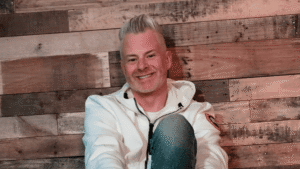
15 Responses
Dan Wortherspoon gives me gas! His view of Mormonism is so “nuanced” that he comes across as shallow and dishonest. I much prefer the direct honesty expressed by Mark. Looking forward to Mark’s interview.
l agree, with that, it’s so important to be open honest and upfront where the church and it’s truth claims and history are concerned, thank you mark for standing true to what you believe.
I didn’t know what to expect starting into this, but I had a long drive and a relative is currently trying to discover if they should be in or out.
I left the religion at 12 and then realized I was an atheist around 18 or 19. That wasn’t a big deal as I was on the road to becoming an academic and had a good set of friends. I was occupied enough that the notion of deity wasn’t terribly relevant.
In my mid 20s I started wondering about helping others. The notion of the tithe resonated, but money seemed like a poor measure, I decided to tithe my time – four hours a week. Eventually I came to help friends in and close to my circle and, because I enjoy it so much, have increased my tithe to my waking hours about eleven hours a week. My friends are my wealth and their diversity and goodness is astonishing.
I believe in the fundamental good of most people. We listen to somewhat different drummers, but being good to others and doing good works is central. So when I heard talk turn to the god within us I found a resonance. I wouldn’t use the term god, but that’s my fundamental belief.
I could live with a church like that. I have it with my friends, but my hat is off to those who work towards that kind of inclusiveness. You will make the world a better place.
___
For what it’s worth only two of my closest seven friends are atheists – the others are all over the map.. Religion doesn’t have to get in the way. And I second or third Krista Tippett’s podcast – one of my friends was interviewed last year.
The approach discussed here for staying engaged in mormonism does make sense for someone born in the mormon church. You stay and wrestle with meaning, you discuss whether the book of mormon was a literal translation (in safe zones), you find work arounds for mormon doctrine that seems oppressive, etc.
But who would sign up for this from the get go? Even those engaged in this wrestling and struggling with mormonism – the guests on this podcast – would they advocate someone joining mormonism?
Why encourage someone to join something that once you begin to learn that the Book of Mormon isn’t a literal translation, that the prophets might not be prophets, that racist doctrine was . . . racist, that gay mormons sometimes commit suicide, perhaps in part because of the religious environment, that the teachings about the after-life . . . well, you get the idea. Why encourage someone to join and sign on to some false and arbirary teahings?
Particularly when you know from your own experience that once the truth begins to come out, that convert is going to have to struggle and wrestle with the fact that they followed prophets who didn’t prohesy, struggle with the financial committment they made over years, perhaps mortgaging their retirement in this lifetime, struggle and wrestle and analyze the overwhelming feelings of discovering your committment was made based on false representations.
Why put a potential convert through that? And then the convert learns that not only will they have to wrestle with all of this, but they have to do it in private groups, that they can’t show too much anger, that the can’t be too overt in pointing out they were lied to.
So, for those born in the mormon church, this struggle to find an authentic existence within the confines of family and mormon society makes perfect sense. It is something to wrestle with, to discuss quietly for fear of being ostricized, to hold in your deepest feelings – and I commend those who to wrestle with what was put on their plate through no fault of their own.
But why would anyone else sign up for this?
As a long time MS listener and supporter I find that I can no longer listen to those episodes that talk about making it work. People kill themselves because of LDS teachings. Families are torn apart because of LDS teachings. Almost without exception people are so much happier after leaving Mormonism. I know that I would find myself screaming at my IPhone as I listened so I just move on to the next podcast in the queue!
Bill,
One thing about those who try to stay. I see those people as holding the door open for others to leave. Once someone can talk about their questions and get some validation the path to exit is much easier, in my opinion. Some people stay for this very reason I think.
That is the first time I have heard a “staying to help others leave” explanation. I like it! Thanks for a unique POV.
Is that what the Thoughtful Faith Group is? They would not let me join the group when I asked to join about 6 months ago. Jeralee says it’s because I don’t fit what they want for the group. I have been listening to John for about 6 months and purchased many books to answer my questions. So curious. Would love your thoughts.
Is that what the Thoughtful Faith Group is for? I asked to join about 6 months ago, and Jeralee says I am not a good fit for the group.I thought the group was to help answer questions to increase our faith. Would love to hear from you.
Perfect;y said
I agree. It feels odd to me.
Thank you for doing this series. There are quite a few of us who are still active in order to stay close to our friends and family. It’s bad and good, tricky and confusing sometimes.
Thank you Jeralee for being such an understanding parent who tried so hard to understand her son. I wish my parents and I could connect like that. If you have any recommendations or advise to an adult child who wants to connector with their TBM parents, please send it my way. thanks,
CK
I didn’t know that John started the Thoughtful Faith Group. I wish I could be a part of the group. Jeralee says I am not a fit. I am so confused.
I didn’t know that John started the Thoughtful Faith Group. I wish I could be a part of the group. Jeralee says I am not a fit. I am so confused. With all of my study, I am not sure what to do next. I do not want to be a hypocrite. We built a new home in Kaysville in the midst of the highest concentration of Mormons in the world. I am wondering how I am going to resolve all of my questions.
My personality resonates with truth, so everything that I am learning is deeply disturbing to me. Truth is my guiding star. I have a missionary out and am anxious for his return. I have a son preparing to go on a mission and cannot in good conscience encourage him to go, or bring myself to share what I have been learning. Being a mindful Mormon is nice, but why would God restore the church to the earth in a way that creates such “cognitive dissonance”? I have always followed my heart and have always felt God’s guidance in my life, but in my searching thru church history and listening to podcasts, I am concerned about participating in something that is different than I thought it was. Yes, this episode is triggering to me and confusing for me. I love honoring all people and have lived in that space all my life. However, I am very sobered by all of the historical information. I am also wondering how I can live in an LDS community and be my honest self? I am so confused that I was not admitted to the Thoughtful Faith Group. Questioning everything right now and seeking to stay in a peaceful place while I move through this storm of information.