
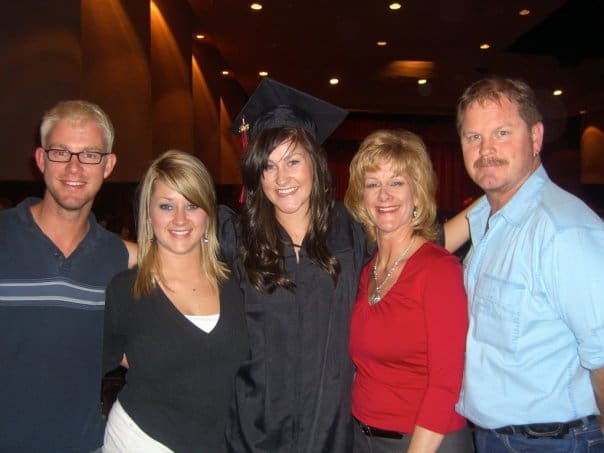
 Natasha Helfer Parker interviews J. Seth Anderson and his parents about what it was like for their family when Seth told them he was homosexual.
Seth is a community activist and self proclaimed local historian in Phoenix, Arizona. Born in Provo, UT, he grew up in Utah, California and Arizona. He plays piano, is a seminary graduate and served a mission in Samara, Russia. His day job is in ocean transportation and logistics, but the rest of his time is devoted to building community. He is currently working on a book about downtown Phoenix that will be released in November, he writes for the Downtown Phoenix Journal and for his own blog jsethanderson.com about downtown Phoenix history and politics, Mormon history and LGBT issues. He also a co-host of qTalk Arizona, Arizona’s only LGBT themed podcast. Seth lives by the motto, “don’t dream it, be it.”
Episode Transcript
Guests: Denise Anderson Turley, J. Seth Anderson, John Curt Anderson, Natasha Helfer Parker
This transcript is machine-generated and lightly edited for readability. The audio is authoritative. Please excuse occasional errors in names and spelling.
Introducing Seth, Kurt, and Denise
J. Seth Anderson [00:00:00] 1, 2, 3.
John Curt Anderson [00:00:07] Mormon Stories podcast is a production of the Open Stories Foundation. All donations to Mormon Stories are fully tax deductible and go directly towards keeping the podcast alive and towards building a community of support for Mormons like you. To support the podcast or to join the community, please become a monthly subscriber today@mormonstories.org.
Natasha Helfer Parker [00:00:29] hello and welcome to another episode of Mormon Stories. Tonight I have what I consider to be a special treat. I have J. Seth Anderson as my interviewee, but not only do I have him, I have his parents with me to kind of address issues of homosexuality and how their son came out to them several years ago. J. Seth Anderson is a community activist and self proclaimed local historian in Phoenix, Arizona. Born in Provo, Utah, Seth grew up in Utah, California and Arizona. He plays piano as a seminary graduate and served a mission in Samara, Russia. I believe I'm saying that right, Seth? Well, Samara, Samara. Thank you. His day job is in ocean transportation and logistics, but the rest of his time is devoted to building community.
Denise Anderson Turley [00:01:22] He.
Natasha Helfer Parker [00:01:23] He's currently working on a book about downtown Phoenix that will be released in November. He writes for the Downtown Phoenix Journal and for his own blog@jsethanderson.com which we will link to about downtown Phoenix history and politics, Mormon history and LGBT issues. He is also a co host of QTalk Arizona, Arizona's only LGBT themed podcast. Seth lives by the motto don't dream it, be it and has two beagles called Bo and Lacey. Is that about good? That's pretty good as far as an intro. Okay, well, thanks for being with me tonight, Seth. And I guess what I'd like for you to do next is to introduce us to your parents.
Denise Anderson Turley [00:02:07] Sure.
J. Seth Anderson [00:02:08] I have both my parents on right now. My dad, John Curt Anderson, born and raised in Provo, Utah. Lived there pretty much until we started moving when I was 8 or 9. And then my mom, Denise Anderson Turley, who was born in Nevada, grew up for a few years in Brigham City, where her mom and dad are from. And then they moved to Scottsdale, Arizona in the early 60s and she grew up in Scottsdale. And we have me and my. We have two younger sisters, Tara and Jenna.
Natasha Helfer Parker [00:02:38] Okay, well, welcome Denise and Kurt.
J. Seth Anderson [00:02:41] Hello.
Family Backgrounds and Mormon History
Natasha Helfer Parker [00:02:42] All right, so I guess in good Mormon stories fashion, why don't we just get started with a little bit of the history of how you come to be on Mormon stories to begin with. So what is your Mormon story? What's your background? Well, let's start with. Actually, why don't we start with the dad Go to Mom. And then, Seth, you can fill in your experience.
John Curt Anderson [00:03:04] Okay. Well, I grew up in Provo, Utah. Pretty much the heart of Mormons.
Natasha Helfer Parker [00:03:11] Right.
John Curt Anderson [00:03:13] Went to church every week like a good little Mormon boy.
Natasha Helfer Parker [00:03:17] Okay.
John Curt Anderson [00:03:21] And not that it was, you know, shoved down my throat or anything. We just.
J. Seth Anderson [00:03:25] That was just what we did.
John Curt Anderson [00:03:26] That was the way of life. And you did that as I got older. Well, I guess after I moved out, I haven't been active since then very much. When we had our kids, went to church, we took the kids to church, as we should.
J. Seth Anderson [00:03:51] And
John Curt Anderson [00:03:53] Denise probably was the pusher of that one, because I don't think I was very good at getting up and getting everybody going, so. And my parents were. Were. And are good Mormons to this day. My grandparents were. They. They came from Sweden and Denmark, and I'm not really sure when they joined the church, if it was after they got here or I don't really know. So I've been into the Mormon religion my entire life. I am still a registered Mormon. Not that I go to church or that I participate in any of it. I think the background of it has been good for our family, our kids, the unity that especially the kids have together. And it is what it is. And the kids, I guess, think what they think about it, and I think what I think about it, and that's where we are.
Natasha Helfer Parker [00:05:07] Okay, so is your inactivity more of just a lifestyle thing, or did it have to do more with just not believing the narrative anymore, or is it a little bit of both?
John Curt Anderson [00:05:18] You know, I've had. I've. I've searched that and. And thought of different answers in the past of why I fell away. And really, there's no conclusion that I can come to because actually, as a child, I really did not like going to church. You know, it's a. And I've told people in my older years that the Mormon Church is a great place to raise kids for the, you know, the peer pressure of not smoking and drinking and that kind of stuff. I just. I get a little wayward on the temple, get married in the temple, get sealed to the kids, and if you don't, when you die, God's such a jokester that you won't be able to see those people. You know, I don't. I don't believe that to be true.
Natasha Helfer Parker [00:06:11] So it sounds like from just an early age for you, Kirk, it didn't completely resonate all the different parts of it or even the attendance of it for you. Well, yeah, go ahead.
John Curt Anderson [00:06:27] Yeah, Just like from an early age you went. But I'd rather be out playing football in the schoolyard or whatever.
Natasha Helfer Parker [00:06:36] Right, right. Okay. Denise, can you fill us in on a little bit of your background with Mormonism?
Guest [00:06:43] Sure.
Denise Anderson Turley [00:06:44] My mom is from not pioneer stock, but the generation after, where they came over around the turn of the century from Sweden. So I came from a very Devout line of LDs. Well, just heritage of people that believed in everything that had strong testimonies. My mom left the church as a young adult, so when we moved to Arizona, we only attended church when my grandparents would come to visit or every now and then would go for a couple of weeks at a time. So I grew up on the outside looking in, wishing that my parents were more active and I. And I'd go to church and feel the sting of not fitting in because we never were there. And my old joke was, you know, they'd say, oh, are you new in the ward? And I'd say, no, we were here last year. Don't you remember? So as I grew up and went to school and stuff, I had lots of friends. I was kind of a token Mormon. I wasn't a bad kid. I was a cheerleader. I chose. I chose the right because I wanted to be good and do good. But I did go to byu and I was a fish out of water. And I had no idea other than I saw things at BYU that were confusing to me because people were having sex and drinking and then they were getting married in the temple. And I was like, huh, what's that about? But I still wanted to be a member. I still wanted to be an active member of the church. I kind of fell away. I kind of became less active because I joined the army, which wasn't the cool thing to do in 1975 for a latter day SA, but I had a blast. I hitchhiked all over Europe and I married my first husband. And he was very unfaithful to me and he beat the crap out of me. And when I left him, I drove to Utah to live with my cousin. And I kind of decided at that age that I was willing to look for a really nice Mormon boy. I really wanted that in my life. And Curt fit the bill. He was a widow. His first wife had died. I was recently divorced with no kids. So we both had short. Well, we had relationships before we met each other, and I thought we would be happily married forever and ever. We didn't get married in the temple because neither one of us were worthy at the time. But I always figured we'd have Our kids and Kurt would step into his priesthood power. And my life was great and that's what I thought. And so I wanted to go to church. I did not want my kids to be the ones who went to church and said, don't you remember me from last year? We were here last year. So it kind of actually estranged me from my own parents and my own brothers and sisters. They all thought I was kind of of snobby and stuck up. But my kids and I did. I loved going to primary. I still love primary. I love to serve in the primary and I love the concept, like the imagery of having a true religion. But of course, as an adult now and the things that I've been through with a divorce and a gay son whom I adore, I can't really wrap my head around the doctrine anymore. So I'm pretty protective of my family and I serve. If they ask me, I say yes. I have home teach or I have visiting teachers. I go visiting teaching. But I kind of just don't say much when things come up. I just don't. My opinion, I don't think people really want to hear.
Natasha Helfer Parker [00:09:57] Okay, so you're active, but kind of keep your opinion to yourself.
Denise Anderson Turley [00:10:01] Yeah, mediumly active, you know, But I haven't been going this year at all. I kind of dropped back from primary and I've been going to Jazzercise on Sunday, which is way more fun.
Natasha Helfer Parker [00:10:13] Okay, well, thank you for Denise, for your openness and frankness about all of that. Moving on to Seth, why don't you tell us about your Mormon experience growing up?
Seth's Experience Growing Up in the Church
John Curt Anderson [00:10:22] Sure.
J. Seth Anderson [00:10:23] I was born in Provo, Utah to goodly parents and I had a very. I had a very, what I think, very typical Mormon upbringing. We were in Provo. I have very fond memories of going to church on Sunday and going to activities and I remember being in primary and giving talks and we left Utah when I was about nine. And so that was my first time being away from where my next door neighbor wasn't also somebody that I saw in church on Sunday or my friends at school, I didn't see either. In California, we were also active. We went to church all the time and I was in Boy Scouts. Then in high school I went to seminary, was a seminary graduate. We moved when I was a freshman from California to Yuma. And so we went to two years of school there, then moved up to Mesa Seminary graduate there. After that I went on a mission to Russia, came back and went to institute at asu. Pretty. Most of my friends when I was younger in High school were Mormon. We lived in heavily populated Mormon areas, at least in Arizona. California, not so much, but Arizona. Our neighbors were Mormon. It was like a mini Utah kind of. It wasn't, you know, we weren't like the fish out of water or the weird Mormons down the street because there was a lot of us around. So yeah, that was my experience.
Natasha Helfer Parker [00:11:49] So pretty close to the doctrine. And you definitely would say you had a testimony of the church, things, things of that nature. You went on a mission.
J. Seth Anderson [00:12:00] It was, I suppose more. It was just kind of something we did, you know, it wasn't. I mean our grandparents did it, our cousins did it, everybody we knew went to church and was active and it was kind of just more of a.
John Curt Anderson [00:12:15] What's the word?
J. Seth Anderson [00:12:16] Just something that we did, you know, just kind of who we were really. Never really had any serious questions about it until I got older. But I always did ask questions and I always liked history and always studied history and in seminary I would, I would ask questions and raise my hand and not to be a jerk or anything, but to have a good conversation. My seminary teachers loved me for that and they for the most part were pretty cool with answering the best they could but didn't want me to go down much farther than the answer. And Institute was kind of the same way. Okay, but I liked it. I didn't have any. I still don't have anything negative in Institute really.
Recognizing and Accepting a Gay Identity
Natasha Helfer Parker [00:12:55] So when did your being gay start entering the picture for you as far as just your own self identity, when you started thinking about that?
J. Seth Anderson [00:13:04] I knew when I was seven. Like I have my earliest memories that I remember and I talk to a lot of gay Mormons all the time who say the same thing. Seven, eight, nine is kind of one. And I didn't know what the word was. I didn't know what it meant, but I just knew something was different. And by the time I was 11 and 12 I knew what it was and I knew that church said it was really bad and went on a struggling by myself, kind of convinced that nothing was really wrong but I could make it better. Whatever this thing that wasn't wrong that was, would just go away if I did all these things right. So I knew when I was 7, didn't really date anybody in high school, seriously wasn't really interested. And I used excuses that I was really busy, which I was. I had part time jobs and was in student counseling and really just not interested. It wasn't until after my mission when finally there was this time ticking like I could see it in my head, this countdown clock saying, you have to deal with this right now. That's when it for the first time came to the forefront of my life, of something that I was going to have to deal with and talk about and be honest with myself and others about.
Natasha Helfer Parker [00:14:17] Were you surprised that as you came home from your mission, that this hadn't gone away, that this hadn't transformed to something different at this point?
J. Seth Anderson [00:14:25] Kind of. I mean, in the back of my mind I knew that it wouldn't, but I hoped that it would. So when I did get home and it still was there, I wasn't angry and I wasn't mad, but I just was trying to figure out how do I get around this? How do I live the rest of my life?
Natasha Helfer Parker [00:14:45] Yeah. What conclusions did you come to and how did you feel face those choices?
J. Seth Anderson [00:14:51] Two choices. For me, it was either come out and deal with it and the repercussions that that would bring with it, or be celibate and alone my whole life. That was my only two options. Because the third, which was to get married and have a kid, I knew I just couldn't do that, was never something I entertained seriously. So it was either be alone, I guess.
Natasha Helfer Parker [00:15:13] Sorry for interrupting, but what, what kept you from that third option? Because so many of the people that I work with around this subject are the 40 year old men who are dealing with the fact that they did get married in their 20s and do have children and are now finally facing that issue with a wife and kids in tow.
J. Seth Anderson [00:15:32] It would probably be a generational thing, but I also just knew that from an integrity kind of standpoint, I couldn't drag somebody into this dark secret that I was hiding and surprised them later. I couldn't wrap my mind around that. And I had friends who were girls who I cared about deeply, but I didn't want to be married to them and I didn't want to have children with them. But I knew, right? And it was totally unfair to drag them into that when I could barely deal with it. That felt like myself and I didn't want to, to bring that delusion on anybody else. So I honestly couldn't ever have done it.
Natasha Helfer Parker [00:16:17] By the generation gap, are you meaning somewhat even what the church has been saying at the time? Because I know that back in my 20s or my teens, I think the advice was to get married and this would kind of work out. Were you getting any type of advice as far as church leadership was concerned?
J. Seth Anderson [00:16:40] Just what I was hearing peripherally, like with my ear to the ground. Kind of like, what is church saying about this? What are people at church saying? And just listening to not word gossip, but just talk. And I knew of other people's stories who had done that and how poorly it turned out.
Natasha Helfer Parker [00:16:59] Okay. Because I do believe that the church at some point did change their kind of advice about this and that the advice no longer is to get married. Is that correct? So. But you weren't sure. I mean, when you were dealing with this, you weren't really sure what the advice was, it sounds like. Or you just were kind of seeing what was going on around you.
J. Seth Anderson [00:17:23] Yeah, I mean, I wasn't even talking about it with anybody. It wasn't even something that I'd gone to the bishop and said, I have this quote, problem, I need to fix it. Like, it wasn't even out that way. It was just internally in myself. So I wasn't seeking advice from anybody because I wasn't. I was too afraid to tell them that I had this, quote, problem.
Natasha Helfer Parker [00:17:46] Did you have anybody that you were able to talk to about this? I mean, friends or even.
J. Seth Anderson [00:17:53] And I'm kind of that weird generation where I grew up. In my senior year of high school, we had the Internet, but we didn't use it like we do today. There was no Twitter or Facebook or social groups online or anything. It was dial up, so it was really slow and it was basically aol. I didn't even use the Internet until way later in my life. So at that time, I didn't have any other way to connect with anybody other than books from the library. I had a few friends in high school who weren't out, but we knew that he was gay. And I kind of befriended him to not feel so alone or weird. And that wasn't what we were friends over, but I just felt a connection and he was more open and out about things, and I found some hope and courage in that where I didn't have to feel so alone anymore.
Natasha Helfer Parker [00:18:53] So at what point did you start accepting this as part of yourself versus seeing it as some horrific detriment about yourself?
J. Seth Anderson [00:19:04] After I came home from my mission. And then a couple years later, I went back to Russia to go to school. And after I came back, it was summer 2005, and I met somebody that summer. And it was the first time that I was so excited that I had met somebody that I wanted to date and for the first time. So I guess I was like 23, around 23ish, where I heard love songs for the first time and understood what they were talking about. And I remember seeing colors differently and just feeling like I wanted to shot the rooftops. How happy I was that I met somebody. But then that was the big struggle was like, okay, here's what I want, but if I. It has to go forward and I have to deal with this now. And even so, that's when I did finally come out, when I felt like I had a strong reason to. And it was after that that I slowly began to not be so angry with who I was or so afraid of what it meant to be a young gay man.
Natasha Helfer Parker [00:20:12] Okay, and it was at this point that you started telling people like your parents.
J. Seth Anderson [00:20:18] Yep, that's what. That's when I came out that. That summer. And I told them separately. My mom, my. My dad wasn't living in Arizona at the time, but he was in town. And I think I told him. Second, I took my mom out for lunch and we had the talk. And I don't know if she wants to talk about what that meant to her, but I. It was a specific thing that I. I remember making the call to set up the lunch appointment, knowing that this is when I was going to talk about it openly and honestly, and how frightening that was. And then a couple weeks later, I guess my dad was in town and we went out for dinner. And it was the same situation where I said to myself, this is what's going to happen. And I don't know what his reaction is going to be, but I can't keep lying about this or hiding it, because I'm moving forward with my life is kind of where I was at that point,
Denise Anderson Turley [00:21:14] so.
Natasha Helfer Parker [00:21:14] And just to clarify, your parents were separated at this point, or is that why you didn't speak to them together?
Denise Anderson Turley [00:21:20] Well, we were long divorced. I've been remarried since 2001. Almost 10 happy years.
Natasha Helfer Parker [00:21:26] Okay.
Denise Anderson Turley [00:21:27] Okay.
Parents Reflect on Seth's Coming Out
Natasha Helfer Parker [00:21:29] All right. So Kurt and Denise, then. Let me just kind of go back to you guys a little bit. Why don't we start with just maybe before this whole coming out process of your sons, what were your perceptions about homosexuality? What were your thoughts about it, beliefs about it, cultural understanding about it, religious understanding about it? Why don't we start with that? And I guess. Kurt, do you want to go first?
John Curt Anderson [00:21:57] I'll let Denise go first.
Natasha Helfer Parker [00:21:58] Okay, I'll go first.
Denise Anderson Turley [00:22:00] Because I joined the army when I was 19. I was actually exposed to. To lesbianism in the military. And it was an eye opener for me. I can remember being really good friends with this one particular girl who I just found fascinating. She was just fascinating. And. And she one Night, she was drinking, and she kind of came up to me and got real close to me, and she. She said, you know, and she kind of told me, and it just freaked me out. Like, I can remember just stomping my feet and saying, no, no, no. And yet I still really liked her. And we were friends, and she never made any inappropriate, you know, gestures or, you know, anything to me. I know as a young mother, Seth would do things, and I would look at Kurt and we would look at each other and go, did you see that? Because he did have them. He wasn't your typical boy. He wasn't rough and tumble. He. He wasn't effeminate in any way, shape or form, but he was very shy, very reserved, not frightened, but definitely real, real sober all the time. Like, he didn't. He didn't just run and shove people, and he didn't like contact sports. He just would. Just bored to death when we tried to get him to sign up with, you know, playing baseball and all that. But he was the sweetest, most thoughtful, the kindest boy ever. Girls loved him. Mothers adored him. So I had. I remember thinking in my heart, he will be the best husband because he is so in tune with compassionate feelings. And that didn't change, obviously. And so as a mother, when Seth told me, it wasn't so much that Seth was a homosexual, which by the time you become an adult and you see the world in different ways, I wasn't afraid of that. What I was afraid of was that I was unable to protect him. As a mom, you protect your kids in the sandbox from stupid, stupid kids who are mean or mean mothers. And as an adult, I can't go everywhere with Seth and say to people, seth is really great. You better listen to him, or, you know, be very nice. And as an. As an lds, as a wife and mother, well, my husband's not. He's not a member. But as a wife and a mother of a. As a. Anyway, as a mother of a homosexual boy, young man, I don't tell anybody that because I can't trust them because I know they'll think there was something that I did. Yeah, that's what I think. I remember thinking homosexuality was because moms were overbearing and their boy and the boys really wanted to be girls. Never wanted to be a girl. He was never a girl. He was just a great kid. But he did like to play with the Fisher Price Kitchen center that we gave his sister.
Natasha Helfer Parker [00:24:36] Right.
Denise Anderson Turley [00:24:38] Oh, my gosh. And he would watch Martha Stewart when she was on pbs like a million years ago. And I remember thinking, seth, don't you want to go out and play with their rings? He's like, oh, watch how they put these leaves underneath the turkey skin. And I was like, okay. Then I kind of had an inkling that he might be gay. But it was so. It was so much fear because I just. I loathed the fact that it frightened me. I loathed myself because I thought, why can't I just. But here's the deal. I do just love him. I do just accept him. I'm so proud of him. But it is something that my really good friends in the church who know me and love me and love me and my family, they know. But the other people in the ward who kind of live with their head, and I don't know how to describe it because I don't want to sound petty or junior high, but they just live in a fantasy land. If they just say, you know, if you say the right. If you say, I think I believe the church is true and you say that 10 times a day, then by crikey, you're going to believe it. Because it's a motto. It's not. It's just. It's just a. It's rhetorical. It's just something you say. And I was one of those people at one point. I said it all the time. But when you really start to look at it logically, with a scientific background or any of that, you just. You can't. You can't keep saying stupid stuff. But those people that I know would just look at me and be horrified. They feel sorry for me. And I don't need their. I don't need them to feel sorry for me. Seth is doing great work. He's a compassionate man. He's very service oriented. I'm. I'm always amazed at how he's opened his. His blog has been such a huge help to other young LDS boys who are really struggling with, you know, their families. And I'm. I'm proud of him. I love being his mother. I'm so happy that he's my. My gay boy.
Natasha Helfer Parker [00:26:25] Right.
Denise Anderson Turley [00:26:26] But I did used to think that if he met the right girl, it would all be, you know, just. Be it, you know, like you just kind of hope. But here's the deal. There's. There's no hope.
J. Seth Anderson [00:26:35] It is what it is.
Denise Anderson Turley [00:26:36] So.
Natasha Helfer Parker [00:26:37] But it sounds like that was a process for you to kind of start coming totally, totally proper, because it wouldn't be for anybody. Sure, sure. And do you think that it was, you know, at some level. I think a lot of parents sometimes describe some grief along with it as far as, you know, maybe expectations of, you know, how we kind of put our whole life in front of us. Oh, we're going to have grandbabies or, oh, we're going to have a sister daughter in law.
Denise Anderson Turley [00:27:05] I think Seth would be an amazing father and I don't give up hope that he might meet somebody and have a partner and they might adopt kids because I think Seth would be an amazing parent. But in like the normal way of getting married in the temple and all that, that's probably not going to happen. But I hope one day that he would become a parent. He's only 29. He's got plenty of years to decide.
John Curt Anderson [00:27:24] So.
Natasha Helfer Parker [00:27:25] Well, and from a Mormon mother's perspective, you know, I think I hear so many times, you know, the whole, that they won't be sealed in the temple or this is. They're living in sin or they're, you know, they can't, it's almost like they can't come to terms with maybe what it means from a religious perspective as far as accepting their children. Did you go through any of that or have any thoughts about that?
Denise Anderson Turley [00:27:53] No, I think that's a bunch of hooey.
Natasha Helfer Parker [00:27:58] Okay, so it sounds like from pretty early on you already had much more advanced position. And I guess I don't mean. Yeah, I guess I don't mean advanced in the sense that people who don't have that position aren't. I don't want to put anybody down because I do think that this is difficult for a lot of different people for a lot of different reasons. But it sounds like you had a more maybe educated stance about it or a more accepting stance about it from before he even told you.
Denise Anderson Turley [00:28:31] Yes, I believe that to be true. And I would have to add that as a, as a mother, when I meet people whose mothers can't, like, can't. They just can't get. They can't get their head around the fact that their sons are gay. I feel bad for them because I think their accountability at some point, if they truly believe that we're all held accountable for our actions, they're going to be really sorry when they look at whatever they consider God to be and tell them they couldn't love their own kid. Like, really, I'm blown away when parents can't just, like, I just think there's so many other choices. I mean, it's hardly, it's hardly like, okay, my, I have a really good friend whose son died of heroin overdose. And she said to me one time, I would rather have a son be a heroin addict than gay. And I was like, really?
John Curt Anderson [00:29:16] Huh.
Denise Anderson Turley [00:29:17] Not me. I just think it's weird how what we think sin is.
Guest [00:29:24] Hmm.
Denise Anderson Turley [00:29:26] Well.
Natasha Helfer Parker [00:29:26] And you bring up a good, you know, thought about if the first great commandment is to love.
Denise Anderson Turley [00:29:33] There you go.
Natasha Helfer Parker [00:29:34] Then does everything else just kind of fall beneath that somehow? So, okay, Kurt, what about you? What was this like as far as before your son came out? What were your perceptions about homosexuality and your beliefs around that?
John Curt Anderson [00:29:54] Well, being young and growing up in Provo, The only black people I saw were on TV. Until I was probably 15, the only Hispanics were on TV. The word gay didn't even exist. So my prejudices, I mean, I have none. I have gay friends. I have black friends. I have Hispanic friends. So the perception of that for me was, you know, it is what it is. And kind of like Seth said when he was. He knew when he was 7, I think Denise and I probably sat around, laid in bed, whatever, and talked about that a few times. It's like, wow, he's a little different than most of the boys in the neighborhood who are on the football team. And, you know, he. Like she said he didn't like the contact sports. He was into music, which I thought was cool because I'm into music. So it wasn't really out there for us to see, but it was a little on the back burner. Like, I wonder if he's. You know, he always had friends that were girls, had a couple of real good friends that were boys. So when. When the time came and he called me and said, hey, I'd like to take you to dinner. Got something to tell you. Well, I thought two things. He's gonna tell me he's got some girl pregnant or he's gay.
Natasha Helfer Parker [00:31:29] Oh, my goodness, how funny.
John Curt Anderson [00:31:33] So I think I was prepared for both of those. And when he. When he said it, you know, I kind of sat there for a minute, was like, well, now that you said it, it's not so bad, and it really isn't there. I love my son to death. He is a great man. He has his, you know, forms and things that he. And I'm glad he's out. And he talks about it and doesn't have to hide it and live in a shameful era or world or whatever. And we're proud of him, you know, I. I have no lost love, you know, if my son was blind, would I love him less? Nothing I'M comparing gay with, you know, blind, but just, you know, or like Denise said, a heroin addict man. I'd much rather have him be gay than that. And the people that can't get over that, you know, shame on them. Too bad for them. It's, you know, it not their deal, so it shouldn't even matter to them. And too bad there's people that, you know, want to bash hands and all that kind of stuff. And, you know, you. I would imagine in Seth's world and realm that he goes around, you know, you probably have to be a little careful with, you know, rednecks or whatever you want to call them that would like to beat your head in. But I'm sure we'll get over that one of these years in this country.
Natasha Helfer Parker [00:33:07] So, Seth, were you expecting this accepting response from both of your parents? I mean, it sounds very accepting from two LDS parents or with LDS background.
J. Seth Anderson [00:33:24] It surprised me. I didn't really know what to expect from either of them. And it was just kind of like a grab bag. It could be really bad or it could go really well. And I remember my mom and I didn't. We didn't talk for a week or two after it, though. I remember that I had had so many years to finally deal with it in my head. And when I told her she had just a few seconds to reshape that trajectory of what she thought I was going to do in terms of getting married and having kids. And I do think that she was kind of not mad about it, but I think she had some time to, I guess, mourn that loss, I guess, of what she thought I would do. So we didn't talk for a while, but not in a negative, bad, uncomfortable way. We just didn't talk. And then with my dad, I was very surprised. And I talked about this. And I was in a documentary called Disciples. And I told the story there too.
John Curt Anderson [00:34:28] But I.
J. Seth Anderson [00:34:29] When I told my dad, I didn't know what he was going to do. And so when I was telling him that I had met somebody and I said, like, we're very happy together. And he looked down and he sighed and he looked up at me and he said, I always hoped this day wouldn't come, but now that it's here, it's not so bad. And it was the last thing I thought he was going to say. And I just felt this huge weight come off my back. And because I didn't know if he was going to be mad and get up and walk out or what, I didn't really know, and so I know that I'm kind of in a lucky, not lucky. But my story isn't typically the more people have a negative reaction and I'm one of the few who kind of had a really positive reaction. And I think that that product of love and support from my family and I'm not the Cinderella story where my parents kicked me out or didn't want to have anything to do with me. I have a beautiful family and I carry that message of love. And I feel very blessed that I did have two parents who were so supportive and who still are so wonderful. And I feel. One of the reasons I feel so brave, I guess, is because I know that I have the backing of my family who love and care for me, who are behind me and I don't have to deal with this family baggage of negativity or holidays or whatever. They want my partner to come over. They know who he is, they know his family. It's very normal. It's not an issue to me anymore really. You know, we're just happy and it's like anything else.
What Made an Accepting Response Possible
Natasha Helfer Parker [00:36:12] So, Seth, knowing your parents, what do you think about them in particular made this type of response possible. What did keep them from being more like you say, the more common approach, which is the, you know, the despair and sometimes the kicking out and the just some of the really sad stories that we hear that happen with gay youth
J. Seth Anderson [00:36:40] question. I don't know.
Denise Anderson Turley [00:36:43] I think it's because of your grandparents. I think your dad's parents are the most salt of the earth. Normal people, they don't care what other people think about them at all. And they raised us and loved us just like we were, even though we weren't particularly, you know, the temple goers and stuff. We just, there's that Mormon echelon. And I hate to say this, but that whole, that whole holier than thou. They think that they're, they, they really think if they, if they do the recipe that their cake is going to bake and. And then there's really normal people in the church and those are the people that, that you love. And anyway, those are the people that I'm lucky to have been a part of that family. Just normal people who don't give a rat for what somebody else thinks. And that's kind of why I think we didn't, we didn't have any standing in the community to lose. We were just basic, you know, blue collar, low income, you know, we didn't, we weren't like in the, we never got invited to the Wednesday Night Book of Mormon, read alongs or whatever. We were never invited to any of those. Like when I was a young mom, they had this little mother's group and they all get together and make come flannel board stories for family home evening. And I was never invited to those because I didn't fit in. I wasn't married in the temple. My husband really didn't like going to church. He didn't play the back slapping game, he didn't wear a suit well, he didn't have a white collar job. And so we didn't have anything to lose because we don't have put on any errors about who we are to start with. And I think the people that really struggle are people that are in politics or business that have more, more to lose somehow in their understanding of the community or what they think in the eyes of the community. I didn't care what my community thought. So I guess that's kind of, maybe that's what it is. But I think that's because Kurt's parents are like that. They're just the most wonderful normal. They don't care about that other stuff.
Natasha Helfer Parker [00:38:39] Go ahead.
J. Seth Anderson [00:38:40] My grandparents like my, they worked in the temple, the Pueblo temple for years and years and years. And I like the perfect Mormon people you could ever meet. They've nothing but kind and loving to me. And every time I see them, they always say, you guys need to come up and stay with us. You know, we have. We don't see you enough. Send me pictures, tell me what you're. What's going on. We want to have you over for dinner.
John Curt Anderson [00:39:04] It's
J. Seth Anderson [00:39:07] their.
Natasha Helfer Parker [00:39:07] And they know, they know about this as well?
Denise Anderson Turley [00:39:11] Yes, but we don't talk about it. It's kind of funny because when I said, you know, we were. Ben or. Well, Seth's partner at the time went with us to a missionary farewell. His cousin was going on mission. And I said to my former mother in law, you know, Seth is bringing his friend. And she was like, we know, we love Seth. And I said, okay. And it was like, you know, you don't have to say it out loud because they're not real educated, they're not particularly, you know, verbal, but they know and they don't care. And it was great. It was wonderful. I'm sure that Ben felt included. And we all sat in the pew and sang our songs. And Ben was not, is not lds, so for him it was the first time he'd ever attended a meeting. And I thought it was really special and great and it was like they just said to me, don't worry, Denise. We love Seth. And I was like, okay, you know, because that's. That's all I needed to know.
John Curt Anderson [00:40:06] So I didn't know how to. If I should tell them or just let them die and go to their grave and never know.
Natasha Helfer Parker [00:40:17] Are you the one who told them, Kurt?
John Curt Anderson [00:40:19] I am. I am. And just when I. I told her and my dad, and they're both like, okay, not a. Not what's going on there? Or, how bad is this? How shameful is this? They were just good as gold to get that message. And, you know, they. They rolled with it, and they love set and they love Ben, and they come up and visit and everything's fine. It was. It was. I'm glad I told them because I didn't want to keep, you know, another secret, you know, like Seth kept for so long. So it's fine. It worked out great.
Natasha Helfer Parker [00:41:03] Well, that's such a. I mean, this is just such a fabulous story. I mean, I wish we had more of this type of experience. What about. I mean, I guess, the part that I struggle with as far as making all this fit into, I guess, our Mormon culture is the vocabulary, the language around this topic has been so provocatively difficult. You know, you have prophets calling this a perversion, you know, very, very difficult words to swallow. How has that played into what your thoughts were about all of this?
Denise Anderson Turley [00:41:49] I have a belief that every single Latter Day Saint family has a homosexual member. It's your favorite uncle, it's your favorite aunt, it's a cousin, it's a brother, it's a sister, it's a distant relative or a really close relative. But until the Mormon Church just says out loud, we love everybody, they're really going to struggle. But every person that I've told that my son's gay, like my cousin, who. I said, seth Mitz. They said, how's Seth doing? I said, that's really happy. Generally good. He's met someone. And she said, oh, my gosh. I said, yeah, his name's Ben. And she was like, oh. And I said, that's right. And she said, well, she said, you know, they said her husband's name. She said, well, he. His nephew's gay, and he just won't talk about it. And then I told some other people that I work with in a different. I kind of do direct sales, and I kind of shared with a couple people that I work with a lot that, you know, because they kind of asked about Seth. You know, how's Seth doing? As he Is he getting married? You know, they all knew he'd served a mission. And when I tell them, they'd say, oh yeah, my uncle or my sister. And it was almost like I felt like every single person in the church that I told, they all said, oh yeah, my so and so is gay. And I'm thinking to myself, really, because then I may, I'm not the one in a million. Maybe I'm the one of many. And that nobody. It's the church thing. If you don't say it out loud, there can't possibly be a problem. If you just don't talk about it, because if you don't talk about it, then it doesn't exist. But it does exist. It's the dead horse in the middle of the room that everybody steps over. And it's just ridiculous. And that's what I think. The church has to come to some grips. But I think as the church ages or as this, the group of priesthood members, priesthood holders that are in power now age and die and people Seth's age or my age start to become leaders and prophets. It's going to have to change because they're going to have people in their own family that they've loved their whole life and they're not going to turn their back on them. They're going to do the right thing and that's going to change a lot of real basic just attitudes in people. I think, personally, Kurt, has that been
Natasha Helfer Parker [00:43:53] your experience as well as you share things that people kind of join you and say, oh, yes, I have this issue as well in my family. Or have you found people having negative reaction?
J. Seth Anderson [00:44:06] You know, all my brothers, all my
John Curt Anderson [00:44:07] brothers and my sister and their immediate families and stuff, all are aware of it and know it and it hasn't been a big deal. The most of the people I hang out with are non Mormons, usually in a state where there's no, not many Mormons. And so they don't really. They hear it and it's just, okay, cool. And I think for the church, no love one another as Jesus loves you. The big thing they pushed in primary all the time, you know, the church and their views is the church and their views. And if you don't like it, I'm not sure it's going to change. You know, Denise said the generation is coming up. You know, I'm just not sure that they'll change. So, you know, if you don't like to eat in the kitchen, get out. And that's what Seth did. And if I don't like the views I could get out. I think I'm probably too lazy to send a paper to. It is what it is. And there's some contradiction there, I think, and hopefully, but probably not, in my opinion, will that ever change. That's what I kind of feel.
Natasha Helfer Parker [00:45:31] What do you mean by contradiction? What did you mean by that?
John Curt Anderson [00:45:35] Love everyone, love one another. Jesus loves you, you know, come unto Jesus, all the children, blah, blah, blah. Come unto Jesus. Except for the gay kids, you know, we don't want you that. You know, you get a real contradiction in a lot of text. Do as I say and we won't do as we do. You know, that kind of thing. It's kind of a double standard in a lot of text. And you know, how you interpret the Bible or the Book of Mormon or, you know, what you can read into any of those texts, I think how you want to read it. But, you know, if that's. If that's their views and that is the basis of the church and, you know, whatever they believe, then, then that's it. And if that doesn't fit for you, then you then go somewhere else, which is fine. But it's contradictory, I think.
Denise Anderson Turley [00:46:35] Well, I think part of it is the church doesn't talk about sexuality, whether it's homosexuality or heterosexuality. It's so off limits that when you don't think someone's like you, then there must be. There's something wrong with that. But the truth is nobody's the same. Nobody. And the whole heterosexual issue, all these kids getting married and I swear in my ward, they get married and two years later they're divorced. So the divorce thing is just rampant because they refuse to even acknowledge. I just think it's weird. But I do think that there's a lot of overtone with sex. I mean, they think homosexual sex is. Is really wicked and really weird and really out there. But the problem with pornography, in my opinion, is a much bigger issue for the church today than homosexuality. But that's my opinion.
Natasha Helfer Parker [00:47:24] Yeah. And that crosses sexualities. Right. Well, so going back to kind of Kurt's comment about the come unto Christ and I guess trying to give maybe what I feel the church would respond to that, they would say something along the lines of, but we do accept everybody. We do accept people in our church. We just don't accept certain behaviors. So I'd like the three of you to maybe talk about that and what that means to each of you.
Faith, Church Policy, and Same-Sex Marriage
J. Seth Anderson [00:47:54] I've always thought that was really unfair. I remember when Gordon McGinley was on Larry King and said something to that effect that gay people are invited to church.
Natasha Helfer Parker [00:48:03] And this is.
J. Seth Anderson [00:48:04] Anybody been not allowed. Yeah, this is Seth.
Natasha Helfer Parker [00:48:06] Sorry, you guys sound a little alike.
J. Seth Anderson [00:48:10] And he said that they're invited and welcome in church, but you know they're not. If you're having sex outside of marriage, that's wrong. And you are disciplined the same way anybody who was having sex outside of marriage would be. That sounds okay on the surface, but I think it's kind of vicious because there isn't. There is young, single adult wards to encourage people to meet and to date and to get married. There are. You can be a young, single adult and hold a calling and be an upstanding member of the ward. If you're the gay youth in the ward, you're accepted as long as you're quiet and sit in the back and don't make a ruckus and don't bring your partner to church and don't hold hands and don't think about getting married. And you need to stop and be celibate your whole life. That's not fair. The church doesn't offer the same path to young, single adults and young, single gay adults.
John Curt Anderson [00:49:05] Church,
Natasha Helfer Parker [00:49:07] mom and dad. What would you have to say about that?
Denise Anderson Turley [00:49:11] I think that I was really worried when Seth moved in with Ben. I know that I thought, well, he told me a story, so I hope I'm telling the story correctly, that the bishop in his ward knocked on his door, and when Seth opened it, he introduced himself. And Seth said, well, come on in, you know. And so he kind of. I. I think I remember Seth telling me that he told him, you know, that he was. He had served a mission and he was living with Ben. And. And I think that the bishop invited him to church. And I thought that was like. Because I think Seth thought he'd say, oh, okay, well, we're really, you know, sorry. Didn't mean to bug you. We'll take your name off to the church, you know, But I think that the bishop at the time, I think, was in Tempe, was really nice to him and said, look, you know, you're always welcome to come to church and we'd love to have you, and blah, blah, blah. And I just thought, well, there's a lot.
J. Seth Anderson [00:49:55] But he did do that.
John Curt Anderson [00:49:57] That's. That's true
Denise Anderson Turley [00:50:00] because. Yeah, that's a very positive thing. He didn't say, well, gee, you know, you're a huge sinner. You're. You know, you're wicked. You're. You're a homosexual. We're gonna stone you. Whatever. Well, they're welcome.
Natasha Helfer Parker [00:50:12] They didn't force you into a church council either, it sounds like.
Denise Anderson Turley [00:50:15] Right. Yeah, exactly. He didn't call them up and say, you need to come and talk to us. We want to talk to you. So I was like. When he told me that, I was like, oh, there are bishops out there that are normal. Yay for that. You know, so. But I, like I said, yeah, I, I have not told my bishop in my ward and he talks to me or now. And how's it going, Sister Anderson? Because they can't, they, they can't remember my third last name. So anyway, so, well, anyway, so they always call, you know, it's fine, but they, they kind of want to talk to me. But the truth is, they, I wouldn't trust them because I don't think that their reaction is to going to be positive. Because they know Seth. They were, he was in the ward growing up. They probably remember him as a teenager and they've all asked that. I'm like, how's that? Is he married? And I'm like, nope, that's really happy. He's got a great job, he travels all the time. He's doing great. And everybody else has had four kids that is his age, you know, So I wouldn't trust him. I wouldn't trust him with Seth's story. If Seth wants to talk to him, if, you know, if he runs into him somewhere, that's fine, but that's not. If the bishop is going to talk to me, that's. It's not my story. My story is totally different. And I, you know, when they ask them, I say he's doing great, because I don't, I don't trust their reaction, that's for sure.
Natasha Helfer Parker [00:51:26] Right. So, Seth, was. Was this bishop coming to your home? Was this the first time you spoke to a priesthood leader about your being homosexual?
J. Seth Anderson [00:51:40] That was, and it was. My mom had had my record sent over from our home ward in Mesa to Tempe, where I was living. And that's how they found me and came over. And, I mean, it was, It's a. I was in a student area near asu, so I doubt highly I was the first person he ever heard that from or, you know, since either. He. It surprised me. I mean, I didn't know what his reaction would be, and it was the first time that I had talked about it with somebody from church, but I also didn't really know him. I mean, I. It was our first meeting, right. And I just wanted it out in the open. I was out by that point, and I was no longer okay with keeping it a secret. And he asked. It wasn't like I marched up to him and said, you have to hear me and listen, and this is what's going on. He came to my house, he wanted to know, and I honestly told him. And his reaction was very kind. And I never forgot that either. From bad experiences, from priesthood leaders, then there's good experiences. I don't know which one more bad or more good. But in my life, I've had more positive experiences with bishops and my mission president.
Natasha Helfer Parker [00:52:53] And by this point, by the time that this happened, were you inactive at this time, or had you.
J. Seth Anderson [00:53:00] I was pretty. I came home and for my mission, and probably for a couple months, I went and did the whole Mormon thing. But again, was that point where people are asking me, are you dating anybody? Are you going to get married? And then right after your mission, you kind of have that window of time, you know, before you're technically supposed to get married or expected a date or rule is, yeah, within a certain amount of time. And. And I wasn't interested in that. Right after I got back, too, I moved to Seattle to work for my dad. And so I was traveling a lot. And then I came back and was going to school and kind of moving out of my house and transitioning, and it just didn't fit into my routine anymore. And it just got to the point where I was working on Sundays or I had class, like, or something due, or I had a study group or this, that, and the other. So probably pretty quickly after my mission is when I was no longer going regularly. And by this point, when I came out, when I talked to the bishop, I hadn't been for probably over a year. Actually, that's not true, because I had been in Russia going to school, and I did go to church there. So it had been a few months, but probably a year since I'd been in the States.
Natasha Helfer Parker [00:54:17] So did you take him up on his offer to come, or were you not?
J. Seth Anderson [00:54:21] I thought about it. I still live by the ward building. I know what time they meet. And I've thought about going. It's been a while now, but I am so far into my studies of Mormon history and Mormon doctrine that I don't think they would want me there. Not that I would be a burden or a nuisance. I just. I don't want to be that guy who's asking questions again, you know, or coming across as being a jerk. I'm not trying to be A jerk. But I have a whole other thing to do on Sunday that isn't going to the sacrament meeting.
Natasha Helfer Parker [00:54:58] Right.
Denise Anderson Turley [00:54:59] Although they came to church on my birthday because that's what I wanted for my present.
John Curt Anderson [00:55:03] All my kids came for the primary program.
Natasha Helfer Parker [00:55:06] Okay.
Denise Anderson Turley [00:55:07] We watched and we did that. It was the primary program. Because I love the primary program. I think it's so powerful and the message so sweet. And Halloween was my birthday, and that happened to be the primary program this last year. And Seth came and his partner came, and my other daughter came, and it was so much fun sitting on the pew with them and just, you know, engaging with my adult kids who I really enjoy. And I was really glad that they were willing to come and sit with me at church to come to something that meant something to me.
Natasha Helfer Parker [00:55:38] That's great. So, Kurt, getting back to you, I didn't get to get your answer as far as what your perception is, as far as this whole, we welcome you as long as you're not dabbling in certain behaviors.
John Curt Anderson [00:55:53] Well, you know, there's that Montgomery Gentry song that I think Denise and Seth and I and Seth's sisters probably all agree with. I don't give a dern what other people think. What do you think about that? You know?
J. Seth Anderson [00:56:11] But a country song, it is. It is what it is.
John Curt Anderson [00:56:15] And if, you know people, you know, I show them pictures of my kids. Oh, your son married? Got kids. And I'm like, no, he's gay. He's got a partner. And they look at you like, okay. And, you know, either accept it or don't. It's not going to change my life or his life or. And it really doesn't matter to you. And most of the time, right. You know, 99% of the time, it's not a big deal. And I just. With all of Seth's whole blogging and website and, you know, the things he does on. On Facebook and stuff, going to the downtown, to the parade and all that stuff, it's out in the open and. And it's there for anybody to read. It's not like anybody's hiding it. So I'm not going to hide it. You know, at first it was kind of like, I don't really need to tell him that. But, hey, it is what it is. I'm happy and I love him to death, and he is who he is, and I'm not going to be ashamed of that.
Natasha Helfer Parker [00:57:21] So it sounds like that for all of you, as this has become a more open process, a more honest process process, more we're Just going to live our lives and move forward type process. That it's been very healing and kind of healthy for all of you.
J. Seth Anderson [00:57:38] It certainly was for me. I know. Absolutely it was for me. When I could. I felt for a number of years, especially my late teenage years, early 20s years, I felt kind of estranged from my dad for a lot of reasons. And I didn't. I knew what it was, but I. I felt we couldn't really communicate the way that I wanted to because I felt this shield of hiding something when that was down and we could just talk openly and honestly about who we were, what we liked and what we didn't. Just be honest was such a Fermi healing experience and same. Just not being afraid anymore was another healing and empowering is the word I'm looking for. You know, like I just. I wasn't afraid anymore and there was such a power in that.
Natasha Helfer Parker [00:58:36] Yeah. So it sounds like even your relationships with your parents drew closer as.
John Curt Anderson [00:58:41] Yes, they did.
Natasha Helfer Parker [00:58:42] Yeah. And that just makes sense. Sense. I mean, when we talk about the intimacy of emotional relationships. Of course, honesty and acceptance are probably the foundations of any relationship.
J. Seth Anderson [00:58:57] Exactly. And it wasn't a tolerance because I don't like people tolerating me. I should never tolerate me. It was like, we love you for who you are. And I get so frustrated when I get emails and I feel so sad and just broken hearted when I do get emails from kids whose parents aren't like that. And I just don't know how to make it better for them, you know, like, I'm so lucky that my family is this way, but there are many others who aren't. And it breaks my heart. I get a lot of email from kids saying awful things and I. It's just a sad thing.
Supporting LGBTQ Youth and Prop 8 Reactions
Natasha Helfer Parker [00:59:37] Well, let's segue into that a little bit. Seth, why don't you tell us a little bit about your work and how you have kind of taken on a role of trying to be a supportive resource for other gay youth and what are some of these stories that you're finding?
J. Seth Anderson [00:59:59] There's a group in Phoenix that I'm going to get more involved with later. It's called 1 in 10 and it's a gay youth program. And I want to be a mentor, but there's a lot of training that goes in that. Because you deal with a lot of very unpleasant situations. And I haven't yet had the time to go to the training and do all that, but I will do that probably by the end of this year. What I could do though, was I Could be that voice that I never heard or never had for myself when I looked around. So I think about in the back of my mind, I have that image of that little 12 year old boy sitting at church in his white shirt and tie, just hearing things and being totally afraid of who he is or what that means or what he's going to do and not knowing where to look. And now in the age of social media and blogging and podcasts and myriad of things, I can be that voice and be an ally and just put myself out there and tell my story. And like I said earlier, I don't feel that fear that I'm going to be found out or someone is going to be hateful to me or whatever. So I do a lot of writing. I was on a podcast a year ago called Feast of Fun, which is the largest LGBT podcast on the Internet. I was in that documentary called Disciples. I blog about Mormon issues, Mormon history and the intersection of that. Especially when Prop 8 was going on, a lot of people were doing that. And on Facebook and being an activist and being part of political movements and listening, just putting myself out there for people who are looking to find it. And if they want to contact me, then I'm always willing to listen. And I get emails from kids sometimes who. There was one that broke my heart. He said I was having a really bad day, thinking really bad thoughts. But I found this thing that you wrote and I got a new perspective and I just wanted to let you know that I wasn't thinking about doing what I was doing after I read this. And I always write back and say I'm always here, just an email away if you need somebody to talk to if you have a bad day, I understand. You are perfect the way you are. Anybody who tells you otherwise is lying to you. You are great. So I worked in that way right now. And as soon as I can get involved more with 1 in 10 to do that more one on one with people.
Natasha Helfer Parker [01:02:20] Well, and just to be clear, that's kind of suicidal language. That's basically saying I'm, I'm kind of thinking of doing something serious here.
J. Seth Anderson [01:02:29] Yes, it was. And that's what really terrified me. When I saw the power of what I was doing and the words that I was saying and how that did have an impact on people encouraged me more to be more brave and more forward and work harder to make progress. And on the flip side of that though is I also get really nasty email, you know, but that just goes with the territory and it doesn't really
Natasha Helfer Parker [01:02:52] bother me as far as just people disagreeing. Or is this like Mormon people or just people in general?
J. Seth Anderson [01:02:59] Sometimes Mormon people sometimes. I have a really hard time with gay Mormons who insist on being actively Mormon. I can't find common ground there yet and I'm really trying. I really want to find it. Or I have a hard time with people who go through reparative therapy and tell me that, yes, you can change. And they've gone through therapy and they're now straight and just want to disagree with me on everything that I'm saying or tell me what a bad person I am for spreading these lies because it's not true. You can change those kinds of negative comments and feedback.
Natasha Helfer Parker [01:03:38] Yeah. So, yeah, kind of getting back to the suicidal thing. I mean, Denise and Kurt, I mean, can you imagine having lost Seth to suicide because he felt so badly about this? Or, I mean, can you even imagine?
J. Seth Anderson [01:03:55] No, no, that would have been awful.
Denise Anderson Turley [01:03:58] That would have been worse than anything I can imagine. So, no, I can.
Natasha Helfer Parker [01:04:02] Yeah.
Denise Anderson Turley [01:04:03] I do have to tell you though, my funny story about Seth being gay. I was telling somebody, you know, it doesn't even bug me that he's gay. He registered Republican when I was 18. Yeah, he registered Republican. I'm like, what are you thinking, Seth? And I was like, carl, he's Republican. I'm so embarrassed.
Natasha Helfer Parker [01:04:21] So anyway, you were more traumatized by that.
Denise Anderson Turley [01:04:25] Yes, my long line of Democrats.
Natasha Helfer Parker [01:04:31] So what was talking about Prop 8 too? What was everybody's reaction to that? Were you surprised about that the church took such a strong stance or were you?
Denise Anderson Turley [01:04:43] Don't get me started. I believe in separation of church and state. And I was just like, I cannot believe this is what I think is wrong with organized religion. It's spoon fed crapola. And people are unwilling to choose for themselves based on their own character and integrity and they want someone else to tell them what's right and what's wrong. And it's from fundamentalist Christians, the corner churches that are all over the place that call themselves Church of Christ, Christ this, Christ whatever. And then the Mormon Church sunk to a new low. I could barely. To this day, it just sticks in my throat. I can't even imagine. I can't even imagine. And that was terrible. And that was a terrible thing for the church to do. And I think that the backlash for it is going to last for a long time. I hope it does. And I hope people remember. I hope people remember.
Natasha Helfer Parker [01:05:34] Denise, were you the only one living in Utah when out of the three of you, when Prop 8 hit.
Denise Anderson Turley [01:05:40] I'm in Arizona.
Natasha Helfer Parker [01:05:41] Oh, you're in Arizona.
Denise Anderson Turley [01:05:42] Okay.
Natasha Helfer Parker [01:05:43] And what, what did you find as far as, you know, most of the members in your ward? Were they feeling like you did or not?
Denise Anderson Turley [01:05:52] No, no. I think that they write checks if the bishopric tells them to write a check for whatever, they pretty much do.
Natasha Helfer Parker [01:05:58] Were they asking for checks in Arizona?
Guest [01:06:00] No.
Denise Anderson Turley [01:06:01] You know what, I don't remember it from hearing it. But see, here's the deal. I don't really go to sacrament meeting as much as I just go to primary. I like to sneak in the back and do primary. So I didn't really hear it and I didn't live in California, but I knew what was going on and I just felt like it was just so wrong because you could pick anything. I don't know, I just, I felt like that the church forgot what it was like to be hounded and hated and ran out of places. And I just was surprised.
J. Seth Anderson [01:06:30] I have a story. During Prop 8 in California, there was Prop 102 in Arizona, which is basically the same thing. Prop 1 or 2 just basically added an exclamation point to an already existing lie. It didn't change anything. It was. Gay marriage was already illegal in Arizona and it had already been upheld by the courts as constitutional to be illegal. And the law didn't do anything except just be like, we're right and you're wrong and gay marriage is wrong. And I lost a pretty good friend that I had known for over 10 years around that time because she told me that the church had told her that she needed to support Prop 102. And it was the days leading up to the election that I was doing my local activism stuff and sending out emails and texts and reminding people to vote. And we were talking, she and I were talking on text and I said, you know, make sure to vote no on 102. And she wrote back and said, well, of course I'm voting yes on it. The bishop said we needed to vote yes on this. And it was really frustrating to me. And she refused to see the irony in it was that she is a white girl but was married to non white guy. And not that long ago interracial marriage in the Mormon church was forbidden too. And very, you know, a no, no. And I pointed that out to her and she said, well, yeah, but the church doesn't think that anymore. And it was weird to me to think, well, maybe in 30 years the gay marriage thing, someone will say that as well. Like the church doesn't think that it's bad Anymore. You know, it's just. It's really frustrating. But we didn't. We haven't spoken pretty much since this really explosive text conversation we had right before the election in Arizona.
Natasha Helfer Parker [01:08:08] So what you're. I'm sorry.
J. Seth Anderson [01:08:14] When I came out and during all Prop 8 and all this stuff, I did lose a few what I thought were really, really great Mormon friends that I'd had for a long time, mission companions who I was very close with, who don't talk to me anymore. And that was kind of the price that I knew was going to be part of it, but I gained so much more. It was absolutely worth it to me.
Natasha Helfer Parker [01:08:40] Right. So what you're alluding to is that things like this, when it gets political in nature and the church makes these strong stances, it can really break apart friendships, families. It can kind of cause these dividers.
Denise Anderson Turley [01:08:53] Yeah. The church says in one way, you know, we want you to make your own choices. You know, research the information, make your choice. But the truth is people are lazy. They don't want to find. They want you to tell them what to think, and they're happy to do that. If that's, you know, if that's what the bishop says, well, then that's what they should do. And I'm always like, well, what do you think you should do? And I love it when people say, oh, if gays can get married, then people will want to marry their dog or they'll want to marry their cat. And I'm like, oh, my gosh, people just jump off the deep end over this. You know, I don't. The truth is I don't even talk about it with people. I just walk the other way. I don't really want to talk. There's no reason to discuss it.
Natasha Helfer Parker [01:09:33] Kerr, any comments from you about the Prop 8?
John Curt Anderson [01:09:38] I'm up here in Wyoming, where the cold wind blows. Really didn't get into Arizona and California's political deals. I read a lot of sets blogs, and I know he researches things very well. And so I kind of just learned about it and read through it through his blog, and I don't know, I. I don't really have an opinion, I guess, because I really didn't get involved in it, so I probably shouldn't even talk about it.
Natasha Helfer Parker [01:10:17] Okay.
J. Seth Anderson [01:10:19] But as far as I like all
John Curt Anderson [01:10:21] of his information and things that he brought out, and it was, like, interesting.
Natasha Helfer Parker [01:10:28] So it felt almost like you were educated along the way as far as some things that. That your son brought to your attention.
John Curt Anderson [01:10:34] Exactly.
Advice for Families Navigating Similar Journeys
Natasha Helfer Parker [01:10:35] Okay, so getting back to you Know, helping others that are going through this, you know, similar issues within their families. What can we offer as far as pieces of advice or things that were helpful to you guys both from Denise and Kurt, the parent perspective, what advice would you give to other parents when they have a child that comes out to them? Why don't we start there? As far as any ideas, I would
Denise Anderson Turley [01:11:08] be surprised if parents, if their son or daughter comes out to him that they don't really, in their heart of hearts, already know before the words are spoken. I'm surprised when parents are really surprised because I'm thinking, really, because when I told people, you know, like, you know, for a couple weeks after Seth told me I was a bit of a zombie, I just kind of walked around. I just said my. The movie in my head went over like, what did I do wrong? What could I have done different? Is, you know, maybe, you know, you just. You wonder if there was something you did. And of course I knew in my heart of hearts there was nothing I did. I gave birth to a boy that is a homosexual. It's just what it is. But when I told you I'd say Seth is gay, they're like, we knew. We know. I was like, you did? And, like, yes. And I'm thinking, really, maybe you're just kidding yourself, but I think when your son or daughter comes out, you probably already know, and you just, you know, you. That. That whole, like, surprise, it's. It's not for anybody's benefit because it's. You just know. I did. I knew. I knew.
Natasha Helfer Parker [01:12:14] So it sounds too like. Well, and just sorry to tell Denise, or, I mean, to have you say it sounded like for a little while it was okay to kind of just take a breather and maybe, I mean, it sounds like for a week you just kind of let yourself grieve or let yourself have your doubts.
Denise Anderson Turley [01:12:32] Yeah. Well, you just. You just think about, like, that's like. Like I'm afraid of how people are going to treat him. Like, I love my kid and I don't want anybody to hurt his feelings. And saying kind things are stupid, ignorant things. And I knew that Seth being gay, that people just have no filter. They just. They say whatever because that's how we live. In a world that nobody, you know, I don't know. I. Although I do think we're in a better place than we used to be. But, you know, that, you know, words are mean and they do hurt. No matter what anybody says, words are horrible. And my fear was that I couldn't protect him. From the hate that this would probably cause in his life. But, like, no matter what he did in his life, somebody wasn't going to like him. You know, there's, like. He said he gets negative emails. He gets, you know, good emails. That's true. No matter what. So, yeah, it took me a little while to come to the fact that I did kind of have to say out loud, I am the mother of a gay man. And after a while, it was just okay. I was worried about him telling his dad. I did worry. I did worry for him. I hoped that. And I was happy when he told me the story, that it was a huge relief for him. And they have been closer, you know, and it has been good because I think there was a little friction between him when he was a teenager and his dad and I were breaking up, and there was just all this over, you know, family trauma. And, you know, it's just one of those unspoken things. And I think now that it's out and everybody talks about it and we laugh about it and we love each other, we have a very healthy family. We have a very mentally healthy family. You know, we all. We're really tight and we all. This is the funny thing. We all like each other's new. Well, I don't think Cindy likes me, but I think Kurt likes Jeff. And that's my own fault. I wasn't very nice to her. So anyway. But anyway, that's a whole other story. But we all get along. It's all good. It just. It just. We're just happy that, you know. I guess in some ways, for me, I really wanted my life to be different. I thought I'd be married to someone I thought would go through the temple. I thought we'd have three kids that grew up and got married in the temple. But now that it's not that way, like, 20 years ago, you would not have convinced me that I'd be talking to you about this subject. But now that this is my life, it's okay. Because it's okay. I don't. I don't. I don't. I don't know. I used to think I used to really have a plan for my life, and. And this is different. But it's not good or bad or better or worse. It just is what it is. But it's different. But I still love my kids. My kids love me. You know, we. It's all good. I can't. I'm not going to complain. I would be. I'd be remiss. I've got many Blessings in my life.
Natasha Helfer Parker [01:15:12] Well, and having seen many people, you know, go through the process of divorce and separation, I do want to commend both you, Denise, and Kurt for being on this podcast together. I mean, I think that speaks a lot to how you have been able to, you know, move forward and still be civil and still be friendly, and that's, I think, pretty fabulous.
John Curt Anderson [01:15:33] We're still good friends. Yeah.
Denise Anderson Turley [01:15:36] We have three great kids, and we actually, you know, we had 20 years together, so it's not like you can just. I mean, I. I don't wish him bad. I hope he's really happy. I'm sure he hopes the same for me. And we've never been mean to each other. Do you think? Were we ever mean to each other?
John Curt Anderson [01:15:54] No.
Natasha Helfer Parker [01:15:56] This is a whole other podcast.
John Curt Anderson [01:16:00] Yeah. Call us back next week. My advice to the parents is kind of shortened. Sweet. It's just, you love your kids no matter what, and, you know, if they're druggies or in jail or homosexual, you know, it doesn't matter. You. You brought those kids into the world. They're yours. You love them unconditionally. And it's hard for me to believe that there are parents out there that toss their kids aside when they hear that news. It just. It just floors me. I can't imagine being a. An 18 year old. Well, I remember when I was 18, and the hormones are raging and. And, you know, you want every girl in the hallway in school. And imagine being, you know, Seth and having different thoughts and people saying, oh, you know, somebody told me, oh, you can't. You can't be liking the girls. You got to be liking the guy. You know, that wasn't. That's not who I am. And Seth is who he is. And, you know, you love your kids, period. End of subject. That's.
J. Seth Anderson [01:17:14] That's all there is to it.
Natasha Helfer Parker [01:17:17] Well, I think it's short and sweet, but I think it's also very profound. And I think, to Denise's point, many times it's sad for me when the gospel, which is all about kind of short and sweet and profound, is actually the tool used to put these types of dividers between families in ways that I think are very sad and not what God would want for us. So I totally agree with you guys. So, Seth, what about you? What kind of advice would you have for, you know, kids in high school or kids in college or.
J. Seth Anderson [01:17:57] For me, coming out is different and difficult for everybody, but I can trace that back coming out as being such a profound moment. And I. When people. When I meet people who aren't out. You know, you can't force them to be out. But I always say, for me, that was very. An important step in moving forward because for so many years I felt like I was stumbling around in a dark room, just kind of unsure of where I was going or just feeling like I was stuck in this gutter, you know, and I couldn't move forward. But once I did that, it was so liberating. And the honesty behind it freed me to do so many things. And so I do advocate coming out, but it's, you know, personal. It's on your own time frame. But I think that is an important step. And also just remembering that you have tremendous power inside you and that I think gay people throughout history are so talented. Even in my circle. My circle now is pretty much gay men and women and allies. I'm always, like, so impressed that I am friends with people who are so talented and who are artistic and musical and theatrical and just blow me away at how cool they are. And I. Not that if you're gay, that's what you are, but seems to be, in my experience, just loving who you are, accepting who you are, and not being afraid or trying to fit into a mold of what somebody else tells you you have to be. You can be what you want to be, you can do what you want to do, and you have that power within you right now to do it well.
Natasha Helfer Parker [01:19:37] And it sounds like what you might advocate for as well is when they're going to go through the coming out process, that they maybe have some network built up around them, like maybe they have some friends or support network or now that there are things available on the Internet that they can find a support group that can help them through that, especially if they kind of come across having a much more negative experience than you had, that they have something that they can fall back on instead of feeling like the whole carpet has been swept underneath them.
J. Seth Anderson [01:20:13] Yeah. Especially online, there's so many groups you can find and people you can meet and local chapters of things that you can go to and be a part of for support or friendship or just talking to somebody if you need it. There are. There's so many things available now that weren't even 10 years ago. So that is, if your family doesn't provide that support or acceptance, it is important to have somebody there to talk to and that can be found.
It Gets Better and Messages of Hope
Natasha Helfer Parker [01:20:44] Have you heard about the It Gets Better campaign?
J. Seth Anderson [01:20:48] I did.
Natasha Helfer Parker [01:20:49] Is that something?
J. Seth Anderson [01:20:50] I heard about it. I saw that. Right. Kind of. When it first launched before it really took off and I. The first time I saw the website there was maybe five videos uploaded and I thought I could upload a video and I ran out of time and I didn't. And it took off and it was huge and I didn't because I was just going to be. I didn't know if I had anything really to add.
Natasha Helfer Parker [01:21:10] Is that something you would recommend or.
J. Seth Anderson [01:21:13] I don't know if it necessarily gets better, but I think it definitely gets more interesting. There are always, even still there are people who are very hateful and ugly and mean.
John Curt Anderson [01:21:24] I feel better.
J. Seth Anderson [01:21:26] Life is more interesting. I'm doing more things, not just sitting around waiting for something to happen. I feel like I'm not helping cause the change. To me is that better or is that just more interesting? But there are. It's not high school forever. I mean, that's true, right?
Natasha Helfer Parker [01:21:47] So maybe better in the sense of kind of some of the things that we talked about earlier where you felt you feel healthier now you feel more like you're in touch with your integrity on a public venue. And I guess that reminds me just going back a little bit in what you said about having a hard time with gay members of the church who continue to stay within the construct of the church as far as practicing their faith. Can you speak a little bit more about that? Like why is that difficult for you to see them do?
J. Seth Anderson [01:22:22] It's hard for me because the church has drawn a line in the sand of where they stand and you can't be who you are. The church doesn't encourage you to bring your partner to church with you to have that sweet on a hold your hand at sacrament meeting. It feels to me still, even with the changes in the handbook that now gay members can have a calling or participate in church functions, it still seems just superficial and unfair to me that the gay thing does not fit into the current church belief of the plan of salvation and procreation and eternal progression. It's kind of a wrench into all that. And I think the church is, and this is my opinion, I'm not speaking for the church or everybody, but I think the church has drawn a pretty strong line that they are not allies. And it's weird to me to think I love history as we've talked about sort of I like old church history. And the church that Joseph Smith founded was such a progressive radical church church that broke all kinds of bounds and barriers of its time. And I don't know how it went from that to be this super right wing organization that you fit in if you fit into this box, but not otherwise. I have a hard time with people who still want to be active in Mormon, and I don't begrudge them that. If that's what they want, that's great, but I couldn't do it. I don't know how they do it. It seems exhausting to me.
Natasha Helfer Parker [01:24:07] Yeah. I mean, going back to Joseph Smith, I mean, he treated women as equals, blacks.
J. Seth Anderson [01:24:13] The early Latter Day Saint church fascinates me. There was so much cool stuff that went on. The church that Joseph Smith founded was remarkable, and I loved studying early church history and the development of church history and what it was and the movement across the country. I am so fascinated and just wrapped up in that. To me, a very romantic story of trials and overcoming persecution and triumph. But the church that my great grandparents joined and immigrated to Utah for doesn't exist anymore. And I never knew that church either. I grew up in the correlated church where all the uniquely Mormon doctrines were kind of erased.
John Curt Anderson [01:25:03] Yeah.
J. Seth Anderson [01:25:03] Early Mormon church history is super fascinating to me. And I bet that if the gay issue was around, Joseph Smith would have accepted gay Mormons.
Natasha Helfer Parker [01:25:15] Well, yeah, it's interesting how we're kind of encouraged to embrace our history and our pioneer heritage, and maybe someday we actually will.
J. Seth Anderson [01:25:25] Exactly.
John Curt Anderson [01:25:25] I hope so.
Denise Anderson Turley [01:25:26] Yeah.
Coming Out to Siblings and Extended Family
Natasha Helfer Parker [01:25:28] Well, your parents going back to your parents, you talked a little bit about having sisters. Two younger sisters. Correct. So what was that process like? When did they, I guess, find out about this and how did they respond as far as getting more into the family dynamics as a whole?
J. Seth Anderson [01:25:48] My middle sister, the one right below me is. She's three years younger than I am, and she got married in one year in September. And I. I had. Was dating my partner and. But I hadn't told anybody yet. It was still. I didn't want to, and purposely I didn't want to bring it up right before the wedding and be a big, you know, disaster or whatever. So I waited till after the wedding, and we went out for lunch one day or whatever, and we sat down. And she knew what I was there for. I mean, she.
John Curt Anderson [01:26:15] She.
J. Seth Anderson [01:26:15] My sister and I are very, very close, and we always have been, and we still are great friends and two peas in a pod. And we get each other and we have this report.
John Curt Anderson [01:26:24] We were just.
J. Seth Anderson [01:26:25] We're great friends. But I sat down and I said, hey, I want to tell you something. She just looked at me, she said, I know. And I said, well, how do I know that? You know what? I should know. I know. And. And I Didn't have to say anything. And she just said, I know and I love you. And, and that was how. That was with my little sister, then my younger sister, she was still in high school, and I, I, we were out driving around and she just asked me, she's like, are you gay? And we had a discussion then and there, and I think she was, mom, how old is she? Like, 15, 14?
Denise Anderson Turley [01:26:59] She's like, yeah. She was in high school and it was really hard for her because she kept saying to me, it's just gay. It's just gay. And I kept saying, you'll need to talk to your brother if you have questions for him. And she's like, what does that mean? What does that mean? Because she was in seminary and seminary is very anti gay. It is all about, you know, it's so high school, it's just horrible. And, and she's sitting there with a brother who she adores, who's always been a huge part of her life, thinking, oh my gosh, he's one of those. And they're telling me, being of those makes you. And it was just such a disconnect for her. She still, she was young enough to still believe in the getting married in the temple and having a family and going to church. And she just really, it was a hard thing for her. She's come around. She's going to be 21 this summer. But at first it was, she was hard on Jenna, and it was, it was hard on Jenna, but it wasn't horrible. It was just, you know, she sent you off on your mission. She was teaching 10 years old, 10 or 11, she was so proud of her brother on his mission and she just really wanted to belong to that group. And when she realized not only was her parents divorced and, you know, and her dad wasn't even, her stepdad wasn't even a member, and her brother came home from admission and now he's not going to church. It was just, it was probably, she was, she had, she got pushed into that at a young age. She's, she's fine now, but I saw her struggle when she was in high school with, with the whole thing, and it was hard.
John Curt Anderson [01:28:33] I would say that the set, Tara and Jenna, all three of them are such good friends and so close. And I would still to this day attribute that to some good Mormon upbringing
Natasha Helfer Parker [01:28:54] as far as the importance of family.
John Curt Anderson [01:28:58] Yeah, you know, it at a very young age when you're, you know, five and you're in sunbeams and you're just in Sunday school, And everyone's taught family, family, family. I think that probably sunk in with the kids. And to this day, they're the best of friends and love to be with each other. It's great.
Natasha Helfer Parker [01:29:25] And the family messages somehow trumped over
Denise Anderson Turley [01:29:27] the homosexual message and the rhetoric and the doctrine of the church. They've all come to understand that maybe the church doesn't hold a place in their adult life. And that's okay too, because they are happy, well adjusted, you know, they're contributing citizens. They, they love each other, they have good jobs, they participate, they have friends. It's not like any of them have any other issues. So it's kind of almost. It was good. It was good. And I tell you, Seth was like the perfect big brother. He's very protective of his sisters and he was really involved in their lives. He took Jenna on some little daddy daughter dinners because Kurt was out of town. And they just had a really special bond because between the three of them, they were never competitive. They all encouraged each other, you know, cheered each other on from the sidelines. And it was. I came from a very weird. Like my brothers and sisters, we don't speak at all. We barely see each other. We don't even send each other Christmas cards. And so for me to be able to have a family like that, that's. That's been a good thing for me to see that in my own kids. And like I said, it's all come full circle. Jenna is totally at peace with her brother and who he is. Because it's that whole thing they say, oh, it's a lifestyle. You know, it's. They, they choose to be gay. It's a lifestyle. Gay lifestyle. As if somehow getting up and going to work and going to the grocery store, buying gas, going out to eat with, you know, some friends, that's a lifestyle. That's gay or something. But I always think that's really funny when people say that, like somehow, like, so what kind of lifestyle do I have? Like, really? That's, that's a weird thing to say, but the church repeats that, you know, the gay lifestyle, you know, those crazy, crazy eyed, you know, half naked people running around having sex or something. I don't know.
Natasha Helfer Parker [01:31:17] Right. So it's two things that have kind of stood out to me a little bit. Denise, as far as what you've shared is one thing that I think you've shared that is very helpful and that I think that I really want to kind of clue into is this idea that you have placed, I think, very appropriate boundaries within Information. In other words, you're telling me, you know, your daughters asked you questions and you kind of directed them towards their brother. You know, if your priesthood leaders had asked you questions, you would direct them. You know, you said something like it was Seth's story to tell. And I think that that's really good advice as far as just not sharing information without permission or just kind of keeping that respect for those personal boundaries in a situation like this. So I think that's really good. And I guess the second thing I would say that I guess in a way helped your family, if I'm hearing you guys right, is that maybe Denise and Kurt, you guys didn't follow the perfect Mormon path to begin with yourselves. You know, that maybe you were misfits in other ways and that having had those experiences where you were, you know, having to deal with maybe some own personal choices or personal relationships within the church construct helped you then understand how maybe your son might also have similar experiences.
John Curt Anderson [01:32:50] Yep, very true.
Natasha Helfer Parker [01:32:54] And I guess for me, that's always such a wonderful irony because I think we do, as a Mormon culture, tend to portray the perfect Mormon life as the ideal situation for all. And sometimes it's when we have the non ideal that actually the bigger lessons are learned. And love, like what you're showing tonight can really grow. So I love that. I guess my last question will be with. If you had the opportunity to sit down with some of our top church leaders, I know it's somewhat a rhetorical question, but what would you want to say to them? What would you want to share with them? Either of your own experience or maybe advice or how. How would you challenge them? What would be some of the things you would want to voice? And this question goes out to all three of you.
Final Reflections and Closing Thoughts
Denise Anderson Turley [01:33:58] I just think that every family is touched by this issue, whether they say it out loud and admit it or not. But if you asked every single member of your ward, someone in your family, homosexual, 90% say yup. And it's funny because it's like the last thing that anybody wants to talk about the church. And it's just kind of, I don't know, it's there, but it's. They're just not. They're not acknowledging it. But I don't know how to change it. Not sure I'd even spend any time to try to get anybody else to change their mind.
Natasha Helfer Parker [01:34:37] It's almost like a. Like a lost hope.
Denise Anderson Turley [01:34:41] Well, it's, you know, there's so many things in your day that, that are more important than that to me. It is what it is. People, if you're really honest, you know that there's a homosexual in everybody's family. There just is. And eventually it's a non issue for me, it's not something. It's a non issue because it just is who my family is, who we are. Nothing's going to change. My life is good. I feel very comfortable with the fact that my son is a child of God. My, you know, my daughters are, my ex husband is myself. We all deal with our own testimonies or lack thereof in our own way. And, and I just, I don't know that I talk to anybody because I don't. I don't know. Talking to a bunch of old men don't. Doesn't. I just don't. I don't have any issues. I don't. I never was comfortable with that. I had a bishop that used to tell me all the time, you know, tell me. He would always ask me questions about what I would do with boys. And I didn't even date. I was like, do with boys. Like, like. What do you mean? Like, sit in the car, walk across the street. And I remember now I look back and think, oh, he probably thought I was really. Because I was from a bad family. He probably thought I was in the backseat with all the boys in school. But that was so far from my experience. And he said the weirdest things to me. And I remember just thinking, wow, it's like this second language that more the Mormon language, like put your Mormon hat on and say certain Mormon words at the certain time. And I just don't buy it at all anymore. I don't, don't care anymore.
Natasha Helfer Parker [01:36:12] Kurt, what about you?
John Curt Anderson [01:36:14] I'm still going to go back to, you know, the church and their basic fundamentals. You know, we're not going to stop the Mississippi river from going over its banks. It's eventually going to recede, you know. Now whether that's going to change in the church views of homosexuality or not, I don't know that answer. But, you know, to them, you know, practice what you preach, love and respect everyone for who they are. And you know, in their heart of hearts, are they really, are they really going to punish homosexuality, homosexuals for, for being who they are? And I guess if they keep that fundamental in their church, in the church, then that's the way it'll be. And I don't know, like, I think. I just don't know if that'll ever change. And if you don't like it, get out. I'm not saying that bad. That's just, you know, the way it is. So just tell them to, you know, love and respect everyone. It's just who they are.
Natasha Helfer Parker [01:37:31] And Seth,
J. Seth Anderson [01:37:34] it's hard to say. As a person who loves Mormon history, I would just remind them how fluid the Mormon. How fluid doctrine is and how it can change and remind people that. They also said polygamy would never, ever go away. And we can debate the murkiness of the proxy manifesto, but plague me in the practice today, there was the blacks in the priesthood issue, which is also another murky, kind of weird thing. But people said that was never going to change, and it did. And I see this as just being another one of those. In 30 years, there will be a revelation where it just will no longer be an issue. And that's just how the Mormon Church is. And they'll say something like, it's a further light and knowledge issue. And now we have more light and knowledge where gay people are totally welcome in church and should be married and have families. Will that happen? I like to think it would, but in my lifetime, I don't know. There are so many gay Mormons in the church today that. And I'm always kind of called when the church treats them, their own people so badly. There's so many talented young men and women who are chased out or leave or, you know, whatever, who have so much to offer, and I would remind them to keep them in mind.
Natasha Helfer Parker [01:39:04] Well, thank you so much. It's really been a joy to interview the three of you tonight. I've been smiling really the entire time. A lot of words of wisdom. I think what's most joyous about it is just to see the connection between the three of you. Even though, like you said, your family experience didn't go down the trajectory of what many would think is the classic Mormon path.
J. Seth Anderson [01:39:34] But.
Natasha Helfer Parker [01:39:34] But you know that the love is still there, the respect is there, and the connections in your relationships are there. And I think that's just. It's just really nice to be in the presence of something like that. And I guess, Denise and Kurt, I would leave you with the fact that I got to meet your son while I was in New York City at the Mormon Stories Conference. And very, very impressive son that you've raised. Immediately liked him and, you know, felt very comfortable with him and his presence and everything. So you have much to be proud of.
Denise Anderson Turley [01:40:10] Thank you.
J. Seth Anderson [01:40:11] Same to you, Natasha. That was. It was a pleasure to meet you. Flying home from New York, I remember kept thinking, like, did I just make all that up. Did that really just happen? Because that was so cool, that whole weekend.
Natasha Helfer Parker [01:40:24] Yeah, it was a really good weekend to connect with so many different people in in so many different paths of their faith trajectory and to still feel that love and connection as basically members of our church in some way or another. It's really interesting and wonderful. So thanks again for your time tonight and I wish you all the very best as you continue in this journey together.
John Curt Anderson [01:40:47] Thank you.
Denise Anderson Turley [01:40:49] Okay.
Natasha Helfer Parker [01:40:49] Good night.
Denise Anderson Turley [01:40:50] Good night.
Natasha Helfer Parker [01:40:51] Bye Bye.
John Curt Anderson [01:40:57] Thank you for joining us today on Mormon Stories. Music today was provided by the Saber Rattlers. Check them out@sabre-rattlers.com the Mormon Stories logo was generously donated by StudioCase.com thanks for listening.
Guest [01:41:12] Come, come, ye saints. No toil nor labor fear but with joy wend your way though hard to you this journey may appear Grace shall be as your day Tis better far for us to strike Stride our useless cares from us to drive to the San Jo your hearts will swell oh, all is well all is well. Why should we move? I think our lot is high Tis not so all is right why should we think to earn a great reward if we now shun the fight? Gird up your lo fresh courage take our God will never us for sake soon we'll have let's tell a tale oh, all is well all is well oh, all is well all is well.
J. Seth Anderson [01:43:28] Sam.
Guest [01:44:06] And should we die before our journey is through Happy day All is well we that are free from toil and sorrow too with the just we shall dwell but if our lives are spared Again to see the saints their rest obtain our I will make this chorus well. Oh, all is well all is well all is well all is well all
J. Seth Anderson [01:45:09] is well
Guest [01:45:13] oh, all is well Ra.
Transcript © 2026 John P. Dehlin. All rights reserved. Brief quotations are welcome with attribution and a link to mormonstories.org; all other use requires written permission.

12 Responses
Great podcast!
That was great! Thanks all three of you.
Seth and his parents are amazing and loving people. Every parent should listen to this if they ever have a child who is gay or if they wonder if they have a gay child. Love it!
I love that your experience was so positive, Seth. Great podcast :)
Thank you for sharing the experiences. Every family does have a homosexual member whether it wants to be acknowledged or not. Possibly with more positive acceptance with members coming out, more will be more comfortable to do so.
I hope so as well.
It is what it is.
Thank for the great podcast.
looks like you have resentment for the Church?
I just discovered the Mormon Stories podcasts, so I’m a little late commenting on this one. But I was impressed and incredibly happy with the support Seth’s parents showed him. I’m LDS, and a mom. I am appalled at parents who reject their gay children. There is absolutely nothing my child could do to make me stop loving him…and if he was gay, I would love him the same way I do now. I hear horror stories sometimes, and I’m so happy to hear a story about a family who loves and accepts their gay son. Thank you for sharing your story. All three of you are amazing people and I wish you all the best.
As always, a very engaging and interesting interview. The fact that your interviewees are always allowed to express themselves freely and without worry of being challenged when inconsistent, such as Seth’s mother chiding others for not examining their views and then her unwillingness to discuss a valid point against same-sex marriage, is wonderful. It was disappointing, though, to hear her support the backlash against the Mormon church concerning prop. 8…the blacklisting, vandalism, and so on. And then the general “separation of church and state” objection involves a failure to distinguish between morality and religion. We are protected from being told how, when, or if to worship, but how we treat each other is legislating morality. There also seemed to be a genuine failure to distinguish between the act accepting people and showing them respect, of which we are all deserving, and the accepting of any person’s behavior. We can respect a human being as a human being and not say that the choices they make are equally valid and equally moral. With leads to another failure to distinguish between love and false compassion. Loving someone does not mean enabling them to act immorally but rather meeting them in their needs.
Tanner – who listened to his brother Trevor explain that he is gay via Skype, since he was in Utah at Brigham Young University following his LDS mission – wrote a note to his parents shortly after that conversation. He, too, he explained, is gay.
By the way! The best essay writing service – https://www.easyessay.pro/
And Happy New Year!