
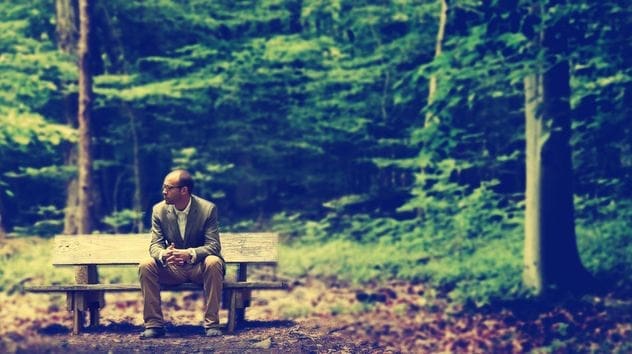
Kendall Wilcox — a returned missionary, BYU graduate, documentary producer, and a longtime employee of BYUTV — sits down with John Dehlin to come out publicly as a gay, practicing member of the LDS church. Kendall describes being adopted and raised in a Mormon home in California, saying he never felt different from other Mormon kids growing up, and that his testimony came gradually rather than through any single spiritual experience. As a teenager he learned that word of his possible attraction to men had already reached his mother through the state Relief Society president’s rumor mill, a conversation he says shaped how he thought about his own sexuality for years afterward. He talks about suppressing his sexuality through a full-time mission, marrying afterward at BYU, and the guilt of not being able to reciprocate his wife’s affection even though he loved and admired her. He and his wife researched reparative and aversion therapy together before separating. Kendall stayed temple worthy throughout, though he says panic attacks made temple and church attendance difficult, and he describes what it was like to navigate coming out while still employed by BYU, including a painful comment from a Sunday school teacher. He credits Boyd K. Packer’s October 2010 general conference address, and the wave of gay youth suicides that fall, as the catalyst that pushed him to speak publicly.
In part two, Kendall is joined by two more gay Mormon men, Joseph Broom and Jon Hastings, for a panel conversation about their own coming-of-age stories, reparative-therapy programs some of their peers went through, and how their faith and view of Christ have held up. Kendall also introduces his new nonprofit, Empathy First Initiative, and his in-progress documentary, “Far Between.”
What’s covered
Part 1 (Ep. 264)
- 00:00 Introduction and welcome
- 02:27 Kendall’s background and career at BYU
- 05:39 Deciding to come out publicly
- 10:23 Growing up Mormon and gaining a testimony
- 11:51 Early life and first awareness of being gay
- 20:01 Mission experience and suppressing sexuality
- 31:01 Post-mission life, college, and marriage
- 40:22 Struggles within marriage and self-discovery
- 46:50 Coming to terms with being gay
- 54:08 Church callings, temple worthiness, and separation
- 1:00:41 Navigating coming out as a BYU employee
- 1:06:32 Hurtful statements from fellow members
- 1:18:08 How a general conference address prompted coming out
Part 2 (Ep. 265)
- 01:17 Panel discussion begins with two additional guests
- 14:49 Guests share their own experiences as gay Mormons
- 30:26 Reparative therapy programs and their impact
- 43:13 Mormon theology, faith, and LGBT identity
- 49:39 The role of empathy in the church community
- 1:07:58 The Empathy First Initiative and multimedia campaign
- 1:22:31 Hopes for church and cultural responses
Links: https://www.empathyfirstinitiative.org/ · https://www.facebook.com/farbetweenmovie · Jon Hastings’ blog: https://listentowhoiam.blogspot.com/ · Joseph Broom’s blog: https://invictuspilgrim.blogspot.com/2011/07/who-i-am.html
Related episodes: Did Dallin H. Oaks Lie about Gay Electroshock Therapy at BYU? | Ep. 1505 · When LDS Apostle Jeffrey Holland Calls You Out – Gay BYU Valedictorian Matt Easton | Ep. 1470 · Sent Home Early for Cuddling with Zone Leader – Jacob | Ep. 648
Episode Transcript
Host: John Dehlin · Guests: Joseph Broom, Kendall Wilcox
This transcript is machine-generated and lightly edited for readability. The audio is authoritative. Please excuse occasional errors in names and spelling.
Introduction and Welcome
Part 1 of 2 · Ep. 264
Guest [00:00:00] 1, 2, 3.
John Dehlin [00:00:07] Mormon Stories Podcast is a production of the Open Stories Foundation. All donations to Mormon Stories are fully tax deductible and go directly towards keeping the podcast alive and towards building a community of support for Mormons like you. To support the podcast or to join the community, please become a monthly subscriber today@mormonstories.org hello, and welcome to another edition of Mormon Stories Podcast. I'm your host, John Dehlin. I've been away from the microphone for a little while as we've enjoyed the Salt Lake City 2011 Mormon Stories Conference and the proceedings, and Natasha Parker has been helping me out for a while, but I'm back to the microphone for a very special interview. My interviewee today is a man by the name of Kendall Wilcox. I don't have sort of an official long biography of Kendall, but I'll just tell you a few things about him and then I'll bring him on to talk about himself. The reason why Kendall Wilcox is sort of an interesting subject for a podcast today? Well, there's a couple reasons. One is he's coming out this week publicly as the first openly gay, I don't know, church, LDS Church employee, BYU faculty member. He's an adjunct faculty professor at BYU, and he's also an employee of BYUtv. But that's not the only reason we're interested in interviewing Kendall. He's also, he's a filmmaker and he's working on a documentary that we want to talk about, and he's also started a nonprofit. That sounds very interesting. And most of all, we're just interested in people's stories. And all of our stories are never just about one or two things that are about a multiple host of things. And so that's sort of a freeform introduction. But. Kendall Wilcox, thank you so much for joining us today on Mormon Stories.
Kendall Wilcox [00:02:09] Thank you for having me.
John Dehlin [00:02:11] Yeah, so. So I guess let's, let's step back for a second and why don't you fill in the blanks on the introduction and just tell us a little bit about yourself so that we can then dive into your story.
Kendall's Background and Career at BYU
Kendall Wilcox [00:02:27] Sure.
John Dehlin [00:02:29] Just a few more details maybe, because I'm sure I left off a lot of details.
Kendall Wilcox [00:02:33] So, yeah, I have been an employee of BYU Broadcasting for the last 13, 14 years. I'm a producer of documentary and nonfiction programming, and I've been an executive producer of shows on BYUTV like the Generations Project, the Food Nanny Fresh take, living essentials, etc.
John Dehlin [00:03:01] Give us a sense for what are some of those shows about are some of Those doctrinal stuff, scriptural stuff.
Kendall Wilcox [00:03:07] Yeah, they're all nonfiction or documentary docu series. For example, the Generations Project is a sort of a reality style, reality TV style documentary series where we take individuals who have sort of pressing questions in their life right now and believe that they can find some answers by looking into their family history. So we actually do all the digging for them into their family history and create an actual journey for them to go on, a physical journey to go interact with their family history and genealogy and hopefully find these answers to the most pressing questions. And then we, of course, follow over their shoulders with cameras and document the entire journey and see what happens.
John Dehlin [00:03:53] Nice.
Kendall Wilcox [00:03:53] That's Generations Project. And all of them, like I say, are documentary based or reality based. Even some of the talk shows like Fresh Take, which is airing Right now on BYUtv, we supplement every. It's an issue driven show talk show, but supplemented with lots of true stories of people dealing with the issues that we're discussing. And then I teach the advanced documentary production class in the media arts department at byu, and I've been doing that off and on for years. I don't even know how many years.
John Dehlin [00:04:27] So many students.
Kendall Wilcox [00:04:30] Yeah, I mean, they're not huge classes. Few are the students who see the wisdom of going into documentary filmmaking so early in their career that they actually take classes in school. But yeah, I've known many, many students.
John Dehlin [00:04:46] Have you ever produced a documentary?
Kendall Wilcox [00:04:50] Oh, yeah, I've produced documentaries, for example, on the latest scholarship surrounding the Dead Sea Scrolls. I've produced a documentary about the life and works of Leslie Norris.
John Dehlin [00:05:04] That's the Scottish poet, right?
Kendall Wilcox [00:05:06] He's Welsh, actually. Yeah, yeah, he was the Welsh poet in residence at byu and he was the poet laureate of Wales for several years. Yeah. Produced a documentary that won an Emmy that was about a BYU study abroad program conducted by John Bennion, who's one of the gems of byu.
John Dehlin [00:05:29] Yeah.
Kendall Wilcox [00:05:29] Nice. And, yeah, it was a beautiful experience. So, yeah, I've been producing documentaries for good 15 to 20 years.
Deciding to Come Out Publicly
John Dehlin [00:05:39] Okay, well, I'm. I'm dying to know all about what it's like, you know, you know, why you're, why you're deciding to come out, why you're deciding to come out in this way, what you're hoping to accomplish. And I know my listeners are dying to hear all that as well. But in typical Mormon stories fashion, we want to get your story first.
Kendall Wilcox [00:06:00] Okay.
John Dehlin [00:06:01] So. So tell us just a bit about, you know, your childhood and then start weaving in maybe the first inklings you can remember of Kind of feeling a little bit different.
Kendall Wilcox [00:06:17] You know, I have to say I never really felt different. So I'm just say that up front that, you know, I was adopted actually by two wonderful and amazing people and was raised in California, mostly in a Mormon home. And I think partially because of the way my parents handled the adoption aspect of my life, that they. It was never a surprise. I never, I didn't. I never didn't know if that double negative works. I never didn't know that I was adopted. And I was always fully integrated into the family in. In a way that, though the truth of the fact that I was adopted was always present, I also was never made to feel different or apart in any way. And I think literally that that set a pretty helpful, amazing precedent for me in terms of, you know, my growing identity, sense of identity in coming to terms with my homosexuality. So that in the early stages, you know, being raised Mormon and so on, though, I knew that homosexuality was, quote, unquote, a bad thing. And so, you know, as I came to feel my same sex attraction as many LDS Mormons, or, excuse me, LDS homosexuals and other homosexuals. Do you find other explanations for your same sex attraction? You don't go right to. And I'm gay. At least for me, that wasn't the case. You know, it's about, you know, thinking, well, I'm in search of a really, really close best friend. And, you know, I. These friends and men, because I admire them so much, which was all true, but it wasn't until adulthood that I really started to connect the dots in terms of understanding the deeper meaning of the attraction that I felt. Okay, I don't know if that begins to answer your question.
John Dehlin [00:08:19] Yeah, sure. So you were adopted, you grew up. Did you say California?
Kendall Wilcox [00:08:25] In California, yeah.
John Dehlin [00:08:26] Did you have siblings?
Kendall Wilcox [00:08:28] Yeah, there's five of us.
John Dehlin [00:08:29] Okay. We're all adopted or just. Just a couple.
Kendall Wilcox [00:08:33] Three. Three were adopted.
John Dehlin [00:08:34] And your parents pretty. Pretty strong in the church?
Kendall Wilcox [00:08:38] Very strong. My dad was a seminary teacher for I don't know how many years, like CES or no. He was early morning.
John Dehlin [00:08:46] Okay.
Kendall Wilcox [00:08:46] Yeah, early morning. And then he was a bishop while I was a teenager. My mom was in all sorts of leadership callings in terms of Relief Society and so on. Extremely stalwart and extremely faithful. Both of them were raised in the church. My grandma on my dad's side is the only sort of early convert to the church or contemporary convert, and then everybody else stretches back to Joseph Smith times and converting in Europe and making the trek west.
John Dehlin [00:09:19] Okay. And so did you feel an affinity to the church in your childhood? Was the church important to you?
Kendall Wilcox [00:09:28] Absolutely. It was very important to our entire family. My parents were very sort of kind hearted and stalwart. And so all of us sort of naturally grew into our, you know, what we call testimonies of the church, beliefs in the church. And it was just a natural sort of progression. You know, we grew up in a household of faith and my parents were very faithful in terms of scripture study, family prayer, family home meeting, lessons. I remember where, you know, my dad being a seminary teacher were pretty detailed in terms of church doctrine and so on. But also, you know, he was pretty good at making them approachable because he's used to trying to teach it to a bunch of teenagers. So. Yeah.
Growing Up Mormon and Gaining a Testimony
John Dehlin [00:10:23] So did you feel like you, you know, when did you feel like you first started gaining your testimony?
Kendall Wilcox [00:10:29] That is a very tough question for me that I've dealt with the last few years, particularly given sort of the heightened stakes for me in terms of having or acknowledging a testimony because. Because I am gay and sort of the implications that that has. And you know, the best words I can put to it is that I grew into it and I grew into a sense of affinity and trust in the church and in the Gospel and trust in what my parents and my culture and my community were teaching me and showing me and, you know, sort of proving the Word as well in my own life. But I can't say that I've ever had a sort of Joseph Smith Sacred Grove experience, although I have had it in other ways, literally in the Sacred Grove. We can talk about that later. But it's hard to pinpoint the nature and origin of my testimony, which is continually growing and influx.
John Dehlin [00:11:32] But did you ever reach a point where you felt like you had one and that you felt like you really believed in the church and the Gospel?
Kendall Wilcox [00:11:39] Yeah, definitely. And it of course didn't really take full shape or expression, like strong expression until I was on my mission, when that obviously becomes.
Early Life and First Awareness of Being Gay
John Dehlin [00:11:51] Okay, so real quick, before your mission, I know you talked about like close friends. Did you ever self identify as. Did you ever either internally or externally self identify as having same sexual attraction or being gay?
Kendall Wilcox [00:12:10] No, it was interesting. I had an experience which sort of, sort of explains my experience of it, especially as a teenager where I got home from school one day and my mom very gently and calmly sat me down and had a conversation with me, which we all know what that's like, right? When mom sits her down, you know, there's something serious to talk about. And she said that she had gone to lunch with her best friend that day who was the state Relief Society president. And she had gently told my mom that it was sort of going around the state leadership level that, that Kendall Wilcox might be gay.
John Dehlin [00:12:54] How old, how old were you?
Kendall Wilcox [00:12:56] I was 16. I was 16.
John Dehlin [00:12:57] Oh, man.
Kendall Wilcox [00:12:59] So she just. In a very nonchalant, in a non judgmental and a non fearful way. Right. I didn't read any fear or trepidation. It was very calm. Matter of fact, again, which, thinking back as an adult now, I give her great credit for, for that. I felt nothing but sort of love and openness. It was a very open ended conversation. And so she said, so do you think you're gay? And in that split second, in that moment, I gave it genuine thought. Like I did it. Sort of a full body soul check, you know, where I'm. Is there anything inside of you that's saying that resonates with this? And I really, in my head, you know, cognitively, I thought, well, wait, I mean, aren't those the guys who have mustaches and they live in San Francisco and they wear tube socks and they kiss on street corners and they get the AIDS thing? And generally that was all I thought. And so I said genuinely no. And I wasn't feeling like I was hiding anything. But it was also curious again, looking back as a. Because at that exact moment in my life, like those exact weeks that she sat me down, I was, I don't know what the word is, but fully infatuated and lusting after a particular new friend I had made who was a fellow. He was a dancer, he was a clogger, a star clogger, if there is such a thing. And I was a budding. A dancer and we had met at a dance camp and I was just. Which is a little cliche, but I'm still proud of it. And I had just, in a word, fallen in love.
John Dehlin [00:14:45] But you didn't recognize it as such.
Kendall Wilcox [00:14:48] Nope. I didn't connect the dots.
John Dehlin [00:14:51] How did you think of it at the time?
Kendall Wilcox [00:14:53] Best friend. And I was so happy to, for the first time in my life, literally feel like I connected with another human being on an emotional and even cognitive, spiritual level. Deeper than I ever had with anybody else. And, you know, and I didn't contrast it to deeper, you know, saying deeper than any girl that I had sort of been friends with or flirted with the idea of dating, because it was. There were two separate things still in my mind and in my experience that again, like I said before, I didn't connect the dots.
John Dehlin [00:15:35] So this is always something that people who aren't really familiar with the issue struggle. I don't want to call it the issue, but with the experience of being gay or lesbian, it's like what you didn't know, how could you not know? And this gradual coming understanding might even cause some to be suspicious that it's, that it's even real. You know, can you explain, can you explain how, how it's not binary and how you don't just one day wake
Kendall Wilcox [00:16:07] up and know like exactly which, you know, I've heard people tell the story that that is how it works for them. And I give them, I give them all due credit and support because I think maybe, you know, for some people, that is, for me, it was definitely very gradual in coming to understand it, which is different than it actually, you know, whether or not it was always there. Because I can say in looking back, my same sex attraction did manifest itself from a very young age, Very, very young age. But in my process of learning about what sexuality even is, as we all do right through human development, we don't always understand the feelings that we have, whether you're heterosexual or homosexual. Just sexuality is something we obviously grow up into and understanding. And so that was the natural course that I took as well, where I did feel definite attraction. I do have certain incidences now that I can look back as a child and say, oh, that was same sex attraction. Whereas at the moment in my mind as a child, I ascribed to either being sort of jealous of this man or friend or looking up to them and admiring them so much that I was heavily attracted to them for their mind and frankly, yes, for the physicality as well. I admired their physicality. I mean, looking back when I was 12 years old, my first year at Boy Scout camp, I could not get enough of the lifeguard, which I genuinely was puzzled over the fact that not everybody else wanted to talk about him all the time and be down at the swimming hole all the time. It just sort of was like, what's wrong with you guys? Can't you see how cool and amazing he is? But it is a gradual process, as it is with anybody, to grow into our understanding of sexuality.
John Dehlin [00:18:07] Is that, is that partly because there's just no accessible role models or vocabulary that would sort of shape you to be able to conceptualize it?
Kendall Wilcox [00:18:17] Exactly. Especially in my home where, you know, it wasn't like my parents were hiding it from me. But it just, you know, the issue, the experience of homosexuality wasn't something that we Discussed because we didn't think it applied to us in any way. So there was no. I had no context, and I had no cultural reference to which I could look and compare and then learn from and apply in my life. And that is very, very different. Again, I want to speak to what you were saying before about, you know, how some people might take my description of my experience of growing up into it to. As an. As a reason to say, well, it never really was homosexuality. That just because we don't understand what it is in the moment doesn't mean that it isn't present. And all of a sudden, I forgot my whole point because I gave so much context to it. So now I forgot it. Sorry.
John Dehlin [00:19:13] No, it's fine. No, this is good. So a couple kind of sensitive questions. Just because they strike stereotypes, you don't have to feel an obligation to answer. You can answer in any way you're comfortable. But there are the stereotypes, and I always ask this. There are the stereotypes that someone's been sexually abused, that they've had some type of parental relationship or that they were sexually promiscuous in some way and experimented a lot or had some type of role model in their life or person that sort of swayed them over to the side, you know, the other side, or whatever. Are there any of those things you're willing or able to talk about?
Mission Experience and Suppressing Sexuality
Kendall Wilcox [00:20:01] Sure.
John Dehlin [00:20:01] Either at surface or in depth.
Kendall Wilcox [00:20:03] I was gonna say I've definitely read, you know, the Miracle of Forgiveness, you know, bless President Kimmel's heart. And so I know about some of the origins of those really what amount to myths and can assure any listener that none of those, genuinely none of those. And I'm not in a state of denial, none of those apply to me. I was not sexually abused as a child. I did not have a distant father and an overbearing mother. I was not promiscuous in the slightest growing up. I mean, the law of chastity for me, girls or boys, was not a problem, you know, because I, you know, the one thing I was attracted to, I never really thought would lead to sexuality. And so, yeah, none of those hold for me. But I have heard them and have even been challenged by them, by some people. And I just, you know, have to say. You'll just have to trust my words when I say none of those apply. And again, that's where people really just have to believe our words when we sort of testify about our own lives. I know some might be presumptuous enough to say, well, you just are too close to it to recognize. But then I guess I'm too close to recognize.
John Dehlin [00:21:24] Okay. One other thing, you know, it's also important to acknowledge that there's kind of a spectrum and that there's people who are squarely bisexual and then there's people who are mostly same sex attracted but have some attraction, the opposite success opposite sex. And then there's people who are just completely and 100% thoroughly attracted only to the same sex. And then of course, full heterosexual leanings. Do you, do you as a youth, do you remember ever being attracted to a woman or a girl?
Kendall Wilcox [00:22:02] No, no. I mean personally I'm not repulsed by a woman or even the thought or the ideas of being physically intimate with a woman, which I know some sort of fully homosexual people I've spoken with make a big point out of actually even being so far as repulsed, let alone not attracted. But that's not me. I'm not sort of violently repulsed by women or the idea of being physically attracted. I just have never felt a natural sympathy. My natural sympathies haven't led me in that direction and I haven't felt a strong attraction. I have known to the degree that I haven't even kissed a woman in my life. And I know people can say, well then how do you even know?
John Dehlin [00:22:53] I can imagine.
Kendall Wilcox [00:22:54] Yeah, exactly. And all I can say is, give me a break. As adults we do come into being self aware and knowing ourselves and understanding ourselves. And I have known what it is like to love a woman, another woman. I have been in relationships into my 30s, late mid-30s, trying to make a long term sustainable marriage relationship with a woman, work. But, and the last one that I was with, I loved with all my heart, completely in love. And I put a lot of stock in the success of that relationship. But in the end I knew there was something missing. I knew there was a difference. I never kissed her. We held hands and believe me, we talked a lot about kissing.
John Dehlin [00:23:53] Before we jump into that, let's, this has been perfect. Let's jump back now to your mission. So you never felt sexually attracted to girls that you can recall in your high school years, felt attraction to boys, but never conceptualized it other than just close friendships?
Kendall Wilcox [00:24:19] Correct.
John Dehlin [00:24:19] Still true. But there were allegations that you might be gay, but you scanned yourself and didn't find any, didn't find that self identity yet.
Kendall Wilcox [00:24:30] And I should say, I mean those allegations, I think, you know, in doing some investigation after the fact arose out of me sharing with a couple of girls who I thought were my best friends again, which is Sort of typical of a gay man's experience. My complete devastation over not being able to see this new friend who lived in another city on a consistent basis. Like, I broke down in tears. I remember a long, long, drawn out conversation about how I felt it was so unfair that I couldn't be with him more often and we couldn't be with each other because finally, for once in my life, I have this best friend with whom I connect on every level, and yet I can't. We can't be around each other. And I do believe that that's sort of where those allegations came from, because I do believe those girls shared that with parents out of their own frustration, saying, why is he crying over not being able to be with this guy when I thought we were even dating? And he's not. You know, he barely gives me the time of day. So that's where that came from. And where this distinction again in my mind began to grow, where again I began to say, well, wow, that. That really was some intense emotion around that guy that I have never felt for any of the girls that I have to say goodbye to or, you know, move away from. I've never felt that. It's always been about guys.
John Dehlin [00:25:53] And was there ever, like, why aren't you dating girls? Why aren't you? Pressure from parents?
Kendall Wilcox [00:25:58] Oh, yeah. Oh, yeah. Loving pressure. Never sort of bothersome or negative pressure, but definite encouragement. In high school, they weren't too intense because they gave counsel to all of us children to not get too involved before the mission because it would just complicate things. But then after the mission, right away, and I have to say, on my mission, my father actually passed away while I was on my mission. And so after that, coming home, you know, my mom sort of took over as the sole parental guide. And she has taken that role, you know, obviously, very seriously. And her one sort of mission with me is to gently encourage me to please get married. Not. She's like, I don't care for the marital status or any of that. She just looks at me and says, I want you to have a companion. I don't want you to be alone. Because she, again, she says, I know what it's like to be alone as a widow, and I don't want you to go through life experiencing that.
John Dehlin [00:26:56] So did you. Did you ever experience sexual attraction to a man where you. And this is intimate, but it's. I think it's important where you felt aroused up through your mission, including on your mission. Like, I, you know, some of the people I've talked to in the locker room and in high school they would, that would be their first kind of arousal and they would. Yeah, any, any of that that you're.
Kendall Wilcox [00:27:24] That was, that was definitely there. Yes, I can say that there was fixation to be euphemistic. Yeah, that was definitely there, but I didn't know what to do with it and so I just didn't assign much of a label to it. But again, looking back, there were specific incidences. Now that you mentioned the locker room, for example.
John Dehlin [00:27:46] Right.
Kendall Wilcox [00:27:47] Where I was, I was self aware and knowing that I don't think everybody else is having quite the intense experience that I'm having right now and sort of needing to get through the shower quickly because I feel tingly all over my body, Things like that. Yeah.
John Dehlin [00:28:06] And then on the mission, did you ever feel attraction to companions or any of that?
Kendall Wilcox [00:28:10] Yeah, I had some deep. But, but, but for me, again, this is, this is different for different people. I know that I approach and experience much of my sexuality from an emotional place first, which leads to the physical. Excuse me for that.
John Dehlin [00:28:29] So it's not just begin sexual and then.
Kendall Wilcox [00:28:33] Exactly. In fact, none of my relationships with anybody has ever gone that direction though I know it does take that form for other people, but it hasn't been that for me. But yes, I did admire several of my companions, but you know, the one I can think of in particular who we can just say was the full package. I grew to admire him first because he was such an amazing missionary and addressed people. Our investigators for the first time addressed them not as numbers, not as, you know, just statistics or obstacles towards getting, you know, a baptism, but actual human beings and would have these in depth, empathetic conversations with them. And I just thought this is what we're supposed to be doing. And then later I noticed he is also a mighty fine looking man, so.
John Dehlin [00:29:28] Right.
Kendall Wilcox [00:29:29] Yeah, gotcha.
John Dehlin [00:29:30] Okay. But it was never like you, were you on your mission? It was a problem or a huge dilemma for you?
Kendall Wilcox [00:29:40] No, no, no, no.
John Dehlin [00:29:41] Okay.
Kendall Wilcox [00:29:42] No, I just, you know, I have to say that, you know, my father passing away on my mission definitely gave a deep shape and focus to my mission because I, you know, he had cancer and sort of things got bad right. As I was in the mtc. And so from the mtc, you know, about six months, five, six months into my mission when he passed away, you know, that was sort of present and growing and so that gave a focus to me because, you know, there came a point where, you know, I, in many, many conversations with the Lord said that this. This church damn well better be true because I would much rather be at home with my mother and father. So, again, in terms of other issues sort of clouding or being a problem. No, because I was the most intense missionary I think you could meet. I was uber focused to the degree that my mission president told me I might want to take it down a notch.
John Dehlin [00:30:56] And this is in Spain.
Kendall Wilcox [00:30:58] This is in Spain. Barcelona, Spain. Okay.
Post-Mission Life, College, and Marriage
John Dehlin [00:31:01] All right. Okay. So a real focused mission. So when did you first. So when you got back home from your mission, did you. Where'd you go to college?
Kendall Wilcox [00:31:16] I went to byu.
John Dehlin [00:31:17] Okay. And so did you try and date there?
Kendall Wilcox [00:31:21] I tried to group date. Again, Let me ask a side question.
John Dehlin [00:31:30] Talk about dating at byu and then weave into that any experience or moment you had where you first started to question your sexual identity in that process and wherever that jumps in.
Kendall Wilcox [00:31:47] Yeah. Again, this is saying that it was a gradual process of coming into, learning about sexuality a. And then understanding the distinctions between heterosexuality and homosexuality. So that that was present at moments throughout my teen years and through my mission. And it wasn't till right after my mission, I'm at byu, and of course, the next thing we need to do is to get married. And that's when it becomes an issue for me and where I begin to feel that. Acknowledge the lack, which I hadn't really acknowledged before, but the lack of attraction to women, that was really my first red flag. It wasn't that I had felt this attraction towards men because I had always been present. It was my norm. Right, right.
John Dehlin [00:32:37] Interesting. It's like the water you were swimming in.
Kendall Wilcox [00:32:40] Exactly. And it wasn't until I was set, I was sort of told, okay, now, yeah, keep the law of chastity, which also had been this thing sort of keeping me from overindulging with women before, but now, keep the law of chastity, but pursue and find your wife. So you must be dating and then me expecting for that natural inclination to kick in of, okay, well, this girl's cool, she's fun, she's pretty. I will spend time with her. And then waiting for that next physical inclination to kick in, which it never kicked in. And so it was after repeated attempts at the dating experience and feeling and sensing the lack of attraction to a woman that I started to realize, do we have a problem here? And can we talk about that for just a second? Sure, sure.
John Dehlin [00:33:31] Okay. So you go out on a date and you get to know a young lady and then talk through what went through your mind or what you Would do or try to try and get there, if that makes sense.
Kendall Wilcox [00:33:46] Yeah. I mean, and again, this also happened in high school because I can remember many a dance where we would all get our dates and ask them appropriately and take them on these group dates. And. And not all of my friends were lds, and we would go to certain, you know, somebody's house where the parents were away, and everybody starts to pair off and disappear into bedrooms. And I'm thinking, I know what they're doing, but, you know, I obey the law of chastity, which was absolutely true. It wasn't an excuse, but I did. So I didn't fully connect with this lack of desire. I felt like, ooh, I should be feeling some desire, but I don't. And that's good with the law of chastity. So this is where I'm going to excuse myself, ask, you know, and say, you know, offered to take her home and then into college going on these dates. I. I just would sort of go through the motions happily and willingly, but just. And. But slowly but surely beginning to realize that there's nothing. There's not that next impulse of attraction. And. And that lasted my intensity for my mission. I'll just say had a long life, had a lot of legs. And it took me through college where I, you know, sort of passed through five different majors and was taking always a minimum of 18 to about 22 credits at a time and teaching at the MTC and then also working on freelance film productions for the Motion. The LDS Motion Picture studio and other places. So time for even dating was not really there. But then when I would go, I just wouldn't feel anything, and I would just say, well, wrong girl. So let's move on. And it wasn't until my late twenties when it started to be a big sort of big problem, because then people are saying, what's wrong? You know, other people are insinuating there's something wrong.
John Dehlin [00:35:48] Okay, so in your mind, you were just focused, righteous, and busy. Try dating. But. But you conceptualize it as just not the right girl.
Kendall Wilcox [00:36:01] Yeah, exactly. Not the right girl. And I just don't feel it. But all the while starting to have. And starting to pick up on other people's cues and learning obviously about the difference between heterosexuality and homosexuality. And on the edge of my mind, allowing for homosexuality to. To be my sexual. My sexual orientation, but that's sort of the unthinkable. That's not allowed. And so in some ways, actively pushing that out anytime that it would crop in, but not to a Point of hysteria, you know, that was in my 30s.
John Dehlin [00:36:41] Okay, so the thought was coming into your mind in the 20s.
Kendall Wilcox [00:36:44] Mm, yeah.
John Dehlin [00:36:45] But just like, you'd kind of just keep, keep moving on.
Kendall Wilcox [00:36:49] That's, that's. That. That can't be. That. It really can't be. And so that intense focus that I do have on men, which other guys seem to not have, you know, maybe because I have, you know, inherent insecurities about my masculinity or insecurities about. Yeah, just my, my overall abilities. And I look up to these other men, you know, because they're so cool, which I know certain people today theorize as one of the origins of homosexuality, that we feel emasculated and then at some point turn and therefore we seek out approval from men and at some point we sexualize that desire for approval again. I don't think that's something that bears itself out in my life, my specific experience. But it's. Then it's moving into my 30s where I'm saying, okay, something's really not there. I really don't feel anything for women. And you know what I have to genuinely say I do prefer my deeply emotional relationships with men and I do admire their physicality as well. And so it was into my early, early 30s, I remember. Yeah. Relationship I had when I was 28 to 29 with my best friend, a guy. And that was the most confusing relationship I had ever had because I loved him on every level and he was super happy to call me his best friend. But there was that certain point at which that relationship, the intimacy ended for him and it picked up with his girlfriends. And I was intensely jealous, but tried to sort of bury that and didn't allow. Took a while to sort of accept the meaning, the potential meaning of what those emotions I was feeling. And eventually that led into a long term relationship with a woman who for all intents and purposes, I wanted to be my wife and I wanted to marry and was my best friend. And I in some ways sort of talked out of her. Talked her out of an engagement to another guy as a, as a friend, but also thinking we should, we're good friends, we should be together and he's just not right for you. Which was true. I think I was accurate.
John Dehlin [00:39:17] Right.
Kendall Wilcox [00:39:18] But that led to us being in a relationship and working at it for three years. Three years, yeah. She is one patient and beautiful soul. So patient. And I feel so bad for, in a sense, dragging her through that experience of me trying to come to terms with what's going on and why? There was something missing. And ultimately I grew into a very deep depression, which she was very aware of and tried to help me through. I never discussed issues of sexuality, but at that point it was becoming glaringly apparent and clear what really was going on. That it wasn't just a lack of attraction towards her. It wasn't her specifically because really, in my mind, if I couldn't fall in love with her, then I couldn't imagine anybody else on the planet, frankly, and. But eventually I had to break it off for her sake.
Struggles Within Marriage and Self-Discovery
John Dehlin [00:40:22] Talk real quickly about what you were struggling with.
Kendall Wilcox [00:40:27] Feeling intensely guilty for not being able to respond reciprocally to her love and affection to me. Though I loved her and cared about her happiness and success and admired her intelligence and thought she was the most beautiful girl ever. I. Well, you know, I didn't feel like being physically intimate with her. And there was something deeper, though missing. It wasn't just for me. This isn't just a sexual, meaning just purely sex and physical intimacy thing. It was deeper levels about emotional interaction, emotional intimacy, intellectual intimacy and spiritual intimacy that I knew was lacking and she knew was lacking too. But she would be very gentle in sort of bringing it up because she didn't want to sound sort of like, you know, whiny or needy, which she wasn't. She was just a normal human female in need of the appropriate level of reciprocal love and attention.
John Dehlin [00:41:33] And was she attracted to you?
Kendall Wilcox [00:41:35] Yes. Without being too vain. Yeah, she was pretty into me.
John Dehlin [00:41:40] And so this is gonna sound like a silly question, but. So a gay guy can be attracted to a heterosexual guy and a. And a straight girl can be attracted to a gay guy.
Kendall Wilcox [00:41:51] Yeah, exactly.
John Dehlin [00:41:52] Okay.
Kendall Wilcox [00:41:53] Exactly. Right. Because it is, in some sense, it's about who we fall in love with and ultimately also does matter that their sex. But ultimately it's also about. We fall in love with. With the individual.
John Dehlin [00:42:06] Right.
Kendall Wilcox [00:42:07] We don't fall in love with an entire sex. So. So, yeah, so we.
John Dehlin [00:42:14] So you were feeling. You were feeling terrible that you weren't sexually attracted, weren't spiritually or emotionally attracted like you wanted.
Kendall Wilcox [00:42:23] To the degree that I. You know, now I can say, looking back to the degree that I know is necessary in a healthy, functional, adult, intimate relationship. I know there is a difference. And one of the reasons, personally that I can testify that I know what the difference is and that there is a difference between loving her and being in love was, you know, after I ended things with her, it was very sad and extremely hard and I was in a deep depression and frankly, was the first Time I sort of. I became suicidal. And so I sought out therapy and went through a lot of work in therapy and took me over six months to actually even broach the idea that I might possibly maybe have some sort of attraction towards men.
John Dehlin [00:43:22] What did you present to the therapist?
Kendall Wilcox [00:43:26] He was amazing in that he indulged me for the first, like three sessions where I presented my entire life story and all its minutiae and every little thing that might possibly be some sort of hidden issue that, you know, is subconsciously impacting me, even though I really don't feel like I had much to deal with, you know, But I was trying to present this narrative and knowing part of my brain knowing that this isn't how therapy works, but part of my brain really hoping this is how therapy works. Meaning I give him my life story, I spill it all out there in full disclosure. He says, oh, well, there's that thing and that thing. And see, they are subconsciously impacting you in this way. Just don't think of them or something and then you'll be done. And then I would be out of there in a month or so and fixed.
John Dehlin [00:44:16] But was it. Wait, did you go to him saying, I'm not attracted to my girlfriend and I don't know what to do, or was it just, I'm depressed, I am
Kendall Wilcox [00:44:23] depressed and I think I'm a highly dysfunctional person. Was what I presented to him because I can't make relationships work, and I am, yeah, I. So depressed and so self loathing at that point. That, that's, that was the initial, the initial issue. But then, yeah, eventually, about six or seven months into it, finally admitted that, oh, we might want to talk about this stuff. And he said, okay, well, only if you think it's an issue. And it took probably another month or so for me to say, okay, it's probably an issue.
John Dehlin [00:45:02] Okay, so it took you, you said six to seven months to even acknowledge to a therapist that this was on the table.
Kendall Wilcox [00:45:10] Exactly.
John Dehlin [00:45:11] And was this you acknowledging it to yourself or had you. Were you just keeping it from him?
Kendall Wilcox [00:45:17] A little bit of both. A little bit of both. That I was so embarrassed. So embarrassed. Even though he was the most sweet and humble and loving and accepting person and far more liberal from a Mormon perspective than I was, even though at the time he was a bishop, which was partially also what kept me from saying. I was like, oh, geez, now I've got a Mormon bishop for a therapist. That's the stupidest ever, but turned out to be the best thing ever. So it was just this combination of being embarrassed about saying it to him and also saying, come on, you know, that this could possibly be a big, big issue. And also part of me, my instinct, which has always been, and I know a lot of gay Mormons and gays in general have, in terms of their orientation to how they want to see their sexuality and to have their sexuality be seen by others, that it be seen in full context who we are as human beings, rather than this one component that is sort of picked at and over emphasized. I know, you know, Mormon and non Mormon alike would like to see their sexuality in context. And I know that's even what the brethren keep asking or suggesting that we keep the sexuality question in context of the full nature of who we are. And I fully agree with that. So that partially was what also was sort of keeping me from bringing that out. I thought, let me bring out everything else so he really gets to know me. And then let's talk about it.
Coming to Terms with Being Gay
John Dehlin [00:46:50] Okay, so let's talk about once you sort of. Once that was on the table for you. Let's talk about things you did, either individually or through a therapist or whatever to try and fix this or change this, or did you. Assuming you did?
Kendall Wilcox [00:47:13] Well, we discussed it heavily because I kind of have an analytical mind and that's just how I approach my life and issues. And again, being a documentarian, where my job is based on doing as thorough as possible research about a topic and then being responsible and held accountable for that knowledge to communicate it to the world. So I wanted to really address all the potential issues and possibilities and forms of sort of aversion and reparative therapy and get his input. And both of us went about sort of researching and studying and comparing notes. Even though he's very well versed in it, he's in the Mormon mental health community, he's rather prominent. So went through that and came to the decision that, at least at that point in my life, that approach in terms of reparative or aversion or change therapy was not the thing to do at that moment, if at all, but definitely not at that moment, because I still had a lot of work at just coming to a place of acceptance, acceptance of who I am, how I feel, what I believe about the world and about the church and about my. What I believe about my sexuality and my experience of it. I needed to come to terms and he was there to help me sort of mirror back to me what I really accepted about all of that. And that was a long process. I'm super grateful for having learned how to do that, because that's an ongoing process of coming to an acceptance of what is.
John Dehlin [00:48:59] I'm just a little surprised that acceptance would be placed before living the gospel standards and the plan of salvation as it's traditionally outlined. Like, forget acceptance, get with the program. I mean, that's the stereotype that I would assume you would have wanted to feel or that a bishop or even maybe an LDS therapist might lean towards if they're not really well informed.
Kendall Wilcox [00:49:32] Exactly. You know, and yeah, that is true because. And I have to give credit to him first that he was the one that introduced this idea of, you know, let's hold on and let's wait and see about this sort of change thing. Because yeah, part of me, my thought instantly goes to, we gotta change this, we gotta fix this. But I didn't even know if that was possible. You know, I wasn't, I'm not well versed in that area. And so it was he who was the first to say, well, you know what? Before you need you look at changing things, you need to first come to a sense of acceptance within yourself of what is your reality. What are you even talking about changing? You can't change it before you know what it is. Which I am eternally indebted to him for that sense of perspective, because I truly believe that. And so we went through again, a long process of learning about myself and what I do feel and what I really do believe and how I experience sexuality and how I experience the gospel and how I experience notions of truth and testimony, etc.
John Dehlin [00:50:43] Okay, so you went through this process of self acceptance, did you not?
Kendall Wilcox [00:50:51] Let me clarify, actually, from something you said too, and his focus wasn't on. When we say acceptance, it wasn't necessarily on. Acceptance means action in terms of sort of acting upon my same sex attraction. That isn't so many people believe that that goes hand in hand, which in my experience and my sort of philosophical stance, it doesn't. Accepting who I am means I'm accepting that I am attracted to members of the same sex. What I choose to do with that is sort of that next step. But acceptance is just understanding how I feel and what I believe. That's it.
John Dehlin [00:51:37] Gotcha. Yeah, yeah, yeah. Okay. And so once you arrived at that place of sort of acceptance of how you feel, kind of what your attraction, your orientation in terms of attraction seemed to be, then did you go through any attempt to kind of change or reverse or enhance your opposite sex attractions?
Kendall Wilcox [00:52:07] No, because I also have to say, like in this acceptance I guess we, in a sense, you know, I breezed over this acceptance process, but that was, that was one hell of about a two and a half year period. I mean, he was, he was gentle and patient with me, but I was deeply entracted in the notion of not wanting to be gay. So even just coming to accept and be. Just calmly accept that this is the reality. It doesn't mean I have to act on it or anything, just this is the reality that involved a good year or so of severe panic attacks both in public and in private. I have passed out during sacrament meeting talks when these issues were brought up. And it felt like everybody was staring at me to the degree I hyperventilated and fell off my chair. And I am not one that is prone towards melodramatics. And so that was extremely embarrassing. Same thing happened to me in the temple. The Provo temple. Threw up in the Provo temple. Luckily I made it to the trash can. But this was not an easy process in terms of acceptance. And so in light of that long protracted process of sort of negotiating with myself, with God, with my therapist about. It could be something else. What about something else? What about this? Then approaching the idea of okay, what are you going to do about this? Change became apparent as an option among many others. I see not the only one. And again, I credit my therapist for helping me to see it from that perspective.
John Dehlin [00:54:01] So this is like three years of therapy.
Kendall Wilcox [00:54:04] Yeah, in total it was about four to about four and a half. Yeah.
Church Callings, Temple Worthiness, and Separation
John Dehlin [00:54:08] And another personal question, but so you were temple worthy throughout this whole process?
Kendall Wilcox [00:54:15] Yes, yes. BYU employee and temple worthy, etc. So though I have to say, also say that the panic attacks associated with temple and church attendance didn't make it easy to go. We'll just say that.
John Dehlin [00:54:30] Sure. But I mean, you're not cruising the bar scene and any of the stereotypes, you know, any of this sometimes stereotypical behavior.
Kendall Wilcox [00:54:39] Sure. Which I do not judge other people that sort of experience or become familiar with their sexuality by engaging in those sorts of experiences. That just wasn't my approach, my process of engaging with my sexuality.
John Dehlin [00:54:57] Okay.
Kendall Wilcox [00:54:58] So nothing to blame this on really in terms of. Yeah, no, but no, I like abuse
John Dehlin [00:55:08] or sexual exploration or you know, evil sin, perversion.
Kendall Wilcox [00:55:15] Right. I allowed Satan. You know, some people would say I allowed Satan into my heart, which is what somebody did say. And I really say with all genuine respect and introspection, self reflexivity, if I did, I genuinely don't know when that happened because I don't feel like I ever even made Myself available to Satan.
John Dehlin [00:55:39] Did you have church callings during all this time?
Kendall Wilcox [00:55:41] Yeah, yeah, I was some state callings in single adult wards and then all the way to. In my family ward. I had an extremely understanding and loving bishop who I, to this day, I love. He's still in my ward and he's my home teacher, mostly because he likes to go to lunch with me. But, you know, he called me to be his ward clerk. And I broke down in tears and said, I don't know if I can or if I should because, you know, I'm attracted to men. And I just bawled. I bawled and ripped a Kleenex to shreds. And he said, that's okay. He said, I sort of figured we might have this conversation. And he said, but that's okay. I mean, do you have anything to tell me about it? No, I said, okay, great, then you want to be my ward clerk.
John Dehlin [00:56:32] Wow.
Kendall Wilcox [00:56:33] And I said, okay. Not really, but okay. And so extremely supportive and loving and understanding. Yeah. But what I was also going to add to this whole acceptance process, what really put a fine point on it was as I was feeling okay about myself and sort of acknowledging this, this is part of my experience of life. I did actually meet a man, another member of the church, who shared that he was also going through a similar experience. And we quickly became very good friends. And from my experience, I fell in love. I felt emotionally, spiritually and intellectually attracted with this man and fell in love. And in those moments felt the difference, the distinction, very distinct difference between what I had felt for my last girlfriend and what I was feeling for this man.
John Dehlin [00:57:43] Can you describe the difference?
Kendall Wilcox [00:57:45] That's, of course the hardest thing, you know. You know, trying to talk to people about their feelings of love and attraction to their spouse, for example. They can name reasons why maybe. But can you, can you really access that feeling that draws you to this person like no one else? But I can testify that there is a gigantic earth shattering distinction between what I felt for my last girlfriend, whom I loved above anybody else. But then feeling in love with this man, I felt connected on a deeply subconscious level. That emotional, spiritual and intellectual connection that I felt had, had, There was a limit to it in my relationship with the woman felt open ended and limitless with this man. And I felt more expansive and whole and complete as a human being. I felt more in tune with myself spiritually because I was sort of accessing the truer or truest part of myself. So actually I felt more spiritually in tuned and alive and awake in the context of that relationship, because I also was able to decipher that the more I grew into this place of acceptance, that my feelings regarding my whatever testimony and sense of truthfulness I feel towards the gospel and God come from that same sort of ineffable place within me, from which also spring my feelings of attraction and love for another man. That's the same place. So anyway, so that's why I say I felt like I accessed the truer, more, deeper, and spiritual reality of myself than I had in the previous relationship. And that's finally where I really said, okay, this is what it is. I am who I am in a full context, not just limited to my sexuality, but in full context. And maybe I should start looking at the questions of what do I do with this now? And expend no more energy on the sort of the acceptance process.
Navigating Coming Out as a BYU Employee
John Dehlin [01:00:41] Okay, so let's now shift and talk about what it's like to go through this as a BYU employee and as a member of the church. So. So there's this time where you don't necessarily identify as gay, and there's this time where you're kind of questioning, but then you get to this point where you're, like, really questioning and you're really starting to identify, and you're in a church that is, you know, trying to figure out where it stands on some of these issues where there's probably some homophobia or, you know, hostility, just like there would be in any church or any. Any culture in the world, probably. And you're in a. You're in a employment position where stakes are high. And if you were to sort of, you know, act on your sexual attractions and engage in a relationship, you know, your livelihood could be at stake. So can you tell some stories or some reflections about what that's like?
Kendall Wilcox [01:01:51] Well, I have to say that I chose to stay at BYU after I graduated. I chose to be heavily involved in the MTC during my schooling years, partially because I knew this was this possible sort of impending part of my identity could be my homosexuality. And so, on the one hand, I didn't want to leave the Mormon culture, let alone Provo and byu, because I was afraid to go into the world and sell my soul by exposing myself to sort of the world and more sort of aggressive homosexuality. So I definitely stayed. And throughout all of this, I can say that I take ownership for that choice of subjecting myself to being in this, of all places, Provo and byu, as a place to work through and come to engage with and understand and figure out my Sexual identity, which, as one of my friends, has reminded me of one of the craziest ideas she's ever heard.
John Dehlin [01:03:08] One of the craziest what she's ever
Kendall Wilcox [01:03:09] heard, ideas she's ever heard. Oh, and she's a beloved friend of mine who graduated, got a PhD from BYU and is a professor, and she's not at BYU, she's out in another state. And she's constantly reminding me of sort of the stakes that I have chosen to engage in. But that said, I won't say it's always been easy. I mean, it's. It's. I'm kind of. Of two minds about it right now in this stage of my life, genuinely, because on the one hand, I do want to acknowledge sort of how tough it can be to sort of empathize with those who are finding it tough right now in their lives, while at the same time, I'm of a mind of wanting to say, you know what? Let's change it for all of ourselves, for everybody, as fast as possible, so that it doesn't have to be a struggle. And that is precisely why I am coming out and saying that I do work at byu and I do plan to remain in this community. Because you know what? We should be able to talk about this openly and make it so much easier for us all to deal with it openly in a setting that truly does act with love and support and empathy, because that's the setting in which we would optimally like to be able to come to terms with and understand and engage with our sexuality in the context of the other things we believe about ourselves and our divinity and eternal destiny. So that was always my hope and dream in terms of why I stayed and why I tried to deal with my sexuality at BYU in Provo, as a church employee, where I knew the stakes were high, and I wanted them to be high, both as sort of an encouragement to sort of hold fast to the iron rod, but also because I thought, well, hero of all places should be the place where I can feel supported. Now, of course, that wasn't always necessarily true. I'm not going to name names or get too specific, but it wasn't always fully supportive. And yes, things have been said in work meetings, in church meetings that are regrettable and I would hope nobody else would ever have to hear. And yes, there have been some times I'm thinking of one particular meeting I had with certain people that are in power in Salt Lake, that some things were said that would never fly in a public setting. But, of course, the thinking was that we're all on the same page in the same meeting and just so highly inappropriate and insensitive that I turned red in the face to the degree that the person sitting next to me grabbed my hand and said, are you okay? And I was either going to explode and stand up with rage and say, I'm sorry. I've never heard of a Mormon having to, you know, a Mormon being so afraid of coming out as a Mormon that they would rather kill themselves, as opposed to our homosexual brothers and sisters who repeatedly find taking their own life a better option than coming out and just saying who they truly are. So anyways, instead of that, I stood up and walked out, and they hardly missed my absence.
Hurtful Statements from Fellow Members
John Dehlin [01:06:32] So this is important because my guess is that a lot of people, let's just say church members who make statements that are hurtful or offensive may not even really realize it. So are there. Are there types of comments or statements that you've experienced that are. That are kind of common or even extreme without naming names, without naming settings that would just give. That would give people a sense for what really hurts, for what's really hurtful and painful?
Kendall Wilcox [01:07:02] I mean, for me, it's been the most. It ranges from the most explicit to the sort of. The more subtle. I was in a Sunday school lesson where, you know, it was. It was a gospel principles class where I had been attending for a while because I enjoyed sort of the sort of straightforward, uncomplicated approach to the basics of the gospel and those discussions. But sadly, that day, our teacher, regular teacher, was absent. There was an impromptu substitute who didn't really have anything prepared. So he decided that maybe we should have a discussion about Proposition 8 and, you know, why we believe the family is fundamental, which is, in a sense, appropriate. But of course, that people took that as license to turn it political, which then gave people a sense of entitlement to say things like, I will not let my child grow up in a world believing that it's okay to be gay. And, you know, I had a choice to say something, stand up and leave or just sit there, which I did. I just. I just sat there and continued to take it in. And, you know, particularly vocal person spoke up and said, you know, we might want to be careful how we say things and so on. You know, he. He sort of reminded us that we all need to be careful and sensitive because we never know what other people might be dealing with. And of course, it's the constant reminders that the heterosexual heteronormative family structure is supposed to be the divine family structure. And it is so at risk that it behooves all of us to defend it, no matter what, no matter who we offend, etc. And so those are some unfortunate moments where people just aren't entirely self aware and then of course, are not entirely aware of how their words might impact other people. So I hope that's not too vague, but
John Dehlin [01:09:19] now that makes sense.
Kendall Wilcox [01:09:20] Yeah. And you know, there's other subtle things that flavored my experience in terms of, you know, going to the grocery store, you know, every time I go to the grocery store, being exposed to increasingly younger and younger because I'm getting older and older. BYU students who are experiencing and engaging in all sorts of public displays of affection, which on the one hand, yay and good for them, and that's healthy and normal and natural. But to witness it over and over and over and over again, as well as in my family ward, and knowing that I am willingly not engaging in that, you know, I take responsibility and ownership of my experience. But it can be sort of. It's a bit of a harsh reminder that again, you know, that's one of the things we're asking people to stop and just empathize with. Just think about. And I have to say, really, the thing that gets to me most on the emotional level, not again, not as a victim and not soliciting pity or even sympathy, just empathy to help people access what it's like. Excuse me for that. The toughest moments are those little moments of sort of physical exchange, whether it's a look or one particular sort of touch between a married couple that, you know, is just sort of that little touch. It's that little exchange that conveys such a depth of intimacy and history and experience and trust between the two of them that that's all it takes, is that one little touch that speaks volumes about their history together. Those are the moments when I catch them, when I see them, that really make it tough in terms of conscientiously choosing to be alone and active in the church, not pursuing a relationship with a woman or a man. Those are the little tough moments.
John Dehlin [01:11:31] Okay, so I guess I have lots of questions about things now for you and for the church and for others. Is there anything else about your story that we should know about before we kind of dive into the here and now for you and for others?
Kendall Wilcox [01:11:54] Well, I think, yeah, sort of what brings us to the present moment in terms of my story is that, you know, after feeling deep love for another man, but not engaging in a long term relationship because, you know, both of us ultimately wanted to maintain a relationship with the church, even though I have to be honest, part of me was ready and willing to say, you know what? I might have to give up church, family, culture, community and status to pursue this love that I feel. It was that deep and moving, and he definitely was not at that place and it was not reciprocal. And he once wanted to and continues to want to pursue a relationship with a woman. And I fully support him with love in pursuing what he needs to pursue. But that sort of left me in a place of total frustration because I knew I needed to take my engagement in trying to understand my sexuality and my faith to the next level in terms of real deep reconciliation and study and learning from other people who have gone, who have lived longer with this and studied it further. But I couldn't do it because I just needed to stay closeted. And that closetedness that we historically have sort of not forced, but sort of allowed or pushed our gay brothers and sisters into in our community and our culture does not allow us to fully engage with what it means to be gay and Mormon. We can't talk about it out loud. We can't reconciled with the help of others because we're closeted. So that closetedness led to a place of deep, deep stagnation for me, which led to a newer and even deeper depression because I was quagmired. I was stymied and stagnant. I was not progressing as a human being. I was not contributing to the world from a deep, deeply personal place or integrated or holistic place. And I became completely depressed, disengaged from church, family and sexuality. I really did not want to think about it anymore. I did not.
John Dehlin [01:14:28] When was this?
Kendall Wilcox [01:14:29] This was over the last about three years.
John Dehlin [01:14:34] Okay, so you're how old now, if you don't mind?
Kendall Wilcox [01:14:38] I'm 41.
John Dehlin [01:14:39] Okay. And your, your sort of process with the psychologist began when?
Kendall Wilcox [01:14:46] In my sort of early mid-30s.
John Dehlin [01:14:49] So it ended. It ended by your kind of mid-30s?
Kendall Wilcox [01:14:53] Yeah.
John Dehlin [01:14:54] You've kind of been self identifying as gay for five or six years?
Kendall Wilcox [01:14:58] Yeah. Yeah.
John Dehlin [01:14:59] Okay.
Kendall Wilcox [01:15:00] At least five, six, seven years. Yeah.
John Dehlin [01:15:02] And then. And. But you have not been out?
Kendall Wilcox [01:15:06] No, not like this. No, no. I mean, to a few friends that I care about and that I know care about me. Yes. That was again, part of the process of sort of acceptance by allowing myself to sort of talk about it to a few friends, but very limited and controlled.
John Dehlin [01:15:29] And you're saying, and you're saying that not being out, not being authentic Led you to a place of depression again.
Kendall Wilcox [01:15:38] Exactly. Because we do have to be able to feel confident and supported by our culture and our community enough to be able to say, to come out and say, yes, I am, I am gay and I am Mormon and I feel strongly about both. But it's a very obviously complicated intersection of identities and I need support from other people. I need feedback, I need information, I need interactions that I cannot get in a closeted experience. But again, that fear and embarrassment and shame kept me closeted to a large extent just up until recently. And it led to this stagnation, which is what I find is a little sad. If I can do anything in terms of sharing my story with other people and sort of capturing their attention for a split second or 15 seconds is to say, hey, yeah, we are gay and let's change the culture and environment so that. Actually my prediction is that possibly the church and the church community and culture may actually reduce the number of people fleeing out of church involvement and participation because they are homosexual if we make it a safer, more supportive and loving environment for them to be able to say, yes, I am gay. Can you help me learn what it really means, what this experience of sexuality really is like and what meaning it has in terms of my theological beliefs and understandings? The more we do that we hold a space of love and support, I think the more people actually choose proactively and from a very self loving place, choose to stay within the church rather than saying, I am completely closeted and feeling unloved in the church environment, so I'm going to leave. Even though it's maybe the hardest thing I ever do, many of them would prefer to stay.
John Dehlin [01:17:54] Right, okay, let's hold on that theme. It's a very important one. I want to come back to it. Talk about your going from this depression at being closeted to your decision to come out.
How a General Conference Address Prompted Coming Out
Kendall Wilcox [01:18:08] It really is thanks to, to President Packer, his conference address of last October, October 2010. And I don't mean that in a facetious way, it's genuine. I think that conference address was a catalyst for a lot of sort of movement on people's part, whether they're gay or not within the church. I did feel that it was. There was some unfortunate timing in the address given the rash of youth young adult suicides within the gay population in the United states during that second half of 2010. And just it felt a little unfortunate in its timing. But again, that is not criticism, it was just an observation. And I didn't find any of his words to be highly surprising in terms of new doctrine for the church or for him. You know, that was in fact highly expected. We've heard it all before and put in almost all the exact same terms. But for me, in fact, some of those terms actually helped me to empathize with him more deeply than I ever have with him or some of the other what people might call more hardliner brethren. By him making that one statement, sort of setting up this flow of logic within his talk of what his understanding and belief of the gospel is and the plan of salvation to be, and what commandments have been given regarding sexuality that given all those pictures of the gospel, he then sort of rebuffs the assertion that people might be actually born this way because he says or said, why would a. How could a loving Heavenly Father do that? And for me, that sort of question, which was also a declaration, gave me great access in terms of empathy into his intellectual and emotional path that led him to, to make that statement and be the person that he is and stand in that place where he was. And it really softened my heart to him because I agreed. I said, yeah, if you do believe all those givens, then it just doesn't seem to compute.
John Dehlin [01:20:38] Yeah. That Heavenly Father is all powerful and that he would do this.
Kendall Wilcox [01:20:44] Yeah. And so that of course then leaves us not necessarily with an absolute declaration, dead end, but open ended question that leads to further discussion and further reaching into ourselves and into the gospel that we have before us to continue to seek answer. So for me, it wasn't a dead end. And I was super grateful for that sense of empathy that it built within me for him. And I really felt like he had taken some really intense private moments of introspection to come to that deeply moving and challenging question. And I appreciated that personally. But what disheartened me was the intense rancor that followed his remarks, the vitriol that was passed back and forth between these two sides, one that felt so inclined and sort of it behooved them to come to the defense of President Packer, to which I said, he's a big guy, he can defend himself very well. And those who were saying that was just evil and bigoted and small minded. You know, the basic argument between those who defend the LDS Church and those who, who sort of defend the homosexual agenda. And in that process, I felt that these arguments were being slung at each other violently with a sense of disregard for those of us caught in the middle who are sort of, in a sense, visually sort of huddled together underneath all this argument that's going over the top of us and all the while feeling a sense within me that, gosh, you know what, none of this is actually speaking to the true essence of my experience as a believing, participating member of the Church of Jesus Christ of Latter Day Saints and as a self accepting homosexual. None of them are actually speaking to me and making me feel like it's going to be okay and there will be reconciliation and, and progress. All it made me feel was more and more depressed that there will be no solutions and that we as a community and as a culture are so dysfunctional, we're never going to be able to find a way to talk about this in a progressive, constructive way. And that is what ultimately depressed me and made me feel so out of control and in such despair. You know, in a sense, I lost my faith in humanity, which was like my last grasp at anything. And so anyways, it did actually lead me to reconsider ending my own life because I really did feel that a. I had no energy within my soul left to experience this life as a homosexual Mormon because I couldn't find reconciliation. And I also had no will left within me to participate in a culture or in a society that was so dysfunctional that it refused to engage with one another with any amount of productivity. And so ultimately, you know, I took a trip to Boulder Mountain and had a conversation with myself and God saying, literally, give me one more, one, not just one more, one good reason to stick around and engage. Otherwise I am prepared, rather calmly prepared to finish this life and move on to whatever else is next because whatever it is, is going to be better. Which of course is the belief that suicidal people we mostly have. And that's when this notion of, well, what is missing, what is missing in this exchange in this culture. And it was this notion of empathy that again, I felt like, well, I understand both sides of this equation didn't seem to be stopping for a moment to, to ask questions and just stop and say, well, but what is it like to experience both of these sort of what appear to be opposing experiences of life and identities? What is that like? And by asking those questions, enabling and empowering them and giving them the right even to speak about or on behalf of us? And so I thought, well, if I can find a way to help begin engendering empathy in general, not just about homosexual Mormons, but in general, and help create a, generate a practice and a habit and a culture of empathy, then maybe that's something that I can put my experience and my expertise behind and give me a reason to live for other people, to change something else outside of myself. Because I was really, really done trying to change myself. The idea that sort of came to me, I think I can call it some personal revelation of focusing my energies and attentions on doing whatever I could, applying my skills and expertise, it toward engendering empathy in our culture and community. That was something that I could live for. That was something that was not focused on me necessarily, or changing my life or grappling with all those issues that I just had given up on. It would take the focus away from me and onto an issue much larger than myself and hopefully in the process, improve the quality of life experience for both sort of the marginalized segments of our society, including homosexual Mormons, but also those who are in the majority. Because I do believe that as we have empathetic experiences and we create a habit of it within our own lives, it improves our lives, even when we're the ones in the majority. So, yeah, right.
John Dehlin [01:27:22] So that that experience in Boulder, where you felt pushed to the brink, led to what you'd call personal revelation to try and. And bridge the divide.
Kendall Wilcox [01:27:35] Exactly. Through empathy. To me, empathy was the key. And that missing link.
John Dehlin [01:27:42] Gotcha. Wow. That's powerful.
Kendall Wilcox [01:27:46] It was for me, at least.
John Dehlin [01:27:52] Thank you for joining us today on Mormon Stories. Music today was provided by the Saber Rattlers. Check them out@sabre-rattlers.com the Mormon Stories logo was generously donated by StudioCase.com thanks for listening.
Guest [01:28:07] Come, come ye saints no toil nor labor flee but with joy Wend your way though hard to you this journey may appear Grace shall be as your day Tis better far for us to strive Our useless cares from us to drive to the San Jo your hearts will swell oh, all is well, all is well. Why should we mourn? I think our lot is hard Tis not so all is right why should we think to earn a great reward if we now shine the fight good up your lo Fresh courage take Our God will never us for sake soon we'll have tal tal oh, all is well all is well oh, all is well all is well. Sam. And should we die before our journey's through happy day all is worth
John Dehlin [01:31:15] we
Guest [01:31:16] that are free from toil and sorrow too with the just we shall dwell but if our lives are spared Again you see the sa the rest obtain I will make this ch. Oh, all is well, all is well all is well all is well I'll is well oh, all is well. All is away all is away.
John Dehlin [01:32:29] Sa.
Part 2 of 2 · Ep. 265
John Dehlin [00:00:00] 1, 2, 3.
John Dehlin [00:00:07] Mormon Stories Podcast is a production of the Open Stories Foundation. All donations to Mormon Stories are fully tax deductible and go directly towards keeping the podcast alive and towards building a community of support for Mormons like you. To support the podcast or to join the community, please become a monthly subscriber today@mormonstories.org well, Kendyl, this has been a fascinating story and one that I think is going to resonate with a lot of people, inform a lot of people, help a lot of people. And, you know, one of the main reasons we brought you on is to talk about your. Your film that you're working on and your foundation that you want to start. But. And you had asked that we bring on a couple more gentlemen to help us in that conversation. So what I want to do is introduce both of them now and then have a little discussion about where we are as a church today and then talk about where we need to go and how your foundation and your film might help us get there. Does that make sense?
Kendall Wilcox [00:01:15] It does to me.
Panel Discussion Begins with Two Additional Guests
John Dehlin [00:01:17] Okay, so what I'd like to do now is introduce two guests who have been with us the whole time, but they've been on mute so we couldn't hear them eat their Fritos or their dinner. The two people they're bringing on are Joseph Broom and John Hastings. And what I'll ask each to do first, Joseph, then John, is just introduce yourselves a little bit. You know, tell us your age, if you're comfortable, kind of your status with the church, you know, marital status, other things that you're interested in telling us just so we can get a bit of a background for who you are. So why don't we start with you, Joseph.
Kendall Wilcox [00:01:57] I was going to say, if I can jump in before, Joseph, just to
Kendall Wilcox [00:02:02] help your listeners understand sort of how they came into the picture without getting too ahead in terms of talking about. This documentary is about helping a general audience understand and empathize with what it is really like to be homosexual and Mormon today.
Kendall Wilcox [00:02:19] And.
Kendall Wilcox [00:02:21] But we're trying to engage the audience by sort of, again, creating a different piece of media, different than much of what we've seen out there that has addressed the issues of the LDS Church and homosexuality, but taking a tone that is more constructive, one that leads people towards a thoughtful and empathetic. Excuse me, empathetic engagement with. With the subject matter rather than a divisive or polemic one. And so in my process of developing the film and our nonprofit that's behind it, I, of course read many, many many blogs which are out there that deal with the topic. But I gravitated most specifically to these two blog or bloggers for the way that they were writing about their personal experiences of reconciling their spiritual and sexual identities. They did it without rancor, without coming from a place of victimhood or blame. Yet at the same time, they didn't pull punches in terms of saying, this is the quality and nature of my experience here. But they did it in a way that inferred hope and potential for growth. And particularly, John inspired me in how he consistently sees the intersection of his sexuality and his spiritual path as being a deep, wonderful opportunity that God has given him. I'll let him speak for himself. But again, it's because of these qualities that I saw in their writing and their engagement with the subject matter that I asked them to come on and be advisors with the nonprofit and on the film. So. So that said, Joseph, explain yourself.
Joseph Broom [00:04:17] Well, I just want to say, first of all, how honored and pleased I am to be a part of this. And I've certainly enjoyed immensely listening to Kendall's story because even though I've gotten to know him a bit over the past weeks and in past couple months, that I've certainly come to appreciate his story and what he's been through to far greater degree. My story, for the purposes of this podcast, I guess, would start, as did Kendall's, with President Packer's talk last October. I am about 50 years old, and I have known since Basically I was 12, at least, that I was attracted to men.
John Dehlin [00:05:16] And
Joseph Broom [00:05:19] I, as many men of my generation would have done, totally repressed that and, and dealt with that as something that was basically undesirable, but nevertheless was there. I was not raised in the LDS Church, and I was introduced to it in my early 20s, after I graduated from university. And frankly, there were three principal things that attracted me to the church. One was the doctrine, and that here was a church which claimed to have the truth, which was a very powerful concept to me at that time. And secondly, I was attracted to the Mormon ideal, family ideal. I grew up in a family that had its fair share of dysfunctions. There was a lot of divorce in my family. And what I saw of the Mormon family and its emphasis on familial love and parenthood and eternal families and so forth greatly appealed to me. And the third reason is that, frankly, here was a church that claimed to have the truth, and this church taught that homosexuality could be overcome, that it could be cured, and that through living the plan of Happiness, so called that getting married, having children, being faithful in the church, that. One could leave that behind. And I said, great. And I was baptized. I went on a mission to France at a relatively advanced age and came home.
John Dehlin [00:07:23] And
Joseph Broom [00:07:27] I had more or less discovered by then that the so called pray the gay away thing didn't work. And I mean, I had striven to my utmost to be as faithful as possible, as diligent a missionary as possible. I had prayed, I had fasted, as have innumerable others in my situation, but the attractions were still there. And so when I came home, I knew I had to make a decision. Do I live life as a gay man, which I never seriously considered before, or do I go the next step, which is to get married? I met a wonderful woman whom I felt great attraction for and grew to love her and ultimately made the decision to marry her. And I did tell her before we were married that I had been attracted to men. But of course, again, both of us believed that this could be overcome, that it was, you know, we would live the plan of happiness and everything would work out, and that's what we did. And you know, over the years,
Guest [00:09:10] these
Joseph Broom [00:09:10] attractions are something that I never acted upon. I was completely faithful to my wife. I was served in a number of callings in the church over the years. We were always faithful temple recommend holders. I served in a number of leadership positions and bishoprics, elders quorum president, high council, high priest, group leadership, et cetera, et cetera. And you know, I had never ever frankly given serious thought to coming out after being married all those years. And, you know, we were now married over 20 years. But we, my wife and I, have experienced marital problems, serious marital problems that led us to counseling within the last several years. And things were pretty iffy, very iffy as to whether our marriage was going to make it. And because again, of my upbringing and my own family of origin situation with divorce and my belief that a successful marriage was the ultimate goal and to even the idea of, well, the idea of divorce, I just considered a complete failure. That would mean my life had been a complete failure. And that's sort of where we were. And we were actually in a better place than we had been when I was completely blindsided, if I can use that term, by President Packer's talk. And I reacted very strongly to what he said. It frankly set off a chain reaction deep within me that I don't think I could have possibly controlled. And it was as though all the years of, of self hatred and loathing and wanting so desperately that this part of me just didn't exist. All of that sort of just erupted, I guess, within me.
Kendall Wilcox [00:11:44] And
Joseph Broom [00:11:46] that along with, as Kendall talked about the aftermath of his talk and, and the so called, you know, the members that rallied to his support
John Dehlin [00:12:02] and
Joseph Broom [00:12:02] as I read some of the comments on their various Facebook pages and so forth that had been created, it was, you know, I just frankly read a number of very homophobic comments that were deeply hurtful and upsetting and only added to what I was already feeling. So that led me to a decision that I was no longer going to bang my head against the wall about this and I was going to accept who I am and I was going to be upfront about who I am. And I mean, at the time, that was the extent of what I was about. I was just about not hating myself over this anymore. And I came out to a couple of my sisters and I had a heart to heart with my wife. And again, though she had always known about the attractions, it was something that was never discussed. And to be fair to her, she never, I mean, she couldn't really understand as really neither could I at the time, those years ago, what that meant. And in the end, this, you know, coming out as I did was
Kendall Wilcox [00:13:43] the
Joseph Broom [00:13:44] last straw in our marital struggle and we reached a mutual decision to divorce. And
John Dehlin [00:13:55] that
Joseph Broom [00:13:57] in the past few months since then, I've moved out of the family home and. And we are separated and are moving towards divorce. We have children. And so there are a number of issues that we have to address, as does any couple that's divorcing, whatever the cause. And so that's sort of me in a nutshell. That's where I'm at.
John Dehlin [00:14:30] So, Joseph, I feel like we could do a full episode on your story as well. And that's kind of an injustice to not dig deeper. But for the sake of time and for our listeners, I'm going to thank you for sharing with us a bit of your story. And John, why don't you tell us a bit about yourself as well?
Guests Share Their Own Experiences as Gay Mormons
Guest [00:14:49] Okay. I currently live in Portland, Oregon. Originally from the Salt Lake area. My family is all still there. I'm 33 and grew up in a pretty traditional orthodox Mormon home. My dad's side and my mom's side are both members going back several generations. And I first, first started having an inkling of my attraction to men probably when I was about 11. I think there had been hints before that, but that's when it really started becoming more clear. But at the same time, I never really Self identified as gay. I never took on that label. And I think part of it was kind of like what Kendall explained. I had this idea in my mind of what a homosexual was, and that didn't fit me. So of course I'm not gay. I just really want a best friend or really, really, really want to connect with these guys. And then it was really on my mission where I came to terms with it. I served a mission in Brazil and was working in the mission office as financial secretary. And one of my jobs was to go through the mission president's mail. So I was going through that, sorting stuff, and came across a booklet that had been sent to him. I'm not sure who it might have been, something sent through Evergreen or. I'm not entirely sure. But the title of it was Understanding Homosexuality from an LDS Perspective. And it obviously caught my attention and so I took it and I hid it. And then I would sneak into the bathroom and read it when I got a chance. And it certainly approached the issue from the reparative therapy standpoint. And so that's kind of how I came to terms with it. And I think it was the first thing that I read that I was able to digest from my very traditional Mormon upbringing. It was the first, first thing I'd read that helped me understand what I was experiencing. And so that. I think that's when I first started acknowledging that, you know, yes, I am attracted to men and it's not just a passing thing or, you know, whatever. And so, but I approached it from having that, reading this pamphlet and having that be my first real exposure to it. I kind of latched on to the ideas that I could change it. And much like I think several other people in my situation do. And so I. And so I went through the whole. I went to BYU and I went to. Saw a counselor in the Provo area and did the whole Evergreen thing. I went to an Evergreen support group that met in Provo and went that route. And. Looking back now, I realize when you
John Dehlin [00:19:00] say the Evergreen route, right? What do you mean? Most people don't know who Evergreen is, so they won't know what the route is either.
Guest [00:19:10] So Evergreen is an organization that is kind of direct. There's no direct affiliation with the church, but there's a lot. There's. It's an organization to help and support LDS women and men who experience same sex attraction, to diminish that same sex attraction and cultivate their opposite sex attraction. And so that's the purpose of the organization. And they have an annual conference in the Joseph Smith Memorial Building. And there's usually a member of the 70 who gives a keynote address. And so there's a lot of connection to the church and I guess indirect support from the church. So that's the route I took was with the aim of diminishing and hopefully annihilating the same sex attraction and getting myself to a point where I could marry a woman. And so that's the approach that I took for at least while I was at byu. And then it was after I graduated from BYU is when I moved up here to Portland.
John Dehlin [00:20:40] So real quick, so is that meeting with a therapist to try and enhance your heterocyte and de emphasize? Is that going to workshops? Is that exercises? Is that camps? Is that retreats, groups?
Guest [00:20:58] In my experience, it included weekly
John Dehlin [00:21:04] group
Guest [00:21:04] meetings which included a lesson. Sometimes it was gospel oriented, sometimes it was delved into some of the psychology. So it included some of that they Evergreen also had in Salt Lake a group that would get together and play softball every Saturday. And I was never, I was always like horrified of team sports when I was in middle school. And, and so part of the idea is that engaging in some of these activities like softball or other athletic activities helps fix something that went amiss. And so that was also part of it. And then like I said, I went to a counselor in the Provo area. And so we talked a lot about my relationship with my dad and my mom and also men in general,
Kendall Wilcox [00:22:19] and
Guest [00:22:19] worked on creating a better relationship with my father and a better relationship with men in general. Because the idea is that you've got this, You felt to connect or feel a connection with a male figure or men in general that makes you feel less masculine. And so the idea is to heal that rift and in effect diminishing your same sex attractions. So I was involved in a lot of that. And, and to be honest, I think it was helpful in a lot of ways. I mean, I think it's great to work on your relationships in general, understanding more about them and how they affect you and all of that. But the end result was that I still felt an attraction to men. And also during this time I, I actually dated a lot in high school and at byu. Women and then so I moved to Portland and was actually involved in another support group up here through LDS Family Services for a few years. And then my experience is kind of interesting. I started coming out when I was Elders Quorum president in the singles ward up here. Yeah, when my bishop called me as Elders Quorum president, he knew of the attraction And I had acted on it, and he knew that. But at that time was in a place where I'd worked with him, and he felt comfortable in calling me as Elders Quorum president. And at the time, there were about. There were a handful of other guys in the ward that were also gay. And it was interesting, and some of them were more open and comfortable with it than I was at that time. And we kind of. I don't know, there was just a really great community amongst us. And it was when I really started to feel more comfortable with my sexuality and I guess to engage with it more instead of trying to pretend that it wasn't there, trying to suppress it. And when I say it was when I started coming out, it was a very gradual process, but over the course of a year or two, pretty much everyone. It's not like I went around and made sure everyone in the ward knew that I was gay, but anybody who knew me well at all knew and so served in that capacity for a year and then as ward mission leader. And then. And I think it was. It might have been shortly after that was when Elder Packer gave his talk. And much like the others, I had kind of a strong reaction to it. And. But prior to this, around the time. Well, let's see, it's been about a little over two years ago, I started, well, three or four years ago, started getting involved in the gay Mormon blogging community, which is pretty vibrant and mostly just reading.
John Dehlin [00:26:37] It's vibrant. There's like a vibrant gay blogging Mormon community.
Guest [00:26:42] There is.
Kendall Wilcox [00:26:43] Of course there is.
John Dehlin [00:26:45] How do you find it?
Guest [00:26:49] There's a directory that you can go to that has a list of all. Well, I don't know that it includes all the gay Mormon blogs, but there are probably, I don't know, probably a couple hundred that are listed there.
John Dehlin [00:27:06] What's the directory?
Guest [00:27:08] It's the address. Mohodirectory.blogspot.com I think is what it is.
John Dehlin [00:27:15] Okay.
Kendall Wilcox [00:27:16] Though I'm petitioning to change it to Gorman instead of Moho, but that's another conversation.
John Dehlin [00:27:22] All right.
Guest [00:27:24] Yeah. So Moho is. Is another term for a Mormon homosexual.
John Dehlin [00:27:30] Moho Mormon. Homosexual.
Guest [00:27:33] Right.
Kendall Wilcox [00:27:35] Mormon is cooler.
Guest [00:27:37] Right. Or Gorman Gay Mormon. But anyway, so I started getting involved just reading blogs, and then two years ago, started my own blog, which ended up being a really. And has been a really fantastic experience. I think there's a lot of value in sharing our stories and reading each other's stories as a means of helping us understand, you know, who we are and where we fit in the world and in the church. And through that experience, it became very clear to me. Through the experience of blogging and reading others words and interacting and dialoguing, it became very clear to me that there are a lot of really important things for me to learn personally through going through this process of reconciling my spirituality and my sexuality. And there are a lot of things for society and the church as a whole to learn through going through that same process, and I think things that would benefit not just those who are gay, but those who are also straight.
John Dehlin [00:29:00] Right, right. Yeah, I have a testimony of that for sure. Real quick, we talked about Evergreen, just to be fair, you know, with the people who are sensitive to LGBTQ issues and. And for those who don't know, LGBTQ means. It's an acronym for Lesbian, Gay, Bisexual, transgendered questioning or Queer transsexual is the T. But it's just kind of an academic term for different. Kind of. Oh, different ways of self identifying, I guess. But for those. For those who I talk to, and I should sort of stipulate that in the field of psychology, which is where I'm studying, there is kind of, I would just say a resistance to, you know, attempts to change one's sexual orientation or maybe some pessimism as to how healthy or effective those attempts are. You talk about Evergreen. Were you able to see that for some people, that actually did work and that that was an approach that worked for some. Just so that we don't sort of necessarily force everyone to conclude that Evergreen doesn't work just because it didn't work for you.
Reparative Therapy Programs and Their Impact
Guest [00:30:26] Right. Yeah. I have friends who have and maybe didn't necessarily go through Evergreen per se, but went through some similar type programs and ended up marrying a woman and starting families. And I think. I don't know that they would say that their sexuality has been changed, but I think they've gotten to a place where they're able to create a family with a woman. And I think if there's to be any success there, both parties need to go into it. Well, I was going to say fully aware of what they're getting into, but you never know. You're never fully aware of what you're getting into. But I think there needs to be a lot of communication and honesty with self and with the other person involved. So I do know men who are married to women and seem to have a happy family life. And I wouldn't try to, you know, say that's not real or I don't believe it because I really do Believe that, that some are able to find some amount, some peace and fulfillment by taking that route. It just, it just wasn't my experience.
John Dehlin [00:32:09] Gotcha. Okay, excellent. Well, thank you. Thank you as well, John, for coming on. So now, Kendall, Joseph and John, I've got you all here. We've told a bit about each of your stories. I guess I'm interested in talking about where we are quickly as a church and where we need to go. But some questions kind of occur to me right off the top that this is a bit of a problem. I mean, the plan of salvation as currently constituted in the LDS Church, you know, doesn't seem to leave a lot of wiggle room in the way that it's traditionally been interpreted. You know, the proclamation on the family seems to be an attempt to make things pretty clear. You know, the theology has God and Mother God with clear gender. There's nothing in the scriptures that seems to be advocating or encouraging homosexuality or same sex relationships. And modern day revelation has been pretty clear to condemn most forms of homosexuality. Other than just the inclinations then the inclinations themselves are most often likened to, even in the Church Handbook of Instructions, they're sort of compared to at best, you know, alcoholism or, you know, some other type of sin. And at worst, it can be compared to things like sexual abuse, pedophilia, you know, again, as I've read it in the Church Handbook of Instructions. So I guess all that leaves a pretty clear case for the church to either just ignore this issue as best as it can, or if it doesn't ignore it, to sort of try and say, you know, what they've said to everyone, which is, well, either get married and have a heterosexual marriage or go the celibate route and stick with it and be faithful. Lots of people have issues they have to deal with and this is your cross to bear. So those are kind of your choices. Or leave the church. But why not just leave it there, I guess is my first question. And why, why should the church do anything else other than what it's doing? And it's good protocol to kind of throw these questions to specific people. But honestly, I don't know you guys well enough to know who would want a best answer. So you guys are going to have to fight amongst yourselves on who wants to answer first.
Kendall Wilcox [00:35:15] Discuss amongst yourselves. Well, first thing I would say this is Kendall speaking.
Kendall Wilcox [00:35:21] You know, I do believe and continuing
Kendall Wilcox [00:35:25] to try to learn about, you know, sort of Joseph Smith's paraphrasing quote, the idea of proving opposites, that the truths can be Revealed through the exercise of proving what I would also call apparent opposites in this case, where yes, everything you've said, you know, on the surface I guess you could say is true from a sort of cold hard facts position, but for me allows a lot of room for investigation and understanding and deeper thought into all the questions of sexuality and how it really does fit into our schema of the cosmos and
Kendall Wilcox [00:36:11] our heavenly Father's plan.
Kendall Wilcox [00:36:13] But beyond that, in more simplistic terms, I think by engaging with this, again, this apparent set of opposites, let alone the big deep doctrinal implications, there is so much work that it provides us in terms of growth as disciples or followers, so called followers of Christ, aspiring to live up to the example of love and compassion. That that alone is reason enough for us to speak about this and engage with this subject matter over and over and over because it is so packed with so much potential for positive growth, both for the gay Mormons but also most especially for those who aren't gay and or Mormon. It is a tough thing, it is tricky, but if we actually apply ourselves to it, I think it's got such amazing depths of sort of theological realities
Kendall Wilcox [00:37:14] and, and also interpersonal, sort of humanistic, love based opportunities packed into it that that's why we need to be engaging with this subject matter.
John Dehlin [00:37:28] Even that kind of invokes for me like having a child with down syndrome helps you learn to be more Christlike and loving or working with a handicapped child, you know, can you like that may be aversive to some.
Kendall Wilcox [00:37:45] Oh yeah, yeah. And that's, I want to be clear too that, yeah, I, I don't intend to sort of live out the rest of my days categorizing myself as a victim of, of some horrible, awful thing that's been inflicted upon, upon me in this mortal state and that I will sort of suffer and struggle with throughout the rest of my days. I actually would, will, will not use the words struggling or victim in regards to my experience. And I would encourage others to not do either and to definitely not make comparisons between the experience of same sex attraction or homosexuality and things like down syndrome, alcoholism or you name it, all the comparisons. Because the only accurate comparison on certain levels is to the experience of heterosexuality or sexuality at all. And how we reconcile all sorts of aspects of the experience of sexuality in this mortal life in the context of a religious experience. There's all sorts of things that we sort of butt up against and have to question and deal with and work through. That's the nature that's why we have religion to help us stretch and dig deeper. But then again, the comparison thing is a bit of a separate issue that, that it is inaccurate to compare the experience of homosexuality to any sort of what appears to be physical ailments or psychological ailments or addictions, etc. Etc. It's inaccurate and it's inappropriate.
Joseph Broom [00:39:28] Well, and John, this is Joe speaking, I guess. I would make a couple comments in response to your original question. And one is that I feel like the church, this is something the church has to deal with because number one, suicides among young gay Mormon men who come to a place, as Kendall described, where they cannot resolve the conflict. Secondly, there are many, many men in the church, I think it's safe to say, who were in the position that I was and am in. In other words, they married, they had children. But there is a toll that has been taken on those families and is being taken on those families. And thirdly, you know, I think more and more members, families in the church are finding that they have a member of their family, whether it's a son, a daughter, a cousin, an aunt, an uncle, niece, nephew, whatever that is, gay or lesbian. And you just, I don't think it can be ignored. And beyond that, on the whole issue of cosmology or, you know, the afterlife and the Mormon beliefs there, I think, you know, as a convert to the Church, one of the things that appealed to me about Mormon theology was sort of this rejection of the standard Christian dichotomy of heaven and hell. And I embraced the Mormon concept of the three degrees of glory, and within those degrees being innumerable places, if you will, whereby a loving heavenly father would reward each one of his children with that which they would be eternally comfortable with. And whether that was the idea being you might be comfortable in the terrestrial kingdom, but not comfortable in the celestial kingdom for whatever reason. And that to me spoke about the justice of a loving heavenly father and enabled me to embrace the plan of salvation as I understood it. But I think personally, the more time I've spent in the church, I seen almost a new dichotomy, which is sort of the all or nothing that, that the old Christian concept of heaven and hell has been replaced with. It's either exaltation or nothing. Joseph Smith taught, for example, that there are two degrees of glory below exaltation in the celestial kingdom. But we basically know nothing about those places except that those people will not be eternally married and have eternal offspring. But, you know, maybe that's where people will like those who are gay will be happy. I mean, I don't obviously know, but as Kennel was saying, there's lots of room, I think, in our theology for a space where heavenly fathers, gay sons and daughters can fill the measure of their creation.
Mormon Theology, Faith, and LGBT Identity
John Dehlin [00:43:13] Well, this is a really important question for me because I think the group that I deal mostly with are just people who have lost their faith in the LDS Church in general. So intellectuals and feminists and sometimes, you know, people who identify as lgbt, but just they've lost their faith. Was someone going to say something?
Kendall Wilcox [00:43:34] I just said? Yeah, the dangerous element.
John Dehlin [00:43:36] Right, right. Yes, but. But I've had a hard time wrapping my brain around the fact that anybody in the world who was raised LDS and is gay could retain a testimony in the church is almost. It's almost impossible. I mean, what my mind says is if there's anybody who's going to leave the church and never believe again, it's anybody who identifies as gay. Because it's just so hard to be gay in the Mormon Church. It seems like there seems to be no accommodations, and it would quickly just challenge your faith in the church and then in Christ and then in God and then, boom, it's all gone. Are there gay believers who still want to be members who still. Who believe in God or Christ or even Joseph Smith or the Book of Mormon?
Kendall Wilcox [00:44:27] Absolutely, yeah.
Guest [00:44:30] This is John. I certainly. It isn't easy, and certainly it raises plenty of questions. Once I allowed myself to question the church's stance on homosexuality, then it opened myself up to questioning everything. I mean, it became. Nothing was off limits as far as questioning and exploring. And I think the place where I'm at now is that I really. I think we, you know, we live in this fallen, imperfect world where we experience relationships imperfectly and. And we try to project our understanding of the world onto a God and onto a heaven. And I don't think we're stopping to listen to what we can receive coming the other direction about understanding about who we are and what our place is in the church. I guess I look at the gospel as, you know, I look at it as if Joseph Smith restored the gospel. He just kicked it off and we're downloading it, and we've probably gotten about 5%, if even that. And I believe that there are truths that have yet to be revealed. And I think it'll depend on our willingness to lean into these difficult issues and to thoughtfully and empathetically explore them with others who disagree with us. I think it's absolutely key. And I think if we're able to do that, that there are a lot of things that we'll learn in that process. Not just learning love and patience and empathy, but I think we'll learn. I think there's a lot packed into this about our understanding of attraction and our understanding of relationships and our understanding of gender and what really is the role of gender. I don't think we know as much as we think we do about what the role of gender is. And so I just feel really strongly that there's a lot out there to be learned and to be revealed and that it will depend on our willingness and our ability to engage with each other respectfully and thoughtfully.
Kendall Wilcox [00:47:37] Exactly. Which John, I want to sort of. Part of what we're trying to accomplish with the film and with the Empathy first initiative is to sort of back away from this tendency we have to push, to overly push and sort of kick against this polemic and say, but it just doesn't work and we've got to reconcile and continually pushing and actually I'm saying let's hold on for a second. Let's back away from trying to make the everything fit perfectly and neatly right now, right away, when there's lots of other things we can and should be focused on in the process of reconciliation. Which for me again, and what John has been saying, involves a refocusing on empathy. Because the more that we divert our attention away from the arguments and the trying to prove how doctrine does or doesn't fit and so on, the more we focus on the individual, seeing them through Christ's eyes, seeing them as Christ would have us see ourselves with that empathetic eye. That's where our work and our time can and should be spent. And in so doing, I do have a belief, a deep belief that after and by creating this habit and culture of empathy, that is when it becomes so pervasive in our behavior towards one another and in our behavior as we engage with difficult, apparently difficult issues like this. There's untapped truths and realities that we're just. We're limiting ourselves. We're living beneath our means spiritually. You know, as Elder Uchtdorf says, because we're not focusing on some of these basic Christ like virtues and characteristics and we're overindulging ourselves in needing to prove and reconcile what appear to be disparate doctrines and realities.
The Role of Empathy in the Church Community
John Dehlin [00:49:39] It's hard to imagine Christ arguing about a lot of the things that we tend to argue about. I mean, you could probably find a story where, I don't know, he was in the temple As a child talking to his teachers. I mean, I don't know, but I mean, generally when you think of Christ's ministry, what. What's glaring is his reaching out to those who stand in need of comfort.
Kendall Wilcox [00:50:05] Exactly.
John Dehlin [00:50:06] Those. Those who were marginalized or disenfranchised by society. I mean, that's. That's what sticks out. Maybe for me, I. That might be just my biased kind of view, but.
Kendall Wilcox [00:50:18] Well, and I think also, yeah, we can see, you know, in the New Testament that even when he did sort of approach some of the doctrine, he would really, in a glaring way, bypass the nitty gritty and the nitpicky that the Pharisees. Right. And the Sanhedrin would tend to focus on and go to the larger, higher principle, which almost always universally was only accessible through the attendant virtues that he possessed. And he was extolling of love, of charity, of empathy, of faith. So if we're to learn anything from him, it's like that's where our focus towards doctrine should be. It's through engaging with the deeper doctrines and issues, first of all, through the lens of love and the lens of charity and empathy and faith. So that's how I feel about it.
John Dehlin [00:51:17] Okay, so what I've heard so far. Let me just see if I can recap. I've heard that Mormonism has a broad theology and set of doctrines and, you know, sort of borrowing from this notion of continuing revelation. What I hear you guys saying is that there's ample room for doctrinal theological, you know, there's ample space for accommodation and growth and new light and knowledge and learning. Is that. That's the first thing I hear, right?
Kendall Wilcox [00:51:51] Yes. And I want to be really clear on my part that, you know, me or the film, I'm not out to suggest, let alone insist on any sort of doctrinal or practical change on the Church's part. That is not my place to do, and I don't want that. I don't want that responsibility. And that's not the role I'm trying to play. I am saying that as a participant and contributor to the culture that does surround the Mormon experience, that I am trying to help change some of the cultural components about how we apply certain Christlike virtues to our engagement with the culture, which then engages with the doctrine. But it's all focused on the personal, individual change and experience, not an institutional or doctrinal or, you know, sort of regulatory change that's for other people to do.
John Dehlin [00:52:48] Right. And so I guess for some. I guess that that first point isn't so much to say that any of this is necessarily activist in nature other than for those for whom it might be a non starter to say, well, no, there's no doctrine or theological accommodations, it's a closed book, so I'm not even gonna listen. It's at least an appeal to say, don't, don't, don't shut consideration out. Be a little bit humble in the power of continuing revelation. Because I imagine pre1890, the thought of polygamy being ceased and de emphasized probably would have been unimaginable by many of the saints who were pioneers and even crossed the plains, and some who even died at least in part for maintaining what they felt like Joseph and Brigham had sort of taught and what ultimately became enshrined in the Doctrine and covenants in section 132. And just in the same vein, I'm sure there are many, many Mormons who prior to 1978 would not have even conceived of the possibility of blacks receiving the priesthood, but they did. And so I guess all we're saying is let's be open and humble, right?
Kendall Wilcox [00:54:04] Absolutely.
John Dehlin [00:54:06] And if we're going to be believers, let's believe in the possibility of continuing revelation.
Kendall Wilcox [00:54:11] Absolutely. And again, my focus is on the interpersonal level, which will then change the culture little by little. And then the doctrine and the practices of the church will sort of take care of themselves.
John Dehlin [00:54:23] Right.
John Dehlin [00:54:23] Or if you're a believer, the Lord will.
Kendall Wilcox [00:54:26] That's. Yeah, exactly.
John Dehlin [00:54:27] Yeah. Okay. And then. Okay, so, so aside from that, what I hear you guys saying is that first and foremost, if you're going to call yourself a Christian, you're going to call yourself a follower of Christ. You will take seriously this notion of loving everyone, of being empathetic with everyone and reaching out regardless of whether you think people are in the right or the wrong. And then I hear another argument saying that both suicides and depression and all sorts of iterations of different types of mental illness are affecting people, not just who are glbt, but also loved ones who become aware of those who are struggling, spouses, brothers, sisters, parents, etc. So not only are the stakes really high in terms of people's happiness, joy, quality, meaning of life, but I hear you say that this affects, this touches everyone at some point, if you count parents, siblings, children, grandchildren, cousins, board members, etc.
Kendall Wilcox [00:55:42] And I want to emphasize that point too, because for example, I just got off the phone phone last week with someone who I am encouraging to participate in the film because she is such a devout and faithful, faithful member who comes from general authority, family and stock. It's sort of, it's all over in her family. To simplify it. What's all over a general authority ness. She's strewn throughout all of her family connections and, you know, uncles, grandfathers, fathers, et cetera. And yet her cousin and one of her best friends are homosexual. And I watched her come through the process as a deeply meaning and loving member of the church, trying to work out her own reconciliation, that she's having to go through as much struggle or, or work with this issue of homosexuality in the church as I've seen myself or others do because she's so highly empathetic. And that's what I want to portray in the film, is to let people outside the church and even inside the church know that there are people who are highly empathetic. This isn't just sort of a passe idea or a lovey dovey, soft, fluffy idea. Well, let's empathize. People don't even stop to think what that really means in action. She's really taking it to heart. And she is a beautiful example, in my estimation, of a follower of Christ who is taking the injunction to love, support and empathize with her brothers and sisters to her very core. And she bawled. She was bawling for a couple of hours in her expressing of how deeply she feels love and empathy for her friend and cousin and how torn she feels by all of this, but that she's also, she's. Though she does cry and it is hard, she's also taking it as a positive opportunity to dig into her experience of the theology deeper than she thinks she ever would have had she not had these relationships. And I want the world to know that there are great Mormons like that. Many, many, many, many of them in the church, more than most Mormons in the church even believe.
John Dehlin [00:58:13] This is just a riff on a point you're going to make, but. And I'm going to speak a little bit in a veiled way, but because I have lots of friends and connections through the podcast, I can say for sure that I know, I know of a grandson of a recent apostle. You know, someone who was an apostle in the past 10 years. I, I know one grandson of an apostle who's gay, a very prominent, well loved apostle. I know of another apostle whose brother's gay, LDS apostle. I know of another apostle whose son in law was gay. And I know that there are others that I've heard as well. Those are ones that I can confirm through Personal knowledge.
Kendall Wilcox [00:58:57] And, you know, I genuinely believe that there is a majority now, almost, maybe I'm hyperbolizing, but a majority that are sort of closeted and waiting for some sort of cultural permission to come out of the closet and say, listen, I want to obey the church and I want to abide by the doctrines and practices, but I cannot deny that I love my family members and friends who are, you know, homosexual, lgbtq. And we as a culture need to support them, these loving, faithful, heterosexual members of the church, so that they don't feel closeted and alone in their feelings and that it's okay to actually feel love for the brothers and sisters. It behooves us again as followers of Christ to make them feel like they're not alone and they are in a loving, supportive culture culture to be able to come out and say, I love them. And it's hard for me to reconcile all of this. And I think we're at a tipping point, frankly, within our culture where I think we're very close to being able to sort of hit that tipping point and open up the floodgates where everybody can come out and say, yes, these things need to be able to coexist. And I need to be able to express my love for my family and friends and also my devotion to the church and hold them in the same space I have to. And it will take just a cultural support system built on empathy to be able to accomplish that. But I think we're there. We're almost there. Just need more podcasts like this and
John Dehlin [01:00:37] documentaries and nonprofit organizations.
Kendall Wilcox [01:00:40] Exactly.
Joseph Broom [01:00:42] So
John Dehlin [01:00:44] let me ask you to make one more appeal before we kind of move to next steps. But, you know, we've talked about, like, all the heavy, depressing, sort of hard things about why we should care. Are there any, like, you know, we talk about carrot and stick. Are there any compelling, positive reasons why an LDS Church member or a leader, or even a high level leader in the LDS Church should care from a positive, affirming perspective about this issue?
Kendall Wilcox [01:01:20] Yeah. One of the reasons that for me seems very glaring and apparent and would be in the best interest of church members and leadership to consider this issue with empathy and really do the work to show the empathy and the love that comes. Comes from empathy is that I truly believe that more LGBTQ members will, you know, to use the church parlance, be retained because they are being empowered. Well, they are feeling loved and accepted and supported within the church context. They're not having to go outside the church context to feel that true, sincere sense of acceptance and love. And then once they genuinely feel that, then they become empowered to, you know, they basically learn from their culture and they get the cultural cues and say, actually, I also, I can find it within myself now. I'm one of these Mormons too, and I love myself too, and I respect myself and I support myself and I accept all the sort of components to my identity that I carry. And so they start to approach themselves and their personal choices regarding church and regarding sexuality from a healthy, loving place, which I can't overemphasize, is so uber important. I know what it's like personally to consider choices available to me as a gay member of the church in a place where I do not feel accepted or loved within church culture. And I know that at times it can lead me. Has led me to make potentially rash decisions. I've been able to back away from them, but I have seen that in my friends as well, that they make these rash decisions, that many of them, I have heard it from their lips, who have left the church and saves. You know what? I would love to be able to go back. I feel like I threw the baby out with the bathwater. But they weren't culturally supported through love and empathy to be able to sort of siphon out or filter out the filth from the bathwater and then keep the beauty of the baby, you know, the church and their love for the church in their process of dealing with their sexuality. So again, I see this as obviously a positive way of reinforcing the notion that for the church and leadership to create a true culture built on empathy and love so that people feel like they can stay and learn about and figure out their sexuality in a safe, loving environment. And then I think that will lead many to make a healthy, proactive choice to say, you know what? I want to stay in the church. And it's not out of fear, it's not out of a sense of shame. It's not out of a sense that I'm going to sell my soul to the devil. If I leave, none of that will be present. It will be them acting out of love for themselves and for Christ and saying, I want to stay. I think that would be a motivation for all of us to change how we approach this subject.
John Dehlin [01:04:42] John and Joseph, why don't you guys jump in and give some thoughts or reactions?
Guest [01:04:46] Yeah, this is John. I was just going to say, I think another reason to engage in this issue is obviously one of the core doctrines of the church is the family. I mean, one of the big emphases of the church is the family. And the truth is that there are a lot of familial relationships that are being torn apart as a result of this issue. And I don't think it needs to be that way. And I think that a lot of those relationships could be saved and preserved. If we stop and listen to each other.
Joseph Broom [01:05:35] Yeah, and I would agree with that, as well as what Kendall said. The situation in the church right now isn't hurting just members of people who are gay or lesbian or what have you. It's also very much resulting in very real damage to families when, for example, children are kicked out of their family's home because they come out to their parents. Or on the other hand, you have parents who feel like they are forced to choose between the church and their children. And I think just based on anecdotal evidence that more and more parents are choosing their children. And I was speaking just a week ago with, with a woman who was Stake Relief Society president, a very devoted member of the church whose son came out to her and subsequently married a young man. And that was a life changing experience for her, which changed her whole, her whole world and her whole, not only her, but her husband's whole approach to the church and their belief in the church. And so this is affecting far more than just gay and lesbian members of the church. It's affecting their families as well.
John Dehlin [01:07:18] And so do you guys see, I mean, I guess this isn't the place to talk about accommodations because that's not what you guys are about, changes that the church could make. And so maybe I won't. Maybe I'll just lay that out there in case any of you guys want to talk about that in a way that won't seem like we're telling anybody how to run the church. But let's just talk about kind of what. Let's talk about the film and the nonprofit and talk about kind of where we are and where you hope that maybe the film and the nonprofit can take us.
The Empathy First Initiative and Multimedia Campaign
Kendall Wilcox [01:07:58] Well, the nonprofit, like I said, is called Empathy First Initiative, and it is a multimedia messaging campaign that exists to encourage all of us to approach our interactions with others with empathy first rather than politic or rather than doctrine or rather than judgment or prejudice first. It's no first. Take the time and effort to truly try to understand the intellectual and emotional path that the other person has taken to get to the place where they're at, do all of that first as we approach them. And that can't help but improve the nature and the function of our Dialogue and our interactions. And so through this nonprofit, we hope to help promote a daily practice of empathy, which will develop into a habit of empathy that will sustain a culture of empathy. So again, from Empathy First Initiative, we have different areas of focus and for right now, obviously, we're focusing on homosexual Mormons. But the basic question that we promote to anyone is in trying to engage him with empathy, is the question of asking, what is it like to be X? Fill in the blank, basically, what is it like to be the other? Or what is it like to be you? And really taking the time to answer that question and to consider it to its fullest depth. And so, because Mormon homosexuals continue to find it difficult to reconcile their faith in sexuality, we are focusing this. One of the media that we're using is the film, the documentary film of Far between, which really just explores the basic question, what is it really like to be homosexual and Mormon today? With the aim of helping people to engage in a natural empathetic experience that we all tend to have in a well formed narrative where we care about the protagonist so much that we actually begin to think and feel as they do, and we want them also to accomplish their ultimate goal. So luckily enough for me, I'm basically the protagonist of the film. And the setup is that because for the first time in my life, I am openly dealing with and engaging with all that it means to be homosexual and all that it means to be Mormon. Today, the camera will follow over my shoulder as I do what it takes to explore both sides of my identity and interact with all the myriad issues and choices available to someone in my situation and then in the process come to meet and fall in love with this long list of people who in one way or another have experienced the experience of being gay and Mormon and have made what I feel are highly thoughtful and conscientious choices about how to live their lives and how to engage, continue to engage with their sexuality and their faith. And so that, in a nutshell, is what the film will be about and what it will look like and feel like. And I always feel like I have to give the sort of the caveat quickly when talking about the film that, you know, because there is such a knee jerk reaction on the part of many people when they hear about, oh, you're gay Mormon, oh, you're making a film, oh, it must be negative, it must be anti Mormon. Which is sort of sad that so many members of the church have sort of worked themselves into this sort of mindset and identity as a member of the Church because they're so used to being called bigots and having to be self defensive about their beliefs. And I'm saying to them, no, actually this film will seek to portray the church in as much of a virtuous light as possible because it would not be in our self interest on the part of the film to portray the church in a negative light. Because then anybody watching would just say, oh well, just leave the church. I mean, clearly they're bigoted and so just leave the church and problem solved, End of conversation. Why am I even watching this film? And my message to them is it's far more complex than that. And it is complex because by virtue of the fact that there is so much to the church, the doctrine, the culture, the history, and the people that make it so beautiful, lovely and virtuous that it is so hard to leave or give up. So anyways, I just want to make that clear right up front. This film will not be anti Mormon.
John Dehlin [01:13:12] Gotcha. Okay,
Kendall Wilcox [01:13:16] so.
John Dehlin [01:13:18] So what can people do to support your efforts? Why are you talking about it now versus just waiting until you're ready to release?
Kendall Wilcox [01:13:26] Exactly. Well, as with any nonprofit, we're not making a profit. And so of course we're open to donations and assistance in any form. Anyone that would like to contribute to the Empathy first initiative and also to contribute financially or otherwise to the making of the film. One of the ways that Empathy First Initiative is suggesting to people to help support the film and to participate in the initiative is through what we're branding as Empathy First Dinner groups, which is not necessarily a new concept, but it's sort of beautiful in its simplicity. And what that is, is we are suggesting to people and we will provide all the tips and ideas and information and materials needed to hold an Empathy First Dinner group, which really just consists of somebody, you know, a host gathering, you know, six to 10 members of their family or close friends who sort of, you know, have hold this similar sort of approach to culture and society. They have similar beliefs and ideas about life and how it works and coming together with the expressed desire to step just outside of their comfort zone and intentionally try to engender and grow in their empathy toward another segment of society, any other segment of society to which they aren't affiliated. And really just not because they're bad people, but just because their life experience hasn't brought them into an intersection with that segment of society. And then we suggest or sort of prescribe a process to follow throughout that evening of that dinner group to get together and enjoy. There has to be yummy food. And I know some people hate that term, but it's got to be yummy food because we all care about the food.
John Dehlin [01:15:32] I like that.
Kendall Wilcox [01:15:33] And then, yeah, once we've gathered and congregated around the food, then through our website, we'll provide tips and suggestions and ideas about how they can create a productive, constructive and safe dialogue about this. Right now, the one that we are promoting is this dialogue around the question of what is it really like to be homosexual and Mormon? And some of those tips and resources that we provide online are first person videos that we will link over to, for example, a couple of first person stories that are on video provided on the Mormon stories and also homosexuality. What is the URL john ldshomosexuality.com Exactly. And we will provide a link over to those so that that group, that dinner group can gather, watch those videos in advance if they can take the time, or together as a group that night while they're eating food and have sort of a common point of departure from which to begin discussing their feelings, their reactions, their understandings about homosexuality and its intersection with the LDS Church. We'll also provide essays if people, their brains sort of more function along the lines of, you know, personal essays. We'll also provide a huge list of willing participants who are LDS and homosexual or LGBTQ who would be willing to drive no more than four hours to actually come and be in somebody's home and share their personal history and experience with this and just sit there and willingly answer any and all questions, but not there to preach, not there to make other people feel bad for their experiences with this issue. That is not what we're about. We're there to provide information so that people can grow in their sense of empathy. And then at the end of the night, we encourage certain small actions that the individuals can take, which could include just name one specific way, give yourself a little challenge of one specific way that you will attempt to grow in your empathy for another person in the next seven days. Or another way that we would suggest is that of course they could go to our Kickstarter account for Far between and donate 5, 10, 15, $25,000, however much they feel so inclined to the production funds for the film. Or the other option would also be to take the challenge to host their own empathy first dinner group with another set of friends or family and go through the exact same process. And we really do believe that people will be willing to come together if they feel safe and sort of supported by their peers in taking this little Step out of their comfort zone and building empathy where they won't be preached at and they will not be made to feel bad for their belief systems.
John Dehlin [01:18:51] Okay, so donate to the project if you can financially. Start dinner groups to help build empathy. Participate in dinner groups, and if you want to help, be someone who, who is a subject matter expert or someone who's willing to share their story. There will be ways for people to share their stories.
Kendall Wilcox [01:19:17] Exactly. Exactly. We're very much in line with what you're trying to accomplish, again, through Mormon stories and open stories about encouraging people to share their stories and their feelings and then hopefully creating, whether it's a physical or a virtual space, a safe space in which to have that story told and listened to and, and empathized with.
John Dehlin [01:19:39] So, gotcha. Okay, that sounds great. Now I'm gonna leave it to you guys to send me an email with all the links to everything that you want. You know, your Kickstarter account, your. If there's a webpage yet, we'll encourage you to get one up. If there's not.
Kendall Wilcox [01:19:54] Yeah, the website is empathyfirstinitiative.org okay.
John Dehlin [01:19:59] Empathyfirstinitiative.org and the Kickstarter Kickstarter.
Kendall Wilcox [01:20:04] There will be a link from that, from the empathyfirstinitiative.org to the Kickstarter. So we're just driving Everybody into the one one location, empathyfirstinitiative.org and there they will find all necessary links to participate further.
John Dehlin [01:20:20] Gotcha. Now, Kendyl, I probably should have asked this question earlier, but I'm just gonna ask it at the end. Kind of end with a mini bang before we have all you guys give some final thoughts. But. But, you know, it's kind of odd that you're doing this as an LDS Church employee and as a, you know, as a BYU employee and as a professor of byu. You know, some might say this is a publicity stunt. Some may say this is a gimmick. Some may say you're itching for a fight.
Kendall Wilcox [01:20:54] Which, if any, is it Definitely not itching for a fight. You know that I'm being explicit in saying enough of the fighting, everyone. It's not doing any of us any good, okay? And I am not a victim. I do not. I'm not looking for sympathy. Empathy, sure. But sympathy, no, that's not productive. That's not going to help me or anybody else in terms of a publicity stunt. Well, it depends on sort of what we mean by that because, yeah, I am in media. I do sort of understand how this all works. And I do sort of accept sort of ownership for capitalizing on what sort of the newsworthiness of this idea or the story that there is an openly gay, which does not mean I'm in a relationship, just open about my sexuality, homosexual BYU employee that I know that will catch people off guard and capture their attention for 15 seconds, hopefully. And in those 15 seconds, I hope to divert their attention away from the what? No way. And that's not right. Etc, etc, and over to begin thinking about and practicing empathy. And frankly, I'm willing to exploit my own story for the benefit of others and for the benefit of improving our culture through pushing our focus over towards empathy. So that's what it's about for me.
John Dehlin [01:22:23] Gotcha. And do you have a prediction on how the church may or may not respond or the BYU may or may not respond?
Hopes for Church and Cultural Responses
Kendall Wilcox [01:22:31] I predict that the church and BYU and the culture in general will respond positively, that the official policies have been in place long enough and also the injunctions from Christ have definitely been in place long enough to accept our LGBTQ brothers and sisters within the church community and outside the church community with love, support and empathy. And I believe that there is a large enough mass within our community and our culture that will seize upon this sort of 15 seconds of attention on this story about this gay BYU employee to say, oh, yeah, this is what we are truly about as followers of Christ. As members of the Mormon Church. We are about love and acceptance and we're going to seize upon this opportunity to show the world and show ourselves that we're not the bigoted, small minded, mean spirited people that we have been sort of portrayed as in media over the recent years. I really do believe we will all seize upon this opportunity to behave in a way that is becoming a followers of Christ. I really do. I'm very positive.
John Dehlin [01:23:52] Yeah, actually, I think I share your optimism. I think that the church has learned a lot from Proposition 8 and from President Packer's talk, and I think they have really good lawyers and I think they're going to do the right thing and the smart thing.
Kendall Wilcox [01:24:09] Yeah. I'm not naive and I do have my cynical streak underneath what you're sort of connecting with.
John Dehlin [01:24:14] But, but no, no, no, I'm optimistic.
Kendall Wilcox [01:24:17] Yeah, yeah, yeah, yeah.
John Dehlin [01:24:19] You're.
Kendall Wilcox [01:24:19] You're cynical in your optimism.
John Dehlin [01:24:23] No, just practical, you know.
Kendall Wilcox [01:24:25] Okay, yeah, practical. Good work, good work. Give you that.
Final Reflections and Closing Remarks
John Dehlin [01:24:29] All right, well, this has been fantastic. What I'd like to do is, and in typical Mormon stories fashion, give John, then Joseph and Kendall any final comments, thoughts that they want to share and anything they want to bear testimony about. We always love to end with people bearing testimony. They don't have to be traditional testimonies. They can be just whatever truths you want to bear testimony of. But John will give you the first, last word.
Guest [01:25:01] Great. Thank you. And thanks for allowing me to participate. I guess I just. I really believe in this project and what we're doing, because I just think it's absolutely vital that we. That we create a space that is safe to discuss and to interact with each other and to develop this empathy that Kendall talks about, and that through doing that, I mean, we only stand to benefit from understanding each other better. And I think on the way will also hopefully prevent people from choosing to take their own lives because. Because they aren't able to figure out how to reconcile their deep love for Mormonism with their attraction to the same sex. So I believe in these things, in empathy and in love and seeking to understand each other. And I absolutely believe that the more we do that, the more we engage that way, that only good can come of it.
John Dehlin [01:26:34] All right, great. Thanks, Joseph.
Joseph Broom [01:26:38] Well, I, too, would like to express my appreciation for being asked to participate in this podcast and also to express my gratitude for the opportunity to participate in this film project and empathy first. I think it's a great project, and I particularly am excited about the film and its potential. I think that because, as you've pointed out, because of Prop 8, because of President Packer's speech and dialogue that it created, and just sort of where our society has moved within just the past few years, that we are at a place in the church, in our culture, in our society. I think we're ripe for a film such as this, and I'm excited about the prospects that it presents. Just in terms of a testimony. I. You know, I guess I'd like to say that, you know, I have certainly met over the years that I've been in the church many, many wonderful people who have good hearts, who are truly Christlike. And I believe that there are many people who would be open to the messages that have been talked about. And I guess I would also just say that what led me to come out was my own testimony that God loves me for who I am, and I know he loves all of his children for who they are. And that's just been strengthened over the past few months.
John Dehlin [01:28:46] All right, great. Thank you so much, Joseph. Kendall, why don't you bring us home?
Kendall Wilcox [01:28:54] Yeah. Again, to Echo. Thank you very much for providing a platform and an opportunity for us and everyone else you have on your podcast to share their personal stories and sort of continue to paint the broad picture that is the experience and the identity of Mormonism. So I thank you for that personally. And also amen to everything Joseph and John have said. And again, just to hit a dead horse, that the things that these two guys have said are exactly why I'm so happy to have them contributing to the film and to the structure and the approach and the voice of the film.
Kendall Wilcox [01:29:36] But
Kendall Wilcox [01:29:40] obviously, it will sound like a broken record, but I believe in the mission of the church and the beauty and the power of the doctrine, and I believe in the overwhelming potential for beauty and kindness and love that the members of the church have and exhibit daily. And. And I believe that as we push forward in promoting a greater application of empathy, of a practice, a daily practice of empathy, we will help to create a habit of empathy that will create a sustainable culture of empathy that holds such power, that such untapped yet untapped
Guest [01:30:30] power
Kendall Wilcox [01:30:33] that I can't wait to see what fruits it brings in terms of changing the quality of life for all of us. So that's how I feel.
John Dehlin [01:30:43] All right, well, thank you again so much, Kendall Wilcox, Joseph Broom, and John Hastings for coming on Mormon Stories.
Kendall Wilcox [01:30:53] The website again is empathyfirstinitiative.org and we'll
John Dehlin [01:30:58] have links up on mormonstories.org with this podcast. So thanks again, guys. Good luck with your projects.
Kendall Wilcox [01:31:07] Thank you.
John Dehlin [01:31:09] All right, take care. Thank you for joining us today on Mormon Stories. Music today was provided by the Saber Rattlers. Check them out@sabre-rattlers.com the Mormon Stories logo was generously donated by StudioCase.com thanks for listening.
John Dehlin [01:31:30] Come, come, ye saints no toil nor labor fear but with joy wend your way though hard to you this journey it may appear Grace shall be as your day Tis better far for us to strive Our useless cares from us to drive to the San Jo your hearts will swell. Oh, all is well. All is well. Why should we mourn? I think our lot is high Tis not so all is right why should we think to earn a great reward if we now shun the fight? Gird up your lo fresh courage take Our God will never us for sake soon we'll have let's tell a tale oh, all is well, all is well oh, all is well all is well. And should we die before our journey's through happy day all is well we then are free from toil and sorrow too with the just we shall dwell but if our lives are spared again to see the saints the rest obtain I will make this chorus swell. Oh, all is well, all is well all is well all is well all
Kendall Wilcox [01:35:26] is well
John Dehlin [01:35:30] oh, all is well. All in the way I live.
Transcript © 2026 John P. Dehlin. All rights reserved. Brief quotations are welcome with attribution and a link to mormonstories.org; all other use requires written permission.

99 Responses
Can’t find an empathyfirstinitiative link that works.
it’s coming. programmers are coding as through the night.
I like how you apply pressure by posting up he link. Web Developers love that! :)
I’m really looking forward to listening to this one. Thank you for sharing your story.
Haha, I thought uploading an image would make that image appear as my avatar. I can’t get rid of it now!
i listened to this podcast about your story mr. wilcox…i certainly can relate. i grew up from a happy, supportive and church believer family, not from an over bearing mom or a timid dad…but i grew into terms i am gay…i loved the gospel and still have a testimony that it’s true…but i decided to leave…
I think the Church has a relatively easy way out in regards to the homosexuality issue. There is a precedent within the Church for no longer requiring certain commandments to be followed if they are too difficult. For example, the Law of Moses being perceived as a lesser, easier version of a higher law or the Law of Tithing being an easier to follow version of the Law of Consecration. So even if the Church feels a need to stick with the doctrine that the highest level of exaltation requires the marriage of a man and woman, they need not require it’s members to follow that here on earth. In addition the temple allows one to be sealed for time only, so perhaps that could even provide an opportunity for same-sex temple marriage within the ‘lower law’ context. Of course it would rightly be offensive for the Church consider those in homosexual relationships as living a ‘lower law,’ and it would be unfair and discriminatory for homosexual sealings to be for time only in a religion that values eternal marriage and ideally the Church would find a way to include homosexuality in their doctrine on an equal level with heterosexuality, but at least this would be a way to allow same sex relationships within the Church as the gospel is currently understood. (I’m only about 3/4ths of the way through the podcast, so I apologize if this point was already made by John or one of the guests.)
“I think the Church has a relatively easy way out in regards to the homosexuality issue. There is a precedent within the Church for no longer requiring certain commandments to be followed if they are too difficult” This is completely not true. Also, homosexual marriages will never happen in the temple.The Church has never claimed that certain ‘hard’ commandments are not required. To see the official Church stance on Homosexuality, please read their official statement on the matter.https://newsroom.lds.org/official-statement/same-gender-attraction(Please read the entire statement)”The New Testament affirms that God has given us commandments that are difficult to keep. “
When I read the manifesto it seems to state that members are no longer required to practice Polygamy because the negative consequences outweigh the positive. (ie. it is too hard) You seem to disagree so perhaps you could explain to me why church members are no longer required to practice the Law of Polygamy? Or the Law of Consecration. Or why Old Testament Saints were held to a different, (often called lower) standard than New Testament Saints?
I am assuming you are not able to predict the future so I will set aside your assertion that homosexual marriages will never happen in the Temple. (But I may remind you that similar statements were once made about interracial marriages and the temple, so who knows what will happen in 100 years. If the past is any guide, gay temple marriages seem likely to occur at some point) I have already read the Church’s official statement on homosexuality. I realize God gives commandments that are difficult to keep, but he has consistently allowed that commandments which are TOO difficult to keep need not be followed while on earth.
Actually the reason Polygamy was put in place was because women could not own land back then and a lot of the husbands died in war, so in order for the men to take care of those women and make it right in God’s eyes by not living together outside of marriage they needed to marry them and many of them as soon as they were able to provide a separate house for there other wife they did. Also it wasn’t all the men members who were able to marry more then one wife, it was only a small percent who proved worthy of doing so who won’t go over board with it or marry too many. They also had to keep all the standards and morals and be able to financially be able to support their wives and families. Also their wife got to pick or agree on the other wives. The main reason it was done away with was because it’s purpose was fulfilled and it was against the laws, God expects us to follow the laws of the land.
Crystal, Your information conflicts with what I have learned so I am curious if you have any references to support your claims? Polygamy was against the law from the moment it was revealed. Surely it didn’t take God numerous decades to figure that out?
You should really do your research before you make such ignorant statements about polygamy. Check into those who Joseph Smith, who set the example for polygamy, was married to. The majority of those women were single (never married, ie were not widows). I understand that this reasoning fits into your need to make it all seem okay, but it simply is inaccurate. Additionally, read some diaries of Emma Smith and how she found out about many of his wives. It was obviously not her choice.
Actually, to prove your point even more, I’ll just toss out some more info. Not only were a majority of Joseph’s plural wives single, but 1/3 of them were already married, their first husbands were still alive and well, and they continued to live with their first husbands after marrying Joseph. None of the usual rationalizations for the purpose of polygamy can explain Joseph’s plural wives.
Actually the reasons blacks and whites weren’t able to marry in the Temple wasn’t because of interracial marriage, it was because for the longest time blacks were slaves and black men because of that weren’t able to hold the priesthood. Also none of them were even able to get baptized unless their owners gave permission for it. Once slavery was done away with they were able to get baptized freely and the men were able to hold the priesthood. Then they were able in the to whom they wanted to as long as they were both worthy to do so. As for the old and new testaments, there was a reason for that to. In the old testament they did the laws that way how God taught through Moses because they just got out of slavery and they needed all the steps and rules guide lines like that cause in one since they were like little children who needed step by step rules guidelines taught explained to them that way same as kids today. In the new testament Christ didn’t do away with them really for those who were new to the gospel or needed them at first while they worked towards the new testament goals and guidelines. I like to think of it as like the old testament laws are liked to grade school, new testament laws are liked to Junior high, going through the Temple likened to high school, and when Christ comes back to live on earth likened to collage.
Crystal, allow me to quote Brigham Young (long after the end of slavery) “Shall I tell you the law of God in regard to the African race? If the white man who belongs to the chosen seed mixes his blood with the seed of Cain, the penalty, under the law of God, is death on the spot. This will always be so.”
Please provide creditable references to anything and everything anyone posts, here or anywhere.
Okay. I will make sure to provide a reference for everything that has
ever been posted on the internet. I will even go the extra mile and post
references for things posted on physical bulletin boards at grocery
stores, schools etc.. It will take me about one week so please be
patient.
Whoops, that response from Marissa was actually from me, I was logged into my girlfriend’s account by accident.
the Law of Consecration is still in effect. Practicing, temple going members know where to find it.
People still covenant to follow it, but functionally it is gone in the same way that gathering to Zion is functionally gone. It used to be that gathering to Zion meant much more than simply being baptized or attending church meetings (in fact, back then if one only got baptized and attended meetings without moving to ‘Zion’ no one would consider them to have “gathered” even figuratively). Similarly today’s “Law of Consecration” would be considered lip service by the saints that lived in the United Order or Brigham’s various Orders of Enoch.
The main reason behind marriages and prob only reason for marriages performed for time only in Temples is for women who were already sealed to a prior husband, they are not able to be sealed to more then one so they can the next time be married for time only.
Yes, bu the fact that marriages for time only can happen in the temple, regardless of the reason, shows that it CAN happen, which is the point I was trying to make. If it can happen at all, perhaps one day it could happen for a different reason.
time only marriages are no longer done in the temple.
Oh for reals? When/why did this happen? Of course, this doesn’t really effect my point since it could easily be reinstated (and I don’t think you were trying to say it would effect my point), but I’m still curious to know anything more you know about the ending of time only sealings.
time only marriages are no longer done in the temple.
And it is nice having you back as host John. The guest hosts were pretty good, but few people match your level of charisma, ability to ask provocative questions and articulateness, attributes which make you an unusually good podcast host.
Kendall Wilcox, what a wonderful and brilliant interview. Thank you for your candor, your bravery and your truths. My family keeps you in our prayers and we wish you all the greatest successes.
I love the idea of the dinner groups! Kendall, do you have contacts in the UK who would be interested in coming? I’d absolutely host.
Please, would someone enlighten me as to the difference between homosexuality and a biological/mental tendency to be a pedophiliac, a biological/mental tendency to bestiality or any other biological/mental tendency that is a sin according to the LDS faith? These folks seem to want to distance themselves from these other biological/mental tendencies. Now if I am not mistaken, in the LDS faith, the biological/mental tendency to be heterosexual is the only norm on earth and in Heaven. How is homosexuality different and why should it receive any more consideration in the church than these other conditions? I am not trying to be mean or mean spirited and I am definitely not homophobic. I really do not see the difference. I have talked to many GLBT and I have not had anyone that can articulate a reasonable argument why.
“How is homosexuality different and why should it receive any more consideration in the church than these other conditions?” For most of its history up until just a few decades ago, the church discriminated against people with the wrong skin color. I could very easily change one of your sentences to say this: Now if I am not mistaken, in the LDS faith, the biological/mental tendency to be white is the only norm on earth and in Heaven… I think many of these people who are anti-bigot and pro-tolerance think there needs to be a revelation and a revision to the existing LDS church, the way there was in 1978.
I don’t really see the relevance of your question. There may be a biological/mental tendency to almost all of human behavior, that doesn’t mean all of those behaviors need to be sanctioned by God. There may be a biological/mental tendency to be xenophobic (many scientists believe there is) that doesn’t mean it needs to be sanctioned by God.
My understanding of the people of African descent that joined the church was that they would eventually realize all of the blessings of the gospel at some point and time. I could offer numerous quotes if you would like. I am not so sure this is the case with practicing homosexuals or any other perversion.
So is being a pedophile with consenting parents and the child or man and his favorite animal any different than consenting homosexuals?As far as poor consequences with regard to practicing homosexuals, the list is limitless. Please tell my good friend that is dying of AIDS that there is not consequences to homosexual actions. By the way he is a temple recommend holder and says that homosexual sex is a sin. Maybe you have not paid attention to the other statistics as well? Take a look at the longevity of practicing homosexuals and the rest of the population not to mention the cost of health care. I am not trying to be cold hearted here, but the numbers speak for themselves.Interesting xenophobic comment. I guess I do not see the relevance to my questions.You still have not answered my questions.
What does “consenting parents” have to do with an analogy to gay couples? Do gay men commonly rape other gay men with the consent of those men’s parents? The quality and reciprocity of loving homosexual relationships is no more analogous to the two things you list (pedophilia and bestiality) than heterosexual relationships are analogous to those things. Do you see your relationship with your girlfriend or wife as being analogous to pedophilia with consenting parents? If not, why not? I don’t think you can list anything that doesn’t also apply to gay couples.
What is most clear from the imaginatively bogus and unrealistic claims you make is that you don’t have any actual experience with real, loving gay couples and families. It’s a shame that you feel to speak out so loudly about something with which you have no real experience or understanding. Maybe if you spent more time trying to get to know real living, breathing people, these things would be less mysterious to you, and you wouldn’t find yourself embarrassing yourself in public by asking such ridiculous and offensive questions.
Hmmm…. Another judgment without merit. You really do not know what my experience has been now do you?
“So is being a pedophile with consenting parents and the child or man and his favorite animal any different than consenting homosexuals?”
If you can make this statement it’s quite clear that you don’t know anything about homosexuality. I am not trying to be cold hearted here, and I’m not trying to be mean spirited, but are you trying to equate homosexuality to pedophilia/bestiality because you’d like to engage in those behaviors? Maybe that’s not the case, I’m just confused as to why you keep insisting these are all equivalent sexual practices. I’m not saying you actually want to engage in bestiality/pedophilia and I’m not trying to offend you, but your fixation with this analogy would make more sense if you’re upset because you can’t engage in pedophilia/bestiality openly. But if I’m right (please don’t be offended, I’m not trying to be offensive) and you’re really just an advocate for that behavior I would suggest using a different strategy.
Hmmm…. don’t answer the question but attack the messenger. Interesting.
How is inquiring about your possible biological/mental tendency for bestiality/pedophilia an attack? Is it offensive to infer from your fixation on the analogy that you may indeed by seeking to justify the behavior? I find it very interesting that you didn’t definitively answer my question. But I’ll put your possible tendency for bestiality/pedophilia aside and assume I was mistaken (please don’t be offended when I suggested that you may have a tendency, I would never suggest that you actually act on your tendency). It’s strange that you think my honest inquiry was an attack when you don’t think comparing homosexuality to bestiality/pedophilia is also an attack.
There are less derogatory ways to frame the type of question that you are asking and I’d happily engage with you on these types of questions if you’d actually respond to the relevant points that have already been raised and if you’d ask your questions in less derogatory terms. But those are things you’d do if you wanted to have an honest discourse and a productive discussion.
I tend to compare Mormons to morons, so I guess it is fine to compare gays to child molesters. Makes perfect sense in a Mormons world. Until one regains thinking for oneself, takes responsibility, and grows up a bit at least.
Mormons are such naive idiot haters.
Check your history. The church never “discriminated” against blacks. Blacks did not hold the priesthood until the lord saw fit to restore it to them.
As for the gay issue. The lord is pretty clear. Violating the law of Chasity regardless of sexuality keeps one from full fellowship. A person can choose to be gay, have 3 wives,or be sexually active outside the bonds of marriage. All these behaviours keep one from full fellowship, all that is required is obedience to the law. The “choice” is up to the individual. A person can’t change the consequences just because they don’t like the law. A way is prepared so ANYONE can choose to serve God.
CS – Where does the Lord say everything that you just wrote?
Cs Discrimination is defined “the unjust or prejudicial treatment of different categories of people or things, esp. on the grounds of race, age, or sex “. Since not allowing black people to hold the priesthood is prejudicial treatment based on grounds of race, whatever the motivation, it is clear the Church discriminated against blacks. Besides, as David O Mckay said, the priesthood ban was a policy not a doctrine. And if you listen to the most recent Mormon Matters episode you will hear a heart breaking account of a black person not being allowed to attend sacrament meeting.
@Jch The big difference between homosexuality and something like pedophilia or bestiality is (except for some very rare exceptions), someone with an inclination towards bestiality or pedophilia can still have an otherwise meaningful and fulfilling relationship with a man or woman. As podcasts like this aptly illustrate, a homosexual man can physically marry and have a relationship with a woman, but in most cases, it will be unsatisfying and unfulfilling for both the homosexual and their opposite sex partner. It is difficult for most people to lead a happy, satisfying life without deep, romantic companionship, and if one is a homosexual, that level of companionship can only occur through a same sex relationship. However, if one is a pedophile or bestiaphile (if I may coin a term) , they can still fulfill that fundamental human need for companionship with a man or women, even if they must suppress their sexual attraction to animals or children. Homosexuality is about much more than mere sex. It is about who one wants to be in a relationship with. Even if they are sexually attracted towards them, a person simply cannot have the same sort of deep and meaningful relationships with a child or animal that they could have with an adult they have a romantic bond with.
Well, finally someone tries to answer the question. I understand what you are trying to say. On the level of sin if one believes in a prophet of God and the Old and New Testaments are you willing to allow homosexuality in the face of these other well identifiable sins and I believe that deeper feelings may have something to do with it, but I could have very deep feelings for someone other than my spouse that I am legally married to and it would still be a sin according to my understanding of Christ’s teachings. Do we make this exception too? And the list could go on and on of various exceptions because of feelings of love and devotion. Seems like the Lord has already drawn the line on this one wouldn’t you say?
Based on your reply it seems like you have accepted my answer as to why homosexuality is not comparable to bestiality or pedophilia and now you are trying to compare homosexuality with adultery? If am not understanding correctly, let me know.
As for your comparison to adultery, I give the same answer I gave in my two other responses. Even if you have ‘very deep feelings’ for someone other than your spouse, you are still able to have a meaningful, life long, fulfilling relationship with your wife. It might make it more difficult and even make it temporarily impossible, but ultimately, it would not prohibit you from having an otherwise happy and fulfilling companionship and family in the same way being homosexual would prevent someone from having a happy and fulfilling life married to a women. Homosexuality is not comparable to other ‘sins’. As BK Packer acknowledged, why would a loving God make someone homosexual and forbid them to act on it? Since all reputable science confirms that homosexuality is an in-born trait, (especially for males), that only leaves two options, either God is not loving, or homosexuality is not actually sin.
And as I mentioned in an above comment, the Church has a history of allowing certain things to slide if they are too difficult, such as Law of Tithing being an easier form of the Law of Consecration. or the Law of Moses being an easier form of a higher law. Not to mention all sorts of rules in both the Old and New Testament people feel free to completely ignore, such as not allowing women to speak in meetings, requiring women to wear veils, killing people who eat shellfish, or putting to death a sibling or spouse who suggests worshipping another God (Deuteronomy 13:6-10). Why can’t homosexuality just be another one of those rules we conveniently disregard? Surely the benefits of to a homosexuals being allowed romantic expression is even greater than getting to eat shellfish or not requiring women to wear veils during any worship service.
From a sin aspect I totally disagree. I wouldn’t hold my breath waiting for the brethren to change their stance on same sex marriage. Perhaps more tolerance for those with same sex attraction trying to do their best to live the gospel. And science does not irrefutably confirm homosexuality as an in-born trait although I believe in my mind that most cases it is.
So it seems like we have come to an agreement that homosexuality is nothing like adultery, pedophilia or bestiality or other such sins? As for your point about ignoring commandments which are sins. According to the Old Testament eating shellfish (to give one example), is a sin on equal footing with homosexuality. I’ve heard no modern day revelation saying it is no longer sinful and nothing in the New Testament indicates it no longer applies, yet it is still ignored. I agree that one should not hold their breath waiting for the brethren to change their mind any time soon, but I do believe it will happen within 50-100 years. However, it is not meet that we should be commanded in all things and I believe the brethren are incorrect in their position on Homosexuality, just as Brigham Young was incorrect when he said the law of God shall always be that when a black person sleeps with a white person the penalty is death on the spot. As for where science stands on homosexuality, I suppose we should just agree to disagree since it would be too long of a side note and it seems like we generally agree on it being in-born.
No, you misunderstand me, homosexual sex is a sin on the same par as any other sexual sin. What we agree on is how to treat individuals that are truly trying to follow the brethren and live the gospel as a same sex attraction saint. Never should there be any kind of treatment other than full fellowship with them. I think that might be what members of the church need to work on.
Well I am happy we can agree on the treatment of homosexuals and I commend you for your desire that they be treated with full fellowship. I thought I had given an adequate response to your comparison of homosexuality to adultery, which you did not address (other than to say I sounded like a broken record) so I mistakenly assumed it was because you had no response and had come to agree. Since I have made my case I am now curious why you do not believe I have adequately explained how homosexuality is different than other sexual sin and should be given special consideration.
Although i haven’t liked the way JCH has approached things and find your way of approaching things to be more open minded and, perhaps ‘charitable’ is the right word… I do have a problem with the notion that ‘since all reputable science confirms that homosexuality is an in-born
trait, (especially for males), that only leaves two options, either God
is not loving, or homosexuality is not actually sin.”
First, I’m interested as to what ‘reputable science’ means, for, from my understanding of what ‘reputable science’ has said, depending on the individual it could be in-born or otherwise…
but more troubling is the idea that since science says something (we’ll just leave reputable out for now) then there is only two options.
Science said the world was flat…therefore there are only two options.
Science said… if we measured everything by what ‘science says’ we might as well be playing ‘simon says’. Not that science is often wrong…but scientists know that they only know as much as they can possibly know and that rules can (and indeed sometimes do) change.
But the true sticking point is this: when you are dealing with something that we can really only minutely fathom, namely God and His work, how can one possibly come up with only TWO options?
My thought is… why not say “that leaves only three options”…. Either God is not loving… or homosexuality is not actually a sin… or… I have no idea but God must. Maybe he’ll give us a better clue at some point.”
And, maybe if we just weighed everything more heavily toward science we could say:
…three options. Either God is not loving…or homosexuality is not actually a sin… or…one day science will open up more evidence to help us understand all this even better…
and just to be clear, my defense of homosexuality isn’t based on ‘ feeling love and devotion’ towards another individual. It is based on ability to have a, deep, meaningful romantic partnership. We know the need for romantic partnership is one of the most fundamental aspects of human psychology. It is difficult to thrive without having that in their lives, most people need to have the opportunity to have such relationships to be fully happy and grow. For a homosexual male, being in a romantic relationship with a woman is no more fulfilling than it would be for you to be in such a relationship with another man. Sure it would benefit you to some degree, but not in the way marriage to a woman benefits you. Imagine if your only options were to remain celibate, or marry another man? If that were the case, I am sure you would be find the ability to justify a homosexual relationship.
Sorry, but your response seems to be a broken record repeating itself. With regard to the law of the gospel, the gospel is meant to help us remember why we need to repent if we are to become like Christ and become joint heirs. Good luck on trying to justify anything else.
I apologize for being overly repetitious. It seemed my point was being somewhat misunderstood and I worried it was because I hadn’t been clear enough, but in my attempt to clarify I was just being redundant. as for this “With regard to the law of the gospel, the gospel is meant to help us remember why we need to repent if we are to become like Christ and become joint heirs. Good luck on trying to justify anything else.” I’m not quite sure I follow you. I can agree that the gospel is meant to help us remember why we need to repent if we are to become like Christ and become joint heirs, but I’m not sure I’m following the connection to whether or not homosexuality is a sin?
No problems. I think one has his head in the sand if one does not recognize as a LDS from scripture and modern day prophets that homosexual sex is a sin.
I think one has his head in the sand if one does not recognize that there is continuing revelation in the LDS church.
Once again, I can rephrase your sentence to say: I think one has his head in the sand if one does not recognize as a LDS
from scripture and modern day prophets that interracial sex is a sin.
I think if the history of the church tells us anything, the LDS church believes in continuing revelation (blacks, polygamy, etc). How do you account for these changes? Aren’t you worried that you would have been one of those members resisting these revelations?
I would pray about it. I really believe that I wouldn’t have a problem with it in the least. When the heavens were opened and our prophet and other general authorities received “Declaration 2”, I had the most marvelous assurance that it was correct. I do not imagine it being any other way with any other kind of prophetic revelation. I look forward to all that will be revealed in the latter days.
This is interesting seeing men trying to decide and establish new social ways of living and marrying in our day… but what type and shadow or example plan did God leave us? If families are the central unit of the Kingdom of God, and creating posterity worlds without end is the highest end of being… were does homosexuality come in? Do some suppose there is some kind of room in God’s program for those who wish to do as they please and think things should be? Stick to the scriptures. God has already given the world so much word to know how to be, should we be so confused in our day?
I cannot justify practicing homosexuality. I can see where there needs to be more tolerance and love towards those that have same sex attraction. When I was a young man growing up in SLC a bunch of my HS buddies would go out queer-bashing at Liberty Park. I have never felt more shame than hanging with people that took part in whumping these folks.
Now that I am an adult and have had many interactions with members of the church with same sex attraction, who are doing their best to live the standards of the gospel, I think that many members of the church still stereotype and treat them as something less than Saints unjustifiably. With that said, I cannot justify those with same sex attraction that ignore or try to rewrite the scriptures or talk badly about the Lord’s anointed trying to put forth an agenda to justify same sex marriage. It just does not fly.
JCH, perhaps you could tell us more about your own same-sex attraction. When you went out to the park to beat up gay people, do you think you were really trying to beat the gayness out of yourself?
Buffalo,
I did not say that I did. I said that I had friends that did. It made me feel badly that they were some of my friends. I have never had a problem with same-sex attraction. I feel very deeply for those that do as much as do with anyone else that has a cross to bare.
JCH
Has any one in this discussion even mentioned the strong possibility that there is no god?
If there is a god and we are all his creatures, he is awfully cruel to some of us simply for being born. I cannot, for the life of me, understand why any person would choose the frequently cruel and abusive life that being a homosexual in our present society entails. My profession has forced me to become a student of the Old and New testaments. My studies of both have led me to have little or no confidence that they are god inspired. That being understood, I had a similar experience studying Mormon scriptures. I no longer believe that they are god inspired, nor do I pay much attention to those who argue their positions using the scriptures to support their positions on important social issues.
I am now an agnostic atheist or and atheist agnostic: I don’t know that there is no god, nor do I know there is one, and that concept has freed me to think and talk about topics that are important to me without feeling that I am betraying a being who might want to punish me for my willingness to think out of the confinement of his or her mental box.
I no longer feel compelled to think the company thoughts or speak the company language. And I no longer have to think that people have been cursed by the color of their skin or by their sexual orientation. I was born in 1941 and was a member of the mormon church for 75 year, and I remember well what my generation was taught to believe and how to behave. At 79, I can hardly express to you, my friends, how enlightened and free I feel by being able to have ideas of my own. I can accept that gay people need the same kind of special relationships I need. I can also accept people and ethnic groups as human beings as we are, not how society tries to portray us. I still fight some of the prejudices I learned as a Mormon Boy and my fight sometimes require great effort, but oh it is wonderful to me to feel the freedom of choosing who I want to be, how I want to act, how I want to think, and what I want to say. I appreciate the fact that on this blog we can express ourselves honestly.
Thank you all for allowing me to join with you this evening.
Barry Richins
a little bit on the side tracks, but why a fat people allowed to go into the temples?
It is actually quite simple. There is nothing criminal about homosexuality per se. Homosexuals are just like heterosexuals, except that they feel sexual attraction to individuals (not everyone, notice!) of the same sex. Just like the vast majority of heterosexuals, they have absolutely no trouble keeping their clothes on in public and are disgusted by pedophilia (and bestiality too, while we’re at it). Notice that many pedophiles are heterosexual. There is nothing especially good about being sexually attracted to anything at all, really. Goodness is not what we are, it is what we do with what we are.
Do you want homosexuals to be good by shutting up, denying their sexual attractions permanently and in all circumstances? Why do Mormon heterosexuals get to have loving relationships that are categorically impossible for their homosexual counterparts? Celibacy is not really a Mormon virtue (certainly not if we look at our faith history). Marriage, on the other hand, is a Mormon institution, and homosexuals can have vibrant, healthy marriages (contrary to what we have been told by well meaning people who don’t know any better: I am genuinely sorry that some of these people had pretensions to speak for God when they were really just “speaking as men,” the way all of us do). The essential ingredients for marriage are love, intimacy, trust, forgiveness, kindness, charity, and compassion — not a penis and a vagina (or two or twenty). Marriage is about ethical virtues, virtues which homosexuals possess and exercise even when they have sex with someone who really loves them. Denying them the rite of marriage is refusing to recognize the moral goodness in them. It is making a mockery of faith, trusting vain idols (the traditions of our nitwit fathers again). Our denial of the moral benignity of homosexuality is ludicrous, based solely on fear and superstition. We are like the Catholic monk who rejects sex entirely and then points critics to a brothel and says, “That is sex!” (the way I might point to many brothels and say, “That is heterosexuality!”). Homosexuality is not pedophilia (nothing close, man). It is not bestiality. It is not murder (or anything like it). It is not wrong. There is nothing inherently bad about it. (When we bitch and moan about saving the family from homosexuality, we are not dealing with reality: we are really just trying to save ourselves from examining outworn stereotypes. Rather than fix my own broken relationships, I point to yours as the reason mine failed. This does nothing good for either one of us.)
Evidently you’ve never seen a gay pride parade in San Francisco if you think they keep their clothes on in public. I understand that most homosexuals are not pedophiles. I could have used all lot of other examples and probably should have becasue of the sensitivity to that issue. Please accept my apology.
Do I expect homosexuals to be good by shutting up, denying their sexual attractions permanently and in all circumstances? Very tough question. Not sure I have a good answer.
The essential ingredients for marriage are love, intimacy, trust, forgiveness, kindness, charity, and compassion — not a penis and a vagina (or two or twenty).
You forgot one very important ingredient. It needs to be ordained of God which excludes anything outside of a man and a woman.
You mention that there is nothing inherently bad in homosexuality. I would strongly disagree. Find one study which points to homosexuals extending life expectancy beyond the norm and I will roll over and recant everything I have said about it. The truth is and you know this from your own experience that homosexuals die a lot earlier for a variety of reasons that the general population. This would suggest that something in it is very bad. I would say the same thing about people that smoke tobacco. For years smokers and those that produced the product denied the scientific fact that smoking causes all kinds of health issues. But what was and is the truth? You can tell me all day long that there is nothing inherently bad in homosexual sex, but the statistics and science prove otherwise.
How can mankind condone people taking, as one study has claims, up to take 30 years off of the average age of a human being just by practicing homosexual sex? This is immoral from a humanist stand as well as a religious stand. Please enlighten me if you disagree.
The authors of the report you cite disapprove of using their data to make causation claims between sexuality and life expectancy.
https://ije.oxfordjournals.org/content/30/6/1499.full
Poltifact, a non-profit entity which examines political statements, rates the claim of decreased life expectancy to be false.
https://www.politifact.com/virginia/statements/2012/jun/07/bob-marshall/bob-marshall-says-homosexual-behavior-cuts-life-ex/
Claims that life expectancy is shortened for homosexuals is your own interpretation, and not the actual results of the study.
Hermes, I once taught college English, literature, Spanish and Reading, so whether you want me to comment on your communication is not pertinent to me. But I feel to tell you that you communicate well in my professional eye. Your argument is cogent, well thought out, and well organized. You are quite convincing, and I believe you!
Take care, my bright friend.
Barry Richins
Please, would someone enlighten me as to the difference between heterosexuality and a biological/mental tendency to be a pedophile, a
biological/mental tendency toward bestiality or any other biological/mental
tendency?
Marriage between a man and a woman, legally and lawfully wedded in a heterosexual relationship is ordained of God. The rest is not. Any biological/mental tendency outside of this covenant even though it is heterosexual is not ordained and falls into the same camp as any of the other tendencies mention. More than likely, it will probably have even deeper eternal consequences because of covenant breaking. No news here.
Another great MS podcast, kudos to John and his panelists.
I empathize deeply with these men and their experiences and hope them the best in their lives and projects to bring more openness and empathy to the LDS GLBT community.
But I’ve gotta gripe a bit. First off, I disagree with the idea that the best way to bring these issues to the fore is to just be “nice” to each other in the Mormon way. Nice seems to be the only was you can get one Mormon to listen to another, but based on my view of history it is not the way to effect change in the world in any way that impacts individual lives.
And on this tack, you need to read more about Jesus, if you can’t picture him being anything but nice in his approach to effecting change. Reference the purging of the temple, directing his apostles to obtain weapons before Gethsemene, and the many “not nice” words he used to describe Jewish leaders, other races, etc. In other words, this Mormon idea of a gilded, kind, Jesus, doesn’t bear up under scrutiny or an actual reading of the New Testament or especially the D&C.
STOP BEING SO STINKIN’ NICE, and get out and be an actual advocate. I might have a GLBT grandchild someday, that doesn’t need to be told by a nice old man sitting in a chair with a headset on that “a loving HF didn’t make them that way.”
Sorry, gripe over and out…
Thanks to all who participated in producing this powerful podcast. At least I hope it proves powerful in beginning to change people’s hearts. I’m cautiously optimistic that our church culture is at a tipping point regarding our gay brothers and sisters. I found Kendall’s remarks regarding Pres. Packer’s October conference address interesting. I recall thinking at that time that perhaps God’s hand actually was in those harsh words that Pres. Packer spoke. That perhaps those stunning words in such a public forum were a way to initiate a catalyst for changing hearts. I’m so looking forward to the documentary and hope these noble efforts find great success.
hmmm.. Still no definitive answer.
Could you explain why you did not find my response satisfying? You apparently disagree with my reply, and perhaps your reasons why are perfectly valid, but I am curious what they are.
dear JCH, please pursue your biological/mental tendency to be a dick in public elsewhere. thanks, PR.
Be happy to as soon as you address my questions. Do a review, I’m sure you’ll do better.
JCH. Here’s your bloody definitive answer. Oh and if your reading this I’m going to be kind of enough right now to warn you I might cuss once or twice…okay kindness stops now, just be glad I don’t cuss the hell out of your ignorance. First of all, don’t try to act like you are gay friendly. You’re obviously homophobic. ANYONE WHO OPPOSES GAY MARRIAGE IS! It’s quite simple dammit. Now to that answer you were so desperately wanting to justify your homophobic stance.
Homosexuality is biological. As is pedophilia. As is any desire to have sex with anyone/thing.
Now, what is the difference between homosexuality and pedophilia? Why should one be considered morally justifiable while the other should not? In the case of homosexual or heterosexual adults who have sexual relations, consent can be given. Pedophiles can not find a partner who can give consent. Which means that (assuming you believe in capital T Truth), pedophiles can not live out their sexuality in a moral way, because in doing so they would be committing rape.
Now please, enlighten me by telling me why you think being an LGBT is morally wrong.
I guess by your definition, I am homophobic. If that will instantly cause animosity between us, then I don’t know what I can do. I have actually done a lot of pondering on the subject, and can’t seem to see it any other way.
As you say, Homosexuality is biological. As is Heterosexuality, pedophilia, etc. I reason I feel that being an LGBT is wrong stems from what I’ve learned from the scriptures and the prophets. The Lord has spoken quite plainly that sexual relationships are to be kept between a man and a woman who are legally and lawfully wedded. If there’s any question on this, see the proclamation to the family that the church published, and not an obscure reference to something that Pres. Packer said. The Lord knows that we will have desires to have sex outside of marriage, some to others of the same sex. But he has repeatedly said that all sexual desires are to be kept within the bounds that he has set. One of the purposes is to have a fulfilling relationship, but another which has been ignored is procreation…something that is not possible in a homosexual setting.
Now, I’m not gay, and can’t really understand what it would be like to be told I had to marry a woman when I didn’t feel attracted to women. But I can understand what it’s like to be told that I can only have sex with the one I’ve married and that looking at pornographic images or thinking about other women sexually is a sin. If I find myself having difficultly with this, justifying it and saying that the Lord should loosen the rules for me doesn’t make sense, and isn’t consistent with what Christ taught. Repenting and asking the Lord to help me overcome is the only way that Christ has shown us.
Of course, we are all sinners, and we should show empathy and love to one another in that light. However, we should continue to preach the truth and have the right attitude with respect to sin and repentance.
It’s not as long as you repent.
I might add, repent like the rest of us sinners. (-:
It’s a shame that an affirming podcast with a relentless focus on empathy and connecting with real people as individuals has elicited this comment thread.
People, there are like 1000000 other venues on the internet for rehashing of the same old arguments about pedophilia or OT interpretations/comparisons or is it inborn on not. Can’t this one thread be, for just a few moments, a refuge from the kinds of pointless bickering and vitriol that Kendall said so emotionally wounded him, that sparked him to undertake this project? Yikes!
I’m a strait Mormon/return missionary/moderate/woman who loves my church but struggled with Prop. 8. Your constructive approach to this issue is very healing to me- I can’t imagine how healing it will be to gay Mormons. Can’t wait for your documentary. Thanks for being honest about who you are, Kendall. I hope BYU continues to support and stand behind you. You really seem like a good person.
Gee, I’m an old guy and feel like I’m going to be whooped with a big stick for making any comment here. I just wanted to say how much I enjoyed the podcast. I’m a little confused as to the “ultimate statement” of the proposed film, but will figure it out if I live long enough to review the same. I guess I am simplistic, I have always felt there will be a separate but equal “enclave” in heaven for loving same-gender partners.
With two brothers who lived in long time same gender relationships, with my oldest son holding out hope for the same, it is a vision I hope a further prophet will have settle upon his mantle in the future, perhaps an apostle with a gay child? I feel Christ’s love behind the vision. And yes, I believe there would frequent visits to other parts of the Celestial realm (for a piece of mom’s cherry pie).
Shalom to all.
JCH: “Please, would someone enlighten me…” I have read a great deal and followed a lot of online discussions on SSA since October conference, and I feel I can answer your question with some confidence. No, no one can enlighten you. There is enough good information and enlightened discussion about that you could enlighten yourself, and if you cannot, no one else can do it for you. There is no reason, other than sheer determination, to remain in ignorance on this subject. There is one thing I would like to point out, however. The only good analogy for homosexuality is heterosexuality. Not pedophilia or bestiality, but heterosexuality. If you really wanted to understand, you would study your own heart (I assume you’re hetero): Your early feelings and relations with friends of the opposite sex, your reasons for getting married, your reasons for desiring a family. LGBT individuals desire the companionship of someone they can love and devote their lives to, just as you do or did (or as I imagine you do or did). Similarly, the way to understand what it is like to be left handed is to understand what it is like to be right handed. No *use* of the hand is analogous to handedness, just as no expression of sexuality is analogous to sexual orientation itself. In your case it’s pretty clear that the “right hand knoweth not what the left hand doeth”, and has no intention of knowing.
Kendall – Thank you for your courage in addressing these issues. I love your approach of empathy first!
I have a question for LGBT Mormons: What is the “end game” for LGBT Mormons in relation to the Church? I’ve been curious about this throughout the years with groups like Affirmation and such. I’ve heard a lot of different answers. Some have said they want to build a “better understanding” between LGBT members, their LDS families, and the Church. I’ve also heard others say they want more “tolerance” or “acceptance.” I guess I’m looking for a more specific goal. Will the criticism of the Church only stop when LGBT members are allowed to marry their partners in the temple? Just curious more than anything. Would love to hear from anyone with knowledge of the movement.
Really a fantastic podcast. I really feel for these guys whose sense of self worth is frequently held hostage by the culture of the church.
John, a suggestion. The volume level between your voice and the voices of your guests is out of balance. Your voice is much louder, so when I’m listening on my iPod, I’ll have to turn up the volume to hear Kendall, but then when you speak again it’s so loud by comparison it hurts my ears and I have to quickly turn it down. There is software you can use to even out the volume of an audio file – limiting and compression effects. I believe Audacity has those effects, and it’s free. Maybe consider checking that out.
Next time don’t use Skype or similar VOiPs. Missed several interesting points… Do the interview in person next time.
Thanks for another great podcast.
@JCH, I liked some of what Christopher Allman said in response to your questions. I think one obvious distinction between homosexual relationships and pedophilic or bestial relationships is that homosexual relationships can exist between consenting equals, and these other relationships cannot. So treating homosexual relationships with different consideration from pedophilia and bestiality seems easy for me to accept. As for doctrinally different treatment, if sin=sin=sin, then I can see your point. Engaging in a sinful behavior is a sin. My difficulty is identifying WHY homosexuality is INHERENTLY sinful. With pedophilia or rape, I can see how someone is hurt without a prophet having to define it as sinful for me. With equal, loving homosexual relationships, I can’t see any reason for its being sinful except for the declaration of church leaders. That’s a reason I could accept, but in a case like this, I can believe that the doctrine might change, as in some of the cases others have pointed out.
Thanks for the shout out.
Great pod cast. Thank you all. I agree that this is an issue that effects the whole family. I was married to a lesbian for over 16 years. I felt closeted at church even after our divorce. I am grateful for the work to change the culture from the bottom up and make our culture more empathetic. Unfortunately I believe there is some organizationally systemic problems that fight that kind of empathetic culture. This not a question of status quo or a doctrinal change. Yes John D. the assumptions we make about scripture and revelations is no more troublesome to be over come than that of blacks and temple blessings and priesthood pre 1978, but the real problems that are hurting families and driving gay members to commit suicide has little to do with the doctrinal stand against homosexual behavior. First and biggest problem is the idea President Packer stated in his November conference talk. There is no example of this type of change scriptural or other wise and to pretend it is true it causes self hatred. Next the idea that homosexuals are encouraged to only share their orientation with their bishop and a close family member. Until a gay member can say I am gay and I love and believe in the church ideas of individual members can not be changed. Also we need to be done with using diminutive terms like same sex or same gender attraction or orientation. I truly hope that your efforts through empathy first it can address these systemic problems.
Interesting podcast. I still can’t understand why anyone who is gay would ever want to remain in the church unless it was for a temporal reason such as retaining employment, socialization, business networking etc.
I gathered from the podcast that Professor Wilcox still believes in the Mormon church as true enough for him to live by its standards, yet it seems to me that incidents such as Pres Packer’s talk scream “not inspired!” to me.
A church truly led by Christ would not need any pressure to treat people fairly and with empathy. Christ’s church would know people are born gay and can’t stop being gay.
The fact the church seems to need to be educated on empathy so often by the secular world tells me Mormonism is just a human construct, and one that is about 50 years (at least) behind the equality, fairness and empathy demonstrated by the irreligious. Religion, and particularly Mormonism, creates division, suspicion, and hate. If you believe in the supernatural, these traits are clearly spawned by a false and Satanic cult. Those are the only possible origins of Mormonism – man or Satan. To believe a righteous and loving God would be behind Mormonism is insulting to deists and denigrates Godhood.
How can you say Pres. Packer’s talk was not inspired? Look what good it has done? Just because the “doctrine” of the message appears to be wrong, the goodness it has inspired in individuals like Kendall is anything but wrong. It brought many people out who may have just taken it otherwise but are standing up and bearing their witness and testimony. To become strong you have to tear your muscles, it hurts, but after the healing is done you are stronger…I see this as an AMAZING opportunity to help members of the church become stronger, wiser, more compassionate…and isn’t that a good thing?
if it were not for people willing to stay with the church throughout their time of unbelief then there would be NO REASON for members to ever reconsider their belief. “How can a homosexual believe in the same thing as me?” it’s an important question that people need to ask so they can grow. But maybe you believe it’s ok to condemn an entire group of people to Hell just because they understand things differently than you. :) If that is the case, then yes, I guess the talk was uninspired and we should let the separation commence.
I really appreciated this podcast. I just wanted to know why we don’t talk more about chastity for homosexuals from a monogamy standpoint. Is this a conversation that is common or uncommon in a homosexual community? My limited exposure to homosexual issues has not addressed this possibility. I know it kind of sounds like a no-brainer but wouldn’t this be a valuable discussion to have with heterosexual church members? We have so many stereotypes about the promiscuity of homosexuals that we never think about the idea of allowing homosexuals the opportunity to live chaste monogamous lives. If one of my children was gay this is what I would want for them. I would want to say find one person that you want to spend your life with/marry and live a monogamous life. Strive for Chasity don’t sleep around keep your standards etc. Anyway, It seems so obvious when I write it out but I honestly haven’t heard this discussion. And I listened to tons of coverage of prop 8 from inside and outside of the church and the benefits of monogamy never came up. Is this just because society has moved away from monogamy that we as church members assume that homosexuals don’t desire it? Anyone?
I don’t know if anyone is still reading this thread, but I had a question. Is there a post, podcast, thread, etc. somewhere on the bloggernacle that discusses possible avenues for same-sex marriages being accepted by the church? Some discussion board with possibilities people have come up with for the church to doctrinally accept homosexual marriage?
On that subject, the thought occurred to me recently that if the church were to start pushing the view that our spirits were eternal and not literally born and the church were to gender inequalities in the temple (each of which could occur at whatever point the brethren decided) it would open the way for same-sex marriage. Those changes would cause minimal disruption to mormon doctrines. If we then have the view (as taught by Joseph) that we’re children of God because we chose to covenant with him to be his children and learn to be like him, then there are no issues with how two men or two women could also have eternal posterity. This would obviously overturn things like the Family Proclamation, but it seems to me that this approach would cause minimal changes to mormon doctrine while allowing homosexuals equality in practice and ordinances.
Just found this thread and it seems to be begging me to comment….First of all, let me say that I love the Church and its doctrines. I don’t necessarily blindly agree with every one of them, but I am faithful, adherent to the Gospel and carry a temple recommend. I am also a non-practicing lesbian. I have made my choice and I have made peace with it. I would rather be completely celibate and have the blessings of the Gospel that give in to my (yes) inborn desires for a loving, trusting, monogamous, fulfilling relationship with another woman. I know that I will never attain the highest level of glory, but I will be a ministering angel throughout eternity. My choice was difficult, and painstakingly made. I would be eternally grateful if the Church would receive new revelation stating that it is now inclusive of the LGBT community. On another note, I am all for Civil Ceremonies, but I am not in favour of Gay Marriage. I can hardly be classed as a homophobe.
Enjoyed listening. I appreciate your willingness to be so open about personal things. Love that you mentioned Boulder. I’ve also found it to be a great place to clear my mind & feel God’s love.
I want to thank John Joseph and Kendall for opening up your personal lives like this. I have always struggled with a desire to want to empathize with brothers and sisters who are GLBT both in and out of the church, but have never known quite how to do that without betraying in some way the commandment to preserve and protect the traditional family. You have helped me begin to sort through that struggle.
On a side note, my parents were recently divorced after 25 years of marriage. Due to my mother being abused as a child, sexuality was never functional in their relationship. I see many similarities (although there are obvious differences too) between the stories you have told, and the struggles they have gone through first to try to make it work and then to attempt to pick up their lives after their marriage fell apart. I can see potential for a lot of natural empathy between homosexuals struggling to keep the commandments, and heterosexuals in sexually dysfunctional marriages also trying to keep the commandments.
Thanks and Godspeed
I want to thank Jon Joseph and Kendall for
opening up your personal lives like this. I have always struggled
with a desire to want to empathize with brothers and sisters who are GLBT both
in and out of the church, but have never known quite how to do that without
betraying in some way the commandment to preserve and protect the traditional
family. You have helped me begin to sort through that struggle.
On a side note, my parents were recently divorced after 25 years of
marriage. Due to my mother being abused as a child, sexuality was never
functional in their relationship. I see many similarities (although there
are obvious differences too) between the stories you have told, and the
struggles they have gone through first to try to make it work and then to
attempt to pick up their lives after their marriage fell apart. I can see
potential for a lot of natural empathy between homosexuals struggling to keep
the commandments, and heterosexuals in sexually dysfunctional marriages also
trying to keep the commandments.