
[fusion_builder_container type=”flex” hundred_percent=”no” equal_height_columns=”no” hide_on_mobile=”small-visibility,medium-visibility,large-visibility” background_position=”center center” background_repeat=”no-repeat” fade=”no” background_parallax=”none” parallax_speed=”0.3″ video_aspect_ratio=”16:9″ video_loop=”yes” video_mute=”yes” border_style=”solid”][fusion_builder_row][fusion_builder_column type=”1_1″ layout=”1_1″ background_position=”left top” border_style=”solid” border_position=”all” spacing=”yes” background_repeat=”no-repeat” margin_top=”0px” margin_bottom=”0px” animation_speed=”0.3″ animation_direction=”left” hide_on_mobile=”small-visibility,medium-visibility,large-visibility” center_content=”no” last=”true” hover_type=”none” min_height=”” link=”” background_blend_mode=”overlay” first=”true”][fusion_text]
Episode Transcript
Full text · 24,400 words · 13 chaptersHost: John Dehlin · Guests: Carah Burrell, John LarsenRead transcriptHide transcript
This transcript is machine-generated and lightly edited for readability. The audio is authoritative. Please excuse occasional errors in names and spelling.
Introduction and Housekeeping
Carah Burrell [00:00:00] Foreign.
John Dehlin [00:00:05] And welcome to another edition of Mormon Stories podcast. I am one of your three hosts for today, John Dehlin. It is July 26, 2022 and we are here back again for another monthly episode in our wonderful series featuring the John Larsen. Today, the topic of our discussion is church versus the Gospel, the infamous Pullman talk. And joining us as always for these series are the John Larsen from Mormon Expression Podcast. Hey, John Larsen.
John Larsen [00:00:45] Hello.
John Dehlin [00:00:46] Thanks for joining us, brother.
John Larsen [00:00:47] It is my pleasure to be here.
John Dehlin [00:00:50] And of course we have the Carah Burrell or NuanceHoe joining us from Studio Burrell in an unused location.
Carah Burrell [00:01:01] Yeah, here I am from my own home studio. How do I look, guys?
John Dehlin [00:01:05] Epic.
Carah Burrell [00:01:06] Thanks. Thanks for having me.
John Dehlin [00:01:08] Great to have you guys. Yeah. So, all right, so it's been about a month since we did what I think was a really epic, important episode on the toxicity of the Great Salt Lake. I want to talk about that a bit, but before I do, John, I'm going to let you lead the kind of like the intro announcements or commentary.
John Larsen [00:01:33] Sure. If you remember, I pledged that I would address issues that come up or things that people say. There's a couple that I want to address. The first one is I've received a couple of messages and people posted on the board saying something to the effect of I'm really worried about John Larsen and that he might blow a gasket and people legitimately concerned for my health as I, as I rant and rage on the interwebs.
John Larsen [00:02:01] I a couple things I'd like to say. When I do these podcasts, I do not suppress my emotions at all, which is took me a lot of practice because I grew up as a white male in the United States. So I was trained from a little early age to suppress my emotions.
John Larsen [00:02:19] So you're getting the raw of what I'm feeling, which is why sometimes my language is a little coarse or whatnot. But I don't spend time doing this outside of this. As a matter of fact, sometimes in the pre show John or Carah somebody say, did you see this thing that happened or did you hear this? And the answer usually is no, I haven't heard about any of it. I, I, I tend not to stay plugged in to the church and these things for my own mental health and well being. But when I'm not doing this, I spend my time outside.
John Larsen [00:02:50] I listen to the birds, I watch the trees, I, I, I'm, I watch the sunset, I look at the stars. We live in a beautiful place and a beautiful planet and there's a lot Better things to do than this. So I would say for everybody who's going through the process of processing the church, either either you're still in it, or you're partly in it, or your family's in it or. Or whatnot, it's important to get outside. It's important to do something else and, and to work, maintain your mental health. But thank you for those who are concerned. And that's one of the reasons that I left Mormon expression in the first place. And I meter very carefully how much I engage this world because it's important to take care of our hearts, but.
John Dehlin [00:03:37] So you're saying we shouldn't worry about you because you practice self care?
John Larsen [00:03:41] I try to, yes. Yeah.
John Dehlin [00:03:42] You titrate your Mormon engagement? Is that what you're saying?
John Larsen [00:03:46] Yes. Yes. That's a good way to put it. All right, how about you?
John Dehlin [00:03:50] Are you. Are you titrating your Mormon engagement?
Carah Burrell [00:03:53] Yeah, I think I. I also echo what John just said. Come run the hidden pairing trails of the forest. Come taste the sun, sweet bears of the earth. Come roll in all the riches around you and never once wonder what they're worth. So. So just when you're really stressed out about Mormon stuff, think of Pocahontas lyrics. Go outside and you'll be fine. That's what I also practice.
John Dehlin [00:04:12] It all comes back to Disney.
Carah Burrell [00:04:14] It all comes back to whatever Carah can reference for the millennial audience.
John Larsen [00:04:20] All right.
Guest [00:04:20] Yeah.
John Larsen [00:04:20] You guys grew up watching Disney movies, didn't you? The millennials.
Carah Burrell [00:04:23] Yeah.
John Larsen [00:04:25] All right. My second thing. Thank you. My second thing. People have asked me, you know, we talked about the lake last time and climate crisis and that sor. And so people asked me in different forms, what can I do?
John Larsen [00:04:42] First of all, I'm not necessarily an expert on climate change or whatnot. And I, you know, some people have asked me about how I decided to move. First of all, that process took me five or six years of very careful thought and planning, careful consideration, all that stuff. So it wasn't anything I entered into lightly. And I would say if you're. If you choose to become a climate refugee, I wouldn't count myself as a climate refugee. But if you choose to become one, be very cautious and be very careful. Don't make that decision in haste. Think about, you know, where you and your family want to be.
John Larsen [00:05:23] Take into consideration all the factors. I have a list of a whole bunch of factors I used. If anybody really wants it, they can send me an email@john larson.org or send it to Mormon Stories and I'll Be happy to forward that along.
John Dehlin [00:05:36] But more importantly, I didn't tell you this, but I had someone email me and say John Larsen's episode inspired us to sell our house and we're moving to Michigan and we're going to homestead on the frontier in Michigan. That's a true story. I'm not making that up.
John Larsen [00:05:51] Send them my way. We'll talk. We'll talk. You know, I have a. I. We have three acres out here that we're involved in all sort of, that kind of stuff. The, the next thing about what you can do, actually the front line of climate change, there's, there's trying to get the big organizations and the big who's it and what's it not to change.
John Larsen [00:06:12] I don't have any faith that they're going to change because we'd have to change the entire capitalistic system, our entire system of governance and the way the corporations approach profits. Color me skeptical. So. So. But there are an increasing number of local groups that are banding together because none of the political parties in power right now in the United States apparently want to make any sort of significant change with climate change. So there are increasingly community groups that are joining together to, to exert political pressure. So if you're into politics. I am not. I find it frustrating. I find it maddening. I don't get involved that way.
John Larsen [00:06:50] There are community groups out there who are advocating for the kind of thing that you want. And the great thing is there's some of them that are a little bit conservative and some of them that are a lot conservative and some of them are very liberal. You can find your people because this crisis, this planetary crisis where we are in Act 1 in, is impacting us all. But there's some, some little things that we can do. I volunteer at the local university to get involved, boots on the ground with the ways that we are working on climate change. One of the things that climate change has already precipitated is the ecosystems that you are living in, no matter where you are in the United States or in the world, have already begun to change.
John Larsen [00:07:33] There are new pathogens, there are new nematodes and insects and diseases that are vectoring to places they weren't before. There are insect populations being impacted and there are little things you can do. And I'm going to give you all one of the best, easiest, littlest things. I'm good.
John Dehlin [00:07:53] I'm sorry.
John Larsen [00:07:55] Bees need flowers and they need flowers all the time, not just for two weeks in April. So if you have any property. I don't I don't know why I'm emotional. I'm sorry. I apologize. If you have any property, what you can do is get local is better, but you can talk to your, your local nursery and find good plants that aren't invasive, that aren't impactful to your local environment. And you can plant flowering bushes and flowering flowers that are in bloom all year round. Now, there's no, there's not really a single bush that's in bloom all year round, but you can plant them throughout your yard.
John Larsen [00:08:37] So there are flowers continuously available in your yard. The bees need those and the other pollinators need those. And that's a, that's a simple way that you can help because those populations are declining. But the setup long time ago was the land grant universities in the United States. Usually they're the state colleges like Oregon state, Washington state, U.S. utah state, Utah State.
John Larsen [00:09:07] And these universities, part of their charter was the federal government assigned them to help local agriculture and garden gardening. There's one in, I think, every state. They help people like do their, check their canning seals and things like that. These people, these little old ladies and men who are volunteering are the ones on the front line cultivating new plants that can survive your climate. They're doing things to attract insects that they're needed. They are working on ways that we can keep our food stock running. And there's not very many of us, so. So there's plenty you can do. Don't feel helpless.
Carah Burrell [00:10:03] Thanks, John.
John Dehlin [00:10:04] Thank you, John. It's. It's beautiful to see how passionately you care about these things. I, I mentioned last episode when you brought to me the idea of the Great Salt Lake. I didn't know anything about it and I didn't know why we were talking about it, but, but I trusted you. And not only was your episode very well received and has gotten a lot of coverage, but I noticed that the, the daily podcast from the New York Times just last week. Well, one thing I noticed, John, is that the day after our episode, the LDS Church released a press release talking about that they're going to conserve water.
John Dehlin [00:10:48] Now, of course, we know that the PR machine and the LDS Church grinds slowly. And I guess there's a small chance that our episode, maybe there's no chance, but maybe some would say there's a small chance that our episode influenced the timing of that article. But I was just glad to see the church enter the ring a little bit. But I was even more glad to see that the daily podcast, which is probably one of the top five podcasts in the world just last week did an entire episode on the. On the toxicity of the Great Salt Lake, which. Which makes you a prophet, John Larsen. I'm just gonna say it. You can reject that term, but I'm gonna use it anyway.
John Larsen [00:11:26] I'm just one voice of many. And the more we can make noise, the more we get people paying attention, because unfortunately, there's a. It's. Right now, it's easy in the United States to ignore what's happening. You know, we get involved in Netflix and whatever else, and. And it's easy to just pretend that the things aren't changing, but. But they are. And they're going to need all of our help. So. Yeah, please help. Okay. The other thing, I. Was there anything else you wanted to say about the. The episode in the Great Salt Lake, Carah?
Great Salt Lake and Climate Discussion
John Dehlin [00:11:59] Anything you. You were thinking?
Carah Burrell [00:12:01] No, I'm just grateful that we did it. And I really love the passion that John Larsen has for the state that he doesn't even live in anymore. That there's still people that are going to be aff. Decisions that are made right now forever, that we all love and care about. Even if we all move away from it, there's still going to always be people that live here. And, yeah, the solutions need to happen. So we're making noise about it. I love that. That's all I gotta say.
John Larsen [00:12:23] Yeah, it's my home. And I hope there's nothing in the podcast where I sounded derogatory towards. Towards the state. It really does break my heart what's happening there.
Carah Burrell [00:12:31] Yeah, yeah, mine too.
John Dehlin [00:12:32] Shout out to my friend Scott Purvis, who says that they just bought an old house on two acres and they're planning their orchard and gardens. Levy, Scott and Mark Crispin says John Larsen has a heart of gold, so we're gonna show that.
John Larsen [00:12:46] Oh, thanks. I'm kind of a dick, though.
John Dehlin [00:12:47] I will be.
John Larsen [00:12:48] I will be honest.
John Dehlin [00:12:49] Oh, wait, we're not swearing this episode.
John Larsen [00:12:50] Oh, yeah, yeah, scratch that.
John Dehlin [00:12:53] By your request, not mine. I don't want people to get mad at me. John, tell people why it was your idea.
John Larsen [00:12:59] Maybe keep.
John Dehlin [00:13:01] To keep this episode PG rated.
John Larsen [00:13:03] So the. The PG rating request came from me because over the years, I've always had people say to me, hey, I want to play your podcast for my mom or my grandma, but your filthy mouth prevents me from playing for these sweet ladies. So I thought this one is a good one to play for people who don't have the stomach for the kind of brash, in your face language that normally Pours forth out of my mouth.
John Dehlin [00:13:32] Now, the problem with that, John Larsen, is that every episode we have like 10 people saying, when are the F bombs going to drop? So what do we do for the people who are here, literally for the F bombs, what do we do?
John Larsen [00:13:43] They're just going to need to edge this show.
John Dehlin [00:13:47] They have to. What?
John Larsen [00:13:49] Nothing. I gave you a dirty joke. They're just going to need to wait.
John Dehlin [00:13:53] I thought that's what you said. Carah, Sunny's excited to have you back.
Carah Burrell [00:13:58] Oh, thanks, Sunny. Everyone's so nice. Love you guys.
Introducing John Larsen and Carah
John Dehlin [00:14:03] All right. Okay, John, what's. Really quickly, Carah, I just want to give you a chance to, just for those who are joining us new, let people know who you are and kind of what you do, because we want to support creators whenever we can.
Carah Burrell [00:14:19] Ah, thanks, John Dehlin. My name is Carah Burrell. I co hosted Mormon Stories over the last year, and then I decided to. We part parted ways in March. I've been doing TikToks for over a year or two now. I find myself to be a comedian or try to be. That's how I met my husband. And comedy is a part of my heart and soul. So I try to go back in my lane of talking about things about ex Mormonism, leaving the church, faith, deconstruction, Mormon history with kind of a satirical comedic lens. So I have a YouTube channel, Nuanceo, and my tick Tock channel, my Instagram, and a Patreon.
Carah Burrell [00:15:02] So people have come out and supported me on all those platforms since I left Mormon Stories. So I'm so grateful for that. And I really, really love helping people with their. Their deconstruction process, answering questions about church history, researching things. And so I'm just very, very lucky to be one voice of many in this space of so many creators who are helping people do probably one of the hardest things they'll ever do in their lifetime, which is deconstructed what. What they were raised in, what all this mess of Mormonism is, and help people find a new, happy, healthy path out of it. So that's what I do.
John Dehlin [00:15:36] Beautiful. All right, Support Carah. Support Nuance. Hope.
John Larsen [00:15:39] All right. Hey, I'm gonna. I get to pimp myself a little bit today.
John Dehlin [00:15:43] Pimp away.
John Larsen [00:15:44] I. I uploaded my first video to YouTube and we posted a link.
John Dehlin [00:15:54] Link right now, but we also will include it in the show notes.
John Larsen [00:15:57] So my. My YouTube channel is unadorned, as is the video. It just sort of starts and stops. So I gotta. I gotta do some work on that. But I know people sometimes complain they don't want to hear me talk about anything but bashing on the church. But in this particular one, a evangelical radio host and, um, and preacher had had put out an article in Christian. In the Christian Post in which he asked where he was saying honestly, he asked seven questions to atheists. He wanted to have an honest dialogue with an atheist, and he posted seven questions. So the video that I posted is my response to. To said evangelical prophet, pastor, whatever he is. So, so go check it out if you're into such things.
John Dehlin [00:16:51] And that's super cool. You've got a new YouTube channel. I'm noticing that we have nine subscribers. So here's the deal. We have 347 people joining us. I want to challenge through. Should we say 200. I want to challenge 200 of you to tab over to YouTube, find John Larsen's YouTube channel, subscribe to it, and. And then come right back. And we did just post a link in the comments if you want to just jump to that. But let's support our. Our content creators. And no one, no one deserves to be supported more than John Larsen, except for maybe Care Burrell.
Guest [00:17:30] Thanks.
John Larsen [00:17:31] Well, you. You guys are doing all the hard lifting. Send your. Send your dollars and support to things like Mormon stories.
John Dehlin [00:17:40] All right. All right, Big John, any other announcements before we start?
John Larsen [00:17:45] No, that's. That's. That's what I add. Let's. Let's get going on this, this, this famous talk.
John Dehlin [00:17:50] All right, I'm giving you first chair now.
John Larsen [00:17:52] Oh, wow. You did? I. I rotated up into first position.
John Dehlin [00:17:56] You're in first position. There's a quick question. Austin wants to know, John, if you plan on uploading videos regularly?
John Larsen [00:18:04] That's my hope.
John Dehlin [00:18:05] Okay. Are you shooting for.
John Larsen [00:18:08] I don't. I don't know, maybe weekly. I don't know. I have lots of thoughts on different things, but my. My goal is to annoy everybody. That there's something that I believe that everyone has a problem with. And just this. This lane doesn't give me enough avenue for a fence, so I have to expand my little offense wings and fly.
Carah Burrell [00:18:33] Hey, don't be stepping on my brand. Watch out.
John Larsen [00:18:38] I don't know.
Carah Burrell [00:18:39] Nice.
John Larsen [00:18:40] I don't. I don't want to commit, but hopefully. Hopefully, sure. And if you send me a response video, I'll respond back. Why not?
John Dehlin [00:18:49] I love it. All right, John Larsen, take it away. What do we. What do you got for us today?
The Poelman Talk: Background and Context
John Larsen [00:18:56] Okay, so there is this rather kind of famous incident among people who are pariahs of the church who like to study such thing. And we. We want to talk about it. This involves a emeritus. Well, not an emeritus anymore, a.
John Larsen [00:19:14] A member of the 70 named Ron Pullman. And, um, Ron has passed away, um, recently. He lived to a ripe old age of 83. And he was called to the 70 in 1978. Prior to that, he was vice president, corporate secretary of Consolidated Freightways out of San Francisco. And he spent 26 years there. And then he became a general authority in the church.
John Larsen [00:19:46] Elder Pullman was both a lawyer and an mba. And he is a smart guy and very precise in his language. And this is going to come up here over the next hour or so. He became. He. He gave the talk that we're going to talk about in 1984, and he was promoted to the presidency of the 70 in 1986. I think he later served in the general Sunday school presidency. So there were no negative ramifications for him in his church career with the events that. That we're going to talk about. Nor would, I should say, should there be.
John Larsen [00:20:23] So what happened in 1984? Ron gave this great talk titled the Gospel and the Church. And he gave it in conference as. As you would expect. And then shortly thereafter, in the next few days, the church had him go back into the tabernacle and they dimmed all the lights and they had him re. Record the talk. They had him change the talk. And we're going to go through exactly what changes were made, and we're going to speculate as to what was going on.
John Larsen [00:20:54] And they. They did it in such a way as to try to make it look like they hadn't changed anything. So they added a cough track, famously. And we're going to show you clips, we're going to show you side by side. We're geared up, John. This is. We're moving forward in technology, right? Yeah.
John Dehlin [00:21:13] And do you mind. Do you mind if I had a thought or two? I hope this isn't already what you were going to plan on.
Guest [00:21:17] Go. Go.
John Dehlin [00:21:18] So. So, Carah, let. Let me. Jenna, explain you. Is that okay?
Carah Burrell [00:21:24] What else would I expect? Could you resist?
John Dehlin [00:21:29] Once upon a time, Carah Burrell, a long, long time ago, there were no smartphones. And even before there weren't smartphones, there was no Internet, believe it or not. And even before then, Carah, there were no personal computers. And before all of that, okay, whenever the church did general conference, the only way it could get broadcasted into the wards and stakes was through these massive satellite dishes that were positioned at every stake center. But unfortunately, there were always people who couldn't attend General Conference for one reason or another. So Carah, there are these things called VHS tapes. Now I'm just kidding because I know you, I know you recorded VHS videos in high school. That's, that's one of the fun things that I know about you.
Carah Burrell [00:22:22] But I'll be, I'll be like Gen Z explaining what like camcorders with an entire VHS tape. That's what I grew up on, is
John Dehlin [00:22:30] like throwing, throwing your shoulder out with the weight of the vhs. Anyway, what they would do is after General conference was over, they would have recorded all of the General Conference talks and they would ship to all the wards and stakes, all the units and branches, these VHS tapes so that people could watch back the addresses. And so John, when you talk about the fact that, that, that Pullman gave a really amazing groundbreaking talk in General Conference, that when you say that they edited what they did is when they tell me if I'm right. When they shipped out the VHS tapes to the world.
John Dehlin [00:23:13] They went in and had Ronald Pullman record new footage as if he were presenting at General Conference. Cut out parts from General Conference, spliced in parts from the re recording, and then shipped that in the VHS tapes as if it was the original General Conference talk without any notes or without any notification that this sort of hand wavy action, this sort of George Orwellian kind of like 1984 hand wavy censorship had taken place. Is that right or wrong? Did I get that wrong?
John Larsen [00:23:50] That's correct. They re recorded the entire talk. So they pulled the old footage out and they put the new footage in.
John Dehlin [00:23:57] Oh, okay, okay, got it, got it.
John Larsen [00:23:59] But the, the rest of it was, was, was straight up. And this is the age when, when early audio AV files would buy a VH VHS recorder so they could record tv. So. So back in the old days, you know, your, your aunt used to record episodes of MASH on, on VHS so she could. That's that. I was going to say that was the early version of TiVo, but I don't think TiVo makes sense to people anymore.
Carah Burrell [00:24:24] So TiVo had a, had a window to record. You had to press the play button and the record button at the same time if you wanted tgi like it was, you know, Full House Urkel TJ Friday. Like you wanted the whole like ABC lineup. That's what I know. So yeah, definitely during that area. Yep.
John Larsen [00:24:41] We recorded Friday Night Videos and of course Saturday Night Live. So that's how we got to see Saturday Night Live is because we record it and watch it Sunday morning after my mom and dad weren't paying attention. Okay. So yeah, yeah. Hence. And you see what became of me.
John Dehlin [00:24:57] I was going to say that's the beginning of the end of John Larsen right there.
John Larsen [00:25:00] So. So this broke in the news. I'm not sure who broke it first, but everybody ended up picking up. Salt Lake Tribune, Deseret News. It was all over at the time. It became a big story. And there are two links.
John Larsen [00:25:15] The two Sunstone articles that I've. I've linked out there. One that tells the entire story of this. If you want to read the backstory and what happened and who did what and who said what, I'd refer you to that Sunstone article. It's. It's marginally interesting, but only to wonky people. And then we've linked to another episode that has the side by side comparison, another article in Sunstone. And that's what I'm using as my text. It was the October 1990 edition of Sunstone. The name of the article is the editing of a General authority. It is out there. If you want to follow along with this right now, you can go Google it. And it was edited by the, the great Eugene Peck, one of the, the great scholars at the time.
John Dehlin [00:26:00] And I have an early Mormon stories interview with Eugene Peck. So we're going to have Maven add that to the show notes because Albert Peck was a legend. He's still alive, by the way.
John Larsen [00:26:09] Oh yeah. Oh really? Okay, fantastic.
John Dehlin [00:26:12] I think he's still alive.
John Larsen [00:26:13] Yeah, yeah. Albert Eugene Peck. So. So this leads us to the famous talk. So, well, let's, let's give the church response first because. So what is. Why did the church say that they re recorded it? What was their defense? Because I want to put this out there as we go through the talk, I want you all to sit with it, to think about how much this rings true.
John Larsen [00:26:44] The church said that his words, Elder Pullman's words might be misinterpreted by fundamentalists and polygamists to justify that sort of right wing edge of the church. So they said in order to keep that from happening. That's why we edited. Now what's fascinating, if you've known anybody who works in the Church. I've known people who worked in the church translation department. I've known people worked at Deseret Book. I've known people who worked around this stuff.
John Larsen [00:27:13] Everything gets scrutinized to a high degree. And when I became involved or knew about the church translation department is what's. Because of my mission, where I spoke Laotian in the early 90s. And I knew the Laotian translator, and he'd been doing that stuff for a long time. And the way the talks go is they have to have all their talks submitted to the church. I don't know when, but the translators get them a week early. So they, they have a week to try to work out and look up in the dictionary whatever kind of weird terms used to get the old general authorities to get up and talk about running combines and threshers in Idaho.
John Larsen [00:27:48] Or my favorite one came up when I was a missionary. They talked about pulling hoes in Idaho. And, and you know, that doesn't necessarily translate around the world when you talk about pulling hose or pulling pipe. I guess I.
Carah Burrell [00:28:02] My pipe and pulling. Not the way to go.
John Larsen [00:28:06] Laying pipe and pulling pipe are two different things.
Carah Burrell [00:28:09] Right.
John Larsen [00:28:12] All right. So, so they, so the talks had to be very carefully vetted. So it's not like they just let anybody come up and say whatever they want. So, so this must have jumped some kind of kerfuffle around there to get them to actually go to the lengths they went to to get this talk edited. As far as I know, Ronald Pullman never said anything negative about the process. I already said his church career was not negatively impacted. And I think he said, oh, I just wanted to be. I want to clarify what I was trying to say. So I'll leave that for you too. Is Ronald Pullman clarifying in second edition or is he changing?
Carah Burrell [00:28:55] Yeah, people in the church always like to have different definitions from what the dictionary definition of words are, don't they? So clarifying. I'm excited to see what he means by that.
John Larsen [00:29:06] Yeah, indeed. Okay, there's a couple of.
John Dehlin [00:29:08] Were you going to mention the cost of this re editing?
John Larsen [00:29:12] Oh, they said it cost more than
John Dehlin [00:29:13] $10,000 to do it in 10 and $15,000. And I guess it was Peggy Fletcher Stack that originally reported on. On some of this, which I, which I think is interesting. And, and, and also I'm reading the Sunstone article. You linked us to it. It also talks about that you mentioned fundamentalist groups. Is that right?
John Larsen [00:29:35] Yeah.
John Dehlin [00:29:36] Peggy's article actually makes it a little bit more broad and says Mormon apostate groups because honestly, I could see them being concerned with this talk about the progressive. Progressive and liberal crowds as well. And so I wouldn't be surprised if they actually had the Sunstone dialogue crowd in mind with these changes too.
John Larsen [00:29:57] It's possible at this point, 84 Sunstone starting to get a little pariah. Ish. It was what, 90 when, when was
John Dehlin [00:30:07] it 90 September 6th?
John Larsen [00:30:09] Was this September 6th? And I think 92 was packers talk where he identified what intellectuals, feminists. And what was the other one? I don't know, Ace.
John Dehlin [00:30:21] Feminist, intellectuals.
John Larsen [00:30:22] Yeah. Yeah. So, so obviously the ideas that of, of the, the liberal Mormons being a nuisance were percolating out there.
Carah Burrell [00:30:35] Can I ask one thing that I was always kind of like vaguely understood, even as a believing Mormon, that like all of the talks, not only are they pre approved like a week in advance, but how much of what we're talking about here of these conference talks are supposed to be like word for word, guided by the spirit. You know, we're supposed to look up to these, these men or women, if they're giving talks in positions of authority, that this is exactly what God wants us to hear. How much of. How much? I mean, culturally, I don't know exactly what is, what's the understanding with how conference talks are like words from God? You know what I mean?
John Larsen [00:31:11] Yeah, good question. It's kind of like the loose versus tight translation problem. Are, are they getting inspiration? And if so, yeah. Why do we need it edited and sent to the correlation department first? And if it's not, then yeah.
John Dehlin [00:31:28] I remember literally one of the early cracks in my testimony when I was in high school was learning that the general authorities read from teleprompters during general conference. And I thought, because my dad had always taught that a really righteous sacrament talk is led by the Spirit. And you don't read anything, you say it from the heart, guided by the Holy Spirit. So my dad kind of set me up for some disappointment when I then found out that Spencer B. Kimball was just freaking reading from a teleprompter. That was, that was a blow to me, believe it or not.
John Larsen [00:32:02] Well, you know, not all of them read from teleprompters. Ezra Taft Benson never did. He always read from the notes in front of him. Brothers and sisters, page turn. Read the Book of Mormon. It is the page turn. He must have written in like 48 point font, those things.
Carah Burrell [00:32:24] Is that an SNL skit that you just performed for us? That was perfection. Live from New York, it's John Larsen.
John Larsen [00:32:31] John's interpretation of Benson.
John Dehlin [00:32:35] Hey, this is my cousin. You'd be nice to my cousin.
John Larsen [00:32:38] Well, Benson, we need to talk about Benson at some point. If you're defending Benson, John, we need to have a talk. He was a lovely human being, I'm sure.
John Dehlin [00:32:48] No, I'm not. I'm not defending, defending his Debins.
Language, Framing, and Mormon Thought
John Larsen [00:32:51] Okay, all right. I, I want I want to, before we get in, because we talk about. And I don't like this word, even though I'm going to throw it out, just because it gets thrown out a lot. We talk about things like brainwashing, and this is not brainwashing. And there's not really. That's sort of something that happens when you're stuck in a dungeon in North Korea.
John Larsen [00:33:13] But indoctrination is a real thing. And to me, this is a example of how indoctrination works. So I want to put some frameworks for you all as we start getting into this. First of all, I want to talk about linguistic relativity, which is sort of this idea, also known as a Sapir Whorf hypothesis, that the structure and definitions and grammar of language influence the way we think. That by. By learning a certain language and how it refers to things, it actually shapes the way you process the world.
John Larsen [00:33:52] These thoughts were later organized and developed a little bit more by two scholars after Sapir Wharf named Lakoff and Johnson, who wrote a famous book, Metaphors We Live by, who explored this idea further. So, so the idea that the word choice, we use what we decide to say and what we don't decide to say, the theory is that that can carefully structure the way people think. And that I would contend that high. What do you call them, High contact religions. John, what's, what's your word?
John Dehlin [00:34:28] High demand religions.
John Larsen [00:34:29] High demand religions engage in this sort of language manipulation a lot, and we normally don't get to see it happen because it happens behind the scenes. And here is this golden opportunity where they rip the lid off for us because we have the pre version and then we have the correlated version, and we get to see the inner workings of the hive mind of the Church, which is why this talk is so fascinating. I'm going to say this up front and I'm going to say it again. I think Pullman's original talk was great. I think it's a good talk, and I think it has application outside of just the church.
John Larsen [00:35:06] So I think everybody who is connected to Mormonism should read and listen to the original talk. I also think that the, the how the church changed it is very, very instructive as to how the church processes the. The world.
John Larsen [00:35:26] All right, there's one other construction I want to put up here. I'm sorry, all this pandemic, pandemic stuff. We need to talk a little about Plato and Aristotle. Right. Of course, it's been said that there was Plato and Aristotle and everything else is a footnote. So the Platonic view is that there were these forms that existed out in the ether somewhere that we had our souls were in touch with. And we recognize things as they conformed to the form.
John Larsen [00:35:57] So if you are walking through a room and you see a chair, according to Plato, you would recognize that as a chair in as much as it conforms to this ideal heavenly chair, that the idea that is already embedded in your mind.
John Larsen [00:36:15] And Aristotle, his, his protege said, no, you're exactly 180 degrees wrong. What we do is we see multiple instances of things people sit on. We learn that the word is called chair. And then we extrapolate an idea of the chair from our, our encounters of it.
John Larsen [00:36:38] And the, the debate between these two frameworks has been raging for a long time. Those who are of, of a religious bent tend to be platonic and they tend to, to view heaven and God and Jesus as these kind of platonic forms of the ideal person, the ideal whatever that we're trying to recreate, we're trying to, to get to.
John Larsen [00:37:01] And of course, if you've listened to me, you'd know that I'm more Aristotelian. I don't think that there's any sort of magical chairness floating in the galaxy that we extrapolate those ideas in a sapier war sort of way. I would believe that, that the linguistic relativity also comes with what you encounter as you extrapolate. But I just wanted to lay that out because really important as we look at what Pullman is doing here, because it depends very much on a platonic view of the world. And that's where I want to kind of come back to his talk again, a brilliant man. And this talk has application just more than outside of the church. Okay, we got a comment.
John Dehlin [00:37:41] Got a super chat from David Charlesworth. He writes the Pullman Talk edits just show how Mormon leadership suffer from insular leadership. They do not have anyone around them that gives them direct, harsh feedback. Hence you get the Pullman Talk edit fiasco. Thank you, David Charlesworth, for your donation and for a great comment and also thanks, Scott Collier for your super chat as well. We, we rely on those super chats and those donations to make sure Carah and John get paid for their work. So thanks to everyone, including to Cynthia as well. All right, John.
Watching the Original and Edited Poelman Talk
John Larsen [00:38:18] All right. With no further ado, let's take a look at the start of the, of the Pullman talk.
John Dehlin [00:38:25] Okay. And John, do you mind if I kind of describe the, the video and the audio that people are about to see or listen? Is that okay?
John Larsen [00:38:32] Yeah, yeah. I should have gone over that. Please do.
John Dehlin [00:38:34] So I. Part of me was tempted just to play the entire talk. Now, John, you decided that probably wasn't necessary.
John Larsen [00:38:42] Well, it's a conference talk, so we didn't want to fall asleep. I. I just got to the good parts.
John Dehlin [00:38:48] Yeah. So what. What those of you who are watching are gonna see, and those of you who are listening only, don't worry, because I think you'll still be able to. To grasp what we're going to be playing here. But on the YouTube video, you're gonna see a shot of the original talk on your left, and then a shot of the edited talk on the right. And then down below, you'll see a transcript of, you know, reflecting what's said. And it's going to be pretty obvious visually when the text corresponds with the original talk versus with the edited talk. But what's going to be confusing to some who are just listening is there's going to be two audio tracks that are playing.
John Dehlin [00:39:36] One is of a slightly different pitch than the other, and sometimes they play kind of almost in an echoey, sort of simultaneous way. And I think that was done intentionally to help people be able to follow the tone of track one versus the tone of track two. But, you know, we'll make sure and pause every. You know, we've only got about five or six of these clips, and we're going to, you know, take time to explain, you know, what the original text said and what the change was, but hopefully, you know, you all will catch along. And if you're listening only and you have a way to jump to YouTube, you might get more out of this episode.
John Dehlin [00:40:17] And I'll just say one more thing, just as a plug for YouTube. People don't understand, I think that if you subscribe to YouTube, they just pay like 10 bucks a month. You, number one, get rid of all the ads that they play. And number two, YouTube lets you play their videos as audio only. So you can lock your screen and play a video, but just listen to the audio. And that's a super useful tip for people that just want to kind of podcast a YouTube video, but don't want to have to keep their screen open and on and unlocked. So consider you get so much benefit from YouTube.
John Dehlin [00:40:56] If you've got a little bit of cash, throw some our way, throw some cares way, throw some towards YouTube and. And you'll benefit from the no commercials and the ability to podcast YouTube episodes. All right. Anything else you want to say, John, before we. Before we launch in, or Carah, that was great.
John Larsen [00:41:16] I just want to reemphasize so the video we're going to watch and thanks to the, to the individual who did this, took the recording of the live broadcast and then the re recording and did them side by side. And if you search on YouTube for 1984 Elder Pullman talk or, or and it's P O E L M A N and we have a link to it here, you can see it. I will try to. We're going to listen to five clips. I will try to give you the start time. I invite all levels of scrutiny to go look at these videos. I want people to understand we're not making anything up. This is out there and, and we're just going to dive in. So I think first clip begins at zero.
Carah Burrell [00:41:56] Carah, did you say it literally took place in 1984?
John Dehlin [00:42:01] Yeah, yeah, that's funny. That's a great point.
Carah Burrell [00:42:03] The church is like now or never. Wow. Erasing history. Interesting.
John Dehlin [00:42:10] Yeah, it was October 1984. Good, good catch, Carah. That's brill. That's why we have you on Carah. That's brilliant.
Carah Burrell [00:42:17] The jokes make themselves continue on. I mean, I also just wanted to add from that super chat that we had earlier about how devastating the church has this problem of not listening to people and then they have this, this hive mind that John was talking about that they're making these group decisions without enough exterior agitation of like, is that actually a good idea? And I think we've all been in situations where we know but like you need a little bit of outside agitation with people are in positions of power, somebody, some, some smaller guy standing up and saying, hey, you know, I know I'm a nobody, I know I'm the intern around here, but could we take a second to, to actually see what the ramifications are going to be of that?
Carah Burrell [00:42:56] When you have a very dogmatic authoritarian system like the structure of the church that just got this patriarchal structure, this, this press forward at any means necessary kind of thing. If you don't have reforms within the system way to actually make meaningful change, you're going to have this kind of mess up and you're going to have people like us talking about it. And unfortunately I think that's why I was, I was pointing during that time to pointing to John Larsen, pointing to John Dehlin. Because as much as the Church might not like people like them or people like us, agitators need to exist within the system to bring awareness to how things change.
Carah Burrell [00:43:29] It's only when you bring awareness to the change that's happening that dogmatic systems that don't like reform actually end up reforming and then bettering the people who are supposed to be served within that system, within that church, the membership at large. That's my amen.
John Dehlin [00:43:45] Thank you, Carah. Oh, by the way, John Larsen, your. Your YouTube channel has 80 subscribers now, so we, like, increase your subscribers by, like, tenfold. I want to keep encouraging our viewers and listeners to go subscribe to your channel. I want to get up to 200 by the end of this episode. We've got 500 people joining us, so everyone click on the link we just shared to John Larsen's YouTube channel. Do yourself a favor and follow John Larsen's also nuanced and nuance. So absolutely. All right, let's. Carah, add that to the links as well. All right. Should we.
Carah Burrell [00:44:16] I don't. I'm not in the.
John Dehlin [00:44:18] Okay, I'll do it. I'll do it. All right, John, should we. Should we play the first clip?
John Larsen [00:44:21] Let's get rolling.
John Dehlin [00:44:22] All right, let's get rolling. This is the first. This is the very beginning of the talk. Is that right?
John Larsen [00:44:26] Yes.
John Dehlin [00:44:27] Okay.
Guest [00:44:33] Both the Gospel of Jesus Christ and the church of Jesus Christ are true and divine. However, there is a distinction between them which is significant, and it is very important that this distinction be understood. And there is an essential relationship between them that is significant and very important.
John Dehlin [00:45:01] All right, John Larsen, that's a little bit hard maybe to follow. Tell us what we just heard.
John Larsen [00:45:05] So what you had there, if he. If it sounded like he was echoey. And I noticed that when he first started the talks, he was spot on, exactly in cadence. So they were playing the first 15 seconds there. That was both the talks playing simultaneously. And then what you heard is the first version in which he says this. So he says both the Gospel of Jesus Christ and the church of Jesus Christ are true and divine. That's how he opens his talk. And he said, however, there is a distinction between them which is significant. Yes, Carah?
Carah Burrell [00:45:38] No, I'm listening. Oh, I'm literally trying to follow because the nuance is so, like, razor thin.
John Dehlin [00:45:43] There are processes with her hands.
Carah Burrell [00:45:45] She kind of.
John Larsen [00:45:48] So there's a difference between them, which is significant, and it is very important this distinction be understood. So what he's saying up front is we have both the church and the gospel, and there is a significant difference between them, and it is very important that it's understood. That's the opening to his talk. But the edit says they got rid of significant and they changed the word to essential. There is an essential relationship that is very important. So, so, so his whole talk was based on the difference between the church and the gospel or the. The. The for the earthly form of the church, which is in this world and perverted and polluted by sinning human beings, versus the. The. The gospel, which is the pure thing that. That. That God has. And what they did is they erased that distinction right there in the first. In the first sentence.
John Dehlin [00:46:49] So what he's trying to do, and I think this is going to come out of the next clip, he's trying to set people up to not be disappointed and say that. That there is. There's a distinction between the, the gospel and the church. They're both true, but it's important to understand the differences. And in the second edit, they're basically saying that they have an essential relationship. They're de. Emphasizing that there are differences. Is that right?
John Larsen [00:47:21] Yeah, the relationship is essential and significant and important, but not distinctive.
John Dehlin [00:47:28] So they don't, I guess from this. John, tell me and Carrie, you're welcome to react and summarize as well, but I guess what I'm taking from this first edit is they don't want us thinking that the church and the gospel are different so much that in their minds they want us to think of them as the same.
John Larsen [00:47:48] Yeah, there's no difference.
John Dehlin [00:47:49] There's no difference. Okay, that already sounds. That already sounds not very strategic in my mind.
John Larsen [00:47:59] I want to return to that point much later in the talk because there's some points where strategy for the church and, and. And what's going to happen in the future kind of play out a little bit, but. Good early catch, John. All right, so the next clip we're going to pick up is just. Right, it's. Just write the next thing that, that he says. Okay.
John Dehlin [00:48:19] I just want to make sure I get the right. Okay, so. All right, let's play the next clip.
Guest [00:48:25] Of equal importance is understanding the essential relationship between the gospel. Gospel and the church. Failure to distinguish between the two and to comprehend their proper relationship may lead to confusion and misplaced priorities with unrealistic and therefore failed expectations. This in turn may result in diminished benefits and blessings and in extreme instances, even disaffection.
John Larsen [00:48:55] Okay, pause.
John Dehlin [00:48:56] Okay, sorry. Okay, go ahead.
John Larsen [00:48:59] So. So what we just heard right there was the original talk, and now we're going to hear. We're going to hear the, the modification in a second. But I, I think it might be easier to follow if I point out what he just said.
John Dehlin [00:49:10] Yeah.
John Larsen [00:49:10] Okay. So understanding this essential relationship between the gospel and the church is important. And he says, failure to distinguish between the two and to comprehend their proper relationship may lead to conf. Confusion and misplaced priorities with unrealistic and therefore failed expectations. If you believe the church is the Gospel, then he's saying you're going to get confused.
John Larsen [00:49:37] You're going to have misplaced priorities. You're going to, you're going to have unrealistic expectations, and those expectations will therefore fail. Elder Pullman is spot on, and he just described the arc that happens so many times when people get disillusioned when they discover that what they've been taught in the church and what is actually happening in the church do not line up.
John Larsen [00:50:04] So Ron Pullman, his first argument is if we do not make this distinction, if people can't tell the difference between the divine gospel of Jesus Christ and the operations of the church, then you will have failed membership. The church obviously did not like that paragraph. Let's see what they approved.
Guest [00:50:24] Understanding the essential relationship between the Gospel and the church. Failure to distinguish between the two and to comprehend their proper relationship.
John Larsen [00:50:34] Okay, we're getting the same thing again. Keep going.
Guest [00:50:37] Misplaced priorities with unrealistic and therefore failed expectations. This in turn may result in diminished benefits and blessings and in extreme instances, even disaffection. Understanding relationship between the Gospel and the church will prevent confusion, misplaced priorities and failed expectations and will lead to the realization of gospel goals through happy, fulfilling participation in the church. Such understanding will avoid possible disaffection and will result in great personal blessings.
John Larsen [00:51:22] Okay, so the heart of Christianity is always, hey, if you do what we're asking, we'll give you lollipops forever. That, that, that great rewards are, are in store. And I want to point out two things that he says.
John Larsen [00:51:38] The, the proper relationship, although he doesn't define what the proper relationship is, will, if, if you understand the proper and proper means orderly or what has been dictated. But he's, but he, he puts the promise up there that if you understand the relationship properly, then you will be happy and you'll have full participation in the church and it will result in great personal blessing. This is one of the, the worst mind tricks that, that these kind of organizations, these kind of churches do. What they do is they say our program works. And when our program works, it makes you happy, it makes you genuine. It, you're, it's, it's, it's lollipops and roses.
John Larsen [00:52:23] But if it doesn't work, if you're not happy, it's you, there's something wrong with you. You don't understand the proper relationship between the church. Notice he's just putting it out there as some kind of vague sort of, hey, you've got to understand this relationship. But they don't put it in as any kind of hierarchy. They don't establish that the church has, is, is less than the gospel, which is what Pullman is arguing for in the first, in the first cut.
The Church Versus the Gospel Distinction
John Dehlin [00:52:55] So, John, I'm, I, now I'm understanding why you talked about Aristotle and Plato, because he's. Tell me if I've got this right, John, and I'm sure you're going to illustrate this later as well, that if, if there's this Platonian, is it Platonic good that's in the ether, is he basically likening that unto the gospel, which is pure and good and righteous and true and perfect? The gospel's perfect. It's out there somewhere. But the church is our best attempt at understanding what the gospel is. But we all see through a glass darkly. And so it's better to have lower expectations for the church, but to still hold on to the Gospel as being true and perfect and good.
John Dehlin [00:53:43] You can simultaneously do both. The, you know, the, the church is the chair which is imperfect, and the Gospel is the ideal chair. That's somewhere out in the ether. That's Platonic. Is that, do I have that right?
John Larsen [00:53:58] Yeah, yeah. So, so then that, that's what he's saying. I think you said it very well. The church is made of flawed people in a flawed planet that has fallen and it's going to have problems. Right, but don't let those problems dissuade you. We're, we're striving to recreate God's kingdom on earth by following Christ's gospel, by following this, this ideal that Jesus Christ set forth. And we are going to fail and we're gonna, we're going to fail at it and, and, and, and not make it there.
John Larsen [00:54:34] And, and he's saying when you start thinking that the church is actually the gospel, then it's confusing points, it's failures, it's, it's absurdities will trip you up. That's, that's what Ron Pullman is saying. But the church comes in and says, oh, there's a proper relationship. Proper by who? Well, if you read the rest of it, it's proper by how the church tells you. The church tells you what the proper relationship between the prop. The, the gospel. And he's going to make that point more explicitly here in a little bit that, that it's the church who intermediates? The, the problem is this. The, the unedited version gives people agency.
John Larsen [00:55:13] And he's going to say that directly here in a minute. And the church doesn't want that. You do not have agency to determine whether or not the church is true or not. You can only listen to the church on that. And when the church is false, well, now they're true because they identified they were false before. But now you're, you're, you're bound again. You're never allowed to exercise any agency when it comes to determining if the church is true or not. A problem which Ron Pullman, being a, you know, Ivy League educated lawyer, could pick up on. Carah, you look concerned.
Carah Burrell [00:55:46] I am following with just like the, every brain cell firing right now. Like really, Really. I feel like I can be smart right now. I feel dumb because I'm like, I think, think I'm following. So dumb it down for, for me. But that was perfect. I'm getting, I'm getting it. I'm following. Go on.
John Larsen [00:56:04] Okay, I'm gonna jump ahead to. Before we get to the next clip, there's something he says, and this is the unedited version. He says the Gospel of Jesus Christ is a divine and perfect plan. That's my Platonic gospel, right? It is composed of eternal, unchanging principles and laws which are universally applicable to every individual, regardless of time, place or circumstance.
John Larsen [00:56:29] Okay, I, I, that, that, that resonates. The principles and laws of the Gospel never change. Okay. So the edited version says the Gospel of Jesus Christ is a divine and perfect plan. It is composed of eternal, unchanging principles, laws and ordinances. So they inserted where before he said principles and laws. You know, a law like thou shalt not kill a principle like love thy neighbor. But the Church, when they re edit it, inserts ordinances.
John Larsen [00:57:09] And again, the Church is always its own worst enemy. If the Church had realized in 1984 that they would be contained continually mucking with the ins, with the, the ordinances, they would not have said this as a reminder, when you went to the temple in 1984, one of the things you did is you symbolically cut your own throat and you symbolically cut your own chest open to receive your bowels. It was a Masonic order that, that was there. I feel free talking about it now because the Church has sent it down the memory hole. There's no evidence other than the fact that there's, there's millions of people walking around today who went through the temple, who actually saw it, that, that it was there.
John Dehlin [00:57:55] And some YouTube videos.
John Larsen [00:57:56] Oh, we. Yes, we have. The old Saints Alive produced a version of that back in the day. The principles and laws of the gospel never change.
John Dehlin [00:58:08] Never.
John Larsen [00:58:08] He says on the unedited version. And then he says, gospel principles never change. So, so they, you know, they, they. They're. They're. They're. They're talking here about the ordinances and giving themselves more authority. Because if you think about ordinances, well, that's something that's very church. The church administers the ordinances because we have access to the Holy Ghost. The church has never claimed you. You can't access Jesus Christ and his love or whatever. I guess maybe sometimes they do, but that doesn't. But the church can control the ordinances, so they need to make sure that we understand that ordinances are not part of Pullman's church. They're part of Pullman's Gospel.
John Dehlin [00:58:54] Got it.
Key Unedited Passages and Their Significance
John Larsen [00:58:57] Okay, let's go to number three. Now, this. We're going to give you a big quote here that comes from the unedited version that they just don't address in. In the. The second one. So you're going to be hearing the. The first unedited version.
John Dehlin [00:59:14] Yeah, they cut a big chunk out, right?
John Larsen [00:59:16] Huh?
John Dehlin [00:59:17] Okay. Okay, here we go.
Guest [00:59:21] Sometimes traditions, customs, social practices, and even personal preferences of individual church members may, through repeated or common usage, be misconstrued as church procedures or policies. Occasionally, such traditions, customs, and practices may be even regarded by some as eternal gospel principles. Under such circumstances, those who do not conform to these cultural standards may mistakenly be regarded as unorthodox or even unworthy. In fact, the eternal principles of the gospel and the divinely inspired church do accommodate a broad spectrum of individual uniqueness and cultural diversity.
John Dehlin [01:00:11] I'm gonna pause there. Is that okay, John?
John Larsen [01:00:13] Yes, please.
John Dehlin [01:00:14] Okay. That doesn't mean I wanted to force my commentary. If you wanted to say something first.
John Larsen [01:00:21] No, go, go, John.
John Dehlin [01:00:22] Yeah, so this is really ironic because what. What I see them doing here is they're saying sometimes people confuse social practices, conditions, and customs as, you know, as the gospel or as church policy. And then sometimes. And sometimes these customs or traditions or practices can be regarded as even eternal gospel principles.
John Dehlin [01:00:51] And. And then he goes on to make this point about orthodoxy and unorthodoxy. And basically what he's saying is, if we don't. If we. If we. If we don't learn to tease out, you know, cultural things and opinion and imperfections from the gospel, then we set ourselves up to be kind of policing boundaries and deciding, you know, which things are Eternal principles like, you know, not drinking Coke. Like I remember growing up, there were these families that would just never drink a caffeinated beverage. And to them that was, that was, you know, co equal with the atonement as almost one of the most sacred principles of Mormonism.
John Dehlin [01:01:41] And by confusing cultural practices with doctrine, they were then using that as a way to judge and eventually marginalize other members of the church that may just have a different approach to caffeinated beverages. And he's saying that certainly can't be a good thing. We want a big tent where lots of people feel welcome and more importantly, we don't want to be prideful and pointing our fingers at other people. And we certainly don't want to be nudging and pushing people out. People who are showing up and engaging in the gospel. Now that's what I understood from that text. Do either of you want to add or correct anything I said?
Carah Burrell [01:02:28] John? Oh, I was just going to say that that is a really refreshing. I was, I mean, John Larsen, at the beginning where you're saying that you really like this talk. And I was like, we'll see. I really like this talk.
Carah Burrell [01:02:40] I do think that, yeah, there is a big tent Mormonism that I'm seeing here. A very sunstone Mormonism. More, more than one way to Mormonism type of really friendly open endedness and inviting spirit about this. And I, I'm really surprised because yeah, just like John Dehlin was saying, I grew up in Provo, Utah and very, very white. But everything, everything about down to what we wore to church. It felt so culturally influenced. And there was a time when I was around a teenager when a general authority gave a talk about like not wearing shoes that look like you're going to the beach. And it was this whole big hubbub in my steak because there are so many Polynesians in my steak who wanted to wear sandals and flip flops to church.
Carah Burrell [01:03:38] But all the teenage white girls, then we couldn't wear them anymore. And it really started my, my wheel spinning of like how much does any of this actually matter about like my relationship to Jesus Christ when all we're doing is talking about like whatever people everybody is wearing. And that's just one issue of what people wear when they come to worship at church. But yeah, you can go into Coke, you can go into any different way where, you know, garment lines. There's a lot of different ways that Mormons and just generally tribal instincts of seeing who's, who's the most orthodox and who's not in judging people by exterior things.
Carah Burrell [01:04:08] And I think that's really interesting that he's asking us to really think, think critically about if it matters and to make that tent bigger.
John Larsen [01:04:18] So, so yeah, it's a, it's a brilliant paragraph and I agree with you. The unfortunate thing is it existed for only two weeks in October of 1984 before it was snuffed out and it was removed from the talk wholesale. But there's a couple elements I want to emphasize there and you guys did a great job of pointing those things out.
John Larsen [01:04:39] Sometimes tradition, custom social practices and personal preferences of individual church members made through repeated or common uses to be misconstrued as church procedures or policies. Ron Pullman was a lawyer and a good one at that. Clearly he was giving the church exactly what it needed in 2016 because the church has long had this sort of love affair with right wing politics. And after the Republican Revolution in 1994, the church carried the books of Glenn Beck and Sean Hannity and those guys in Deseret book up until, up until the 2010s. I think it was probably 2014 or 15 when they pulled them out when things started heating up even more.
John Larsen [01:05:28] And the problem is I think that that as, as Trumpism and MAGA came in, you had a lot of Mormons who in the beginning, and this is a matter of record during the election cycle didn't Evan McMullen or McMurray McMurphy.
John Larsen [01:05:46] He got a lot of votes, a significant number. He didn't win it. Trump won the, won the vote. But he, he got a, a huge number. And if you remember, I think it was Sean Reyes, but I'm not clear on that had started the, the, the new drug campaign in 2015, 2016 about pornography. So one of the big priorities of the conservative wing of, of, of Republicans that happened in Utah was really, I'm concerned about pornography and its effects on Society. In 2016. Then in Strolls Donald Trump, a man who he himself and his wife had both appeared in pornography.
John Larsen [01:06:31] So, so the Republicans had a problem and the church had a problem. Because the Republicanism and the church, if you haven't been in Utah or Idaho or Wyoming, it's hard to understand how hand in hand they are. During fast and testimony meeting, you will oftentimes hear Republican talking points repeatedly over and over again. And so what's interesting is Pullman foresaw that problem that individuals may not be able to differentiate between the cultural practices of those around them, especially when they have bishops or stake presidents who are engaging in political behaviors in the auspice of their church callings because they're not trained theologians. They're, they're just lay clergy and they bring whatever prejudices they have.
John Larsen [01:07:20] And the church has been. If you read the Deseret News now, it is a war ground between Romney and Liz Cheney Republicans and the MAGA wing of the, of the, of the Republican Party. And the MAGA wing has a lot of political influence. Mike Lee and Bishop and Burgess Owens and Sean Reyes and these guys are openly part of the MAGA movement. I'm not necessarily here to criticize the MAG movement, except it oftentimes has priorities that are antithesis to the ones that the Church teaches.
John Larsen [01:07:58] Like, like the stand on adultery or pornography. And, and the, the, those things kind of lost their wind and, and the church lost some of its influence. Pullman foresaw that was going to happen. And had the church not edited this out, they could be referring to this now and saying, hey, because we all know stories of people in church right now who are in cultural battles between the MAGA arm of the church and, and the less MAGA arm of the church and, and, and it's dividing, it's dividing stakes, it's dividing wards, it's dividing families. And the church has very few tools to deal with it because it does talks like this where it removes the distinction between the gospel of Jesus Christ, the church and the whims and will of your local leaders who have zero training.
John Larsen [01:08:52] So an individual can't necessarily navigate. Which is why I think Gen Z is walking away the church wholesale. The numbers that are given are about 80% are leaving the church and the church does not have a corrective mechanism because they edited out of this talk in 1984.
Reactions and Broader Implications for Members
John Dehlin [01:09:13] John Larsen, this is great. Do you mind if I make a couple comments? And then Carah, we also want to hear from you, please. So the first thing I wanted to say, John, is that it's not just an issue of sort of Liz Cheney, Mitt Romney, Republicans versus MAGA Republicans. It's also an issue of Republicans versus Democrats. Because if you, if you go to kind of the pew data, the rise of the nuns kind of data and you tease out why so many Gen zers and millennials are, are fleeing organized religions, not just Mormonism, but organized religions in general in the United States like rats in a sinking ship.
John Dehlin [01:09:59] Part of it is because they perceive that religions made, you know, starting with Newt Gingrich or, or even Reagan and, and kind of the 80s Republicanism, they perceive that Christians and Republicans made this kind of holy or Unholy alliance where, where Republicanism became synonymous with Christianity. And that, that's, that's fine if everybody agrees and if you don't mind your church shrinking. But as more and more younger generations lean towards progressive politics and liberal politics, which is just a reality that any good prophet maybe would have been able to foresee. But once you tie your religion to a particular political party, then, then Even if only 30 or 40% of your congregations are the minority party, the liberal or progressive party, guess What?
John Dehlin [01:10:59] You lose 30 to 40% of your membership. And, and that is one of the main drivers of disaffection not just for Mormonism, but from religion writ large. Is that too many Gen Zers, too many, you know, Gen Xers and millennials have progressive politics more identify not just with the liberal, you know, Democratic Party, but with Bernie Sanders or others. And they feel like, well, my religion's too Republican, so I'm out of here. So, you know, that's, it's stinging the church in more ways than just on the Republican side.
John Larsen [01:11:38] Oh, absolutely. And, and I, I tell you, I follow the evangelical and, and that Christian movement more closely than do the church these days. And the same thing is fighting out, maybe even more so amongst them as more and more evangelical preachers embrace.
John Larsen [01:11:55] Basically what's emerging is Christian nationalism. And I, Mormons should claim they were the OG Christian nationalists, by the way. They've been squatting on that territory for a long time. But there's more and more of these congregations embrace Christian nationalism. They're losing the moderates, but they're also attracting people who really don't even understand Christianity very much from talking to them. You know, they've clearly never read the Bible, they don't know what's in it.
John Larsen [01:12:27] But they've got these American nationalistic right wing conservative points of view that are getting mismatched into a religion. And we're seeing the emergence of a new religious order, a new religious movement in American Christian nationalism. It'll be really interesting to see where the church falls on all this. I think the church is nervous when a bunch, when a bunch of violent Christians get together.
John Larsen [01:12:51] I think conservative Mormons tend to forget the Mormons usually don't fare very well in that equation that these guys really, it's kind of like Hitler and Mussolini. Hitler was only tolerating Mussolini to protect his southern flank as long as he could. But there was no, there was no idea that the, you know, the Italian fascist state and the German fascist state, we're going to hold hands and skip into the Future.
John Dehlin [01:13:15] Yeah, Carah, I want to get you in I but I also want to read a comment. Did you want to say a reaction,
Carah Burrell [01:13:21] Carah, to any of the moms and grandmas that we have been holding our, our F bombs for? Thanks for sticking around. Hope that you're finding this political conversation very invigorating. That's all I'll say for now. We've talked enough. But yeah, go, go to the next point.
John Dehlin [01:13:38] I just wanted to share a comment that was made. It's a really important comment. The, the, the viewer is the Scotty's mom experience. O' Brien and they wrote, I'm wondering when this talk was given in reference to Boyd K. Packer's talk on the Unwritten Order of Things. I wonder if one influenced the other. John I, I don't want to talk about this talk unless you weren't planning on it. And then I'll make a comment now about it.
John Larsen [01:14:05] I don't have anything prepared about it, so go ahead.
John Dehlin [01:14:07] John yeah, so this was just a, this. So I, I so to that commenter, I went ahead and looked it up and according to Google, the Unwritten Order of things was a talk given at a BYU devotional in October of 1996. So this would have been a good 12 years after the Pullman talk. But you certainly could take this talk as a reaction, as sort of the antithesis or as the opposite of what Pullman was trying to say, because Boyd, you could imagine Boyd K. Packer being the one who came down on Pullman 12 years earlier. Because what Packer ends up doing is giving this talk that says, yes, we all know that there's doctrine.
John Dehlin [01:14:53] Yes, we all know that the gospel is pure and the doctrine is pure and that the church and the doctrine are one. But real Mormons, real Scotsmen, take it one step further and know that there are extra, there are extra rules and extra ways where you're really living the gospel. Things like paying tithing on your gross instead of your net. And I think Boyd K. Packer would say passing the sacking with your right hand instead of your left hand.
Carah Burrell [01:15:26] Wearing a white shirt.
John Dehlin [01:15:27] Yeah, wearing a white shirt to church. Exactly. Packer would say there's more doctrine than we even give doctrine credit for. We need to out doctrine the doctrine.
John Larsen [01:15:37] Yeah, I think you're, you're spot on that that Packer represents the complete opposite view of Pullman. I would just, given the timing of this and this, this editing, the talk does not seem packers mo to me. I think he would respond a year later this ha. This this, this stinks of Hinckley to me.
John Dehlin [01:15:56] Okay, interesting.
John Larsen [01:15:59] So, so yeah, let's, let's Sally fourth. Let's go to the fourth clip.
John Dehlin [01:16:06] Well, do we want to finish? I guess, I guess the whole point of that, the third clip was that they took out all that good stuff that we just talked about. Is that right?
John Larsen [01:16:14] Yeah, if you're, if you're queued up, there's just a little bit more we can finish it.
John Dehlin [01:16:18] Okay, let me see if, if it's still queued.
▶ Video Clip 1Video Clip 1 [01:16:21] The eternal principles of the God.
Video Clip 1 [01:16:23] So this is the edited talk through
Video Clip 1 [01:16:25] the divinely inspired church.
Video Clip 1 [01:16:27] Church apply to a wide variety of
Video Clip 1 [01:16:30] individuals in diverse cultures. Therefore, as we live the gospel and participate in the church, the conformity we require of ourselves and others should be according to God.
John Larsen [01:16:46] Okay.
John Dehlin [01:16:47] What an awful edit.
Carah Burrell [01:16:49] Oh, does that just fill you with ick? I am just like, give me another shower.
John Dehlin [01:16:55] You want to share your reaction, Carah? Do you want to say anything about what you didn't like?
Carah Burrell [01:16:58] It's always just, it's. I, I have, I have a, a soft spot in my heart for people who understand the, just the perplexing dogma and the orthodoxy that religion can so quickly be taken up in. And there are so many beautiful methods to spirituality and the church. I had wonderful spiritual quote unquote experiences myself in the church. And when you take those spiritual experiences and they're conformed within a box within now labeled that like the LDS Church kind of owns those experiences. And now just the way that he described that, it's almost like those beautiful spiritual experiences that tie you to this religion that can be so meaningful and so purposeful that drive you to live a better, more meaningful, service oriented life.
Carah Burrell [01:17:47] Like that's the best type of Mormon that I was trying to be. Right. But now it's labeled and now it's conformed within what he just described as like serving the church in this very orthodox way without any of like the nuances of like your, your ordinances and your orthodoxy to the church is going to be through this very narrow lane. And just how, yeah, how opposite that feels to, to what Christ taught, what I feel, what I felt spiritually within the church. And it just, it just filled me with like an ick reaction. Like if I was, if I was still practicing lds, that would not sit right with me.
John Larsen [01:18:25] I, I think that, that I'm glad you played that because there's a really sinister thing buried in what the church is saying there that reveals something I don't think they intended to reveal. So in the first version of Pullman, he, you know, he talks about, hey, there's culture and that can influence people, and they get it mixed up with the church. But, but culture and what human beings do is not the gospel. The gospel is never changing and, you know, attached to Christ. But what they say in the edited version is the eternal principles of the gospel implemented through the divinely inspired church. So again, we're elevating the church up as opposed to saying what people do can be, can be influenced outside the church, apply to a wide variety of individuals in diverse cultures.
John Larsen [01:19:14] It's like they didn't want to drop the word culture, but they, they, they showed what they really were, which is the church has always practiced cultural imperialism and cultural hostility. And they really don't care about people's culture, be it 100 years old, 500 years old, a thousand years old. And those of us who served Asian missions struggled with this very much because church.
John Larsen [01:19:42] In my mission, individuals were restricted or they could lose their temple recommends if they went to any Buddhist festival. Well, if you come from a country that has been Buddhist for 2,500 years old, they are all Buddhist festivals. So what we did is we cut the people off from their culture, from their people, from their identity, which is, of course, where cults want people. They want them broken and hurt and needing. And they just said it right there out loud. Church applies to a wide variety of individuals in diverse cultures. Pullman, in the first talk, recognizes this pancake layer of, of the gospel and culture and people.
John Larsen [01:20:26] And the church here, it's like, no, no, the church can come inside your culture and we can reach you directly. And you should do what the church says, regardless of what your culture says. It's really quite insidious.
John Dehlin [01:20:40] It super is and care. Reminds me of an episode that I bet you count as one of your favorites that we did together, which was when we interviewed the Lamanite women. Right?
Carah Burrell [01:20:50] Yeah.
John Dehlin [01:20:50] And they talked about, you know, they talked about how they would force the Native American, you know, Mormon young men to cut their hair, to conform, you know, the short hair. They would, they would have them wear white shirts and ties instead of native clothing. And they would, you know, to the point where, you know, Sarah, my dear friend Sarah would like, rub lemon juice on her skin to try and make her skin, you know, turn lighter. And she would stay out of the sun so that her skin would never darken. Like the way the ways that the church or you could go to Latin America, John Larsen, instead of these beautiful native Guatemalan dresses or skirts you know, or the, or the Native American garb.
John Dehlin [01:21:34] You've got them looking like little mini IBM executives and you're taking out their wonderful musical instruments and you're taking out so much of their culture and instead replacing it with like a IBM McDonald's stamped version of like beaver cleaver, 1950s Mormonism, that not only is it cultural genocide, but it's replacing it with something synthetic and unedifying and ultimately counterproductive to the Church's own ambitions.
John Larsen [01:22:06] I think, and I think that's a key point that I think we keep running into. This is counterproductive to what the Church actually wants to do. But so much, it's like. It's like the monkey's fist in the cookie jar grabs the cookie and won't let it go and can't get their hand out. And the church does that so many times. They're so greedy. They have to do Prop 8. They have to fight against marriage. They have to. They can't just let it ride, you
John Dehlin [01:22:31] know, era they fight the Civil Rights movement, they fight, you know, Prop 8. Right. It's just, it's got to be the church's culture in the, in the church's way. And it's just killing the church. It's literally killing the church in 2022. The church is dying.
John Larsen [01:22:47] It is. And. And I think Pullman prophetically thought.
John Dehlin [01:22:52] Exactly. Yeah. I just also want to say that when I met with Elder Holland, I had two lunches with him, and I'll never forget the quote he said when I asked him my question in the first lunch. I said, do you want people like me in the church? You know, people who doubt people have questions, people who are progressive or liberal.
John Dehlin [01:23:10] And he literally said to me privately, and my brother was with me, he said, I want a hundred thousand John and Joel Delins in this church. He said, I want the tent as wide and as big as possible. That's what they'll tell a progressive or a liberal privately, behind the scenes. But then he turned around and gave his famous Book of Mormon talk, literally, like the General Conference after I met with him, where he said, if you're going to leave the church, you have to crawl under, over, around the Book of Mormon. Which he probably couldn't have given a more alienating, tent narrowing talk, you know, than that.
John Larsen [01:23:45] Right.
Carah Burrell [01:23:46] Yeah.
John Larsen [01:23:47] Well, I was, I was planning on recording up here in the next few weeks or months where he's given in the last few years a couple of talks aimed at more of a judicial audience about religious rights and what Religious rights mean that, I think is a kind of. I'm not a fan, but in the last few months, he has come out and said some things that are more progressive and I think are helping. So maybe he's having a turn of heart. The oaks has softened his heart, and it's grown three sizes. I don't know there.
John Dehlin [01:24:21] Were you gonna say something?
Carah Burrell [01:24:22] I just wanted to say that. I mean, what is the. The. The doctrine or the ideas around the light of Christ that we all kind of grow up on, that everyone has, like, a portion of truth? It's that whole. That keyboard analogy of Brad Wilcox's, that idea that all these other cultures, all these other religions, they all have a partial. A portion of truth. But when you come here, you get a full play on the full piano. You get the fullness of Christ. And like. Like you guys were saying, that is. That's a lovely idea that, like, we have these that, like, we're inviting. But when you actually get down to it, it's very condescending.
Carah Burrell [01:25:00] It's very, like, culturally, genocidally, like, it doesn't actually fill me or anybody when actually played out in the way that the church plays it out, whether it's through, you know, missionaries going and changing people's cultural beliefs, going into Native American communities, substituting what they believe, what they hold sacred for. Yeah, this new kind of this. Yeah. Men in 1950s business suits, like. Like whatever it is that just doesn't feel like we're. We are giving the. The light of Christ, the real do that it has. If people. If Hindus have the light of Christ, if Buddhists have the light of Christ, you don't need to be having such orthodox language, such small tent language.
Carah Burrell [01:25:46] But that's. That's the only way the church will survive by telling people that this is where you have to have these covenants. And I think that's what it always comes back to for the church, if you guys would agree, like, that's what that talk was talking about earlier, is that that's why they needed to add the word covenants, because the light of Christ is useless unless you're actually baptized. Going through our ordinances, paying your tithing and receiving these covenants. You know what I mean?
John Dehlin [01:26:09] All right, we.
John Larsen [01:26:09] Hold on. I have to shout out, levar, is that you? Lavar just gave us 1999.
John Dehlin [01:26:17] Thanks for the super chat.
John Larsen [01:26:18] Levar, A dear old lavore, I think, pronounced. Yes. Lavor is a dear old friend who is a fan of Mormon expression for a lot of years. Nice to See you again.
John Dehlin [01:26:27] Love you, Lavor. John, I know you want. I know you want to run on, but I just. I'm. I'm keep going. I'm mind blown because I'm reading this quote that we just played. They literally exalt conformity as a good thing. This quote says, therefore, as we live the gospel and participate in the church, the conformity we require of ourselves and of others should be according to God's standards. They're pro conformity. Like, don't they have npr, Madison Avenue people? That's like being pro. That's just being pro. Cringe. You know, nobody should ever say they're pro conformity, ever.
John Larsen [01:27:09] You would think even if, even if
John Dehlin [01:27:11] you're pro conformity, you don't say it.
John Larsen [01:27:14] I'll do whatever you do, John.
John Dehlin [01:27:18] We're all right. I'm not. That's a, That's a Life of Brian quote. I don't know.
Free Agency Edited Out of the Talk
John Larsen [01:27:24] Okay, the next part of the speech picks up just where we left off with our, Our. Our third quote. So, and this is another one where there's a large section that you're going to hear in the unedited talk first that was edited out of the final one.
John Dehlin [01:27:40] So now, and for those who are watching, I put the text of what was included in the original talk on the left hand margin, and then I tried to put what was replaced by, in the right hand margin just, Just as a visual aid. Hopefully that'll be helpful to some. All right, we'll roll the tape.
Guest [01:27:59] Standards, the orthodoxy upon which we insist must be founded in fundamental principles and eternal law. Eternal law, including free agency and the divine uniqueness of the individual and direction given by. In the church. It is important.
John Dehlin [01:28:18] Okay, so, so literally they got rid of free agency and, and they replaced it with direction given by those authorized in the church. I just had to pause that. Is that right? Did I hear that right, John Larsen?
John Larsen [01:28:31] Exactly right. The. The edited out free agency and replaced it with direction of the church, and
John Dehlin [01:28:36] this is really scary. John Larsen, do you know about what happened in the past couple weeks with, with Bednar and, And free agency?
John Larsen [01:28:43] Oh, no. What's that?
John Dehlin [01:28:44] Okay, we'll. We'll finish this. We'll finish this clip and then we'll come back to it. Okay, so so far, free agency is on the decline and direction given by the authorized church is on the rise. Okay, let's keep going.
Guest [01:28:57] Therefore, to know the difference between eternal gospel principles, which are unchanging, universally applicable, and culturalness norms which may vary with time and circumstance.
Carah Burrell [01:29:11] Oh, boy. That is really something because the people authorized in the church to, to replace your free agency, basically, those aren't informed by cultural norms. Never, not once. That's, that's what a wild, wild thing to say.
John Larsen [01:29:29] Indeed. Did we conclude the part where the next one where it's untidy and unorganized.
John Dehlin [01:29:36] I'm not sure that made it into this clip.
John Larsen [01:29:39] All right, well, I can, I can read it.
John Dehlin [01:29:40] Right.
John Larsen [01:29:41] The next thing he says is the source of this perspective. I mean, this is the unedited version. So the, the cultural norms which may vary with time and circumstance. So he made that distinction. The source of this perspective is found in the Scriptures and may appear to be presented in a rather unorganized and untidy format. The Lord could have presented the gospel to us in a manual, systematically organizing it by subject, perhaps using examples and illustrations. However, the eternal principles and divine law of God are revealed to us through accounts of individual lives in a variety of circumstance and conditions.
John Dehlin [01:30:21] That is good stuff. He's basically saying the Lord could have given us really specific manual of how to do everything, but he kind of allows us to figure it out using our free agency. And so we're sometimes going to get it right and sometimes we're going to get it wrong and it's going to change. Which is, I think, to your point, Carah, is exactly what the church has been doing for 200 years is so drawing lines in the sand. Then cultural waves hit and then they have to redraw the lines in the sand. Is that right? Is that what you're saying, Carah?
Carah Burrell [01:30:55] Yeah, I mean, that's the, the church's M.O. is again going back to my rant at the beginning. Everything about why I do what I do is about approaching dogmatic systems from a place of agitation to make them better for the people that they're supposed to serve. And if they're always doing it in secret and they're not telling the, the, the membership of the church where they're redrawing those cultural lines. We're all stuck in a place of furthering our, our, our taking crazy pills, basically feeling gaslit by leaders who are not giving us the fullest information. Just like that said, just that, that we are giving.
Carah Burrell [01:31:30] We are taking direction from those authorized without going back onto our basic instincts of what we know is right and what is wrong, whether it's the Church fighting against, like, civil rights or. And us knowing that it's wrong. Like everything has to come back to. Where are those cultural lines being changed? What are the reasons behind why they're changing. Is it because. Because they are divinely inspired and we truly are getting, like God's messengers, Or is it because they're needing to play catch up from culture and a country and a world that's moving at a forward pace towards gaining more rights for the most amount of equity for the most amount of people?
Carah Burrell [01:32:07] It's asking those questions why the church is. Is changing and what the reasons behind the. What. What are the reasons the church is changing versus what have we been told the reasons that they're changing are. That's what it always comes back down to me, so
John Dehlin [01:32:23] love it. John, are you gonna. Are you gonna be mentioning the Blacks in the Priesthood essay in. In reference to what we just read? I don't want to steal your thunder.
Church Essays, Obedience, and Institutional Control
John Larsen [01:32:33] You mean one they wrote recently?
John Dehlin [01:32:35] Yeah.
John Larsen [01:32:36] Oh, no, go ahead.
John Dehlin [01:32:37] No, I was just gonna say if, If. If there ever was a Mormon prophet, it's Ronald Pullman. Because when everybody knows that when the LDS Church, the Church, Jesus Christ, Latter Day Saints, denied both the priesthood and temple ordinances to black people or people of color for like 150 years, there were multiple signed first presidency statements calling it doctrine. So clearly, clearly, it was perceived as doctrine. And what Pullman was trying to do was trying to say, hey, everyone, sometimes there's going to be certain things that everybody kind of believes, or even the church leaders believe.
John Dehlin [01:33:24] Call it folklore if you want to, but, you know, over time, we need to understand that we see through a glass darkly and that many of those things that maybe we thought were doctrine or policy, no, maybe that we thought were doctrine were actually policy. Or if we want to use the temple's own phrase, the philosophies of men mingled with scripture. And we need to be able to let those things go and realize that they were just policies that can change or even folklore, and they're not doctrine. And so Pullman was foreseeing the justification that was ultimately used when the Race and the Priesthood essay came out, trying to walk back all those prophetic utterances that the black priesthood ban was doctrinal.
John Dehlin [01:34:13] Right. And so Pullman, like you said, John earlier, Pullman was like giving the Church a huge gift of an opportunity to seed into the culture. Flexibility around culture versus doctrine. And then it was like the church took one step forward with Ronald pullman and then 10 steps backwards with their editing of his talk.
John Larsen [01:34:39] Well, it kind of has to. I do want to read, before we kind of go a little bit further, what they replaced that paragraph with. So the rather organized and untidy format that he talked about the edited version, says a necessary perspective is gained by, by studying and pondering the Scriptures.
John Larsen [01:34:57] That's all they have there. And I've contemplated this word ponder as used by the church for a long time, trying to figure out what in the world they're talking about. And it finally dawned on me that ponder is exactly the opposite of study.
John Larsen [01:35:17] So normally when you take a book, especially a book that is ancient, that has been around for a long time and been through many languages and translations, if you're going to study said book, you'd have a dictionary on your desk, you'd have commentaries by professors and those who understand it. You try to understand its context, its history. You'd want to know how people who originally got that book understood it. You'd want to know how it was understood through history. You'd want to know about different interpretations of it.
John Larsen [01:35:47] All those things that I just said are exactly what the Church does not want you to do. It wants you to ponder. I, I, I first kind of kicked over this rock when I was still a member of the church. And the last calling I had, I was the adult Sunday school teacher. And I realized that I was talking to rooms full of people who've been to church their whole lives, and they knew nothing about the Book of Mormon, not even the most basic things. And I thought, you know, Ezra Tap Benson has been teaching that we should read this thing daily for the last 10 years, 15 years.
John Larsen [01:36:18] How can it be that there's millions of people who believe that this is the most important book ever written, that it is the, the restored gospel unperverted by the Catholic Church or anything else. How can people be so ignorant of what it actually says? And this is why they have to edit these talks, because what, what, what Ronald Pullman did is he showed you where the thread was, and if you start pulling that thread, it all comes apart. I push back on any people like anybody like you, John, who pushes for reform in the church, to say, the church cannot reform because there's nothing behind it, there's no place for it to land.
John Larsen [01:37:00] Once you start pulling apart all the facade and the lies and the misrepresentation and the corporate culture and obedience and all that kind of stuff. There's nothing more. So the church has to stop any questioning of its absolute authority, because without absolute authority, the whole system falls apart.
Carah Burrell [01:37:22] Well said.
John Dehlin [01:37:23] Beautiful. John I When we were talking about the erasure of free agency, there's a clip of a Davis county stake presidency member talking about free agency as it relates to Mormon Missions and the choice to go on a mission. Did you ever hear that? Did you happen to hear that, John?
John Larsen [01:37:43] Well, I saw bouncing around in the Mormons fear the last couple weeks saying that missionaries no longer have a choice whether or not they could go on missions.
John Dehlin [01:37:50] Yeah, basically, he, basically. And this is a visual of the guy not, not to pick on him. There's a, there's a Mormon stories video that we'll include in the show notes. But basically he, he's quoting Bednar who I believe is, is quoting, you know, Packer or someone else that, that he used to follow. But, but the basic idea is that once you get baptized at 8, you no longer have free agency. Free agency gets replaced with moral agency. And moral agency means you do exactly what the church leaders tell you to do.
John Larsen [01:38:23] Well, when you go to the temple, you pledge your time, talents, resources and everything which Lord has blessed you for the building up of the kingdom of God, which is interpreted today as the church.
John Dehlin [01:38:35] Right, Right. Yeah.
John Larsen [01:38:38] Okay, there's another part about a paragraph down or so that he says. In the unedited version, through scripture study, we may learn eternal principles and how to distinguish them from, and relate them to institutional resources. So he's rifting on the idea that you can use the scriptures as a, as kind of a proof if the church is going off basis. Like, for example, if there's a lot of people talking about guns in church, then you can look at your New Testament and say, well, you know, I don't see a lot of this in the New Testament. Maybe we're doing something that's cultural as opposed to something that's the gospel.
John Larsen [01:39:15] And then the edited version says, through scripture study we may learn eternal principles and how to relate them to institutional resources, again you know, substituting the, the institution. And you know, maybe if we take that, that view that, that, that, that Ron Pullman has, which I think is kind of idealistic, that there is a gospel out there and there's the church. That is the Platonic form of the church.
John Larsen [01:39:42] For the church, there is no distinction. They are not either Platonic or Aristotle reptilian. They are the form. They are the truth. They are God.
John Dehlin [01:39:56] Yeah, absolutely. The church. All right, the church tells you to, to obey God. But how do you know what God says? You listen to the church leaders and they'll tell you what God says.
John Larsen [01:40:07] And, and if you can corner them, I've done it before. You can get them to admit that even if they say something that's untrue true. And you obey them, then, then you're in, in the COVID But then the question is then how did the apostasy ever happen? Because even if the church leaders in the early Christian era substituted false teachings for the gospel, we have established that the membership stays faithful and their ordinances stay true. Even if that happens.
John Larsen [01:40:38] So either. So the church has painted itself into a doctrinal corner hardcore. And they will do everything they can to get around this. Because the restoration depends on the other idea that they've gotten it all right. Because if they don't have it all right, then they don't even recognize what the restoration is. If they can't tell the leaders of the church can't tell truth from their own emotions, then we're all hoes.
John Larsen [01:41:06] Or maybe, just maybe God never takes white men or and puts them as his spokespeople. Maybe that's just something that white men tell you.
Carah Burrell [01:41:18] Brilliant. Yeah, because I mean any missionary who comes knocking on like a investigator's door would say like, you know what Christ, you probably know about the church went into apostasy and it's been restored now and then line that you hear and over and over again that the prophets leaders will never lead the church astray. Stand boat, we cannot and will not lead you astray. But I like your point, John Larsen, to the like, the very, the very people at the beginning of like Jesus's church, if he had a church at all. You're saying that. Sorry, reiterate your point one more time for me while I make the connections.
John Larsen [01:41:58] Oh, I've long since forgotten.
Carah Burrell [01:41:59] All right. You guys know what I mean? I mean, I just think that that's really interesting that everything is based on a restoration of. Yeah, these covenants, these ordinances and the idea that they can never be lost. But while, while we are actively saying, hey, these might not be exactly what we thought they were, these, these men, these, these positions of authority, the way that we always have to constantly be downgrading what priesthood authority means, like what priesthood blessing should look like, what prophetic leadership looks like. Looks like the entire experience over the last 30 years of my life is constantly downgrading what it means to live in a restoration. I think that's worth admitting.
John Dehlin [01:42:35] Shortening the garments, shortening church service, taking things out of the temple ceremony, you know, reversing you know, positions on science in the age of the earth, as science and as time advances, the gospel shrinks. There's like a direct, there's an inverse relationship, a direct inverse relationship between time and science and evidence and, and existing canon or doctrine.
Carah Burrell [01:43:05] There's a, there's an inverse correlation between like access to like high speed Internet and like church attendance.
John Dehlin [01:43:12] And yeah, really quickly, I, Colby, shout out to Colby Reddish. She did, he did the work that I was thinking to do. I wanted to, I wanted to recalculate $15,000 into 20, $22. And he came up with the calculation, which is $43,000. So basically. Thanks, Colby. He's reminding us that the church paid $43,000 to damage itself, to poke itself in the eye.
John Larsen [01:43:39] Yes.
John Dehlin [01:43:40] That's your timing, that's your tithing at work.
John Larsen [01:43:42] Since this is probably a good place to. I know, I know. There's people out there who struggle with missionaries who are trying to badger them into joining the church or church authorities who are trying to get them to not lose their testimony or family members. I'm going to give you a tool that you can use to shut them down.
John Larsen [01:44:00] So you say to them, okay, we need to follow the gospel. What's the gospel? And they say, well, the gospel is the truth. So you're. So your answer is, you mean like science? And then you can argue with them for a while, you know, blah, blah, blah. But here's the meat of it. You say, okay, so the gospel is really doctrines and commandments, right? Oh, yeah, yeah. It's doctrines and commandments. And those are contained in the scriptures, the teachings of the, of the prophets. Yes. Yeah. Well, I think it's very important that if I'm going to join your church or I'm going to continue my activity in your church, or I'm going to call myself a Mormon, that I understand what those doctrines and commandments are, will you please give me a list?
John Larsen [01:44:37] And it's proof positive to me that you're in a cult. If the most important thing is to def. Is to live by a set of principles or commandments that does not exist, you're in a cult.
John Dehlin [01:44:55] Yeah.
John Larsen [01:44:55] Because you can never do it. Because they can. They can swap out what they consider to be doctrine at any time, what they consider to be a principle. There is no there. And, and if you listen to the church carefully over the past, I don't know, 30 or 40 years, they never identify anything as doctrine. Look at the proclamation of the family. They carefully crafted the language around that so everybody in the church would assume it was doctrine, but it never was defined as such. So they could weasel out, because they've had to weasel out of most everything. I have thrown this gauntlet down more than once to apologists or believers. I contend there is Not a single doctrine of the church that has not been modified. And no one has yet shown me one that has not. All right, should we go on to quote five?
Final Quotes and Summary of the Poelman Talk
John Dehlin [01:45:45] Amen. All right, this is the final, this is the final quote. Is that right? This is the final quote.
John Larsen [01:45:52] This is the last one we have recording of.
Carah Burrell [01:45:53] Yep.
John Dehlin [01:45:54] Okay. And again, this is, is this another one where he says something really awesome and then in the edited version they take it out, Is that right?
John Larsen [01:46:01] Yes, indeed.
John Dehlin [01:46:02] All right, so the text should be on the left and what you should be hearing is, is the good stuff first and then you won't hear the silence. But here we go.
Guest [01:46:16] Every church member has not only the opportunity, right and privilege to receive a personal witness regarding gospel principles and church practices, but the need and obligation to obtain such assurance by exercising his free agency, thereby fulfilling one purpose of, of his mortal probation.
John Dehlin [01:46:39] So basically, again, it's another quote saying we all have our free agency and that to, to exercise our free agency is, is the fulfillment of, of the, the very purpose of why we were sent to this earth in our mortal probation.
John Larsen [01:46:56] The obligation, he says that we have free agency. We have the power of discernment. And it is our individual obligation to verify and validate that this is the true church. We are not allowed just to go on and say, well, everybody else is doing it. We have a need and an obligation to attain such assurance by exercising free free agency. Because if one doesn't exercise free agency, then that's Satan's plan, thereby fulfilling one purpose of, to his mortal probation. And let me belabor the Satan's plan thing. That Satan wanted everybody in Mormon theology, everyone to follow the gospel without choice and, and without agency. And they wouldn't have an opportunity to decide if they want to do it themselves.
John Larsen [01:47:44] They'd just be forced into it. And one of the ways you force your beliefs on, on people is you get them as children. And if you want to be really sinister, what you do is you define children as adults.
John Larsen [01:47:58] So I think it's ironic that the Church Talks will make fun of the Catholic Church or other denominations for practicing infant baptism because they practice baptism at 8 years old when kids are no longer kids. You can, it's just it, it, it blows one's mind.
Carah Burrell [01:48:18] Yeah. If you've ever gone, if you ever lived in the mission field, like I have never had a convert in your ward. And they're scheduled the same time like a 60 year old woman or a 30 year old man are scheduled to get baptized at the same time as the eight year Olds in the ward. It's in the stake. I mean it's really weird and embarrassing to be like, I don't feel like you guys are like on the same level of like understanding what you're committing to just for an example.
John Larsen [01:48:40] And, and it's, it's, it's abusive to children. It, it did cause me much distress, you know, because as a 12 year old I may not have had as much self control as Boyd K. Packer thought I should. And, and I was clearly under the, under the understanding from listening to conference that that was a personal flaw and I was not a good person. Right.
John Dehlin [01:49:04] Are you saying your little factory is working in overdrive, John Larsen?
John Larsen [01:49:08] John, why do you always want to talk about that, that, that sort of way? I'm talking about sacred principles here and you're making fun of it. I mean that of course, of course we're talking about touching yourself, but other things like that. And to me it's, it's not so much as in the action, just as much as human desire enters in when somebody hits puberty. And we should go through all the talks, the miracle forgiveness and the Boyd K. Packer talks that actually just condemn human sexuality and suggest that if you even have desire then, then you have not controlled your mind and you're under the influence of the devil.
John Larsen [01:49:43] They're really sinister teachings, but they're that way by that design. Let's be clear. They want broken people because they sell medicine to fix broken people. They sell medicine that never fixes broken people. For years, for years I have been listening to the, the anti abortion right say that we are under the condemnation of God because abortion was legal in the United States. Now that it's no longer legal, are you, are the, any of the Christians ever going to say, well glory be, we are no longer under the condemnation of Christ. Hallelujah. We've transcended to the other side. What's the odds that anybody is going to say that?
John Larsen [01:50:26] It's, it's close to zero. Because they always have to have a battle. They always have to have enemies. They always have to have people, eb, they devils or demons or democrats or whatever socialist, communists, whatever thing they want to make up. That is always the enemy. They always have to have an enemy. And the number one enemy of course is apostates. And they, they, they, they don't want any of that to come into here.
John Dehlin [01:50:54] But I'm just, I'm just surprised that the other enemy is free agency. Like all of us that did Mormon plan of salvation 101, we all, it all began by learning about the war in heaven, that, that Lucifer wanted to force us all to do what was right. That Jesus presented an alternative plan or Jesus presented God's plan where we had the right to choose. And, and that was the very purpose that we were sent down here. And I'm just so baffled at the decade after decade after decade denunciation and removal and, and canceling of free agency. The Mormon Church has canceled free agency. And it's the most anti Mormon thing I've ever heard of is someone who is accused of being an anti Mormon. It's crazy.
John Larsen [01:51:43] Oh yeah. All I do, John, is just take the Mormon stuff and read it back to them. I mean, I'm supposed to be this big critic of the church and I am, but all I do is just read the things the church has published. Just open, open the books. You don't have to. You know, when I had my faith crisis, I refused to read anti Mormon literature in the first couple years and, but I found it all right there in the hallowed halls of church history. You know, it really is perverse, but you'll see, you'll see people, despotic people, manipulative people, almost always accuse their foes of doing whatever it is that they, that they themselves do. So of course the church talks about free agency all the time, but doesn't really provide an avenue for it or a way to exercise it or even give it any meaning or purpose.
John Dehlin [01:52:39] Yeah, it's like they want to say we have free agency so that we feel like we're not in a cult and that we're autonomous beings, but then they want to stamp it out whenever we, they get nervous that if we actually use it, that we won't make the right decision that they want to force us to make.
John Larsen [01:52:55] Well, there's sometimes some Christians and evangelicals especially like to say that there really aren't any atheists, that there's nobody who really doesn't believe in God. Everybody secretly believes in God. I'll, I'll, you know, put forth a similar contention. I don't believe that any Christians really believe their religion at all. They don't act like it at all. They don't, they don't really, you know, you find Christian nations and Christian states and stuff. It's, it's all about all sorts of things that have nothing to do with the gospel.
John Larsen [01:53:28] And I just don't think that people believe. It's like, it's like if people really believed that a 12 week old fetus was a person they would have been burying them and giving them religious rights, but they weren't. They didn't. They didn't care. They only care about it in terms of something that they have identified to be a religious principle today. And that's my problem with religion. I haven't found one that's appealing to me outside of Buddhism, which I don't think you can really count as a religion because they're not consistent at all. Whatever religion, you start getting that list of commandments and principles or whatever, it'll start deconstructing the whole thing.
John Larsen [01:54:13] That's why they'll never do it. They'll never give it to you because it's just a, It's. It's like DNC89, the. The. The word of wisdom. It's a mishmash of weirdness and, and, and nothingness and, and strangeness that nobody could even understand, let alone follow.
John Dehlin [01:54:32] Yeah.
John Larsen [01:54:33] All right.
Carah Burrell [01:54:33] Can I, can I say something, please? Okay, so I love what you said, John Larsen, about, like, you can just, you can feed it back to, you know, an LDS person exactly what their church is saying. And I think people like us, we have to give a little bit of grace to people who are not quite maybe up to reading Bednar's latest talk or hearing what the Stake President had.
Carah Burrell [01:54:54] Because I would have, I would have done the same thing where I would have said, no, we absolutely believe in agency. But the, the kind of rhetoric that comes out of the church, you, you do kind of have to be at the forefront of understanding what is actually being taught about agency in real time to Latter Day Saints around the world. And so when that, that was a Stake president, John, that, that said that, that you don't have a choice to serve a mission anymore. Right?
John Dehlin [01:55:16] It was a Stake presidency member. Quoting Bednar. Yeah.
Carah Burrell [01:55:19] Right. Right. Okay. So quoting Bednar. And at the time, I like to personify and satirize kind of arguments and the way that these, these problems break down within, you know, LDS culture. And so I did a little skit, a little personification of what that actually sounds like, and I titled it if you're. If your Mormon friends are being honest about missions or something like that. And I did a back and forth, and I think, I think ex Mormons and people who are familiar with this got it. But the, the LDS people on Facebook lost their minds at me. And so can I just read something really quick about.
Carah Burrell [01:55:56] Because we were saying, like, we should be, we should be able to, to choose if we want to serve missions and, and have that type of, but, but even articulating that when you get baptized, the church is saying you have now given away your, your agency now to then serve the church. And that's what my, my little, my, my skit, my, my tick tock explained. But even somebody said to me, completely unself aware, again, this is what John Larsen was talking about where like they can't even like come to terms with what they just said. Like we're saying the same thing. Like it's a, it's a form of indoctrination.
Carah Burrell [01:56:32] It's a form of like giving up your agency for the church. And this person said to me, no, no, no, we get baptized young in our church, but every week God asks us if we want to continue with him starting at age 8, right? We do this through the renewal of our baptismal covenants as we partake in the sacrament. Each week we reevaluate and each week we re up our covenants with the Lord. So I'm thinking of an eight year old every Sunday with their family, a nine year old. Like that's, I'm making the exact same point that they're making, right? And they're saying we accept mission calls not because we made our first covenants at age 8, but because we renewed that covenant the previous Sunday.
Carah Burrell [01:57:04] And I'm like, we're saying the same thing. I'm like, you're, you, you gave up your, your agency to serve a mission. So then by the time you are 18 and 19 deciding what to do with your life, it is a, a steady course of like indoctrination of giving up that agency and replacing it with God's will for you. Like that's what's so fascinating. Like we're kind of, we're, we're both saying that that's bad. Like it's, it's bad. But when done in the context of the what the way that church wants it, because the church is asking you to do it. Because like we, the Pullman talk was replaced with because the people in authority.
Carah Burrell [01:57:37] Because that is the right thing to do. It's the point that I make in my TikTok. Therefore we can just replace our thoughts and our desires and our feelings of what we should and shouldn't be doing with what the people in authority should say. Like, I know Mormons deep, they know that that's wrong. That's. Everybody lost their minds at me in my comment section. Like, how dare you say that people don't have the agency while they very much admit that we're just re upping every single week and replacing our agency with gods. I'm like, we're saying the same thing here, you guys.
John Larsen [01:58:03] I think you make a great point. And I would push back even further and say, well, if children taking the sacrament is a reminder that they get a decision to renew their relationship with Jesus Christ, why do they have the children take the sacrament from the time they're in their infancy? I've seen people stuff that bread into nine month old kids moths.
John Larsen [01:58:28] So like, it's obvious what's happening. If you take a step back, they are taking these children and spend the first eight years of their life taking that sacrament every day. So it's habituated and unquestioned and just what you do. So there is no agency in it. And, and we've all witnessed in church and probably had it happen to us where you're like, mom, I don't want to take the sacrament this week. You will take the sacrament this week or you'll be grounded, you know, like, because it's your agency, it's all a farce.
Carah Burrell [01:59:01] Yeah. And I, people love to argue like, no, I know tons of people who didn't do X, didn't go so remission, they fell off and we don't treat them any differently. I'm like, then what is the entire purpose of going to church and saying that like, these are the, these are the important covenants that we're supposed to be coming to earth to make that like, are you, you can't say both things at the same time. You can't say like, we don't judge people who don't do these things. We don't judge people who do choose not to serve a mission, while also saying that these covenants are the most important thing that you come down to earth to go use your agency to participate in.
Carah Burrell [01:59:34] And then say also if they don't, we're just like totally cool and fine if they don't also as well, like they really have a hard time speaking outside of their mouths when there aren't people like pointing out their flaws and their logic, which is what we're here for.
Closing Reflections and Farewell
John Larsen [01:59:47] Okay, so I have kind of my, my afternotes, my, my summing up points here. And we've made this point multiple times here. If the church had left this talk in place, it would have covered up a lot of their sins over the last 25 years. I'm reminded of all those disaster movies, you know, where there's like a wild haired professor, he's usually, he was an A list actor like 10 years ago and now he's like aging out a little bit and he's, he's the, he's the wild scientist who's got a crazy theory, but he knows the disaster that's going to come and people just won't listen to him.
John Larsen [02:00:19] And there's the maniacal congress person who shuts him down and won't listen to. Then the big disaster happens and you get the big payoff where he's like, I told you so. And that's like the point of the movie. This could be one of those movies, right? You could have Elder Ron Pullman warning the church about how things are going to unravel over the next 25 years and the Church didn't pay any attention. Now, we need to make, we made this point at the beginning. It's worth making again.
John Larsen [02:00:48] Pullman himself claims that he edited the talk for clarity and he continued as a faithful church person and died in full fellowship like there was no sign ever that he was either punished for this or that he regretted what happened.
John Larsen [02:01:06] So I don't necessarily want to erase full culpability. He was a very intelligent man, he was an attorney and he knew what every word was happening. So while I think this is a great talk, I don't want to necessarily give him a free pass into heaven because he was involved in both sides. What the Church did to him or said to him to make him do it, I have no idea. Did it break his heart? I have no idea. I hope so, but I just don't want to push anything into this man that, that is not warranted. We can't really access his psyche. But his first talk is brilliant and it's what the Church needed to hear. And the Church continues to need to hear. John.
John Dehlin [02:01:52] Yeah, and you know him, him saying that he made the changes reminds me of Uchtdorf after he's kicked out of the first Presidency, making that public statement that he was super happy and fully a support of, of the demotion that. That comes with the job, bro.
John Larsen [02:02:13] Right.
John Dehlin [02:02:14] Being a company man, that comes with the job you swallow when they tell you to swallow.
John Larsen [02:02:20] Yeah. Starlight's clearly in love with Homelander. Okay, so the next point, the, the distinction that Pullman makes is fairly universal and I think this is widely applicable, not just to the Church, but many things in our lives, like, say, political ideologies that we have to be careful as human beings when we start taking the instance of things and confuse them with the Platonic form of them. Now, I of course don't believe in the Platonic form of things.
John Larsen [02:02:54] So I think that that's part of the, part of the whole problem. It's part of a flaw in human thinking. We are what we are. We can try to improve, but there's not some idealized state out there that we're trying to get to. But I, I think that if we could separate, for example, that the us, The United States, its history can be both encouraging and inspiring and despicable and awful simultaneously. That things like countries and politics and religions are much more complicated, nuanced, and dirty than we want them to be. I think following Pullman's advice and recognizing that culture influences things and the flaws and it's messy and it's, it's broken up, helps us to regain the humanity of the church.
John Larsen [02:03:43] The best part about the church, I've always said, is the people in it. And that we were striving to create Zion. And for us that meant our ward and our stake and the people who lived on the left of us and the people lived on the right of us and our community. And Zion wasn't something that was dictated by the correlation committee. And the more they tried to squeeze the correlation committees, the more. Is this a line from Star Wars? The more you squeeze, the more rebels will fall out of your hands or whatever. And the church did the same thing. And not recognizing their own deficiencies, I think is terrible.
John Larsen [02:04:22] And, and in this age that is very polemic in the United States, we're very divided. We're, we're in a fighty sort of mode. We should all take Ron Pullman's advice and recognize that the ideals that we fight for are not the instance of what happens. Because let's take something as simple as the, as the political views, the United States, the blue versus Red, there's three possibilities.
John Larsen [02:04:46] Either the red side is right and the blue side is wrong, the blue side is right and the red side is wrong, or they're both wrong. Now, I'm not a betting man, but if I were going to bet historically on which one is most likely, I would say it's most likely that they're both wrong. And historically, most movements have been wrong and get abandoned. It's human striving hopefully for something better. But if we realize that there's no ideology right now that is worth, like attaching yourself to wholesale, like joining the church, like paying tithing, like doing that. If, if, if Mormons come to you and say, we believe in truth and we believe in community, say, I'm all in.
John Larsen [02:05:28] Invite me to your ward parties. Invite Me to your ward service projects. If we're helping people, I want to help. You don't have to write checks to Salt Lake to achieve that. And I think that's what Ron Pullman was hinting at, and that's why the Church had to shut it down, because they need your money. It's expensive to run the church,
John Dehlin [02:05:51] and they're a trillion dollar church by this point, so you could argue they don't need our money, but they. They want followers, they want status, they want reputation, they probably want power at some level, and. And for all those reasons, they're going to keep. The war against free agency continues. We thought it was settled with Satan, with Lucifer and Jesus and the war in heaven, but the war on free agency very much continues in 2022.
John Larsen [02:06:20] And when you leave the church, there's others. There's other people who want your clicks, and they want your attention, and they want your. Your shopping cart full, and they want all that. And we just. We. It's. It's in human nature to exploit other humans, and we have to be wary of that and realize that these institutions are flawed, as Elder Pullman told us. So fantastic job, Ron Pullman. Great talk.
John Larsen [02:06:47] Very inspiring. I. I encourage all people to read it, but this is, as I said in the beginning, this is propaganda. This is how it's done. This is how you engineer thoughts. This is how in. In Noam Chomsky's language, this is how you manufacture consent. Because you. You. You pull out of any possibility the idea that the Church could be anything but perfect.
John Larsen [02:07:14] And then what you do is you go and say the Church is not perfect, but then you make sure to act like it is. You know, and if. If anybody ever pulls that line out, like your mom say. Okay, give me an example.
John Larsen [02:07:26] Oh, I don't worship the prophet. All right, tell me one thing wrong with him. If they. If they can't do that. I'll get. Here's. I'll give you two last litmus tests, then we can. Then we can be done. You know you're in a cult if you have a picture of the Dear Leader on your wall. You know you're in a fascist organization if your organization wants to restrict the movement of its citizens.
John Dehlin [02:07:57] Check, check.
John Larsen [02:07:59] All right.
John Dehlin [02:08:00] Check. Check. John Larsen.
John Larsen [02:08:03] Hey. Well, thanks for. Thanks for bearing with me and my. My no swear. My no swear cast.
John Dehlin [02:08:08] Did we make it. Did we make it all the way through without a swear?
John Larsen [02:08:11] Yeah, except for that one at the beginning.
John Dehlin [02:08:14] Well, aside from that, Carrie, you behaved.
Carah Burrell [02:08:19] Yeah, I'm relaxed. I'M fine. There's nothing to get upset about, just. Except for authoritarian structures gaining more power slowly but surely over time and having everyone in their grasp not realize what they are eating until it's 30 years too late. So that's just like what it is. But, like, do I need to swear about it? No, I'm just like, yeah, so I was in that church for a while, had some good times, had some bad. It is what it is.
John Larsen [02:08:53] It is what it is. It's very human. The, the Mormon Church is very human. And I think for ex Mormons, if we can realize that, you know, we, we get upset at the pain and suffering it causes both in our own lives and the lives around us and the destruction and all that, it lays out the wasteland it creates to, to prop up its own people. But it's not divine, nor is it satanic. It's just another human institution. And we realize the flaws are in us. Hopefully that can give us a little bit more grace and empathy, which of course I need as much or more than anybody for, you know, everyone else.
John Larsen [02:09:31] I've decided that we don't really need to like anybody. We really don't need to love anybody. You don't even need to tolerate anybody. But we all need to strive for empathy. That's, that's what, that's what makes the world go around. See, if you find you don't like somebody, you find you don't like their position, then you need to get a little bit more empathy and try to understand where they're coming from. If we could all just do that, wow, how much better replace this would be.
Carah Burrell [02:10:01] Get curious, don't understand something. Why would somebody believe that thing? I wonder what's going on in their head. I wonder what shoes they've been walking around in. Let me try to get behind their eyeballs, what their brain has been firing off on. What's the downside of that? So the only difference is, I think all three of us sitting here at this trifecta, we all know what it's like to be participants in this system. And we know where it served us and we know where it doesn't.
Carah Burrell [02:10:27] And all we're trying to do is just bring awareness of the massive gaping holes and the ways that it doesn't serve the people that, you know, society at large. The, the people that we love, the people on the margins.
Carah Burrell [02:10:40] John, you guys always like to say, like, yeah, the church was great for me. I was a white straight male in the church, a lot of same ways with me, but when you adhere to a certain level of orthodoxy that is based a lot on a delusion, it's going to feed complexes in people to the highest degree, you could say, that are going to leave people on the margins, whether it's women or whatever else you want to label. It's going to leave people behind while, while they keep pressing forward with their, with their orthodoxy and their adherence to things that, again, are just their. Their delusions of, of men.
Carah Burrell [02:11:16] They're societally in informed. And if we don't have checks and balances, we don't have agitators. If we don't have ways to pull the curtain and see the man behind the curtain of what the church's. Yeah. What that hive mind is actually really up to. We don't do that on a regular basis as a church and as people who have left the church, nobody benefits and everyone just gets kind of stuck in this. This apathy, which I am not about, you know, so that's my piece on that. Can you hear my kids in the background, by the way?
John Dehlin [02:11:48] Time to let Carah go. I'll just add that. I'll just add that if we're gonna strive to have empathy for the church leaders, I'll say that it's a job I. I would never want. I would never want to be a LDS church prophet or first presidency member or apostle because there are no good answers. I spent years trying to come up with a recommendation to the church that would help it improve in a healthy way that won't result in less butts in seats and less tithing. And I couldn't think of a single recommendation that would improve the church that wouldn't hurt the church. And so I don't envy them.
John Dehlin [02:12:31] But there's good news here. It's kind of a win win. Either they listen to people like Ronald Pullman, they listen to people like John Larsen and Carah Burrell and others. They listen to TikTok, they listen to Mormon podcasts and YouTube and Sunstone and Dialogue. And they either listen and change and make it better or they accelerate their own demise. So in that case, it is kind of a win. Win that. How's that for an optimistic note?
John Larsen [02:12:59] I hope so. It just. I wish there wasn't as much collateral damage, like, along the way as there is, but.
John Dehlin [02:13:05] Well, we're doing our part to minimize that. And John Larsen, you and Carah Burrell, you are doing your part to help minimize the collateral damage. So shout out to both of you for coming on Mormon stories and for all the great work you do. You Carah on Nuance. Ho. Check her out on patreon and on YouTube. Subscribe and donate. And John Larsen, you were decrying post Mormon prophets that want clicks. We got you up to 123 subscribers. Subscribers on your. On your YouTube channel. So you're a. You're a modern day apostate prophet. Sorry.
John Larsen [02:13:39] Well, I've. I've hit the big times now. Cha Ching,
John Dehlin [02:13:45] you get another. What is it, Carah? You need a thousand to start monetizing, so we got to get another 877.
John Larsen [02:13:51] I don't think I'll ever monetize John Larsen.
Carah Burrell [02:13:53] Do you want to start? Tick tock. I'm still coming up to Oregon sometime soon, so do you want me to teach out a TikTok?
John Larsen [02:13:59] I. I'm not exactly sure, but I think that TikTok is owned by the Chinese military, so I kind of.
Carah Burrell [02:14:08] Yeah, everything's owned by the United States military. We're all effed. You know something, somebody's. Somebody's listening to us somewhere. But getting the message out on TikTok, it's a great way to go. I'm just offering up my services.
John Larsen [02:14:18] I'm saying that I would look like. I would look like the. The 60 year old guy in roller skates on the dance floor. There's a point when you just have to age gracefully. And I think TikTok is below my aging gracefully line.
Carah Burrell [02:14:33] Oh, John Dehlin. John Larsen, who I think is around your same age, just threw hands at you. Yeah, because you're on TikTok, John.
John Dehlin [02:14:42] I'm ashamed. I'm lowering my head in shame that I can't.
Carah Burrell [02:14:44] At least you're not wearing a flat bill cap anymore. I kind of.
John Dehlin [02:14:47] You cured me of that, Carah.
John Larsen [02:14:49] Wait, are you on. Isn't that like your minions and your staffers who do that for you? Like, John's like a congressional guy. He's walking around with the. With people falling with Crypt Lords all the time, right?
Carah Burrell [02:14:59] No, I was around whispering in his ear, and I'm like, make sure to edit on this app. He does his own Tik Toks. Or he did.
John Larsen [02:15:05] No, I, I actually, I'll.
Guest [02:15:07] I'll.
John Larsen [02:15:07] I won't lie to you. I did install TikTok because my kids kept saying, hey, you were on Tik Tok. So I had to float it to see what. What was being. Because people put me up there sometimes. They always speed me up. Like as if I'm not maniac enough.
John Dehlin [02:15:21] You gotta.
John Larsen [02:15:21] You gotta put me on fast.
John Dehlin [02:15:22] Speed. That's Carah.
John Larsen [02:15:24] Yeah, I figured as much that's my
Carah Burrell [02:15:26] free advice if anyone wants to go on Tik Tok. You have to make sure people finish the videos if you want to get into the algorithm. So I gotta make you a tiny bit faster. So you do sound like a maniac. I apologize, but they were. They went viral. Can't argue with results.
John Dehlin [02:15:41] Well, the last thing I'm going to say is that, you know, it's been a real honor, John Larsen, to have you do this monthly episode on Mormon Stories. We do pay John Larsen for his time as well as we pay Carah, and that's through the Mormon Expression Fund. So I'm going to go ahead and post into the comments a link to the Mormon Expression page, which you can click on the donate button and become a monthly donor. We, you know, John Larsen needed a better laptop so he could have better Internet and, you know, video processing. And so we. We just ordered him a laptop today.
John Dehlin [02:16:19] We've upgraded his video and his audio, and we've got other improvements we want to make. And so we thank everyone who has been supporting the John Larsen Mormon Expression Project. Please click on that link in the show notes or in the comments. Become a monthly donor. If you want to see John Larsen, come continue. And we were so fortunate to be a part of resurrecting Mormon Expression, the Mormon Expression podcast catalog, and putting it up on Spotify. And for those of you who don't know, there's an amazing podcast that, by many people's estimates, is way better than Mormon Stories. Is that true? John Larsen is Mormon.
John Larsen [02:16:59] It wasn't better. It's just briefer.
John Dehlin [02:17:03] Someone say briefer is better. Anyway, anyway, check out Mormon Mormon Expression podcast on Spotify and wherever you get your podcasts. And check out the how to Build a Trans Oceanic Vessel. We need to do a replay of that on Mormon Stories. John Larsen. Don't you think we could.
John Larsen [02:17:24] We could play it with commentary and, you know, play it and stop it.
John Dehlin [02:17:28] Exactly.
John Larsen [02:17:29] Like a mystery science theater 3000 sort of thing.
John Dehlin [02:17:31] Let's plan that in the coming weeks or months. I think that would be brilliant.
Carah Burrell [02:17:36] Yeah. Repurposing. That is exactly what people actually want, because I made a TikTok that's literally one minute long where I consolidated as much as I could into a TikTok in, like, a role play. One of my most popular TikToks of all time. People love arguing about how you build boats, so very fascinating talk topic. If I do say something myself.
John Dehlin [02:17:56] Yeah. And John Larsen, I'm. I know we're kind of drawing out the end of this episode. But I'm. I'm pulling up the statistics right now to Mormon Expression. And as of today, how to build a Transoceanic Vessel is the number one listened to episode 500 6000. No, 5600, 601 times people have have listened to episode 276 of Mormon expression Podcast. Do you know what the number two would be? John Larsen, do you want to guess?
John Larsen [02:18:30] Well, I can't. I can't guess because you've got it right there on screen.
John Dehlin [02:18:33] Can you read it?
John Larsen [02:18:34] How I know beyond a shadow of a doubt the church isn't true.
John Dehlin [02:18:37] Yep. And then number three is John says goodbye. That's because it's the last episode. So everybody's gonna Download that. Top 10 things you would expect to see if the church were actually trapped. True. These are some great titles. John Larsen, Top 10 Goofiest Things in the Doctrine and Covenants.
John Larsen [02:18:56] That was hard to narrow it down to 10. It's all goofy.
Carah Burrell [02:19:01] My favorite, my other favorite is top most problematic areas for Mormon Apologists. Oh, my gosh. I like, took notes on it. I want to make my own episode around that subject. That is.
John Dehlin [02:19:13] That's number 10, Carah.
Carah Burrell [02:19:15] That's number so good. Everyone go listen to that one.
John Larsen [02:19:17] And I still out there. If any of them want to come out and tell me how I'm wrong, I would love it.
John Dehlin [02:19:22] Yeah. Anyway, check out Mormon expression. You'll be glad you did. As if there isn't enough podcasting content out there. And again, please, thank you for everyone who supports Mormon stories. Mormon expression. Carah, I just have to say it's so lovely to have you on Mormon Stories.
Carah Burrell [02:19:37] Lovely to be here. I mean, we're only like a couple miles apart part, but still, it's really nice. Thanks.
John Dehlin [02:19:45] Let's get tacos one of these days.
Carah Burrell [02:19:47] All right, I'll bring my son. I don't have any child care.
John Dehlin [02:19:51] That's fine.
Carah Burrell [02:19:54] Yeah, yeah. So, yeah, thanks for having me on.
John Dehlin [02:19:56] All right, you're the best. Everyone support Nuanceo on patreon and on YouTube and on tick Tock. John Larsen, you're the best. Check out John Larsen's new YouTube channel. John, do you know what the next topic is? Are you gonna keep us in suspense
John Larsen [02:20:10] for my YouTube channel or for the. Or this one?
John Dehlin [02:20:12] For this episode, it has to be
John Larsen [02:20:15] suspense because I haven't decided yet. I've got a couple three bouncing around in my head. But we will see you next week. And I will tell you guys what, it is way too late. So it's hard for you to prepare.
John Dehlin [02:20:25] All right. Thanks, John Larsen. Thanks, Carah. And thanks to everyone who joined us today on Mormon Stories podcast. We appreciate your comments on the live stream. Thanks to everyone who makes this possible. Thanks to Maven, who is behind the scenes moderating the comments, doing the time codes and show notes, shout out to Gerardo, who always does the thumbnails and helps produce episodes. And of course, to Jen Camp, the wonderful gen camp, who is is is serving as a director of operations. And then, of course, we have a wonderful board. And we're just so grateful for the OPA Stories foundation and for everyone who makes it possible. Anyway, be kind to each other, love each other, be good to each other, and we'll see you all again soon on another episode of Mormon Stories Podcast. Take care, everybody.
Transcript © 2026 John P. Dehlin. All rights reserved. Brief quotations are welcome with attribution and a link to mormonstories.org; all other use requires written permission.
In 1984 Elder Ron Poelman gave a conference talk that was modified and re-recorded. What was done and why was it done?
________
Donate to support John/Carah Show for Mormon Expressions
Mormon Expressions Podcast on Spotify
Nuancehoe/Carah Burrell’s Channel
________
WE ARE 100% DONOR FUNDED! Thank you for your donations!
- Monthly Donor:
- One Time Donation:
- Amazon Purchases:
- ONLINE: Follow the link below and choose “Mormon Stories”. Amazon will do the rest at no cost to you.
- APP: Enable Amazon Smile in your app by following link below:
—————
Like & Share our Podcasts!
Social Media/Information Links:
Contact Us!
MormonStories@gmail.com
Mormon Stories Podcast
PO Box 171085
Salt Lake City, UT 84117
Show Notes
Ronald Poelman – Censored General Conference Talk – Nov 16, 1984
The Gospel and the Church – Sunstone Article
Elder Poelman’s Famous Speech (Sunstone Blog)
Dr. Brown’s 7 Honest Questions for Atheists – My Reply:
Metaphors We Live By, Lakoff & Johnson
Packer’s “Unwritten Order of Things”
MS Native American Women and the Lamanite Myth
Free/Moral Agency and Missions Talk
Book: This is My Doctrine, Charles Harrell
MS Episode: BYU Professor Charles Harrell & Evolution of Mormon Doctrine
—————
We are 100% donor funded! Please click HERE to donate and keep this content coming!
Click here to donate monthly: $10 $25 $50
—————
Patreon
Contact Us!
*PO Box 171085
Salt Lake City, UT 84117
[/fusion_text][/fusion_builder_column][/fusion_builder_row][/fusion_builder_container]
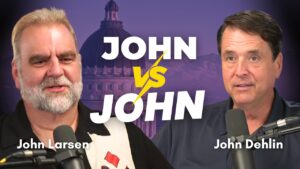

2 Responses
Great episode y’all. Nice work. Poelman had it right the first time.
Hello John Larsen,
Robin Dunbar, Professor of evolutionary psychology at Oxford has a new book, “How Religion Evolved, and why it endures”. Have a look!