
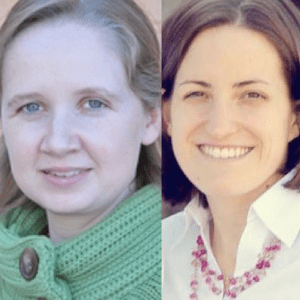
 The voice of Mormon Apologetics in the past has been predominately male. In this episode we explore the intersection of gender and Mormon Apologetics. We discuss the reasons that this may be, as well as how this tradition is changing and creating a space for more women within FAIR.
In this episode, we are pleased to have with us a strong panal:
- Nancy Ross, Assistant Professor of Art History at Dixie State Universtiy and has a Ph.D. from the university of Cambridge. She has been blogging the Book of Mormon chapter by chapter with a feminist perspective at nickelonthenacle.blogspot.com .
- Kevin Barney, studied classics at BYU, then obtained law degrees from the University of Illinois and DePaul University. He also serves of the board of directors for FAIR Mormon and Dialogue: A Journal of Mormon Thought.
- Jessica Finnigan is a Master’s Student at King’s College London, where she studies religion in the contemporary world. She recently completed an advanced Diploma in Religious Studies at the University of Cambridge. She earned a Bachelors from BYU in Marriage, Family, and Human Development..
Episode Transcript
Guests: Jay Nelson-Seawright, Jessica Finnigan, Kevin Barney, Nancy Ross
This transcript is machine-generated and lightly edited for readability. The audio is authoritative. Please excuse occasional errors in names and spelling.
Introducing the Guests and Episode Topic
Kevin Barney [00:00:00] Mormon Stories is a production of the Open Stories foundation and relies solely upon the support of people like you, its listeners to help keep the podcast alive or to become a member of the community. Please become a monthly subscriber by visiting MormonStories.org and clicking on the Donate button on the right side of the page under support. All contributions to Mormon Stories are completely tax deductible and go towards producing the podcast and building communities and programs of support for Mormons like you. Thanks for your support.
Jay Nelson-Seawright [00:00:36] The kindly light amid encircling gloom
Jessica Finnigan [00:00:43] Lead
Jay Nelson-Seawright [00:00:43] thou me on the night is dark
Jessica Finnigan [00:00:48] and I am far from home
Kevin Barney [00:00:53] Lead
Jay Nelson-Seawright [00:00:54] thou me hello and welcome to Mormon Stories. I'm Jay Nelson Seawright, your host for today. With me are Nancy Ross, Kevin Barney, and Jessica Finnigan. We're going to talk about the intersection between gender and Mormon apologetics. Apologetic discourse has taken on new importance in Mormon culture in recent years with the emergence of an apologetic approach to difficult Mormon problems in the Ensign, and More recently on LDS.org, taking the work that people like Kevin and others at FAIR and the Maxwell Institute have been doing for years to a new place of prominence and importance in Mormonism. At the same time, Mormon apologetics remains a very gendered activity. Nearly all prominent Mormon apologists are male. There are some important exceptions, but the statistics bear out a differentiation. So today we're going to talk about how this comes about. The idea is not to attack apologetics, but rather to reflect on how this very important domain of Mormon activity comes to be as male as it is. So with me today, Kevin Barney, who has been a longtime contributor to Mormon Apologetic Discourse and has worked at Fair Mormon for some years, has written in Dialogue, the Ensign, the Journal of Mormon Studies, Sunstone Farms Review, BYU Studies, the Journal of Mormon History. He's on the board of a bunch of these things. He blogged at BCC with me by common consent for a while. He's even recently been cited on LDS.org, which, if that's not the pinnacle of achievement in Mormon apologetics, I'm not quite sure what is. So, Kevin, welcome to Mormon Stories.
Kevin Barney [00:02:31] Thank you for having me.
Jay Nelson-Seawright [00:02:33] And we also have Nancy Ross, who is an assistant professor of art history at Dixie State.
Nancy Ross [00:02:44] Yep, that's right.
Jay Nelson-Seawright [00:02:44] Is that right? Dixie State. And has a PhD from the University of Cambridge, has done interesting work on religious art from European history, but also is a prominent Mormon feminist.
Jessica Finnigan [00:02:56] Right?
Nancy Ross [00:02:56] That's correct.
Jessica Finnigan [00:02:58] Great.
Jay Nelson-Seawright [00:02:58] Well, welcome to Mormon Stories, Nancy.
Nancy Ross [00:03:00] Thank you for having me.
Jay Nelson-Seawright [00:03:01] And then we have as well, Jessica Finnigan, who has a BS in Marriage, Family, and Human Development from BYU from 2003, and recently finished an advanced diploma in the Study of Religion from the University of Cambridge. She's currently a graduate student at King's College London and looking forward to moving to the Chicago area where all the best people live. So welcome to Mormon Stories. Jessica.
Jessica Finnigan [00:03:23] Thank you.
Women's Underrepresentation in Mormon Studies
Jay Nelson-Seawright [00:03:25] So to set up the stage really quickly and then I won't talk so much afterwards, but I want to set up what we're talking about with a few statistics. So back in 2006, Tara Nelson Seawright wrote up a post at By Common Consent studying the proportion of contributions to different Mormon Studies venues by women. So in 2006, and for a window of time before that, 39% of contributors to dialogue were female, 23% of contributors to BYU studies. So that there was a significant pattern of underrepresentation for women in Mormon studies at the time. Now, in preparation for this discussion, I did a recount for 2014. This year, 47% of contributors to Dialogue are female. So that's a nice change. That's pretty close to 50. 50. BYU studies is at 21%, which just isn't much change at all. There was a recent comment on the Ex Mormon Reddit where someone did a count of contributions to FAIR and the Maxwell Institute going to take advantage of that because FAIR has published so much material that I don't want to do the count. So what they found was that across those two fora, the proportion of female contributions was 10%. It's worth noting that that's lower, significantly lower than in Dialogue, but also lower than the much more academic BYU studies. So the puzzle for us today is how is that number so low? Why is it that faithful Mormon women's voices are so much less represented in apologetic disc than in other areas of discourse? So to start us out in thinking about this, I want to talk to Kevin about what it's like to be a Mormon apologist. I'd like to ask you, how did you get into this project of apologetics?
Kevin Barney's Path into Mormon Apologetics
Kevin Barney [00:05:09] Well, I kind of got suckered into it, I think.
Jay Nelson-Seawright [00:05:13] Is that right?
Kevin Barney [00:05:14] Yeah, what's called Fair Mormon today? And by the way, I want to make it clear, I'm just speaking for myself, I'm not representing anyone in my comments. But what is called Fair Mormon today originated as FAIR in like the late 1990s, and they held their first conference in Ben Lomond, California. And I forget the exact year, it was like 99 or something like that. And they invited me to come and give a presentation at at that conference. The conference was held in the Relief Society room of a chapel. That's how big it was. And there were almost more speakers than there were people in attendance. But it was a great experience. I met a lot of people from that that I knew by name, but I had never met in person. And so that's kind of how I got involved in the organization.
Jay Nelson-Seawright [00:06:20] So just out of curiosity, what was that first presentation of yours about?
Kevin Barney [00:06:25] It was entitled A Tale of Two Restorations, and it was basically a comparison between the restorations of Joseph Smith and Alexander Campbell.
Jay Nelson-Seawright [00:06:36] Neat. So how did you get interested in that? I mean, that has to be your sort of entry point to this, right?
Kevin Barney [00:06:42] Yeah. Well, I forget what the theme of the conference was, but it was something about, you know, restorations. I think maybe the word comparative was in the title somewhere. And so the title of the conference or the theme of the conference just suggested to me that topic. I had not done any prior work on it before, so I had to do a lot of research to come up with the paper.
Jay Nelson-Seawright [00:07:15] That's interesting. So who was organizing that first conference?
Kevin Barney [00:07:21] That conference was organized by Darrell Barksdale, who was the first president of fair, and Kerry Schurz was the person who was involved in FAIR at that time, who invited me to participate.
Jay Nelson-Seawright [00:07:36] Oh, that's interesting. So, I mean, in a way, it was really, you know, sort of far seeing to organize that at that moment, wasn't it? I mean, the Internet was barely starting.
Kevin Barney [00:07:48] Exactly. You know, they had a message board at the time. And eventually the organization got rid of the message board because it just, you know, Farah originated as kind of what I call an engagement apologetics organization. And by that I mean direct interaction with critics and very, very vigorous argumentation. And we're going to arm wrestle over all of these things. And that was kind of the style originally, kind of an Internet feisty Internet style. But after a few years, we kind of changed our focus to be what I call an educative apologetics organization, where our focus isn't really on critics of the church anymore, but on members, and in particular, members who stumble over some weird thing from the Mormon past on the Internet and are troubled by it. And so we don't really engage with critics and haven't for quite some time. There's a message board that people equate with fair, but FAIR has not had any involvement in it for a decade.
Jay Nelson-Seawright [00:09:09] Right. So I mean, my sense of you during the decade or so that I've known you is that you're definitely not that kind of argue with critics person, right?
Kevin Barney [00:09:18] Absolutely not. That's not my interest in apologetics. My interest is helping the person who's been blindsided by something and is troubled by it and does not know where to turn.
How FAIR Works and Who Participates
Jay Nelson-Seawright [00:09:30] So I want to ask, I mean, how does FAIR work? I mean, is there kind of a cabal that makes decisions and reaches out and recruits people? Is it kind of decentralized and people just send stuff in? How does someone go about becoming an author for FAIR?
Kevin Barney [00:09:45] Well, FAIR is a. It's actually incorporated. It's a 501c3 organization. It has a board of directors, and I happen to be on that board. And so. And then there it has officers like, you know, it has a president, and it has people that kind of run things. It continues to hold an annual conference, and the last couple have been in Provo at one of the convention centers there. And these days the conferences are up to 350, 400 in attendance. So it's grown quite a bit from those humble beginnings that I described at the very first conference. So it's all volunteer, no one gets paid anything. And it's largely an Internet based organization. And so there are backlists, like with blogs have backlists to kind of coordinate things. FAIR operates in much that same way.
Jay Nelson-Seawright [00:10:56] Okay, so I want to just dispel right off the bat one hypothesis about how there comes to be these gender balances on your backlist. You definitely don't make fun of women and kick out female contributions, right?
Kevin Barney [00:11:09] No, certainly not.
Jay Nelson-Seawright [00:11:13] So that's not what's going on. So then the next question is, I mean, are you getting many women who try to contribute, or is there just an absence of sort of interaction there?
Kevin Barney [00:11:25] Well, first of all, you're right that for some reason, you know, apologetics is not an activity that seems to appeal to a lot of women. And we strive to have more female participation. We do have some excellent female participation. We do have a fair number of women who are heavily involved in the organization, but it's a minority. It's not as much as we would like to. And it's. And I'll be honest, I don't think we really understand what the dynamic is or how to fix it. We would certainly love to have more women involved and more women's voices.
Jay Nelson-Seawright [00:12:12] Yeah. Now I'm going to ask this, and I want to be clear that this isn't a judgment thing. Just a lot of the time in organizations, this issue just doesn't come up. So I wonder, have you actually had conversations about outreach to women or is that just an issue that hasn't been on the front?
Kevin Barney [00:12:30] Oh, we certainly have. One of our board members is a woman and is very committed to this issue, and the board as a whole is as well. So we've had discussions about it. And I think one of the difficulties is that there's kind of a range of, I don't know, views among the women who were involved in the organization when it comes to how to negotiate apologetics. You know, there are some who are more, you know, stick with the party line of the church on pretty much everything, and then there are others who are. And I don't know what the right word is, but I'll just say liberal, for lack of a better word. Who, you know, who are more concerned about, you know, issues that women in the church have raised and trying to deal with those issues in a way that would be meaningful to those women. So there's a whole spectrum of women involvement in Faire, and that makes it challenging because it's not really a single united voice. It's a range of voices.
Jay Nelson-Seawright [00:13:49] But I mean, that's true of FAIR in general. Right. I mean, I have the sense that there are some quite conservative voices connected with Faire as well as people who. I'm going to characterize you as pretty liberal. And there's that range. Right. And so when you say that that's true about women, that's true about men as well.
Kevin Barney [00:14:06] It's true of the organization as a whole. You're absolutely right.
Jay Nelson-Seawright [00:14:09] And so, I mean, in a sense, I can see how maybe it's just that issues for women are so much more pressing and charged. Is that the possibility?
Kevin Barney [00:14:19] I think that's a fair way to look at it. Sure.
Jay Nelson-Seawright [00:14:24] Well, I want to take a second here because listening to this is a very large audience of moderate to liberal Mormons, including a lot of women. So maybe this is a good opportunity to reach out and say, do a recruitment pitch.
Kevin Barney [00:14:40] Absolutely. At our website. I should know the address. I think it's fairmormon.org or something like that. But if you just google fairmormon, you'll find it. There's a page for joining the organization, and if anyone is interested in doing that, we would certainly invite it and welcome it.
Jay Nelson-Seawright [00:15:03] And that includes people who are maybe, as I say, as you say, kind of liberal. Right. People who see issues as challenging. This isn't only for party line dogmatic people.
Kevin Barney [00:15:15] Well, people are welcome to go to buy Common Consent and to click on the prior posts of Kevin Barney. You can get a sense of My liberality. So it's not really a question of liberal or conservative. It's a question of faithfulness and trying to frame things in a way that can preserve faith.
Jay Nelson-Seawright [00:15:44] Right, Absolutely. Well, thank you, Kevin. We will come back to you in a little bit. But I want to bring in Nancy and Jessica as well. So, Nancy, you are a person who has put an enormous amount of effort into the scholarly study of religion, right?
Nancy Ross and Jessica Finnigan on Feminist Mormon Scholarship
Nancy Ross [00:15:57] Yeah. I mean. Yeah. And not all of it has to do with Mormonism.
Jay Nelson-Seawright [00:16:02] No, no. You're very broadly trained in this. Right. Tell us a little about your background.
Nancy Ross [00:16:08] Well, when I was an undergrad, I kind of chose my direction. I remember sitting in a medieval art history class and having had background in Latin and having had a church background, like a background in religion, having been Mormon all my life and looking at my classmates in that same class and realizing that I had quite a leg up on everyone else because of having done Latin and understanding some of the patterns of belief in what it was like to be a believing person. And so at that moment, I realized that, at least for that time, that medieval art was my call. And so I went on to write a PhD thesis on the Book of Revelation in art and its representation in English, mainly English books in the 13th and 14th century. And interested in apocalypticism and in biblical commentary and that kind of thing.
Jay Nelson-Seawright [00:17:05] No, exactly. I think this is important. You know, maybe for outsiders, when they hear art history, they're going to think that you're writing a lot about sort of different paint techniques or things, but you're really writing about things that engage heavily with religious studies.
Nancy Ross [00:17:17] Oh, absolutely. And I think that that is a big misconcept. And certainly some art historians might take that particular approach. But as my training is as a medievalist, medievalists are very interdisciplinary. And so a lot of what I was writing about, or at least some of what I was writing about, had to do with the way in which images engage with the text and kind of expand upon certain kinds of commentaries and the interaction between biblical text, biblical commentary, and image and illustrations of that. So there's a lot of. There's a lot of knowledge. You have to have a background in religion and history to make that all work.
Jay Nelson-Seawright [00:17:57] Now, you're not only a medievalist, though, you're also a very important Mormon intellectual. How did you become interested in engaging in Mormon feminist issues?
Nancy Ross [00:18:07] Well, I think I was inspired when I saw in Feminist Mormon Housewives, when Feminist Mormon Housewives, the blog, first began operating in Facebook and its Facebook group, I saw how with the Temple Baptisms initiative way back in 2012, which is
Jay Nelson-Seawright [00:18:26] not long ago, but way back two years ago. Yeah.
Nancy Ross [00:18:29] I feel like the community has come a long way since then, so it does feel like a long time in our history.
Jay Nelson-Seawright [00:18:34] Fair enough.
Nancy Ross [00:18:36] So I saw people engaging in this temple baptisms initiative to make sure that temple baptisms was fair for women who were both menstruating and not menstruating. And it was really exciting. And then at that time, it was about that time that I decided that I would try blogging the Book of Mormon chapter by chapter, which I have in no way completed, but certainly kind of helped to set me on a path.
Jessica Finnigan [00:19:01] And then.
Jay Nelson-Seawright [00:19:02] And where can people find that?
Nancy Ross [00:19:04] I have a blog called Nickel on the Necklace. So if you Google Nickel on the necklace, my 5 cents on the flogger.
Kevin Barney [00:19:11] Nickel is right.
Jay Nelson-Seawright [00:19:12] Right.
Nancy Ross [00:19:13] So they can see some of that. And I was really trying to blog it, to blog the Book of Mormon both from a very. From a believing point of view and from a feminist point of view. And that was ultimately a very, very difficult exercise.
Jay Nelson-Seawright [00:19:26] It is, isn't it? I mean, so I've been talking. Another interview I'm doing is with this guy, David Michael, who's not a believer, but has been podcasting reading the Book of Mormon chapter by chapter. He's never seen it before. And one of the things that's striking to him, like, he basically cheers every time there's a named woman, which, you know, happens three times.
Nancy Ross [00:19:44] Yeah, well, I mean, in many ways, it's so hard to blog the Book of Mormon from a feminist perspective because there are just so very few references to women or to women's issues or really an acknowledgement of women in the book. And the Book of Mormon is ultimately extraordinarily masculine book, and so it's difficult to discuss the women in it. And that was kind of upsetting to me. You know, I had read the Book of Mormon many, many, many times. I was on my 23rd read of the Book of Mormon when I started blogging it. And blogging it really kind of changed my relationship with the Book. And so that's just been kind of a. I wasn't expecting to have such a difficult time with it.
Jay Nelson-Seawright [00:20:31] So how do you keep a faithful perspective on the book with that challenge?
Nancy Ross [00:20:35] I think that we previously. I think a lot of my thinking had been fairly literal. And so I think that creating more flexible spaces in which to understand the Book of Mormon and its purpose has been key in helping me to maintain my faith or into continuing to see value in the book, even if I certainly can't see any women or in
Jay Nelson-Seawright [00:21:08] the book right now. I understand. So I want to talk to you about how you sort of have been fit into the Mormon intellectual world. So would you call yourself an apologist?
Nancy Ross [00:21:22] No, not at all.
Jay Nelson-Seawright [00:21:23] Why not?
Nancy Ross [00:21:24] Because when I think of apologists, I think of people who are trying to defend and maintain the institution of the church. And while I definitely believe in the institution of the church, I am not when it comes to gender and other policies. I'm not really interested in defending current church policy because I feel that many church policies are discriminatory against women. And so I am absolutely faithful. I have a temple recommend. I teach Relief Society. I love the church. I've always loved the church, and I hope to always be part of the church. But I would never call myself an apologist because I just don't see. I see apologists as trying to explain to people that, you know, gender complementarianism, which I don't agree with, or I see apologists trying to explain that, you know, polygamy is okay, or, you know, other things, which I can't really get behind. And I realize that that might be a misunderstanding of apologetics, as, you know, Kevin had some other ideas of what that was about, but I just don't. I wouldn't describe the goal of my intellectual work as defending the current policies of the church.
Jay Nelson-Seawright [00:22:35] So, I mean. But it is very much about sort of addressing these difficult issues in a way that maintains faith. Right?
Jessica Finnigan [00:22:42] Sure.
Nancy Ross [00:22:43] But I think I hope to always maintain my faith, and I certainly want to encourage people to maintain their faith if that's right for them. But I also see ways in which, for some people, maintaining their faith is not necessarily in their best interest. And I accept that sometimes the study of the church is going to lead away, and I think that people have to make the choices that are best for them, even though I very much support maintaining faith. But I don't want to tell people that that's what they have to do, because that's the right thing for them. And I feel like that's. That's, in some ways what apologists try to do.
Jay Nelson-Seawright [00:23:19] I understand. So, I mean, who would you say are the supportive audiences and allies you've had in kind of the Mormon intellectual space?
Nancy Ross [00:23:31] I think that. You mean in terms of naming specifics, specific people?
Jay Nelson-Seawright [00:23:36] I mean, you could say specific people or even, like, institutions or, you know, what kinds. Which domains have you been really supported by? And which domains have been silent or challenging?
Nancy Ross [00:23:48] Well, I think so. I'm very much supported by Mormon feminist spaces. You know, blogs like the exponent blogs like Mormon Feminist Housewives or Feminist Mormon Housewives rather. I probably started at more of a middle ground in Segola, or Segola, however that's pronounced.
Kevin Barney [00:24:07] Yeah, but.
Nancy Ross [00:24:09] And of course I've been very involved with ordain women. And. And so these feminist spaces are the spaces that I've really approached and used to help me work through my own issues, to help me through difficult periods, and to help me ultimately find faith in places where I didn't necessarily anticipate faith. And I certainly have witnessed a lot of women kind of exploring or explaining their own belief in their own faith, sometimes in unorthodox ways, but in a way that is rung true to me. And so I've had a lot of good models in those spaces for finding other ways of explaining things or of approaching difficult topics that have helped me to retain my faith.
Jay Nelson-Seawright [00:24:58] So I guess something you just said that's really interesting for our topic here is that there's a kind of dichotomy. And I don't think this is just you. I think this is a construction in our culture generally where Mormon feminism is one thing and apologetics is another thing. And those are categorically distinct. Would you agree with that?
Nancy Ross [00:25:15] Absolutely, yes.
Jay Nelson-Seawright [00:25:17] Okay. So I think that that might be a sort of key issue for us to talk about a little bit later.
Nancy Ross [00:25:22] And I feel like, I mean, certainly the impression I get is that there isn't necessarily much room in Mormon apologetics for Mormon feminists and that people like me, even though I'm very faithful, but. But because I've aligned myself with ordained women, are often seen as necessarily shut out of more official kinds of church spaces or spaces that seem more official and church promoting.
Jay Nelson-Seawright [00:25:51] Right. Okay. Well, thank you, Nancy, again. We'll come back to you in a minute for broader discussion, but I want to bring Jessica in. So Jessica, thank you for waiting patiently. So you're also another person who's basically investing your professional life in the study of religion, is that right?
Kevin Barney [00:26:07] Yeah.
Jay Nelson-Seawright [00:26:08] So tell us about how you decided to do that and what you're interested in.
Jessica Finnigan [00:26:12] So mine is a little bit more is different. So my thesis at Cambridge was on the impact of technology within the LDS Church and innovation. And so that's sort of where my jumping off point was. So it wasn't quite gender. I was involved in online feminist Mormon Housewives that I decided to study something non gender related. And I think that's where, as Kevin was talking, an issue that women. I think there's this idea in the church that women only talk about women or they only talk about gender. And I actually had somebody say to me, and I was slightly offended, and the church history department, oh, I'm glad that you're a woman and you're not studying women.
Jay Nelson-Seawright [00:27:00] That is really unfortunate.
Jessica Finnigan [00:27:01] Yeah. But I think it's just as interesting because I think we do have a more complex social issue at play. I don't know if you want to talk about this now, but I've discovered.
Jay Nelson-Seawright [00:27:11] No, I think this is useful. Yeah, go ahead.
Jessica Finnigan [00:27:14] Is that there is this assumption that women in the church are only in charge of women or children. And I think that extends into apologetics and into academic life. That within Mormonism, and this is true of other religions as well, other religious conferences I attend, that it's not just Mormonism, that it's definitely this issue that if you're a woman, you will talk about gender.
Jay Nelson-Seawright [00:27:42] Right. No, I mean. And I want to sort of. When I did the statistics a little earlier on and had dialogue at nearly 50%, one of the reasons for that is that the winter issue of Dialogue this year is a issue on women's issues, which is mostly women. So what you're talking about is replicated even in liberal Mormonism.
Jessica Finnigan [00:28:01] Yeah, And I would say that's what I.
Jay Nelson-Seawright [00:28:04] And you're one of the authors in
Jessica Finnigan [00:28:05] that issue as well.
Jay Nelson-Seawright [00:28:06] Congratulations. That's wonderful.
Jessica Finnigan [00:28:08] But I think that is definitely why. Because if you look at what men are talking about, it's much more diverse within fair. Within BYU studies. I mean, they cover a whole spectrum of topics. Right. Like, I wrote Kevin's stuff. He doesn't just.
Jay Nelson-Seawright [00:28:25] I'm going to interrupt you for just a second. Let's come back to this in a minute. But I need you to tell me a little bit about how you got into this. So you wrote about technology and Mormonism, and this was, I guess, partly based on your personal experience.
Jessica Finnigan [00:28:38] So I graduated from BYU in 2003, and my husband and I and his friends from BYU started a technology startup and. Which we sold in 2011. So that was how I sort of got into the technology side of it. And how is the trading technology. Where is it becoming problematic? How is the Internet becoming problematic? What are these discussions? Then the John de Lynn case study came out. Like, this would be a really interesting thing to go back to 1820s, 1830s, and say, what has been the process of technology? So that's where I started. I started getting into gender when Nancy and I, who actually have Never met in person, but write papers together. We found calls for papers for gender in society about women and religion. So we wrote a paper. We did a survey, wrote a paper about Mormon feminist activism. And the descriptive part is in. That's what's in dialogue for this winter issue, but.
Jay Nelson-Seawright [00:29:52] Gotcha.
Jessica Finnigan [00:29:52] So that's sort of where it snowballed from. And there's. It's amazing to me how much interest. I didn't really intend on making it an academic career on studying Mormonism, but people are super interested and not just Mormons.
Jay Nelson-Seawright [00:30:10] Right. I mean, this is generally in the sociology of religion. This is a useful topic.
Jessica Finnigan [00:30:14] I say it's very interesting. People like, oh, so you're actually Mormon. Like, oh, so you're a real one. And a professor at Cambridge actually asked me once, and so there's a lot of interest. And. Yeah, so that was sort of.
Jay Nelson-Seawright [00:30:31] Yeah, that's good.
Jessica Finnigan [00:30:32] Came to be.
Jay Nelson-Seawright [00:30:33] So. So it was kind of that personal evolution. So you're looking forward to doing PhD work on. On basically Mormon studies from a sociology point of view?
Jessica Finnigan [00:30:41] Yeah, Anthropology. Sociology.
Jay Nelson-Seawright [00:30:43] Anthropology. Sociology. Good, good. Well, all right. So I want to ask these same questions now of, you know, in terms of your Mormon intellectual work. Would you call yourself an apologist?
Critiques of Apologetics from a Feminist Perspective
Jessica Finnigan [00:30:54] I really wouldn't. I think for the same reasons that Nancy mentioned. I just think that. And maybe, again, Kevin can correct us and we're totally wrong about apologetics, but I would say, like, my academic opinion of apologetics is very close to what Nancy described. Like this very. It's okay the way it is because it all makes sense in this bigger sphere, which I'm just not comfortable saying. I think that there's definite inequality issues that need to be addressed that aren't addressed within those spaces. Not just women, but racial issues, other issues.
Jay Nelson-Seawright [00:31:40] Right, But I guess so. I mean, when you say that, you know, there are two different ways you could mean this. You could mean this in a sort of, the church is evil and should be destroyed because of inequality. Or you could say this in a. I am committed to the church and want it to succeed. And it has to do that by addressing inequality. Right?
Jessica Finnigan [00:31:58] Yeah. I think the second one, okay, when I write, I don't write aggressively or try to be balanced. And I mean, that's a lot of sociological training within religious studies is. How do you not sound like a total jerk? Because it's quite easy, right, within an academic setting to be like, oh, well, they don't do this, or I try to stay very positive. And here's where the challenges lie. Here's where the strengths lie. Here's where.
Jay Nelson-Seawright [00:32:33] Yeah. So, again, I mean, I think obviously you found some support in Dialogue and some other places, but where would you say are the receptive audiences and supportive spaces for you as a Mormon and as an intellectual?
Jessica Finnigan [00:32:52] I think they're very mixed. Yeah, I'd say I've had very good experiences with byu and I've had very bad experiences with byu. I don't want me to tell stories or. What do you want me to share?
Jay Nelson-Seawright [00:33:08] Stories are great, actually. That would be perfect if you would give us a good story and a bad story. That would be amazing.
Jessica Finnigan [00:33:12] Okay. So I spoke at the Mormon History Conference at BYU in March. And I walk up to the counter to get my speaker's badge, and I'm not super tall, but I'm wearing this bright yellow dress. And so I get up there, and I was like, oh, maybe the lady just doesn't see me because she's, like, not helping me. So I stand right in front of her, and she moves her entire body to look around me to ask the man behind me if he needed anything. And I was like, I need my badge. And she's like, this is just for speakers. I was like, why? And she's, like, turned bright red, and she's like, oh, and found it. And that's probably the worst experience I've had.
Jay Nelson-Seawright [00:34:00] That is pretty rough. Yeah. So let's have a good experience, too, to balance.
Jessica Finnigan [00:34:05] So I think. I think on an individual level, like, I found a lot of support. So do you want me to name people who have been particularly supportive or.
Jay Nelson-Seawright [00:34:17] Sure, why not? That's great.
Jessica Finnigan [00:34:18] So I think Boyd Peterson, especially, like, the Utah Valley. I met him at, like, the Utah Valley Mormon Conference at uvu. Grant Hardy has been quite supportive, I think. Mormon History Association. I've never been to fair, so I can't speak for that. I do know people from FAIR who have been supportive, so that's, I think, quite positive.
Jay Nelson-Seawright [00:34:43] So there are people from FAIR who've been supportive, but you've never been, and you wouldn't describe yourself in a podcast. There's something interesting to that, right?
Jessica Finnigan [00:34:49] Yeah.
Jay Nelson-Seawright [00:34:51] Okay.
Jessica Finnigan [00:34:53] I might attend a fair conference, but I don't think I would speak at a fair conference.
Jay Nelson-Seawright [00:34:59] I want you to say more about that. Why would you not speak at a fair conference?
Jessica Finnigan [00:35:02] I think I'd start out with speak about. I think the technology thing would be interesting. I don't know. I live so far away that it's sort of hard to.
Jay Nelson-Seawright [00:35:11] No, that's fair. On the one Hand. But on the other hand, it's almost a cop out. Right. I mean, it's not the answer to the question. So on technology, you'd have something to say that maybe the fair people would be interested in. But this other side of your work, the gender stuff, which is, let's say, frankly, just as important, you wouldn't be able to talk to them about.
Jessica Finnigan [00:35:32] I think that there would be a lot of backlash. I've heard from other women who have spoken at FAIR about gender, and they have not gotten a lot of positive feedback, should we say. And so, like, I think for me, that would be very scary.
Jay Nelson-Seawright [00:35:48] Yeah. Yeah. Okay. So again, I think this maybe comes back to this. This thing that we talked about with Nancy a moment ago, that there's a kind of construction of Mormon feminism as one thing and apologetics is another thing, and those are kind of different teams in a way. Is that right?
Jessica Finnigan [00:36:01] I think I would describe it. That's fairly accurate. I mean, that's much more complicated than that. But I think. Of course, yes, I think that's a fair simplification of it, in my opinion. Like, that's how I would feel a lot about it.
Jay Nelson-Seawright [00:36:18] Okay, well, so thank you, Jessica. So having gone through this sort of cycle, I want to come back to Kevin for a second and say, having heard what Nancy and Jessica had to say about this, is that kind of. I mean, is fair being seen the way that you'd hope it's being seen?
Kevin Barney [00:36:35] Well, yeah. I'm not surprised that they wouldn't describe themselves as apologists or their work as apologetic. I don't always. I wouldn't always make that description of my own work. I mean, to me, apologetics is like one hat that I sometimes wear, but I also wear the hat of a scholar sometimes and a social critic at other times. So I was not bothered in the least by their characterizations of their work vis a vis apologetics.
Jay Nelson-Seawright [00:37:09] Sure. No, but I guess this idea that apologetics and feminism are sort of opposite or not intersecting spheres, I guess, is that. I mean, first of all, would you see that as accurate and second of all as desirable? I guess
Kevin Barney [00:37:27] in large measure it's probably accurate. In my case, it's not. I consider myself a Mormon feminist. I published an article on Mother in Heaven and Dialogue, and I favor the concept of woman's ordination. So I don't think it's accurate in all cases. But for most apologists, they are defending the, you know, the position of the church. And the position of the church does not, well, leave Mother in Heaven out of it, that's more complicated. But the obvious current position of the church does not. Does not countenance that. And so, yeah, most apologists are not going to be, you know, advocating for women's ordination. And I've done that. I, you know, I have a guest post at Feminist Mormon Housewives from a long time ago where I explained why. I think, you know, that would make sense. So, you know, but most. I'm an outlier in terms of apologetics in that issue. So I think it is fair to say that most apologists are not out campaigning for the priesthood or something like that.
Why So Few Women Engage in Mormon Apologetics
Jay Nelson-Seawright [00:38:51] Okay. So, I mean, I think this is definitely an important point for thinking about women's contribution to apologetics, but I guess a question for all three of you is, I mean, are there women out there with a different point of view on that issue? And if there are, why are their voices not being represented heavily in the apologetic space? Right.
Kevin Barney [00:39:14] Well, I'm a little uncertain where that 10% figure came from because, you know, probably our biggest publication is the Wiki. Right. And like Wiki software, generally, there is no author attribution to any of that. I have a feeling that someone, and this is a very common misperception, someone took the message board that used to be associated with the fair, which does have author attribution, and did it based on that. And if that's the case, and that is completely wrong.
Jay Nelson-Seawright [00:39:53] No, I can actually clarify that really quickly on the FairMormon.org website. If you look under Perspectives, there is a listing of authors underneath that, and there was an author count on that list. That's where the title.
Kevin Barney [00:40:07] Well, that's fine. I was just about to say I'm not sure that that number is that far off really, but I just wasn't sure how it had been calculated.
Jay Nelson-Seawright [00:40:16] Yeah. So Nancy or Jessica, I mean, are there, you know, I think there are women who aren't necessarily supporters of ordained women.
Jessica Finnigan [00:40:27] Right, Absolutely.
Jay Nelson-Seawright [00:40:30] And I guess I want to say, you know, we hear these voices and we, you know, the Mormon women stand. There's, you know, I mean, I mean, there's Nayland McBain, a lot of these other voices out there, and I guess I wonder how many of these people are apologists and if they aren't, why?
Nancy Ross [00:40:49] Well, I'm not sure. I mean, I think that initially people like Nayland McBain were kind of on the fringe, but then Mormon feminism goes into activist mode, and then they seem like apologetics.
Kevin Barney [00:41:04] If I can just break in here for a moment, you know, Neyland's book, Women at Church, originated as a talk she gave at a FAIR conference, which was. I was there for. It was a fantastic talk. I don't know that she would consider herself an apologist necessarily, but that the kind of thing she was talking about in the book, which is kind of a moderate approach, perhaps, to a feminist engagement with the church that actually did originate with involvement with fair.
Jay Nelson-Seawright [00:41:40] And actually she was a bad example on my part because she is one of the women listed as a FAIR author on the listing. So she probably is one of the exceptions rather than the rule.
Kevin Barney [00:41:52] Probably, yeah.
Jay Nelson-Seawright [00:41:55] So I guess I want to think about this a little bit. I mean, we can think of a handful of people like her who speak on a conservative point of view or a moderate point of view on gender, and maybe some of those people would count as apologists. And then we have the idea that feminists are, by definition, not apologists. I guess. Are those two things in conjunction the full explanation for why there are so few women?
Nancy Ross [00:42:27] I think that that's got to explain a fair bit of it.
Jay Nelson-Seawright [00:42:31] Yeah. So I guess I think there's more
Kevin Barney [00:42:34] to it than that, because as I said before, apologetics is largely something that happens on the Internet. And I think just culturally, you know, a lot of women, it's kind of a male activity, and a lot of women just aren't interested in it in that way in like, you know, arguing with people about things. I, even though I tried to characterize there, is not doing it.
Jay Nelson-Seawright [00:43:08] I'm sorry, Nancy. Nancy, go ahead.
Nancy Ross [00:43:10] I disagree that women aren't into arguing with things, arguing about things with people on the Internet, because that certainly happens in a lot of spaces where I'm at. I think in the church, we still have this idea that men have all of, not only the authority, but also the knowledge, and that women's voices are not often respected in quite the same way. In any given Sunday school class, people. A man can say something and people will nod in respect, and then women say something similar and they get a different response. And I think that that is really important. It's not just that there's a separation of apologetic spaces and feminist spaces. I think that there's perhaps a reason why it's important to see how men respond. Mormon men respond to women's voices, and that's. And Kevin can say that he's a feminist and that he supports ordination, and that's all fine. And I'm sure he has very different responses to those kinds of comments as a result of being a man. But when you're a woman and you say those things, different things happen.
Kevin Barney [00:44:21] I certainly recognize that, you know, kind of male privilege that I have. And you're right, it does make things a lot easier. Easier for me to say those kinds of things. What I had in mind is kind of the cartoon, you've probably seen it where there's. There's some guy hunched over his computer, pounding away and his wife says, come to bed. And he says, but someone's saying something wrong on the Internet.
Nancy Ross [00:44:49] I don't think that that's any less true of women. I seem to occupy online spaces every day where women are engaged in exactly the same kinds of confrontations. I'm not sure that that is necessarily a male activity.
Jessica Finnigan [00:45:05] I do think.
Jay Nelson-Seawright [00:45:07] Jessica. Yeah, sorry, I wanted to bring you in on this because you have some degree of expertise on this. Right.
Jessica Finnigan [00:45:11] So I would say early on, especially like the early message boards were very male dominated. And I think that's where a lot of these early apologetic organizations formed. Like Kevin said, not just fair. Fair is one of the ones that has survived. There are quite a few. I mean, there's books on Mormon message, early Mormon message boards.
Jay Nelson-Seawright [00:45:38] Oh, really?
Jessica Finnigan [00:45:39] Yeah.
Jay Nelson-Seawright [00:45:39] Okay. That's a whole other topic we need to talk about someday because I would love to read books about that.
Jessica Finnigan [00:45:45] And so I think, and this is what I have found is that there are these bonds that formed and breaking into those as a woman is very, very difficult in the church because we have all these other social interactions and social mores that don't quite allow men and women to interact as equals, especially one on one in person gender weirdness. That's a whole other episode. But you know, so I think FAIR in these very early message boards were very male dominated. And to break into that or to get and to step into that is quite overwhelming. And I think it just becomes this space where women don't feel that their voices are heard. So they start blogs or you know, we have Mormon women stand or well behaved Mormon woman who very much would be interesting at a fair conference, but she just has her own thing. Right. Like, so as the Internet grew, it sort of became these wikis. And I would say women are less interested in wiki formation than blogs or Facebook groups. Like that's how I see that gender breakdown. As Brad Jones and I did a survey and it's definitely there's a gender breakdown on who uses what, who reads what. And I don't have those stats right in front of me. I should have, but.
Jay Nelson-Seawright [00:47:17] But I mean, tell us a little bit what that looks like. I mean, what kinds of stuff do women do as opposed to men in the Mormon Internet? Just without the numbers, just kind of. What does the profile look like?
Jessica Finnigan [00:47:27] Well, they are really staying to very female and either because they feel that they have to, or by self selection, I mean, how. It's very complicated. Right. Like women choose not to go into stem. How do we break that down? Or.
Jay Nelson-Seawright [00:47:41] Right.
Jessica Finnigan [00:47:42] That's sort of the same sort of construct I think think that we're dealing with.
Jay Nelson-Seawright [00:47:48] And it actually is the same sort of genetic story you were talking about. Right. Where with stem, it started in a very male space. And then subsequently when people try to expand that, they're starting from a point of 90% men. And getting women to enter a space that's that heavily male is its own challenge. Right.
Building Networks and Space for Women Scholars
Jessica Finnigan [00:48:08] Yeah. And I think there's another challenge that, that I've seen in other spaces that there's a few women and they don't really understand how to get more women involved. And that's really why Nancy and I started the Mormon Women Scholars Network, because we were watching a conference and there was not one woman speaker. And we're like, oh my goodness, we need to do something. Because.
Jay Nelson-Seawright [00:48:34] Yeah.
Jessica Finnigan [00:48:35] And it's interesting to watch these women on. We have a Facebook group that we use that's closed. But like, oh, I can't say this. And like, no, that's actually a good idea. And like, you really can actually say that and you can say it authoritatively, but no one's ever told them that. And it's like, here's a call for papers. Like, why don't you submit something? Oh, I couldn't do it. So we're like, oh, well, this person can do it and this person can do it, so why don't you work together? And I think that's where a lot more women feel comfortable working. Like, I think that I wouldn't have quite broken in had I not worked with Nancy or because there's just so much fear. I don't know, I was like, I'm not adequate enough. I can't speak well enough. I can't do well enough, which is so bizarre.
Jay Nelson-Seawright [00:49:24] So there's. There's a need for mentorship and social networking?
Jessica Finnigan [00:49:27] I think so, yeah.
Kevin Barney [00:49:28] Absolutely. Yeah.
Jay Nelson-Seawright [00:49:30] And that those things are more available, I guess, in Mormon spaces in places that are gendered female. Is that right?
Jessica Finnigan [00:49:38] I think so.
Jay Nelson-Seawright [00:49:41] Okay, so that's, that's. Yeah.
Nancy Ross [00:49:43] I think that Jessica also raised a really important issue, which is if, you know, women engage on women's issues you know, in whatever kind of space, unless they're absolutely toeing the party line, they're supporting the church's stance, there's actually quite a lot of social cost there. There's a tremendous amount of social cost. And so even if you're not saying something all that shocking, there's just a lot of social cost. And so it's not like other academic activities where there's probably no social cost. Nobody cares if you take one position or the other position within a given framework. But there's a lot of gender issues
Jay Nelson-Seawright [00:50:26] are really charged, so there's a lot of risk there. And I think that's certainly true. I mean, just to take the single high profile recent example, I mean, Kate Kelly was excommunicated for calling for Mormon women's ordination, and John Dehlin was not for that and about a hundred other things. Right. So that there are costs that. And we can't just say that it was because she was a man and he. She was a woman. Sorry. And he was a man. But it sort of looks a little that way. And you can get that message, couldn't you?
Nancy Ross [00:50:53] And I think you could absolutely point to Kate's husband, Neil, who engaged in just about every activity that she engaged in and never received a word of censure.
Jay Nelson-Seawright [00:51:02] And again, yeah, I don't want us to say that the church is intending to do that. Right. But that's a message you get.
Nancy Ross [00:51:09] Well, I think that, I mean, if
Jay Nelson-Seawright [00:51:12] you want to say that the church is intended to do that, you go ahead. I don't want to be saying that,
Nancy Ross [00:51:15] but yeah, I think, I think that when, as I said before, when men speak about controversial issues, especially on gender, it's received very differently than when women speak on controversial issues like gender. It's as though we're too biased because we're women, so we can't possibly have anything reasonable to say on the subject or something.
Jay Nelson-Seawright [00:51:38] Right. Because men have the unbiased, objective perspective. Right, right.
Nancy Ross [00:51:42] And that is what we inherit from academic traditional.
Jay Nelson-Seawright [00:51:47] Yeah. Okay. So that, that is sort of another consideration. But now I want to, I want to circle back to something a little bit, though. I mean, there, there are issues that have been huge and important for Mormon men and women in apologetic discourse that aren't specifically about gender. You know, issues like the historicity of the Book of Mormon or prophetic revelation and questions of infallibility and inspiration. And it seems that those are spaces where, since there's not a specific gender tag to it, the stakes might not be as high. Is that true or am I missing it?
Jessica Finnigan [00:52:27] Oh, I totally think that's true. I just think that women, either by choice or by some, like, they've been put into this box that women speak about women or children. You have authority over those issues and men have authority over. I cannot tell you how many times I sat in Relief Society and the Stake Relief Society president or somebody with a fairly major calling has said, oh, I don't, I'm not really a scriptorian, or I don't really know what I'm talking about or all those, like, things that the men talk about. I'm like, what are you talking about? Like, yeah.
Nancy Ross [00:53:06] And I have to say that I've experienced the exact same thing. I've experienced numerous women who feel like because they haven't been on a mission, they can't possibly know the scriptures as well as their husbands and the men in the room. And so they shy away from any engagement there because they feel like, quite simply, that is not their territory.
Jay Nelson-Seawright [00:53:25] Well, that's pretty depressing, actually.
Nancy Ross [00:53:30] I completely agree.
Kevin Barney [00:53:31] Well, you know, the thing that I think it was Nancy that mentioned about the missions, I think that's a big factor and I think the age change is over time going to have a huge influence because in the mission context, you gain a lot of confidence about how the church works and how you speak about things. And if you've never been on a mission, there's a confidence that you're lacking. And we're going to have all of these returned missionary, female returned missionaries over the next coming years and they're going to know, they're going to have been in leadership positions and they're going to know how things work and they're going to know how to speak about those things. And I think there's going to be an increase in women willing to enter, you know, previously male dominated spaces to talk about those things. You know, once some of these sisters return from being out in the field.
Jay Nelson-Seawright [00:54:30] Well, that's an optimistic and I think plausible point of view. So as we move towards wrapping up, I wonder if, I don't know, Jessica and Nancy, what are your optimistic viewpoints? What can we do to move forward to include more women in these Mormon intellectual debates?
Making Room for More Women in Mormon Intellectual Life
Nancy Ross [00:54:48] Well, I agree with Kevin. I think that some of that change will happen naturally. But I also think that we need to make space, you know, it's not enough, or maybe the breakdown between the apologists need to be a little more welcoming and to realize that there can be a broader interpretation of apologetics. If they want more women to participate.
Jay Nelson-Seawright [00:55:16] Okay. Jessica?
Jessica Finnigan [00:55:18] Oh, I'd say it's the same way that I teach my kids how to program. Right. Like, you just have to make this. And I think it starts very young that you teach girls especially, that you can be authoritative about religion. And this just isn't a Mormon problem. If you look at religious studies in general, there are just more men than women. But I think that we just have to start teaching girls that you have something valuable to say and that your voice is important and something that Nylan said on Radio west broadcast. I think about a lot that culturally, in general, we have this idea that we're gaining this idea that women's parody is important, that their voices are important to this larger conversation. But within Mormonism, we haven't learned that lesson yet. And I think we need to learn that lesson and to teach our girls especially, that their voices do matter and that they don't have to silence themselves.
Jay Nelson-Seawright [00:56:24] Well. And I think equally along with that, I think it would be wonderful if we could teach our boys to stop and listen.
Jessica Finnigan [00:56:28] Yeah.
Jay Nelson-Seawright [00:56:30] It's not a matter of shutting up. The boys should have their turn, too, but to listen.
Jessica Finnigan [00:56:34] I think both sides of that coin need to happen.
Closing Reflections and Hopes for Change
Jay Nelson-Seawright [00:56:38] Well, good. Well, do any of the three of you have any last thoughts on this? This has been an interesting and lively and I gu. Ultimately a little bit hopeful conversation.
Kevin Barney [00:56:49] Well, I'm hopeful. I know in the FAIR context that we have a good core group of women who are very knowledgeable and very committed and very willing to. I think they actually have, like, a separate private women's list so that they can mentor interested women in a place that's maybe not as intimidating or whatever. And we certainly have the desire to have more women speakers, more participation, and quite frankly, we're a little bit flummoxed about how to do it. I'm not really sure what the answer is, how to encourage more participation, but the first step is having a critical mass and having the desire. And so we do have that. And so I do think as time goes on, we'll maybe start to figure things out and improve.
Jessica Finnigan [00:57:49] Can I just say one thing?
Jay Nelson-Seawright [00:57:51] Yeah, absolutely.
Jessica Finnigan [00:57:52] I just think that what would really help the FAIR conference, this is just my. Is to have a session of just women speakers talking about something doctrinal. I think once you start that conversation, like, not about gender, like Joseph Smith or say something like that, it's just this church history or a doctrinal perspective, and just leave it for women and try to recruit. And try to recruit. I think one year and Then just continue that. Like you just get more and more women interested.
Jay Nelson-Seawright [00:58:26] Just get Julie Smith to do something and then you'll be good. Right. She can be the starting, the spark
Jessica Finnigan [00:58:32] plug, have her spirit. And then.
Jay Nelson-Seawright [00:58:34] So I'm volunteering for Julia. So, Julie, if you hear this, Kevin will be in touch. Right.
Jessica Finnigan [00:58:41] But I really do think that that is, and I see this on the Facebook group, that it's just this fear of talking academically or even authoritatively about doctrinal issues.
Kevin Barney [00:58:55] And we have had women talk about not non gender issues.
Jessica Finnigan [00:59:00] Oh, yeah, I know. I think it'd be very clear.
Kevin Barney [00:59:03] It's hard. A lot of times you ask and people are not willing to do it.
Jessica Finnigan [00:59:09] No, I think so too. I think it's just again, for me, it goes back.
Kevin Barney [00:59:14] But I totally agree with you that that's kind of the path to greater participation and we need to double down and try even harder to make that happen.
Jessica Finnigan [00:59:24] You know, maybe don't record those sessions or allow people to opt out of being recorded. Like, I hate being recorded.
Jay Nelson-Seawright [00:59:31] Welcome to Mormon Stories.
Jessica Finnigan [00:59:34] Oh, no. I think women have a lot of fear of being video recorded.
Jay Nelson-Seawright [00:59:44] Well, Nancy, any last thoughts from you as well?
Nancy Ross [00:59:46] No. I like these ideas and I hope that again, it's not just about encouraging women. It's also about making space. And I think that that's come through the conversation.
Jay Nelson-Seawright [00:59:55] Great. Well, thank you to all three and thank you to the audience. We'll be back soon with another episode of Mormon Stories. I've been J. Nelson Seawrid and my guests were Kevin Barney, Jessica Finnigan and Nancy Ross. Thanks for listening.
Kevin Barney [01:00:28] Thanks for joining us today on Mormon Stories. If you enjoyed this episode, please help us make more like it by becoming a monthly subscriber@mormonstories.org music for this episode was provided by the Lower Lights.
Jay Nelson-Seawright [01:00:51] When we're a wounded heart Anger or
Jessica Finnigan [01:00:58] malice
Jay Nelson-Seawright [01:01:01] I draw myself apart Searching my soul.
Transcript © 2026 John P. Dehlin. All rights reserved. Brief quotations are welcome with attribution and a link to mormonstories.org; all other use requires written permission.
9 Responses
There can be little doubt that the mission of FAIR is to defend the current structure and policies of the church. Their mission is not to question or to suggest or to advise or to recommend. Only to defend. A prominent apologist recently said on the FMH podcast “Jesus would be pleased with the way the church is being run today.” When they say (Ridiculous? Asinine?) things like that, I have a hard time taking their opinions seriously. I won’t (and can’t) argue with their scholarship or the conclusions that they make based on that scholarship, but when they try to defend the indefensible, I have to dismiss their opinions out of hand.
As long as ecclesiastical power and authority are solely in the hands of men in a patriarchal system, women are always going to be seen as lacking equal authority or worthy of equal voice within the official community. You can send thousands of women into the mission field, they can become articulate scriptorians and theologians, but without equal ecclesiastical sway, they will continually be seen as second-class adherents to the faith by those with orthodox privilege.
Thanks for the discussion. I think although a lot of important points were made it never got to the root cause of the issue. The bottom line is that women are not seen as spiritually equal to men in the Mormon church. This belief is at the foundation of Mormon doctrine and all the things talked about in this podcast are symptoms of that belief. This belief is institutionalized in EVERY aspect of the Church and it’s doctrine. It doesn’t matter how much “space” is made, or how many women are encourage to contribute or how many girls go on missions. No…matter…what… a man can always trump anything a woman says or does in the church.There is NO exception to this. Men have ultimate and absolute power over women in the church. If what a woman says or does is not congruent with her Priesthood leaders views her options are to submit to his way or be exiled. That’s it…ABSOLUTE. Nothing will really change until this belief is honestly addressed.
Did not enjoy this one. It was as if the guests did not come prepared with a point of view and instead were just submitting to an interview. It wasn’t until the 43:00 mark that there was actually any meaningful discussion.
Agreed!
I actually enjoyed this podcast, even though their opinions, conclusions on truth claims of the church differ in most ways than mine, I still felt that they were honest and articulate in their views. I know that my views on these issues have changed significantly over time. Who knows how theirs may change as well. Truth in the end will win out. Thanks to all of you for taking the time to do this interview. Good luck sorting through these difficult issues.
You want women to speak up? Ok, I’ll bite.
The initial premise of the podcast is that women are significantly underrepresented in the realm of Mormon apologetics. This seems to be true but the statement is an observation, not an agenda. There are no barriers to affiliation other than a woman’s interest and effort. Nancy took issue with Kevin when he suggested that women may be less interested in arguing online about these topics. She stated that women like arguing on the Internet but then gave a list of reasons why women don’t engage. Such statements support the comment she wants to oppose. She blamed the culture for not respecting women’s voices pursuant to which Kevin backs off his statement and concedes “male privilege”. But the evidence shows that women don’t participate at the same level as men. How is that a lack of respect for women? Women choose to not participate. Period.
Women self-limit or self-exclude. Jessica cited fear or lack of confidence as a reason. Toward the end of the podcast, Nancy stated that women don’t want to be filmed or recorded. So, if this is true, let’s not blame anyone but ourselves. It is so counter-productive. Let’s deal with our own inhibitions and get on with engaging with the world. Beyond the issue of inhibitions, I suspect that most women simply do not have the time. With all the demands on a woman, bantering online is a luxury.
So much of the feminist discourse presupposes that the female realm is less legitimate than the male realm. When we pursue equality (as sameness) in the spaces we occupy, we are suggesting that what men are doing is superior to what women are doing. True feminism would lend credibility and legitimacy to female interests and activities. Women don’t need to look, sound, dress, act like men and occupy male spaces in order to be equal. We need to emphasize the importance of the spaces each of us occupies. For example, when women advocate for holding priesthood callings, we are suggesting that being Bishop is a badge of honor. Rather, it is a responsibility imposed, a position of servitude. Personally, I am relieved to not be on the list of potential candidates for priesthood positions. I would rather choose where, when and how I serve my fellowmen. Was Mother Teresa limited because of her lack of access to priesthood positions? No, she just got on with changing the world in her own way.
As an aside comment about Ordain Women, believing that women should hold the priesthood is a legitimate position. Interfering with people’s religious worship is rude and unbecoming. Further, why would anyone want to be a leader of a group with which you fundamentally disagree? Other groups, such as the Community of Christ, would accommodate such believers without antagonism. Why not participate there?
I am not suggesting that there are not in equities or unfairness in the world and in the church. What I am saying is that a life is made up of what you have, not what you don’t have. Energies are far better spent accomplishing something rather than complaining or blaming. We don’t form alliances with people (male or female) by assaulting them.
Do the forgoing comments make me an apologist? I don’t know. Much of the history of the LDS church and the current organization is a struggle for me. Notwithstanding, I participate in a way that strengthens me. I navigate the waters I’m in – not the iceberg-free waters I wish I were in. I taught gospel doctrine for 11 years. I comment (or withhold comments) in classes according to my desire. In the broader world, I attended BYU law school and out of an enrollment that was 6% female, I was elected student body president. I have practiced law off and on for over 25 years in a predominately male environment. For the last 18 consecutive years I have served in appointed or elected positions in local government. My energies were applied to accomplishment, not complaint. Gender had nothing to do with it.
There is no comparison of the number of women publishing/speaking, ect. in the opposite way (against the Church) vs. men, (saying this because since Mormon Stories primary audience is the disaffected).
I disagree. I really enjoyed the first half of the episode and think that the exploration of how two prominent female Mormon scholars came to enter the male-dominated environment and why they don’t consider themselves to be apologists, despite writing about difficult issues with a faithful bent. The observation that many view Mormon feminism, at least insofar as it involves activism or a desire for change, and apologetics as somewhat incompatible is valuable and speaks to my experience.
I can say that I would have enjoyed even more substantive discussion about why women in general don’t engage in Mormon scholarship. It seems like there is a lot more to say on the subject. For example, I wonder how many women who identify as feminists engage more readily on the topic of women’s issues than on other difficult doctrinal issues (historicity of the Book of Mormon, etc.) not because they aren’t interested in or don’t feel qualified to speak on such topics, but because women’s issues are so much more pressing and urgent in their lives? That certainly been my experience. As interesting as they are to me, it feels like a luxury to devote the limited time and energy I have for Mormon scholarship to issues that don’t impact my day-to-day quality of life, when I could spend that on writing or actions that are geared toward improving the experience of women in the church. Like, let’s get women ordained and figure out how to protect my daughter from body shaming, and then I can figure out how the Book of Abraham fits into my testimony.