388: Carol Lynn Pearson and “the Hero’s Journey of the Gay and Lesbian Mormon”

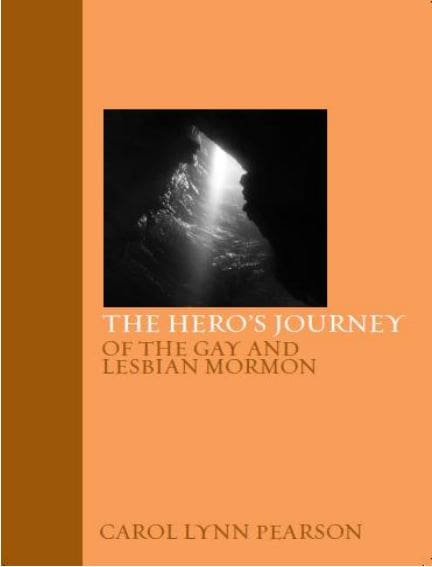
As part of a new podcast initiative called “Gay Mormon Stories” (in cooperation with Mormon Stories Book Club) we interview the beloved poet, playwright, LGBT activist and Mormon author Carol Lynn Pearson about her new book entitled, “The Hero’s Journey of the Gay and Lesbian Mormon” (click here for the Kindle version, and here for the print version).

From Carol Lynn:

I am so happy to introduce the fourth (and probably final) of my works that focuses on the needs of our gay brothers and sisters. We live in a wonderful day. Science has shown that a homosexual orientation is not a choice. Most people are aware that one or more of their loved ones is gay. Society and religion are moving in the direction of understanding and inclusion.  But for many of our gay family members and friends, the path is still difficult and sometimes life-threatening. I am thrilled to offer what I believe to be a beautiful “gift book” that might serve as a traveling companion providing a new and brighter vision of this journey.  What if, after all, being gay is not a defect, not a lesser life, but a different calling?– an invitation to travel the road of heroes mapped out by mythologist Joseph Campbell and find the life-giving substance that cures all ills.

Episode Transcript

Full text · 15,600 words · 12 chaptersHost: John Dehlin · Guests: Amanda Knockobee, Carol Lynn Pearson, Daniel Parkinson, Heather Olson Beale

This transcript is machine-generated and lightly edited for readability. The audio is authoritative. Please excuse occasional errors in names and spelling.

Introduction and Book Club Launch

Carol Lynn Pearson [00:00:00] 1, 2, 3.

John Dehlin [00:00:07] Mormon Stories podcast is a production of the Open Stories Foundation. All donations to Mormon Stories are fully tax deductible and go directly towards keeping the podcast alive and towards building a community of support for Mormons like you. To support the podcast or to join the community, please become a monthly subscriber today@mormonstories.org. hello, and welcome to a special edition podcast. I'm your host, John Dehlin, and I'm very excited to have with us several people to announce, you know, a few initiatives. I guess the first thing that we're announcing is the kind of the official launching of a new podcast sponsored by Mormon Stories and the Open Stories Foundation. The podcast has sort of been in existence in a dormant form. It's called Gay Mormon Stories. But it's something that we've been envisioning and planning for a long time and have been and have been waiting for the right moment to launch, and we think that that moment's now. So, to begin with, I have Daniel Parkinson, my cousin, and Amanda Knockobee, a dear friend and ally, with me today to help launch this podcast. So, Daniel and Amanda, welcome to the inaugural edition of Gay Mormon Stories and also to Mormon Stories.

Daniel Parkinson [00:01:25] Thank you.

Amanda Knockobee [00:01:26] Thank you, John.

John Dehlin [00:01:29] In addition, we're trying to do a couple things here. Many of you will know that we've been trying to feature a book at least around once a month as part of a feature called Mormon Stories Book Club. And Heather Olson Beale, again, a dear friend from my days in Texas and beyond, has joined us. She sort of organized a lot of this and is here for our next monthly installment. So, Heather, thank you for joining us on Mormon Stories Book Club.

Heather Olson Beale [00:02:00] Thank you, John. Good to be here.

John Dehlin [00:02:02] And she's joining us from Texas, as is Amanda And Daniel.

Daniel Parkinson [00:02:06] Where are you right now? I'm at my brother's house in Boston.

John Dehlin [00:02:10] Oh, excellent. Boston. You're with Sam.

Daniel Parkinson [00:02:13] I'm with Sam.

John Dehlin [00:02:13] All right, well, say hi to Sam for me. And our final guest, last but not in any way least, is the inspiring, illustrious, eloquent, ever so gifted Carolyn Pearson.

Guest [00:02:28] Ooh.

Carol Lynn Pearson [00:02:29] Thank you, John. Great to be with you. Thank you for your kind words.

John Dehlin [00:02:33] Yeah. And Carolyn, we're here to discuss, not only to launch a new podcast, but also to discuss your new book called the Hero's Journey of the Gay and Lesbian Mormon by you. And it's a brand new soft cover book that has just come out by Pivot Point Books, and it's out just in time for the holidays. And it's a little thing, but it's a really precious things. So we're here to talk about your book.

Carol Lynn Pearson [00:03:08] Great. Thank you. I love this little book.

John Dehlin [00:03:10] All right, so just to back up and talk a little bit about how the book club works, what we do is we've got a section on the Mormon Stories website dedicated to the book club. Usually what we try and do is we try and provide a link so that people can purchase the book from the website. And we've gotten a deal with Amazon, where a small percentage of the proceeds go to help support the Open Stories Foundation. And, of course, the profits go to the author to help the author. But we've got a list of books that Heather has arranged of authors and books. We're really excited about the 2013 season, in addition to one final 2012 interview we're having with Steven Peck with his great book called A Short Stay in Hell. But the way it works is people can buy the book through Mormon Stories, they can listen to the podcast and enjoy learning about the book and hearing from the author specifically. And then what we're encouraging people to do is to host their own book clubs wherever they are. They're welcome to discuss the book on Facebook, either in the Mormon Stories podcast community, or we have a Facebook group dedicated to the book club. If you want to just Facebook search for Mormon Stories Book Club, you can find it there. And we, you know, we'll have Carolyn check in there in the case of this book, and she'll be willing to answer questions there, I believe. Is that true, Carolyn?

Carol Lynn Pearson [00:04:53] Sure.

John Dehlin [00:04:54] All right. And then most importantly, we're encouraging people to, you know, host their own book clubs in their local cities to encourage other people to get, you know, to get the book, to support fine Mormon literature and to support discussions about interesting and important topics. And the way that we've had it in the past is that if people are adventurous, the authors are actually often willing to Skype in either just audio or audio and video and to participate in your book club to the extent that it can be arranged and accommodated by everyone's schedule. Carolyn, is that something you're also willing to do if people buy a bunch of your books?

Carol Lynn Pearson [00:05:35] Oh, absolutely.

John Dehlin [00:05:36] All right, so I would encourage everyone to take Carolyn up on that offer to join us on Facebook and to buy this awesome book. So before we launch into the book, a couple things. So one is that we're going to be talking about the book sort of in part one, and we're also going to be introducing you guys to Amanda and Daniel because they're going to be sort of co project managers on Gay Mormon stories. At some point, we're going to transition from a discussion about the book to a little bit more about Amanda and Daniel's journeys. And we'll talk at the end about what we plan for Gay Mormon Stories podcast. So that's kind of what you're in store for tonight. But before I begin, I just want to start with a question for all of you. I get a lot of grief when I do any episodes anymore on issues surrounding the gay or lesbian Mormon experience or LGBT issues or same sex attraction issues. And it's always surprising to me because, you know, I have a particular view and a particular passion and a particular motivation for this issue. And I have for some time, but I have many listeners who are just like, John, can you get over the gay thing? Can we move on? Like, please stop gay ifying Mormon stories. We're just, we're tired of it. It's not our issue. It's awkward, it's kind of uncomfortable. And I am always sort of really, I don't understand or am frustrated with that response. I guess I understand on one level, but I want to begin today's discussion by having each of you talk about why keep talking about the gay issue? Haven't we talked about it enough? Haven't we done it? You know, why keep talking about it? And I think, Carolyn, I'm going to have you start and tell us why the average Mormon who's just living their life trying to find peace and joy and happiness needs to keep thinking about this issue.

Why We Must Keep Talking About LGBTQ Issues

Carol Lynn Pearson [00:07:43] Certainly the simple answer is we need to talk about it until we solve it. And I think we're kind of like the plantation owners in the south who might say, I am so sick of the slavery issue. Just take that slavery issue away. It's not my concern. We have the benefit of history to look back there and I just saw the film Lincoln and well, we can understand how important that was and why that had to just keep. Lincoln kept plugging away and plugging away until that happened. Now, indeed, we have made some really, really significant progress in the church and in society about gay issues. But until we don't expect to see suicides that are specifically gay related and when we think that the families do not have a real possibility of schism because they have a gay member. And if we feel that we are past the point where gay people feel that they need to marry just because of family friend, theological pressure, until we're at that point, we need to keep talking about it. There are plenty of other issues, but this is certainly an important one.

John Dehlin [00:09:16] Okay, I think that's a good first case. Heather Olson Beale, why did you. Why did you want to pick this book? And why are you interested in this topic? As a Texan?

Heather Olson Beale [00:09:28] Okay, I'm a professor of education, so I teach and help train people who are going to become middle school and high school teachers. So this is a professional issue for me as well as an issue just as a parent. But people need to be aware of it, and the adults in the world and in communities and especially in schools and in our churches need to be aware of the ways in which the things that they say and the things that they fail to say impact people. You know, and I've talked to my kids and I, you know, who say, oh, well, you know, no one in my class, no one in my school is gay. And I'm like, no, some people in your school are gay or lesbian or are not sure and are questioning that. And so anything that someone says is at risk of causing harm. So we need, you know, obviously, greater awareness for that. The second reason, as a church member, just as an example, I would share that, unfortunately, the Sunday before Thanksgiving, my daughter, who's almost 16, walked out of her Sunday school class when the teacher explained that they needed to discuss how homosexuality is an abomination and a scourge on the earth. So my daughter said, well, I don't agree with that, and I don't think that homosexuality is something that people choose. I just think it's the way someone is, so I don't think we should talk about them that way. And the teacher disagreed. And then all the kids in the class, at least the way she described it, it felt almost like Lord of the Flies started pil on and saying, well, they're just fags and gays are disgusting. And my daughter got up and walked out. So for her, that was in Sunday school the week before Thanksgiving. So she walked out to the parking lot, and I was in the car because someone. Because of another incident that had happened like, 30 minutes before. So she came out and I said, what are you doing? And she said, am I going to be in trouble for leaving my class? And I said, no. What happened? And she told me, and I said, get in the car, sister. You know, let's have a talk. But the teacher did come over to our house afterwards because she said she was worried, and we talked about it. Anyway, I'm being too long winded. But my point is just to say that if my kids are going to be in church where people are going to be saying things like that to them then clearly, it's an issue that, like Carolyn said, we've not resolved yet. So it's at the forefront of my mind as a parent who's taking their kids to church.

John Dehlin [00:11:50] Got it. That's a powerful story. Amanda Knockobee, you were a strong supporter of the Circling the Wagons conference right when we first hosted it. You've been someone who I think has been one of the biggest supporters and advocates and allies for this issue. You appeared on the It Gets Better Allies video that we filmed. And I'm just curious why it is that you feel so passionately about this issue.

Amanda Knockobee [00:12:20] I think I see. I love that Carolyn talked about us having the benefit of history. And for a long time, I've kind of felt like this is kind of the issue of my generation. I'll be 30 in about a month. And I feel like this generation, seeing the rights of homosexuals to seeing that being fulfilled is. Is the civil rights era of our day, is the slavery issue of our day. And I. So I was raised by hippies. My dad and my mom were really hippies in California in the 60s. And my dad has always been a very passionate activist, and he's always told me, like, find something that you're passionate about and go with it. And so over the last probably five or six years now, this has become a passion of mine that these. Because I have known so many gay people, I think, and because I really do see this as such a pressing issue for my generation, I want to be on the. On the front lines. I want to be one of those fighting to see this change happen, because we can't stay stagnant in our world. We just can't. And again, we have the benefit of history to watch us evolve and watch history evolve. And we need to continue to evolve. And. And this is where we're going. And I feel very strongly enough about that that I want to be a part of this as much as I can and reach as many people as I can, and people like Heather's daughter and those people in her class who need to hear the other side so that we can open a dialogue and change hearts and minds. And that's why I think this is still completely relevant even in 2012.

John Dehlin [00:14:13] Beautiful. All right, well, good. Well, Daniel, we've saved you for last. Tell us why and how this issue touches you and why you feel strongly about being a part of this discussion.

Daniel Parkinson [00:14:25] Yeah, thanks. Let me just offer a digression just for a second on a follow up to what Amanda was just saying and just really congratulate all of you guys in your role as straight allies. When I think of the civil rights movement of the 60s, I was thoroughly inspired by people like Rosa Parks and Martin Luther King who were really affected by the issue at hand. But I was also incredibly inspired by the white northern students who went to the south and helped participate in the protests. And that had an amazing impact on the attitudes of the Americans. And some of them got killed. And I can't say, like Dan Savage said, I can't say how much of a difference it makes having the straight allies fight alongside us in this fight for, you know, equality. And so I just have to, first of all, thank all of you. Thank Carolyn Pearson for being such an early warrior in this and for impacting so many people, including myself, on our journeys and with the Mormonism. But all of you for being so embracing of this cause. And in answer to your question, I think that I'm going to get a little intellectual on you. But it's like the blacks in the priesthood issue. It was going to be a huge issue on everyone's mind who felt it was an issue until the issue was resolved, just like Carolyn said. And we've got two big issues like that left in the church. And this is the one we're taking on now. But the two that are left are, are in a way closely tied together. And the other is gender equality. And this may not be obvious to everybody, but sexual orientation and the rights denied people because of their sexual orientation really comes down to a, this is just an extension of sexism. And I think we're closer to getting more homosexual rights than getting full gender equality for women. And so I'm glad that we're fighting this cause right now. But I have to say they are tied together. And I think it's going to be relevant to 50% of Mormons, plus the other 50%, who cares? Because we still have, even though the gay Mormon is a minority, the female Mormon is not a minority at all. And whether they realize they're not, they're all impacted by it. And of course, the men are also impacted by it, even though they're not the ones suffering as much. But it's my opinion that sexism hurts everybody and so does the homophobia. And did I mention the suffering of people? You know, that's another reason there's people suffering, and that's got to be a motivation to keep talking about it as long as that's happening.

John Dehlin [00:17:19] And very consistent with how I understand Christianity and Mormonism that it's all about alleviating suffering.

Daniel Parkinson [00:17:26] Right, Exactly.

Carol Lynn Pearson [00:17:29] And may I say that I really appreciate what Daniel just said about the. The connection between gay rights and. And women's rights. And I think I have felt really good about giving such a lot of energy to gay rights while I was born into women's rights. But women are not killing themselves and gay people are.

John Dehlin [00:17:55] Right. So there's an urgency and a sense of severity about this issue. And again, I've heard you say, Carolyn, before, that we don't know of any black people who committed suicide over being. Having the priesthood restricted from them. But we read about gay suicides within Mormonism maybe every month, really

Carol Lynn Pearson [00:18:20] all too frequently.

John Dehlin [00:18:21] Yeah.

Daniel Parkinson [00:18:22] And it's something that we can change, and it would be relatively easy for our culture to make some changes and could happen really quickly.

John Dehlin [00:18:32] And the truth is, it is changing, right? I mean, yeah. Over the past just. Just five to 10 years, I think the LDS Church and many in its culture have made really, really great strides. So we have a lot to be hopeful for. But let's get to your book, Carolyn. This lovely book is called the Hero's Journey of the Gay and Lesbian Mormon. Tell us how it came about.

Carol Lynn Pearson and the Hero's Journey Concept

Carol Lynn Pearson [00:18:52] Well, John, you are sort of to blame or to credit for this little book in that when you invited me to speak at the first Circ and the Wagons Conference in Salt Lake City, I thought, boy, what do I have to tell these people that I haven't said before? And I had been thinking a lot about Joseph Campbell and about some of the literary works that have been impacted by his map of the Hero's Journey? And I thought, well, what if we could give our gay people a map that is really encouraging and inspiring about who they are and why they might be called to a different sort of journey? Because sometimes the best that we have given them is sympathy or we don't know why you have this bad burden, but, you know, we'd like to help you through it, but what if it's quite different from that? And so I just found myself thinking, okay, what if, and in a very large sense, perhaps, all of us who choose can be called to the Hero's journey, but what if our gay and lesbian people are indeed given a different calling that can be as thrilling and as productive a calling as the rest of us have in the variety of ways that we're called to be different? And so I just started thinking about it, and I came up with that little talk that I gave, and I found myself really engaged with the idea and I couldn't stop thinking about it, and I thought, I wonder if I could do something else with this concept. And I thought, well, I gotta write a little article. But then I thought, well, you know, I'd love to just give our gay and lesbian people a little traveling companion. And I envisioned this immediately as a very small book in size that could just be kind of carried around in a backpack or whatever. And I wanted it to be physically attractive and have some color in it. And so anyway, this is what happened and I self published it as I. As I did with no More Goodbyes and with Facing East. And so now I'm holding it in my little hand and I love the idea as I send these out in the mail, that these are being received by our gay and lesbian people who have not been given gifts worthy of them way too often.

John Dehlin [00:21:56] Yeah. And if it's okay, Carolyn, I have a little bit of exposure to Joseph Campbell and I'm not in any way going to do him justice. But I will just say that he's a scholar who's a specialist in myth. And the way that I got introduced to Joseph Campbell was by watching a really, really beautiful and powerful interview between Joseph Campbell and Bill Moyers.

Carol Lynn Pearson [00:22:24] Wasn't that great?

John Dehlin [00:22:25] Yeah, he's a journalist. I think he was speechwriter for Lyndon B. Johnson or John F. Kennedy way back in the 60s. And then he became a journalist and he did this interview with Joseph Campbell where they talk about myth. And my understanding about Joseph Campbell is that what he did is he went and he studied, you know, all these ancient narratives, these ancient stories. He was an expert in the psychology of religion. He studied under Carol Jung, who studied under Sigmund Freud. And as he studied all of these ancient stories and tribal traditions and myths, he began to sort of tease out a series of steps that are common to all the narratives, that almost all these narratives have a certain set of 10 or 12 components that sort of. That all tell kind of a similar story about a hero's journey. And, and I really like what you said just to. Just to sort of reflect that I'm. I'm working on my dissertation now on the gay and lesbian Mormon experience. And, you know, it's so fitting because, you know, we didn't talk about, you know, we, you know, let's say before the 1900s, we didn't talk about same sex attraction or gay or lesbian or sexual minorities, or if we did, it was in a negative way or people could be killed or, you know, awful things happened. Then when psychologists started talking about it, they were pretty quick to pathologize it. And so as a psychiatrist, my cousin Daniel will know that the original two versions of the dsm, the Diagnostic and Statistics Manual, pathologized homosexuality. And homosexuality, as it was called, which now I understand is an offensive term to many gays and lesbians. But the term homosexuality was coined as the way to describe the mental illness that is same sex attraction. And up until 1973ish, homosexuality was a diagnosable mental illness, according to the American Psychiatric Association. But then enough researchers did research to realize that in reality, there wasn't any good evidence to show that there was anything pathological about being gay or lesbian. And if there were negative attributes, let's just say depression or anxiety or substance use, one of the things that was quickly discovered in empirical studies is that that was most often attributable to the ostracization, the shame, the rejection that that the rest of society heaps upon, you know, gays and lesbians. And so the field of psychology and psychiatry and the whole medical profession really have all moved to de pathologize, you know, being gay or lesbian. And our final step is not just to stop lesbian looking at it as a pathology, but instead to look at it as a potential beautiful gift, not only to the individuals who have this experience, but also to our society. And even for those of us who believe in evolution can ask ourselves, why would this have evolved in the human species? It must be because there's some type of, some type of social advantage to this, what this field of psychology calls a very normal variant in human sexuality. Daniel, did you want to jump in and respond or does anybody else want to trail on what I added to? Carolyn?

Daniel Parkinson [00:26:17] Yeah, I've got a few points. I don't know if this is the best time to make them, but what you brought up about evolution, I mean, I were Mormon podcast, so I don't know how much we want to talk about evolution, but I think that you should be aware that in small groups, in this environment where people were evolving, specialized skills were highly sought after. And so a gene for homosexuality would actually make sense when it occurs in a small number. Right. It's obviously not going to work if most people are that way, but it will give individuals who might have particular skills or particular interests or particular niche in that community that will really help them. And I think we can look in the context of this book that Carolyn just wrote so beautifully that you really help to also think about the Native American tribes and the role that they had for their people, their sexual minorities, which was typically in the role of shamans. And they also celebrated the people who were different, and especially those people. And they did in a way that it benefited their communities. And so, yes, exactly. The evolution does. It wouldn't have happened if it wasn't going to be advantageous to the. To the local gene pool. And that's exactly why. And this book really addresses why, because it shows how the one who is different can be such a big advantage to the community.

Carol Lynn Pearson [00:28:01] And where would we be without our Mormon gay musical people? And what would our road shows ever have been without all of our gay men?

Daniel Parkinson [00:28:17] Yeah, exactly. On one hand, we can't stereotype and say all gays are good at music.

Carol Lynn Pearson [00:28:22] Sure. Oh, absolutely.

Daniel Parkinson [00:28:24] But there are certainly some things that are obviously linked and an interest in the arts and creativity and often come together in a lot of gay people. And so, yes, I think it's fair to say, where would we have been without their input on the arts in our. Our local culture? So I think that's an excellent point.

Carol Lynn Pearson [00:28:45] And historically, of course, all the artists.

John Dehlin [00:28:52] Yeah. I just want to quickly say that in our study of 1600 gay and lesbian Mormons, 20% of the men have served in bishoprics. And, you know, that's one out of five. And I don't think that that is the general percentage of people and men in a given ward who has served in bishoprics. So even in our, you know, even in our leadership ranks, it's clear that there's something about, you know, being gay for men that clearly is probably pastoral, you know, empathy, making people feel good. I don't know, leadership. There are probably all sorts of attributes that are called upon. But I also know that I have friends who sing in the Mormon Tabernacle Choir and tell me that gays and lesbians are sort of disproportionately represented there. And it's all over the place. So I really love this positive framing. But, Carolyn, I sense that it begins with an individual's journey. And while there surely are to be and are and will be societal benefits, the big journey is, is how to take someone who feels, let's just target a young gay or lesbian man or woman who was raised lds, who was raised with this hope that they could have a traditional family, you know, children, you know, sealed in the temple, live out that Mormon dream, and all of a sudden they're discovering their sexuality, they're realizing that for them, the dream is going to be very different. The reality is going to be very different from the dream they had. And I don't think that the initial reaction when you're in that position is one of being self affirming, of being exciting, of celebrating your sexuality. But instead it's one of despair and fear and self loathing and wishing that you could be anything other than who you appear to be. And so why don't you start just talking through a stage or two of the journey according to your book, and then we can all sort of jump in with questions or thoughts or comments as you take us through a way that this journey can go from being something awful to something affirming for the individual.

The Call: Beginning the Gay Mormon Hero's Journey

Carol Lynn Pearson [00:31:24] Sure. Well, the, the narrative begins here. You were a gift to the tribe, the Mormon tribe, and the tribe was a gift to you. It kept you safe and warm by the fire. The elders taught you of God. And so we go on here for just the, the usual experience that the little children have in this warm, warm community. And here you, you learn what, what your role is to be, what men are to be what. And that the tribe and God depend on you to follow those roles. And then we come to step two, the call to adventure. Now, I don't know any gay person who really accepts this call right off as boy, what an adventure this is going to be. But the call does come as the gay person hears a different drum and says, oh, there's something odd about me. I'm a boy and I should. And I like boys the way I'm told I should like girls. Or I'm a girl and I like girls the way I'm told I should like boys, and this can't be right, there's something wrong with me. And then we go to step three, which is to refuse the call. And I believe that most gay people have done everything they could to refuse the call and say, no, I'm going to be like everybody else here. And of course, as the family, as the elders of the tribe learn that perhaps this person is feeling something different. The pull is very great to conform, and the commitment of the gay person is very, very strong to avoid that forbidden path, I will stay strong no matter what. And then step four is meeting with the mentor. And traditionally this might be with an older person or some kind of spiritual figure, but in this, in this little story, I use the, the word, the wise one, which Joseph Campbell used, that the singles out the, the person in the tribe and points to them and in fact says, you are being called. Do I have to. You plead. You can say yes and walk the path with dignity and joy. Or you can say no and walk it with fear and pain. But you must. You must walk it. And then the promise, if you do, if you walk this path successfully, you will find the elixir which we have as the. As the goal that all of us should have. And this certainly our gay protagonist has here in attempting to walk this journey, this elixir which is the substance capable of curing all ills. So you know that you're being called to a very important thing here and that if you are courageous enough, perhaps it can lead to something wonderful. And you remember that, yes, you're a pioneer for mothers and forefathers were courageous and walked a path. And maybe you can have their courage, too. Well, who would like to. Daniel, do you have a thought on. Did you follow some of these steps or all of these steps?

Daniel Parkinson [00:35:20] So far, they're right on. I just want to mention a personal thing that has to do with you. You've heard thousands of stories just like this already. But when we get to meeting with the mentor, my very first mentor was someone you know very well. And the reason I knew who this mentor was is because you introduced me to him. And that was Gerald. When I read your book, I had never, ever met a gay person. That I realized. And your story. The story was your story, and it was about an amazing thing that you did. And I thought that was beautiful that you shared that. And another beautiful thing you did was you also told his story, and his story was tragic, but it's also inspiring. And it inspired me that there was a person who was lovable that you loved so much, and that was a wonderful person, even though so many things

John Dehlin [00:36:18] went wrong for him.

Daniel Parkinson [00:36:20] And so, believe it or not, Gerald might have been my first mentor.

Guest [00:36:26] Wow.

Carol Lynn Pearson [00:36:26] I understand that.

Daniel Parkinson [00:36:27] Thank you. So I just want to point out the role that reading that book, because it came at a time where I was really. I guess I needed a push, and that sort of took the lid off my box, I guess. And that told me I really did have to find out what this was about.

Heather Olson Beale [00:36:54] Thank you.

Carol Lynn Pearson [00:36:55] Perhaps you noted here that I. On the dedication page, I write here for Gerald, always a seeker. And he was. He was a seeker from the moment I met him. I knew there was this hunger in him to know everything. And of course, as he had to find a way to. To be a gay person within the Mormon culture, it opened such doors of frustration and agony to him. But he never gave up being a seeker. And yes, he made many mistakes, but he was absolutely a seeker.

John Dehlin [00:37:42] I'm going to Ask Heather and Amanda each to to maybe jump in. But while I give them time to collect their thoughts, I just want to plug your book. Carolyn Pearson. For some it'll be obvious, but for others, they might not even have any idea what book we're talking about. But the book is Goodbye, I Love youe. I read it for the first time a couple years ago and found it not only to be an excellent book, a heartwarming book, a great piece of Mormon literature, I'd say one of the classics of Mormon literature, but it's also very prescient, not just about LGBT issues, but also about Mormonism and modernity and history. And it's a fantastic read and I just want to really recommend that people consider grabbing a copy. Goodbye, I Love youe by Carolyn Pearson. But, but Heather, why don't you jump in and tell us if you have any thoughts or reflections about the journey so far and if you can relate to it in any way yourself.

Relating to the Misfit Mormon Experience

Heather Olson Beale [00:38:39] Well, I can relate to it though, although I'm a bit reluctant to say that as a straight person because I feel like, you know, I don't want to aggrandize my or be dismissive of the experiences of gay people. But as I was reading it, I was feeling like, oh, I can relate to this. Just as someone who really struggles with my Mormonism, all these things about gender roles and how, you know, those, all those prescriptions for me feel, feel stifling and then reading about that drumbeat, you know, and then, and then reading about someone saying I'm different from everybody else, you know, that I feel like a little bit to some degree without overstating the issue, I can relate to some of the harm and the damage that those tightly per gender roles sometimes pose for sort of misfit Mormons like me. So I can relate to that a little, a little bit.

John Dehlin [00:39:34] How about you, Amanda?

Amanda Knockobee [00:39:36] Yeah, I feel the same way as Heather. I, yes, as a misfit Mormon, I like that. I do relate a lot to this feeling of being different and trying to figure out what to do with that. But also I really liked the, I was thinking about this as I was reading this earlier today, the meeting the mentor chapter. And I think about my time when I was at byu and for whatever reason gay men found me at BYU and became my friend. And I felt like I was able to kind of be a safe space for them. I don't think I ever gave them like words of wisdom, so to speak. But I think that especially as allies, I feel like we have a very special Place of just, especially within Mormonism, of being a safe person for a gay man or woman as they're trying to figure out this process and as they are, you know, trying to figure out if they're going to accept this call and going through all this pain and heartache of just being somebody that they can go to that won't judge them, won't tell them that what they're feeling is wrong, and will just be supportive in what, whatever decisions they decide to make. And I kind of have the opportunity to be that for a few really good friends. And I think that as allies, that's something we should probably be looking for. Be looking for those people who just need support, even if it's simply support, instead of offering advice, but just being supportive for them so that they can rely on you if they. If they need somebody.

John Dehlin [00:41:31] Very nice.

Daniel Parkinson [00:41:31] Yeah, I second that. I second both those comments. The both of you said, Heather, you mentioned that you weren't sure you were justified in embracing this story as your own. But I think that this book can easily apply to a non gay person, just anyone who's a. Who feels like they're a misfit and doesn't see the strength in their difference. And what becomes empowering is realizing how the difference really benefits not just you, but can really benefit a lot of people. And Amanda, that's wonderful. What the young gay people need is support. And they need to know that there is a sympathetic voice around, no matter where that is. And that's so incredibly important. Amen for what both of you said just now.

John Dehlin [00:42:19] Agreed. Carolyn, I have a couple questions. I guess. One is I'll ask them both and then let you respond to both. Did you have other people in mind or other issues in mind when you wrote this book, in addition to the gay and lesbian issue, to the degree to which you envision this book potentially being a framework for more than just gays and lesbians. That's part one of the question. And then part two of the question is, you know, I'll admit that the people that are on this discussion right now probably lean a little bit more towards the progressive, let's say liberal side of Mormonism. And so that might lead someone to think that when you wrote this book, when you talk about the elixir or the journey, that for you, people might assume that what you mean is that you think that all gays and lesbians should, let's just say, decide that they need to be in a gay or lesbian relationship, that they maybe need to leave the church, that they need to abandon the morality or whatever. Some may make assumptions about that you have an end in mind for what the ultimate gay and lesbian experience should be. And I'm just wondering your thoughts on both those questions.

Stages of the Hero's Journey for Gay Mormons

Carol Lynn Pearson [00:43:46] Sure. I certainly had and have the concept that each of us has our own hero's journey if we choose to take it. But as I focused on this, I really was not thinking of people in general. I was thinking very specifically of our gay people. And I was really very involved in the particulars of how they have experienced the difficulty of being a gay person in the Mormon tribe. So this was very specifically to them in my mind and heart. As to your other question. Wait, what was your second question? John, give me a word.

John Dehlin [00:44:41] Yeah, it's just. Do you have an end in mind for what the end should be?

Carol Lynn Pearson [00:44:45] Well, see, I think a really important thing that I hope I accomplished in this book is to suggest that that one can complete the journey successfully and find the elixir and have their circumstance look quite different. And when we get to the end of this little story, I would like to just read a page that shows that the diversity that I feel and that we ought to be able to. To applaud a variety of outcomes for the. The gay hero's journey. Now, maybe the. If there is a startling thing about this book to some people would be that I. I do give validity to the. The journey of finding a gay partner and creating a life with that gay partner as an absolute beautiful option for the journey.

John Dehlin [00:46:00] Okay. Okay. And that's what I wanted to get at. I tend to want to think that there's only one outcome that's possible here or that we have an agenda or that we would even, you know, there's some that might think, or sometimes I've even had a tendency to want to say this is the way it should be or this is the journey. And to do that risks invalidating other paths that some people have found meaningful. And I just wanted to clarify at the outset whether you're setting this up for the possibility of multiple options. And it sounds like, well, I hate

Daniel Parkinson [00:46:36] to jump to the end, but she really does. She really makes that conclusion that there's going to be different paths and some people are going to be with someone and some people are going to be alone because they don't find someone or some people, but that they have the hope and they have the authenticity. And I don't remember the words, but my reading of the book didn't say there's just one. Right. Conclusion. My reading of the book is that it's an affirming journey.

John Dehlin [00:47:04] Well, let's have you continue. That's good. Let's have you continue, Carolyn. What's next?

Carol Lynn Pearson [00:47:09] Sure. Well, step five is termed Crossing the Threshold, and here would be where Dorothy goes off to Oz. But for us, the emotional journey that the gay person is taking, I believe, is that that person falls in love for the first time and truly realizes with such a powerful shock, wow, this is how I am made. And this is the way that I authentically respond. And as we all know, falling in love is a powerful, powerful thing. And so in this story, the traveling hero acknowledges, however, this is going to happen for me. This is one of my attributes. I am a person who loves a person of the same sex, and I must acknowledge that and play that out as to how it feels correct to me. So now we take step six, which is, in Joseph Campbell's words, encounter with tests, allies, enemies, and wow. This is a part of the journey that I think is very important to talk about for LDS people because, well, here's the way Joseph Campbell describes this step. You seekers are in shock. This new world is so different from the home you've always known. Not only are the terrain and the local residents different, the rules of this place are strange as they can be. Different things are valued here. Strange creatures jump out at you. Think fast, don't eat that. It could be poison. So I think Joseph Campbell could well be talking about what I think a lot of very innocent gay people experience as they take some first steps out into the gay world that sometimes can be a very dangerous place. We know that it can be. And so, Daniel, what do you think is the world that an LDS gay person jumps into can be pretty shocking, can't it?

Daniel Parkinson [00:49:37] Doesn't have.

Carol Lynn Pearson [00:49:38] But sometimes. Sometimes is.

Daniel Parkinson [00:49:41] Yeah. And that's one of the biggest problems with our current Mormon society is the transition that gays have able to go smoothly. I mean, they are thrust, as you describe, into this dangerous place and they're sort of thrust there in a way alone, without their. Not with. Not only without the support, but without their moral system intact because of their expulsion from the church. And so that makes it even more dangerous. And that's why so many people don't survive intact or don't survive in a healthy way and self destruct in so many other ways.

Carol Lynn Pearson [00:50:19] Yeah. The image that I use in no More Goodbyes, circling the wagons around our gay loved ones is that we throw our gay people out of the circle of protection, out where the wolves and the wind Sometimes is just too devastating. So it is our fault very, very often that, that our LDS gay people seemingly have just two choices. And that is just to, you know, stay right here, close to the tribe or find themselves sometimes in the gutter and hopefully. And I think there are a lot of people who are finding that that does not have to be the case. But boy, I thought I have seen that, that that is temptation, you know. Two weeks ago I was speaking at, I was given an award at the Utah County Sexual Health Symposium. I've given an award for having written Goodbye, I Love youe, which they tell me saved a lot of lives. But the whole event really was

Amanda Knockobee [00:51:31] to

Carol Lynn Pearson [00:51:32] educate gay people and a lot of BYU students were there to educate them about sexual safety. And as I listened to all of that clinical material and then when I got up to receive my award, I didn't know what I was going to say in receiving it, but I gave a short little five minute talk spontaneously to these people on the importance of romantic love, that they're not here to create a sex story. They're here to create a love story. So I think that's a challenge on this step, this difficult step of being out there on the first frontier and realizing how dangerous that it can be. So let's move on to step seven, Approach to the inmost Cave. Well, our hero and other individuals that he or she. And I was very careful to use gender neutral language here. So this is as open to lesbians as it is to gay men. But here they find this border that they see beyond the border some very, very wonderful land where the people seem to be very happy and loving and they want get there. And the border guard says there's no way to go across. You must go through, through the inmost cave. So here we get to what I think is the heart of the challenge here. Step eight, the Supreme Ordeal. And this is, you know, this. We have different language for this. The dark night of the soul or. And everybody meets a supreme ordeal in one way or another. Perhaps a number of times in the life, but for the gay person. And I want to read what Joseph Campbell says here. A seeker. Enter the inmost cave. The way grows narrow and dark. You must go alone on hands and knees. And you feel the earth press close around you. You can hardly breathe. Suddenly you find yourself face to face with a towering figure. A menacing shadow composed of all your doubts and fe death that now stares back at you. And I have talked to enough and heard from enough Mormon gay people that, that I can so resonate with the horrors that so many of them experience as they find themselves in this dark, dark cave and go through the supreme ordeal. And I even use some phrases here from some of my dear friends as I. As I created this. This place where the traveling hero has to meet every awful thing that has ever been said to him or her or to. About. Or about him or her. And to have all of these, the shadow telling them again all of these awful words. You are a pervert. Sin against nature. Embarrassing, detestable. There's no place for you in the kingdom. I want to just continue to read these, this last little part here because I'm always moved when I read this little section so. The shadow thrusts. The shadow has held out a sword and says, it is better to lose your life than to shame your family, your tribe, and to lose your eternal soul. End your life now before you reap damnation and heap shame on those who love you. End it now. You fall to your knees as you have hundreds of times. And you cry out, as you have hundreds of times, dear God, I have to know. Am I a mistake? Are my deepest desires an abomination in your sight? Is there no place for me in the plan? Weeping, you remain on your knees. And then you hear another voice. The answers, it says, are inside of you. Listen to the spirit within as I ask you this. Are you a mistake? You listen, then you speak. No, you say softly, I am not. Is the love you yearn for an abomination? Again you listened for an answer within. No, it is not. With the partner you yearn for. Would you be capable of kindness, patience, sacrifice, fidelity and joy? I would seize the sword, says the voice. You understand. You grasp the instrument of death, its blade glittering, and you lift it high, poised at the shadow. Strike now. You hear no, cries the shadow. I am the one who speaks the truth. They are with you now, your ancestors who set out for a new land. Your friends and family in the home tribe. Who told you to believe in yourself? Their courage speaks. Strike now. Moving closer, the shadow cries out, pitiful freak. There is no place for you and no reward but misery. End it all now. You feel tears in your eyes, and the light that was always within you grows so bright and warm that you believe your heart will burst. The words come now, without effort, with clarity and strength. There is a place for me. I am light. And I am God's beloved child. And then, with a force you did not know you had, you strike your fears one thrust, and with a scream, the shadow splits and dissolves into Smoke revealing an opening on the other side of the cave. The brightness of blue sky appears. You run. Well, it was really for that little moment of experience that I was so excited to write this short little book, because how I wish that every one of our gay people who has heard such dark, sad, condemning things about who they are, about the ways that they feel, they deserve so much more than that. And so this is just my little gift to say, what if you could experience it in this way,

John Dehlin [00:58:55] Daniel? Does that seem possible?

Daniel Parkinson [00:58:58] Well, I just want to say I vote to canonize that, but I don't want to be sacrilegious, but I do want to say that I've heard so many people talk about their experience of having a spiritual confirmation that's very similar to this. And, you know, if you take your podcast with Benjy Schwimmer, his story is beautiful, but. But it's not just his. I've heard some other people who were at that point, and we hear it repeatedly, and I'm sure Carolyn must have heard it repeatedly, that when they really ask God if God loves them, God always ends up telling them that he does. And I hope that this could be a sort of a moronized promise, that if they really ask with a real desire to really know what God wants for them, that. That that's the answer that I get, that they'll get that he loves, you know, that God really does love and does affirm what they are. And so I love that part.

John Dehlin [00:59:58] Good.

Carol Lynn Pearson [00:59:59] Thank you.

Amanda Knockobee [01:00:00] Yeah, that was powerful, Carolyn. I want to just record that and just play that to myself whenever I need some. Some boost.

Daniel Parkinson [01:00:10] Good.

Carol Lynn Pearson [01:00:10] I would love that. Thank you.

The Inmost Cave and Facing the Shadow

Amanda Knockobee [01:00:13] You know, when I heard you at Circling the Wagons, you know, a year ago, when you gave this initial talk on this hero's journey, and this part particularly was really powerful to me and really resonated with me. And you talked about this, facing death and how, you know, how unfortunate it is that so many of our brothers and sisters don't win that fight, but that those who go on a part of them still dies. And it reminded me of a song, actually, by Mumford and Sons. It's a beautiful song called Tim Shell. And one of the lines is, say the name again. Tim Shell. T I M C H E S H E L. And the line from the song is, death is at your doorstep, and it will steal your innocence, but it will not steal your substance. I love that line because I think, you know, as we all go through our own little hero's journey and facing our doubts and our fears, a part of us ultimately dies. But who we really are, who our gay brothers and sisters really are, that's what they discover, and that's what death cannot take from them, is their substance in their light. And you said that so beautifully, and I love that line, and I think you wrote that so well.

Carol Lynn Pearson [01:01:46] Thank you. Yes. I remember holding in my arms one of my dear gay friends who told me about his suicide attempt. And he was in a coma for two weeks, and he. He never really, Even as much as I could to try to speak to him. He never actually believed that God truly loved him, even to the end of his life. And I think sometimes the voices, that. The voices of condemnation can be so hard, so loud, that they drowned out the voice of God, which, of course, does only speak of love. And so, see, this is. This is the answer to that first question that you posed, John. We have to. To make sure that the voices of love and acceptance are louder than the voices of condemnation or even of pity. And until we're there, we have to keep talking.

John Dehlin [01:02:58] So, Carolyn. Yeah. As we move on, what. Striking the sword. What is that? What are they striking at? And. And. And, you know, what's the reward?

Carol Lynn Pearson [01:03:09] Well, the. The hero will strike his or her fears, strike the shadow, rather than turn the sword on themselves. And that is the way that the hero can take the next step, which is to gain the reward. This is step nine. And the seekers now who have managed to emerge intact and full of light from that terrible ordeal, they feel like they're reborn. And you, the seeker, look around and celebrate with the others and mourn those who did not make it out. And then, as the first rays of morning come, a voice brings you back to the world. And the wise One who spoke to you long ago speaks again. And now I want to. I want you to hear this in Joseph Campbell's words, because I think it's just remarkable that. That Joseph Campbell's exact words can become so specific to the journey of the gay people that we're talking about. And he says, wake up, seekers. Remember why you came out here in the first place. People back home are starving, and it's urgent now that you've recovered from the ordeal that you load up your knapsacks with food and treasure and head for home. Head for home? You ask incredulously. And then I think, Daniel, and all of us can know that there are a lot of Mormon gay people who, once they shed themselves of the things that. That have been very damaging to them, have no fondness for their place of origin at all, and really have not very much affinity for the Mormon tribe. But in Campbell's pattern, he insists that you came out to gain new light, and that light is meant for the tribe as well as for you. And he said, no. Learning is for yourself alone. It is for all. So, reluctantly, you pick up your knapsack. But then. Wait, says the Wise One. Now again, I want you to hear Joseph Campbell. I just love the way he puts this. You have been to the land of death, and you look like death itself. If you march back into the village without purifying and cleansing yourselves, you may bring death back with you. The trick is to keep the wisdom of the ordeal while getting rid of its bad effects. You must undergo one final sacrifice before rejoining the tribe. Your warrior self must die so you can be reborn as an innocent into the group. Well, what does that mean, you ask? You must forgive. Oh, my gosh. So, I mean, that's asking a lot of many people who've been harmed by an organization, particularly of gay people who have, indeed, without question, many of them being very, very harmed by our Mormon tribe. And yet here they're being asked to forgive and to go back to teach them who you really are. And the Wise One goes on. You must shine the light that you found in the inmost cave. Can you give it to them? Can you shine even if they still believe that your difference is a defect and your love is a sin? You think for a moment, yes. Yes, I can. So we learn now. Well, the Wise One says, I think you have found the elixir and are ready to share it. Oh, I'd almost forgotten, says the traveling hero. I have it. The substance that can cure all ills. What is it? The elixir is love. Always and only love. Tell me, do you have it? You feel the light in your heart grow brighter, and you know that indeed it is love and that it has always, it will always be there for you. Love for life, for all. Love for yourself. You smile. I do. You say, do you still have the sword? I do. Throw it away. You must go forward unarmed. So now our hero, moving into step 12, returns with the elixir. Daniel, let me ask you, or whoever else wants to talk about this, what do you think about the idea of a necessity to do some forgiving?

Forgiveness, Healing, and Personal Transformation

Daniel Parkinson [01:08:12] I think that's amazing. Once again, I know you wrote this for gay people in mind, but it so applies to everybody who. Who is following an alternative path, and when they're trying to relate to their community of origin and when the community sees them as broken, I mean, it's. It applies to us strongly and super strong. But I just really think you're going to inspire more people than you realize with this, with this narrative, because is really important. And this is part of my goal with the podcast is to highlight a lot of stories. But one of the types of stories I really want to highlight is people who have managed to do that, who have managed to pass the step of forgiveness, who really can come to their relationship with their Mormon community from a place of really strength. And the strength comes from already being beyond the damage that had been done to them because they have forgiven. And so I think it's an amazing message that you present there.

Carol Lynn Pearson [01:09:22] Good.

Amanda Knockobee [01:09:23] Carolyn. I think that sometimes we conflate forgiveness with justifying the harmful wrongs that we are forgiving the other person or people for. And I think what you say in this book is you have to make peace with it. And I think that that doesn't mean that we have to justify the harm that the church has done to gay people or accept it or not try to change it. I think making peace with it is something that mostly happens internally and is completely removed from what the church has done to you or what it decides to do. And I think it's more of a. More of a personal thing for that person who forgives the aggressor or the. And yeah, it's just a really personal thing that you have to make peace with it with yourself.

Carol Lynn Pearson [01:10:26] Right. And maybe the most powerful way I ever heard this put was that holding resentment or refusing to forgive somebody is like you drinking poison, hoping it will kill them. So we have to get rid of the poison that is inside of us so that we're not preoccupied with remembering constantly how somebody or the institution hurt us.

Amanda Knockobee [01:10:59] And I don't mean to trivialize it because I know especially for gay men and women who have been just damaged so much by the church, this can be a really long process and one that is very difficult. And I don't mean to trivialize it by saying that it's necessary.

Daniel Parkinson [01:11:16] Oh, yeah, you didn't trivialize it. And that's a good point. It's a long process. I mean, someone might not get to self dep 12 till decades later. I mean, it's okay. I mean, people might really need to hang out at that step. You know, let me go back and recall what it is. But where you get the reward, where you get to enjoy the community that your new community of. And some people need a hang there, a Long, long time before they're ready to really go back and confront their, their community of origin or to embrace it or to resolve their relationships. And so it's a process.

Heather Olson Beale [01:12:01] I have a question for any of you guys, I guess, about that process. I'm wondering if people feel like it always goes kind of from step one in linear fashion through 12, or can you skip steps? Or are there people that get sort of to step eight? And I'm not saying saying specifically step eight, but.

John Dehlin [01:12:22] And that.

Heather Olson Beale [01:12:23] And then go back. Or did they get to 10 and go back? Or is it. Or is each one of those steps, I guess, integral to the process? I'm just curious to know. Or whether it's sometimes, you know, a cycle or is it always in that linear fashion?

Carol Lynn Pearson [01:12:39] Oh, I'm certain that this would be probably more of a spiral or a dance of some back and forth, fourth kind than just in a straight line. And I'm quite certain that Joseph Campbell would agree with that. This is sort of just a general mapping that I think has many, many variations.

Heather Olson Beale [01:13:01] Interesting.

Daniel Parkinson [01:13:02] But I wouldn't be surprised if these steps are followed by a lot of people in exactly that order, come to think of it. I mean, it certainly resonates with me and resonates with a lot of people. I mean, there might be people who necessarily come to the resolutions that are described at the end, but. And there are certain people who even get to the happy part, the reward, you know, they don't make it through the cave, but it's the order. Seems pretty good to me.

Heather Olson Beale [01:13:34] Or is it possible that people get to that ending place and then, you know, go back or, you know, is there, Are there wild fluctuations or is it like, oh, now I've arrived and I'm. I can kind of put that in a box and be done with it or not.

John Dehlin [01:13:51] Is there such thing as gay enlightenment, Dan?

Daniel Parkinson [01:13:54] Well, I would just think of it as Fowler stages of. You know, I mean, it's like a Fowler 6 isn't going to go back to a foul 4. I mean, it's, it's. I just think it seems highly unlikely that you would arrive, arrive there and then actually go back. To me, anything's possible, but to me it seems unlikely because that's just it. If you're enlightened, how do you become unenlightened?

Carol Lynn Pearson [01:14:22] Right, yeah. Well, this certainly is, I think, a map that can be, with some variations, a very, very good clear one. So, okay, here we are at the last step. Now that is entitled Return with the Elixir. And I want to do a bit of reading in this one because I want to make it very clear that at least from my point of view as I wrote this, that there are a variety of very admirable kinds of destinations that. That one can have as far as how their life looks. So here we have the various.

Daniel Parkinson [01:15:05] The.

Carol Lynn Pearson [01:15:06] The. Our hero, with his or her comrades walk toward home, and many of them go to wherever their tribes are. But those who are of the Mormon tribe now enter that. That village, and many throw open their arms. Friends and other family members crowd around. You are different, says one. I am, you say. That is why I had to leave. No, the friend responds. This difference is one that makes me forget the other difference. You know, I love that line. I really do. Because when the. When the gay person has gone through the fire and come out shining, they the difference that set them apart earlier in a negative way, that. That no longer matters. And this difference of being a hero now emerges. You smile for you understand. Then the elders come along with your father, who had cautioned you against the loss of your eternal soul. Why are you here? Asks one of the elders suspiciously. This is home, you reply. I may stay or I may not, but I am here. Your father looks at you as if you are a marvel, and then you are circled in his embrace. You take a deep breath and feel the assurance of the light within you. You look around at your comrades. You have traveled much the same terrain, but you have arrived at different points with the different experiences and the different decisions. You study them now, these who have become so dear to you, those who are in partnerships, they have the elixir. You can tell by the way they speak and the way they regard one another and the joy that follows them. The one who married in the way the tribe had told him when was the only way, who went through the dark night of pain and emerged to restructure his relationships, to allow more joy for all. He has the elixir. You can tell by the way he relates to his former spouse and is committed to his children. The one who also married in the traditional way, hoping for a miracle that never came. She chose between two two sacrifices and remains with the family she created. You observe that she too has the elixir. There is peace in her eyes and self assurance and respect. A different kind of miracle. The one who chose not to search for a partner and the one whose searching was unsuccessful. They stand alone, but they too have the elixir, and they share it happily and generously, serving and shining in the lives of those they Meet. And there is you. Confident, capable and grateful. All of you are heroes. You survived the pitfalls of the strange new world. You claimed your own light in the inmost cave. You purified yourselves and forgave and came home with the elixir. You know who you are, and you will live and love without apology. This is the way you share the elixir, the bright light of love that transcends judgment and whose source is God. You may or may not stay with the tribe, but the tribe is richer for your gifts. And now I want to quote Joseph Campbell just before I give you my ending. Campbell says the seekers come home at last purged, purified, and bearing the fruits of their journey. You share the nourishment and treasure among the home tribe. A circle has been closed. You can feel it. You can see that your struggles on the road of heroes have brought new light to the land. And as it is hence, it brings deep healing, wellness and wholeness to the world. The seekers have come home. And now just a last 30 seconds here in my, my own voice. Then you look around at your tribe and to your surprise, you now see in the eyes of many that you had judged as small minded, something you did not notice before. They had been on a journey that you knew nothing about, a challenging and sacred journey. They were also called to by a wise One. Some of them had been through their own supreme ordeal and had emerged from the inmost cave as heroes with the light of love and brought it home to share. And you had been warmed by it and had not even known. Then, a new and unexpected thought. Is it possible that all, all are heroes in embryo? You look into the faces of some of the elders of the tribe who have been studying you, the one who bravely spoke to you before you left, and even many of the others. And you, you see something remarkable. The look of the seeker. You can't know for sure, but it feels as if they are putting down an inner burden and hearing an inner voice and responding. Yes, the ancestors said this is the place, but the place is very large and the journey is never done. And that's the end. And I, I love it that at the end I was, at least I intended to invite the church as an institution to become a seeker. And you know, in a lot of ways, our church has been a seeker and is a seeker. And on this territory, we also have to be a seeker.

Returning with the Elixir: Sharing the Gift

John Dehlin [01:21:40] Beautiful. Thank you. So I want to describe the book just really briefly. It's. It's kind of a small book. I think you, you could say it could fit in your pocket. And I, I almost see it as a. As a bit of a.

Amanda Knockobee [01:21:56] A little.

John Dehlin [01:21:57] I don't want to say a Bible, but a little sort of thing one could carry with them and review almost as a meditation. Is that kind of partly what you were thinking?

Carol Lynn Pearson [01:22:06] When I sent an email describing to the woman, Connie Disney, that I hired to. To do the layout for me, I said, I want this to be very small, and the book is 77 pages. I want there to be a lot of white space in it, it. So that we have time as we're reading, and I want there to be some color so that it feels a little bit nicer. And, And I said I. I would. I would love it for it to have the feel, just the feel of a little bit of scripture. So, John, I appreciate your saying good.

John Dehlin [01:22:49] Well. But I think it's a wonderful book. Let me ask each of our panelists to gather maybe their final thought, reflection or a final question, either for Carolyn or for anyone else on the panel. But while they do, I will just ask you, Carolyn, I have one question for you, and then I'll turn over to the others. What do you. At the end of the day, if you're counseling with somebody who is feeling at the end of their rope, you know, they're in the cave, it's dark, and they're thinking, I'm tired, and I don't know if I can go on. I don't know if I want to go on. It's got to be an awful place to have to try to encourage someone or feel the weight of that responsibility of trying to encourage someone not to give up and not to, for example, take their life. Do you have anything you say to them that you found can be helpful?

Carol Lynn Pearson [01:24:02] Yes. Well, I find myself always saying something like, believe in yourself before you believe in anything else or anybody else. But you just reminded me of. And I write this as a little chapter in no More Goodbyes. My conversation with a man who, who did. He wrote me an email saying, me, I, you know, I've gone through the whole thing. I'm. I've chosen the date that I'm going to commit suicide. And he gave me his phone number. So I called him right away and we talked and I gave him a lot of encouragement. And then I think I put it this way. As I wrote the story, I got really sympathetic and then I got mad and I said to him, don't you dare jump off the team and leave me to do your work. I said, we're all in this thing together here. And I have been giving a lot of energy to try to help gay people have a better life in the church, in their families, in themselves. And you have to do your part. And if you jump off the team, I have to do the work that you ought to be doing. Don't you dare do that. And by golly, then I happened to go to Utah the next several weeks, and he and I went for a long talk, and he decided to stay on the team. And he does credit me for a great deal of that decision. So I guess one just has to feel out what seems to be the most appropriate, most helpful words to say. And sometimes you can just say, please just have faith that you deserve to live and please let me call you tomorrow, or, I don't know, just to perhaps have a little bit of inspiration for how best to give some gift of hanging on and of choosing life rather than death.

John Dehlin [01:26:24] Very good. Okay, Amanda, what do you have for a final thought or question?

Amanda Knockobee [01:26:33] I did love this little book, and like Heather said at the beginning, it really did resonate with me in my misfit Mormonism. But I loved the parting thought that you just read that our ancestors said, this is the place, but the place is very large and the journey is never done. I think, as you know, we move forward with either, you know, as a gay person continuing your own personal journey and spreading your love, or as an ally trying to spread the love that you have and to make changes in the world, make changes in the church. And I think that's something that we can all try to remember that our journey is not over and that we can continue to expand our homes and our houses, whether that be in the church, our country, the world. We can continue to do that if we believe in this enough and value that love that we have. And, yeah, have faith that we can, that love is important, that our spirits and our passion are important enough to continue doing that. So that's my last thought.

John Dehlin [01:27:56] Beautiful. Heather, what do you got?

Amanda Knockobee [01:27:57] Thank you.

Practical Questions and Pastoral Concerns

Heather Olson Beale [01:28:00] I have a question, if that's okay. Just a practical matter, I'd like to hear from anyone in reference to the situation I started out with, with my daughter. I sort of wonder just what people's thoughts are on how we should go about handling things like that. I'm not sure that I dealt with it well. I mean, afterwards I thought, you know, what should I have done? I don't know if the teacher hadn't come over to our house, if I would have approached her, because I was very angry. So in a way, I'm glad that she did. And that took courage on her part. And she came over as soon as church was over and wanted to talk with us about it, you know, so kudos to her. But, you know, part of me feels like, should I do something else? Should I talk to the bishop? Should I say, you know, I just. I don't know what the best way is to handle it. And I think it's different if it's. If it's a situation that you are yourself in. You know, had I been in Sunday school, I feel like I could have said, hey, that's not, you know, like, we're not in church to be saying that people are fags and despicable. I mean, that's just so hard. Horrible that it's, you know, that it's unthinkable. But I wasn't even there, right? So, I mean, it was just one of my kids. So I'm just wondering if anyone else has some words of wisdom in case it happens again or. I don't know what to do about that.

Carol Lynn Pearson [01:29:16] Yeah. Heather, I think that you could use that as an opening to have a really good conversation with your bishop and perhaps your stake president. And, of course, I say that as one who has had an unusually good experience. Experience with my local leaders. And I hope you all know that our Oakland stake has done really quite wonderful things. And I have a document detailing much of that on my website, clphearson.com so I think that you could. Not in terms just of telling on the teacher, but saying, you know, I've been doing a lot of thinking about this issue, and you might give your bishop a copy of no More Goodbyes. I can't tell you how many people I've had tell me that that has been a tremendously helpful thing to give to a church leader. But say that from a variety of places, you know, that this is a difficult thing. And one of them is. And I would give this incident exactly. Not that this is the only thing, but this is the thing that brought it to your special attention and that you would like for him and for the ward leaders to be very much aware that what was said there is not even in harmony with the best.

Guest [01:30:37] Most.

Carol Lynn Pearson [01:30:38] With the most current official church discourse that can be found and maybe encourage him to read about the work in the Oakland stake and say, how could I help you in trying to get some kind of better discussion going on in our ward?

Heather Olson Beale [01:31:06] Okay.

Daniel Parkinson [01:31:07] And I second that. I also want to say that by being a visible person in Your local community, in your ward, two things are going to happen. If you, if you are occasionally outspoken on the issue and if the people around you know that you're that person who is the one thing, two things will happen. You'll find who the other allies are and they're going to start doing the same thing. And the other is that if there's a person who really, really needs to turn to somebody, they're going to know who they can turn to. You know, that young person who is suffering alone. Even if they don't ever talk to, to you, they will know that you're there. And they might talk to you or they might not. But if they do, that's great because they will have found out who they can talk to. But if they don't, it will still make a powerful difference in their life. And so just by speaking out when you can, is already doing something.

Carol Lynn Pearson [01:32:05] Okay, great.

Heather Olson Beale [01:32:06] Thank you.

John Dehlin [01:32:07] Great question, Heather. All right, Daniel, any final comments or questions?

Daniel Parkinson [01:32:13] Well, I also want to, you know, I really want to thank Carolyn for this piece. And I really think that it can be so amazing to celebrate your uniqueness. I mean, we spend so much of our lives trying to conform. And our points of difference, the things that we do that make us unique include our sexual orientation. If we're gay, you know, that's part of our, what makes it a sub minority. But there's other elements of personality that fit in that same category. And we, we should celebrate those things. We should celebrate our individual journey, our what makes us special. And this book is a great way to put that in perspective and to realize that our journey is incredibly important and incredibly valuable. And so I really, really give two thumbs up to this work and I hope it gets spread far and wide.

John Dehlin [01:33:16] Beautiful.

Carol Lynn Pearson [01:33:17] John. Could I say one little thing about those who want to get this book will have to go to my website, clphearson.com it is available on Kindle on Amazon, but the print copy is only available at, at my website.

John Dehlin [01:33:33] Excellent. I was just about to ask you about that. So clpierson.com is that right?

Carol Lynn Pearson [01:33:39] Yep.

John Dehlin [01:33:40] And. And the book is called the Hero's Journey.

Carol Lynn Pearson [01:33:45] Journey. The Hero's Journey of the Gay and Lesbian Mormon.

John Dehlin [01:33:48] Yep. Well, thank you, Carolyn Pearson, for another marvelous contribution to, to us.

Carol Lynn Pearson [01:33:58] John, thank you. And thank all of you for having this good conversation. Honestly, it is just such a privilege to be at a, to have some kind of position as we all have here. We have our own voice in a historical place and time where really tremendously vital things are happening. And it is a privilege for me to be able to do the things that I'm doing and I'm really thrilled that I am allowed to do that.

Daniel Parkinson [01:34:37] Well, thanks for doing. Sure made a difference for so many people.

Carol Lynn Pearson [01:34:42] I know that.

Closing Reflections and Upcoming Book Club

John Dehlin [01:34:45] All right, well, so Heather, I want to thank you so much for arranging again another fabulous episode of Mormon Stories Book Club. Anything you want to tell our listeners about Mormon Stories Book Club?

Heather Olson Beale [01:34:59] I have a schedule for the first six months of 2013 that will be out as soon as I put it up or as soon as I get it to you or something like that soon. But yeah, if people want to look at the list and buy books for themselves or for others for Christmas and then get ready for 2013, that would be great. There's some really cool books that we have on tap.

John Dehlin [01:35:23] I'll make sure and get that list up.

Heather Olson Beale [01:35:25] Great.

John Dehlin [01:35:27] So just as we close, I guess let's take a minute with Daniel and Amanda and just talk about if you guys have a sense for what we can expect for your visions for the podcast game Warmth Stories. Daniel, why don't you start?

Daniel Parkinson [01:35:44] Well, I have to say I'm really excited about the project and I'm really excited to be working with Amanda. I've followed a lot of other work she's done with her various podcasts in different places, and I'm super impressed so far with everything I've heard come out of her mouth and these podcasts. So I'm really pleased with that and I think she'll bring a great perspective and I think she'll do an excellent job in the interviews. And I'm hoping between the two of us, we'll use our strengths in a way to have an effective podcast. I want to do it in the style of Mormon Stories. You know, we're still planning it and Amanda and I are still, you know, formulating where we're going to go in the direction of it. But I really want to go in the Mormon stories tradition of telling stories, of hearing people's stories, but using that as a tool to help people understand the different aspects of this issue. And so I really want to focus on the diversity in the gay community that includes gay, lesbian, and also transgender and their families and their children and their parents and their straight allies and their friends and etc. And I want to make sure we have, we have a place where we can get information and get basic information. And so I'm hoping we'll also include some issue related podcasts. And I'm hoping we'll also be up to date on current events and be able to have some podcasts that are simply relating to important events that are going on related to this issue. And we have a lot going on right now, so we should be discussing them already. So it's too bad we didn't get this going when so many things that have been happening this month in the news, but I'd like to address those. But at the same time, I really think that the core of it is going to be people's stories, and that's going to include gay people, lesbians, transgender people, and the allies and the family members and the experiences that they've had relating to this issue or fighting for the cause, like Carolyn has done for so many years.

John Dehlin [01:38:16] Beautiful, Beautiful. I'm really excited. Amanda, do you want to add anything?

Amanda Knockobee [01:38:20] Wow. Daniel basically said it all. And thank you, by the way, for having so much faith in me. Daniel, you earned it. I appreciate that. But no, I guess I just want a second. The storytelling aspect, I think that's what I'm most excited about. I just want to allow people to come on and tell their story stories, just as Carolyn has done in her book of showing that there is such a diverse amount of destinations that our heroes find themselves in. I want to allow a safe space for LGBT Mormons to just come on and tell their story and have us validate that.

Carol Lynn Pearson [01:39:05] And

Amanda Knockobee [01:39:07] that's what is most important for me, and to get that out there so that people can hear those stories. And hopefully some hearts will slowly but surely be changed just simply by hearing their stories, much like no Mork Advice has done with Carolyn Pearson. And I love that book, and I think that book is a great gift for people who just want more knowledge and need more knowledge. And so I'm mostly excited about that. And yeah, really excited to be doing this with Daniel.

John Dehlin [01:39:46] All right, so in the coming weeks and months, we'll be releasing more episodes, and we'll be probably calling for volunteers to help in the various administrative tasks that are involved in running a podcast. Is that right, Daniel?

Daniel Parkinson [01:40:02] Exactly. Yeah.

John Dehlin [01:40:03] All right. All right, well, I'm really excited. So again, thank you, Daniel and Amanda, for volunteering to co lead this project. Thank you guys so much.

Amanda Knockobee [01:40:16] You're welcome, John.

Daniel Parkinson [01:40:17] You're welcome. And sounds like we're both excited to do it, so.

John Dehlin [01:40:21] Yeah. And Heather, thanks again. And most importantly, Carolyn Pearson, thank you for joining us today on Former Stories.

Carol Lynn Pearson [01:40:29] Great to be with all of you. Isn't it wonderful to know that we're not alone and that we have a huge group of people with the same visions, the same goals.

Facing East and Closing Song

John Dehlin [01:40:41] Do you want to mention Facing east real quick? Somebody want to mention that?

Carol Lynn Pearson [01:40:48] Well, I will. Facing east, the movie is going to happen and we just need to get a, a bit more funding raised on the Kickstarter program, which perhaps many of you know about. So anybody who would like to make a small, a five dollar donation or anywhere up to ten thousand dollars, go to Kickstarter and from there go into Facing east, the movie. And this is for those who don't remember. This is adapted from my stage play, the story of a Mormon couple dealing with the suicide of their gay son. And there's a lot of good stuff happening that I think this will be a really fine film. But we have got to, we've got to before, before December 15th, we have to have raised $65,000 and we're at this moment, I think about 15,000 yet to go. So anybody who has some enthusiasm for this idea, please go to Kickstarter and give us a little kick.

John Dehlin [01:41:58] All right, and we'll. And you can, you can find it

Daniel Parkinson [01:42:01] by Googling Kickstarter Facing east. And you'll see it there.

Carol Lynn Pearson [01:42:06] And if you do donate, and there's some great incentive gifts there for, for whatever level you want to, to donate a.

Daniel Parkinson [01:42:16] And it's looking to be a very high quality project. Will Swenson, who's very well known, is going to be directing. Is that right?

Carol Lynn Pearson [01:42:24] And yes, that's right.

Daniel Parkinson [01:42:26] Really hoping for some really high profile actors to participate who have expressed a willingness and desire to do so if the funding can come through. And the funding drive has been amazing. And they've already, like I say, they've already gotten, you know, a substantial amount there. They still need plenty more, but it's looking really optimistic. But it is coming close, the deadline for the Kickstarter.

John Dehlin [01:42:54] All right, well, we'll try and include a link to that up on this post. So thanks so much to all of you for joining us and we'll see you guys again soon on the podcast. Thanks so much.

Carol Lynn Pearson [01:43:06] Bless you, John, for your good work.

John Dehlin [01:43:08] Yeah.

Daniel Parkinson [01:43:08] Thank you.

Heather Olson Beale [01:43:09] Yeah.

Amanda Knockobee [01:43:09] Thank you, John.

Heather Olson Beale [01:43:10] Thanks. Good night, everybody.

John Dehlin [01:43:11] Thanks, guys.

Carol Lynn Pearson [01:43:12] Good night.

John Dehlin [01:43:16] Thank you for joining us today on Mormon Stories. Music today was provided by the Saber Rattlers. Check them out@sabre-rattlers.com the Mormon Stories logo was generously donated by StudioCase.com thanks for listening.

Guest [01:43:31] Come, come, ye saints. No toil nor labor fear but with joy wend your way though hard to you this journey may appear. Grace shall be as your day tis better for far for us to strike our useless cares from us to drive to the jo your hearts will swell oh, all is well all is well well, why should we mourn? I think our lot is hard Tis not so all is right why should we think to earn a great reward if if we now shun the fight Gird up your lo Fresh courage take our God will never us for sake soon we'll have tale to tell oh, all is well all is well oh, all is well all is well. Sam. And should we die before our journey is through Happy dead All is well we that are free from toil and sorrow too with the just we shall dwell but if our lives are spared again to see the saints the rest obtain I will make this glory swell oh, all is well all is well all is well all is well all

Daniel Parkinson [01:47:27] is well

Guest [01:47:31] oh, all is well. All is well all is well Sa.

Transcript © 2026 John P. Dehlin. All rights reserved. Brief quotations are welcome with attribution and a link to mormonstories.org; all other use requires written permission.

A supporter is worth a thousand followers

Your generous donations ensure we can continue to provide support for those transitioning. Help us keep these essential discussions alive and accessible to all by making a donation today.

similar episodes

12 Responses

  1. People do choose to pursue or nurture a particular proclivity or tendency.

    A married man may be attracted to a woman at work, and he has a choice. He can pursue her or focus on his marriage vows. He can pursue his attraction or let it lie.

    We all have a choice whether to nurture our sexual attractions and develop them or we can ignore them and try to develop another sense of sexual identity. There is some sense in which we nurture our own sexual identity. Our sexual identity is not a benign issue. It influences everything, and we can choose to live with sexual ethics and principled self-restraint or do what comes naturally as do beasts.

    1. So what’s your opinion? Is homosexual activity ok? I think between the lines you’d probably say no, but your text was so PC that I can’t really tell.

      1. Oh and by PC (politically correct) I mean that you didn’t actually state your opinion on whether homosexual activity is acceptable or not.

    2. So, Jeremiah, do you advocate sex change then? Because the body one’s given does not fit the inner self–not that god makes mistakes. You suggest otherwise that gays/lesbian live a monastic life, till death brings a welcome respite to the unfulfilled love. The problem you don’t see is that sexual identity and the equipment god provided do not match!

    3. As a gay ex-mormon, I must say I am quite tired of hearing or reading this sort of comment. It ignores a very important aspect of homosexuality: who you fall in love with.

      Living in the United States (and many, though not all, countries are similar in this regard) a heterosexual person is free to marry the love of their life. Mutually falling in love, and satisfying sexual urges by sharing physical intimacy with one’s spouse, is perfectly acceptable. Arranged or political marriages are a thing of the past.

      But homosexual individuals are denied this liberty. We are told that the people we naturally fall in love with are the wrong gender. We are not allowed to pursue romantic loving relationships, are not allowed the legal sanctions of marriage, and are not allowed to consummate love with physical intimacy. For heterosexuals, there is an avenue. There is a possibility. There is hope. For homosexuals, there is nothing.

      So please don’t the situation of homosexuals to that of a married straight person. We no longer live in the era of arranged marriages. Heterosexuals are provided the choice and opportunity to pursue their natural romantic love and satisfy their natural sexual desire (“as do beasts!”). Homosexuals are not.

      Coming from the celibate clergy of the Catholic church, I would be much more inclined to listen. But coming from a leadership of straight, married men, I feel alienated and condescended upon. Where are the homosexual celibate general authorities that I can look to as an example? There are none. Where are those happily celibate gay individuals in the church that have found peace and satisfaction in the gospel? They are invisible. mormonsandgays.com is a huge step forward, but there is still a long ways to go.

  2. John, was something going on with the audio on this one? Your voice keeps cutting way down in volume, almost like you’re talking right into the mic and then walk across the room. Odd.

  3. Jeremiah, As a straight man are you saying that I can pursue and ultimately enjoy the love of another man’s rectum simply if I wanted to? I find that as a bit of a stretch. Are you speaking from experience on this claim?

  4. Question for Carol,

    (Science has shown that a homosexuals orientation is not a choice.)

    I’m not aware of any peer reviewed evidence that basically makes your statement above(although I have read articles that indeed show that this may indeed be the case.) Was your statement above an opinion or a fact? I’d like to ready the peer reviewed evidence if available.

  5. I appreciated the podcast. Carol Lynn, the book sounds beautiful!

    I have to say, it saddens me that we cannot seem to discuss this topic without comments like what is above. Why can’t we focus on the pain of our brothers and sisters in the church who struggle with this issue? Why do we have to veer off into judgements and blame?

    Why can’t we act in a more Christlike manner?

    The thing I love about the new church website mormonsandgays.org and Josh Weed’s story (joshweed.com). Is that they are about loving one another. That should be our focus. To me the best part of Josh’s story is not that he is happily married to a woman, but that he received unconditional love from his parents and his best friend, Lolly, when he “came out” to them. That is the lesson for the rest of us. Love. Why is that so hard?

  6. Carol Lynn, as to your comment that women aren’t killing themselves over feminist issues like gays are over gay issues–there are many ways one can kill oneself besides putting a gun to one’s head. Many women do not reach their potential, many are silent to the injustices they receive, many silence the voices that tell them something is not quite right, many medicate their depression. I think the loss of potential of millions of women is just as tragic. Let’s work for both because, as Daniel said, the two issues are connected.

Leave a Reply

Your email address will not be published. Required fields are marked *