
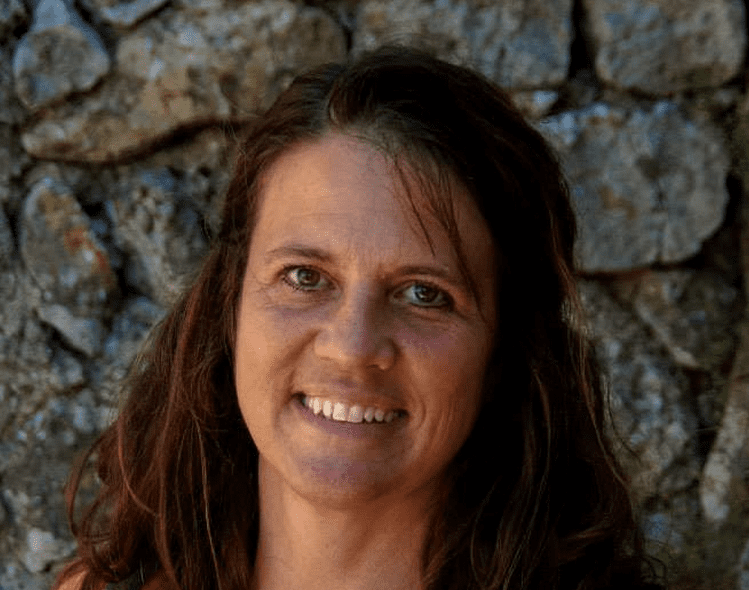
 Alison Udall is the co-founder and main force behind Mormon Spectrum – a web site dedicated to supporting Mormons across the belief spectrum with content and community. Since the release of Mormon Spectrum in August of 2015, the creation and growth of progressive and post-Mormon support communities have skyrocketed thanks to Alison and the Mormon Spectrum team.
Mormon Spectrum can be accessed here.
The Mormon Spectrum community locator map can be accessed here. This map can be used to locate and join an in-person Mormon support community near you. If you cannot find a support community near you, you can also create a community and list it on Mormon Spectrum.
Episode Transcript
Host: John Dehlin · Guest: Alison Udall
This transcript is machine-generated and lightly edited for readability. The audio is authoritative. Please excuse occasional errors in names and spelling.
Introduction and Alison Udall's Background
Part 1 of 2 · Ep. 594
John Dehlin [00:00:01] Hello and welcome to another edition of Mormon Stories podcast. I'm your host, John Dehlin. The date is November 16, 2015. It is 2:37pm Mountain Time. I'm broadcasting to you from my basement here in North Logan, Utah and I'm very excited to have with me Alison Udall. Alison is, is known throughout social media within Mormonism as being a very active and effective contributor and participator. But I think her biggest splash to date, and you can correct me if I'm wrong, Alison, is when she teamed with my friend Steve Holbrooke and a few other friends to create a website that has become very important for progressive and post Mormons called Mormon Spectrum.
John Dehlin [00:00:51] You can find it on mormonspectrum.org and there's several cool things about the site that we'll get into. But probably the two most important things about Mormon Spectrum are number one, sort of explicitly names and profiles various types of Mormons such that people can really start developing a vocabulary and an understanding of, of the fact that there are various types of Mormons and people can start to explore and understand their identities and their situations in life better.
John Dehlin [00:01:26] And so there are resources made available for people based on, you know, whether they're whatever type of Mormon they happen to be and we can talk about that. But the other thing that's really important about Mormon Spectrum and what I've seen as being the most impactful so far is that it puts up a map of in person, face to face, sort of geographically based communities across the world, such that if you are looking for local face to face support, you can go to Mormon Spectrum and find community.
John Dehlin [00:01:59] And for progressive and post Mormons, I think the, the value of community cannot be overstated. So this is actually going to be a joint release. I'm going to release this episode both through Mormon Stories and through Mormon Transitions podcast be because it's going to be important and valuable for both audiences. So with that, Alison Udall, welcome to Mormon Stories and Mormon Transitions.
Alison Udall [00:02:28] Thanks so much. Yeah, thanks for having me.
John Dehlin [00:02:31] Our pleasure. So let's just start just hearing a bit about your background with the church and sort of the events that led to you wanting to get involved in online progressive post Mormonism.
Alison Udall [00:02:47] Sure. Let's see. I was actually, I was born in Germany. My dad worked for the service. He was in military intelligence. My dad was born in 1928, Utah. So he had grown up in Utah and Idaho area. My mom was full blood German. Her parents are all, all her bloodlines German and she had actually she was born in 41I 1941, and she joined the church in 61. So she was 20 years old when she joined the church. She grew up in a Catholic family and the missionaries taught her the lessons after she was dating a Mormon boy.
Alison Udall [00:03:25] So they met in Germany. And my dad majored at BYU in German and took this position. So I spent 12 years living over there in Germany, in different parts of Germany growing up. So that was a little bit different for me because a lot of times online when you're interacting with people, most of them or many of them have grown up in much more predominant Mormon areas, or at least in the United States. And so sometimes when I share my experiences, they're a little bit unique because of the fact that I grew up in small, little German branches and the only material that we had in those branches was what came from the church.
Alison Udall [00:04:08] So because we were over there, we, you know, I didn't get to attend efy. We didn't have a Deseret bookstore. We didn't have those kinds of things. We would get on the duty train when I lived in Berlin before the wall came down, would get on the duty train, go overnight to make it to the Frankfurt temple or the Frankfurt area so that you could meet and have conferences together and you'd have large groups of youth that would come together and they would rent out like a hotel and they'd have a general authorities come. And that's how we would do our youth conferences. So when we did have them, they were kind of like bigger events because we had to come from such distance.
Alison Udall [00:04:51] So a lot of my friends were non members. But I think when I was 16, the only boy my age that I could have dated probably might have been my brother. So that didn't work out so well.
John Dehlin [00:05:04] That would be a problem. Even for Mormons. That's a problem, yeah.
Alison Udall [00:05:09] When I was baptized at age 8, I was baptized in a German public swimming pool. So they closed the pool down and that's where I had my baptism. So, you know, that upbringing was. Was a little bit unique. Everything that I experienced was official, official narrative from the church. My parents are very orthodox, very conservative, Orthodox, traditional.
Alison Udall [00:05:36] And so growing up, I remember having some questions about things, but they kind of. My dad took just a very traditional approach to those and. And you know, that's kind of how my childhood went. When I reached about 14, I rebelled. And between 14 and 18, I was actually very inactive, which caused a lot of stress for my family.
Alison Udall [00:06:04] My brother at that time, I have an older brother who came out to Me as being gay. That was a unique experience as a teenager, because he came to me to disclose that, and I was young. I had no experience, no understanding.
Alison Udall [00:06:19] And I actually think that I was the one that told my parents, thinking that that might be helpful to let them know, which was a disaster. And my parents did not handle that well at all. Now, to their credit, my parents are really wonderful people. It's just that they're very Believing traditional, and they very much are loyal and rely on the church. And at that time, if you could imagine, that would have been during the time period where the message regarding LGBT stuff would have been really harsh. And so that messaging came to my brother, and that was really hard.
Alison Udall [00:07:03] He spent a summer at a church pineapple farm in Hawaii, where it was not unusual to send kids that might be having problems. Having homosexual feelings was one of those considered. He went there and worked for a summer on that church pineapple farm.
John Dehlin [00:07:21] That's still. That's still there. People still send their gay and problem kids to that pineapple farm.
Alison Udall [00:07:28] And that experience for my brother was very traumatic. That's not a good experience. He was bullied. And. Yeah, so that was. Had always been LGBT issues, had always been something that had been close to me because of that, really, that issue with my brother and watching how my parents had navigated that. My parents pretty much took whatever the official church line was, and that's what they adopted with my brother. And they really felt, you know, at that time, the messaging was extremely strong, obviously, that it could be changed and that it was a choice, that it was not inherent, and that if he was just righteous enough and tried hard enough, and so he served a mission.
Alison Udall [00:08:15] He went to byu. He served a mission, he came back, and when he came back, he came to visit me, and he basically said, you know, I just think that the brethren are wrong on this. I just. I can't accept that they're right on this. And I've got to the point where I'm just going to accept myself and leave the church.
Alison Udall [00:08:37] And that was really traumatic because my parents did not know how to navigate that and wrote him a letter, which was extremely hurtful and painful. And he basically lived in his car for a while and came extremely close to committing suicide.
John Dehlin [00:08:56] What year did he write that letter to your parents?
Alison Udall [00:08:59] I mean, that would have been in the 80s.
John Dehlin [00:09:01] Oh, wow. That's early. Yeah.
Alison Udall [00:09:03] And so he had been at BYU campus with the counseling there, where the messaging was not good and healthy towards students that were going through this.
John Dehlin [00:09:16] It's better now.
Alison Udall [00:09:18] Oh, it's much better now. But he was basically, he says, really. He credits not killing himself and being saved to a very unorthodox family that lived in California, where he was at the time. And this family took him in, and they were an active, believing family, just unorthodox and nuanced. And they loved him and accepted him and reached out to him, and they basically saved his life. And since then, he's gone on, and he actually has been. He's married. He's married to a wonderful man. They've been together for almost 20 years now.
John Dehlin [00:09:56] Wow.
Alison Udall [00:09:57] And really happy and wonderful.
John Dehlin [00:09:58] That's cool.
LGBT Awareness and Family Faith Journeys
Alison Udall [00:09:59] But that whole thing had really kind of attuned me to LGBT issues and kind of had always been in the back of my mind as I couldn't quite sort out. I couldn't quite figure it out through my teenage years. When I was inactive, that really put a lot of pressure on my family. And my dad put in for us to be transferred back to the United States. He felt that that would be better and get me back on the path.
John Dehlin [00:10:29] So.
Alison Udall [00:10:30] So my 16th birthday, we moved from Berlin, where we were living, and moved to a small Arizona town called Sierra Vista, kind of down by Nogales. There was a military intelligence school there, and my dad taught there. And that was a huge shock to have come from. Grown up in Germany and then moved to the desert out in the middle of nowhere was really hard for me.
John Dehlin [00:10:57] You know, Nogales was in my mission. The last four months of my mission were in the Tempe, Arizona mission, and Nogales was part of that mission in, you know, 1990. And it was considered the whole. One of the holes of the mission.
Alison Udall [00:11:13] Yeah, that's kind of how I would have looked, too. And I'm sure Sierra Vist has grown quite a bit since then. But at the time, it was kind of like one long street called Fry Boulevard with just filled with fast food restaurants, and there was nothing else to do.
John Dehlin [00:11:28] French Fry Boulevard.
Alison Udall [00:11:30] Yeah. So I got a job at McDonald's, and I made the French fries while being in high school and tried to make that work. I ended up the end of my junior year, actually dropping out of high school.
Alison Udall [00:11:49] I dropped out of high school, didn't finish. And basically my parents and I decided I would go try to live with an uncle in Ogden, Utah, and see if that could kind of help me get my act together.
Alison Udall [00:12:02] And so it was kind of, you know, an interesting time of my life when things kind of. Because when I look at it now, what was interesting to me now, when I look back is I really had not been given the skills to make healthy life decisions and choices. It had always been framed as just right or wrong and not so much how to give more context and background to why you make these kind of decisions. What are the implications? And so I just. I wasn't equipped with the skill set to handle some of the things that approach you when, you know, leave the church as a teenager.
Alison Udall [00:12:48] And I made some poor choices and I hit rock bottom. And I called my dad. I had moved to Seattle and was living there, called my dad and said, dad, I'm ready to come home and I'm ready to figure out what I'm doing. And my dad was amazing. And he rented a U Haul and he drove all the way from Arizona, and he came and he got me and he brought me home to Sierra Vista. And that was the first time that my parents were able to actually start to talk to me a little openly. And our relationship started to mend. And I think it's.
Alison Udall [00:13:27] I really. It was a wonderful time for me to be able to actually open up and share with them a little bit and have them not just tell me what. What was right and wrong and quote the brethren.
John Dehlin [00:13:40] So how many siblings did you have total?
Alison Udall [00:13:43] I have three other siblings.
John Dehlin [00:13:45] In addition to your brother or including your brother?
Alison Udall [00:13:47] My brother. Yeah. So there's four of us total.
John Dehlin [00:13:50] Okay, got it. Okay.
Alison Udall [00:13:51] And so I came back to Sierra Vista, decided to get kind of come back to the church I had. The thing is, when you're raised in the church, you know, you're told that when you leave the church, you're going to be miserable. You're kind of. And you're going to make horrible decisions. And when you're caught kind of in that middle road, you have a lot of guilt about your decisions. And so I was ready to be done with that guilt. I was ready to have the support from my family again. You know, I was 17, living on my own. You know, I had been living in a trailer, working two jobs to support myself. And so I was ready to come back, have parental support, have the church community support. And I got my ged. I decided to apply to Arizona State University, and I got accepted.
John Dehlin [00:14:45] You're a Sun Devil?
Alison Udall [00:14:47] Yeah. So I went to asu and in the process of doing that, also, I went through a church discipline corps at age 17.
John Dehlin [00:14:55] What?
Alison Udall [00:14:56] I just turned 18? Yeah. And when I went to my bishop and said I wanted to do the right thing and I wanted to come back, he felt that they needed to hold a court. And so I was disfellowshipped officially.
Alison Udall [00:15:12] And I don't remember. I don't think. I mean, I definitely, because it was disfellowshipped, I didn't have to go in. I didn't have to talk in front of anybody other than my bishop. I just had to talk through everything with my bishop, which was hard as a young woman to sit in the office with my bishop and talk through all of that and have him ask me specific questions. But I decided I was gonna do it right. And so for six months, I reported to my bishop, we had conversations or emails, and I reported how I was doing. And I threw myself into the Arizona State University program there for the church, had and took classes.
Alison Udall [00:15:53] I attended the ward and try to blend in. The hard part for me was, is that I wasn't a typical Mormon young woman. I had kind of wild hair, I had a wild car that I'd graffitied. And I had never enjoyed doing homemaking stuff. You know, that was part of the problem for me was as a teenage girl, you know, they were going to teach you how to, how to cook or how to do something and put something in your hope chest. And I just thought that was boring. And I wanted to do the stuff that the boys were doing. And I couldn't figure out why we couldn't do more exciting things, why we had to prepare to get married when we were teenagers.
Alison Udall [00:16:37] And so that was a challenge for me at ASU to try to pull myself back into that more traditional box. And so it was a very interesting time for me. But I made really good friends. And I met my husband, Jordan, Jordan Udall. And he just returned from his mission in Japan.
Alison Udall [00:17:03] He's from a big family, extended family there in Arizona, a lot of Udall there. And his parents were wonderful. His dad had been a stake president and a regional rep. And, you know, very well known in the church and just great people. And the first time that I was going to meet them, I was really concerned because I still had kind of a more wild hairdo and my car. And so I actually rented a stander and primed my car myself, painted it over and grew my hair out so that it wouldn't be quite as shocking. His mother and father and tried to blend in.
John Dehlin [00:17:52] The Udall family. There have been at least a few US Senators or members of the House of Representatives that come from the Udall clan. Is that right? Right.
Alison Udall [00:18:01] Yeah. They have some pretty well known politicians as well, as well known in the Church as far as serving in different callings too. So a well known family, also Democrats, right? Yeah. Well, and that it's funny to hear Jordan, he says kind of, you know, that was, that was the other side of the family. So, you know, his dad, I think, would say that in that regard they were quite different. You know, his dad was more definitely on the Republican conservative. And then you had, you know, Stuart Udall and Mo Udall and they were more on the Democrat side. And then you had, you know, Stuart Udall and some of those that weren't active any longer in the church, but the majority of Udall were very active. And I went to BYU with the
John Dehlin [00:18:54] Joe Udall, by the way.
Alison Udall [00:18:56] Oh, you did?
John Dehlin [00:18:57] Yeah.
Alison Udall [00:18:57] Okay. And so that was, I mean, you know, we had a very short courtship. Very short. When I think about it now, I think it's absolutely insane. But, you know, we dated three weeks and we got engaged.
John Dehlin [00:19:11] Whoa.
Alison Udall [00:19:12] And. Yeah, yeah. And when we, and we got married in the Mesa Temple and that was wonderful. And he was finishing his bachelor's at Arizona State. I six months after we got married, we kind of had a surprise pregnancy.
Alison Udall [00:19:32] And so I kept working as long as I could. And then we had our first child and he was still finishing up. And three months after we had our first child, we ended up being pregnant again. And my father in law said, are you sure you guys know how this works?
Alison Udall [00:19:56] And so we did, but we just. Yeah. So we ended up having another baby and this, our son was born. So they're about 11 and a half months apart, the first two. And he was born actually during the last finals that my husband had at ASU for his bachelor's. I didn't get to attend as a graduation because I was in the hospital.
Alison Udall [00:20:21] About five days later, we loaded the U Haul and we moved to Pro Utah so that he could start BYU Law school. And so that was, that was a really exciting time and a hard time because we had, you know, two little ones and Jordan was trying to navigate fatherhood and being a first year law student, we went. But that was a great experience. We made good, good friends there. And when we graduated from there, we moved kind of all over the place.
Marriage, Career, and Early Church Life
Alison Udall [00:20:50] Probably the first 15 years of our marriage, we moved 12 times because during law school you clerk at different places. And then after law school, Jordan decided to. He kind of got into law software at BYU with another fellow professor that was doing some things. And so he decided rather than going into a law firm, he would work for a publishing company, a legal publishing Company.
John Dehlin [00:21:17] And so we moved.
Alison Udall [00:21:19] Yeah, okay. And so we, we moved. We moved to Colorado, we moved to Missouri, we moved to Massachusetts. We. We just moved all around as he had these different consulting projects and things that he did. And it was great because we always had a ward to welcome us. We were very active and just a normal, traditional little family.
John Dehlin [00:21:46] And Alison, real quick, I had you put the microphone a little bit too close to your mouth. Push it like five inches away from your mouth. I'm hearing your peas pop. It'll just be better audio. Sorry about that. It's my fault. It's my fault. Say, Peter Piper picked a pick of pickled pepper. Peter Piper.
Alison Udall [00:22:06] Piper picked it.
John Dehlin [00:22:08] Okay, so keep going.
Alison Udall [00:22:11] So let's see. So we moved all around. We got to Massachusetts, we had a third child by now, and we were very active held callings and all different kinds of things. And we finally made it to Ohio. When we moved, we transferred and Jordan was able to get a job with LexisNexis still in Ohio and as a full time employee.
Alison Udall [00:22:44] And when we got to Ohio, we ended up staying there for 15 years. So it moved around a whole lot. And then we plopped down in Ohio, which was not a state we ever thought we would end up in. And that was a wonderful place to raise our family. The Midwest is a great area.
Alison Udall [00:23:00] And through that, the last few years, Jordan had been doing some homework, researching about how your brain works. And he was interested in what happened physiologically in your brain when you made decisions and you felt emotions. And he'd had some things that he wanted to change about himself that he was trying to understand. And that kind of fueled his interest in this studying. And he was reading a lot. And he had a day where he remembers distinctly that basically he came to this realization where he believed that the experiences that he had that were spiritual were actually physiological, that they were responses to his upbringing, the connections that had been made and forged through all of those various things that impact your brain.
Alison Udall [00:23:54] And when that realization came to him, it was as if everything on his shelf kind of then he didn't know how to put it back up. He didn't feel that he could rely on spiritual experiences in order to discover those, because now he thought those were just physiological occurrences. And so he for two years tried to get that testimony back, tried to
John Dehlin [00:24:20] figure out what years would have this
Alison Udall [00:24:22] been that would have been. I mean, in 2000, the early 2000s, 2004, 056. And now we had four children at the time. Our two oldest were in finishing up High school. Our oldest was going up to byu, Idaho, So she was there.
Alison Udall [00:24:43] And so this was a really big change. He came every week for two years with me and attended and was very open with our bishop about what he was experiencing and that he actually no longer believed that there even was a God, that he believed all churches were probably fine and good. He hadn't studied church history, he hadn't delved into any of that. Totally been this physiological thing. And so he felt like, you know, the Mormon Church is as good as any other church. And he came and supported me. But through that transition for him, the ward didn't not know quite how to navigate that.
Alison Udall [00:25:22] With Jordan, he had been the young Men's president for five years, and so we'd been really heavily involved. And so now all of a sudden, he wasn't believing. He didn't disclose that and talk about that with other people. But the bishopric knew, and somehow, you know how those things happen in correlation meetings. And the word kind of got out and people began to really pull back from us. And we had been in that ward for 15 years where, you know, all of our social network were members and we did things together.
John Dehlin [00:25:55] This is Ohio still.
Alison Udall [00:25:56] Yeah.
John Dehlin [00:25:57] Cleveland or Columbus or Cincinnati.
Alison Udall [00:25:59] Dayton.
John Dehlin [00:26:00] Dayton. Okay.
Alison Udall [00:26:01] Kind of the Dayton area. And they didn't know how to navigate it. It was like all of a sudden there was this drastic change. And even though all he wanted to do was the same things we'd always done, go out on our boat and go camping and hang out, they just felt uncomfortable. And so I was trying to go every week and make it work. And. And people were really pulling back, and that was super hard for us. And one Sunday in particular, I remember I reached out to them. I pulled everybody kind of in the overflow after Sacrament meeting was over. I pulled my closest friends all in there.
Alison Udall [00:26:42] There was a group of us, and I basically just poured out my heart and said, guys, you know, I'm trying so hard to make this to still come. And, you know, I'm trying to navigate this huge change with my husband and. And you guys are pulling back and this is so painful to me, and please don't do that.
Alison Udall [00:26:59] It was very emotional. I made myself very vulnerable by expressing how much this was hurting me. And even so, after that, they just were not able to navigate it. We slowly just stopped getting invited to anything. We just became more and more isolated. And so every week I would go. And what began to happen was over the next couple years, I began to notice things that I hadn't noticed before. As when you're the traditional Mormon family and everything's fine and you're both holding callings and you're both active.
Alison Udall [00:27:38] I didn't notice some of the stuff. And now I was this woman who had a husband who had returned from a mission and now didn't believe leave wasn't coming. And suddenly I became acutely aware of people who didn't fit into that traditional box. So I would notice things in lessons and talks and comments that referred to feminists or people that didn't have children or single adults or people that. About comments and things about people that had left the church.
Growing Doubts and Faith Transition
Alison Udall [00:28:10] There were things that just began to stand out to me that I just hadn't noticed, and they began to make me uncomfortable. And I noticed more and more kind of this us versus them thing, and the way that the generalizations happened about people who stopped believing.
Alison Udall [00:28:28] And I had watched Jordan, you know, I knew how hard he had tried to regain that testimony. It had been extremely painful for him. And so I began to realize, wait, those generalizations don't fit everybody, because I know they don't fit him.
Alison Udall [00:28:42] And so more and more that just. I. I started noticing, and Prop 8 happened during that time. I remember John and I talking about it and me trying to hold on to the arguments that the orthodox members were using and the church was using and trying to say, well, there's got to be something more to this, and, you know, there's got to be reasons. But having this kind of cognitive dissonance that began happening more and more for me.
Alison Udall [00:29:08] And that first two years of that transition from Jordan were really hard for us. You know, suddenly everything that you plan on as is, like, drastically altered. You know, you find yourself, you're married to somebody that maybe you would not have even dated and married because you were a Mormon. And so it was almost as if we had to learn how to communicate all over again, and we had to learn how to find commonalities that were outside church, which was super hard.
Alison Udall [00:29:39] I had not realized how much of the messaging and a part of our life was wrapped in this idea that we both thought the same things, and now that we didn't, it was like learning how to figure out how that was okay. It was okay that we were individual, that we didn't have to agree on the same things, and it was all right to respect each other. And Jordan was really, really great about not pushing me.
Alison Udall [00:30:07] He was totally supportive. He didn't bring things up, and he let me do all the things I wanted to do and was Completely supportive of that and support of the kids. But every week was really hard for me. And it got harder and harder because as I got more isolated, I realized I was becoming more and more unorthodox and some of my ideas were not meshing anymore. And I felt like I didn't fit in. Not only did I not fit in, but I started to disagree and now we were completely alone. So we actually, that was one of the big reasons we decided to move to Montana.
Alison Udall [00:30:45] So in between now we had my daughter at BYU Idaho. She got married in Idaho Falls. And I went in with her during her wedding and the temple ceiling and Jordan sat outside. And that was really hard for us, but Jordan was really supportive. We tried to. We did a. Our daughter Jessica was wonderful. She and her sister, soon to be husband Jared, they agreed to do a beautiful ring ceremony. And so we really had a special ring ceremony afterwards where actually Jordan walked her down the aisle and we played music and he brought her to the front and they said beautiful things to each other and lit a candle.
Alison Udall [00:31:35] And so it was really special. But it was really hard. It was really hard. Hard for me to be in the temple without him, hard for my daughter and hard for Jordan to be outside. So our son was on a mission.
Alison Udall [00:31:53] He went out on a mission to serve at Quebec. And Jordan wrote him and supported him and was really great about that. But during the time that he was out on his mission was the time that Jordan realized, I'm done. I've tried everything I can.
Alison Udall [00:32:10] This isn't working for me. I'm an atheist and I just can't make this work anymore. And I remember writing my son that on his mission and how hard that was for him to get that letter on his mission and try to figure out how to react to that while being a missionary.
Alison Udall [00:32:32] So we decided that it was ready. It's time for us to have a change. And luckily for us, Jordan had been traveling to Bozeman, Montana as a product manager and he was managing a product that was developed here. And our youngest daughter was about to graduate from high school, I mean, junior high. So it was between junior high and high school. Our third son was just about to graduate from high school and he was going to try a semester at byu.
Alison Udall [00:33:00] He got into BYU in Provo and he was not active anymore and really was non believing. But he thought, I'm going to give it a shot. I'm going to go there and I'm going to try for one semester and see if I actually believe.
Alison Udall [00:33:15] And so we put in for a transfer. And we were able to move to Bozeman, Montana, between that summer break, which was really awesome for us.
John Dehlin [00:33:21] What year was that?
Alison Udall [00:33:23] That was, gosh, four years ago. Four and a half years ago.
John Dehlin [00:33:27] Okay.
Alison Udall [00:33:29] So when we. 2011. So we got here and we thought, all right, the good thing about this is our ward will just know us as we are now. And that's what we were hoping. They won't know Jordan as a member. They won't have seen Young Men's president. They'll just know that we're a part member family.
John Dehlin [00:33:45] So he resigned. Did he resign?
Alison Udall [00:33:47] He did not. No, he had not resigned at that point because I had asked him not to.
John Dehlin [00:33:50] Okay.
Alison Udall [00:33:52] But, you know, we thought, well, this will. This will be easier for everybody. And so we moved here. I got called to be the first counselor in the young women's presidency, began teaching the MIA maids. I love the young women. I love youth.
Alison Udall [00:34:06] And we began going every week. And to our dismay, we realized that the messaging was the same. It wasn't just that it was our Ohio war, it was the church messaging. And it really didn't matter where you were, that we were still outside the box.
Alison Udall [00:34:27] We still didn't fit. Kim, my youngest daughter, would struggle at young women's because the lessons would mention a father with priesthood holder and temple marriage and how important it was to have parents that stayed and endured. And I was sitting through the same type of messaging. And basically it was every week this idea that marriage was a tragedy. It was viewed in tragic terms.
Alison Udall [00:34:56] Even though I had a fantastic husband. And Kim would try to say, look, my dad's awesome. The messaging was that it was a tragedy. And more and more we realized we just agree with some things and they were uncomfortable. And I tried the next two years to try that again, just continue with that unorthodox route. Could I make thing work? Could I just pick and choose?
Alison Udall [00:35:25] Could I figure out how to fit in my ward even if I didn't agree with some things that got harder and harder? In 2012, we had an interesting experience where there was an Ensign article that was written by an anonymous writer.
Alison Udall [00:35:44] And it was, I think it was entitled something like why he left or something like that. I don't know why he doesn't believe anymore something. And it was written about a woman who was writing about her husband who had stopped believing. And I had several people reach out to me and ask me if I was the author. And Jordan had several of his family members reach out and ask him. And I hadn't read the article yet? So when I read it, was.
Alison Udall [00:36:09] Was really kind of dismayed because the article itself, the tone of it, and the way the wife felt about her husband was not all how I felt about Jordan. And so we had been asked several times. I felt like I needed to somehow let people know that, no, I did not write this. I put it on Facebook because, you know, that's what you do now. You put a status on Facebook. So I made a Facebook status, and I basically just said I just wanted people to know that I was not the author of this article. And actually, I don't feel that way about Jordan. I feel like that there are some things that you just have to go by on faith, that there are some things that we don't know.
Alison Udall [00:36:52] I don't think he's wrong, deceived, deluded, controlled by Satan, any of those things. I actually don't think that at all. I think he's done the best job he could in interpreting the information and coming to the best conclusion that works for him. And he feels the same about me. He doesn't feel undiluted or any of that. And so we have this mutual respect. And I was trying to explain on my Facebook post that we genuinely felt that way about each other and that we didn't view each other as being wrong because we felt like if we had that view, we wouldn't be able to have a healthy relationship.
Alison Udall [00:37:27] It wouldn't work for us. And so I kind of expressed myself like that, and somebody told my bishop about that post, and I got a visit from my bishop. And at that point, I had been giving myself permission to try to start pulling back. What I finally realized was, is that it was actually a start to really weigh on me emotionally and causing me distress. I was having a lot of headaches. I was taking so much ibuprofen for migraines and headaches. I just. It's like all the years of trying to make this work had just really added up. And I was exhausted. I was tired.
Alison Udall [00:38:14] It was really starting to affect me. And so I had begun on some Sundays, not going and giving myself a break. And we would still take Kim because she wanted to go. And I did the Facebook post. I ended up having this meeting on my front porch with my bishop.
Alison Udall [00:38:30] And it kind of went like this, where he let me know that he was a little bit concerned about some of the things I'd expressed, which surprised me, because basically the gist of what I was expressing was support for my husband and unconditional love for my Husband. But some of the things that I had said concerned him, especially the idea of not knowing, not being able to know something, know, as in a Mormon term is, I know the church is true, or I know God lives.
Alison Udall [00:39:02] He felt like he was concerned that I was saying, you really couldn't know that. And I said, well, Bishop, I think that there are just some things in life that you can't know. Like, does God exist? So if we take this basic disagreement that Jordan and I have, he doesn't believe in God anymore. And I still believe that there is something. There's like a creator and a God. There's no way either of us can know that. And he said to me, and I had heard this argument before, but never in person.
Alison Udall [00:39:29] He basically said, allison, it really is like the law of gravity. And, you know, there are people that may choose not to believe the law of gravity, but it doesn't matter because the law of gravity exists. And I tried to say, you know, I don't think you could equate the law of gravity to a belief in God.
Alison Udall [00:39:48] But it was like we just didn't connect. And I said, I need to take a break from church. And he told me that if I loved God and Christ enough, I would continue to slog through and come. And I remember saying to him, honestly, I've been doing this now for how many years?
Alison Udall [00:40:08] And I think that if God is actually my father and he loves me and he cares about me, he knows how much effort I am making into this and making this work, that he will be okay with me to take a break.
Alison Udall [00:40:23] And so I decided I was. It was time for me to have a sabbatical, in essence. And during that sabbatical, my son had now returned home, obviously from a small. He was back at byu, Idaho, and he was dating somebody. And I knew full well that at some point he was going to fall in love and he would be getting married.
Alison Udall [00:40:44] And my temple recommend had expired. And I started thinking about those recommend questions, wondering whether I could actually answer them again. And so I remember that the last three years that we had been kind of. I would come home from church and I would be called crying. And it would be hard for me. And every once in a while, Jordan would kind of quietly say, are you sure this is still working for you? And I would basically say, it has to. It has to work. I have to make this work.
John Dehlin [00:41:13] This being what?
Alison Udall [00:41:15] I have to make the church work. I have to stay in the church. I have to. You know, I felt this. My parents were believing My two oldest kids were believing I had all these people that were now kind of viewing me as the strong one in the family and that I was going to kind of hold the family together as far as the church was concerned. So I just felt this enormous pressure to not have this thing fall apart. And so sometimes when I would think about reading something or trying to understand some of these things that would pop up on my shelf, I would literally make a conscious decision to avoid doing that because I was worried about what I might find because I had to make it work.
Alison Udall [00:41:58] And so after this discussion with the bishop, as I thought about my temple recommend, I just thought, you know what? I just can't continue doing this anymore. I'm basically, I'm killing myself. I've either got to be in the church or I've got to figure out why I wouldn't be in the church, because if it's actually true, then I have got to figure out how to make this work as a wife with a non believing husband, as someone who's unorthodox, as someone who doesn't understand lgbt, why the church has these views, why does the church have these views about gender roles, you know, all these things that were bothering me, I just realized, okay, to me boiled down to if it's true, then I gotta, then I have to make it work.
Alison Udall [00:42:39] And if it's not true, then, wow, does that mean. And so decided I would basically approach it like I had always taught in all my lessons, which was the basic of your test. Joseph Smith, the Restoration Prophets, the Book of Mormon. Those were kind of the four big things for me. Okay, so let's go back to the beginning on those. And I gave myself permission finally to go outside of what was just on my bookshelves from Deseret Book. Uh, oh, and, and I began, I began reading Fair Mormon, I began reading online, I began interacting and asking questions.
Alison Udall [00:43:20] I wrote a guest blog post that went up on feminist Mormon housewives asking about the temple recommend questions, saying, here I'm work, you know, I'm struggling with these. How do you guys handle these as unorthodox, you know, feminists?
Alison Udall [00:43:36] And I began reading and I began ordering books and books and books. And I tried really hard to, you know, I read B.H. roberts and I read Givens and I read, I read the whole gamut. I read everything I could get my hands on. And for nine months I read and read and studied and asked questions. And it felt like I was drinking from a fire hose. And I didn't tell Jordan I was doing it because I didn't want him to get his hopes up or have any Jump to any conclusions. I wanted it to be my decision with no impact by him. I didn't want.
Leaving the Church and Finding Community
Alison Udall [00:44:13] And I didn't want anyone to see. Well, he was the one. I wanted to figure it out for myself. And so he would see me at night reading, reading, reading, and he'd be like, wow, you are studying a lot.
Alison Udall [00:44:25] But we didn't talk too much about it for the first, probably six months. And then I began starting to share after six months of reading some of what I was learning and reading. And that's when he became exposed to some of those unofficial narratives and historical things, which were very surprising to him at that point.
Alison Udall [00:44:46] And nine months after I gave myself permission to do that, I realized I couldn't answer those temple recommendations. I just did not believe some of those basic truth claims anymore. And I was really totally at peace with that. I felt like I had really tried my hardest. And I viewed the church now kind of like a good organization filled with people trying to do good things, but not inherently more true than any other church.
Alison Udall [00:45:18] Not with any divine authority or guidance that was special above any other church. And if I was going to look for churches, I realized there was too much about this church that just didn't work anymore. If I was going to be shopping for a church now, it wouldn't be the more church. And so that I knew that was going to be devastating to my older kids.
Alison Udall [00:45:42] But I reached out to them. I mean, they knew that I'd been coming unorthodox. They knew because we shared things and I shared my views. So they were worried about me. And it was really hard for them, really hard for them to hear that their mom now had come to this place to as well as their dad.
Alison Udall [00:46:02] But I did that Right before my son was going to get married, he got engaged. And so I told. This is when I told him, I can't come inside the temple. And this is why I can't answer those questions honestly. And I could fake it, and I could lie my way through it and get that recommend, but I would not feel good about myself in doing it because I don't believe them anymore.
Alison Udall [00:46:32] And that was hard for him, you know, to have his mom tell him she wasn't gonna be in there. But so we both sat outside for our son's wedding. And that was in August of 2013. And that fall, I resigned my membership, and Jordan resigned as well. And the reason I resigned was because I really felt Like, I had watched what had happened with Jordan all those years when he didn't resign. Part of it was that I knew there was a sense of responsibility in the war for him. The bishopric brought him up.
Alison Udall [00:47:10] There were home teachers that were assigned. There were visiting teachers that were assigned. People felt responsible for us. And also the bishop periodically asked if it was okay to talk to Jordan because he felt like he was still his leader. I mean, according to church, he was still his leader. And I just felt like I didn't want that at all.
Alison Udall [00:47:32] I did not want to have to monitor what I wrote on my Facebook. I did not want to be called and asked to meet with someone because of something I wrote or something I said. I didn't want that responsibility. And I was ready to officially disconnect myself from some of the things that I felt were really harmful about the church. So we resigned in 2013.
John Dehlin [00:47:56] And that was before resigning was cool.
Alison Udall [00:47:59] Yeah, I know.
John Dehlin [00:48:00] I'm kidding. That was just a current events joke.
Alison Udall [00:48:07] And, yeah. So then we began navigating that mixed faith situation, two kids that are active, temple married, and two kids that now have left, and figuring out how to do that, which is super challenging in the church. The church doesn't give you material and help in doing that as parents and children when you're not all active members.
Alison Udall [00:48:30] And I became quite involved more and more online in the Facebook support groups. I began moderating for you for Mormon stories and just became more and more aware that my experience was shared by lots and lots of other people.
Alison Udall [00:48:47] And that as people became unorthodox, they felt just like I had. Felt like they were. Couldn't quite fit in. They wanted to still be there. They wanted to make it work, but they didn't know they didn't fit in. And they didn't. Like, often they felt quite excluded and isolated, even though they were still coming on Sunday, that it was very lonely and isolating kind of an experience, because as an unorthodox Mormon, you don't feel often, depending on your ward, that you can actually express yourself or share some of those nuanced views without making people uncomfortable.
Alison Udall [00:49:22] And so you kind of feel like you have tape on your mouth a lot. And so it's really challenging to be unorthodox. And I noticed that more and more online, and I had experienced that myself. And then I noticed that as people left like I did, that there were also huge rippling consequences. They often lost their social networks, their friends. They lost their sense of community, and they also did not have places to Help them gain some of the skills, the life skills, just like I had as a teenager. You know, I didn't have those skills. So now you've got adults leaving the church who haven't also don't have some of those skills.
Alison Udall [00:50:00] And some, you know, it's hard for people they don't like. You know, they want to know, how do I keep my kids at the clothes and moral? How do I. They have all the same questions that everybody has. It's just now you're trying to navigate away from the church and figure out how to do it.
Alison Udall [00:50:13] And so that was really much aware on my mind, and I wanted to be able to figure out how to give back. And the first kind of thing I got involved with was we decided to write an open letter to Thomas S. Monson and ask him some things. We didn't anticipate that he would read
John Dehlin [00:50:32] it
Alison Udall [00:50:34] or we'd ever get an answer, but we decided to write it. That was the Mormon open letter. And that was kind of the first big thing that we did. And we had a lot of people sign it and read it.
Alison Udall [00:50:47] And then as things went on, I interacted more with you, and you invited me to come to a weekend kind of get together, and we brainstormed ideas and we were talking about things we could do to support people that were unorthodox or that were post Mormon leaving. And we talked about community. And you had asked me if I would bring an idea. And so meanwhile, Jordan and I, when we moved to Bozeman, had started a meetup group. That's how we figured out we would meet friends. And we'd started to, just with the two of us. I put things on there and it was just us.
Alison Udall [00:51:24] And then pretty simple. Had joined and joined and joined. And we have, you know, over 1700 members in our group now. It's nothing to do with Mormonism, just entirely a social type of a thing outdoors. But I, as you asked me to share an idea, that was the idea that I thought, wow, I wonder if we could. I wonder if we could help people figure out how to make friends and find community by doing something like meetup, you know, some way to pull people together. And so I came to your little get together with that idea in mind and a little PowerPoint that I put together.
Alison Udall [00:52:00] And my suggestion and idea was, can we figure out a way to help build community? While we were there, we all shared ideas, and that was great. And we kind of came back from that and we kind of started running with it. And I asked Steve Holbrook, who had also worked with me on the Mormon open letter, if he would be willing to, to help me with those communities.
Alison Udall [00:52:24] And so he said, you bet. And what I basically just started doing was posting in every Facebook group I could come up with. Hey, we want to help people start groups that will help them make friends, find support, build little group individual communities in their own areas where they live. Are you interested or do you already belong to one? You tell me about it. And I start. I created a little Facebook group which I called the admin group. And I just started collecting those groups and finding them that were out there. These were just meetup comm groups that had to do with Mormonism, Facebook groups that had to do with Mormonism, stuff that had been out there all over the place.
Alison Udall [00:53:05] Nobody really had collected it into one directory. And we just started adding them one by one into this admin group. And I just kept telling them, hey, at some point we're going to publish all of your groups in some sort of a directory. But I didn't really know what that was going to look like or how that was going to happen. I just knew that, okay, we're building all these groups, we're finding all these groups, and somewhere we're going to host this directory.
Alison Udall [00:53:35] As time went on, we realized it really wasn't a place to host it. We weren't sure where to put it. And so as part of our ideas, you had shared an idea of ultimately that you thought it would be really cool to have a website that had directories, resources and things like that. But it hadn't been something that you had had time to do, hadn't been something that you had had the energy or time to do.
The Origins of Mormon Spectrum
Alison Udall [00:54:03] And so I asked, asked whether you would be okay if I actually ran with that idea. And you were awesome. You said, yeah, you know, go for it. I don't have time to do it. You know, make it happen.
Alison Udall [00:54:18] And so we just reached out, we pulled together people, few people that were willing to do it. And in one of the, what I needed was somebody that had tech skills, because that's what I don't have. I'm more than willing to work 200% at it. But I didn't know how to build a website.
Alison Udall [00:54:38] I reached out into the various groups saying, hey, I want a website and I need somebody who knows. WordPress in that admin group happened to be. One of the admins in that group was an admin that was running a group in Colorado and his name was
John Dehlin [00:54:58] Jason Howd, and he's appeared, by the way, with Eldon Karchner and his family on a previous Mormon Stories podcast episode, but never as his own interview. But Jason and his family are great,
Alison Udall [00:55:12] and he was so great. And he said, you know, I'd be interested in that. And he and I had a phone call, and I basically kind of shared some of my ideas on what I was kind of a picturing in my head, kind of. Here's a picture in my head of how I had, like, the website to work or things that would. I think we should keep in mind. And as we talked through those and he asked questions at the end of that call, he said, I'll do it, but I'm super busy. And he's. I mean, what he does is he. He builds websites, he has his own company, and this is what he does professionally.
Alison Udall [00:55:47] And he's built some really incredible websites for different organizations. And so he's extremely successful and busy. And he said, if I do this, it's got to be around that. So I can't have any kind of a time frame if you want me to do it, you're going to have to kind of go on my time schedule.
Alison Udall [00:56:03] And that was completely understandable. And also probably one of the most challenging aspects for us, because I tend to be one of these people that when I get an idea, I want to run 1,000 miles an hour at it. And of course, I could run a thousand miles an hour doing my part, but I couldn't actually build the thing. And so you.
John Dehlin [00:56:23] I just have to say, you are one of the most tenacious, hard working, committed people I know in the Mormon blogosphere, so.
Alison Udall [00:56:33] Well, I could be good at that, too.
John Dehlin [00:56:36] So.
Alison Udall [00:56:36] But so I just. We started in, you know, at the same time that I was still finding these Facebook, finding these meetup groups, we reached out to all the existing Mormon Stories groups and tried to find which ones were still active, which ones were still going. We just started. As we were doing that, I began building the content for the website, and I had several people that were willing to kind of be more like an advisory board for me, which was really awesome.
Alison Udall [00:57:04] Those people are incredibly helpful to me. Carson Calderwood and Gwen Hutching and Timothy Chow and Michael Nicolaissen. And, you know, there were enough people that were really wonderful, but they did not have the time to actually spend on it. So what happened was, is I would kind of throw out an idea in my little web team group, and I would say, hey, guys, what do you think about this? And they would give me their feedback and then I would go and do it. And so what I began doing was I began compiling all of the resources that I felt would be important and what we mostly wanted.
Alison Udall [00:57:43] And we got your ideas, we had you on a phone call, we picked your brain about what you thought. And then I just kind of took off from there and ran with it and started building these resources and files. And what we wanted to do was we wanted it to be. We wanted the website to be used, driven. That was really, really important to me, that the user came in to the website, they feel safe. Because we know within Mormon culture, looking at things outside of what you're ready to look at is very uncomfortable.
Alison Udall [00:58:16] And it's uncomfortable because the church messaging tells you it should be uncomfortable. And so what I wanted to do was support the three groups of people that were most dear to my heart, that I cared about the most.
Alison Udall [00:58:30] We had to come up with kind of umbrellas then of how to separate those groups on the website so that we could put content in each of those groups and the user would be able to decide which content they wanted to go into. And that was challenging because, you know, you had to kind of create these generic huge umbrellas. And so and you had to come up with names for them. And, you know, all of that stuff is. Is challenging to come up with a term or a name that's not going to make someone uncomfortable.
Alison Udall [00:58:58] And so I would post my ideas about the names of the words in different Facebook groups, in the A thoughtful faith group, exploring sainthood group, post Mormon groups. And I would try to throw the words out and ask for feedback. Okay, tell me how you think about this. Would these be the words that describe you guys, this area?
Alison Udall [00:59:20] And the words we came up with were those, you know, we decided to break them down. We have, when you enter the website, that home, when you first pull it up, it's got home page. And on the left side there's this navigation. And if you already know exactly where you want to navigate to, you can select right from that left side navigation. If you don't, you'll see three little boxes that kind of give a brief description that help you maybe identify into a particular area. Because sometimes people, they won't know how to identify themselves. Am I unorthodox? Am I? You know, post Mormon? Am I?
Alison Udall [00:59:54] And so this way, people select into the area of the website that they want to do, and that's the content they see. They don't have to see the content that they don't want to see. And so we Just I spent a lot of time, a lot of time finding all these links, finding all these resources, putting them into Word documents for Jason so that he could begin taking them and plopping them into the actual website design.
Alison Udall [01:00:23] And we kind of set ourselves up for a goal that we wanted to release at Sunstone. That was kind of our goal to be done so that we could be there. We wanted to get a table and we wanted to be able to display it and actually showcase it@sunstone 2015. 2015.
Alison Udall [01:00:41] So I mean, you know, we, we worked, you know, six months, six months of working on it solidly. And I, it was probably full time for me. Six months of working on it.
John Dehlin [01:00:54] Wow, that's a lot of work.
Alison Udall [01:00:56] It was a lot of work. But I loved. It was super exciting for me. It was exciting to be of finding all the resources and plopping them into these files for him and then kind of waiting anxiously to get a peek from Jason on how it was actually going to look. And he would ask me questions on, all right, what do you think about this? Or he would show something and I could give him feedback. I like that. Or that looks good. But really, when we went live at Sunstone, we did not have much of the content that's in there now. In there. It was very basic, it was very bare bones because that's what he was able to accomplish at that point. But it was really a great reception by then to open it at Sunstone. People that came by the table and looked at it, they loved it.
John Dehlin [01:01:48] And you had a banner and T shirts. Yeah, a display.
Alison Udall [01:01:53] And you know, it was really interesting as that six months of working on it. There was a number of things that happened online, you know, that sometimes made me decide, what am I doing? I'm crazy, I've lost my mind, I should just give up on this project.
Pushback and Purpose Behind the Project
Alison Udall [01:02:09] One was, which was interesting, I got pushback from all of the areas. It wasn't just one. So I got pushback from the post Mormon groups and big name support because they weren't sure they wanted to support a website and be involved with a website that would also be encouraging unorthodox, nuanced members and supporting them when they wanted to stay in the church that felt uncomfortable to them. I got pushback from the progressive, nuanced, unorthodox members because they weren't sure they wanted to be involved with a website that would be all right and support people that decided to leave the church.
Alison Udall [01:02:48] And what I began to realize was, wow, I was trying to do something that had really not been done before on one website. You know, we've got a lot of supporting material out there. We've got a lot of websites that are so awesome out there, but they typically are for a. Just a particular part of the spectrum. They're not for the whole spectrum. And so you've got the unorthodox areas, you've got post areas and they don't really, really blend very often.
Alison Udall [01:03:14] And so what I was trying to do was actually show in one website that we really can support everybody no matter what they decide that the first umbrella was that exploring Mormon. This for us was the Mormon that was just beginning to explore outside of the official church narratives and material. And then you had the unorthodox sections and then you had the post sections. And I was trying to show show. Come on, guys, we really can do this. Like online in the progressive, nuanced areas we always hear this, let's support everybody and their choices. Let's support. Well, let's actually do it then. And what I didn't anticipate was the pushback.
Alison Udall [01:03:53] I didn't anticipate that. I thought especially online where we're more open minded in big tent. I thought people would truly be all right with a website that was big tent. And there was actually significant pushback from all sides.
Alison Udall [01:04:10] And there were times where I thought maybe I was trying to do something that was really crazy and that I wasn't going to be able to get anybody's support. And part of that was that I realized also fairly early on that if I actually was going to have any shot of having across the board support, it had to be done by no big named person. It needed to not be associated with any particular part on that spectrum. Because if a well named person, like you, for instance, or John Larsen or somebody that's really, well, big actually was behind it and heavily involved in it. I worried that it would just not get this widespread acceptance.
Alison Udall [01:04:57] And so I pulled that back and basically said we need to do this completely on kind of a neutral area. And I had to keep explaining that over and over to people because people. Well, who's behind it? Well, who's doing it? Well, it's me. It's me and Steve Holbrooke and Jason Howard. Well, who are you guys?
Alison Udall [01:05:20] We're nobodies. And that's exactly what needs to happen. I mean, we don't have any big names. We're not well known at all. That's exactly kind of, I felt who needed to do something like this and people Asked, well, who funded it? Nobody funded it. We funded it. Well, you didn't take donations and like, wait, wait, how could you do this?
Alison Udall [01:05:41] It really was just a completely grassroots effort. There was no fundraising, There was no donors. There was no. No big names involved. You know, we went to you in the beginning and you gave us your ideas, and then. And then you were hands off. The same was with all of the different groups. Everybody was waiting to see what would happen.
John Dehlin [01:06:02] So.
Alison Udall [01:06:02] And I think that. That I feel really good about that decision. I feel like that was really important in order for it to be neutral. And I think that once people saw the website and saw that it actually was across the board like that, I think that helped them be more supportive of it. But it was definitely a challenge to work our way through that. And since Sunstone, I was able to use Jason's templates and do crash course on WordPress. And I've actually added all of the content since we first went live. So I've built all of the additional pages and I've added all of the additional content that's been added since then, because I could just copy his initial page template and build on that and change it and adapt it, which was really wonderful because he's been too busy to help since then.
John Dehlin [01:07:01] That's awesome.
Alison Udall [01:07:03] Yeah. And here we are.
John Dehlin [01:07:07] Okay. Okay. So what I'm going to do, I wanted to have this interview be in two parts. So this is a little over an hour. It's a great. It's a great sort of treatment of your history and the history of Mormon spectrum. So I'm gonna. What I'm gonna do is have you kind of wrap up and just. Just kind of close out this interview as being about your story. And then I want to. Then I want to come back just as, you know, maybe a briefer interview, but in the next interview, sort of just have it be totally focused on. Someone wants to learn for the first time what Mormon spectrum is and what these communities are about and how they get involved. And it won't be about the history, it'll be just about how to use it. Does that make sense?
Alison Udall [01:07:51] Perfect.
John Dehlin [01:07:52] So just really quick to close this interview. You know, you probably know that with Mormon stories, we often end by people sharing something they've learned or something they feel or kind of their uncorrelated testimony. You've shared with us a lot how you were raised in Germany, how you were inactive for a long time, how you kind of became reactivated, married in the temple, and eventually had your husband fall away. And then had a part member family and now you're both out and then you've done this online activism. If you wanted to sort of make a conclusion to this interview of whatever you would want to share with the audience from all those experiences and that's a lot to cover, how would you end this part of the interview?
Alison Udall [01:08:41] I think I'd probably say that I hope people, if they do listen to this, I hope that they can tell that I genuinely care about people in all of those different situations and that I understand and recognize from personally being through those how hard and difficult and painful those are. And I want people to know that there are other people that are out there to support them and love them and that understand them. And also that it's okay to follow your instincts, that it's really hard and fearful to trust yourself, especially, especially when you start to trust yourself and you're going outside the messaging that you've always been raised with.
Alison Udall [01:09:25] There's so much fear involved in that. But there's also, when you allow yourself to do that, oh my gosh, it's really wonderful and it's liberating. And you understand that you can make decisions and you are capable of sorting through this and whatever the outcome is, whatever you choose to do, whether it's to remain then as a more progressive awareness, historically aware member, because you find value in community and spiritual benefits to it. That's wonderful. And if you don't, that's okay too. And that's wonderful that really everybody doing this and all these online groups and all this interaction that we do with each other, I really genuinely believe that people are just trying to figure it out and that people are trying to live with integrity.
Alison Udall [01:10:15] And that's what I'm trying to do. And that's what I've tried to share with my family and my kids that do believe all those things that I taught them, I still believe are important and being honest and hard working and seeking out the stuff that works for you and that I'm trying to live my life with integrity just like they are. And I think that we can learn how to respect each other's differences.
Alison Udall [01:10:39] I wish that we got that messaging more from the church itself, but I think we can help each other with it. And I am an honest believer in the fact that we can be big ten and in my big tent, I would include post Mormonism, that it's, we're all in there, we've got this connection of the church together that kind of binds us all together. And we're all just Trying to live our life the best we can.
John Dehlin [01:11:05] So how about real quickly, that was really very nice. What about how's it been to sort of be involved in a project and trying to make a difference? What's that been like for you? And what would you tell others in terms of that experience of just trying to make a difference in tangible ways through some sort of project?
Alison Udall [01:11:28] I mean, for me it's been wonderful. You know, you hear that. I grew up, I grew up frequently hearing my dad used that phrase, you know, when people leave the church, they can't leave it alone. And he used it in a sense of kind of that it supposed meant that the church was actually true. Because see, people can't leave it alone when they leave. And I have had repeatedly people ask me, I don't understand why are you doing this? Why do you even care? If you don't believe it, why are you spending so much energy at it?
Alison Udall [01:12:01] And I would say it's not all the same for all of us. We all have our own stages that we work through with this. For me, as part of my stages of working through it, I reached out online and became quite involved and there were people that reached out and supported me and I saw this need and I feel like we can make a difference.
Alison Udall [01:12:28] And when people say, why can't you leave it alone? And why would you do this? Alison, as a post Mormon, why can't you just walk away? Mormonism is still part of me. I'm not embarrassed at all to let people know that I was raised Mormon, that I was married in the temple, that I raised my kids. For the first 20 something years of my marriage in the church, it was a part of my life, it's a part of me.
Alison Udall [01:12:54] But that so I don't have to let that part go. Just because I don't believe that part doesn't mean I have to let all my Mormon cultural heritage go. It still is important to me and especially important because I have active believing kids and now two grandkids and a third one on the way.
Alison Udall [01:13:11] They're going to be a part of the church. I want the church to be healthier environment for them, for the unorthodox members that are staying. I want it to be healthier for them, them. And so if I can help and give back and be involved in projects that can make that happen, that's awesome. Why wouldn't I want to do that? Why wouldn't I want to give back? Because it's a win win for me. I am serving in a way that brings me a personal sense of fulfillment, and I'm helping other people.
Alison Udall [01:13:41] And, you know, not everybody wants to do that and needs to do that, but for those of us who had the opportunity to do that, it's really awesome. We can help each other quite a bit. And I saw something the other day in Mormon Stories on a thread in the Facebook group, and the guy said, I don't try to get people to leave the church, and what I try to do is be supportive of everybody. And he used the term pro post Mormon, which I liked a lot.
Alison Udall [01:14:16] I would say definitely, if I'm honest, I'm pro post Mormon. I mean, I think post Mormonism is awesome, and it's wonderful and I'm happy and it's worked for me. But I'm also pro whatever works for you. So, you know, I think being involved and helping each other find support is hugely valuable.
John Dehlin [01:14:40] Well, you've made a huge contribution to Mormonism, so congratulations. Hats off to you and Mormon Spectrum and the whole Mormon spectrum team.
Alison Udall [01:14:50] Thanks, John.
John Dehlin [01:14:51] All right, so we'll come back next episode and do sort of a treatment just for the Mormon transitions people, and it'll just be about Mormon spectrum. Does that sound all right?
Alison Udall [01:15:02] Yep, sounds good.
John Dehlin [01:15:03] All right, thanks, Alison Udall and Mormon Stories listeners. Thanks for joining us. Thanks for your support. Please join us at mormonstories. Org if you want to ask Alison questions, if you have feedback or thoughts. We just are grateful for your support and participation. We hope to see some of you online. All right, Alison, we'll talk to you in a sec.
Alison Udall [01:15:21] Okay, bye.
John Dehlin [01:15:22] All right.
Part 2 of 2 · Ep. 595
John Dehlin [00:00:00] Mormon Stories is a production of the Open Stories foundation and relies solely upon the support of people like you, its listeners to help keep the podcast alive or to become a member of the community. Please become a monthly subscriber by visiting MormonStories.org and clicking on the Donate button on the right side of the page under Support. All contributions to Mormon Stories are completely tax deductible and go towards producing the podcast and building communities and programs of support for Mormons like you. Thanks for your support.
Alison Udall [00:00:36] The kindly light a myth encircling gloom Lead thou me on the night is dark and I am far from home.
John Dehlin [00:00:53] Hello and welcome to an edition, probably a joint edition, of Mormon Tribes Transitions and Mormon Stories Podcast. I'm your host, John Dehlin. We're going to make this episode primarily a Mormon Transitions episode, but we'll share it on Mormon Stories just because what we're going to talk about is so important.
John Dehlin [00:01:11] But this is part two of my interview with Alison Udall. For those of you joining us just through Mormon Transitions, you should hop over to Mormon Stories and listen to my first hour with Alison where she talks about her story and all the events leading up to her creation of Mormon the Mormon spectrum website@mormonspectrum.org so it's definitely worth a listen. But for those so for those of you who joined us before and for those who are joining us now, the purpose of this episode is to talk specifically about Mormon Spectrum, kind of what its role is and how it can help transitioning and post Mormons live.
John Dehlin [00:01:54] You know, I'd say heal and grow and sort of and have a healthy, happy transition. So Alison, welcome back to Mormon Stories Podcast and welcome to Mormon Transitions Podcast.
Alison Udall [00:02:10] Thanks John.
Exploring the Mormon Spectrum Website
John Dehlin [00:02:11] All right, so this is going to be purely just information about your website. So first let's start with talking about why you know what Mormon Spectrum is trying to do.
Alison Udall [00:02:29] So the thought behind Mormon Spectrum was trying to figure out a way to build a compendium basically of resources and online and in person support for three areas that we felt really strongly about that needed support, which was the exploring the Mormon somebody who is just becoming aware of the non correlated church material, the official narratives, and then somebody that would consider themselves an unorthodox or nuanced progressive type Mormon and then the person who considers themselves post or ex Mormon and has left the church, whether officially or still on the rolls. So we were trying to develop one spot where people would be able to come together and find all of the really cool stuff that other people have create.
Alison Udall [00:03:21] Not that we're trying to reinvent the wheel, but that we're trying to compile it all in one really easy place for people to find resources. Book lists, groups, organizations, all the various online support groups in person groups, just everything all in one spot for those groups.
John Dehlin [00:03:42] Okay. And so you spotlight, you know, just from the main page, you spotlight maybe five. Oh, wow. So it's grown actually. So you've got orthodox Mormons exploring Mormons, unorthodox Mormons post next Mormons apologetics, lbtq. And so it looks like you're basically trying to provide content based on the, based on the person who might be exploring. Is that right?
Alison Udall [00:04:13] Right. I mean, the basic design that was really important to us was that it would be user driven. So we wanted the user that was coming to the website to be able to select the area that they wanted to go into. And the area that they go into then provides the resources. That way somebody who is just exploring and just starting to kind of get out of that official correlated material doesn't have to view all of the post and ex Mormon stuff. They can stay with the stuff that's more kind of conducive to the area that they're in. And so this is the reason why we broke it up like this.
Alison Udall [00:04:50] We had some people question, you know, why were we doing that? And, and why were we, why were we calling these umbrellas that we created? The way we did it was really just totally to design the website. If the website was going to be user driven like this, and we were going to make it safe so that they selected the content, we had to somehow separate that content into areas. And so we just created these large umbrella areas and some of them have crossover because some things are applicable and helpful and useful to more than one group. But we tried to make it so that it was very user driven.
John Dehlin [00:05:27] Got it. Okay. So people that can find, people that are looking for information can find it based on their sort of identity or their stage in Mormon in transitioning or non transitioning.
Alison Udall [00:05:40] Right. That way they choose where they want to go.
John Dehlin [00:05:43] Okay, so that makes sense. So if we go to any of those identities, you're listing websites, Facebook groups, blogs and forums, podcasts and videos, and then organizations. Right, right.
Alison Udall [00:06:00] And in each of those groups, those exploring. And some people have asked us why we included the orthodox section in there. So that's probably worth explaining. Part of that was because it's not that we, we anticipated orthodox. And for us, orthodox is not. We're using our definition of orthodox as just for the purpose of our Website design. And for us, it meant somebody that was not willing or aware of the unofficial correlated material. So somebody that is just relying on the official correlated stuff they get at church. We're not even talking about fair Mormon or. Or some of the scholarly works. We're talking about somebody that just really relies on what they get at church and in seminary from the manuals, the correlated manuals.
Alison Udall [00:06:50] The reason we put that section in there is not because we necessarily think we're going to have a whole bunch of those orthodox Mormons wanting to use our site. We actually, if you think of the definition, we don't anticipate that that person will even come to this site because they don't use something outside of an official church website.
Alison Udall [00:07:08] But the resources that you see when you go in that area, that's all of the official church stuff. So I tried to put in there all the really interesting, cool church websites and resources and official church Facebook groups so that they are available and people know that they exist. And also because for me, I think it's very valuable and important for people to use these in their course of studying. If someone actually is beginning to study outside of the official correlated material, they need to also study the official Mormon stuff coming from the church. And so that's why all of those resources are included in there, right?
John Dehlin [00:07:49] Yeah. And I'm looking through this and it's got really amazing resources for each category. And it also has an incredible book list. And the book list is really exhaustive. You've got categories on Joseph Smith, on Book of Mormon, Book of Abraham, church history, Faith, Doubt and Descent, polygamy, race, temples, women. What a fantastic resource. And it's even got, wow, descriptions of the books and how to buy them. So I didn't even know you had that resource.
Alison Udall [00:08:25] Yeah, I've been slowly adding things since we went live on Sunstone. And what I had, you know, you see online all the time when people begin this process of exploring is often people will say, well, what should I read? What should I read? You know, what are the best books? And I belong to a Facebook group called a Mormon historians group, where a lot of the historians are in. And so actually this group helped me with the book list.
Alison Udall [00:08:51] I reached out to them. I had read a lot of the books, but I reached out to this group and said, okay, if I'm going to develop a really thorough, exhaustive, the best of the best in each of these categories, what would you historians and scholars recommend? And so that was really awesome to have them as a resource for that and you know, this is one page we'll all need to continually keep up to date as new things are released. And it's not an exhaustive, obviously, book list. There are other books that have been out. It's just that it would become cumbersome if I tried to include every single book that had been written on each of these topics. What I'm trying to do is include the ones that are pretty well known as the most current authoritative ones on the subject. So.
John Dehlin [00:09:40] Yeah, and then you have an. I noticed an events calendar where you. Where you talk about upcoming events.
Alison Udall [00:09:48] Yeah. And that one was an idea that I'd had. And then, you know, Lindsay Hanson park from Sunstone had reached out to me and said, you know, Alison, it would be really amazing if you could add this to your website because what we don't have is one place to host a calendar for all these different organizations. And because there really had not been another website created like Mormon Spectrum, where we are trying to support and include resources from really literally across that spectrum there hadn't they? No one had kind of had a conclusive event calendar for everybody. And so when you notice on that calendar, I will continually be updating that by months and put new things in, but it's got everything from, you know, General Conference and the women's conference sessions to everything from the Ex Mormon Conference.
Alison Udall [00:10:36] So trying to. And that one is going to really require. I'm hoping that the people who run those events and calendars, I'm hoping that they can help me keep that up to date.
John Dehlin [00:10:46] Beautiful. Okay, now for me, I think all these resources are super valuable, but for some reason, I kind of think of the crown jewel of Mormon Spectrum as being the in person community's map. So before we really talk about the features of the site, you know, we've got all these Facebook groups, we've got all these podcasts and websites. You know, some might even say, why do we need an in person community? So can you talk about that for just a little bit? Yeah.
Alison Udall [00:11:23] So, I mean, just first taking it kind of to my own personal experience, you know, as I began finding myself having difficulty feeling a sense of community at church because of my beliefs or my opinions about some things, because of my personal situation with having a husband now that no longer believed. I definitely felt that loss of community, an attachment to people. When I went on Sunday, I went on Sunday, but I felt like I was outside of that box more and more. And I had a hard time finding people that I could really open up to and relate to. And so I turned to that online.
Alison Udall [00:12:04] That's how I found that. Because the people who were around me were not able to do that with me. They pulled back, they weren't able to navigate that. And that worked fine to an extent to have all those online support groups. And I think that they play a very important and critical part for people.
Alison Udall [00:12:23] But what was really missing for me was actual in person relationships. And let's face it, I mean we, we are very social creatures. We need people and we really, we need interaction. And I really felt this sense of loneliness become greater and greater as I lost my church community and my friends that were in the church.
Alison Udall [00:12:48] So when we moved to Montana, we started that in, we started a meetup group and it was just for us to be able to meet friends. And it wasn't Mormon related, but it was a way for us. We thought, well, gosh, maybe we'll meet friends. And having those friendships develop and grow again filled a huge need for me. Something that had been missing that I wasn't getting from the online groups. And as you interact online, what you hear frequently for people who are in an unorthodox, nuanced place or that leave the church is that same sense of a loss of community. And what they long for is in person connections, right?
John Dehlin [00:13:28] Yeah, absolutely. I'll just say from my point of view, there's a huge difference between just reading about people online and having these online relationships and actually sitting down at the local diner and having pie or lunch or dinner or whatever. Seeing these people face to face, talking to them to help a spouse or children get comfortable, that you're going to be okay in a transition, seeing people in real life, hearing their tips and tricks, connecting with them, building friendships, being able to tell your story in person, getting that support, it's just, it's really irreplaceable. And honestly, there's a lot of people who aren't finding orthodox engagement with the LDS Church healthy, but they're unwilling to let go of their orthodox participation until they have something better to go to. And so I think these in person communities are a really crucial part of a transition and they're everywhere. We have them all over.
Alison Udall [00:14:39] Yeah, well. And you know, it's funny because I hadn't had the in person connection with since transitioning out of post Mormonism because I did my transition after we moved to Montana and hadn't really developed a lot of friendships here. And the first in person post Mormon event I went to, I actually, Steve Holbrooke invited me to join his group, they were going to Las Vegas to see the Book of Mormon musical. And so my husband and I actually flew to Las Vegas to join with that group to spend the weekend and go see the musical and hang out.
Alison Udall [00:15:18] And we were just so impressed with how much fun that was and how much it was almost like, because you have this foundation that's connected regarding the church and Mormonism, you begin your relationship on a different level than you do with someone else. You get each other at a different level. And your discussion and the questions and the conversations you have are actually quite a bit more deeper and vulnerable and a little bit more meaningful than what might happen at a regular social gathering. And that was really fun for us. I mean, it was significantly, we noticed that difference at that weekend event and it was like, wow, you know, this is really important for people.
John Dehlin [00:16:07] Yeah, absolutely. And so talk about the number and the distribution of the in person communities. So, okay, so talk about the map and then talk about the number and the distribution of the communities, the size of some of the communities, just to give people a sense for what we're talking about. So let's start with the map.
In-Person Groups, Directory, and Community Activities
Alison Udall [00:16:30] So when you go to the website you'll notice on the left side navigation there is a button that says in person communities. When you click on that, it kind of just tells you a little bit about what these in person communities are. And it has like a registration form on there and then it has kind of some facts and tips and it also guidelines that we recommend for admins that are running these groups. So for somebody that wants to start up a group or is interested in finding out a little bit more about what are these in person groups, that tab answers some of those questions for them.
Alison Udall [00:17:04] And it also has that registration form for people to get connected and listed on the Mormon Spectrum website. And then on the bottom of every page you'll notice that it has that map and you can click on it and it says, you know, visit the in person communities. It takes you to a Google map right now and on the left top side there is a little icon that you can click that gives you the map details, all in a list form where you can scroll down or you can just search for your state on that map and you can kind of zoom in and, and find your general location and see if there are any dots on the map near you.
Alison Udall [00:17:47] You'll see dots when you're looking at it all over the world. Each of those dots represents one group. And when you click on the dot, it will bring up a pop up window that tells you a little bit about that group. And what we've done is we've provided those admins of those groups some tags to select from. First off, they'll select whether or not their group is open and welcoming to exploring unorthodox or post ex Mormons because those are our three big umbrella groups in the website. And then you'll see they also might have selected some special tags. Maybe they want people to realize they're feminist friendly or they're lgbt.
Alison Udall [00:18:27] Maybe it's a women's only group or a Christian focused group. Those will be represented then by those little tags and things that show up in that pop up window. That information is given to us entirely from the admins. We don't select those themselves. They're telling us what they want us to show.
Alison Udall [00:18:48] And so basically within that pop up window there'll also be a contact information on how to reach out to that group. So if you're interested in that group, it'll have either a link to their actual group. If it's a secret Facebook group, then a link won't work. And so they generally have created another contact method. Typically it is an email or a type of a page that lets you kind of enter into their group. And so everything is right there for you to be able to reach out and contact that group after you've kind of read through the information on that little pop up window.
John Dehlin [00:19:24] Yeah, yeah. And so I'm looking at the. So how many total in person communities do you have right now?
Alison Udall [00:19:30] The total that we have right now is 144.
John Dehlin [00:19:34] Yeah.
Alison Udall [00:19:35] When we went live at Sunstone, which was July 30th, we actually had 104 new groups that had never been on any directory before. And that's what I want to kind of stress with this website is what makes this website unique is that never before on any one spot had anyone tried to pull in all these different kinds of groups into one directory. You had Mormon Stories groups or you had postmormon.org groups. You had groups that were listed in different places, but they never were all in one space. Not only that, no one had ever reached out and found all of these privately created Facebook groups and meetup.com groups and pulled them into.
Alison Udall [00:20:20] And so what was exciting for us as we started looking was, you know, out of the 144 groups, only 104 of those are brand new listed in a group. Meaning that out of 144, 40 of them were only known on directories before we created Mormon Spectrum. That's a huge, significant increase in the amount of exposure then that these groups have being on this directory. And since July 30, when we went up, we've had 53 new groups join Mormon Spectrum and be added.
John Dehlin [00:20:53] And as I'm looking, there are dozens and dozens in the United States. I see something in Canada, several in the United Kingdom, Norway, Germany, France.
Alison Udall [00:21:05] Yeah, yeah.
John Dehlin [00:21:07] We've got Switzerland.
Alison Udall [00:21:08] 35 states are represented. So 35 states in the U.S. have a group, and 13 of our groups are outside of the U.S. yeah.
John Dehlin [00:21:20] Now Sweden's not on there. We got to get Sweden on. I know there's a Sweden group. I agree.
Alison Udall [00:21:25] Yeah, we need to get Sweden on there. I mean, what we. I mean, our hope is hopefully that this podcast is going to help as well as people find out about this. I am sure that I was not able to find all the existing groups out there because I had to just use the mechanisms that I was aware of, which was Facebook and to reach out and say, hey, do you have a group? Do you have a group? The more exposure we get. What we're hoping is people that realize, oh, wow, this exists. This website exists, and I can list my group on here and we can help them then get exposure to people in their area.
John Dehlin [00:21:57] Yeah. So in Europe right now, it's Norway, it's Germany, it's United Kingdom. I know there's a Sweden group.
Alison Udall [00:22:05] We've got an Australian, New Zealand, South Africa. We've actually got something in the United Arab Emirates. Yeah.
John Dehlin [00:22:13] Switzerland. Yeah. And I know there are more groups out there, so we just got to keep plugging this thing and get them listed. Oh, there's New Zealand, right?
Alison Udall [00:22:25] Yes. Yeah, there's New Zealand.
John Dehlin [00:22:27] Two in New Zealand. Yeah.
Alison Udall [00:22:29] And you know, that's really exciting for us because those. Those members in those out of the US Areas, they typically. It's. It's really hard for them. Those are broad, broad areas, geographical areas. Since I grew up in Germany, I mean, you know, our. Our areas spanned huge, enormous sections, and so it was hard to find each other. And so creating these groups and having them there really helps people know that there are other people there that are like them.
John Dehlin [00:22:56] So what's your sense for the types of activities that are going on in these groups?
Alison Udall [00:23:01] I mean, they really vary. If we look at the tags that people from the admins, we see right now that when they. And some of the admins will have tagged more than one umbrella because they are more. They're welcoming to more than one particular group. But right now, we've got about 71% of the groups that the admins have tagged as welcoming to Unorthodox members and 91% of the groups that are welcoming to post an ex Mormon. So it's a little heavy right now on the post and ex Mormon side. And that's been intriguing to me as I've reached out because I think that there is some hesitancy a little bit for the unorthodox members.
Alison Udall [00:23:43] There's a little bit of fear involved in maybe creating a group and belonging to a group and privacy issues. And I really hope that we can help them overcome that, especially with these secret Facebook groups that we have on here that completely protect identity. What we want them to know is that they can find other unorthodox members.
Alison Udall [00:24:03] And these groups are, I mean they are doing everything from weekly to bi weekly scheduled events. They might be a book club, they might be a potluck, they might be a coffee get together to family events that are held on an ongoing basis to some groups that don't have anything that's regularly scheduled, but they schedule them as they want them or as the season provides or as an opportunity comes up. So people are getting together completely depends on the group. But some are on a very regular, consistent basis.
John Dehlin [00:24:39] Yeah, yeah. And you know, there's a, there's a ton of San Francisco Bay area, Los Angeles, San Diego. You know, we, we're going to be featuring the Phoenix Open Mormon group soon. A lot of good stuff going on in Arizona, Colorado. You know, we had the Holbrooks on their Utah Valley Post Mormon group is thriving. Salt Lake City's got its own groups. Cache Valley, where I live, Idaho, you know, Washington, Seattle area, Texas, Houston, Dallas. I mean I'm just looking at this United States map alone and it just makes me so happy. You've got groups all up and down the Eastern seaboard, Florida, Midwest. Like it's, it's almost, it's almost every state. I mean, like you said.
Alison Udall [00:25:26] Yeah, it is.
John Dehlin [00:25:26] And Hawaii.
Alison Udall [00:25:27] Five states. Yeah. I mean, you know, and the hope is it's been so fun to watch this map start to fill up with dots. And the wonderful thing is that a lot of these groups were existing, but a lot of them also have been new since we began the project. What I want people to realize is that if they look at that map and they don't see a dot in their area, we can help them create a dot.
John Dehlin [00:25:55] Okay, so talk about that process. Somebody might think, oh, it's too intimidating. How do I create a group? Yeah.
Alison Udall [00:26:02] And the reality is that it's not that hard. So the first thing, let's say somebody wants to create a group. What we found, I mean, it's dominated right now, heavy on Facebook groups. Because Facebook is free. It's very easy to create a group within. I mean, you can create the group and the homepage there for your group really within a matter of 20 minutes.
Alison Udall [00:26:24] It's very simple. They just basically need to pick a name. We don't tell them what they have to name their group. They can name it whatever they want to. They pick, obviously, the location so that we know where to put the pin. And then they basically have to decide do they want it to be secret or closed Facebook group. And that really boils down to privacy. A closed Facebook group means that no one can actually see the interaction inside the group, but that your Facebook link would work. And someone could click on that link and it would pull up your Facebook group group, and they would see that home main page of your Facebook group.
Alison Udall [00:27:00] And they could also see the members in that group because it does show the members. For some people, they need more privacy than that. They have people in their membership that don't want other people to know that they belong to a group. And they would want to choose then a secret group. A secret group. The link will not work. No one can pull a link up and even see your page unless they're actually a member in the group.
Alison Udall [00:27:24] And so it completely protects the group entirely for those people because they don't have a link that works. They just basically create an email. We suggest they create an email for the group and not use a personal email, and that becomes their contact method. And so once they know. All right, Alison, I don't have a dot in my area. I'd really like one. They can reach out to me through Facebook. Alison Udall. Or they can click on the bottom of the website. There's contact, little icons.
Alison Udall [00:27:53] There's an email icon, and there's a Facebook icon. They can use any of those methods to reach out to me or Steve Holbrook and say, hey, I need help creating a group. We'll help them walk them through how to create that Facebook group. They select their stuff. They use that registration link online and register their group. And basically what we then do is try to help them get visibility. It goes on the website.
Alison Udall [00:28:19] We will try to do things like this where we're talking about the groups. We're trying to highlight it. We will do other things that try to draw attention to the website itself and the in person directory. And basically what we're hoping is that people in your area start to see it. What happens is when you talk to these new admins of these groups, it's phenomenal how quickly they can pull now, it depends on the area. But you know, we've got people that are, they're growing, they'll make their group and within, you know, 30 days they've grown by 30 people or they've grown by 15 people or they're up 50 something people within a month.
Alison Udall [00:28:55] So very quickly what they discover is that there really are other people in that area that are all would love to be in a group. They just don't know how to do it Right.
John Dehlin [00:29:06] And so what, how has Mormon, like a lot of these communities did exist before, but never, like you said, have so many across the spectrum existed in one place. How has Mormon spectrum impacted both the, you know, the numbers of people in the groups and the number of groups created?
Alison Udall [00:29:33] When we reach out and we ask the admins consistently, since we went live the end of July, we've had people, it depends on the group. But all of the groups for the most part have seen some growth and some have seen phenomenal growth.
Alison Udall [00:29:49] Some were new and started off with the first two admins that started and are now at 65 people. Others have doubled. So Mormon spectrum has definitely had an impact in a lot of areas in helping get exposure for sure.
Alison Udall [00:30:06] And certainly that's going to continue because a lot of these secret Facebook groups, the only way you could even know they existed was if you knew somebody that was in the group. There is no way that an outside person would even know the group exists because it doesn't come up on any Facebook search because it's secret.
Alison Udall [00:30:23] So this has really provided the visibility for people to be able to actually find each other in these groups. So we're hearing just fantastic success stories from the admins.
John Dehlin [00:30:34] That's great. Yeah. And what if somebody's like scared about like, oh, what if the church finds out? Or what if, you know, I could get in trouble? You know, I mean, people need to understand their own situations and act accordingly. But what would you say to someone who's scared to sort of maybe create something on their own for fear of repercussions? What suggestions would you give them?
Alison Udall [00:31:03] I mean, first off, if they are concerned, really concerned about that, then we would help them make that group secret and it protects their identity completely where nobody knows. The other thing is that once somebody creates a group and lists it on Mormon spectrum, I Facebook friend Them and add them to an admin group that we have, which is secret.
Alison Udall [00:31:29] That secret admin group is where I've gathered the admins that are running all these 144 groups. And in that group is a wealth of support and information for each other. It's really amazing. So what we can do is we can access in that group the skill set of people who have been running groups, large groups like Steve Holbrooke or Timmy Chow that have, you know, over a thousand people to the very tiny new just starting group. And you can ask questions, you can get advice, you can. They talk about challenges in there, concerns, they talk about ideas for how to build their group. What's not working, what's working?
Alison Udall [00:32:06] Well, we get to share pictures in there because you know, they aren't going to show them in other places. We can help see each other's successes. And I would say that, you know, even somebody who says, gosh, I'm not sure, I'm concerned about that, you know, we can, we can get them the suggestions and advice from lots of other people that are doing it that help them. Each of these groups does come up with their own vetting process. So Mormon spectrum doesn't have anything to do with that. All we're doing is help them get on the directory, create visibility. But each of them determines how they vet their own people that are asking to get in. And you'll see a wide variety for how admins do that. And in that admin group they can get some really good ideas.
John Dehlin [00:32:48] Okay, so they can create a group but keep it secret and have their identities protected to some degree.
Alison Udall [00:32:56] Yeah, yeah.
John Dehlin [00:32:58] And then they can, there's probably. Can there be a careful vetting process for including people?
Alison Udall [00:33:02] Oh yeah. You know, some groups vet pretty heavily. You know, some groups only allow members that know other people that know them. You know what I mean? Some groups, it's to get into a group you have to have a member that actually recommends you type thing or somebody has to know you or I mean it just completely depends on how protective and safe secure that a group wants to be. And you'll see quite a variety within the admin group on how different admins are running those.
John Dehlin [00:33:29] Yeah, definitely. And you know, you mentioned that there are a lot of post Mormon groups right now. Wouldn't it be thrilling to have progressive Mormon groups and even apologetic Mormon groups as well?
Alison Udall [00:33:42] Well, I mean, and you know, and I've really tried hard. I would love to see more and more. Yeah, I would love to, I would love to see More progressive groups get on here and realize that they can find each other and that it's something that they can, that they can do. Because what happens is once somebody starts to participate in these, they just love it. It's like really enormously positive for them in their life.
John Dehlin [00:34:05] Yeah, absolutely.
Alison Udall [00:34:06] And there's really no reason why. I mean, in the beginning there was. We've added a lot more post Mormon and orthodox since we went up. We've added quite a bit of unorthodox ones that in the beginning we were very heavily on post. And I had some criticism amongst some apologetics who had said, you know, well, this is just a post Mormon website. That's all this is. And I tried to say, you know, that's really unfair because right now it's set up to design, to support everybody. But I can't create the groups all myself. I've got to have people that are willing to create them and list them.
Alison Udall [00:34:40] And I want to find them and I want to encourage them. And what I need is the existing progressive and nuanced Mormon admins that are running those groups to share how that's working for them and encourage other progressive and unorthodox Mormons to be running them and creating them and joining them.
John Dehlin [00:34:57] Excellent, Excellent. Okay, so now we know that the map exists. We know what these groups are about, we know kind of where they are and, and we know how to find them, how to create them and how to manage them. Is there anything else about these in person communities that you think we should discuss or do you think we pretty much covered it?
Encouragement, Future Plans, and Closing Thoughts
Alison Udall [00:35:23] I mean, the only other thing I could think of is just encouragement to. Sometimes people are worried about when they run these groups, or mostly when the new groups start up. They're concerned about like, well, what am I going to do? Like, do I have to have something regularly scheduled? Or like, what kind of events do you do? And I would encourage them to actually not be too overly stressed about that. We have some best practices, we have ideas for you about things that seem to work well, but often, naturally it starts to develop.
Alison Udall [00:35:58] What's most important is for people to interact with each other online in those groups. Groups start to open up and get to know each other. And then individual members might say, hey, is anyone interested in doing this? And an admin doesn't have to always take all of the lead and plan everything. They can make it so that members themselves realize they can do things spontaneously as well. You know, even if it's to, you know, hey, anybody interested in hiking on Saturday?
Alison Udall [00:36:29] You know, in our area, it can really be whatever the group wants and whatever fills the needs of the members. So it's very varied.
John Dehlin [00:36:37] Yeah. And I would just say that, you know, just in Cache Valley, we've had hikes together, we've had barbecues, we've had nights where we all go and somebody has this big oven and they cook pizzas and everybody eats pizzas. We even have a weekly, a semi weekly Sunday service. We call it the Community of Good, where we, you know, we've had four meetings now, I think three or four. And you know, 70 to 100 people, 120 are attending.
John Dehlin [00:37:07] And it's kind of like for us, kind of a replacement for those of us who want that community but don't necessarily want to attend a church. We're providing each other with inspiration and support and encouragement. Book clubs, you know, women have gotten together to have what's called, you know, Post Mormon Relief Society, where they're delivering each other casseroles and supporting each other, finding babysitters.
John Dehlin [00:37:36] You know, the events. There's even going to be a dance in Cache Valley in early December. It's like an 80s dance where all the married couples are going to dress like they're in the 80s and go have a big band. I love that. Yeah, yeah. Oh, it's so fun.
Alison Udall [00:37:52] What's fun about it is that it doesn't have to be some set thing. You know, it can be whatever. And once you start getting membership in there that is enjoying it and is willing, they really. You can have just a wide. Even if it's some events are only three. Three women that get together or three families and then other ones are bigger. The other thing is that's kind of fun is as these dots spread, we've actually seen where now regions are getting together where we've got some areas where they have their own separate little dots because their geographic locations or their cities are so big. But then actually quarterly, they're holding like a regional event where people come together from a greater distance and actually connect at a bigger level, which is so fun to watch them do this.
John Dehlin [00:38:36] Yeah, we can have war dances, stake dances and regional dances, right? Yeah, yeah.
Alison Udall [00:38:42] And I mean, you know, we would love, as Mormons spectrum, we would love to encourage and even in the future perhaps, you know, try to host and be participate in events where we pull people in together. We would love to, you know, help support other people that are doing projects like that. And, you know, that's our goal is just, let's just help people connect with each Other.
John Dehlin [00:39:06] Yeah. And really powerful things happen when that happens. So. So that's fabulous. Okay. Well, Alison, this has been a really good overview of Mormon Spectrum. Anything else you want to tell the listeners about the website that we haven't sort of covered so far?
Alison Udall [00:39:24] No, I mean, other than, you know, right now we're not doing any advertising. I did not want to take, I did not want to run ads on there because I felt like that would detract and it would also open a can of worms for me on trying to decide which advertising. And would it still be appear neutral? Would it still appear like it's supporting everybody? And so right now it's, we're really depending on people on sharing this website and using it themselves. And when you're online or when you have a friend that says, gosh, I don't know, or I'm struggling or I'm not sure, like where to go for answers, we're really hoping that people are sharing it, using it, telling people about it.
Alison Udall [00:40:05] If you're online and you see a thread where somebody looks like they're struggling, put the website on there and say, hey, have you checked to see if there's an in person group in your area or, you know, so that would be my encouragement is hopefully that all of us actually utilize it and share it.
John Dehlin [00:40:23] Yeah. Beautiful. Well, well, that's perfect. Alison, I just want to again thank you and Steve Holbrook and Jason Howard and everyone, all the, all the people who helped you with the content and all the community leaders and participants in the various in person communities. This is a really massive effort. I think it's made a huge difference and I think it's gonna make a huge difference in the future. So I hope we can make it grow.
Alison Udall [00:40:55] Thanks. And I just want to give an enormous shout out to my team. It's been amazing to help me create this and you know, it's been a lot of people behind the scenes that have helped advise me and encourage me when I felt discouraged about it. And you know, big shout out to Gwen and Carson and Nadine and Micah and Christy and Jordan and Timmy and Noah and Janet, Elizabeth, and of course my best partner, Steve. So thanks you guys.
John Dehlin [00:41:26] All right. All right, Alison, So the website is mormonspectrum.org Alison Udall is its CEO and please check it out and please spread the word. Thanks, Alison. Hope to bring you back again on Mormon Transitions and Mormon Stories.
Alison Udall [00:41:42] Great. Thanks, John.
John Dehlin [00:41:43] All right, bye. Take care. Thanks for joining us today on Mormon Stories. If you enjoyed this episode, please help us make more like it by becoming a monthly subscriber@mormonstories.org music for this episode was provided by the Lower Lights and other sources. Cease to make me whole when with the wounded heart, anger, anger or malice I draw myself apart, searching my soul.
Transcript © 2026 John P. Dehlin. All rights reserved. Brief quotations are welcome with attribution and a link to mormonstories.org; all other use requires written permission.
Part 1:
Part 2:

16 Responses
Allison, we should compare people we know from the Berlin Servicemen’s Ward. I was there from 82-85 and rode the Duty Train countless times into Frankfurt for Super Saturdays. I also loved the youth conference in Bertchesgarten at the General Walker Hotel. I’m guessing you were there slightly after me since my temple trips were to the Swiss Temple.
Wow! We were prob there the same time as I also attended that youth conference at the General Walker hotel! Small world. I was trying to remember who the main speaker was for that conference.
My parents were married in the Swiss Temple. Now that i think about it I actually think they opened the Frankfurt temple after we moved back to the U.S.. These were the years I wasn’t active (although I attended church with my parents). Sometimes my family attended German branches and other places/times we attended the servicemen’s ward. If I remember right we attended the servicemen’s ward in Berlin. Wonder if you and I were in the same ward!!!
I’ve got no idea who spoke other than it was a GA. I recognized his name but that was it. I mostly remember the day trips to the salt mines, Salzburg, and the Chiemsee. As for the Frankfurt temple, it was announced while I was there and they may have started the groundbreaking, but it was not functional when I left in August of 1985. We were still going to the Swiss Temple. The big news about temples however, was the announcement of the East German Temple. We were there (in Berlin) when Thomas Monson announced it (in Frankfurt) to the shock of the members in the stake. It was announced in Berlin and we were told that we were not allowed to donate to this temple as part of the arrangement with the East German government was that the East German members had to raise these funds themselves for the buildings’ completion. This struck me as grievously hard for them to do as we used to take over apples and oranges from the commissary to the East German ward or branch in E. Berlin for Christmas. They seemed so grateful. Fun and interesting times to get a front row seat to the Cold War.
I don’t remember the speaker either but do remember it was someone noteworthy. I loved the location and the day trips as well. We moved back to the US the summer of 1983 so I would definitely have missed the Frankfurt temple opening as well. I also remember a youth trip into East Berlin where we took oranges and other fruit. We drove around a little because we weren’t sure if the van we were in was being monitored. The children were so appreciative and I remember feeling acutely aware of how lucky I was when I realized how grateful they were for the fruit. It sure was an interesting time with the wall still being up, checkpoint Charlie, people still trying to escape and the various military sectors. I haven’t been back since then so I’m sure it’s changed a lot!
Because of this podcast, I have discovered the Mormon Spectrum website. Thank you!
Yes, there really is a ‘spectrum’ of Mormons, and not this ‘Satan owns the fence’ mentality. (This coming from too many youth talks where youth are told that Satan is on one side of a fence, the true believers on the other and if you are not a true believer, you are on the fence.)
Again, thank you. This is such a needed resource.
I’m so glad it helped you discover the website!
Alison,
Many thanks to you and your team for putting together an excellent resource. Your hard work is appreciated.
Thanks Jay. I’m so glad you like the website.
I loved this podcast! Alison was a breath of fresh air and honesty. I too live in Montana and am grateful Mormon Spectrum is in Bozeman. I would be intersted in any events MS has planned in the big sky state, and would love to attend. Alison’s story touched me deeply, as I too resonate with her experiences and feelings. I wish members of the LDS church were as genuine and loving as Alison seems to be.
Thank you Alison,
Tim
A fellow Montanian! You should join the Bozeman MSiP group. We’ve got our first event scheduled in January. Thanks for the kind words and I”m glad it resonated with you.
I really enjoyed this episode! I was already a huge fan of the good work that Alison Udall is doing. With this episode I got to know Alison herself better and see inside the inner workings of the cause she has taken up. I was particularly interested in the push-back she has gotten from both ends of the Mormon Spectrum, believers not wanting to support non-believers, non-believers not wanting to support believers. But she has insisted on building bridges and walking the fine line of balance. She has created a space where there really is room for everyone at the table.
We all have Mormonism in common. It has shaped us all in profound ways that those who were never part of Mormonism cannot fully understand. We have so much more in common than that which divides us. I am glad that Alison has created an inviting meeting place of minds where all are welcome and conversation is open. Echo-chambers get so boring after awhile. I like a little challenge, a little push-back, a little reminder not to get too comfortable in my perspective and paradigms.
Keep up the good work, Alison, I am cheering for you!
I’m so glad you enjoyed it. I was kinda worried it would just be boring for other folks to listen to my story! I love your thoughts about building bridges and agree that we do have so much in common. At times it’s hard to remember this when you attempt to maintain and create relationships across this spectrum, but it’s sooooo true.
Alison mentioned an anonymous letter written by a mormon woman that her ward and bishop thought was her. Where did you read the letter? Is it online? Thanks.
This was an Ensign article written by an anonymous author. The title of the article is “When He Stopped Believing” and it was in the July 2012 Ensign.
I think I’m part of a spectrum that perhaps isn’t included here. I just finished a stage of post-Mormonism I like to call the cool-off stage. I’ve been incredibly angry with the church and wanted nothing to do with it. Now I’ve had time to see what life as an introvert is like without a guiding force as strong as the church’s. I am feeling overwhelmed by the anger I feel coming from the post-Mormon communities I’m a part of.
I have begun to yearn for the community I was a part of and have started to feel okay with having a Mormon heritage. I’ve prayed with the hope that God is there and will make Mormonism true, all the while realizing that my desire to believe is made impossible by my inability to believe.
So I live in this weird paradox: believing the church isn’t true based on the facts but craving the stability of a ward family. I’m also very tortured by my desire for an afterlife but my lack of belief in one (I’m what some would disgustedly call “an intellectual”). I’ve toyed with the idea of joining a Universalist congregation or being a non-believing active Mormon. Based on feedback from some ex-Mormon communities, people probably think I’m insane. But maybe this is the best thing for me right now.
I wonder if there are others like me who crave the support of wholesome Mormon people and wish the world were as black-and -white as they were taught. Unfortunately, it’s not, so I have to figure out how to deal with this glitch in my existence.
Hello Eve: I relate now (June 2019) to a lot of the emotions you express in your January 2016 post. Now that 3+ years have passed for you, I am wondering if you can share where you are at now and any new insights gained?