
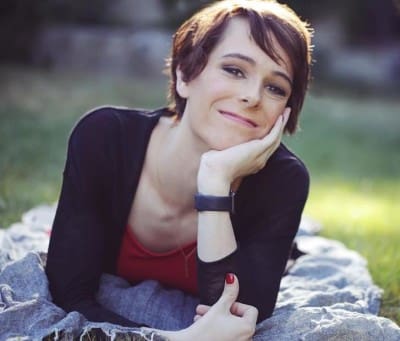
 Concluding our series on Transgender/Intersex issues within Mormonism, we interview London Flynn. London discusses her transition from male to female as a post-Mormon teen, including:
- Her desires and behaviors she wanted to take part in as a child, but was not free to express
- Achieving the Eagle Scout award as a teen, but feeling disconnected from the other boys
- Her fears of “coming out” when she began to study the methods others were subjected to as a way to “correct” gender confusion
- The different milestones in her transition and how her family, friends, and institutional leaders have responded
- Her hope and vision of the future
Thank you London for sharing your beautiful story and for helping all of us understand more the transgender experience within Mormonism!
Episode Transcript
Host: John Dehlin · Guest: London Flynn
This transcript is machine-generated and lightly edited for readability. The audio is authoritative. Please excuse occasional errors in names and spelling.
Introduction and Episode Overview
John Dehlin [00:00:00] Mormon Stories is a production of the Open Stories foundation and relies solely upon the support of people like you, its listeners to help keep the podcast alive or to become a member of the community. Please become a monthly subscriber by visiting MormonStories.org and clicking on the Donate button on the right side of the page under support. All contributions to Mormon Stories are completely tax deductible and go towards producing the podcast and building communities and programs of support for Mormons like you. Thanks for your support.
London Flynn [00:00:36] Lead kindly light amid th encircling gloom Lead thou me on the night is
John Dehlin [00:00:48] hello everyone and welcome to another edition of Mormon Stories Podcast. I'm your host, John Dehlin. It is May 3, 2017. I have had an incredibly positive experience over the past week or so interviewing several people to talk about the transgender Mormon Post Mormon experience. Of course we interviewed Kimberly Anderson. She was wonderful. We had a brilliant panel the very next day and then just recently a day or two ago, we interviewed Alex, a trans male post Mormon teen. And to cap off this sort of four part series, I'm just really excited to interview London Flynn. Before we jump into the interview, I just have a few quick announcements I guess. First is that we're really grateful for everyone who has been supporting Mormon Stories. The first January through March was our best quarter ever. We're really grateful for those who are willing to support us and help us out. Just want to remind everyone that if you enjoy these podcasts, please know that we require your support to make them happen. So please consider going to MormonStories.org, clicking on the Donate button. 10 or 20 bucks a month can make a huge difference to us. You can make a recurring donation. I want to thank everyone who supports us and please encourage people to do that. All donations are tax deductible in the United States and we're transparent with our finances and our mission is to support Mormons and Post Mormons who are impacted by religious transition and non Mormons. And so if you believe in that mission, if you believe in what we do, if you like this programming, please consider supporting us. In addition, we have several events coming up that we love to have people sign up for. These are workshops and retreats held all over the country and the world. Tomorrow I'll be traveling to Fort Collins, Colorado for a workshop there. A two day workshop. I'm really excited about that. July 7th through 8th we'll be in Dallas, Texas. We're hoping San Antonio, Houston, Austin, Oklahoma City, Dallas, Fort Worth and other areas will join us for that. It's a two day retreat. It's going to be super fun. We're going to have karaoke. We are going to talk about healing and growth, about mental health, secular spirituality, healthy relationships, raising children, communicating with believers. It's going to be great. So please consider joining us in Dallas if you want to experience one of these Mormon Stories retreats. Also, I'm really excited to announce August 11th through 12th we'll be holding a mixed faith marriage retreat with Julie d' Azevedo Hanks. So she's a believer, she's active in the church, I'm not. And together we'll be leading a group of couples where one believes and one doesn't to try and help save marriages and strengthen marriages. September 14th and 15th will be in Seattle. October 20th through 22nd we'll be in Sydney, Australia. And most exciting as well, to announce that in November we'll be in the Bay Area. All of this you can find mormonstories.org you can click on the events calendar and you can see these events. And within the next day or two, we hope to have the registration links up so that people can register. So those are all the announcements that we have. And now I'm just really thrilled to welcome London and London, I should say that a good friend of mine, Lynn, reached out to me and told me about you. She shared with me this wonderfully, brilliantly produced video that you put together. I want to share that in the show notes. If you can send me a link to that or I can go back and look for it.
London Flynn [00:04:43] Yeah, sure thing.
John Dehlin [00:04:44] I'm going to make sure and share it with my audience. It's a beautiful video. But welcome to Mormon Stories. It's so great to have you.
London Flynn [00:04:51] It's so great to be here. Thank you for having me.
John Dehlin [00:04:53] All right, I want to thank everyone who's joined us on Facebook Live. We're up to 50 listeners. Wade's joined us, Pat, Jorge, Kimberly's on the line cam, Margi, lots of cool people. Even Lance has joined us. Lance Miles. So welcome everyone who's joined us. Please do post comments and questions and I will make sure and share them with London during the interview. All right, so London, what we just basically do on Mormon stories is just have people tell their stories. And so I'll just kind of guide you through that. Tell us a bit about your, you know, Mormon background. Were you born into the church? Were you a convert?
Growing Up Mormon in Salt Lake Valley
London Flynn [00:05:36] So I was born into the church, living in the Salt Lake Valley. So Mormonville Central. Yeah, grew up in it, baptized at age 8 and yeah.
John Dehlin [00:05:48] Do you know if your parents sort of have pioneer ancestry, if they go way back or.
London Flynn [00:05:53] I think I have a pioneer ancestor on. I think it's actually someone on my dad's side. Even though I think there was a loop where they didn't go way back and then they came back after conversion. I don't remember exactly what happened.
John Dehlin [00:06:09] Okay. Were your parents converts or.
London Flynn [00:06:11] My parents were not my. So my grandparents on my dad's side were. And I don't know how far back my mom's side.
John Dehlin [00:06:20] Okay.
London Flynn [00:06:20] Goes.
John Dehlin [00:06:21] So your parents were born in the church as well?
London Flynn [00:06:24] Yeah.
John Dehlin [00:06:24] Temple, marriage and all that?
London Flynn [00:06:25] Yep.
John Dehlin [00:06:26] Okay. Do you have any siblings?
London Flynn [00:06:28] I have two siblings, a brother and a sister.
John Dehlin [00:06:31] Okay. Where are you in the. Where are you in the birth order?
London Flynn [00:06:33] I'm the middle. My brother's the oldest, and I have a younger sister.
John Dehlin [00:06:37] Okay. And you were raised in Salt Lake Valley?
London Flynn [00:06:39] Yeah.
John Dehlin [00:06:40] Are you. Are you comfortable saying, what, high school. Just so we kind of know the area.
London Flynn [00:06:43] I was actually home schooled. Oh, cool about that. So.
John Dehlin [00:06:46] All right, great. Homeschooled. Okay. And so were your parents pretty active and faithful in the church, sort of when you were growing up?
London Flynn [00:06:54] Yeah, very much so. My mom was definitely much more of a leader than that than my dad. It felt like growing up, but they'd both go to church every Sunday and active in their callings.
John Dehlin [00:07:06] They still do. Well, they did.
London Flynn [00:07:08] They used to. My dad has since not, but.
John Dehlin [00:07:13] Okay.
London Flynn [00:07:13] My mom still does.
John Dehlin [00:07:14] Okay, so your mom's still active and maybe a believer in some way. So do you remember positive or negative Mormons experiences growing up as a. Let's just say as a child and as a preteen. Was it a good experience? Did you like the church? Did you not like the church?
London Flynn [00:07:31] I felt like I should like it, but I did not. I'm a very analytical mind and I like to not jump into things without good reason. And I always struggled with the church for. With pointing out logical flaws. And instead of. I don't know, as a child, instead of facing that, I would always just put it off until I was older, but always gave me this feeling of not really being fully comfortable during church meetings or church activities and kind of shame myself for that.
Experiencing Gender Dysphoria as a Child
John Dehlin [00:08:09] Okay, so as you're. Let's talk just about your experience in terms of how you experienced your. Your gender as a child. Can you. Can you. Can you remember sort of the first. The first time you sort of experienced some type of dissonance
London Flynn [00:08:25] very young? The first time I remember it, but actually remember the first time I remember thinking about it a lot, though I know it happened beforehand. Was the first time I ever took a bath by myself without having, you know, parents bathe kids so they don't drown themselves. I remember vividly thinking about it then and not being comfortable with my own body. It's one reason growing up I'd always want to take bubble baths.
John Dehlin [00:08:55] Oh, wow.
London Flynn [00:08:57] Yeah.
John Dehlin [00:08:58] So you, so you. Were you as young as what, three or four? Is that?
London Flynn [00:09:03] Yeah, you're feeling.
John Dehlin [00:09:06] You're feeling discomfort with your body.
London Flynn [00:09:08] Yeah.
John Dehlin [00:09:09] And so you prefer bubble baths. Wow.
London Flynn [00:09:11] And hated changing in front of anyone else. If I ever could avoid it, I would.
John Dehlin [00:09:19] Okay.
London Flynn [00:09:20] And. Yeah.
John Dehlin [00:09:22] And. And as you started to grow, did you. Did you start feeling uncomfortable with sort of, you know, the activities or expectations that were assigned to, you know.
London Flynn [00:09:36] Yeah. I mean, it's not necessarily the activities that were assigned to males that I was uncomfortable with more. I was uncomfortable with not being able to do things that I more felt could express myself that female would more to is like makeup or dresses or that sort of thing that is very. Would be very shunned for a male to do in the church. I mean, I do enjoy some more stereotypically male activities. I'm actually an Eagle Scout and I do enjoy robotics and video games and programming. That's I guess, kind of an aspect of my upbringing that I'm glad to keep.
John Dehlin [00:10:23] Sure. But what were the things that were most uncomfortable for you or that felt off or that you most desired to take part in behaviors or expectations as you were a child and a young teen?
London Flynn [00:10:40] Well, I guess one thing that felt off is every time there'd be any gender separated activity such as young men's and young women in church, I always felt like I was the wrong place or I'm not quite entirely sure if I feel that now in any women's place just because of how I've been thinking over the past year. But that was probably the most uncomfortable and that was scouting and other male led activities. I was very uncomfortable.
John Dehlin [00:11:20] Okay, so you're uncomfortable. You were uncomfortable in scouting.
London Flynn [00:11:25] Yeah.
John Dehlin [00:11:26] What were you thinking and feeling in Scouts?
London Flynn [00:11:29] It wasn't necessarily the activities. I mean, learning about first aid and survival skills, I liked that, but I just didn't connect with the guys very well at all and wasn't into the type of things they were into. Mainly sports related, which I could care less for and didn't feel there was anyone else like me there.
John Dehlin [00:11:56] Yeah. So we're into sports. Weren't into the guy stuff. What were the stuff you wanted to be involved in that you felt like you couldn't. You said wearing makeup. Anything else?
London Flynn [00:12:06] I, growing up, always especially wanted to go to a dance dressed as in a dress. And, you know, being able to have that, which is quite fun, by the way, that was one thing of mine. But I don't know, it's less of the activities itself that I felt barred from and more just a sense of self that was off and wasn't able to look myself in the mirror for long periods of time. I wasn't comfortable with who I was.
John Dehlin [00:12:46] So you were just. You just. And sometimes the word dysphoria is used. Some people don't like that term. They say it's pathologizing. Is that a term you use or
London Flynn [00:12:54] don't I use it? From what I've researched about. It seems a very real phenomenon that happens with gender dysphoria, where you do feel uncomfortable as the gender you're assigned at birth. And I definitely have felt that. And it's extremely debilitating. Ike would seem high functioning. I would get. I'd learn a lot. I'd do cool projects, I'd get an Eagle Scout. But inside it wasn't all the way there and it was hard to stay motivated. The only reason why I was able to do those things is I always tell myself I would actually face my dysphoria and deal with it once I could, once I was a legal adult.
John Dehlin [00:13:41] Okay, so what's that like over time as a child and then as a teen to just constantly be experiencing that dysphoria or that dissonance? How does it. Does it wear on you? What does that do to you?
London Flynn [00:13:55] It definitely wears on you. And it can be confusing because it's hard. Even after feeling so much discomfort with who you are, when you're so down on yourself, it's hard to take confidence in who you know you are. And so, like, first time I came out to a friend, I wasn't too confident about who I knew I was, even though inside I knew just because I had felt so often that I just needed to be Sue. Other people told me I was and that for some reason they knew better than I did, which was really hard.
Coming Out for the First Time
John Dehlin [00:14:39] So when you came out, how old were you? Was this the first person you talked to about it?
London Flynn [00:14:43] The first person I came out to, yeah. I was probably 16, 17. Okay, so it hasn't been too long.
John Dehlin [00:14:55] You're 19 now?
London Flynn [00:14:57] I'm 19 now.
John Dehlin [00:14:58] Okay, so it's been three years since you first came out to someone?
London Flynn [00:15:02] Yeah.
John Dehlin [00:15:03] Who is it? That you. If you're comfortable sharing. Who is it that you. Was it a friend? You don't have to say a name.
London Flynn [00:15:09] It was a friend of mine who I had known through my homeschooling circles, where I do classes together. From different tutors or not.
John Dehlin [00:15:18] Not your parents, though.
London Flynn [00:15:21] Not my parents. My parents were not the first person I came out to.
John Dehlin [00:15:24] What. What kept you from wanting to tell your parents first?
London Flynn [00:15:29] I. So I researched a lot beforehand, other transgender people's stories, and some things terrified me. On what people would do to their kids to try to fix them when something wasn't even broken and, like, camps they'd send them off to and how they would have to be forced back into their shell instead of what would
John Dehlin [00:16:01] they do in the camps? Do you know?
London Flynn [00:16:03] Conversion therapy. I've heard poorer stories of, like, shock therapy and worse that I. I don't know if I really feel comfortable talking about the things they do to try to fix them. I mean, most of it was just psychological abuse or making them doubt who they are. That's one reason why I didn't want to come out to my mom or especially my mom. It was more my mom and dad when I was younger, but they have since gotten a divorce until I was 18. Not because I don't love my mom and I don't trust my mom, but I was scared, and I didn't want to be forced into that sort of position. Where I could have done that was.
John Dehlin [00:16:59] Was her. And this isn't to bash on religion, but just to describe how religion plays into this dynamic. Was the fact that she was maybe more believing, more religious, Was that. Was that a factor that made you feel concerned?
London Flynn [00:17:14] That's the main factor. I mean, everything else. Mom gives me a reason that she loves and supports me, but because she also supports a religion that can teach that being transgender is such a horrible thing to be. To be yourself, that it wasn't necessarily that I knew she would be that way, but I knew she had gone every week to an organization who had done terrible things to people like me.
John Dehlin [00:17:44] Right. So even. Even just by association, that made you worried?
London Flynn [00:17:48] Yeah.
John Dehlin [00:17:49] What. What messages? Do you remember a point in your experience with the church where you heard messages that you felt were attacking to who you felt you were inside?
London Flynn [00:18:06] They were very infrequent. Honestly, it feels more like a topic in the church they try to avoid.
John Dehlin [00:18:12] Right. Or invisible. Invisible. Right.
London Flynn [00:18:15] Yeah. They don't. The message is most of the things I found out from personal stories where things had happened to people going through similar experiences. To me. But then having a bad experience with the church that doesn't get out into the public eye in most Mormon circles, you actually have to go searching for the stories to find them. And. But in day to day life, I can remember some of my friends saying things about other people, about how they're just confused with their gender instead of they actually know who they are enough to say who they are and show who they are, even in front of adversity. And it was more small things that built up over time and with the big things hidden.
John Dehlin [00:19:13] Okay, never any, like overt messaging. Probably. Probably. I don't think the transgender experience has ever been mentioned in any of the times I've ever attended church. So my guess is you wouldn't feel so much an overt attack unless you heard like the proclamation on the family be read where they say gender's eternal.
London Flynn [00:19:35] I mean, I'm putting a proclamation of the family. I hear that quoted so many times on researching other people who on them saying how transgender is bad. But there's really nothing in there that attacks someone being transgender. And in how I see it, your gender may be part of an eternal identity, which I don't believe that will live forever, but it may be, and it may be part of your current and future. But that doesn't mean someone could be assigned the wrong gender at birth from who they know they are inside, especially with how much genetic variability there is in people growing up. I do a ton of research into that. Like people who are born with two X chromosomes and a Y chromosome and tons of different intersex conditions, which wouldn't make sense if you could only be born one way or another. And how you're born also determines who you are inside, which isn't the case.
John Dehlin [00:20:47] Right. So genetics, biology, the, you know, the intersex experience just sort of like made it obvious to you that things were more complicated than just a black and white binary male or female. Right.
London Flynn [00:21:01] And since coming to accept myself, it's. It is very obviously not binary. Many things I'm learning now are much more complicated than I thought they were before.
John Dehlin [00:21:16] Right. And from our panel, our transgender panel, I remember both of the believers basically saying, I believe gender is eternal. And then they said they're going to be eternally whatever gender they express as right now or identify with right now. And so I see what you're saying, that the proclamation of the family doesn't necessarily need to be read as anti transgender, but I think a lot of
London Flynn [00:21:42] people interpret it that way.
John Dehlin [00:21:44] Yeah, I think a lot of People talk about it as though it is. Right. And think of it as though it's basically saying whatever you're assigned at birth, that's what you got to stick with eternally.
London Flynn [00:21:57] Yeah. I mean, apparently a doctor in their religion is more authoritative than a priest or yourself anyway.
John Dehlin [00:22:05] Yeah, right. You mean like a bishop or a general authority.
London Flynn [00:22:08] Yeah, or even themselves, like finding out who they are personally. That is not as important as just what a doctor happened to say when you were born.
John Dehlin [00:22:18] Right, Exactly. Right. Got it. Okay, That's. That's what you mean by doctor. The. Whoever. Whoever delivered you and declares your gender. Right?
London Flynn [00:22:28] Yeah.
John Dehlin [00:22:29] Okay. So as you were. As you were in your teen years, were you trying to be spiritually connected? To try and gain a testimony? To pray to God was.
London Flynn [00:22:42] Honestly, I thought I believed back then I would only let myself tell myself that I believed. But most of my trying to be spiritual and cope with this was more out of shame than anything else. It was more about. I've been so ashamed about who. My identity that I needed to, I don't know, do the right thing as my religion sees it. Yeah, right.
John Dehlin [00:23:18] And so were you praying to your heavenly Father?
London Flynn [00:23:21] I was, very much so.
John Dehlin [00:23:23] What were your prayers saying? What were you trying to accomplish through your prayers?
London Flynn [00:23:28] It's been a while.
John Dehlin [00:23:30] We're trying to get him to change you. Like. Like was.
London Flynn [00:23:33] It depends on what time I prayed. Sometimes I tried to get him to fix me. Sometimes I try to.
John Dehlin [00:23:39] What did fix you mean? Did fix you mean take away your desire?
London Flynn [00:23:44] It means fix me. I don't even think I let myself think whether it was take away my desire or take away my body, because I could tell those two are not the same. They are disconnected from each other and they needed to be brought right.
John Dehlin [00:24:01] Either way. Just fix it.
London Flynn [00:24:02] Either way.
John Dehlin [00:24:03] Take away the pain. Is. Is that how you would have expressed it? Take away the confusion, the pain? What?
London Flynn [00:24:08] Yeah,
John Dehlin [00:24:12] the discomfort, the confusion.
London Flynn [00:24:13] Honestly, dysphoria. I like that word because it has a lot of those same meanings all wrapped up into one. Um, and it's very. Yeah, okay.
John Dehlin [00:24:27] Take away the dysphoria where it was kind of your prayer.
London Flynn [00:24:30] Yeah.
John Dehlin [00:24:31] Okay. And then other times you said you had different prayers.
London Flynn [00:24:36] Other times I would, I don't know, just pray for having other people understand as well and just having people in God's church because I was praying to God, which to understand and actually address this instead of just have some rules in the church that nobody talks about unless they need to be brought up.
John Dehlin [00:25:08] So basically praying that the church would Become aware and sensitive to and talk about this situation. Yeah, yeah, that's reasonable. Especially if the church claims to be led by God and led by prophets, you think they would kind of always be ahead of the curve on kind of these types of issues.
London Flynn [00:25:27] You'd think there would never be white supremacy in the church or any of that, but it seems to change more based on public opinion than on if God was head of the church.
John Dehlin [00:25:41] Right. Yeah, a lot of people feel that way. Okay, so how did things start coming to a head? You said you came out to a friend. Did you. Did you come out to other friends? Like, how long was it between. How old were you and you came out to that first friend you said you were.
Coming Out to Friends and the Mormon Community
London Flynn [00:25:57] I was probably 17.
John Dehlin [00:25:59] Okay.
London Flynn [00:26:00] Yeah.
John Dehlin [00:26:01] And. And did you. Did you just say, I'm transgender? Did you say, I wish I were female? Like, what did you.
London Flynn [00:26:07] I. Yeah.
John Dehlin [00:26:08] How did you word it?
London Flynn [00:26:11] I wore it terribly, I think. I don't remember what I did exactly. It was like, I wish I was a girl sometimes. Which was all the time. It's just sometimes I would forget about it when it's. Dysphoria isn't as bad, but yeah.
John Dehlin [00:26:33] Okay.
London Flynn [00:26:34] This friend. Growing up, I did theater and I played like a. If you've ever seen A Midsummer Night's Dream, you play within a play where one of the actors who's a guy plays a character in the play within a play who's a girl. And I did that growing up. I actually tried to get that role, even though I was originally cast as something else and got it. I also spent other Halloweens dressing up as a girl.
John Dehlin [00:27:03] What was that like to be able to play that? What was it like to be able to play that role on stage? What was that like for you?
London Flynn [00:27:09] I was good. Like, I remember someone telling me around that time, like, London, which is my birth name, by the way, she make a great girl. I'm like, thank you. And it was very awesome. Part of it with that role, though, is most of the time it's cheesed up and made more high pitch and comedic that I wasn't as comfortable with. And I just wanted to look like a girl instead of like a cheesed up guy in a dress, which. So the criticism I got in my role was I wasn't guy enough, I guess.
John Dehlin [00:27:48] So overall, was that great? Was it hard? Was it both?
London Flynn [00:27:51] It was good. Overall, it was good.
John Dehlin [00:27:54] Okay.
London Flynn [00:27:55] I mean, I don't know about outside experience facing whether it was positive or negative overall, but internally it's what I needed.
John Dehlin [00:28:03] And what what did that give you?
London Flynn [00:28:05] What?
John Dehlin [00:28:05] What did that experience give you? What did you need from it?
London Flynn [00:28:09] That was the first time truly dressed up as a girl in public or whatever. I was probably like 11 or something at the time.
John Dehlin [00:28:18] Oh, okay.
London Flynn [00:28:19] This is a children's play because maybe I was 13 or 12 somewhere in there, but I don't know. It didn't make things seem so far away. It kind of grounded some realism on, yes, this is who you are, you know, looking at myself in the mirror or seeing pictures of me.
John Dehlin [00:28:47] Got it. And you said for Halloween, you dressed up as a woman. Multiple times.
London Flynn [00:28:53] Multiple times.
John Dehlin [00:28:54] Which characters?
London Flynn [00:28:57] Mainly just as a woman, but not like one time I went as Juliet or whatever just because I had a Shakespearean costume. My mom actually taught Shakespeare for a homeschool group, so.
John Dehlin [00:29:09] Oh. So did people ever give you grief or question, like, why are you doing this? Or what's wrong?
London Flynn [00:29:16] For sure, it was a lot of that, especially from the people who I thought then were my closest friends. And some wouldn't talk to me at all like that. And the ones who wouldn't haven't really talked to me since I came out.
John Dehlin [00:29:40] Were they. Were they religious?
London Flynn [00:29:42] Yes. Everyone I knew growing up was religious. I mean, if I went to a school, other than being homeschooled, I mean, I did know a decent number of people. It's just this community was such a way that everyone in it was Mormon, and it was difficult to find someone who I trusted and this friend who did also grow up in this community. And I also have a someone else who did as well. And actually the girl who edited the video that you have seen was from that community as well. It's great being able to talk about them afterwards, about how even though we felt alone, we weren't. Or when I came out at 17 to one of them having a friend, I could talk about it and who's not going to blame me for anything.
John Dehlin [00:30:46] So you were able. You. You had a community in your circles that felt populated by people, safe.
London Flynn [00:30:53] I wouldn't say it's a community because no one in the circles knew about each other. I'm only finding out there was people now. At the time, it felt like there was no one. It felt like everyone's perfect Mormon and everyone's not queer in any way, or which finding out now is not the case.
John Dehlin [00:31:18] Okay. You're finding that you're learning that in some of your circles, there were people who were struggling with different aspects of their Mormon experience, just like you were, but no one felt comfortable talking.
London Flynn [00:31:29] Yeah. There was no. Yeah, I don't think there was. If there was, I was definitely not in it. There was no one who had criticize the church in any way or talk about things in a serious nature that has to do anything against church teachings.
John Dehlin [00:31:46] Yeah. Isn't that crazy when a culture makes people feel like they can't. They can't talk to each other in vulnerable, candid, honest ways.
London Flynn [00:31:59] Yeah. It's only. It seemed like the only. The monopoly on semi vulnerable, honest communication had all to do with praising the Mormon God and anything else from that of real conversations that you wouldn't tie back to him and you kind of couldn't with how the doctrine was set up. Just wasn't talked about, wasn't discussed.
John Dehlin [00:32:31] Yeah. And so lots of people kind of suffering in silence and fear, but staying silent.
London Flynn [00:32:37] Yeah.
John Dehlin [00:32:37] When they. When they could have been a support to each other.
London Flynn [00:32:41] Yeah. I don't know how much they could have. I mean.
John Dehlin [00:32:46] Yeah.
London Flynn [00:32:47] If. If we tried to, you know, meet years ago and actually talk about these things during that time, I don't know if we've been able to actually keep it up without being parents finding out and not liking it or something.
John Dehlin [00:33:05] Yeah. Yeah. That kind of puts this kind of gag order slash pressure cooker on kids. Right.
London Flynn [00:33:12] For sure. Which is so, so disturbing in my mind that they could do that. Teaching something as unquestionably true is dogma. And no loving deity I can imagine would support that dogma, especially when you see it in other religions on how it makes children feel alone but immune to criticism for their own religion and very indoctrinated and not able to escape or even hear the true church. That God would do the same process to his own church, the same dogma, the same enabled to talk about things in any kind of sense that's questioning the church.
John Dehlin [00:34:09] Yeah. Just not. Not the type of God you would want to worship.
London Flynn [00:34:13] The type of God that's worthy of my worship.
John Dehlin [00:34:15] Yeah. So did things get, you know, scary or unhealthy for you? We know that sometimes LGBT people, you know, struggle with thoughts of suicide or risky sexual behavior or drug use or whatever.
Mental Health Struggles and Turning 18
London Flynn [00:34:33] Self harm.
John Dehlin [00:34:34] Self harm. Did it get super hard for you?
London Flynn [00:34:37] It got hard, but mainly only ever in my head and like crying myself to sleep at night. I never, like, hurt myself. I never with suicide. I knew I couldn't live fake for much longer, couldn't live pretending to be a guy. And so when I set myself sort of arbitrary, sort of not goal of 18 anywhere in the year of being 18 to deal with that I kind of decided I knew I couldn't live as a guy. If I believed the Mormon Church, I was going to believe everything of it. That I'm supposed to be a guy or something like that, and that there is an afterlife and I would rather go live in that afterlife than. And I couldn't live on if I thought that was true. Otherwise, if I actually discovered myself and found out who I was the other way, I just live that instead. See where it took me.
John Dehlin [00:36:03] Okay. But it did get to the point where you were crying yourself to sleep at night.
London Flynn [00:36:09] Yeah, well, rarely. Most of my depression was much more numb than sad. It's more. I didn't feel anything and I would more just stare at a wall. Recently, I've been able to cry more about even superficial things, which has been kind of amazing to feel the whole scope of human emotion, which I was not able to before.
John Dehlin [00:36:38] But for a long time, he just kind of emotionally shut down.
London Flynn [00:36:42] Yeah.
John Dehlin [00:36:43] Okay. Yeah, that's not fun either, right?
London Flynn [00:36:47] Yeah, it's not fun.
John Dehlin [00:36:49] Yeah. So was 8, was 18 the big. The big age then how did it. How did things. How did things start to change for you at 18?
London Flynn [00:37:04] I was. When I turned 18, I was getting it ready to do this robotics competition season where I was the only programmer on the best robotics team in Utah. From Utah. Just saying out there we were the best. Even if some of the team members aren't the most accepting, they were the best team. And so I told myself I'd finish this competition season before things, before I moved on, because I knew I wouldn't be able to work with the team again afterwards. So at the last day of competition, I actually had a hiccup in the middle where we didn't think we made it on to moving on to world competition. And I actually had a nightmare of having to face who I am sooner than expected because we were almost planning to go. And actually I, that day, after the nightmare, got the team together and got a sponsor and got the entire team to go to the competition the next day and compete somewhere else and win. And then we went to the other competition. So that was kind of a point where I was kind of panicking and putting it off for a little bit longer. But then after the last day of that competition, the next day was the day I called a doctor to see if I could start taking hormones and worked on being who I was. I had come out to my mom during the competition season soon after I turned 18.
John Dehlin [00:38:51] How'd she take it?
London Flynn [00:38:54] She was surprised. She took it Pretty well, I guess. It took her a while. She. I don't know all the emotional things she's been through. She said she would. The one thing she would never do is help support me with transition related procedures or anything like that. She'd help nursing back to health afterwards, but wouldn't ever give me that kind of support.
John Dehlin [00:39:40] So when you were having surgery or hospital, she didn't want to. She felt like she couldn't participate in supporting you.
London Flynn [00:39:49] I don't know exactly why that is. Maybe she doesn't want to hold herself responsible for making me infertile. Or maybe she doesn't want to hold herself responsible for doing one of the most unforgivable sins in the church. If you read the handbook on what you do if someone's had SRS sex reassignment surgery, what does it say? Sex reassignment surgery?
John Dehlin [00:40:14] No, but what is the consequences?
London Flynn [00:40:16] The consequences are you're immediately excommunicated. And if you ever have a change of heart later, you can be baptized. But only by first presidency permission. And no temple for you throughout the entire life. Right.
John Dehlin [00:40:35] What do you think about. What do you think about that policy?
London Flynn [00:40:38] It's very, very strict and very ill educated and very. If you actually learn about gender dysphoria and what can help get rid of it and help people live happier lives, it's moves against that and it's entirely extreme. There should never be one act, even if it was something actually bad instead of just something that helps people find out who they are. Nothing should be a never join again. I mean, nothing short of you might get a death sentence for it.
John Dehlin [00:41:22] We're saying that the church shouldn't be excommunicating people or cutting them off.
London Flynn [00:41:27] Yeah. I don't see why they logically or emotionally would. Other than just prejudice against people who've done that and not being willing to listen to them are. Yeah.
John Dehlin [00:41:45] Some people just say it's not very Christ. Like that Christ didn't run around cutting people off and excommunicating them.
London Flynn [00:41:52] I'm not sure if Jesus Christ was ever born, so.
John Dehlin [00:41:55] Right.
London Flynn [00:41:55] Sure.
John Dehlin [00:41:57] Yeah. But I mean. Yeah, but for you then it just isn't. It isn't very kind or ethical.
London Flynn [00:42:02] Yeah. Not ethical at all.
John Dehlin [00:42:05] Okay.
London Flynn [00:42:05] I mean, I probably could be legal. Churches can do that sort of thing, choose whose members are not. But it's not right to do that kind of discrimination of people just doing something that makes them more comfortable in their own bodies. Right.
John Dehlin [00:42:25] Okay. So how did it feel to have your mom sort of draw some boundaries and say, well, I'll help you in the recovery, but there are certain things I can't help you with. Was that hard?
Coming Out to Family and Beginning Transition
London Flynn [00:42:37] One of the hardest things about coming out, if not the hardest. I mean, I lost friends, well, people who I thought were friends after coming out. And I went through tons of things in the past year, but that was the hardest. I talked to her once after that, and how I'm like, I don't. I'll work for money to know that I can do it, and then I'll do it myself if you can't support me. But it's not the whether you can or not or whether you did or not, it's whether you would or not that really matters to me. And she said she would and later said she wouldn't again. And then she hasn't gone back on that. So.
John Dehlin [00:43:32] So sorry.
London Flynn [00:43:33] She. She can be supportive as a mother and supportive. Buying clothes or purses or sell anyone, which is nice. Just doesn't feel like where I needed it. Right.
John Dehlin [00:43:54] So that was super hard. How about your dad? So how was his response?
London Flynn [00:43:59] His response. He was living out of state at the time and still is. His initial response was just kind of very much surprise. Didn't expect it at all. I kept myself hidden. And after that, after mainly the surprise wore off and took a few days, it was. It felt support. My dad was worried about me like my mom was, and worried about limiting opportunities or making sure I know that this is right for myself or. And all of that, which is, I guess, a parent's place. But my dad was on board much more quickly and much more holy, I felt.
John Dehlin [00:44:59] And did you associate this with him being maybe a little bit less religious or less believing?
London Flynn [00:45:03] I'm not sure. My dad kind of left the church after I did. He was probably less believing for sure and had his doubts for a while, but still held on to it to a small extent until he saw how the church treated me and how it didn't need to be true. And letting go of. Letting go of that. I think just a strong thing my dad did and definitely helped him get perspective.
John Dehlin [00:45:45] What was the strong.
London Flynn [00:45:46] Just supporting, letting go of. Of religion to support me and to just move on.
John Dehlin [00:45:55] So for you, you felt like your dad kind of had to choose between his faith and supporting you, and he chose supporting you?
London Flynn [00:46:04] Yes. He probably was on his way out anyway of the faith, but I'm still glad he supported me.
John Dehlin [00:46:15] Yeah. Yeah. Okay. So after coming out to your parents, any other important milestones in your transition that you want to mention? There's a lot of people that just have no idea kind of what. What things you have to consider what the options are and you don't have to like. One of the things we learned from Kimberly is that people need to be really careful not to be asking inappropriate, detailed, explicit questions that you wouldn't ask a straight person or a cisgender person. So I'm not asking. Oh, go ahead.
London Flynn [00:46:57] I'm more generally open to share those sorts of things. Not that I'm. Yeah, okay. Which I just find some people don't know how to phrase a question right and it can sound rude, but they are generally curious and I kind of want to be the one so I can tell them so they don't ask that question again to someone else.
John Dehlin [00:47:23] Okay, so what are the. What were the important considerations for you or milestones that you are comfortable talking about that you had to consider?
London Flynn [00:47:32] Think about the next milestone. After coming out to my parents was doing what I needed to do to get on hormones and starting that.
John Dehlin [00:47:43] Which. What are the hormones called?
London Flynn [00:47:44] The hormones are not entirely sure.
John Dehlin [00:47:50] Is it estrogen?
London Flynn [00:47:51] It's estradiol or something form of estrogen. And spiralactone or something that's a form of testosterone blocker.
John Dehlin [00:48:00] Okay.
London Flynn [00:48:03] And after you've been on it a while, it doesn't take too long. About as long as I've been on it. Your hormone levels are balanced out what they would be of a typical male or female, depending on which way you're transitioning. Effects of hormones, at least from my experience, male to female, different people's experience, even within male to female, may vary, especially with age. It's a little bit easier to transition while you're young than older. One is softer skin. Voice doesn't actually change by hormones, but it changes through practice and use, which isn't really tough practice at all because I feel more natural talking like how I do now than how I used to before.
John Dehlin [00:48:57] So you had to kind of train or practice a little bit.
London Flynn [00:49:00] Yeah, train my voice. I look up YouTube videos of people who do that sort of thing and kind of talk to myself some nights in voice I'd rather have, which now comes much more naturally to me. I think I would have developed a voice much more similar to this had I not tried to deliberately change my voice to fit in while I was younger.
John Dehlin [00:49:23] Sure,
London Flynn [00:49:28] Yeah. Other things, if you're young and go on hormones, you might see breast development if you're going male to female. Also, things change in the pubic area that you can Google and research about because there's quite a few things that change and one of the things is fertility. You are often fertile once you've been on it for a while. You might be fertile again after you stop taking hormones. Might not though.
John Dehlin [00:50:04] Right. So there are risks.
London Flynn [00:50:06] Keep that in mind before you start hormones. If you want to have a child, set that aside beforehand. Personally, I did not though I do want to have a child, but I'm not regretting my decision. I'd prefer to adopt than bring a new child into the world that doesn't need to be there. There's already kids without parents.
John Dehlin [00:50:34] Right.
London Flynn [00:50:35] So that's what I personally do.
John Dehlin [00:50:40] What about the transition in terms of family and friends kind of notifying them and handling that?
London Flynn [00:50:49] Coming out broadly after my parents I came out to my brother and sister. My brother was actually on a mission at the time.
John Dehlin [00:51:00] Oh wow.
London Flynn [00:51:01] Came out over email to him on his mission, which I'm good friends with my brother now and I was good friends with him before I left on his mission. But after the email we were not friends for a while and he said some nasty things that he has since apologized for.
John Dehlin [00:51:19] Oh, while he was on his mission?
London Flynn [00:51:22] While he was on his mission.
John Dehlin [00:51:24] Okay.
London Flynn [00:51:24] Which he has apologize to her. It was very difficult at the time. He was one of the ones I was more scared of it overtly hostile reaction. But things change with time and I was actually surprised in how little time it took for us to bond again.
John Dehlin [00:51:45] Once he got home.
London Flynn [00:51:47] Not immediately picking up at the airport, you'd give everyone else in the family a hug and gave me a handshake. Took a little bit of work after that.
John Dehlin [00:52:00] So you transitioned while he was on his mission?
London Flynn [00:52:03] Yeah, I mean transitioning isn't right. I went full time trying to present as a girl close to the end of his mission, but still have been still am transitioning. One thing I'd like to mention about transitioning is gender dysphoria goes away. At least it has in my case. I mean except presenting yourself as who you are, you actually do feel better. Gender dysphoria I do like because it is you can find evidence for it being genetic or at least epigenetic and root causes and actually being debilitating. But on top of that also being treatable through transitioning and not to do conversion therapy that generally makes it worse. But pain doesn't always have to be there, which is awesome.
John Dehlin [00:53:06] Oh, that's great. Megan asks has your overall mood completely changed since your since beginning your transition?
Physical and Emotional Changes of Transitioning
London Flynn [00:53:16] For sure.
John Dehlin [00:53:18] How's. How's it affected your mood?
London Flynn [00:53:24] Very drastically Much higher ties of happiness, almost what feels like sadder moments where you're broken down. But it's actually better because I feel like I can care about it again, and I can actually feel like I care about things. I feel much more real through my transition. I don't know how much of that is being on hormones versus just not being depressed anymore, but either way, I feel so much better.
John Dehlin [00:53:58] You feel way better.
London Flynn [00:53:59] Yeah.
John Dehlin [00:54:00] That's great.
London Flynn [00:54:01] And it's not like it fixes all your problems. I mean, you'll still, like, suffer through a bad breakup. Yeah. In my case, I never dated, really, with an intent of dating someone. More of just, like, going on a date with someone at the time, until I had come out and started transitioning, and I felt more like I could actually invest myself in someone, and that was not lying to them. Mm. Yeah. I was talking about how I'd come out in general. After I came out to my brother, my sister, my mom and dad, I came out altogether to all of my friends on Facebook. I found Facebook was a decent, decent way to do it because people would know about it, definitely wouldn't use it. Tell the people that. You should tell in person first. First. But when I was ready to be out to everyone, I was out to everyone.
John Dehlin [00:55:03] What did you write? What'd you basically say in the post? Just in essence.
London Flynn [00:55:08] Post was like, I'm transgender. I am a girl and not a boy, as you have seen me. And I think I talked about a couple more things, but that was pronouns.
John Dehlin [00:55:25] Did you talk about pronouns?
London Flynn [00:55:27] I did not talk about pronouns in my post. Yeah. I didn't also talk about name change because London is almost a more feminine than masculine name, but either way, it's gender neutral, so I'm happy to keep my name.
John Dehlin [00:55:43] So that wasn't a conflict for you? You didn't necessarily have too many negative associations.
London Flynn [00:55:49] Yeah.
John Dehlin [00:55:49] Associated with your name.
London Flynn [00:55:50] I mean, growing up, I had sometimes been sort of teased about having a girly name and having we know other girls with the name. But, I mean, it's like I was completely okay with that.
John Dehlin [00:56:03] I was tiny bit confused because I don't think I've ever known a boy named London.
London Flynn [00:56:07] I know one, and then I know, like, three other girls named London.
John Dehlin [00:56:10] Yeah. Yeah.
London Flynn [00:56:11] But no as in met or heard of.
John Dehlin [00:56:13] Yeah, I've known. I've met several London females, so.
London Flynn [00:56:16] Well. But the city of London was named after the town Londinium, which is named after a guy whose name was Londinium. So technically, originally, it was a name.
John Dehlin [00:56:25] Okay, cool. This is going to be like a really ignorant sounding question. But I know that there are groups of people who have thoughts like this. So I like asking these types of questions, acknowledging that they're kind of ignorant, but. But wanting to make sure we talk about the stuff that people think and wonder and try and disabuse people. So if somebody were to say, oh my gosh, she was given sort of a feminine name and that made her question her gender, that sort of thinking, what would your response to that be?
London Flynn [00:57:04] Very much. That's not actually what happened. And with what I've. The research we've seen, which isn't enough to be conclusive yet, more studies are required, but is very determined that your identity often develops either from your genes or from the hormonal environment of being grown in a womb and has takes an effect more before your name, you ever even learn your name. Having said that, even if my name had affected who I thought I would be, I'm happy now and I'm not feeling dysphoria. I mean, we can point fingers at whatever caused me to be the way I am, but as long as I'm happy, that doesn't matter,
John Dehlin [00:58:03] right? Yeah, yeah, that's a really good point because a lot of people want to go to, like, what caused it and somehow, I mean, yeah, they're like, I
London Flynn [00:58:18] don't like that, because they're looking for something to blame and they need to understand it's not a thing to blame. Also, another thing people often talk about is saying how being transgender is like a mental disorder, which is not true. Sometimes having gender dysphoria can be a disorder because it impacts your day to day life and makes it difficult to function. But transgender transitioning is the cure to gender dysphoria, and it makes it so they can function as a person and they can actually feel emotions and think freely and express who they are. So I'm fine with you addressing that. Yes, it might be a condition, but you have to acknowledge what treatment actually works for people. Yeah, right.
John Dehlin [00:59:09] Yeah, that makes sense. John asks, is the hormonal transition physically painful or emotionally painful?
London Flynn [00:59:21] Physically painful. Your breasts might get a little bit sore, but honestly, when you're in that, you don't care. It hasn't been bad for me at all. Emotionally painful? Absolutely not. It's been one of the most emotional and liberating things I've done. I mean, you feel things sharper, more real. So when your friends leave you after you come out, that feels real. When you transition and before you're passing and people give you bad looks. That feels real and you can feel that and it hurts. But it's better than the alternative. It's better in my case than just feeling numb. And being able to actually feel happy again is far worth it.
John Dehlin [01:00:17] Right? Yeah. Several people have written that you're beautiful. Does that feel like a compliment to you? Do you like it when people say that? Do you?
London Flynn [01:00:32] I mean, I bet they intended as a compliment and I think I'm beautiful sometimes. I mean, say it out loud sometimes.
John Dehlin [01:00:38] Yeah.
London Flynn [01:00:39] It's government.
John Dehlin [01:00:40] So you accept it. That's okay.
London Flynn [01:00:42] Yeah, that's. Thank you. Thank you.
John Dehlin [01:00:48] One person has gotten on the thread and has kind of said a meaner disempowering.
London Flynn [01:00:55] Of course, there's always those people.
John Dehlin [01:00:57] Yeah. And you think that people just be polite. And the comment was basically, for thousands of years people knew their gender and now all of a sudden people don't.
London Flynn [01:01:06] He should. That's a state of ignorance because this has been going on for thousands of years.
John Dehlin [01:01:12] Talk about that.
London Flynn [01:01:12] Many ancient cultures have had in their cultures more than one gender and have let people express themselves in different ways and just not cared. And like Brigham Young's maybe illegitimate son, daughter who would go was sort of a son, but sort of a daughter. Kind of hard to say if they're transgender or not. But assigned male and later presented at female and wanted to be called by female pronouns. Happening back then at the beginning days of the church happening. Well before that it maybe wasn't documented that much. Some cultures only documented on how they kill people that do that and they'd misconstrue it with being gay or any type that it would be happening. It's just we would be outright murdering them. Or it was part of the culture and accept it and nobody needed to talk about that. If you just say this thing is only showing up now, that really shows that you haven't done research.
John Dehlin [01:02:20] It's been going a long time. What about people who say, well, it's trendy. That maybe Caitlyn Jenner or just other, you know, other. Other stories and the Internet.
London Flynn [01:02:33] Maybe it's trendy. Maybe one or two people transition because it's trendy and not because they had gender dysphoria or that. But as far as I concerned, as far as. As long as they're happy, I'm happy. I don't. Trends go where they will and people do actually feel gender dysphoria and they do need to transition because of that and they need love for that and not always questioning them on Whether they're doing it just because it's trendy or not. It's better to support a trendy person than to reject someone who's actually struggling through something.
John Dehlin [01:03:18] I think that's absolutely the more sophisticated answer, but also just. I really want to emphasize the base answer. I think people are just like with, you know, being gay or lesbian, they want to just say, well, this is a choice, this is sin or this is perversion. This isn't really a thing that's biologically real. And you would say what?
London Flynn [01:03:43] This is biologically real. And it is some. Yeah, biologically real. And it does. People are happier that have gone through gender dysphoria or just uncomfortable with the generally sign of birth, are comfortable after not having to resent as that gender and being even if they're trendy. That does isn't a sin in any sense of the word. My morality now is much more founded in what actually harms someone else or what, what's the best for people, what causes the least pain. And transitioning involves nobody else but themselves unless you make it up in your business. And if they're happy with it, why can't you just accept them instead of try to beat them down?
John Dehlin [01:04:38] Right. Jeff asks, what have you learned about yourself as you began your transition? Has this taught you anything about yourself?
Identity, Sexuality, and Dating
London Flynn [01:04:50] I haven't really put, yes, it has. I'm trying to think about what exactly to say that it has, but because it's very non conscious, not non conscious, but never really put it in words before, I definitely learned that I can be okay by myself and that I don't need the support of my peers that I worried so much over and that I am enough, which is amazing. I mean, other things, learning about myself, like learning new things that I like or don't like or fashion styles or. I mean, all of that may sound superficial, but if you like doing it and it's not harming anyone, why not? And it's kind of cool to learn that about myself.
John Dehlin [01:05:52] Sure.
London Flynn [01:05:54] The small things I kind of impressed on daily. But then, yeah, I learned I don't know necessarily about myself, but I just learned to, I feel, think things through is important to not jump to conclusions. Especially don't go into a problem already knowing the right answer if you've never heard about it before and nothing is dogmatically true and things are a lot more complicated.
John Dehlin [01:06:33] Yeah.
London Flynn [01:06:34] And part of that's my own perspective and part of that is, I think, learning things about the world.
John Dehlin [01:06:39] Did you ever have to battle internally? I'm sure you had a lot of male conditioning from being, you know, assigned that gender and then people treating you that way. Did you have any sort of internalized, let's just say, sexism, where you were. You're betraying the certain gender or. Oh, my gosh. That's. That's actually in society's view. You know, since society seems to privilege males, you know, you're downgrading to the weaker sex, which is not how I feel, but it's. I wonder if you just had any of that type of confusion or dissonance.
London Flynn [01:07:16] No, I mean, the most things similar to that was being okay with liking some masculine things. I mean, that's. It wasn't even that hard for me. But just acknowledging that, yeah, I can be nerdy. Like, maybe some guys are, but no one is always stereotypically male or female in everything they do. And I guess that's about it. I never looked down on men or women, I was told, and kind of went through a process where my mom originally thought I was this way because I had a bad view of men, which isn't true. I don't want to be a woman because I think all men are despicable. I just want to be a woman because I'm a woman, and guys are great, and I sometimes hang out with them more than I hang out with girls. Yeah.
John Dehlin [01:08:20] Yeah. Are you comfortable talking about your sexuality, like, in the sense of, like, who you're what you're who? So which gender or both are you attracted to
London Flynn [01:08:32] currently? I say currently, though it's probably gonna stick this way. I'm definitely far more attracted to women than men. I wouldn't call it binary, one or the other. In my case, there's definitely far more women than men, which I find also kind of shows that being transgender is very different than being gay is. Almost all of the trans women I know are more often than not attracted to women, and almost all the trans men I know are almost more often not attracted to men, which is. It shows that they're genetically separable traits that you can have one and not the other. And it's actually, I'm a nerd, and I just kind of cool to research how that can be the case and how, like, traits that, like being gay that wouldn't reproduce can reproduce and actually help a population and how they're inherited to the ones that weren't gay. And it's more of a gene that can be activated during the growth of the fetus than necessarily part of whether or not you have it in your coat or not which is how most genes work. And like ants are kind of a very big example of this where certain ants or certain termites, I think it's termites have like, you can give a clone or you have a worker that's very small bodied and just efficient for moving loads. And you have an exact clone that was just grown differently. That's a giant warrior and like four times as big and fights and how that can pass on as a genetic trait for LGBT stuff.
John Dehlin [01:10:22] Interesting. What's it like when you're contemplating dating? Just knowing that and you say so do you identify as lesbian, as bisexual? Do you even give yourself a label in terms of your sexuality?
London Flynn [01:10:37] Sometimes refer to myself as a lesbian, sometimes as bisexual. So worse than not as lesbian, but titles more often than not as a lesbian. But more titles are only useful when you're trying to convey something behind that. I mean it's much easier to say that I'm far more attracted to women than men. And I think that conveys much more than a term lesbian or bi.
John Dehlin [01:11:06] So what I can imagine that dating could be intimidating because you're. You realize that whatever experience you have that would be normal, you know, dating experiences, you know, would come for the person you're dating if they're not trans, with some sort of, you know, different. Different experience. And you would say, oh my gosh, is that gonna be weird for them? Or I'm gonna have to tell them at some point or maybe they know and will they like me? Talk about, you know, are there any insecurities or difficulties as you contemplated dating?
London Flynn [01:11:45] Interesting. I had less insecurities after coming out than before. Like before coming out, dating was the idea of dating. And I went on a couple dates but never actually tried to date a person.
John Dehlin [01:11:58] Yeah. Okay, so you went out with women.
London Flynn [01:12:01] Yeah, I guess girls who I would do right. Who I date back then because that's who I was stereotypically out to. But anyway, I was more worried on hiding a secret for them that because I was displaying someone I wasn't and felt entirely uncomfortable displaying to them. And I would and had a lot more doubts back then. Now I know who I am and I like who I am. So I don't if a problem has. If someone has a problem with me being who I am, that's their problem and gave me a lot more confidence dating most of the time I very upfront about people I might date that I am transgender. I. Which I think is good. I mean kind of it's something about me. I don't think it Matters as much as almost anything else. Dating should about, like, compatibility of people, but it's something about me that people should know on, you know, because it could come up. And if they're not okay with that, I probably don't want to date them. I mean, nothing. Yeah, go ahead. Nothing against people. I can understand how someone wouldn't want to date a transgender person without being bigoted. I mean, after some surgeries and fully transitioning, there's literally no difference. And it would just be maybe whether or not you want to have biological kids or not is your choice on whether you date them or not, which I can understand. And I can also understand some people's discomfort in other areas. And if they're not okay dating a transgender person but still think I'm awesome and want to be friends, I'm cool with that.
John Dehlin [01:14:04] So have you ever liked, like, someone, have been attracted to them, and then they're like, oh, my gosh, I don't want to date you? You know, have you ever had someone kind of be rejecting or rude that way?
London Flynn [01:14:17] I have not.
John Dehlin [01:14:18] Oh, wow. Okay, great.
London Flynn [01:14:19] I mean, yeah, it takes me. I have. It takes me a while to date someone to. I have to. I generally want to feel whether or not they see me as a friend or might be interested in me or not before I really date them too much.
John Dehlin [01:14:40] Right.
London Flynn [01:14:42] So that hasn't really been a problem.
John Dehlin [01:14:44] Yeah, you kind of let me, you know, get to know somebody first before you even consider that. So let's see. Jennifer writes, you are so well spoken and sharp. Love how you're approaching this discussion. John writes, feeling good in your own skin is a human right. Michelle writes, you are so brave. You go, girl. Power to you. If someone doesn't support you, they aren't worth your time. Brandon writes, thank you for being courageous. I haven't figured out for myself how I feel about the whole gender LGBT thing as a Christian, but I wanted you to know that I appreciate your courage to put yourself out there. Keep your chin up. How does that comment strike you when somebody says they're just not sure you know they're Christian?
London Flynn [01:15:39] Thank you, guys, for all the comments before that. That's awesome for that comment. I don't know. I mean, nothing about Christ has anything to do with being lgbt, and it shouldn't. I mean, the Christian culture often is generally more rejecting of that, but there also used to be a culture that was generally more rejecting of black people being the same, treated the same as white people, or any of that. I. I don't know. I Just don't think if not not knowing about how you feel about LGBT stuff shouldn't have anything to do with being a Christian because they don't need to be related. It's not like it might not knowing about LGBT stuff has something to do with being an ally or being bigoted against it, but has nothing to do with necessarily being a Christian as I see it.
John Dehlin [01:16:54] Sure, that makes sense. So Megan writes, what are your plans for the future? Do you think about marriage? Do you know what job you'd like to have and do you have any insecurities about being in a work environment as a transgender person?
London Flynn [01:17:14] So I do want to get married. I don't know when I not planning on jumping into it. I want to meet a good person and do that whenever I feel right with them in the future. And I would like to adopt kids one day currently work environment and stuff. I like computers a lot and I like going into tech related to computers. I was as I talked about earlier, the programmer on my robotics team for years and I've done other tech things aside from that. Yeah, I'll probably go into that. As for workplace environment, yeah, there is definitely some apprehension and anxiety there. Just one of the few things I am going through anxiety about currently. Still it's very different than dysphoria. It's more that was more have to do about how I feel myself. This is more just anxious of how people will treat me in workforce. Not entirely sure what to do about that yet. Currently I think it would be really cool to do to be almost self employed or work in a small group of people I know well to do maybe tech things. I do like speaking, I do like sharing my story and talking about things and it would be cool to go into that in a smaller environment as well. And then I wouldn't have to worry about workplaces which I don't know if it'll ever stop being a problem because it's not a problem I can just think about to fix. People out there will make it a problem in workplaces whether or not I okay with it.
John Dehlin [01:19:15] Right. Have you started coach yet?
London Flynn [01:19:19] I had and sort of not. So I got early admission and started going there when I was 17 studying computer science. But in this past year, aside from coming out and transitioning, I've gotten a new stepmother, stepfather, half brother, stepsister, stepbrother, sister in law all within the past year and transitioning I took a break from school for a while. Sure I try not to take a break from education and I try to still research things Because I grew up homeschooled. I know how to learn something that I want to learn by myself and to just keep learning. But I'm not currently going to college.
John Dehlin [01:20:06] Okay. Have you had a girlfriend yet?
London Flynn [01:20:11] I have. She broke up with me about two weeks ago.
John Dehlin [01:20:16] Oh, no. I'm sorry.
London Flynn [01:20:20] Yeah, Mostly over that now. It went well. We ended up verbally, I guess,
John Dehlin [01:20:30] but.
London Flynn [01:20:31] Yeah.
John Dehlin [01:20:32] That's heartbreaking. I'm so sorry. And I imagine it's better to be able to, you know, have feelings for someone and even lose them than to kind of maybe be where you were before, where you were stuck, just not being able to have those relationships at all. What do you think? Is it better to. Is it better to have loved and lost than to have never loved at all? What do you think?
London Flynn [01:20:53] Definitely loved and lost. Just saying. Yeah, definitely loved and lost.
John Dehlin [01:21:01] Well, as you say, transitioning doesn't solve all the problems of the world, right?
London Flynn [01:21:07] Nope.
John Dehlin [01:21:07] Yeah.
London Flynn [01:21:08] But it can help. Can help you feel much more comfortable.
John Dehlin [01:21:13] Yeah. Beautiful. Okay. So where are you now in terms of your beliefs? I think you've alluded to it, but just flat out say it. Did you. Was losing your Mormon faith difficult? When did it happen? How did it happen?
Leaving the Mormon Faith
London Flynn [01:21:29] So it's sort of related to being transgender, and that kind of kick started it. But I'd like to think that why I left doesn't have to do with that specific aspect, because I can imagine still being Christian and still being transgender and trying to be Mormon, but maybe not being fully accepted. Really where it changed is I. I didn't know it before, but I was scared of death. I had so many questions about the church that are unanswerable and are logical fallacies within the church that were bothering me, but none of them. I let them get to me because I always thought it's better to leave believe anyway, even if it's not true. Because it's sad to think we'll die one day and that'll be it. But soon after I came out, maybe soon before, not entirely sure. I watch. I watched a TED Talk kind of talking about. It was a sci fi style TED Talk about someone who had achieved eternal life and regretted it.
John Dehlin [01:22:45] Oh, wow.
London Flynn [01:22:46] And I kind of realized I did want to die someday. And I think having an end to your story is beautiful. Having conversations unsaid is as beautiful as having one said having something to work towards that you haven't gotten and that you will never get is better than doing everything in the universe and running out of possibilities. Because if you live for literally ever that will run out. And I realized I was scared of death, which I didn't know before. And if you asked me back when I was being religious, I probably would have told you no, but I was. And that having a deadline makes you want to do the things you need to do and talk to the people and say the things you need to say while you can because you won't always be able to. And life's not fair and not everything will be made right. But that's okay. It's better that way because you have to force, you have to work for it to make them as right as possible. It's not going to be given to you. You have to actually do it while you can.
John Dehlin [01:24:18] Wow, it sounds like that's some serious work you've done. If that was a major fear of yours and now you're feeling more reconciled about death, that's for sure. I think that's kind of a major accomplishment for a 19 year old. I don't know. Probably for a 47 year old too.
London Flynn [01:24:35] Yeah, I just. I don't know. Yeah, not scared of it anymore.
John Dehlin [01:24:41] So for you there's maybe for you there's no God then? And no afterlife.
London Flynn [01:24:45] I mean, I have a. Maybe there's a God. I don't think it's a God of any of the religions that teach that indoctrinate children that's on this earth. I don't think God is a human because of how human evolutionary biology works and other logical fallacies found within God. I don't even know if God is still alive, but maybe there could be a God, it's just not proven. So that's an atheist where I don't believe in a God, but. But it's also agnostic where I don't know if there is one or not. There's often misconceptions on the term. You can be an agnostic atheist and it's. You can also be an agnostic theist where you don't know if there is or not, but you choose to believe anyway. Or you can think you know that there is a God or not and be a gnostic theist instead of agnostic. But yeah, so I'm an agnostic atheist.
John Dehlin [01:25:41] Okay. And did you have to sort of weigh the evidence to decide if the Mormon church was true and if so what? Was there anything specifically that kind of led you to the conclusion that it wasn't true?
London Flynn [01:25:58] There's a lot of things. I mean, one thing I like was about human biology, how our spinal cord is s shaped, which is terrible for bipedal support, but how we have fossilized ancestors on how we used to be quadrupedal and how we're still kind of in a transition. Also, our sinuses aren't as well built standing up as they were laying down. And so we get sniffles and stuff more. And also our throats kind of changed with voice boxes making them so we couldn't swallow at the same time we breathe and so many other things that humans aren't and how it's just what we were to be able to survive that we're not. I can't see a perfect human form is a contradiction. If something is perfect form, it's going to look nothing like a human. So that's one of the many things that doesn't hold up with the LDS Church. But mostly it's just they don't have anything that does hold up. The burden of proof hasn't been proven at all. And most of their beliefs is not about believing it with evidence like you find hundreds of places in the Book of Mormon and throughout the Old and New Testament of the only time God will give actual evidence of his existence is by brutally torturing and killing people. Like I'm thinking of 1st Nephi 21, verse 26, where God will tell him he will make people eat their own flesh and drink their own blood own blood until they're drunk on it. And then they'll know that he's the Mighty One of Israel, which is a fear tactic. It's a manipulative meme that goes on because if all dissenters, it's like, you better believe anyway because if you're wrong, God will torture you. One, the type of God they're trying to present wouldn't do that. And two, you can't make that impossible bet because it's not like there's one God that could be true. There's so many different variations, thousands of religions and thousands of unmade religions of gods you can create that most of them are jealous of any other God. And so if you believe in the wrong one, you're doomed anyway. So it's other fallacies like that that I see the Church displaying that I still dealt with because I thought it was better to believe anyway because I was scared of death.
John Dehlin [01:28:40] Right. But now for you, the Mormon God just isn't a God you want to believe in.
London Flynn [01:28:46] I mean, it's a logical fallacy and doesn't exist because it's contradictory and perfect Human, for example. Yeah. Plus reading, I have to say I've been reading the scriptures more since I left than when I was in it, because I can actually look at it unbiasedly and see the things, see the construction of memes over time. Richard Dawkins books like the Selfish Gene and God Delusion are amazing, by the way. And actually reading them as kind of semi historical texts, as I see it, the Book of Mormon does display some history. I just don't think it's as old as most people think it is. It's also very plagiarized off of the Great War. Look up the Book of Mormon and the Great War if you want to. The Great War was like all of Alma's wars and copied wording and all that anyway.
John Dehlin [01:29:46] Right, right. Okay. So you. So for you, this Mormonism doesn't make sense.
London Flynn [01:29:54] Yeah, I mean, it makes. I can understand how people would believe it. I was there once, and I see the tactics they use to convert people and the type of culture that they make that makes it hard for people to leave. Um, so I do get it. It's just I also can look at it objectively, I feel.
John Dehlin [01:30:21] Right. There was a question right at the beginning that I wanted to ask, and basically, I'm guessing this is going to be a bit of a tricky question to answer, may even border on offensive. It was basically. And I'm not seeing the question now, so maybe it disappeared, but I think what they were basically asking was, if you. What do you do if you know someone who you suspect is transgender? How do you kind of reach out to them and show them support? And I know that's a fraud. I know that's a fraud question. Right.
Advice for Families and Friends of Transgender People
London Flynn [01:31:06] That's difficult because before I came out, I wouldn't want people to out me in any way, but I would want support for being out. So it's almost. Don't ever assume they're transgender if they haven't told you.
John Dehlin [01:31:25] So just. Yeah, okay.
London Flynn [01:31:31] With. Of transgender people, with other people to try to make them feel safe, but you can't read their mind. And even if you could, that's an invasion of privacy. So just try to support them without trying to get them to come out to you.
John Dehlin [01:31:53] So for you, it wouldn't be good to say, hey, I know your secret, and, oh, I. I want you to know I love and support you. That wouldn't be something.
London Flynn [01:32:03] Maybe just someone saying, I know I love and support you would be good and just like, yeah. But knowing my secret is when I don't want them to know, it's not. Yeah, yeah, okay. Maybe other people would be different But I would play on the safe side.
John Dehlin [01:32:25] Okay. Someone else just writes what, what. What advice do you have for parents and friends and family members, school teachers? Just general advice on. On how to. To be fully supportive of. Of trans individuals.
London Flynn [01:32:44] Work on pronoun. I can understand when people slip up, but it's so, so much support when people even just like, say she. And just that I almost feel. Just makes me feel really accepted. And it can be different. Like parents. I think actually supporting your child through transition related things is important. But like a school teacher just, you know, maybe making sure they're a she in the school records or he. If they're female to male, transgender, or even if they want to be called neither of those pronouns. Accommodation can really mean a lot for a person, even if you don't think they. Even if you think they're confused with their gender and are just wrong. It's so much better to show support on how they'd want to be called.
John Dehlin [01:33:56] Just kind of dignity, respecting their dignity.
London Flynn [01:34:00] Honestly, how someone should be referred to should be more how they want to be referred to and less what's between their legs. I mean, if you only call people pronouns based on what's between their legs, that's the only thing you're pointing out, and that's about as deep as your attention goes. It should be something much more real than that.
John Dehlin [01:34:24] Right. Well, what. What thoughts do you have? Do you want to share about bathrooms? There's been a lot of talk this year about bathrooms. Do you have any. Just general perspective that you could help people who are like, oh, I don't want. I don't want a former man coming in and seeing me in the bathroom, or it's not safe, or, you know, whatever people's fears are, how would you address them?
London Flynn [01:34:48] It's not safe for the former man, maybe.
John Dehlin [01:34:51] Right, right.
London Flynn [01:34:53] And there's.
John Dehlin [01:34:54] What do you mean by that?
London Flynn [01:34:56] People have been, especially trans people have been assaulted in restrooms for going to what other people see as the wrong one. And they're at much more risk than you. And usually they know that. Usually they just want to go in there, do their business, and get out. And it's much better for, like, a former man to do that in a place that they won't have big buff guys beat them up for being a sissy or something. And in general, public restrooms, you have nothing to worry about more than every. A random person, probably even less than a random person because they're more likely to be attacked themselves. Except for recently, where people who aren't transgender have been pretending they are and intentionally being perverts to try to prove that transgender people are perverts.
John Dehlin [01:35:54] Yeah.
London Flynn [01:35:55] Completely backward reasoning.
John Dehlin [01:35:56] That's terrible. Do you just. Do you. Are you. Do you feel comfortable going to a women's public restroom and.
London Flynn [01:36:04] I do. I mean, I'm more than some other transgender people are. I haven't had any problems. Most people, I think out and about, can't even tell I'm transgender.
John Dehlin [01:36:14] Okay.
London Flynn [01:36:16] So I. I feel safe. And I'm definitely not going to go assault anyone.
John Dehlin [01:36:21] Right. Okay. So any somebody asked, is there anything, any advice or suggestions you would give sort of an active believing Mormon? I think. I think the question was, how can an active believing Mormon be supportive?
London Flynn [01:36:41] Active believing Mormon? I think good advice for anyone is don't assume you know everything. Don't assume you know everything about that person or what they've been through. And don't assume you know, they're just doing this because of a trend instead of that's actually they're hurt trying to pretend on a face. Actually don't jump to conclusions about people. And also advice for people in general. We're people, too, and we're no less of a person. And even if you think we're sinful for doing this, I mean, that's no reason not to treat us with dignity and to just leave us be or even respect our pronouns, because it's much more important to address how someone is in their mind and support them than it is to point out what's between their legs. That's. I don't really have any advice specifically to active Mormons other than don't be afraid to question why you're active. It's. Questioning is almost the best thing someone can do, because when you do something without questioning, you can go into some pretty flawed reasoning and do some pretty disgusting things.
John Dehlin [01:38:13] Yeah. What would you say? Let's just say there was a top leader in the church listening to the podcast. What would you say to a Mormon prophet or apostle?
London Flynn [01:38:32] I would say you've made a mistake and you need to fix it while you can. Nothing's wrong with being transgender, and you should clear that up. You should also at least talk about being transgender as often as you talk about being lesbian, gay, or bisexual. And you should look into the evidence of gender dysphoria and how people's lives improve after transitioning. Yeah, I guess that's what I'd say.
John Dehlin [01:39:10] Jasmine asks, what would you say to a trans Mormon teen who hasn't come out yet?
London Flynn [01:39:21] Find someone to talk to. Someone in the community, if you can. It can be difficult sometimes in Mormon families to do that. I don't want to get swamped with notifications, but I don't think I will. I'm open for anyone who hasn't come out yet to be there for people. You don't need to come out right away. Things get better after you come out, but mainly only if you come out when you're ready. I waited until I was 18 because I didn't want to be sent to reparative therapy, even though nothing is reparative about that and that worked for me. Situations differ. I don't have any advice on when, where to come out. In general, specific circumstances required specific things to take place. I just know that you're not alone. Maybe even someone you know is LGBT and also hasn't come out yet and needs a friend, but it's hard to reach out to them because they're not out yet. But you're not alone. Yeah.
John Dehlin [01:40:47] Any good. Any good Facebook groups or websites that you found as resources or movies or books
London Flynn [01:40:57] for LGBT stuff? I just love research.
John Dehlin [01:41:00] Oh, go ahead, research.
London Flynn [01:41:03] I just, like, growing up, I taught myself programming, and I teach myself things, and I'm always trying to make sure I'm unbiased and use evidence. But, like, you can find Facebook groups by, like, looking in Facebook groups and for LGBT teens, ex Mormon, like, anything you want to specify, there's often a group for that. I, again, I've tried to join some of those groups, and I've gone to, like, the LGBT Resource center in downtown Salt Lake, which is great, which I only went a couple times, and I felt support, but I just don't need to be there all the time. Also, if you're going to the University of Utah, there's. They have their LGBT something as well. I think it's Pride center downtown, the LGBT Resource center at the U. It's going to byu. I don't know what to do there. Yeah, that's tough, but that's. I guess most teens aren't in college. Yeah. Try to find a way that you don't feel alone.
John Dehlin [01:42:20] Were there books or movies that were meaningful to you?
London Flynn [01:42:26] Books or movies? Not so much. Honestly, I don't find. I don't think there's that many great transgender movies out there. There are some great transgender youtubers I like who share their stories, and actually, I want to start doing that and start talking about transgender things on a regular basis.
John Dehlin [01:42:50] Do you have a name or two of some YouTubers?
London Flynn [01:42:53] Yes, I can probably pull one up in just a second here. I think one's name is Steph Stananzi or something. She's a great Canadian trans woman that I watch. It's Steph Sanjayati. It says S A N J A T I. Then there's, yeah, I really like her videos. There's also a couple other people who aren't as memorable, but yeah, okay.
John Dehlin [01:43:35] Megan wrote Steph Sonjati in the comments. So one more question from our listeners. Are any of your family and friends still sort of orthodox, true believing Mormons? And if so, do they accept you now for who you are?
Reflections, Resources, and Closing Thoughts
London Flynn [01:43:52] My mom is. She used the right pronouns and she gets me stuff. And she's still devout Mormon and I'd call her accepting, even though there's some things in a relationship that are a little bit hard for me. My sister is still a devout Mormon and she is very accepting. My brother is still a devout Mormon and he's mostly accepting. He knows I'm happier this way and he accepts that. But he has difficulty using the right pronouns. He doesn't use the wrong pronouns. He just avoids them altogether. So. And we're great friends and that doesn't interfere with our friendship. And I still have some other Mormon friends that aren't sure exactly what to think about LGBT issues, but are still great people and they don't, like, hurt anyone personally. So, yeah, I mean, the Mormon Church has problems with LGBT people, but Mormon people vary some person to person.
John Dehlin [01:45:15] Right. Okay. All right. Well, London, I can't thank you enough for being willing to tell your story, to be vulnerable, to face these questions in some ways, even to have your privacy invaded. But I can tell you really want to increase education and empathy and understanding, and I sense that that's why you're willing to do an interview like this. But I and my listeners find you to be really thoughtful and wise for a 19 year old and just for a human. So I just want to thank you for your willingness to come on the show. Any final. Usually the way we end Mormon stories is have people, quote, bear their testimony. But when we say that, we just mean their philosophy of life or what they believe in now or their values. Is there any final testimony you'd want to offer about what I believe in?
London Flynn [01:46:15] I really like testimony because it's often being forced to say something. In church, testimony has a bad connotation because being forced to say it causes some cognitive dissonance because even if you didn't believe what you said, but you said it anyway to everyone. So maybe you do actually believe it. And it causes. And also having everyone else say it makes you think you do believe it, even when you don't. And it's kind of manipulative.
John Dehlin [01:46:40] Right.
London Flynn [01:46:42] But leaving with some last words, just don't feel alone. There are other people out there. Thank you for having me here. I really thank you. I really do want to educate people and try to increase understanding. It's so great to get out to a big audience and yeah, keep on keeping on. Nothing lasts forever. And that's why you should do what you can now and not wait. Doesn't mean act before you're ready, but work on getting ready.
John Dehlin [01:47:25] I love it. Beautiful. Okay, well, London, please do email me a link to your little short video. I'd love to share that in the program notes. And again, thank you for coming on. I want to thank all our listeners. We had great questions and comments today, so I want to thank everyone who joined us through Facebook Live. I want to thank Cody Layton and Amy Grubbs. They're the staff at the Open Stories foundation that make all this and more possible. I want to thank everyone who donates and supports the Open Stories foundation of Mormon Stories. We depend on your support to stay alive. So if you value this stuff, Please go to MormonStories.org and make a monthly donation. 10, 20, 30, $40, whatever you can afford can keep the lights on and allow us to keep providing this kind of programming. So thanks and please do support us. And if you have ideas for other programs, please do email us with ideas. Let us know if you like what we're doing. We love your feedback. And don't forget to check out our events@mormonstories.org events to know when we're coming to your neck of the woods. And if you want, if you want us to do an event where you live, just email us and let us know and we'll, we'll schedule something if there's enough demand. So again, thanks everyone for checking in London, you're wonderful. Thank you for your time. Good luck with everything.
London Flynn [01:48:57] Thank you. Good luck with everything.
John Dehlin [01:48:59] Thank you. And everyone else, just please join us again soon on Mormon Stories. We appreciate your listenership. Take care, everybody. Thanks for joining us today on Mormon Stories. If you enjoyed this episode, please help us make more like it by becoming a monthly subscriber@mormonstories.org music for this episode was provided by the Lower Lights and other sources.
London Flynn [01:49:27] Cease to make me whole when with the wounded heart and anger or malice I draw myself apart Searching my soul.
Transcript © 2026 John P. Dehlin. All rights reserved. Brief quotations are welcome with attribution and a link to mormonstories.org; all other use requires written permission.
2 Responses
A thoughtful and intelligent young person. Thanks for sharing your story with us London.
OMG. I’m in love. She is sooo beautiful. One of the softest most feminine trans-males I have ever seen; smart and articulate to boot! It’s sad London had to struggle through life with the burden of body dysphoria and all the mental anguish that comes with it, but so wonderful that she is now in control of how she goes through the rest of her life. Wishing London the best of luck and happiness!