
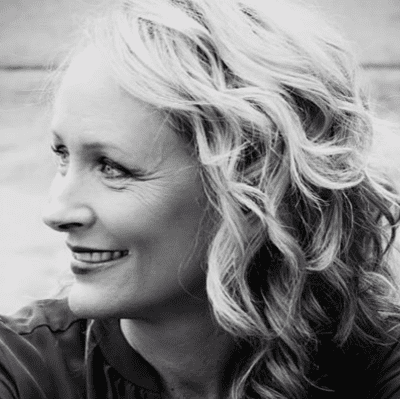
 In this episode of Mormon Stories/Transitions, John and Margi interview the brilliant Dr. Julie DeAzevedo Hanks about her article titled “30 Questions Nobody Asks My Husband at Church.”
John, Margi, and Julie focus on the powerful cultural messages about gender, potential, life decisions, and worth that are broadcast in the questions we ask. During the interview, cultural assumptions are challenged in some of the questions from Julie’s article:
- Did you know that you are a son of your Heavenly Mother?
- What does your wife do for a living?
- Who’s watching your kids?
- Why are you getting a graduate degree?
- Will you go home and change? Your clothes are distracting the sisters.
…and many more.
==============
Dr. Hanks is hosting a Women’s Workshop in Salt Lake City on July 26, 2017. Information for that event can be found here
Dr. Hanks is also presenting at this year’s Salt Lake Sunstone Symposium on July 29 at 9:00AM with her subject “The Shame with no Name: Identifying and healing aspirational shame in Mormon women.” Information for this can be found here
And finally, you can learn from Dr. Hanks alongside John at our Mormon Stories Mixed Faith Marriage Retreat on 8/11-12 in Salt Lake City. Event details are located here.
Episode Transcript
Host: John Dehlin · Co-host: Margi Dehlin · Guest: Julie DeAzevedo Hanks
This transcript is machine-generated and lightly edited for readability. The audio is authoritative. Please excuse occasional errors in names and spelling.
Introducing the Episode and Guests
John Dehlin [00:00:28] Hello everyone and welcome to another edition of Mormon Stories podcast. I'm your host John Dehlin. We have been doing a lot of episodes lately, but they're all super good and important. So we're going to keep doing it as long as there's important stories or topics to cover. It is July 19, 2017. I am joined by my brilliant and inspiring wife.
Margi Dehlin [00:00:52] Right back at you, Margi. Glad to be here.
John Dehlin [00:00:56] And we're doing our weekly Mormon story Mormon Transitions episode where Margi and I talk about practical themes dealing with the lived Mormon and progressive Mormon and post Mormon experience. So that's what we're doing today. Today we're really excited to be joined again by Dr. Julie DeAzevedo Hanks. We'll be introducing her in a second, but recently she re released a blog post that she'd released a year or two ago called 30 Questions. Nobody asks my Husband at Church.
John Dehlin [00:01:34] This is a set of questions or a theme probably around women and gender roles and women working and Mormon women working and maybe even dare we say feminism. Is that scary? Yeah, feminism. So it's an article that caught a lot of attention and we thought it would be really fun and interesting to bring Julie on to talk about it.
John Dehlin [00:02:00] Also, because there are a couple events coming up that Julie's a part of that we thought it would be nice to kind of do some co promotion. So I will just go ahead and make a few very quick announcements. The first is that Julie will be holding a workshop next week. And so Julie, even though I haven't introduced you yet, tell our listeners really quickly about your workshop and how they can sign up, what it's about and how they can sign up.
Julie DeAzevedo Hanks [00:02:28] Sure. It's a Sunstone pre conference called Finding youg Voice as a Mormon Woman. And you can get information and sign up@drjuliehanks.com voice has all the information. It's a day long workshop, a lot of interaction, discussion. It's going to be a lot of fun.
Margi Dehlin [00:02:48] Sounds exciting.
John Dehlin [00:02:49] All right, so I will make sure to add that to the show notes so that people can click on it and register. Thanks for letting us know about that Julie. And there are a few other things. Julie and I will be co leading a retreat, a two day retreat for couples who are in mixed faith marriages. We wanted it to be 50, 50 half believers, half semi believers or non believers. And it's going to be in Salt Lake or Utah County. I think we're finalizing the location August 11th through 12th. You go to mormonstories.org events to sign up for that and it's going to be powerful.
John Dehlin [00:03:28] We've already have 40 people signed up, 20 couples. There may be a few more slots, but do not wait if you want to join us because definitely slots are running out. We have a few more things. Seattle, Washington September 14th and 15th. We're coming to bring a Mormon stories workshop there. October 20th, 22nd will be in Sydney, Australia.
John Dehlin [00:03:50] We'd love to see you there for retreat with Dr. Gina Colvin. Really excited about that. November 9th through 10th in the San Francisco Bay Area and we're taking nominations for events in 2018. So if you want us to bring either a workshop or retreat to you, we would love to hear about it. You can email us@mormonstoriesmail.com and let us know.
John Dehlin [00:04:13] Houston is expressing interest. Washington D.C. has expressed interest. Chicago has expressed interest. Idaho has expressed interest. Both Boise and Southern Idaho. So raise your voice if you want us to be a part of your experience there. We would love to bring a workshop or retreat near you. We just need to know who's interested. So those are the announcements and now it's time for the weekly share. So Margi, why don't I turn it over to you for the weekly share?
Weekly Share and Personal Updates
Margi Dehlin [00:04:45] The idea of the weekly share is we just literally share a little something that's been bringing us joy or I guess the minimalists say is adding value to us. So I thought I would share how we've been getting out to know our neighborhood, which has been fun. I had heard I'd read an article actually like a year ago about how in the age of sort of vacations, it can be fun to view your local town as a visitor, as a tourist, and to walk it, to look at the things that it has to offer. We've been doing a little bit of that, walking the streets and neighborhoods and eating at local places and hiking our local trails and it's been super, super fun.
Margi Dehlin [00:05:35] So maybe that's something you can do in your kind of neck of the woods, is look at local places or look at things that you haven't done before and get to know your local town as tourist might. How about you?
John Dehlin [00:05:49] Love it. Yeah, that's been really fun. I agree. That's something that's been really fun. All right. Well, mine is something that I've been looking forward to a long time. It's the following. I don't know how many of you who live in Utah or near Salt Lake City have heard of the Broadway Theater. It's something that's run by the
Margi Dehlin [00:06:14] I
John Dehlin [00:06:14] don't know, now I'm spacing on the name of the nonprofit that runs it. But the point is, the Broadway theater shows, independent movies, downtown, it's on, I think, Third south, and I think that street's renamed Broadway. It's kind of on that same street as Squatters and other places. But anyway, the Broadway cinema shows, amazing movies, and Margi and I went last week and we went and saw the movie the Big Sick. It's got Mark Ruffalo in has.
Julie DeAzevedo Hanks [00:06:47] Who is the.
John Dehlin [00:06:47] Who is Mark Ruffalo's wife?
Margi Dehlin [00:06:50] It wasn't Mark Ruffalo you're thinking of.
John Dehlin [00:06:55] No, he was the dad. Oh, whoa.
Margi Dehlin [00:06:57] Mark Ruffalo is the Hulk. Oh, so you're thinking of Ray Romano.
John Dehlin [00:07:02] Ray Romano. And who's the wife?
Margi Dehlin [00:07:05] And then. Oh, that is Holly Hunter.
John Dehlin [00:07:07] Yes, Holly Hunter. Anyway, it's a delightful movie about a Pakistani American who falls in love with an American girl, Caucasian girl. And what that was like for his family, for her family, and a lot of good themes. It's a Judd Apatow movie, and not only do we love that movie, but we love the fact that the Broadway theater exists. So please support the Broadway theater. It's got amazing movies. Julie, do you ever go to the Broadway theater?
Julie DeAzevedo Hanks [00:07:38] I'm a regular. I love it.
John Dehlin [00:07:39] Oh, really?
Julie DeAzevedo Hanks [00:07:40] Oh, yeah. I'm a big moviegoer too, in general, so.
John Dehlin [00:07:46] So that's my weekly share. Take your significant other to an independent movie and support it because it's really fun and meaningful and cool.
Margi Dehlin [00:07:55] Yeah, super fun.
John Dehlin [00:07:57] All right, so that is. That's the introductions. And now it is time to time for the main event. We've got 65 people joining us. That's a nice little group of people. The reason why we do these Facebook live recordings is because we think it's really valuable to have it be interactive. We love it when you guys post questions or comments or experiences. And we want to invite everybody now to please go ahead and Google the article. I guess kudos to the first listener who's able to find this article by Julie de Azevedo Hanks and to post it into the comments feed. The article is called 30 Questions a Nobody Asks My Husband at Church.
John Dehlin [00:08:39] And what we want people to do is to post questions or comments about the article into the Facebook feed so that we can have a discussion about it. I just found it and I just pasted it in so those of you watching can reference that and let's have lots of participation in this conversation.
John Dehlin [00:08:59] So with that, Julie, why don't you introduce yourself to our audience? Again, for those of them who don't know who you are and what you do and what you're about.
Julie DeAzevedo Hanks [00:09:09] All right, so, Julie Diazebedo Hanks. I am a therapist. I own Wasatch Family Therapy Clinic. And I'm also an author, blogger. Really interested in Mormon cultural issues. And I'm also a performing songwriter, and we've talked about that before. John, you can sing a few songs maybe at the end of the show.
John Dehlin [00:09:30] Absolutely. I loved your music growing up at byu.
Julie DeAzevedo Hanks [00:09:35] So, yeah, I'm also a married mother of four, and that's about it. Yeah. Like to roller play roller derby and workout and read and lay in the sun.
John Dehlin [00:09:47] Is there a roller derby team in Salt Lake?
Julie DeAzevedo Hanks [00:09:49] Yeah, there's a few.
John Dehlin [00:09:51] Is there a whole league or what?
Julie DeAzevedo Hanks [00:09:52] Oh, yeah, yeah.
Margi Dehlin [00:09:54] All different levels. What is roller derby?
Julie DeAzevedo Hanks [00:09:56] Oh, you gotta go. I'll send you a link to watch. Like the basics of real. You should totally play
John Dehlin [00:10:04] helmets and elbow pads. You're going around the circle. Wow. Right? And usually it's associated with women. Why is it associated with women?
Julie DeAzevedo Hanks [00:10:14] There are male leagues too, but I think historically it was maybe started by women. I'm not sure, but it's pretty fun.
John Dehlin [00:10:22] I'm trying to imagine you as a roller derby queen.
Julie DeAzevedo Hanks [00:10:26] I'm not a queen, but I. It's fun.
John Dehlin [00:10:29] All right. Your job is to send us a photo of you doing roller derby, and we're going to post it.
Julie DeAzevedo Hanks [00:10:33] Oh, totally.
John Dehlin [00:10:34] As the photo for this blog post.
Julie DeAzevedo Hanks [00:10:37] Oh, my gosh.
Margi Dehlin [00:10:38] I.
Julie DeAzevedo Hanks [00:10:39] Even for one of the bouts, I got a fake. Fake tattoos on my arms. So I looked. Actually looked the part.
Margi Dehlin [00:10:46] So I am so seeing why this is fun.
Julie DeAzevedo Hanks [00:10:50] Alter ego. When does a Mormon mother get to have, like, you know, alter ego?
John Dehlin [00:10:58] I love it. Okay, so today we're going to be talking about your article. And at the very top, the first thing that happened is I was trying to put my Mormon brain intact and think about things from my orthodox Mormon perspective. And in the Mormonism I grew up in, Julie, it was bad to ever discuss anything negative or critical or that even sort of questions the church or its leaders or its culture, any of that stuff. It's sort of just keep it positive or kind of stay quiet. And so for any orthodox listeners out there or for anyone who just is in that sort of mindset, do you want to give any disclaimers about why people shouldn't think you're necessarily anti Mormon because you would write a post like this?
Margi Dehlin [00:11:44] Yes.
Julie DeAzevedo Hanks [00:11:45] So working with primarily Mormon clients for 25 years as a therapist, I've seen so Many themes and so many patterns in the culture that I write about. And so what I write about is the culture, how we interpret the doctrine, ways that I think we can do better. And so it's really not a critique of the church or the brethren. It's our lived, like how we are living, our religion and ways that we might improve.
John Dehlin [00:12:16] And for those who only want to listen to faithful voices, do you want to tell us anything about your relationship with the church?
Julie DeAzevedo Hanks [00:12:24] Yeah, I'm currently active Temple recommend holding, have a church calling. So I'm right there in the midst of it. So stay listening. Well, I hope that doesn't turn off some other listeners. I'm out of here.
John Dehlin [00:12:41] We just lost half our viewers.
Julie DeAzevedo Hanks [00:12:42] I know. We're down to two now.
Writing the Viral Article on Church Questions
Margi Dehlin [00:12:45] So, Julie, what would you say your intention in writing the article was or your hope or when you were writing that? And I know it's been some time, but maybe even going back and trying to connect with that.
Julie DeAzevedo Hanks [00:12:58] Yeah. So a couple of years ago, I finished my PhD and. And it didn't happen a lot, but I'd get some. A lot of questions like, well, why. Why are you doing that? Or just who's watching your kids while you're in school or working on this or how. Just so. And I've been aware of those kind of questions for a long time because I've been working and being a Mormon woman, and then I have. I've also heard clients tell those stories. Stories and things that have maybe been unintentionally hurtful questions that have been asked. I'm also in a lot of Facebook groups. So in one Facebook group, I said, hey, what are some questions you're asked that your Mormon male counterparts aren't asked? And started compiling a list and then condensing it into common themes. And so that's how the article came about. My own experience and plus bringing in the experiences of others.
Margi Dehlin [00:13:55] Beautiful.
John Dehlin [00:13:56] So let's talk about that. You and I were talking before the show started that you and I sort of. And Margi, we were kind of raised. I'll just call it in the Ezra Jeff Benson world. He's my cousin, so I can talk about him, but he came out with some sort of conference talk or something or BYU talk while we were at BYU that really seemed to attack Mormon women working. And basically what we all took away from it was that a woman's place is in the home, that she shouldn't be working outside the home, that the kids are gonna suffer if a Mormon mom works outside the home.
John Dehlin [00:14:33] And that it's just the way God wants it. So how in the world did you grow up in that era? Did those things, did you learn about those things? Did they affect you and what made it so that you still felt comfortable from an early perspective, pursuing a professional career as a Mormon woman?
Julie DeAzevedo Hanks [00:14:53] Yeah. Great, great questions. Wow. We could do a whole podcast on this. I think I was aware of that talk, and it had a huge impact on me. And it really was the beginning of me starting to sort out, like, okay, so what is he.
Julie DeAzevedo Hanks [00:15:10] I'm hearing this, but what does he really mean? And I kind of reinterpreted it. What he's saying is, family is really important, and there's a stewardship there to your kids. So I kind of reframed it in that way. I also.
Julie DeAzevedo Hanks [00:15:23] I heard this, and then I felt a very specific spiritual call to do music and to stay in school. And so I was trying to figure out, how am I going to reconcile these things that seem to be opposing? And I realized, you know, through the years that they don't have to be opposing because I do value family and I do care for my children, and I am present for them, and I can do these other things. So I refuse to choose. I refuse that paradigm of either or. And I think part of that is being a creative person. I'm like, there's always a way to figure things out.
Julie DeAzevedo Hanks [00:16:03] For me, I didn't see it as, oh, disregarding that. That doesn't matter. I took, okay, what is there in that message for me? And that message is, family is really, really important. Take care of your family, and nothing else is worth, you know, neglecting your family. But for me, it doesn't mean, like, working 60 hours a week or home full time. There's been a lot of in between for me and a lot of flexibility that's worked for my family. So finding my own calling and callings in life has really helped because we're also taught, get an education to develop your talents. And in my world, all of those things come together with employment and making money. And so it wasn't as cut and dried as it probably seemed to some.
John Dehlin [00:16:57] I love it how you felt empowered enough, committed to your faith, but empowered enough to reframe in ways that worked for you. I imagine there's a lot of women out there, maybe that just heard those words and said, oh, my gosh, I need to obey. And then they followed a path that maybe wasn't best for them or maybe wasn't most. Joyful.
Julie DeAzevedo Hanks [00:17:18] Yeah, I know a lot of women Who? That's part of their story. And I'm not sure. I think it was. I had already been in therapy for five years on and off in my teenage years. And so I think that really I had a commitment to my own growth and I knew, okay, nothing is going to like, I'm in charge of my life. I'm the boss of me. Even the profit does not have to answer for my personal choices and what I've done with my life and talents. And so I'm not sure how I got that that young. But I'm really grateful and haven't regretted kind of trying to merge those two things. The Prophets Council and my own personal revelation.
John Dehlin [00:18:08] Love it.
Margi Dehlin [00:18:09] Yeah. So would you say that you had sort of a feminist awakening, or would you say that amidst your journey you kind of had those pieces already? How would you like, conceptualize or talk about this idea of gender equality and that theme of empowerment that you seem to have in navigating and creativity, this sort of feeling that you could create an existence for yourself that really rang true. Do you feel like you've had that inherently, or did you have an awakening of sorts? How did that come about?
Julie's Feminist Awakening and Family Background
Julie DeAzevedo Hanks [00:18:41] Yeah, I've had several awakenings. I think it's been a process. But I recognized in my family of origin that the dynamic that I saw was not going to work for me as a woman. My dad was definitely the one in charge. My mom had nine. My parents had nine children. My mom took care of us, did a great job. And I knew that doesn't call to me. I'm not cut out for nine children.
Julie DeAzevedo Hanks [00:19:10] And I also saw my dad had this permission to use his creativity through music, and he had the power to kind of do the things that he wanted to do. And I thought, well, I want to be like my mom. I do want to have a family. I want to be a mom. And I also want to have creative outlets and have feel empowered in my life. So that's kind of been the theme of my life, is how is that possible? And if so, how am I going to figure that out? So the gender differences in the power structure in my home, I kind of was aware of and thought, that's not going to work for me.
Julie DeAzevedo Hanks [00:19:45] I've got to figure something else out. But I didn't really know what that would be, or I didn't really have people I could look to to model that. Like, can you be a Mormon woman and have a really great, fulfilling personal life and professional life? That was what I hope to answer.
John Dehlin [00:20:07] So I think ordained Women and things like that have helped make some strides within the church. But I still think in 2017, feminism is probably a bad word within many circles in Mormonism. How do you feel about that term and that identity for yourself?
Julie DeAzevedo Hanks [00:20:26] I rarely use the word because I think it doesn't mean to people what it means to me. It leads to some real disconnection instead of connection. And so I want to talk to a broad range of people. And I think labeling myself as a feminist doesn't allow for that. But would I say I'm a feminist? Yeah. But do I lead with that? No, I'm.
Margi Dehlin [00:20:57] Yeah.
Julie DeAzevedo Hanks [00:20:57] You know, that's not like the main part of my identity. Do I believe men and women are equal and should have equal opportunity and they're equally valuable?
Margi Dehlin [00:21:05] Yes.
Julie DeAzevedo Hanks [00:21:06] You know, I think we would all say yes.
John Dehlin [00:21:08] Right. Really quick. Julie writes, you are an inspiration to everyone, Julie, so shut up. Julie,
Julie DeAzevedo Hanks [00:21:16] thank you.
John Dehlin [00:21:16] Okay, so through your time in the church, you've been married how many years now?
Julie DeAzevedo Hanks [00:21:21] 28.
John Dehlin [00:21:22] 28 years. Four kids, is that right?
Julie DeAzevedo Hanks [00:21:24] Four kids. Yeah.
John Dehlin [00:21:26] And you've been working outside the home for how many of those 28 years?
Julie DeAzevedo Hanks [00:21:30] The whole time.
John Dehlin [00:21:31] Whole time.
Julie DeAzevedo Hanks [00:21:32] Well, I should say. Or, and. Or in school, so.
John Dehlin [00:21:36] Right, yep. So during those 28 years, do you have some personal stories or some experiences that maybe informed your desire? You mentioned that you did, but are there any you can kind of mention as touch points to help us understand maybe from an emotional or from a heart perspective where this article was coming from Personally?
Julie DeAzevedo Hanks [00:22:00] Yeah. When I first became a mom, so I was married at 20 and had my first child at 21. I was in my undergrad and planning on going to grad school. So I had. Well meaning people question our choices a lot. Well, you have this baby. How are you going to breastfeed and go to school and do concerts and, you know, and it always struck me as not very creative because I'm like, well, we're figuring it out, it's going to be fine. Or who's watching your kids? That always.
Julie DeAzevedo Hanks [00:22:30] The wolves. The wolves are watching my children. It was just like it felt like a lack of trust in my and my husband's ability to work out something, you know, to make life choices. And so over the years I've kind of made note of those comments that made me question myself sometimes because as a early 20s, I don't know what I'm doing. And so to have especially older people I respect question my choices is, you know, let's hard to withstand another one. So we had two children and then waited a long time, nine years later, by choice, to have a third. And so there were other questions in there.
Julie DeAzevedo Hanks [00:23:14] Well, when are you having your next one? I'm like, do you know we're having another one? Because I didn't know we were having more at that time. So just kind of intrusive questions consistently throughout, throughout my life that made me question myself at times when I felt insecure. And I just thought, you know, we don't need to do that to each other.
Julie DeAzevedo Hanks [00:23:37] And I also realized that my husband always got to be the good guy and I was usually the bad guy. Like in the culture, I was neglecting my children by working, but he was providing for his family. And so the frame was often like, he, oh, he's so involved. You're so lucky to have an involved husband. Nobody ever said, you're such so lucky to have a wife who can make money. That must be so helpful to you. No one's ever said that.
Julie DeAzevedo Hanks [00:24:10] So I started feeling a lot of resentment about some of those differences too. Like, wait, why am I a bad guy? Like, I'm trying to live a good life. I'm trying to follow God's path for me. And I feel like I'm suspect, culturally suspect all the time because of my choice. Not all the time, but a lot of the time. And so that's some personal stuff behind these questions. And I have been asked a lot of them personally.
John Dehlin [00:24:38] Yeah. And there are women who I've met, several women who say, I could only be a full time stay at home mom. Not only would I be miserable, but I would not be the best mom that I could be. Do you see that, Julie?
Julie DeAzevedo Hanks [00:24:58] I describe it like this. It's like telling every man, you have to be an accountant. It doesn't matter if you want to be a psychologist or a musician. You have to be an accountant and you will spend the rest of your days as an accountant from. You know, that sounds so ridiculous, but I explained it one time to my dad that way. It's like telling a musician, you have to be an accountant.
Julie DeAzevedo Hanks [00:25:20] You can't do that to people. I think parenthood is a stewardship for men and women, but there's no right way to do it. And I do think kids need to be taken care of. And that's the message, I think, that the brethren are trying to give, like, take care of your children. Well, my husband and I have done that creatively and we've done it together.
Julie DeAzevedo Hanks [00:25:41] It hasn't just fallen, you know, just on, on my shoulders. But I'VE definitely worked with clients where it is not in their temperament. And I knew at a pretty young age, I have, I have multiple missions, and my challenge is going to be how do I continue to develop and manifest all of those, including wife and mother, but not, you know, exclusively.
Julie DeAzevedo Hanks [00:26:08] And I think there's different temperaments, there's different talents. You know, what if you feel like God gave you a specific talent that needs attention? And I have asked. I've been really sensitive to criticism and questions and those kind of things. And I've asked my older kids, like, did you feel like I was present for you? Because I did have a lot of other things going on. And so far, I mean, they said, oh, totally, we knew we could go to you. And so it's like, okay. I guess that's really all that matters is, you know, that they feel like they had the support that they needed from their parents.
Margi Dehlin [00:26:44] I agree. I think that feeling of being loved and feeling secure, and then there's also that gift of actually what happens when a child sees a parent really, like you say, pursuing a life that's theirs, that makes them happy. It. It gives them this sort of sense that they can do that for themselves too, that they can honor themselves. And I think it's really, it's a powerful thing. It's a powerful gift to give them as well.
Julie DeAzevedo Hanks [00:27:10] You know, a couple of years ago, I have a 23 year old, so she's probably 21. I'm going to cry. I say this, but she gave me the biggest compliment. She said, mom, I realize I'm the only person I know who has a mom. They want to be like when they grow up. And I just burst into tears. And I said that was like the prayer of my heart as a teenager. Like, I've got to figure out how to. How to grow up in a way that my daughters are excited to grow up instead of terrified.
Margi Dehlin [00:27:40] Right.
Julie DeAzevedo Hanks [00:27:41] And I just, you know, I couldn't hug her hard enough after that. I'm like, you have no idea. But that was payday right there.
Margi Dehlin [00:27:49] That is great. Those moments.
John Dehlin [00:27:51] You grew up watching your mom work, didn't you?
Margi Dehlin [00:27:53] I did.
John Dehlin [00:27:53] What was that like for you?
Margi Dehlin [00:27:54] Yeah, it was really, really important and I think very empowering. And it allowed me to see her as more of a human being than just in one role, like kind of existing for me.
John Dehlin [00:28:07] Multi dimensional.
Margi Dehlin [00:28:09] Yeah, if you will.
John Dehlin [00:28:11] And it's interesting you haven't chosen to work outside the home, even though you valued that experience with your mom.
Margi Dehlin [00:28:16] It's true. And as you were talking, I was thinking, you know, how important it is, like if we're going to talk about an aspect of equality that I just feel really strongly about as women, is this idea of really being able to make choices that truly reflect us and feel right to us and that we support and respect all women doing that, and that there's not this division or competitiveness or insecurity around those choices, but it's really honestly being able to feel free to make choices that feel good and healthy and true to us.
Julie DeAzevedo Hanks [00:28:53] And ultimately, motherhood is about relationships. It's not about how many hours you work or volunteer or do this or that. It's about a relationship with another human being that's nurturing and helping them to become who they can become. And no matter what category you put people in, the thing that ties everyone together is.
Margi Dehlin [00:29:15] Yeah.
Julie DeAzevedo Hanks [00:29:16] Important, crucial relationship with a person. That's it.
Margi Dehlin [00:29:20] Absolutely. Absolutely. So, okay, so I have a question for you. With regard to the questions again, was there a certain catalyst or situation that came about that sort of, you know, made it so that you wanted to sort of write these all out and get them in print, or was it more like a slow brewing? Over time, the questions kind of built. You were noticing culturally, a slow build that kind of, you know, had a light or a switch that flipped on and there it was.
Julie DeAzevedo Hanks [00:29:57] Yeah, I think that's a great question. And it was a little of both. I'd had this brewing going on for decades, and then a couple years ago when I went back to grad school to get my PhD, I noticed those questions coming up again. And my husband and I did some, some he was unemployed for a time and I was working full time and going to grad school. We were just doing a lot of creative family life kinds of things. And so some of those questions arose again. And one was just, well, why are you going to graduate school? And to me I'm like, do you ever have to have a justification for an education?
Julie DeAzevedo Hanks [00:30:37] Really? Like, I don't owe you anything. And so some of those questions that I hadn't had for 20 years came back up again. And so I think that probably was more of the catalyst, the recent catalyst that brought it.
Margi Dehlin [00:30:53] Yeah, that brought it up. That makes sense.
John Dehlin [00:30:56] Let's just read a couple comments from our listeners. Donna writes, quote, who's watching your children? End quote. Like, you were the only one that should do it. That's what Donna writes. That's obviously one of the main concerns with that question. Right, Right, Judy.
Julie DeAzevedo Hanks [00:31:11] Right. Well, and no one asks men, I Mean, who's watching your children? No one asks who watches them while you go to work. I mean, has anybody asked you that, John?
John Dehlin [00:31:26] No, no one's ever asked me that.
Julie DeAzevedo Hanks [00:31:28] Okay, rest my case.
John Dehlin [00:31:31] Liz writes, I just went back to work last year after being home for 12 very lonely years. So much happier. You can't take care of your children if you're lonely, crazy, isolated, depressed, constantly doubting your value due to the lack of positive feedback you get being a stay at home mom. Obviously. Just speaking to my own experience here. Thank you, Liz. Wasn't that nice of Liz?
Margi Dehlin [00:32:00] Yep.
Julie DeAzevedo Hanks [00:32:01] Yeah.
John Dehlin [00:32:02] Ann writes, I know so many moms who are run down and tired thinking that ignoring their own wants, needs and desires will earn them their place in the eternities. I definitely agree that a healthy balance makes for healthy and happy mamas and families. Happy mom, happy kids. Right. Happy dad, happy parents, happy kids.
Margi Dehlin [00:32:22] Yep.
John Dehlin [00:32:24] Okay, a couple more. Melissa writes, I've seen both very engaged stay at home moms and very engaged working moms and very disengaged mothers in both chosen areas. So I guess you can be a stay at home mom and very disengaged or a stay at home dad and very disengaged and vice versa.
Margi Dehlin [00:32:43] Absolutely.
John Dehlin [00:32:45] Melanie's saying, are you still a member of the church, Julie? Yes, yes. Melanie acknowledges she joined late. And then Melissa writes, being there for your kids is most important in whatever capacity. Okay. So.
Julie DeAzevedo Hanks [00:32:59] And women for men and women, the father's places in the home, the family's places. We're supposed to be a team, a unit. And it's not just women are in charge of anything related to children.
John Dehlin [00:33:14] I mean, what about nurturing? Whose job is it to nurture?
Julie DeAzevedo Hanks [00:33:18] Well, define nurturing because I think providing financial, financially is nurturing. I think tucking kids into bed is nurturing.
John Dehlin [00:33:27] Yeah, it's got to be both, right? Yeah. It's also worth mentioning that more and more women in 2017 have to work like it is very hard to survive in anywhere in Utah with any economy on a single income. Is that what you see, Julie? Just a lot of women have no choice.
Julie DeAzevedo Hanks [00:33:50] Here's the thing. Throughout time, women have worked. They worked on the farm. Like the idea of stay at home, mom, breadwinner, dad is a modern invention that only existed for a little bit of time with the middle to upper class. The lower classes have always, everyone always works to contribute to the family. And I think when we zoom out and look at that context, this discussion of, you know, work, stay at home, it doesn't make any sense. Women are Always working, whether they're home working, whether they're out outside of the home working. We're all working all the time to provide for our families. And I think we should stop dividing it up, like what kind of work and how we work. And women have always worked. We always do, and we always will, and so do men.
Margi Dehlin [00:34:39] Yep.
John Dehlin [00:34:40] I love it. All right.
Reading the Article's Introduction
Margi Dehlin [00:34:44] Okay. So before we head into this questions list that we're so excited to hit, I just wanted to read a bit of your introduction to the list because it talks about sort of the nature and power of language questions that we ask, I think oftentimes without really thinking about the language or even the assumptive quality of the questions we may be asking. So a quote from Julie before she started the questions. Although never or very, very rarely meant to be intentionally judgmental, the questions we ask and to whom we direct our questions often contain powerful cultural assumptions.
Margi Dehlin [00:35:31] Seemingly benign questions have the potential to convey a disapproving and limiting message. And I love that. I just love that. That idea. Yeah, I was gonna say, back in college, I got really passionate about an author, Mary Pifer. She wrote a couple of books. One of them is Reviving Ophelia. And one of the things I loved most about her is this idea. She's, I believe, a therapist, but she takes a very anthropological view of culture and looking at women in our culture. And I just love this idea of can we exist and really be contributing to a culture that we also can step back from and really look at objectively and assess whether it's healthy and.
Margi Dehlin [00:36:23] And in which ways it's healthy and in which ways we may be limiting ourselves? And you're reminding me of that here. Part of this culture, you give to this culture, you value this culture and still want to ask some questions about, you know, is our culture really really, you know, as aware and healthy as it should and could be for all participating, sort of, I don't know, members. Anyway, I just thought I would share that.
John Dehlin [00:36:54] So are questions just questions? Sometimes with Margi, I would do that. I would say it's just a question. As if questions are just purely innocent and neutral, you know, aren't a problem. Don't worry about the ringing. It's fine.
Julie DeAzevedo Hanks [00:37:07] Okay.
Margi Dehlin [00:37:07] Sorry.
John Dehlin [00:37:08] No, it's okay. Don't worry. More questions. Just a question.
Julie DeAzevedo Hanks [00:37:13] No, there's always context. There's always. There's always context. So, no, I don't think it's ever just the words. There's meaning behind the words. There's assumptions. And so I say no.
John Dehlin [00:37:26] And questions can be hurtful even if they're intended well.
Julie DeAzevedo Hanks [00:37:29] Right, right, right.
Walking Through the 30 Questions
John Dehlin [00:37:32] All right, so let's jump in. What we did is we categorized your 30 questions into, I don't know, six or seven groups. And so Margi and I are going to take turns kind of discussing some of the questions in the context of a grouping.
Margi Dehlin [00:37:46] Okay.
John Dehlin [00:37:47] So take it away, sweetie.
Margi Dehlin [00:37:47] Okay, so the first grouping we have is sort of church women and authority. So I thought let's talk about maybe the assumption or the issue that lies underneath some of these questions, if you will. Okay, so we'll just take. Take you through some of them. So the first question. Did you know that you're a son of your heavenly Mother? So let that.
Julie DeAzevedo Hanks [00:38:12] I mean, doesn't that sound foreign? It sounds so foreign. But how sad that it sounds so foreign given. Given the doctrine that we know we have a heavenly mother. So how many times women are told, do you know that you're a daughter of Heavenly Father? Which is true, but it's. We're missing this other piece. And. And so I think that question highlights like, okay, so what about. Right Mother? Can we get more information here? Can we talk about her and acknowledge her?
Margi Dehlin [00:38:41] Yes. So why do you need to know more about your heavenly Father? Of course he exists. And isn't that enough?
Julie DeAzevedo Hanks [00:38:49] I think, is that one Heavenly Mother? Why do you need to know more about Heavenly Mother? Of course she exists.
Margi Dehlin [00:38:55] Yes.
Julie DeAzevedo Hanks [00:38:56] Okay. Because I'm like, wait, yeah, it's this the same kind of thing. Like, you know, there's the folk myths that, oh, well, she's being protected.
Margi Dehlin [00:39:09] Yeah.
Julie DeAzevedo Hanks [00:39:10] Just, you know, you know that she exists. Why do you. Why do you care? Why do you need to know more? It's like, well, why do you need to know more about Heavenly Father? I mean, if they're gods, then, you know, it seems like it's out of balance.
Margi Dehlin [00:39:24] So true.
John Dehlin [00:39:25] And what would it be like God can be such a powerful influence in someone's life. How would it affect both men and women to have a more prominent deity who is female as their supreme being? Right.
Julie DeAzevedo Hanks [00:39:46] So cultures who have female deity have greater gender equality. Somehow our image of God is reflected in how we see and treat each other. And so that's why I think developing and highlighting Heavenly Mother is so important because it changes how we see ourselves and how we treat each other.
Margi Dehlin [00:40:11] Yeah. So true. How about the. Why do you want to go on a mission?
Julie DeAzevedo Hanks [00:40:18] So the assumption that, you know, men, all men, want to go on a mission. Right. But people ask women if they choose to go on a Mission. Well, why do you want to go on a mission? As if it would be any different than the reasons a man would go on a mission. Yep.
Margi Dehlin [00:40:37] So true. What are you bringing to the ward potluck dinner tomorrow?
Julie DeAzevedo Hanks [00:40:45] This one seems out of place in this grouping, but
Margi Dehlin [00:40:50] I think it goes more with gender.
John Dehlin [00:40:52] It's kind of like what the church is expecting of people in their specific roles. Right.
Julie DeAzevedo Hanks [00:40:57] Yeah.
Margi Dehlin [00:40:57] Yeah.
Julie DeAzevedo Hanks [00:40:58] So I put that in there because my husband does more cooking than I do, but no one ever asks. Sends rolls around, elders, quorum, or high priests for what they're gonna bring at the next, you know, to the next potluck. Right. You just assume food is a woman's place, and it's. That's just not the case anymore. And that's not the. It's not the case in my house. It's. It's more Jeff.
John Dehlin [00:41:27] Right. Sometimes men are phenomenal cooks. Sometimes women don't like to cook. Sometimes they're not good cooks. Sometimes people divide roles or they split it out. Right.
Margi Dehlin [00:41:35] And we benefit from that fluidity.
Julie DeAzevedo Hanks [00:41:38] We all benefit. Right.
John Dehlin [00:41:40] Some of my most special moments with my kids are cooking with them.
Margi Dehlin [00:41:43] Yes.
Julie DeAzevedo Hanks [00:41:44] Oh, yep. You just went up a notch in my book, John.
Margi Dehlin [00:41:49] It's so true. But that's also. I remember reading a lot of research about healthy marriages and that the fluidity of sort of men that do traditionally feminine tasks in the home. Right. That builds intimacy.
Julie DeAzevedo Hanks [00:42:05] Those are happier marriages and better relationships with the kids because it's that hands on.
Margi Dehlin [00:42:13] Yep.
Julie DeAzevedo Hanks [00:42:14] Doing instead of just the distant father.
Margi Dehlin [00:42:17] Right. And healthy modeling. Not like work I won't do. I don't. I don't do that.
Julie DeAzevedo Hanks [00:42:22] Right. Because what does that say about the value of that of, you know, what is traditionally called feminine work? What if. If a man's not willing to do it, it's like. Okay, that says a lot.
Margi Dehlin [00:42:34] Yeah.
John Dehlin [00:42:35] Aaron writes, this one drives me crazy because my husband can cook well and no one ever asks the men to cook. I definitely plan on teaching my sons to cook. Well, that's from Aaron. Kimberly writes our mostly very old traditional ward, to their credit, invited men to participate in a ward potluck, which was semi disastrous, but everyone loved it. Can you imagine men being responsible for the potluck meals?
Julie DeAzevedo Hanks [00:43:03] Yes, I can. Because my husband is the one that usually brings the things for the parties. And.
Margi Dehlin [00:43:08] Yes.
Julie DeAzevedo Hanks [00:43:09] You know, he makes Sunday dinners. He's the one that, like, makes special meals for our family. So I totally can, but I guess.
Margi Dehlin [00:43:16] And wouldn't that be so awesome for the. The Thanksgiving word thing or Ward Christmas, Christmas party. That's actually doing the.
Julie DeAzevedo Hanks [00:43:24] And serving people. Yeah, yeah, I'm all for it.
John Dehlin [00:43:30] Delaine writes, julie was my secret crush back in the 80s. I think it was when her dad came and spoke and performed at Rick's. Wow.
Julie DeAzevedo Hanks [00:43:39] Oh, my gosh, I'm blushing.
John Dehlin [00:43:43] All right. No, that's good. And he also says he loves to do more cooking than his wife, so. Thank you, Delane. So these questions, some may be confused by these questions, because I think what you did is you rewrote them in ways where they're reversed, such gender swap. Yeah. So Margi, go and read this question because it is gender swapped. But then Julie can. Can. Can read what the original. You know, the original intent directed to women.
Margi Dehlin [00:44:10] So the gender swap is. I've already checked with your wife, and she said it's okay. So can you accept this new calling?
Julie DeAzevedo Hanks [00:44:17] Yeah. So frequent, frequently in the church leaders will consult a husband, like, hey, I would like to call your wife to this. Is that kind of asking permission? Right. Which is. You know, we're talking about adults here. Right. And it's one thing to ask them both together in the same room, ask one to support, but to check ahead of time. That's never happened to me, but that was once. That's happened to other people that I know and was brought up in a Facebook group. And I thought, yeah, that would not go over so well. It happened to me. Yeah.
John Dehlin [00:44:55] Yeah, for sure. Okay, so this is good. Those are some of the questions around women, church, and authority. Now let's move to the topic of education. So the first one that we have here from you is you got married so young and still graduated from college. You must have an incredibly supportive wife. So how is that. Talk about how women get the reverse of that.
Julie DeAzevedo Hanks [00:45:19] Yeah. So I. Oh, you got married so young and you still graduated. Your husband must be so great that he would support you through that. Like, that was an opt. Like he had an option of whether to do that. Right. So it's assumed that the wife is going to support the husband's education, but it's. It's like a bonus if the husband supports the wife. And I just don't think it should be like that.
Margi Dehlin [00:45:43] Yeah.
John Dehlin [00:45:44] Very good. All right, how about the next one? Why are you getting a graduate degree yet? I have three graduate degrees. No one ever asked me that question.
Julie DeAzevedo Hanks [00:45:54] Never. I was asked that frequently during my master's, and then I was asked that recently during my Ph.D. and I get. I get why people. There's. I get why people ask. I Mean, they're curious because it's not something. I think I was the only woman in our neighborhood or stake that was working on a PhD. So I get that it's rare, but it. To ask that, it kind of invalidates or negates. And the fact that you don't get asked that, you know, John, that. That says something, right? Like, well, of course the husband, you know, the man's gonna get the graduate degree. And so, yeah, that one bugged me.
John Dehlin [00:46:37] Heather writes, when I just start. When I decided to start law school with five kids at home, I was bombarded with all sorts of awful comments. I got the normal, why do you want to do that? Especially because you don't need the money, or will you be the reason your marriage fails or kids end up bad? Oh, my gosh, that's terrible.
Julie DeAzevedo Hanks [00:46:57] That is awful. And can you imagine saying that to a man? Like, if you go to law school, your marriage will fail, your kids will all go off the deep end, and, you know.
John Dehlin [00:47:08] Yeah. Heather continues, no one ever said that to my husband, even though he was basically unavailable for a decade for medical school, residency, and fellowship. So there's a bit of a double standard, Right?
Julie DeAzevedo Hanks [00:47:19] Right, Exactly. Oh, that breaks my heart. It just. It doesn't have to be that way. I mean, why can't we just go, oh, that's amazing. Tell me more about that. You know, that's. What. What led you to that decision? I'm just. That's amazing. Why can't we just be excited, Heather?
John Dehlin [00:47:37] This is a little heartbreaking. Heather continues. On another note, when we moved into a new ward and the bishopric found out about my grad school and then law school, they would not give me a calling until I kept demanding one. But it took nine months for her to get a calling. The reasoning was that I was already so busy and they wanted to think about the effect on the family. It was not lost on me that no bishop anywhere would have withheld a calling from my husband, even though he's working 80 to 100 hours a week in training. Wow. That's intense.
Julie DeAzevedo Hanks [00:48:09] Whoa.
John Dehlin [00:48:10] Heather, thank you for sharing something so personal. Heike writes, that's a bit of a double standard. She's making fun of me for saying a bit of a double standard. Okay. A lot of a double standard. Thanks, Heike. All right, next question. Related to education. If you get an advanced degree, this is that men are never asked if you get an advanced degree. Aren't you worried your wife might feel intimidated?
Julie DeAzevedo Hanks [00:48:36] So many women feel like they need to hold back to not reach their potential to not, you know, to not talk about the fact that they have a graduate degree because their, you know, future husband might find that intimidating. I mean, I cannot tell you how many times I've heard that. And yet no one would say that to a man. Right. Oh, don't. Don't go to med school. Your wife will be so intimidated. I mean, that sounds so ridiculous when you switch it.
John Dehlin [00:49:06] What if. How so? Just to push back a bit. What if there are insecure Mormon men that are troubled if their wife, you know, shows up to be more intelligent or more capable or even a better breadwinner? What would you say to a Mormon man who is raised orthodox with very kind of rigid gender roles that actually is turned off or insecure about that disparity in power?
Julie DeAzevedo Hanks [00:49:32] Yeah, well, they probably wouldn't marry a woman like that. Right. That would challenge. Or I'd say get a need to get a therapist. And if you really love this person, this is really about your own insecurities and not anything about her accomplishments.
John Dehlin [00:49:45] Yeah, Right. Very good. Okay, last question that men never get asked around education. Have you considered going back to school so you have something to fall back on in case something happens to your wife?
Margi Dehlin [00:49:57] I've heard that one. Yeah.
Julie DeAzevedo Hanks [00:49:59] Yeah. So education is often framed for women as something to fall back on in case an emergency. Instead of developing your talents, fulfilling your life's mission, preparing professionally that there's validity to school just because education is good and not just in case, you know, in case something happens. So, yeah, no one's ever said that. Right.
John Dehlin [00:50:28] I'll just add that in our Cache Valley ward, you may remember this, not to pick on anyone, but there was a real sense that men went on to college and get degrees and become professionals. And women, if you go to college, it's maybe for a year or two. It's mostly to find a boy and to get married. You want to have kids as soon as possible. And if you get a degree, get elementary education, because that's something you can do for those first couple years while you're waiting for kids, and then you can put your husband through school, but then you're going to be doing the role of motherhood.
John Dehlin [00:51:03] And I just felt, why shouldn't women be taught you can do anything? And you know, to what extent, even in 2017, are women being sold short within Mormonism by being sort of channeled into motherhood at the expense of true education, graduate school, and even career development?
Julie DeAzevedo Hanks [00:51:29] Yeah. And I want to be clear that people, women who make that choice and feel like that is their path. Like I have tons of respect, everybody's path is different. I also know that realistically and in my clinic I've seen this so often that it leaves women in a vulnerable position.
Julie DeAzevedo Hanks [00:51:52] There's a reason why so many more women and children live in poverty than men because women are often not prepared to go into the workforce and they're often the primary caregivers. There's those assumptions. And so I think it's just, it's so important to have, have skills and to, you know, for self development and also for protection, for survival, for living, you know, being able to live as an adult. Right. Being self sufficient. So, so, and I don't, I hope this doesn't come across as putting down stay at home moms because my mom was a stay at home mom and she did an amazing job and made an amazing contribution.
Julie DeAzevedo Hanks [00:52:36] And for my daughters, I hope that they will get an education or get training and continue to develop themselves even if and when they have a family.
John Dehlin [00:52:47] Yeah, my mom is a stay at home mom. Margi is a stay at home mom. We are. I just, not that I'm feeling defensive, but I just want to be clear. I deeply revere and respect stay at home moms. I think that is one of the hardest and most amazing and powerful jobs that someone could have. My concern about what I saw in that Cache Valley ward is that women weren't prepared for the realities of life and weren't encouraged to live out their full potential in whatever way they might desire. And instead it was sort of like they were cattle card into a low, low grade education or no education and immediate marriage and child rearing at the expense of getting to know themselves and pursuing their best path for them that's, that's kind of.
Margi Dehlin [00:53:43] Yeah, I think for me that's what it comes down to too is this idea of having choices. Really it's great to be a stay at home mom if it's a choice that you make and you literally have all these choices and you've self developed so that you know what you want out of life, you know, your temperament, you know what your wounds are and what works best for you.
Julie DeAzevedo Hanks [00:54:05] Right.
Margi Dehlin [00:54:05] You have that level of sort of that maturity. It's another thing if it's a formula and really what you're doing is you're disconnected from yourself and you're following this formula that in the end leaves you with, you can make some of those hard choices later. They're just, it's more difficult. Right. It's harder at that point more complicated.
Julie DeAzevedo Hanks [00:54:27] And I think a big problem with the paradigm that you're talking, that you're talking about is, is this either or that it's school or marriage or that it's family? And my. That just does not compute in my brain. For me, it was like, well, I want a family and I'm going to go to school, and I want, you know, it's just. It's not an either or. Yes, you can finish school. I had one kid in undergrad, one kid in grad school, four kids. When I went back for my PhD. It's not one or the other. And I think that thinking really limits us more than anything else.
John Dehlin [00:55:09] A couple more quick comments, then we'll go to the next section. My buddy Chase from Cache Valley, he writes, this was one of the most frustrating things for me when I was dating in the church. I wanted to find a girl that was smart and ambitious, but they all felt that they needed to dumb themselves down and not take their future too seriously until they were married. That was Chase experience. Kimberly is being very vulnerable. She writes, even though education was important in my family, I was taught to see it as a backup plan and always felt my education was less important than my husband's. Sadly, all these years later, my, quote, backup plan would not be sufficient for me to provide for my family, even if I ever needed to. So women feel free to get an education and to pursue a career if that's what your soul.
Margi Dehlin [00:56:04] And I love this message that it's never too late. You know, I like this idea that you can do both and, and coming together with your spouse and being creative and working as a true partnership to sort of answer some of these needs or desires or, you know, well, and
Julie DeAzevedo Hanks [00:56:20] also, yeah, expecting your kids to support you. So often women are looked at as the person that supports the rest of the family. And in a lot of, you know, a lot of times that's the case. But I require my kids to support me. They know I have things going on and that I'm gonna need more support from them. At different times when I was working on my dissertation, it was like, okay, you guys, you're on your own for this. You know, don't. Don't interrupt me for the next three hours. And they had to be more resourceful and on their own. And so I just think we don't often expect enough of our kids sometimes that they need to know that they can contribute to our lives.
Margi Dehlin [00:57:01] Yeah, I love it.
John Dehlin [00:57:04] Couple more quick comments, because these are really good. Melissa writes the joke in our house for our 14 year old daughter is she can't come home from college until she at least has a master's degree. I never want her to depend on a man. That's Melissa's perspective with her daughter. Gigi writes, I followed the formula after disconnecting from myself and not taking the time to know my temperament or wounds. Shouldn't college be a time, Julie, where women really take the time to get to know themselves and to figure out what would be best for them, what they would want?
Julie DeAzevedo Hanks [00:57:36] Yes, definitely. And our brains are not fully developed until the mid-20s, so there's so much brain development going on. And that is a great time to get to know yourself during those young adult years.
Margi Dehlin [00:57:50] And not just in the way of even schooling. It can be travel, it can be experiences or service abroad or, you know, really trying on different ways to live and different relationships.
Julie DeAzevedo Hanks [00:58:06] Right. Dating different people, seeing what you, you know, what, who you're really attracted to, what qualities really matter. And not just this checklist of like, okay, do they have this? Okay, let's get married.
Margi Dehlin [00:58:18] So true. Because don't you find oftentimes what you look for or what you value at 19 changes on a dime when you're 26. Right. You're. You're looking for something quite different at 26. That 20. 19. Yes.
John Dehlin [00:58:35] Final comment for now. Gary reminds us that not everyone has a negative or unenlightened experience in their Mormon wards. Gary writes, my wife went to Medical school in 1979-83. Residency, 83-86. National Health Service Corps, 86 to 90. I was the house husband for 12 years before going back to school for masters in counseling. Amazing that during that whole time we felt supported by ward leaders.
Margi Dehlin [00:59:07] That's beautiful, Gary.
Julie DeAzevedo Hanks [00:59:08] Lovely.
Margi Dehlin [00:59:09] Yeah.
John Dehlin [00:59:09] He says, we had four kids when she started med school and had two more before finishing residency.
Margi Dehlin [00:59:15] Yeah.
Julie DeAzevedo Hanks [00:59:16] Awesome.
Margi Dehlin [00:59:16] Love it.
John Dehlin [00:59:17] So, Gary, we love that you had a good experience and we hope lots of people have.
Margi Dehlin [00:59:21] Yeah, that's what we want.
John Dehlin [00:59:22] Similarly, good experiences.
Margi Dehlin [00:59:23] Great.
John Dehlin [00:59:24] Shout out to Liz, who writes she's a 20 year stay at home mom who just started, who went to medical school after 20 years. I grew up with Liz's family, so I know Liz. Cool. All right, terrific. So gender roles.
Margi Dehlin [00:59:37] So, yes, next cluster. So the question again flipped. How does your wife feel about you working?
John Dehlin [00:59:45] So this is about work.
Margi Dehlin [00:59:46] Never asked.
Julie DeAzevedo Hanks [00:59:48] Right, Right. So husbands are frequently asked, well, how do you feel about your wife working outside of the home? Like it's this suspect kind of behavior and that ties into the next one oh, so you're a working father. That working father doesn't exist as a thing.
John Dehlin [01:00:07] It doesn't. I've never thought of that. The word doesn't even exist.
Julie DeAzevedo Hanks [01:00:09] It doesn't. It's like you just make that assumption. And so I just think that's. It's just problematic. Why? Why working mother? There's just mothers and fathers, parents.
Margi Dehlin [01:00:22] So true.
John Dehlin [01:00:23] So Margi has a quote that she wanted to read. Okay, go ahead.
Margi Dehlin [01:00:27] Yeah. So, you know, we watched this documentary called Misrepresentation. It's on Netflix, and it talks about sort of females and how we're depicted culturally through media in particular. Really, really great. I recommend it. Watched it with. Did you end up watching it? I watched it with Clara. My other older daughters have watched it. And Nancy Pelosi had a quote, and as I was reading through this particular question, it reminded me of her quote.
Margi Dehlin [01:00:59] The question that you gave is basically, how do you feel about someone else raising your child? Right. A question a man would not really be asked. Right. Nancy writes, when I first ran for public office, although my son was a senior in high school, the question I was most frequently asked was, who's going to be taking care of your children? And, of course, it's one of those questions that I don't think a man has ever been asked when he has run for office.
Julie DeAzevedo Hanks [01:01:28] I just thought that was.
Margi Dehlin [01:01:30] Right.
Julie DeAzevedo Hanks [01:01:31] Bingo, right there.
Margi Dehlin [01:01:34] So how about you're employed because you have to. Right.
Julie DeAzevedo Hanks [01:01:38] So in Mormon culture, there's this. This thing like, you know, work if you have to, which. And the only reason you would have to is for financial reasons. Like, that's only legitimate reason. And can you imagine saying that to a man? Like, you have to. Of course I have to provide. Well, women provide, too. Women provide money for their family. Yeah. No one would ask a man. You have to.
Margi Dehlin [01:02:07] And the assumption, too, that that would be the only reason why we would work. Would be many reasons actually to work,
Julie DeAzevedo Hanks [01:02:16] but that's the only culturally legitimate one. Yeah.
Margi Dehlin [01:02:22] So have you told your boss that you're quitting after the baby's born?
Julie DeAzevedo Hanks [01:02:26] So can you imagine asking a man that? I had someone, actually, this is a while ago, a really dear friend, and I just was like. Because I'm Like, I'm not. I'm starting my own practice after the baby's born. I'm not quitting. I'm actually, like, opening a business. Yeah, it was kind of an interesting. Interesting. I bet. Oh.
Margi Dehlin [01:02:50] How do you balance it all?
John Dehlin [01:02:52] There's a bit of a. I've never been asked that.
Julie DeAzevedo Hanks [01:02:56] Right. How do you balance.
Margi Dehlin [01:02:59] How do you do it?
Julie DeAzevedo Hanks [01:03:00] Podcasting, family, your practice, your research. What's your secret?
Margi Dehlin [01:03:06] Yes. That is so true.
John Dehlin [01:03:10] When I. When I'm asked that, it's within the context of work. It's like, how do you do all the things you do at work?
Julie DeAzevedo Hanks [01:03:15] Yeah. I cannot tell you how many times I've been asked that. How do. And I'm like, balance what? Like life? Like, what do you. That question makes no sense to me.
Margi Dehlin [01:03:29] Right.
Julie DeAzevedo Hanks [01:03:30] It's. You just. Do everybody just doing life.
Margi Dehlin [01:03:33] Yeah. Do you really think your special gifts are best used in the world of commerce, politics, and higher education?
John Dehlin [01:03:43] What's that about? What's that question about, Julie?
Julie DeAzevedo Hanks [01:03:46] Oh, just. Just, you know, trying to box women into the private sphere is the only place women can make a contribution. And. And women can make a great contribution in the private sphere, and so can men. And women can make a contribution in the public spheres. And so it's just kind of pointing that out, like, how ridiculous that sounds.
Margi Dehlin [01:04:07] And don't you feel bad for accepting that job? It could be taking you away from a woman who needs to support her family.
Julie DeAzevedo Hanks [01:04:15] So I've known a job away. Taking a job away.
Margi Dehlin [01:04:20] So.
Julie DeAzevedo Hanks [01:04:20] So I know of so many women who've had people say that, well, you're taking a spot in med school from a man who needs to support his family. Or a man could have that spot in law school and he. To support his family. Right, Got it. No one ever says that to a man. Like, you're taking a spot away from a woman in med school.
Margi Dehlin [01:04:39] Interesting. Right? So true. And then what does your wife do for a living?
Julie DeAzevedo Hanks [01:04:48] A question that. No. No one ever asked my husband that. Yeah, ask him what he does for a living. And they're, you know, and I stand there and, boy, do I just try to stay away from that question.
Margi Dehlin [01:05:02] I'm like, what do you love?
Julie DeAzevedo Hanks [01:05:04] Tell me about your life. That's right. What do you love? What interests you? Tell me about your life. There you go.
Questions About Virtue, Appearance, and Modesty
John Dehlin [01:05:12] All right, all right, the next category. This is just one question. Life decisions. The question is, you have somebody else clean your house.
Julie DeAzevedo Hanks [01:05:22] Right. So women. So I have a cleaning crew that comes twice a month. Our family has one. And I know other people who do. And there's that kind of like, you're not. You're not a true Mormon woman, if you have that. Anything about it. You know, people just assume that, you know, men aren't cleaning their houses. Right, Right. You let Margaret clean your house, John. Oh, my gosh. I wouldn't I would never trust her.
Margi Dehlin [01:05:50] So true.
John Dehlin [01:05:51] All right, let's check in with our listeners. Courtney writes, I leave behind a decade of full time domestic role wifing and morming to start law school this fall. Oh, Mommy. So wifing and momming to start law school this fall as my youngest is off to kindergarten. Good job, Courtney. Why have I been surprised to hear the chatterings of ward members? Quote, she's going to school because her marriage is in shambles, end quote, et cetera, et cetera. I am heartened to see conversations like this happening. More and more are needed. Thank you, Courtney. Glad you enjoy it. Good luck in law school.
Margi Dehlin [01:06:29] Yeah, that's exciting.
John Dehlin [01:06:32] Looks like she's at the University of Law, so. University of Idaho. So go vandals. Linda de Azevedo says hello. Do you have a sister named Linda?
Julie DeAzevedo Hanks [01:06:40] It's my mom. It's your mom. Hey, mom.
John Dehlin [01:06:43] Hey, mom. Linda, we love you.
Julie DeAzevedo Hanks [01:06:45] I love my mom.
John Dehlin [01:06:47] Okay. Amy Grubbs writes, I am asked this all the time. Unfortunately, I'm not sure which thing she's referring to. But Amy's been working. Amy is another person. We'll have to have her on Mormon stories soon. She is the director of operations for the Open Stories foundation and she's been a stay at home. She's been a working mom for as long as she's had a child. And she's been a working woman for her entire adult life. 20 plus years experience at Utah Valley University doing higher education. Now she works for us. We're super lucky. But shout out to Amy now. Felix writes something that may feel kind of harsh. I'm curious what your reaction would be. Felix writes, women in the church are second class members. How do you feel about a statement like that, Julie?
Julie DeAzevedo Hanks [01:07:33] Well, I think it goes to our next the next question on our list. Do you know how special you are? You have to tell someone they're special. Then you're not showing them that they're valued if you have to actually call someone's attention to it. So I don't believe the doctrine teaches that. I believe the culture often treats women like our interpretation and how we actually work things out here. Does you know that is the case?
Margi Dehlin [01:08:06] Okay. Yeah.
John Dehlin [01:08:08] Allie writes something that is quite bothersome is when people, particularly family, assume that when I'm teaching any one of my four daughters life skills, I'm preparing them to be good mommies and homemakers. Those comments are the worst. The assigning of predetermined gender roles can be harmful to young people who believe they can be achieve anything. Boxing them into a singular role is quite defeating. That goes along with value, right, Julie?
Julie DeAzevedo Hanks [01:08:34] Mm. Yeah. And that applies to men, too. Boxing men into this narrow view of masculinity. You have to, you know, be tough, be strong, make a ton of money, have a lot of toys, you know, be just uber powerful positions in the church that boxes men in too. So it goes both ways.
John Dehlin [01:08:58] Do you want to make a plug for the mask you live in?
Margi Dehlin [01:09:00] Yes. So along with misrepresentation, there's another documentary that is talking about all the things you talked about and more called the Mask youk Live In Again, another Netflix stream. So valuable about really the value in letting males be whole people as opposed to emotionally shutting them down at a young age. Like teaching femininity is something that, you know, you don't want to be like, don't run like a girl. Don't. The ways of talking. Anyway, such. Both are great, very needed documentaries about how we could do better as a society. Treating each other as whole people and getting away from this feminine and masculine kind of talk honestly into just array. An array of qualities, really.
Julie DeAzevedo Hanks [01:09:54] Integration. Integration is health.
Margi Dehlin [01:09:57] Yep.
John Dehlin [01:09:59] So what about this question? Do you know that your greatest possession is your virtue?
Margi Dehlin [01:10:04] Oh, I've heard this one.
Julie DeAzevedo Hanks [01:10:06] So that speaks to the sometimes obsessive way we talk about chastity and women, young women. And I just think that to say that to a man. No one would say that to a man. Like your greatest possession, John, is your virtue. Like, you laugh, right? But how many times have women been told that? It's like, no, that's not.
John Dehlin [01:10:33] What would you list before virtue, Julie?
Julie DeAzevedo Hanks [01:10:37] Let's see. Yourself is your greatest. Like your humanity, your sense of self, I would say.
Margi Dehlin [01:10:44] Yeah. Your connection to yourself, to your dreams, to your. The things that bring you joy, to contribution.
Julie DeAzevedo Hanks [01:10:50] Right, Right. Your life is your greatest possession.
Margi Dehlin [01:10:55] Yeah.
John Dehlin [01:10:56] Yep, I love it.
Margi Dehlin [01:10:58] All right, on to appearance. Dress, modesty, that sort of don't let yourself go after you have kids. You don't want your wife to start looking elsewhere, do you? Yeah.
Julie DeAzevedo Hanks [01:11:10] So women have heard the reverse of that. Right. Don't let yourself go. Your husband. But it sounds ridiculous when you say it to a man, Right? I've never heard that said to a man. But that speaks to. It's a woman's job to keep her husband happy and interested. And if he strays, it's her fault because she lost that baby weight. Or no, she hasn't kept herself up.
John Dehlin [01:11:35] That's particularly egregious because having babies is so brutal. Not all women have babies. But for those who do, having babies is so brutal on the body. Right. And the mind and the spirit. It's extremely hard to have babies, it turns out, from what I hear.
Margi Dehlin [01:11:51] It's a journey unto itself, I would say. You know, I also really feel like it falls into that pitfall about appearance. That's what it makes me feel like. Is your value is just sort of, in your sense, sexual appeal or in that sort of role? Yeah, particularly.
Julie DeAzevedo Hanks [01:12:10] Just.
John Dehlin [01:12:12] What are your comments on that, Julie, about appearance?
Julie DeAzevedo Hanks [01:12:14] Oh, yeah, it's. There is a. This. Well, I mean, just Western cultures focus on the external, the appearance, looking, you know, looking perfect. And then I think that pressure is still there after you have kids. And like you said, you know, your body's never the same unless you get your mommy makeover, then you get your body back. But that's another podcast
John Dehlin [01:12:42] that occasionally happens
Julie DeAzevedo Hanks [01:12:43] in Utah, occasionally, according to billboards, which.
Margi Dehlin [01:12:47] And that's another thing where the expectation is simply not grounded in the reality of biology and, like, how a body works after you have a baby, all of the changes that are going on, you know.
Julie DeAzevedo Hanks [01:13:01] Right.
Margi Dehlin [01:13:02] Will you go home and change? Your clothes are distracting the sisters.
Julie DeAzevedo Hanks [01:13:09] So have you ever known a boy, young boy or woman who were told to go home and change because they were distracting? Their shirt was too tight and their pecs were just, you know, I mean, we don't. We. We never comment or rarely comment on what boys are wearing. And. And it's a frequent conversation with women. There's no, you know, like, oh, you're, you know, kneel down, your dress has to hit. Hit the ground. There's no equivalent of that for a male.
Margi Dehlin [01:13:44] Right.
John Dehlin [01:13:44] And boys can wear shorts. Right?
Julie DeAzevedo Hanks [01:13:47] Yeah,
Margi Dehlin [01:13:50] yeah. So we included, just so that you could respond, a comment that we found on the LDS Living website. There was a comment, and it was. As a woman, I have never been asked to go home and change because my clothes were distracting, perhaps because I've always chosen appropriate clothing to wear. How would you respond to that, Julie?
Julie DeAzevedo Hanks [01:14:13] Good for you. Way to go. And just because it hasn't happened to you doesn't mean it hasn't happened to other women who are also wearing appropriate clothing.
Margi Dehlin [01:14:23] Right.
Julie DeAzevedo Hanks [01:14:24] So that's how I would respond.
Margi Dehlin [01:14:27] And I also think there's a bit of an assumptive quality there, too, that as women, we're responsible for men's response to us with what we wear, which just simply is not true.
Julie DeAzevedo Hanks [01:14:40] Right. That's your job, to not distract.
Margi Dehlin [01:14:42] Right.
Julie DeAzevedo Hanks [01:14:44] To not entice or, you know, stir up any kind of sexual Feelings that are. Yeah, because that's. That's. Yeah, yeah. That's a huge one. That it's the woman. Women's job to protect males from their sexuality. Yep.
Parenting Questions and Listener Responses
John Dehlin [01:15:04] All right. Another question men never get asked is around parenting. Now, who's watching your kids?
Margi Dehlin [01:15:10] So you're out and about or you're traveling with for work or.
Julie DeAzevedo Hanks [01:15:14] Yeah, no one asks men that. But women get asked that all the time when I'm going and speaking out of state. Well, who's gonna watch your kids? Well, my husband. I nanny.
John Dehlin [01:15:30] I mean, babysitter.
Julie DeAzevedo Hanks [01:15:32] Yeah. And just to be asked that again, it's just like, am I not capable to figure this out? Like, are you really worried about my kids? No, it's more of a judgment on. Or curiosity. I like to give people the benefit of the doubt.
Margi Dehlin [01:15:47] Yeah.
John Dehlin [01:15:48] All right, this is the last question from your list. Do you realize how blessed you are your wife will babysit for you. Okay, so husband, a man never hears,
Julie DeAzevedo Hanks [01:16:01] right, Your wife is babysitting, but women hear, oh, you're so lucky. Your husband will babysit for you. Or, oh, my husband's babysitting tonight. It's like, well, you. You're paying him to watch his own. I mean, that language makes no sense. And it's also condescending to men. Really, you can't parent. It's like this favor to take care of your own children.
Margi Dehlin [01:16:25] Yep.
John Dehlin [01:16:26] Yeah. It's called parenting.
Julie DeAzevedo Hanks [01:16:28] It's not exactly.
Margi Dehlin [01:16:30] Yeah.
John Dehlin [01:16:31] All right, so Those are the 30 questions, and it's been fun to review them. Marg, you had a question for Julie specifically in relation to these.
Margi Dehlin [01:16:40] Yeah. I was unsure about the ages of your children, but I was curious how these sort of observations over the years have affected. Affected the conversations that you've had with your children. So at first I was gonna say daughters, but then I was saying, and equally important.
Julie DeAzevedo Hanks [01:16:58] Yeah, I mean, if not more important.
Margi Dehlin [01:17:00] Right?
Julie DeAzevedo Hanks [01:17:02] Let me. I'll share a story with you. This was a few years ago. I have a 14 year old. He was probably about 10, 11. He inherited a bigger bed. And so the only bedding that fit on that was this floral bedding. So we put that on there. And I said, hey, you know, we can go shopping. Shopping this week and get something that's, you know, more your style or whatever. And he's like, oh, no, mom, I love this. It's so soft. And I'm comfortable with my manhood. I knit, I sew, I play football, I play lacrosse. And he kept this. This blue and green floral bedding for years. I Was like, yes, integration. Integration is healthy. That he was just like, oh, I'm like this. It didn't threaten his maleness in any way. That was kind of a little victory as a mom who's aware of this
Margi Dehlin [01:17:58] kind of stuff and especially at that age.
Julie DeAzevedo Hanks [01:18:01] Yeah, yeah. So I was. I was. I giggled. You know, I'm still giggling over that one. But we talk a lot about stereotypes and how people are portrayed. And one of my kids was like, did you notice that on this poster it only portrays older people doing family history? As if only older people can do family history. Be thinking about how images impact us and what it says about you and can kids do family history? And so just. Just making explicit these gender messages and all, you know, the other kinds of messages that. That we get because they impact us. So our only choice is to actually have conversations about it or just let those messages sink in.
Margi Dehlin [01:18:53] Right. So important.
John Dehlin [01:18:56] Yeah, we have a. We pulled. Margi pulled one. One final comment from LDS Living that sort of represents one possible male response to this article. I'll read it. One of your commenters wrote, I call bs. I have been asked a lot of those questions, probably over half of them. And newsflash, there are actual differences between men and women that would make some of these questions more legit one way versus the other. Unless you want to live in a society, Julie, with no norms or mores. Dogs and cats living together. Mass hysteria.
Julie DeAzevedo Hanks [01:19:40] Oh, my goodness.
John Dehlin [01:19:41] Mic drop, mic.
Julie DeAzevedo Hanks [01:19:42] Oh, yeah. There you. Boom.
John Dehlin [01:19:43] Okay.
Julie DeAzevedo Hanks [01:19:44] I'm speechless. I'm just speechless.
Margi Dehlin [01:19:46] We got you there, Julie.
Julie DeAzevedo Hanks [01:19:47] Oh, my gosh. So, yes. Are there differences between men and women? Yes. Those differences are so much smaller than we think. There are very few differences, actually. And a lot of the gender differences have to do with socialization. Go figure. So, no, I'm not for a. Just everything goes society, but I am for a sensitive society and I really don't care if cats and dogs live together. I don't get that one.
Margi Dehlin [01:20:18] Right.
Julie DeAzevedo Hanks [01:20:18] That makes no sense to me. But yes. And men are asked some of these questions, but the point is to take the questions that women are asked and flip them and. And they sound actually ridiculous. You know, a lot of them are ridiculous. So it's not that I think men have never been asked these questions.
Margi Dehlin [01:20:37] Yeah, not the point.
Julie DeAzevedo Hanks [01:20:39] Right, not the point.
John Dehlin [01:20:41] Casey reminds us it feels that if you are a curvy woman in the church, the rules are also different.
Margi Dehlin [01:20:48] Yeah.
John Dehlin [01:20:48] Because something looks different or tighter, you are seen as suggestive, even if what you are wearing is technically appropriate.
Margi Dehlin [01:20:56] I wholeheartedly agree.
Julie DeAzevedo Hanks [01:20:58] Amen. I've seen that so often, and I've heard heartbreaking stories about that, where I have a friend and she says, my daughter has a body like Jessica Rabbit, and no matter what she wears, she looks sexy and there's nothing she can do about it. And so do we punish those girls and make them, you know, wear, you know, baggy, long everything? Yeah, because oftentimes it does.
Margi Dehlin [01:21:25] It will translate into body shame, which is really unfortunate.
Julie DeAzevedo Hanks [01:21:29] Which. Which. Who doesn't have that already?
Margi Dehlin [01:21:33] Yes.
Julie DeAzevedo Hanks [01:21:33] The culture doesn't need to be shaming any more than we already have to deal with.
John Dehlin [01:21:39] Julie. We're showing our age when we make a Jessica Rabbit reference. I'm not sure.
Julie DeAzevedo Hanks [01:21:42] Oh, sorry. Yeah, I'm kidding.
John Dehlin [01:21:45] Millennials are like. Millennials are like Jessica Rabbit. Who's Jessica?
Julie DeAzevedo Hanks [01:21:50] This is all you have to say right there.
John Dehlin [01:21:53] 36. 12. 36, right?
Julie DeAzevedo Hanks [01:21:56] Yeah, exactly.
John Dehlin [01:21:58] Matt writes, I'm just kidding, by the way. I just thought it'd be funny.
Julie DeAzevedo Hanks [01:22:02] Yeah, no, it's true.
John Dehlin [01:22:04] Matt Glauser writes, wow, this whole conversation is so foreign outside of Utah. Mormons outside of Utah don't get all these gender questions parenting. Because all their neighbors are non Mormons and they have to relate to them. I bet most of these questions mostly come from Utah Mormons. What say you about that, Julie?
Julie DeAzevedo Hanks [01:22:25] I say probably a lot of them, but not exclusively, because I compiled this list from people who live all over the world, so. But definitely there is a Mormon culture that's unique to Utah, where things are probably magnified because of the homogenous group that we have here. So let's say some of that's fair, but not. But, you know, it's everywhere.
John Dehlin [01:22:48] You know, I kind of disagree with Matt. Agree with him. Maybe if you're talking a really cosmopolitan place like New York or LA or San Francisco. But, you know, I grew up in Houston and Dallas. Margi and I have lived in D.C. and Seattle, Chicago and Chicago and in every ward we've lived in. And maybe it's Utahns that moved other states, but those wards carry very strongly and conservatively traditional Mormon mores, especially if you live in the suburbs of these. Of these big cities. Is that your experience? It still feels very Mormon in those suburban non Utah wards.
Margi Dehlin [01:23:32] Yeah, that's my experience.
John Dehlin [01:23:35] But Matt, you're probably right to some extent.
Margi Dehlin [01:23:37] Definitely amplified, maybe.
John Dehlin [01:23:39] Matt says he lives near Boston, and I would guess is Boston may be one of those more progressive cities.
Margi Dehlin [01:23:45] I could see that.
John Dehlin [01:23:46] And yeah, Matt says he's been out of the church a long time, but I'm not trying to invalidate your point, Matt. I'm just saying you can. Some non Utah wards can feel very orthodox is my experience. Let's see. Felix writes, the church has not been very successful baptizing people, so they need program to program women to get married as soon as possible to have lots of children for the glory of Zion. Maybe, maybe not. Let's see. Liz writes, I love it that dogs and cats living together is the ultimate evil. If we follow the trajectory of gender equality,
Margi Dehlin [01:24:26] that's what's waiting for us.
John Dehlin [01:24:29] That's actually a Chevy Ch to show our age. Doesn't that come from the movie Fletch with Chevy Chase? Dogs and cats sleeping together?
Margi Dehlin [01:24:36] I don't know.
John Dehlin [01:24:37] All right listeners, I don't know. Bonus points if listeners can post as a comment the reference to dogs and cats sleeping together. But Liz, you get the award for the comment of the day. That was a great comment. Chase writes, heaven forbid men should learn to control their own thoughts instead of blaming it on women. Susan and Kara say, it's a Ghostbusters quote.
Margi Dehlin [01:24:59] Melissa.
John Dehlin [01:24:59] Melissa too. It's the dogs and cats sleeping together. Chadley writes, california is just as bad when your social group revolves around the church. So that's another comment. In response to Matt, Savannah writes, here in Texas, most of my non LDS friends hold high education degrees and work. She's the oddball out. Gigi writes, she lives in southern Alabama and doesn't associate with any Mormons. She's often asked what she does for work. That's cool. And then Jesse writes, I grew up in rural Missouri and the culture is probably worse. That's something I think we forget oftentimes as Mormons. Places like Iowa and Indiana and Nebraska, some places in the south can actually be way worse in terms of conservatism or bigotry. Would you say that, Julie?
Julie DeAzevedo Hanks [01:25:51] You know, I've only lived in Salt Lake City and la, so. But if you've lived there, I wouldn't doubt it.
Margi Dehlin [01:26:00] Yeah, I mean there's a larger culture that I think can reinforce some of those things, especially in the South.
John Dehlin [01:26:07] Yeah. All right, well, so Julie, we have one final question for you. What will make things better? So things aren't where they need to be. How can we make things better?
What Would Actually Help Women at Church
Julie DeAzevedo Hanks [01:26:20] I think just being aware of our gender assumptions and like developing a mindfulness around this. And I think part of is knowing what to say instead. Like instead of saying, oh, you know, are you a stay at home mom or a working mom? Like, tell me about your life, like open learning how to ask open ended questions instead of just closed assumptive questions. It will make things a lot better, you know, Tell me about, yeah, tell me about your life. It's just such a great because you could say, oh, I have children or I don't have children or I have cats and dogs or I work or I whatever. People letting people define their own life I think is that would be a huge gift to everybody.
John Dehlin [01:27:10] What do you think? How do we make it better?
Margi Dehlin [01:27:12] So agree. I agree with, with Julie. I, I really feel like it's a sensitivity and awareness around our own blind spots, those parts of ourselves where we're just not seeing a whole person in front of us, you know?
Julie DeAzevedo Hanks [01:27:30] Yeah. And I want to add to that too. Just knowing that the way we think about things isn't necessarily the right thing, the right way or the only way, like the way we've done life is one way, but it's not the right or the only.
Margi Dehlin [01:27:50] Yeah. One thing I love to say that's just sort of comforting to me is there are so many ways to parent. Right to mother, right to live, right to. There are as many ways, honestly, as human beings and freeing that up a little bit, especially that mindset when it feels really, really limiting and controlled and suffocating, really freeing that up.
Julie DeAzevedo Hanks [01:28:17] Amen.
John Dehlin [01:28:18] I love it. All right, so keep fighting the good fight. Julie d' Azevedo Hanks, we appreciate you.
Julie DeAzevedo Hanks [01:28:24] Oh, thanks for the invitation. This has been so delightful.
John Dehlin [01:28:27] Plug your plug your two upcoming workshops retreats. One more time.
Julie DeAzevedo Hanks [01:28:31] Yeah, yeah. Next Wednesday the 26th, 9 to 4 at the U. I'm doing a Sunstone pre conference called Finding youg Voice as a Mormon Woman. And then on August 11th and 12th, John and I are doing a mixed faith marriage retreat for couples where one is on the way out or out of the faith and one's still in. And we've had a really great response. So grab your spot if you're interested because we're filling up fast.
Margi Dehlin [01:28:59] Terrific.
John Dehlin [01:29:00] And if people want to seek you out for coaching or for therapy or your practice, do you want to plug that really quick?
Julie DeAzevedo Hanks [01:29:08] Oh, sure. Yeah. Dr. Julie Hanks.com Dr. Julie Hanks calm and for the workshop, if it's slash, voice is where you'll get the information for the Finding youg Voice workshop. And then Wasatch familytherapy.com is my practice website.
John Dehlin [01:29:25] All right, well Julie, welcome back. Thanks for joining us on Mormon Stories. It's, it's been, it's always a pleasure to have you. Thank you so much for coming we love.
Julie DeAzevedo Hanks [01:29:33] Thank you. Oh, thank you, Margi. Thanks, John.
John Dehlin [01:29:37] And listeners, just want to thank everyone. Your comments and questions carried this episode to an extra level. Julie's always awesome. Margi's always amazing. And your comments and questions made it even more amazing.
Margi Dehlin [01:29:52] So true.
John Dehlin [01:29:53] So listeners, thank you so much for your comments and questions. It's been great having you. For those of you who support Mormon Stories or the Open Stories foundation, please know your support. What makes all this possible? For those of you who benefit or value these programs, whether it's Mormon matters, a thoughtful faith, Mormon transitions, Mormon mental health, or Mormon Stories, please consider making a 10 or 15, $20 a month contribution, whatever you can afford. There are always people canceling because they move on, they lose interest, they do other things. So it's not just a foregone conclusion that these episodes and programs will continue. If people don't step up and continue supporting, they go away. So please continue supporting us. Please check out mormonstories.org events for any events coming to your area. And please tune in again soon for another episode with my brilliant and wise and beautiful wife, Margi.
Margi Dehlin [01:30:50] Oh, thank you. We can't wait to see you. We'll see you next time.
John Dehlin [01:30:54] Thanks for joining, sweetie.
Julie DeAzevedo Hanks [01:30:55] Thanks, babe.
John Dehlin [01:30:56] All right, everybody, take care. We'll see you guys soon.
Transcript © 2026 John P. Dehlin. All rights reserved. Brief quotations are welcome with attribution and a link to mormonstories.org; all other use requires written permission.
Thumbnail Credits: Main image of Dr. Hanks from drjuliehanks.com; Background image of the Salt Lake Temple from Adobe Stock.



8 Responses
How do you get your husband to listen to the problems with the mormon church truth claims?
C’mon guys. “Cats and dogs living together…” Ghostbusters. Bill Murray
These kind of questions irritate me to no end. As a professional with a graduate degree and children at home, I have been asked almost all of them.
I agree that these types of questions are more prominent in the Book of Mormon belt (having lived in and out of it), but exist everywhere. Living in the belt now, women outside of work ask me what my husband does for a living. Period. When we meet a couple, they ask my husband where he works, and ask me how many kids we have. When I tell them that I work, there is always the question, of wow, how do you juggle it all? My husband never gets that question, despite taking ownership of half of the household/children duties. He gets super irritated by TV portraying dads as incompetent idiots, although I think it’s also done out in society to a less obvious degree.
The bit about when we tell girls that their clothes are distracting the boys, or their actions may imperil a boy’s worthiness and chances to go on a mission, we are basically saying that boys are brainless walking hormones that have no control over their actions or thoughts. We remove the boys’ agency and put their worth as the responsibility of the girl. It’s utterly insulting to both the boys and the girls.
Lastly, regarding education, when I was in college in the belt, there was a very strong push that I should study something that would benefit my future position as a mother (early childhood education, as an example) or something that I could do later while the kids were at school (school teacher). Those are both valid education paths, but I think they should be pursued because you have an actual interest in them, not because you need a job that can put you home by 3:00, because obviously, 1) you’ll have kids and 2) good moms wouldn’t consider something that takes them away from their kids for a minute. I can’t imagine my sons being persuaded to study a specific program so they could be home with the kids.
My wife has been asked most of these questions (and I have not, of course). A few years ago we moved to the city where we now live for her career. If you want to see a really confused look on someone’s face, try explaining that one at church.
My wife works in a high level position for a church owned company. When she first got the job and was introduced to the head of a church dept at the COB she wasn’t asked about her background etc., instead she was asked “what about your children, ” and “what are doing with your children.” When her boss retired and she naively thought she could get his job she was told “the church casts a large shadow .” Translation – don’t even try to get the job. She was also asked by our neighbors and ward members: “why do you want to work”, “how did YOU get that job,” and just generally putting her down because she had an advanced degree and worked,
Another comment: gender roles do matter. women are nurturers and men are protectors. Women pushing no gender role is old time feminist BS and directed toward putting down men, like they have no value. Men and women are different.
I tire of the idea that if we justices the gospel better the culture wouldn’t have such problems. It’s the gospel is true but the church isn’t rephrased. The gospel is flawed and can not produce a better culture even if we implemented it better. Don’t blame members for the culture that grows from the teachings they are given.
“The deep end” is fun, &absolutely the safest way to dive. :)
I am unmercifully grateful I have separated myself from the caustic vibrations of the Mormon church. As a female, born “under the covenant”, it took years for me to be able to actually leave. The guilt was intense!
Now, at least I don’t have those “church values” to trip me up.
I am VERY proud of Dr. Hanks for her work! I am a licensed sw and worked in this field. She is making waves, but only because she is being genuine.
I lost my religion, but not my soul!