
Part 1:
Episode Transcript
Host: John Dehlin · Guests: Dustin Gledhill, Mindy Gledhill
This transcript is machine-generated and lightly edited for readability. The audio is authoritative. Please excuse occasional errors in names and spelling.
Introduction and Episode Overview
Part 1 of 2 · Ep. 597
John Dehlin [00:00:00] Mormon Stories is a production of the Open Stories foundation and relies solely upon the support of people like you, its listeners to help keep the podcast alive or to become a member of the community. Please become a monthly subscriber by visiting MormonStories.org and clicking on the Donate button on the right side of the page under support. All contributions to Mormon Stories are completely tax deductible and go towards producing the podcast and building communities and programs of support for Mormons like you. Thanks for your support.
Dustin Gledhill [00:00:36] The kindly light amid encircling gloom
John Dehlin [00:00:43] Lead
Dustin Gledhill [00:00:43] thou me on the night is dark
Mindy Gledhill [00:00:48] and I am far from home.
John Dehlin [00:00:54] Hello and welcome to another edition of Mormon Stories Podcast. I'm your host, John Dehlin. This is the date today is November 23, 2015. I'm in Provo, Utah, broadcasting live or at least recorded from. What's the name of your studio? Mindy?
Mindy Gledhill [00:01:11] It's called the Forge Collective.
John Dehlin [00:01:13] The Forge Collective, downtown Provo. And I'm here with two very exciting guests today. I'm here with Mindy Gluthill and I'm here with Dustin Gledhill. Right. And they're not married and they're not siblings, but we're. What's so funny?
Mindy Gledhill [00:01:37] Because it's a common. Just we always have to explain we're not married.
Dustin Gledhill [00:01:41] Yeah.
John Dehlin [00:01:43] So we are here. Many of you will know Mindy, and you may know Dustin, but Mindy is pretty well known within Mormon circles as a recording artist. You may have heard some of her songs on your efy tapes or CDs from the distant past. You may know about her independent solo recording career as sort of a pop musician, would you say? Is that how you describe it, Mindy?
Mindy Gledhill [00:02:11] Absolutely.
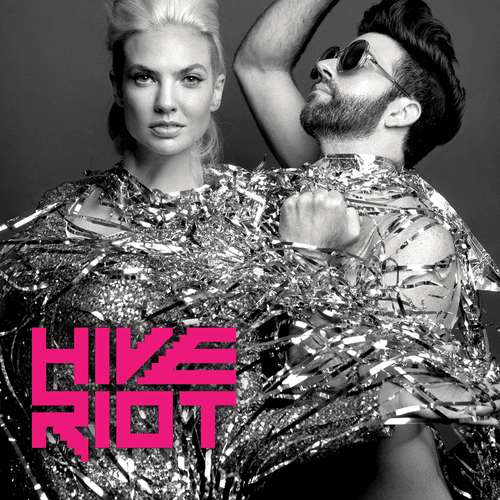
John Dehlin [00:02:12] Yeah. And so we're super excited to be interviewing Mindy. And also her brother in law, Dustin is very much accomplished in terms of his incredible background as a musician. And we'll talk about that as well. And together you two are launching a new project called Hive Riot, which is a new. Are you calling it an indie pop album? What are you calling it? Mindy?
Dustin Gledhill [00:02:38] No.
Mindy Gledhill [00:02:38] Hive, right, is electronic synth pop. So it's in the electronic genre and the sub genre would be synth pop.
John Dehlin [00:02:45] Yes. And it's an exciting album. I have listened to it and I really, really enjoy it. And we're going to talk about that. But in addition to it being an audio project, I think there are some really themes or messages that are coming through in it. And so we're going to be talking about some of that as well. And I don't totally know how to Say this, but I guess, is it fair to say there's some pretty strong sort of LGBT affirming themes in the project? Would you even consider that to be a main purpose of the project or. Not necessarily.
Introducing Hive Riot and the Cyndi Lauper Collaboration
Dustin Gledhill [00:03:20] Well, part of our crowdfunding campaign was to support the Cyndi Lauper's True Colors Fund and for LGBT homeless youth. And there are some tracks that specifically address. For example, pourquoi? One of the tracks before Undercover, it addresses some of those feelings.
John Dehlin [00:03:42] I think the track Undercover itself definitely has themes that would apply not just to LGBT individuals, but people who are sort of experiencing transformation in their lives, struggling with breaking free, as it were. And we're going to talk about those themes as well, but lots of cool themes, I think, for the Mormon Stories audience. And so what we're going to do in this interview, the interview is going to be kind of in two parts. We're going to talk to both Mindy and Dustin about their sort of Mormon story. Growing up in the church. I'm sure I won't be the first to be saying, dustin, do you identify as gay? Is that how you identify?
Dustin Gledhill [00:04:20] Yeah, I'm married to a man.
John Dehlin [00:04:22] Yeah, but you were raised LDs, so we're going to be talking about that and how it plays into Dustin's Mormon story. And, Mindy, I'm going to guess that Dustin's story plays heavily into yours. Is that right?
Mindy Gledhill [00:04:37] Yeah. I've known Dustin since I was 16. I moved down the street from him and married his older brother, and he's just been a best friend for a long time. So watching him go through, you know, everything that he's gone through with coming out in the community has really shaped how I feel about the LGBT experience within Mormonism.
John Dehlin [00:04:58] So we'll be talking about all that. And so part one of the interview will be about your Mormon stories, and then part two will be about the project. You call it a project?
Mindy Gledhill [00:05:07] Yeah, yeah, absolutely.
John Dehlin [00:05:08] All right, Hive Riot. So, excellent. So let's just begin, Mindy, if that's all right. We'll begin with you. Let's start. And we'll kind of jump back and forth and kind of interview you guys in parallel, sort of chronologically, in time periods. So, Mindy, maybe just talk about your early kind of years growing up in the church, if you can, for a bit.
Mindy Gledhill [00:05:31] Yeah, sure. I was born in the Bay Area in California, in the San Jose area, and then I only lived there until I was about 2. And we moved further north to Eureka, California. So that's just up on the coast a couple hours south of Oregon. And the church was a huge part of my life. My dad was the stake president in that area. And I came from a family, a big family. Nine kids.
John Dehlin [00:06:01] Whoa. Yeah. Where are you in the nine?
Mindy Gledhill [00:06:06] I'm number eight. I'm one of the babies.
John Dehlin [00:06:07] Oh, okay. All right.
Mindy Gledhill [00:06:10] I come from, on my mom's side, some pioneer stock. On my dad's side, there's, I think, a little bit of pioneer stock, but also. So my great grandparents joined the church in Holland and were disowned by their family and immigrated to the US and started their lives here and settled in Richfield, which is kind of interesting because my husband's family and Dustin's family, the Gledhill, also, their ancestry was in Richfield. So you go to the cemetery there, and our ancestors are buried next to each other.
John Dehlin [00:06:43] Nice.
Dustin Gledhill [00:06:43] I didn't know that.
Mindy Gledhill [00:06:45] Yeah. Winkles and Gledhill buried next to each other.
John Dehlin [00:06:48] So your maiden is Winkle.
Mindy Gledhill [00:06:49] Yeah.
John Dehlin [00:06:50] And on your mom's. Your mom's side. Hart, Winkle and Hart. Where's Richfield?
Mindy Gledhill [00:06:56] South Central, hour and a half.
John Dehlin [00:06:59] Okay. All right.
Mindy Gledhill [00:07:01] Richfield from Provo.
John Dehlin [00:07:03] Nice. Okay, okay. So Richfield for your ancestors. You were raised in Northern California. Your dad was the stake president.
Mindy Gledhill [00:07:14] He was, yeah.
John Dehlin [00:07:15] And a big Mormon family.
Mindy Gledhill [00:07:17] Yeah.
John Dehlin [00:07:18] But your dad, was he a convert?
Mindy Gledhill [00:07:19] No, no, no, no. He was born in the church.
John Dehlin [00:07:22] So both sides, pioneer ancestry.
Mindy Gledhill [00:07:25] Yeah, yeah. And I loved. I. I just loved my big Mormon family. We just. So many great memories growing up with a big family and lots of. Lots of love. Yes. And all. Just so much of our lifestyle and everyday was connected to Mormonism.
John Dehlin [00:07:44] All the family home evening and, you know, scripture study, prayer, Family prayer.
Mindy Gledhill [00:07:51] Yeah, all of those things.
Dustin Gledhill [00:07:52] Yeah, yeah.
John Dehlin [00:07:53] Was it a very musical family? Yeah.
Mindy Gledhill [00:07:55] I remember my sisters took piano lessons and there was always music in our home. I probably out of most of them took the least amount of music lessons, but I think I absorbed so much of it because I was one of the youngest, you know. So one of my favorite things to do would be to lay underneath the piano. It's actually the piano that's in this room was the piano I grew up with. And I would lay underneath it and listen to my sisters practice their songs. And we sang, you know, all of the church music from the 80s and 90s. The Michael McLean and you're not alone. Yes. He's a great guy. Yeah. So. And the Lex Day Azevedo and Saturday's Warrior. It was huge part of our upbringing.
John Dehlin [00:08:41] Was there a Saturday's Warrior character? You Identified with.
Mindy Gledhill [00:08:43] Oh, we all wanted to be Julie. Julie, yeah. Isn't that. Yeah, Julie's the leading.
John Dehlin [00:08:51] She's the one female. She was the one who was, like, dying over. The missionary.
Dustin Gledhill [00:08:58] Yeah.
Mindy Gledhill [00:08:59] The living scriptures. Those were huge in our house too.
John Dehlin [00:09:02] The video. The animated.
Mindy Gledhill [00:09:04] Yeah, the animated living scripture videos.
John Dehlin [00:09:06] Okay, okay. But. But not like a huge, intense music family.
Mindy Gledhill [00:09:11] No, not. No, not like Dustin. Dustin grew up with intense musical training. Ours was more just for fun and to be well rounded, not competitive.
Dustin Gledhill [00:09:24] Okay.
Mindy Gledhill [00:09:24] Yeah.
John Dehlin [00:09:25] All right.
Dustin Gledhill [00:09:26] Healthier, probably.
Mindy Gledhill [00:09:29] Yeah. When I was 13, my dad got called to be a mission president in Madrid, Spain. So we moved and spent the next three years there.
John Dehlin [00:09:39] How was that?
Mindy Gledhill [00:09:40] Oh, wow. It was so amazing. It was definitely at first, a culture shock for me, and it was, you know, ultimately incredibly formative and good for me and for my siblings that went.
John Dehlin [00:09:54] Did you learn Spanish?
Mindy Gledhill [00:09:55] I did, yes. I'm a Spanish speaker. I attended an international school there, and so that was so beautiful to be able to go to a school that was owned by people. A family from Iran, and it was a British curriculum. And, yeah, every teacher that I had was from a different culture, a different country. All the kids were. And I just look back at that as being so valuable in my life, as having that experience. For sure.
John Dehlin [00:10:24] Yeah. I can't imagine something cooler than having those formative years in a foreign country. And to be able to be educated in English, but also in a foreign language must have been exciting. You still remember your Spanish?
Mindy Gledhill [00:10:40] Si, si. Pod hablarto da via.
John Dehlin [00:10:42] Holy moly. Habla bien. Very good. Okay. All right, so same question for you, Dustin. Take us up to kind of middle school, High school. Middle school.
Mindy and Dustin's Mormon Family Backgrounds
Dustin Gledhill [00:10:55] High school. Yeah. I have both sides of my family as well, were. Were Mormon way back. I mean, generations. How many, Ryan? Three. Three generations.
John Dehlin [00:11:09] That's Mindy's husband Ryan in the background. Oh, yeah.
Dustin Gledhill [00:11:12] Hola, sister. I don't actually speak Spanish, but that's a Glad Hill Cl.
Mindy Gledhill [00:11:17] You have to share. Your great grandpa was the sheriff of Provo.
Dustin Gledhill [00:11:20] Oh, yeah, My great grandpa. Sheriff of Utah County.
John Dehlin [00:11:23] Nice.
Dustin Gledhill [00:11:24] Utah County. Chase. Sundance Kid and all that.
John Dehlin [00:11:27] What was his name?
Dustin Gledhill [00:11:28] John. John David Boyd. Right. John D. Boyd.
John Dehlin [00:11:33] All right.
Dustin Gledhill [00:11:34] Yeah. So I grew up in Provo in the tree streets right below the Y. And my whole life, actually, until I was 18. 18 and I left on a mission, but both. My dad was my bishop in high school and very much a part of the Mormon community in Provo, and that was my upbringing. You know, the teachers and the cops and the bakers and everybody how big is your family? Seven kids.
John Dehlin [00:12:09] Seven kids. And you're what?
Dustin Gledhill [00:12:11] Number three.
John Dehlin [00:12:12] Number three of seven. Okay. And how important was the church to your family?
Dustin Gledhill [00:12:20] It was extremely important. It was part of our everyday life. Just like Mindy, you know, we did nightly prayer and we would do scripture study. And at different points in our life, I think it was more intense than others, just depending on what was going on in our lives. But I remember it being a huge part. And roadshows and fhe and mutual. And seven layer casseroles and jello.
John Dehlin [00:12:51] Nobody's mentioned jello. We're like 15 minutes in and nobody's mentioned Jello.
Dustin Gledhill [00:12:55] We got it. We got it. Yeah, yeah, yeah.
John Dehlin [00:12:59] Okay. Super, super faithful. Okay. And you had more of a musically focused family, is that right?
Dustin Gledhill [00:13:05] Everybody did something. Everybody played something. Myself and my brother, my younger brother Daniel, who lives in la, he are professional musicians. He's a pianist as well, and composer. And my brother Ryan, who's here, he played the trumpet, taught by Kurt Bester, actually. And there's cello.
John Dehlin [00:13:26] Flute.
Dustin Gledhill [00:13:28] Harp, Yeah, I think that's it. Guitar. My dad used to be an actor, Shakespearean actor. But he wanted to make a little more money than. Than what that might have to offer. And my mom played the flute and the piano, so.
John Dehlin [00:13:44] Very musical family. So you were. I was just doing a little bit of background research, and there's actually a children's friend article about you from. I don't know what age you would have been when the article came out.
Early Musical Gifts and Childhood Influences
Dustin Gledhill [00:13:56] I think I was probably six. Five or six?
John Dehlin [00:14:00] Yeah. It was kind of talking about you like you're a bit of a prodigy. Is that. Has that label been put on you at one point or another?
Dustin Gledhill [00:14:07] All the time, yeah. Well, I started when I was three, and my first recital was at Brigham Young University when I was 5. And the article was just kind of about my life, I think, in music and in the church and. Yeah, that's all I remember. I just remember music growing up.
John Dehlin [00:14:27] And what did music mean to you, like, psychologically or emotionally?
Dustin Gledhill [00:14:33] It was like religion. It was a necessity. I had to do it. I didn't think twice about it. My mom said that I didn't really. She didn't have to ask me to practice growing up until I was maybe 12. 12 or so.
John Dehlin [00:14:50] It's just something you had to do.
Dustin Gledhill [00:14:53] Yeah, something that I loved, I guess. I listened to my aunt, like, Mindy laid under the piano, and my aunt would play hymns from church. And I got started because I would pick out little melodies at my grandmother's house. And my grandma got me started in music and she flaunted me around to all the music teachers until she put me with two good ones.
John Dehlin [00:15:21] Who were they?
Dustin Gledhill [00:15:22] I started with a Polish teacher. I don't even remember her name in the neighborhood. And she was super intense. I just remember her yelling at me the first lesson and. And then David Glenn Hatch. He was my teacher until I was 6 and. And then Irene Perry Fox and from 6 till 24.
John Dehlin [00:15:44] Wow. And it was all classical piano?
Dustin Gledhill [00:15:47] Yeah, yeah. Competitive classical piano.
John Dehlin [00:15:51] So like traveling the country, the world, both.
Dustin Gledhill [00:15:54] Yeah, yeah. I did over 20 competitions or one over 20 competitions, but I did them all the time and traveled to Russia with. With my mom and grandma and Europe and studied over there during summers. And it was my life. I missed out a lot of school because of it. A lot of social. A lot of family stuff.
John Dehlin [00:16:17] And was someone driving you like you're. The competitive aspect? Was it like a family culture of, like, high achievement or was it you just being really into it or a combination?
Dustin Gledhill [00:16:31] I think. I think my teacher realized that I was. I don't really know exactly, but I'm guessing that. That I liked. I did competitions and that I realized I could win them. And it was eventually became a false validation of who I was as a musician and as a pianist. But my grandmother pushed me a lot. My mother was super supportive. And I mean, my whole family, of course, had to deal with my practicing all the time. And my teacher was a very. Irene Perry Fox was a super go getter in terms of her students were winning all the competitions and in the state they would win nationally and internationally.
John Dehlin [00:17:19] Oh, wow.
Dustin Gledhill [00:17:20] Yeah.
John Dehlin [00:17:20] Okay. And were you. Were you into it or were there times where you hated it and were sick of it or were you just totally like any.
Dustin Gledhill [00:17:28] Any love you have or hobby? Not hobby, any obsession. I loved it until I was. I remember loving it until I was about 12 or 13. Then I just said, I want to be done with this. I want to do other things. And. But my mom said, you're sticking with it till 18.
John Dehlin [00:17:46] Wow.
Dustin Gledhill [00:17:47] And I'm glad she did.
John Dehlin [00:17:49] You're glad she did.
Dustin Gledhill [00:17:50] At certain points in my life, I tried to leave it two or three times. Very specific times I left piano, and I got really depressed and had to come back.
John Dehlin [00:18:02] Interesting. Okay, now, Mindy, for you, was music an intense part of your kind of, you know, adolescence?
Mindy Gledhill [00:18:11] Not an intense part, but it was a very beloved part of it.
John Dehlin [00:18:15] How did it manifest itself in your life?
Mindy Gledhill [00:18:17] You know, I think from the time I was just a Kid. My mom would teach us songs that she used to sing with her mom and her aunts, and they would all harmonize together. So on Rotary.
John Dehlin [00:18:29] Do you remember any of those songs?
Mindy Gledhill [00:18:30] Yeah, one's called Tell Me why Moonlight Bay. You know, kind of old songs from, I want to say, maybe the 20s, 30s, 40s, kind of some of those fun old songs. And so I remember, like, learning to harmonize through that and hearing harmonies and things like the hum of a microwave or the. You know, when my mom would honk the horn of the van, like, I could hear intervals. So I think I felt like I was musical from an early age, but I wasn't trained like Dustin was. And then I remember pretty specifically when I was 13, starting to write songs for the first time and loving it so much that I knew I wanted to do that and be a singer.
John Dehlin [00:19:17] From starting in your teen years.
Mindy Gledhill [00:19:19] Yeah.
John Dehlin [00:19:20] Who were your inspirations?
Mindy Gledhill [00:19:23] Wow. Well, that changes. That's changed by the decade. But
Dustin Gledhill [00:19:29] as a teen.
Mindy Gledhill [00:19:29] Oh, as a teen.
Dustin Gledhill [00:19:30] Yeah. Yeah.
Mindy Gledhill [00:19:31] Well, I. I mean, we listened to so much church music growing up, so I loved, you know, all the Michael McLean songs and the Saturday's Warrior. We grew up singing those. And so it's no surprise I initially, you know, went into church music when I started making music professionally. But outside of that, I loved a lot of older. My mom played a lot of old music. We actually weren't really allowed to listen to much like rock. Rock and roll. That was. She couldn't. She couldn't even. The Beatles were a little bit off limits.
John Dehlin [00:20:02] Whoa.
Mindy Gledhill [00:20:03] So. But I listened to. We listen to a lot of classical music, and then I remember really loving, like, Roy Orbison. I still do lots of older stuff. Yeah. Classics. So. So early years. Yeah. I would. We would listen to that kind of stuff.
John Dehlin [00:20:23] And you would have been in high school in the early 90s, that. Right, mid-90s.
Mindy Gledhill [00:20:27] Yeah, mid-90s.
John Dehlin [00:20:28] And so the popular stuff going on at that point, that was.
Mindy Gledhill [00:20:31] Yeah, that was what would have been. You know, when I was in Spain, I was a little bit disconnected from, like, music that was maybe happening in the States.
John Dehlin [00:20:39] Yeah.
Mindy Gledhill [00:20:41] But when I moved to. When we moved to Utah and I kind of got connected again to music from the States, I really loved the Sundays. I still do the Sundays. And Lisa Loeb, Sarah McLachlan. Lots of 90s female singers.
John Dehlin [00:20:58] Got it.
Mindy Gledhill [00:21:00] The Cardigans. Love the Cardigans. Still do.
John Dehlin [00:21:03] Natalie Merchant.
Mindy Gledhill [00:21:05] Yeah. Yeah.
John Dehlin [00:21:06] That was kind of the. What was the concert series that Sarah McLachlan had? The Lilith Fair was that Kind of the time period.
Mindy Gledhill [00:21:14] Yeah.
John Dehlin [00:21:15] Indigo Girls at all.
Mindy Gledhill [00:21:16] Yeah, I love the Indigo Girls. Yeah.
John Dehlin [00:21:17] Oh, got. Got Dustin out on that one.
Mindy Gledhill [00:21:21] Who doesn't?
John Dehlin [00:21:23] Okay, but. But not a lot of pop exposure as a teen. It sounds like you're saying not a
Mindy Gledhill [00:21:29] lot of rock and roll. Well, I will have to say, as a kid, my sisters played lots of 80s, you know, radio. And so that's a big inspiration for Hive Riot. And we're very 80s inspired.
John Dehlin [00:21:40] Yeah, I'm gonna get there because I grew up in the 80s.
Mindy Gledhill [00:21:43] Yeah. So I was a. I was more of a kid in the 80s listening to my teens play 80s music. But still, that's very nostalgic for me. And I Love, love the 80s. Tears for fears. Erasure.
John Dehlin [00:21:55] Yeah.
Mindy Gledhill [00:21:55] So Pet Shop Boys.
John Dehlin [00:21:56] Okay. Because. Because when I started listening to. To High Bright, your album. What's the album called?
Mindy Gledhill [00:22:01] It's self titled.
Musical Influences in Adolescence
John Dehlin [00:22:03] Yeah. I wrote down Thompson Twins, Howard Jones. Erasure. Depeche Mode.
Mindy Gledhill [00:22:07] Yes.
John Dehlin [00:22:07] Right.
Mindy Gledhill [00:22:08] Thank you.
John Dehlin [00:22:08] Is that right?
Mindy Gledhill [00:22:10] Nailed it.
John Dehlin [00:22:11] Does that mean something? French.
Dustin Gledhill [00:22:12] Perfect.
John Dehlin [00:22:13] Perfect. Oh, okay. So your musical influences in adolescent. Other than classical.
Dustin Gledhill [00:22:21] Other than classical. I remember in late 80s, listening to my brother sitting over there, he and my sister would put on Michael Jackson and Madonna and tape. Cassette tape. Yeah, I loved that.
John Dehlin [00:22:34] Okay.
Dustin Gledhill [00:22:34] I jammed to that. But not. I was listening to classical music growing up until high school, probably.
John Dehlin [00:22:40] Okay.
Dustin Gledhill [00:22:41] And Duncan Chic. I don't know if you know this guy. Oh, I had a little crush on him. And in high school.
Mindy Gledhill [00:22:49] Duncan's like late 90s, right?
Dustin Gledhill [00:22:51] Yeah, he's 90s. And Cyndi Lauper. I was a big fan. Still am.
John Dehlin [00:22:57] Okay.
Mindy Gledhill [00:22:57] Yeah, me too.
John Dehlin [00:22:59] Cyndi Lauper.
Dustin Gledhill [00:23:00] But Sundays, actually, I love the Sundays in high school and.
John Dehlin [00:23:04] Okay, I've never heard the Sundays.
Mindy Gledhill [00:23:06] They're from the uk. They did a really awesome cover of Wild Horses and they. Yeah, I mean, that's our song, actually.
John Dehlin [00:23:16] Oh, nice. Yeah, that's Ryan.
Dustin Gledhill [00:23:19] She's Ryan.
Mindy Gledhill [00:23:20] I love a lot of. Yeah, a lot of British bands.
John Dehlin [00:23:24] Yeah. Okay.
Dustin Gledhill [00:23:25] Ace of Bass. I forgot about them.
John Dehlin [00:23:27] Ace of Bass.
Dustin Gledhill [00:23:28] They were one of my favorites in. In 2000.
John Dehlin [00:23:31] Aren't they Swedish? Yeah.
Mindy Gledhill [00:23:33] So many great bands are from Sweden. The Cardigans from Sweden. Oh, yeah. Lead singer, Nina Person. She's my favorite. Bjork. She's from Iceland, I think. Yeah, but we love Bjork too.
John Dehlin [00:23:47] Okay, okay. So I got a sense. So. So, Dustin, you were really into primary influence by classical music.
Dustin Gledhill [00:23:55] Yeah.
John Dehlin [00:23:56] And. And Mindy, I'm hearing you say, kind of church popular music was kind of a heavy influence for you.
Dustin Gledhill [00:24:01] Yeah.
Mindy Gledhill [00:24:01] As a kid, for sure. Yeah.
John Dehlin [00:24:04] And then you were kind of out of the scene until your junior year because you're in Spain, so. Yeah. Interesting. Okay. So, Dustin, because this, you know, we're going to build to this theme. Talk about, you know, at what point in your adolescence did you maybe first started feeling like you might be different than some of your peers and. And then talk about what that was like growing up in the church, knowing that you kind of had a secret.
Shame, Secrets, and Growing Up in the Church
Dustin Gledhill [00:24:39] Oh, specifically about secret.
John Dehlin [00:24:41] Yeah,
Dustin Gledhill [00:24:44] I suppressed it for.
Mindy Gledhill [00:24:47] Yeah.
Dustin Gledhill [00:24:48] I think the first memories I have are tearing pages out of my journal. I think I would write very openly my feelings about fantasies that I had. I think in. In when I was 8 and 9, probably that early in my journal.
John Dehlin [00:25:09] Okay.
Dustin Gledhill [00:25:10] And I remember tearing pages out of it later because I realized that it was a terrible thing. And I. I think it's kind of hard to understand just to describe. Not knowing whether. Not knowing what it was. I don't think I understood what it was at all. And other than that it was illegal, you know, just off limits and kind of like a sickness or a sin and a disease. And so I didn't recognize those moments until much later, you know, didn't even recognize that I was feeling. Feeling that way until probably of high school, junior junior high and high school. I had a terrible junior high experience. I mean, I had a girl in my science class at the end of the year ask me, she's like, I just have to ask you one question. Are you a girl or a boy? And those kind of things. Like, my. My hair was. I got a perm when I was 15, and I have. My voice didn't drop till I was 17. And I dealt with a lot of those things, and I just thought it was normal, you know, to. That's. Those are the cards that I was dealt.
John Dehlin [00:26:33] But how did you think about that at the time? Were you terrified? Were you. Did you feel like you were hiding something? Did you just kind of think, I'm different?
Dustin Gledhill [00:26:43] Yeah, I had a lot of social anxiety. I still do a little bit. But I remember anytime I had to speak up in class or in a public setting, I would just shut down completely and I could play in front of thousands of people and I could not speak in front of them. I think it had a lot to do with hiding certain parts of the. Of who I was. After that journal kind of experience, I. The only things I really remember were, you know, scouting experiences with. Just experimentation, you know, on talking with. With people about, you know, what. What it might. What it might be. Yeah. I don't know if that answers your question or not.
John Dehlin [00:27:30] Sure. So. No. So it's something you just kind of wondered about, thought about, but didn't really act on in your adolescent years?
Dustin Gledhill [00:27:40] No, I never. I never acted on. On any of that. I would say, you know, the first time, I don't know how explicit you want to be.
John Dehlin [00:27:50] Whatever you feel is, you know, an important part of your story to tell, really.
Dustin Gledhill [00:27:55] Well, I would say, like, the first time that I ever encountered, like, masturbation, for example, like that. That was like a. Whoa. Experience for me. And. And that was also with someone else, like kind of a mutual experimentation, and we had no idea what we were doing, you know, and. And he was just like, ah, you should try this. You should try. It's so much fun. And. And that was within it. That was with a guy. And. And I'm sure that in a lot of cultures and a lot of other places in the world, that might be kind of a normal thing or that happens more often than we think, and you just don't really think about it too much and it's not such a big deal. But for me, since I really was attracted to men, it left a big impression on me.
John Dehlin [00:28:47] So did you internalize guilt or shame as a teenager then over this?
Dustin Gledhill [00:28:51] Oh, huge amounts. Huge amounts, too. I had. It was either because of piano or because of church guilt that I felt. But I had an ulcer when I was eight. I was constantly having stomach problems, and I was sick a lot growing up. And looking back, I know it had. It was because of an emotional wreckage kind of inside. Because my life now, when I'm sick for a long period of time, it's usually because I'm not doing something in my life correctly, you know, emotionally speaking.
John Dehlin [00:29:30] And maybe music was a way to sort of avoid and just sort of throw yourself into something where you didn't have to deal with that other part.
Dustin Gledhill [00:29:37] Well, yeah, I could sit at the piano for four or five hours, and that was my obsession.
John Dehlin [00:29:43] Right. So is this something you ever tried to talk with anyone about your parents, your siblings, a Bishop when you were a teenager?
Dustin Comes to Terms with Being Gay
Dustin Gledhill [00:29:51] Yep, yep. 16, I think when I was 15. 16. My dad was bishop. He became Bishop in high school, so we were never really that close in high school. I was super close with my mom because she would spend hours at the piano practicing with me and going to lessons, and that was really intense. But my dad and I, we didn't connect for a while. And then when he became bishop, we Talked about. We talked about those. We didn't talk about the gay thing ever. Not until I was 20. Until I was 20. But we talked about, you know, I had to confess to him every week about the things we just talked about. And so we became close that way. But I didn't talk to anyone about this until I was 20.
John Dehlin [00:30:40] Okay, but inside, had you started identifying internally as gay by that time or not even then?
Dustin Gledhill [00:30:47] No.
John Dehlin [00:30:47] You were just sort of straight with lots of gay feelings?
Dustin Gledhill [00:30:50] I was straight with a massive crush on my. My high school sweetheart. And girl or boy? Girl.
John Dehlin [00:30:59] Okay, so you had girlfriends?
Dustin Gledhill [00:31:01] Yeah. Yeah, yeah.
John Dehlin [00:31:02] You dated in high school?
Dustin Gledhill [00:31:04] Yeah.
John Dehlin [00:31:04] Okay, and that felt fine to you at the time, but you thought of yourself as straight?
Dustin Gledhill [00:31:10] I did. I thought of myself as straight with something that I didn't know how to deal with. Okay. And that. I just thought it was going to work itself out because that's how God wanted it to be. It was going to work out.
John Dehlin [00:31:25] Now, Mindy, did this issue in particular, was it even on your radar growing up? That's part one of a question. And then part two of a question. Was there anything else that as you. As you hear Dustin talking about his story in your life that you can relate to on some level that connects with you? Either one.
Mindy Gledhill [00:31:46] Yeah. You know what? Growing up, I wouldn't say that I was close to anyone or knew anybody that was gay. I think later on looking back, and I can realize, oh, okay, yeah, that person was. Was gay and. But not knowing it at the time. So, no, it wasn't really on my radar as a kid growing up. But I think. And I think that's probably common for a lot of kids, you know, Justin wasn't even on Dustin's radar. Totally. You didn't have the language for it. But. But I think as I grew up in, you know, in high school, I started to understand more of what that meant. And. And one thing that has always been easy for me is to. And I don't know how to say this might come out wrong, but it's just. It's easy for me to love people. I love people easily. And so even when I. When I first met Dustin, I actually, I wondered, you know, but it never made me uncomfortable or bothered me. So anyone I've ever encountered at an early age that I thought maybe they're gay or. Never bothered me.
John Dehlin [00:32:51] Right.
Mindy Gledhill [00:32:52] Yeah.
John Dehlin [00:32:53] And in terms of. But. But you were probably aware of the teachings of the church.
Mindy Gledhill [00:32:59] Yeah, I think I kind of knew the teachings of the church, but I don't Ever really remember any real lessons in church growing up that would teach against homosexuality? I just don't remember that.
Dustin Gledhill [00:33:13] Have you read Miracle of Forgiveness?
Mindy Gledhill [00:33:16] No, not until my later years. I never read that growing up. Okay. Yeah, I think. But no, I think I knew that. Yeah, the church's stance on it, but it just wasn't something that was, you know, at the forefront of events in my life.
John Dehlin [00:33:31] Wasn't on your radar. Okay. And knowing, like, you never had a gay friend or someone come out to you as a teen, kind of just kind of putting that on you?
Mindy Gledhill [00:33:42] No.
John Dehlin [00:33:43] Okay. Yeah, yeah. That's normal. Okay. And any. As you hear Dustin tell his story, is there any. Is there any part of his story that you connect with on a different level of just sort of having things you're hiding or keeping secret or is there any way that that relates that you can relate or connect with that story either on that level or on a different level?
Mindy Gledhill [00:34:07] Yeah, sure. I think that. I mean, I can't speak for every youth in the church, but I think we all grow up with certain amounts of shame and things that we can't talk about. My parents, they're amazing parents, but I think they grew up in a generation where they didn't talk about things. And so I never. They never even talked to me about sex. I started hearing about that on the playground at school and had to have one of my sisters, you know, explain to me what that was. So never in my life did they have that talk with me. Same when I. When I first got my period as a young teenager, I. My mom had never talked to me about that up until that point. Those are all things I learned from kids at school. And so, yeah, I would say that I grew up in an environment where certain things couldn't be talked about.
Dustin Gledhill [00:34:58] Yeah, yeah, yeah.
Dustin's Mission and Reparative Therapy
John Dehlin [00:34:59] Okay. So, Dustin, you served a mission, Right?
Dustin Gledhill [00:35:04] Right.
John Dehlin [00:35:04] Tell us about that.
Dustin Gledhill [00:35:06] It was in Quebec. It was in Quebec.
John Dehlin [00:35:08] And this plays into the album because there are at least three parts of the album where I heard someone speaking French and I'm like, who's speaking French? And why are they speaking French?
Dustin Gledhill [00:35:16] Yeah, we have there a few. It was a French speaking mission in Quebec City and then Montreal and eventually Ottawa. Ottawa was the English part, the last part of my mission. Okay. I was 18, almost 19 when I left, and I only went. Well, I went for a couple of reasons. But Ryan's here, so I wanted to also mention that when he got back from his mission, I walked in on him staring at himself in the mirror right after he got back with his name tag on and just crying and just, you know, tears streaming down his face. And that really touched me when I saw that. And I was contemplating going and I wasn't going to go because I was at the.
John Dehlin [00:35:58] He was crying.
Dustin Gledhill [00:35:59] Ryan was crying, having returned home. Yeah.
John Dehlin [00:36:01] Well, how did you interpret that crying? What did you think that meant? That he was missing it or.
Dustin Gledhill [00:36:06] Yes, that it meant a lot to him and then it touched him emotionally and that it made me want to go. I mean, it made me make my decision.
John Dehlin [00:36:17] You say there are other influences too, other reasons.
Dustin Gledhill [00:36:19] Well, I was at the peak of my classical performing career and I had just won a big competition, that Gina Bachauer competition in Salt Lake, the junior one, and was traveling a lot and, And I just wasn't going to go. It didn't make sense for me to go. And my grandma was telling me not to go and other, other family and, and then I had a conversation with my dad and he was just like Dustin, how I was. With all respect to my dad, he had good intentions, but he said, how selfish would you be to not give God back two years of your life for all the talent that he's given you? And for, for, for all that. And I just was like, oh, yeah, I, I have to, I have to go for sure. But it was a real conflict because I, I meant stop piano. And there was an article that came out, I think in the Tribune, Salt Lake Tribune was like, shocks the community going, musical community going on a mission. And I had so many people angry with me for, for going. Whereas normally in profile they would be like, you, you just gotta go.
John Dehlin [00:37:28] And how would you have thought about your testimony at the time? Was it pretty rock solid, pretty traditional? Because I mean, for many Mormons growing up, it's just automatic. You go on a mission, you know.
Dustin Gledhill [00:37:41] Yeah, I, I think it was more of a cultural. I was very practicing. For me, the church has always been black and white pretty much. I mean, just, I know that the teachings, I know that what they, they say we're supposed to do in the end, what the end goals are. And so if you don't.
John Dehlin [00:38:00] You mean celestial kingdom and God and Goddess.
Dustin Gledhill [00:38:03] Yes, that that final sort of end goal is what I'm talking about. And, and so for me it's always been black and white and the whole, the whole gay thing too, always played into that. I was like, well, this is. If this is in my life, I have to get rid of it because that's not where I'm going. And so my testimony was pretty solid. It was okay, I think, when I was 17, 18, but I was also just starting to finally hit puberty when I was 17. So I was just starting to explore all of those feelings.
John Dehlin [00:38:38] And so going on a mission, I imagine, can be complicated for someone who's finding himself attracted to men.
Dustin Gledhill [00:38:46] Yeah.
John Dehlin [00:38:47] Was that true for you?
Dustin Gledhill [00:38:49] Yeah, it was very difficult. It was very. There was one point of my mission. It was in the second month of my mission when this is when I had really started to confront the issue and realized that it was a problem, you know, a big problem. And there was one point in my mission when I was. We were on a bus in Quebec City and we drove past this sign of two guys. They were shirtless and they were gorgeous. I just remember looking at that. And I'd read some scripture about turning away from all sin, turning away from all. Just the idea of evil or something. And I made this conscious effort to just turn completely away from that for. For the rest of my mission. And I went for an entire year of my mission without. I was like obsessively following the rules. And I was probably.
John Dehlin [00:39:50] Yeah, I'm just kind of scrupulous. Yeah, yeah. And was there. Was there an element, a component to your prayers where you were pleading with God to change you all the time? Yeah.
Dustin Gledhill [00:40:03] On your mission, before and before and after.
John Dehlin [00:40:06] What were those prayers like? Do you mind?
Dustin Gledhill [00:40:09] Sometimes they would be for hours. Hours long.
John Dehlin [00:40:12] And what would you say?
Dustin Gledhill [00:40:13] Oh, they went through changes to where I was angry at first and I was trying to talk to God as if he was just a friend or if he was somebody I was having a conversation with. And so why do I have this? Why do I have it? And then it changed from that. To let these feelings go away, let them go away. I would just want to do what's right. And then they would never go away to just short term goals. Let me get through the day kind of thing. Let me get through the hour.
John Dehlin [00:40:45] Without what?
Dustin Gledhill [00:40:45] Without having these thoughts in my mind. Without thinking about the sky sitting next to me or in front of me.
John Dehlin [00:40:55] So just as a little segue or as a little side note, so my listeners will know that my research for my dissertation for my PhD was on the LGBT Mormon experience. And while there's been a lot of talk about reparative therapy, it turns out that only about 40% of our respondents tried to change their sexual orientation through therapy. But 80% tried to change through prayer and fasting and hyper religiosity. And one of the weirdest things is not only was that the most common method of attempting change. It was also rated as the most harmful. Does that make sense to you in your experience? And if so, how could you explain
Dustin Gledhill [00:41:37] that it does to me? Because my older sister, she was the first in our family to kind of go away from the church for a while, and she was still away from the church when I left on a mission. And I was in intense communication with her about coming back to the church. And my prayers at that time were also hours at a time. Hours but asking for her to be touched and for her to come back to the church. And I would write her letters, sometimes on a daily basis when I was in the mtc. And one day in the mtc, I got a letter from her saying that she was coming back to the church. And this had been after a few years, I think, right? Yeah. And I just dropped on the floor and bawled and thought that for sure it had something to do with my hours of praying for her and connecting to her. And so I thought, if I can do that for her, then I can also get rid of this for me. And, you know, years later, I realized that wasn't true for myself.
John Dehlin [00:42:46] And what made that damaging then, to try to pray and fast and be hyper religious? Did you experience that as being harmful for you
Dustin Gledhill [00:42:59] later? Later, I viewed it as harmful, but at the time, I just thought I was doing the right thing. Yeah.
Mindy's Path to Becoming a Recording Artist
John Dehlin [00:43:08] Okay, let's shift gears, Mindy. So you go to byu, Is that right? Move to Provo.
Mindy Gledhill [00:43:16] Yeah, moved to Provo when I was 16. So I'd been in Spain for three years, and then my family didn't go back to California. My dad had lost his business while we were gone because he couldn't really be there to run it when he
John Dehlin [00:43:33] went to become mission president.
Mindy Gledhill [00:43:35] Yeah, he sacrificed a lot to do to do that calling. And so he had older kids that were at byu, and I think it just made sense to him to be where most of the kids were. So we moved to Provo, and I went to Provo High my junior and senior year.
John Dehlin [00:43:54] Bulldogs, right?
Mindy Gledhill [00:43:54] Bulldogs, yeah.
John Dehlin [00:43:58] And so how did you. What led to you becoming a recording artist again?
Mindy Gledhill [00:44:05] I think it was choirs in high school. Yeah. So I mentioned that When I was 13, I started to write songs and really love that. And at the same time, we were in Spain, and my parents were mission presidents, and so my dad would have us sing a lot at Firesides, and. And I think I really learned to love singing and sharing with other people, sharing music. And so when we moved to Utah, I really started to pursue it. And I started to realize too, like how many extracurricular things are at American high schools and how there were all these cool opportunities. And so I tried out for a lot of things. I tried out for the chamber choir at Provo High. I didn't make it. And I
John Dehlin [00:44:53] did Michael Jordan not making his high school basketball team.
Mindy Gledhill [00:44:56] I did, I did corral which is the choir that anybody can be in the non audition choir. So I did that. And then I tried out for the school musical and I didn't make it.
John Dehlin [00:45:06] What was the musical?
Mindy Gledhill [00:45:07] Bye Bye Birdie.
John Dehlin [00:45:08] Okay. And this is a great makings of a success story. She was turned down by the performance choir, didn't make the school musical.
Mindy Gledhill [00:45:18] I tried out for dance company and didn't make it. So yeah, all these things. I mean, I knew I wanted to be some sort of performer. I enjoyed it a lot. But I just, I wasn't trained like Dustin was. I didn't have a lot of experience other than singing and firesides under my belt. And so but because I knew it and I wanted it, I just started to create opportunities for myself. And I started a band in high school and I got an internship at a recording studio and started to learn. And my parents were still kind of, you know, getting. Trying to pick up where they left off. And they didn't really have the money for me to take voice lessons. And so I got a job making smoothies. That was my first job for $5.15 an hour. Where it was at a place called. What was it called? Blenders? Yeah, it was at the Gold's Gym. It was at the gym. Anyway, Ryan knows because he used to stop in once in a while to order a smoothie.
John Dehlin [00:46:20] Of course he did. I bet he just took a real liking to smoothies.
Mindy Gledhill [00:46:25] He sure did. He loved those smoothies. So anyway, I started to take voice lessons and pay for these voice lessons myself.
John Dehlin [00:46:35] At what age?
Mindy Gledhill [00:46:36] Yeah. Sixteen.
John Dehlin [00:46:37] Okay.
Mindy Gledhill [00:46:38] Yeah. Well, that was so great for me. It was looking back how awesome it was that my parents, you know, for a while didn't have any money because it really gave me a work ethic to get, you know, earn money to pay for what I wanted. So that ended up being a real. A blessing and a positive for me.
John Dehlin [00:46:58] So you paid for your own voice lessons?
Mindy Gledhill [00:47:00] I did, yeah.
John Dehlin [00:47:01] That is so cool.
Mindy Gledhill [00:47:04] Then I graduated from high school and I kept the same thing. I kept trying out for things. Do you want to keep going?
John Dehlin [00:47:12] Yes.
Mindy Gledhill [00:47:12] Okay. So I tried out for Ms. Provo and I didn't make It. Which I'm thankful for today.
John Dehlin [00:47:20] So you were in the pageant. Did you compete in the competition?
Mindy Gledhill [00:47:23] I did, yeah. Didn't get anything.
John Dehlin [00:47:27] I mean, you made the competition.
Mindy Gledhill [00:47:29] You don't have to audition for that. Anyone could be in it.
John Dehlin [00:47:32] And you sang?
Mindy Gledhill [00:47:33] I sang, yeah.
John Dehlin [00:47:34] What was your song?
Mindy Gledhill [00:47:35] It was I will remember you by Sarah McLachlan.
John Dehlin [00:47:37] Nice.
Mindy Gledhill [00:47:39] And then I got into BYU.
John Dehlin [00:47:41] Did you play to you?
Mindy Gledhill [00:47:42] No, I was. I sang it to a track.
John Dehlin [00:47:45] You do play piano, though?
Mindy Gledhill [00:47:46] I didn't. Honestly, at that point in my life, I hadn't had lessons beyond elementary school, so I couldn't really play for myself.
John Dehlin [00:47:52] Okay. Okay.
Mindy Gledhill [00:47:53] That comes later.
John Dehlin [00:47:54] Okay.
Mindy Gledhill [00:47:56] But I got into byu, and at that point, all I knew was like, okay, I know they have a classical vocal major and they have music dance theater. That's what I. I knew. And so I started to try to look into that, and I tried out for the music dance theater major, and I didn't get in. I tried out for Young Ambassadors and didn't get in. And I even tried out for this fireside group called the Latter Day Sounds, and I didn't get in.
John Dehlin [00:48:24] You are resilient, young lady.
Mindy Gledhill [00:48:28] But in all of this, I started to meet people and I started to, I think, build up a resistance to caring. I'm sorry, not caring about being rejected. And it just. I think it built some muscles, you know, of being able to get up in front of a panel of judges and sing and be like, okay, whatever. So eventually, I tried out for the school of music. You have to take a written exam to get in as well, which I took. And they give you three chances. And I failed it the first time, I failed it the second time, and I passed it the third time by one point. So I got the exam out of the way, and then the audition came. And I think all of my experience of I found media music was a major I found in all of this, trying out for things and meeting people. And that was a little bit more up my alley than all these other things that I tried out for. So media music is like music business and recording and more pop rock centered. So I auditioned for media music, and I got in. It was the first thing I got into. And.
John Dehlin [00:49:38] And that's in the music program ever? Yeah, ever.
Mindy Gledhill [00:49:43] Well, that's not true. I played the leading part in the eighth grade school musical in Spain. I played. I was Audrey in Little Shop of Horrors, but that's really the only thing I ever gotten into.
John Dehlin [00:49:52] Okay.
Mindy Gledhill [00:49:54] So, yeah, that takes us up to college. I don't know.
John Dehlin [00:49:57] And so you're. And so you got into the music program. And I have to say, the music program. The music program at BYU is really intense.
Mindy Gledhill [00:50:08] Yeah, it's really competitive.
John Dehlin [00:50:09] Like, it's almost like a conservatory, I've heard. I don't know if that's the right word.
Mindy Gledhill [00:50:13] My major might be a little bit different, but. Dustin, did it feel like that to you? Did it feel competitive?
Dustin Gledhill [00:50:18] There were parts of BYU that are very high level.
Mindy Gledhill [00:50:21] Yeah, I took, like, all of the core, the theory classes, and dictation, sight singing. I took all of that with the classical majors and with other majors. So I went through that.
John Dehlin [00:50:30] And I just want to tell you that if you didn't have a training in music, that must have been incredibly difficult for you.
Mindy Gledhill [00:50:38] It was. Ryan grew up playing trumpet, and so he would help me with my homework a lot. I really could scarcely read music at all. And I remember at the end of the first semester of theory, my teacher, you know, he had me stand up and he said, this girl could barely find middle C when she first started this class. And it was really sweet of him. He was like, look at how she's made it through this. And it was. Yeah, it was a miracle. I don't know how I got through the theory core.
John Dehlin [00:51:09] It must have been intense, right?
Mindy Gledhill [00:51:10] It was intense. And there were a lot of tears. I think I cried a lot through that.
Dustin Gledhill [00:51:15] You did better than me. I failed BYU theory.
Mindy Gledhill [00:51:18] Okay. So it was. If Dustin failed, then it was intense.
John Dehlin [00:51:23] Wow. Okay, so you were a music major, but not performance.
Mindy Gledhill [00:51:28] No, I was. Well, I went through media music with a vocal emphasis, so it was. With a vocal performance emphasis. So I studied vocal performance with all of the music, dance theater majors. All the musical theater.
John Dehlin [00:51:40] Okay. And had you started performing by this point?
Mindy Gledhill [00:51:44] No, not really. Other than, like, high school. I told you, I started a band in high school.
John Dehlin [00:51:49] But you were performing as freshman sophomore, byu.
Mindy Gledhill [00:51:53] No, I mean, that's kind of when I sort of started thinking about it. Yeah. Thinking about. I really. I hadn't started performing for audiences. No.
John Dehlin [00:52:02] That is crazy. I interviewed Clark Johnson, who was in the original.
Mindy Gledhill [00:52:05] I went to school with Clark. We had vocal master.
John Dehlin [00:52:08] Okay.
Mindy Gledhill [00:52:08] Together.
John Dehlin [00:52:08] He, like, didn't do musical theater in high school.
Mindy Gledhill [00:52:13] That's amazing.
John Dehlin [00:52:14] Yeah, he, like, started doing it at byu. Just.
Dustin Gledhill [00:52:17] That's cool.
John Dehlin [00:52:18] Both of you guys.
Mindy Gledhill [00:52:19] I actually had a really sweet moment with Clark. I just want to mention really quick that I was feeling really discouraged in trying out for all these things. And I had tried out for music, dance theater, which he Was in and had not made it. And I was really down about it one day, and he said to me. He said. He. He just gave me a pep talk and said, you know, everybody has something unique to offer. Makes me a little bit emotional to talk about it, because after just seeing a lot of the things that he's gone through, they've been difficult to have him be so sweet to me and encouraged me to stay in when I really considered, like, quitting, you know, some of those times. But he was sweet and just said, everybody has something unique to offer, and you never know what that might be for you.
John Dehlin [00:53:05] He was right. So how did you go from that to starting your career?
Mindy Gledhill [00:53:14] My freshman year in the program, I attended a workshop, and this was after Dustin and I had had written a song together, and it was on Dustin's first album.
John Dehlin [00:53:25] So I see you had married Ryan by this point.
Mindy Gledhill [00:53:27] Yeah, I had married Ryan by this point.
John Dehlin [00:53:28] When you were 18, right?
Mindy Gledhill [00:53:29] I was 19.
John Dehlin [00:53:30] 19, okay. And so you married into a musical family.
Mindy Gledhill [00:53:34] Yeah.
John Dehlin [00:53:34] And you met Dustin.
Dustin Gledhill [00:53:36] You won that audition.
Mindy Gledhill [00:53:39] I did.
John Dehlin [00:53:39] You won the Glen Hill audition?
Mindy Gledhill [00:53:43] Yeah. So I. Dustin and I had written a song together that was on his first album, and I had just gotten into the music.
John Dehlin [00:53:50] What was the name of the song?
Mindy Gledhill [00:53:51] So Much more.
John Dehlin [00:53:53] Sing just a tiny bit.
Mindy Gledhill [00:53:54] It is a good one.
John Dehlin [00:53:55] How does it go? Dustin, you want to sing it?
Mindy Gledhill [00:53:57] It's really so very bad.
Dustin Gledhill [00:54:00] So Much More. Well, Mindy sang it.
John Dehlin [00:54:01] What's the chorus?
Mindy Gledhill [00:54:02] No. Please don't make.
John Dehlin [00:54:03] No.
Mindy Gledhill [00:54:04] Okay, go look it up if you really want to. It's probably still floating around.
Dustin Gledhill [00:54:08] Speak to me.
Mindy Gledhill [00:54:10] Oh, Dustin has such a good voice. Anyway, so I attended a songwriting workshop, and at these workshops, you can showcase some of your music, and a panel of judges will critique your music. So I showcased this song, and I remember some professional songwriters were on the panel. Tyler Castleton, who's an LDS music producer, was on the panel, and they were not impressed with the song. They kind of tore it apart and said, this is where you maybe need to do this or write better here. And they were probably right. But at the end of that workshop, there were two people there. It was the president of Excel Entertainment, Jeff Simpson, and then Kenneth Cope were there, and they both approached me after and said, we'd like to meet with you. We thought that was great, you know? So I started meeting with them, and eventually that led to signing a record deal with Excel Entertainment.
John Dehlin [00:55:06] And how would we know?
Mindy Gledhill [00:55:07] It started happening fast. Excel used to be. It was formerly Embryo, so that was Lex Diazevedo's. Record label and then was bought by Excel, and Excel also released films. I think they released Saints and Soldiers
John Dehlin [00:55:22] and Charlie, some of those Mormon movies,
Mindy Gledhill [00:55:25] some of the early. Yeah.
John Dehlin [00:55:26] Okay, so you got signed.
Mindy Gledhill [00:55:29] I got signed.
John Dehlin [00:55:30] At what age?
Mindy Gledhill [00:55:31] I was 21.
John Dehlin [00:55:32] Okay.
Mindy Gledhill [00:55:32] Yeah.
John Dehlin [00:55:33] And so your first. So your first was your first album, the first project you did then?
Mindy Gledhill [00:55:39] Yeah. Yeah.
John Dehlin [00:55:40] And what was that album called?
Mindy Gledhill [00:55:41] It's called the Sum of All Grace.
John Dehlin [00:55:43] And what types of songs?
Mindy Gledhill [00:55:46] I mean, they're all. They're all church songs. But the interesting thing about them.
John Dehlin [00:55:51] Original. Original or covers of.
Mindy Gledhill [00:55:53] Half are original and half are covers of people from other denominations. Like, there's some. I covered artists from some Baptist evangelical artists, some just different Christian denominations.
John Dehlin [00:56:05] How was that?
Mindy Gledhill [00:56:07] It was great. Like, I didn't. I loved it. I mean, the interesting thing about that is a lot of those people, I. At least I was always under the impression and told that they had really no interest in having us be a part of their music market, but we sure took their songs and made them a part of ours. So I'd get emails all the time from people saying, I love this song that you wrote. You know, it made me decide to make. Some people even say, like, it really made me decide I wanted to join the church. And I was like, oh, that was written by an evangelical, you know, or, you know, it was great. I like that because I didn't. I don't. I don't like feeling like we're all segregated or separate.
John Dehlin [00:56:48] Yeah. Yeah. What were the two most popular songs off that album?
Mindy Gledhill [00:56:54] Probably Small Enough and River God, which were both covers.
John Dehlin [00:56:59] Okay. Okay.
Mindy Gledhill [00:57:01] So not. Not my originals.
John Dehlin [00:57:03] Okay. And as I think I remember from lunch, you didn't stick with that label, right?
Mindy Gledhill [00:57:10] No. So they were bought out by Deseret Book. So I was sort of brought into Deseret Book's record label, which is called Shadow Mountain, and started to make an album with them, but my contract had lapsed and it had gone unnoticed. And the songs I was writing were not. They didn't feel like church songs to me. And I was kind of feeling like, I want to make. I want to write songs that will reach a broader audience, that will reach people on the other side of the world and mean something to them. And I felt like the LDS songs that I wrote was recording were really for a very specific audience. And so I said to them, I know that you've paid for these songs we've been recording so far on this album, but I think I might want to be independent and could I buy These songs back from you and could I pay for what we've done so far. And that was hard. I mean, they weren't super happy about it, I would say, but they let me do that.
John Dehlin [00:58:05] Now that's. Was that incredibly difficult and maybe even kind of bold or risky because I'm thinking there's a lot of Mormons out there who are just like, wow, somebody wants to pay me to do music. Like, and here you are kind of going on your own when you had a gig. Right.
Mindy Gledhill [00:58:24] It's funny you would say that, because it was sort of the opposite for me. There wasn't a lot of money in making music with that record label because you have sort of this. This situation in the church where you. Your music is what you go sing at firesides, but you can't sell your music at fireside, so there's no money.
John Dehlin [00:58:44] Yeah.
Mindy Gledhill [00:58:45] So you. And, And I think too, because Deseret Book is a church owned corporation, sometimes it feels like church in there and people will ask you to do things. And I would be asked to show up, you know, and play at an in store event or sing at an in store event, but there's no money. No one, you know, there's no money offered. There's just come in and do this. And it's not a paid thing. So a lot of my work there was not. I felt like I wasn't really making a living at it. And I struggled too mentally with that because it's church music. So I felt like I shouldn't be making money at this, you know. But at the same time, I had spent all of my money on my education learning to make music. And I wanted, I felt that drive in myself to make a living at it, at my craft. And I eventually learned to that. That's okay. That's what most people do is, yeah, make a living off of the craft that they study in college or spend their time learning.
Dustin's Struggles and Coming Out Journey
John Dehlin [00:59:45] So did you have like a role model in the industry that sort of inspired you, like Amy Grant or, you
Mindy Gledhill [00:59:51] know, in the Christian music industry or
John Dehlin [00:59:53] anywhere in any whoever, like
Mindy Gledhill [00:59:58] as an. As an independent artist, really? I did not have really much. That was really a trial and error learning process for me. And it was really. When it was all kind of new to the Internet, people were starting to put their music on MySpace and on. And YouTube came out and you could suddenly independent people could have a music career without a record label. So that was kind of new and exciting at the time. And I think I tapped into that at a really good time.
John Dehlin [01:00:27] Okay. Now, Dustin, you were having a career parallel to this, doing LDS themed music, is that right?
Dustin Gledhill [01:00:37] Well, when I got back from my mission, I did two albums with Covenant Communications.
John Dehlin [01:00:43] Right, right. And those were what kind of albums?
Dustin Gledhill [01:00:46] They were inspirational LDS as well. Inspiration.
John Dehlin [01:00:49] So just kind of the stuff you'd hear on Sounds for Sunday.
Dustin Gledhill [01:00:53] The first one. Yeah, first one was a lot of instrumental, and the one vocal on it was. Was Mindy's. Was Mindy's song.
John Dehlin [01:01:01] Okay.
Dustin Gledhill [01:01:02] Like cello, violin, piano. And then I would do arrangements of hymns and some were. Were my own original songs I wrote in high school. For the sweetie.
John Dehlin [01:01:11] Nice. For the sweetie.
Dustin Gledhill [01:01:13] For the girl. For my. Yeah, for my high school sweetheart.
John Dehlin [01:01:17] Okay, okay, okay.
Dustin Gledhill [01:01:20] Mention her name.
John Dehlin [01:01:21] No, that's all right. Okay. And did you envision doing that? You were kind of classic perform piano performance.
Dustin Gledhill [01:01:28] No, I didn't. I didn't really ever think of. Of doing that. They approached me and asked if I would do one album with them. And I thought it was cool and had no idea about the industry at all and just said, okay, I'll do it.
John Dehlin [01:01:43] And you did a second.
Dustin Gledhill [01:01:46] I did a second one, but I produced the second one. We started. We recorded at Covenant, the first one, and then the second one I recorded in another place and I wanted to take charge of it because I also sang four songs on it and it was a little bit more progressive than the first one.
John Dehlin [01:02:07] What was the album called?
Dustin Gledhill [01:02:09] The first one was A Gentle Touch and the second one was called Always.
John Dehlin [01:02:13] And what types of songs on Always?
Dustin Gledhill [01:02:15] Hymns again or Arrangements of Hymns. But they were a bit darker. Overall, the album was a bit darker because it was. I was in the middle of the whole therapy thing and everything, so that was kind of an outlet that people didn't really know about.
John Dehlin [01:02:33] So were you guys feeding each other's careers then? Like, were you close at the time?
Mindy Gledhill [01:02:37] I would say at the beginning, yes. And I forgot to mention that on my first album, the Sum of All Grace, Dustin arranged all of the piano and almost all of it and. And played almost all of it in the studio.
John Dehlin [01:02:48] Oh, wow. Yeah, we were.
Mindy Gledhill [01:02:49] I kind of forget these things, but we were both really involved.
Dustin Gledhill [01:02:52] Lyrics to Always the song.
Mindy Gledhill [01:02:54] I did.
Dustin Gledhill [01:02:56] Yeah. I begged you to do it overnight.
Mindy Gledhill [01:02:58] Oh, yeah, that's right.
Dustin Gledhill [01:03:00] I can't do this. So she wrote some of the lyrics on. On that album. Second one.
John Dehlin [01:03:04] Okay. And so did you continue with that sort of work after those two albums? Did you have a good bad experience?
Dustin Gledhill [01:03:11] It wasn't really either. I didn't make any money off of it at all, really. And it was an exercise of writing stuff that was spiritual for me at the time. That was also kind of a therapeutic session, too. And before I left to London, I had a couple meetings with Deseret book and stuff as well. And they was thinking about doing more of that, but I decided to leave, skip town.
John Dehlin [01:03:42] Okay, so let's jump to that really quick. And then we'll come back, Mindy, to your solo career. Indie solo career. So you. We talked about this a bit at lunch, but talk about post mission as it related to your struggle with your sexuality.
Dustin Gledhill [01:03:58] Well, I came home from my mission about halfway through, didn't finish night. I went back out.
John Dehlin [01:04:05] Oh, okay.
Dustin Gledhill [01:04:05] I came back. I had migraine headaches every day. Every single day.
John Dehlin [01:04:10] Was it psychological, looking back on it?
Dustin Gledhill [01:04:12] I mean, it was one of those times in my life I was doing something I probably wasn't the healthiest for me emotionally.
John Dehlin [01:04:18] So it was the packing it down and not talking about it and.
Dustin Gledhill [01:04:22] Yeah. And also being away from piano for an entire year and not. No practice at all. The first year. For the first time in my entire life. And that was. That was hard.
John Dehlin [01:04:32] Okay.
Dustin Gledhill [01:04:33] But. So I came home for a year, addressed the gay issue with my father for the first time during that. Came out to him during that visit. Yep. I said, I have this thing. I want to get it taken care of. Nobody knows about it. And I don't think I had talked to anyone else about it.
John Dehlin [01:04:49] Not that I'm never told. You're Mr. President?
Dustin Gledhill [01:04:55] No, I don't think maybe that's just trauma under the bridge. I don't know. But I don't think so.
John Dehlin [01:05:01] Okay.
Dustin Gledhill [01:05:01] I talked to him about other stuff and. But I went back out finally and stayed in the mission office. Like, they put a little mattress in the same mission. Same mission.
John Dehlin [01:05:13] She went back to the same mission. After a year of being away.
Dustin Gledhill [01:05:16] After a year. Almost a year being away.
John Dehlin [01:05:18] And you stayed in a mattress in the mission office?
Dustin Gledhill [01:05:20] In the supply room. So they. I was in an office missionary for about a year. Almost. Almost another year.
John Dehlin [01:05:27] Wow.
Dustin Gledhill [01:05:28] And just doing financial stuff, supply finance, you know, and then whenever I needed to lay down, I would go lay down in the. In the supply room.
John Dehlin [01:05:37] And so you weren't proselyting?
Dustin Gledhill [01:05:40] Not really. We had. As office missionaries, you had to proselyte. But office missionaries were notorious for being lazy and. And, you know, you did your work in the office, and then the day was kind of done after that. But we were supposed to go out and prosthetize.
John Dehlin [01:05:53] Now, is that Your choice to stay in the office the whole time.
Dustin Gledhill [01:05:56] Yeah. I didn't know how it was going to work and function after the mission, after the headaches came on. But my mission president worked it out with me and then decided that I would do firesides throughout the mission and, like, the second year. And so I started performing these firesides, and that was kind of what I was known for in that. In that mission, the second year.
John Dehlin [01:06:23] And just piano firesides or.
Dustin Gledhill [01:06:25] Yeah, we talk. Talk about. No, just piano. Just piano. And we talk about the church and that we would have hundreds and hundreds of people show up by the. By the end of the year because they gained. You know, people knew about them. And so that was. That was a cool thing, but it was hard because I didn't practice. I just did the. Did the performance and no practice, really,
John Dehlin [01:06:47] but you could pull it off for a moment.
Dustin Gledhill [01:06:49] It worked out for a while.
John Dehlin [01:06:50] Yeah.
Dustin Gledhill [01:06:51] I finished up and came home and was supposed to get married to this girl I keep referencing and.
John Dehlin [01:06:58] Sweetheart. What'd you call her?
Dustin Gledhill [01:07:00] Sweetie?
John Dehlin [01:07:00] Sweetie.
Dustin Gledhill [01:07:02] No, she was. She was cool. She wrote to me every week of my mission. Our families thought we were going to get married for sure. Everybody on my mission knew about her, and it just didn't. Didn't work out. I figured in the end that I didn't want to be in a position one day where we had children. And then the possibility of me leaving her, you know, for a man.
John Dehlin [01:07:28] You foresaw that When I got back
Dustin Gledhill [01:07:30] from a mission, and I realized, okay, I need to see a therapist. I need to do something about this and get rid of it before I can be in a relationship with anybody. So I decided to do that.
John Dehlin [01:07:41] Is that hard? To end it?
Dustin Gledhill [01:07:43] Oh, yeah.
John Dehlin [01:07:44] For you?
Dustin Gledhill [01:07:45] Yeah. Oh, totally.
John Dehlin [01:07:47] Because. Why?
Dustin Gledhill [01:07:49] Well, I loved her. Yeah, she. And. And she really. We were gonna get married. For sure.
John Dehlin [01:07:54] She loved you?
Dustin Gledhill [01:07:55] Yeah. Yeah.
John Dehlin [01:07:58] Now, did she know? Did you tell her why?
Dustin Gledhill [01:07:59] No.
John Dehlin [01:08:00] You didn't tell her why? Oh, so it's just like, oh, what'd you tell her?
Dustin Gledhill [01:08:06] I told her that I didn't know what was wrong, but that I needed to figure some stuff out. And then I just didn't know. It was hard. It was totally heartbreaking.
John Dehlin [01:08:15] You couldn't tell her the real reason?
Dustin Gledhill [01:08:17] No, I was completely closeted. Totally closeted. Only my dad knew.
John Dehlin [01:08:24] Does she know now?
Dustin Gledhill [01:08:26] I told her, I think, last year.
John Dehlin [01:08:28] Oh, my gosh. Okay. Yeah.
Dustin Gledhill [01:08:30] And she wrote back. I don't know how to respond.
John Dehlin [01:08:33] Yeah, it's kind of. Yeah. So you were at byu?
Dustin Gledhill [01:08:38] Yeah.
John Dehlin [01:08:39] And you went to the counseling center there? Yep.
Dustin Gledhill [01:08:42] I started there and then I left after they started telling me to watch football with my dad. And so they did.
John Dehlin [01:08:49] They. Did you do reparative therapy at BYU then?
Dustin Gledhill [01:08:51] No, I didn't get that far. We just had initial.
John Dehlin [01:08:54] Why are you laughing, Mindy?
Mindy Gledhill [01:08:55] I'm sorry. I just find that so funny that as part of therapy, they told you to watch football with your dad.
John Dehlin [01:09:02] It's masculine therapy.
Mindy Gledhill [01:09:03] I know. I'm sorry.
Dustin Gledhill [01:09:06] It is funny.
John Dehlin [01:09:08] So did you, like, do a year? Just a few weeks.
Dustin Gledhill [01:09:11] I have few sessions with them, and then I went to another person and probably two or three other people, and then I found a guy.
John Dehlin [01:09:16] So they were doing the developmental approach that you had a. Your mom was overbearing and your dad was uninvested, and you didn't have enough masculine role models or activities, and if you just amped up the testosterone activities, you would ungay yourself, basically. Yep, yep. And did you try those things?
Dustin Gledhill [01:09:34] A little bit. A little bit. And I got into Utah Jazz for a while.
John Dehlin [01:09:38] Play basketball. You became a Jazz fan as reparative therapy?
Dustin Gledhill [01:09:43] Yeah. So a little more time with my brother.
John Dehlin [01:09:48] And was this during the Stockton Malone years?
Dustin Gledhill [01:09:51] Was that 98?
John Dehlin [01:09:52] Ryan's shaking his head.
Dustin Gledhill [01:09:53] Yeah, yeah.
John Dehlin [01:09:54] When they were playing in Chicago.
Dustin Gledhill [01:09:55] This was after. A little after. This was after. But.
John Dehlin [01:09:59] Okay, so I found jazz therapy. It didn't work.
Dustin Gledhill [01:10:03] Yeah, I found somebody eventually in Alpine and stayed with him for a little over two years.
John Dehlin [01:10:09] What was that approach?
Dustin Gledhill [01:10:11] It was about trying to change my thought process when something came into my mind. For example, if I saw a hot guy on the street, I addressed exactly what went through my mind in the beginning, from the split second that happens. And then we went through this seven step process of changing those thoughts and trying to minimize my attraction to men.
John Dehlin [01:10:35] So kind of cbt, cognitive behavioral therapy approach. Yeah. Did that work?
Dustin Gledhill [01:10:40] It did. Off and on. Yeah. I mean, I really tried. I dated a bunch of really sweet, sweet girls, and I was an EFY counselor for a while. This is when I wrote the two inspirational albums, like, during this time period. But it worked to an extent, you know, and then I would get super depressed and I just. Yeah, I wanted to kill myself twice. And that was the sort of the point. The second time was like, okay, I need to move away from this place.
John Dehlin [01:11:19] How old were you? About
Dustin Gledhill [01:11:22] 23 was when that happened. And then started to put my ducks in a row to move to London. And. And so that.
John Dehlin [01:11:32] Why did killing yourself? And I. I know why, but I just. I mean, I Think I know why, but just for the audience, why would that occur to you?
Dustin Gledhill [01:11:40] Because I felt like I. I was so rooted and engaged in the community and in. In the culture and in the church and in my feelings associated with. With the church and God and my relationship that I had developed with him and everything, and. And that I couldn't find a place to compromise. I couldn't find a way to be true to what I thought I needed to be true to. And going back and forth so violently all the time with my feelings of thinking, okay, yes, I can overcome this. I can do it. And then. And then I would, you know, fail or slip up or hook up with somebody or, you know, and then just back and back and forth. So much back and forth that it was just unbearable.
John Dehlin [01:12:30] I couldn't.
Dustin Gledhill [01:12:30] And I was always so clear about I'm in the church or I'm not in the church.
John Dehlin [01:12:35] You know, black and white, in or out. It was simple for me, righteous or not. But you couldn't break out of that thrashing back and forth.
Dustin Gledhill [01:12:42] That was a huge amount of guilt. Yeah. For anything I did. I mean.
John Dehlin [01:12:47] So going to London was what I
Dustin Gledhill [01:12:49] went to Royal Academy of Music there for. It was my undergrad.
John Dehlin [01:12:54] That's intense, right? That's a pretty good school.
Dustin Gledhill [01:12:56] That's a good one.
John Dehlin [01:12:57] Yeah. Is it like their Juilliard or comparable?
Dustin Gledhill [01:12:59] Yeah, pretty much.
John Dehlin [01:13:00] Okay.
Dustin Gledhill [01:13:01] Yeah, there are a couple schools there like that, but that's a good one.
John Dehlin [01:13:03] So you. You had been at BYU or not?
Dustin Gledhill [01:13:05] I was there for a year and a half, and then I left BYU before they kicked me out.
John Dehlin [01:13:10] Okay, because you weren't having a great academic experience.
Dustin Gledhill [01:13:14] No, they were. I. Somebody threatened to tell the honor code.
John Dehlin [01:13:17] Oh.
Dustin Gledhill [01:13:18] On me about certain things.
John Dehlin [01:13:20] Yeah, yeah, yeah. So you. You were gonna get turned in next. Okay, so you went to the Royal Academy of Music. Music. Studying piano. Okay. Piano performance.
Dustin Gledhill [01:13:32] Piano performance.
John Dehlin [01:13:33] And you were there how long?
Dustin Gledhill [01:13:34] I was there for three years.
John Dehlin [01:13:36] Did you finish up?
Dustin Gledhill [01:13:37] Yeah, I started undergrad, and then that wasn't working out for me. I switched to postgrad diploma. So my first degree ever. I mean, not even high school and junior high. Elementary? Well, I had a seminary. Seminary degree.
John Dehlin [01:13:54] Are you saying your first degree was a master's?
Dustin Gledhill [01:13:56] My first degree was a postgraduate diploma in performance.
John Dehlin [01:13:59] Nice.
Dustin Gledhill [01:13:59] So, yeah.
John Dehlin [01:14:01] Okay.
Dustin Gledhill [01:14:01] And then undergrad and then masters, and I'm still technically enrolled as a doctoral student.
John Dehlin [01:14:07] But so your master's is from.
Dustin Gledhill [01:14:10] My undergrad is from Manhattan School of Music, and my master's is from Juilliard.
John Dehlin [01:14:14] Got it. Okay. Got It. Okay. And so what did you. Did London help you process these things better?
Dustin Gledhill [01:14:24] I didn't know anyone in London, and it was my. It was my coming out.
John Dehlin [01:14:27] So it took the pressure off you.
Dustin Gledhill [01:14:30] I was still trying to be Mormon at the time for about a year after I moved there. I was disfellowshipped right before I left, and then was trying to be a part of the church for about a year and then just made a decision one day to move away from it.
John Dehlin [01:14:46] Was there a belief component to that? Like where you had to let go of the beliefs, or did you maintain your beliefs but just say it didn't work in practice for me?
Dustin Gledhill [01:14:54] And as I said, like, kind of the black and white thing, I had to pull the rug under everything. So anything I believed up to that point was just wiped clean for me. And I had to start over from scratch because I didn't know how to separate. I didn't know how to just take certain parts of it and keep going.
John Dehlin [01:15:13] So God and Jesus and everything whole.
Dustin Gledhill [01:15:16] Everything.
John Dehlin [01:15:16] You started over?
Dustin Gledhill [01:15:18] That happened more officially when my grandmother died in 2006. And that was just like, whoa, what happens now? After we die?
John Dehlin [01:15:28] Yeah. How was that for you to let it all go? Was it terrifying? Was it exhilarating?
Dustin Gledhill [01:15:33] That was destructive. It was. Yeah. All the above.
John Dehlin [01:15:36] So it wasn't healthy for you at first, Destructive in the sense of you making bad decisions or.
Dustin Gledhill [01:15:44] Yeah, I made. Made a bunch of bad decisions and, and, and good ones. But I think the typical Mormon jump off the cliff after you leave kind of thing.
John Dehlin [01:15:53] Yeah, yeah, yeah, yeah.
Dustin Gledhill [01:15:55] Okay.
John Dehlin [01:15:55] Okay. But it was. It kept you from killing yourself? Yes, in that way it was good.
Dustin Gledhill [01:16:02] Yeah.
John Dehlin [01:16:02] Okay. Now, Mindy, when. When Dustin took off to London, did you know why he was going? Did you know what was behind it? Did you ever have the heart to heart?
Mindy Gledhill [01:16:12] You know what? I don't think I ever realized that it. There were other reasons behind it other than just going to a better school. And maybe I did at the time, and I apologize if I forgotten, but I knew he was going through some of these things at byu. I could just tell by just the friends he was hanging out with.
John Dehlin [01:16:30] And he never came out to you, though?
Mindy Gledhill [01:16:33] No, not officially. But I remember one time.
John Dehlin [01:16:36] Isn't that crazy that we don't talk about things?
Mindy Gledhill [01:16:39] That's why we're doing it right now.
Dustin Gledhill [01:16:43] Didn't talk ever.
Mindy Gledhill [01:16:44] We're ready to talk. But I do remember I was at his house once and I walked in on him and he had been crying and I asked him what was wrong? And he said, everybody, all of my friends, everybody at school is asking me if I'm gay. And I wasn't surprised at all. And I just said, well, are you? And then he got super mad, I'm sure. And he couldn't answer the question. He was angry and I knew that that was his answer, but I think I'd kind of known all along anyway, you know, And I. It didn't. It didn't change anything for me as far as the way that I felt about you. Or.
John Dehlin [01:17:27] Do you think you had a sense of how hard it was for him, though?
Mindy Gledhill [01:17:31] Yeah, I think I did have a
John Dehlin [01:17:32] sense that he was suicidal.
Mindy Gledhill [01:17:35] I don't think I knew that he was at the point of, you know, thinking about killing himself. No, because again, we just. We didn't talk about these things. And I think part of it was me wanting to respect his privacy too. And. Yeah, but I knew it was painful for him. I could see that, you know, and I just.
Dustin Gledhill [01:17:55] I was living away from home at that point and I had a good friend that I was living with who helped me out through that. So.
Mindy Gledhill [01:18:01] Yeah.
Mindy's Music Career and Albums
John Dehlin [01:18:03] So what's your career doing while he's off in Europe?
Mindy Gledhill [01:18:05] I'm trying to remember what year did you go before. Okay, so that was the year I released my first church album, the Sum of All Grace that he had just. Okay, so. Yeah, now I'm remembering better. I remember you going through some of this. These darker times as you were composing, like the arrangements for that album and playing, recording on it. Yeah, yeah. So I recorded that and released my first church album and I'd had my second baby by then, So I had two babies by the time I was 22, almost 23.
John Dehlin [01:18:37] You were busy. Holy moly. Gina Colvin's making Faces at Mindy Gledhill. Well, you've got a few kids yourself, you know.
Mindy Gledhill [01:18:48] Yeah, yeah. Gina. No, yeah. So that was. That was intense times and I. That was a time too. And I guess we don't have to really get into this much, but that I was really just as a woman in the church, in school, wanting to have a career and also having kids and so young, 22. And I think, yeah, it was a really emotional time for me as well, just trying to come to terms with all of that.
Dustin Gledhill [01:19:17] Yeah.
John Dehlin [01:19:19] So your second album was your first sort of independent album, right?
Mindy Gledhill [01:19:23] Uh huh. Yeah.
John Dehlin [01:19:25] And so you've had three albums since then, not counting High Bryant.
Mindy Gledhill [01:19:29] Right, yeah.
John Dehlin [01:19:30] Talk briefly about each one.
Mindy Gledhill [01:19:32] Okay. So some of all Grace we talked about. And then my first Independent release was called, was called Feather in the Wind. And then after that, what did you
John Dehlin [01:19:43] have a theme or like.
Mindy Gledhill [01:19:44] Yeah, I think at the time I felt like these are. These are, you know, pop songs. They're not church songs. And now looking back, I'm like, oh, these kind of feel a little bit like church songs. But for me at the time, it was a step in a pop direction. And then after I made that album, I was able to gain some confidence as an independent artist and realize I made all my money back within the first couple of months after releasing the album. And I was like, this can be a business for me. This can be a real thing. So it gave me confidence to take it a step further. And I. I thought, okay, what music do I love right now? Who am I listening to? Who is producing that music? I'm going to contact those people. So I contacted a few producers who were producing, like, some really great mainstream artists.
John Dehlin [01:20:33] These artists we would know. Yeah.
Mindy Gledhill [01:20:34] Sarah McLachlan's producer, his name's Pierre Marchand. I contacted him through Facebook and he
John Dehlin [01:20:41] responded, that's so scrappy.
Mindy Gledhill [01:20:44] I couldn't find his contact info anywhere else. So. And it was really sweet. I mean, he's an award winning producer, but I was like, why not? You know, I'm gonna shoot high and see what I get. And so. And he politely said, you know, I'm not really working with people outside of people I've worked with for a long time right now. He was sweet. But I also reached out to a producer named Stuart Brawley who had produced some songs for an artist named Lenka. I really liked Lenka's music and he responded as well. And it wasn't like an instant, yes, I'll produce your album, but it was more like, I think I had to kind of prove myself a little bit to him. And at first he said, I'll do six songs for you. And then when I. So I flew down to LA and I was there for like a week and then came home for, I don't know, was it a week on and a week off? Mostly? Right. It was something like that.
John Dehlin [01:21:47] You'd written your own songs?
Mindy Gledhill [01:21:48] Yeah, I'd written my own songs and I took and I had him produce them. And so after six songs, he was like, let's just do the whole album because it was turning out so well. So he produced a whole album for me and that was my anchor album. And still to this day.
John Dehlin [01:22:02] That was your third.
Mindy Gledhill [01:22:03] Been my most successful.
John Dehlin [01:22:04] Your third? Is that the one with the millions of views on YouTube. Yeah, anchor's a great song. I listened to that well during my traffic jam this morning.
Mindy Gledhill [01:22:12] Oh, thank you.
John Dehlin [01:22:13] That was a great song.
Mindy Gledhill [01:22:15] Thanks. Yeah. So.
John Dehlin [01:22:17] And is Whole Wide World on that?
Mindy Gledhill [01:22:18] Yep.
John Dehlin [01:22:19] Whole Wide World on that album, Winter Moon.
Mindy Gledhill [01:22:22] Winter Moon isn't a Christmas album.
John Dehlin [01:22:24] Okay.
Mindy Gledhill [01:22:24] Yeah.
John Dehlin [01:22:25] Okay. Okay. So that was your. Your third album was your biggest?
Mindy Gledhill [01:22:29] Yeah, that was my biggest. And then I did a Christmas album called Winter Moon with again with Stuart.
John Dehlin [01:22:34] Is that the fourth?
Mindy Gledhill [01:22:35] It's the fourth.
John Dehlin [01:22:35] That's the fourth, yeah. Okay.
Mindy Gledhill [01:22:37] Then the fifth is called Pocket Full of Poetry.
John Dehlin [01:22:40] So there is a fifth.
Mindy Gledhill [01:22:40] There is a fifth.
John Dehlin [01:22:41] So this is your. Okay.
Mindy Gledhill [01:22:42] Okay. Well, yeah. So high, right? Would be a six.
John Dehlin [01:22:44] Okay. Okay.
Mindy Gledhill [01:22:45] So Pocket Full of Poetry I did in Nashville, again with a producer who I was. Loving work he was doing for certain artists. I reached out to him and I went out and met with him and to see if it would be a good fit. So.
John Dehlin [01:22:56] And so you just like pay. Let's just 50 grand. You pay some producer to producer. Is that kind of the way it works? Like.
Mindy Gledhill [01:23:01] Yeah, I wish I had that kind of a budget. But okay, so 50.
John Dehlin [01:23:04] But yeah, you pay him some 10 grand or 5 grand or whatever. Work for a week or two more than that.
Mindy Gledhill [01:23:12] I think my anchor album, over time probably took four weeks. And. And then same with Pocket Full of Poetry, probably a four week project.
John Dehlin [01:23:19] And so you're fundraising studio time for producer time.
Mindy Gledhill [01:23:24] Yeah, for anchor. Crowdfunding wasn't really a thing yet then. So I had saved up money that I had made from my Feather in the Wind album to pay for my anchor album.
John Dehlin [01:23:33] Okay.
Mindy Gledhill [01:23:33] And then Pocket Full of Poetry, same with Winter Moon, I'd saved up money from, you know, revenue from those albums to pay for those up front. And then Pocket Full of Poetry I did a crowdfunding campaign with.
John Dehlin [01:23:47] Okay, yeah. And so you're. You're able to track like volume sold or album sold or whatever, CDs or downloads. And it.
Mindy Gledhill [01:23:55] Yes. And. And I don't. Yeah, you can. You can track those. So now it's harder to. People buy singles so much so it's harder to say, like, full albums. I mean, you can buy a full album on itunes, but mostly you just sell singles nowadays. Yeah, the anchor people were still. They were still buying physical copies then, so I know how many physical copies I have sold of that.
John Dehlin [01:24:20] But you also. Itunes tells you how many downloads or. Yeah. Okay. So you can track volume over time. Yeah, that's really cool. And so you're able to kind of. It's been profitable for you to. To do your music. Oh, yeah, that's great. That's a huge accomplishment. Right. And it's always been independent.
Mindy Gledhill [01:24:38] Well, since after leaving after, you know, church music days. Yeah, it's been independent.
John Dehlin [01:24:43] Yeah. Okay. What are. What are your three most popular songs, do you think?
Mindy Gledhill [01:24:50] That's a really good question. I think Anchor is definitely one of them. Whole Wide World, and then probably a song called all the Pennies.
John Dehlin [01:24:57] Okay. And at some point, you were number. You had a number one single in Korea.
Mindy Gledhill [01:25:03] Yeah. A song on that Anchor album, it's called Crazy Love, hit number one on the pop charts of their itunes, which is called Bugs Music over there. They don't have itunes, but yeah, so that was kind of a cool, organic thing that happened. It charted in another place in Korea, too, but it charted on their. Their itunes over there.
John Dehlin [01:25:21] Did you ever, like, was most of your audience LDs in the United States or.
Mindy Gledhill [01:25:25] Oh, I would say probably a really good percentage. For sure. Over 50, probably. Yeah. In the U.S. in Asia. Probably zero percent.
John Dehlin [01:25:36] Yeah.
Mindy Gledhill [01:25:36] I have a pretty good following in Asia.
John Dehlin [01:25:38] Okay.
Mindy Gledhill [01:25:39] Yeah.
John Dehlin [01:25:39] Did you, like, was there ever a point where you thought you were gonna kind of maybe even make it big in the U.S. like, bigger?
Mindy Gledhill [01:25:48] Yeah, I think I had. I had those hopes and still have those hopes for certain things. But that. That term, I don't know, it's a little bit relative these days because there are different ways to make it big. I know label artists, major label artists who are still in the red after releasing successful albums. So what does so profitable? Depends on what successful means to you. Yeah. Visual, like visible in the public eye or profitable. So I would. I would say that I've. I've maybe, you know, made a better living than some of my friends who've been on labels.
Dustin Gledhill [01:26:18] Yeah.
John Dehlin [01:26:19] But.
Mindy Gledhill [01:26:19] But probably less known, for sure. Less known.
John Dehlin [01:26:22] What were your goals,
Mindy Gledhill [01:26:26] I think. Well, for me, music is so much about a connection with people and about just sharing with. With people, and that. That's fulfilling to me. Like, if I have something to share, that's a milestone event for somebody, like the soundtrack to their wedding or the birth of a baby, or people connect my songs to those things. So that, for me, is really fulfilling. And that's a goal, you know, to just do something that I love and that I'm happy with, I think that's great. But also making a living, too. I wanted to be able to have something that I could sustain a family with, you know? Yeah. Yeah, those are goals. I feel like I've reached those goals and yeah.
John Dehlin [01:27:17] So you're feeling. You feel pretty satisfied with your career so far?
Mindy Gledhill [01:27:21] Yeah, I feel super happy with my career. Yeah. I don't think I ever. I mean, sure, we all have our insecurities, and I'm like. There are days where I'm like, oh, I'm not big enough or I'm not good enough, you know, but then I. It's always easy for me to come back around, around and realize that's just, you know, that's just negative chatter in my head.
John Dehlin [01:27:41] And there's a whole. So you had mentioned at lunch that you've sung on. On the album of at least one kind of pretty. Pretty popular singer, right?
Mindy Gledhill [01:27:50] Oh, yeah, yeah. He's a DJ in the EDM world. His name's Cascade, and I've done four songs with him. Yeah. So that's been a really great thing for me as well. And it introduced me to a new genre that I really wasn't that familiar with beforehand.
John Dehlin [01:28:05] Hip hop or electronic.
Mindy Gledhill [01:28:09] So electronic dance music. There are different genres within the electronic genre. So his is edm, electronic dance music. And so that kind of sparked my interest in the electronic genre and kind of, I think, led me down the road of wanting to do this electronic project with Highbright.
John Dehlin [01:28:28] Got it. Okay. And then there's the whole commercial aspect of like licensing your music. Is that right?
Mindy Gledhill [01:28:34] Yeah, that's a big part of what I do. Even there are different facets of licensing. So, you know, there's TV and film advertising, there's web. I mean, so many people have a need for music and to. And to use music. And if they're doing it legally, they're. They're buying a license to do it. And even small things like photographers, if they want to use a song in a wedding montage video that they're making for a client, they need to buy a license to do that. That's actually a really big part of what I do as photographers, using my. My music to their images. So, yeah, YouTubers, if people who want to put music to their website, all of that requires a license. Okay. Yeah.
John Dehlin [01:29:16] And you're. One of your songs. Was one of your songs used in Meet the Mormons? Is that right? Yeah.
Mindy Gledhill [01:29:21] Whole Wide World is in Meet the Mormons.
Dustin Gledhill [01:29:24] Yeah.
Mindy Gledhill [01:29:24] Yeah.
John Dehlin [01:29:24] Is the church use any other of your music?
Mindy Gledhill [01:29:28] I'm trying to think. I want to say yes, because it just seems like I've done so much church music, but I'm not sure.
Dustin Gledhill [01:29:35] Okay.
Mindy Gledhill [01:29:36] I can't remember off the top of
John Dehlin [01:29:37] my head, but okay. All right, so let's Bring it back to Dustin really quick, and we'll close out this part of the interview. So at what point was there a point, Dustin, where you come back and come out to Mindy, or how did you know? At what point did you sort of come back to Provo, to Utah, and let people know about your transformation?
Dustin Leaves the Church and Finds His Partner
Dustin Gledhill [01:30:13] Well, it was quiet for a long time, but I would say probably 2004. 5. My mom or my family noticed that I wasn't wearing garments anymore. And so that was a traumatic moment for a while, for a minute. And I would. I would date. I would come home for the summer, or I'd come home for Christmas or something, and I would have summer flings with guys. And I was still sort of experimenting with all of that, and I think slowly came out. I don't know. Mindy could probably remember that better than I could because it was an emotional kind of blur for me.
John Dehlin [01:30:53] Did he come out to you?
Mindy Gledhill [01:30:55] I don't remember specific moment where you came out to me. I don't. Because I think we both. You knew that I knew and.
Dustin Gledhill [01:31:01] Yeah.
Mindy Gledhill [01:31:01] Went from that moment that I asked you, well, are you gay? And you couldn't answer the question.
Dustin Gledhill [01:31:06] Yeah, it was never. I don't think I ever really came out loud and proud. I'm not that kind of individual. I guess if somebody asked me, then I would tell them. And I addressed it with my parents. But it was a really rocky period for a long time, and I dated somebody who my family didn't quite rub well with for about three and a half years. And so that was a hard. A hard moment. Hard period.
John Dehlin [01:31:38] Okay. And so. So where did your career go after? So you ended up going to Manhattan School of Music in New York.
Dustin Gledhill [01:31:47] Yeah.
John Dehlin [01:31:48] And then Juilliard. That's big time.
Dustin Gledhill [01:31:51] It was. It was great. It was a great experience. I loved it.
John Dehlin [01:31:54] Now, were the Browns there when you were there?
Dustin Gledhill [01:31:57] Not when I was there.
John Dehlin [01:31:58] They were there before.
Dustin Gledhill [01:32:00] Yeah. We grew up studying with the same teacher. So they were there before they'd moved out to New York with their whole family.
John Dehlin [01:32:07] Oh, crazy coincidence. Kim. Kim Brown. Right. The mom.
Dustin Gledhill [01:32:15] Lisa.
John Dehlin [01:32:16] Lisa. Lisa Brown. She was Julie in Saturday's Warrior in the Houston, Texas, stake when I was growing up. And I was Ernie. So I was in the Saturday's Ware production in Houston, and Kim was Julie.
Mindy Gledhill [01:32:30] Amazing. I actually. I actually know Lisa and Keith, the. The parents of the Browns because for a little while, Keith was. Was pitching me and this other girl as a duo to major labels. So I traveled with him a few times to pitch or to showcase for some major labels. So we showcased for Universal Records in New York and for Interscope in la.
John Dehlin [01:32:53] Yeah, yeah, yeah. So I grew up with that favorite.
Mindy Gledhill [01:32:55] Okay.
John Dehlin [01:32:55] Yeah.
Dustin Gledhill [01:32:56] Okay.
John Dehlin [01:32:56] Just a little random coincidence.
Dustin Gledhill [01:32:57] Oh, cool.
John Dehlin [01:32:58] Okay, so you went to Juilliard and Manhattan School of Music with the idea of just becoming a piano performance.
Dustin Gledhill [01:33:07] Yeah. A performer.
John Dehlin [01:33:08] Okay.
Dustin Gledhill [01:33:09] I mean, it took on a lot of different forms, and it still does today.
John Dehlin [01:33:13] Okay, so you graduated when? What year?
Dustin Gledhill [01:33:16] That was 2012.
John Dehlin [01:33:18] Okay, 2012.
Dustin Gledhill [01:33:19] And then I enrolled at Stony Brook University for their doctoral program in performance as well.
John Dehlin [01:33:27] And you're still in it?
Dustin Gledhill [01:33:28] Yeah, I've taken a break from the program for a while to pursue private teaching and also this hybrid project.
John Dehlin [01:33:37] So if you. If listeners live in New York City and you have children or adults who want to take piano. Is that right?
Dustin Gledhill [01:33:43] I'm completely booked.
John Dehlin [01:33:47] You're out of luck is what I
Dustin Gledhill [01:33:48] was going to say. I just responded to a lovely lady today.
John Dehlin [01:33:52] That means you're supposed to raise your prices if you're totally booked.
Dustin Gledhill [01:33:56] I do.
John Dehlin [01:33:59] So life is good. See? Oh, somewhere along the way, you got married.
Dustin Gledhill [01:34:03] Yeah.
John Dehlin [01:34:03] Yeah.
Dustin Gledhill [01:34:04] I met my husband at Juilliard orientation. He's a classical guitarist from Brazil. Lucas.
John Dehlin [01:34:10] Lucas.
Dustin Gledhill [01:34:11] Lucas.
John Dehlin [01:34:12] And he plays guitar.
Dustin Gledhill [01:34:13] Classical guitar.
John Dehlin [01:34:14] Classical guitar, yeah. And you guys got married?
Dustin Gledhill [01:34:18] Yeah, well, we. We dated for. We've been together about five years. Five years. December 1st. And we got married June 1st last year, so about a year and a half and. Yeah.
John Dehlin [01:34:31] And who performed the wedding ceremony?
Dustin Gledhill [01:34:35] My father.
John Dehlin [01:34:37] How did your dad go from Bishop to performing your wedding?
Dustin Gledhill [01:34:43] Through a lot of understanding and patience and tears and love. It was a really touching moment in my life. I think it was, like, the highlight of my family experience so far, just seeing my dad do that because we went through periods where we just did not speak, you know, And I really respect them so much for taking the energy and the spiritual energy and the physical energy that they have. Have taken and used to understand their family and the dynamics of what their family is now and. And their position in the church and replacement and. And trying to. To deal with having three gay children.
John Dehlin [01:35:31] And so there's two others.
Dustin Gledhill [01:35:33] There are two others. Brothers. Yeah.
John Dehlin [01:35:35] Out of seven.
Dustin Gledhill [01:35:35] Out of seven.
John Dehlin [01:35:36] So three out of seven. Wow. What's that like?
Dustin Gledhill [01:35:41] It's kind of fun, too. I mean, I can talk to my little brother about dates and. And my older. My younger sister has a baby and one on the way, but she's with her partner.
John Dehlin [01:35:54] With her partner, yeah. Okay. How old's your younger brother?
Dustin Gledhill [01:35:59] He's 30. 30 I think he's turning 30. I just turned 30.
John Dehlin [01:36:04] Okay. Wow. That kind of blows. You got your conservative provo Mormon family with three out of seven gay or lesbian children.
Dustin Gledhill [01:36:14] Yeah, my parents have been through. Through a lot, and they have really come out on the right side of things.
John Dehlin [01:36:22] So you feel totally supported by them.
Dustin Gledhill [01:36:24] I do, I do. Some. Some people have asked me, well, but it's just a conditional love. Right. And you. They don't really, really support you. But I really feel like their actions have. Have supported us no matter what. You know, what the deep down belief is with the church and the contradictions of gay lifestyle or whatever, that doesn't matter so much anymore because they just really show me that they love me.
John Dehlin [01:36:50] So tell me your husband's name again.
Dustin Gledhill [01:36:52] Lucas.
John Dehlin [01:36:53] So you can bring Lucas home.
Dustin Gledhill [01:36:55] They love him. Yeah.
John Dehlin [01:36:57] Really?
Dustin Gledhill [01:36:57] Yeah.
John Dehlin [01:36:58] And you can. You can stay in the guest room.
Dustin Gledhill [01:37:01] Yeah. My. I had a conversation with my mom a while ago about, you know, everybody that's married, I'm sure, has crappy times, and had a chat with her and. And she. She started crying, as she does sometimes, and she just said, dustin, you. You chose a life partner really, really well, and we love him, and you stick with it, you know, and you just. I was blown away when she said that.
John Dehlin [01:37:29] So that's like the perfect ending to a Mormon. Gay Mormon story. Right. Your parents, like, love your husband.
Dustin Gledhill [01:37:38] They do, they do.
Mindy Gledhill [01:37:41] Now we can all skip off into the sunset with bluebirds singing rainbows, rainbows in the sky.
John Dehlin [01:37:45] That was a good special effect. That was good. Okay, so. Wow. So that's. That's great. So. So, Mindy, as we're kind of closing out this segment, talk about how if Dustin's story has impacted your perspective and even your faith perspective or relationship to the church, whatever you want to talk about there. Has it been. Has his story been a part of your Mormon story?
How Dustin's Story Shaped Mindy's Faith
Mindy Gledhill [01:38:23] Absolutely. I think, as I mentioned, it never bothered me or was a problem for me or made me uncomfortable in any way that I knew that Dustin was gay or that any of his siblings were. And. But I think that it's different to have it not bother you. It's different to actually be really close to someone who goes through this experience. And I think I have maybe a unique outsider's perspective of watching Dustin come out in a really tightly knit Mormon community and family, as well as his siblings, and to see how hard that was for them and the pain that they went through. And, you know, I would say it was agony for some of those moments. You know, I remember One time, one of your siblings had been out hanging out with friends and they had so much anxiety over this, over, you know, having these feelings for their friends and threw up, you know, on the ground because of that. And so it's, these are intense experiences that they're having in this community. And so to see them go through that and be, you know, as Dustin said, like contemplating suicide at certain points, and then to see them come through and make it out to the other side and be able to come out, and Dustin ending up marrying the sweetest, sweetest guy that we all just adore and love, I just feel as an outsider, I can see he's so much happier and more mentally stable as a person and healthier. And so, yeah, for me, it really shaped my view of these things and what the church teaches about them. That caused a lot of cognitive dissonance for me. And so, yeah, I feel like I can comfortably just say I don't, I don't believe, I don't believe in the church's stance. I don't, I can't support it because of what I've seen firsthand and what I've experienced. And also these, these, they're my best friends. These people are, they're not only family, they're my best friends. And so for me, if I say, you know, if I say I believe that and you know, Dustin's an apostate for doing what he's done or he's committed this grave sin, it puts me in a position to be somehow be more righteous or something. And that's, that feels so wrong. You know, even if I don't say I'm more righteous just to, I feel like to believe that, to maintain that as a belief just feels like that puts me in a position to, you know, to be someone who's choosing, making better choices than him. I don't believe that at all. You know, I can't say that. So I just, and I feel like these things, when you grow up hearing that these things are sins and that they're, you know, people who enter into a same sex marriage or apostates, I just, just losing my train of thought a little bit here. But yeah, I feel like it just puts you in a position to somehow say you're better than other people. And I can't do that. And yeah, I just, I openly and fully support him and his siblings and his marriage. Yes, absolutely, absolutely.
John Dehlin [01:42:08] And, you know, I did put out, you know, to my audience to ask questions and a lot of people were just saying, well, where does that leave you, you know, with the church, and you can talk as little or as much as you want to. I'm, you know, I'm not. I don't want to press you at all. But, like, to what extent do you want to even talk about that? And you're going to interview Gina later about Gina Colvin, about some of this, too. But what would you say to an audience member who says, where does that leave you with the church if you are disagreeing with the fundamental doctrine of the church, that they've drawn a very clear line in the sand?
Mindy Gledhill [01:42:47] Yeah, I mean, I've had to ask myself that question over the years. And for me, this is not the only area that causes cognitive dissonance, you know, and so I feel like we could talk for hours about other things,
John Dehlin [01:42:59] but historical stuff, women's stuff.
Mindy Gledhill [01:43:03] Yeah, absolutely.
John Dehlin [01:43:04] Polygamy.
Mindy Gledhill [01:43:05] Yeah. But if we're. If we're sticking to this sort of topic, I mean, I remember in my own ward here in Provo, the bishop read a letter during the whole Prop 8 thing in California that asked for volunteers to make phone calls to California. And I think for me, that was the first time that I actually really felt. I felt sick to my stomach, and I felt like I. It felt like I had to sort of betray, like, my love for these family members in support of them, to make phone calls in opposition to, you know, what they were going through and what they. Their. Their lives. So, yeah, that was. It's something that has been hard for me for years and just. But I don't know. I don't. I feel totally comfortable just saying I don't. I can't support that part of what the church is teaching. And I think it's important for members of the church to be able to vocalize how they feel about things. And when I've been vocal about it, people have said, how can you say that? Like, how can you not support the brethren and what they teach about this? And. But I just say, but how can we not? I mean, how can we be asked to lose our power as members of the church and our voices and be silent about things that matter? When you look at Emma Smith, and she certainly spoke up when all of the priesthood leaders were spitting their tobacco on the floor and she was expected to clean it up, you know, she spoke up and said, I can't. I can't do this. I can't support this. Joseph, can you please pray about it? What if she had never said anything? There might not be a word of wisdom. You know what I Mean, so I think they listen, and I think that that's. It's apparent that the leadership of the church listens by, you know, the whole policy change that came out a few weeks ago,
John Dehlin [01:45:02] what was that like for you to hear that?
Mindy Gledhill [01:45:03] Oh, I cried. I cried. I mean, I already knew the church's stance on homosexuality, but that, for me was just a really hard line that was drawn and just felt like, very, you know, just extremely divisive and just damaging. I just. It felt the opposite to me of what I think Christ would. How Christ would have taught people in his day. He was so inclusive of anybody who was marginalized or outcast, you know, in society.
John Dehlin [01:45:34] So, yeah, and the children.
Mindy Gledhill [01:45:36] Yeah, yeah, and the children. And so for me, those are my. Those are my. That's my niece and my nephew. And. And I. It affects our family because that's. Those are my children's cousins, you know, and. And there's no way that I want them growing up looking at those cousins as other. As some, you know, or in some other category or separate. That's just not. That's not gonna happen. So.
John Dehlin [01:46:02] Not a big fan of the policy.
Mindy Gledhill [01:46:04] Not a big fan.
John Dehlin [01:46:05] Okay.
Mindy Gledhill [01:46:07] And you know what? People did speak up. And I feel like the addendum that came out to the policy was a result of people speaking up. So I think you can't say that church leadership doesn't listen. They do. And not that the addendum made everything better, made it a little less harsh, maybe, you know, but I think it just shows that they do listen. And so we can't be quiet.
Speaking Out on Church Policy and LGBT Issues
John Dehlin [01:46:33] And yet a lot of people are quiet, and a lot of people who maybe even believe less than you are quiet. And so my big question is, like, why you're trying to be a success. You know, you are a successful independent recording artist. You're about to release a new album. Why would you want to risk speaking out and alienating a potential significant portion of your fan base? That's one. And then also, you know, I have it on good authority that sometimes people can run afoul of church leadership and even experience disciplinary councils as a result of speaking out. So speak to those two risks, Very real risks. I don't know if they're real risks, but you would think that they might be risks. Speak to why you would speak out in face of those two risks. And maybe others, maybe family being disappointed with you, friends, fans, you know, whatever.
Mindy Gledhill [01:47:31] Yeah, well, I think I decided long ago that I cannot live my life based on the expectations of other people. It does not Yield happiness for me, even if that risks losing a certain fan base. But I think being authentic and really listening to your heart and what feels true to you, I think that that yields success in the end and opens up doors that you didn't know were there. So, for me, I feel like speaking out has opened doors, and it's given other people permission to speak out and not be so afraid, you know, and it's made. It's made a lot of people mad, too, you know, And I think that that's just a manifestation of fear, though, you know, and people get. Feel threatened or angry about me speaking out, and I feel like my speaking out is pretty gentle. I don't know, maybe other people don't see it that way, but. Yeah. And I think I have to step into a place of empathy in those situations because I've been in that place of when I've heard other people speak out, I've been in that place of feeling uncomfortable or feeling fear over it or. What does this mean? Like, are you. Are you stepping outside of our circle? Are you. You know, are you not going to be a part of the tribe? I've been in that position, and I know that that can feel scary. And so I try to just be empathetic towards that and realize that we all come to a different place of understanding at different times in our lives.
John Dehlin [01:49:09] Hmm. And what about the risk of discipline?
Mindy Gledhill [01:49:13] There are. I don't. I don't. I'm not scared of that. I don't feel like anyone.
John Dehlin [01:49:19] There's any risk of that, or if it happens, sure.
Mindy Gledhill [01:49:22] Well, maybe. I don't know. I'd like. I'd like to think there's. I'd like to think there's not, just because I feel like church should be a place where all people are welcome and we can. We can speak freely. I'd like to see it if, you know, it maybe doesn't feel like that kind of a place all the time, but I'd like to see it become that sort of a place for future generations. So if me speaking out now in any way helps it inch toward that place, I feel good about that. But I don't feel afraid of that because I don't really. I don't believe that me being honest is wrong. So I don't feel like I need to be disciplined for being honest, you know?
John Dehlin [01:50:05] So that's not. You don't even really carry that fear?
Mindy Gledhill [01:50:08] No.
John Dehlin [01:50:08] Do you think they're gonna leave you? Leave you alone?
Mindy Gledhill [01:50:11] No. Well, I don't know. I don't necessarily think I'll be left alone. I just don't. I just try not to think about it. I mean, I don't.
John Dehlin [01:50:20] For you, it's a matter of principle.
Mindy Gledhill [01:50:21] Yeah. I'll cross that bridge when it comes to it. And if that were to ever happen, I know the people that would have to. At least some of them that would have to be in that position. And I love those people. And I, I just, I feel like even if they wanted to discipline me, I would still be able to feel. Be in a place of love and say, I don't. I don't feel like I need your discipline. I'm sorry. I love you. Thank you for caring about me in my life. But I don't. I don't need that.
John Dehlin [01:50:51] So a big part of your message is to speak out. You feel like people should speak their conscience. Yeah.
Mindy Gledhill [01:50:56] And that, And I, when I, when I did speak out against this policy, that kind of went both ways. Some people were like, well, we, we support this, and we feel like we should speak out in support of it. And I was like, well, if you feel that you should, you have right to do that.
John Dehlin [01:51:11] Yeah.
Mindy Gledhill [01:51:11] Okay.
John Dehlin [01:51:12] Yeah.
Mindy Gledhill [01:51:15] So. Yeah. Yeah.
John Dehlin [01:51:17] Dustin, any, Any reactions to what Mindy said or any other around the. The policy or, or anything else you wanted to add about that specifically, or Mindy's response to it?
Dustin Gledhill [01:51:29] Just the policy. Well, I think when she says, when you say speak out, for me, the message of speaking out, trying to come from a place of understanding both sides of the coin, not necessarily waving rainbow flag in someone's face and being like, eat it or die, but just that we understand both sides of the coin and I need to come from that place of love and understanding in speaking out. For me, the policy was not a big surprise because that black and white part of me was like, well, are they going to allow gays to be married in the celestial kingdom and have temple ceremonies? No. I don't ever see the Mormon Church doing that. So it's not a surprise, and it's not something that I would ever really want them to change because that's, that's, it's their organization. It's. It's what they stand for. They should stand by their, their beliefs. It's unfortunate that it's caused pain, and in my family in particular and in so many other families, that's the thing I don't like about it, is that it's caused, Caused unnecessary pain. But it's not surprising. Not surprising.
Messages for LGBT Youth and Closing Statements
John Dehlin [01:52:49] One quick question for you, and then we'll have you each give your final statements and then we'll move to talking about the album. 16 year old, 14 year old, 21 year old Mormon boy who knows inside he's gay and is trying to figure out what the heck to do with that. What would you tell that boy?
Dustin Gledhill [01:53:08] Oh, I. I guess it totally depends on the point and the culture they live in, the struggles that their family, for example.
John Dehlin [01:53:22] But
Dustin Gledhill [01:53:24] I would.
John Dehlin [01:53:26] What if he's saying, can I be happy as a gay man? Can I find love? What would you say?
Dustin Gledhill [01:53:33] I say everybody has a chance, no matter who, no matter who you are, to find it. And maybe we won't, but it's very possible if they have in their mind,
John Dehlin [01:53:44] wickedness never was happiness. It's wicked to be gay. I can't do it. What, what would you say to that?
Dustin Gledhill [01:53:50] I try and talk them through, ask them why they feel that way and figure out where they're coming from. And then I would reassure them with my tears and my hugs and that. That it's absolutely possible to, to be happy and let weight come off your shoulders and, and feel like you don't have to hide from. From anything. Yeah.
John Dehlin [01:54:15] That you can be who you are and find love.
Dustin Gledhill [01:54:18] Yes, absolutely.
John Dehlin [01:54:20] Healthy, happy, thriving love.
Dustin Gledhill [01:54:23] Normal, normal, tough, messy, messy love. Yeah.
John Dehlin [01:54:29] All right.
Dustin Gledhill [01:54:30] Yeah.
John Dehlin [01:54:32] All right. So we end every, you know, Mormon Stories episode with people sharing what they believe in. Now, I know you rehearsed this jokingly a little bit before, but why don't, why don't, why don't you give your closing, sort of quote, testimony, and then Mindy will end with yours for this segment.
Dustin Gledhill [01:54:52] Did we rehearse that?
John Dehlin [01:54:53] No.
Mindy Gledhill [01:54:55] I sent him. Your Dustin has many alter egos, as we've mentioned, and I sent him a video of one of Dustin's alter egos. Her name is Sister Christian, bearing her testimony. You don't have to do that.
Dustin Gledhill [01:55:11] I won't. Even though it's fun, people might think it's mocking. Well, as I've been saying a bunch, my testimony, or my love for life in general is based on trying to understand where the other person's coming from, I guess, and because knowing that if we, if we always approach any conflict with that idea in mind, I've. I've never, never really come out of it unsatisfied. You know, just every conflict that's going on in the world right now I think is just that that problem people don't approach, they don't understand the extremes of feeling. And the anger is okay, and that screaming and yelling is okay, and talking about things is okay. So for me, it's find your spirituality in nature and just with you, your skin in the sand and listening to yourself and the waves and understanding how simple and beautiful just we are and that we need to love ourselves as much as everyone else.
John Dehlin [01:56:33] Beautiful. So empathy and love of self and others, especially self.
Dustin Gledhill [01:56:41] The rest will come.
John Dehlin [01:56:44] All right, Mindy, Bring us home.
Mindy Gledhill [01:56:45] I think we really. Dustin, I really share a message of empathy together. I feel. Really am a big believer in that as well. And one of my mantras this year has been extend love. Extend love, Extend love. As I've spoken out about equality and being an LGBT ally, I've had a lot of backlash from the community, and people have said some really hurtful things. I'm blocking you. I'm disappointed in you. Have fun in the great and spacious building. You're stupid. All these things. And then, you know, I think maybe in my early days, like, that would have shaken me a little bit, but now I just. I really. I feel like it's important to just disarm those kind of comments by extending love and just telling people, you know what? I wish you well. Thank you for being with me up until this point, or, you know, I love you. I'm sorry that this hurts you. You know, and so I think we share that. Empathy is really big for me and just trying to realize and look, see myself in the different places of life that I've been in and places where I haven't always understood things or have felt anger or frustration or afraid. Yeah. So empathy is big for me. I'm an optimist, and so I really. I feel that there's more. More to me. You know, there's something. There's. There's something bigger. There's a higher power that I feel like there's been so many amazing, serendipitous moments of life that feel bigger than myself, you know, and so I feel like there's a great love watching over me. And I feel since I was a kid, as I mentioned earlier, I love people easily. So, yeah, for me, it's. I feel like life is about love and empathy and understanding.
John Dehlin [01:58:49] That sounds consistent. You guys must be related.
Dustin Gledhill [01:58:54] We are sisters.
John Dehlin [01:58:55] Sisters. Sisters. Beautiful. Well, Mindy and Dustin Gledhill, this has been a wonderful interview. Thank you so much.
Mindy Gledhill [01:59:06] Yeah, thank you.
John Dehlin [01:59:07] And, listeners, don't go away. We're gonna close out this interview, but come back for part two, where we talk about Hive Rite, their new exciting indie synth pop. Synth pop album, which I've listened to, and I think it's fabulous. It's wonderful. So we're gonna talk about it. So, listeners, thanks for all your support. Mindy, Dustin Gledhill, thank you. And we'll come back for part two soon. But thanks for tuning in and check us out again. And please go up to mormonstories.org leave your comments and your feedback, and maybe Mindy and Dustin will check in and reply if the comments are worthy of response. Totally. Is that all right?
Mindy Gledhill [01:59:53] Sounds fabulous.
John Dehlin [01:59:54] All right. All right. Check back with us soon. Thanks for joining us today on Mormon Stories. If you enjoyed this episode, please help us make more like it by becoming a monthly subscriber@mormonstories.org music for this episode was provided by the Lower Lights. Behold
Dustin Gledhill [02:00:27] when with the wounded heart, anger or malice, I draw myself apart, searching my soul.
Part Two: Introducing the Hive Riot Album
Part 2 of 2 · Ep. 598
John Dehlin [00:00:00] Mormon Stories is a production of the Open Stories foundation and relies solely upon the support of people like you, its listeners to help keep the podcast alive or to become a member of the community. Please become a monthly subscriber by visiting MormonStories.org and clicking on the donate button on the right side of the page under support. All contributions to Mormon Stories are completely tax deductible and go towards producing the podcast and building communities and programs of support for Mormons like you. Thanks for your support.
Mindy Gledhill [00:00:38] There is a golden picture frame hanging upon empty wall Haunting the hollow of my brain Painting pictures while we run Underneath the dying light My braided hair comes all
Mindy Gledhill [00:01:05] chasing the sun.
John Dehlin [00:01:07] Hello, and welcome back to another edition of Mormon Stories Podcast. I'm your host, John Dehlin. You are listening to part two of my interview with Mindy and Dustin Gledhill. We just spent two wonderful, beautiful, action packed, soulful hours talking to Mindy and Dustin about their early years in the church, about their recording careers and their careers as musicians. We also talked quite a bit about Dustin's experience as a gay Mormon man and how that led to a lot of struggle for him and internal conflict. And we talked about how Dustin's story impacted her and her perspectives on kind of LGBT concerns in the church and her the reasons behind her activism. It's a wonderful two hours. I really highly recommend that you guys all go back and listen if you haven't listened to it yet. I think that a lot of what we talked about informs the Hive Riot project, which is what we're here now to talk about. So we are here to talk about. I don't know, do you call it a band? Like, is Hive Ride a band or is it just a project?
Dustin Gledhill [00:02:20] Duo.
Mindy Gledhill [00:02:22] Yeah. Yeah. Band or duo. Those all work. Call us whatever you want. Just don't call us bad names.
Mindy Gledhill [00:02:28] Okay.
John Dehlin [00:02:28] But you're not. You're not envisioning like this to be a, like a multiple album kind of thing. It's like a single album project. Right.
Mindy Gledhill [00:02:36] I hope there's a follow up album. Yeah. This is not.
Mindy Gledhill [00:02:40] We.
Mindy Gledhill [00:02:40] We like to call this album an Equally Beloved Child. Yeah. As compared to our other albums. It's not a side project.
John Dehlin [00:02:49] Okay.
Dustin Gledhill [00:02:50] It's equally beloved and full fledged projects.
John Dehlin [00:02:53] Yeah.
Mindy Gledhill [00:02:53] So we hope there's this. We plan on doing another album after this.
John Dehlin [00:02:56] Excellent. Okay. So Hive Riot is the name of the project and the genre is synth pop. Synth pop, yeah. Okay.
Mindy Gledhill [00:03:06] It's electronic music.
Dustin Gledhill [00:03:07] Yeah.
John Dehlin [00:03:08] Yeah. And it's your first full album together. Even though Mindy's song appeared On Dustin's first album. Right, but it's. But it's your first sort of full joint collaboration, right?
Dustin Gledhill [00:03:20] Yeah.
Mindy Gledhill [00:03:21] Right, right, yes.
John Dehlin [00:03:21] Okay. And so we're going to talk about it. The album comes out when it comes
Mindy Gledhill [00:03:28] out January 22nd officially.
John Dehlin [00:03:30] But some singles have already been released.
Mindy Gledhill [00:03:32] Yeah, three singles have been released. One next month. Yeah. And some people already have the full album if they participated in our pledge
John Dehlin [00:03:40] music campaign or if they run a podcast.
Mindy Gledhill [00:03:42] Yes.
John Dehlin [00:03:43] And they happen to be interviewing you.
Mindy Gledhill [00:03:45] Exactly.
John Dehlin [00:03:46] So I listened to this album in its entirety on the drive down to meet Mindy and Dustin, and I loved it immediately. The first words that I wrote, not because it's in any way mimicking, but I grew up in the 80s, guys, and so I wrote down Thompson Twins, Howard Jones, Erasure, Depeche Mode. Yes. Now, do those names mean anything to you? Young whippersnappers.
Mindy Gledhill [00:04:20] Of course.
John Dehlin [00:04:22] Do they?
Mindy Gledhill [00:04:22] Totally.
Mindy Gledhill [00:04:22] Oh, absolutely, yeah. I mean, I was a kid through the 80s. I was born in 81. So a lot of these songs are nostalgic, or these groups you mentioned are nostalgic to me because my teenage siblings would. Would play them all the time. And so, yeah, I'm very familiar with them.
John Dehlin [00:04:37] How about you, Dustin?
Dustin Gledhill [00:04:38] Yeah, I was born in 79. Kind of the same thing, but I also just like to revisit music from that era. Yeah.
John Dehlin [00:04:46] So would you say that this project was inspired at least in part by the genre or specific artists in the genre, or is it more contemporary sort of influences?
Dustin Gledhill [00:04:58] It's definitely an 80s inspired synth project, you know, but with our backgrounds, with my classical background. And Mindy's independent pop background,
Mindy Gledhill [00:05:51] Me close and softly say that you wouldn't have me any.
Dustin Gledhill [00:06:00] Yeah. Together.
Mindy Gledhill [00:06:01] Yeah. And definitely with a contemporary twist because we're in the year 2015, so.
John Dehlin [00:06:06] Yes, almost 2016.
Mindy Gledhill [00:06:09] Electronic music is. Is huge right now. I mean, it's. It's a very quickly growing genre. It's a big deal.
John Dehlin [00:06:15] And that was going to be my question. Why a synth pop kind of album in 2016 when this will be released?
Mindy Gledhill [00:06:21] Well, I think that this genre really speaks to people too, especially to youth and the college age. The college crowd right now.
John Dehlin [00:06:29] Yeah. And is it meant to be dance music?
Mindy Gledhill [00:06:33] Yeah, a lot of it is. You know, there are. There are definitely some down tempo songs on the album, but a lot of it is dancy.
John Dehlin [00:06:39] Yeah. And that's the intent, right?
Mindy Gledhill [00:06:41] Yeah, yeah, yeah.
John Dehlin [00:06:42] To meet that market. You envision youth all over the world sort of jumping up and down to this music in discotheques. Right.
Mindy Gledhill [00:06:50] We envision ourselves mostly jumping up and down in sequins and spandex, jumping to
Dustin Gledhill [00:06:55] this music interpretation, interpretive dance.
John Dehlin [00:06:59] I sense you had too much fun making this album.
Mindy Gledhill [00:07:01] We did.
Origins and Creation of Hive Riot
John Dehlin [00:07:03] All right, so what are the origins? Talk a bit about the history of what led to. We talked a bit about this in the last episode, but talk about the origins of both the name Hive Riot, but also just what made you want to do this project together. Tell a bit about that story.
Mindy Gledhill [00:07:19] I think it mostly started with me. I had collaborated with Cascade and done some songs on two of his albums. So that was an introduction for me into the electronic genre of music.
John Dehlin [00:07:59] And that's Cascade with two K's, right?
Mindy Gledhill [00:08:01] Uh huh. Yeah. And while this music is different, it's not. It's not edm, it's synth pop, but it's kind of in that same vein. But I had been craving a different musical project for a long time and just wanting to do something different. And Dustin is just such a phenomenal keyboard player and one of the most fun people I know to hang out with, so I immediately thought of him as a collaborator on it. So I texted him and I said, hey, you want to be in an electronic band together? And he thought that I was joking and just kind of didn't take me seriously for a while. So I kept moving forward with it and I just thought, I'm going to do this whether or not he's on board. But I. So I did one song in the studio and worked up an electronic song and I sent it to him and I was like, what we could do together. Could be.
John Dehlin [00:08:50] Was that one of the tracks on the album?
Mindy Gledhill [00:08:51] It's track one. It's Wonderwild.
John Dehlin [00:08:53] Okay, Wonderwild.
Mindy Gledhill [00:08:54] And then Dustin eventually came in and added to Wonderwild and definitely made his mark on it. But anyway. But yeah, so I worked up Wonderwild and sent it to him. And I guess that got your interest. Dustin did it
John Dehlin [00:09:09] Now, Dustin, you know, I did YouTube you, and it's like a lot of Beethoven and Bach and Brahms, you know, type of stuff. Right. Like that's what you do. Right?
Dustin Gledhill [00:09:21] That's what I've done my whole life.
John Dehlin [00:09:22] And you teach that kind of stuff, classical, you know, piano. So was there ever like a synthesizer kind of, you know, period for you?
Dustin Gledhill [00:09:33] My parents had a Kurzweil growing up and I messed with it and I was always limited to what I could do because I didn't know how. How it worked. I just had classical acoustic piano my whole life. But no, I just I love Cyndi Lauper, and I loved the music of the 80s. And it's always kind of been a fun part that I'd want to participate in. But I never had synth training or, you know, improvisation.
John Dehlin [00:10:00] So at Juilliard, there was no synth class. For example, at the Manhattan School of Music, you didn't minor in synth pop?
Dustin Gledhill [00:10:09] No, I majored in classical performance.
John Dehlin [00:10:13] So did you have to learn how to do all this stuff? Because, I mean, it sounds legit. I mean, it sounds. I was channeling Howard Jones. Like, how did you ramp up?
Dustin Gledhill [00:10:22] Well, the experience in the studio was really challenging at first. It was really tough because I would show up and I'm so used to practicing for, like, eight hours a day for a competition, classical music competition, and just going in, feeling prepared, knowing that I can do the job right, and I'd show up. And Manito's like, it's okay.
Mindy Gledhill [00:10:43] Just.
Dustin Gledhill [00:10:43] Just come. We're gonna make an awesome track. And I was freaking out, but. So it was an exercise in letting go for me, of not being prepared and just giving into the collaborative process that's organic and pulling from what each of us have to offer. And that's what our album is about, too, you know. And it was. I didn't really realize that I had to work on that so much until we started.
John Dehlin [00:11:11] Did you go out and buy a synthesizer?
Dustin Gledhill [00:11:14] Yeah, I had one already in my apartment. Because of, you know, late in the apartment, you had to work, you had to practice. And New York apartments are a bit.
John Dehlin [00:11:26] Oh, so you had that as how
Dustin Gledhill [00:11:28] you'd practice piano at night, Late at night. So I wouldn't disturb neighbors. So I had that. But we've. I've added to the collection since then.
John Dehlin [00:11:37] More synthesizers, huh?
Dustin Gledhill [00:11:38] Yeah.
John Dehlin [00:11:39] And you got a hand. I saw in the video, you got a handheld something, right?
Dustin Gledhill [00:11:42] A keytar. A keytar?
John Dehlin [00:11:44] A keytar, yeah. I've never heard that term before.
Dustin Gledhill [00:11:47] Well, you from the 80s, you should know. Keytar.
John Dehlin [00:11:49] Oh, I've seen them. I just didn't. I'd never heard them called that. Yeah, keytar.
Dustin Gledhill [00:11:53] Yeah.
John Dehlin [00:11:54] You went and bought a keytarh, bought
Dustin Gledhill [00:11:55] a guitar and messed around with it and dressed up in costumes and played with was great. But we also had our producer, Eric Robertson, and his wealth of synths and that background to work with. So he was fantastic for that.
John Dehlin [00:12:14] Now would we know his work at all?
Mindy Gledhill [00:12:19] Probably. Eric's really versatile. He does a lot of. He works with a lot of different people. He actually just produced an electron album for Michael McClain that came out In Deseret book. Okay, but. But that's not. I mean, he mostly works with bands, but I know he's been hired to do a few projects like that, but he really specializes in electronic and synth music. That's his. He can do a lot of things, but that's. I feel like that's his specialty. Yeah, some of the bands. New Shack is a really great band that he works with, that we love. Yeah, he's worked with Elaine Bradley from Neon Trees, produced an album for her.
John Dehlin [00:12:58] Is she the drummer?
Mindy Gledhill [00:12:59] Yeah.
Dustin Gledhill [00:13:00] Okay.
John Dehlin [00:13:03] All right. So you brought him in to do this project. He got on board. And so you've been working together on this for how long?
Dustin Gledhill [00:13:14] About a year. Almost a year.
John Dehlin [00:13:15] So it's a year's project.
Mindy Gledhill [00:13:17] Yeah, we finished recording in what, June. So it was like. It was kind of hard because Dustin's in New York. So Dustin would have to fly out and we'd work on it for a little bit. And then so we piecemealed it a little bit over maybe like six or seven months and then finished mixing and mastering in New York in September.
Dustin Gledhill [00:13:35] Yeah, and then I've been flying out here almost every weekend.
Mindy Gledhill [00:13:38] Yeah. To rehearse and to try to get a live show put together.
John Dehlin [00:13:42] A live show?
Mindy Gledhill [00:13:43] Yeah, there will be a live show.
Dustin Gledhill [00:13:44] There will be dancing and sequins, tinsel.
Songwriting Roles and Target Audience
John Dehlin [00:13:50] Okay, so who took what primary roles in this project? So like, the first question was like, who wrote the lyrics? Both of you?
Dustin Gledhill [00:13:58] Mostly Mindy. Mindy. Except Pourquoi and the little French rap to Sherlock. Yeah, Mindy wrote all the.
Mindy Gledhill [00:14:07] Yeah, I mainly write the lyrics and melodies and Dustin mostly writes like all of the synthesis and keyboard parts and the chords, structures of the songs.
Mindy Gledhill [00:14:19] So.
John Dehlin [00:14:19] Yeah, so you do the lyrics and melody and the concept of the song.
Mindy Gledhill [00:14:23] Yeah.
John Dehlin [00:14:23] And then he builds it out.
Mindy Gledhill [00:14:25] Yeah, mainly. And I think with there. But definitely I would say that Dustin contributes, you know, to some of those and to the ideas. And I might contribute to ideas on. Well, what if you did this chord here? Or whatever. But yeah, mainly I'm better at lyrics and melody. He's. He's better with keyboards and playing everything.
John Dehlin [00:14:44] And you sing some on the album, right?
Mindy Gledhill [00:14:46] Uh huh.
John Dehlin [00:14:46] Yeah. Yeah. Okay, so when you, when you're. When you're thinking about a song like an album like this kind of a concept album, is there a target audience you sort of shoot for? Do you have one in mind? I'm sure there's some business decisions that sort of go into this. Or not. Maybe not.
Mindy Gledhill [00:15:09] I mean, I think. I know that the target audience for this kind of music is going to be, you know, teens through late 20s, probably.
John Dehlin [00:15:17] And that's a pretty magical audience spot, right?
Mindy Gledhill [00:15:20] Yeah, yeah. For this genre of music that would. That would be. I feel like the age demographic that would connect with it the most.
John Dehlin [00:15:27] And can I just tell you, that's what I love, something that I loved about it.
Dustin Gledhill [00:15:31] You are.
John Dehlin [00:15:31] You are a mom. You have three children, right. And you are totally pulling it off as sort of a pop star. You know, targeting. Targeting a teenager to young adult audience. What's that like?
Mindy Gledhill [00:15:50] I don't know. It's not.
John Dehlin [00:15:51] Did it feel weird for you?
Mindy Gledhill [00:15:53] No, I just love it. Maybe I'm just immature and I haven't developed yet. I haven't become responsible yet in my life. I don't know. I connect, you know. We spoke this morning at Orem High School to their radio class, and as we drove there, Dustin was like, I'm afraid of teenagers. And I was like, I love teenagers. So I don't know, maybe that's just an age demographic for me that I love and connect to.
John Dehlin [00:16:23] For me, it just felt very empowering that you're like, I'm a mom, but I'm a. I want to say badass. Can I say badass? I'm a badass pop star targeting teens and young adults. And I'm a mom of three kids.
Mindy Gledhill [00:16:37] Yeah. I guess I just don't think about it. I feel like, for me, a common story, maybe among women in my community is that when you have children, a lot of your dreams and aspirations need to end. And I don't believe that. I think you can continue to create your story with those children by your side and as your. Your companions in life. And yeah, for me, that was kind of a decision I made as a really, really young mother. I just. I think I felt for a moment, you know, that I'm only. I'm 20 years old and I have a baby and is my life over now? And then I thought, that is so nonsensical. And so I just brought my baby with me everywhere that I wanted to go. And if people had a problem with that, then I just let them have a problem with it. And I just continued to just do whatever what felt right and good to my heart and what gave me a sense of fulfillment.
John Dehlin [00:17:33] Yeah. Oh, well, it's so good. And you. I mean it. Really. I. I don't want to make it sound like I was surprised that it was so high quality, but. But, you know, you never know what to expect, and. But you guys really produced a high quality, fun, engaging album. I just really loved it. And I, you know, I'm not that I'm not your target audience, 46 year old, you know, old white guys, you know, But I really liked it. And so let's dive in to some of the songs. I obviously was. I have to admit that I was listening to the songs sort of from a Mormon stories audience perspective. And part of that has to do with what I perceive to be some of the themes that you have talked about in social media as sort of informing and inspiring the album. Why don't you guys start by talking a little bit about if there were some major themes that sort of are inspiring this work. Is that fair or not? Are there some?
Dustin Gledhill [00:18:48] Definitely. I mean, just by some of the titles of the songs. So I dance and fish out of water under cover. There's an underlying tone of letting go of fears that may be holding us back and embracing parts of ourselves that we're a little bit afraid of and knowing that we can let go of those fears and kind of dance however the hell you want to dance. Just shake your hips, just your tones,
Mindy Gledhill [00:19:24] Remember you remember me and all the memories of what we used to be we could let go and let love Came to spout
Dustin Gledhill [00:19:47] Whatever, it doesn't matter. And I would say is one of the underlying tones.
Mindy Gledhill [00:19:51] Yeah, that's a big theme. I mean, it seems so simple, but it really is about letting go. And that goes along with so much of what we were talking about in the last two hours. Just about the pressure to meet expectations, cultural expectations of other people and how that just does not bring anybody a sense of happiness in the long run and just doing things from a place of authenticity. So I feel like, yeah, that is a big theme.
John Dehlin [00:20:21] Yeah, and that really came through. So, you know, I can talk about the songs that I kind of put a star by. Not that they weren't all good. They are, but maybe I'll start by talking about the ones that I liked. And then if you guys want to add some other ones. Is that all right?
Mindy Gledhill [00:20:40] Great.
Mindy Gledhill [00:20:40] Absolutely.
Deep Dive Into the Album Tracks
John Dehlin [00:20:41] All right, so the opening track is Wonderwild. And I'm a sucker for lyrics. I really am. But the. But the. But they were fun, engaging songs. But I'm going to talk about the lyrics and then you guys can talk about other stuff too. I wrote down, you know, we are wild and wonderful Full of wonder.
Mindy Gledhill [00:21:08] We are wild and wild.
John Dehlin [00:21:18] My handwriting's messy.
Mindy Gledhill [00:21:19] No, yeah, yeah, yeah.
John Dehlin [00:21:21] So it, it's. It's clear that Wonderwild has this sense. I mean, talk about. Talk about what that song is about for you.
Mindy Gledhill [00:21:29] Okay. I. So this is the song that I. I first wrote for the album when I was trying to get Dustin on board. For me, this song is so much about youth and innocence. Honestly, it came. The original lyrics, especially in the first verse, come from a set of negatives that I came across earlier this year that were taken when I was a kid. Me and my sisters went out into this field in Salina, Utah. My grandparents had a farm there, and there's this big barley field, and we went out there to take pictures. And our older sister, Jenny, she's an amazing photographer, and even back then, when we were young, she would take pictures of us. And so I came across the developed negatives from this photo shoot, and we're just. Just the spirit of. It was so beautiful to me, just with my sisters running through these fields. And so the lyrics are, my braided hair comes all undone Chasing the sun into the night, Beautiful and burning. Just these lyrics of freeness, you know, and youth. And I feel like as adults, we get so, I think, stuck sometimes in the. The past and, you know, the glory days or whatever. And I just. The message of this song is that, no, we still. We are like. We are wild and wonderful now. And when I first wrote the song, it was. It was. We were wild and wonderful, and I got stuck on that. I was like, wait a minute. That just doesn't feel right. Because we are.
John Dehlin [00:23:03] And because you were initially reflecting about the past, Right?
Mindy Gledhill [00:23:06] Yeah. And I was like, no, that's. That's still us. We still are wild and wonderful. And so, yeah, it's definitely a song. It talks about, you know, loss of innocence and growing up and how that doesn't matter. We're still. That's part of the human experience. And it's. It's beautiful and wonderful,
John Dehlin [00:23:25] and there's a degree to which we kind of stuff that child down. And then hopefully we reach some point in adulthood where we try and rediscover. Right?
Mindy Gledhill [00:23:35] Yeah.
Mindy Gledhill [00:23:36] Yeah.
John Dehlin [00:23:37] And bring that appreciation for wonder back.
Mindy Gledhill [00:23:40] Yeah. Yeah. I feel like I'm in that place right now.
John Dehlin [00:23:43] What do you mean?
Mindy Gledhill [00:23:47] I just. I feel like I'm in a place of. I'm just really at peace with all of. With questions that have caused turmoil in my life, with cognitive dissonance, you know, things like that. I just feel like I'm settling into a really lovely place of. That's all just. That's all beautiful, too. It's all part of, you know, a complicated and complex human experience. There's beauty in that.
John Dehlin [00:24:12] Yeah. How about for you, Dustin?
Dustin Gledhill [00:24:17] Oh, we're just all beautiful. Everybody in this room.
Mindy Gledhill [00:24:26] Yeah.
Dustin Gledhill [00:24:27] For me, the album. The experience of recording the album was. It was a great exercise. And in being comfortable with my limitations and just trying to work on them.
John Dehlin [00:24:40] As a musician. As a musician or as a human?
Dustin Gledhill [00:24:42] As a musician.
John Dehlin [00:24:42] Oh, okay.
Dustin Gledhill [00:24:43] Especially as a musician.
John Dehlin [00:24:44] Because you brought insecurities in.
Dustin Gledhill [00:24:46] I brought in my classical background and preparation, and it really helped me understand how I can improvise and let go of the creative process.
John Dehlin [00:24:58] Right.
Dustin Gledhill [00:24:58] Kind of as like a jazz musician is trained to do and to improvise. And you learn a totally different skill set as a jazz musician to be able to improvise. And classical musicians just don't have that. They used to. They used to way back in, you know, hundreds of years ago. But it turned into a performance far away from audience watching. As we were talking about earlier, does
John Dehlin [00:25:23] it make you maybe a better musician in some ways?
Dustin Gledhill [00:25:25] I certainly hope so. I think. Yeah. It allows me to get rid of expectations, to let me be more comfortable on stage and kind of say, I don't really give a flying fetch. Fetch.
John Dehlin [00:25:42] Flying fetch. This is Provo. We say fetch here in Provo.
Dustin Gledhill [00:25:49] Yeah, it was. It's good that way. Let's get that. And I've noticed it in my classical performances since I've been working on this album. I feel more comfortable. I don't feel as worried about making mistakes in front of people.
Mindy Gledhill [00:26:03] Yeah.
John Dehlin [00:26:04] Just like a child, right?
Dustin Gledhill [00:26:06] Yes.
John Dehlin [00:26:08] All right. Another track I've started is Kiss my lips, you fool.
Mindy Gledhill [00:26:14] Where do you drive slowly in front of my house shaking Come on inside I will show you how I feeling.
Mindy Gledhill [00:26:37] Now what's behind that now?
Dustin Gledhill [00:26:39] This is Provo, remember?
Mindy Gledhill [00:26:42] You know what? This song, I. I feel like this song on the album is like. I don't know. At first glance, it's like just such a straight up pop song, you know? And I feel like, is there really anything deep about this song?
John Dehlin [00:26:59] It sounds like there's this girl who's got. She's hot for this guy, and he just. He's not getting the clue. And she's just basically saying, come on, bring it on. Well, is that not right?
Mindy Gledhill [00:27:10] Yes.
Dustin Gledhill [00:27:10] Listen, guys, this comes from my prom date, the end of my prom date of being at the porch and me never having kissed a girl and then sort of waiting for this to happen. And I was like, can I kiss you? And she's paused for what seemed like an eternity. And she's like, I Think I need to go brush my teeth. And so she left. And I took that as a no. I took it as a no and left. By the time she got back, I was gone already. And she came back. She came back.
Mindy Gledhill [00:27:46] You were gone, I was gone.
Dustin Gledhill [00:27:48] But just some of those images we were tossing around when we were writing the. When Mindy was writing the lyrics to this, I was like, yeah, yeah.
Mindy Gledhill [00:27:55] It's just so youthful and carefree. And also, I think I just. I grew up under, you know, feeling like, again, like, these kinds of experiences when you're young and your first kiss, they can't be talked about. I never got to share that with my parents. I never chose to share it because, again, there wasn't really an open dialogue. And so I remember, like, writing the song and actually being a little bit terrified to release it. Like, Dustin, people are gonna think I'm like. Like I'm apostate.
John Dehlin [00:28:26] Apostate.
Mindy Gledhill [00:28:27] Yes.
John Dehlin [00:28:29] Because kissing is so X rated.
Mindy Gledhill [00:28:32] I know. It's so.
Mindy Gledhill [00:28:33] It's.
Mindy Gledhill [00:28:33] Anyway, it's silly, but. But yeah, again, it's about letting go and. And just how youth is just so beautiful. And.
Mindy Gledhill [00:28:46] Yeah.
Dustin Gledhill [00:28:47] Kiss who you want.
Mindy Gledhill [00:28:51] We're gonna get letters now.
John Dehlin [00:28:52] Dustin. It was a really fun song. It was really catchy. I really liked it. So you guys nailed it. It's a good one. We here in the studio just got a sneak peek of your first recorded video, which is to the track called Sherlock. And I don't know if I wrote these lyrics down right, but I'm driving down here. I have here. Your bed head rocks my world. Is that what it says?
Mindy Gledhill [00:29:21] Yeah.
John Dehlin [00:29:21] Did I get that right?
Dustin Gledhill [00:29:22] Yep.
Mindy Gledhill [00:29:23] Yes.
John Dehlin [00:29:25] It's this really sweet but fun, dancy, catch, catchy kind of love song, right? Is that what it is?
Mindy Gledhill [00:29:30] Yeah.
John Dehlin [00:29:31] Yeah.
Mindy Gledhill [00:29:33] Spill on my shirt. Shut up, shut up. All day in my life call you in the crank I cry out loud, you say you're proud of me. I don't know how you do it. You are my final puzzle piece. You're the Sherlock that solves my mysteries.
Mindy Gledhill [00:30:19] Yeah, this one. And you asked if this was about Ryan, my husband, earlier, and there really are so many pieces of Ryan in this song. Like, I call you on the break. I cry out loud, you say you're proud of me. I don't know how you do it. That's Ryan. That's all Ryan in there. He's super supportive of me.
John Dehlin [00:30:43] He helped build the set for your video.
Mindy Gledhill [00:30:45] He did? Yeah. He built the sign in the video. Yeah. And then the next verse, too. You live A little more outside the box. You don't wear socks? Ryan never wears socks. Like, he wears sandals all year long in the winter. I have that. I referenced that in another song of mine, too. But your bedhead rocks my world.
John Dehlin [00:31:04] Does Ryan have good bedhead?
Mindy Gledhill [00:31:05] Oh, he totally does.
John Dehlin [00:31:06] Okay.
Mindy Gledhill [00:31:08] He's really long, full hair, and so, yeah, his hair is all kinds of crazy when he wakes up.
John Dehlin [00:31:13] That's a great. That's a great line. And this is the first song where I noticed some French creeping in. And I wrote down here, who does the French? But I figured that out because you told us in your last episode that you served your mission where in Quebec. So this is. So you do a little French in this song. Is that right?
Dustin Gledhill [00:31:31] Yeah.
Mindy Gledhill [00:31:31] Yep.
John Dehlin [00:31:32] What do you say in the song?
Dustin Gledhill [00:31:35] I'm sitting waiting for you to call on the phone I'm trying to find the key to unsolve your mysteries Knock, knock, knock My heart, heart, heart blah, blah, blah. It's just fun.
John Dehlin [00:31:46] It was totally fun. And a little sexy, right?
Dustin Gledhill [00:31:52] Yes, John, coming from you.
John Dehlin [00:31:58] Oh, all right, so. And that leads to the. The next song I had starred, but it wasn't totally a song. It was a track called Porquois. Is that right? Is that French? Yeah. And I was expecting. So describe, Describe pourquois.
Dustin Gledhill [00:32:15] Well, poise is like a minute, minute and a half long track, sort of a prelude track to Undercover, the following song, and it's all in French, and just sort of someone having a conversation in French on a park bench or on the telephone or whatever, it may be addressing a question. And the question is, why do you like men? And I sort of answer the question and go through a little bit of the background, a little bit of my story. And so that. And it leads into Undercover, which is one of our third single that just released about not hiding and letting go of all that. All that jazz.
Mindy Gledhill [00:33:29] Yeah.
John Dehlin [00:33:30] Okay, so what are you saying in Pourquoi? Like, what are some of the words translated that you're saying?
Dustin Gledhill [00:33:36] I'm saying I'm gonna tell you a little story, and then why do I like you ask, why do I like men? I said, I have no idea. It's just. It's like that. It's that way. Like, in the end, I asked myself this question for a long time, and for three years I passed hours with somebody trying to help me answer that question, you know, in therapy. And then, in fact, I was engaged to be married to this beautiful girl who wrote to me every week of my mission in Quebec and was incredible. And in the end, I didn't want to put her through the possibility that I may, you know, leave her one day for a man or something. And. And so why do I like men? I have no idea. And why do you like women? And just kind of a prelude track to Undercover.
John Dehlin [00:34:28] I heard someone ask a gay man the other day, something to the effect of, when did you first realize you were gay? And his response was, when did you first realize you were heterosexual? Like, yeah, right. Yeah, it's like, yeah, but that was an interesting artistic choice because I was just listening track by track, and so it, like, ended, and there wasn't a song, and I was like, wait a minute. Talk about that artistic choice to just, you know, read a letter.
Dustin Gledhill [00:34:59] We wanted to add something into it that was real and personal and, I don't know, perhaps unique.
Mindy Gledhill [00:35:09] Yeah. I think you listened to it on SoundCloud.
John Dehlin [00:35:11] That's right, yeah.
Mindy Gledhill [00:35:12] And if you buy the album, the songs actually crossfade into each other. So Per qua and Undercover, sort of. Are they go together on. On the album? Yeah.
John Dehlin [00:35:20] Okay, that makes sense. Very good. Okay, and in the. In the notes, does it have the English translation of what you wrote?
Dustin Gledhill [00:35:28] No, it's in French.
John Dehlin [00:35:29] In French. So mysterious.
Dustin Gledhill [00:35:32] Well, and in a sense, it's directed to the people of Quebec that I. That I loved and spent time with for two years.
John Dehlin [00:35:40] Yeah. I really worked for me. I really enjoyed it. Yeah. And hearing the explanation adds a lot to it, so that was great. Okay. So, yeah, Undercover, probably for my audience, maybe had the most stars. Talk about Undercover.
Mindy Gledhill [00:35:58] Yeah. I feel like if. If you're human and you're living on this planet, you've probably had to live with some secrets. You know, I think that just comes with. With the experience. And, you know, and I've said this before, but some of those we may choose to take with us to the grave. But I don't think all of those have to. And I think we. It can. It can be really painful to have to live and very isolating to live with secrets that don't necessarily have to be secrets, you know, so Undercover really is about. I mean, the opening line is, There's a prisoner of war Knock knocking at your door Open up and you will find the face is yours Check it again just to be sure.
Mindy Gledhill [00:36:59] In your Check it again just to be sure. Step up from behind the shadows Shake your sh.
Dustin Gledhill [00:37:18] And hold your so take your place
Mindy Gledhill [00:37:22] and dance out in the south no one should live under cover no one is above the other Freedom is.
Mindy Gledhill [00:37:39] I think we all just have to check in with ourselves and realize that we've all got these things, these burdens we carry silently that can really weigh us down. And this. This song is a song of liberation. And the chorus says, step out from behind the shadows Shake your shame and all your sorrow Take your place and dance out in the sun no one should live undercover no one is above the other Freedom is a gift for everyone. So, yeah, it's a song for anyone who feels like. Who feels the weight of having to hide something and an invitation to be free.
John Dehlin [00:38:21] Read the line about the bullet hole.
Mindy Gledhill [00:38:24] Okay, the next verse is in the center of your soul. There's an open bullet hole. You must patch it up before you've grown too old. Life is a prize greater than gold. Again, just referencing the wounds and the weight of having to hide and that life is a gift and so beautiful to waste that time, you know, in the dark and in hiding and you
John Dehlin [00:38:48] end Take your place what?
Mindy Gledhill [00:38:52] Again, just the chorus. Step out from behind the ship from behind the shadows Shake your shame and all your sorrow Take your place and dance out in the sun no one should live undercover no one is above the other Freedom is a gift for everyone.
John Dehlin [00:39:08] Dustin, how do you connect with this song?
Dustin Gledhill [00:39:10] Well, when we were recording it, we had a chance in the middle. There's this place where you'll hear in the song where there's a big scream of a emoting moment. And we were experimenting with that. And we had a little CB microphone and a radio.
Mindy Gledhill [00:39:29] A CB radio.
Dustin Gledhill [00:39:30] And screamed in it at the top of my lungs. And Mindy, too. And for me, it's about that. It's kind of about how much can you allow yourself to emote?
Mindy Gledhill [00:39:44] There was. I think you also went. We literally recorded most of the vocals for this album in a janitor's closet.
John Dehlin [00:39:51] What?
Mindy Gledhill [00:39:51] So you literally went into the closet and screamed, why in a janitor's closet? Because that was all there was, like, where we were. Where we were. Eric's old studio was. It was just small and that he converted a custodian's closet into an ISO booth for recording vocals. So, I mean, that's all we had to work with. And so I just feel that's so ironic, looking back, that you recorded that scream in the closet.
John Dehlin [00:40:18] I just want to be clear to the listeners, this album does not sound like it was recorded in a janitor's booth.
Mindy Gledhill [00:40:23] No, this sounds highly. It's highly creative. And it's not like there were mops and brooms in there. It was formerly a custodial closet turned into an ISO booth with all the acoustical treatments and everything.
Mindy Gledhill [00:40:34] Yeah.
Mindy Gledhill [00:40:35] But. Yeah.
John Dehlin [00:40:37] So fun, so creative. That's a really great song, listeners. You're gonna love Undercover. So good. The. So there are. I guess. I guess I'll jump to. So I dance. Beautiful song I wrote down. When Everything Falls Apart. Talk about that song.
Personal and Emotional Songs on the Album
Mindy Gledhill [00:41:03] Okay. I wrote this song in just some really. Just some dark moments for me, just trying to comprehend complex things for me about my life, about dissonance that was I was feeling from church.
John Dehlin [00:41:20] There's a line that says house of cards.
Mindy Gledhill [00:41:22] Yeah. Dissonance in my relationship. Yeah. And I love. I'm not a trained dancer, but we both love to dance. And that's a big. That's kind of a big part of what we do and what we do to have fun. But for me, like, I remember just feeling just so weighed down by some of these things. And all I could do was just close my eyes and just imagine myself dancing. Just dancing it off, you know? And so. Yeah, so that's what this song is about. So I dance
Mindy Gledhill [00:42:00] Moving my body to sound Feeling my feet as they sink into the ground Turning away from the pain Running like what it in the street when it rains so it last. When everything falls apart. Men in this household Car flowing While I'm leaving dying.
John Dehlin [00:43:15] Kind of like when life is really dark and you're desperate and sad. Dance. Yeah, right. Isn't that kind of the message?
Mindy Gledhill [00:43:22] Yeah, that's the message for sure.
Dustin Gledhill [00:43:24] Yeah.
John Dehlin [00:43:25] How about for you, Dustin? Same thing. Do you dance when you're sad and desperate and discouraged?
Dustin Gledhill [00:43:31] I put on costumes and record myself video at every recording session that we had. I think when we finished a song, if we ended in dancing, improvisational dance, then it was worth it. And then it worked because there was
Mindy Gledhill [00:43:50] a lot of dancing throughout this recording process. I don't.
John Dehlin [00:43:54] We were just.
Mindy Gledhill [00:43:54] Yeah, we're crazy dancers.
John Dehlin [00:43:57] I want to see it. I guess you do get to see it in the video.
Mindy Gledhill [00:44:00] Yeah, there's a little bit.
Dustin Gledhill [00:44:02] There's some studio footage we'll have to put out.
John Dehlin [00:44:05] Some of the high bright promotion.
Mindy Gledhill [00:44:06] There's some on our Instagram.
John Dehlin [00:44:08] Yeah. Beautiful. Well, that was a great track. The last one I kind of prepared to talk about was a real surprise for me. I saw the title, her elegy and I didn't know what to expect. And that song hit me like a hurricane. Starts out with this piano. Talk about how it begins.
Dustin Gledhill [00:44:35] It starts on a C sharp to
Mindy Gledhill [00:44:38] hold my head up when you're gone. In all I say in all I Do my life will always echo you and in the dark I close, close my eyes to hear you sing of blue skies.
John Dehlin [00:45:14] It's kind of just this repeating tender C sharp. Right?
Dustin Gledhill [00:45:19] Yeah, just. It's. It's a very intimate moment and feeling of contemplation and. And homage.
John Dehlin [00:45:29] Talk about the background of that song, what it's about.
Dustin Gledhill [00:45:31] Well, part of my work outside of Five Riot is I do some composition, and I collaborated with a dance company in New Orleans. They commissioned me to write a piece with a choreographer who also lost her mother. And we called it Under a Glass Bell was the title of that. But this is the first movement of three of that piece. It was just for piano, and Mindy and I were. I was playing it for Mindy, and she. I guess she liked it.
John Dehlin [00:45:59] It was all musical at the time. You wrote.
Dustin Gledhill [00:46:02] Was original composition that I wrote for just piano without lyrics or lyrics. But it was done to three dancers in New Orleans, premiered down there, and Mindy liked it and said, let's write. Let's write a song about it. And it ended up being about. Mindy wrote lyrics and beautiful lyrics to it in homage to my grandmother Ida and my relationship with her. And she was hugely influential in my classical upbringing, and she traveled with me around the world, and she was like my mother as well. And she died in 2006, and that was kind of ripping the rug out from under me in a lot of ways. So her voice is actually in this, recorded from 1984. And the bridge in the middle, telling me a. A ghost story. And.
John Dehlin [00:46:52] And it hurts some children, too.
Dustin Gledhill [00:46:54] Yeah, well, she's. She's telling the story to me in the. In the. The tape from. From 84.
Mindy Gledhill [00:47:02] So that's Dustin's child. His voice.
Mindy Gledhill [00:47:42] It takes a lot to carry on.
John Dehlin [00:47:49] I think I kind of wrote haunting. Did you intend. Is that. I don't even know if that's the right way to describe it, but that song, you know, her elegy was so powerful for me. Sweet and tender and thoughtful. But there's a. What was that sound? That sort of driving sound that you lay in there? What is that sound? How would you describe it?
Dustin Gledhill [00:48:07] That's a bass synth.
John Dehlin [00:48:08] It's like a.
Dustin Gledhill [00:48:10] The first electronic.
John Dehlin [00:48:11] Yeah, yeah, yeah, that.
Dustin Gledhill [00:48:12] It's a. It's a bas bass synth.
John Dehlin [00:48:14] Such a powerful contrast to the song. Really worked awesome. Would you say, like, what. What feelings were you trying to express with that song?
Dustin Gledhill [00:48:27] Being vulnerable and lost and desperate in emotion and just kind of lost in emotion, not knowing where to begin again and feeling so Much love for somebody that you've lost.
John Dehlin [00:48:47] It begins something about you're gone and how am I gonna.
Mindy Gledhill [00:48:50] Yeah, I think it's a song about. It's a song about loss and letting go of, you know, having to say goodbye to someone. And. Yeah, it starts out. It takes a lot to carry on to hold my head up when you're gone in all I say and all I do My life will always echo you and in the dark I close my eyes to hear you sing of bluer skies and a lot of these things people wouldn't know, but some of these lyrics have double meanings. So when I say to hear you sing of bluer skies One of her favorite songs was Blue skies, the blue sky smiling at me. Or is that how you look at him? So, yeah, there's a few spots in here where those have meaning that we would know, but Dustin had a really, really close relationship with his grandmother, and she had so much to do with his musical career. But I think it's a song that a lot of people who have to. Who lose someone can relate to.
Dustin Gledhill [00:49:46] Yeah. Yeah. We hope they can relate to it and feel some healing from it.
John Dehlin [00:49:54] What was it like to have Mindy put words to your song about your grandmother? I would imagine that would be a tender thing, right?
Dustin Gledhill [00:50:02] Well, Mindy was. Was worried about that at first. And I trust Mindy with her lyrical ability, lyric ability. She really. She put some gorgeous imagery, the song, and it. I cried every time I heard it for a long time. So she did a perfect job, perfect addition, and she knew Ida for many years.
John Dehlin [00:50:29] So that's got to be part of what makes this album so powerful, is you guys have had a relationship for how many years? Since you were 16, right, Mindy?
Dustin Gledhill [00:50:39] Seven.
Mindy Gledhill [00:50:40] Right. Yeah. So I can't do simple math.
John Dehlin [00:50:44] 18 years.
Mindy Gledhill [00:50:45] Yep.
Dustin Gledhill [00:50:47] Well, when we first met, she was calling me mop and microphone head.
Mindy Gledhill [00:50:52] Yeah. In high school, he had this, like, perfect dome of hair on his head.
John Dehlin [00:50:58] It still looks pretty good, by the way. The hair's still looking pretty good. It's got some shape. And I have to say, in the music video, you've got a George Michael look going on.
Mindy Gledhill [00:51:09] That's a good thing.
John Dehlin [00:51:11] Totally good thing. I love George Michael.
Mindy Gledhill [00:51:13] I do, too. I just tweeted yesterday, I love George Michael, and I am not ashamed.
John Dehlin [00:51:18] What? George Michael's amazing. What are you talking about? Yeah, yeah, you do. You do. You pull off George Michael or something better even. Maybe
Dustin Gledhill [00:51:31] something individual.
John Dehlin [00:51:36] Okay, so any other. I mean, we could. We could talk about so many beautiful parts of this album, I'll give you each a chance to talk about other parts of the album you love or things you would want to mention to the audience. These were just sort of the things that. That stuck out to me.
Dustin Gledhill [00:51:53] I like your experience with writing Fish out of Water, if you want.
Mindy Gledhill [00:51:59] It's a little bit. Looking back, it's a little bit funny, I guess, but Fish out of Water is about a panic attack that I had during sacrament.
Mindy Gledhill [00:52:06] What.
John Dehlin [00:52:08] Tell some lyrics that would chill.
Mindy Gledhill [00:52:10] It's not really about that. I mean, it's about a lot more than that. But, yeah, I think I really felt like a fish out of water. I remember someone was. Was giving a talk about the. The other, you know, and about all those people who have, you know, who have questions and who want to challenge, you know, certain things that we learn in church. And I just started to hyperventilate, and I just had to leave, and I drove to an empty parking lot, and I wrote the chorus to this song. What are these words? Who are these people? I'm a fish out of water I need to breathe I'm not your sport I'm not your catch and release.
Mindy Gledhill [00:52:59] Who are these people? I'm a fish out of water I need to breath. Come on.
Mindy Gledhill [00:53:24] I don't know. So, yeah, part of that came and then, I mean, we really morphed the song into kind of a lot a love song, song about love. But some of those. I mean, those are very real feelings, you know? So that's kind of interesting about Fish out of Water and then Hearts. That's one of my favorite songs on the album. Again, like, so many of these are about me going through just my own struggles with trying to just understand things that felt dissonant to me. And also this one, for me, really came from a place of sadness, watching my LGBT friends, brothers and sisters just in life go through such difficult things where contemplating suicide and some of these things. And for me, this is like. This is me cheerleading people on, like, no, don't give up.
John Dehlin [00:54:25] Read some of the lyrics, the chorus.
Mindy Gledhill [00:54:28] Okay. One by one the pixels fade There is nothing left but white Staring at this empty page Searching for a sign of life and then the chorus says, hearts can beat again Even when they're dead suffocating 10ft underground resurrect the sound of your heartbeat.
Mindy Gledhill [00:54:53] There is nothing left by white. Searching for a time of life. Resurrected.
John Dehlin [00:55:52] So kind of come back to life.
Mindy Gledhill [00:55:53] Yeah.
John Dehlin [00:55:54] Rediscover yourself.
Mindy Gledhill [00:55:55] Yeah. Resuscitate, you know, the. The beautiful person that's there.
Dustin Gledhill [00:56:01] So a little. Little Difficult to do, but possible, right?
Mindy Gledhill [00:56:07] Yeah.
John Dehlin [00:56:07] You've done it.
Mindy Gledhill [00:56:08] You've done it.
John Dehlin [00:56:09] You show. You showed us in the last episode. You're fully actualized.
Dustin Gledhill [00:56:12] We've all. We've all done that.
John Dehlin [00:56:16] That's beautiful. You know, I didn't catch those lyrics, so that's that. I'm gonna go back and listen to that song again. Hearts.
Mindy Gledhill [00:56:24] Yeah.
John Dehlin [00:56:24] All right. Dustin, do you have one you want to talk about that we haven't mentioned or an experience or, you know, an insight? Anything you want to add?
Dustin Gledhill [00:56:35] Oh, no, I think. I mean, fish out of water and so I dance. Those are. Those are a couple of my favorites on the album. I just think that the whole experience of recording the album was such a. An exercise of trust in the collaborative process. And I thought I couldn't be more grateful to. Also to work with Mindy. Family, you know, being able to work with family. And it's easy to work with her because she. Because we can dance together.
Mindy Gledhill [00:57:14] I'm gonna remind you that you said that when you're pulling your hair out over my unorganized life.
Dustin Gledhill [00:57:19] Oh, I pull it out every night before I go to bed.
Mindy Gledhill [00:57:21] But Dust is super organized, and I'm super not. We compliment each other in that way, though. I help him let his hair hang down.
John Dehlin [00:57:32] Were there any tense moments in this collaborative process where you guys were on each other's nerves or. No, never.
Dustin Gledhill [00:57:42] Our name choosing process was kind of tough, but, I mean, it just took a long time.
John Dehlin [00:57:46] Where did that name come from?
Mindy Gledhill [00:57:47] It's a nod to the Beehive State. So the Hive Riot and Riot. Because we're both. Because we're a party. Like, we're fun. I mean, I think so.
John Dehlin [00:57:58] But is it also a little bit things up? A little bit of a revolution? Little revolution bringing some revolution to the hive state?
Mindy Gledhill [00:58:06] That's me, if I put it that way.
John Dehlin [00:58:07] I'm projecting. I'm projecting. Okay.
Dustin Gledhill [00:58:09] It's whatever you want it to mean.
Mindy Gledhill [00:58:10] Yeah. It's up for your interpretation.
John Dehlin [00:58:13] Hive Party. So for you, it's Hive Party.
Dustin Gledhill [00:58:15] Party or revolt.
John Dehlin [00:58:17] Whatever.
Mindy Gledhill [00:58:18] All right.
John Dehlin [00:58:19] I love it.
Mindy Gledhill [00:58:22] Yeah. Yeah. There are a few moments of tension, but, I mean, I think that's to be expected, you know, when you're working so closely on something and you each have different ideas and. But I would say for the most part, we've actually worked together incredibly well.
Dustin Gledhill [00:58:35] Yeah. Considering, too, that it's long distance and we're on different parts of the country, different ends.
John Dehlin [00:58:41] Yeah.
Mindy Gledhill [00:58:42] I wouldn't train it for anything.
John Dehlin [00:58:45] So I guess it's to be expected. You're both super happy with the product.
Mindy Gledhill [00:58:50] Yeah, I am.
Dustin Gledhill [00:58:51] We are, but the next one will be even better, so look out.
John Dehlin [00:58:57] Yeah, well, we can't go there.
Mindy Gledhill [00:58:59] We gotta go there yet.
John Dehlin [00:58:59] You have to hear marinate in this one.
Mindy Gledhill [00:59:02] We have to release this one first.
John Dehlin [00:59:04] Okay, so it's gonna be released January.
Mindy Gledhill [00:59:07] January 22nd.
John Dehlin [00:59:08] How do people get a hold of it?
Mindy Gledhill [00:59:11] They can. They can get it on itunes and Hive Riot.com in January. You can also get. You can pre order it now on itunes and you can hear three of the singles and buy those immediately. We're on YouTube, so we've been releasing things on YouTube and we're on Instagram and Facebook regularly releasing things and being crazy.
John Dehlin [00:59:32] And so you're hoping this kind of, you know, goes global, right? I mean, is that the hope? What can you expect as an indie artist, you know, without some big label behind you?
Mindy Gledhill [00:59:43] Yeah, well, I mean, that's not out of the question for us. We've talked to some labels. You know, those things sometimes take time. And so we're absolutely. Like, if a label deal were to make sense for us, I think we would like to have that experience. Experience. I mean, I know we would, so that's not out of the question. But we're moving forward with it as independents right now. I think that's how most label deals are made these days. It's very rare now that a label will just find someone and develop them out of nothing. Usually they're going after people who have already started to grow a fan base and develop a brand.
John Dehlin [01:00:17] Okay. And so if that doesn't happen, then your aspirations are just connecting with as many fans as possible.
Mindy Gledhill [01:00:27] Oh, yeah. I think we both have enough experience in the music industry that we'll. I mean, we know what we're doing as independent, so we'll. We'll know how to, you know, make it a successful project financially if we stay independent. But there are certain things a label can do that independents can't always do for themselves, and that's nice. But there's another side to that coin too, that there is a lot independents can do that become hard when you. You join a label. So, yeah, I'm open to that.
True Colors Fund Partnership and Closing Thoughts
John Dehlin [01:00:54] Talk again about the collaboration with the Cyndi Lauper Foundation. True Colors, or what's it called?
Dustin Gledhill [01:01:02] Yeah, the True Colors Fund. Part of our pledge music campaign was that a portion of the proceeds would go to her foundation. It's for homeless LGBT youth in the States, and she's been an active proponent for homeless youth for a Long time and has her space in New York and New York City. And it's also gone global. There are global projects associated with it.
Mindy Gledhill [01:01:26] And, yeah, we felt like Cindy was a fun choice to go with too, because of our 80s influence.
Dustin Gledhill [01:01:32] Yeah, girls just want to have fun as it is a soundtrack to the
John Dehlin [01:01:36] life, to all of our lives. Right. You're talking about my childhood. You're talking about my steak dances for four to six years.
Dustin Gledhill [01:01:48] I wanted. I want to be there.
John Dehlin [01:01:53] So you planned a tour?
Mindy Gledhill [01:01:57] We're planning one. We have a couple of shows right now that we're working out for February. So that's when our shows will start. Will be in February.
John Dehlin [01:02:03] Where do you think you might try and do your shows?
Mindy Gledhill [01:02:07] Right now? We have Provost Salt Lake in New York planned, and we're still working out more. We're still so new. We're building our fan base that, you know, I'm sure that those. Those shows will come, but right now, we're still. We're still growing that fan base. And the. The world tour will. It might have to wait a little bit,
John Dehlin [01:02:26] but it's coming.
Mindy Gledhill [01:02:26] Coming. Oh, world domination is coming.
John Dehlin [01:02:30] That's awesome. Well, I just. I just want to say we're. We're laughing and joking, but it is a legit album. It is a legit force of creativity and of fun and of meaning, and I highly endorse it. You have my full endorsement. Two thumbs up from Mormon stories. And John Dehlin.
Mindy Gledhill [01:02:51] Thank you, John Brother Dehlin.
Dustin Gledhill [01:02:52] Thank you.
John Dehlin [01:02:54] What's her name? Who are you channeling? Sister Jorgensen.
Dustin Gledhill [01:02:57] What is it? Christian?
John Dehlin [01:03:02] All right, well, the album is self titled. Is that right? Hive Riot.
Mindy Gledhill [01:03:06] Yeah.
John Dehlin [01:03:07] Available itunes, pre order. Go to hiveriot.com in January. Yeah. And follow them on Facebook, Hive Riotacebook,
Mindy Gledhill [01:03:16] Facebook, Twitter, Instagram and YouTube.
John Dehlin [01:03:20] And, you know, if listeners. If fans want to help make this successful, what can they do? Is it a great Christmas gift?
Mindy Gledhill [01:03:30] Well, you can't right now. You can only pre order it on itunes. But we kind of made it available for super fans already, and that has come and gone, but fans can be supportive by pre ordering it.
Mindy Gledhill [01:03:40] It.
John Dehlin [01:03:40] Okay.
Mindy Gledhill [01:03:40] On itunes. Yeah.
John Dehlin [01:03:41] What else?
Mindy Gledhill [01:03:42] And following us on social media and staying up to date with what we're doing.
John Dehlin [01:03:46] Okay. All right. Anything else super fans can do?
Mindy Gledhill [01:03:49] Send us chocolates, chocolates and money.
John Dehlin [01:03:52] Chocolates and money.
Dustin Gledhill [01:03:53] Take me on a date.
Mindy Gledhill [01:03:54] Just kidding.
John Dehlin [01:03:55] You're married.
Dustin Gledhill [01:03:56] Oh, he won't mind. He's Brazilian.
John Dehlin [01:04:04] Oh, and there was something about I Love Lucy you mentioned. I Love Lucy?
Mindy Gledhill [01:04:09] Yeah.
John Dehlin [01:04:09] What was that?
Dustin Gledhill [01:04:10] Oh, My Ida, my grandma, she would watch it all the time. I would watch it with her.
John Dehlin [01:04:14] Was there another show that got mentioned, too?
Mindy Gledhill [01:04:18] No, but songs. Danny Boy.
John Dehlin [01:04:20] That's right.
Mindy Gledhill [01:04:21] And Autumn Leaves.
Dustin Gledhill [01:04:22] Okay.
John Dehlin [01:04:24] All right. All right. The album is Hive Riot. The artists are Mindy and Dustin Gledhill, and this has been three really fun hours for Mormon Stories.
Mindy Gledhill [01:04:36] Thank you so much. Fun for us, too.
John Dehlin [01:04:38] Well, good luck with your project and please conquer the world.
Mindy Gledhill [01:04:42] All right, we will. We'll get back to you on that.
John Dehlin [01:04:45] Do your little bird tweeting sound to close. That is so good. That was Dustin Gledhill with his bird sound.
Dustin Gledhill [01:04:52] That's what Juilliard got me, Bird sound.
John Dehlin [01:04:55] All right, Mormon Stories listeners, thank you for spending three hours with us in the Gled Hills. Please join us@mormonstories.org to make comments or questions or suggestions or feedback. Any respectful comment we'll get through. And maybe even Mindy and Dustin will check in to provide some answers or feedback.
Mindy Gledhill [01:05:16] Absolutely.
John Dehlin [01:05:18] Please those of you who financially support Mormon Stories, thank you. Your contributions are what makes all of this possible. And please support the heck out of Hive Riot. Tweet it, Facebook it, Instagram it, share it, buy it, and let's help make these two amazingly creative and soulful artists, the, you know, the hits of 2016 and beyond. So thanks, listeners. Thanks, Gled Hills, and we'll see you guys soon again on Mormon Stories. Take care. Thanks for joining us today on Mormon Stories. If you enjoyed this episode, please help us make more like it by becoming a monthly subscriber@mormonstories.org music for this episode was provided by the Lower Lights and other sources.
Mindy Gledhill [01:06:10] Cease to make me whole
Mindy Gledhill [01:06:17] when with
Dustin Gledhill [01:06:19] a wounded heart anger.
Mindy Gledhill [01:06:28] I draw myself apart Searching my soul.
Transcript © 2026 John P. Dehlin. All rights reserved. Brief quotations are welcome with attribution and a link to mormonstories.org; all other use requires written permission.
Part 2:
In this three-part series we interview pop artist Mindy Gledhill and classical pianist Dustin Gledhill regarding their new electronic synth-pop project called Hive Riot.
- In Part 1 we explore Mindy and Dustin’s respective stories as Mormons, along with their careers as successful musical performing artists. Dustin also discusses his difficulties as a gay Mormon (including his attempts to change his sexual orientation, driving him to the point of suicide), and Mindy discusses her journey to become an LGBT ally (partially through Dustin’s influence).
- In Part 2 we discuss the Hive Riot project (which, I might add, is the perfect Christmas Gift for this holiday season…along with Mindy’s Christmas album).
- In Part 3 (to be released next week), A Thoughtful Faith podcast host Gina Colvin interviews Mindy about her faith, women’s issues, and other dimensions of Mindy’s experiences as a woman, mother, wife, pop artist, Mormon, and human.
From the Hive Riot Press release:
Rooted in the Beehive State, but stretching to Manhattan (where Dustin lives), Hive Riot is the sound of letting go. Officially, though, it’s the sound that indie pop darling, Mindy Gledhill, and classical virtuoso, Dustin Gledhill, make when joining forces.
Dustin Gledhill was a prodigy piano virtuoso, performing Gershwin and Rachmaninov with symphonies by the age of seven. He’s endlessly musically pedigreed (Juilliard, Royal Academy of Music, Manhattan School of Music) and has been an innovative collaborator with dance productions from London to New York to New Orleans.
Mindy Gledhill, a tireless and relentlessly seeking artist herself, has taken her artistry around the world—singing on two Kaskade albums, a #1 single in Korea, placing songs on major TV networks and in national ad campaigns, a mini-series with Scripps Network about renovating and touring in her vintage tour bus and most recently renovating a 100 year old blacksmith shop into a recording studio.
The two of them together are an electric alchemy and, yes, the sound of letting go. And, in that letting go, you hear the sound of celebration, of liberation. The songs are a synthy, dance-fueled party, hosted by Cyndi Lauper and CHVRCHES. And every great party has its afterparty and there are downtempo, after hours songs here too.
We all have something to let go, something to celebrate, something to move on from, something to move on towards. And Hive Riot is the soundtrack.
Finally, Dustin’s article from the January 1988 Children’s Friend can be found here.
Hive Riot’s first video — Sherlock — Available below!



17 Responses
First hour was amazing!!! Thank you!! Two new heroes in my life!!!
Thanks Goto. You’re our hero! :)
I remember hearing you sing at a football game in high school Mindy. Even back then I thought “wow that girl is talented”. I’m so happy for your success and I can’t wait to hear the podcast next week.
Thank you! Authenticity is so important. What a beautiful story of a coming out and an ally to support you. The album is amazing. And, somebody get John a copy of he Sunday’s Reading, Writing & Arithmetic, stat! Quels beaux gens et belle musique!
Thanks DSinger. It was a fun / intense / healthy discussion. So glad you enjoyed it.
All the way from Austin, Texas, the album is amazing! I’m blasting “Undercover” right now….my favorite. I plan to share it with all of my high school students today. Come on down to A-Town and play south by southwest!!! :)
Yay! Share away!! So glad you like Undercover. Would love to come to Austin!!
Mindy & Dustin- I love you even more now after listening to you for two hours. You guys are so full of love and empathy and understanding.
Annie – always so nice to hear sweet words from sweet people. Thanks. :)
Hi Mindy
Listen to the podcast and really started to listen when you said you lived in Eureka. So did I from 1989 to 1993. Your dad played a huge role in my life while there. My husband left me with two little boys and your Dad was a great help to me. Actually a blessing he gave me made me leave the U.S. And moved back to Denmark to be near my family. 4 weeks after I moved my x husband died in a tragic accident. It was clearly inspiration at the time. Anyway today I have quite a few issues with the Church and the way woman are treated. Anyway that’s for another day. Would you please say hi to your dad from Susanne Perkins. And….. At da….I kept listening. And low and behold I kept on listening and it turns out I also served in the Montreal mission. Now I can’t wait to hear you guy’s music. I’m sure I will envy your talent. I run a music school here in Copenhagen and that is HARD work. All the best to both of you.
Great interview. Love the music. I am the fish out of water. Music and lyrics were great. I am a 49yo new waver from the 80s. Out of your target demographic, but still love it. Come to Seattle on your tour!
I am so touched by this story. I have been a big Mindy Gledhill the musician fan since day one of joining the Mormon church. I have been at a loss with the recent announcement and I have yet to find someone to relate with quite as much as Mindy’s story in this podcast. It has been soothing to my soul. Thank you so much for sharing. Wish you both all the best!
Terrific interview, wonderful story, and phenomenal music. Bought all available singles and have been listening to them on repeat ever since. When Mindy said her favorite band was “The Sundays”, all my chips were in–the greatest music in the world and my first music love in high school. Was really touched by both of their personal stories, and how they’ve turned that into very empowering and inspiring music.
I can’t speak for the rest of your listeners, but as for me I have been a fan of electronic and dance music for more than 20 years. I am 36 years old. I very much enjoyed both interviews. The music we get to hear in the second half totally reminded me of Bjork and Hooverphonic. It was very ethereal. I think that Mindy is a great role model to a mom like me who has very much given up my dreams in pursuit of motherhood. I will have to rethink how I can pursue my dreams at the same time.
I enjoyed the interview and could relate to some of the feelings expressed. Also loved the music, it reminds me a little bit of the artist “Lights.” Mindy’s voice is better though!
Mindy mentioned that through her honesty she may have lost followers or fans, but for every one she may have lost I believe she has (or will) gain ten more. Including me. I’m just showing up to the Mindy Gledhill party and I feel like I’ve been missing out! Better late than never. What a beautiful soul. Can’t wait to see what’s next with Hive Riot! Great interview. Thanks Mindy, Dustin and John.
I’m totally joining the Dustin Gledhill party too! (That goes without saying, but I still needed to say it). Thank you again, both of you, for your openness and honesty.